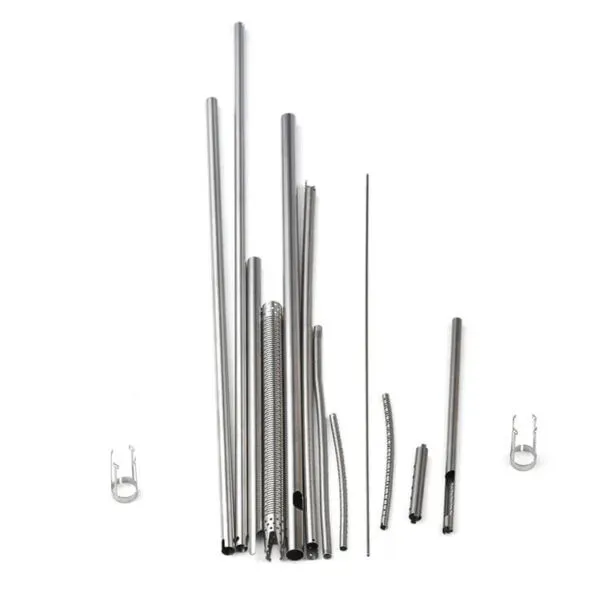
Micro Stainless Steel Tubing
Micro Stainless Steel Tubing: Precision Engineering for Demanding Applications
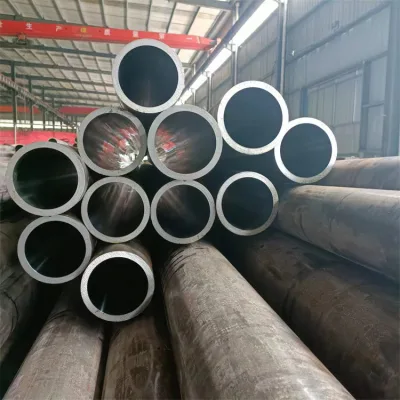
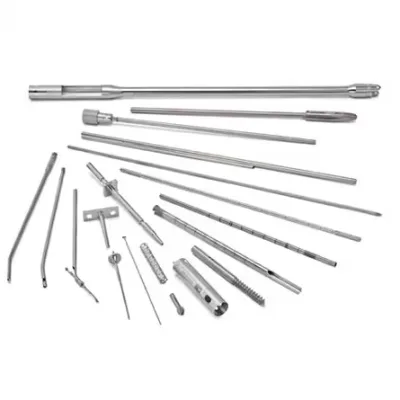
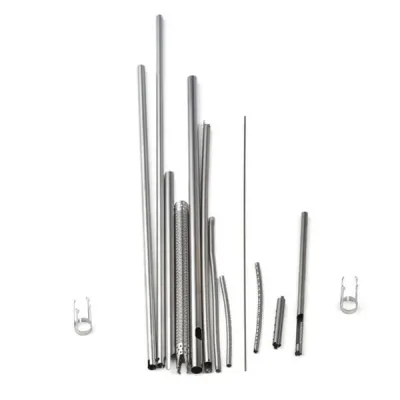
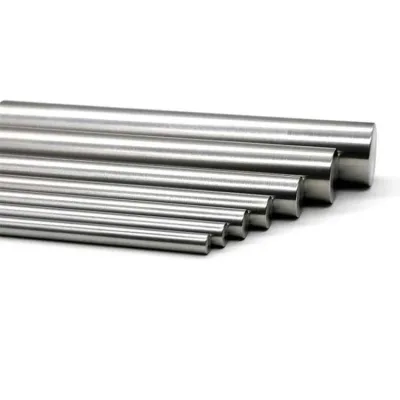
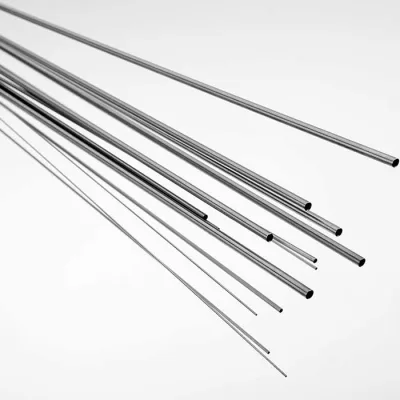
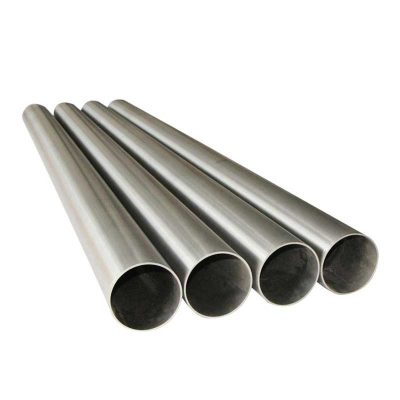
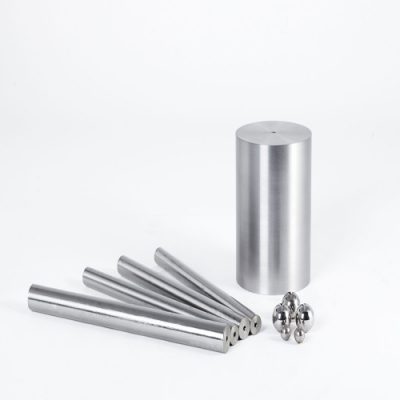
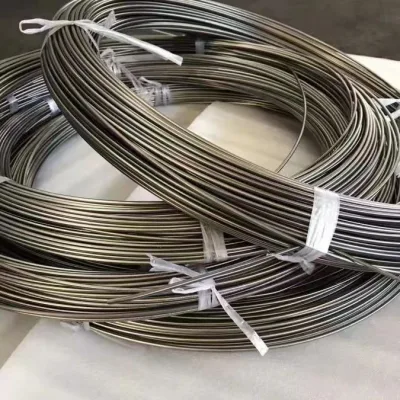
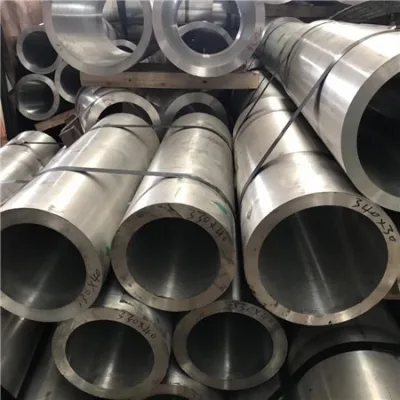
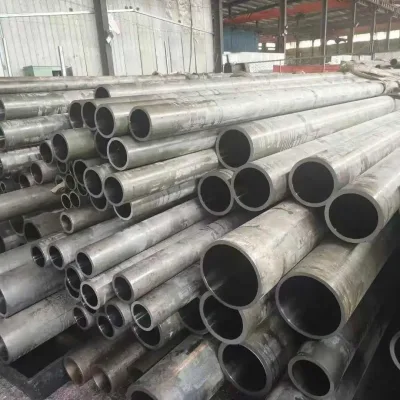
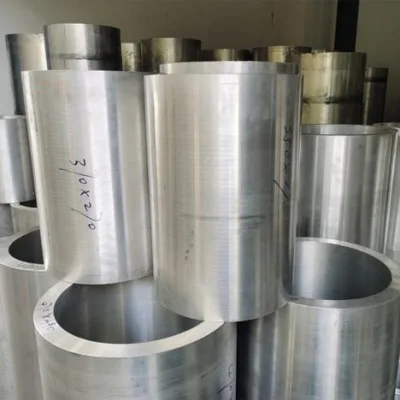
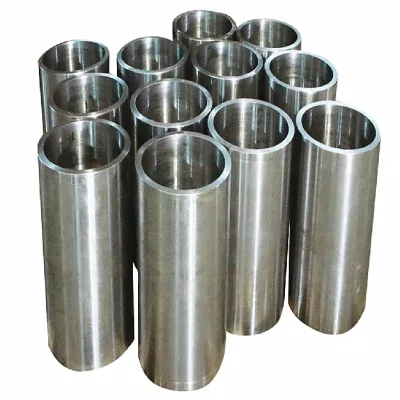
Micro stainless steel tubing refers to extremely small-diameter stainless steel tubes, typically with outer diameters ranging from 0.1 mm to 3.0 mm and wall thicknesses as thin as 0.02 mm. Manufactured primarily from austenitic grades such as 304 and 316 stainless steel, these tubes combine exceptional corrosion resistance, high strength-to-weight ratio, and biocompatibility—making them indispensable in industries where miniaturization, reliability, and cleanliness are non-negotiable.
The production of micro stainless steel tubing demands advanced manufacturing techniques, including cold drawing, precision rolling, and laser welding. Tight dimensional tolerances—often within ±0.005 mm—are achieved through multi-stage processing and rigorous in-line metrology. Surface finish is carefully controlled to minimize roughness, which is critical for fluid flow consistency and reduced particle generation, especially in medical and semiconductor applications.
Key application areas highlight its versatility. In medical devices, it serves as delivery channels for minimally invasive catheters, guidewires, and endoscopic tools—where kink resistance and sterilization stability are essential. In analytical instrumentation, such as HPLC and capillary electrophoresis systems, its inert surface prevents sample adsorption and ensures reproducible results. Aerospace and microfluidic sensor systems also rely on its thermal stability and leak-tight integrity under pressure and vacuum conditions.
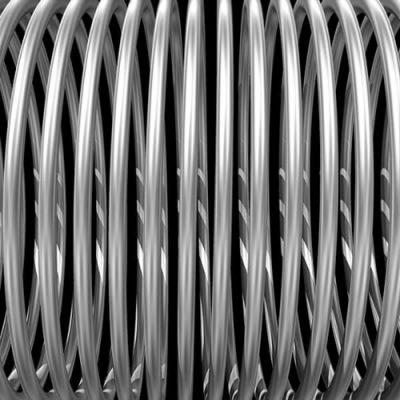
Material selection further enhances functionality. For instance, 316L stainless steel is preferred in implantable or high-purity environments due to its low carbon content and superior resistance to chloride-induced pitting. Custom configurations—including coiled forms, flared ends, or laser-cut features—are increasingly available to support rapid prototyping and system integration.
As technology continues to shrink and performance expectations rise, micro stainless steel tubing remains a foundational enabler—bridging the gap between macro-scale engineering and micro-scale precision. Its ongoing development reflects broader trends toward smarter, smaller, and more resilient systems across healthcare, electronics, and advanced manufacturing.
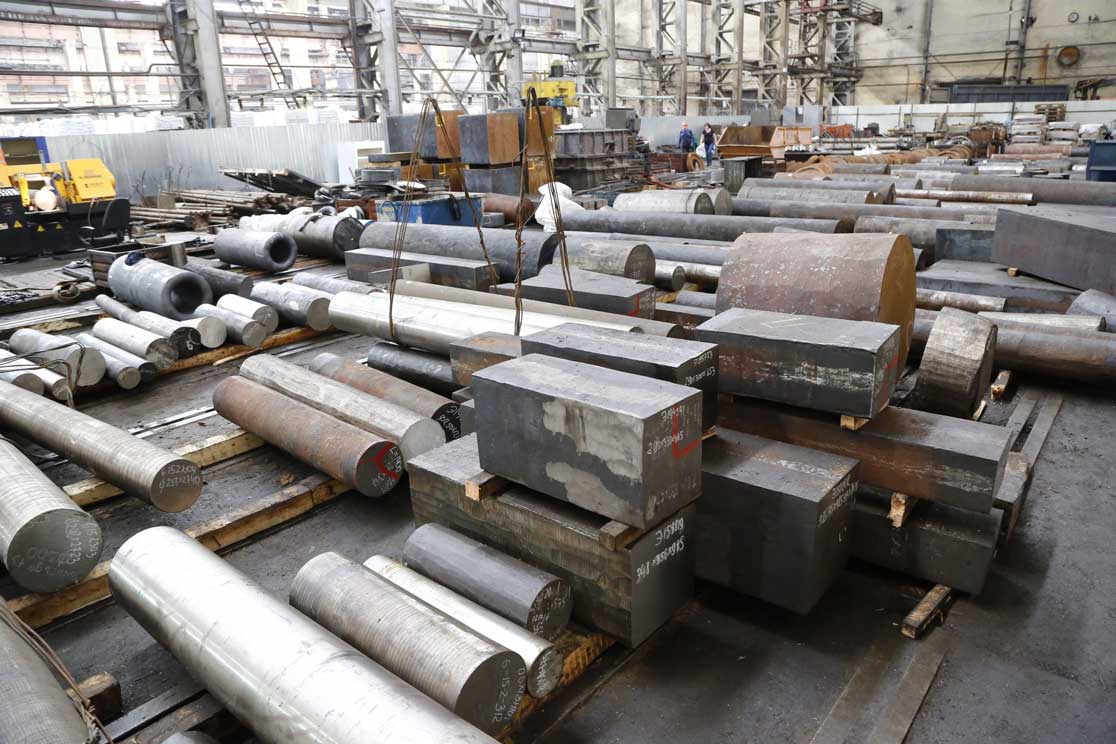
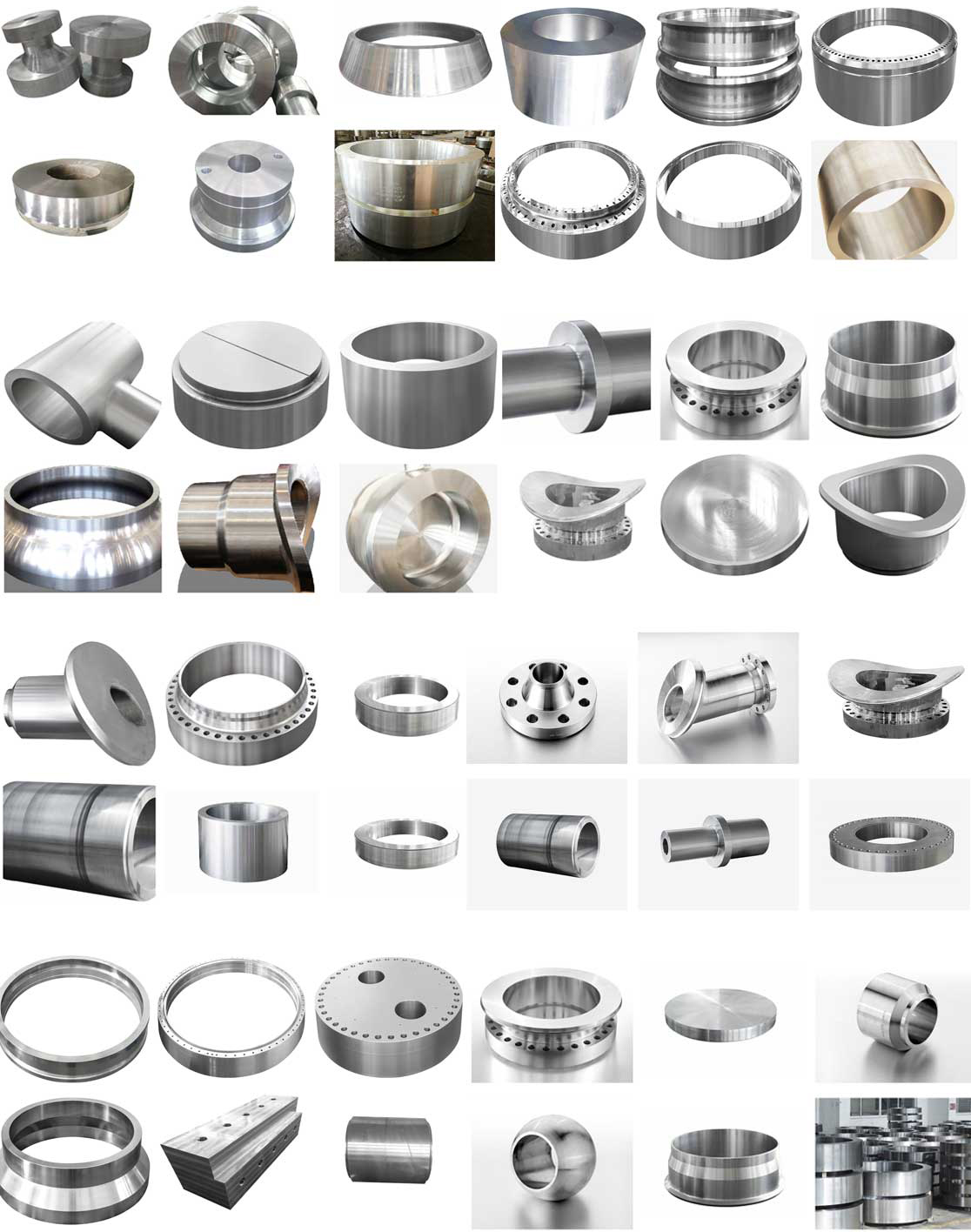
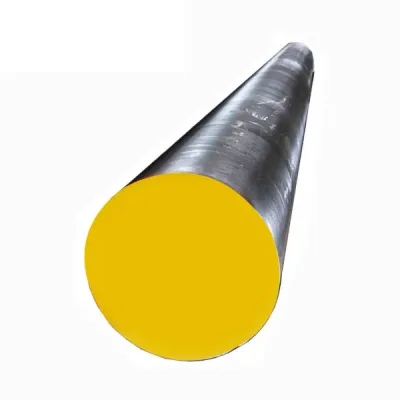
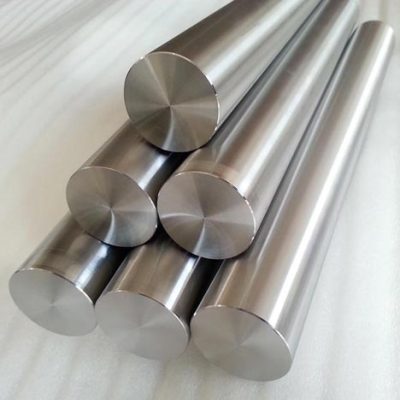
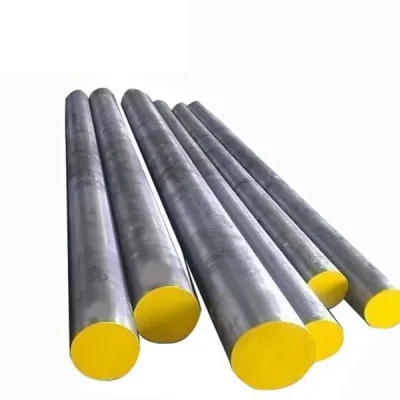
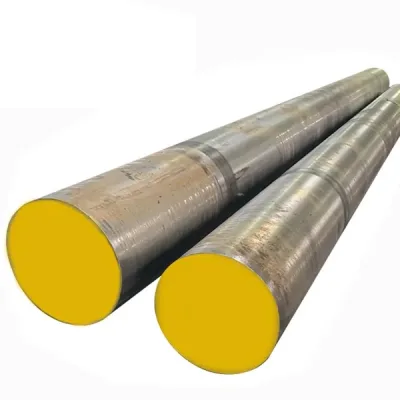
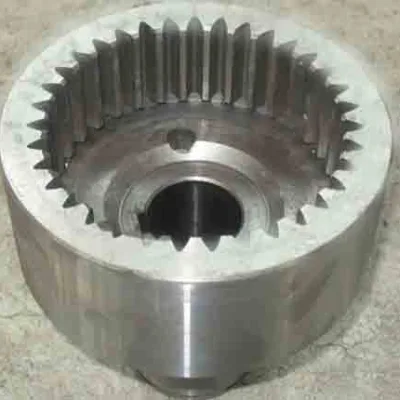
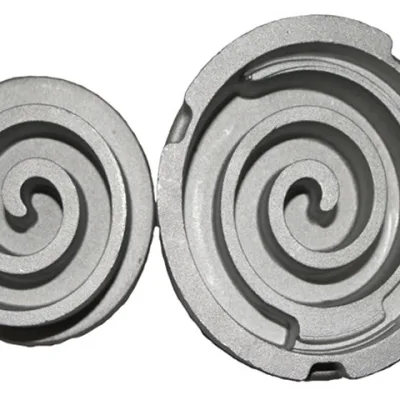
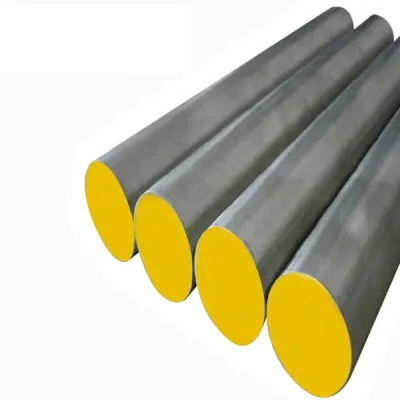
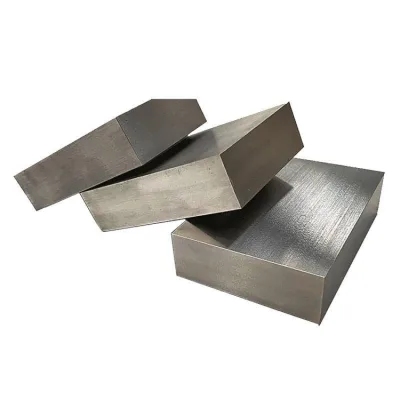
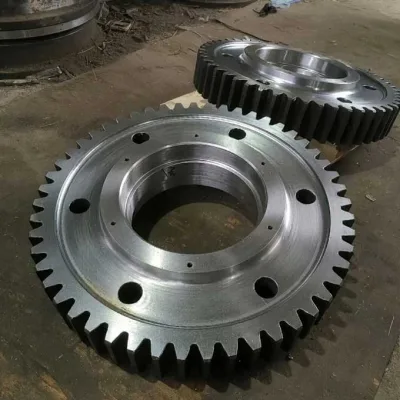
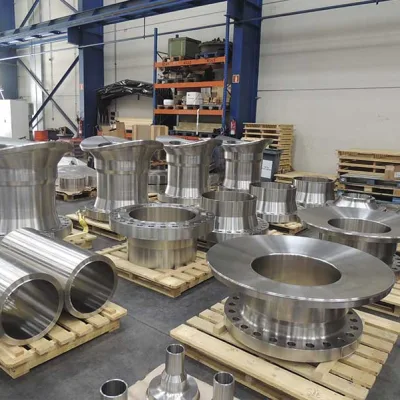
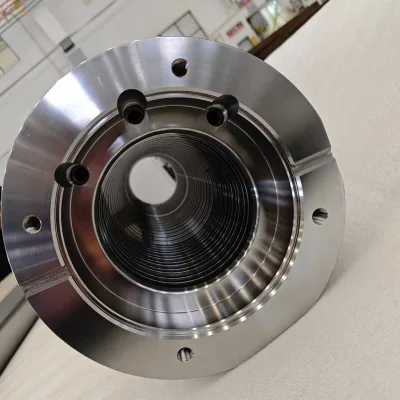
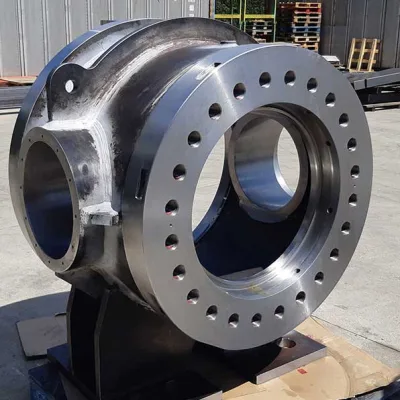
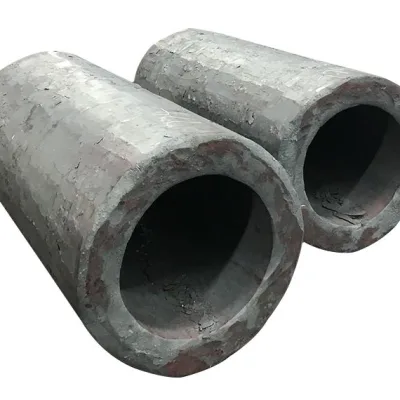
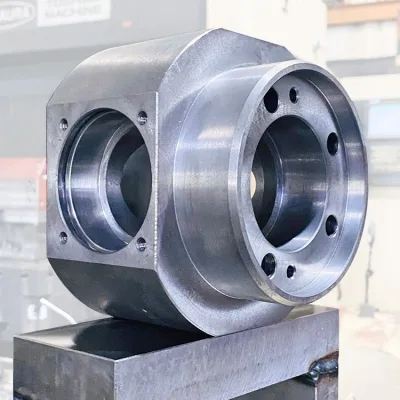
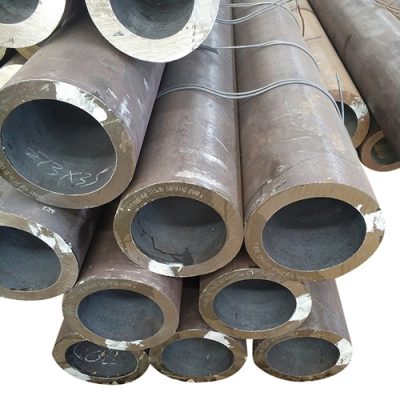
We also provide forging blanks and CNC precision machining services for our clients, covering industries such as energy, petrochemicals, steel, engineering machinery, plastics, prevention and control, hydraulics, healthcare, and food. Please feel free to send us drawings for inquiries.
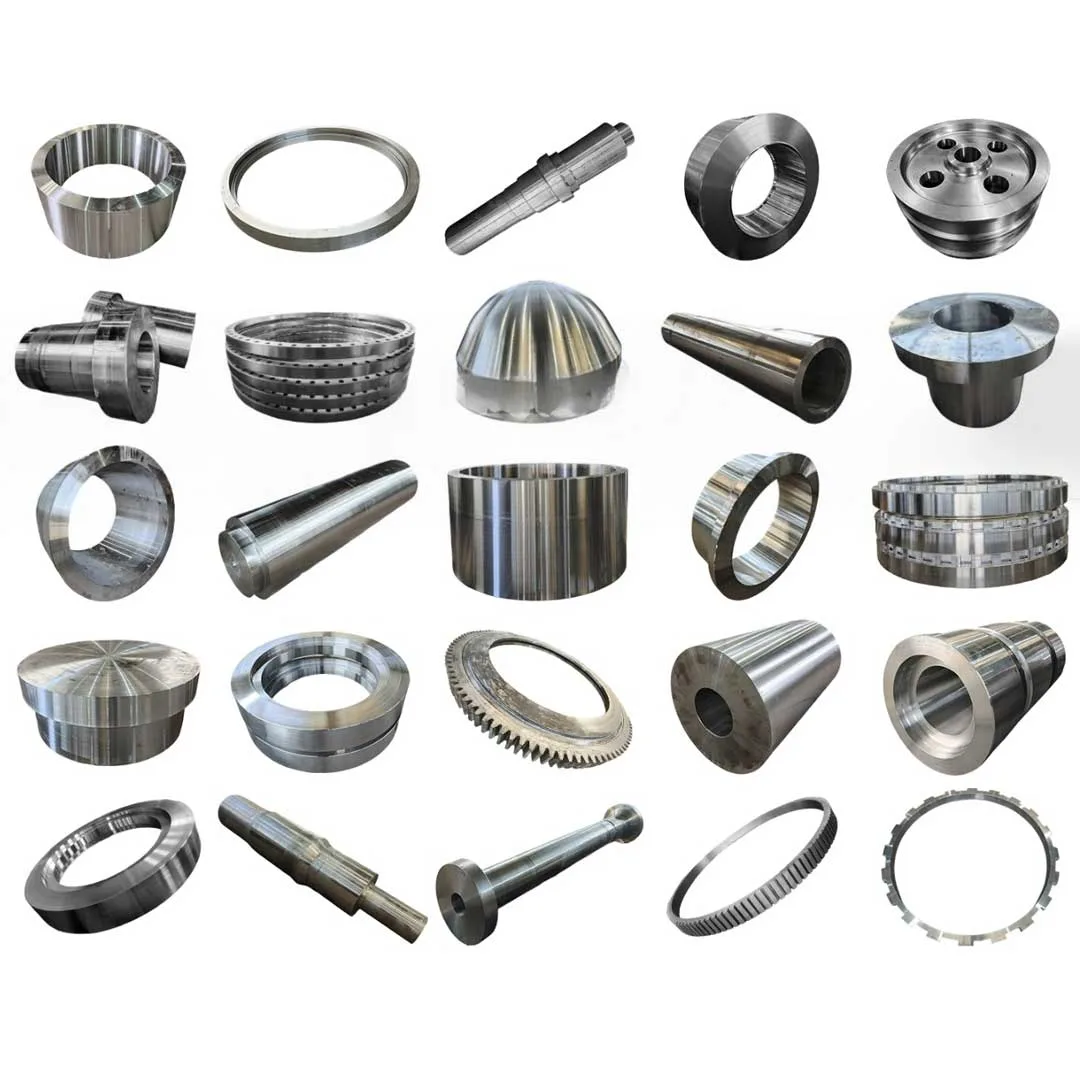
Metalworking Services
CNC Machining
Sheet Metal Fabrication
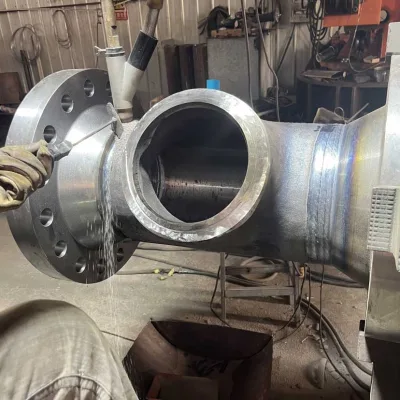
Metal Welding
Metal Cutting
Metal Bending
Metal Punching
Metal Forging
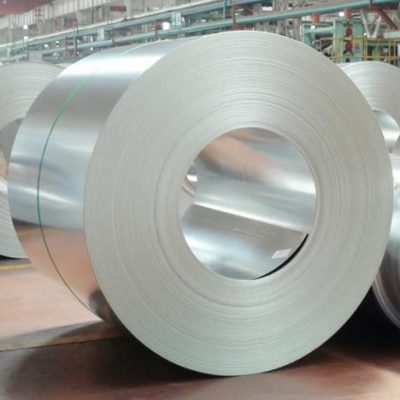
Metal Sheet Rolling
Tube and Plate Drilling
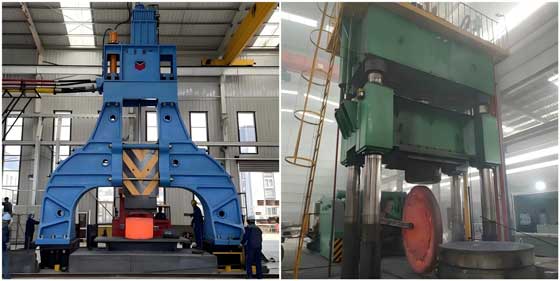
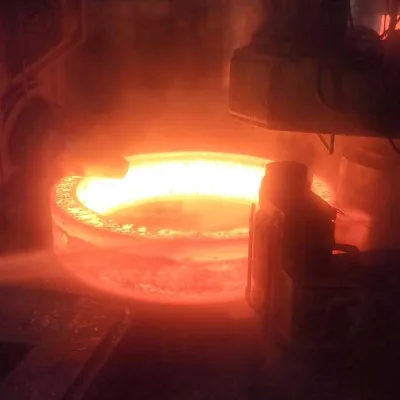
Heavy Forging Press Capacity
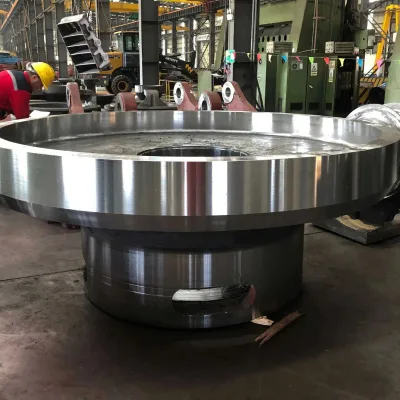
Our heavy-duty forging presses support open-die forging and deformation of large-section forgings, including discs, shafts, blocks, and custom components. This capability enables us to meet the demanding forming requirements of heavy industrial applications.
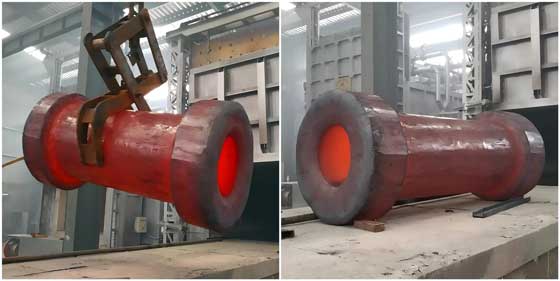
Heat Treatment Capability
Heat treatment is a critical step in achieving the mechanical properties required for heavy-duty forgings. Our process capabilities meet the strength, toughness, and structural stability requirements for forged components used under demanding operating conditions.
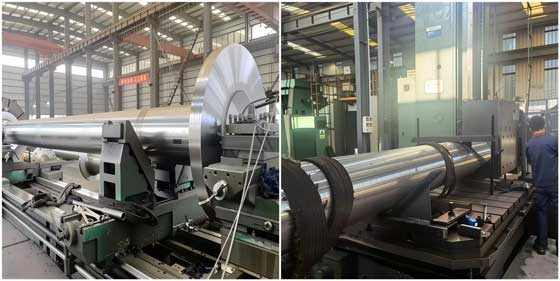
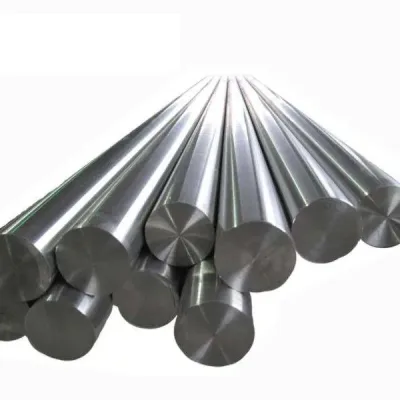
Heavy Shaft Machining
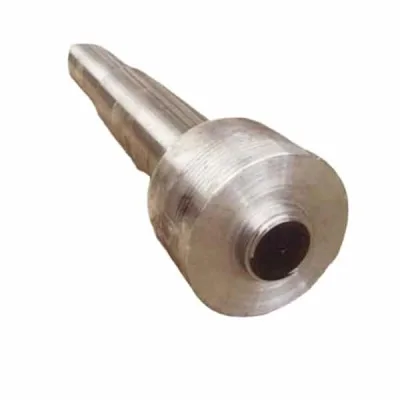
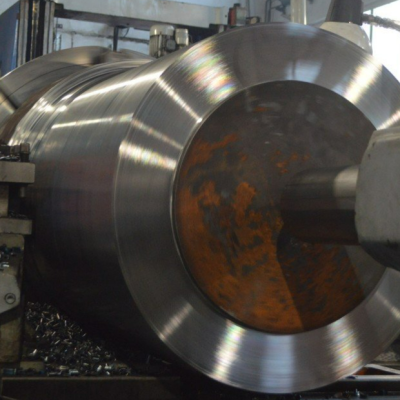
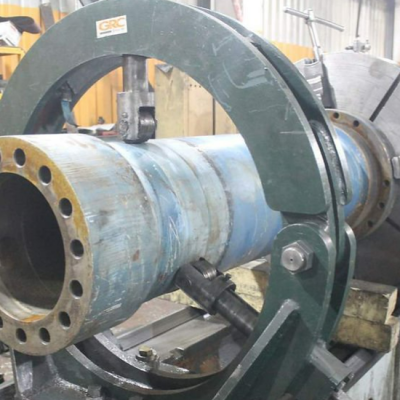
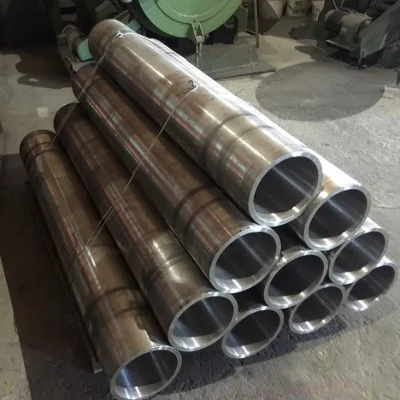
We offer machining capabilities for large forged shafts and long cylindrical components, supporting both rough and finish machining. This capacity is suitable for stepped shafts, rotor shafts, rollers, and other heavy-duty forged shaft components.
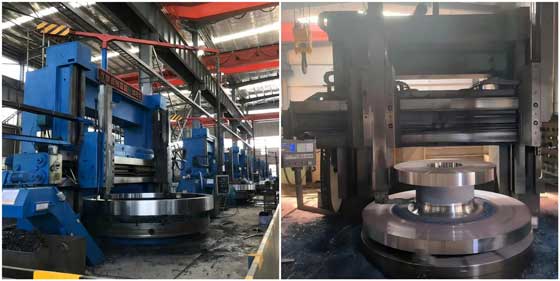
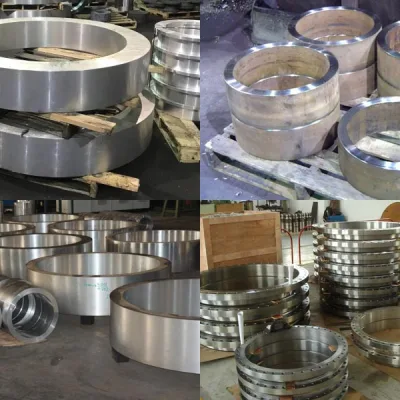
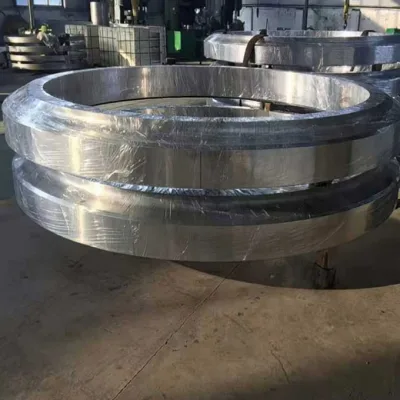
Ring Forging Machining
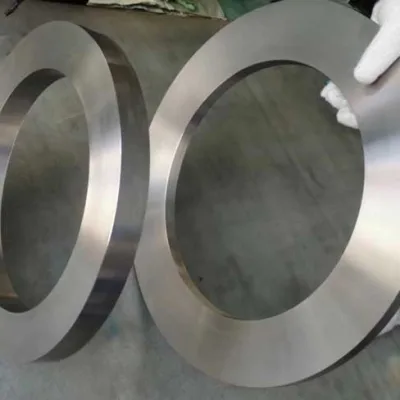
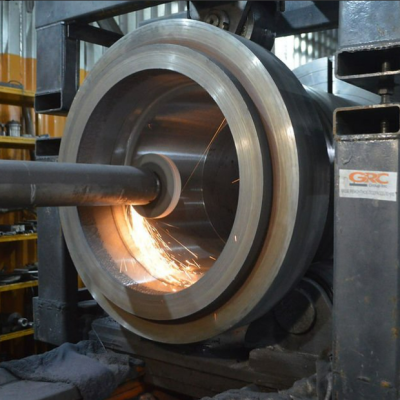
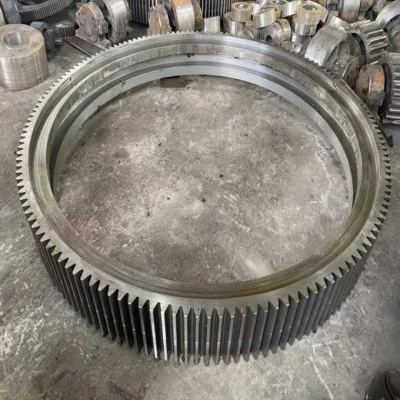
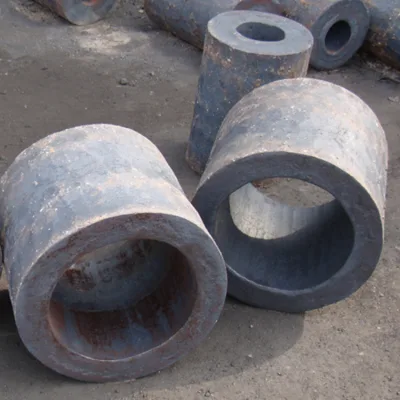
Our machining facilities are capable of handling large ring-shaped forgings and circular parts that require precise turning, face machining, boring, and contour control. This capability is suitable for industrial ring blanks, heavy-duty circular parts, and machined ring forgings.
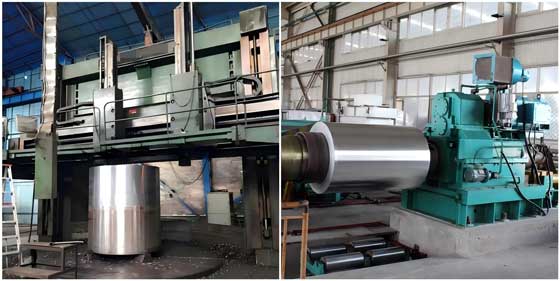
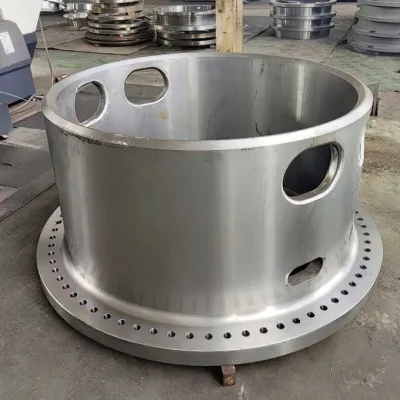
Cylindrical Forging Machining
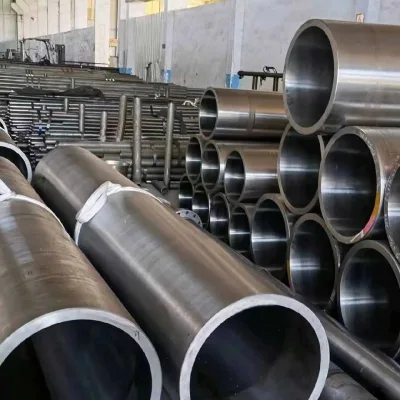
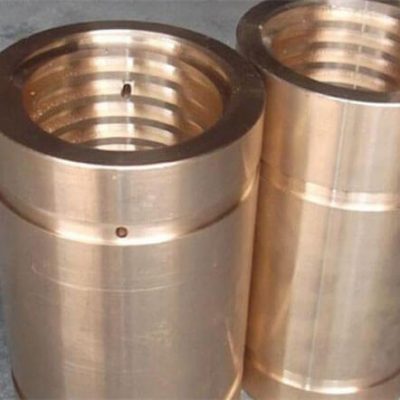
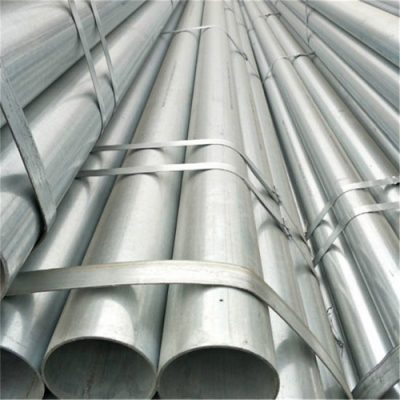
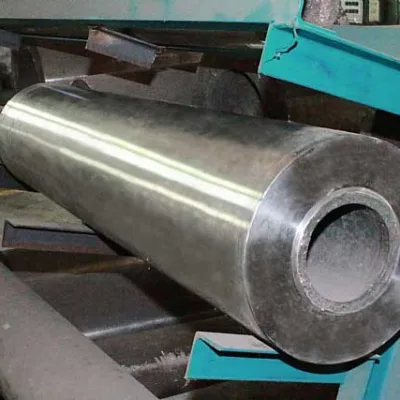
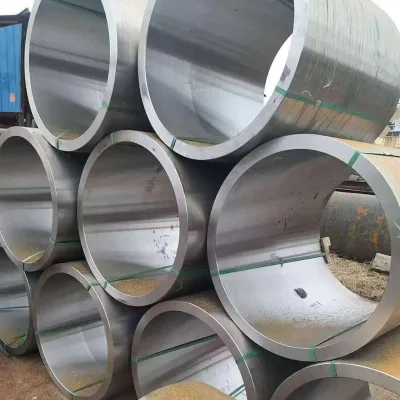
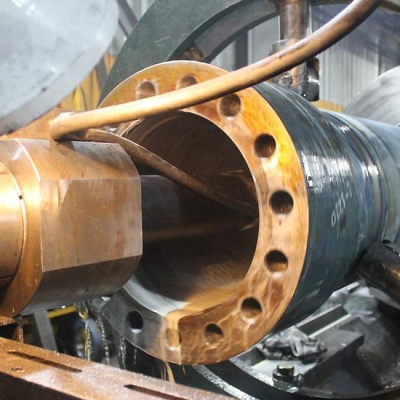
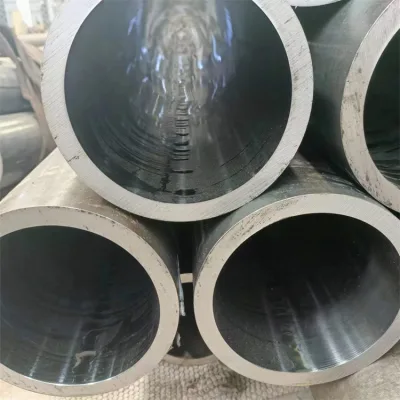
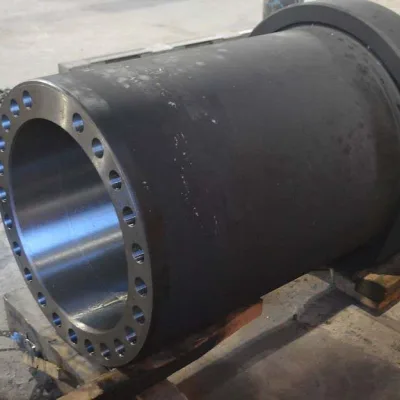
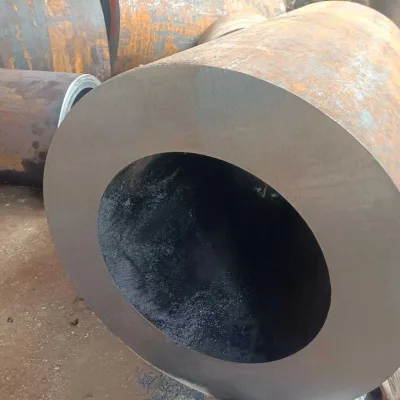
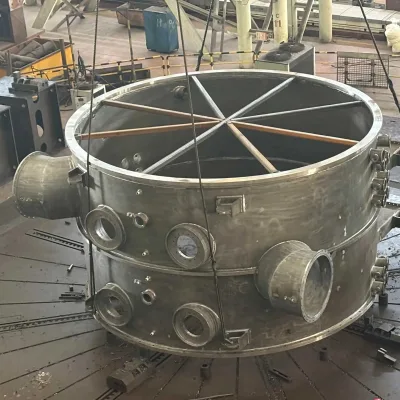
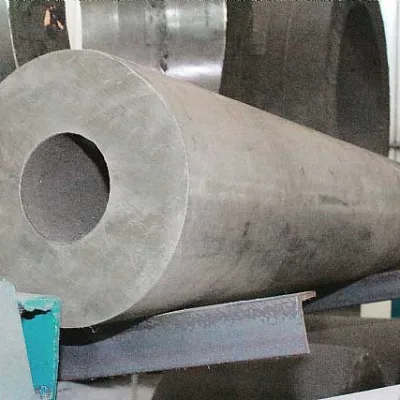
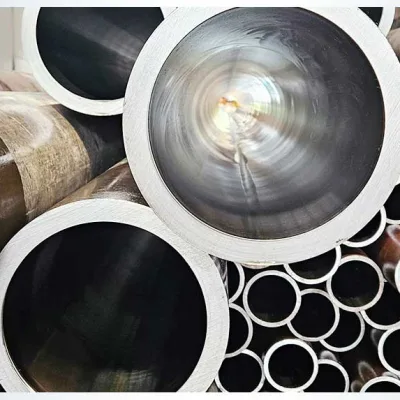
We offer machining solutions for heavy-duty cylindrical, hollow, and tubular forgings. This capability supports the machining of sleeves, cylinders, and other thick-walled forged components used in pressure vessels, rotating systems, and general industrial applications.
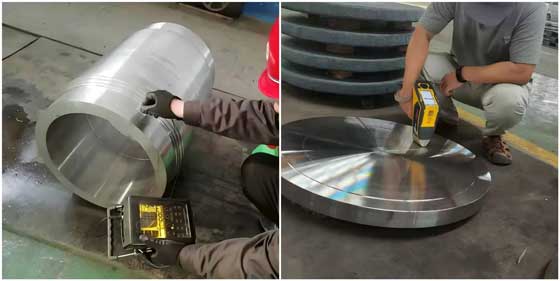
Inspection & Testing
Quality control is integrated into our production process through the inspection and testing of forged and machined parts. Our capabilities help verify the dimensional accuracy, condition, and quality consistency of industrial forgings prior to delivery.
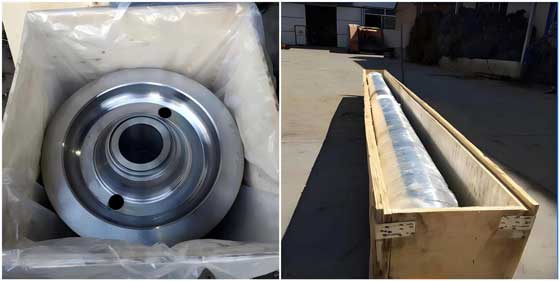
Packing & Delivery
Finished forgings are properly protected and packaged to minimize the risk of damage during storage and transportation. Our packaging methods ensure the safe domestic delivery and export shipment of machined and high-value forged components.