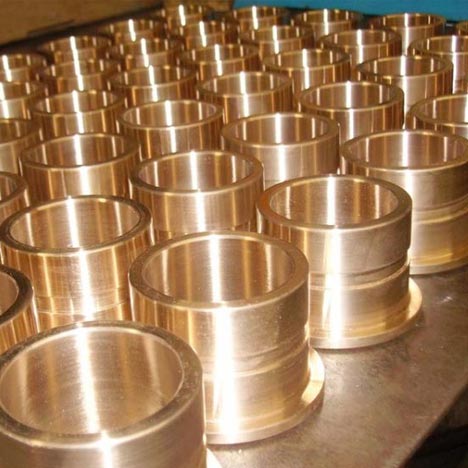
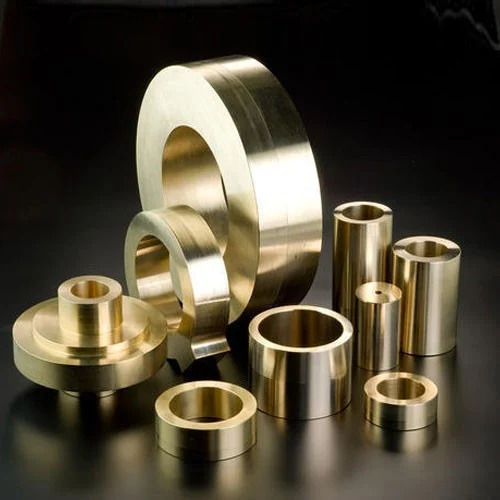
Copper Casting
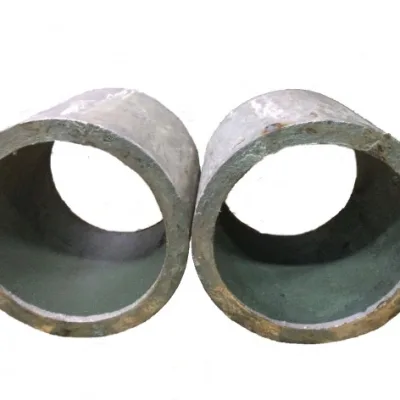
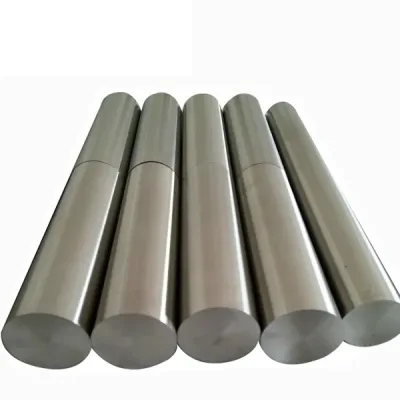
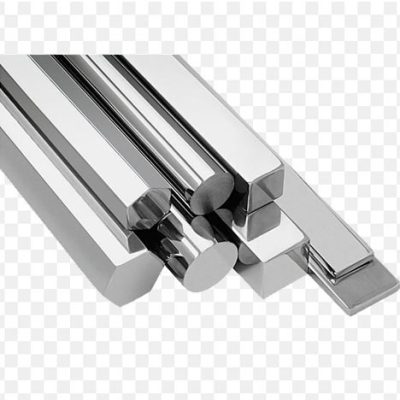
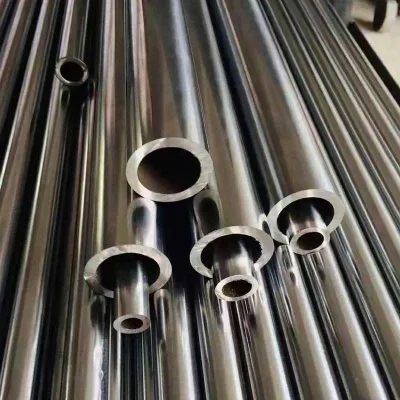
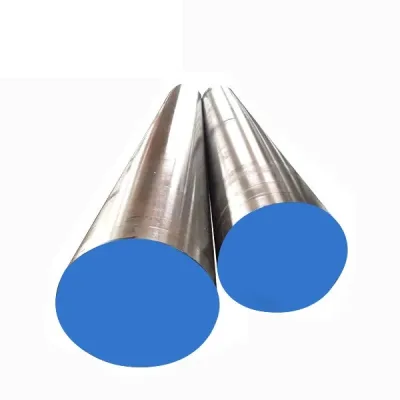
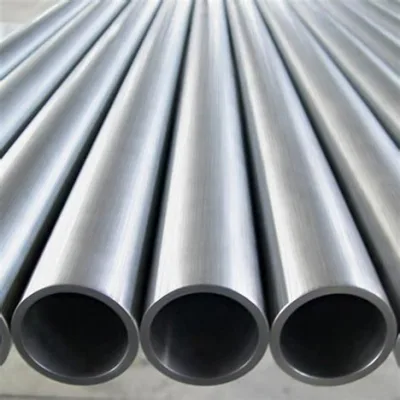
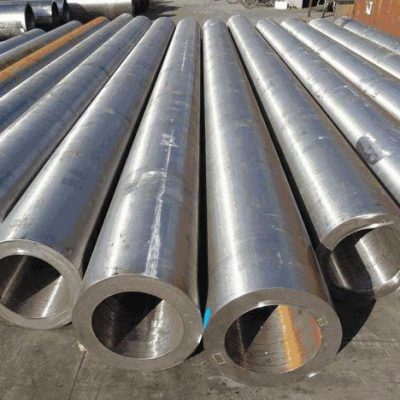
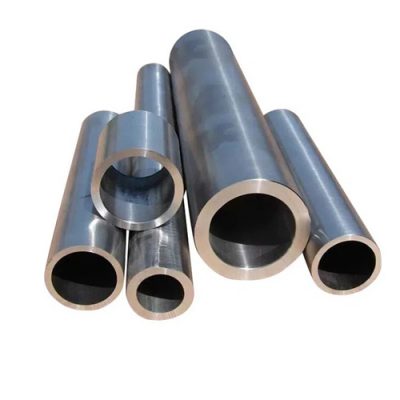
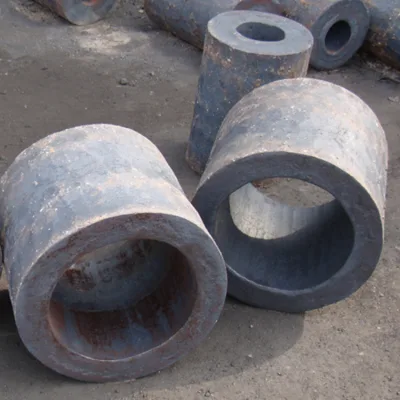
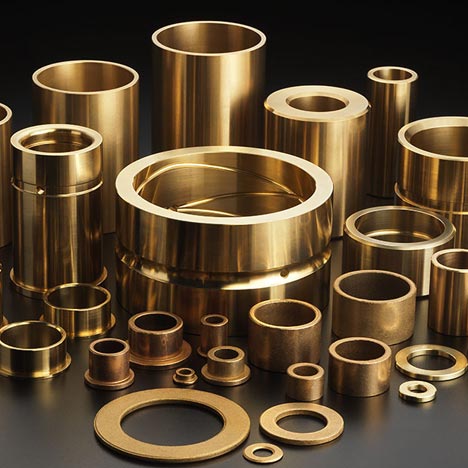
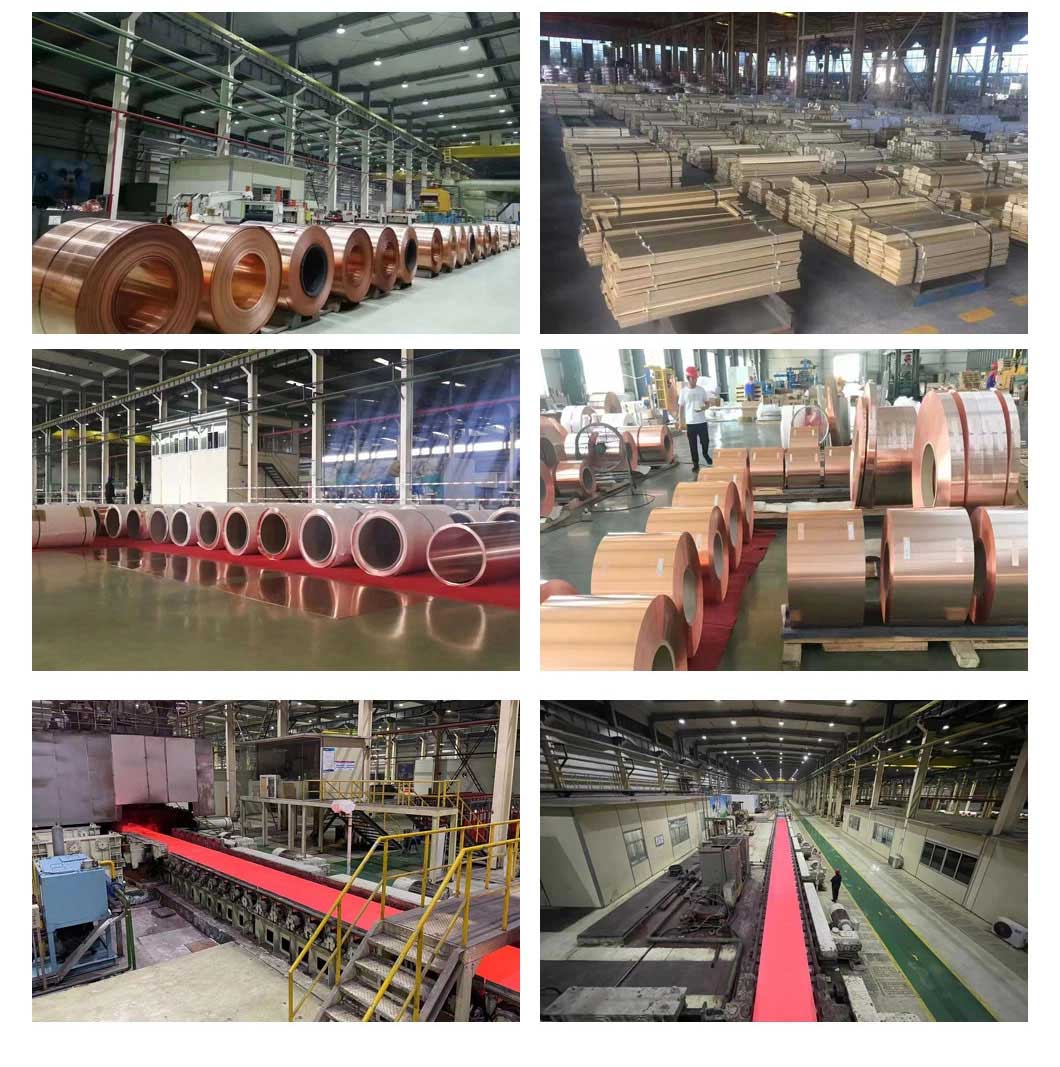
A copper cast is a molding obtained by a variety of casting methods in which molten liquid metal is injected into a prepared mold by pouring, injection, inhalation, or other casting methods. After cooling, after polishing and other subsequent processing methods, the object with a certain shape, size and performance is obtained.
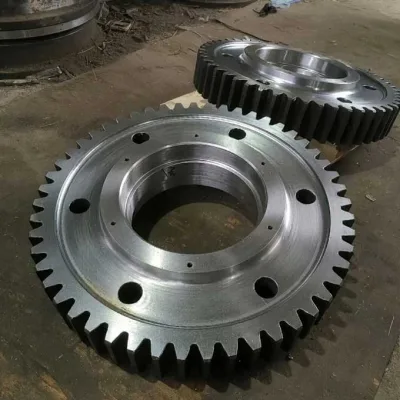
High hardness, good wear resistance, not easy to bite to death, good casting and cutting function, in the atmosphere and fresh water has good corrosion resistance; It can be used for high load (below 20Mpa) and high sliding speed (8m/s) in the operation of wear parts, such as connecting rod, bushing, bearing bush, gear, worm gear.
Email: [email protected]
WhatsApp: 0086-13788924073

| Grade list of copper and copper alloys by country | |||||||
| Classification | China | Germany | America | Japan | England | Europe | International |
| oxygen free copper | TU1 | 2.0076 | C10200 | C1020R | C103 | ||
| TU2 | Cu-OF-H110 | C11000 | c1011 | C101 | |||
| Vacuum oxygen free copper | E-Cu58 | TU00 | c1020 | 6N | |||
| high purity | copper-OFE | c10500 | c10700 | ||||
| Silver copper | TAg 0.1 | CuAg 0.1 | C10400 | C1040 | CuAg 0.1 | ||
| brass | H90 | CuZn10 | C22000 | C2200 | CZ101 | CuZn10 | CW501L |
| H70 | CuZn30 | C26000 | C2600 | CZ106 | CuZn30 | CW505L | |
| H68 | C26200 | C2620 | CuZn33 | CW506L | |||
| H65 | CuZn35 | C27000 | C2700 | CZ107 | CuZn36 | CW507L | |
| H63 | CuZn37 | C27200 | C2720 | CZ108 | CuZn37 | CW508L | |
| H62 | CuZn40 | C28000 | C2800 | CZ109 | CW509L | ||
| bronze | QSn4-0.3 | CuSn4 | C51100 | C5111 | PB101 | CuSn4 | CW450K |
| CuSn5 | C51000 | C5101 | CuSn5 | CW451K | |||
| QSn6.5-0.1 | CuSn6 | C51900 | C5191 | PB103 | CuSn6 | CW452K | |
| QSn8-0.3 | CuSn8 | C52100 | C5210 | CuSn8 | CW453K | ||
| QSn6.5-0.4 | |||||||
| copper-nickel | BZn18-18 | CuNi18Zn20 | C75200 | C7521 | NS106 | CuNi18Zn20 | |
| BZn18-26 | CuNi18Zn27 | C77000 | C7701 | NS107 | CuNi18Zn27 | CW410J | |
| BZn15-20 | C7541 | CW409J | |||||
| BZn18-10 | C7350 | ||||||
| pure copper | TU2 | OF-Cu58 | C10100 | C1011 | C101 | CW008A | copper oxide |
| T2 | SW——copper | C11000 | C1100 | C101 | copper - FRHC | ||
| TP2 | SF-Cu | C12200 | C1220 | C106 | CW024A | copper - DHP | |
| TP1 | SW-copper | C12000 | C1201 | CW023A | copper DLP | ||
Red Copper
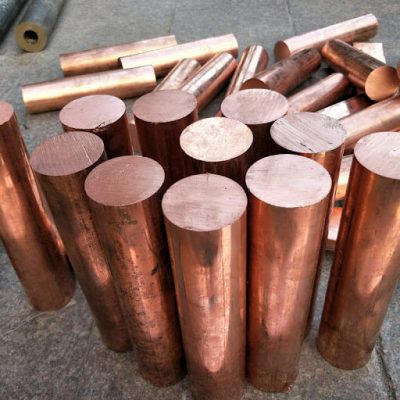
1、Red copper is the most commonly used material for processing copper parts. However, copper is softer and has a higher viscosity.
2、Generally, high speed steel cutting tools with large rake Angle and spiral Angle are used. The number of cutter teeth should not be too much. The chip discharge groove should be as round and wide as possible. Polish the blade in time to keep it sharp during use.
3、Special attention should be paid to the sharpness of the cutter during finishing milling. After passivation of the main blade, the surface of the workpiece will be subjected to great pressure, resulting in greater heat energy. It can also disrupt dimensional stability.
4、Copper processing is mainly based on oil cutting oil with high lubrication (such as Cut-T5001 of Shirui), non-stick knife, no oxidation on the surface of processed products, and the cutting speed should not be too high. Specific data can be tested according to the field process conditions.
Brass
Crisp huang relative copper hardness increase, processing may also appear when sliding, tool can choose high speed steel or alloy cutting tools, cutting fluid extrusion suggest alternative anti-wear semi synthetic cutting fluid (such as farce, dedicated to the CUT - 3005 cutting of copper and its alloys, special extrusion anti-wear agent and copper corrosion inhibitor, protection tool prolong tool life, protect the smooth surface oxidation, Compared with oil cutting oil clean and easy to clean, highly praised by the majority of users welcome. , you can also choose pure Shrui copper cutting oil cut-T5001.
Bronze
Bronze, especially beryllium bronze, has a higher hardness than ordinary high speed steel used for aluminum. Therefore, alloy steel or tungsten steel tools are recommended for machining and shirite's water-based copper cutting fluid cut-W3005 is used.
1. Red copper (copper elemental)
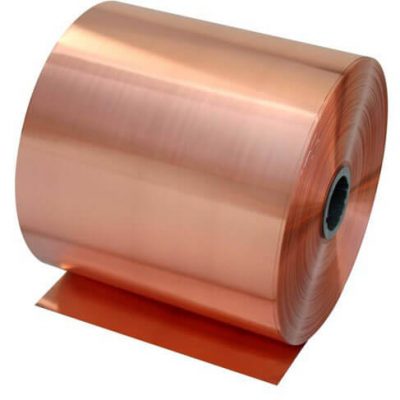
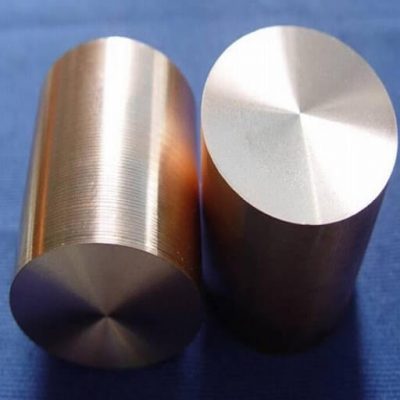
Pure copper is a soft metal with a reddish orange surface with metallic luster when first cut. It is highly malleable and has high thermal and electrical conductivity.
2. The brass
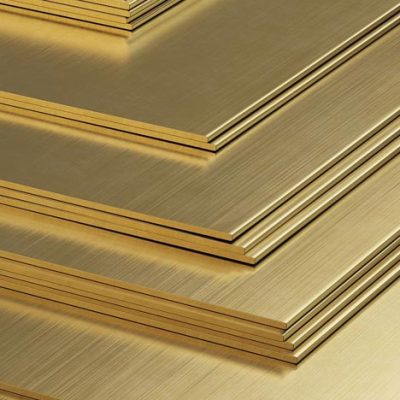
Brass is an alloy of copper and zinc. It gets its name because of its yellow color. The mechanical properties and wear resistance of brass are very good, can be used in the manufacture of precision instruments, ship parts, gun casings, faucets and so on. Brass sounds good, so Musical Instruments such as gongs, cymbals, bells and horns are made of brass.
3. Bronze
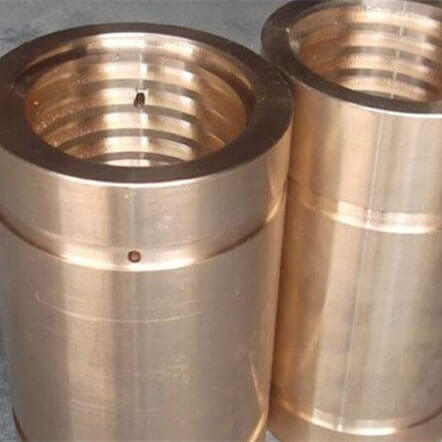
The alloy of copper and tin is called bronze, which gets its name from its blue color. It was commonly used in ancient times (e.g., the Bronze Age in China). Bronze generally has good corrosion resistance, wear resistance, castability and excellent mechanical properties, and hardness. Used for manufacturing precision bearings, high pressure bearings, Marine corrosion resistant mechanical parts and various plates, pipes, bars, etc.
Bronze also has an unusual characteristic -- "contraction in heat and expansion in cold". It was used for casting statues, which expanded after cooling to make their features clearer.
4. Phosphor copper
Phosphor bronze is an alloy of copper, tin, and phosphorus, containing 2%-8% tin, 2-8% phosphorus, and the remainder copper. Hard, can make spring. Castings can be used for gear, worm gear, bearing and other mechanical parts.
5.Cupronickel
Compared with other copper alloys, the mechanical and physical properties of white copper are exceptionally good, good ductility, high hardness, beautiful color, corrosion resistance, deep drawing performance, is widely used in shipbuilding, petrochemical, electrical appliances, instruments, medical equipment, daily necessities, handicrafts and other fields, and is an important resistance and thermocouple alloy.
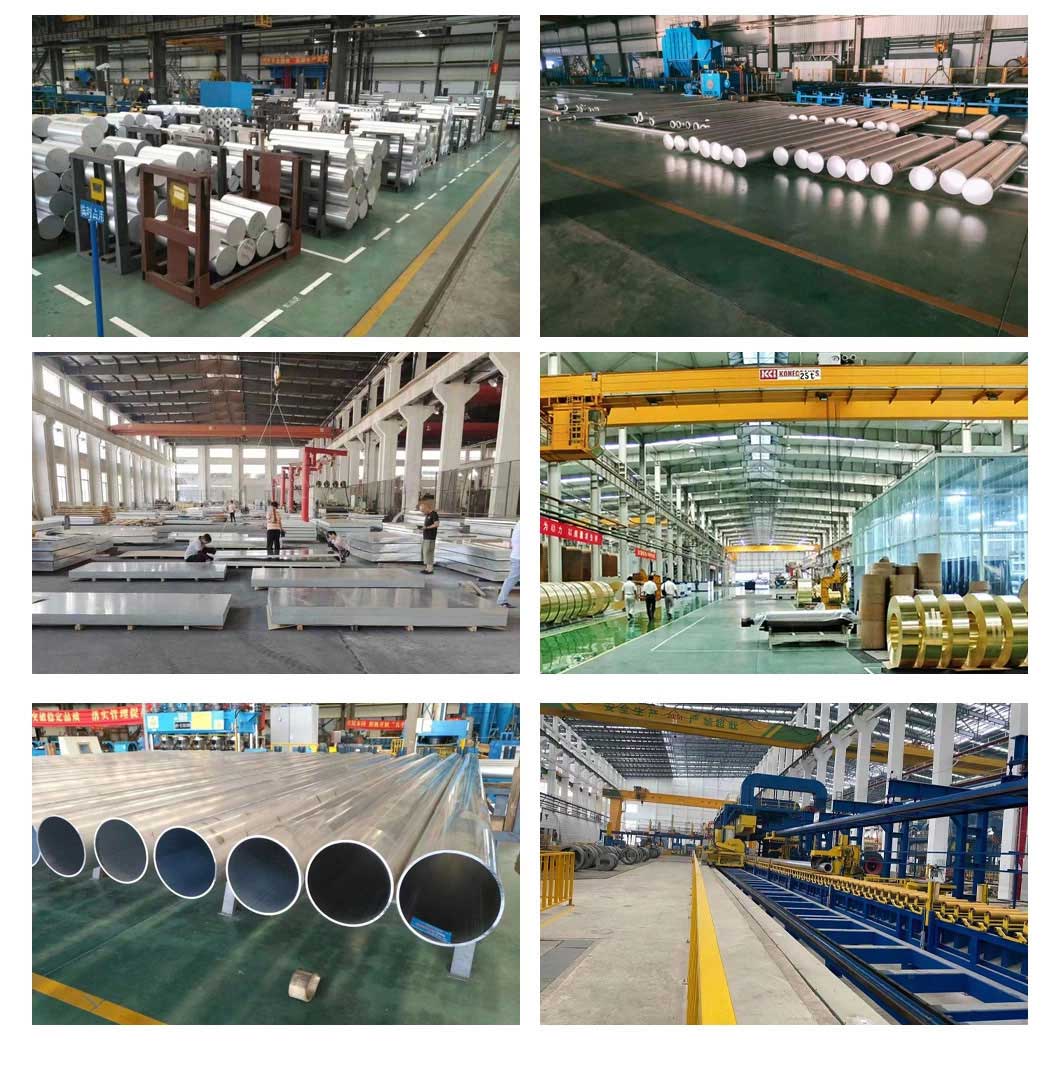
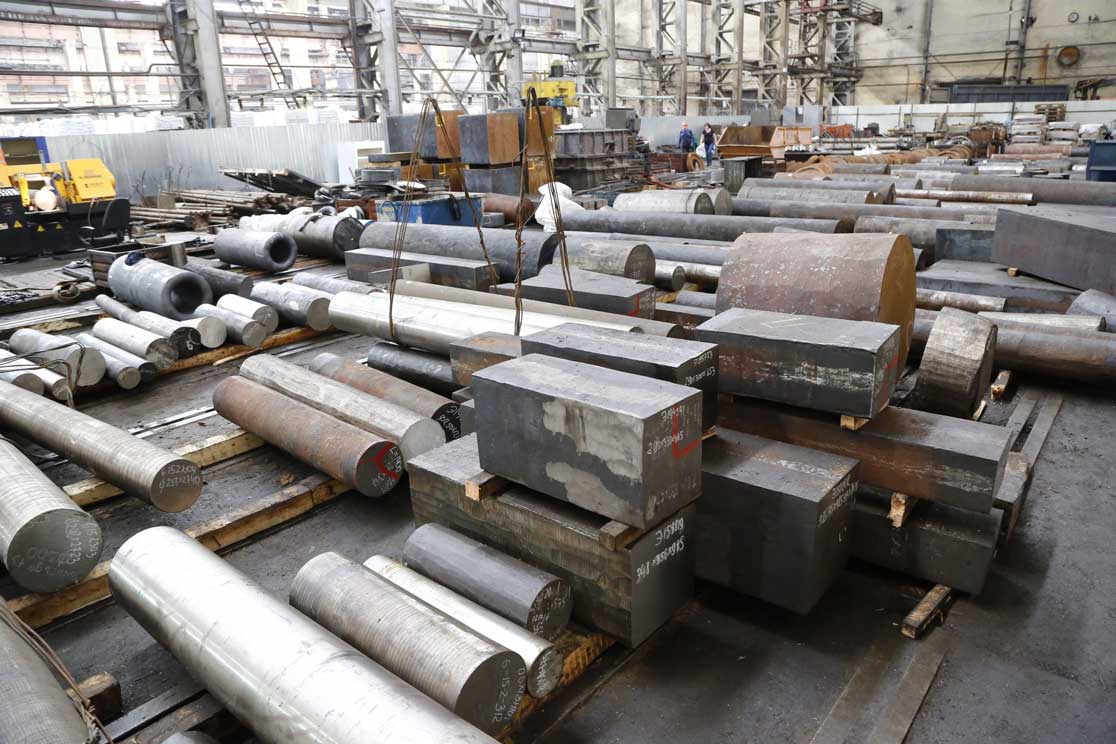
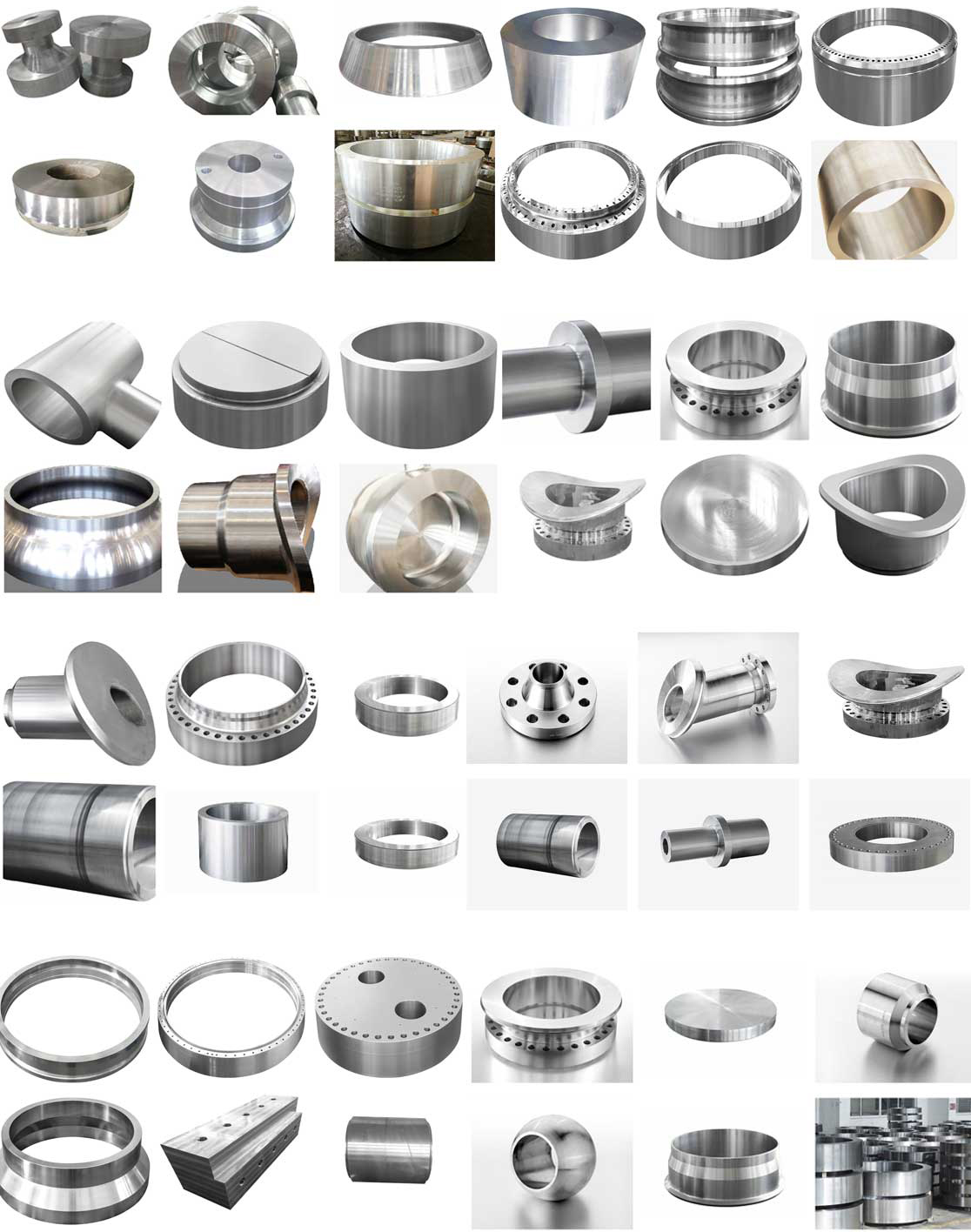
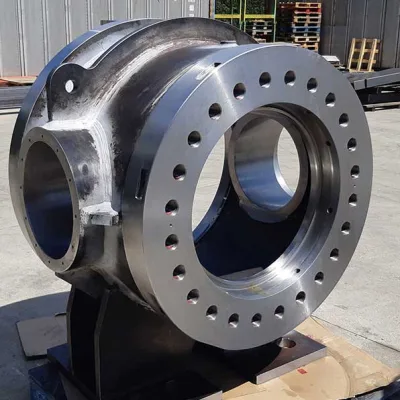
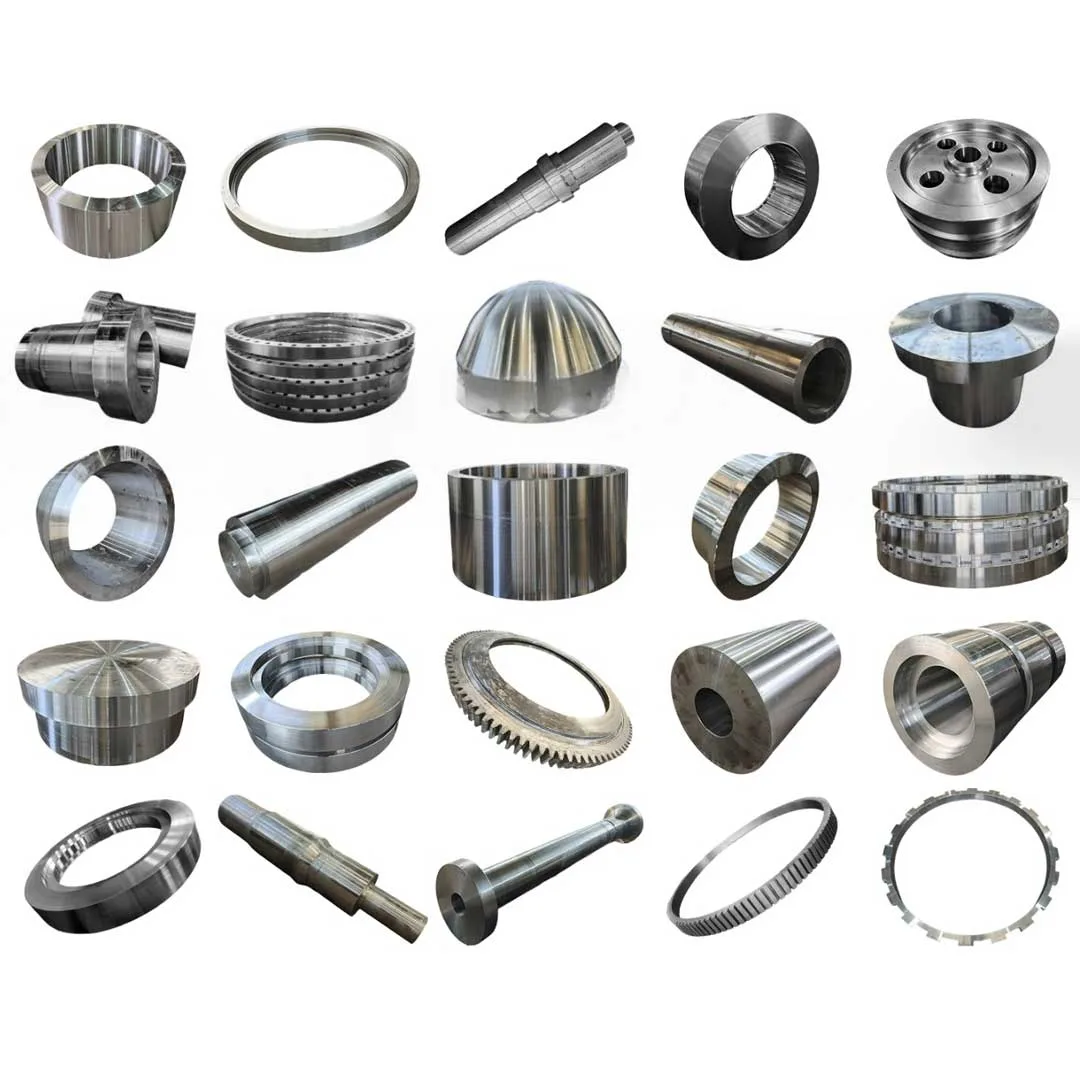
We also provide forging blanks and CNC precision machining services for our clients, covering industries such as energy, petrochemicals, steel, engineering machinery, plastics, prevention and control, hydraulics, healthcare, and food. Please feel free to send us drawings for inquiries.
Metalworking Services
CNC Machining
Sheet Metal Fabrication
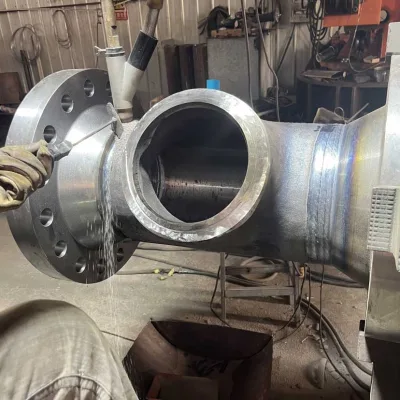
Metal Welding
Metal Cutting
Metal Bending
Metal Punching
Metal Forging
Metal Sheet Rolling
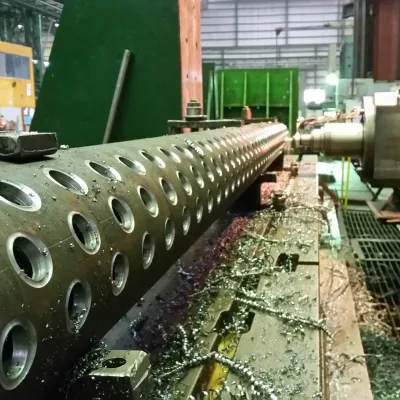
Tube and Plate Drilling
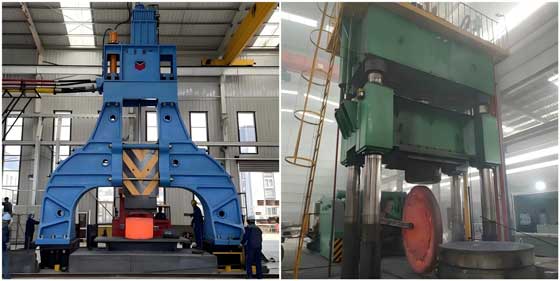
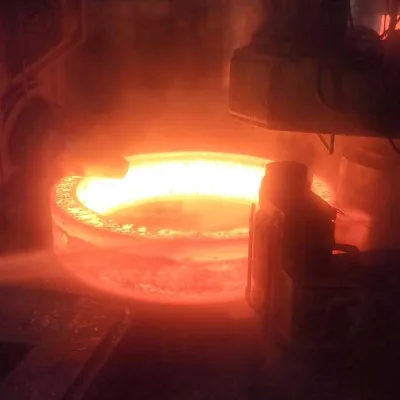
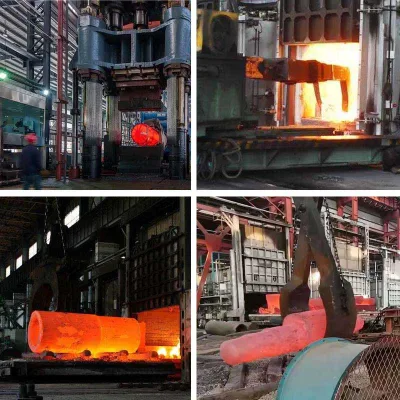
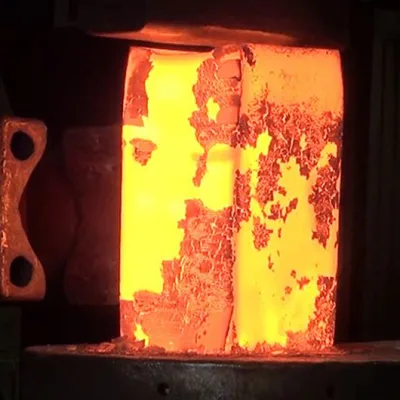
Heavy Forging Press Capacity
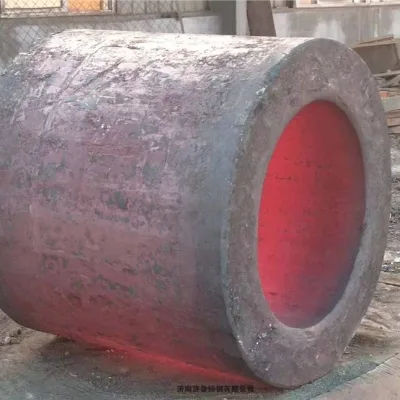
Our heavy-duty forging presses support open-die forging and deformation of large-section forgings, including discs, shafts, blocks, and custom components. This capability enables us to meet the demanding forming requirements of heavy industrial applications.
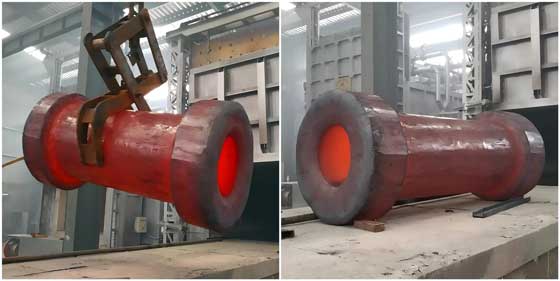
Heat Treatment Capability
Heat treatment is a critical step in achieving the mechanical properties required for heavy-duty forgings. Our process capabilities meet the strength, toughness, and structural stability requirements for forged components used under demanding operating conditions.
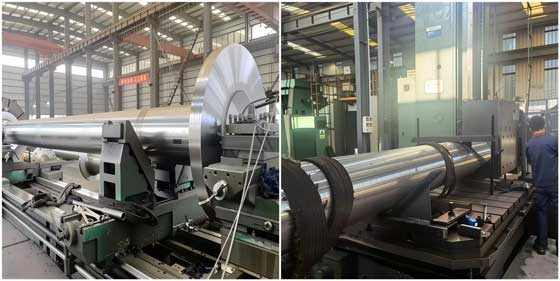
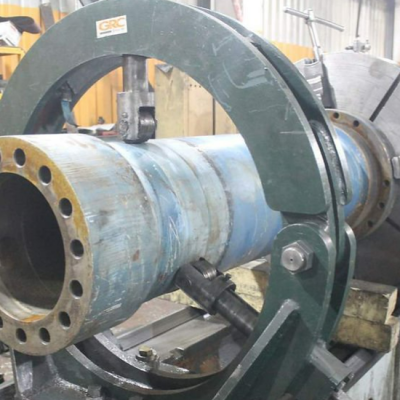
Heavy Shaft Machining
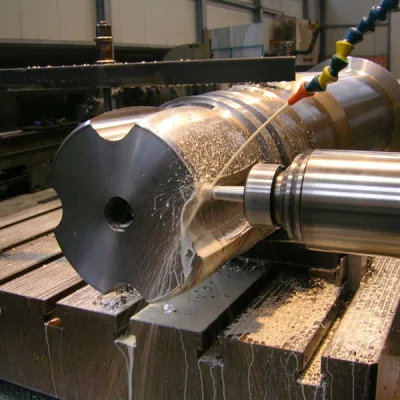
We offer machining capabilities for large forged shafts and long cylindrical components, supporting both rough and finish machining. This capacity is suitable for stepped shafts, rotor shafts, rollers, and other heavy-duty forged shaft components.
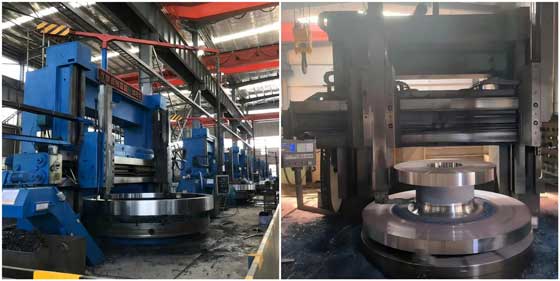
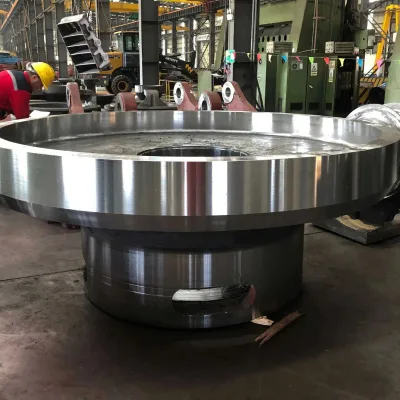
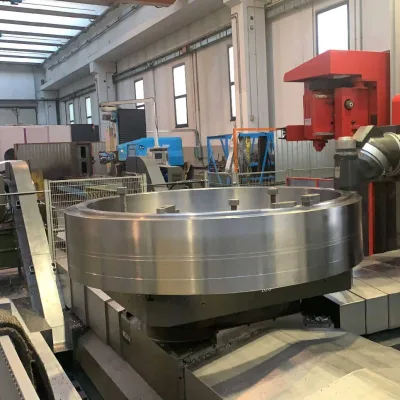
Ring Forging Machining
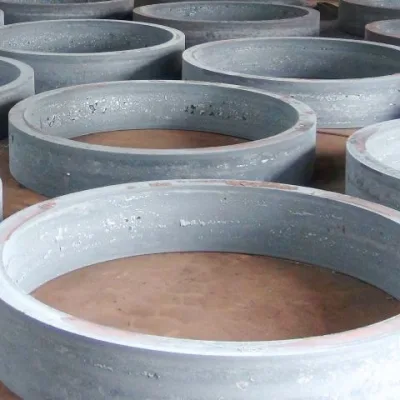
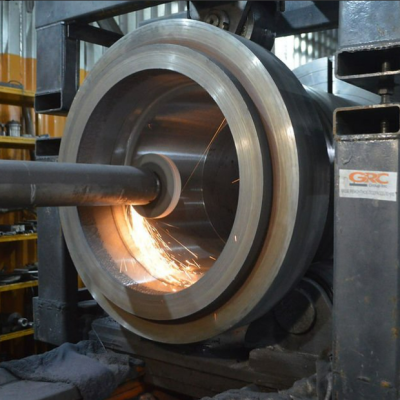
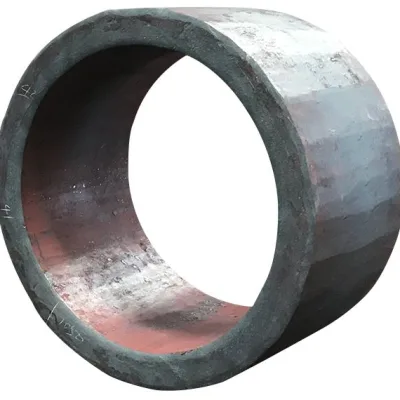
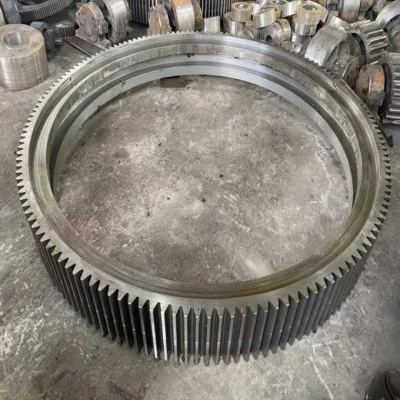
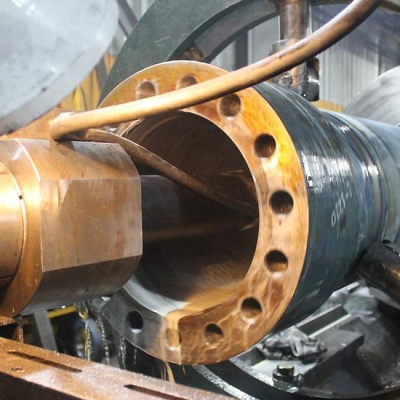
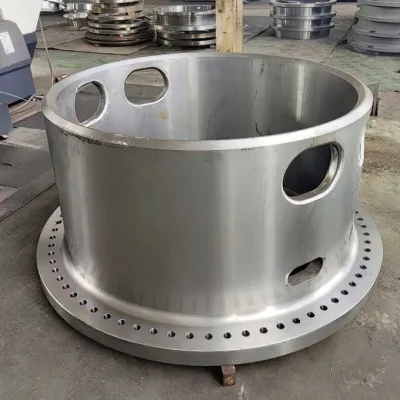
Our machining facilities are capable of handling large ring-shaped forgings and circular parts that require precise turning, face machining, boring, and contour control. This capability is suitable for industrial ring blanks, heavy-duty circular parts, and machined ring forgings.
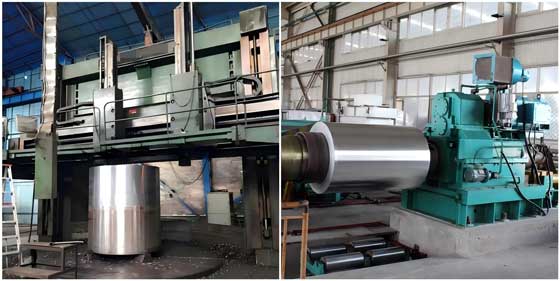
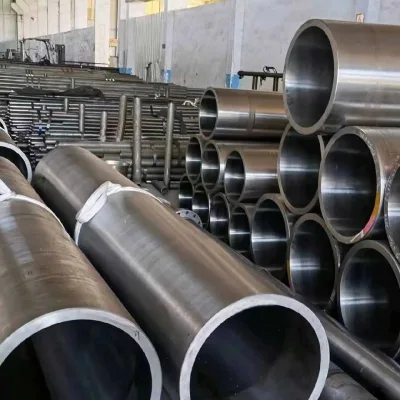
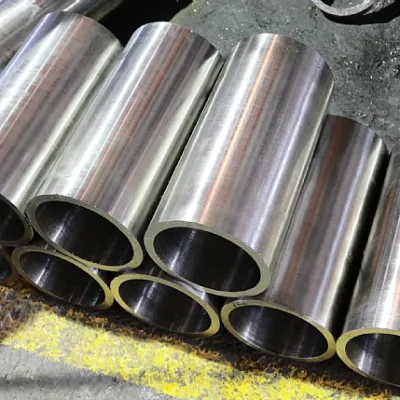
Cylindrical Forging Machining
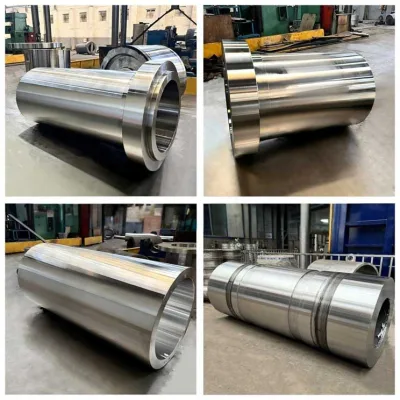
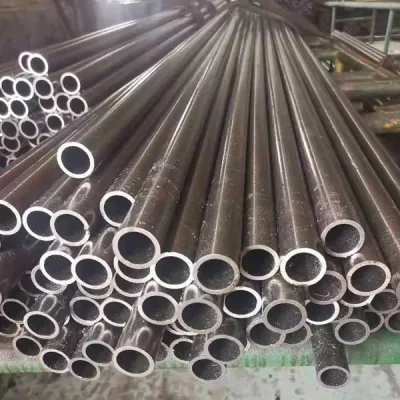
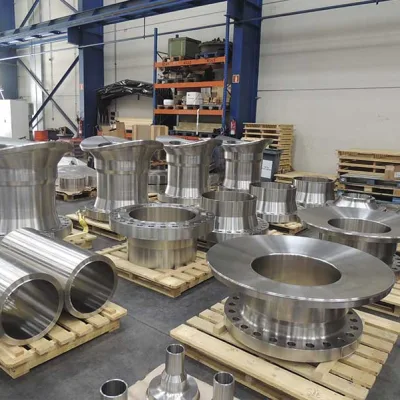
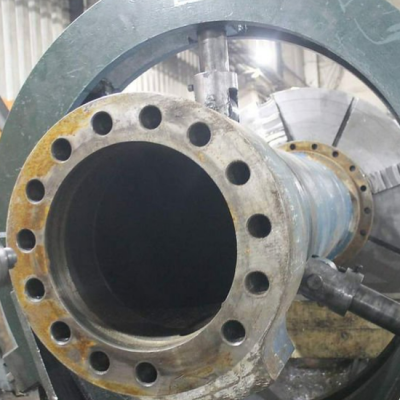
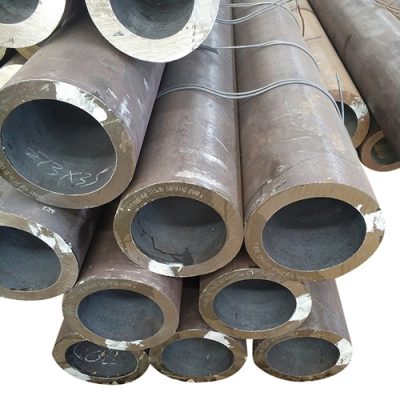
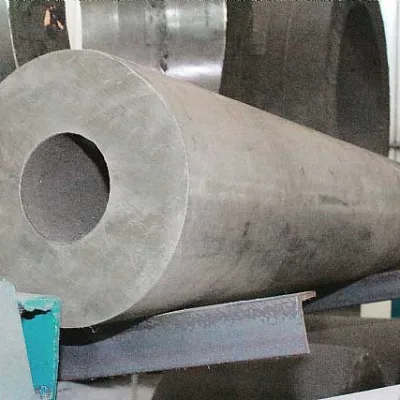
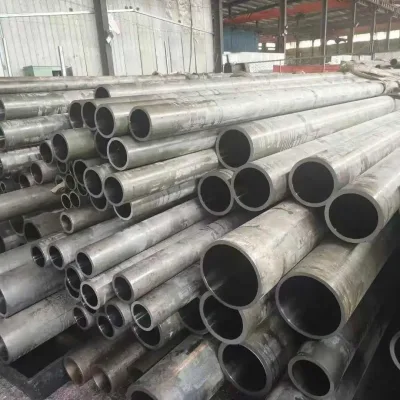
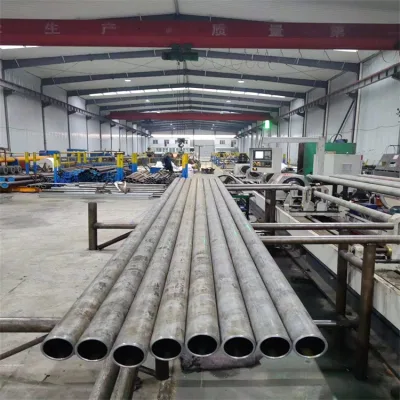
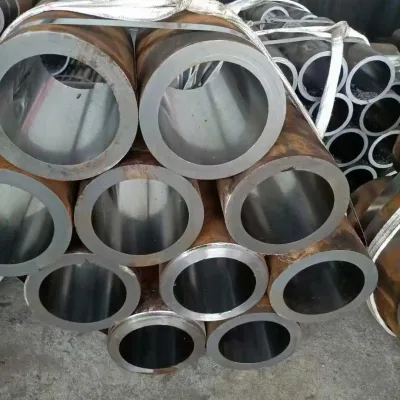
We offer machining solutions for heavy-duty cylindrical, hollow, and tubular forgings. This capability supports the machining of sleeves, cylinders, and other thick-walled forged components used in pressure vessels, rotating systems, and general industrial applications.
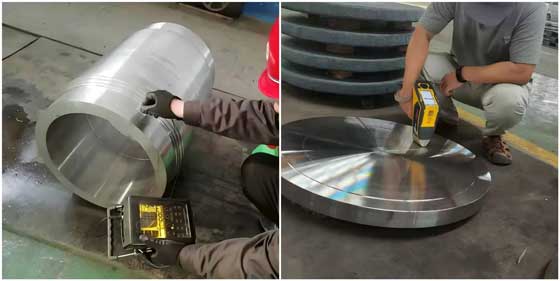
Inspection & Testing
Quality control is integrated into our production process through the inspection and testing of forged and machined parts. Our capabilities help verify the dimensional accuracy, condition, and quality consistency of industrial forgings prior to delivery.
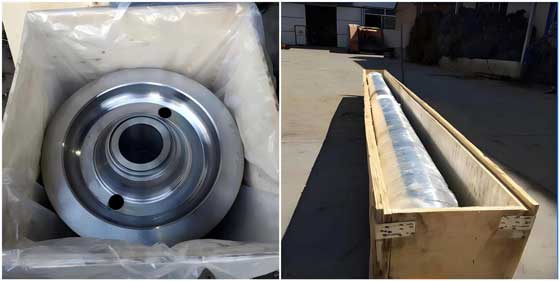
Packing & Delivery
Finished forgings are properly protected and packaged to minimize the risk of damage during storage and transportation. Our packaging methods ensure the safe domestic delivery and export shipment of machined and high-value forged components.