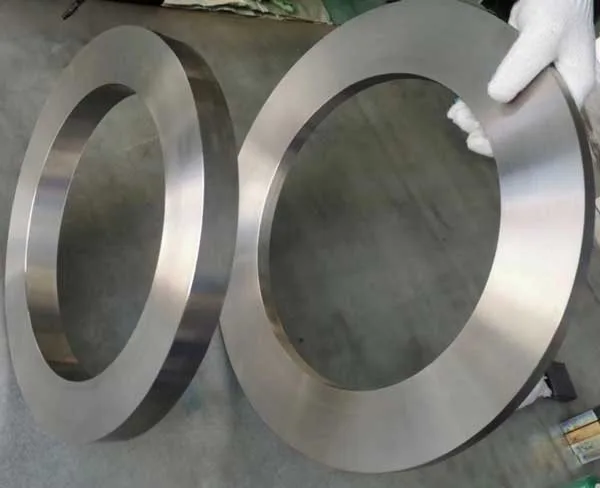
Air Cylinder Tube
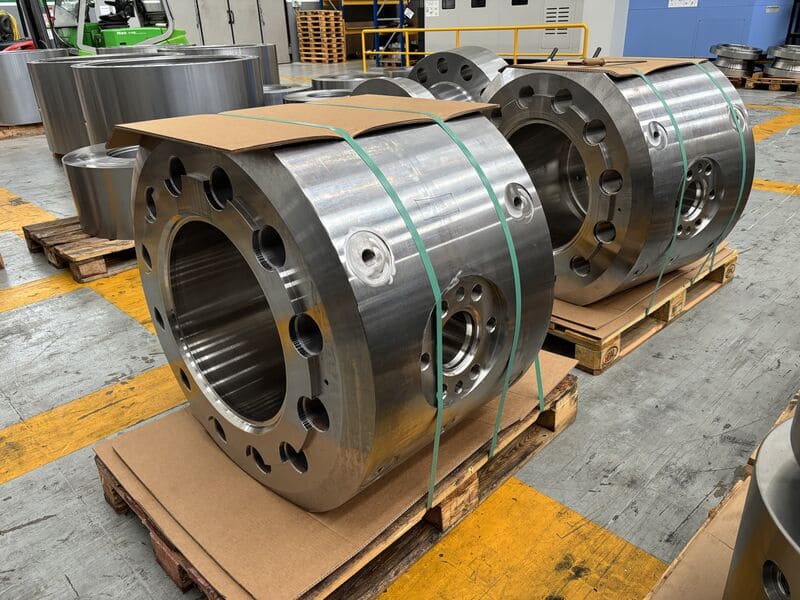
Air Cylinder Tube: A Critical Guiding Component in Pneumatic Systems
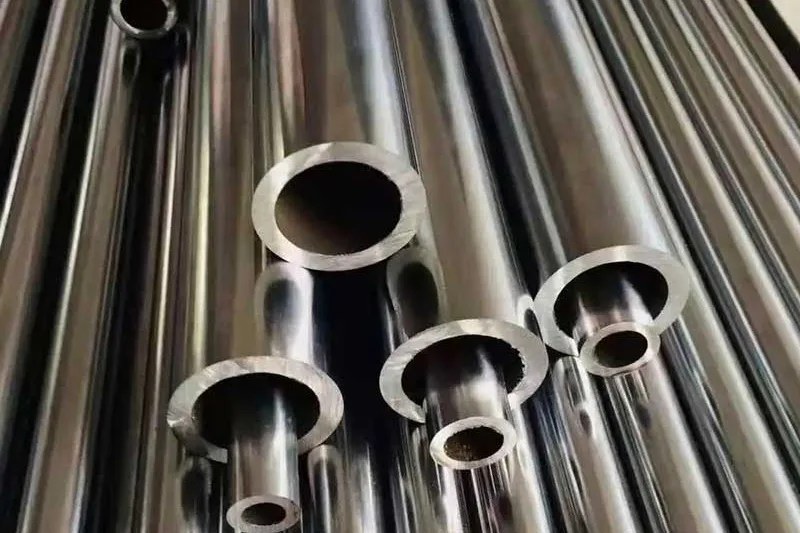
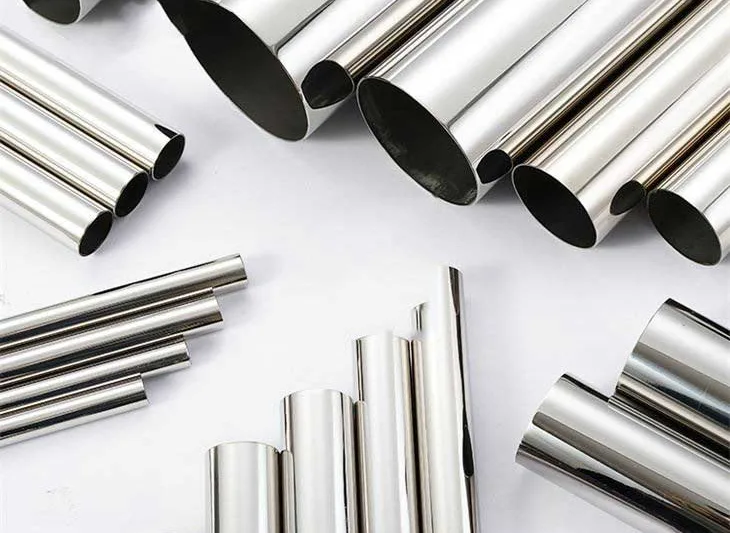
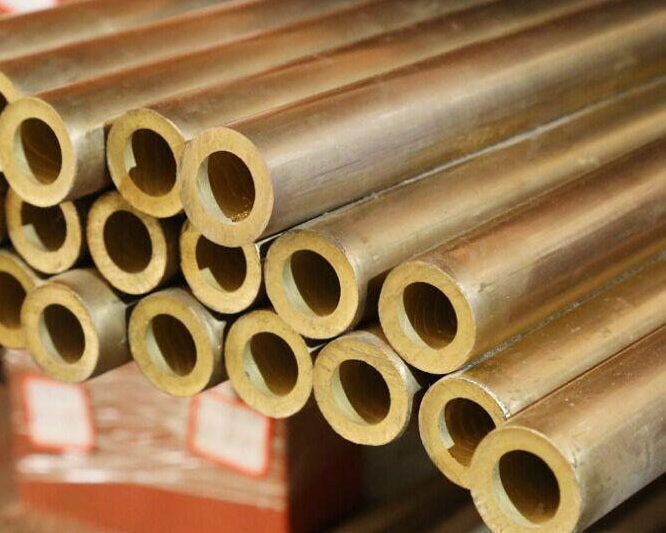
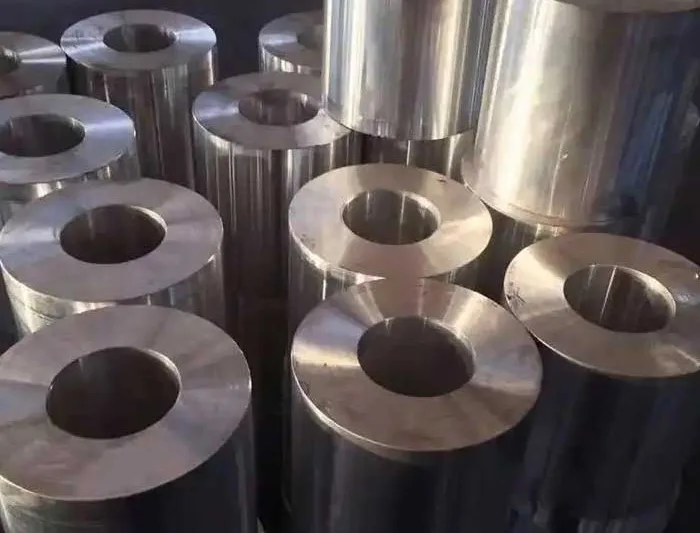
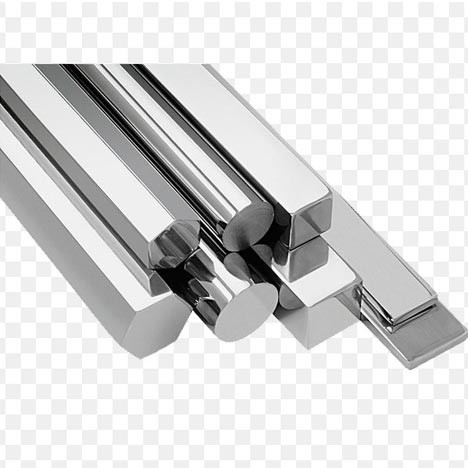
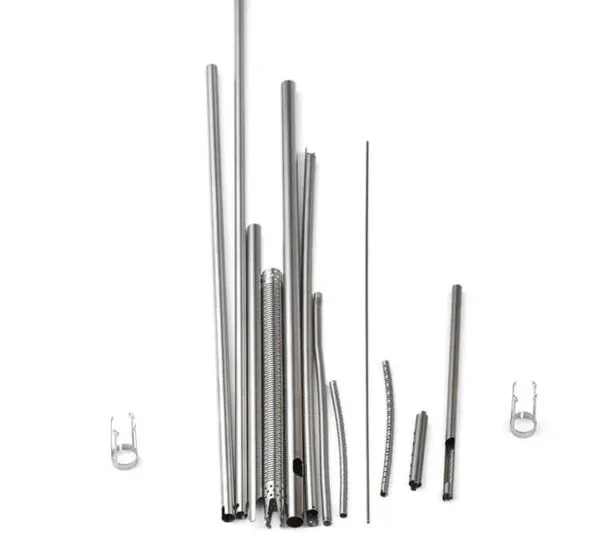
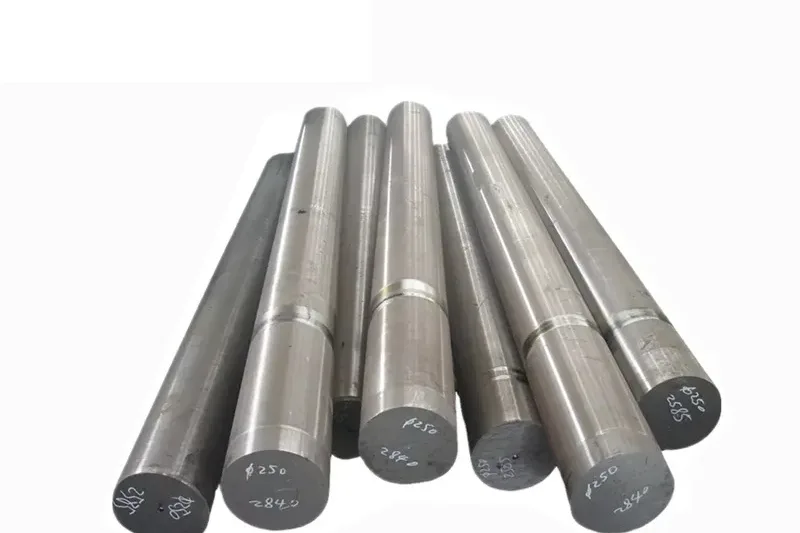
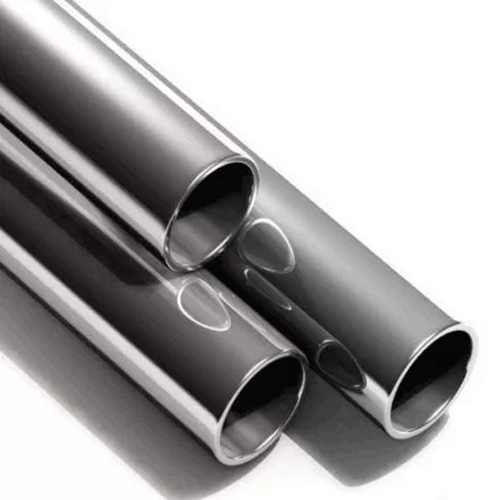
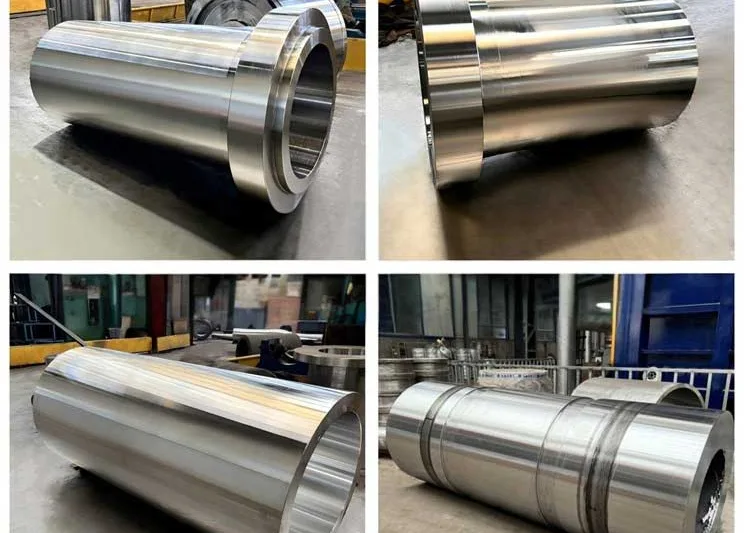
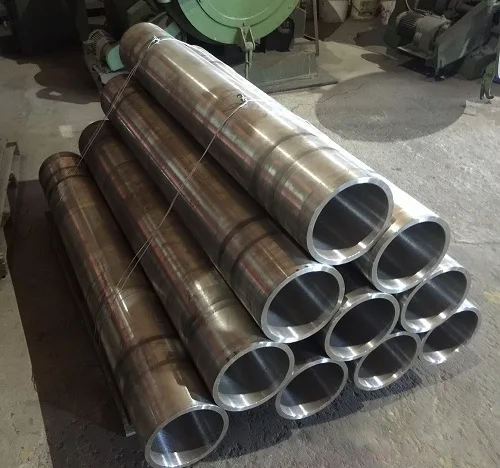
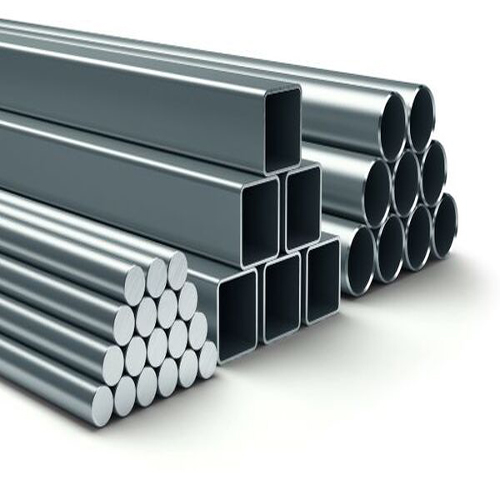
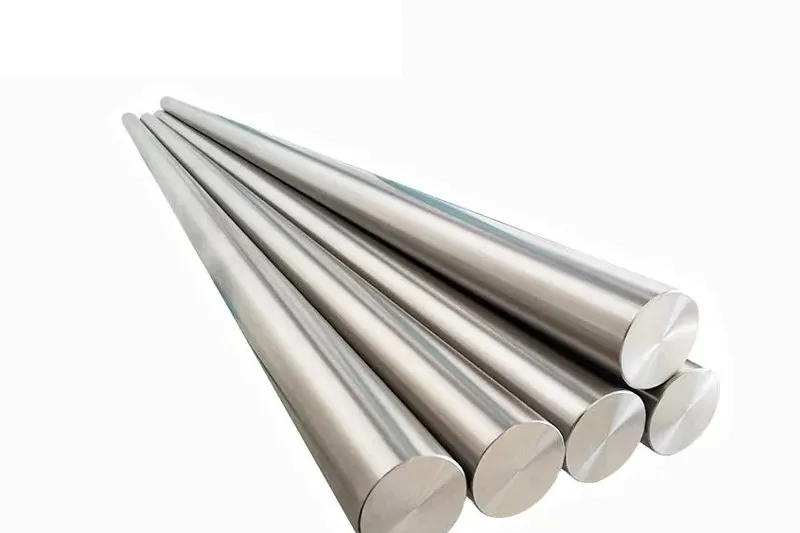
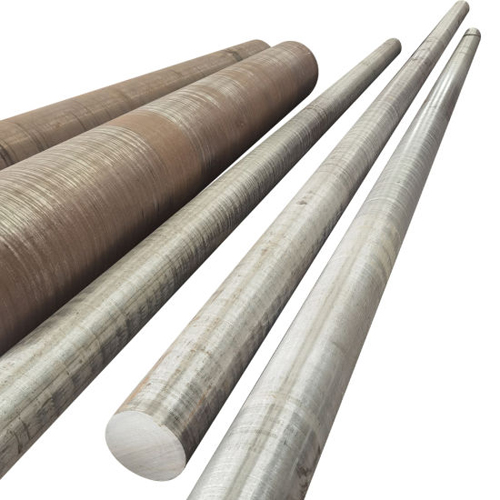
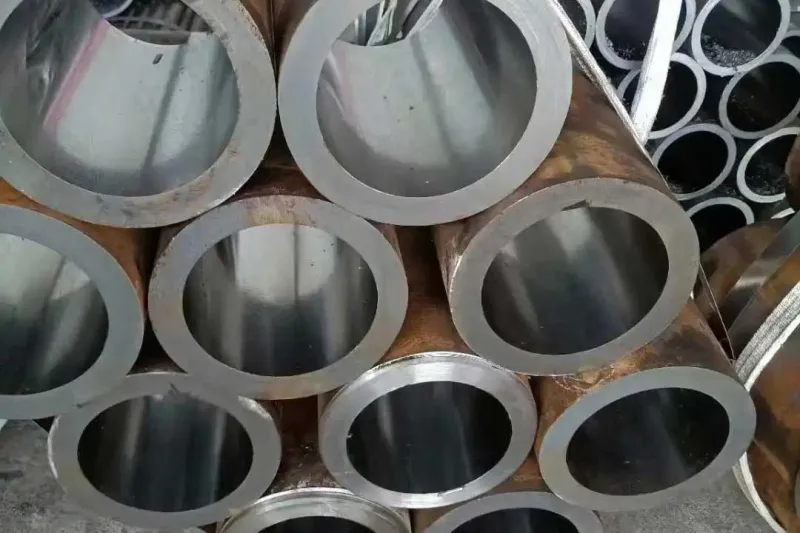
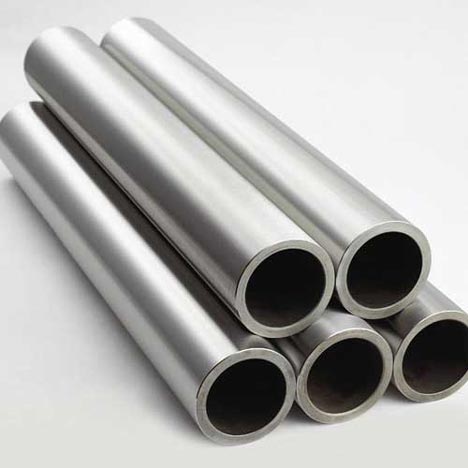
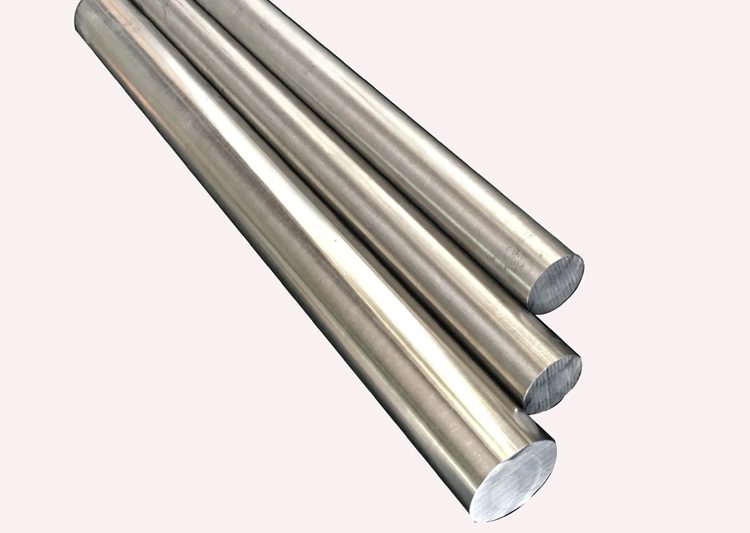
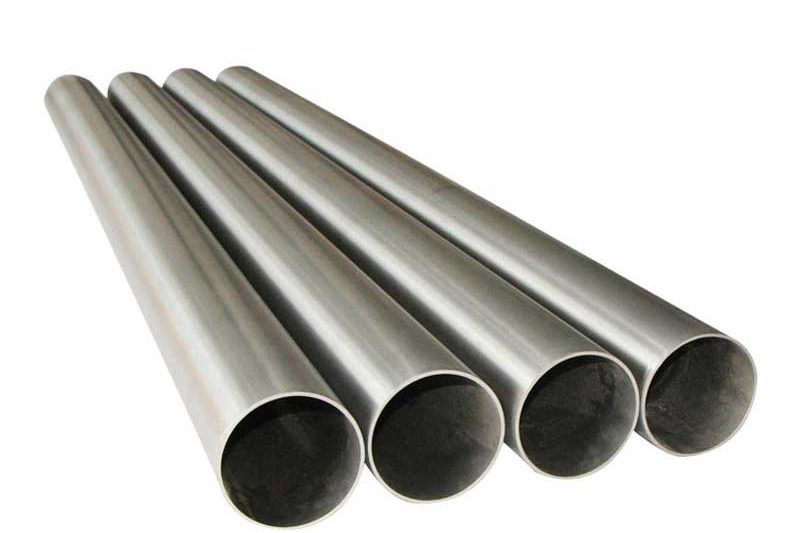
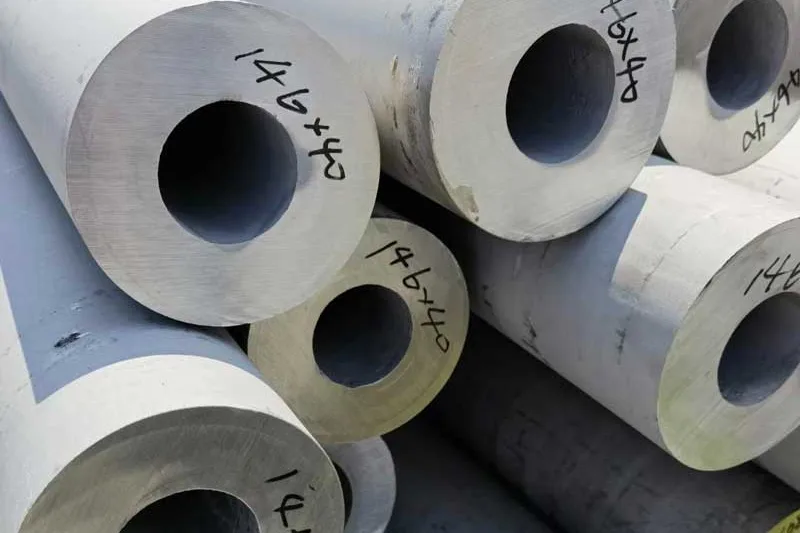
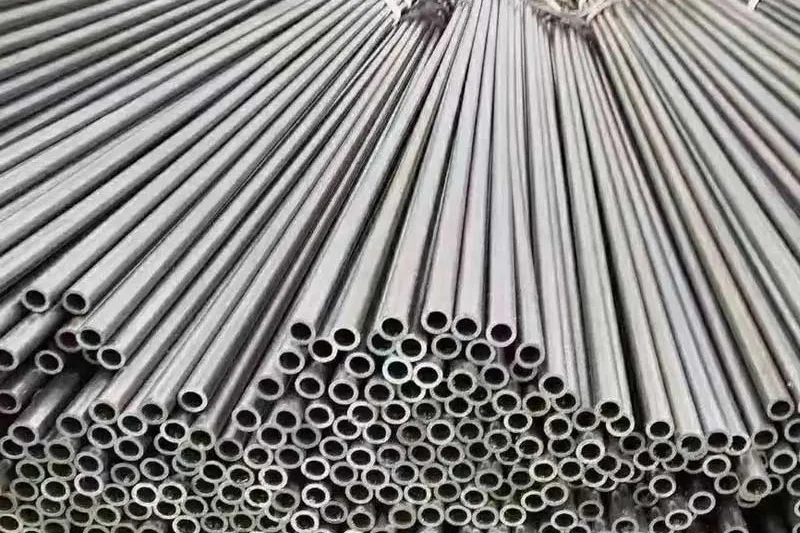
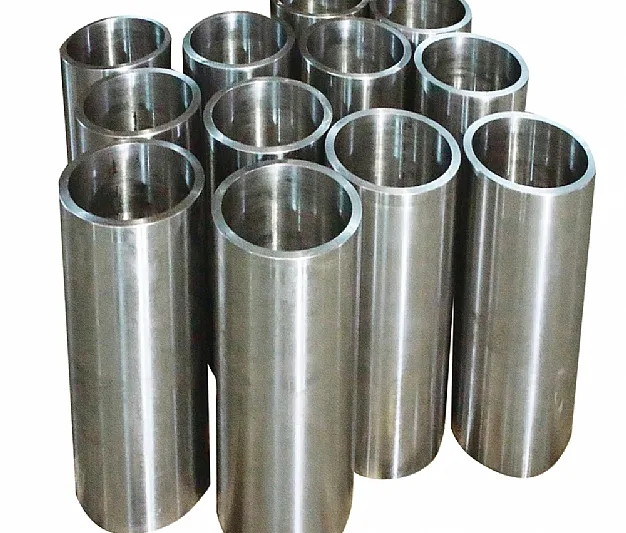
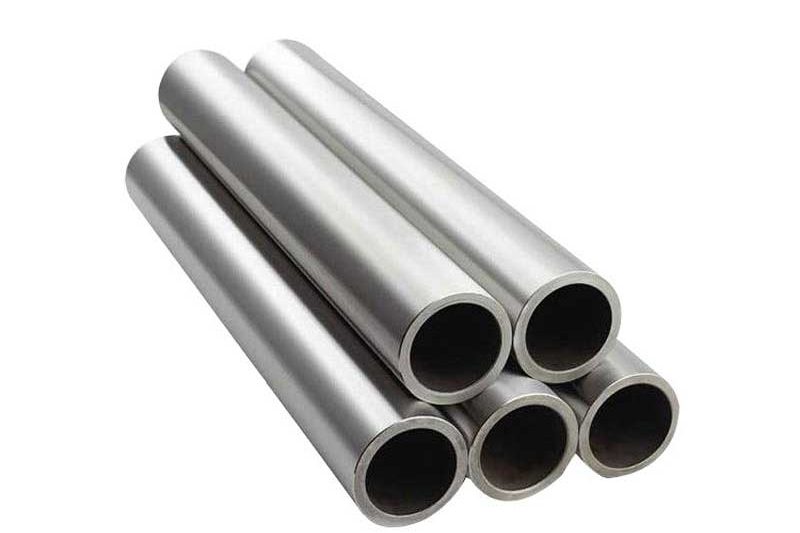
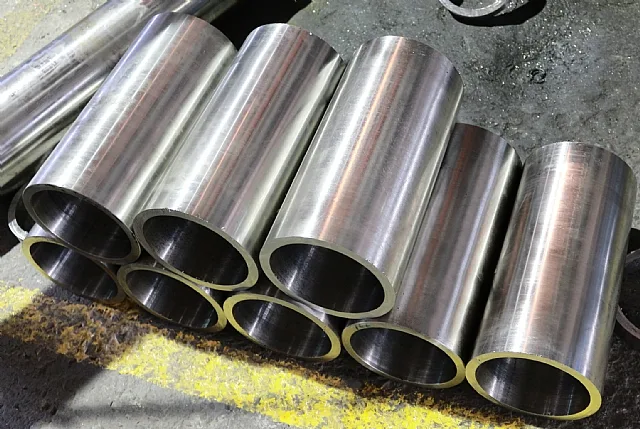
The air cylinder tube, also known as the cylinder barrel, serves as one of the core structural components of pneumatic actuators—pneumatic cylinders. Typically featuring a cylindrical hollow structure, it is manufactured from high-strength metals (such as aluminum alloy, stainless steel, or chrome-plated steel tubing) or engineering plastics. Its primary function is to provide a precision-guided motion chamber for the piston while withstanding the pressure exerted by compressed air inside. Its inner surface undergoes meticulous grinding and polishing to achieve an extremely low surface roughness, thereby minimizing friction and wear on the piston seals. This ensures smooth cylinder operation and extends service life.
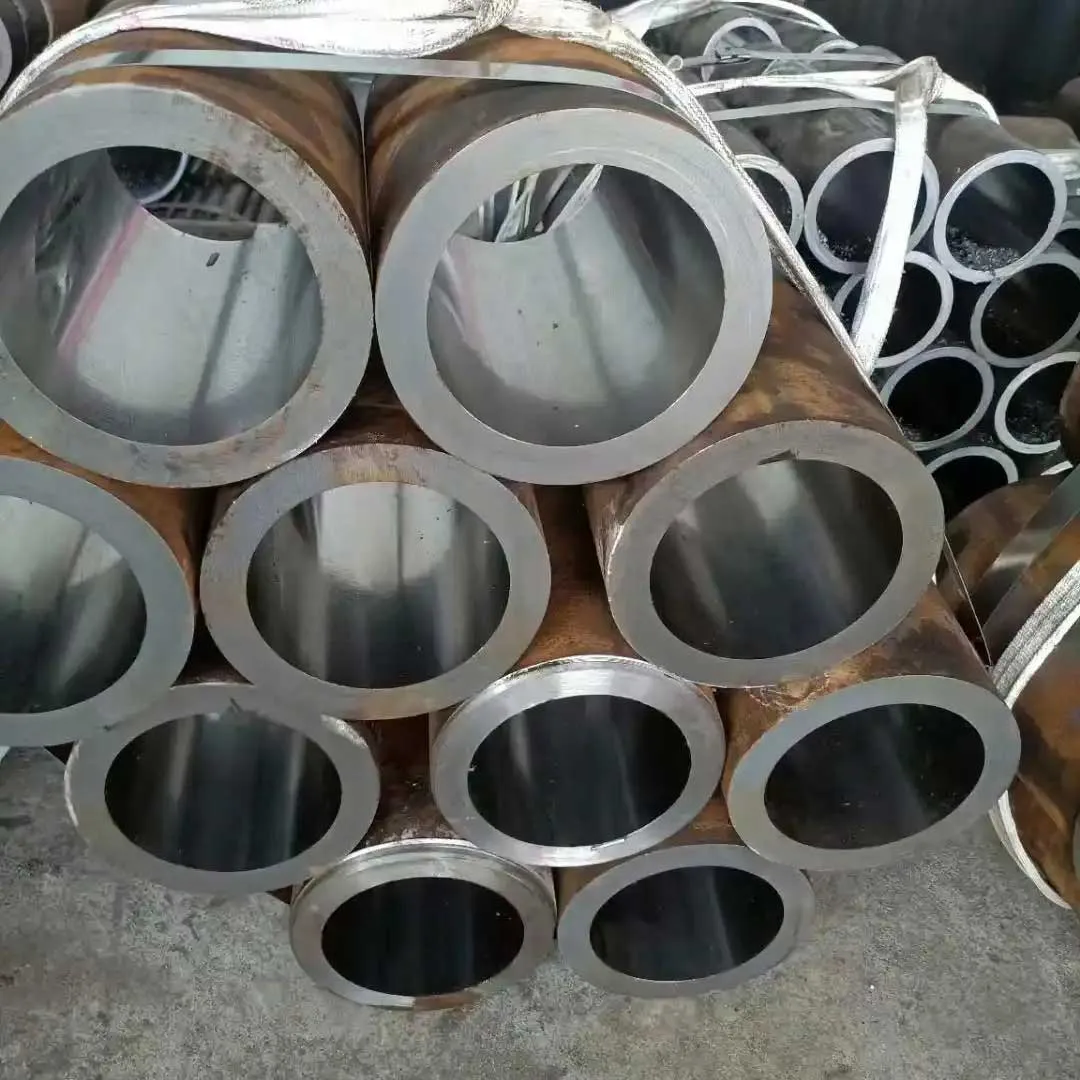
Within pneumatic systems, the air cylinder tube not only provides mechanical support but also directly impacts overall performance metrics. For instance:
- Cylinder straightness and inner diameter tolerances directly determine the repeatability of piston positioning accuracy; Wall thickness design must balance pressure resistance with lightweight requirements to accommodate varying operating pressure levels (typically 0.1–1.0 MPa). Material selection impacts corrosion resistance, temperature adaptability, and overall weight—particularly in specialized environments like food processing, medical facilities, or cleanrooms, where stainless steel or anodized aluminum alloy tubes are preferred.
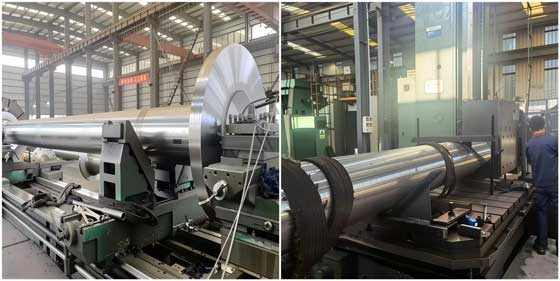
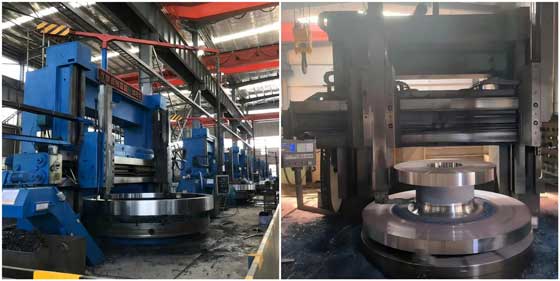
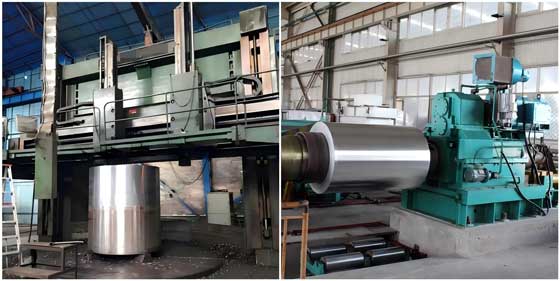
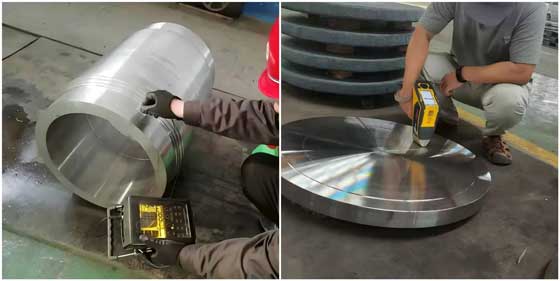
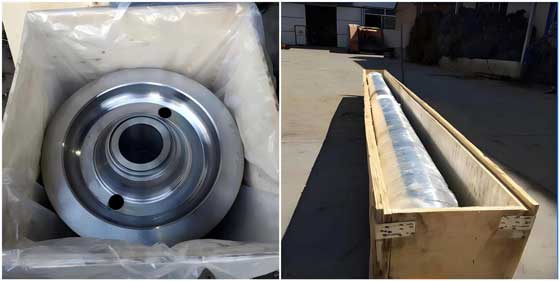
Manufacturing processes critically impact air cylinder tube quality. Mainstream fabrication methods include cold-drawn seamless tube forming combined with precision turning and internal honing. Some high-end products further employ ultrasonic cleaning and dust-free packaging to eliminate particulate contamination.