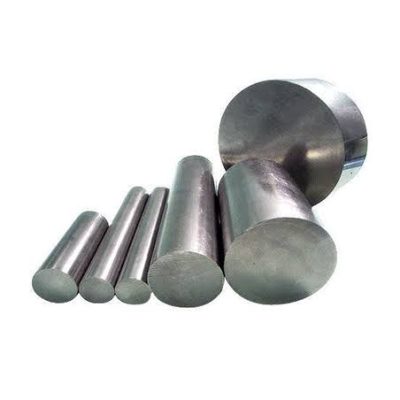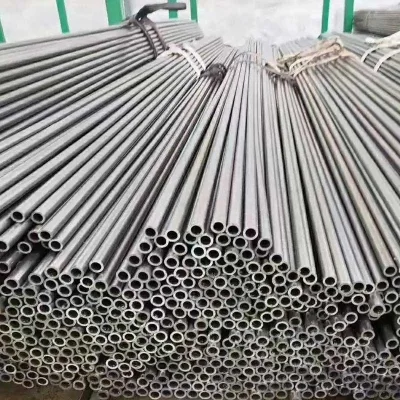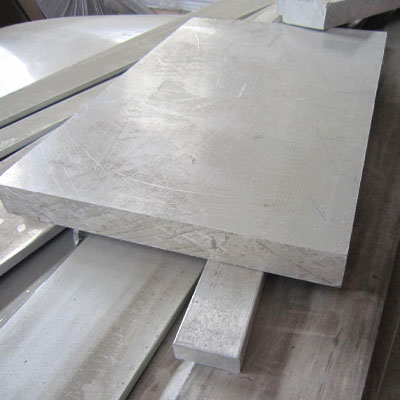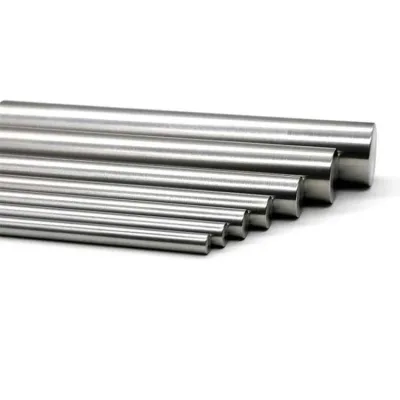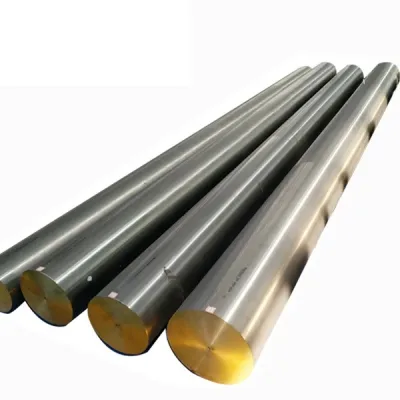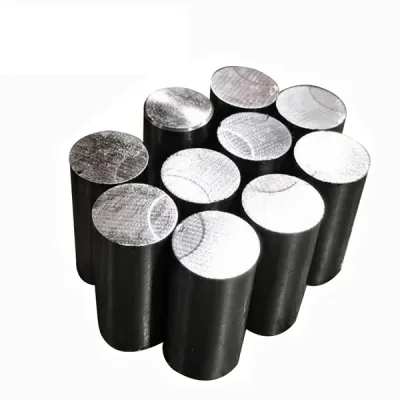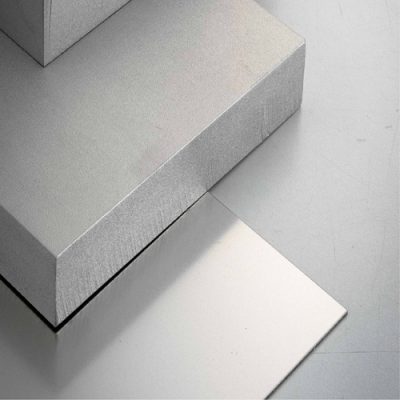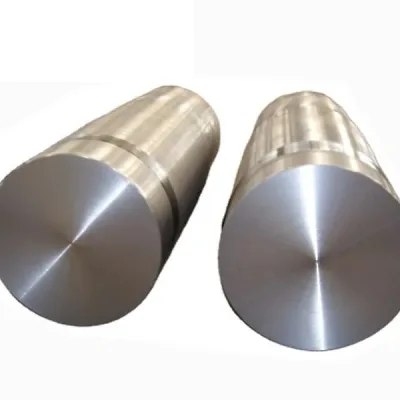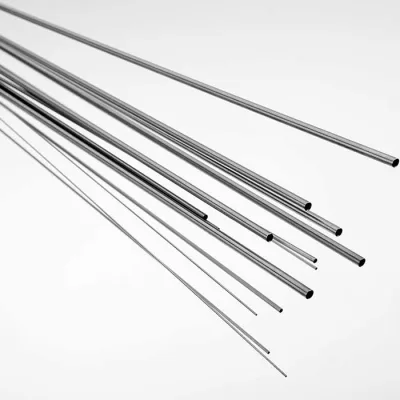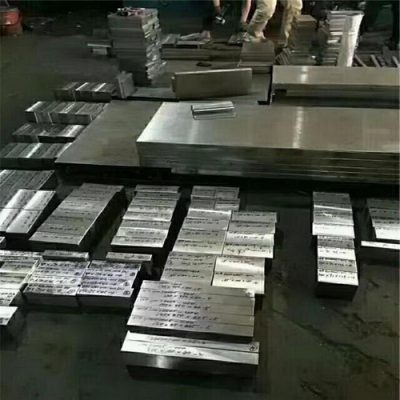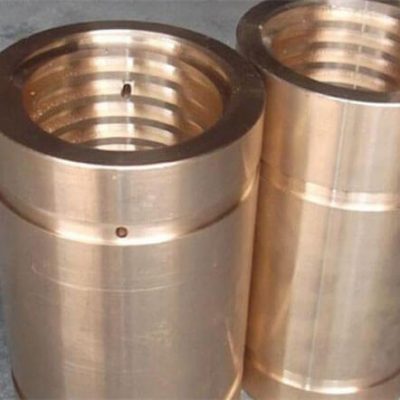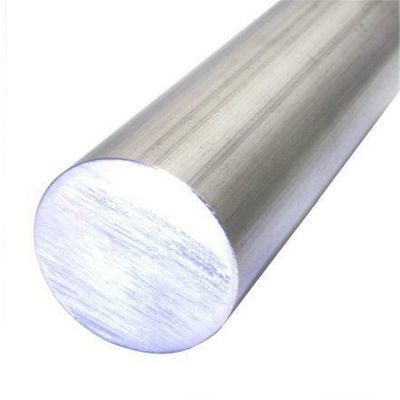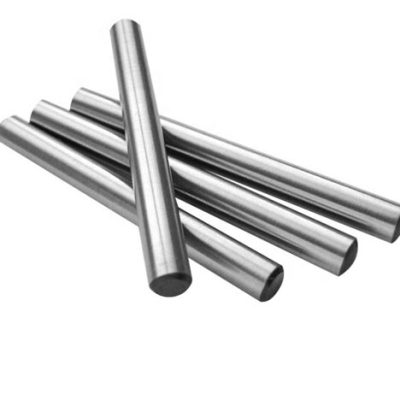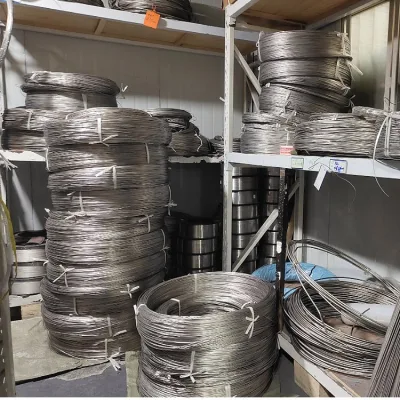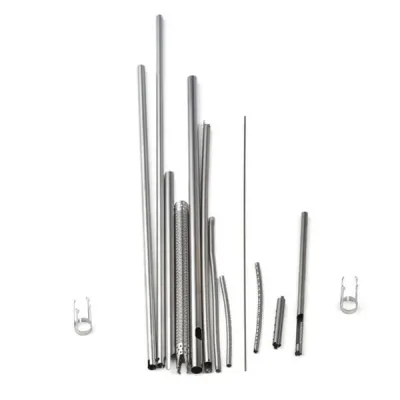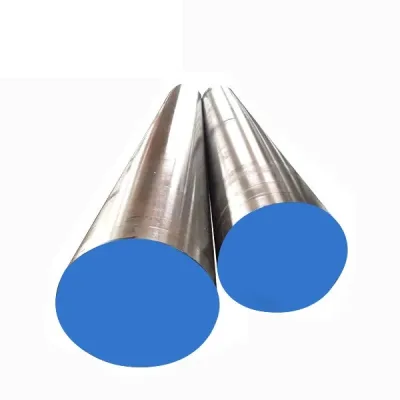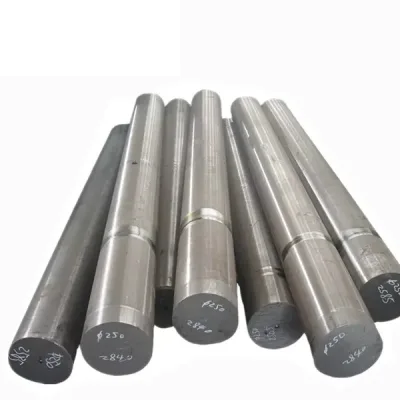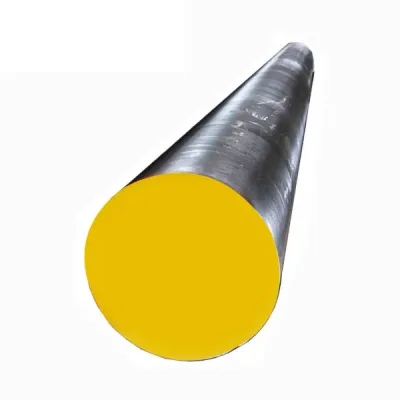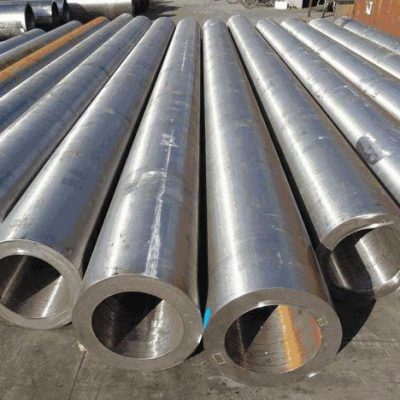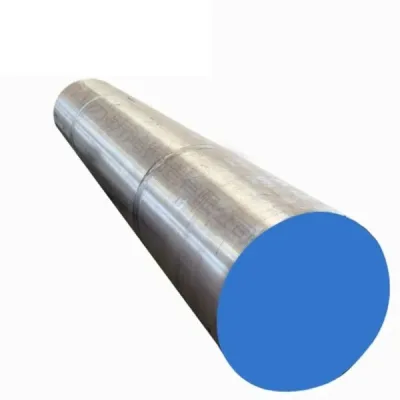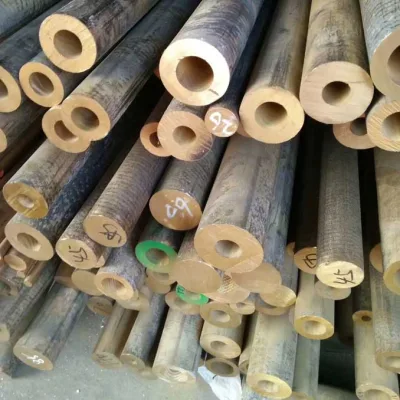
Brass Series
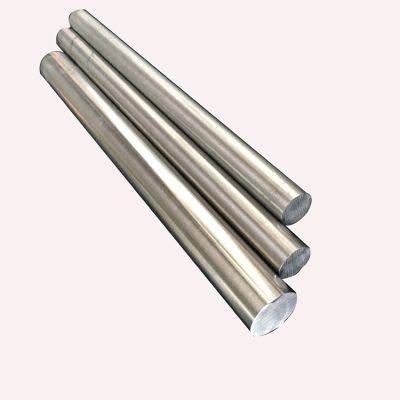
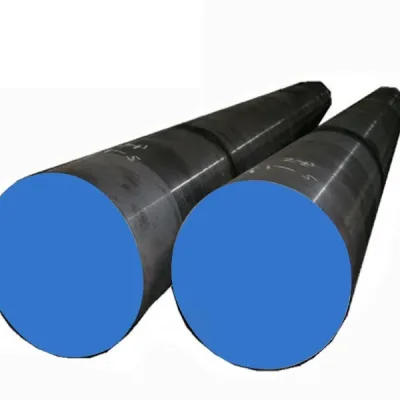
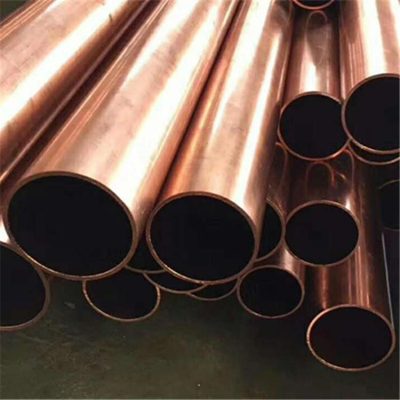
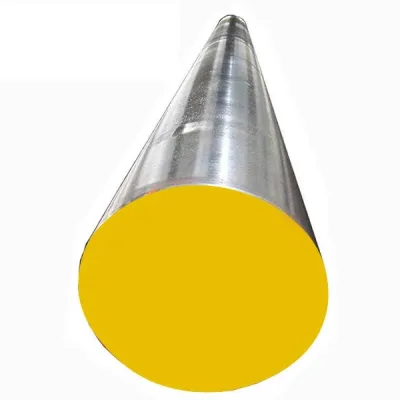
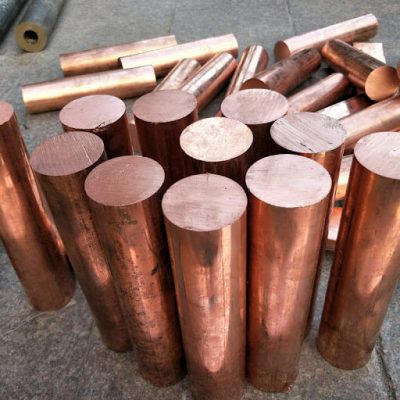
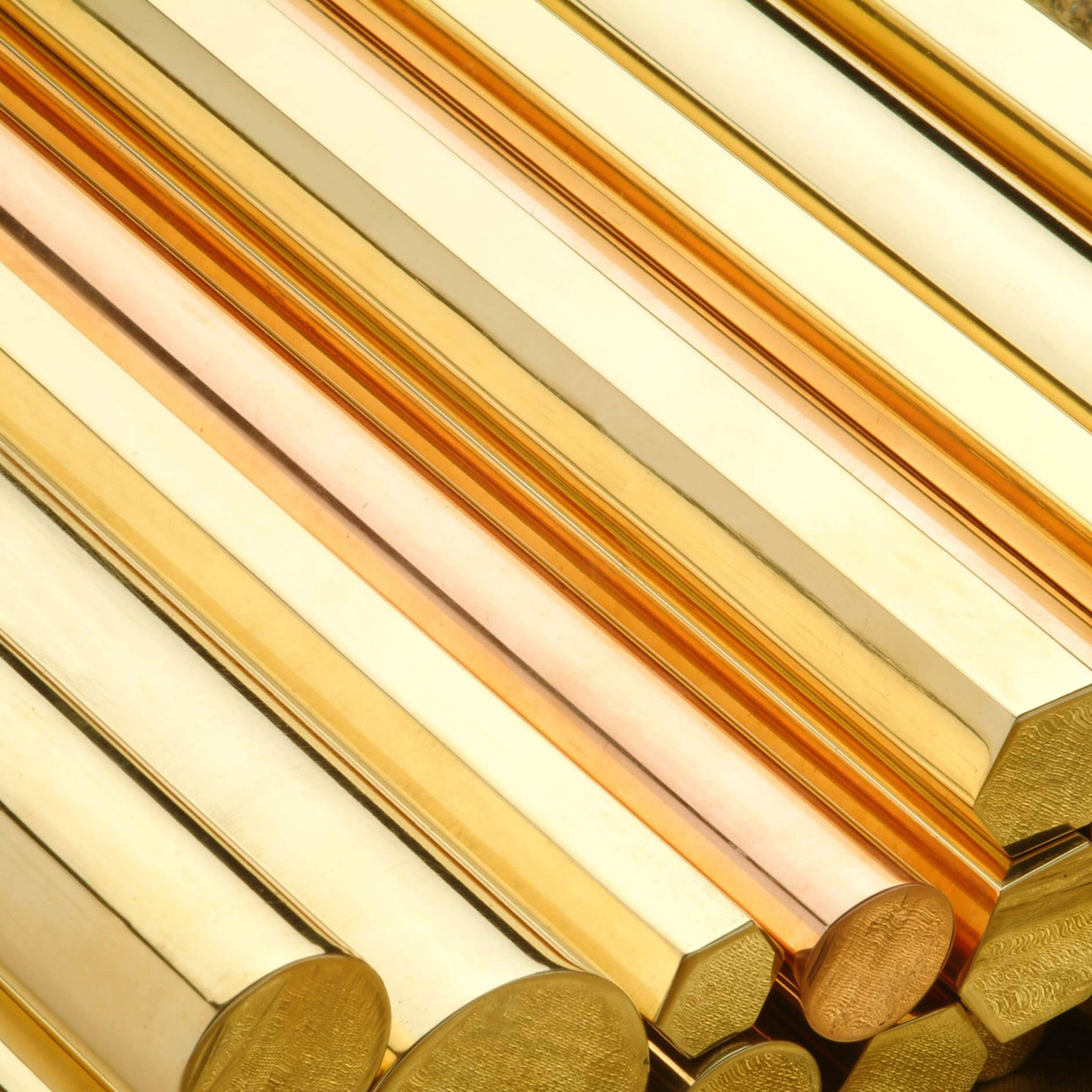
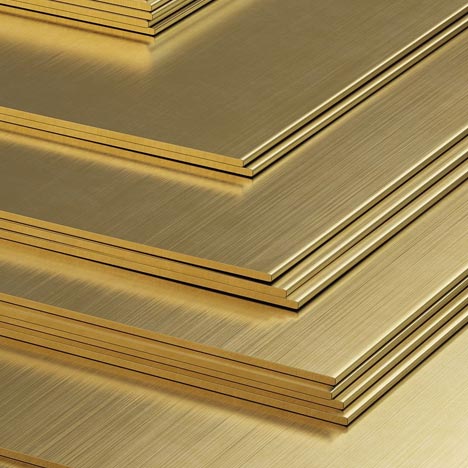
Brass is an alloy of copper and zine, in proportions which can be varied to achieve varying mechanical, electrical, and chemical properties. It is a substitutional alloy: atoms of the two constituents may replace each other within the same crystal structure.
Brass is similar to bronze, another alloy containing copper that uses tin instead of zinc. Both bronze and brass also may include small proportions of a range of other elements including arsenic, lead,phosphorus , aluminum, manganese, and silicon. Historically, the distinction between the two alloys has been less consistent and clear, and modern practice in museums and archaeology increasingly avoids both terms for historical objects in favor of the more general "copper alloy".
Email: [email protected]
WhatsApp: 0086-13788924073

| Grade list of copper and copper alloys by country | |||||||
| Classification | China | Germany | America | Japan | England | Europe | International |
| oxygen free copper | TU1 | 2.0076 | C10200 | C1020R | C103 | ||
| TU2 | Cu-OF-H110 | C11000 | c1011 | C101 | |||
| Vacuum oxygen free copper | E-Cu58 | TU00 | c1020 | 6N | |||
| high purity | copper-OFE | c10500 | c10700 | ||||
| Silver copper | TAg 0.1 | CuAg 0.1 | C10400 | C1040 | CuAg 0.1 | ||
| brass | H90 | CuZn10 | C22000 | C2200 | CZ101 | CuZn10 | CW501L |
| H70 | CuZn30 | C26000 | C2600 | CZ106 | CuZn30 | CW505L | |
| H68 | C26200 | C2620 | CuZn33 | CW506L | |||
| H65 | CuZn35 | C27000 | C2700 | CZ107 | CuZn36 | CW507L | |
| H63 | CuZn37 | C27200 | C2720 | CZ108 | CuZn37 | CW508L | |
| H62 | CuZn40 | C28000 | C2800 | CZ109 | CW509L | ||
| bronze | QSn4-0.3 | CuSn4 | C51100 | C5111 | PB101 | CuSn4 | CW450K |
| CuSn5 | C51000 | C5101 | CuSn5 | CW451K | |||
| QSn6.5-0.1 | CuSn6 | C51900 | C5191 | PB103 | CuSn6 | CW452K | |
| QSn8-0.3 | CuSn8 | C52100 | C5210 | CuSn8 | CW453K | ||
| QSn6.5-0.4 | |||||||
| copper-nickel | BZn18-18 | CuNi18Zn20 | C75200 | C7521 | NS106 | CuNi18Zn20 | |
| BZn18-26 | CuNi18Zn27 | C77000 | C7701 | NS107 | CuNi18Zn27 | CW410J | |
| BZn15-20 | C7541 | CW409J | |||||
| BZn18-10 | C7350 | ||||||
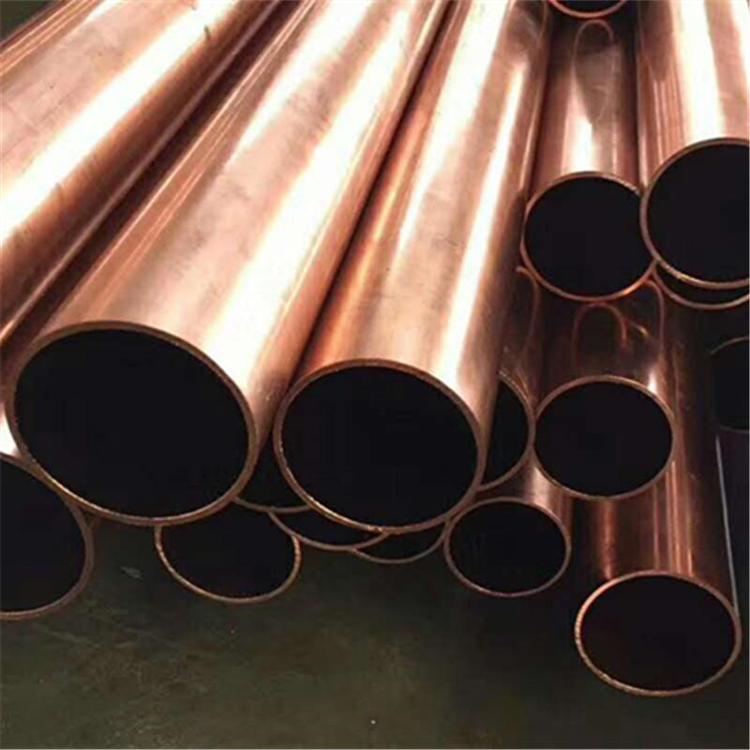
| pure copper | TU2 | OF-Cu58 | C10100 | C1011 | C101 | CW008A | copper oxide |
| T2 | SW——copper | C11000 | C1100 | C101 | copper - FRHC | ||
| TP2 | SF-Cu | C12200 | C1220 | C106 | CW024A | copper - DHP | |
| TP1 | SW-copper | C12000 | C1201 | CW023A | copper DLP | ||
1. Brass has long been a popular material for decoration due to its bright, gold-like appearance; being used for drawer pulls and doorknobs. It has also been widely used to make utensils due to properties such as having a low melting point, high workability (both with hand tools and with modern turning and milling machines), durability, and electrical and thermal conductivity.
2. such as horns and bells, and also used as a substitute for copper in making costume jewelry, fashion jewelry, and other imitation jewelry. The composition of brass, generally 66% copper and 34% zinc, makes it a favorable substitute for copper based jewelry, as it exhibits greater resistance to corrosion. Brass is often used in situations in which it is important that sparks not be struck, such as in fittings and tools used near flammable or explosive materials.
Brass is more malleable than bronze or zinc. The relatively low melting point of brass (900 to 940 °C, 1,650 to 1,720 °F, depending on composition) and its flow characteristics make it a relatively easy material to cast. By varying the proportions of copper and zinc, the properties of the brass can be changed, allowing hard and soft brasses. The density of brass is 8.4 to 8.73 g/cm3 (0.303 to 0.315 lb/cu in).
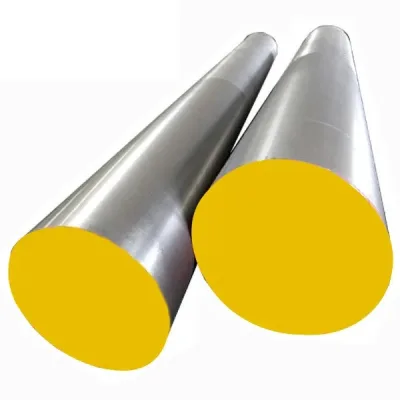
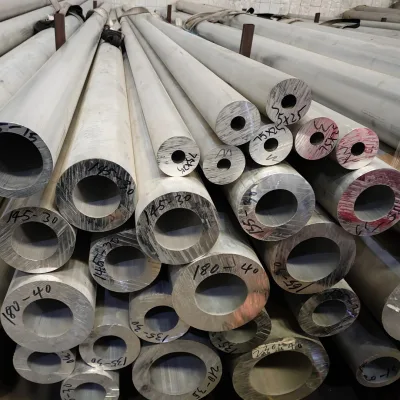
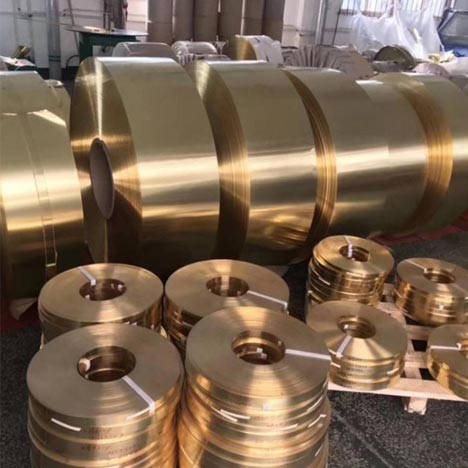
Today, almost 90% of all brass alloys are recycled.Because brass is not ferromagnetic, it can be separated from ferrous scrap by passing the scrap near a powerful magnet. Brass scrap is collected and transported to the foundry, where it is melted and recast into billets. Billets are heated and extruded into the desired form and size. The general softness of brass means that it can often be machined without the use of cutting fluid, though there are exceptions to this.
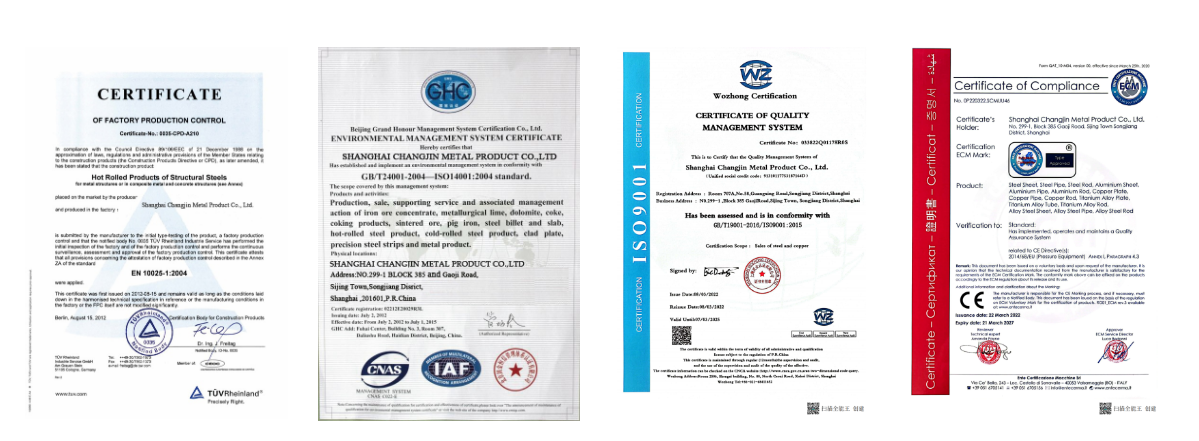
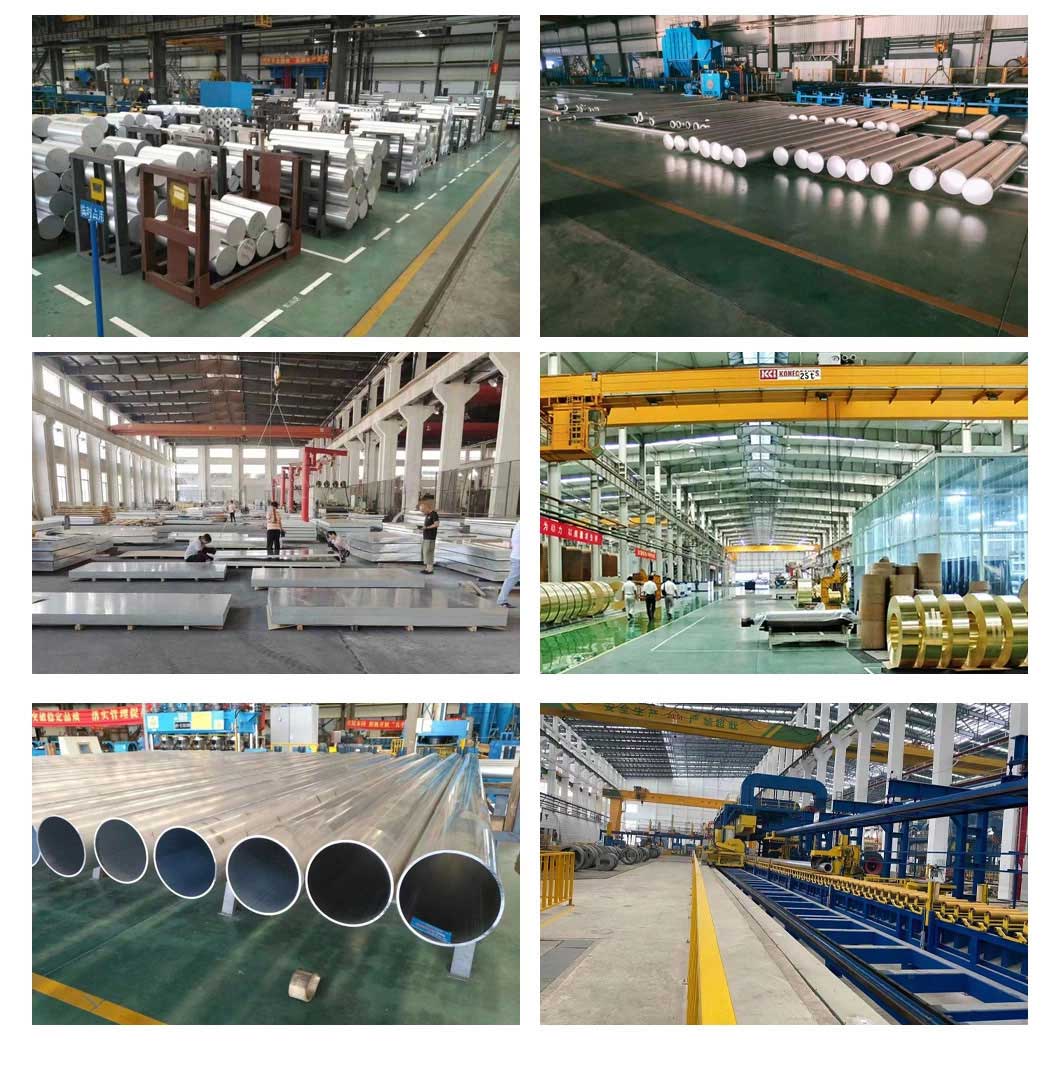
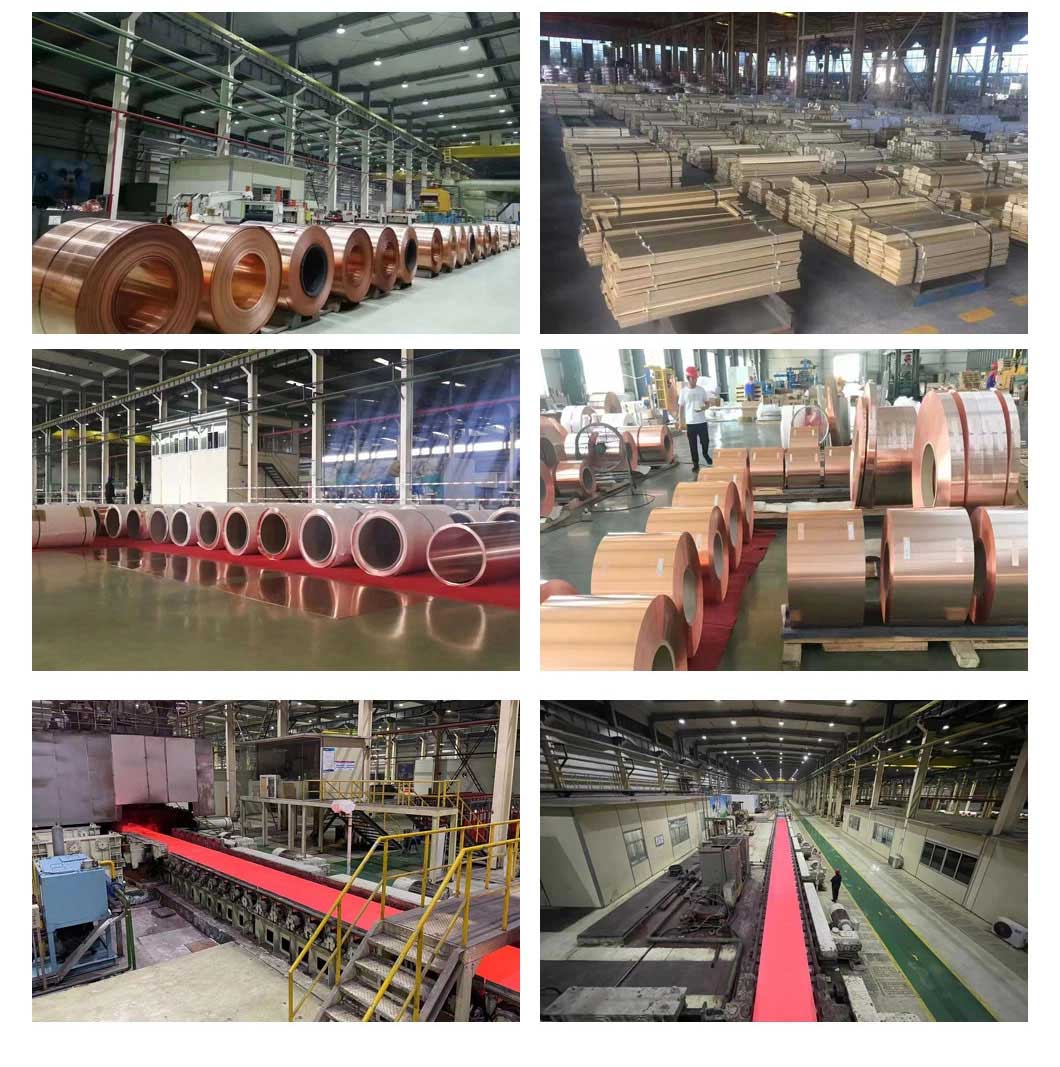
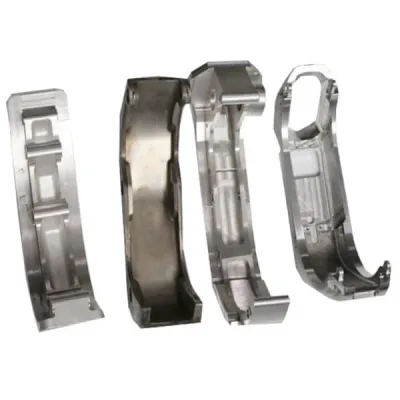
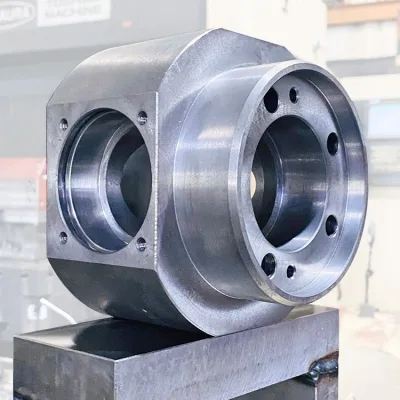
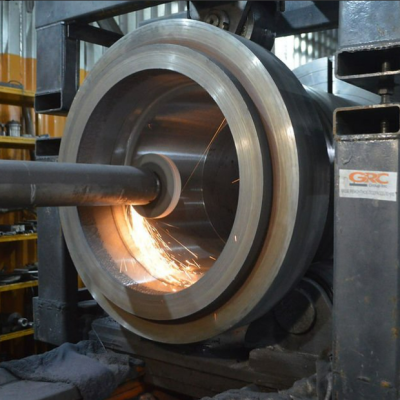
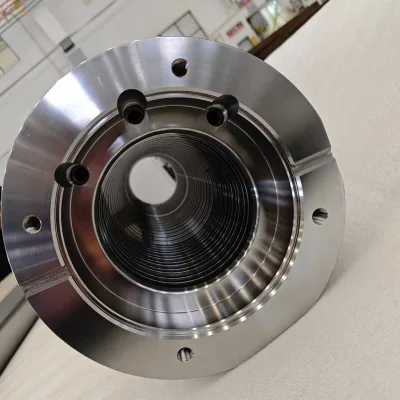
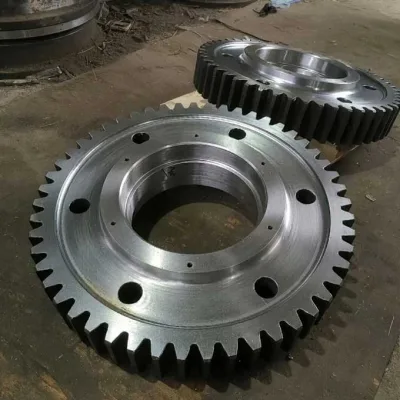
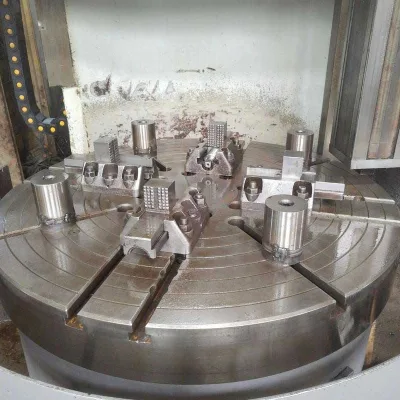
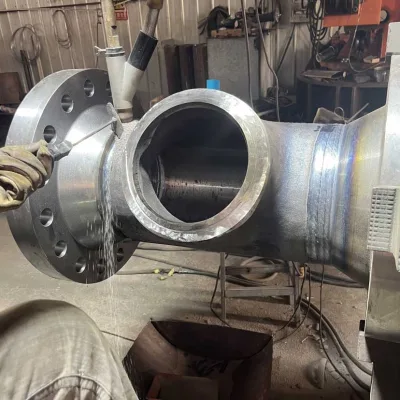
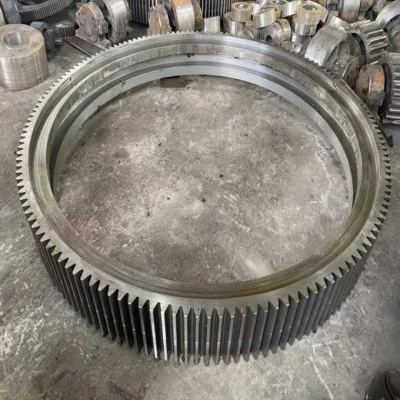
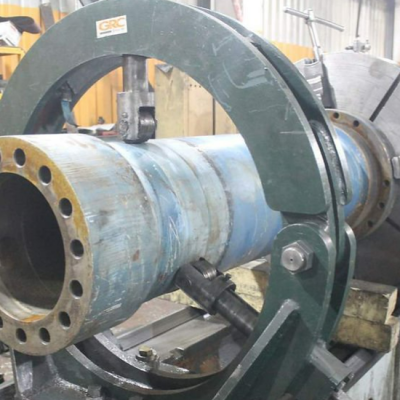
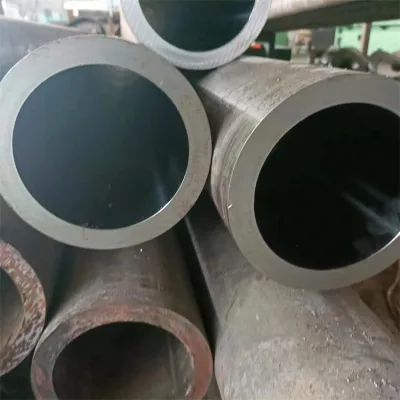
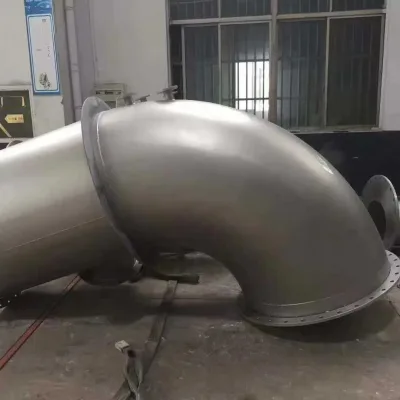
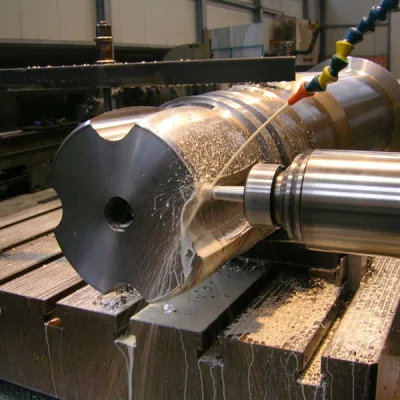
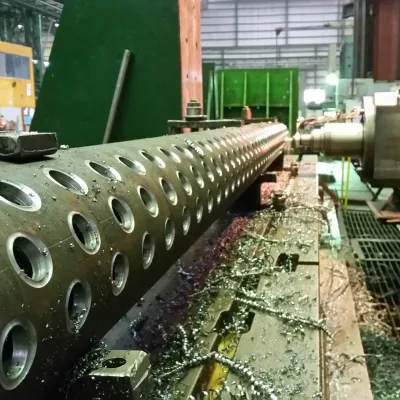
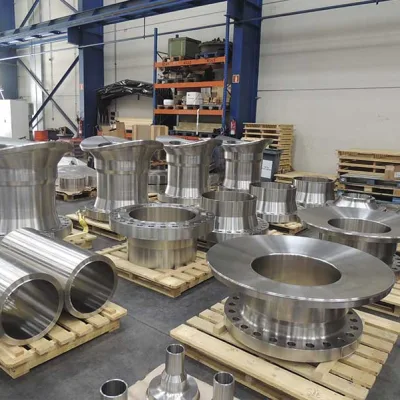
We also provide forging blanks and CNC precision machining services for our clients, covering industries such as energy, petrochemicals, steel, engineering machinery, plastics, prevention and control, hydraulics, healthcare, and food. Please feel free to send us drawings for inquiries.
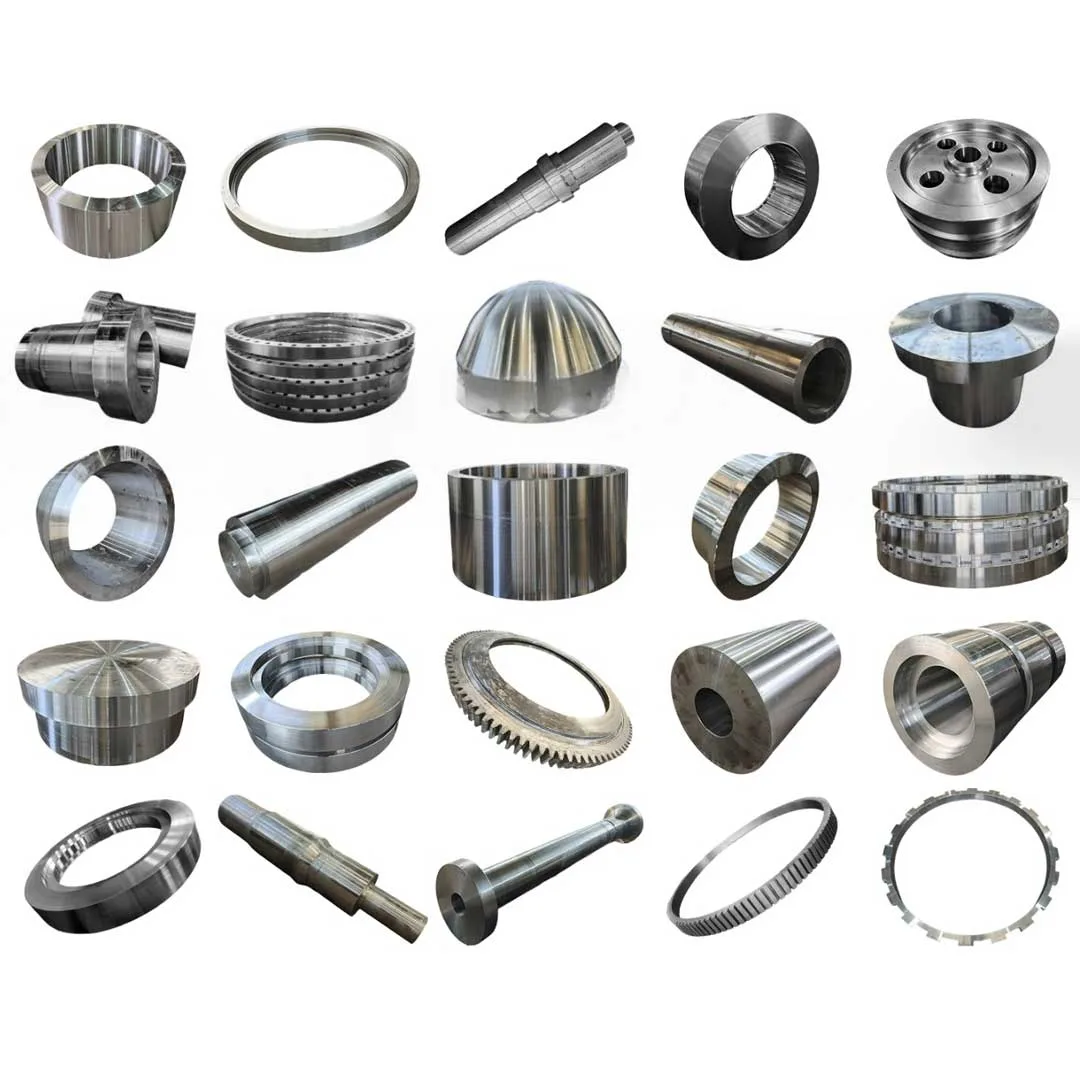
Metalworking Services
CNC Machining
Sheet Metal Fabrication
Metal Welding
Metal Cutting
Metal Bending
Metal Punching
Metal Forging
Metal Sheet Rolling
Tube and Plate Drilling
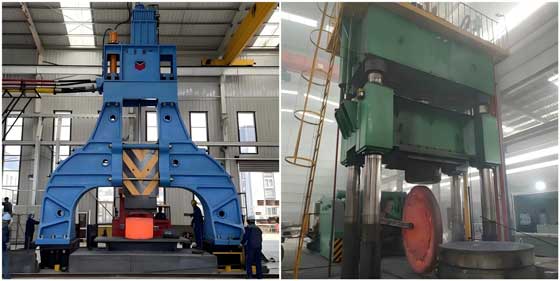
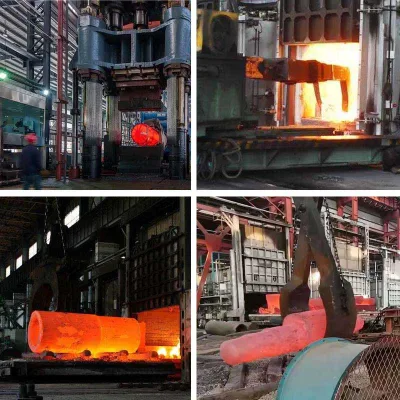
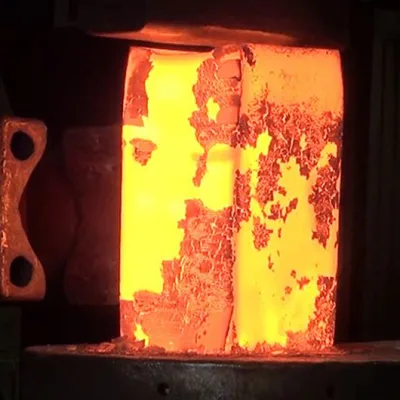
Heavy Forging Press Capacity
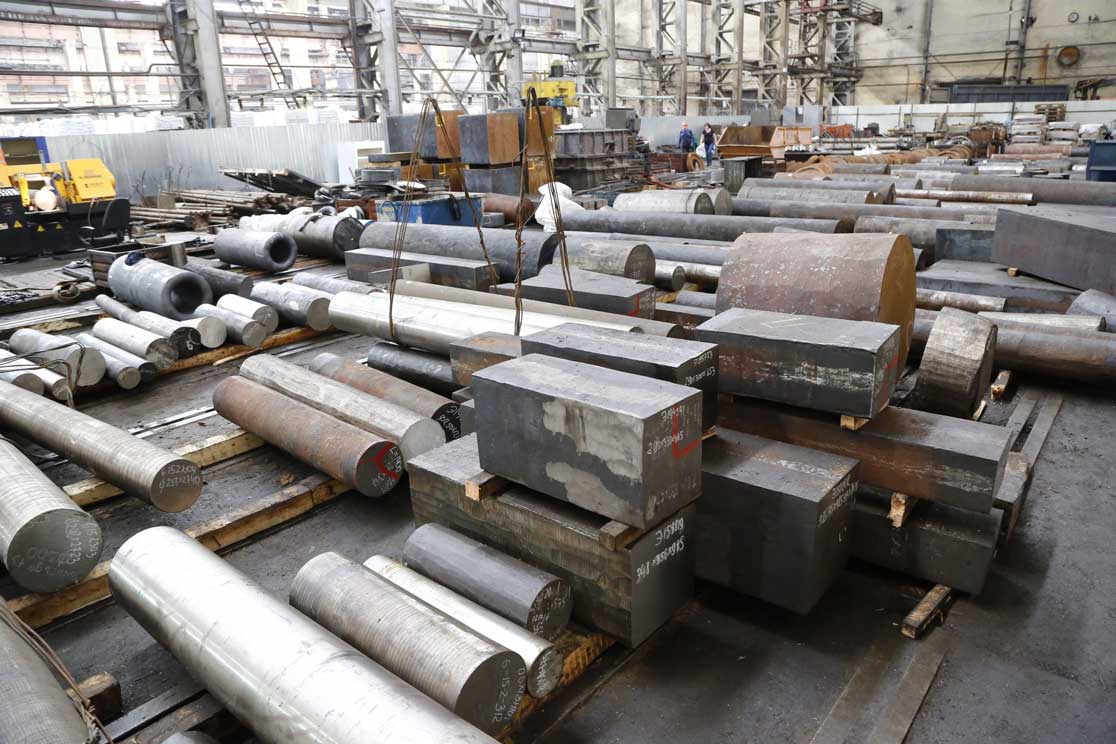
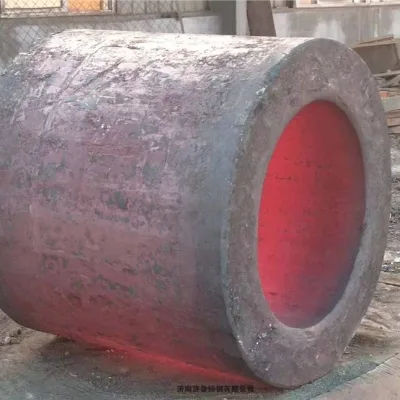
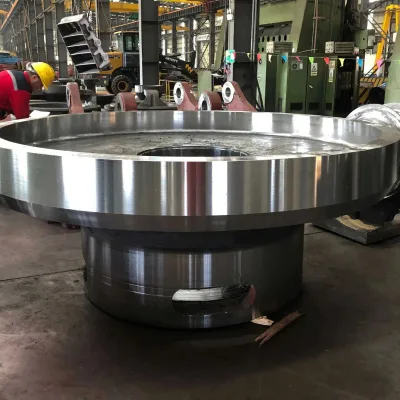
Our heavy-duty forging presses support open-die forging and deformation of large-section forgings, including discs, shafts, blocks, and custom components. This capability enables us to meet the demanding forming requirements of heavy industrial applications.
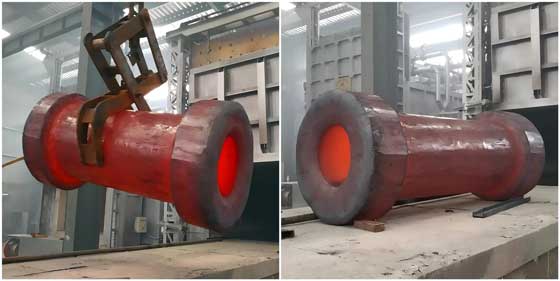
Heat Treatment Capability
Heat treatment is a critical step in achieving the mechanical properties required for heavy-duty forgings. Our process capabilities meet the strength, toughness, and structural stability requirements for forged components used under demanding operating conditions.
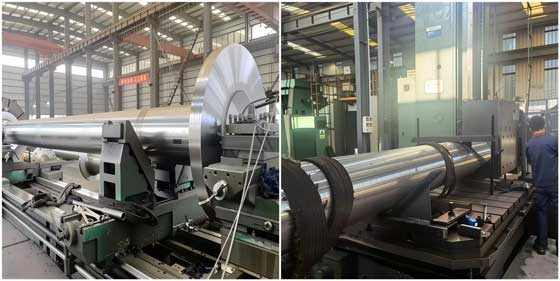
Heavy Shaft Machining
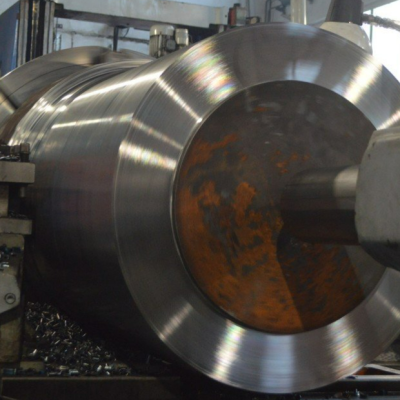
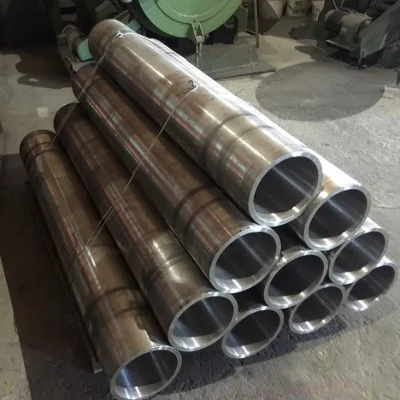
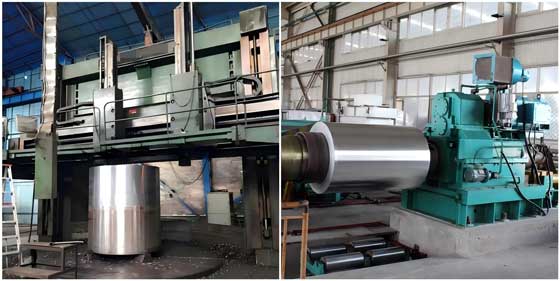
We offer machining capabilities for large forged shafts and long cylindrical components, supporting both rough and finish machining. This capacity is suitable for stepped shafts, rotor shafts, rollers, and other heavy-duty forged shaft components.
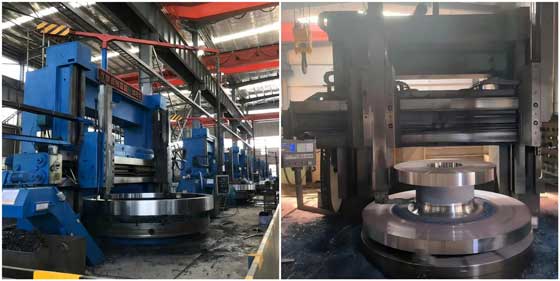
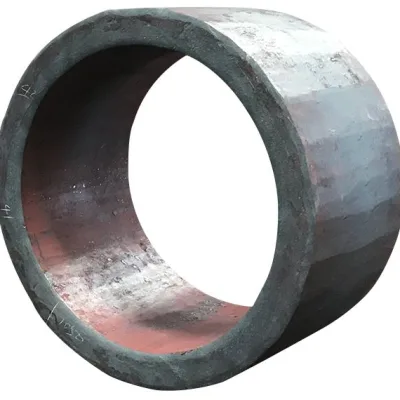
Ring Forging Machining
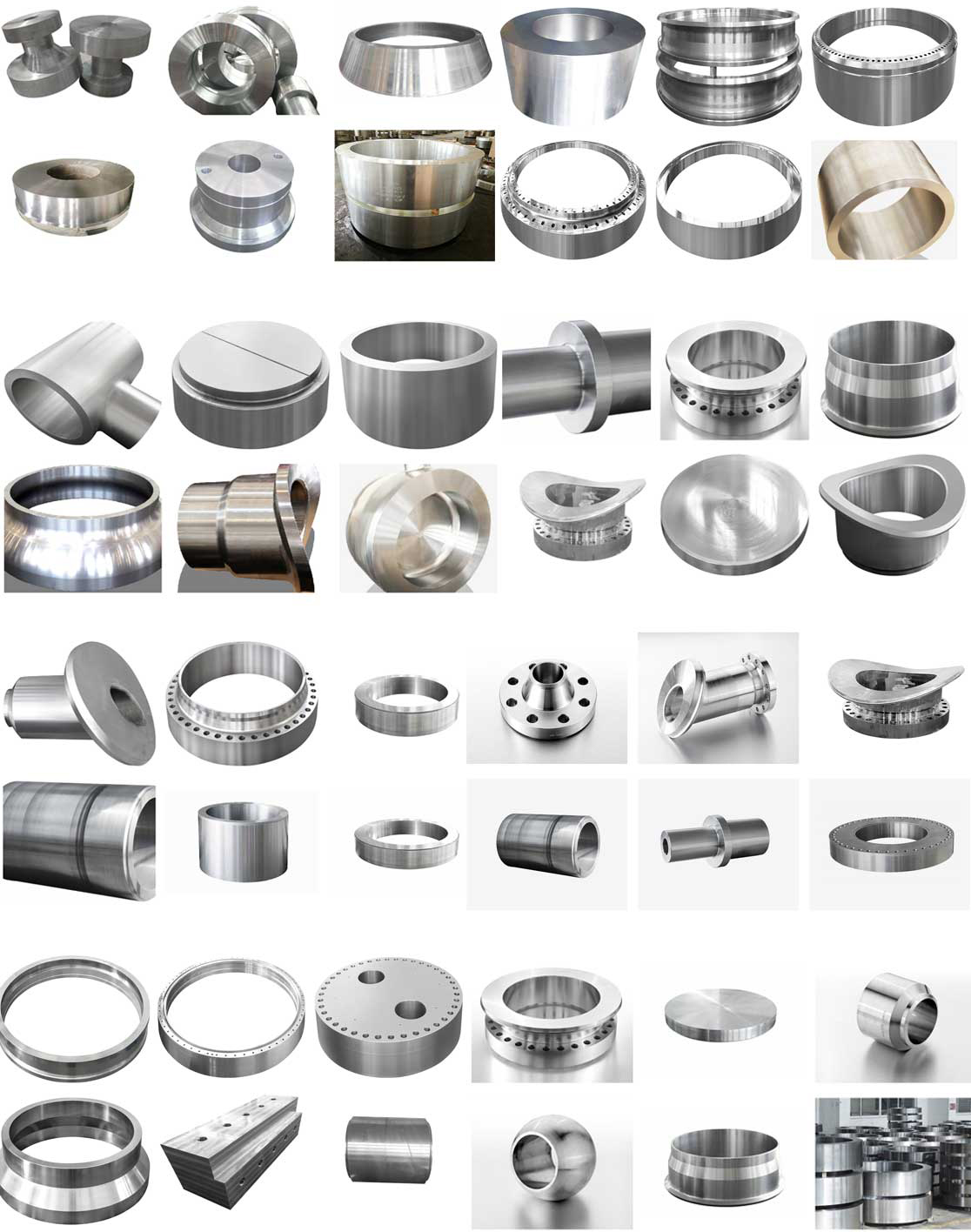
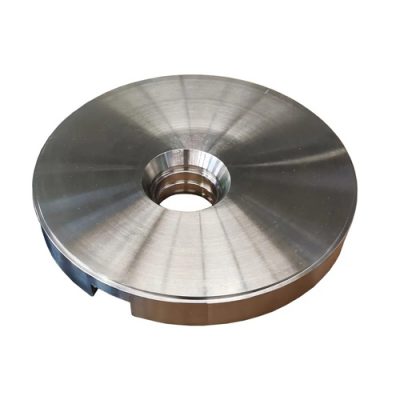
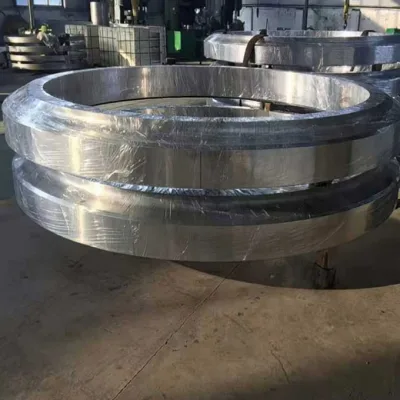
Our machining facilities are capable of handling large ring-shaped forgings and circular parts that require precise turning, face machining, boring, and contour control. This capability is suitable for industrial ring blanks, heavy-duty circular parts, and machined ring forgings.
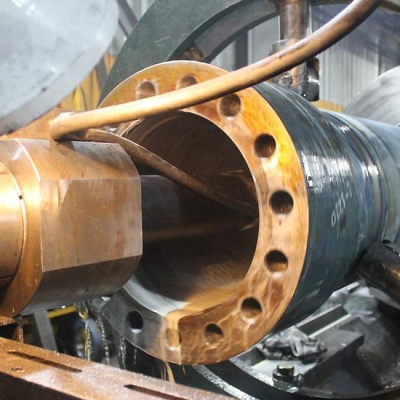
Cylindrical Forging Machining
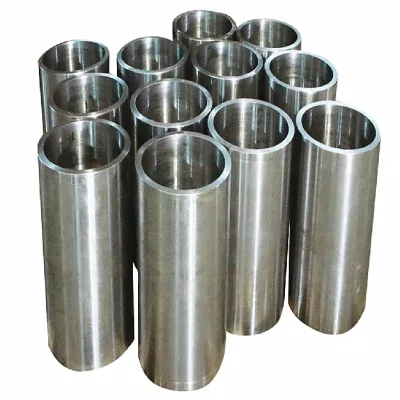
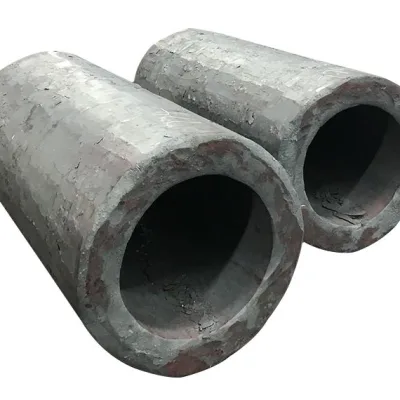
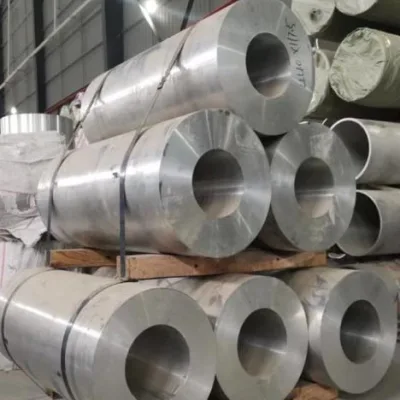
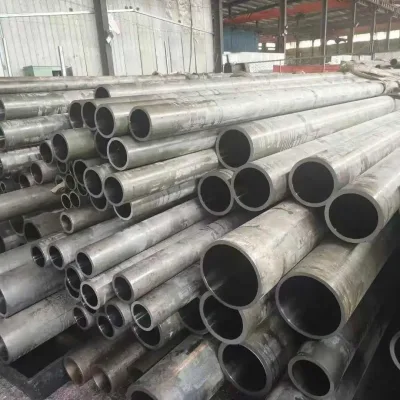
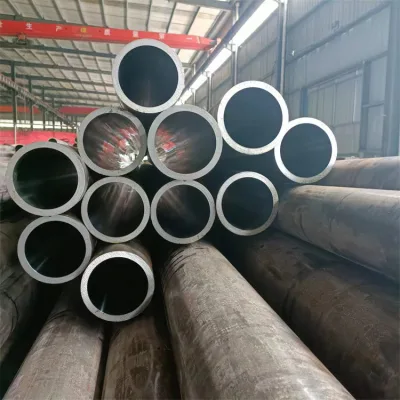
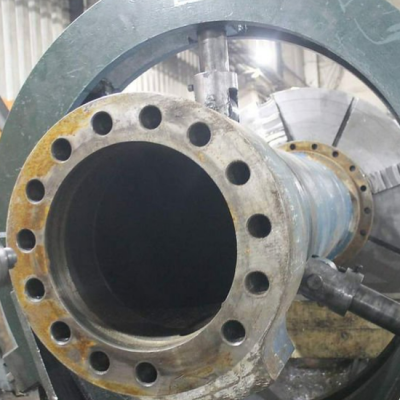
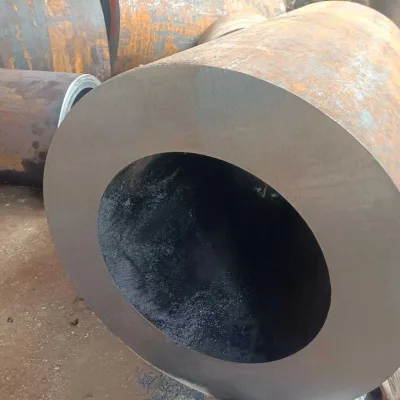
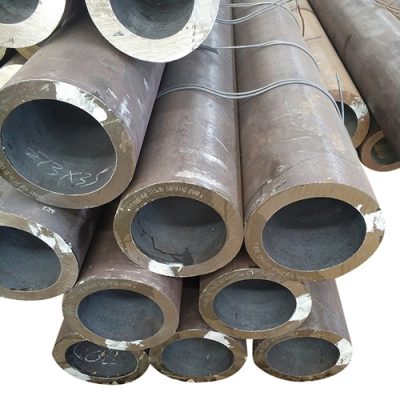
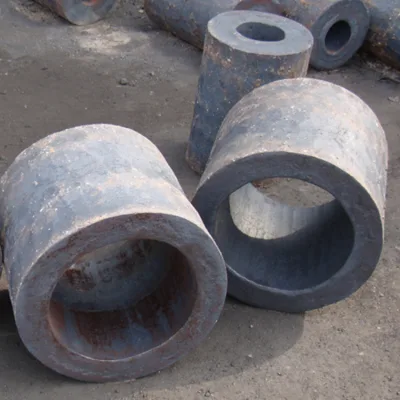
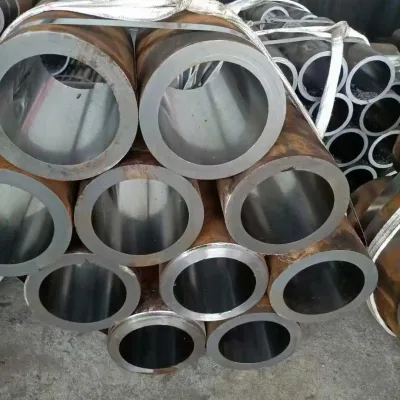
We offer machining solutions for heavy-duty cylindrical, hollow, and tubular forgings. This capability supports the machining of sleeves, cylinders, and other thick-walled forged components used in pressure vessels, rotating systems, and general industrial applications.
Inspection & Testing
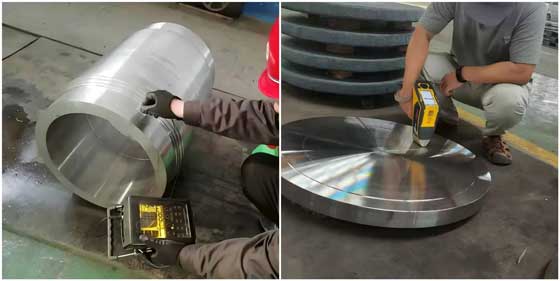
Quality control is integrated into our production process through the inspection and testing of forged and machined parts. Our capabilities help verify the dimensional accuracy, condition, and quality consistency of industrial forgings prior to delivery.
Packing & Delivery
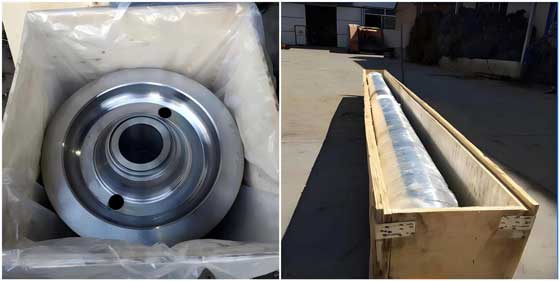
Finished forgings are properly protected and packaged to minimize the risk of damage during storage and transportation. Our packaging methods ensure the safe domestic delivery and export shipment of machined and high-value forged components.