Tool steel
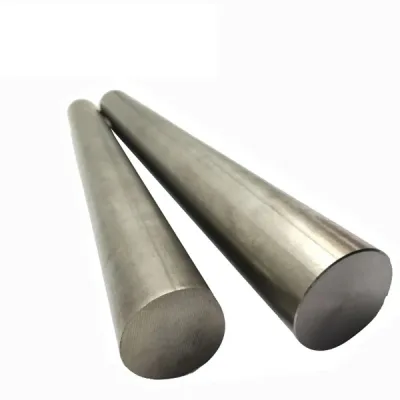
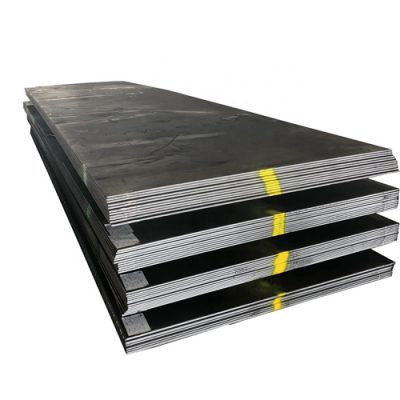
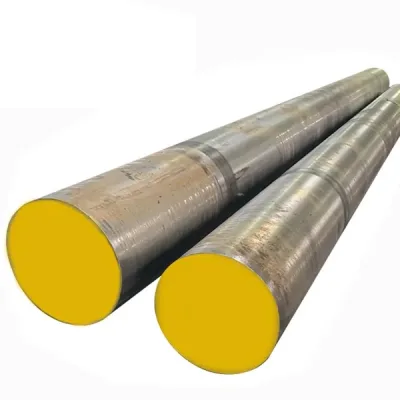
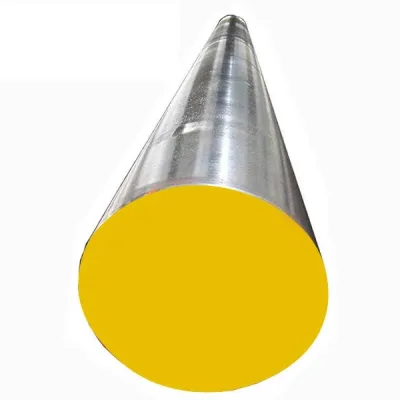
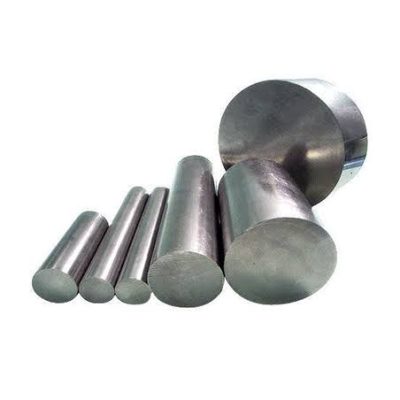
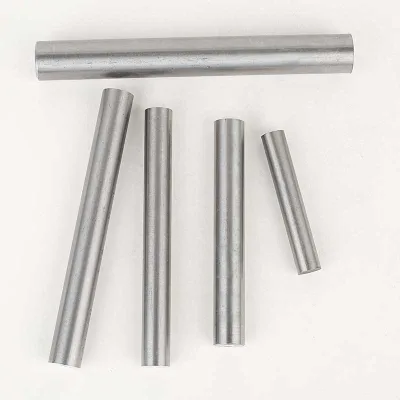
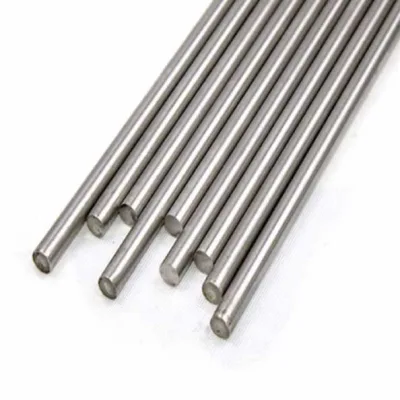
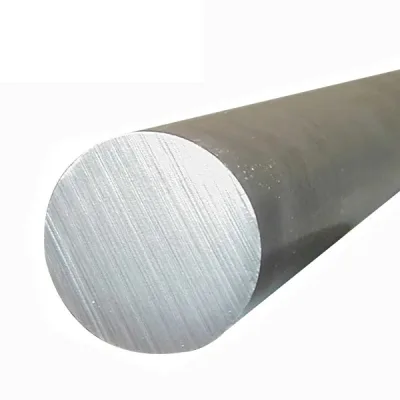
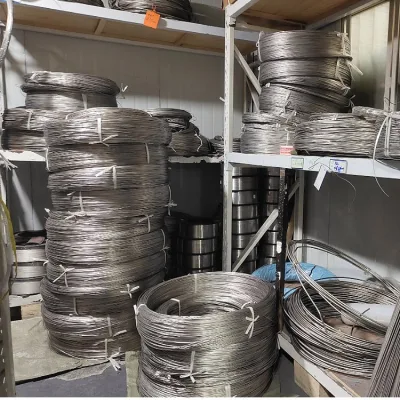
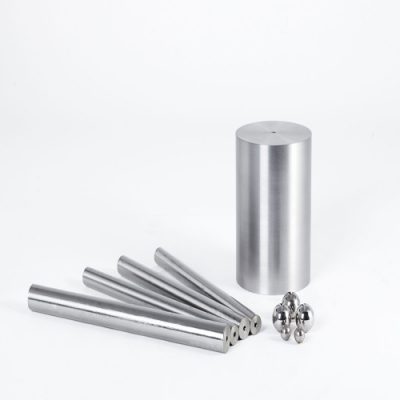
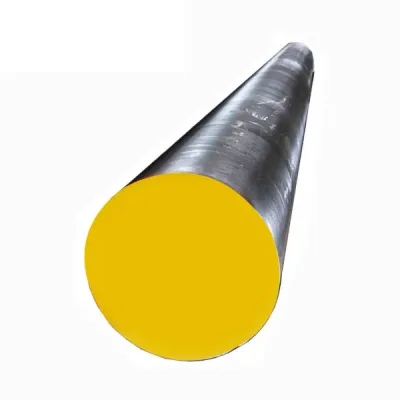
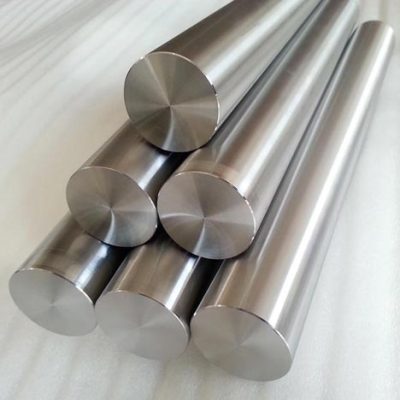
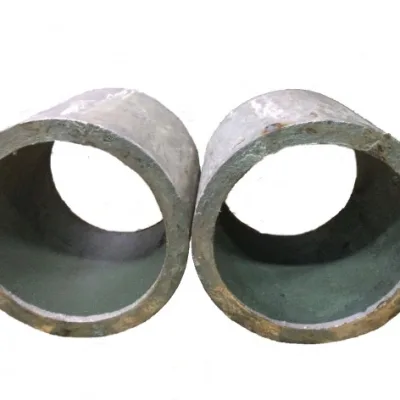
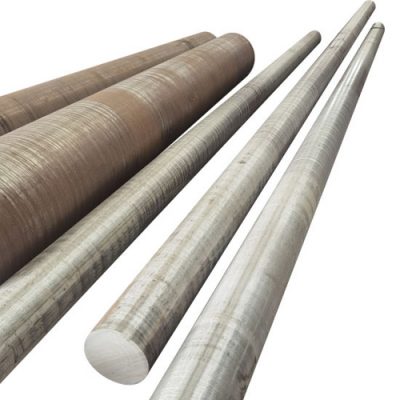
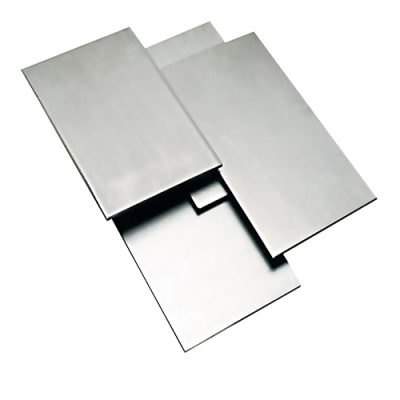
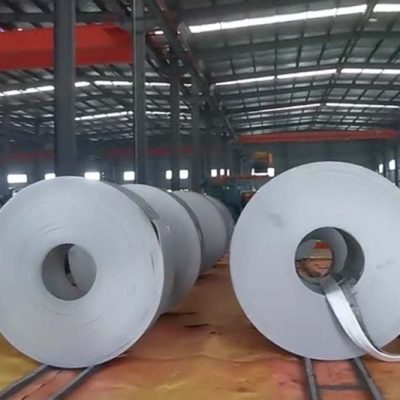
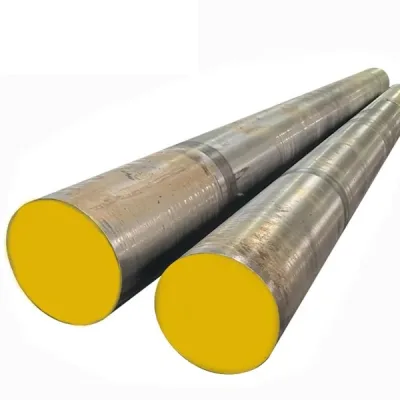
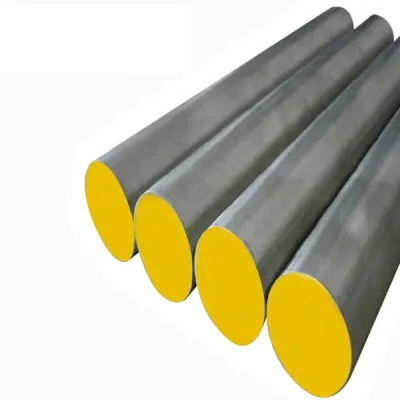
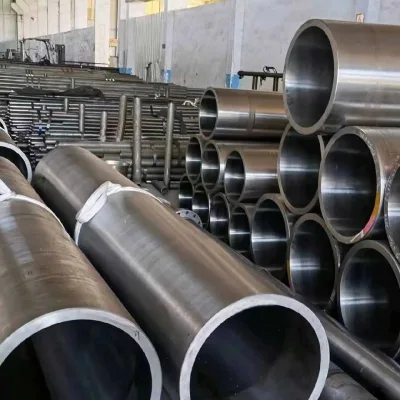
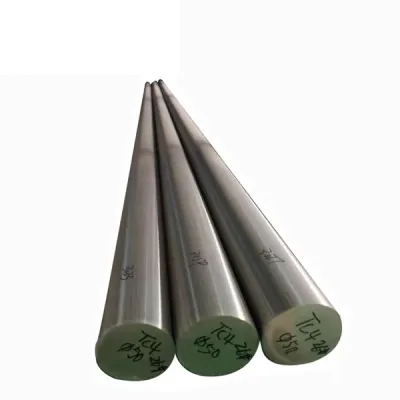
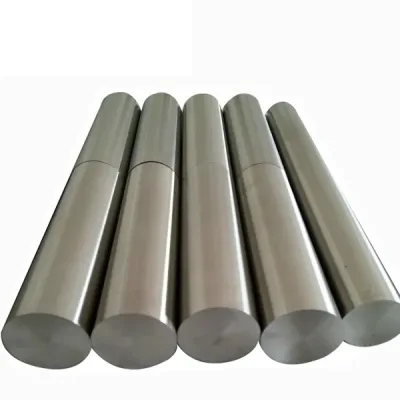
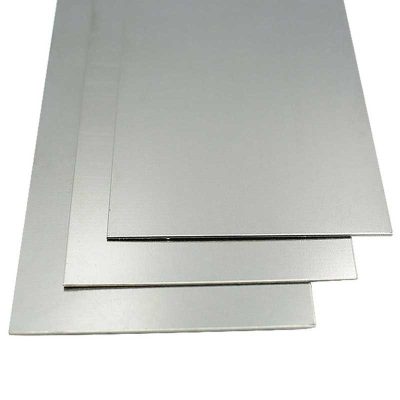
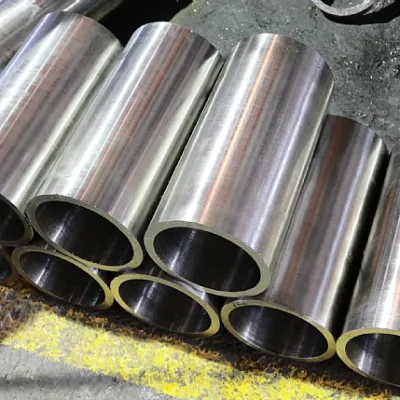
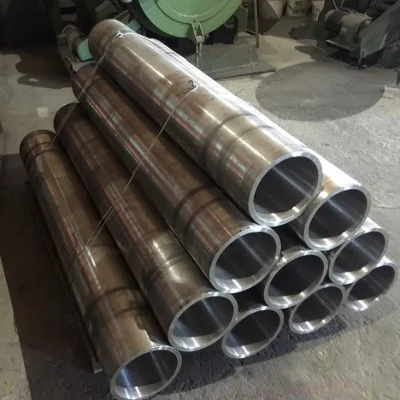
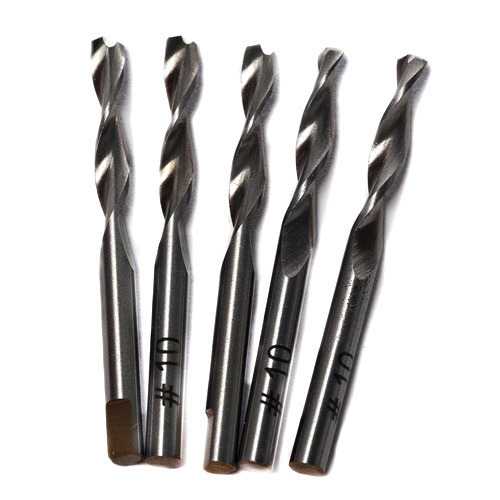
Tool steel is a steel with mechanical properties that make it an ideal material for tools.The hardness of the tool steel, its ability to maintain sharp edges or its resistance to wear and deformation are all noticeable.Tool steels contain various amounts of tungsten, molybdenum, cobalt and vanadium to increase the heat resistance and durability of the metal. This also makes them ideal for cutting and drilling.
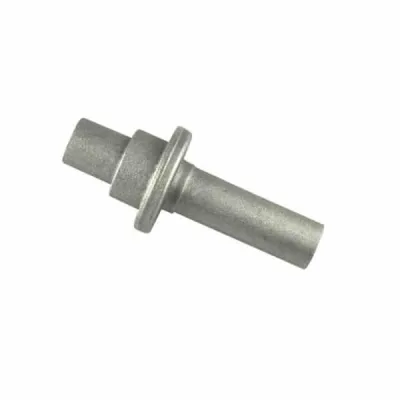
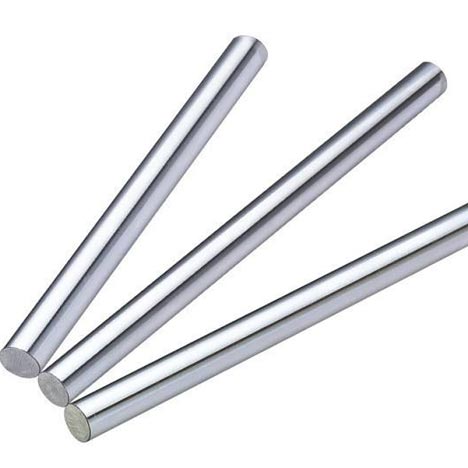
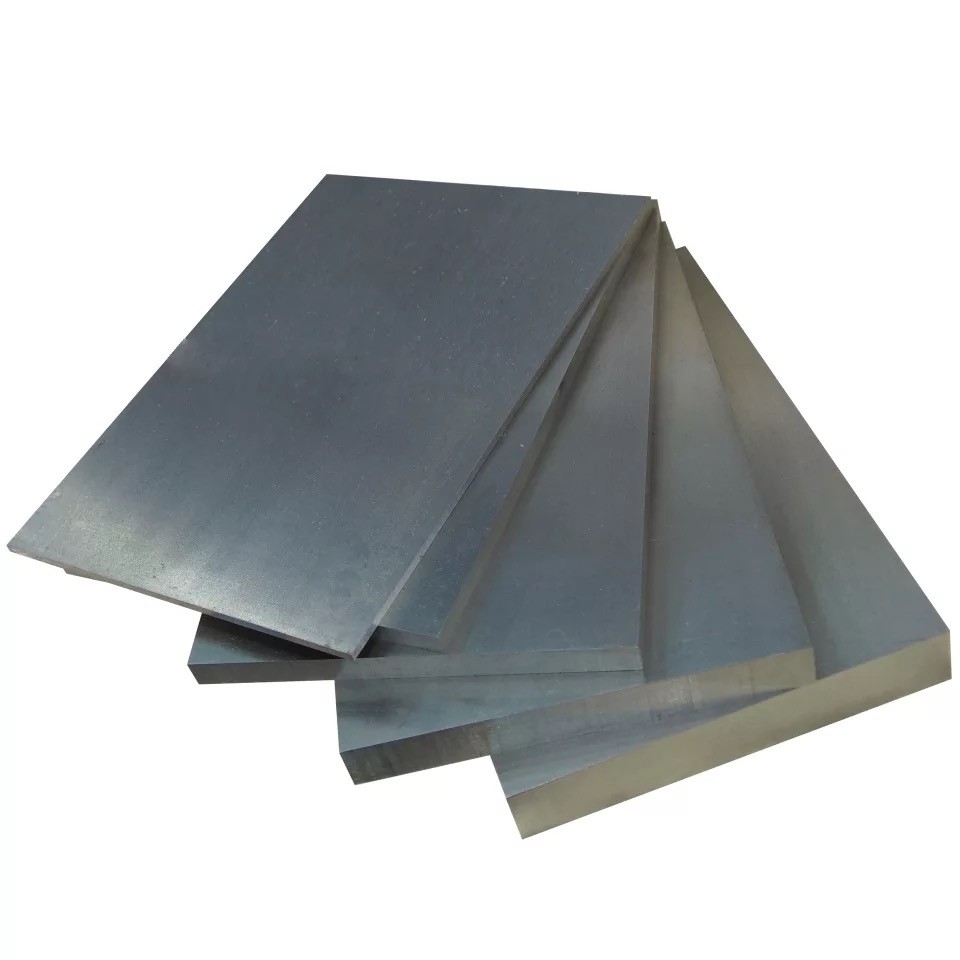
There are many alloys and carbon steels, usually made from heat treated and quenched products, suitable for use as tool steels. Tool steel comes in many different grades and is used to make tools such as stamping dies, construction equipment and shafts. In addition to making tools, it is also used in other applications where materials with the mechanical properties of tool steel are required.
Email: [email protected]
WhatsApp: 0086-13788924073

1. Water hardening:
Named for the basic characteristic that water quenching is necessary. This grade of tool steel is essentially ordinary high carbon steel. It is widely used due to its low cost.
2. Cold working category:
It is composed of three tool steels: oil hardening, air hardening and high carbon chromium. Steels in this group have high hardenability and wear resistance, and average toughness. They are typically used to produce larger parts, or parts that require minimal deformation when hardened. Both oil quenching and air hardening reduce the distortion, higher stresses caused by rapid water quenching, so they are less likely to crack. Cold-worked grade D-grade tool steels may contain about 10% to 13% chromium. This type of tool steel retains its hardness at high temperatures, up to 425°C/797°F. The most typical applications of this tool steel are forging dies, die-casting modules and mold making.
3. Impact resistance:
This grade of tool steel has high impact resistance and good hardenability. It is designed to resist low temperature and high temperature shocks. It also has high impact toughness and relatively low wear resistance.
4. High speed:
T-type and M-type tool steels are used for cutting tools when strength and hardness must be maintained at high temperatures.
5. Thermal processing:
Group H tool steels are specially developed to maintain strength and hardness after prolonged exposure to high temperatures.
6. Plastic molds and special-purpose categories:
P-Code (plastic mold steel), designed to meet the needs of zinc die castings and the special requirements of plastic injection molds; L-Code, low-alloy special tool steel; F-Code, water hardening/more resistant than W-type tool steel grind.
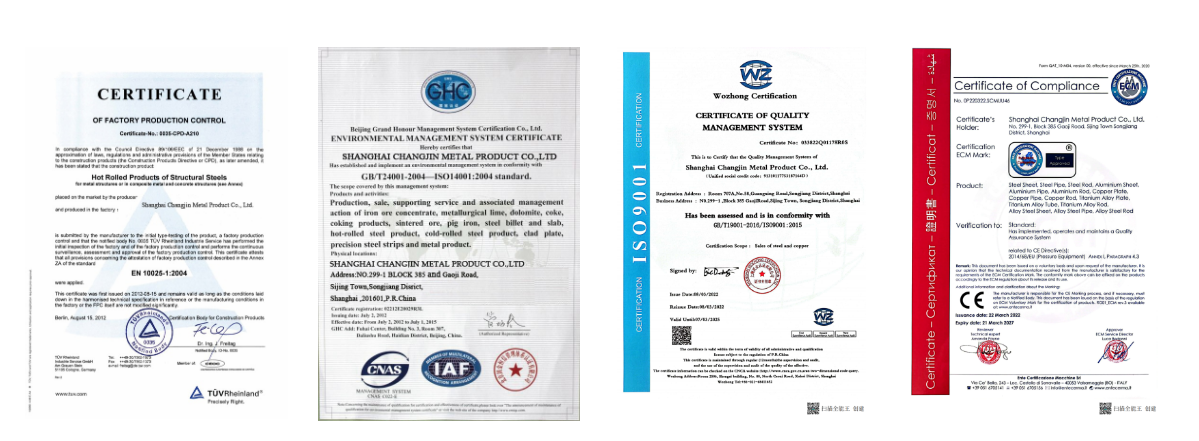
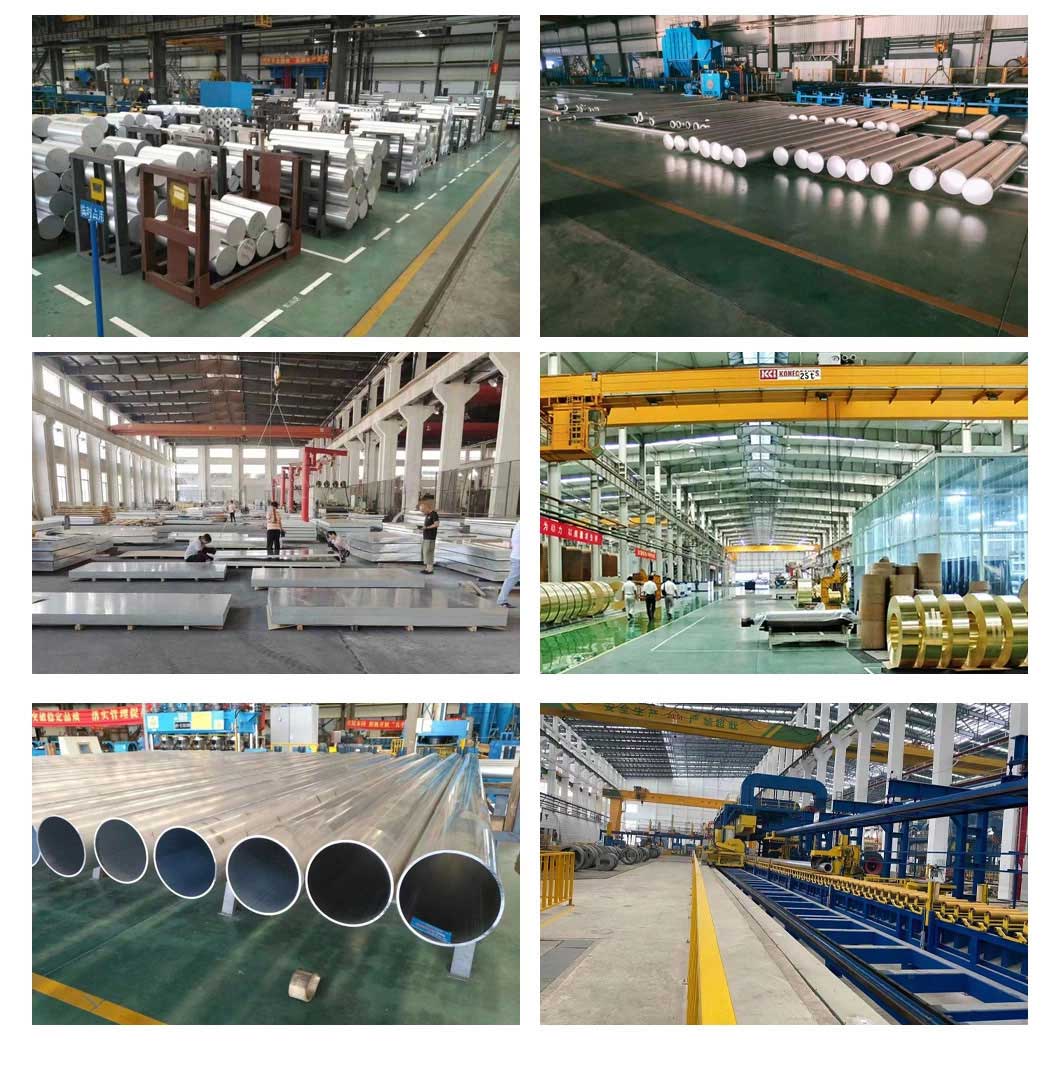
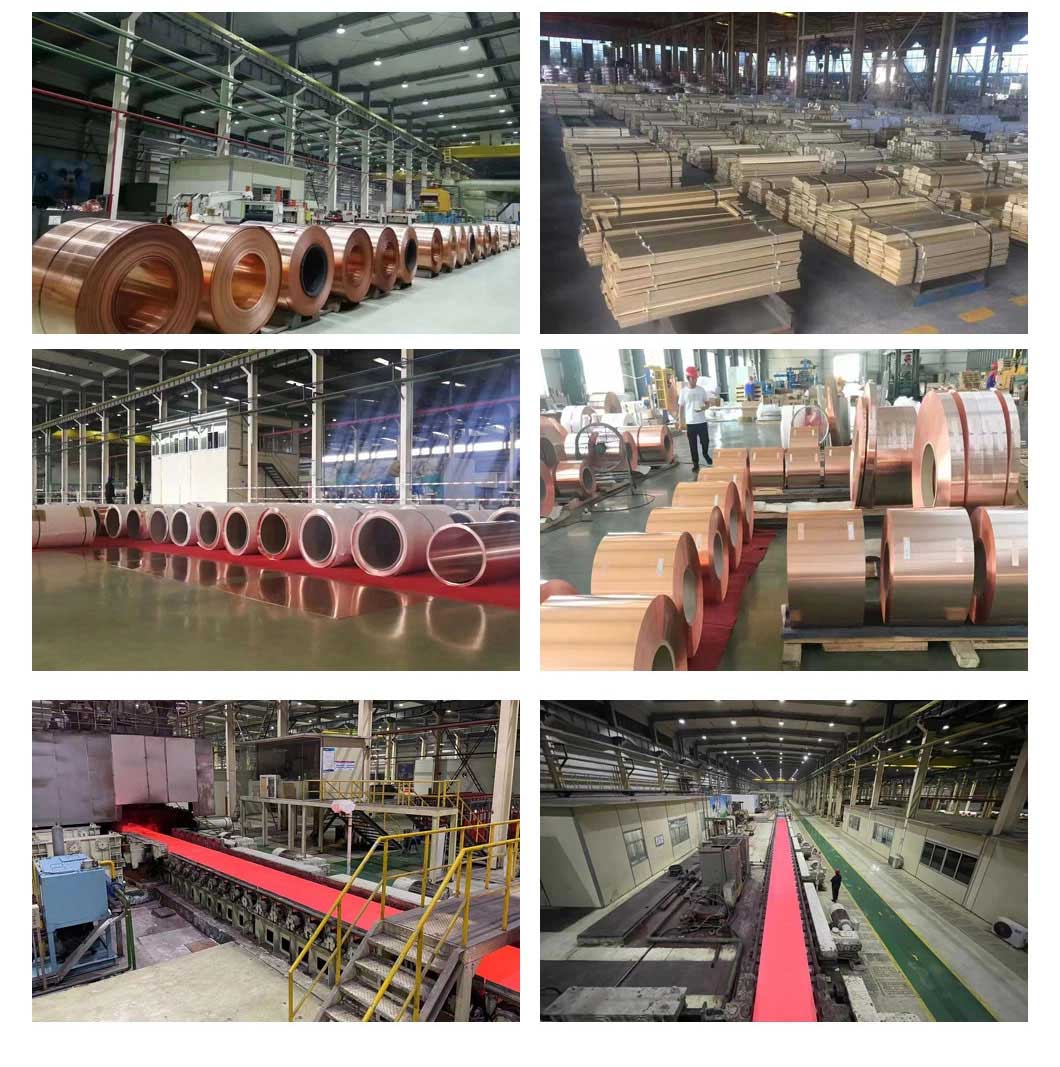
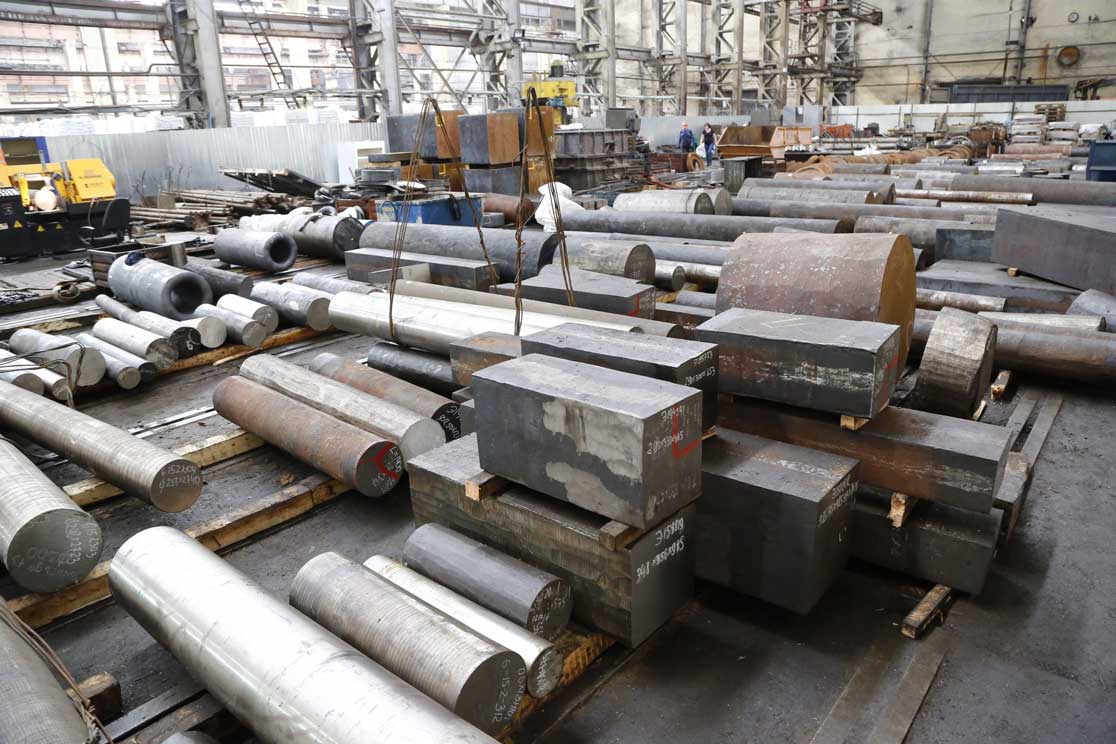
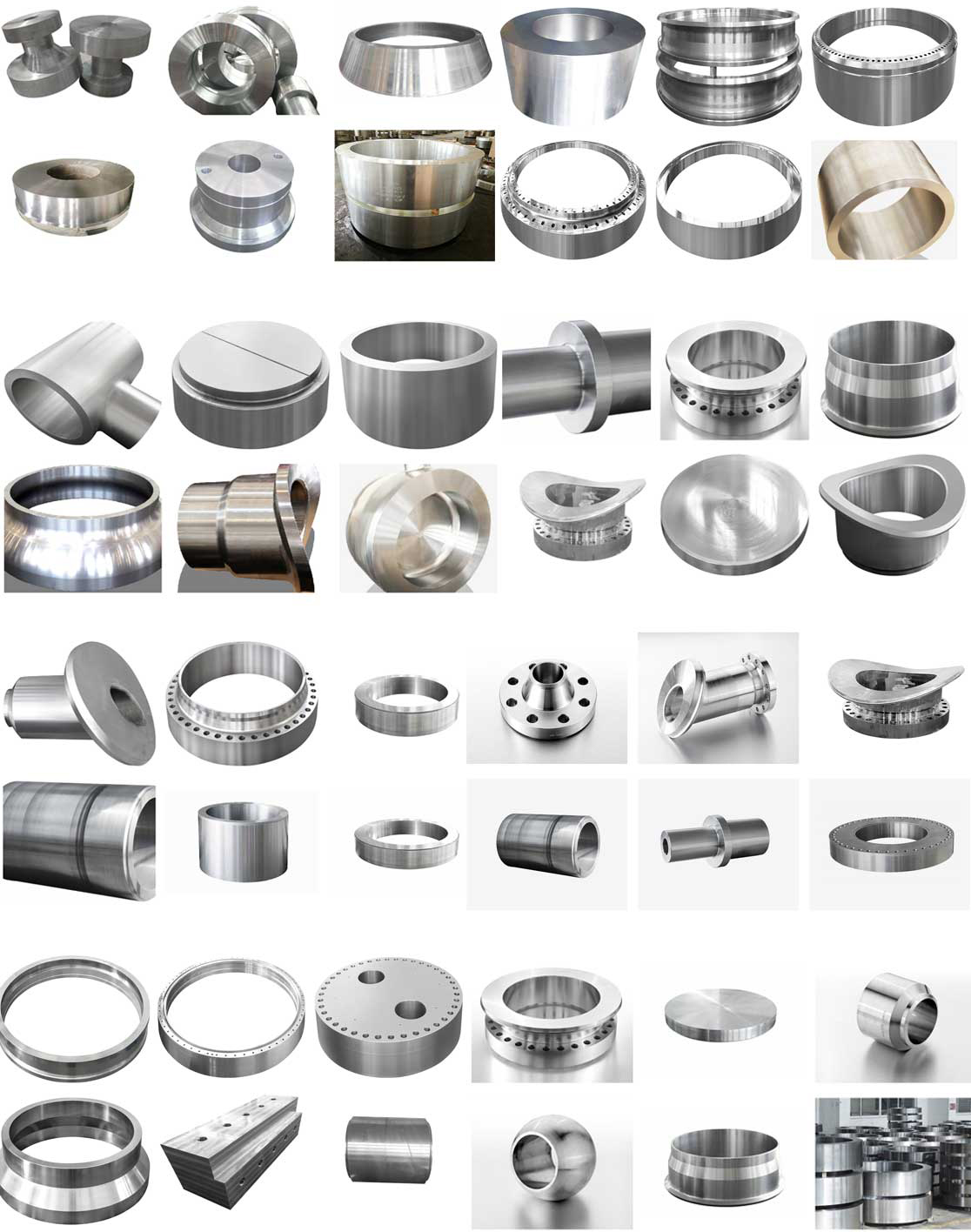
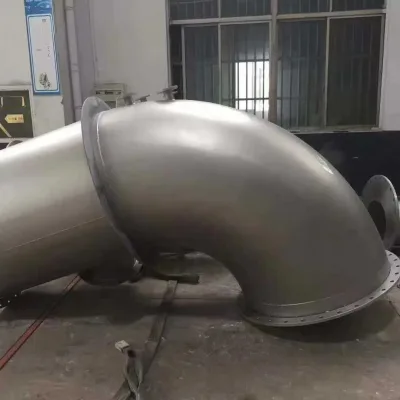
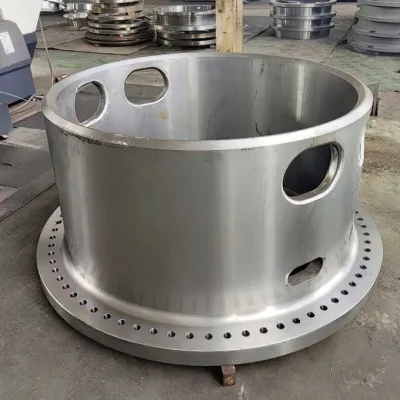
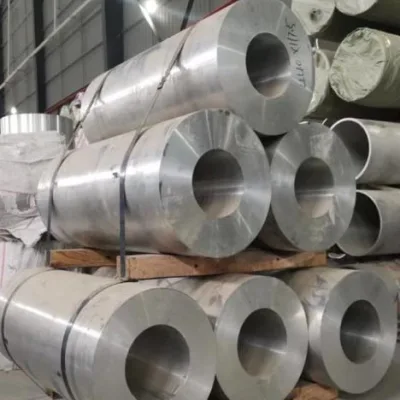
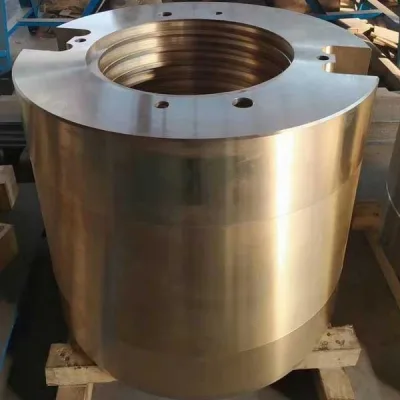
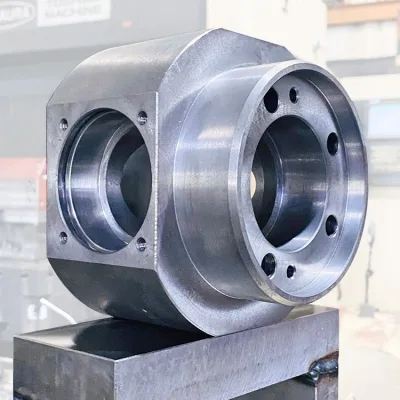
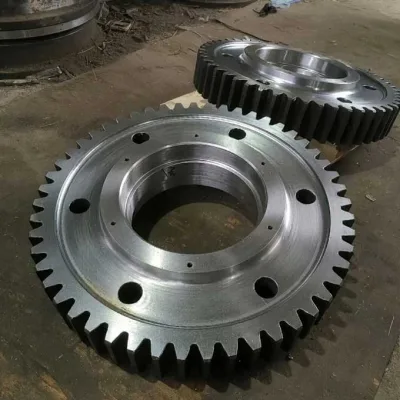
We also provide forging blanks and CNC precision machining services for our clients, covering industries such as energy, petrochemicals, steel, engineering machinery, plastics, prevention and control, hydraulics, healthcare, and food. Please feel free to send us drawings for inquiries.
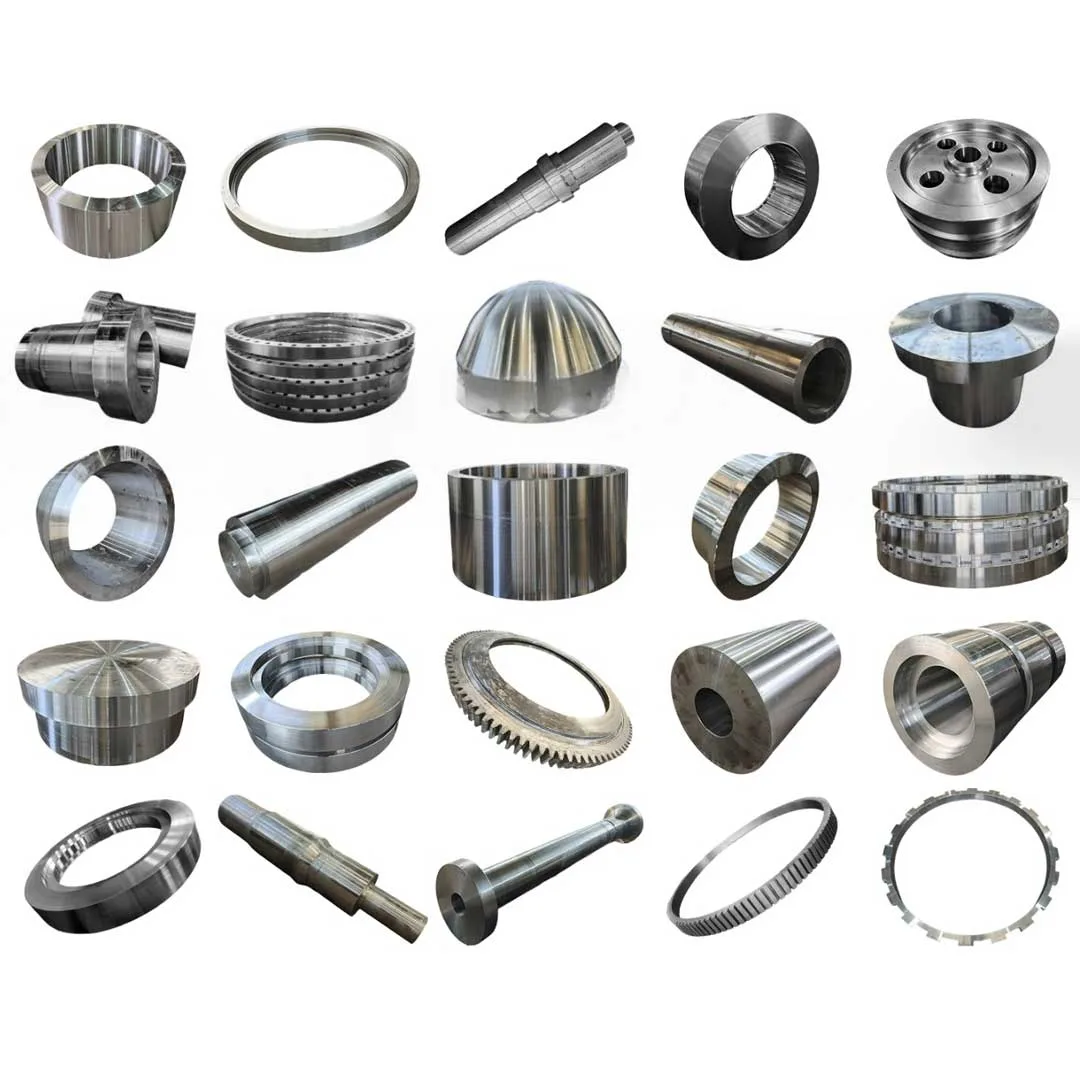
Metalworking Services
CNC Machining
Sheet Metal Fabrication
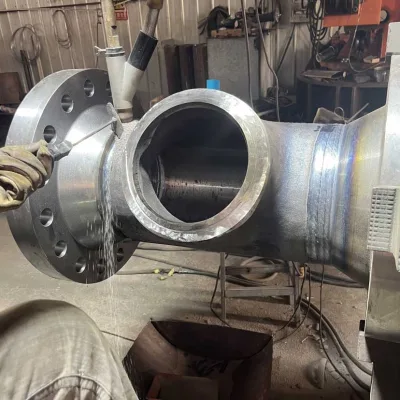
Metal Welding
Metal Cutting
Metal Bending
Metal Punching
Metal Forging
Metal Sheet Rolling
Tube and Plate Drilling
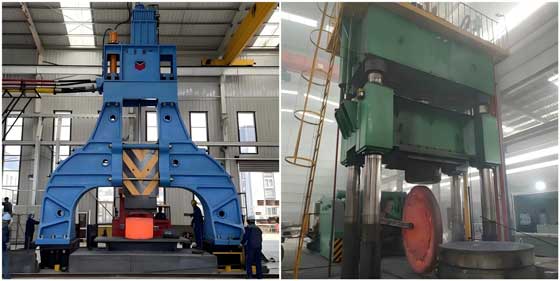
Heavy Forging Press Capacity
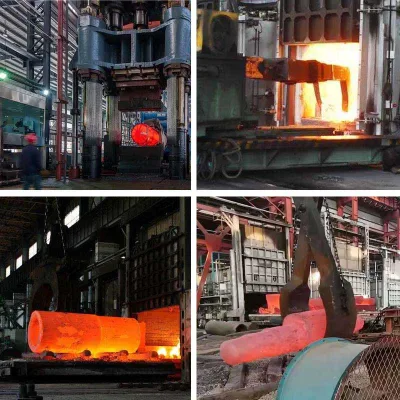
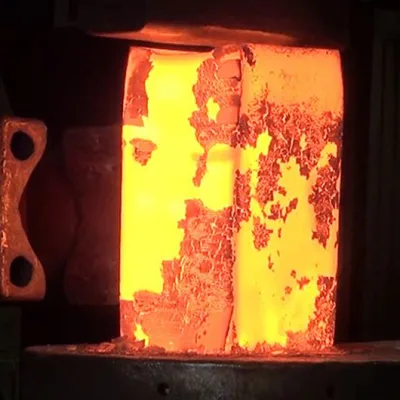
Our heavy-duty forging presses support open-die forging and deformation of large-section forgings, including discs, shafts, blocks, and custom components. This capability enables us to meet the demanding forming requirements of heavy industrial applications.
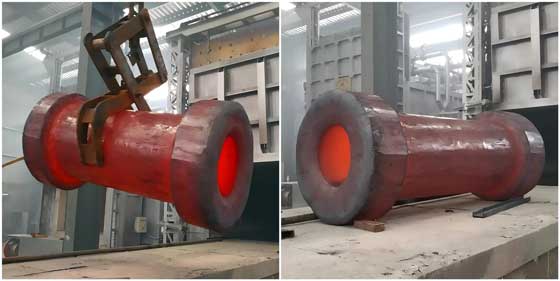
Heat Treatment Capability
Heat treatment is a critical step in achieving the mechanical properties required for heavy-duty forgings. Our process capabilities meet the strength, toughness, and structural stability requirements for forged components used under demanding operating conditions.
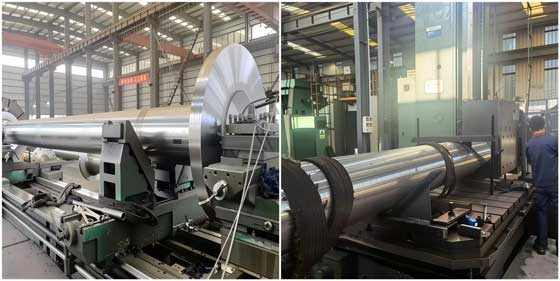
Heavy Shaft Machining
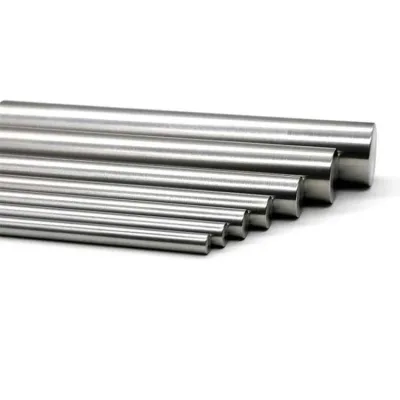
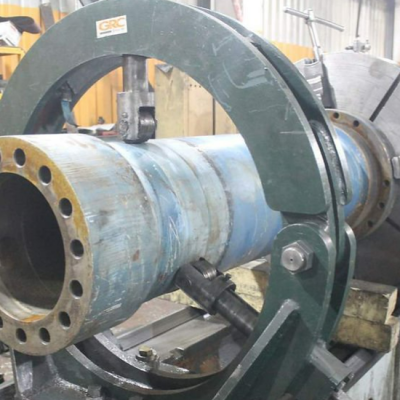
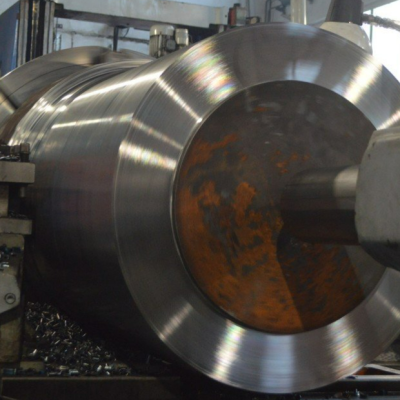
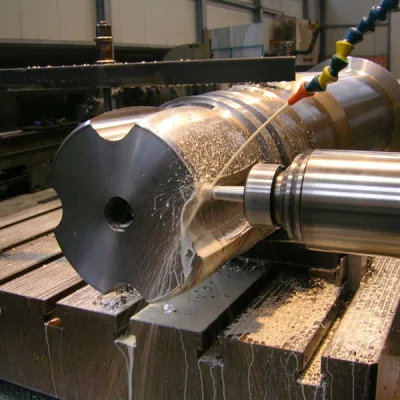
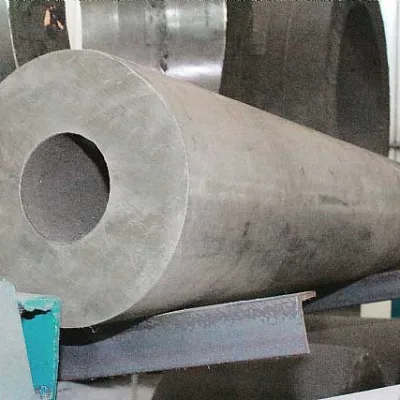
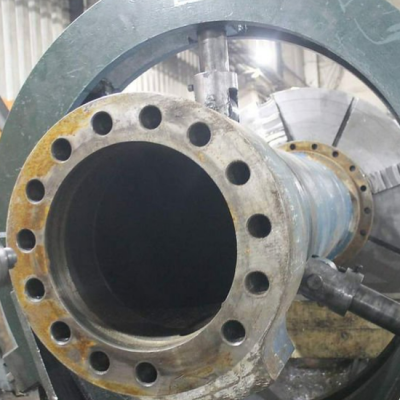
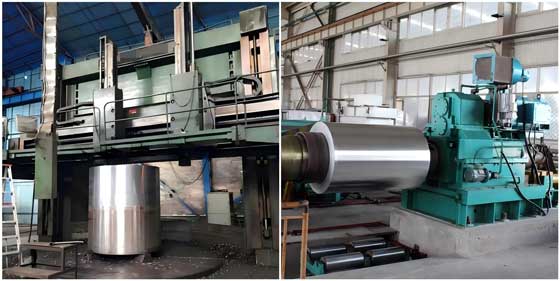
We offer machining capabilities for large forged shafts and long cylindrical components, supporting both rough and finish machining. This capacity is suitable for stepped shafts, rotor shafts, rollers, and other heavy-duty forged shaft components.
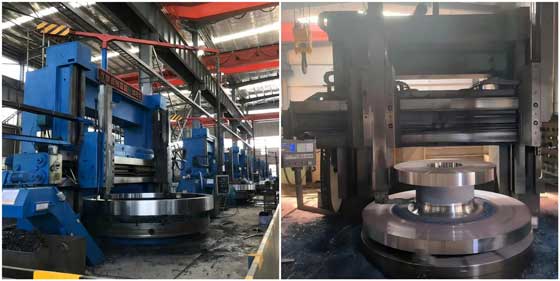
Ring Forging Machining
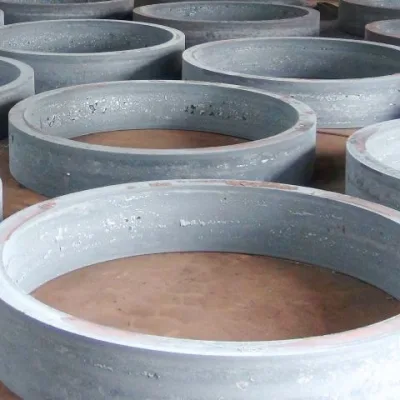
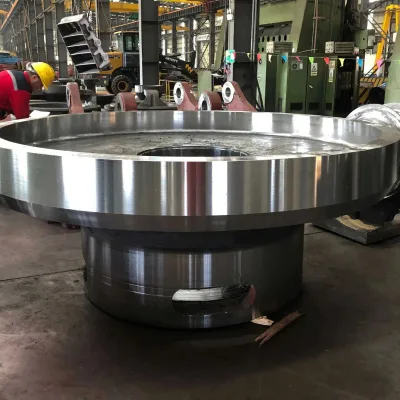
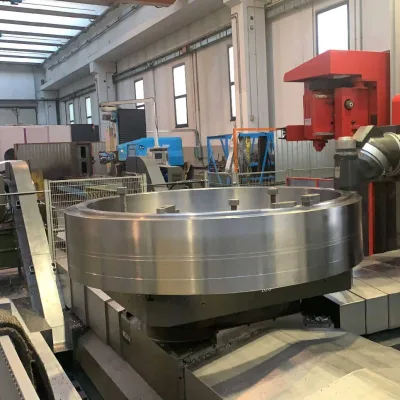
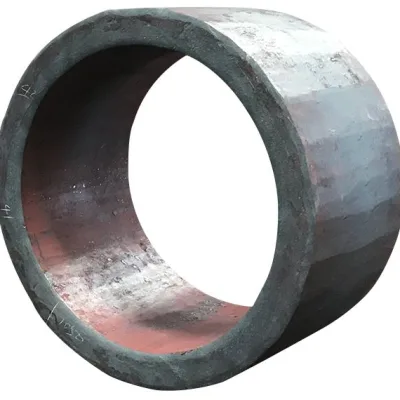
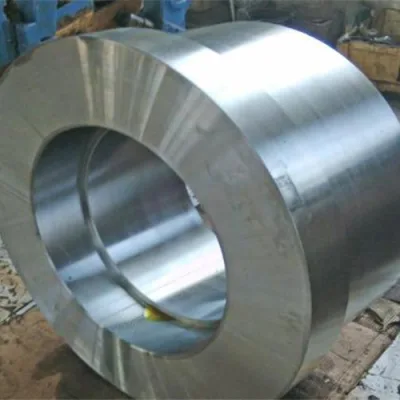
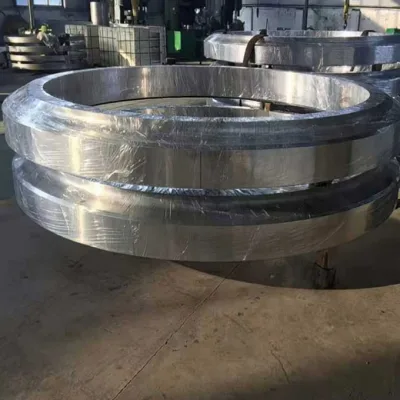
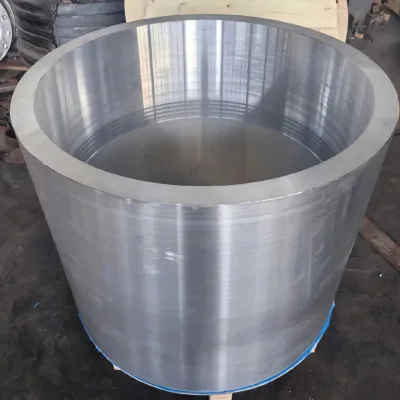
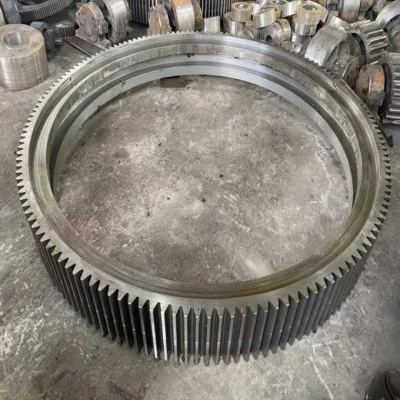
Our machining facilities are capable of handling large ring-shaped forgings and circular parts that require precise turning, face machining, boring, and contour control. This capability is suitable for industrial ring blanks, heavy-duty circular parts, and machined ring forgings.
Cylindrical Forging Machining
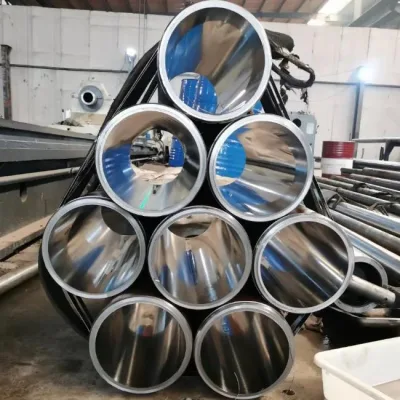
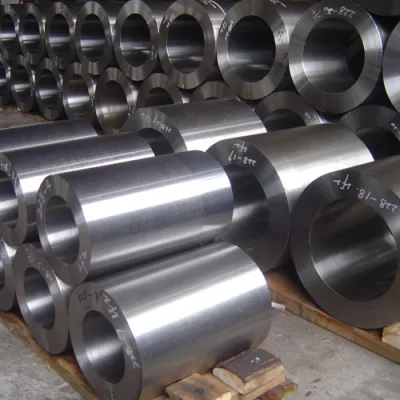
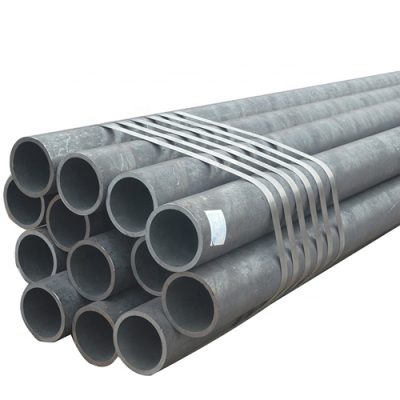
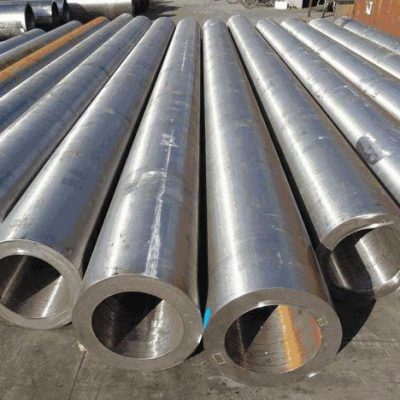
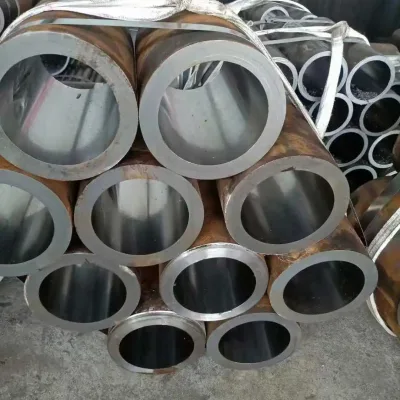
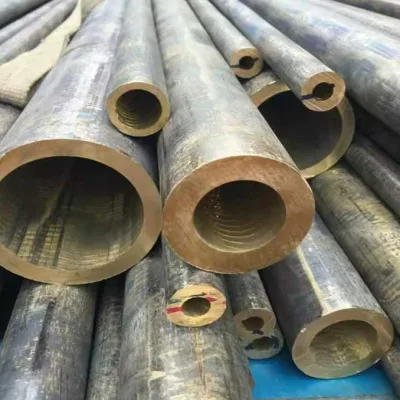
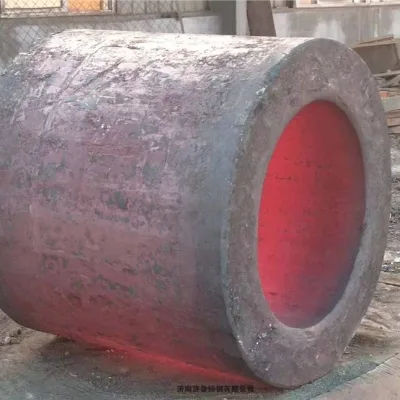
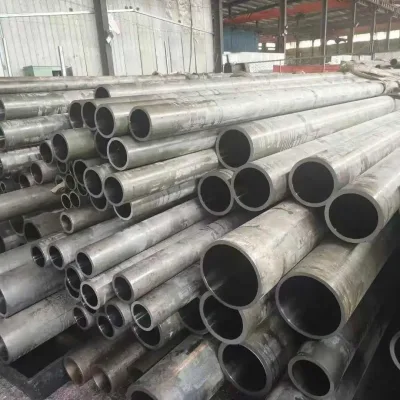
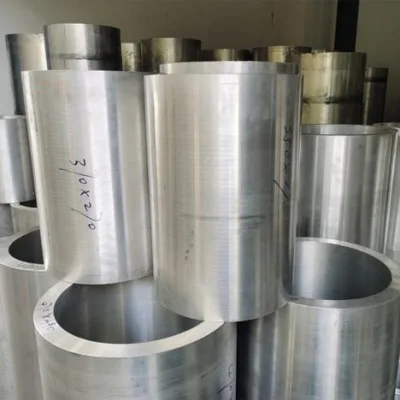
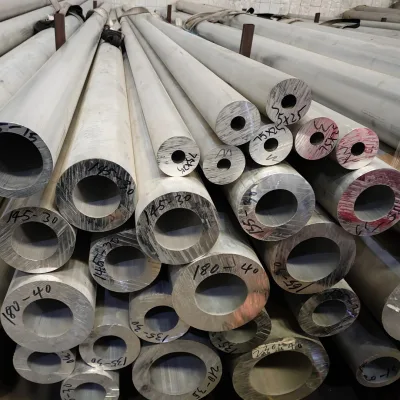
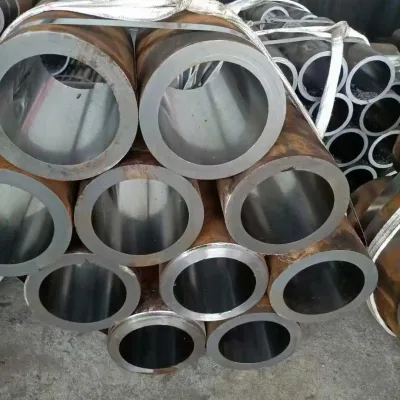
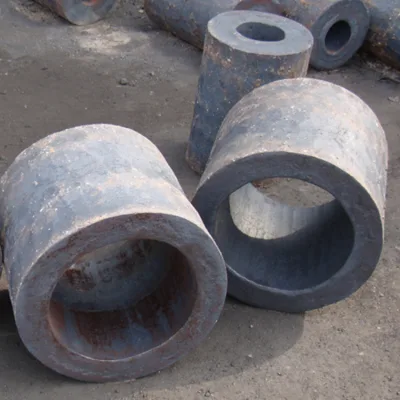
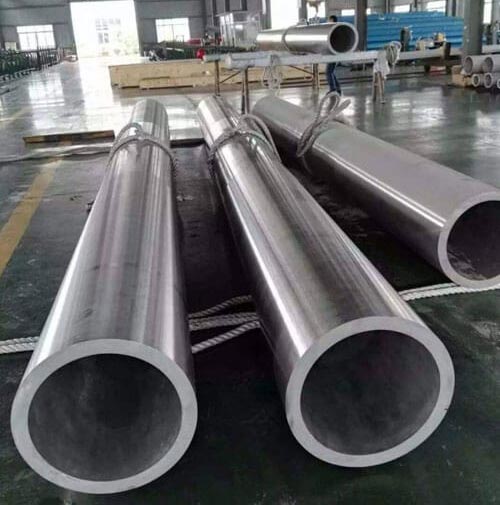
We offer machining solutions for heavy-duty cylindrical, hollow, and tubular forgings. This capability supports the machining of sleeves, cylinders, and other thick-walled forged components used in pressure vessels, rotating systems, and general industrial applications.
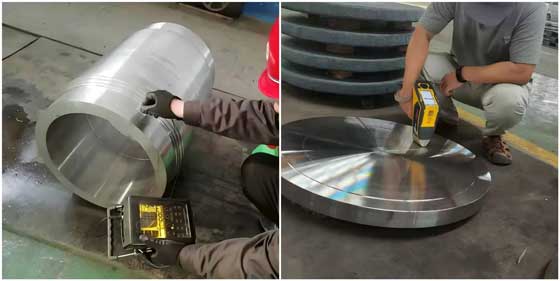
Inspection & Testing
Quality control is integrated into our production process through the inspection and testing of forged and machined parts. Our capabilities help verify the dimensional accuracy, condition, and quality consistency of industrial forgings prior to delivery.
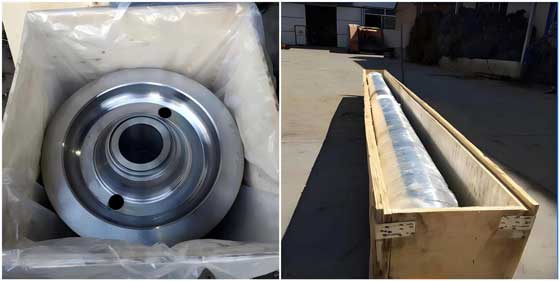
Packing & Delivery
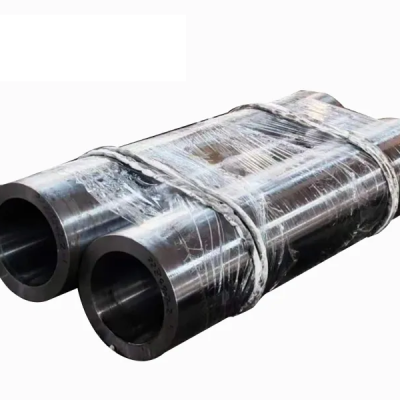
Finished forgings are properly protected and packaged to minimize the risk of damage during storage and transportation. Our packaging methods ensure the safe domestic delivery and export shipment of machined and high-value forged components.