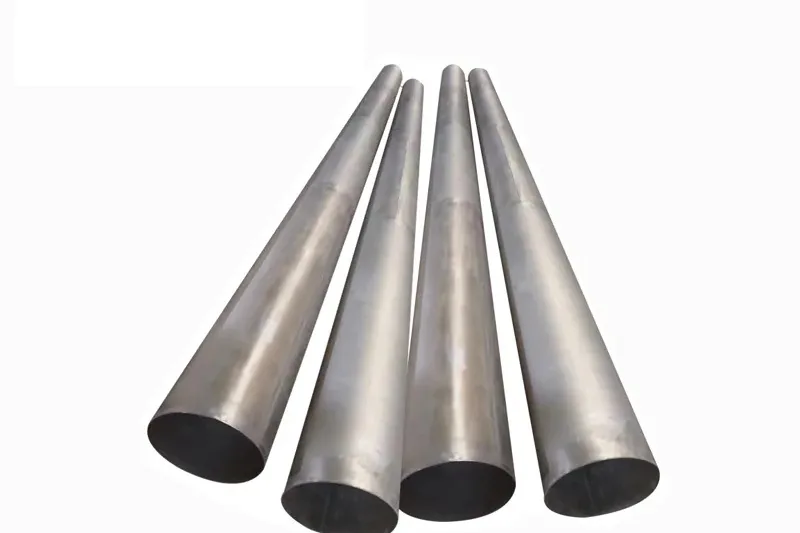
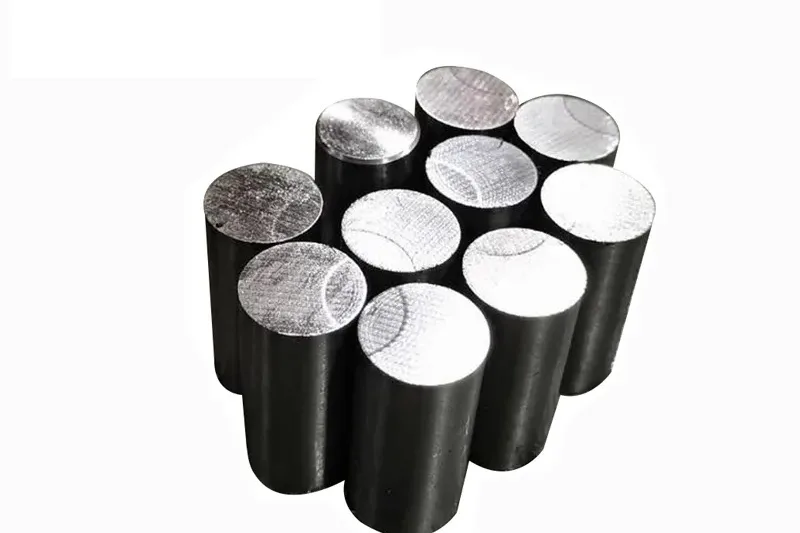
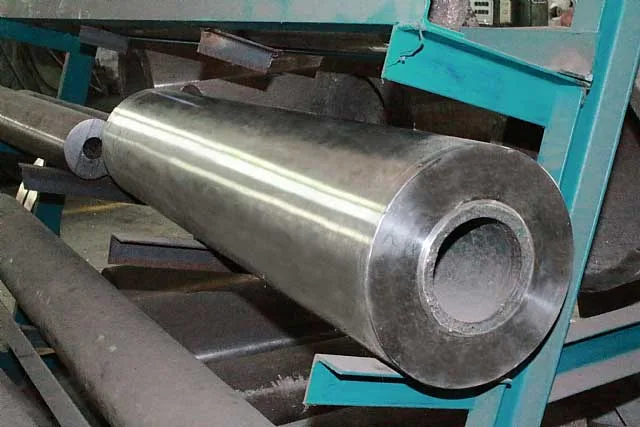
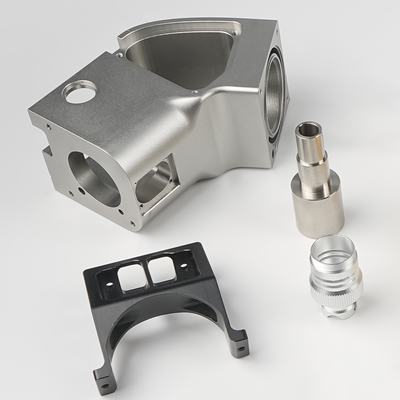
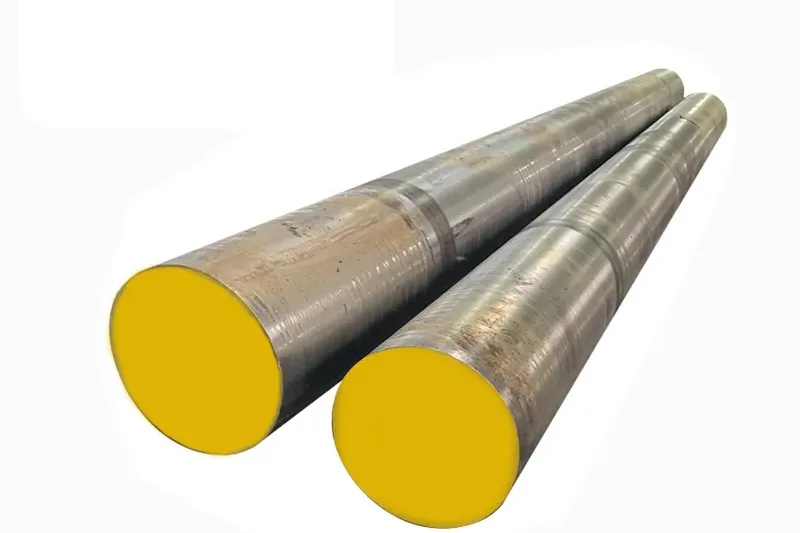
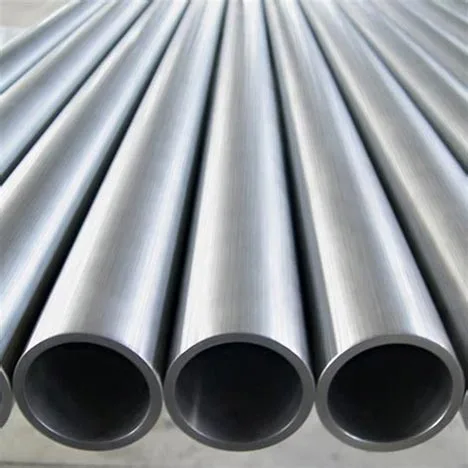
Super Duplex Pipe
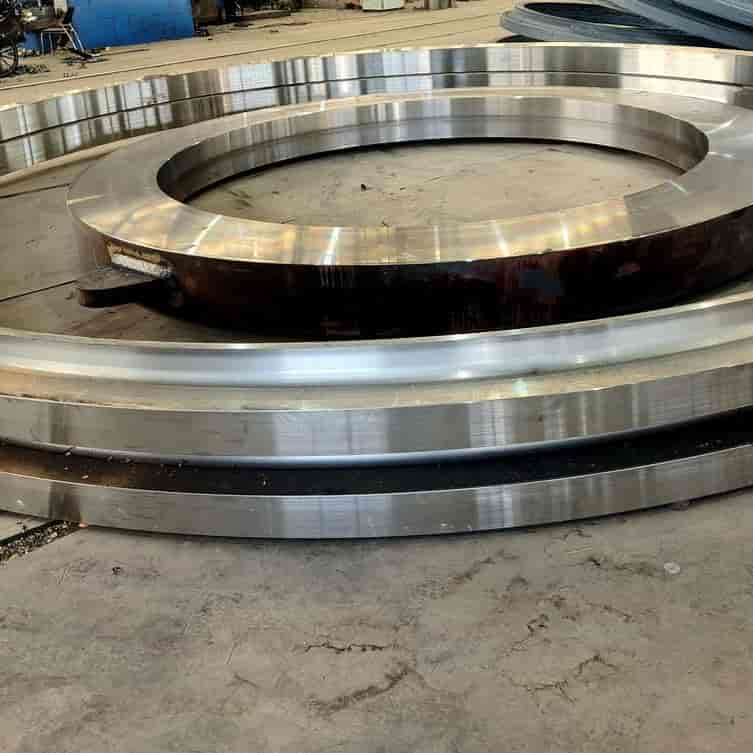
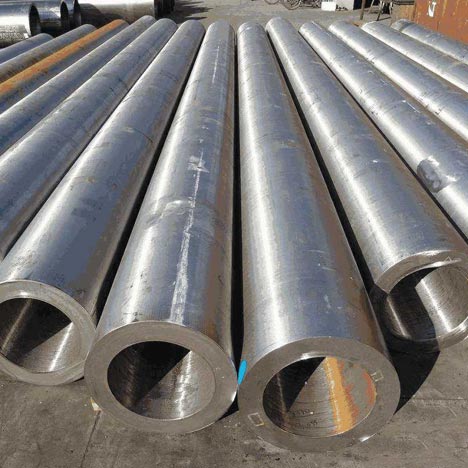
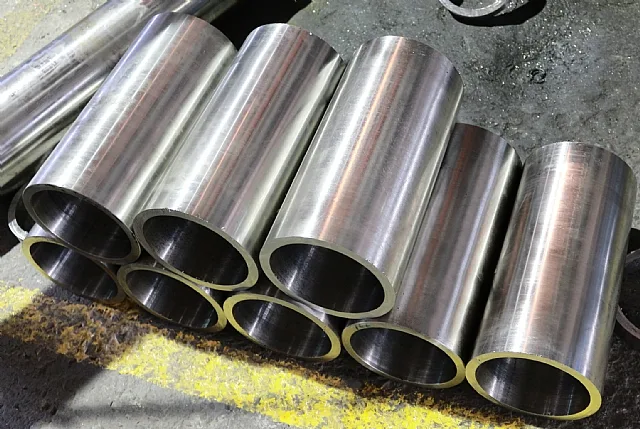
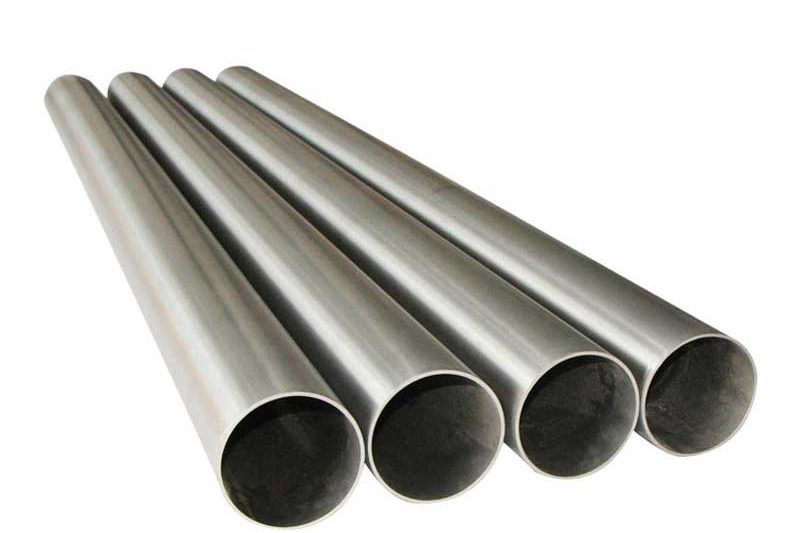
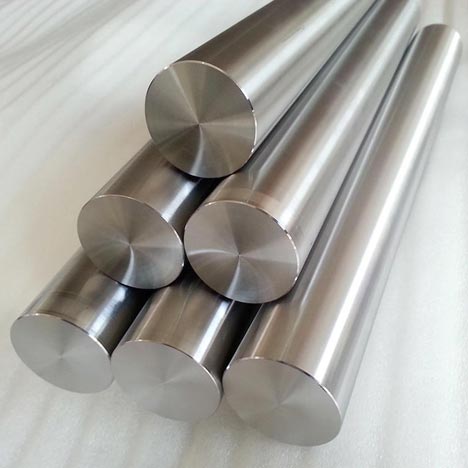
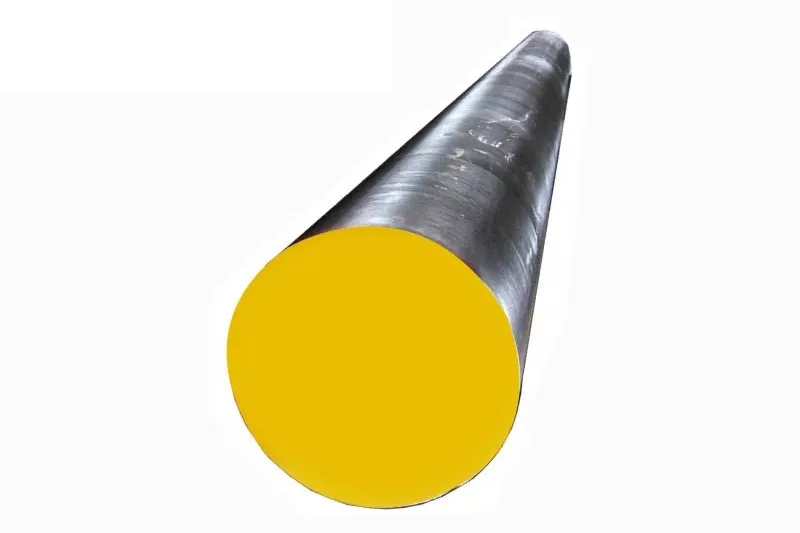
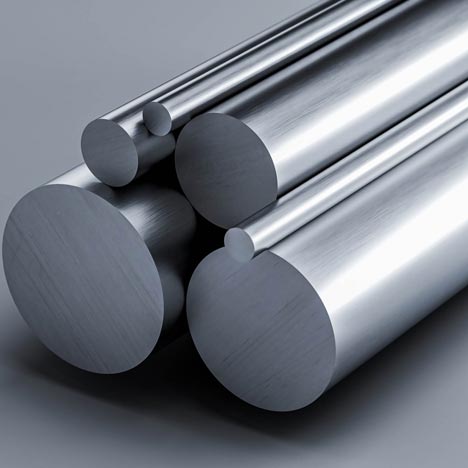
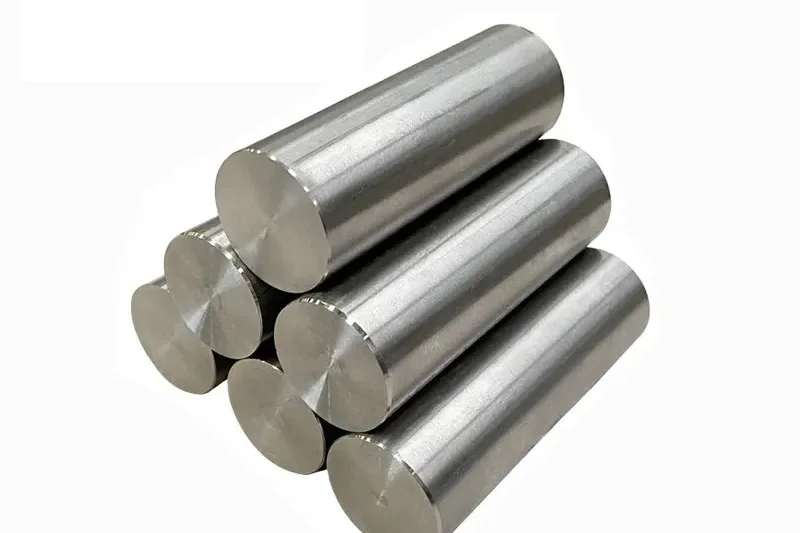
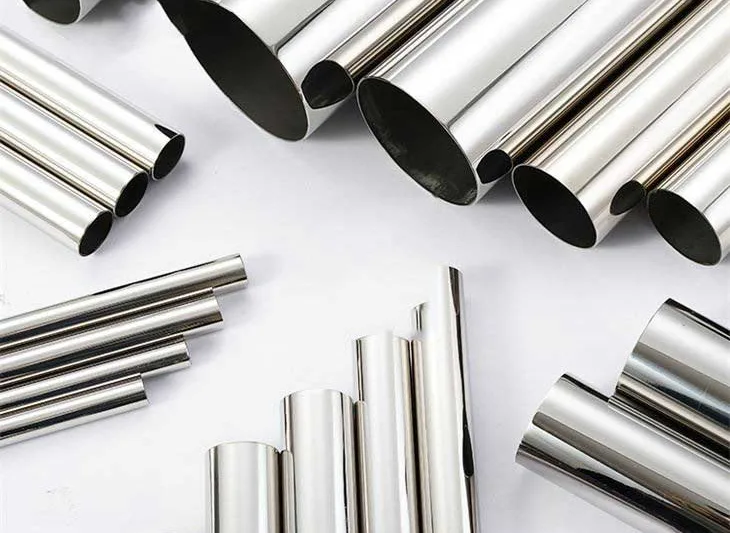
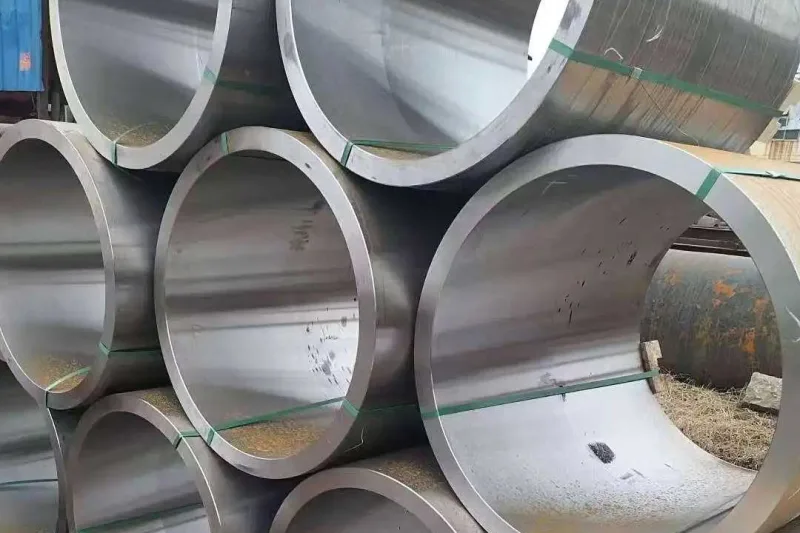
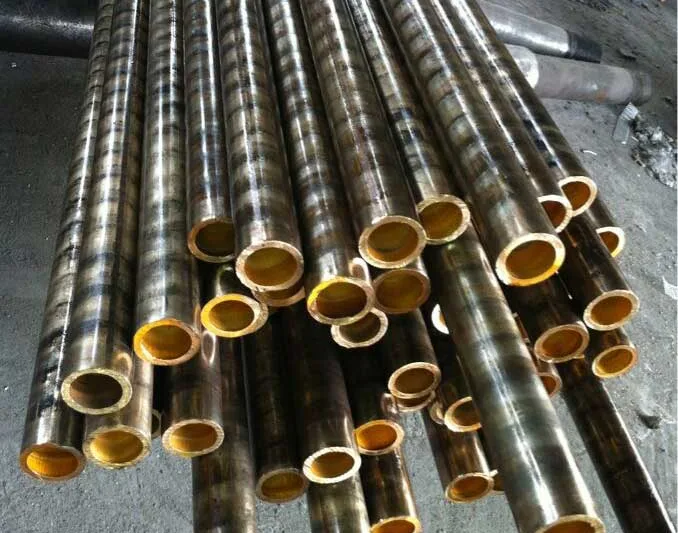
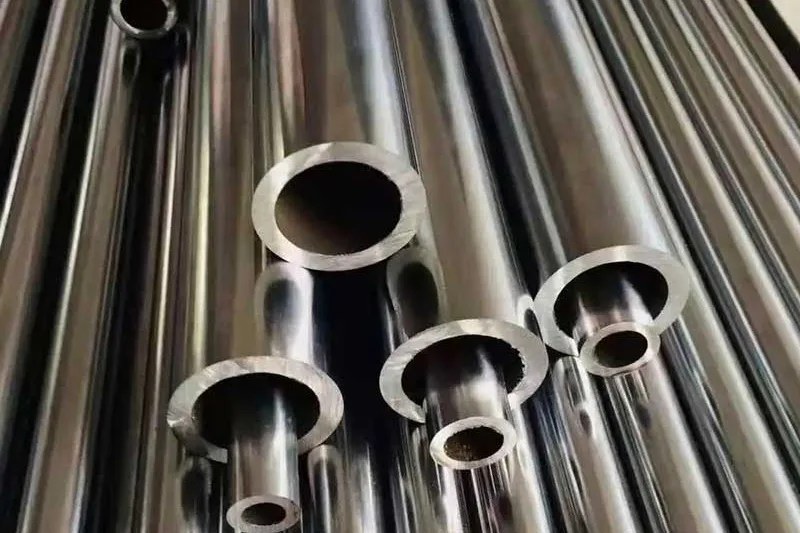
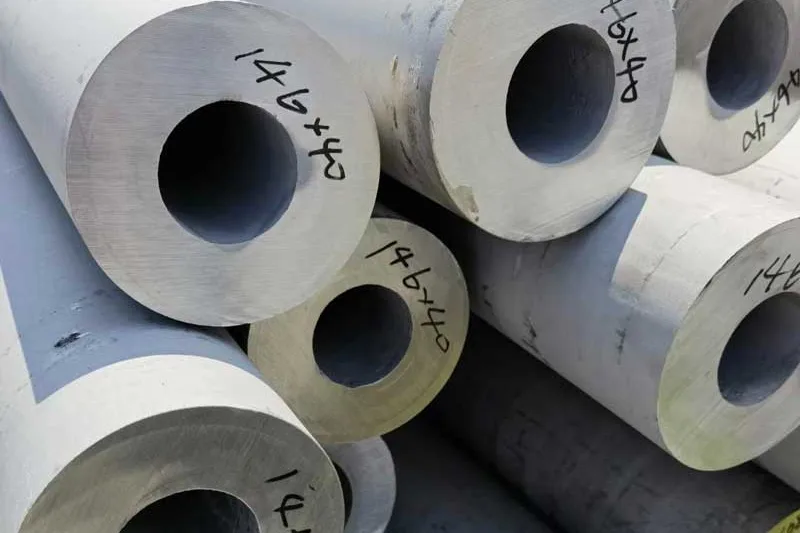
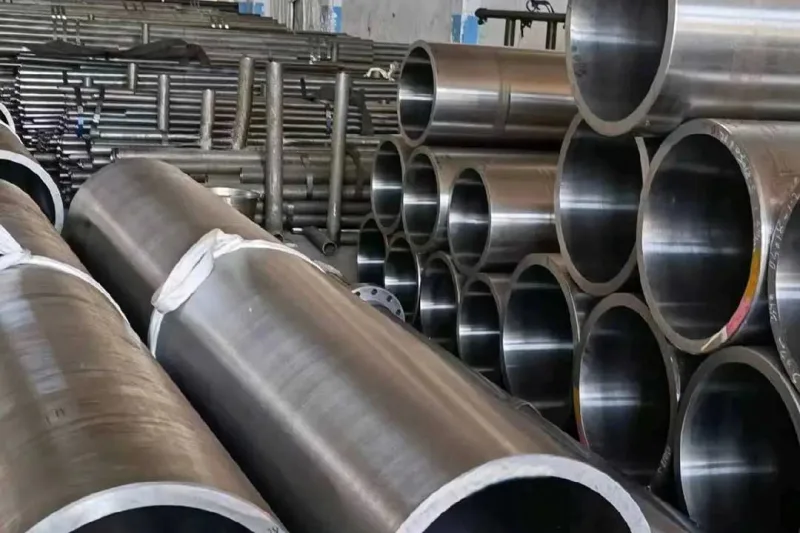
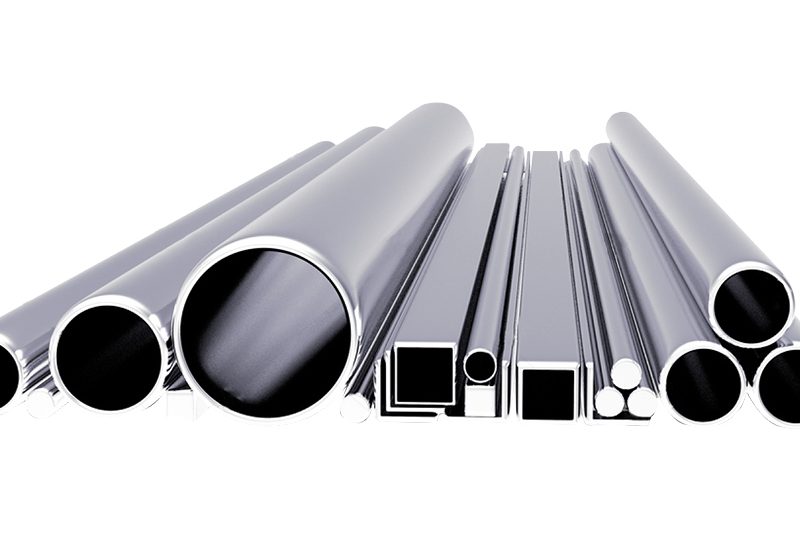
Super duplex pipe is a type of duplex stainless steel pipe that combines high strength with excellent corrosion resistance. It is widely used in demanding operating environments such as oil and gas, chemical processing, seawater desalination, and marine engineering. The term “super duplex” in its name specifically denotes a microstructure uniformly composed of approximately 40%–50% ferrite and 50%–60% austenite. Through precise control of alloying elements such as chromium, molybdenum, and nitrogen, the material's overall performance is significantly enhanced.
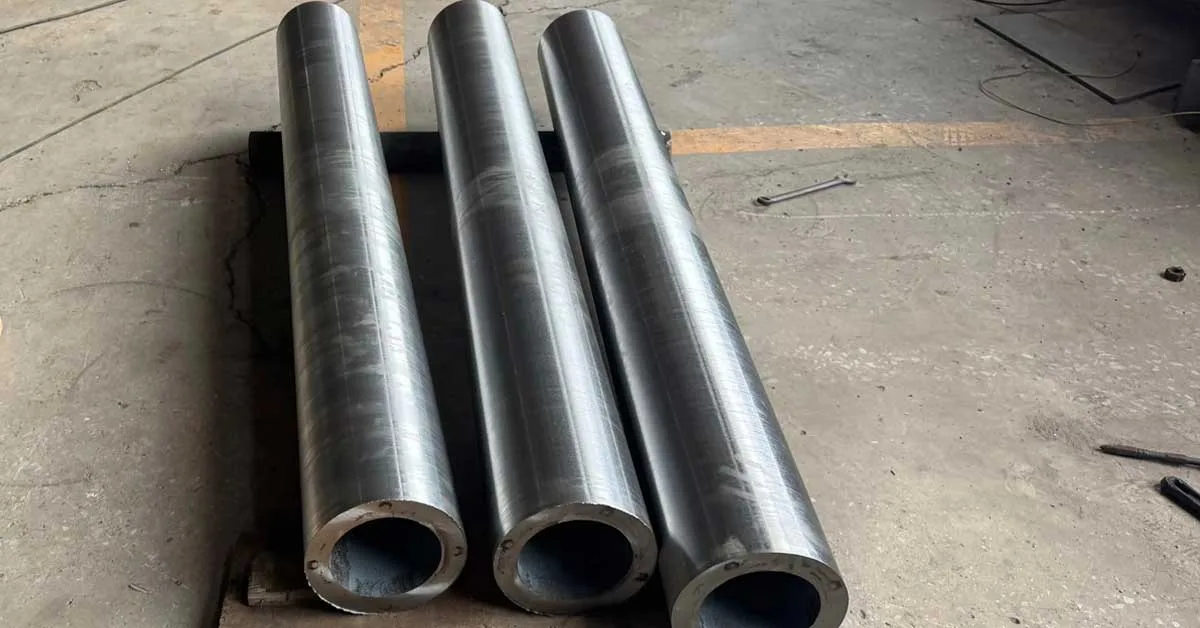
Compared to standard duplex stainless steels (e.g., 2205), super duplex pipe (typical grades UNS S32750 and S32760) contains higher levels of chromium (24%–25%), molybdenum (3.5%–4.5%), and nitrogen (0.24%–0.32%). This composition design delivers outstanding resistance to pitting, crevice corrosion, and stress corrosion cracking, maintaining stability even in high-temperature acidic media containing chloride ions. Its yield strength typically reaches over 550 MPa—double that of common austenitic stainless steels like 316L—enhancing pressure-bearing capacity while enabling thinner wall designs. This facilitates reduced equipment weight and lower installation costs.
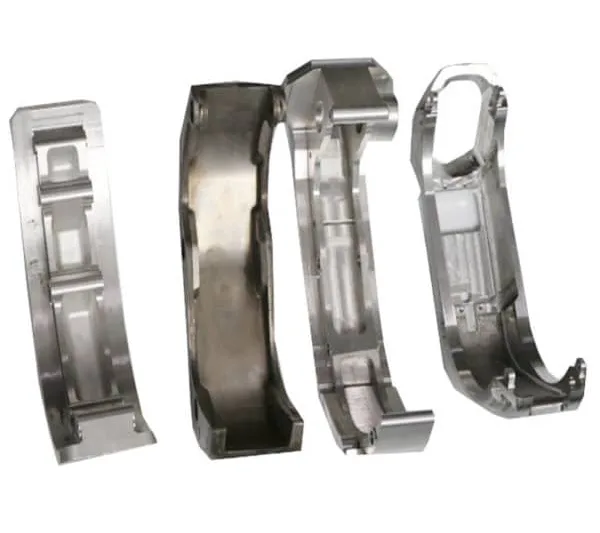
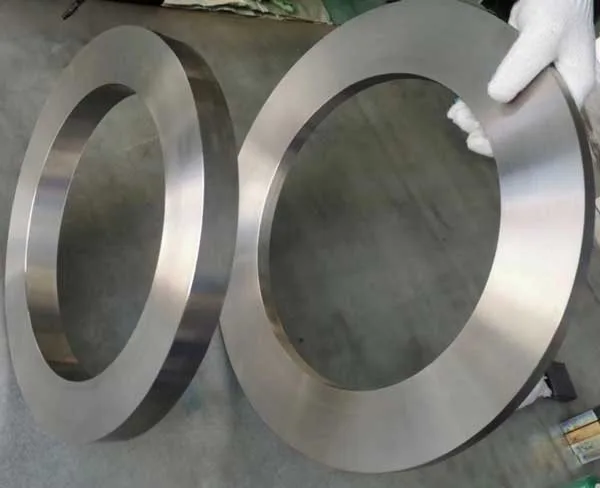
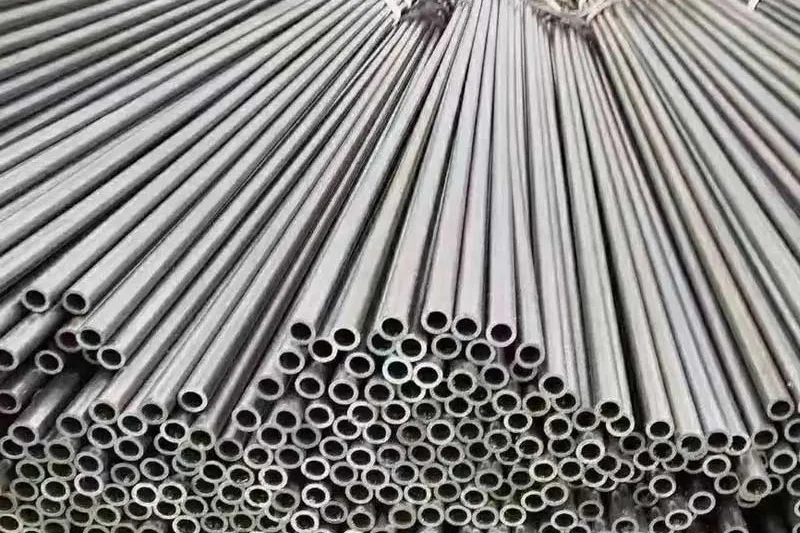
In practical applications, super duplex pipes are commonly used in critical locations such as subsea oil and gas transmission pipelines, heat exchanger tubes in refining and chemical plants, desulfurization tower internals, and hydraulic systems on offshore platforms. For instance, in North Sea or Brazilian subsalt oilfield projects, these pipes endure prolonged exposure to highly corrosive environments containing concentrated H₂S, CO₂, and seawater. In large desalination plants, they have replaced copper-nickel alloys as the primary choice for high-pressure feedwater pipelines, balancing longevity with full-cycle economics.
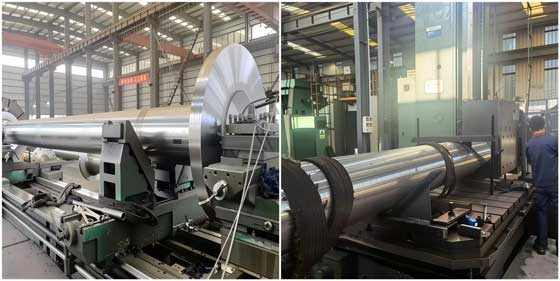
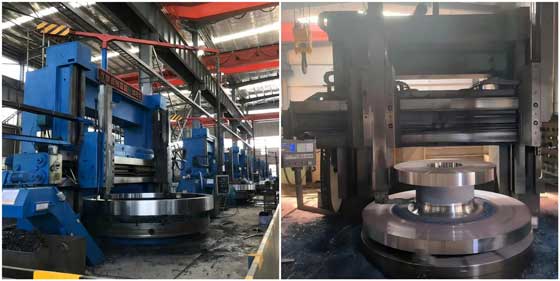
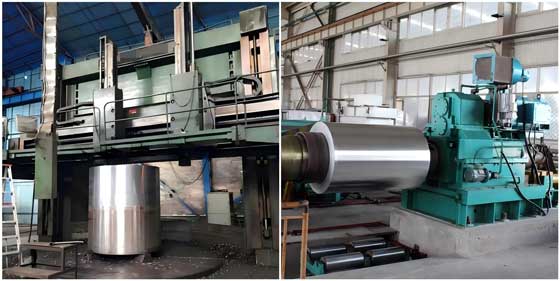
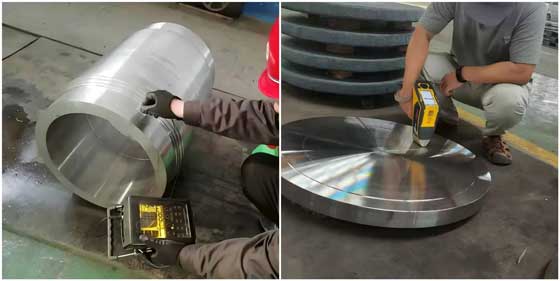
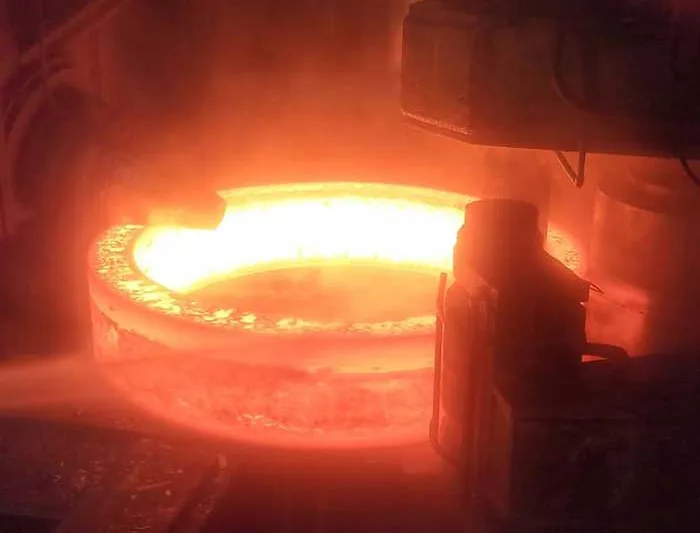
Naturally, manufacturing and installing super duplex pipes demands higher standards. Welding requires strict control of heat input and interpass temperature to prevent precipitation of harmful intermetallic phases like σ and χ phases. During cold bending, minimum bend radius limits must be observed to avoid microcracks caused by phase plasticity differences. Therefore, the entire process—from material selection and processing to inspection—must comply with international standards like ASTM A790 and ISO 17781, with quality ensured through collaboration between qualified suppliers and contractors.
In summary, super duplex pipe has become one of the core tubular materials in modern heavy industry for extreme service conditions due to its unparalleled synergistic mechanical-corrosion resistance advantages. With ongoing advancements in process optimization and cost control, its application boundaries continue to expand, providing robust support for the sustainable development of energy and infrastructure.