Aluminium Alloy
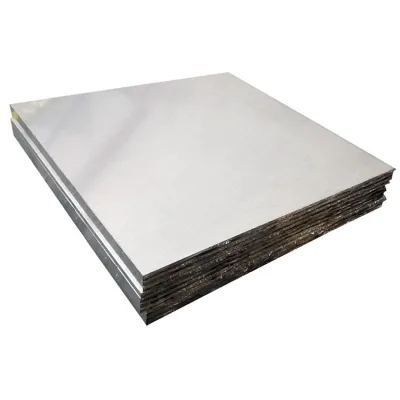
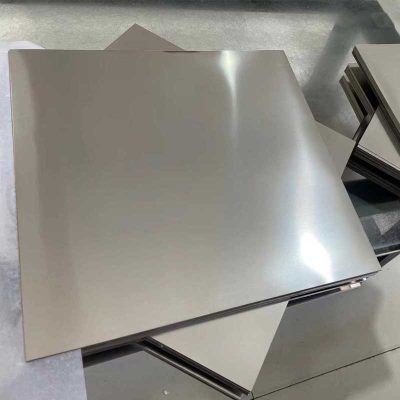
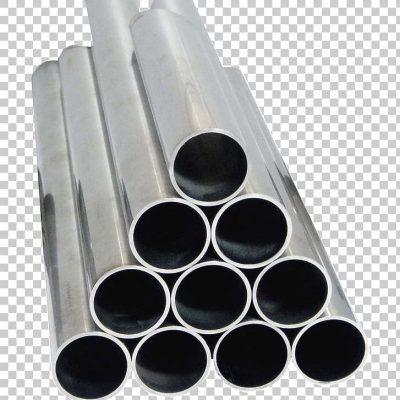
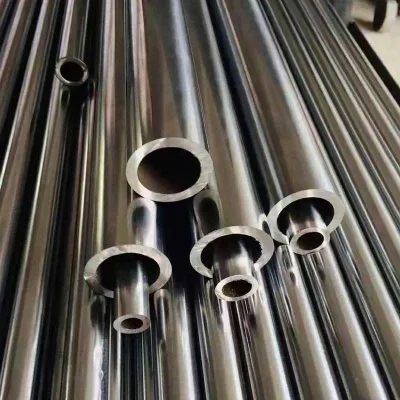
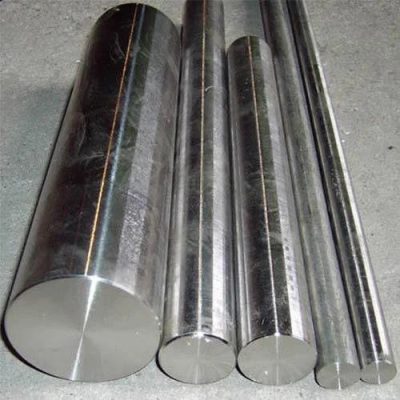
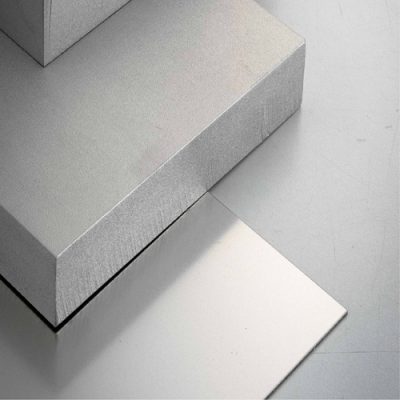
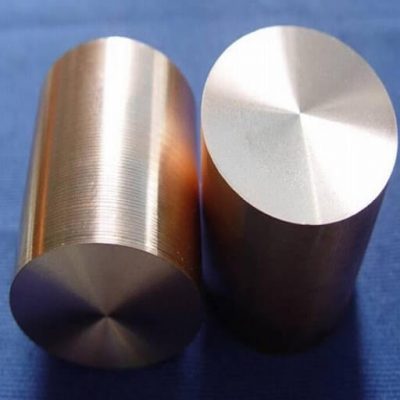
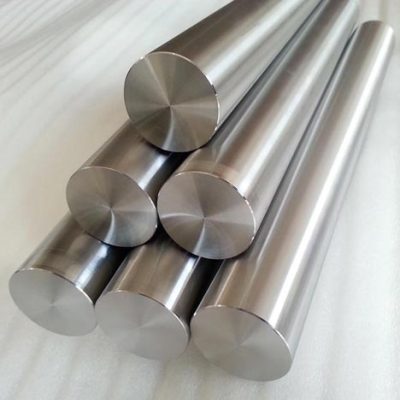
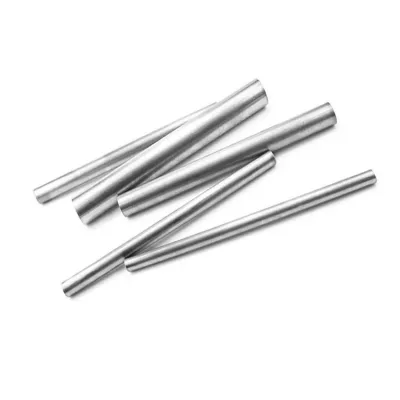
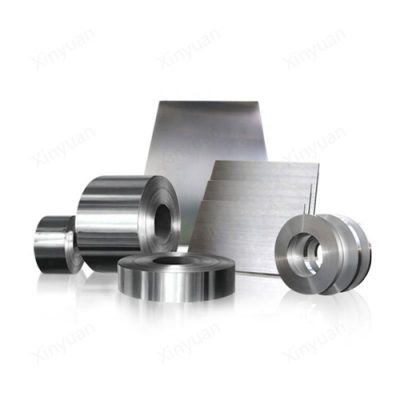
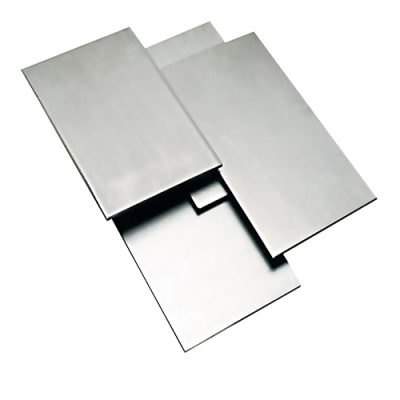
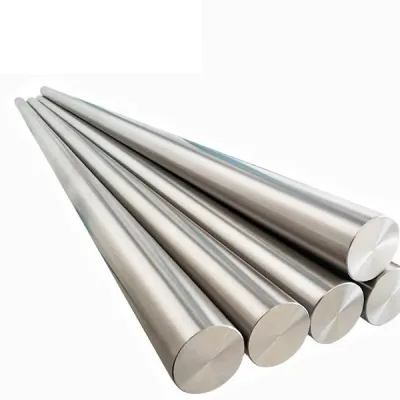
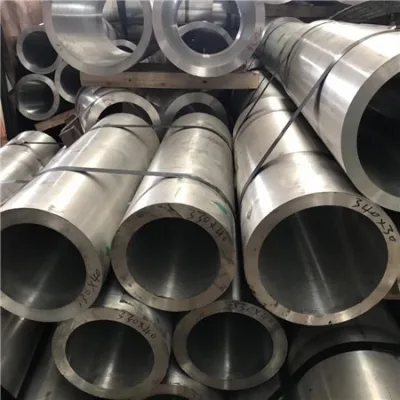
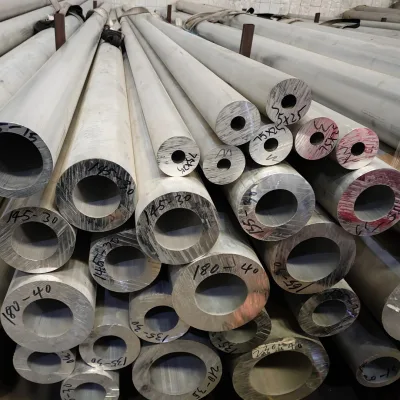
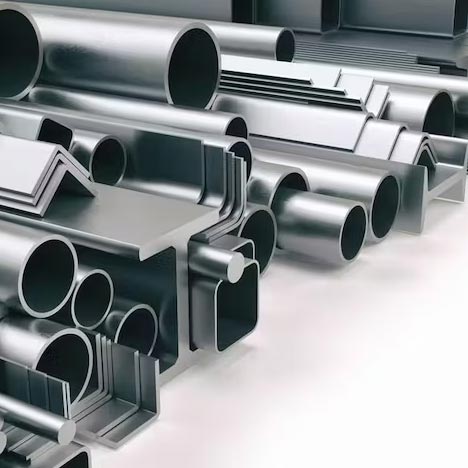
Aluminum alloy is widely used in engineering structures.Alloy systems are classified by digital system classification (ANSI) or names representing major component alloys (DIN and ISO). Aluminum alloy can be divided into deformed aluminum alloy and cast aluminum alloy.The deformed aluminum alloy symbol is represented in four digits, which contains the proportion of the alloy composition.The four digits after the dash represent the type of heat treatment, for example, "6061-T6".Aluminum alloy for casting from 4 to 5 numbers with decimal points.Hundred bits represent alloy elements, and decimal points are used to identify castings or aluminum ingots.
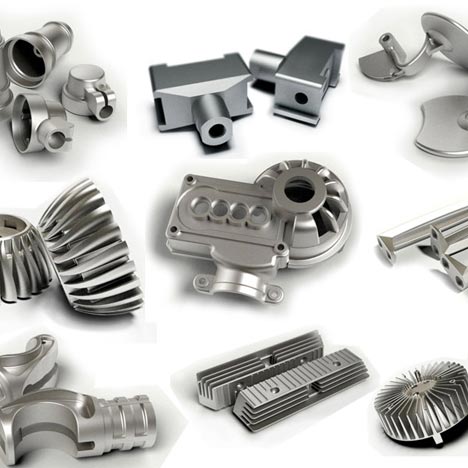
than wrought alloys. The most important cast aluminium alloy system is Al-Si, where the high levels of silicon (4.0–13%) contribute to give good casting characteristics. Aluminium alloys are widely used in engineering structures and components where light weight or corrosion resistance is required.
Email: [email protected]
WhatsApp: 0086-13788924073

• Strength of aluminum
Aluminum alloy haves varying strength ranging from high, high to medium and medium strength as follows.
High mechanical strength
Alloy 2011, Alloy 2024, and Alloy 7075
Medium to high strength
Alloy 5052, and Alloy 6061
Medium strength
Alloy 6063
Not for high strength uses
Alloy 1100
Not applicable for high-strength use
alloy 1100
| Alloy | Al contents | Alloying elements | Uses and refs |
|---|---|---|---|
| 3003 | 98.6 | Mn 1.5; Cu 0.12 | Universal, sheet, rigid foil containers, signs, decorative |
| 3004 | 97.8 | Mn 1.2; Mg 1 | Universal, beverage cans[24] |
| 3005 | 98.5 | Mn 1.0; Mg 0.5 | Work-hardened |
| 3102 | 99.8 | Mn 0.2 | Work-hardened[25] |
| 3103&3303 | 98.8 | Mn 1.2 | Work-hardened |
| 3105 | 97.8 | Mn 0.55; Mg 0.5 | Sheet |
| 3203 | 98.8 | Mn 1.2 | Sheet, high strength foil |
• Heat treatment
Aluminum can either be heat-treated or fail to respond to heat treatment as indicated below;
Treated by heat
Alloy 2011, Alloy 2024, Alloy 6061, Alloy 6063, and Alloy 7075
Fails to respond to heat treatment
Alloy 1100, Alloy 3003, and Alloy 5052
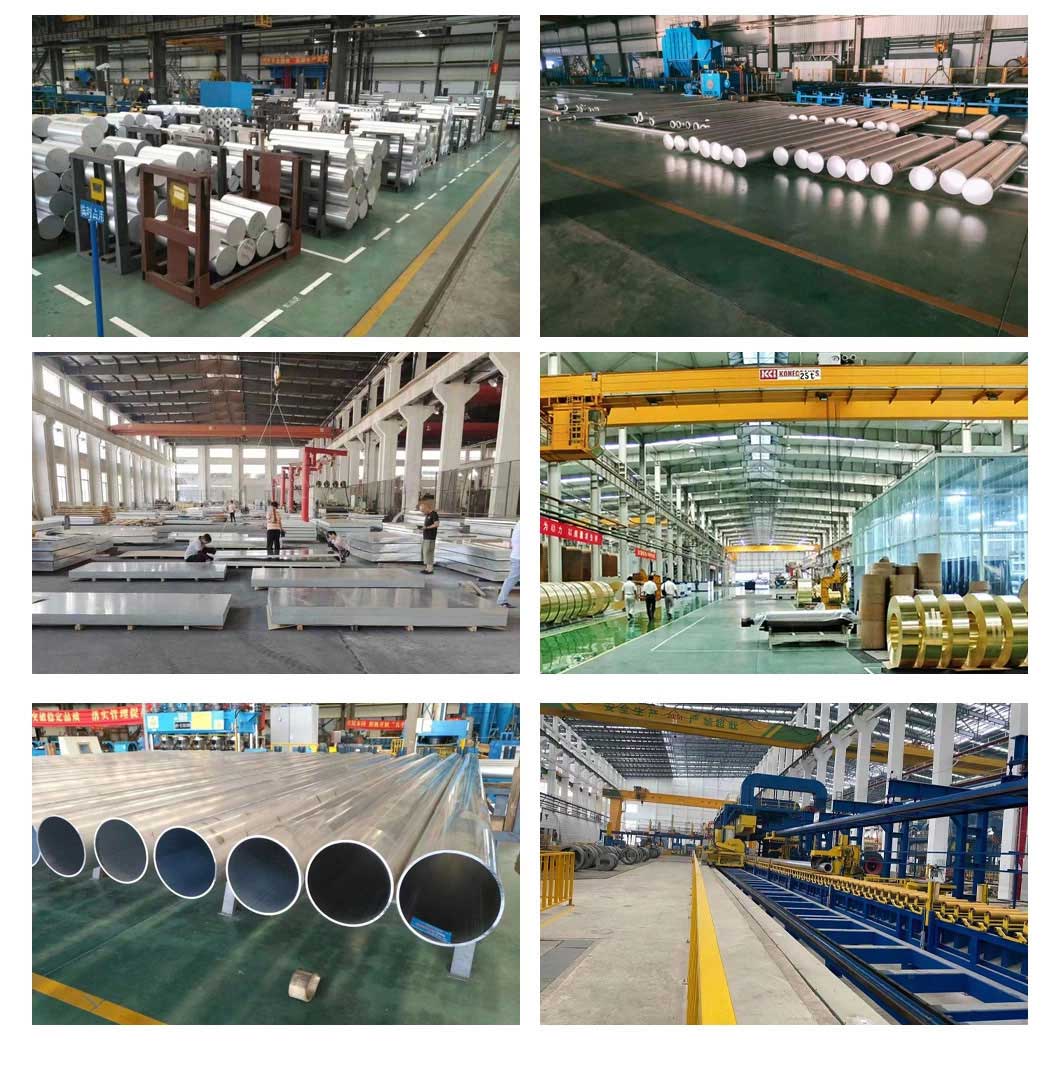
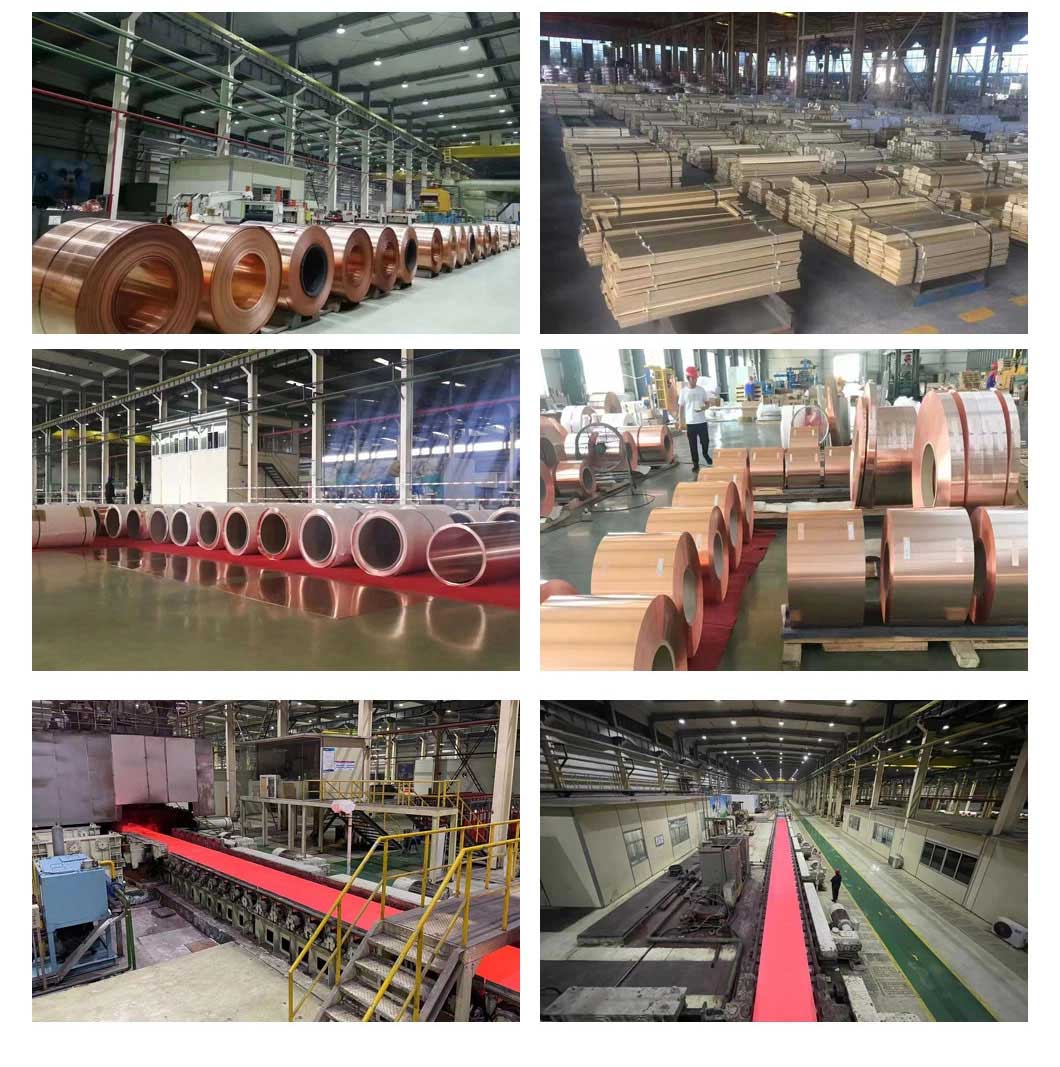
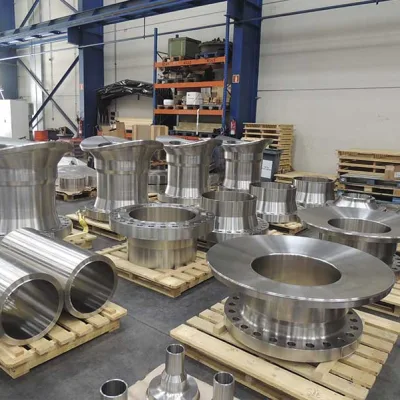
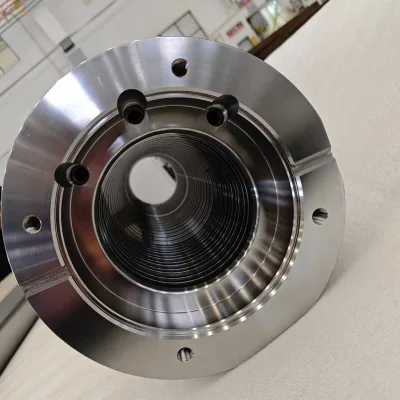
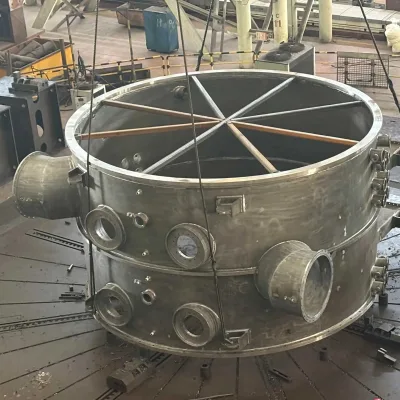
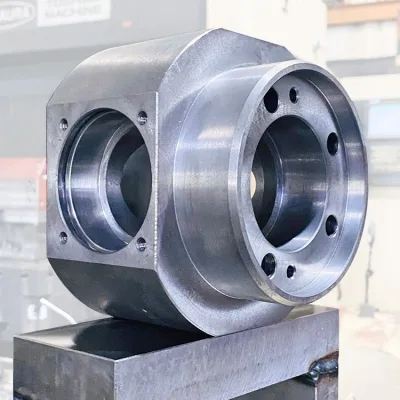
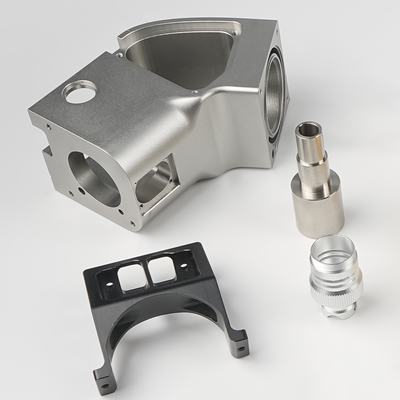
We also provide forging blanks and CNC precision machining services for our clients, covering industries such as energy, petrochemicals, steel, engineering machinery, plastics, prevention and control, hydraulics, healthcare, and food. Please feel free to send us drawings for inquiries.
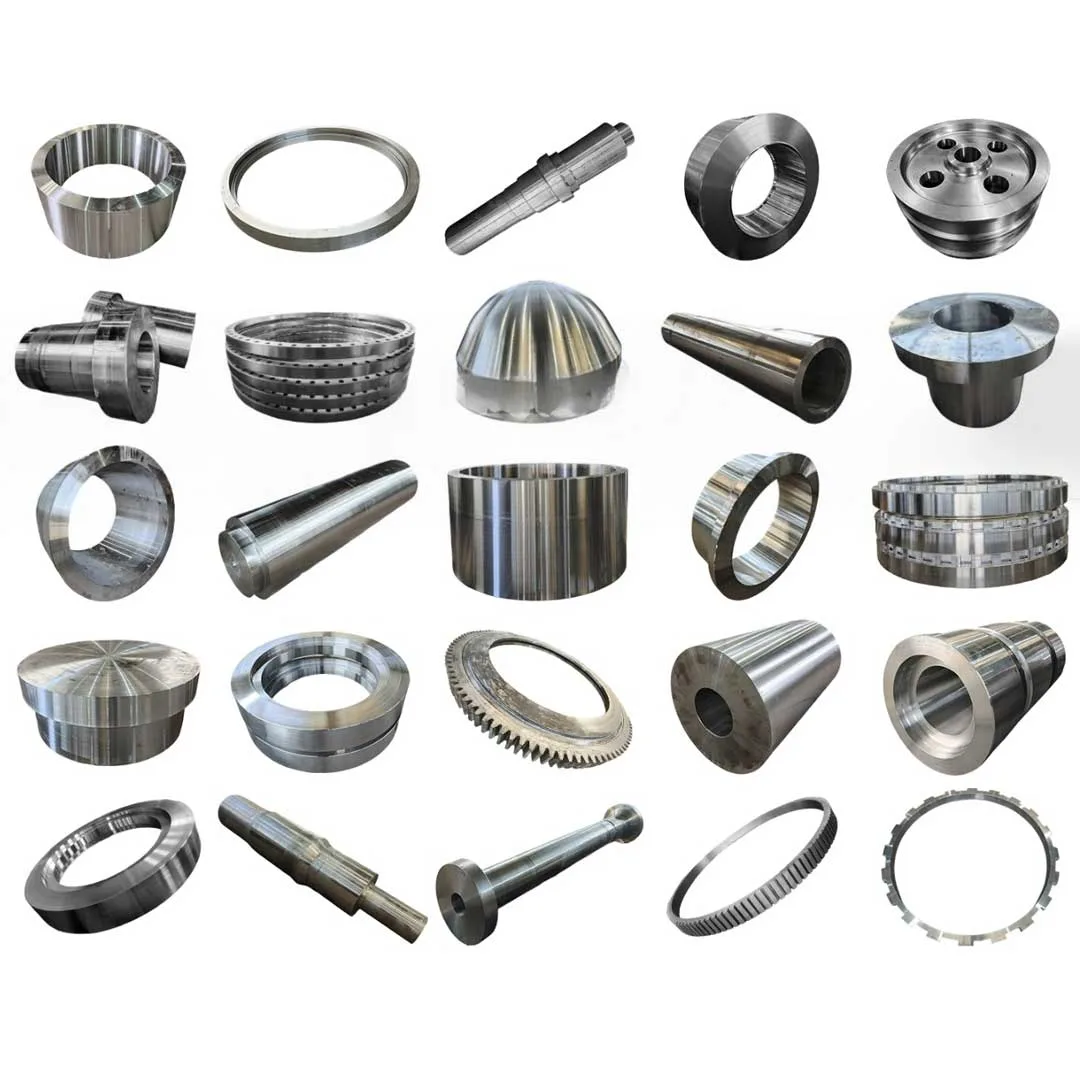
Metalworking Services
CNC Machining
Sheet Metal Fabrication
Metal Welding
Metal Cutting
Metal Bending
Metal Punching
Metal Forging
Metal Sheet Rolling
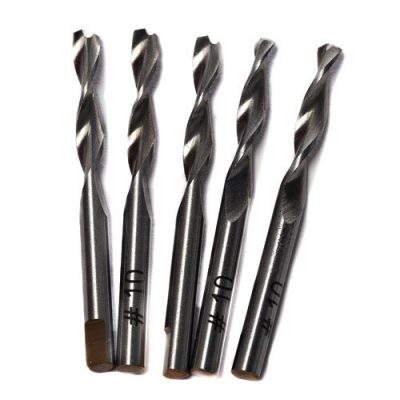
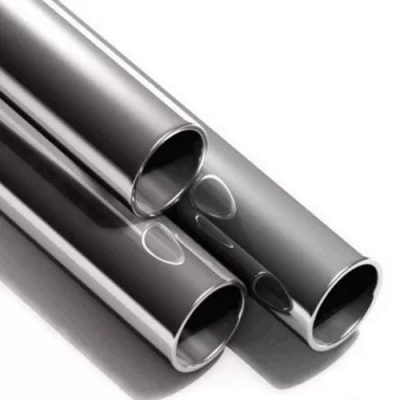
Tube and Plate Drilling
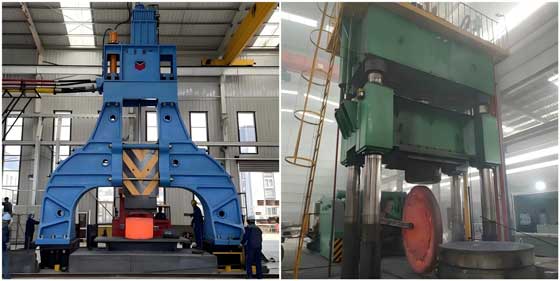
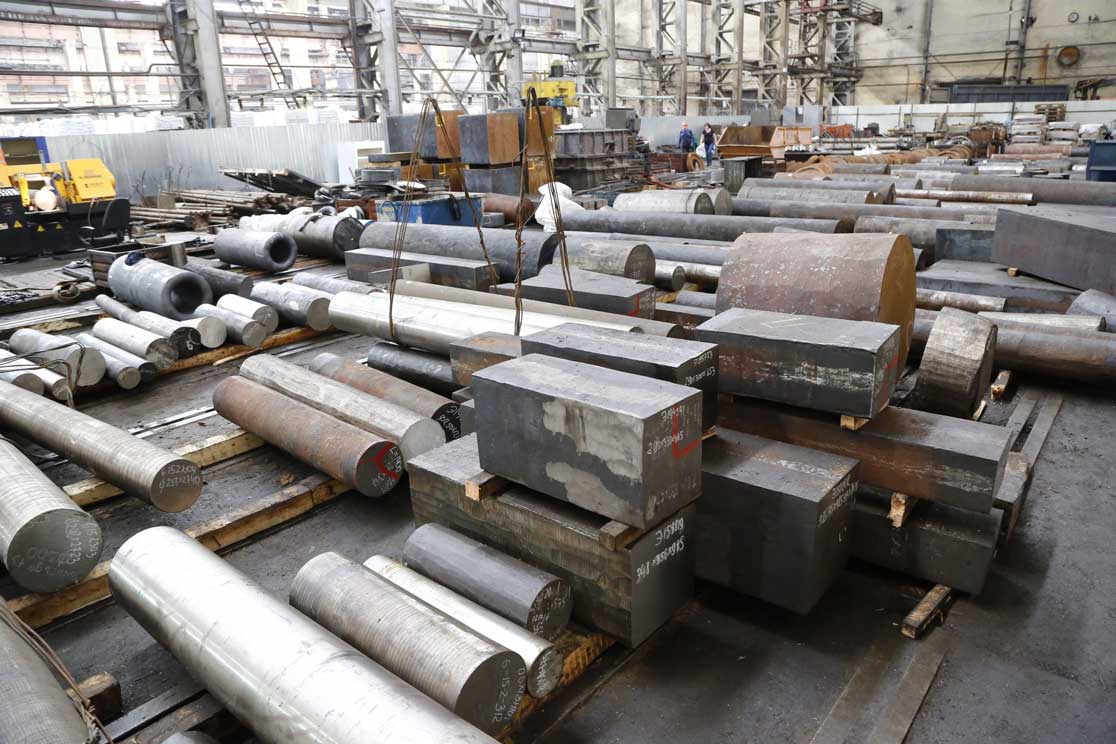
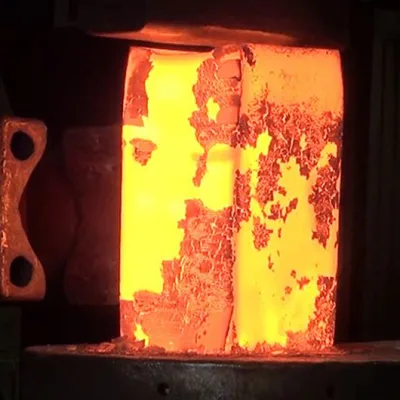
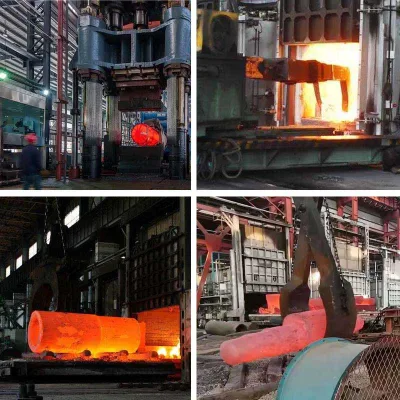
Heavy Forging Press Capacity
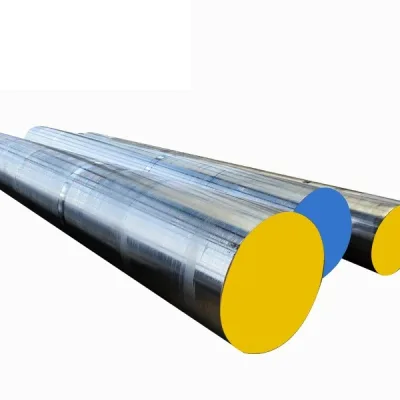
Our heavy-duty forging presses support open-die forging and deformation of large-section forgings, including discs, shafts, blocks, and custom components. This capability enables us to meet the demanding forming requirements of heavy industrial applications.
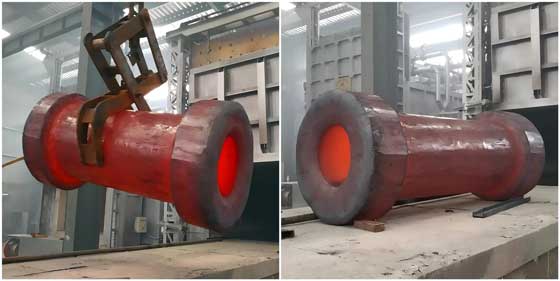
Heat Treatment Capability
Heat treatment is a critical step in achieving the mechanical properties required for heavy-duty forgings. Our process capabilities meet the strength, toughness, and structural stability requirements for forged components used under demanding operating conditions.
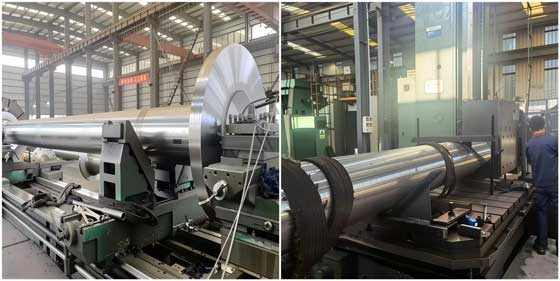
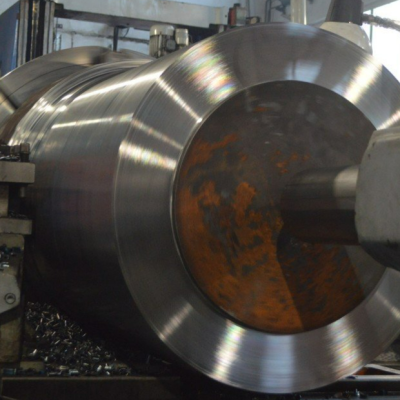
Heavy Shaft Machining
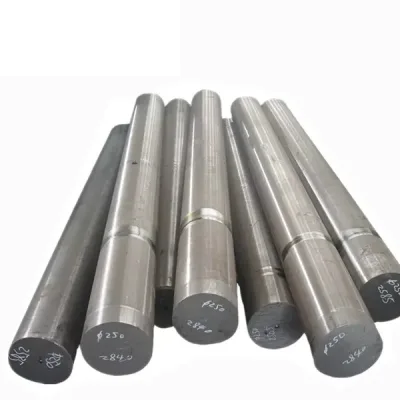
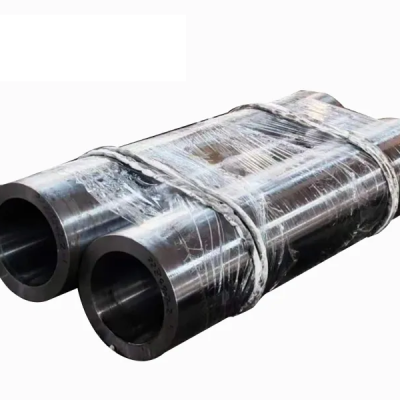
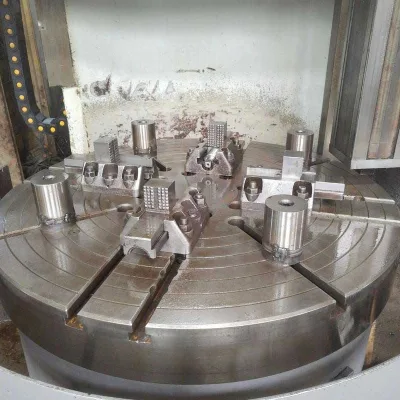
We offer machining capabilities for large forged shafts and long cylindrical components, supporting both rough and finish machining. This capacity is suitable for stepped shafts, rotor shafts, rollers, and other heavy-duty forged shaft components.
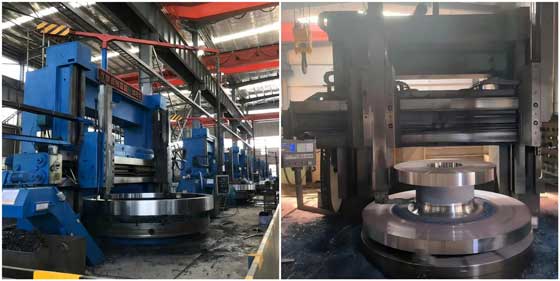
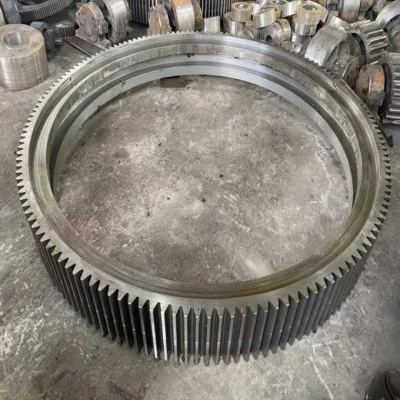
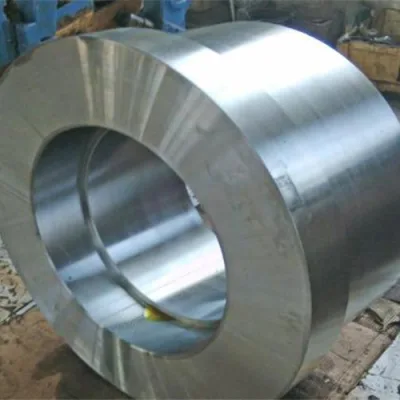
Ring Forging Machining
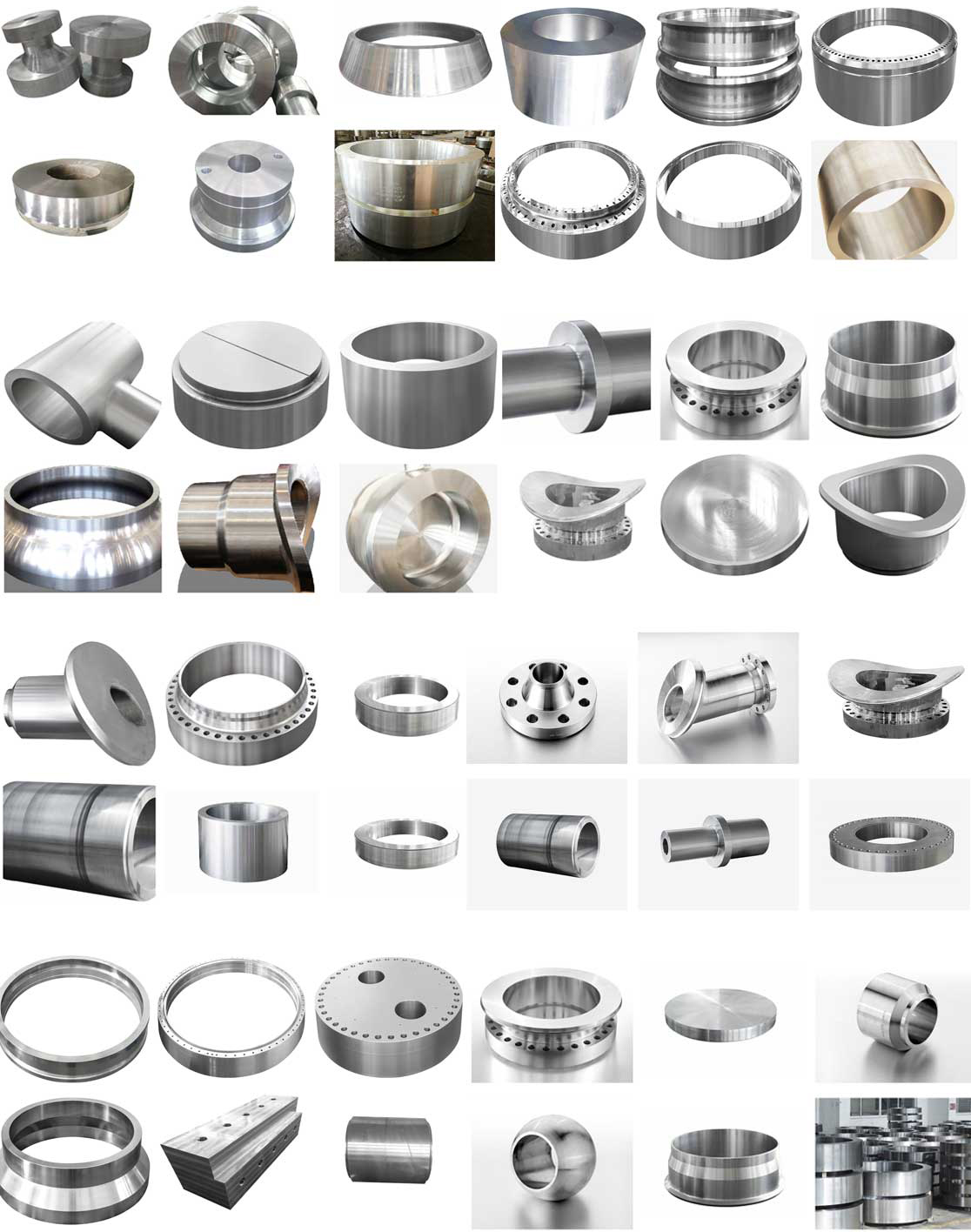
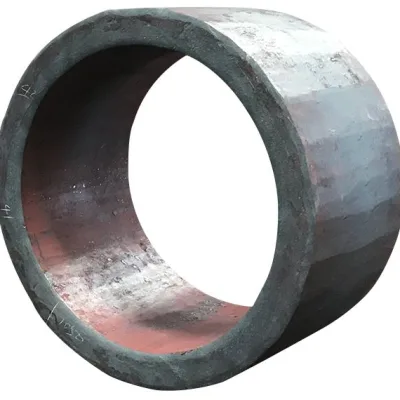
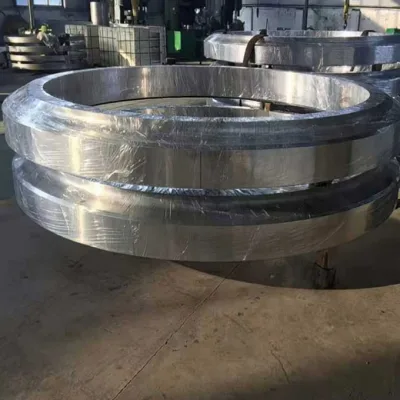
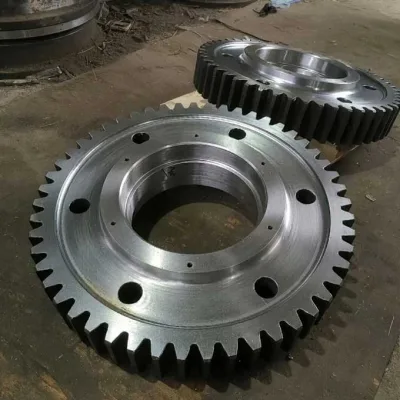
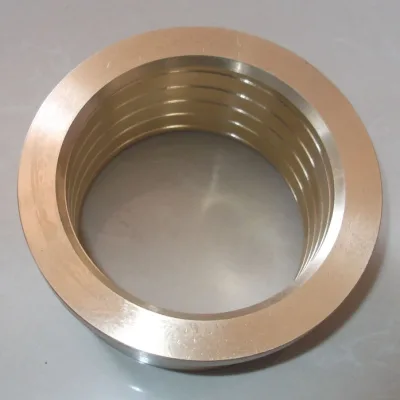
Our machining facilities are capable of handling large ring-shaped forgings and circular parts that require precise turning, face machining, boring, and contour control. This capability is suitable for industrial ring blanks, heavy-duty circular parts, and machined ring forgings.
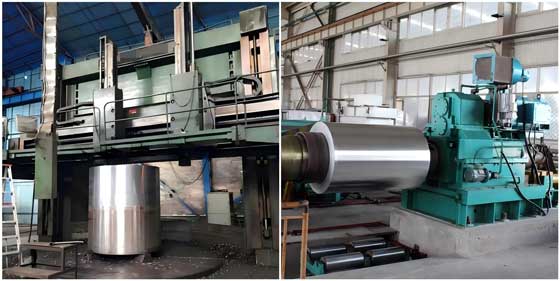
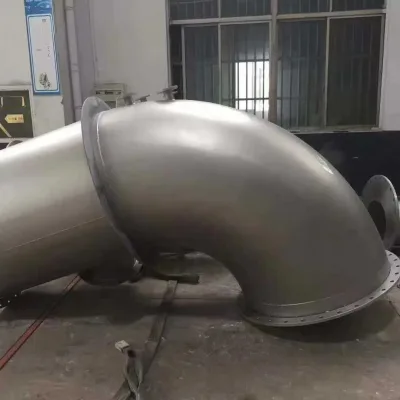
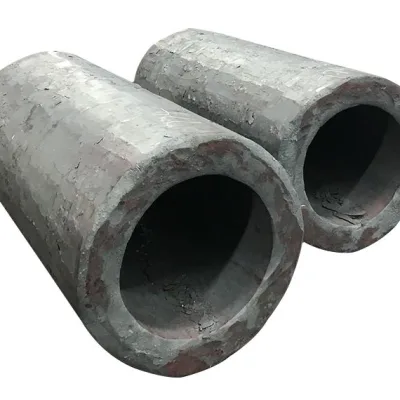
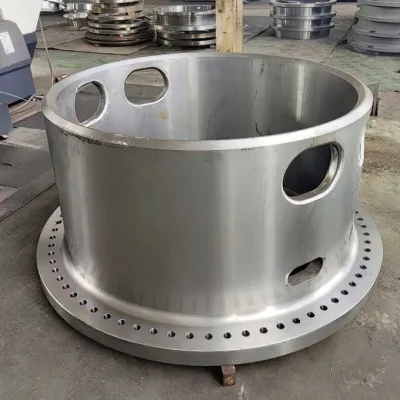
Cylindrical Forging Machining
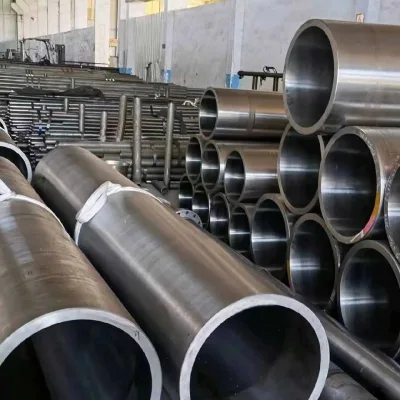
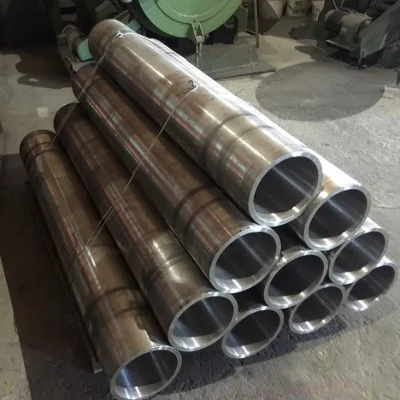
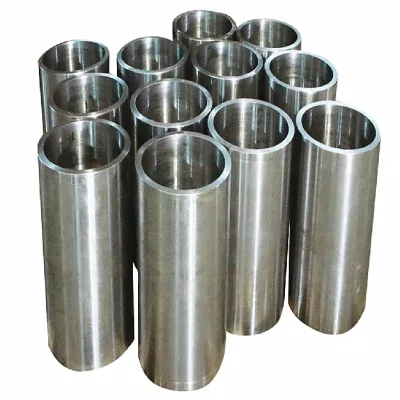
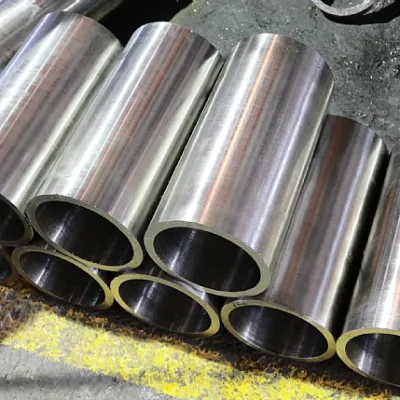
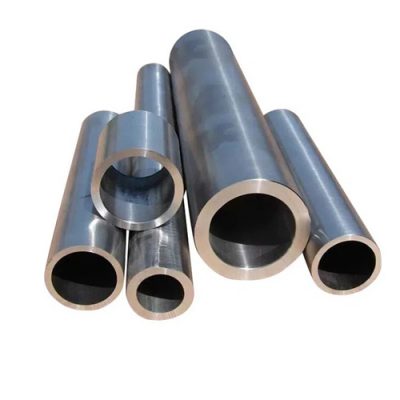
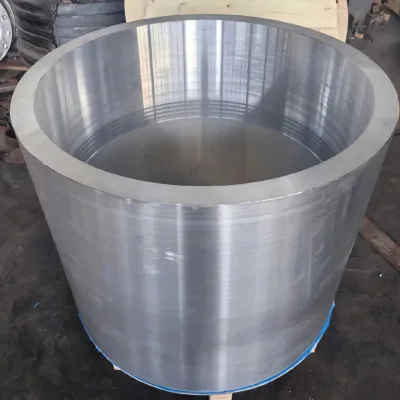
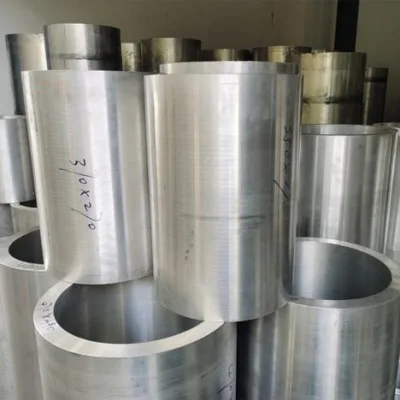
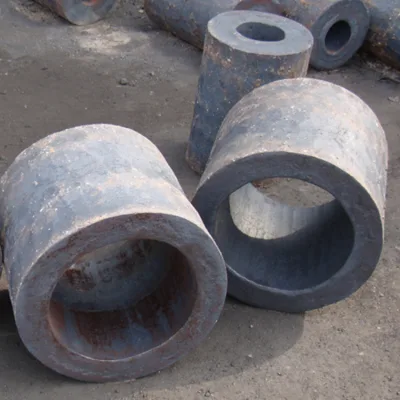
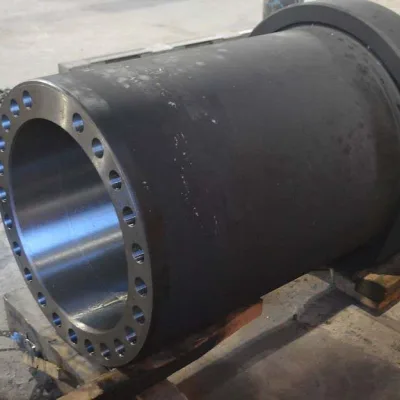
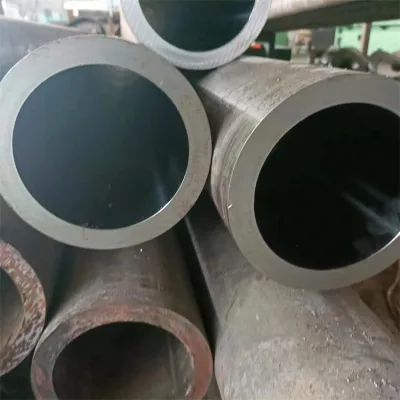
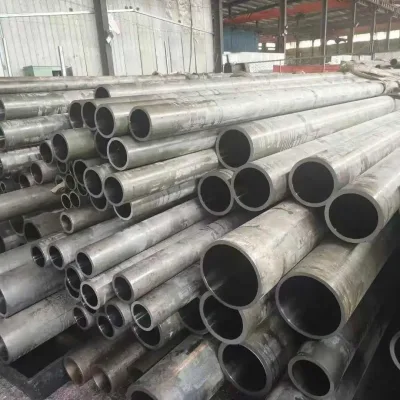
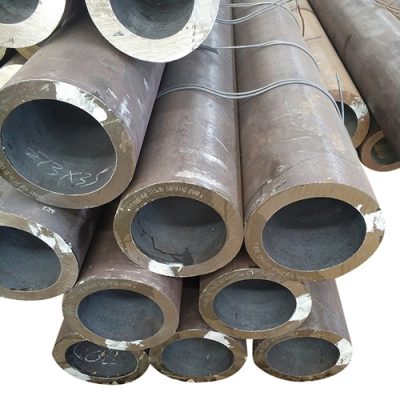
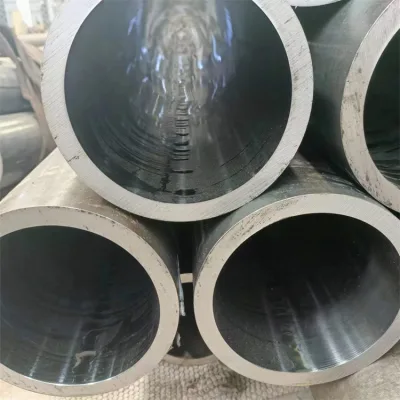
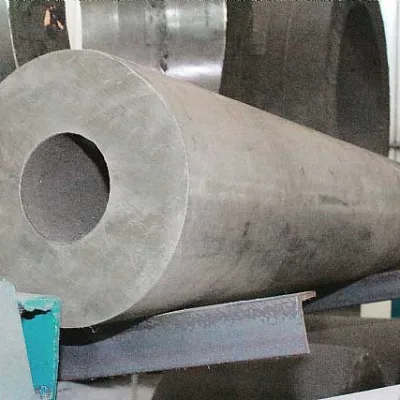
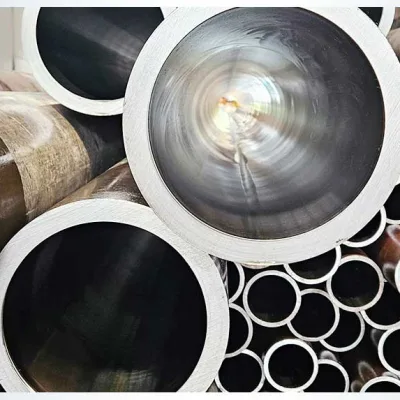
We offer machining solutions for heavy-duty cylindrical, hollow, and tubular forgings. This capability supports the machining of sleeves, cylinders, and other thick-walled forged components used in pressure vessels, rotating systems, and general industrial applications.
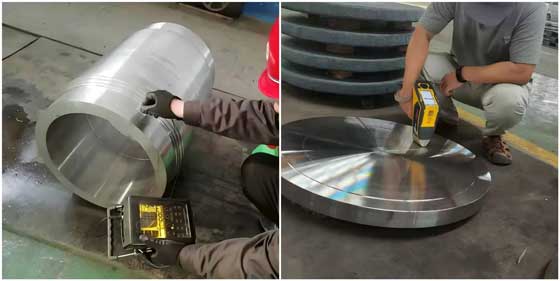
Inspection & Testing
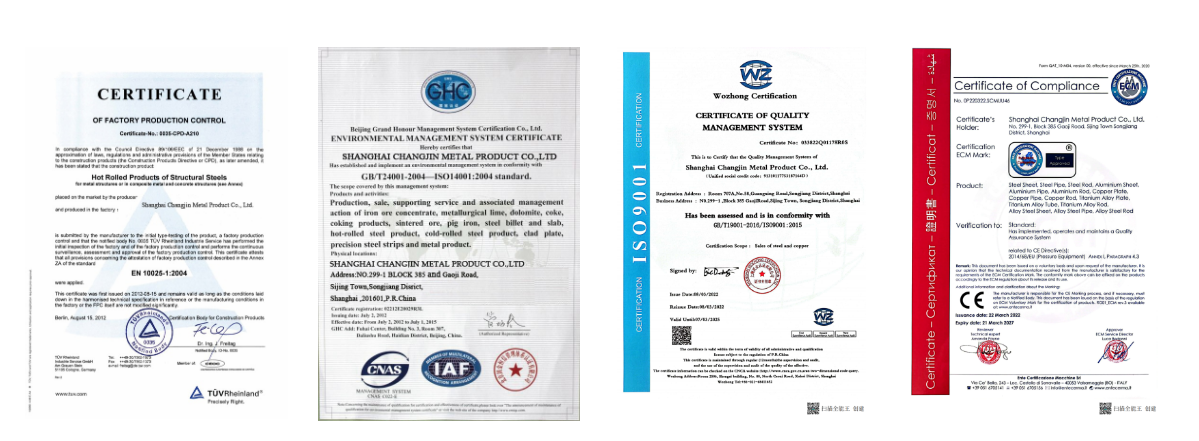
Quality control is integrated into our production process through the inspection and testing of forged and machined parts. Our capabilities help verify the dimensional accuracy, condition, and quality consistency of industrial forgings prior to delivery.
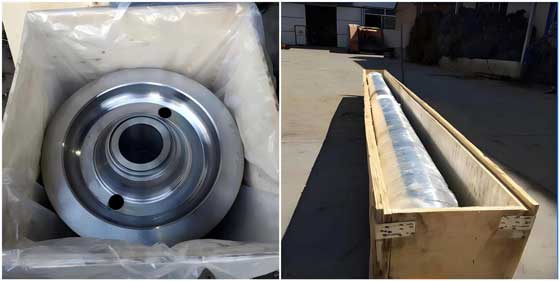
Packing & Delivery
Finished forgings are properly protected and packaged to minimize the risk of damage during storage and transportation. Our packaging methods ensure the safe domestic delivery and export shipment of machined and high-value forged components.