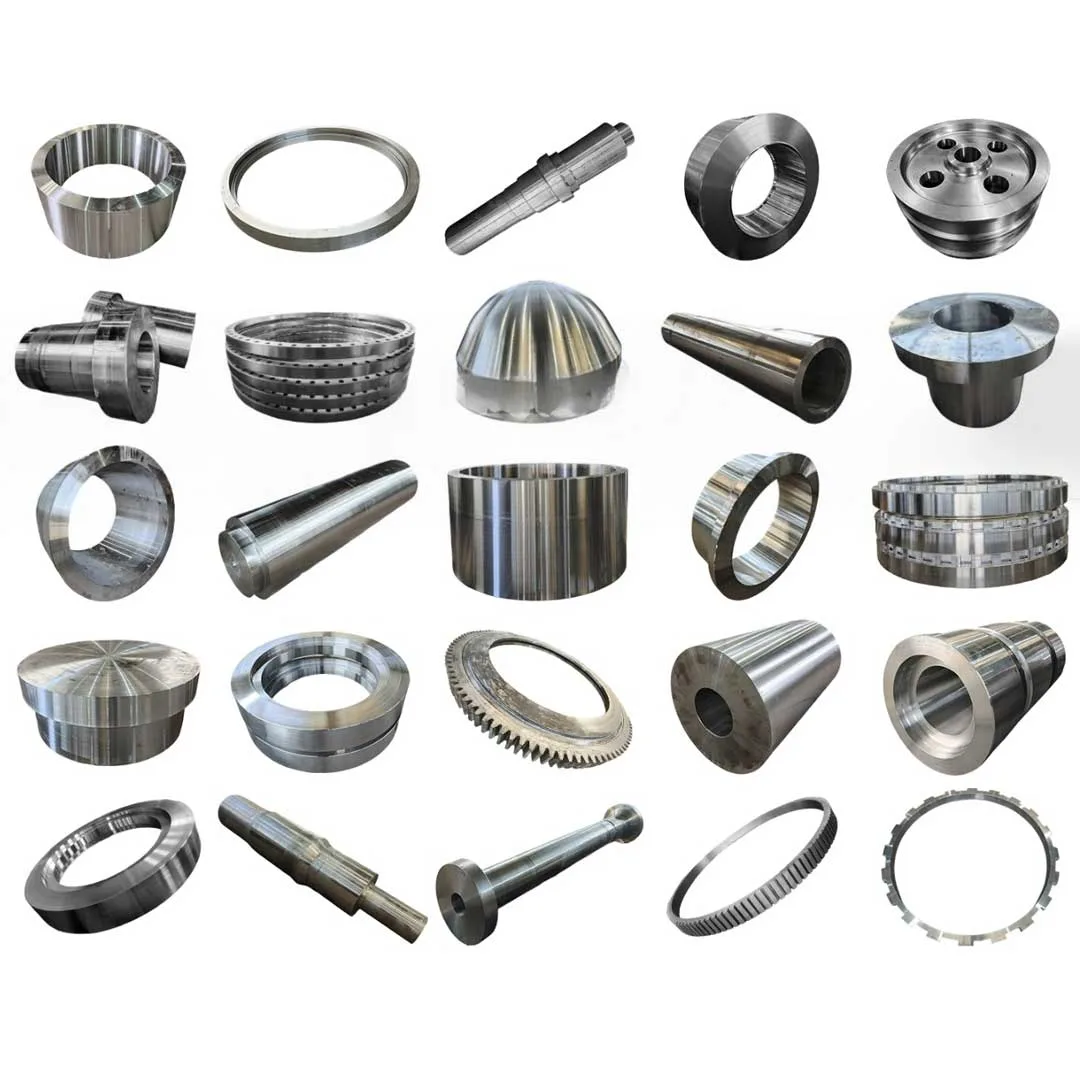
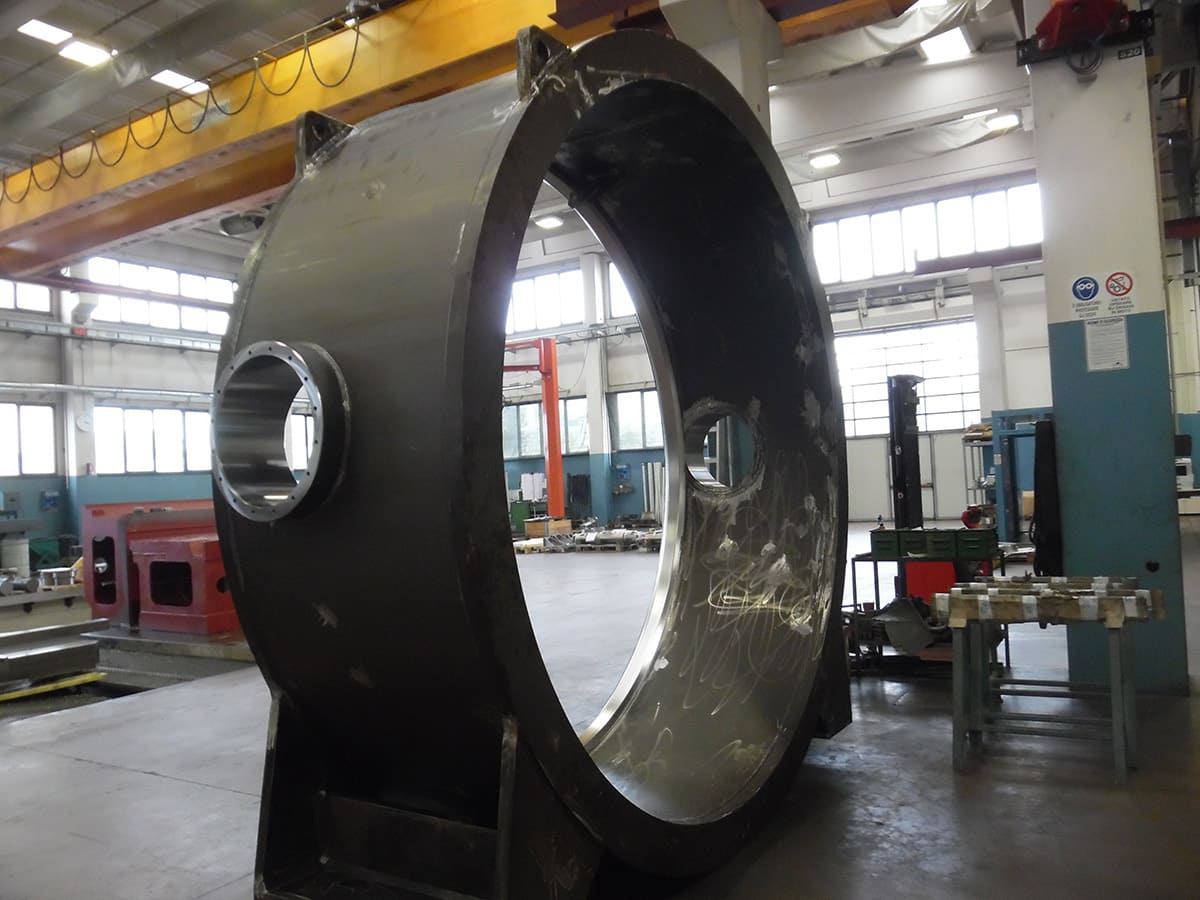
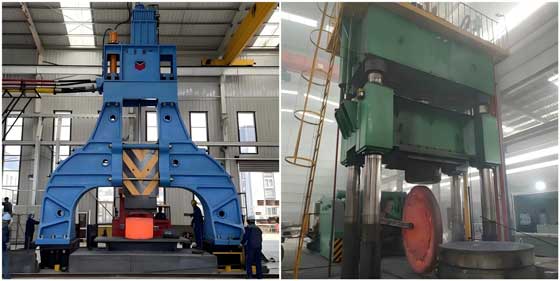
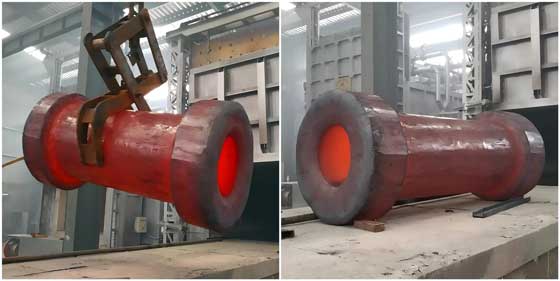
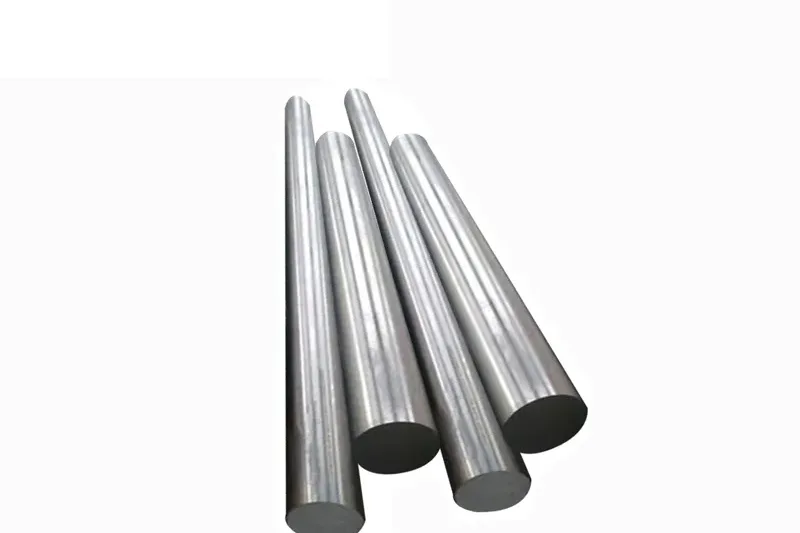
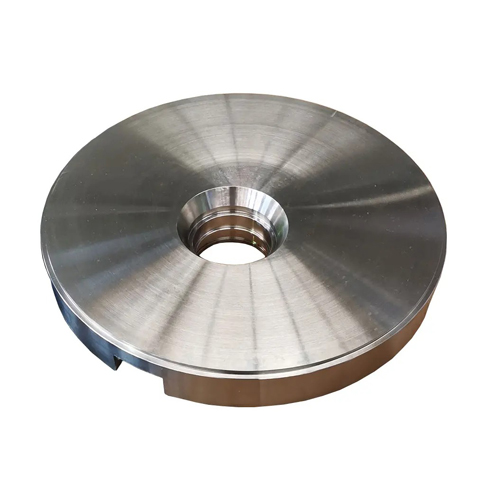
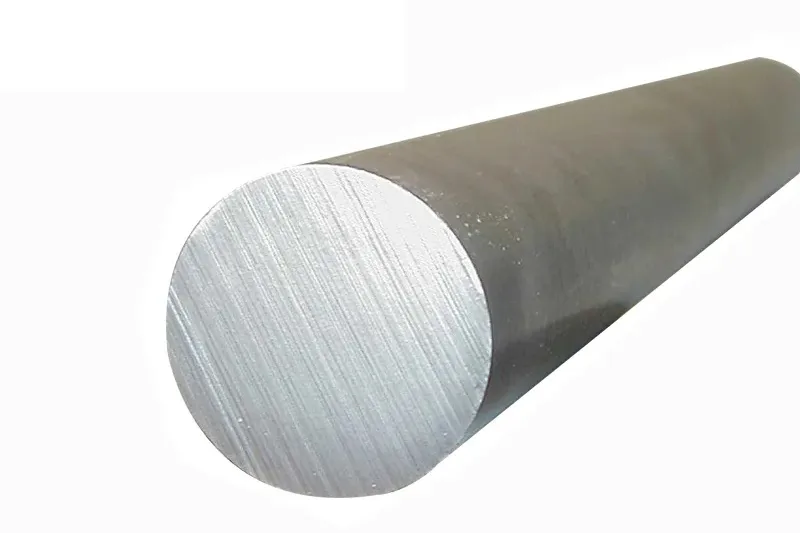
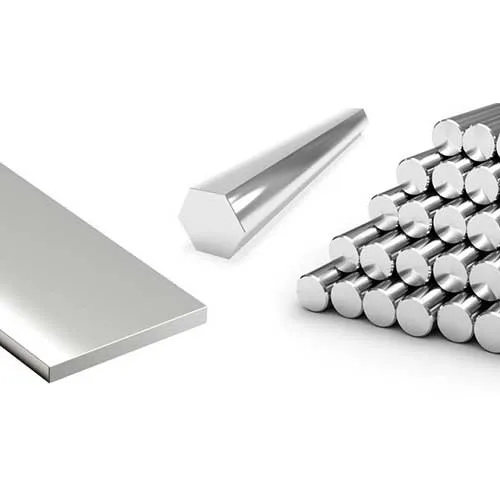
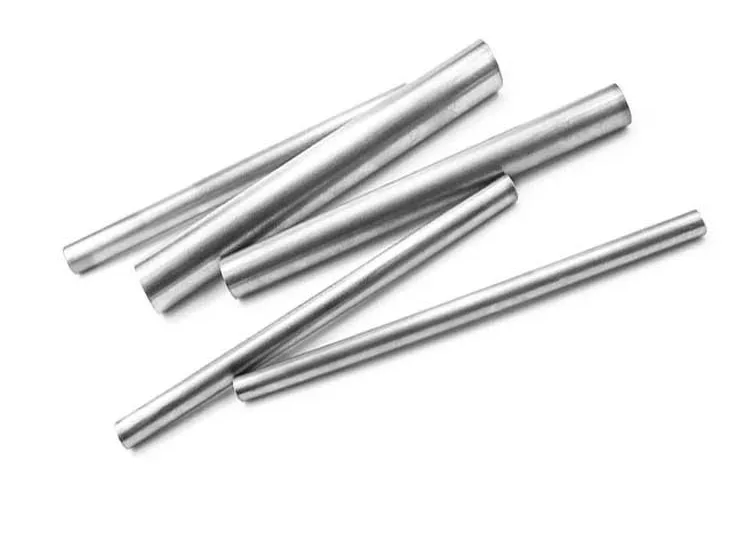
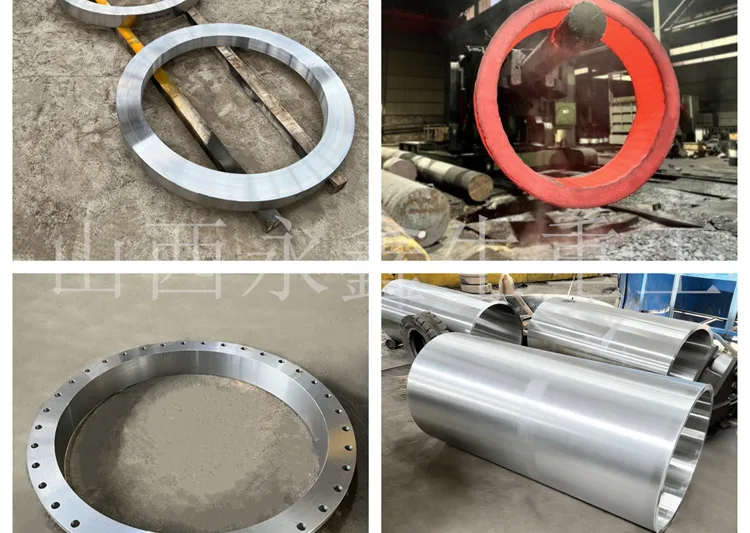
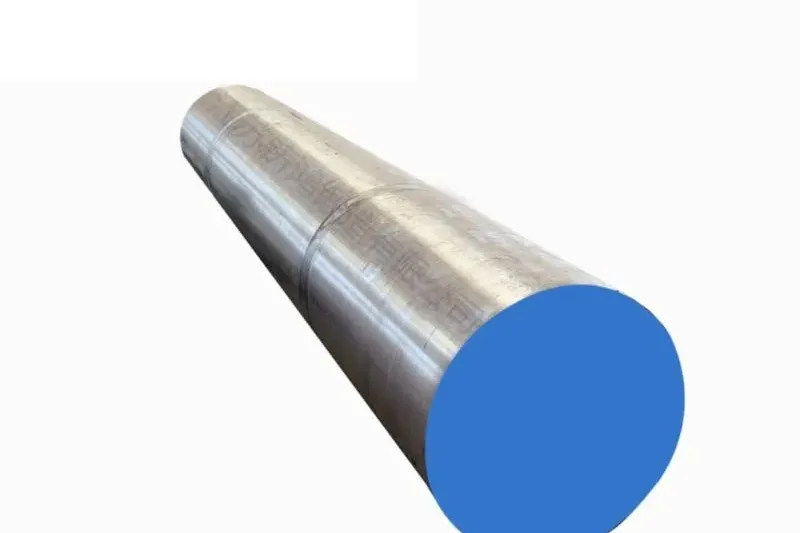
Heavy-Wall Stainless Steel Tubing
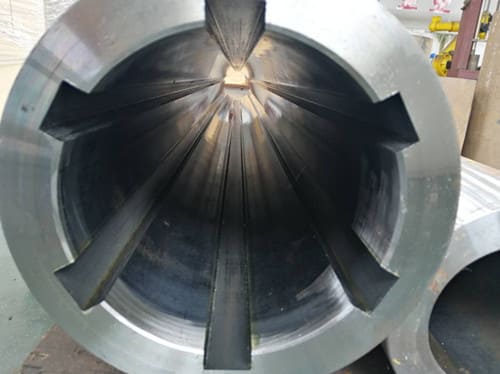
Heavy-Wall Stainless Steel Tubing: Strength and Reliability in Demanding Applications
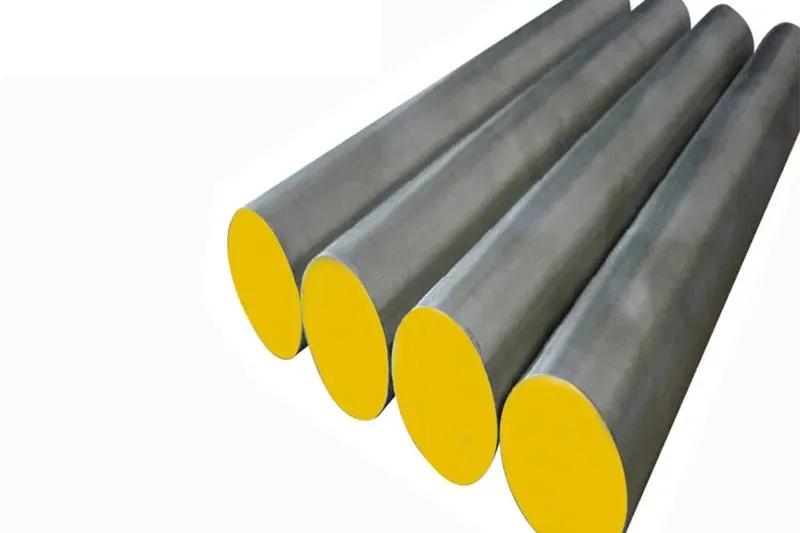
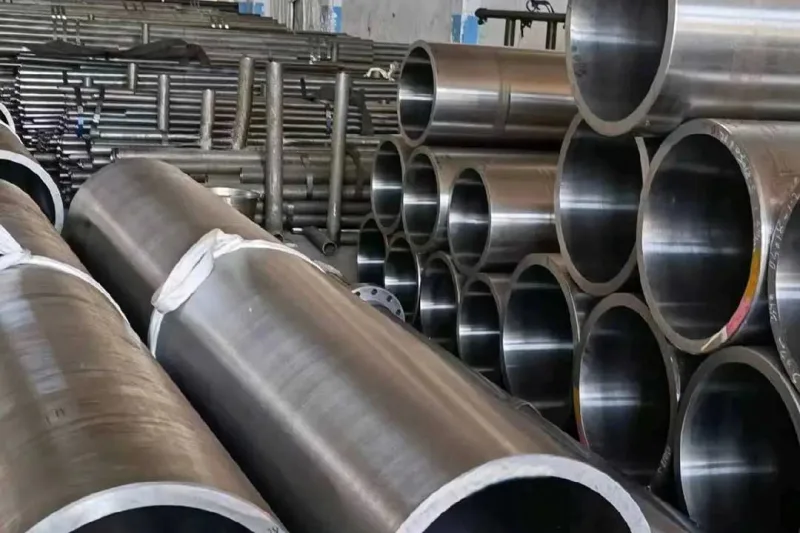
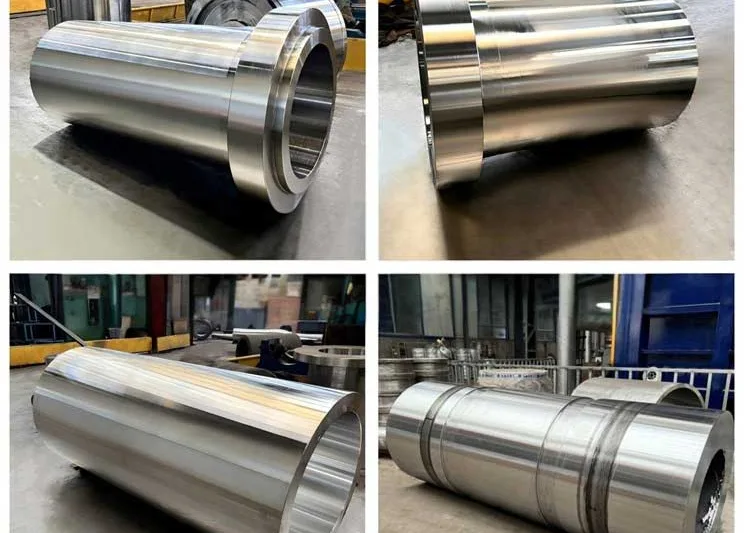
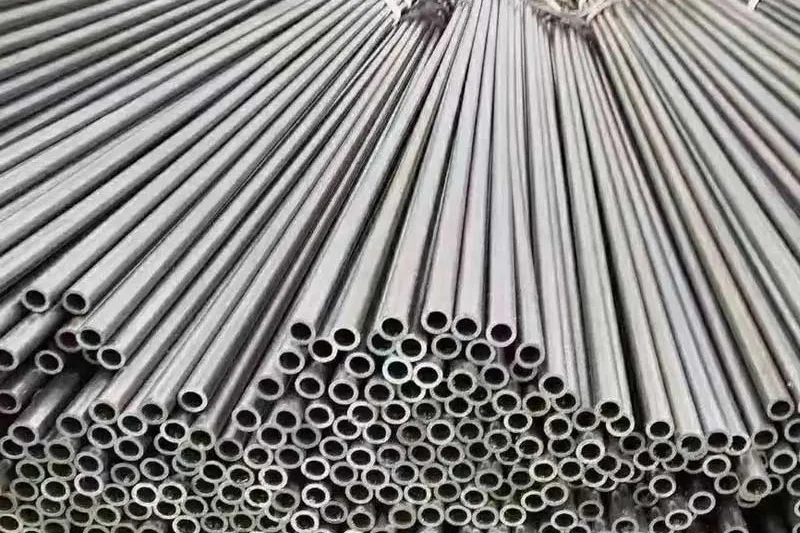
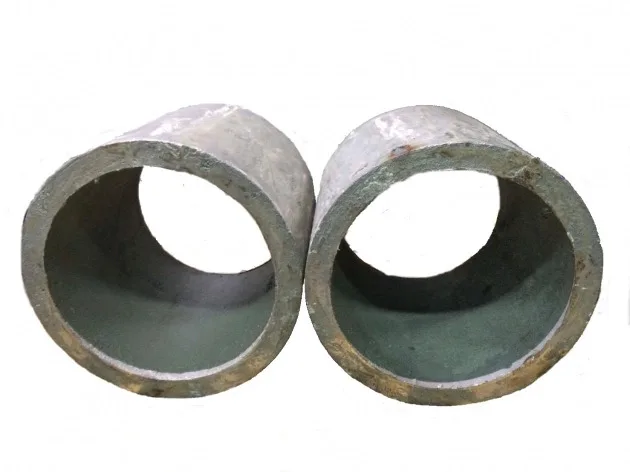
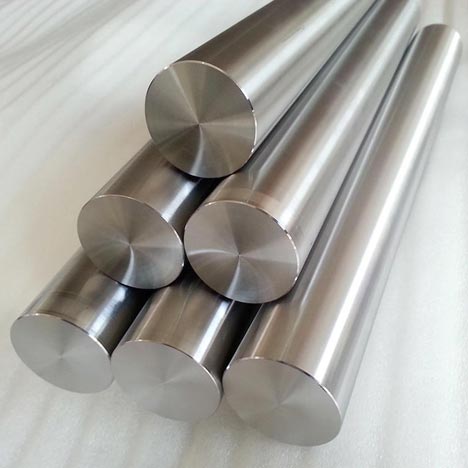
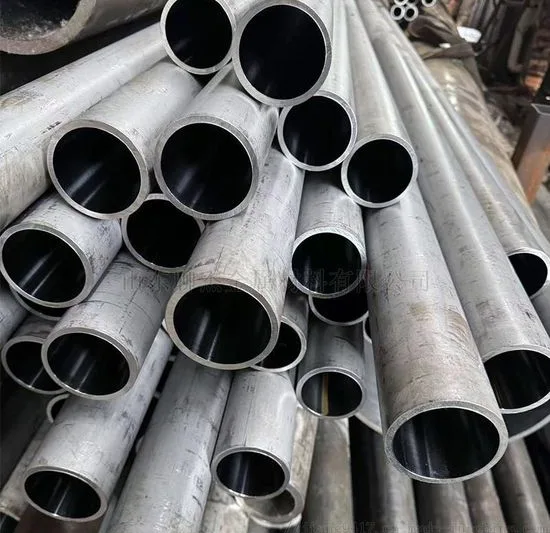
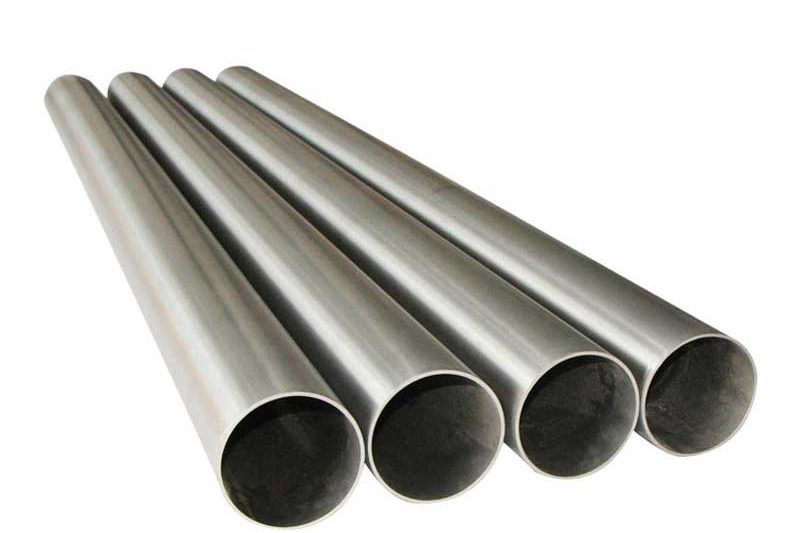
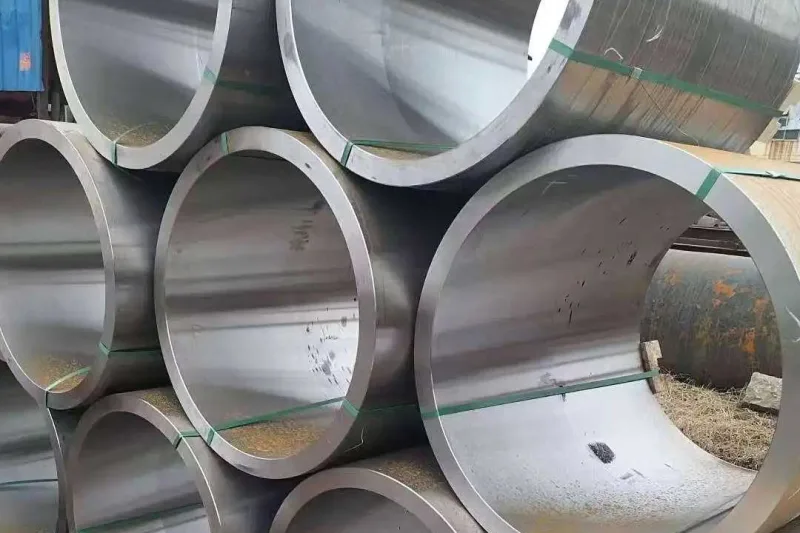
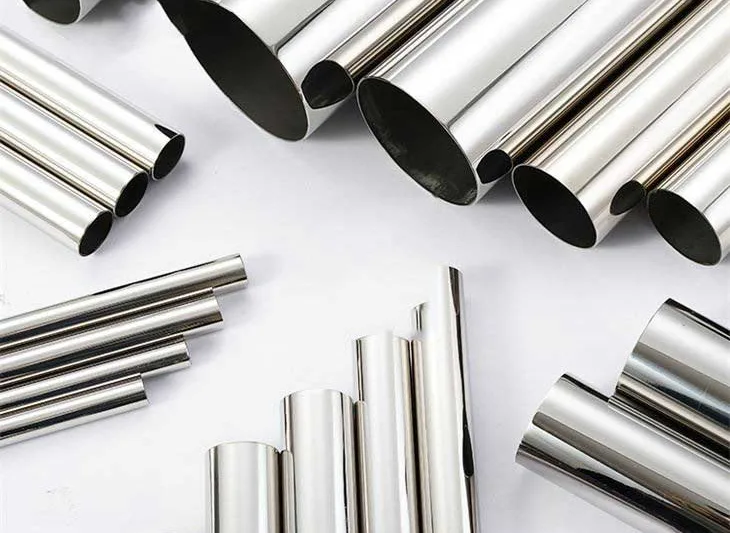
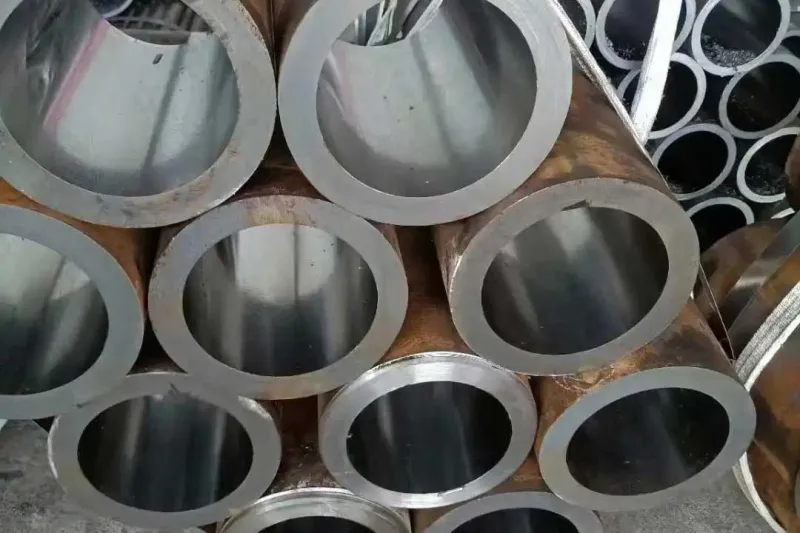
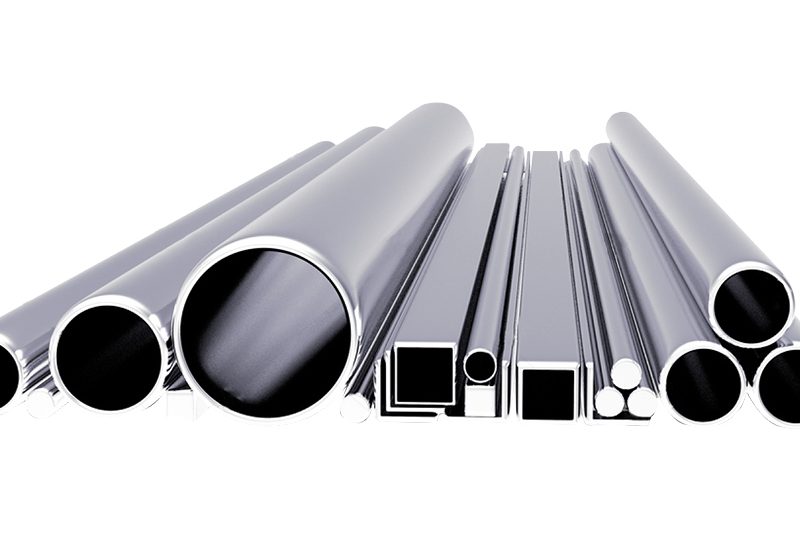
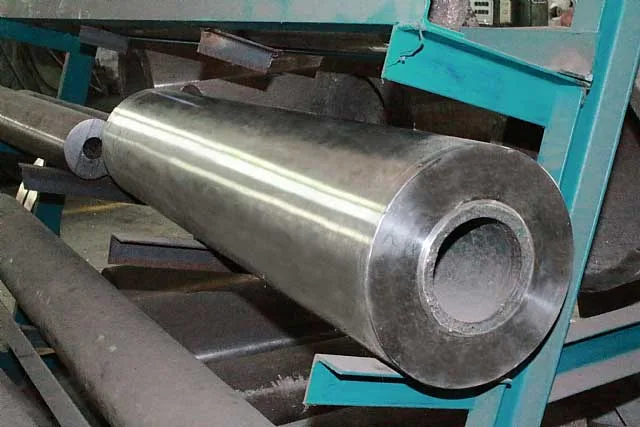
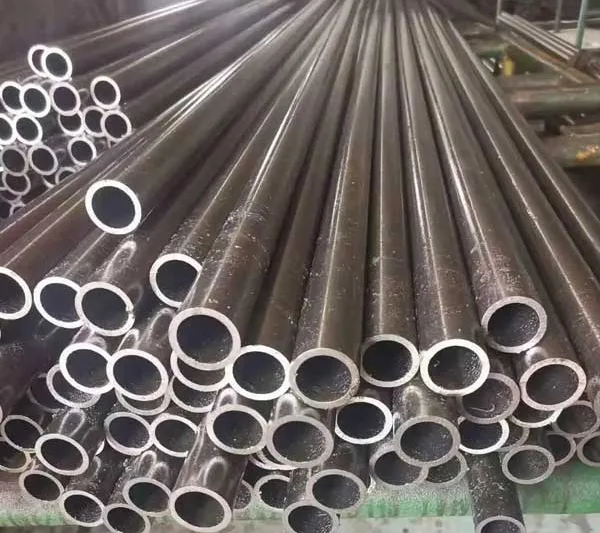
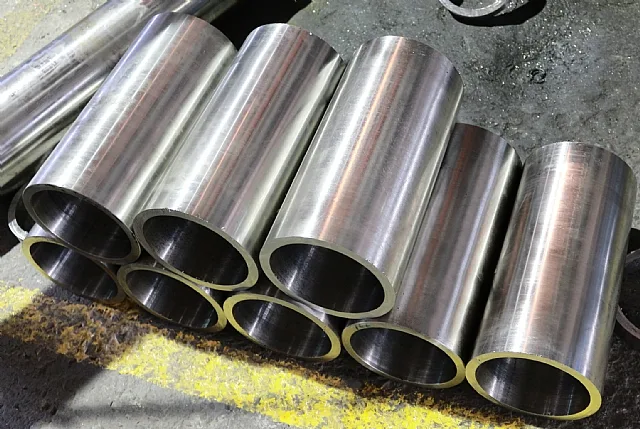
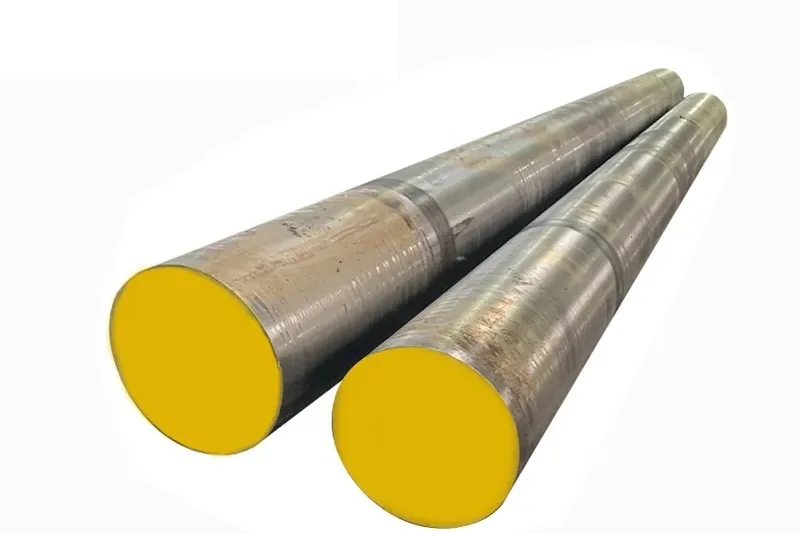
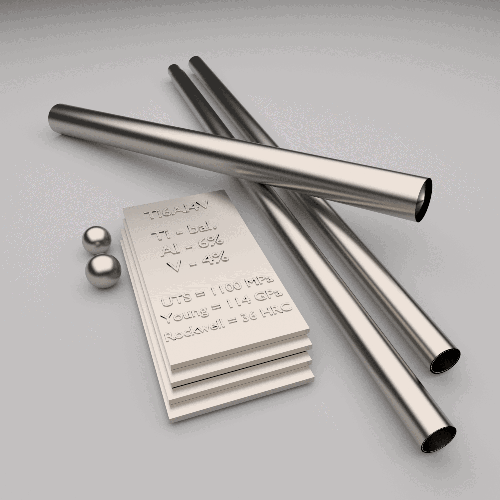
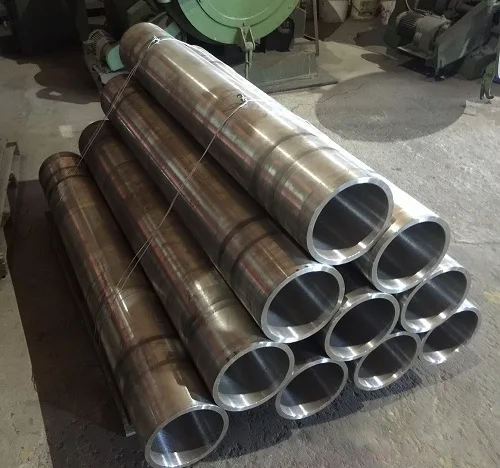
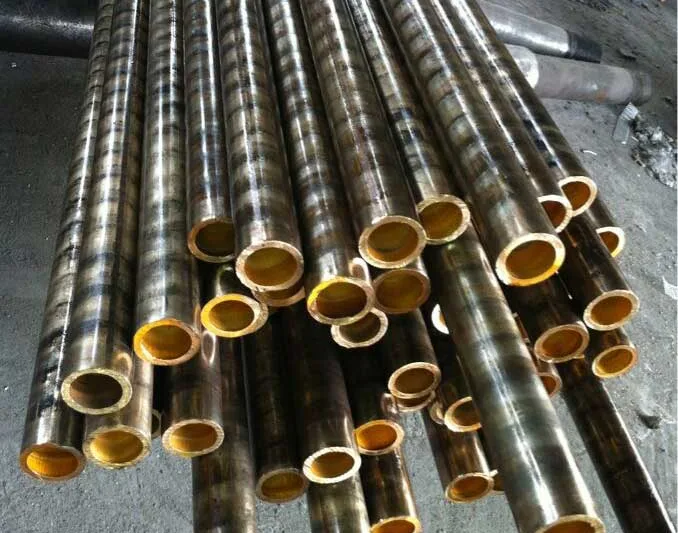
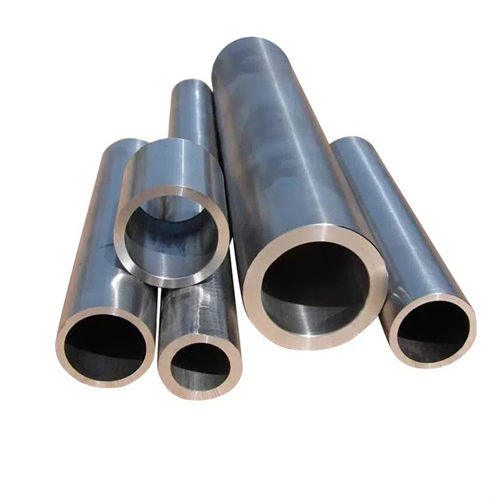
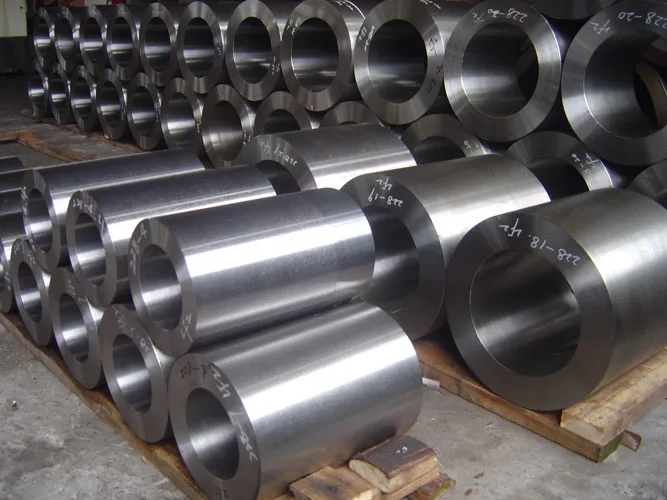
Heavy-wall stainless steel tubing refers to seamless or welded tubular products with significantly thicker walls compared to standard stainless steel tubing. Defined by a wall thickness typically exceeding 10% of the outer diameter—or often ranging from 3 mm to over 25 mm—this category is engineered for structural integrity, high-pressure containment, and exceptional resistance to mechanical stress and corrosion.
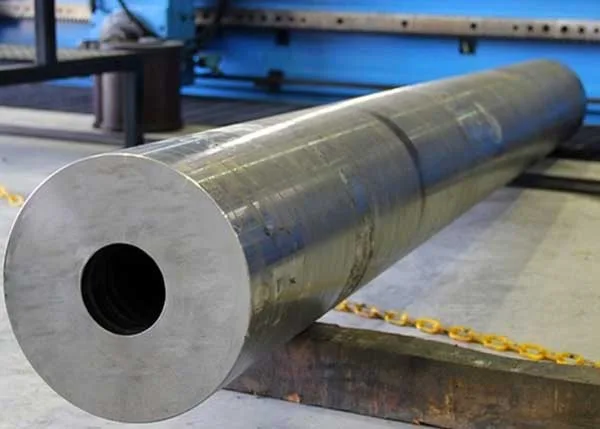
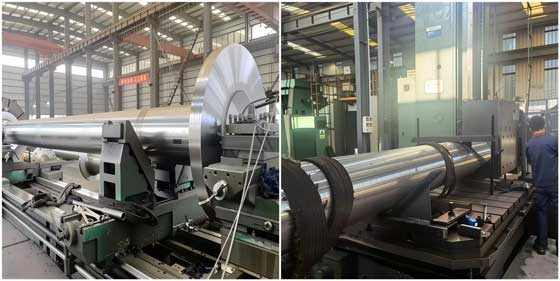
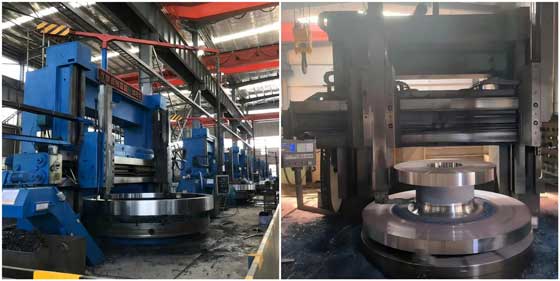
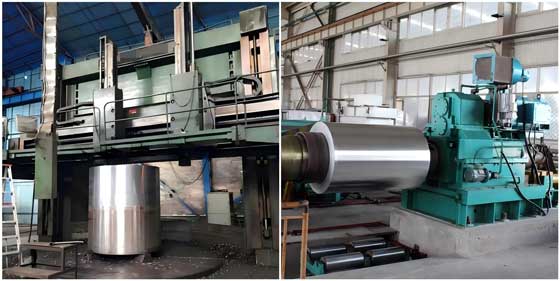
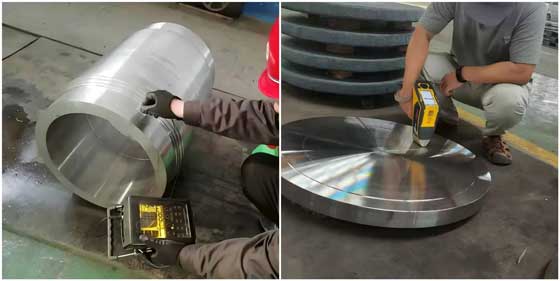
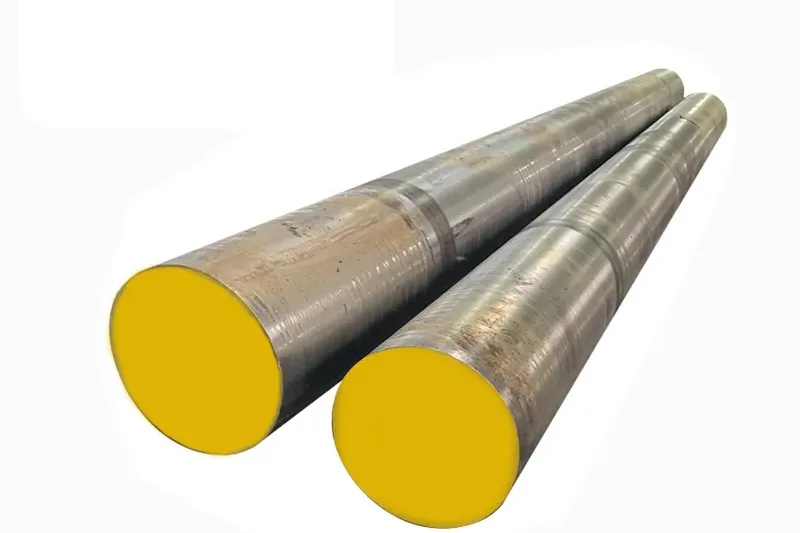
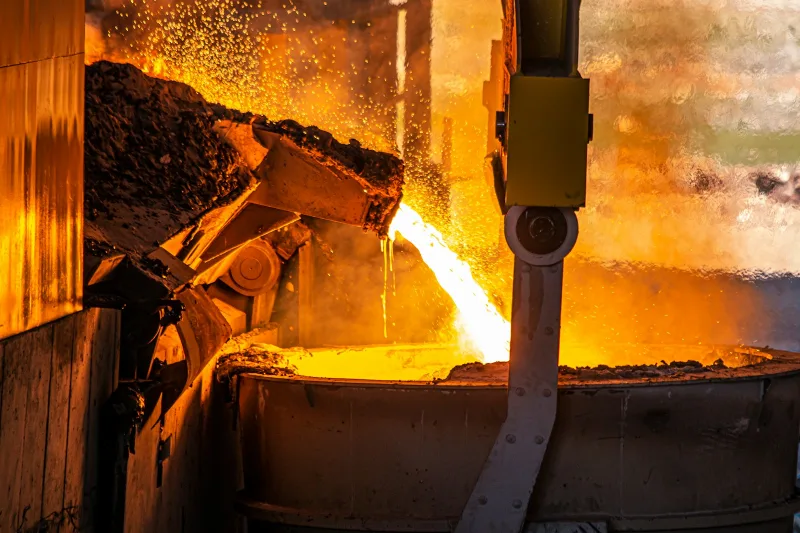
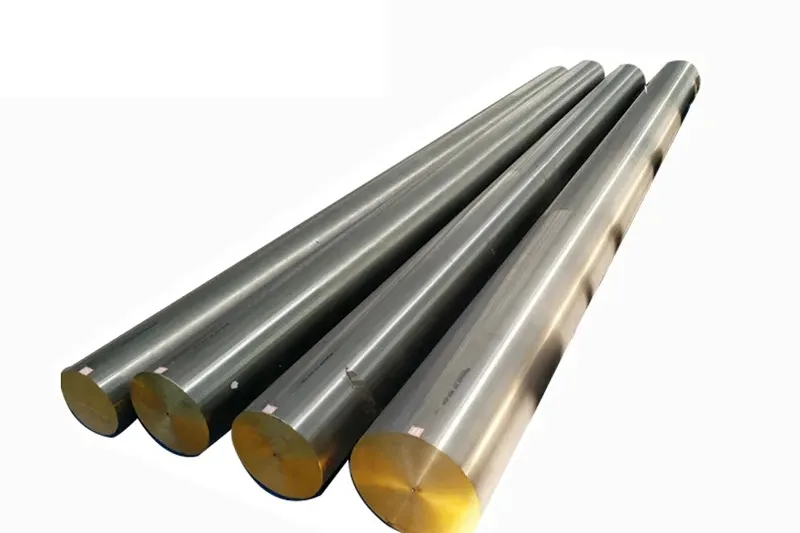
The manufacturing process plays a critical role in performance. Seamless heavy-wall tubing is commonly produced through hot extrusion or cold drawing of solid stainless steel billets, preserving metallurgical continuity and eliminating weld-related weaknesses. Welded variants use high-precision fusion techniques such as TIG or plasma welding, followed by full heat treatment and rigorous non-destructive testing to ensure uniformity and defect-free seams. Material grades like 304, 316, 321, and duplex 2205 are selected based on required strength, temperature resistance, and environmental exposure—especially where chloride-induced stress corrosion cracking must be avoided.
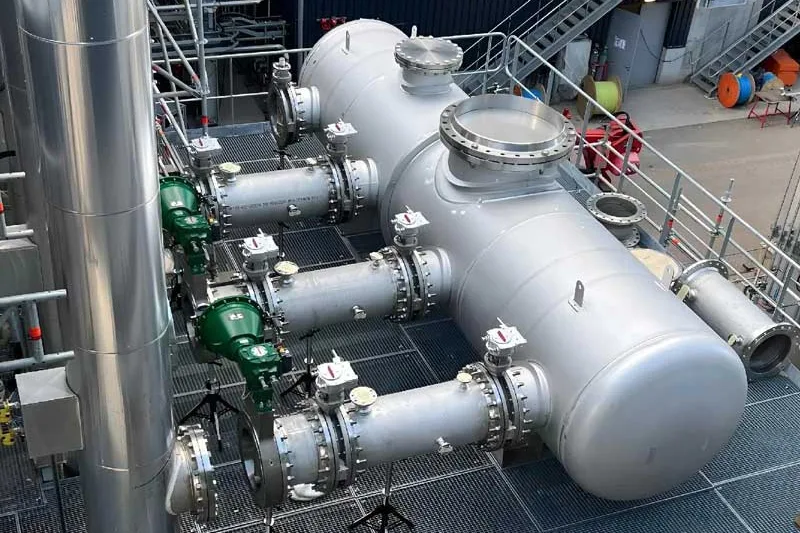
Primary applications reflect its robust capabilities. In oil and gas, it serves as downhole tubing, well casings, and high-pressure hydraulic lines. Power generation relies on it for superheater and reheater tubes in fossil and nuclear plants, where thermal cycling and steam pressure demand dimensional stability and creep resistance. Industrial machinery, chemical processing reactors, and marine hydraulic systems also depend on its ability to withstand impact, vibration, and aggressive media without degradation.
Designers specify heavy-wall stainless steel tubing not only for safety margins but also for service life extension. Its superior fatigue resistance reduces maintenance frequency, while inherent corrosion resistance eliminates the need for protective coatings in many environments. Though initial cost is higher than thinner-walled alternatives or carbon steel, lifecycle analysis consistently shows lower total cost of ownership due to reduced downtime, fewer replacements, and minimal inspection overhead.
In summary, heavy-wall stainless steel tubing represents a convergence of material science, precision engineering, and application-specific design. As industries push operational boundaries—higher pressures, elevated temperatures, harsher chemistries—this specialized tubing continues to serve as a foundational element for reliability, safety, and long-term performance.