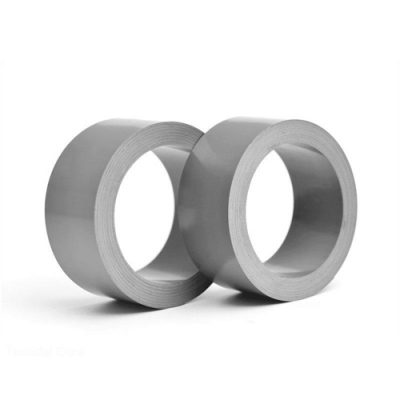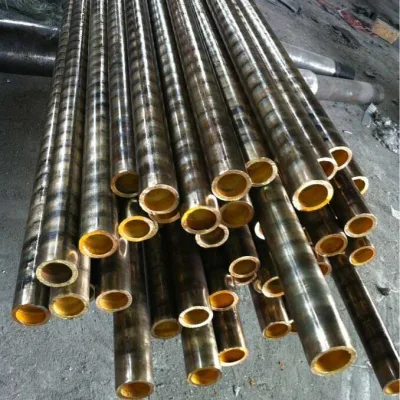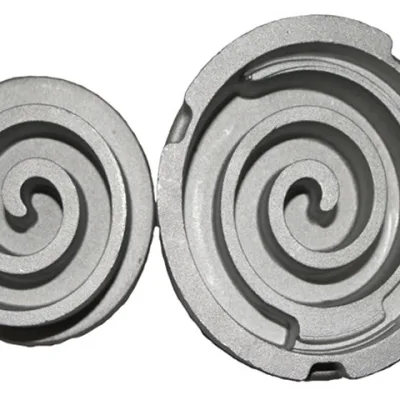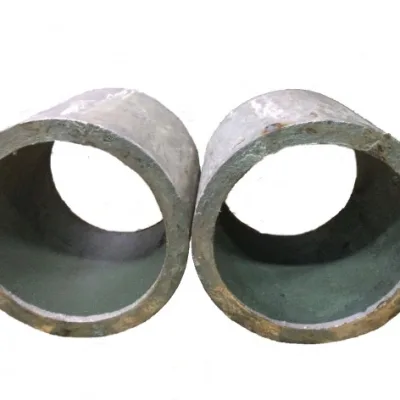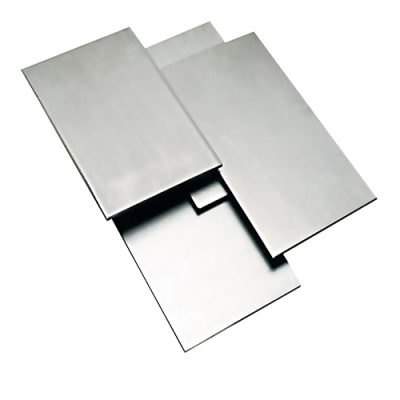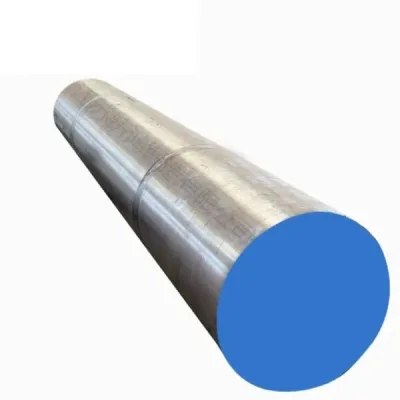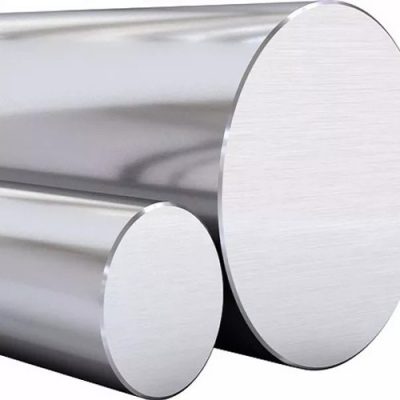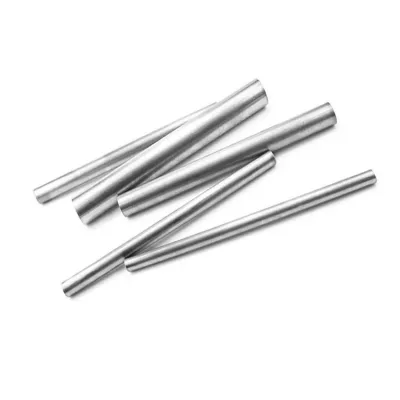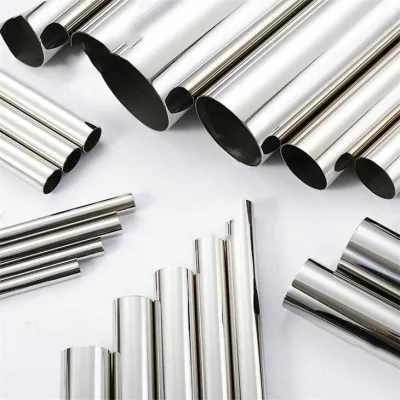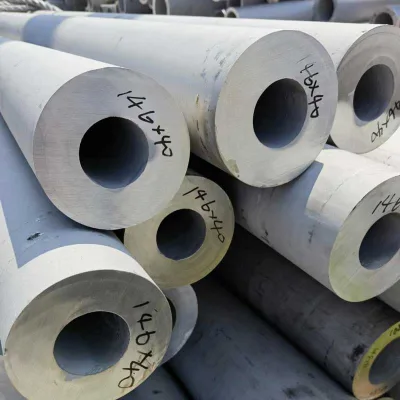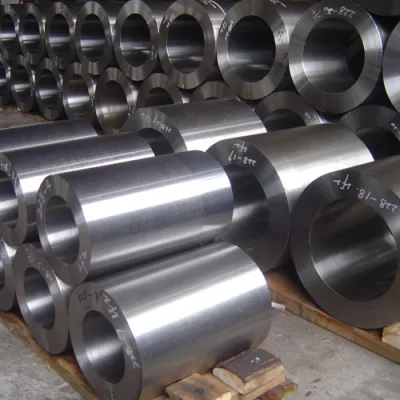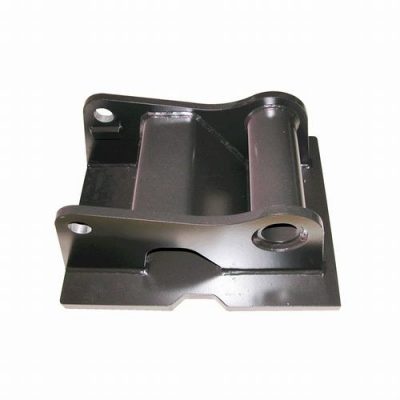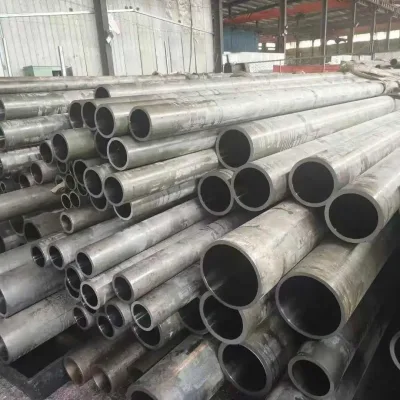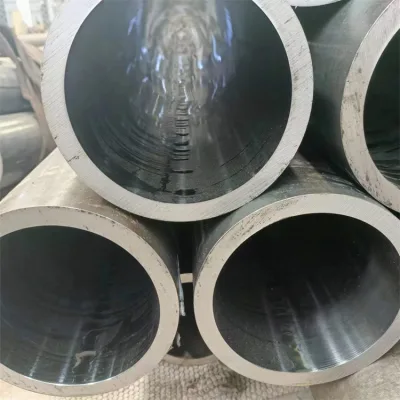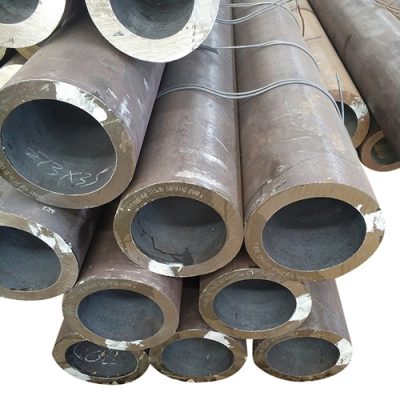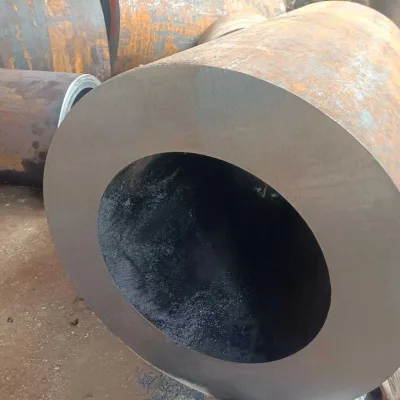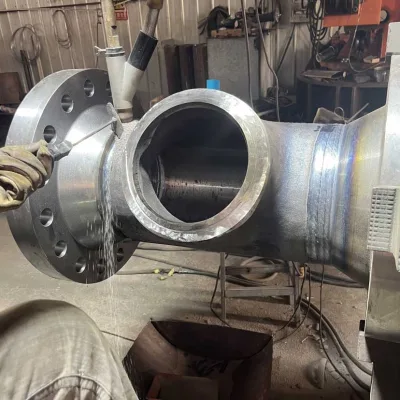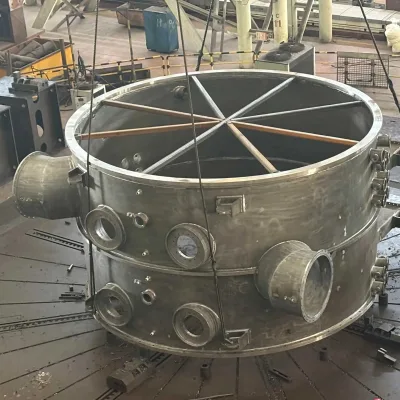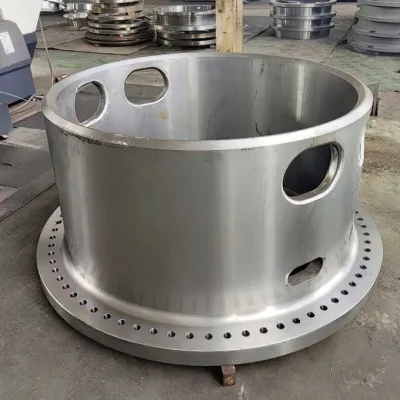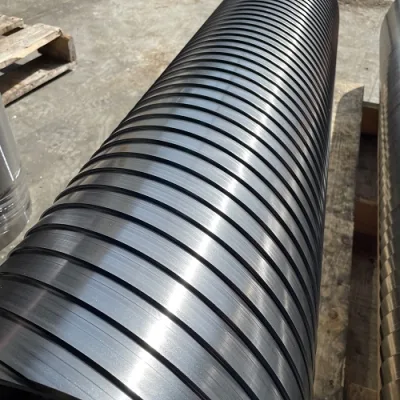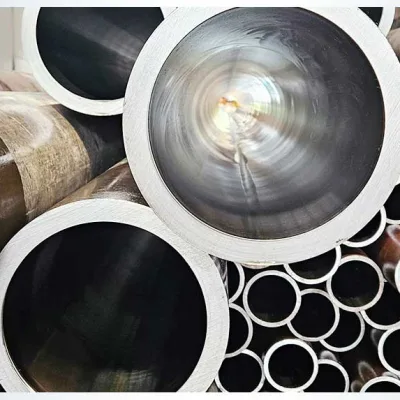
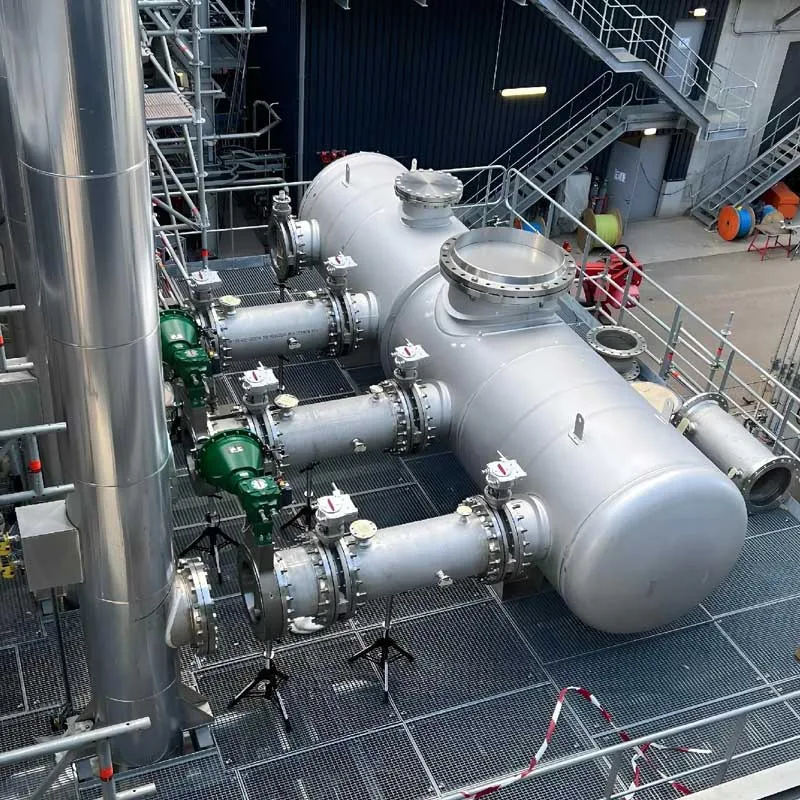
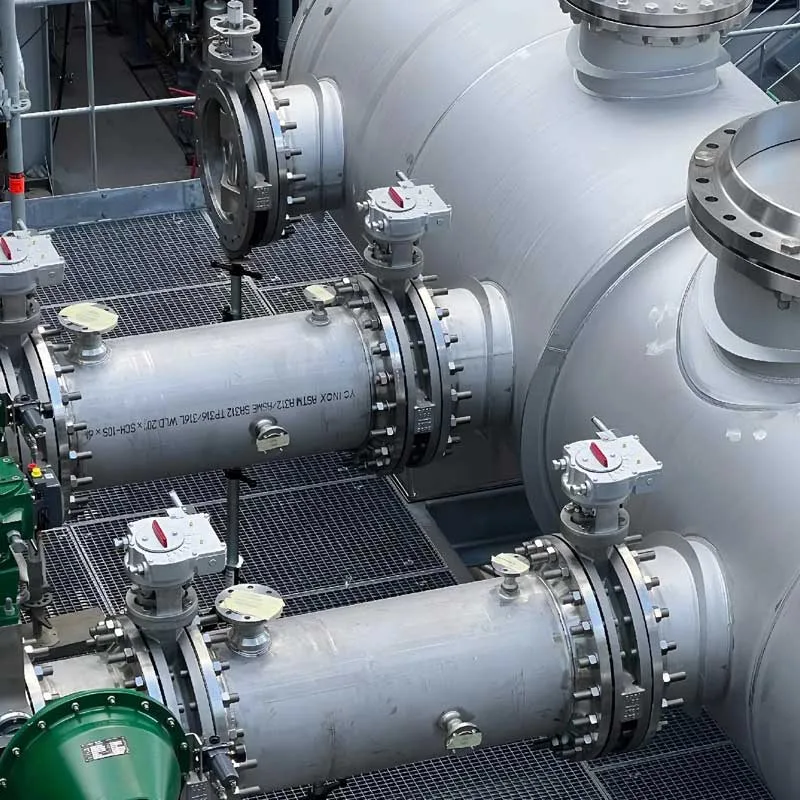
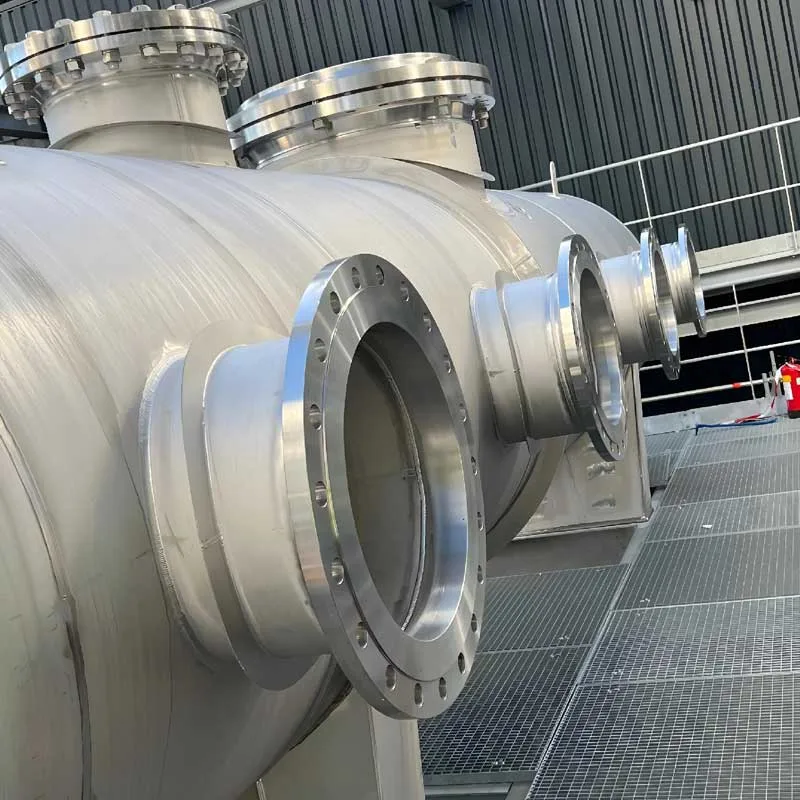
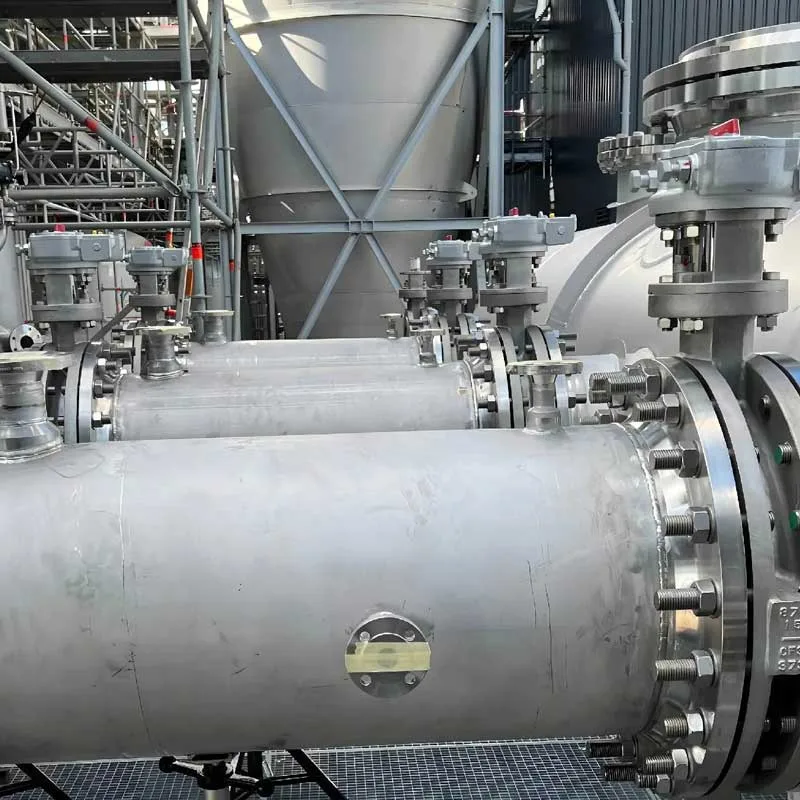
Stainless steel welded structural components
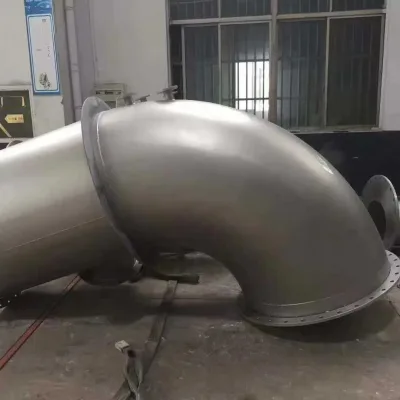
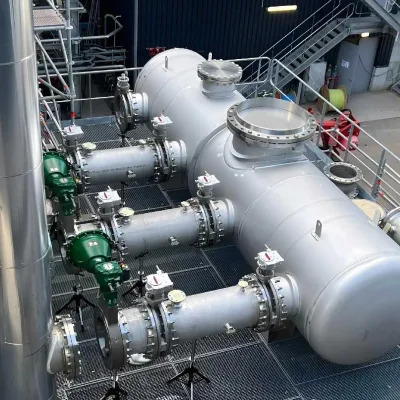
Stainless steel welded structural components is a sealed container designed to hold gases or liquids at pressures substantially different from ambient pressure. They are critical components in industrial processes, engineered with strict safety standards to prevent catastrophic failure under high-pressure conditions.
Features:
Containment: Maintains structural integrity under internal/external pressure.
Safety-Critical: Designed and manufactured under stringent international codes (ASME BPVC Section VIII, PED, GB 150).
Customization: Configurations vary based on operational requirements.
Main Components:
Shell: Cylinder and heads (elliptical, hemispherical, etc.)
Nozzles & Flanges: For fluid inlet/outlet and connections.
Supports: Saddles, legs, or skirts.
Safety Devices: Pressure relief valves, gauges, and monitoring systems.
Internals: Trays, coils, or catalysts (for process vessels).
Material selection depends on pressure, temperature, fluid compatibility, and economic factors.
| Material Category | Common Grades | Key Properties & Typical Uses |
|---|---|---|
| Carbon Steels | SA-516 Gr.70, Q245R | Cost-effective; general service (air receivers, water tanks). |
| Low-Alloy Steels | SA-537, 16MnDR, Q345R | Higher strength and/or low-temperature toughness (ammonia vessels, cryogenic storage). |
| Stainless Steels | 304/304L, 316/316L, Duplex 2205 | Excellent corrosion resistance; food/pharmaceutical/chemical service. |
| Nickel Alloys | Inconel 625, Hastelloy C-276 | Extreme corrosion/oxidation resistance (highly acidic/alkaline environments). |
| Non-Ferrous Alloys | Aluminum 5083, Titanium Gr.2 | Lightweight or specialized corrosion resistance (e.g., seawater, chlorides). |
| Clad/Composite | SA-263 (SS-clad steel) | Combines strength of carbon steel with corrosion resistance of stainless layer. |
By Primary Function:
| Type | Description | Examples |
|---|---|---|
| Storage Vessels | Store fluids under pressure. | LPG tanks, spherical gas holders, compressed air receivers |
| Heat Exchangers | Transfer heat between fluids. | Shell-and-tube exchangers, condensers, evaporators |
| Process Vessels | Facilitate chemical/physical reactions. | Reactors, digesters, fermenters, autoclaves |
| Separation Vessels | Separate mixed phases/components. | Distillation columns, flash drums, scrubbers, filters |
By Geometry:
• Cylindrical: Most common; fabricated from rolled plate with welded heads.
• Spherical: Optimal stress distribution; ideal for large-volume storage (e.g., LNG tanks).
• Custom Shapes: Occasionally used for specific applications (e.g., dished ends).
Major Applications
Oil, Gas & Petrochemical:
Reactors, fractionators, separators, hydrocarbon storage.
Power Generation:
Boilers, steam drums, feedwater heaters (thermal plants).
Reactor pressure vessels (nuclear plants).
Hydrogen storage (emerging energy systems).
Chemical & Pharmaceutical:
Mixing, reaction, and sterilization vessels.
CIP/SIP systems; high-purity material handling.
Food & Beverage:
Fermenters, pasteurizers, pressure cookers (autoclaves).
Digesters, bleach towers, recovery boilers.
Aerospace & Defense:
Propellant tanks, hyperbaric chambers, test vessels.
Environmental & Renewable Energy:
Biogas holders, carbon capture columns, desalination units.
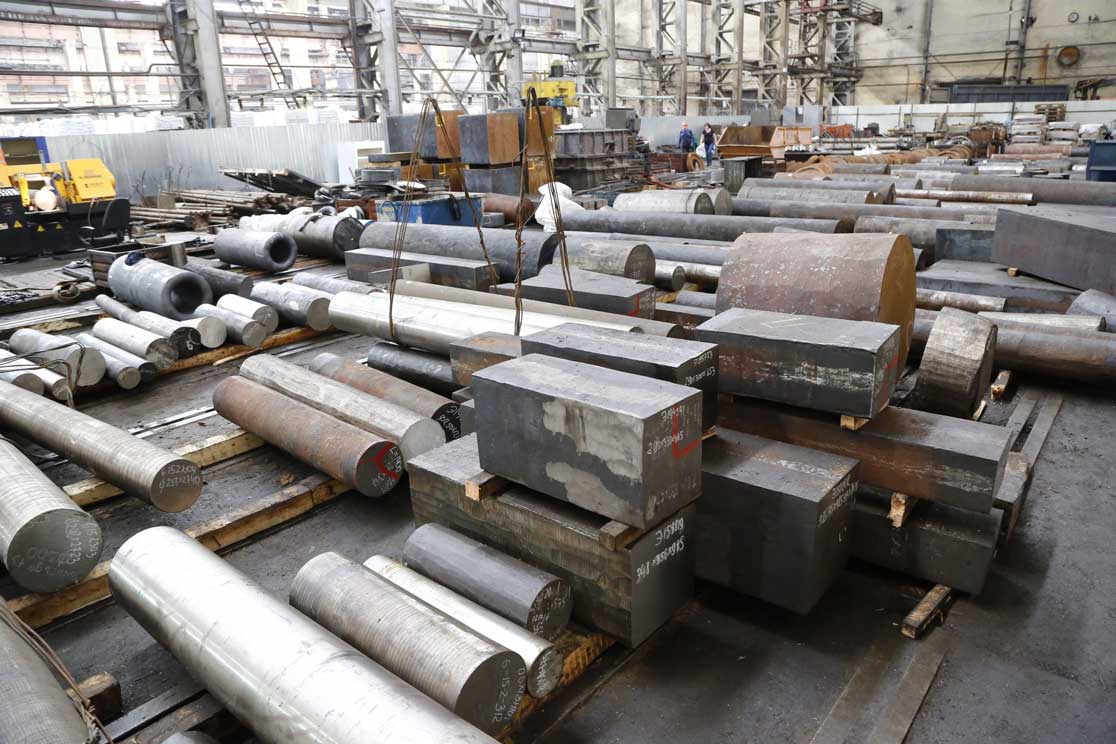
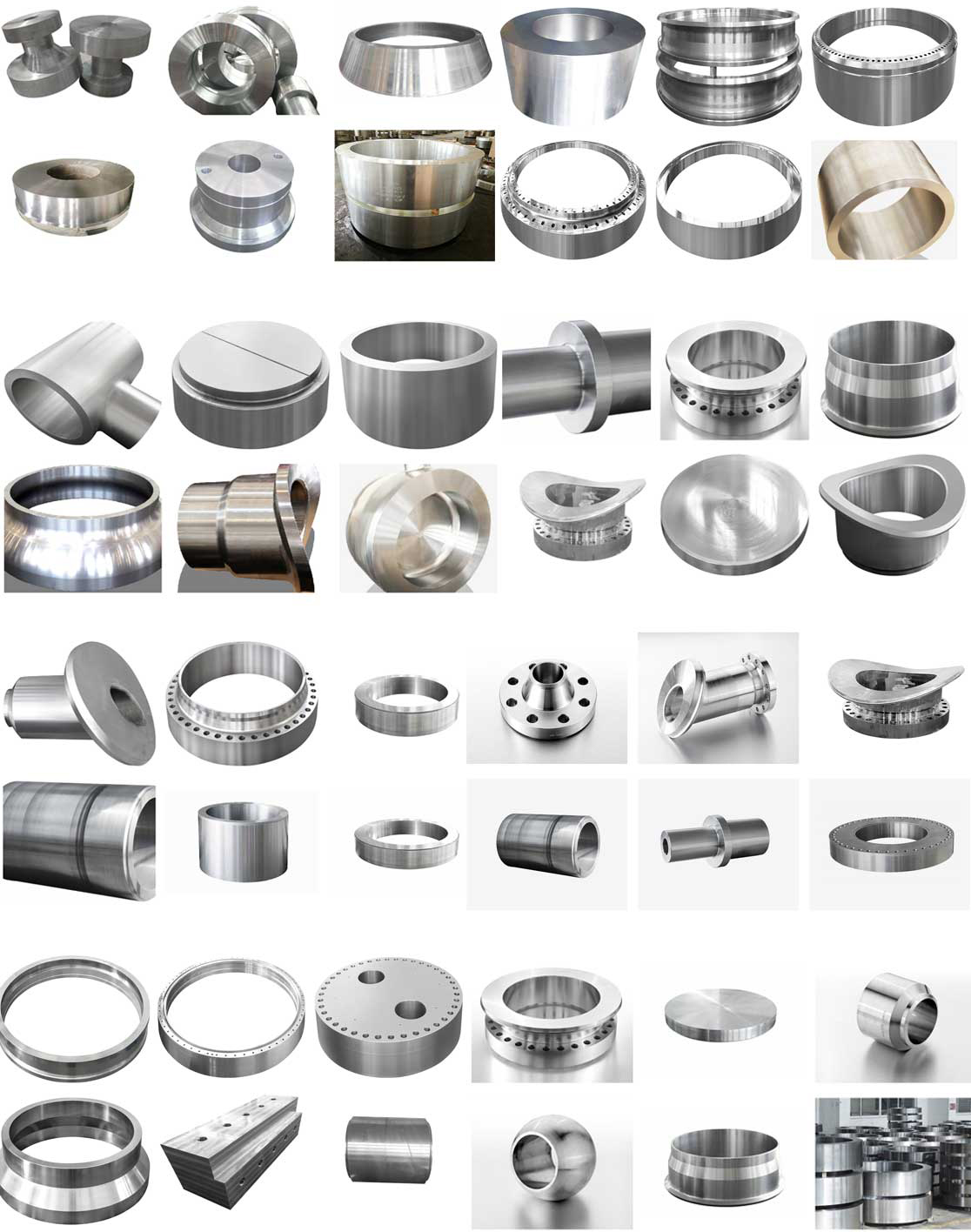
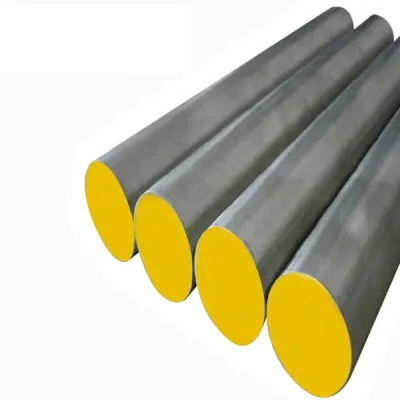
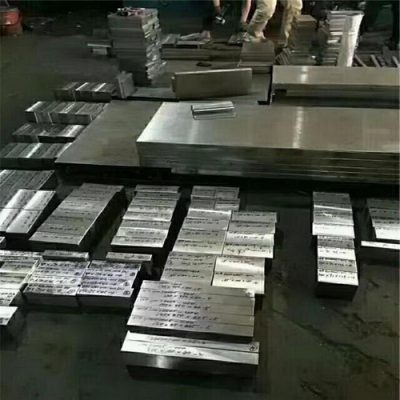
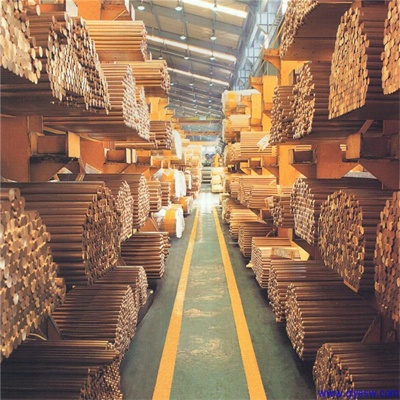
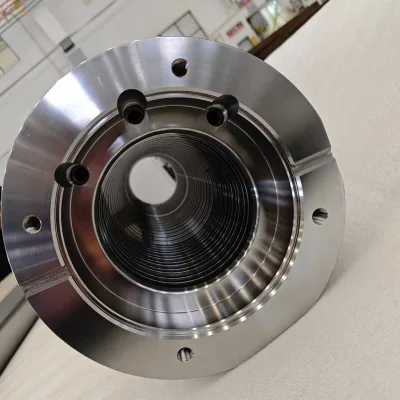
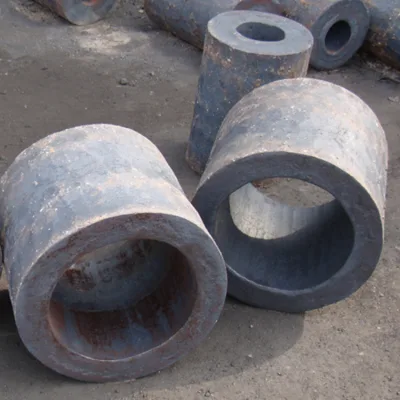
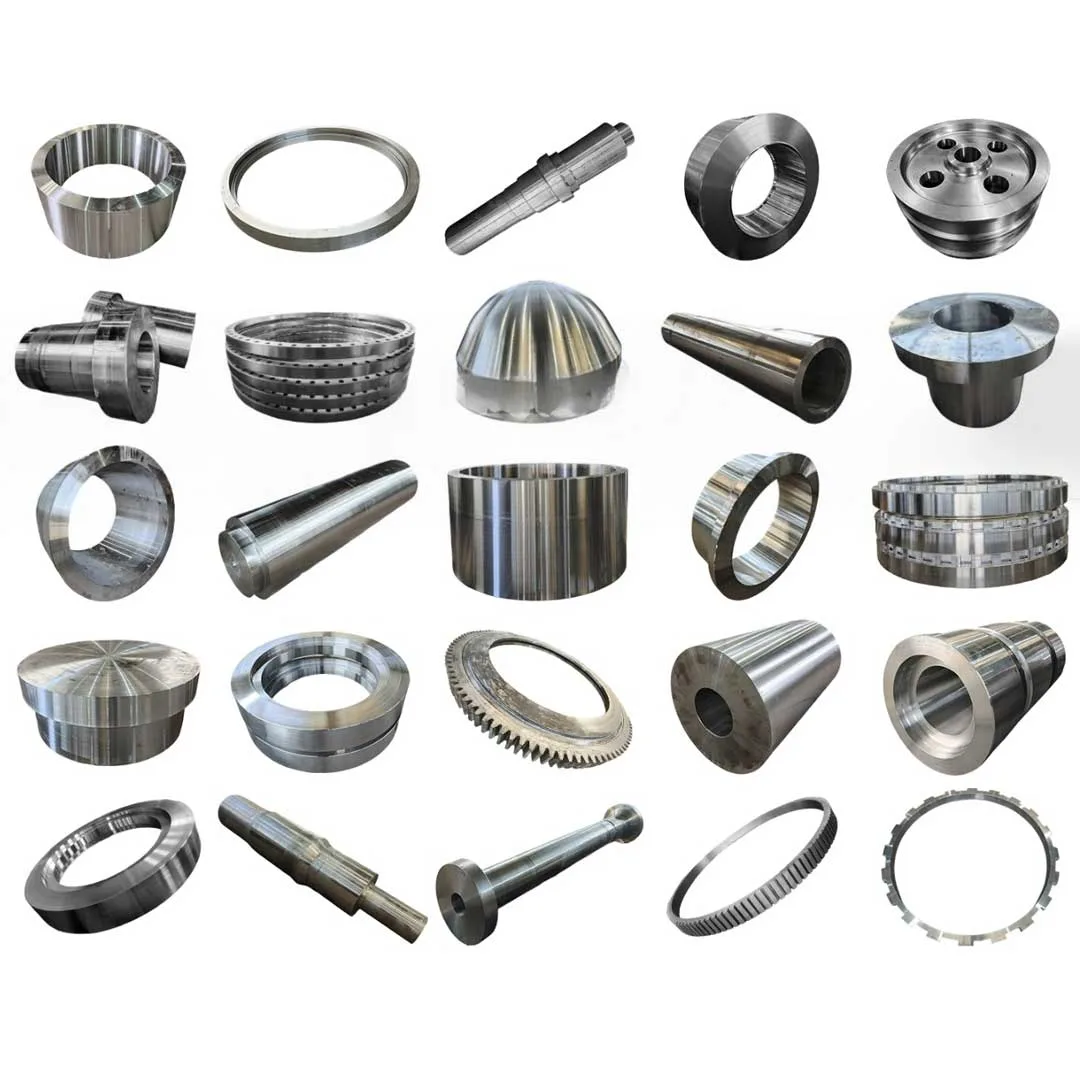
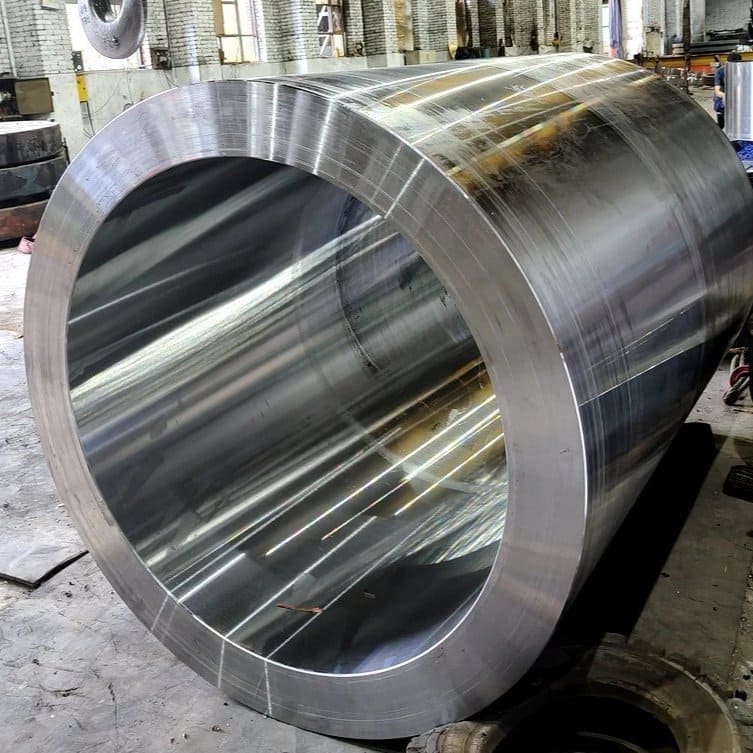
We also provide forging blanks and CNC precision machining services for our clients, covering industries such as energy, petrochemicals, steel, engineering machinery, plastics, prevention and control, hydraulics, healthcare, and food. Please feel free to send us drawings for inquiries.
Metalworking Services
CNC Machining
Sheet Metal Fabrication
Metal Welding
Metal Cutting
Metal Bending
Metal Punching
Metal Forging
Metal Sheet Rolling
Tube and Plate Drilling
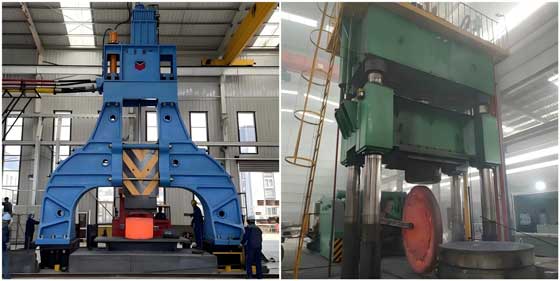
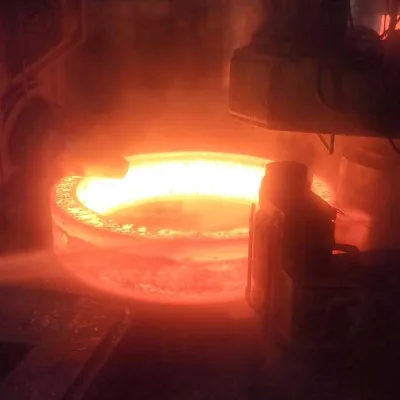
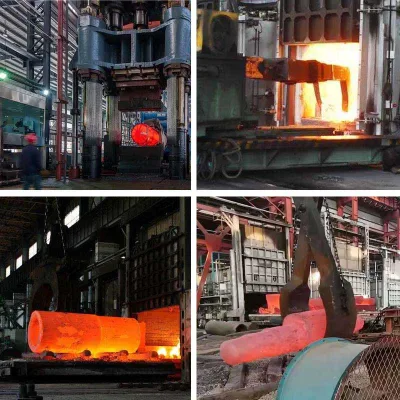
Heavy Forging Press Capacity
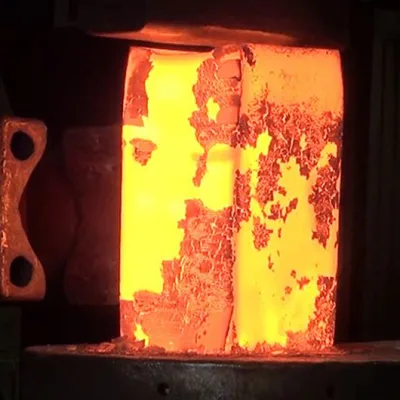
Our heavy-duty forging presses support open-die forging and deformation of large-section forgings, including discs, shafts, blocks, and custom components. This capability enables us to meet the demanding forming requirements of heavy industrial applications.
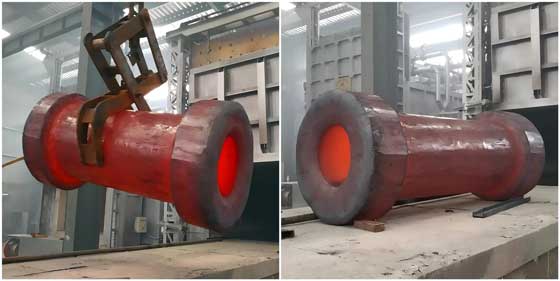
Heat Treatment Capability
Heat treatment is a critical step in achieving the mechanical properties required for heavy-duty forgings. Our process capabilities meet the strength, toughness, and structural stability requirements for forged components used under demanding operating conditions.
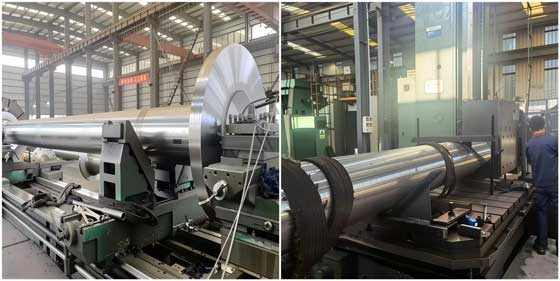
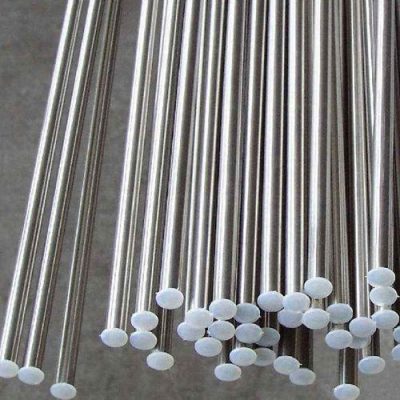
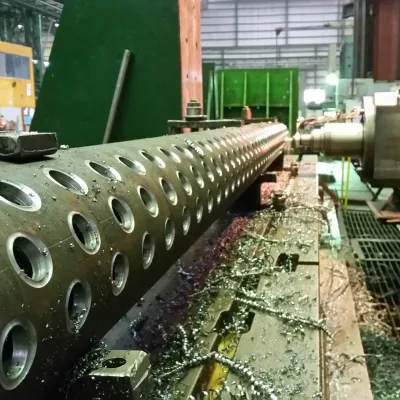
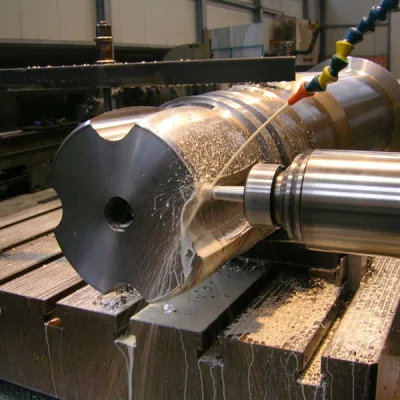
Heavy Shaft Machining
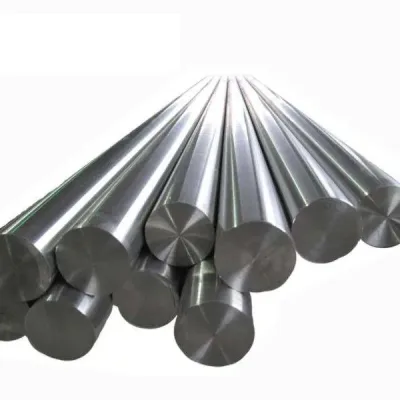
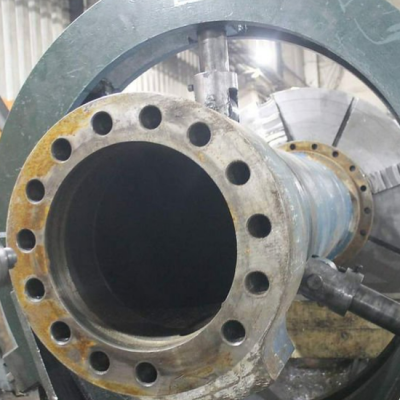
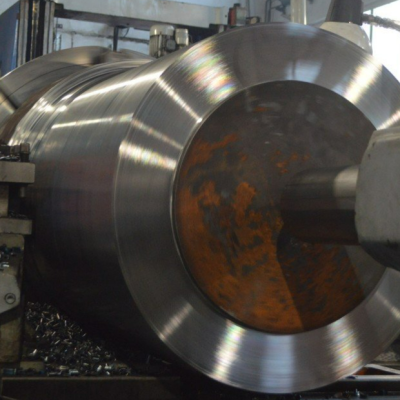
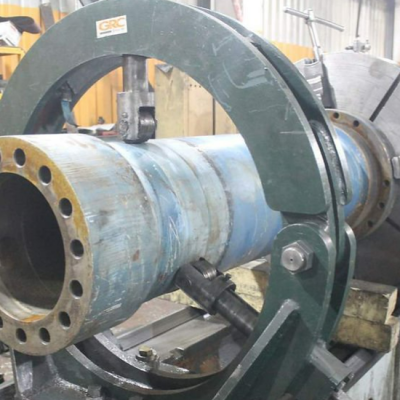
We offer machining capabilities for large forged shafts and long cylindrical components, supporting both rough and finish machining. This capacity is suitable for stepped shafts, rotor shafts, rollers, and other heavy-duty forged shaft components.
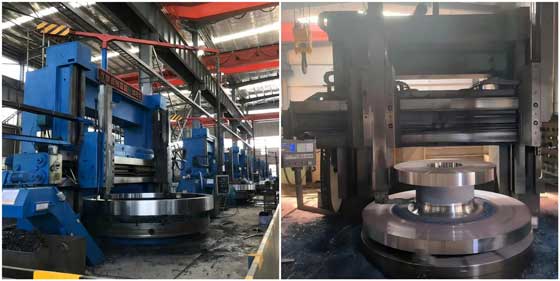
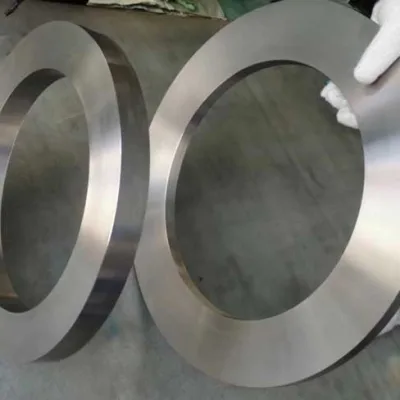
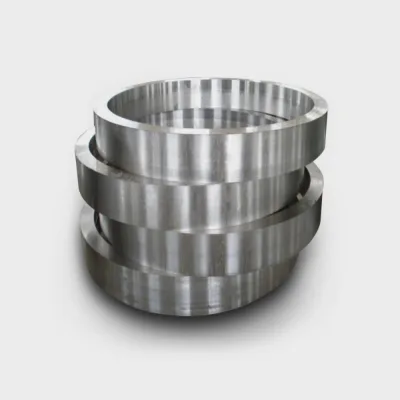
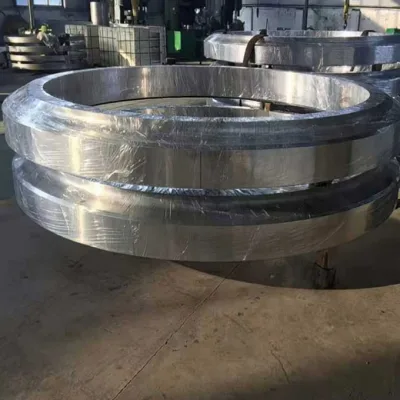
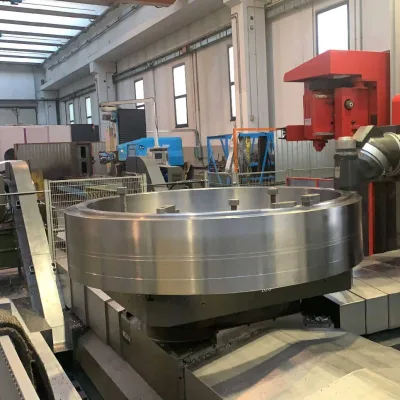
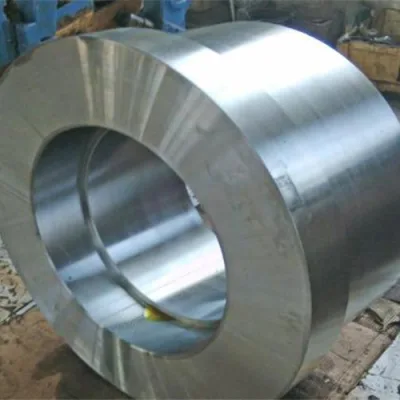
Ring Forging Machining
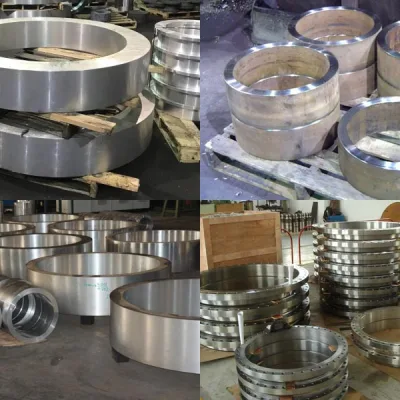
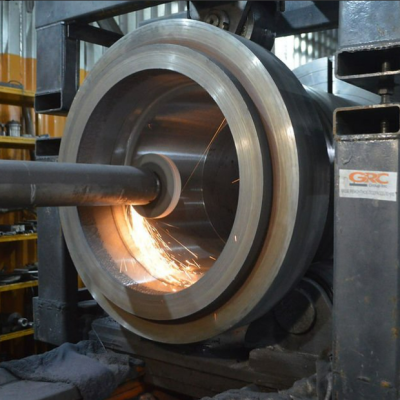
Our machining facilities are capable of handling large ring-shaped forgings and circular parts that require precise turning, face machining, boring, and contour control. This capability is suitable for industrial ring blanks, heavy-duty circular parts, and machined ring forgings.
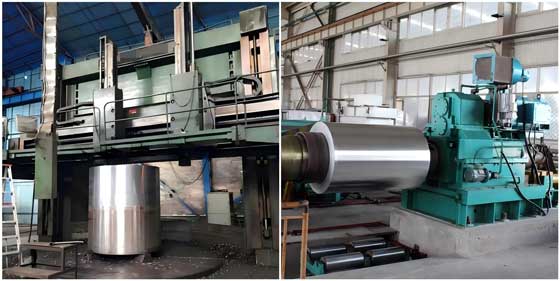
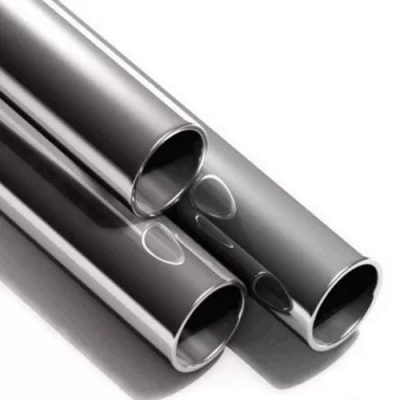
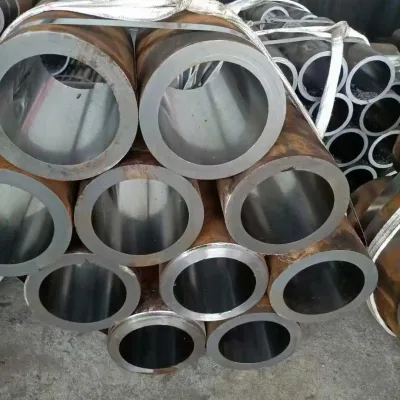
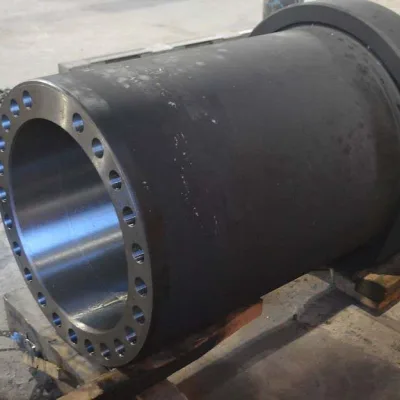
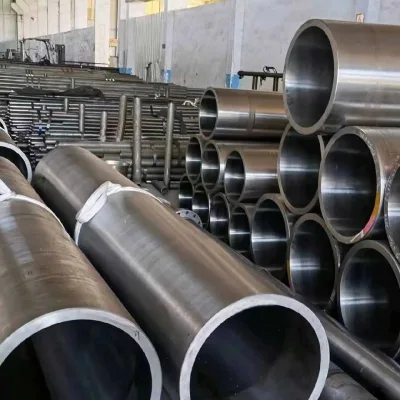
Cylindrical Forging Machining
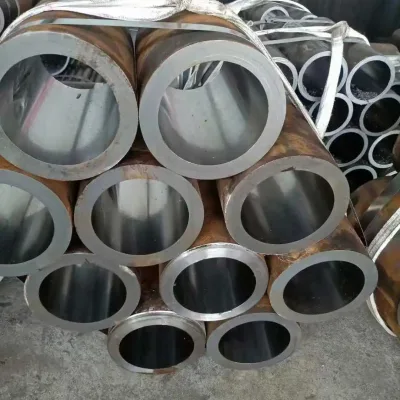
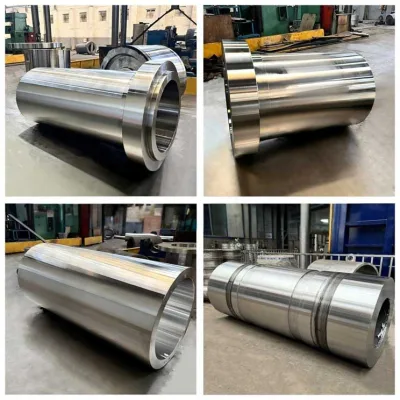
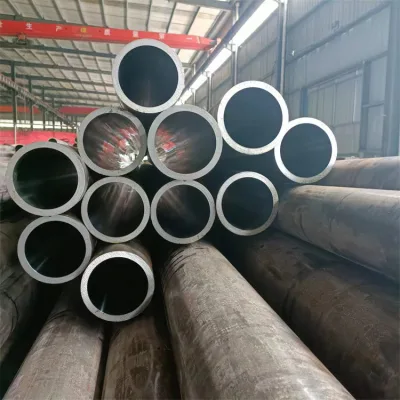
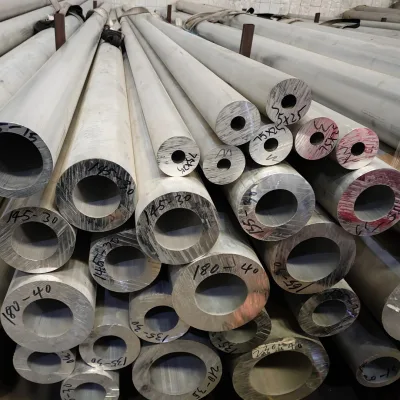
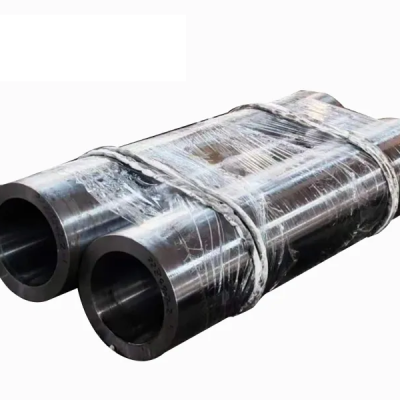
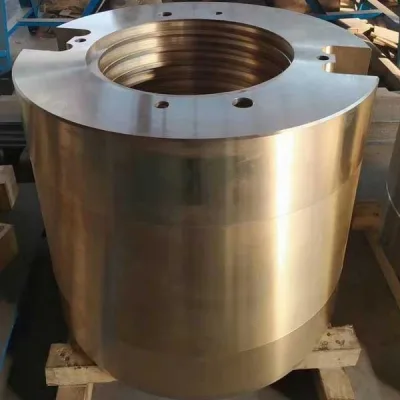
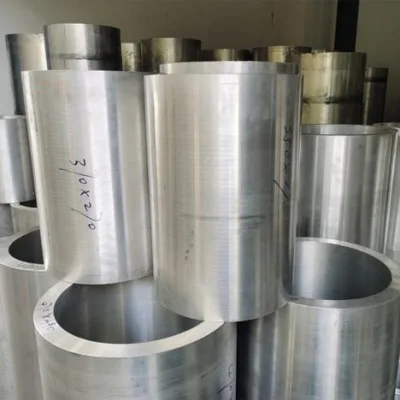
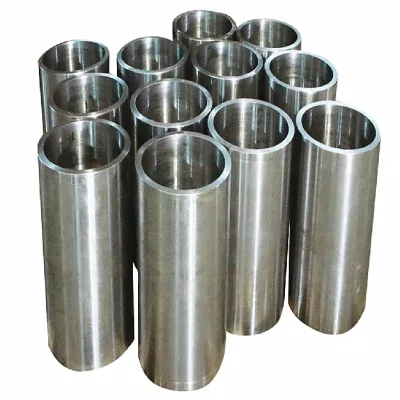
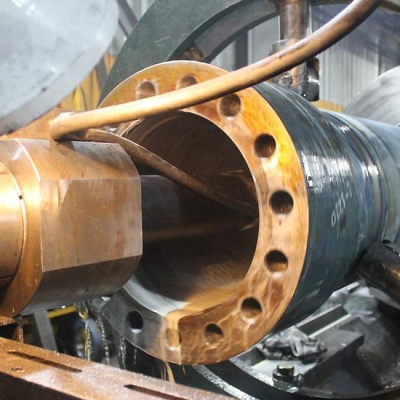
We offer machining solutions for heavy-duty cylindrical, hollow, and tubular forgings. This capability supports the machining of sleeves, cylinders, and other thick-walled forged components used in pressure vessels, rotating systems, and general industrial applications.
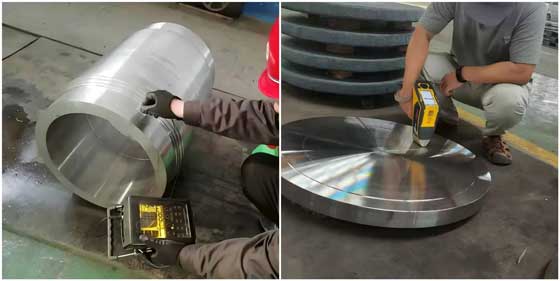
Inspection & Testing
Quality control is integrated into our production process through the inspection and testing of forged and machined parts. Our capabilities help verify the dimensional accuracy, condition, and quality consistency of industrial forgings prior to delivery.
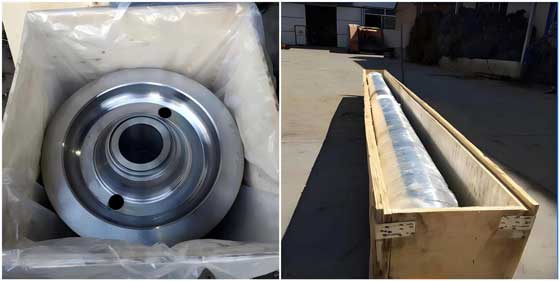
Packing & Delivery
Finished forgings are properly protected and packaged to minimize the risk of damage during storage and transportation. Our packaging methods ensure the safe domestic delivery and export shipment of machined and high-value forged components.