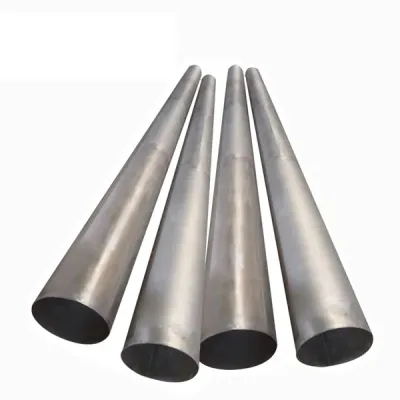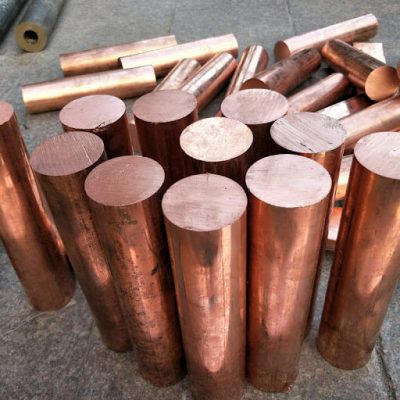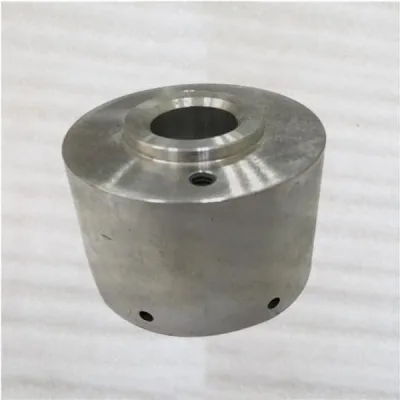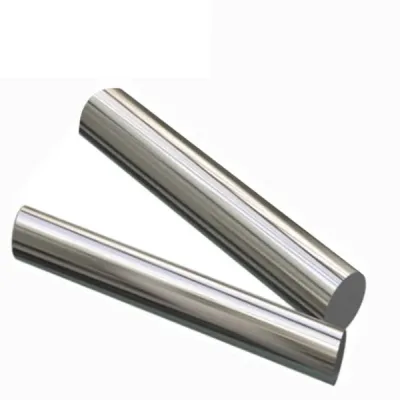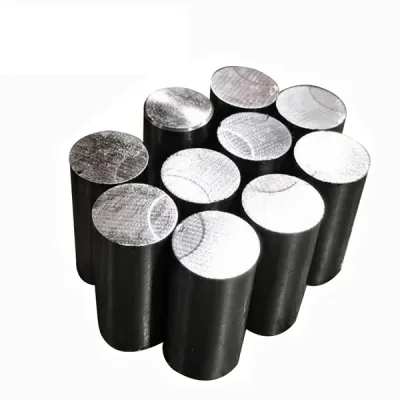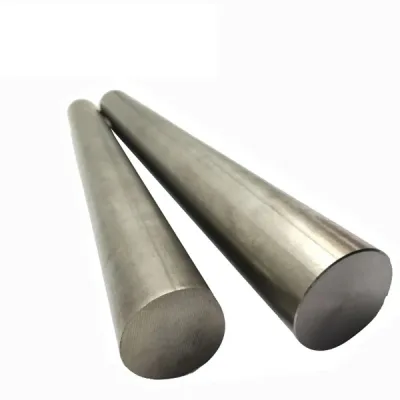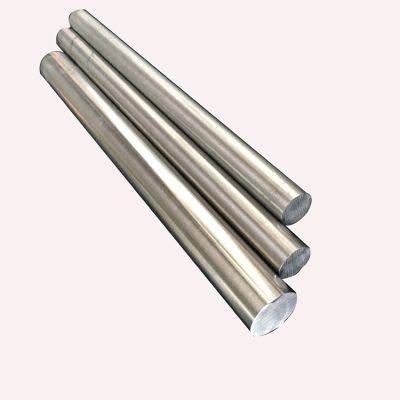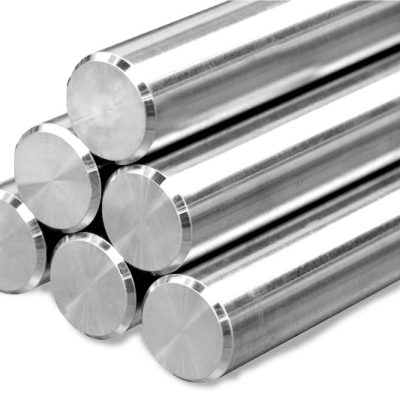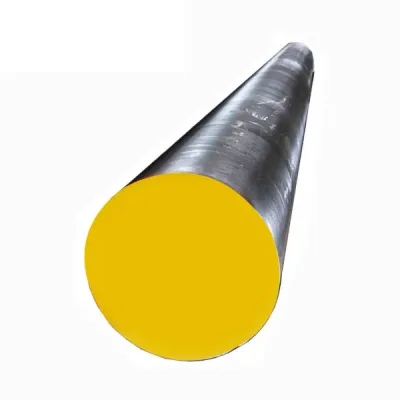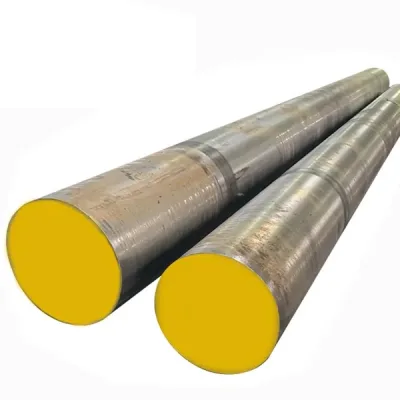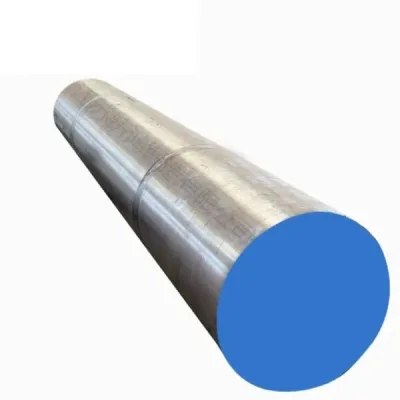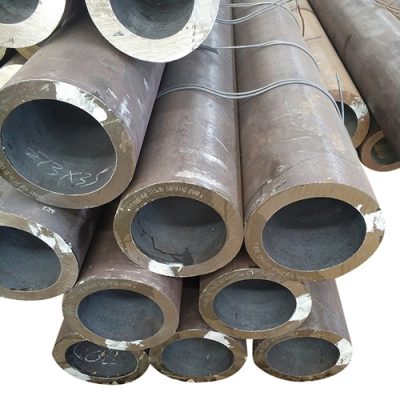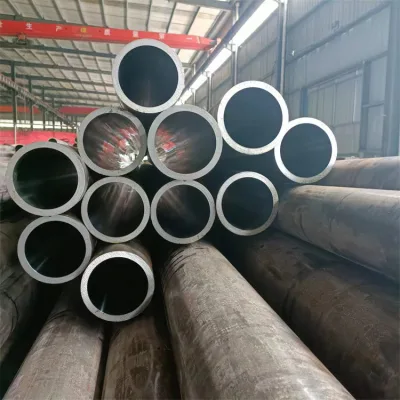
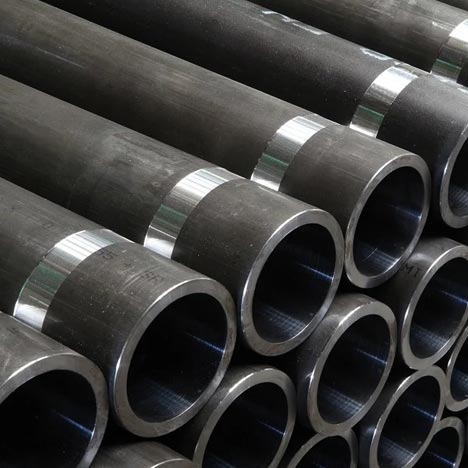
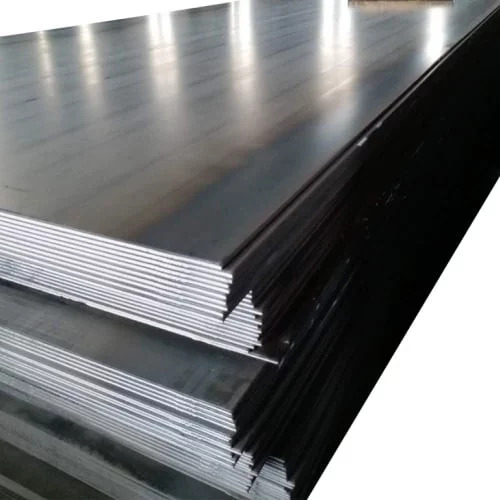
High quality carbon structural steel
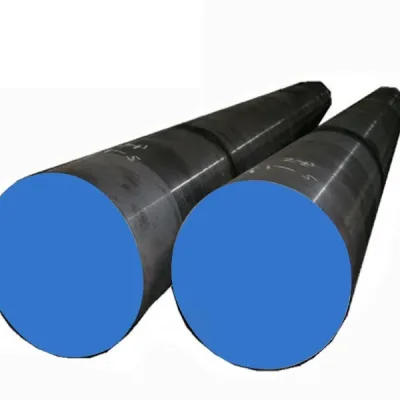
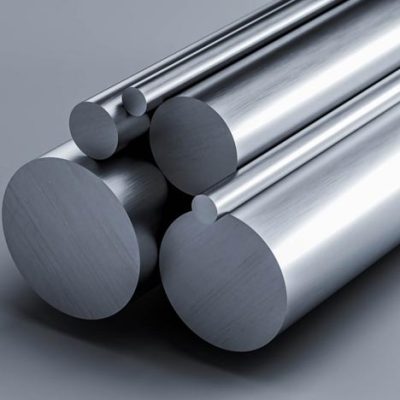
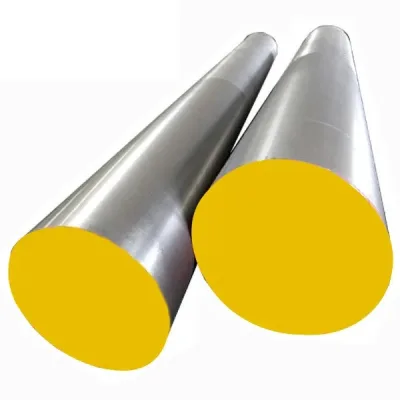
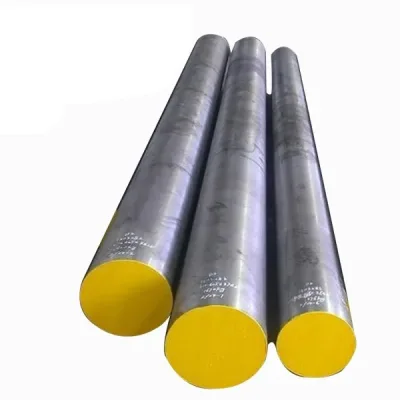
Carbon steel is an iron-carbon alloy with a mass fraction of carbon between 0.2 and 2.06% and a small amount of impurities such as Si, Mn, P, and S. According to its use, carbon steel can be divided into carbon structural steel, carbon tool steel and carbon cast steel. Carbon structural steel is divided into ordinary carbon structural steel and high-quality carbon structural steel according to metallurgical quality.
The smelting method of ordinary carbon structural steel is simple, and it contains many harmful impurities and non-metallic inclusions. The metallurgical quality of high-quality carbon structural steel is better, the amount of harmful impurities P, S and non-metallic inclusions are less, the uniformity and surface quality are better, and the chemical composition and mechanical properties of the steel must be guaranteed at the same time.
The carbon content of high-quality carbon structural steel is below 0.85%. According to the different manganese content, it is divided into two groups: ordinary manganese content (0.35~0.80%) and higher manganese content (0.70~1.2%). For a group with higher manganese content, add "Mn" after the steel number, such as 15Mn, 20Mn, etc.
Email: [email protected]
WhatsApp: 0086-13788924073

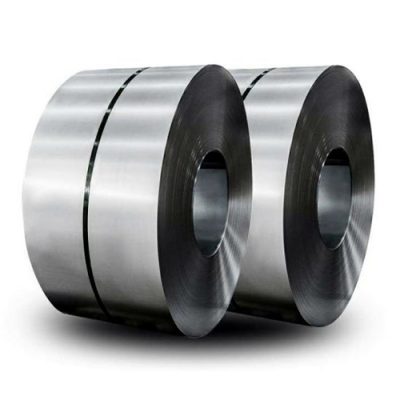
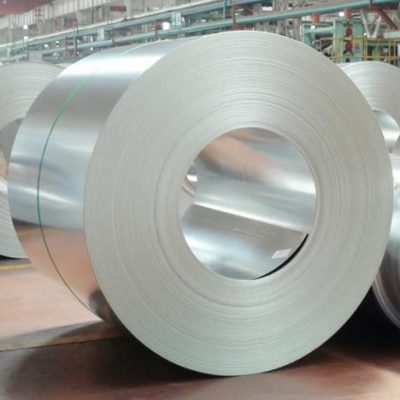
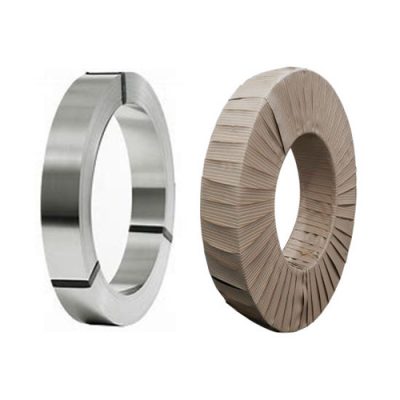
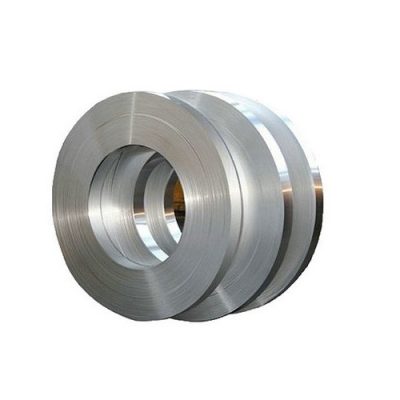
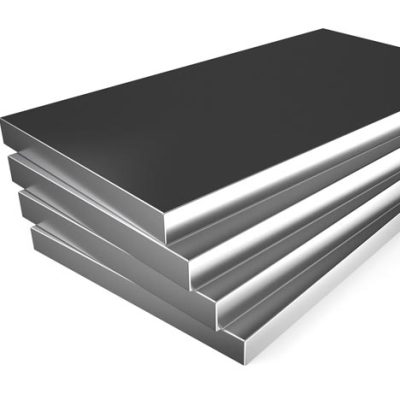
08 steel and 10 steel have very low carbon content, low strength and good plasticity, good welding performance and rolling performance, and are usually rolled into thin plates or steel strips. Mainly used for the manufacture of cold stamping parts, such as various instrument panels, containers and gaskets and other parts.
15 steel, 20 steel and 25 steel also have good weldability and calendering properties, and are often used in the manufacture of structural parts and parts with little stress and high toughness, such as welding containers, manufacturing nuts, screws, etc., as well as manufacturing strength Carburizing parts that are not too demanding, such as cams, gears, etc. The heat treatment of carburized parts is generally a quenching (840~920℃) and low temperature tempering after carburizing.
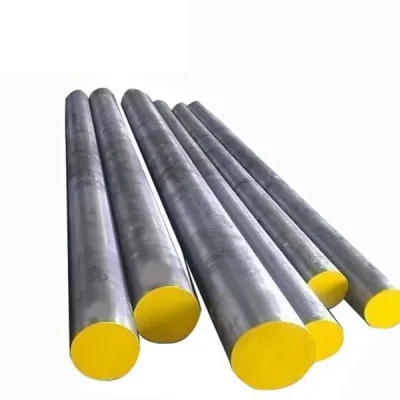
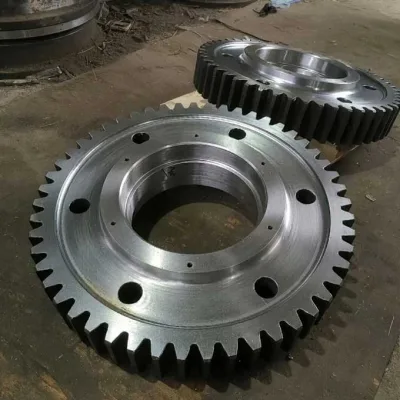
35 steel, 40 steel, 45 steel, 50 steel, 55 steel are quenched and tempered steels, which can be used to manufacture parts with high performance requirements, such as gears, connecting rods, shafts, etc. Quenched and tempered steel is generally quenched and tempered to obtain comprehensive mechanical properties with good strength and toughness. For workpieces that do not require high comprehensive mechanical properties or have large cross-sectional dimensions and poor quenching effect, normalizing can be used instead of quenching and tempering.
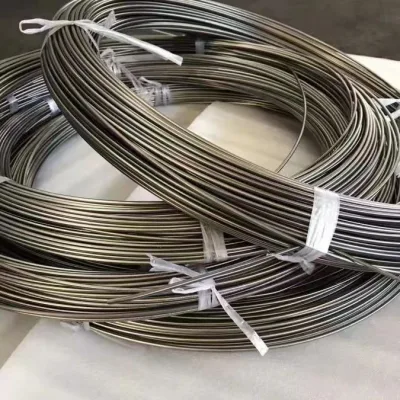
60 steel, 65 steel, 70 steel, 75 steel, 80 steel, and 85 steel belong to spring steel. After proper heat treatment, they can be used to manufacture parts that require good elasticity and high strength, such as springs, spring washers, etc., and can also be used to manufacture Wear parts. Cold-formed springs are generally only subjected to low temperature stress relief treatment. Hot-formed springs are generally quenched (~850℃) and tempered at medium temperature (350~500℃). The wear parts are quenched (~850℃) and tempered at low temperature (200~250℃).
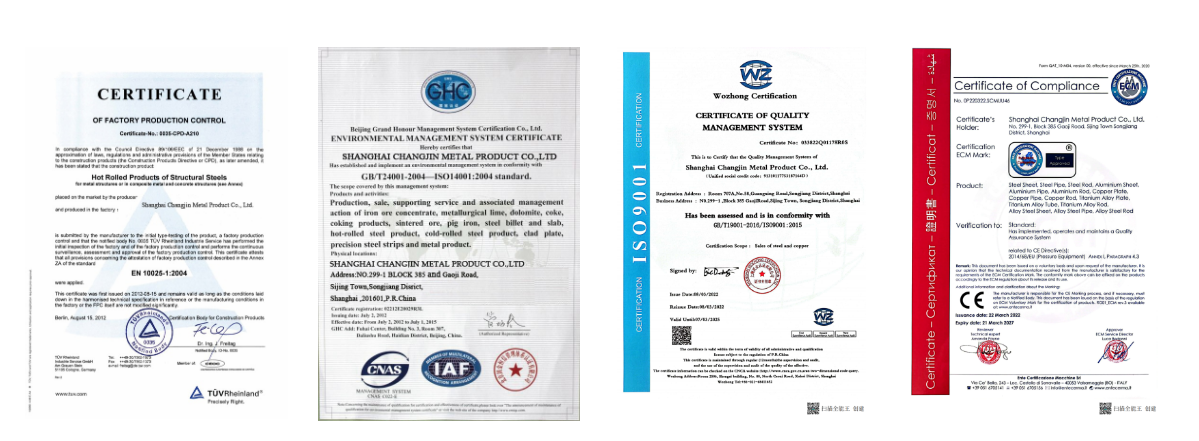
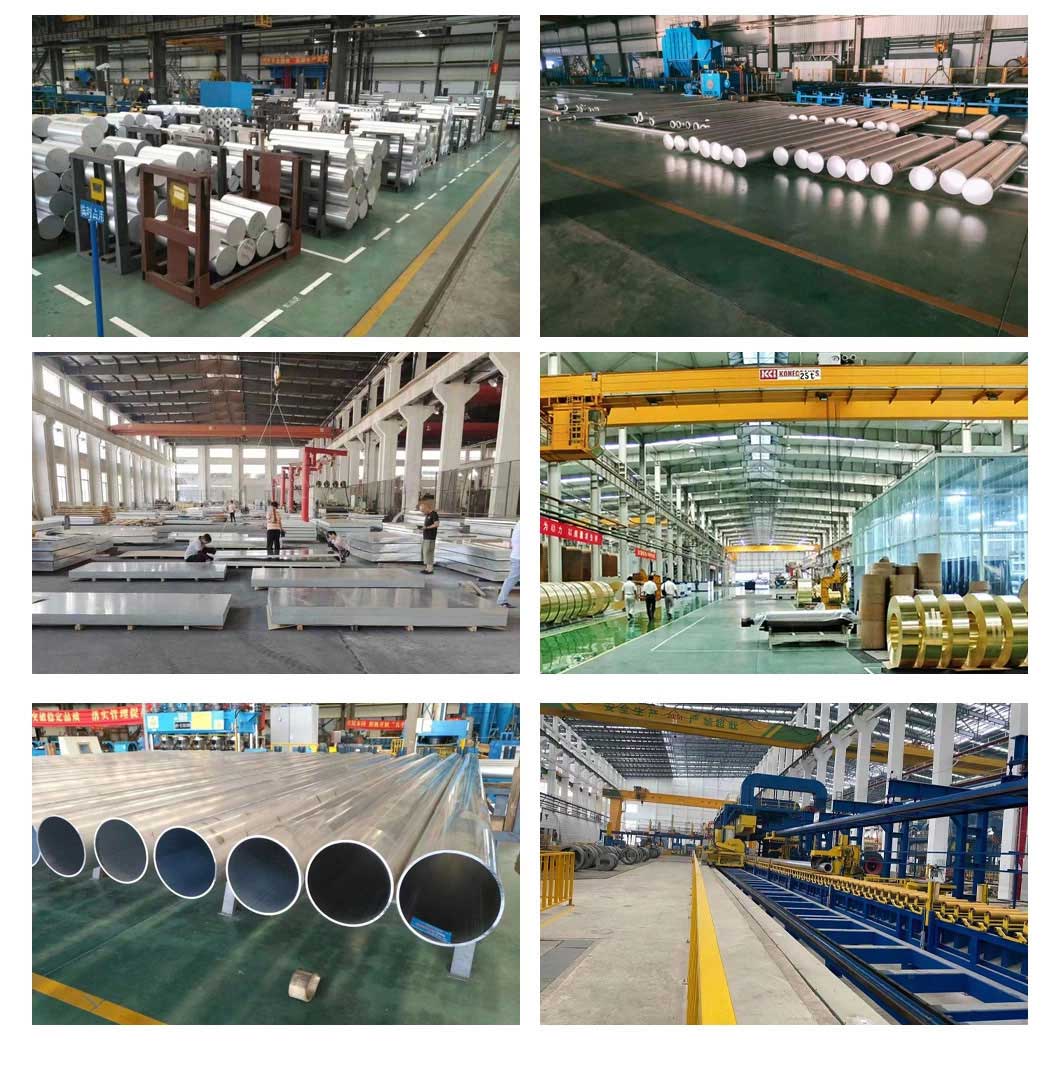
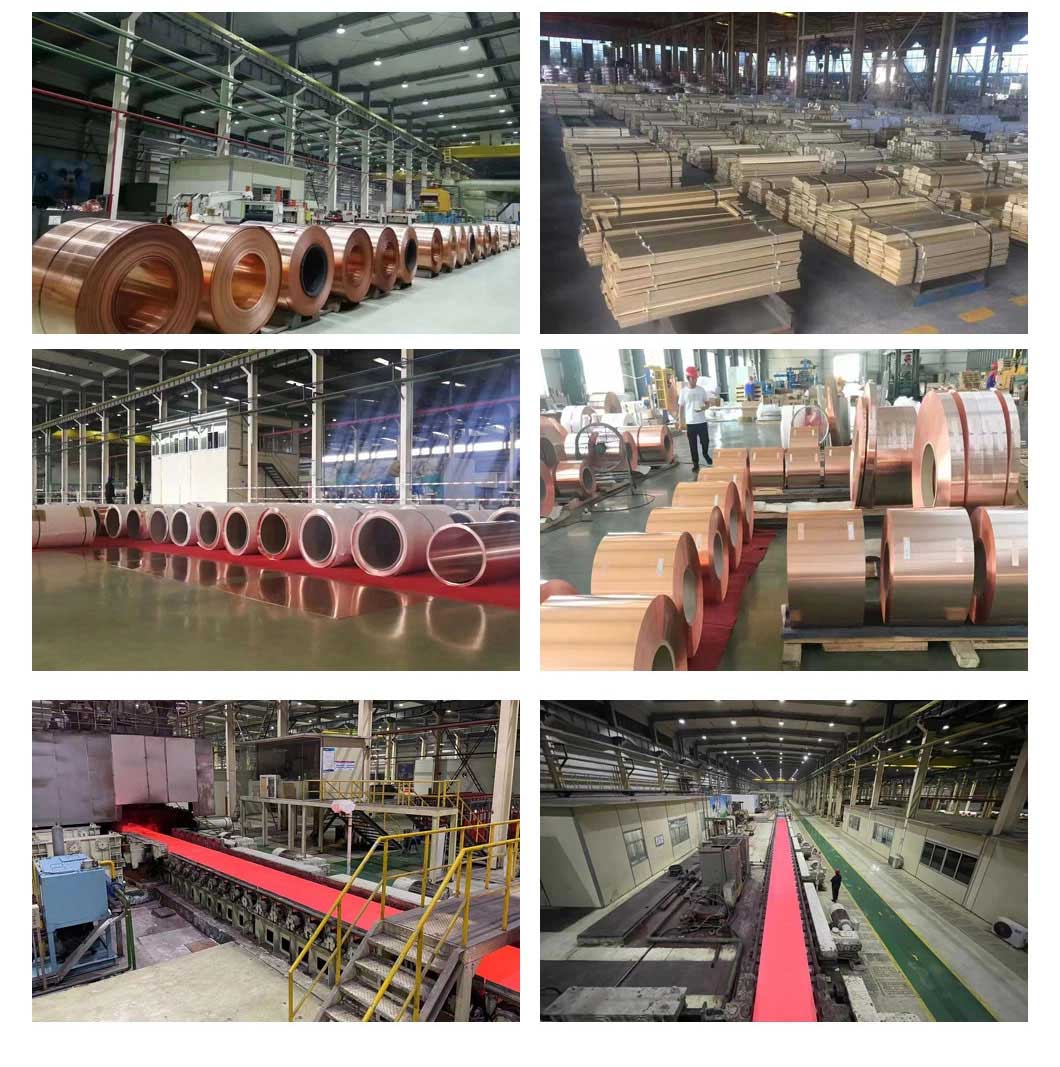
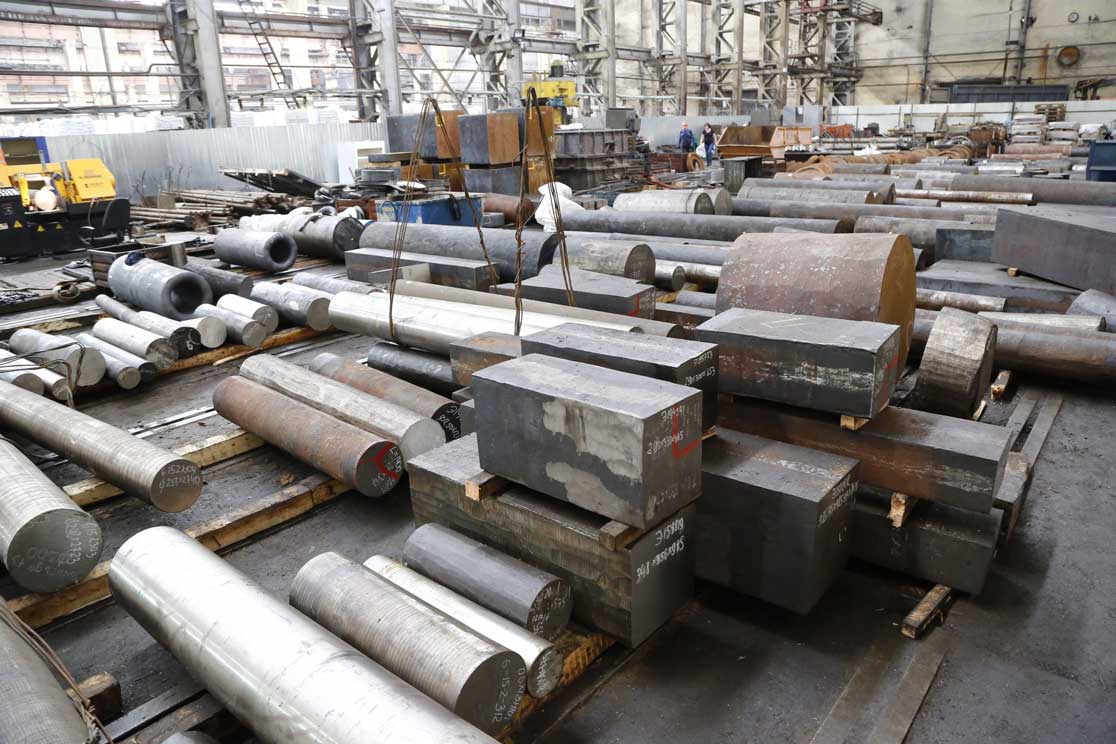
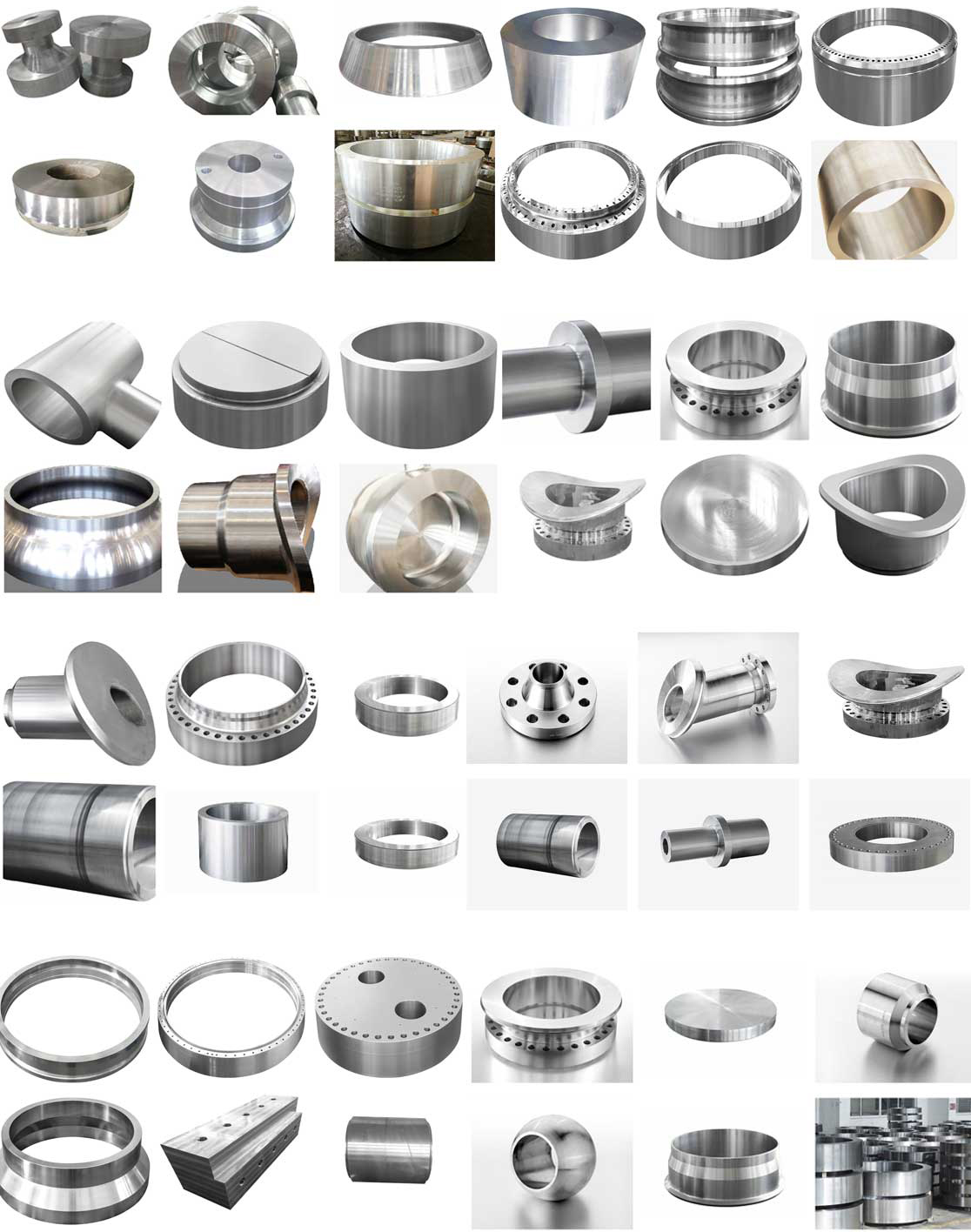
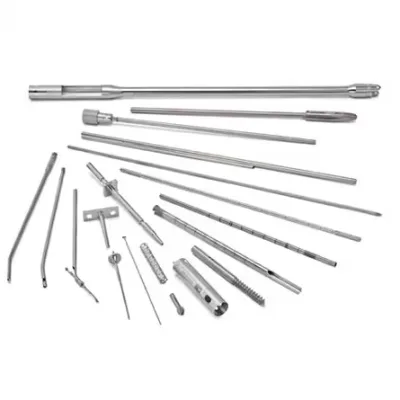
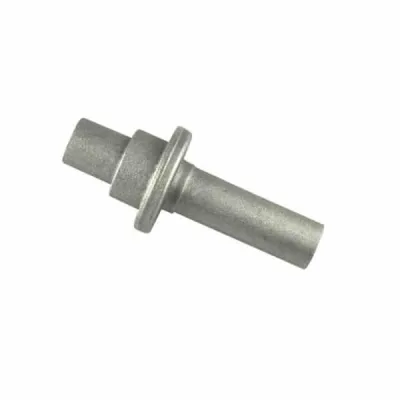
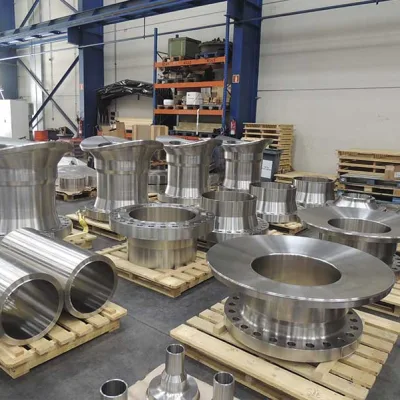
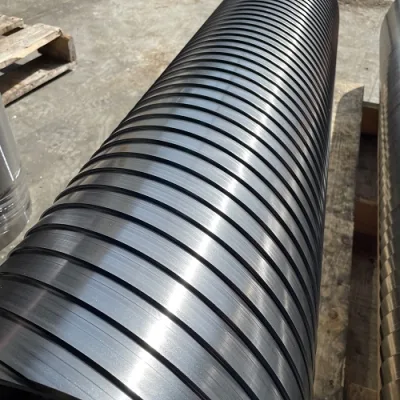
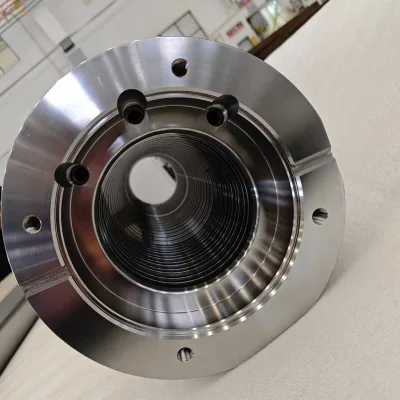
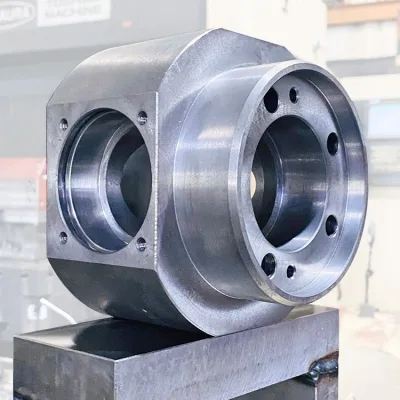
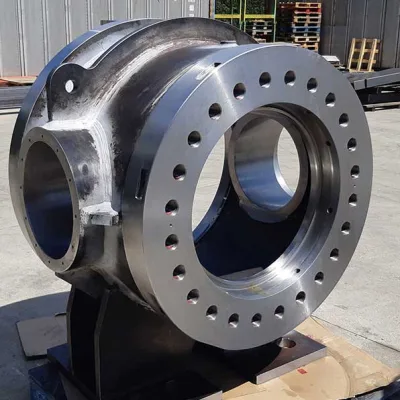
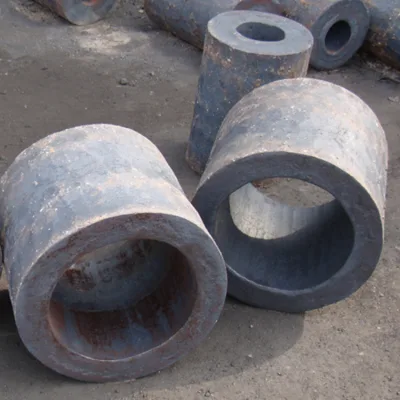
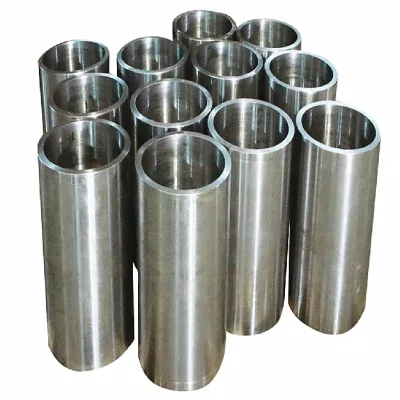
We also provide forging blanks and CNC precision machining services for our clients, covering industries such as energy, petrochemicals, steel, engineering machinery, plastics, prevention and control, hydraulics, healthcare, and food. Please feel free to send us drawings for inquiries.
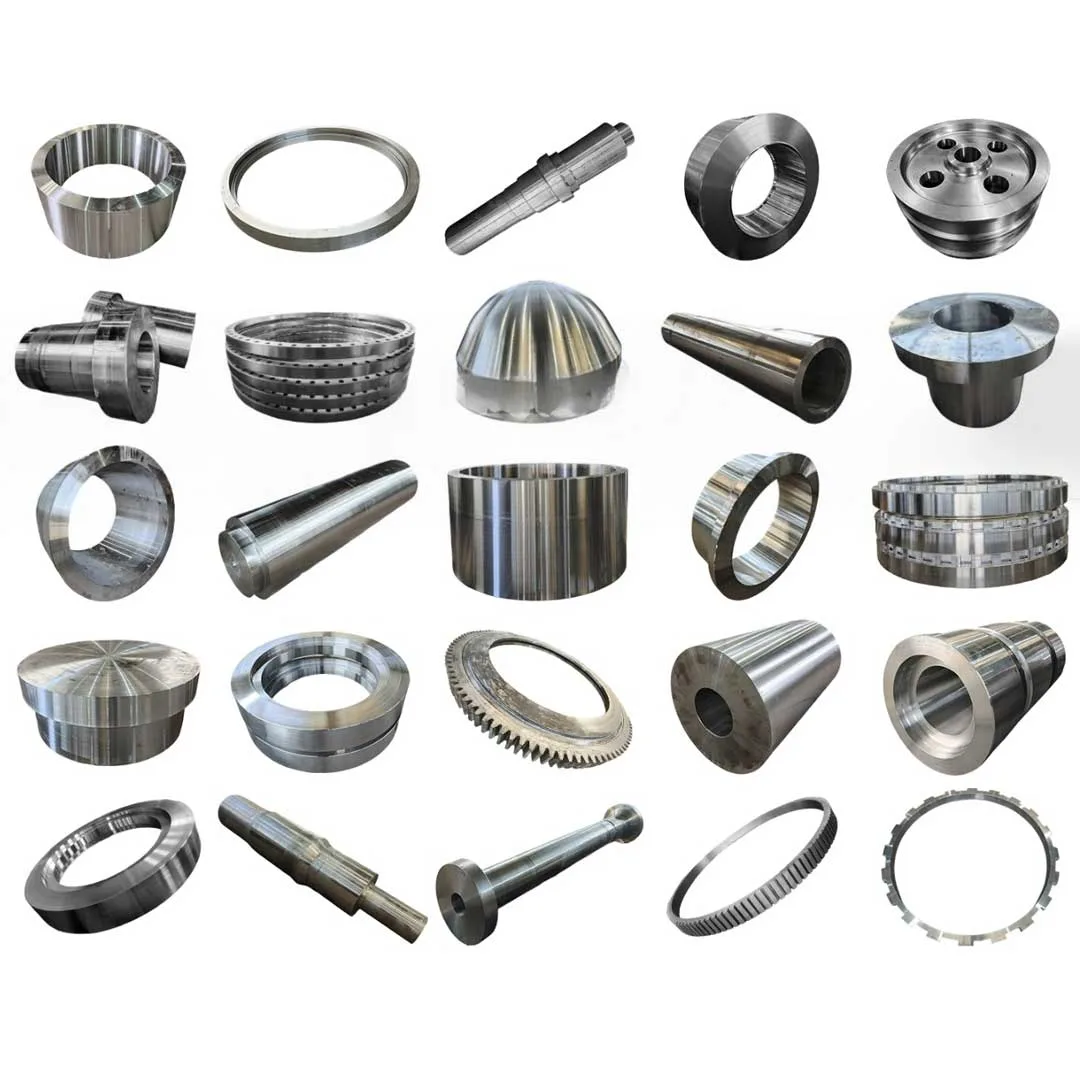
Metalworking Services
CNC Machining
Sheet Metal Fabrication
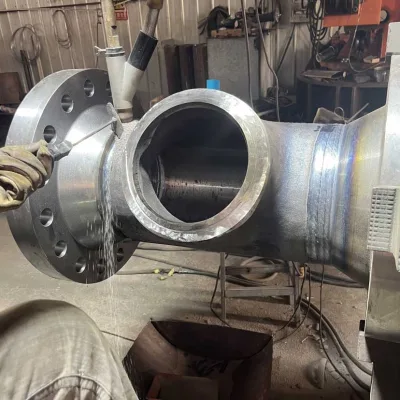
Metal Welding
Metal Cutting
Metal Bending
Metal Punching
Metal Forging
Metal Sheet Rolling
Tube and Plate Drilling
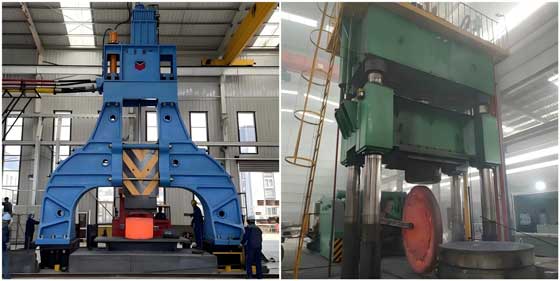
Heavy Forging Press Capacity
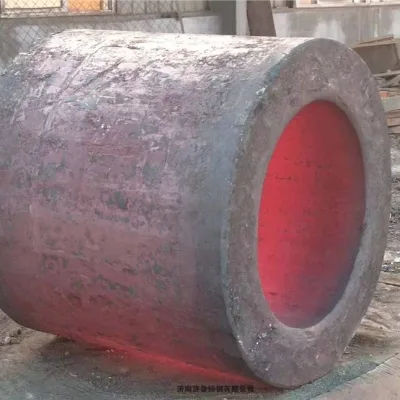
Our heavy-duty forging presses support open-die forging and deformation of large-section forgings, including discs, shafts, blocks, and custom components. This capability enables us to meet the demanding forming requirements of heavy industrial applications.
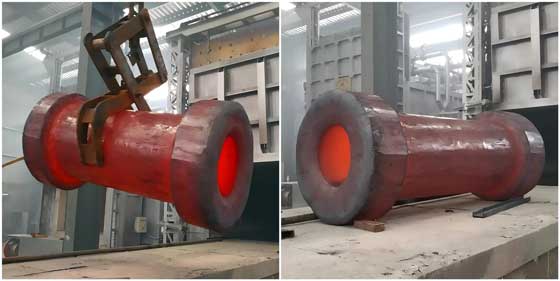
Heat Treatment Capability
Heat treatment is a critical step in achieving the mechanical properties required for heavy-duty forgings. Our process capabilities meet the strength, toughness, and structural stability requirements for forged components used under demanding operating conditions.
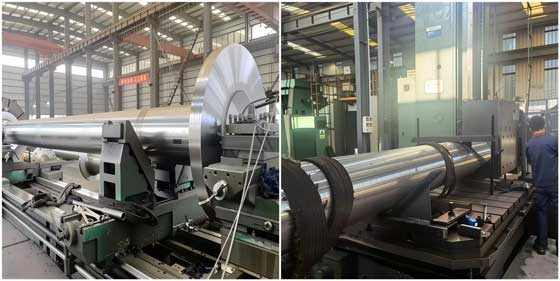
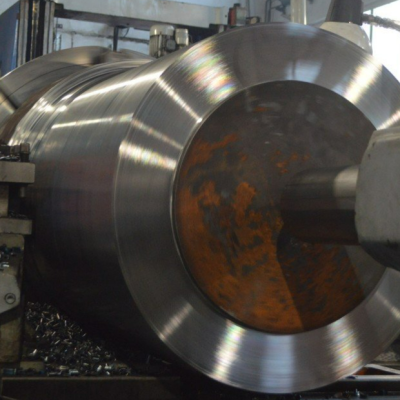
Heavy Shaft Machining
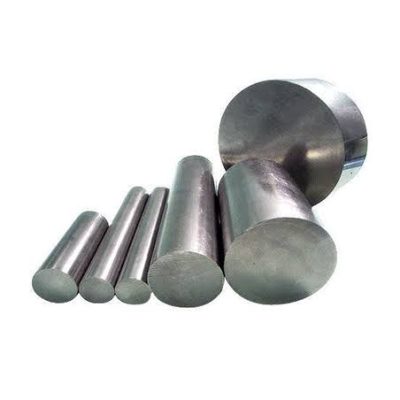
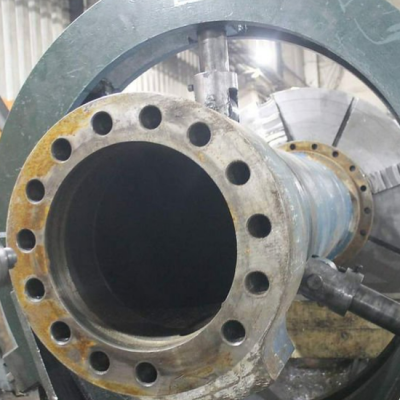
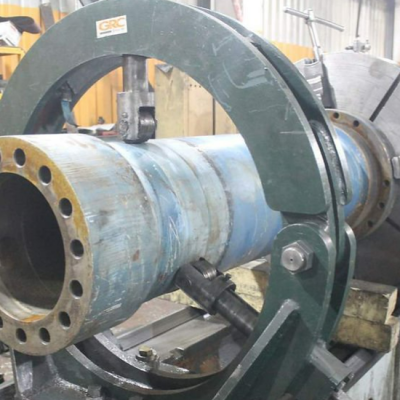
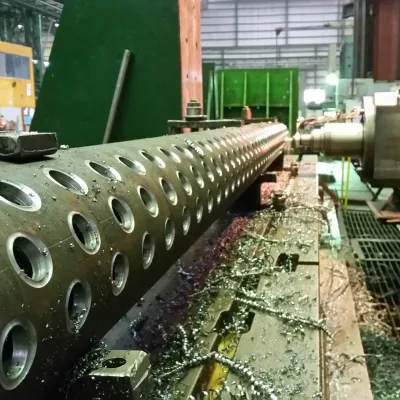
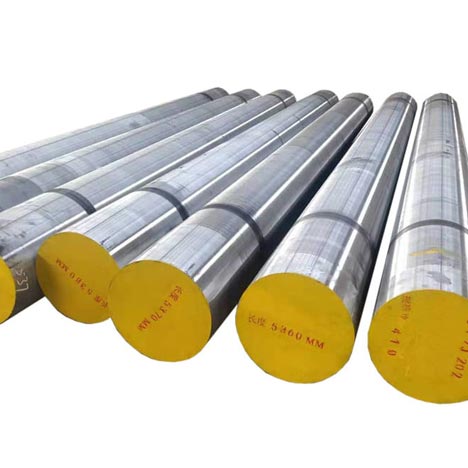
We offer machining capabilities for large forged shafts and long cylindrical components, supporting both rough and finish machining. This capacity is suitable for stepped shafts, rotor shafts, rollers, and other heavy-duty forged shaft components.
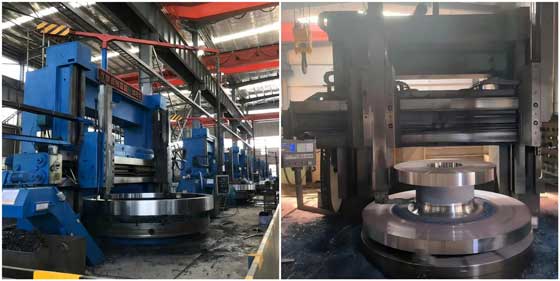
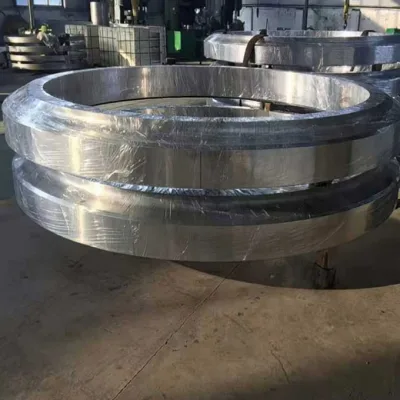
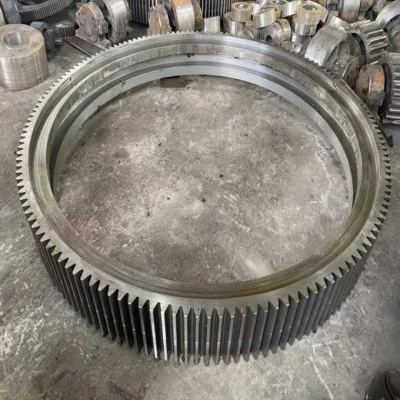
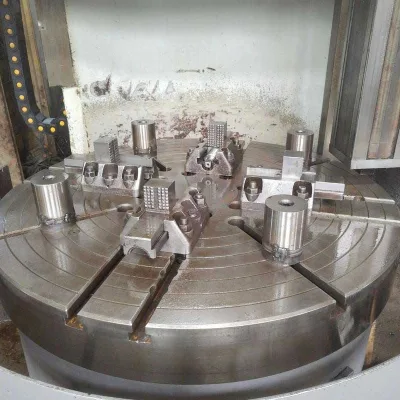
Ring Forging Machining
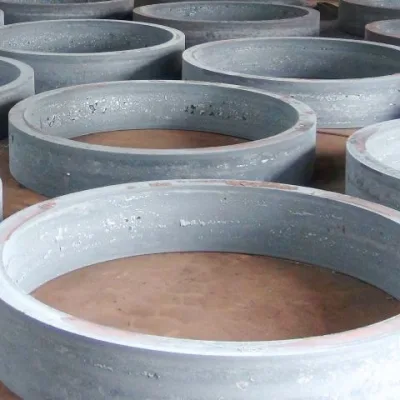
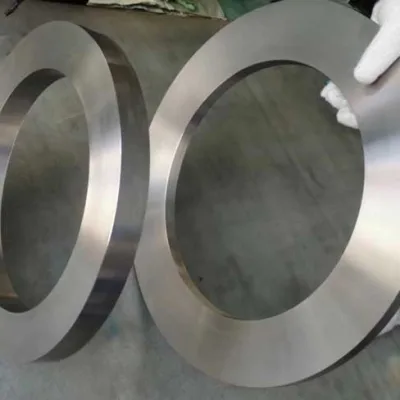
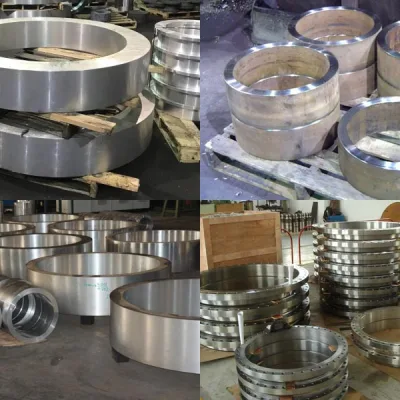
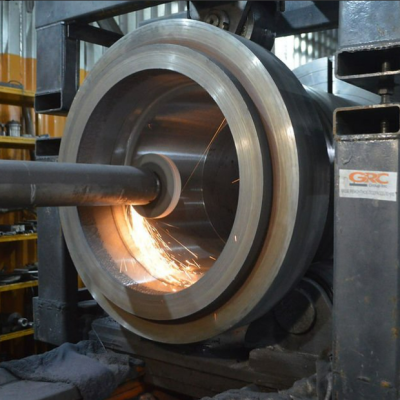
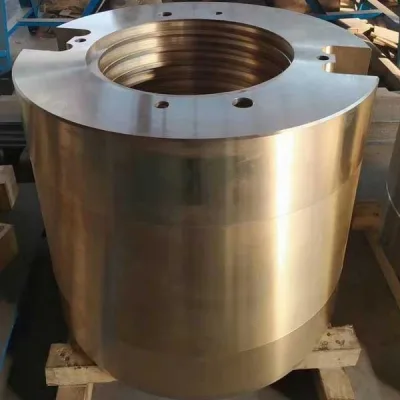
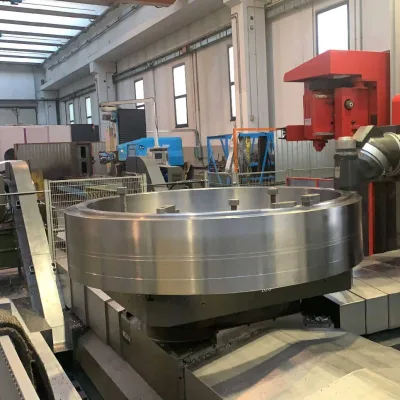
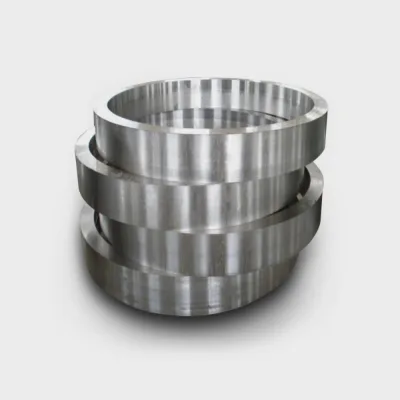
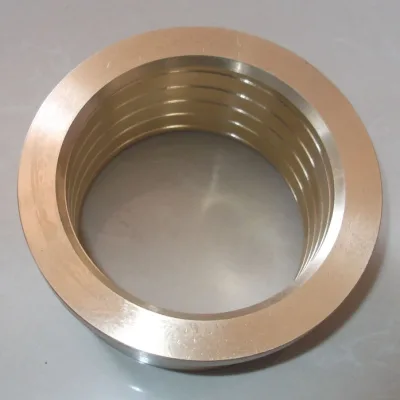
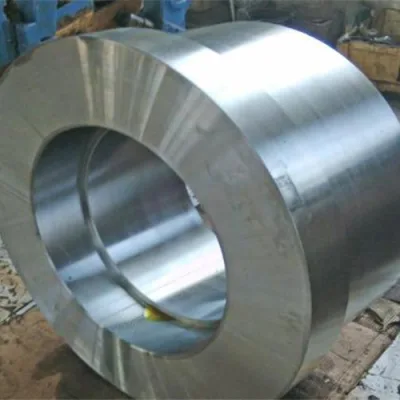
Our machining facilities are capable of handling large ring-shaped forgings and circular parts that require precise turning, face machining, boring, and contour control. This capability is suitable for industrial ring blanks, heavy-duty circular parts, and machined ring forgings.
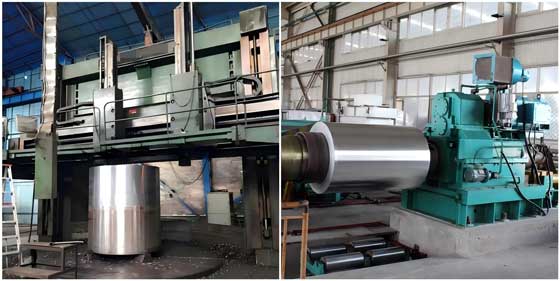
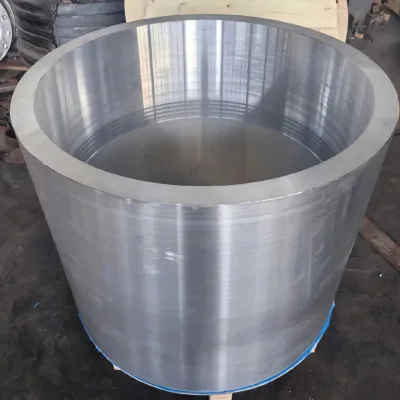
Cylindrical Forging Machining
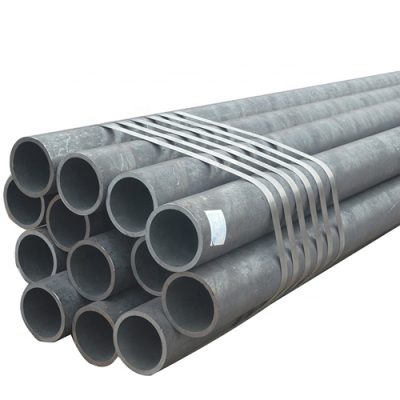
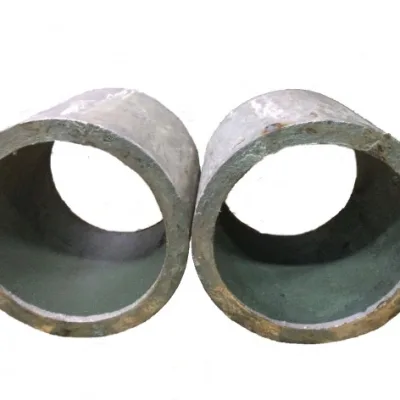
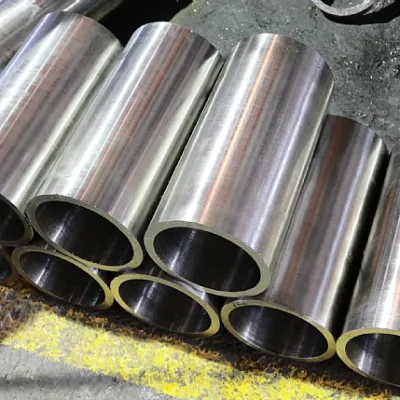
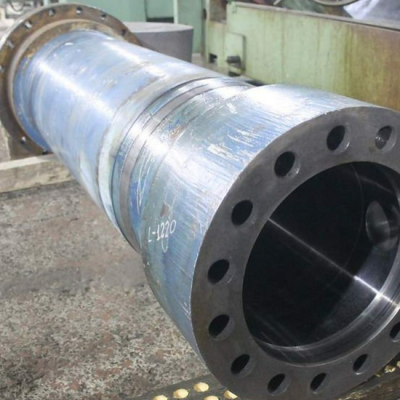
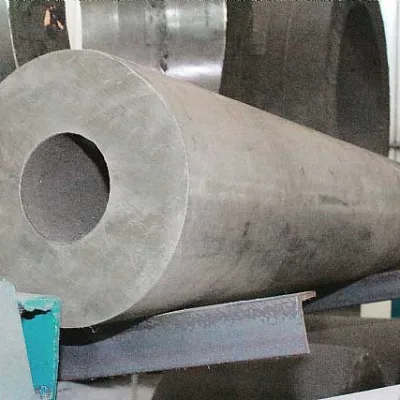
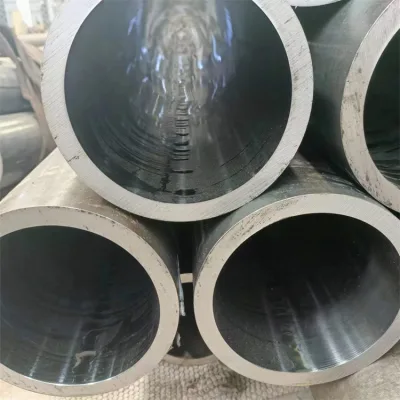
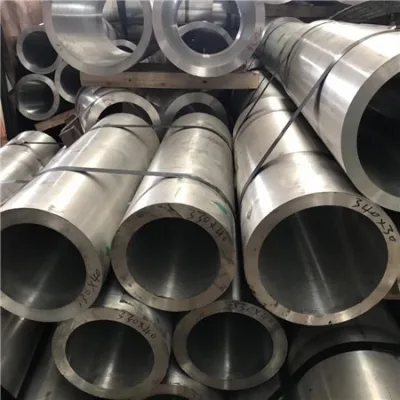
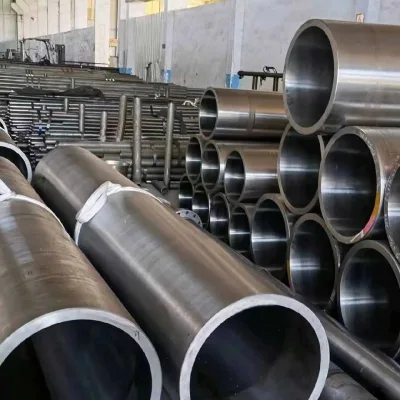
We offer machining solutions for heavy-duty cylindrical, hollow, and tubular forgings. This capability supports the machining of sleeves, cylinders, and other thick-walled forged components used in pressure vessels, rotating systems, and general industrial applications.
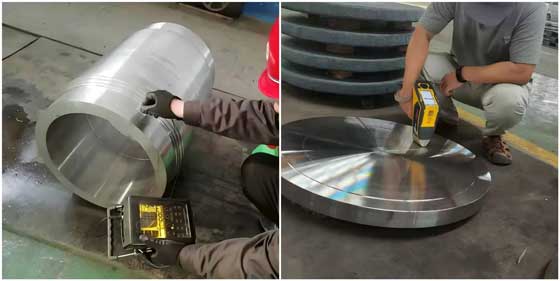
Inspection & Testing
Quality control is integrated into our production process through the inspection and testing of forged and machined parts. Our capabilities help verify the dimensional accuracy, condition, and quality consistency of industrial forgings prior to delivery.
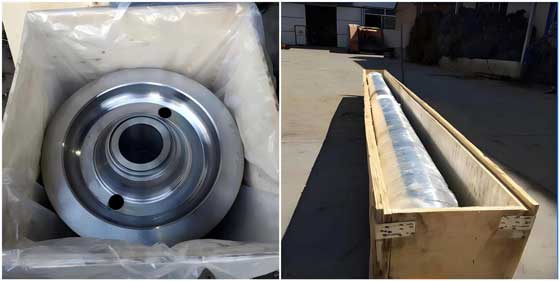
Packing & Delivery
Finished forgings are properly protected and packaged to minimize the risk of damage during storage and transportation. Our packaging methods ensure the safe domestic delivery and export shipment of machined and high-value forged components.