Chrome Molybdenum Tubing
.jpg)
Chrome Molybdenum Tubing
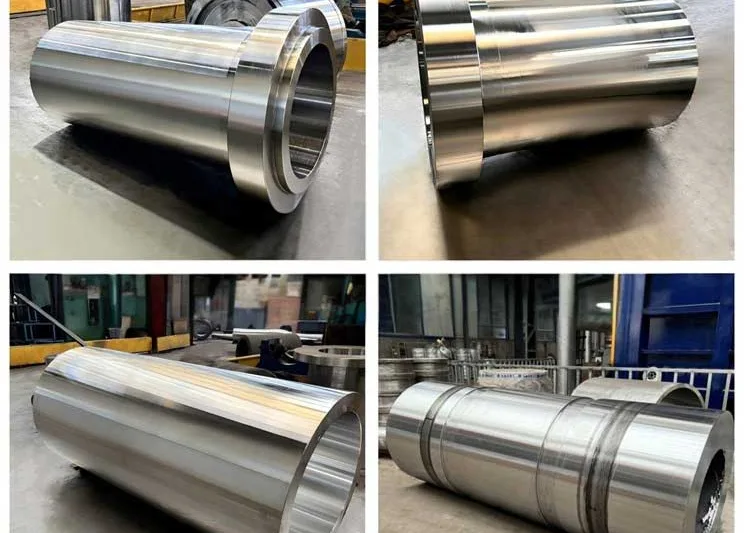
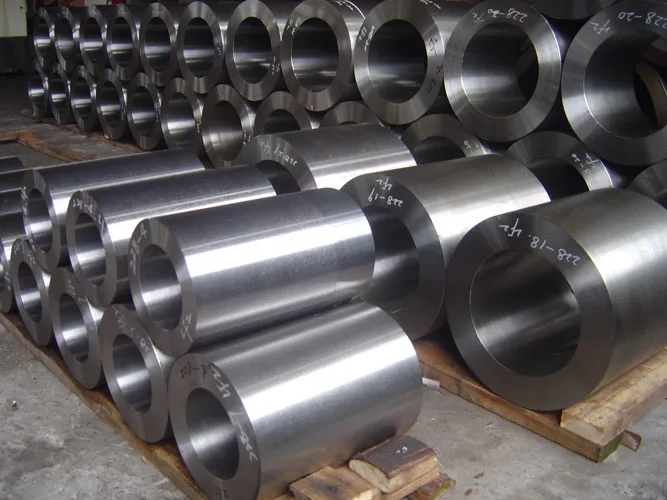
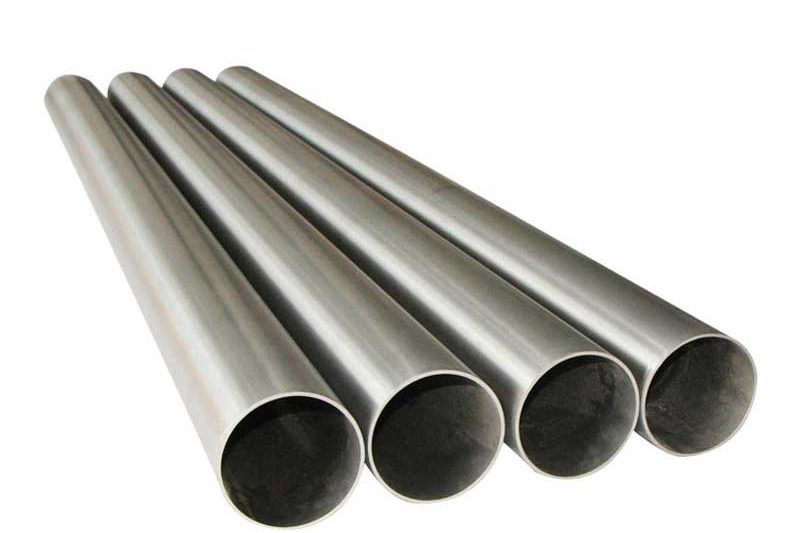
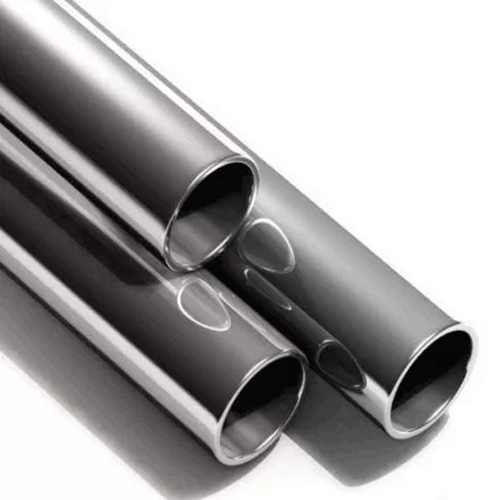
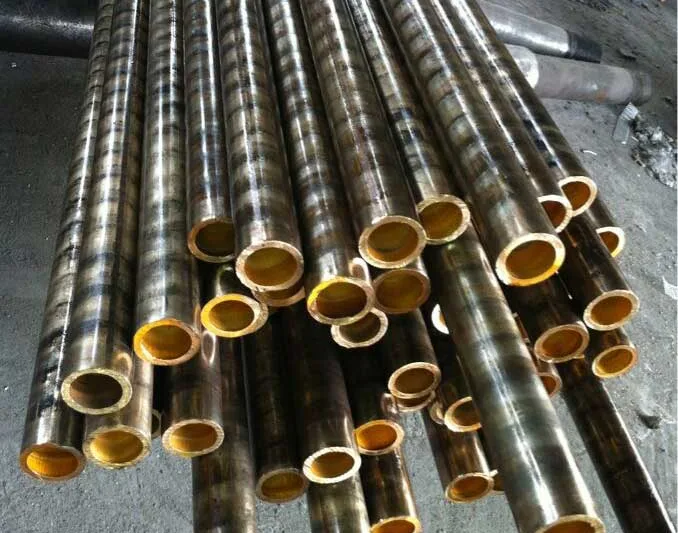
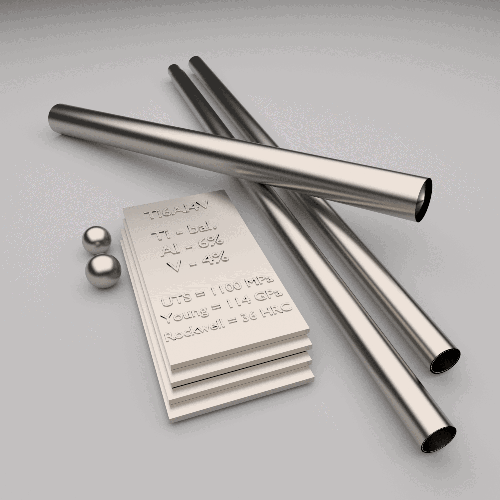
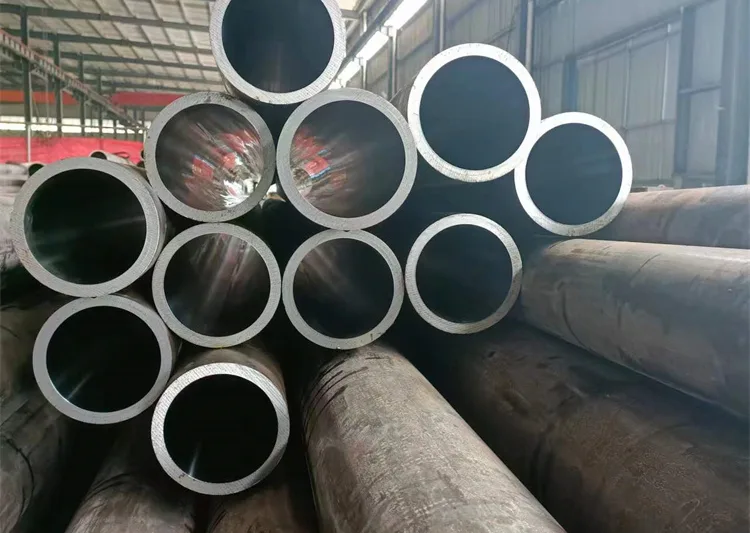
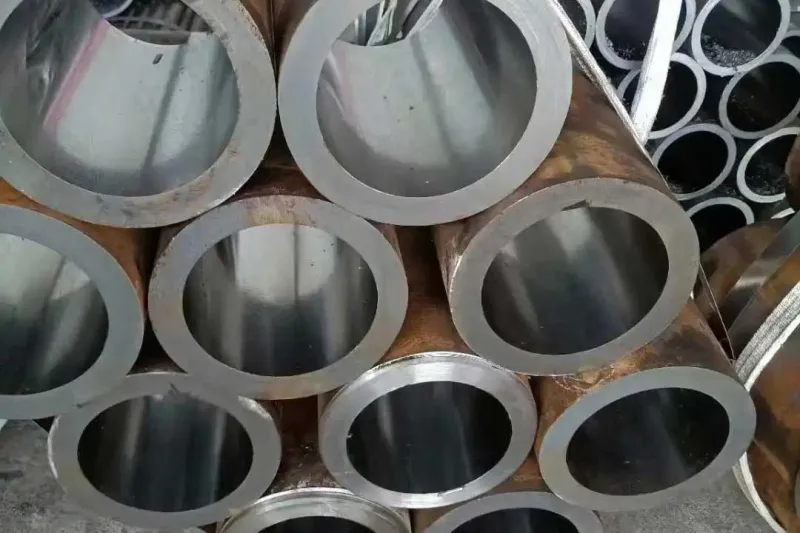
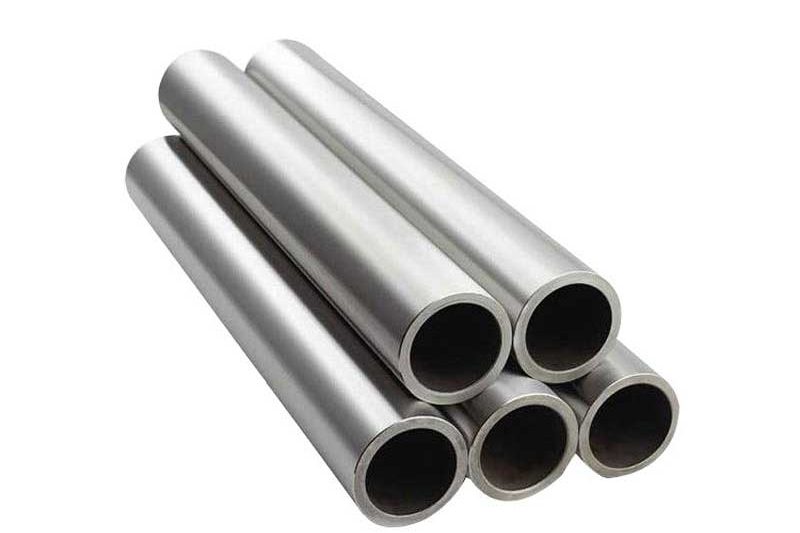
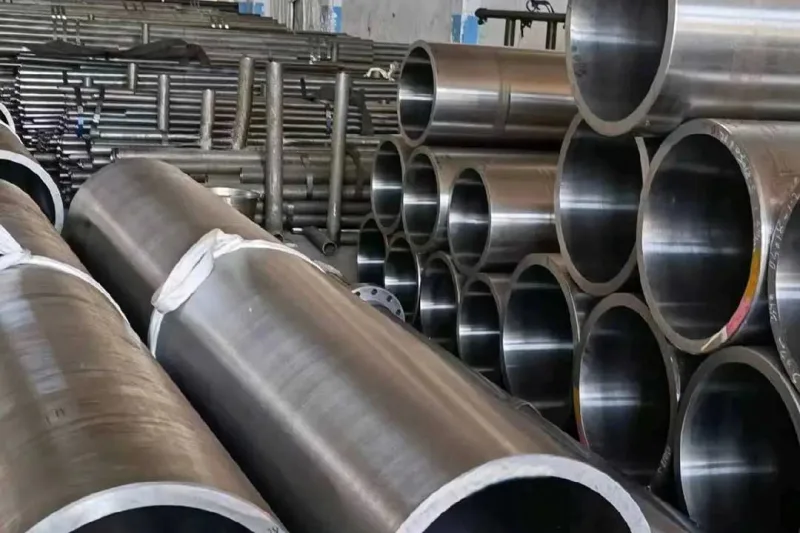
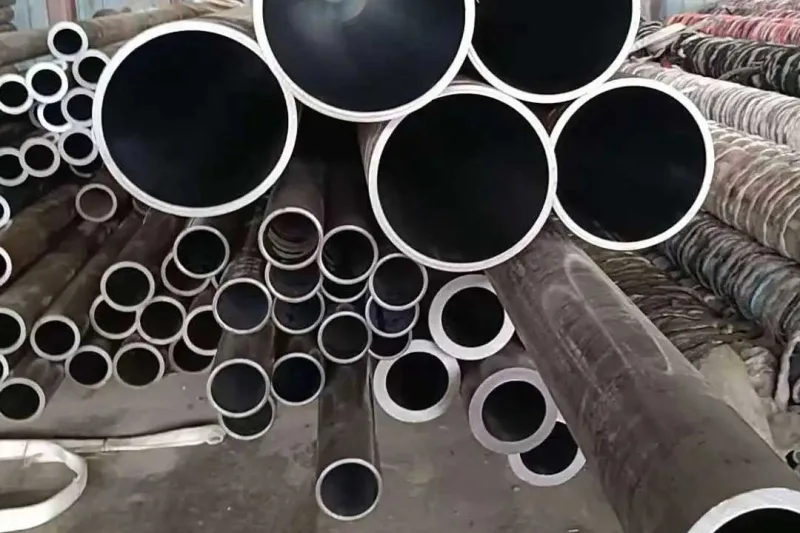
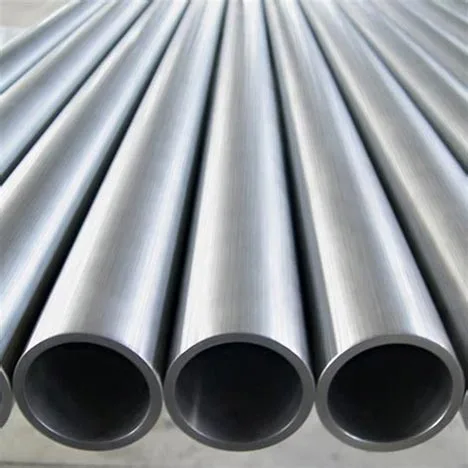
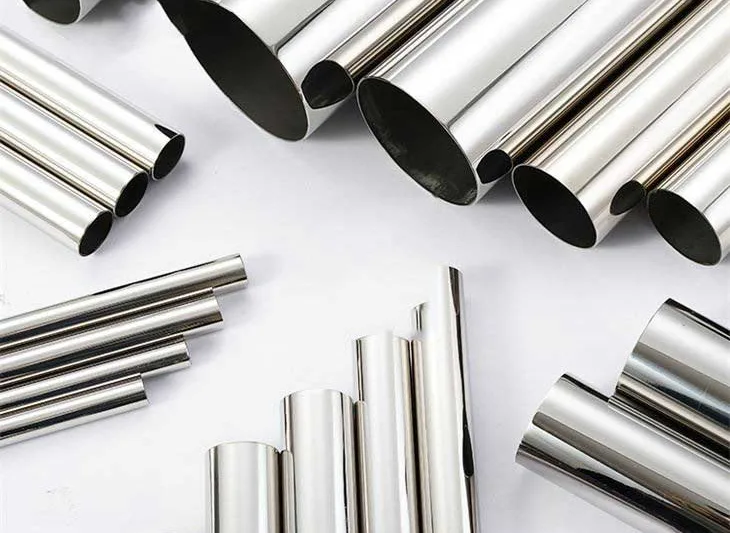
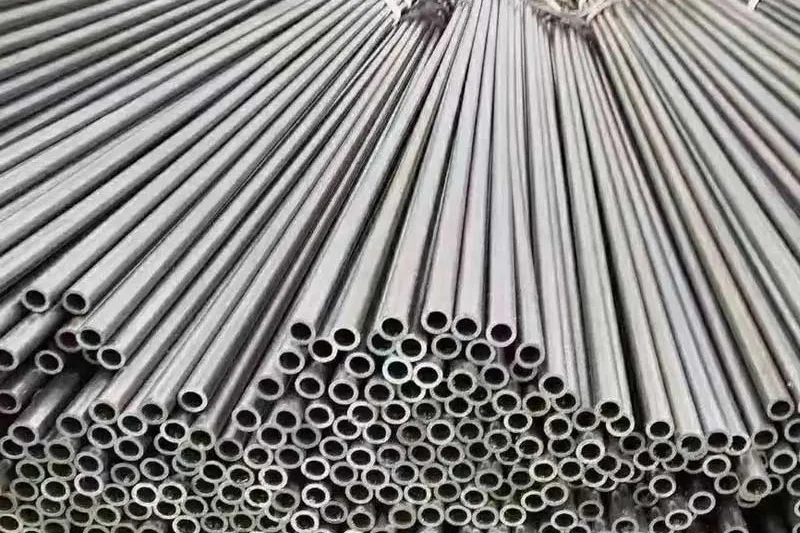
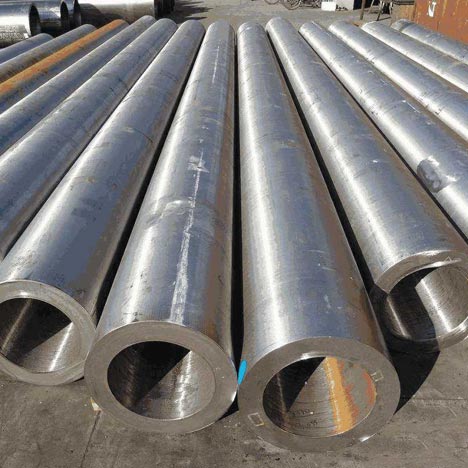
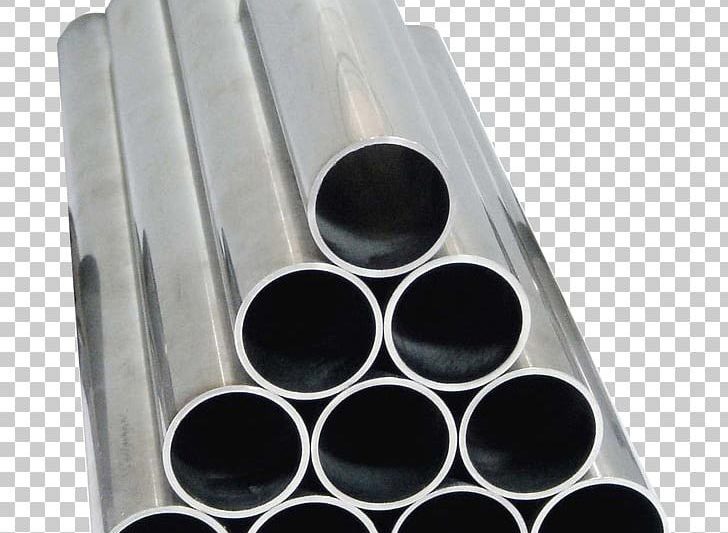
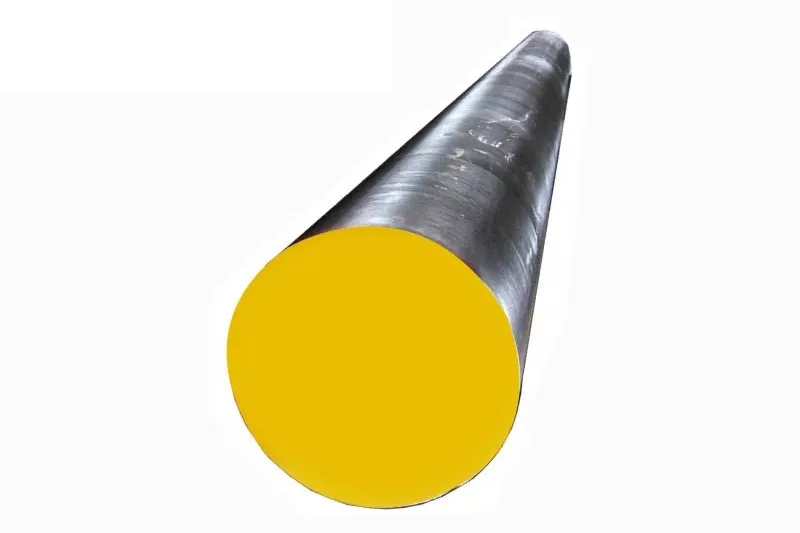
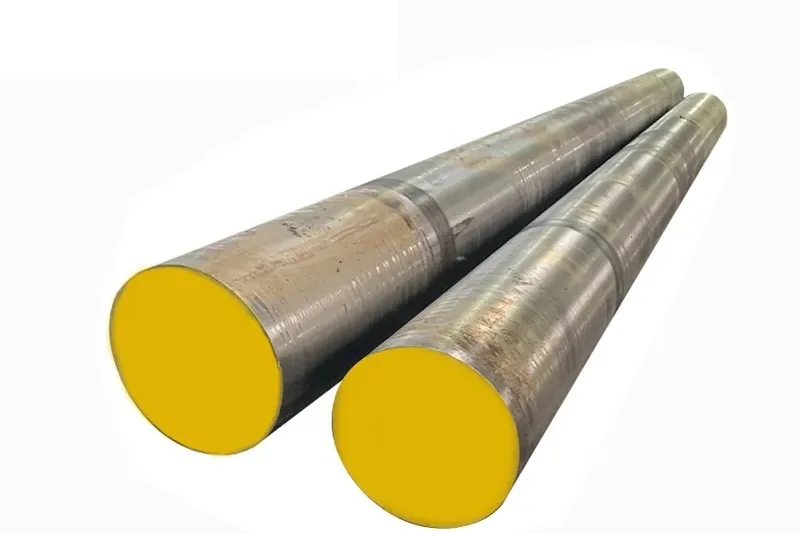
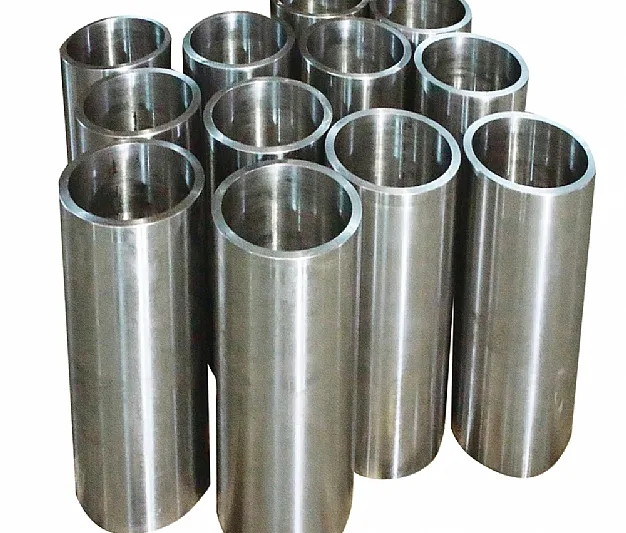
Chrome molybdenum tubing—commonly referred to as chromoly tubing—is a specialized seamless or welded steel pipe made from low-alloy steels containing chromium and molybdenum as primary alloying elements. Typically based on ASTM A335 (for high-temperature service) or ASTM A213 (for boiler and superheater tubes), this material combines enhanced strength, creep resistance, and thermal stability far beyond that of standard carbon steel. Its balanced composition—usually 0.5% to 9% chromium and 0.5% to 1% molybdenum—enables reliable performance under elevated temperatures and sustained mechanical stress.
The key advantage of chrome molybdenum tubing lies in its exceptional high-temperature mechanical properties. Chromium contributes oxidation and corrosion resistance, while molybdenum significantly improves strength retention and creep resistance above 427°C (800°F). This makes it indispensable in power generation systems, including fossil fuel and nuclear steam piping, superheater and reheater tubes, and high-pressure boiler components. In the oil and gas industry, it is widely used in sour service environments where resistance to sulfide stress cracking is critical—especially grades like P11, P22, and P91, each optimized for specific temperature and pressure ranges.
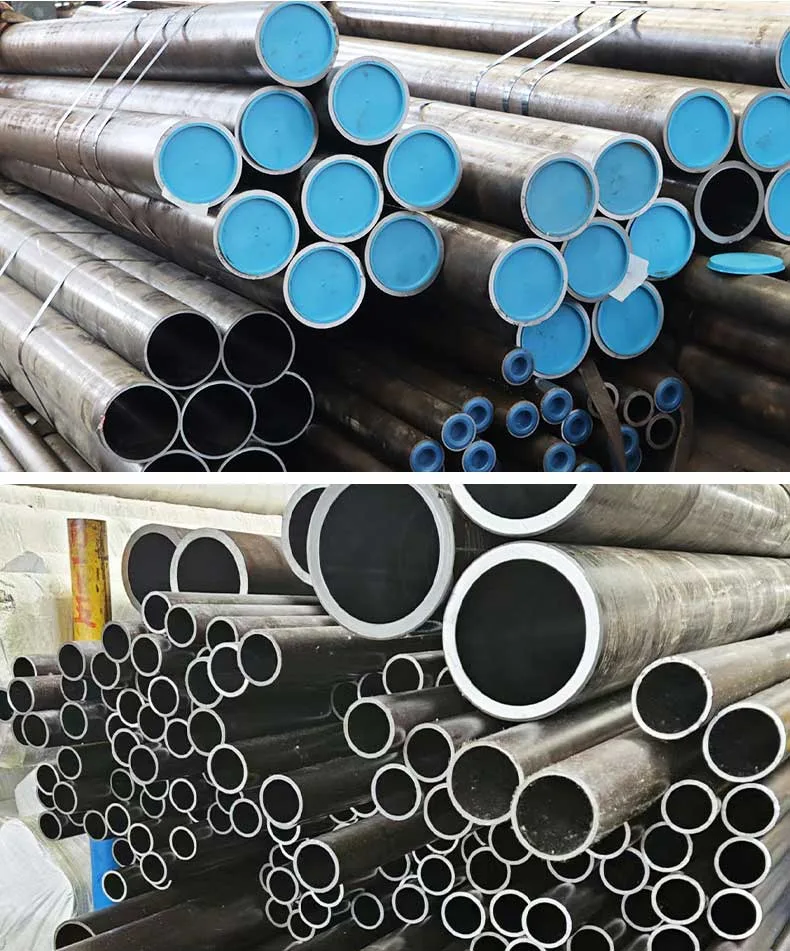
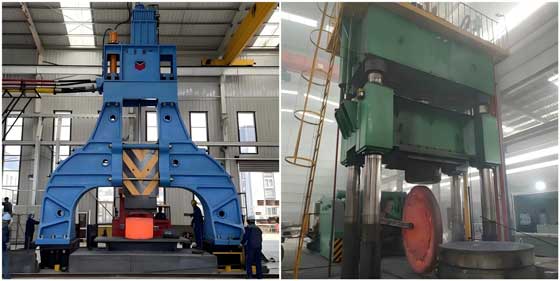
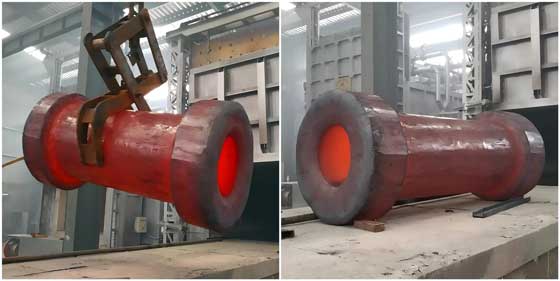
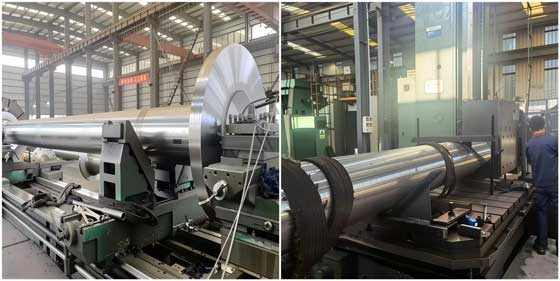
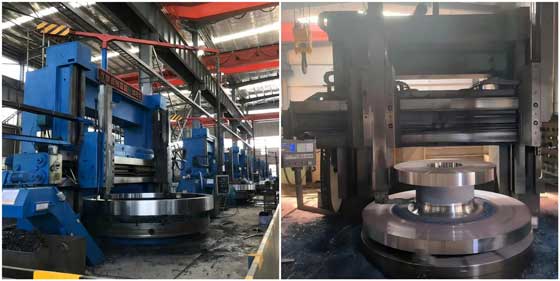
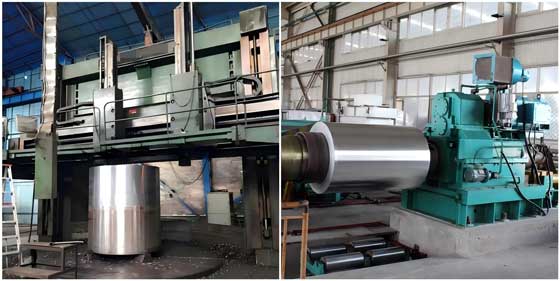
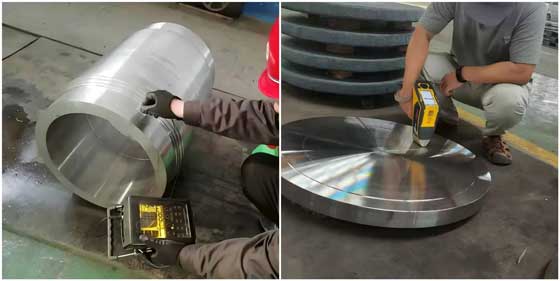
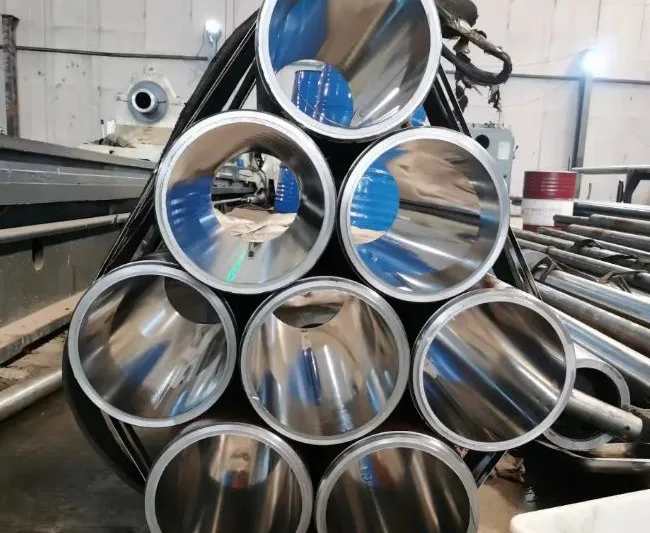
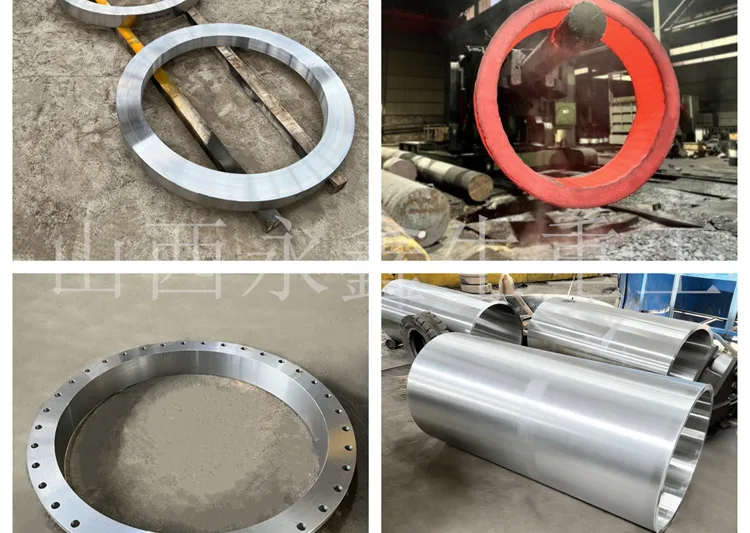
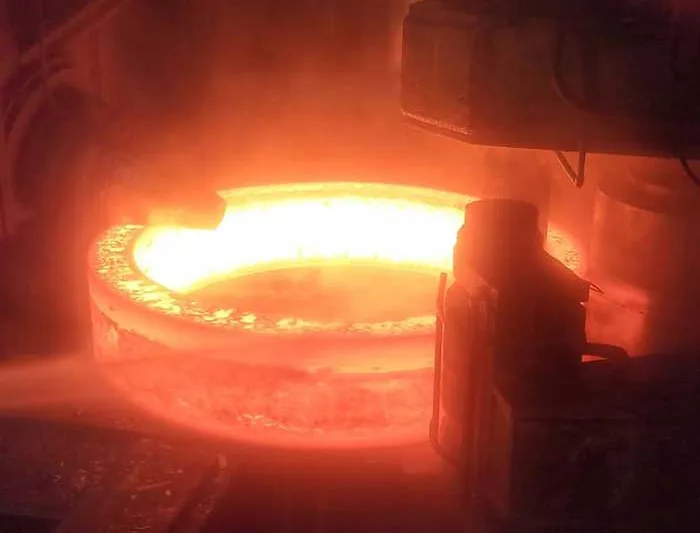
Manufacturing processes for chrome molybdenum tubing emphasize precision and consistency. Seamless tubes are typically produced via hot extrusion or cold drawing, followed by heat treatment such as normalizing and tempering to achieve the desired microstructure and mechanical properties. Welded variants undergo stringent non-destructive testing—including ultrasonic and radiographic inspection—to ensure integrity at weld seams. Proper post-weld heat treatment is essential to restore ductility and prevent brittle fracture, underscoring the importance of qualified welding procedures and skilled fabrication.
Beyond industrial energy applications, chrome molybdenum tubing finds use in high-performance sectors such as aerospace hydraulic systems and motorsport chassis frames, where strength-to-weight ratio and fatigue resistance are paramount. Though more expensive than carbon steel alternatives, its extended service life, reduced maintenance needs, and superior safety margins justify the investment in critical infrastructure. As industries continue to push operational limits—higher efficiencies, longer cycles, and stricter emissions standards—the role of chrome molybdenum tubing remains both foundational and evolving.