304 stainless steel pipe
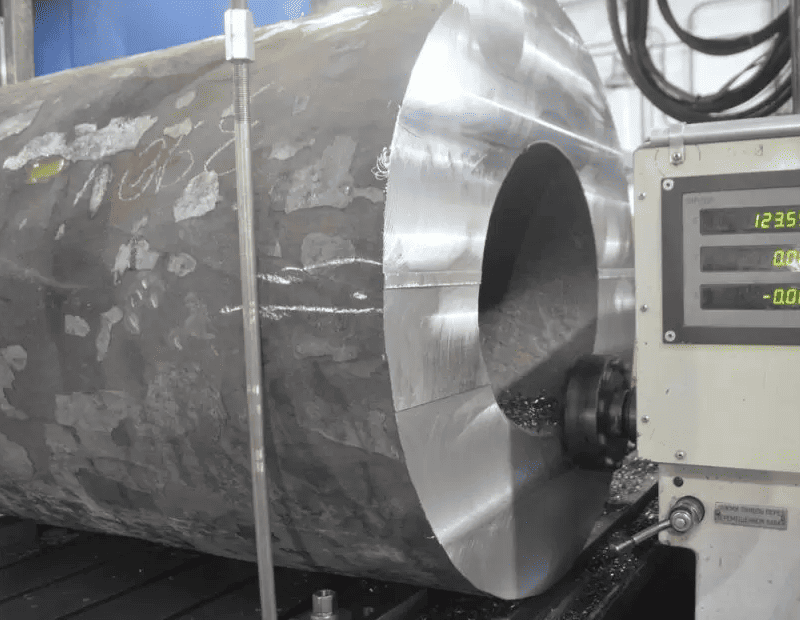
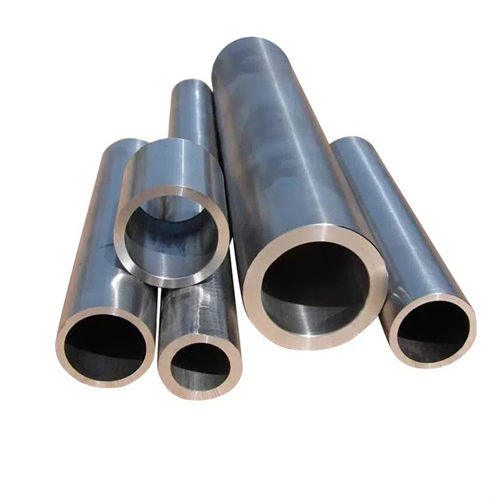
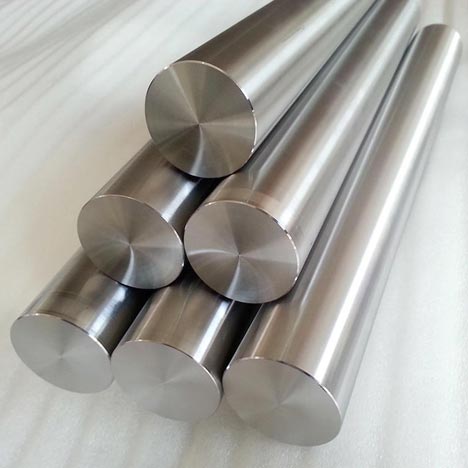
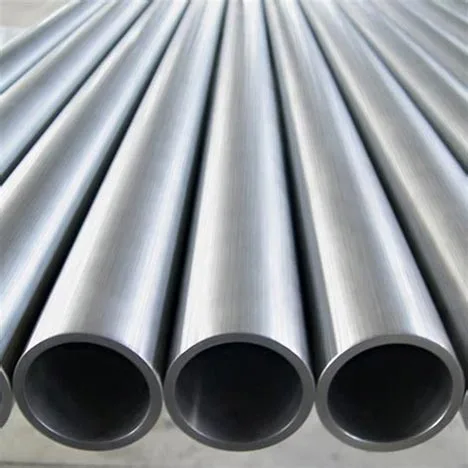
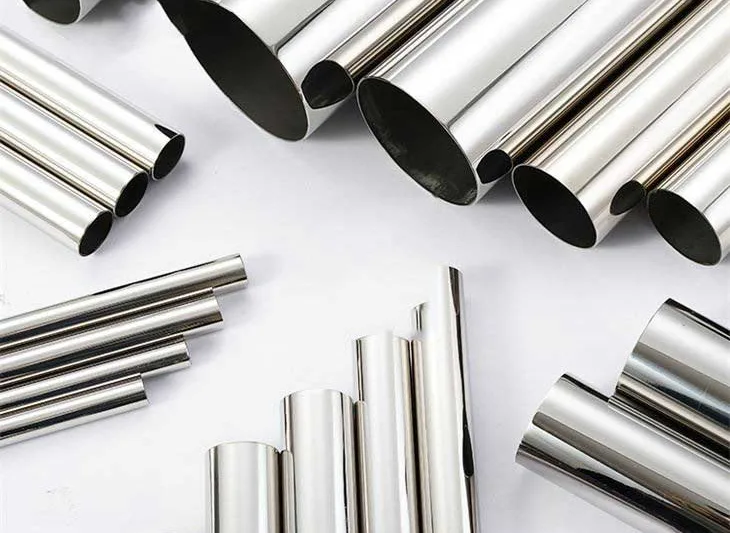
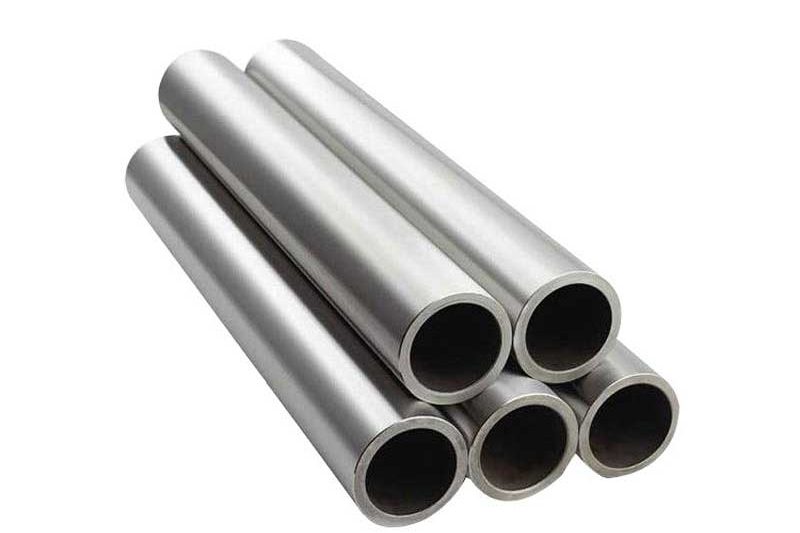
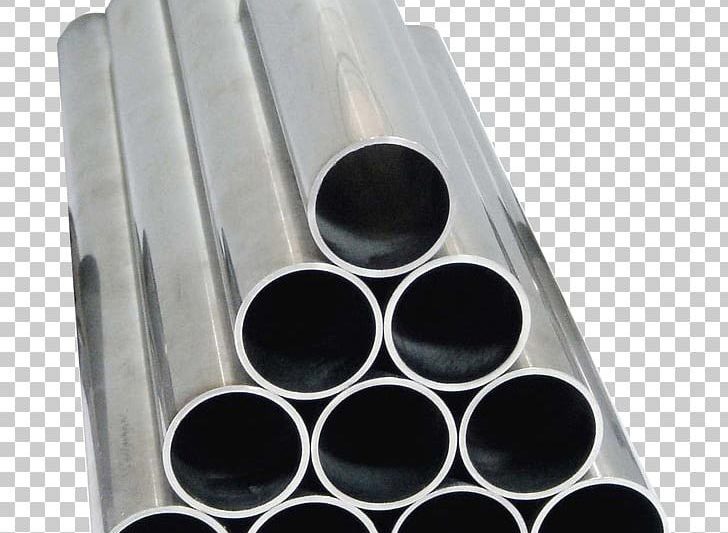
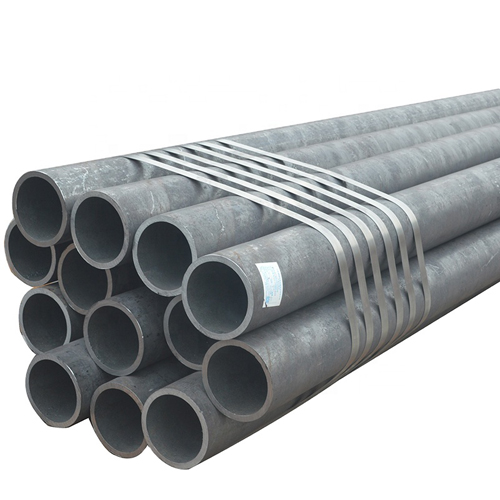
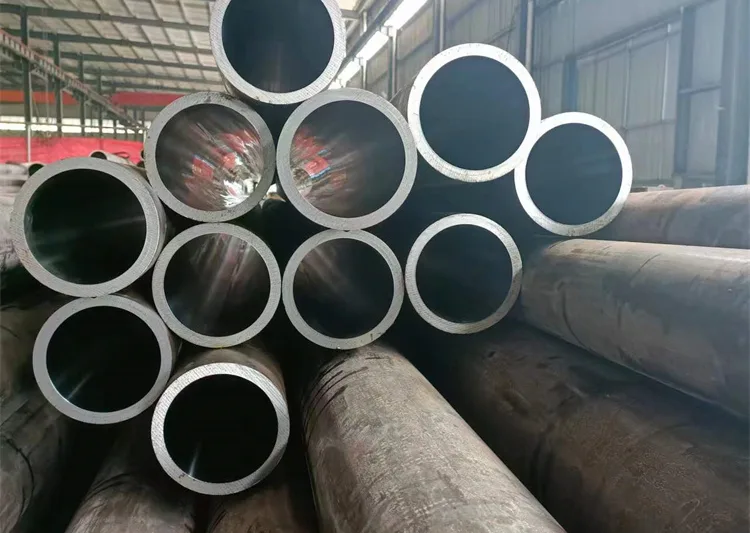
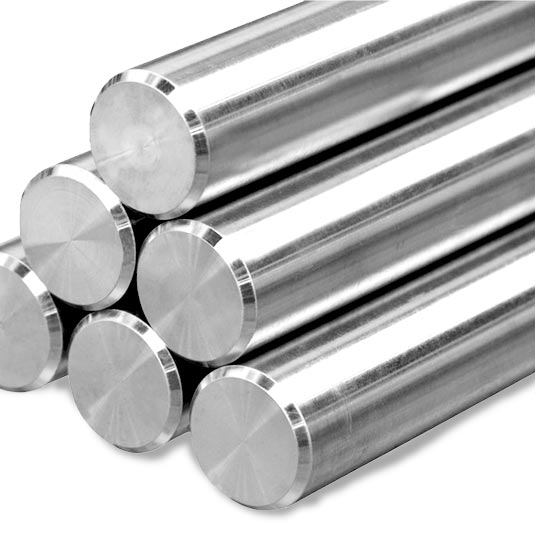
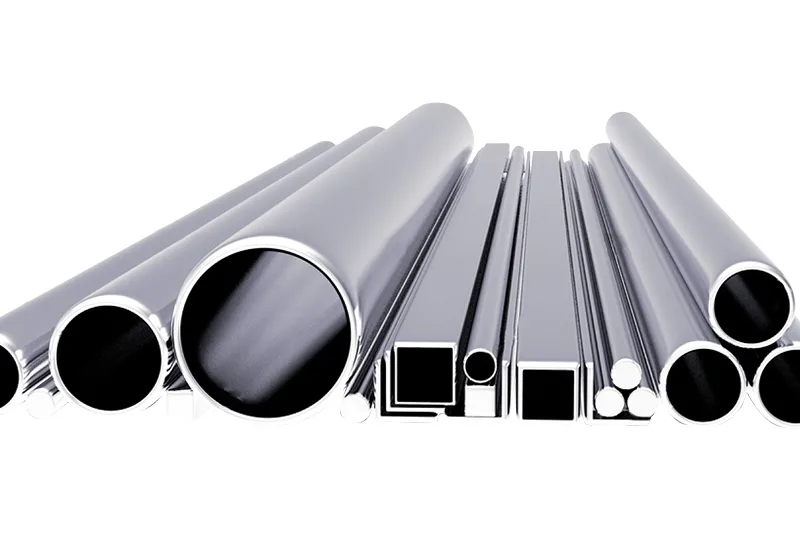
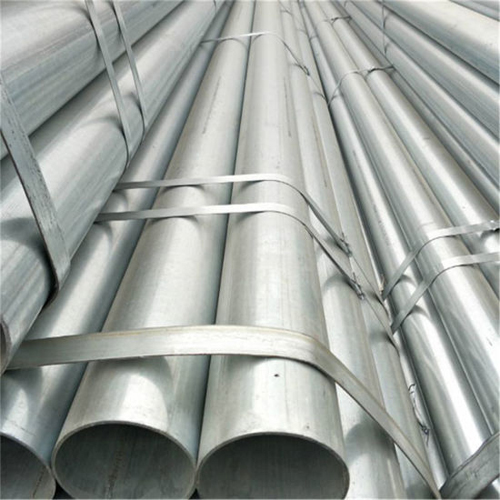
304 stainless steel pipe is a hollow long strip profile made of 304 stainless steel, which is widely used in industrial and civilian fields due to its excellent comprehensive performance. 304 stainless steel belongs to austenitic stainless steel, with a typical composition of about 18% chromium and 8% nickel, so it is also commonly referred to as 18-8 stainless steel. This combination of components endows the material with excellent corrosion resistance, good formability, outstanding welding performance, and stable non-magnetic characteristics.
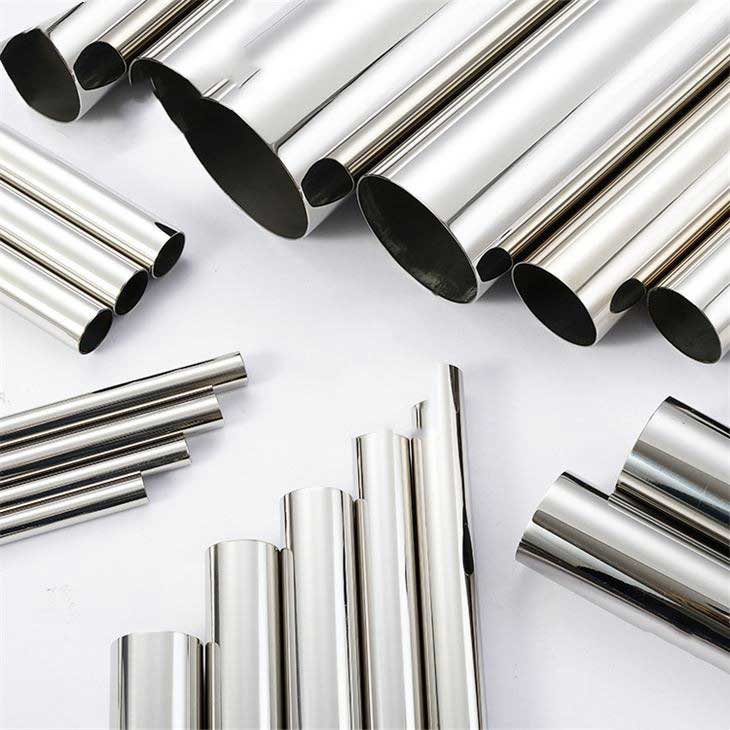
In terms of physical and mechanical properties, 304 stainless steel pipes have moderate strength and high ductility, and can maintain structural stability in the temperature range of -200 ℃ to 800 ℃. Its surface can easily obtain a smooth and dense chromium oxide passivation film through acid washing, polishing, or passivation treatment, further enhancing its corrosion resistance, especially suitable for long-term service in weak acid, alkaline environments, and atmospheric conditions. In addition, this material is non-toxic, easy to clean, and meets food grade and medical grade hygiene standards, making it widely used in food processing equipment, pharmaceutical pipelines, drinking water delivery systems, and other scenarios that require strict material safety requirements.
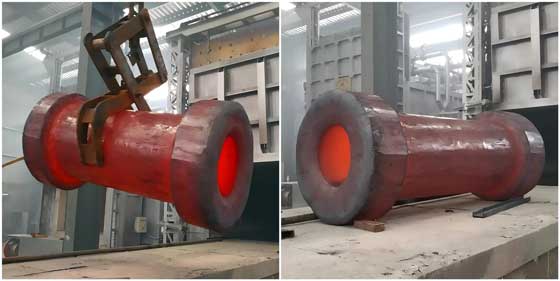
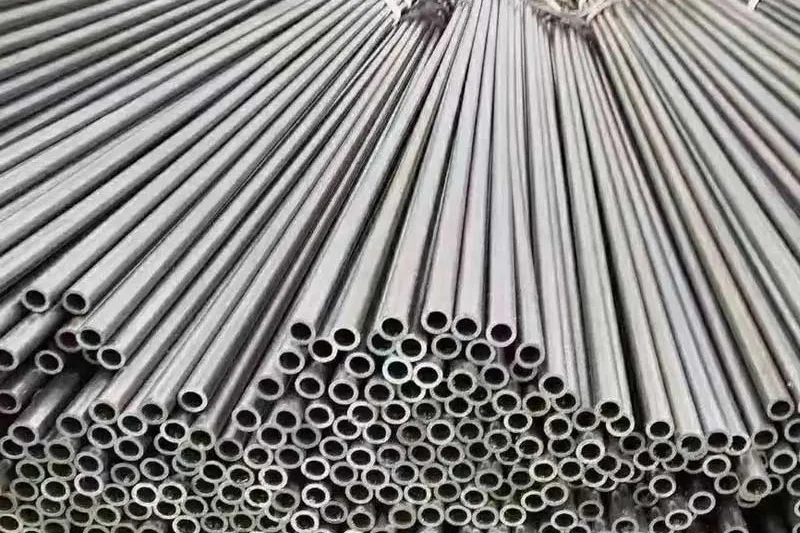
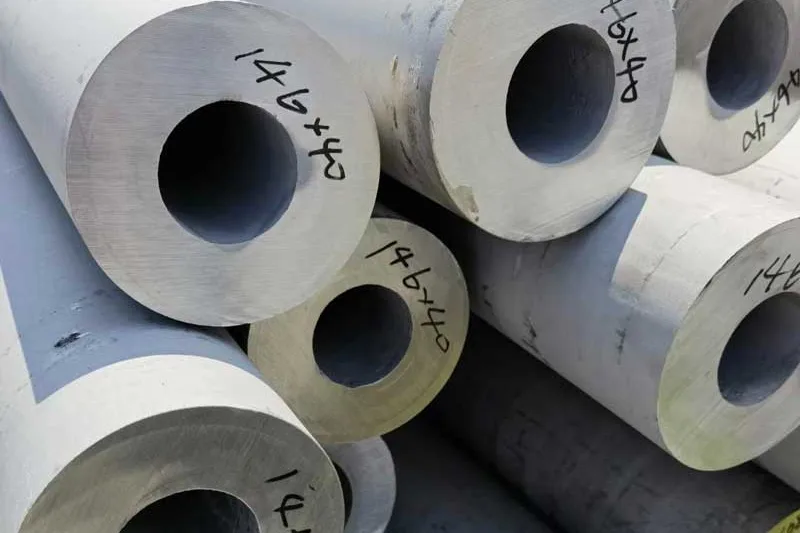
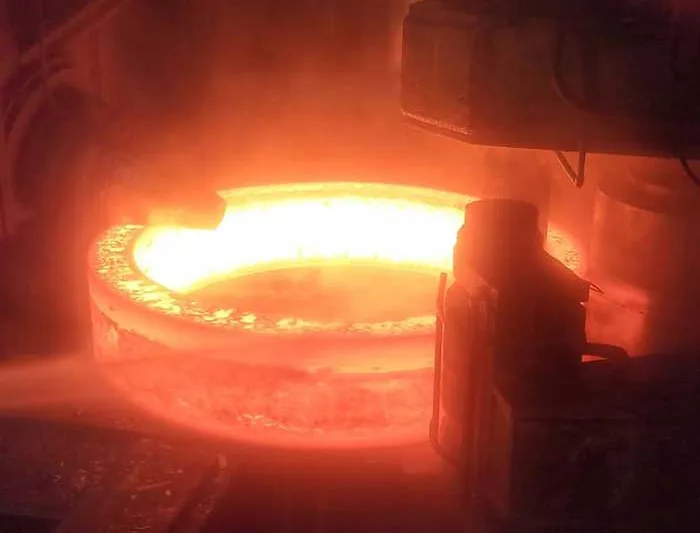
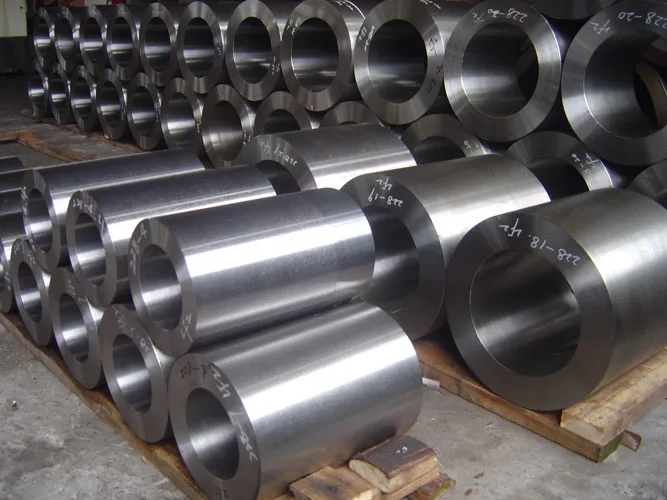
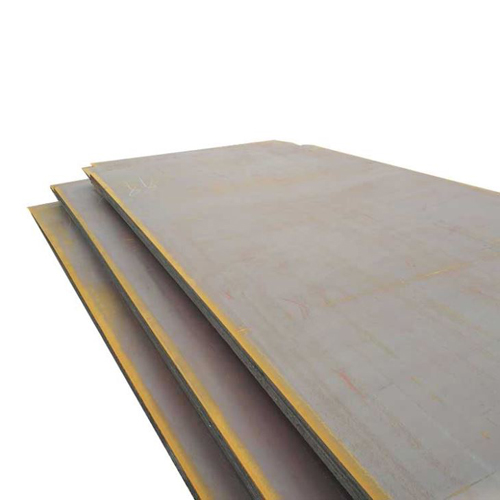
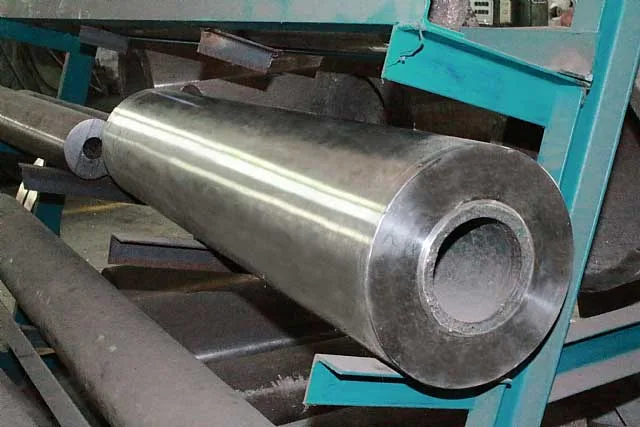
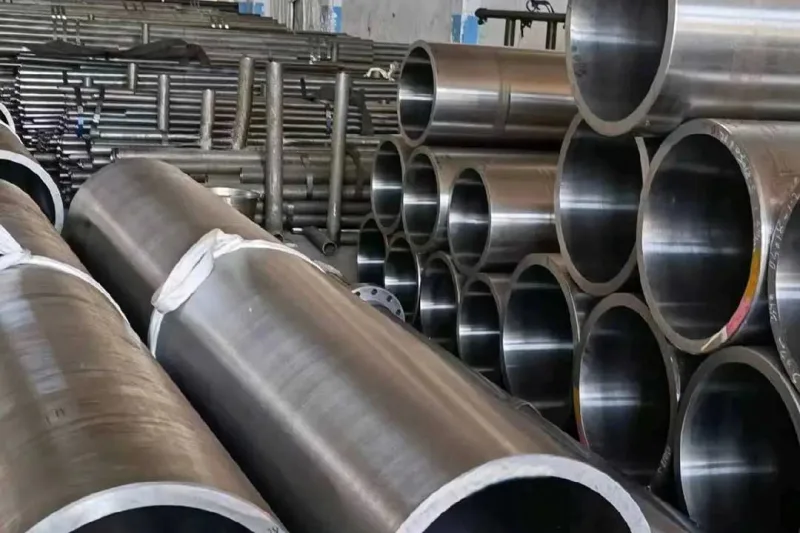
From the perspective of manufacturing process, 304 stainless steel pipes can be divided into two categories: seamless pipes and welded pipes. Seamless pipes are formed through hot perforation or cold drawing, with good overall integrity and strong pressure bearing capacity, and are commonly used for high-pressure fluid transportation and precision instrument structural components; Welded pipes are welded using rolled plates and then rounded and calibrated, with low cost and high dimensional accuracy. They are suitable for general industrial supports, decorative guardrails, and HVAC systems. Regardless of the process, the finished product must comply with domestic and international standards such as GB/T 12771, ASTM A269, or ISO 1127 to ensure that the chemical composition, mechanical properties, and surface quality meet the standards.