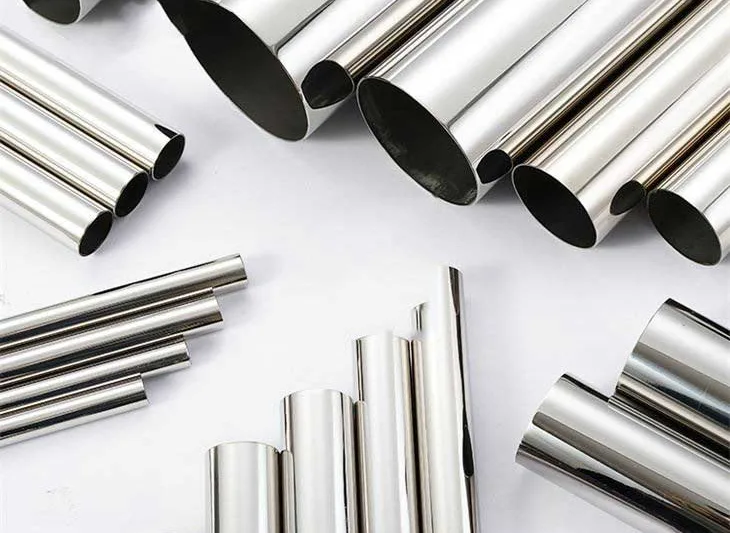
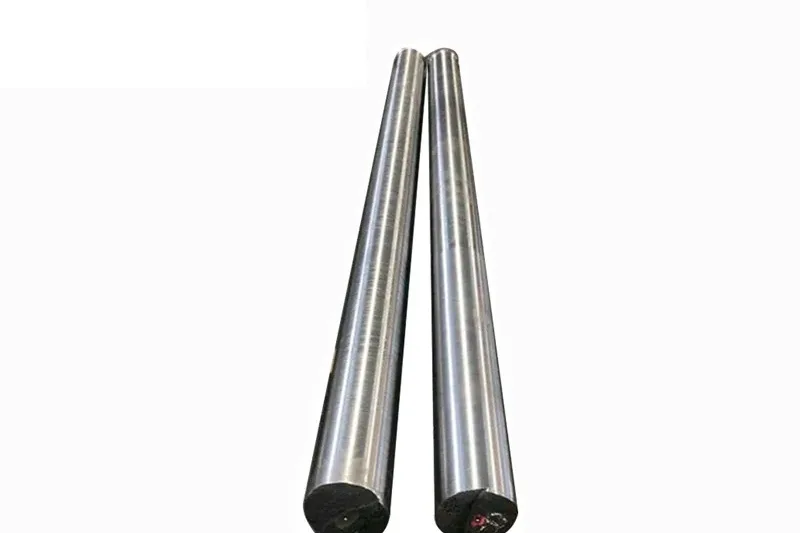
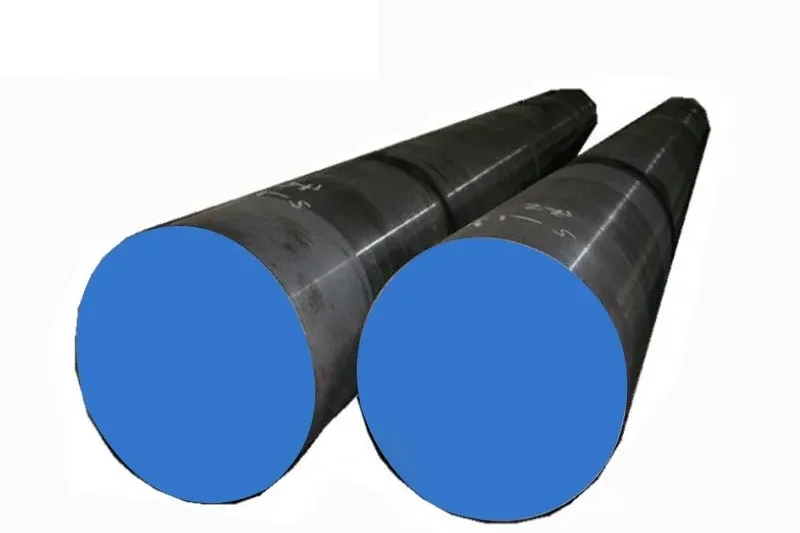
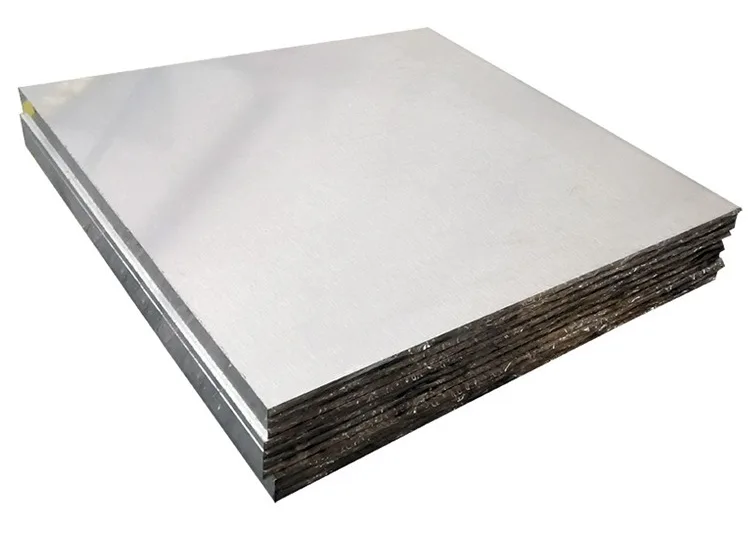
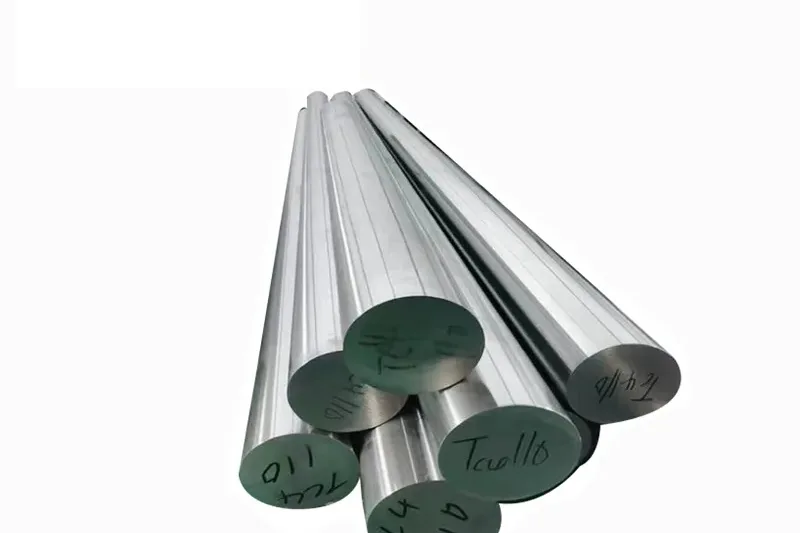
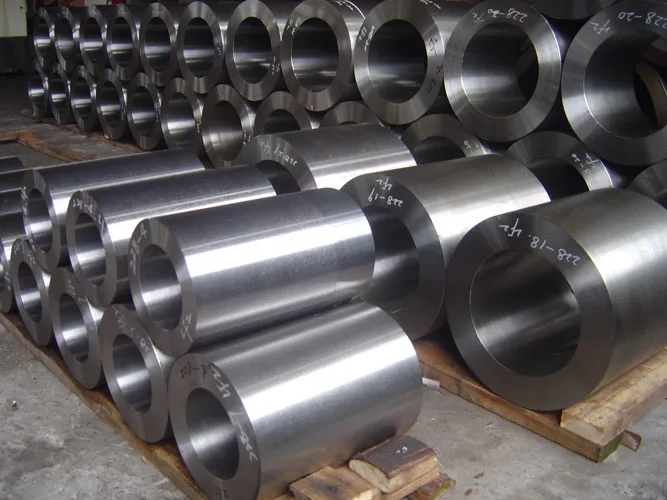
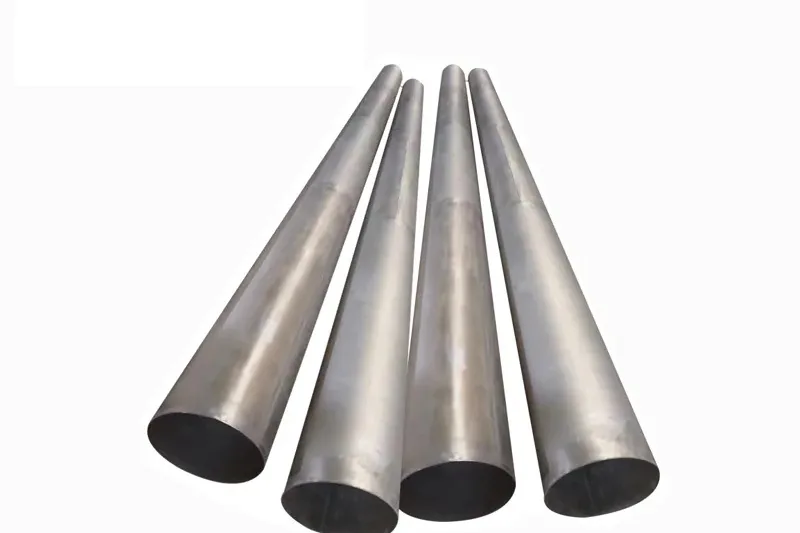
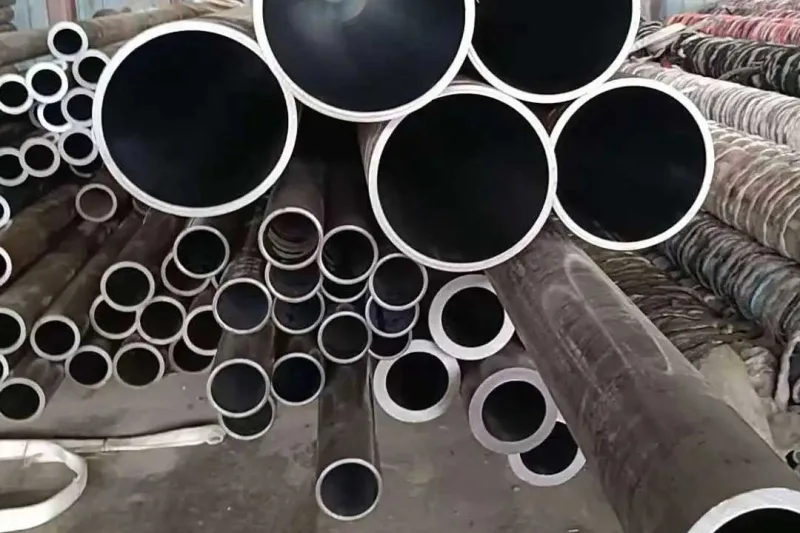
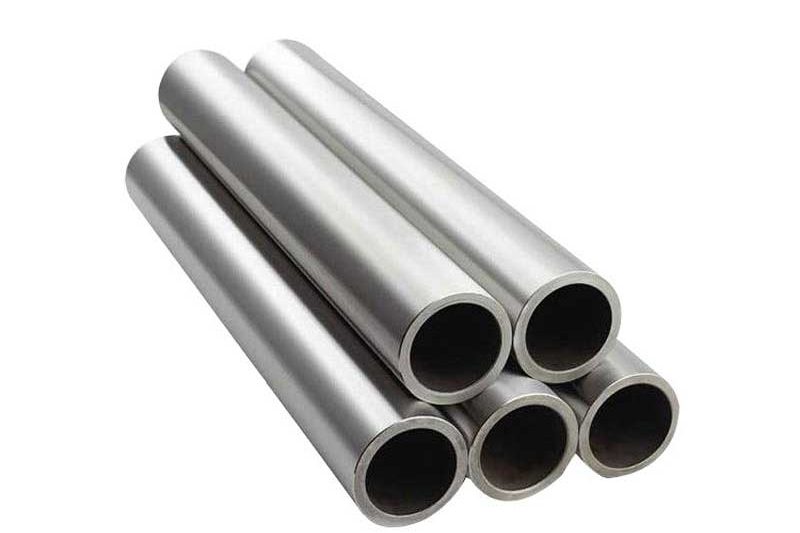
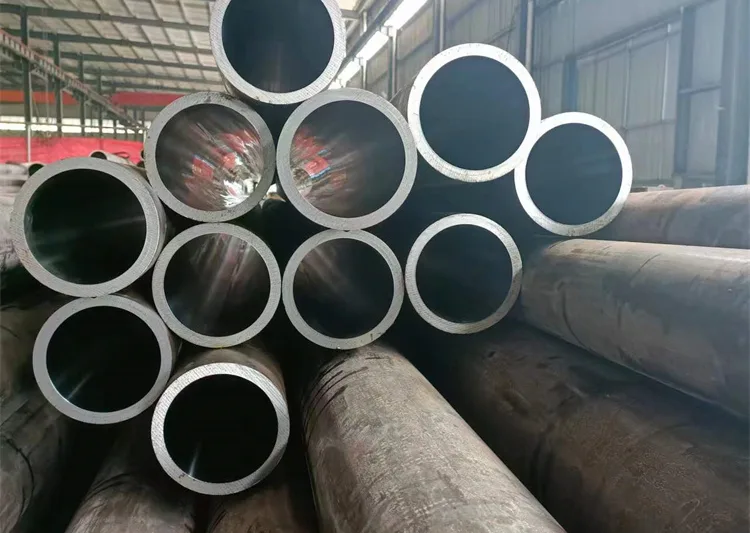
310 stainless steel pipe
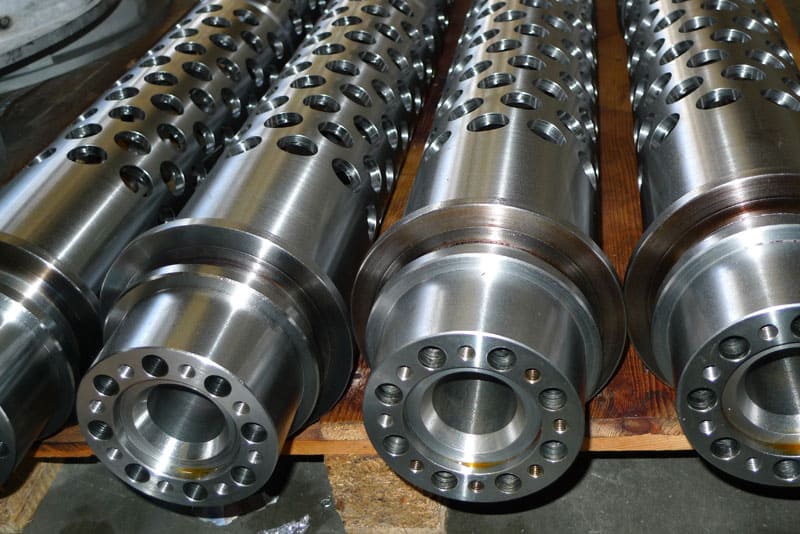
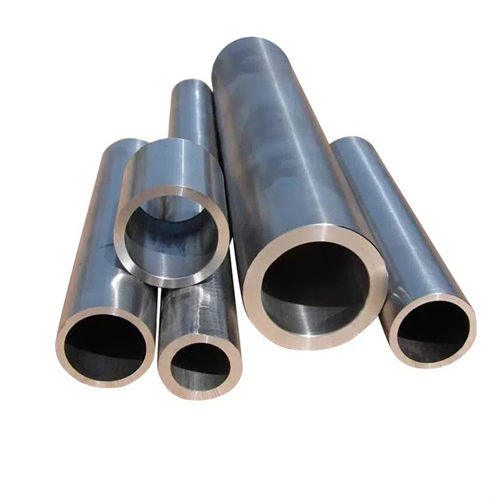
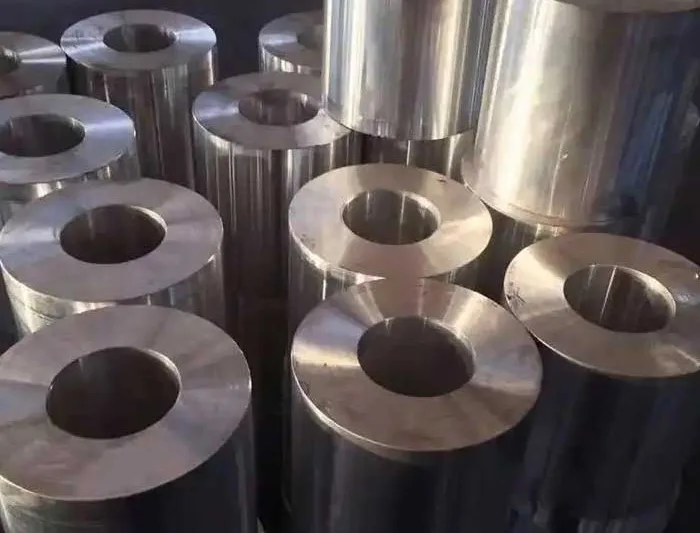
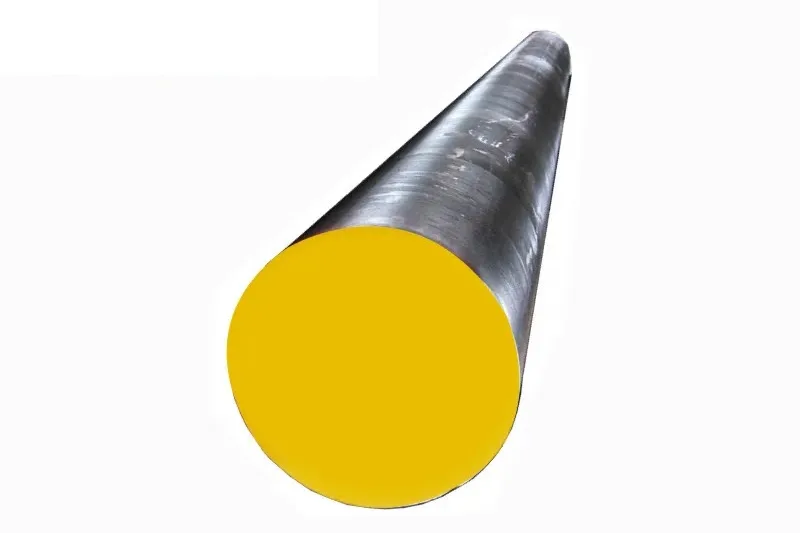
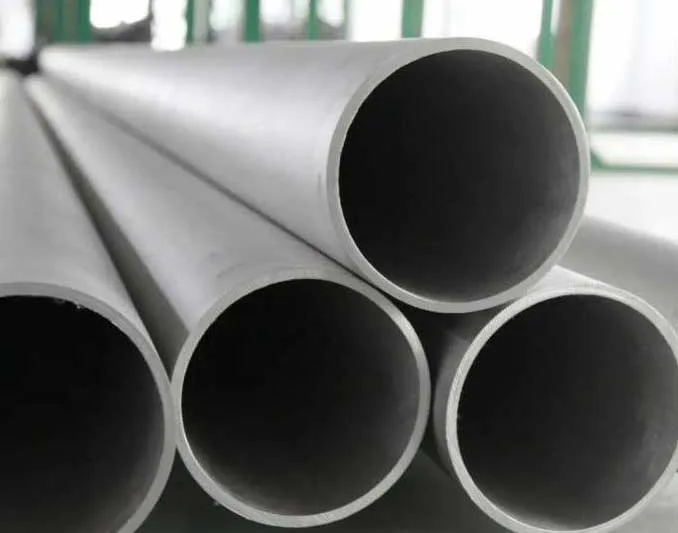
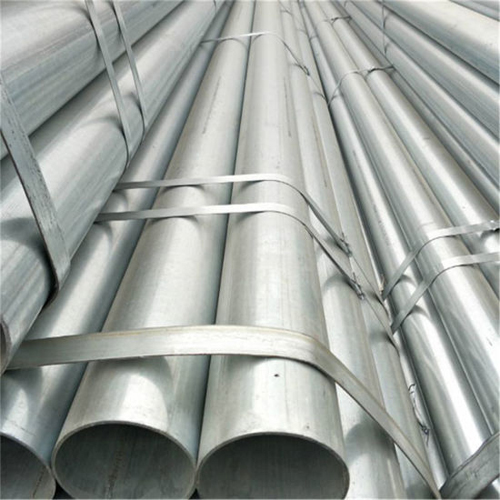
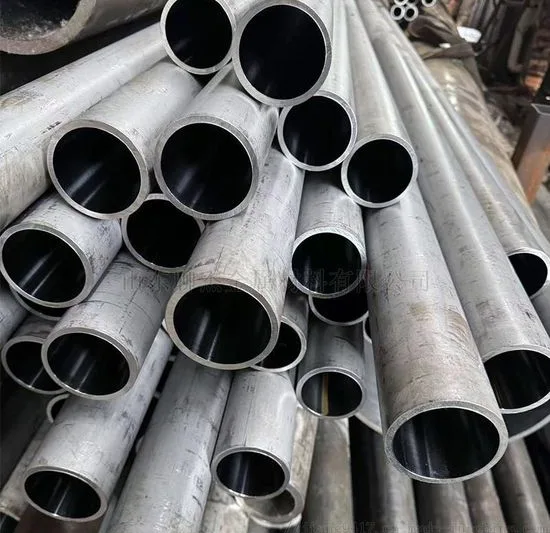
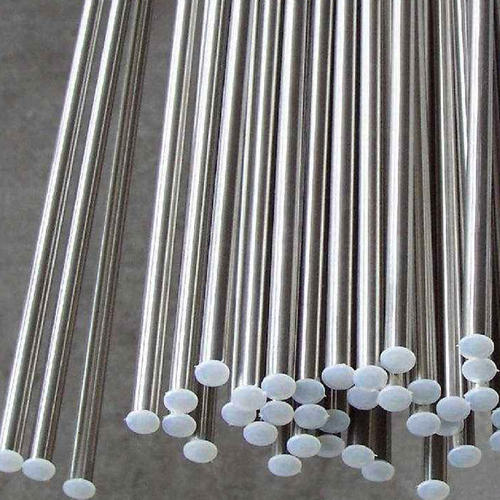
310 stainless steel pipe is an austenitic heat-resistant stainless steel pipe characterized by high chromium and nickel content, typically containing approximately 25% chromium and 20% nickel. It offers excellent oxidation resistance, sulfidation resistance, and high-temperature strength. This composition design enables it to maintain structural stability and surface integrity under sustained high-temperature conditions, making it widely used in demanding industrial sectors such as metallurgy, chemical processing, energy generation, and heat treatment equipment.
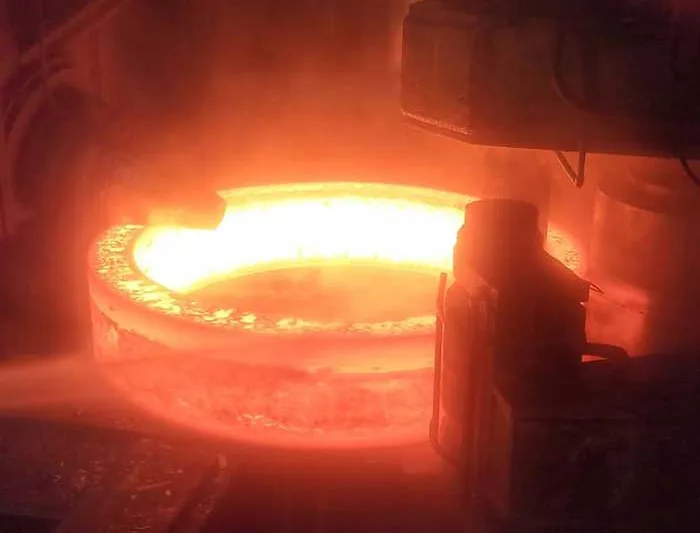
Under high-temperature operating conditions, 310 stainless steel pipes demonstrate significant advantages. Its oxidation onset temperature exceeds 1150°C, and it maintains good creep resistance and anti-scaling properties even at continuous operating temperatures of 1000–1100°C. Compared to 304 or 316 stainless steel, the higher chromium and nickel content in 310 significantly enhances its corrosion resistance in sulfur- and carbon-containing atmospheres. This makes it particularly suitable for critical components such as furnace rolls, burner casings, heat exchanger tubes, and annealing furnace linings.
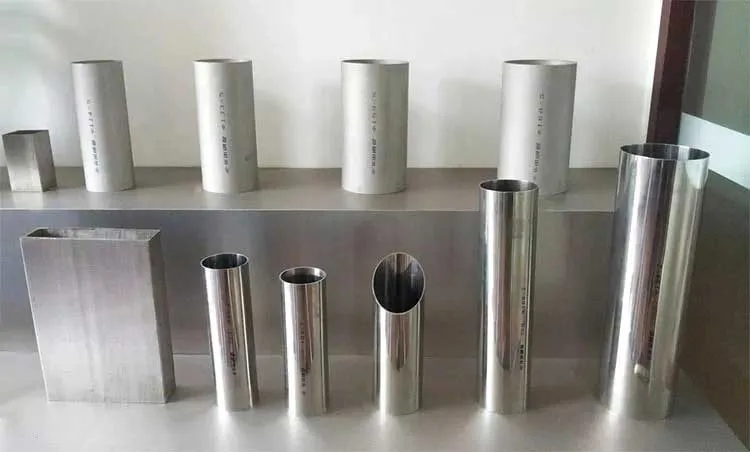
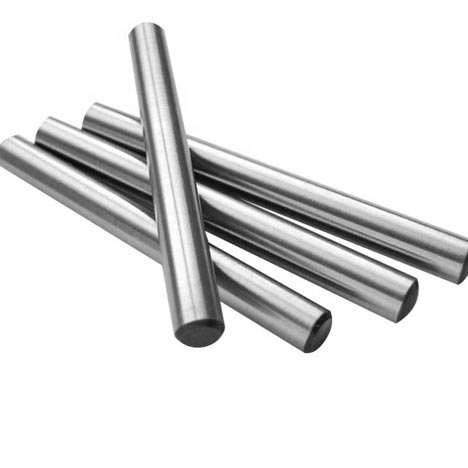
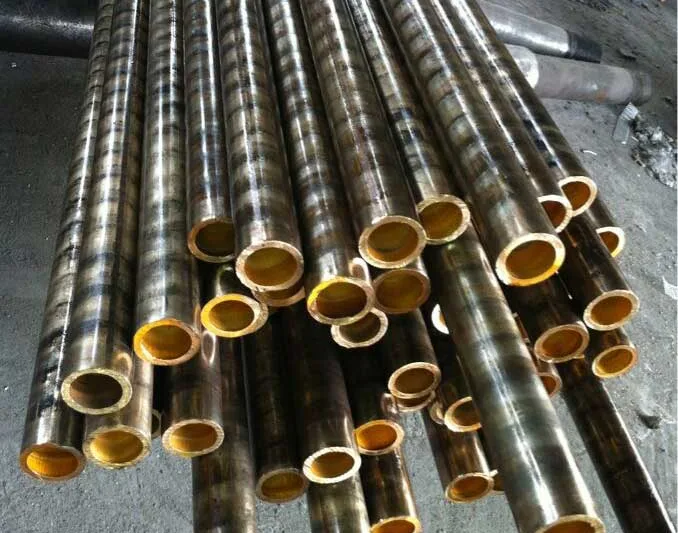
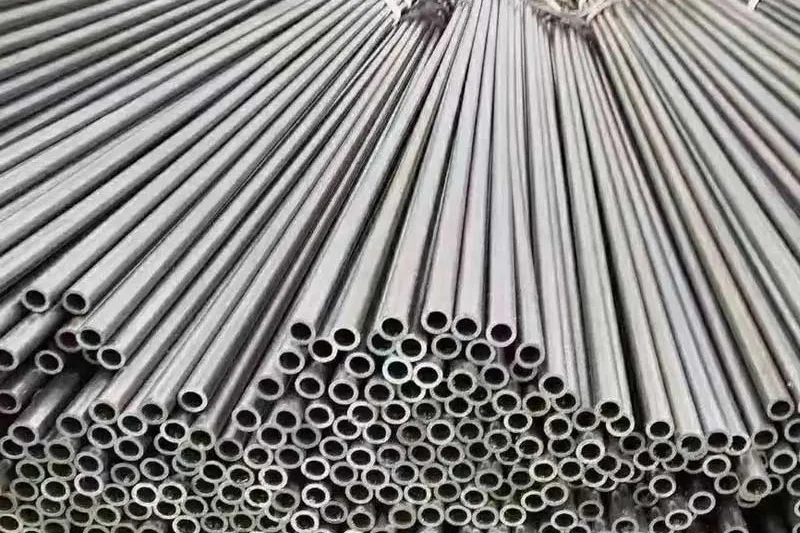
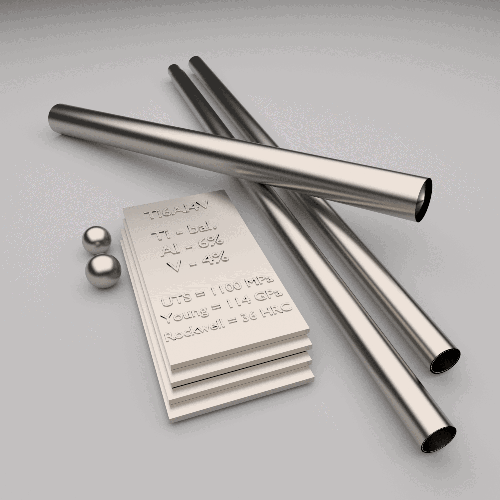
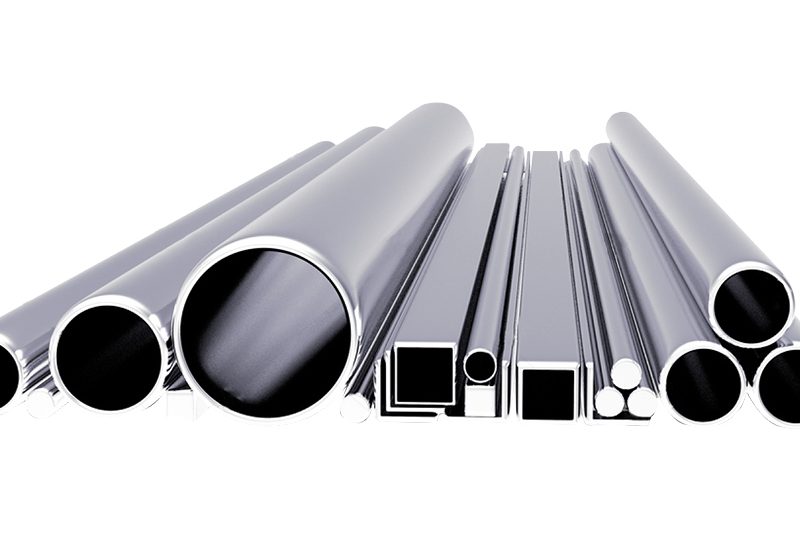
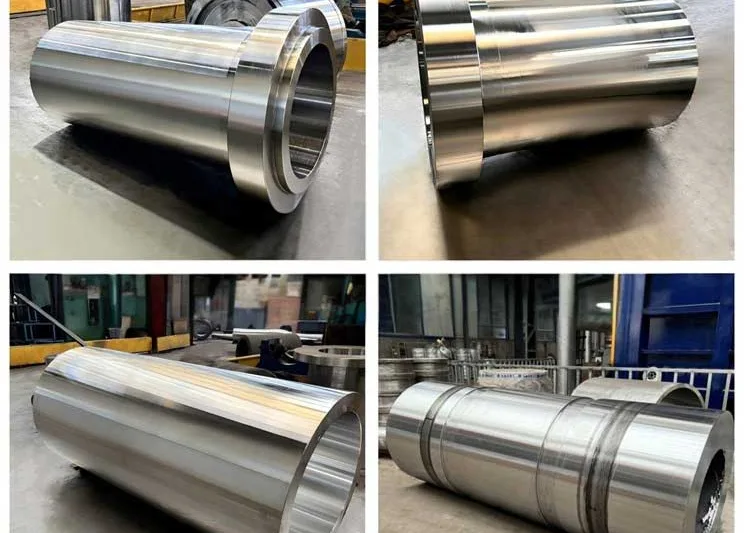
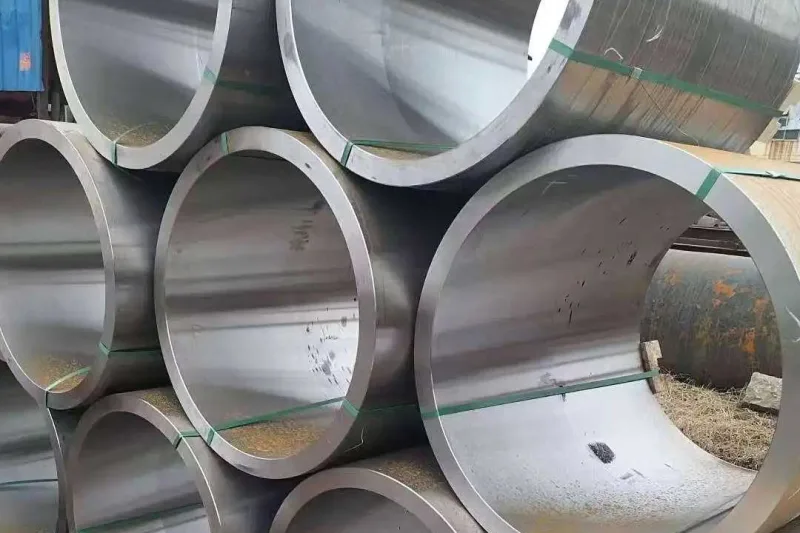
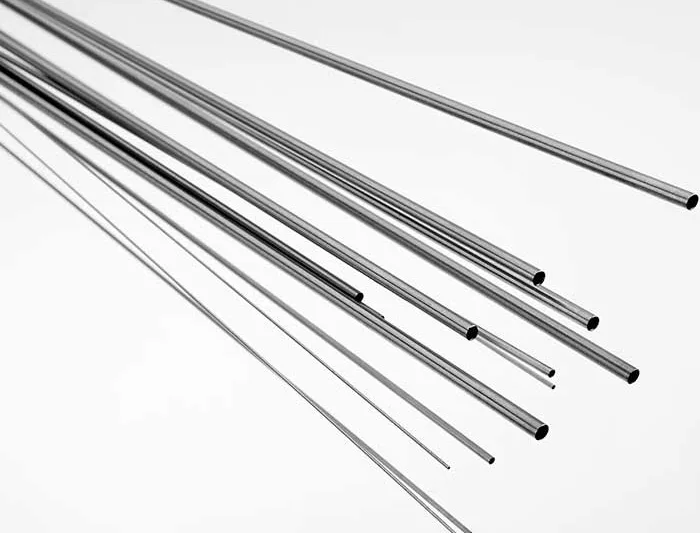
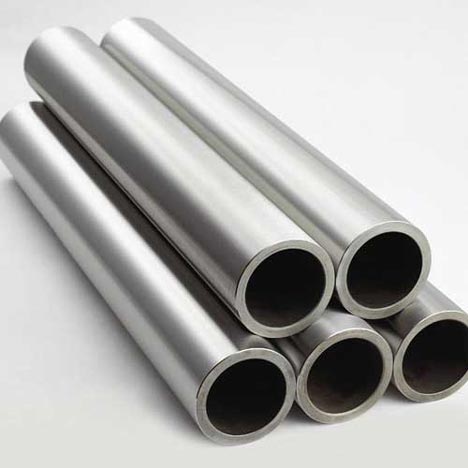
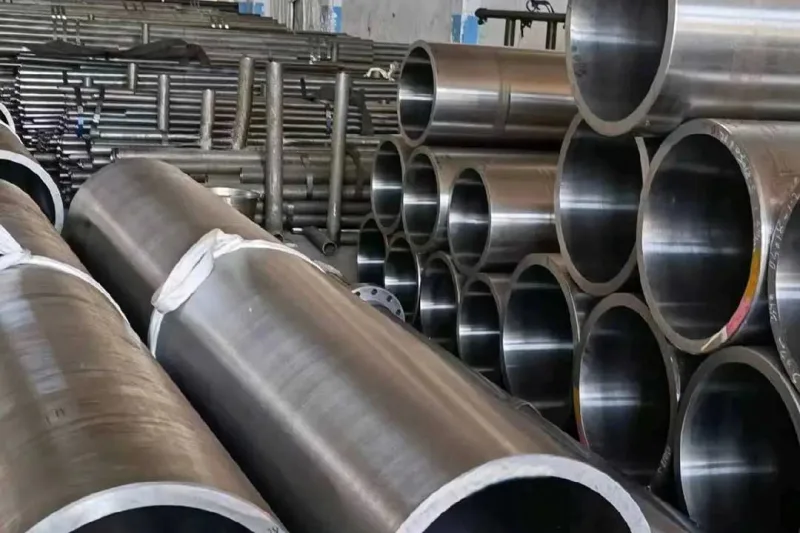
In addition to heat and corrosion resistance, 310 stainless steel tubing offers excellent cold and hot working properties along with good weldability. Although its thermal expansion coefficient is slightly higher than that of standard stainless steel, residual stresses and intergranular sensitization risks can be effectively controlled through proper preheating and post-weld heat treatment. Common supply forms include seamless and welded tubes, with dimensions ranging from small-diameter capillary tubes to large-diameter thick-walled pipes to meet diverse installation and pressure requirements.
It is important to note that 310 stainless steel tubing is not a universal material. In reducing acidic media (such as concentrated sulfuric acid or hydrochloric acid), its corrosion resistance is inferior to that of molybdenum-containing stainless steels. Additionally, prolonged exposure to temperatures between 425–860°C may induce σ-phase precipitation, leading to reduced toughness. Therefore, practical selection requires comprehensive evaluation based on specific service environments, temperature profiles, medium composition, and mechanical loads. Products delivered in the solution-treated state should be prioritized to ensure microstructural uniformity.
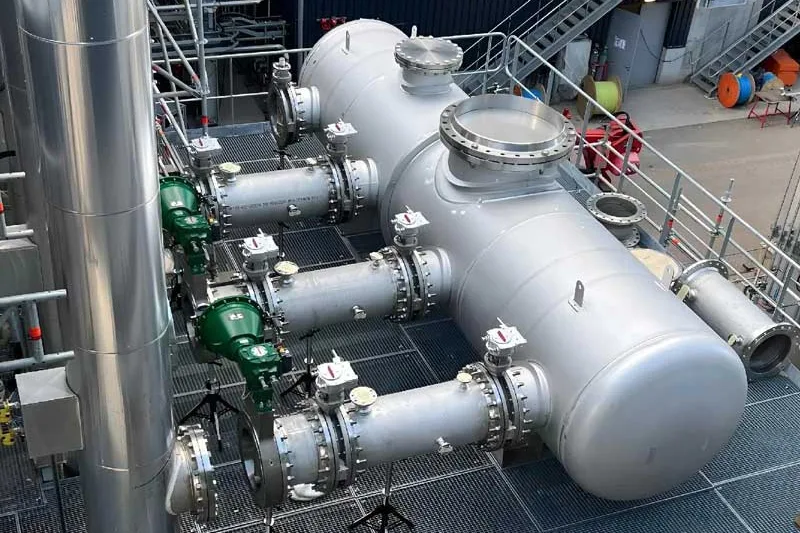
In summary, 310 stainless steel tubing has become an indispensable functional material in high-temperature industrial piping systems due to its unique high-temperature stability and chemical inertness. With the advancement of clean energy equipment and the elevation of high-end manufacturing standards, its applications in advanced gas turbines, hydrogen production reactors, and electric furnace flue gas purification systems continue to expand, demonstrating enduring technological value and market potential.