Thin Steel Pipe

随机图片

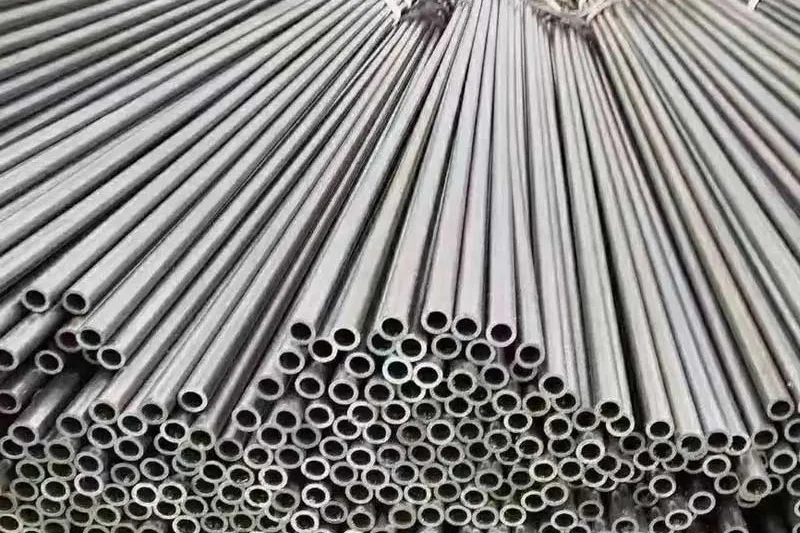
Thin Steel Pipe: Versatile and Essential in Modern Engineering

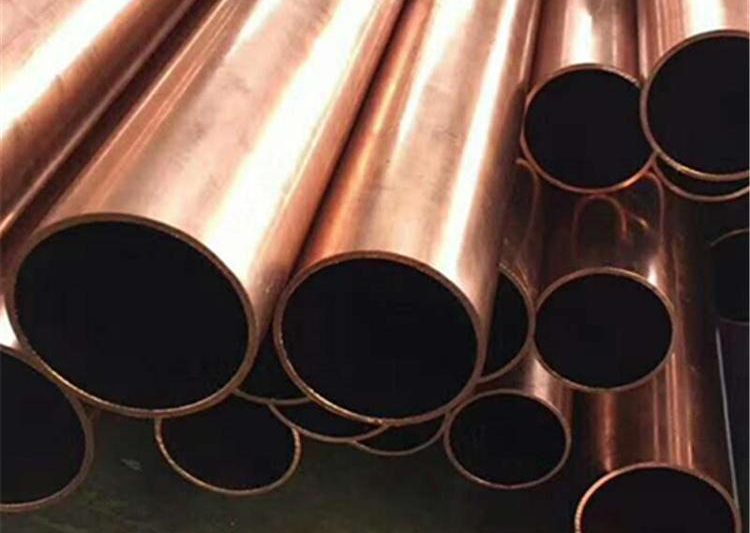
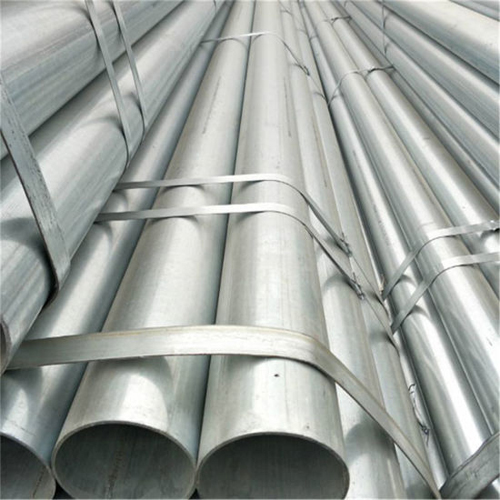
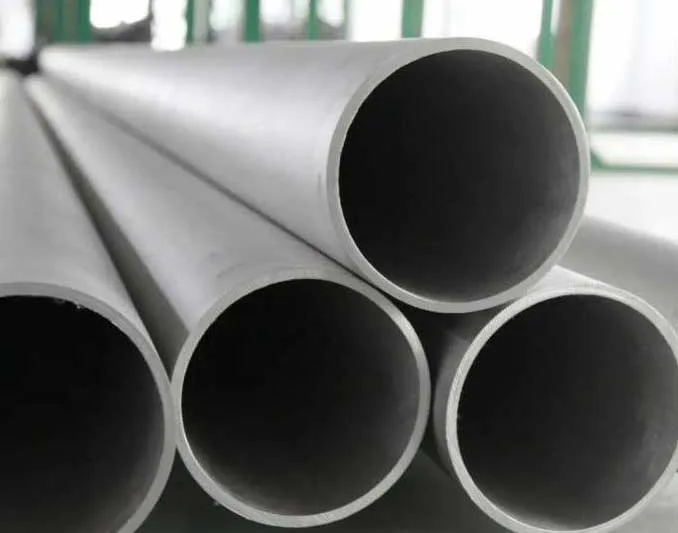
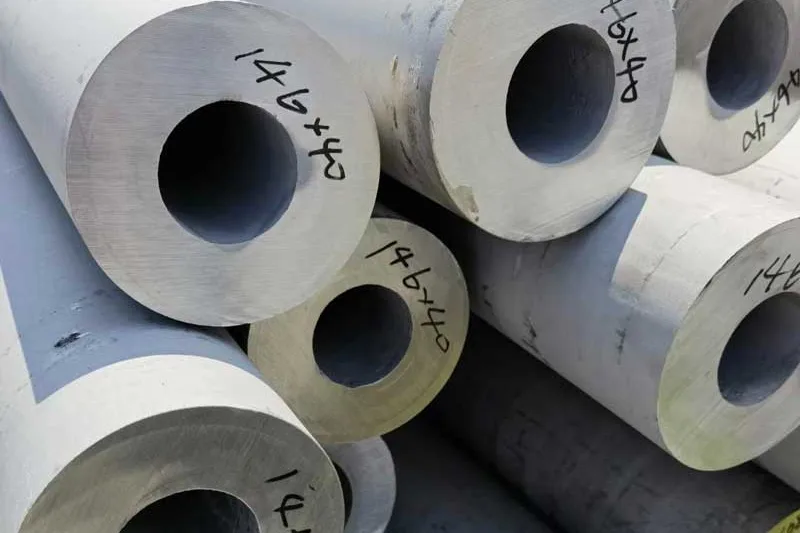
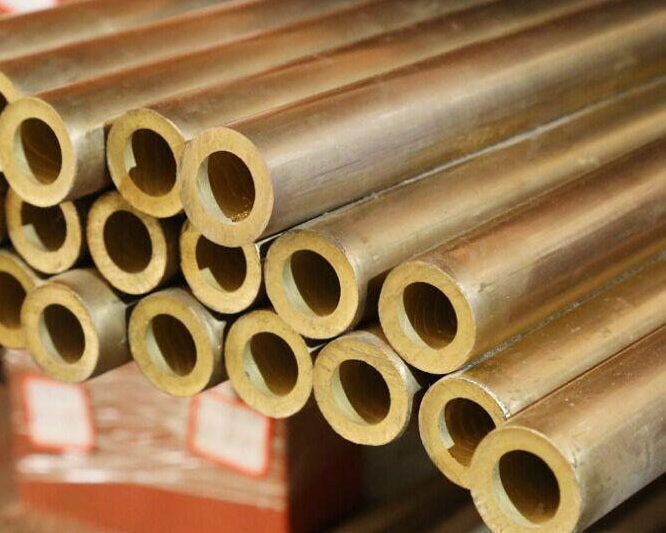
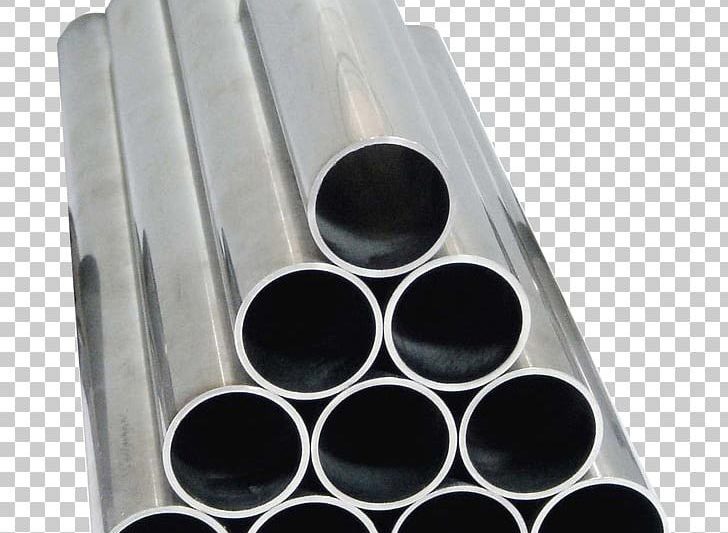
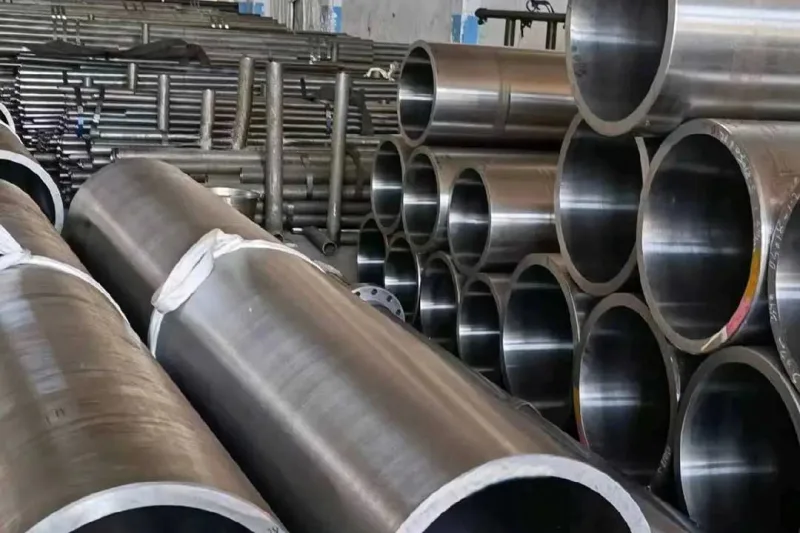
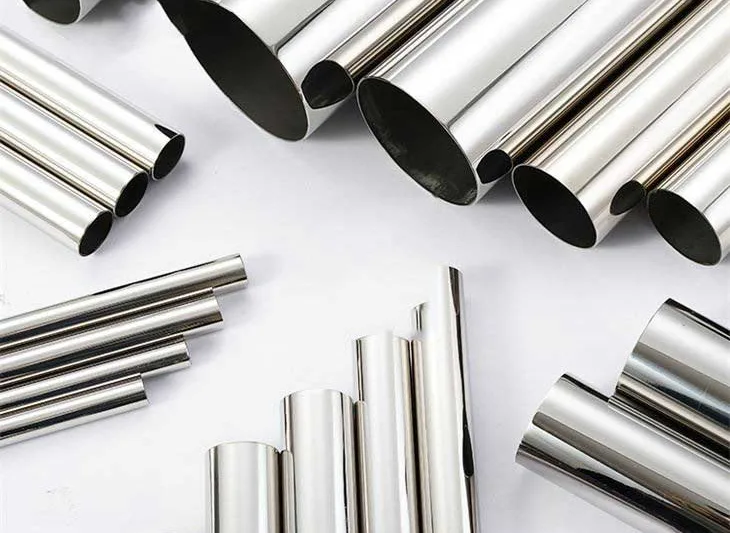
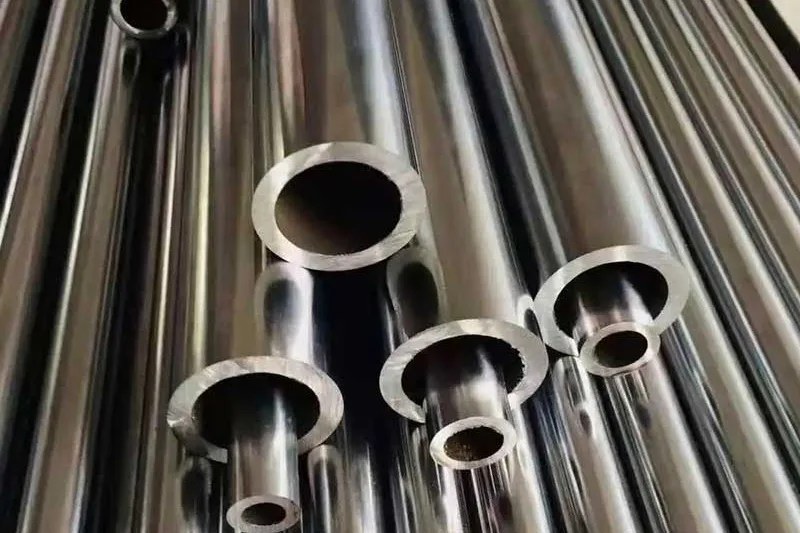
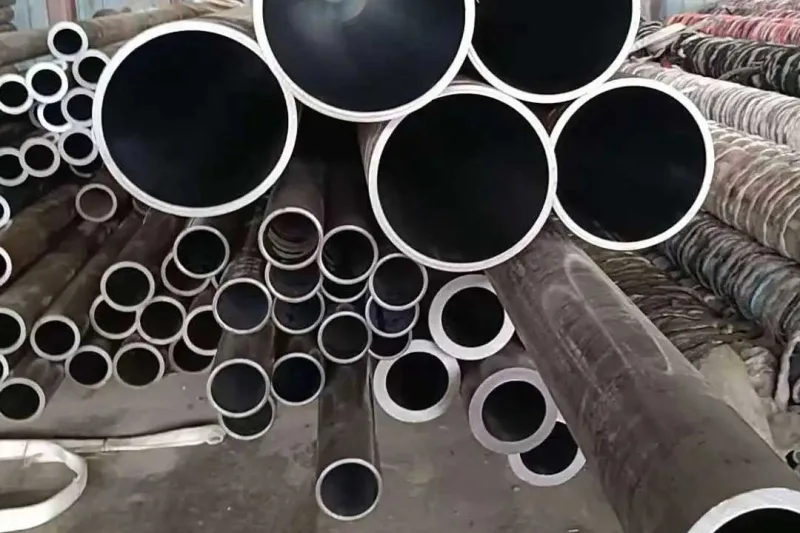
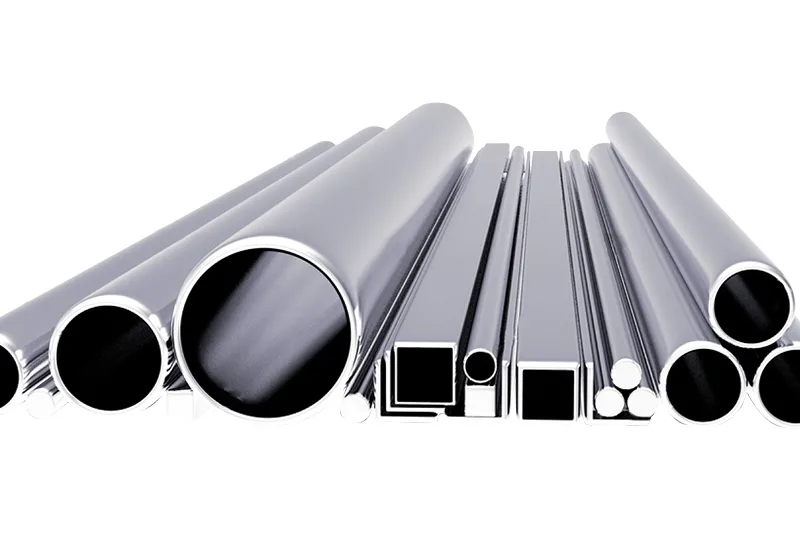
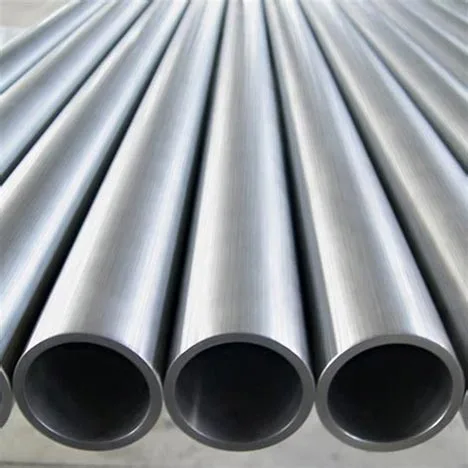
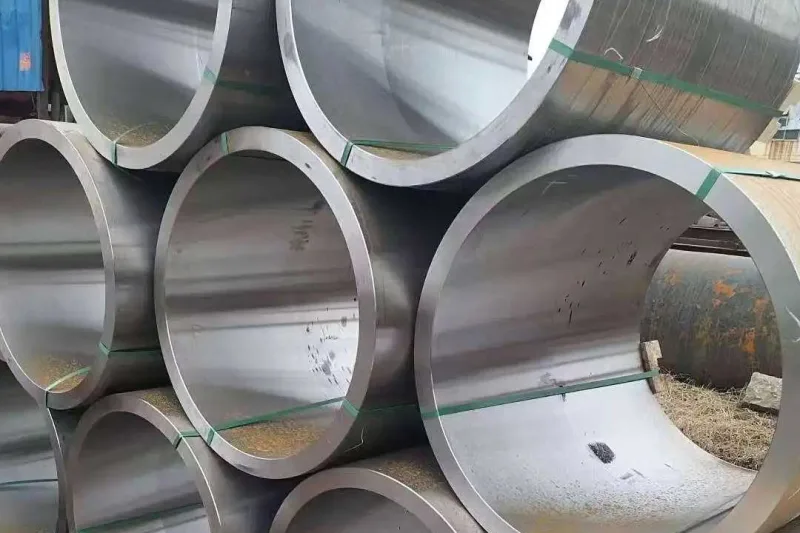
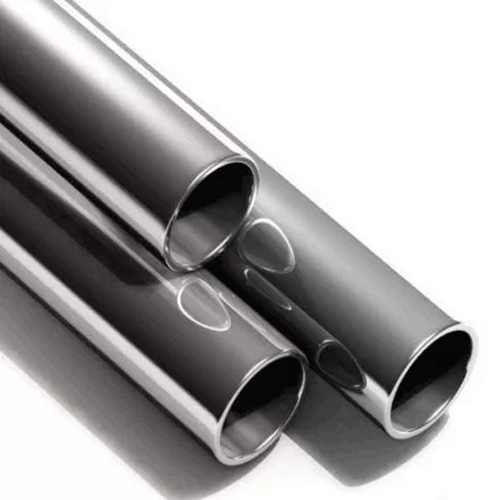
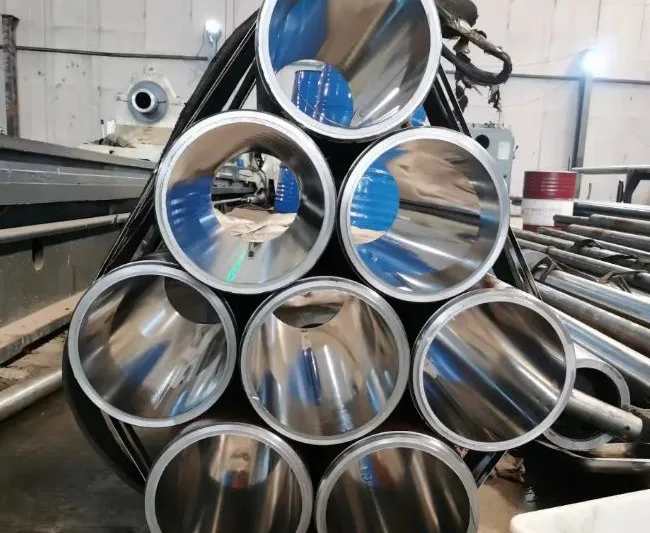
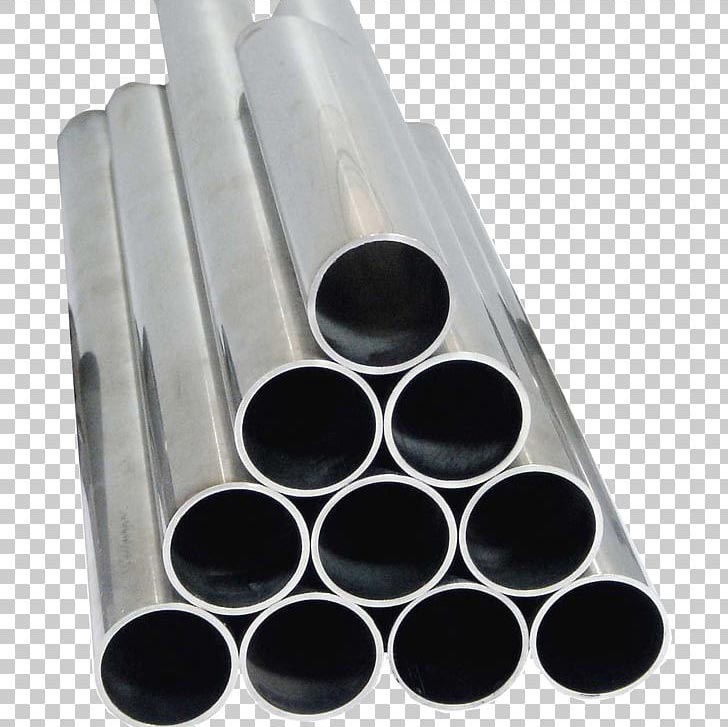
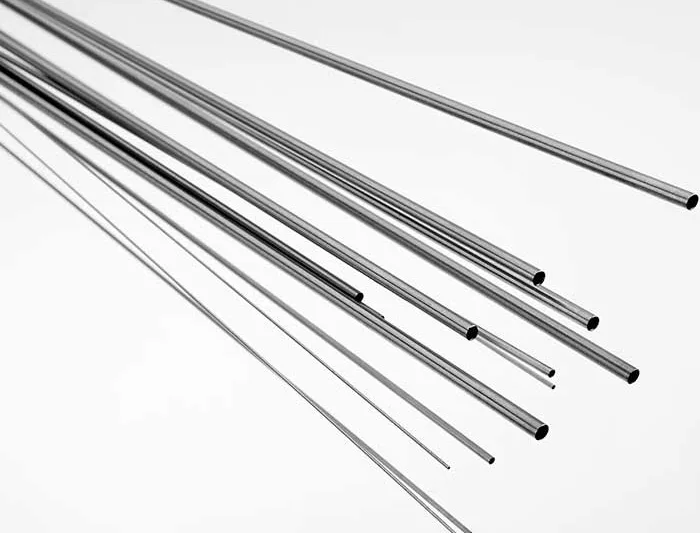
Thin steel pipe refers to steel tubing with a relatively small wall thickness compared to its outer diameter. Typically manufactured through cold drawing or cold rolling processes, it offers an optimal balance of strength, flexibility, and weight efficiency. Its dimensions are precisely controlled, allowing for consistent performance across diverse applications—from structural frameworks to fluid conveyance systems.
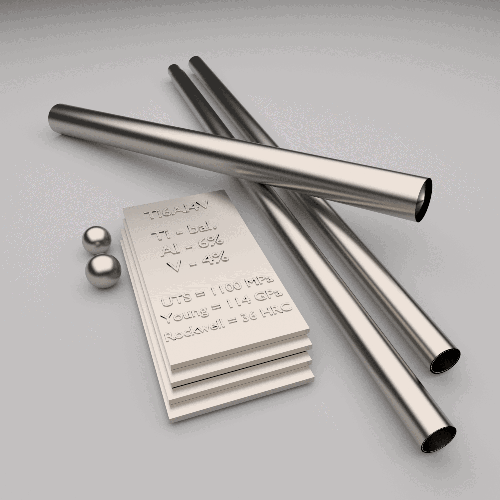
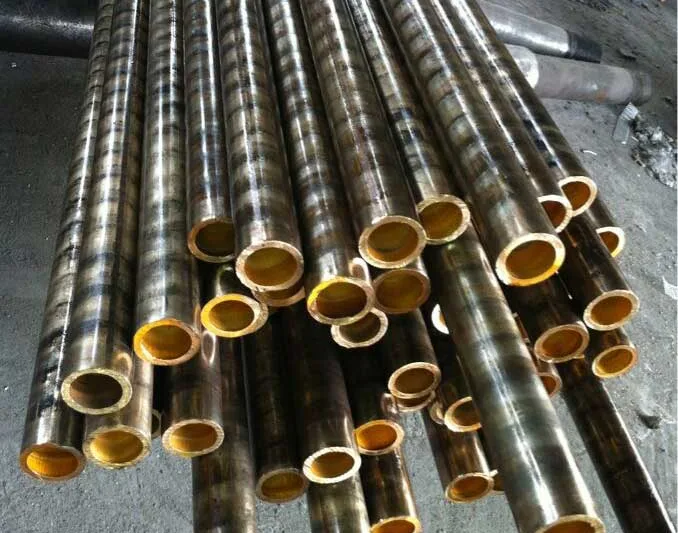
spring-steel-tube

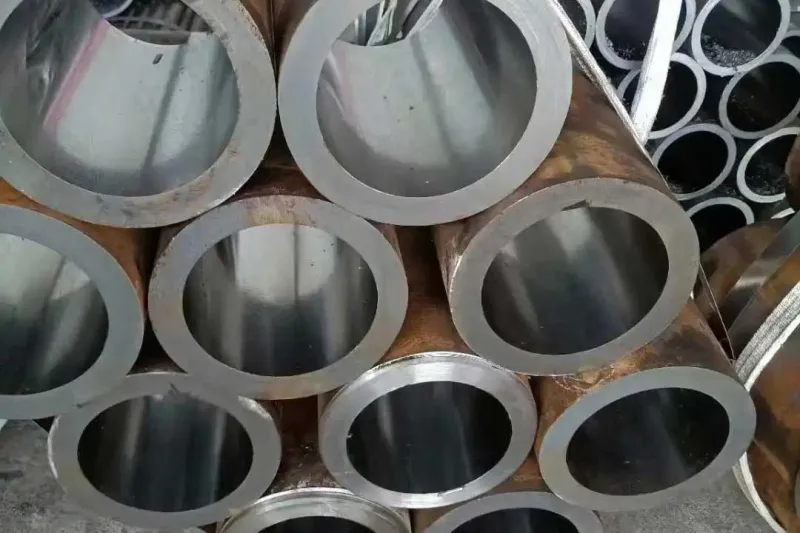
The production of thin steel pipe emphasizes material integrity and dimensional accuracy. High-quality carbon or low-alloy steels are commonly used, ensuring good weldability, corrosion resistance (especially when galvanized or coated), and mechanical reliability under moderate loads. Advanced manufacturing techniques enable tight tolerances, smooth internal surfaces, and uniform wall thickness—key factors that enhance flow efficiency in hydraulic and pneumatic systems.

In construction, thin steel pipes serve as lightweight support members in scaffolding, handrails, and modular framing. Their ease of cutting, bending, and joining makes them ideal for rapid assembly and adaptive design. In the automotive and appliance industries, they function as exhaust components, fuel lines, and chassis reinforcements—where reduced weight contributes directly to energy efficiency and emission control.

Beyond industrial use, thin steel pipe finds growing application in architectural detailing, furniture design, and artistic installations. Its clean aesthetic, combined with structural predictability, supports both functional and expressive purposes. As sustainability becomes central to engineering choices, recyclability and long service life further reinforce its value proposition.

In summary, thin steel pipe is more than a basic component—it is a versatile enabler of innovation across sectors. Its thoughtful integration into design and manufacturing reflects a broader trend toward precision, efficiency, and adaptability in modern materials engineering.

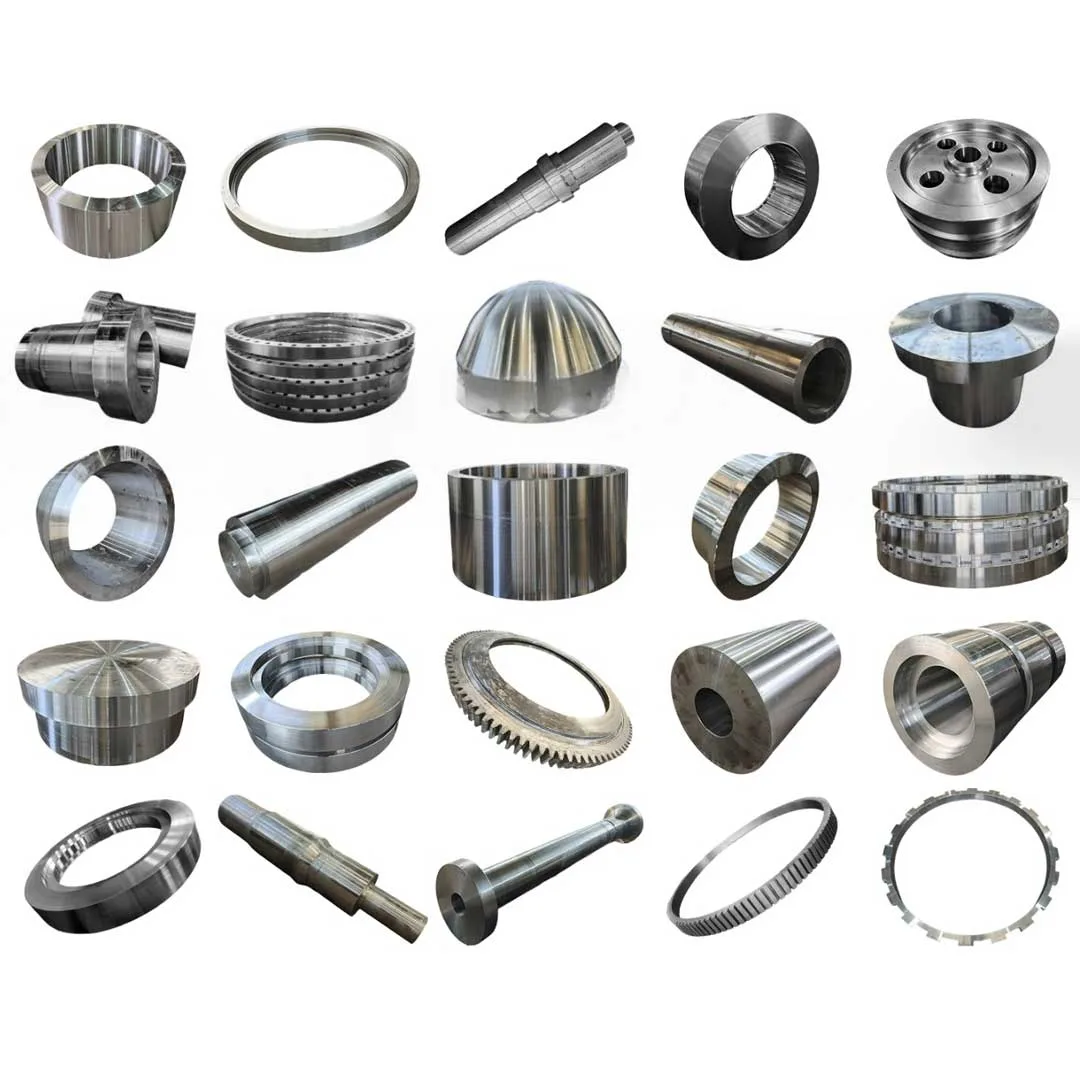
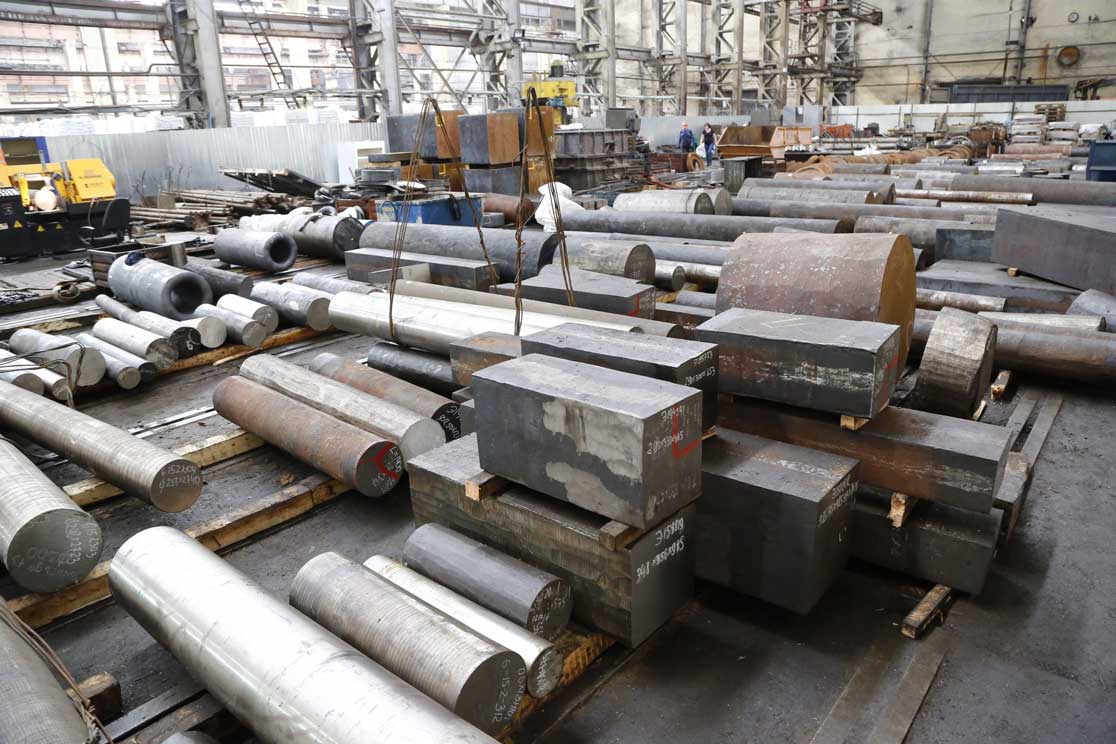
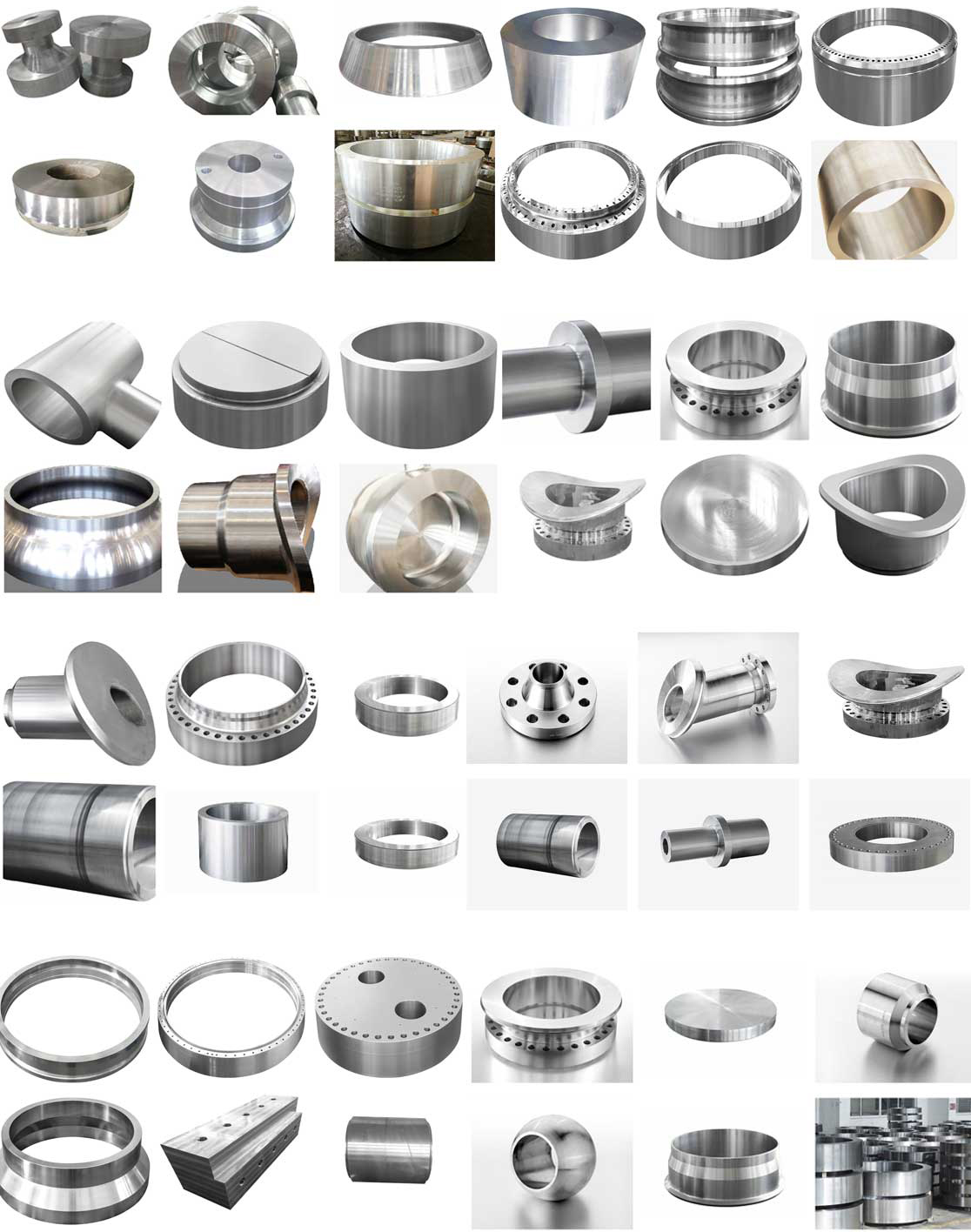
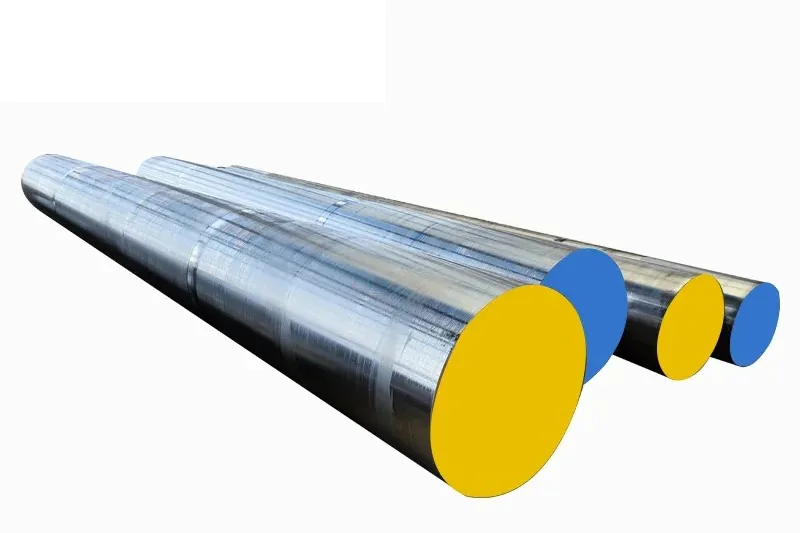
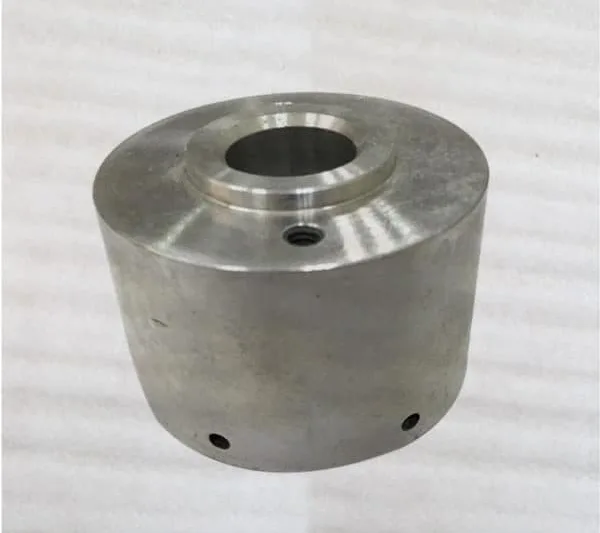
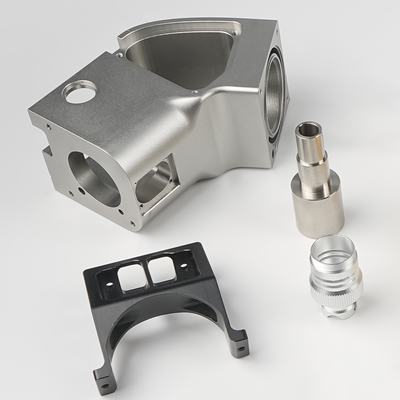
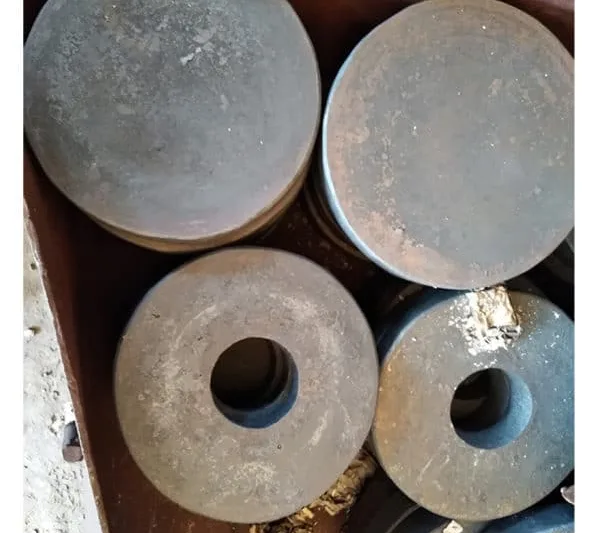
We also provide forging blanks and CNC precision machining services for our clients, covering industries such as energy, petrochemicals, steel, engineering machinery, plastics, prevention and control, hydraulics, healthcare, and food. Please feel free to send us drawings for inquiries.

Metalworking Services

CNC Machining

Sheet Metal Fabrication

Metal Welding

Metal Cutting

Metal Bending

Metal Punching

Metal Forging

Metal Sheet Rolling

Tube and Plate Drilling

Heavy Forging Press Capacity

Heavy Forging Press Capacity

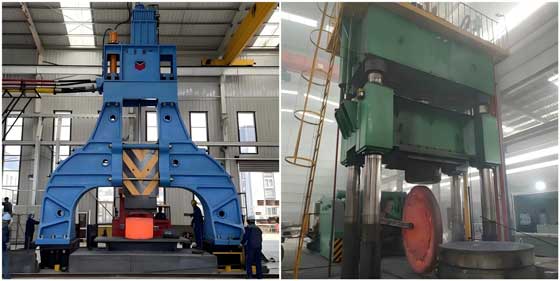
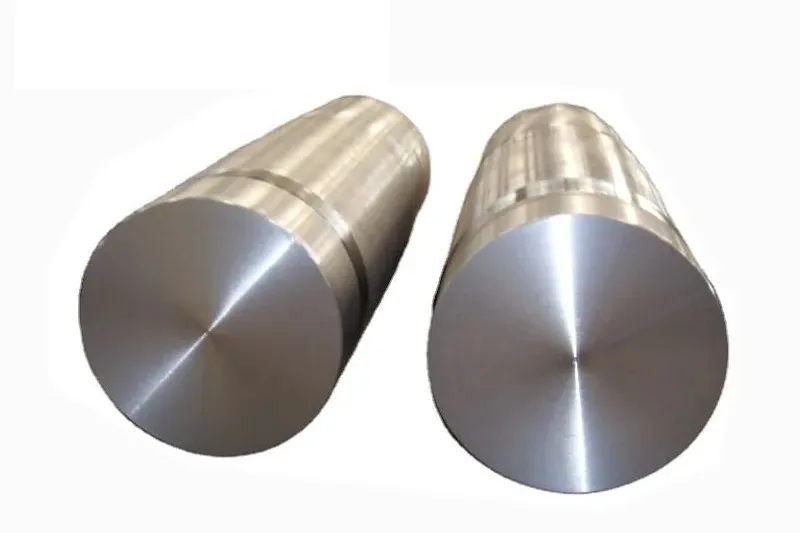
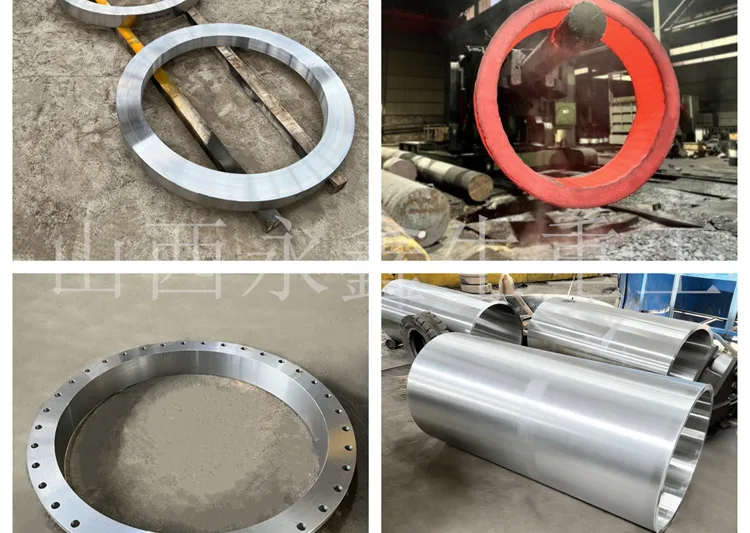
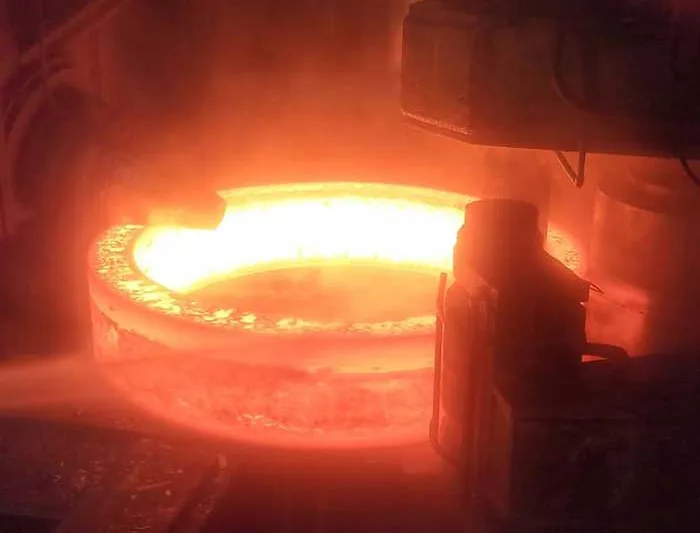
Our heavy-duty forging presses support open-die forging and deformation of large-section forgings, including discs, shafts, blocks, and custom components. This capability enables us to meet the demanding forming requirements of heavy industrial applications.

Heat Treatment Capability

Heat Treatment Capability

Heat treatment is a critical step in achieving the mechanical properties required for heavy-duty forgings. Our process capabilities meet the strength, toughness, and structural stability requirements for forged components used under demanding operating conditions.

Heavy Shaft Machining

Heavy Shaft Machining

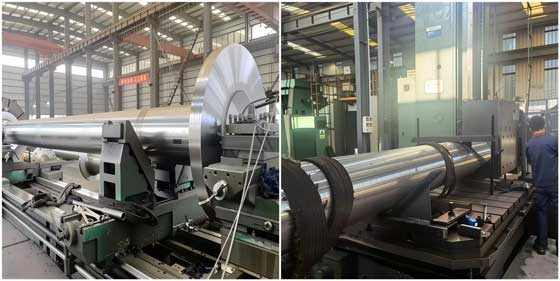
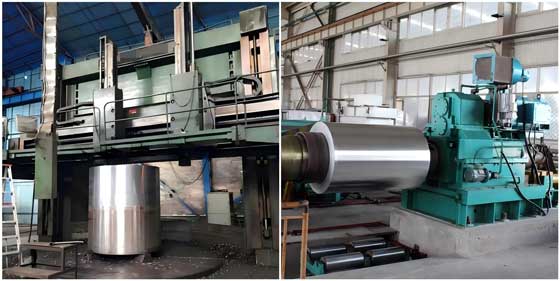
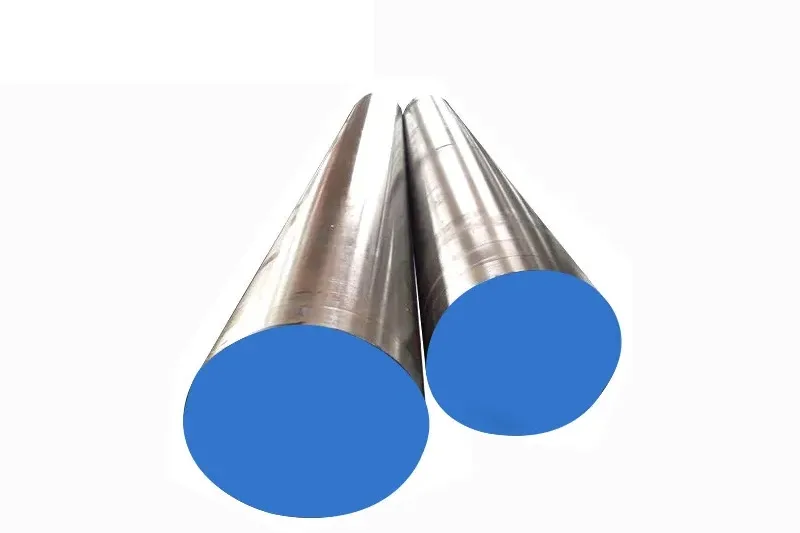
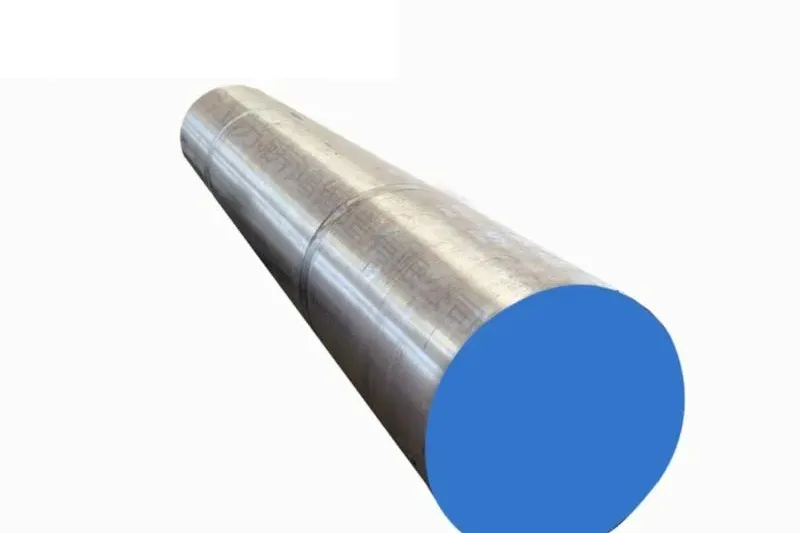
We offer machining capabilities for large forged shafts and long cylindrical components, supporting both rough and finish machining. This capacity is suitable for stepped shafts, rotor shafts, rollers, and other heavy-duty forged shaft components.
Ring Forging Machining

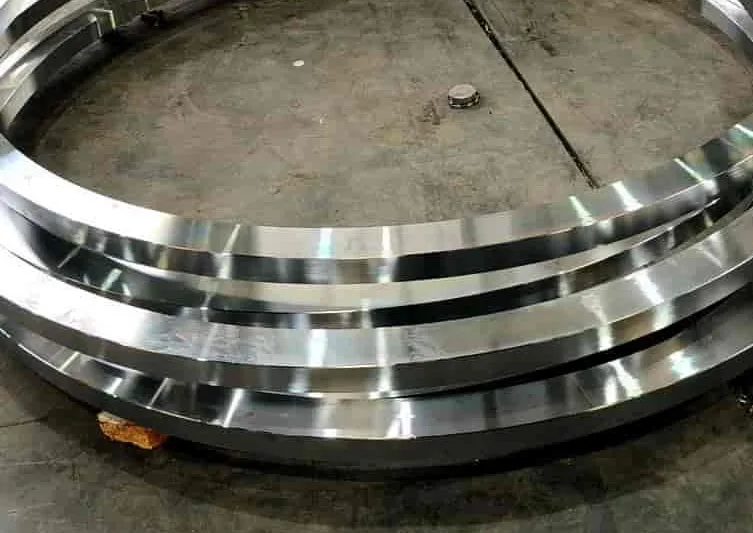
Ring Forging Machining

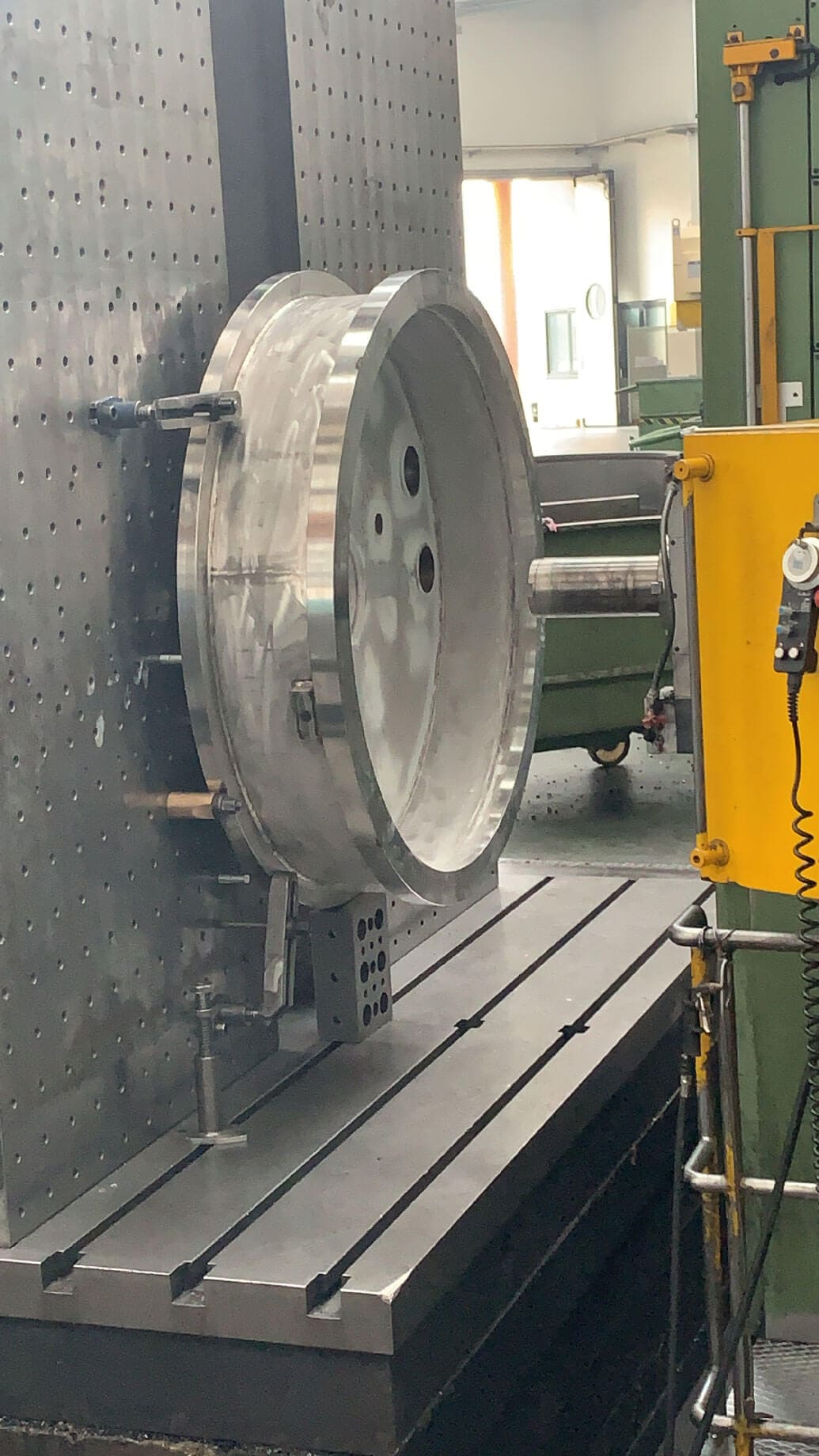
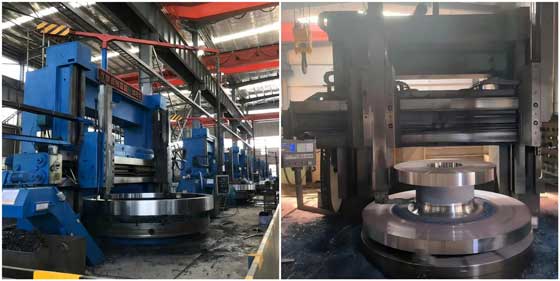
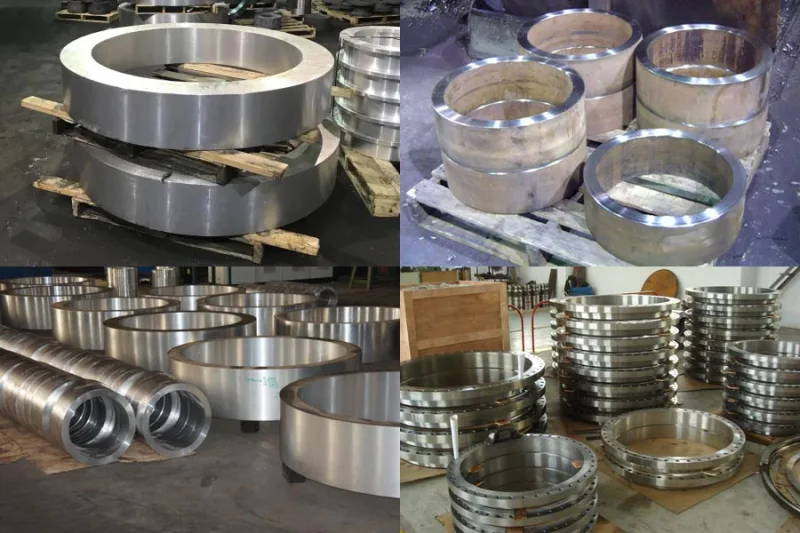
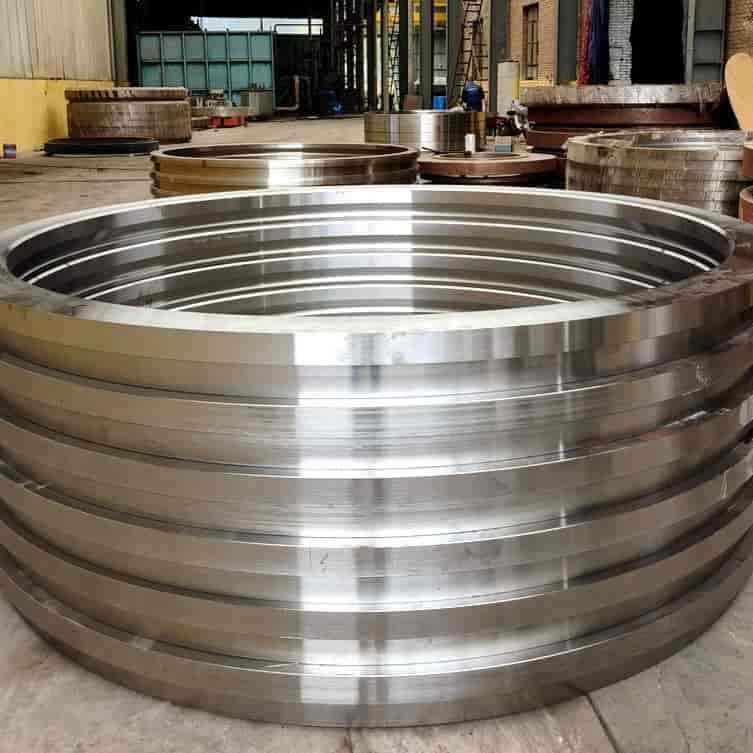
Our machining facilities are capable of handling large ring-shaped forgings and circular parts that require precise turning, face machining, boring, and contour control. This capability is suitable for industrial ring blanks, heavy-duty circular parts, and machined ring forgings.

Cylindrical Forging Machining

Cylindrical Forging Machining

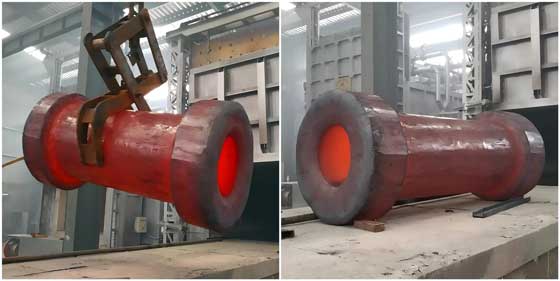
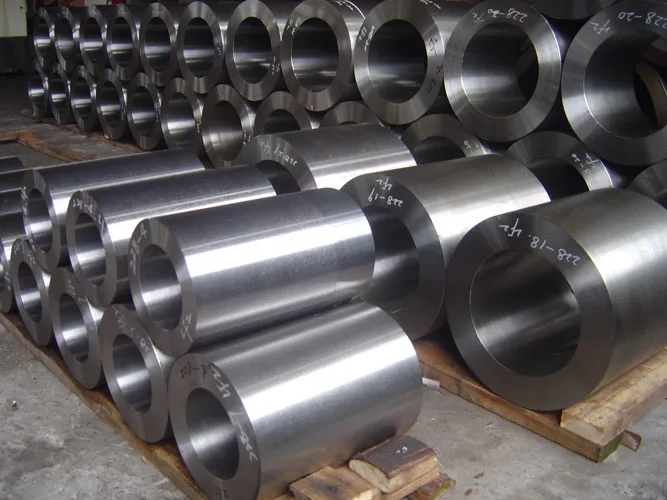
We offer machining solutions for heavy-duty cylindrical, hollow, and tubular forgings. This capability supports the machining of sleeves, cylinders, and other thick-walled forged components used in pressure vessels, rotating systems, and general industrial applications.

Inspection & Testing

Inspection & Testing

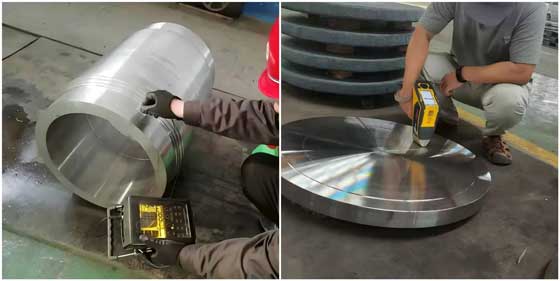
Quality control is integrated into our production process through the inspection and testing of forged and machined parts. Our capabilities help verify the dimensional accuracy, condition, and quality consistency of industrial forgings prior to delivery.

Packing & Delivery

Packing & Delivery

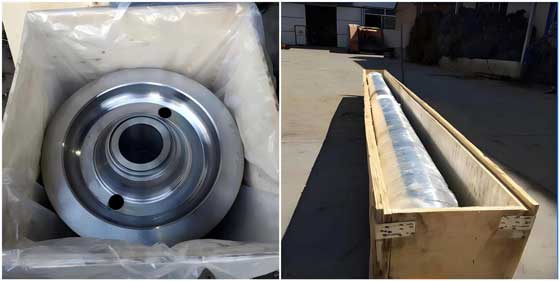
Finished forgings are properly protected and packaged to minimize the risk of damage during storage and transportation. Our packaging methods ensure the safe domestic delivery and export shipment of machined and high-value forged components.

forging steel CNC Processing CNC Processing

Recently Posts