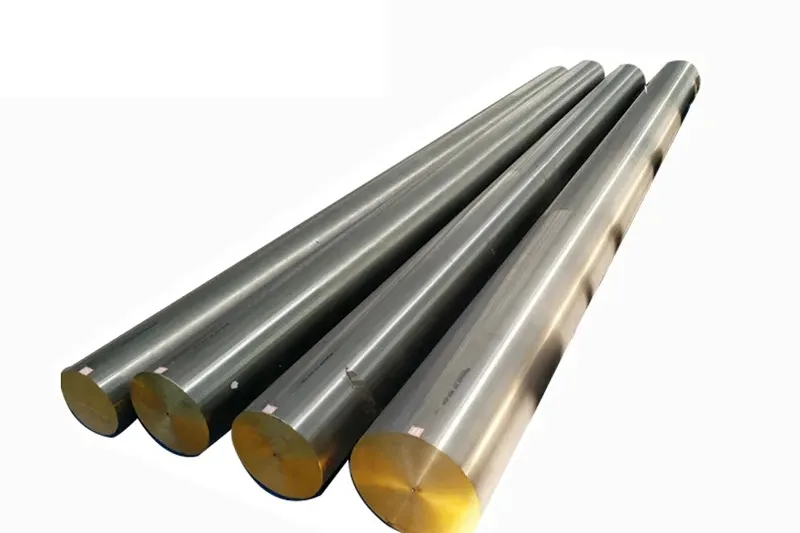
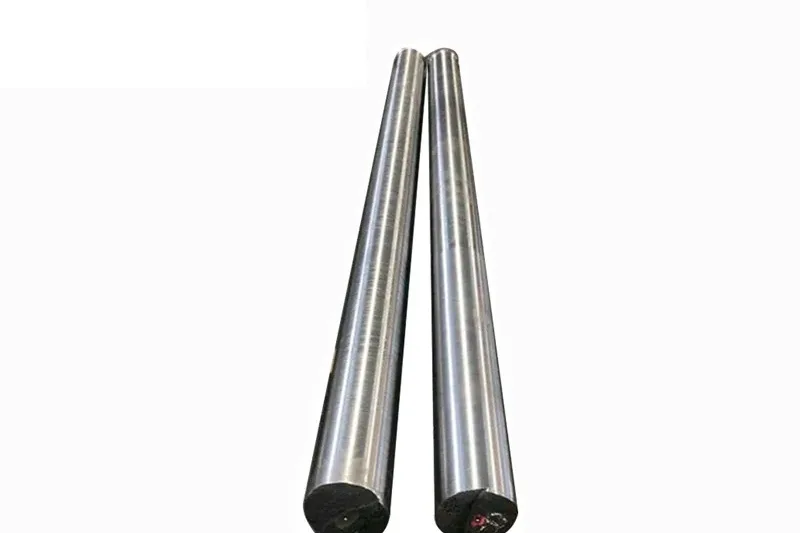
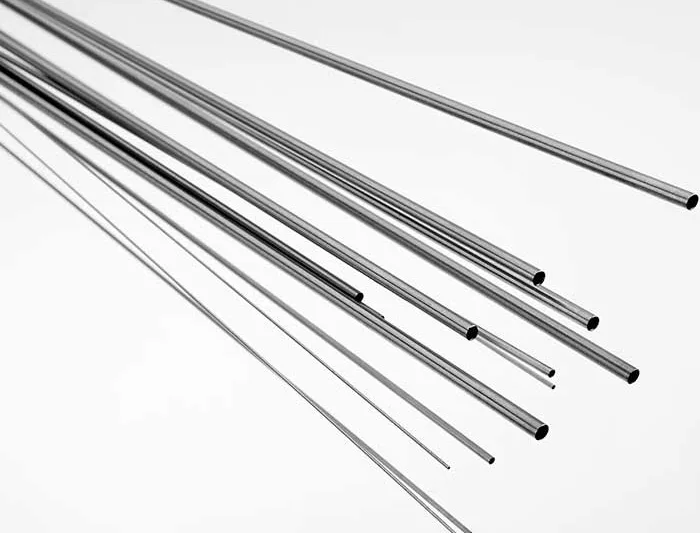
ASTM A53 Seamless Pipe
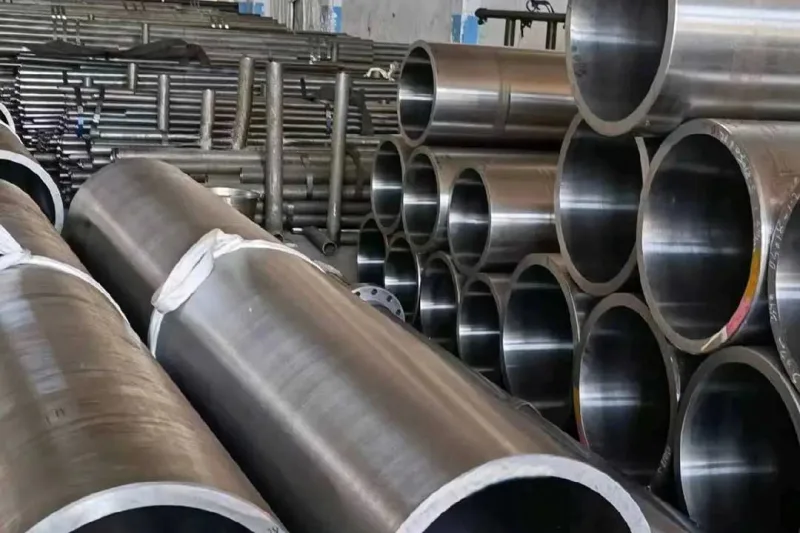
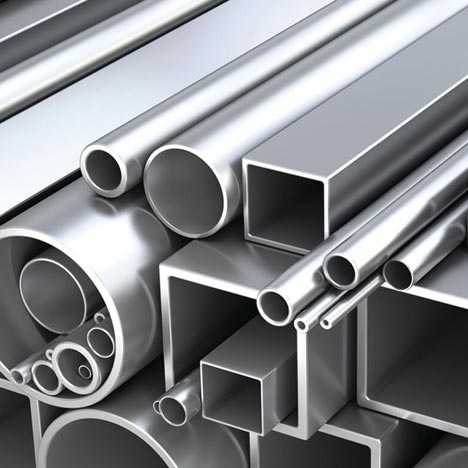
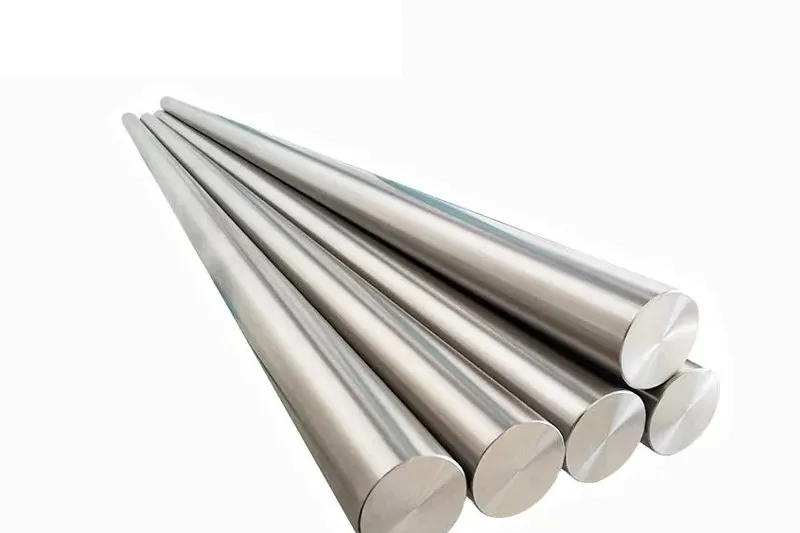
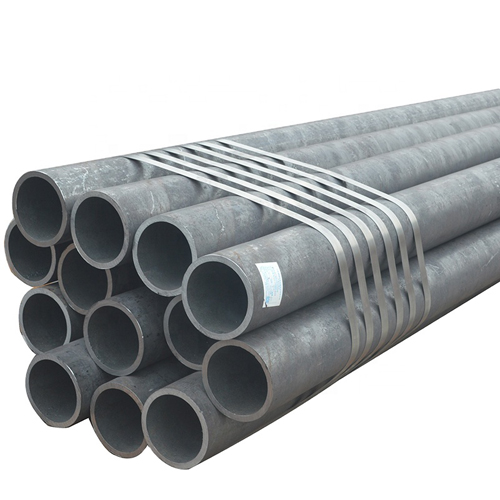
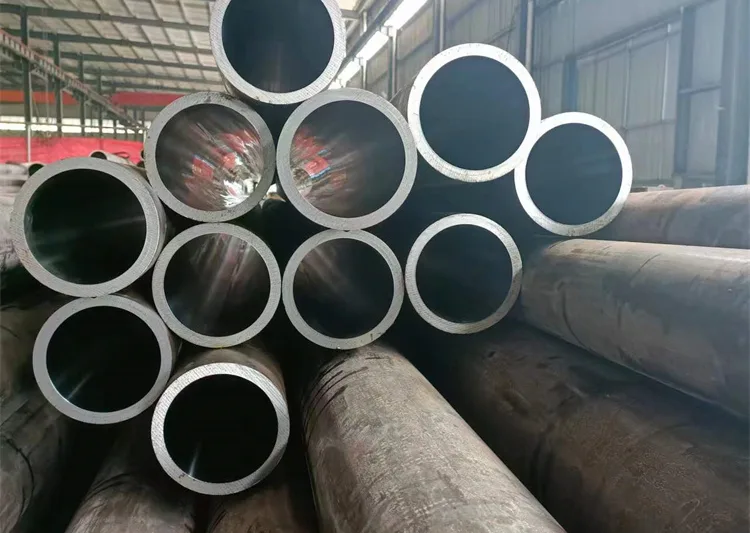
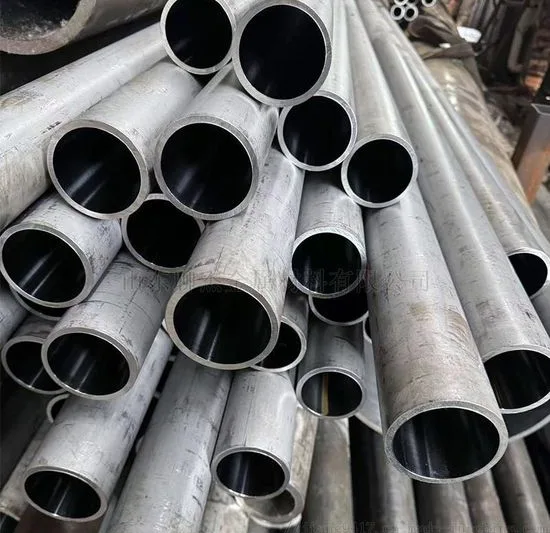
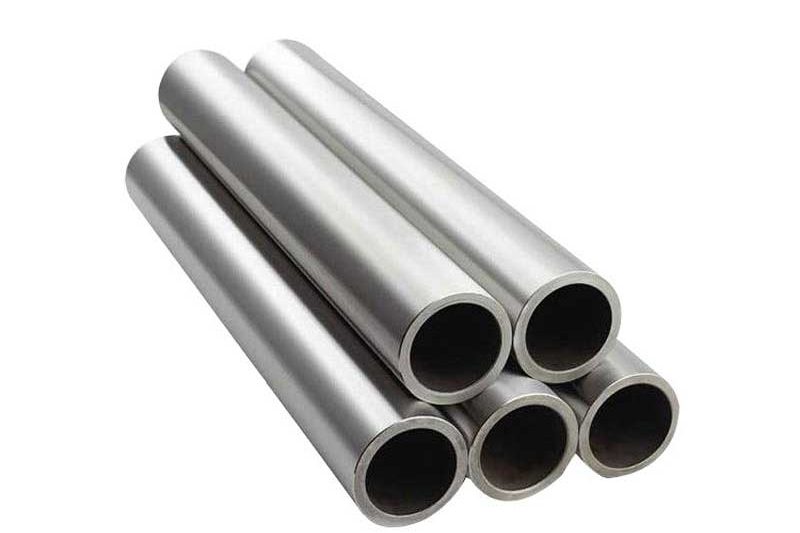
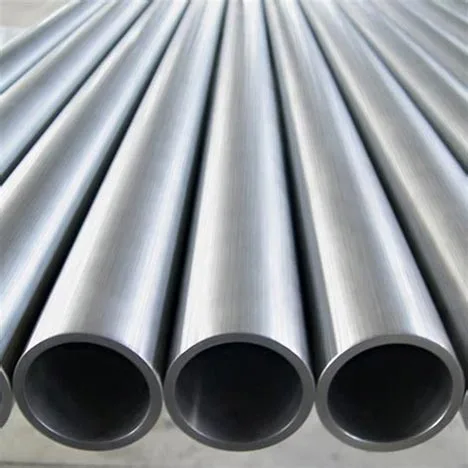
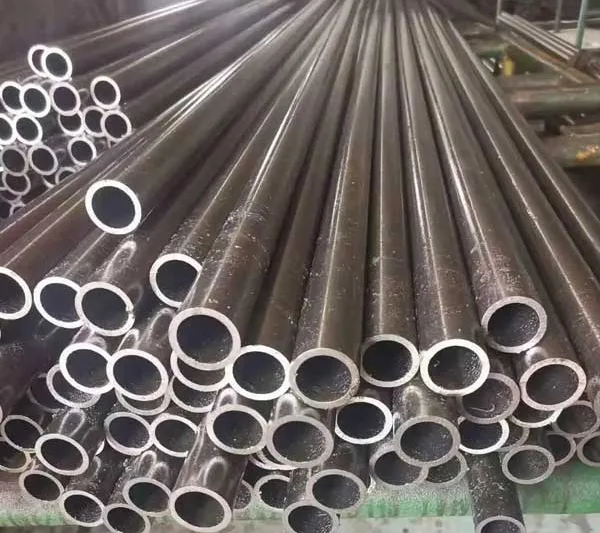
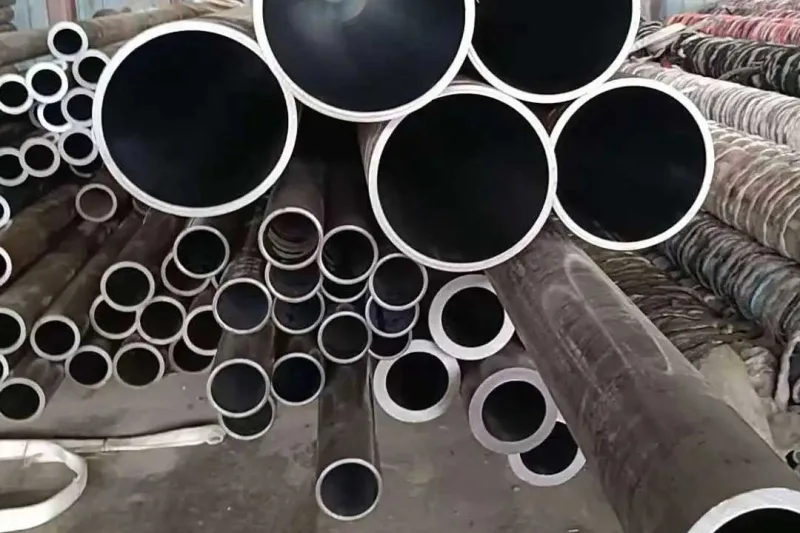
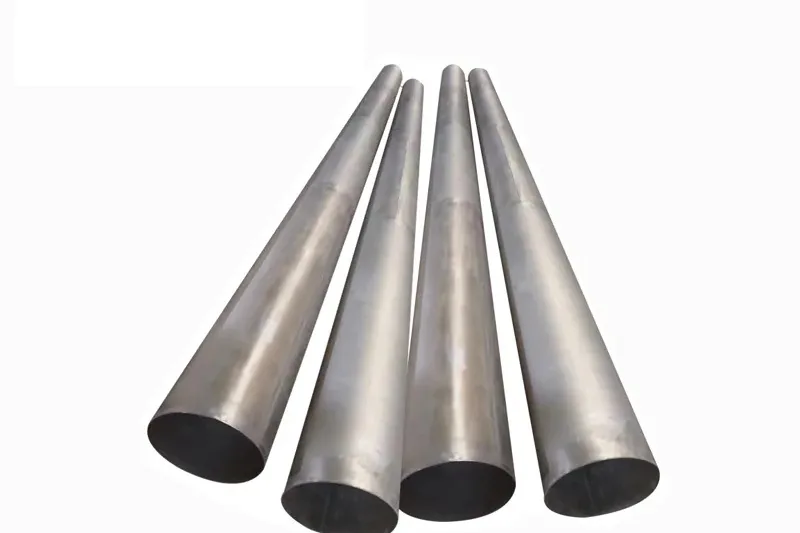
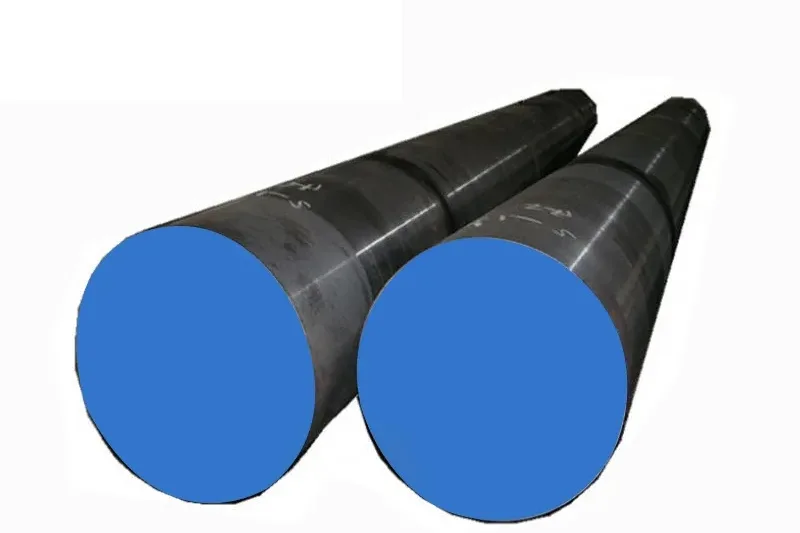
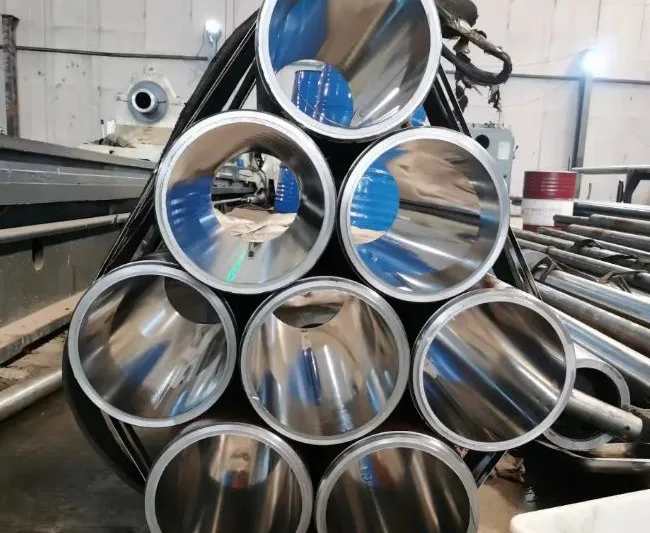
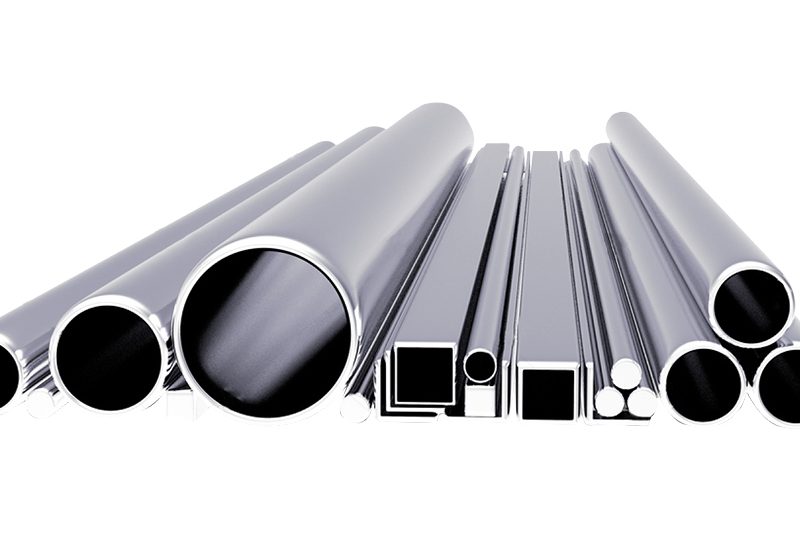
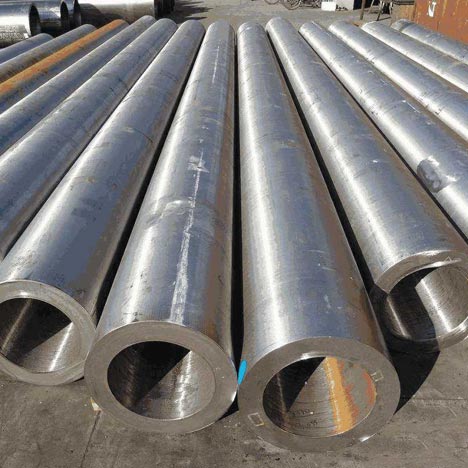
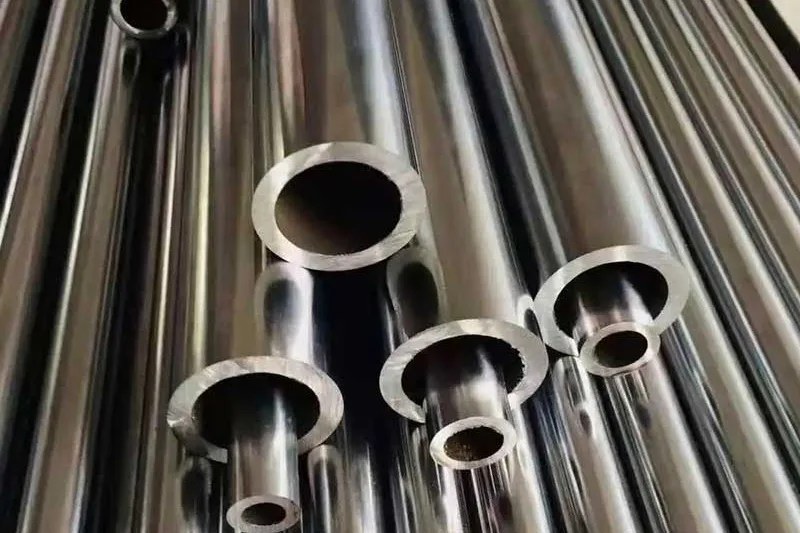
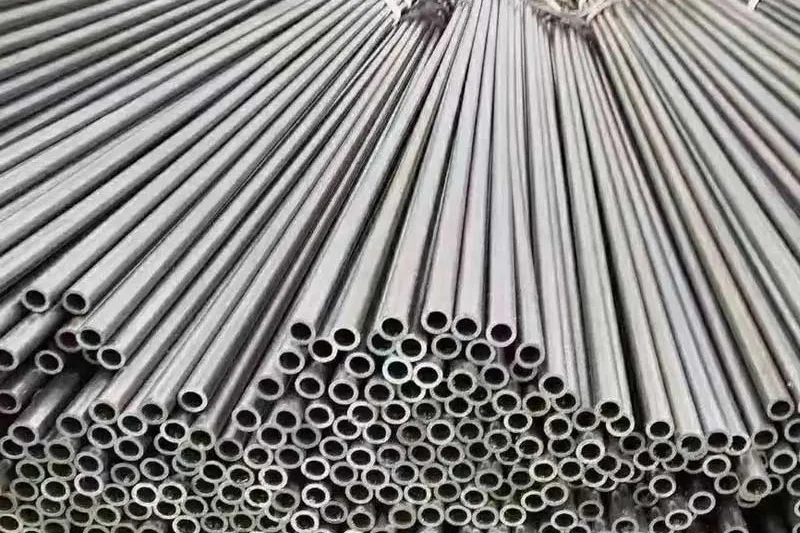
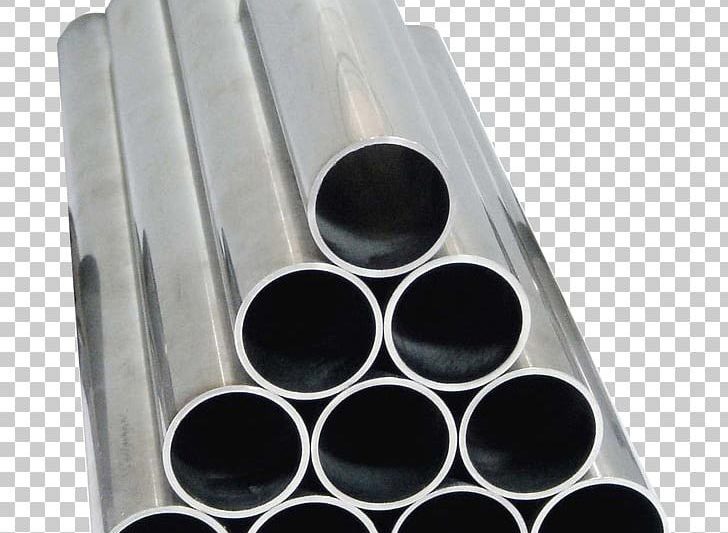
ASTM A53 seamless pipe is one of the globally widely adopted foundational carbon steel pipe standards, established by the American Society for Testing and Materials (ASTM). It is specifically designed for conveying steam, water, air, oil, and other general-purpose media. This standard encompasses both seamless and welded pipes. Seamless pipes, with their absence of welds, high pressure-bearing capacity, and uniform structure, are particularly critical in high-pressure, high-temperature, and high-reliability applications.
ASTM A53 seamless pipe is classified into two grades, A and B, based on manufacturing process and performance. Grade A is produced via furnace welding or seamless methods, featuring lower carbon content and suitability for general machining and low-pressure systems. Grade B must be seamless or electric resistance welded, exhibiting higher carbon content with significantly enhanced yield and tensile strengths. It is extensively used in boilers, heat exchangers, oil and gas gathering pipelines, and structural building supports. Typical chemical composition includes carbon (≤0.30%), manganese (≤1.20%), phosphorus (≤0.050%), and sulfur (≤0.045%), ensuring excellent weldability and cold bending formability.
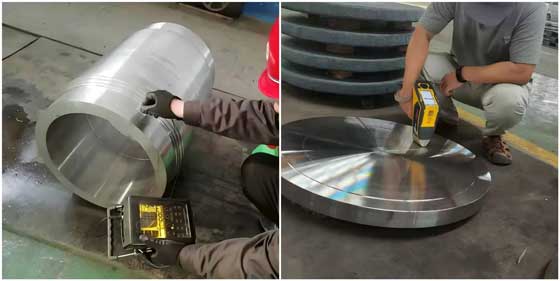
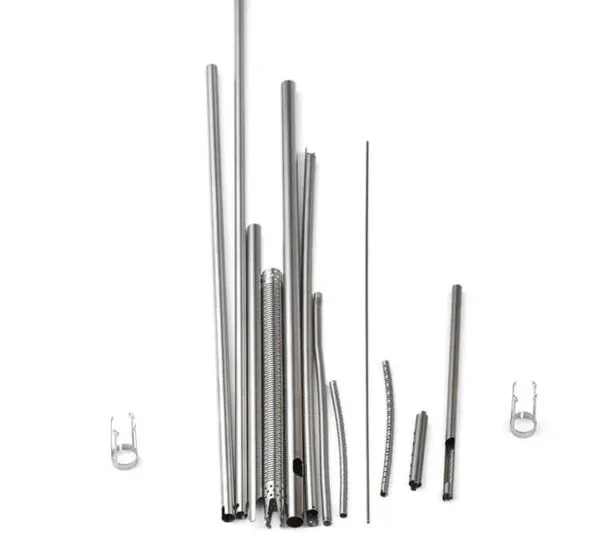
Regarding dimensions and tolerances, ASTM A53 seamless pipe adheres to ASME B36.10M standards, typically ranging from 1/8 inch to 24 inches in outer diameter and from SCH 10 to SCH 160 in wall thickness. All products must pass hydrostatic pressure testing and meet stringent surface quality and geometric accuracy requirements. Additionally, the standard permits non-destructive testing (such as ultrasonic or eddy current testing) to further verify pipe integrity, making it particularly suitable for energy and chemical projects demanding stringent safety factors.
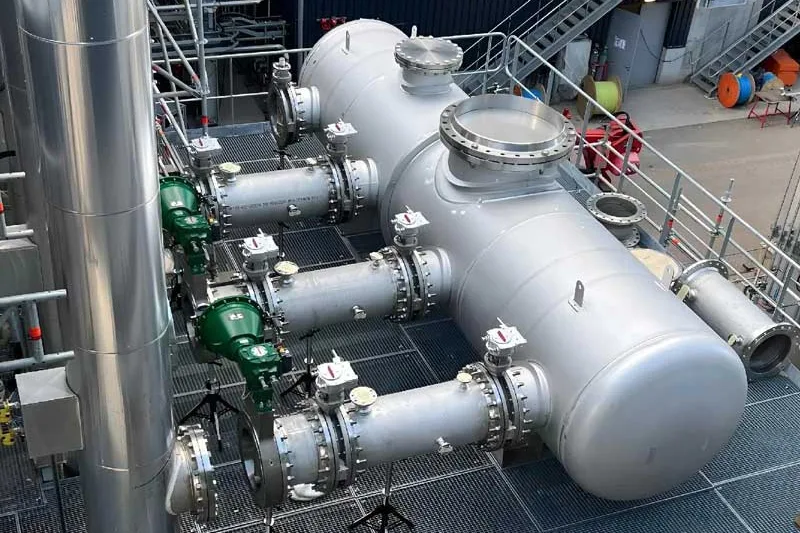
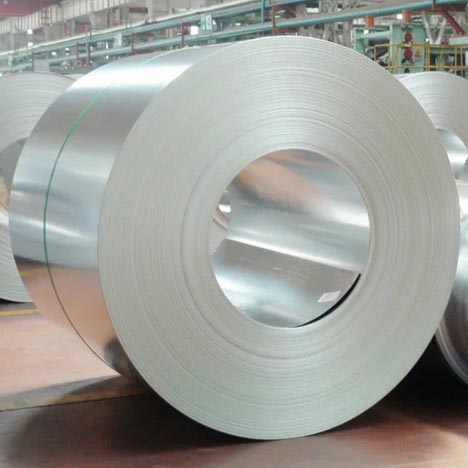
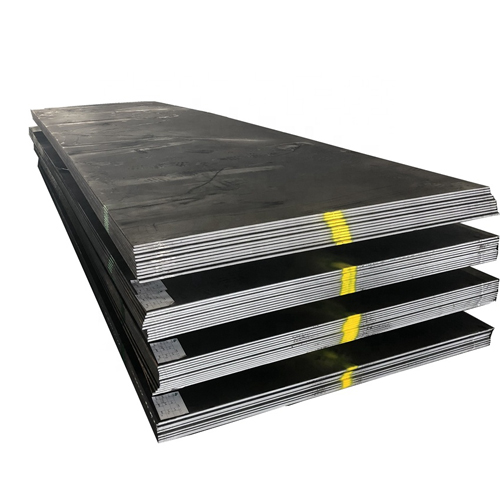
In practical applications, ASTM A53 seamless pipe is commonly used in main steam lines for power plants, urban district heating networks, ship fuel delivery systems, and compressed air main pipelines in industrial facilities. Compared to other standards like API 5L or ASTM A106, A53 offers advantages in cost control and versatility while maintaining adequate mechanical properties and corrosion resistance. Enhanced corrosion protection can be achieved through galvanizing (Type E) or coating treatments. Notably, although low-temperature impact testing is not mandatory, the pipe demonstrates stable service performance in environments above -20°C.
In summary, ASTM A53 seamless pipe remains the preferred base material for medium- and low-pressure industrial piping systems due to its mature standards framework, reliable manufacturing processes, and broad adaptability. For engineering selection, accurately understanding its grade classifications, applicable conditions, and supporting specifications is fundamental to ensuring system safety and lifecycle cost-effectiveness.