Stainless Steel Rolled Ring: Grades, Manufacturing, Applications and Custom Machining
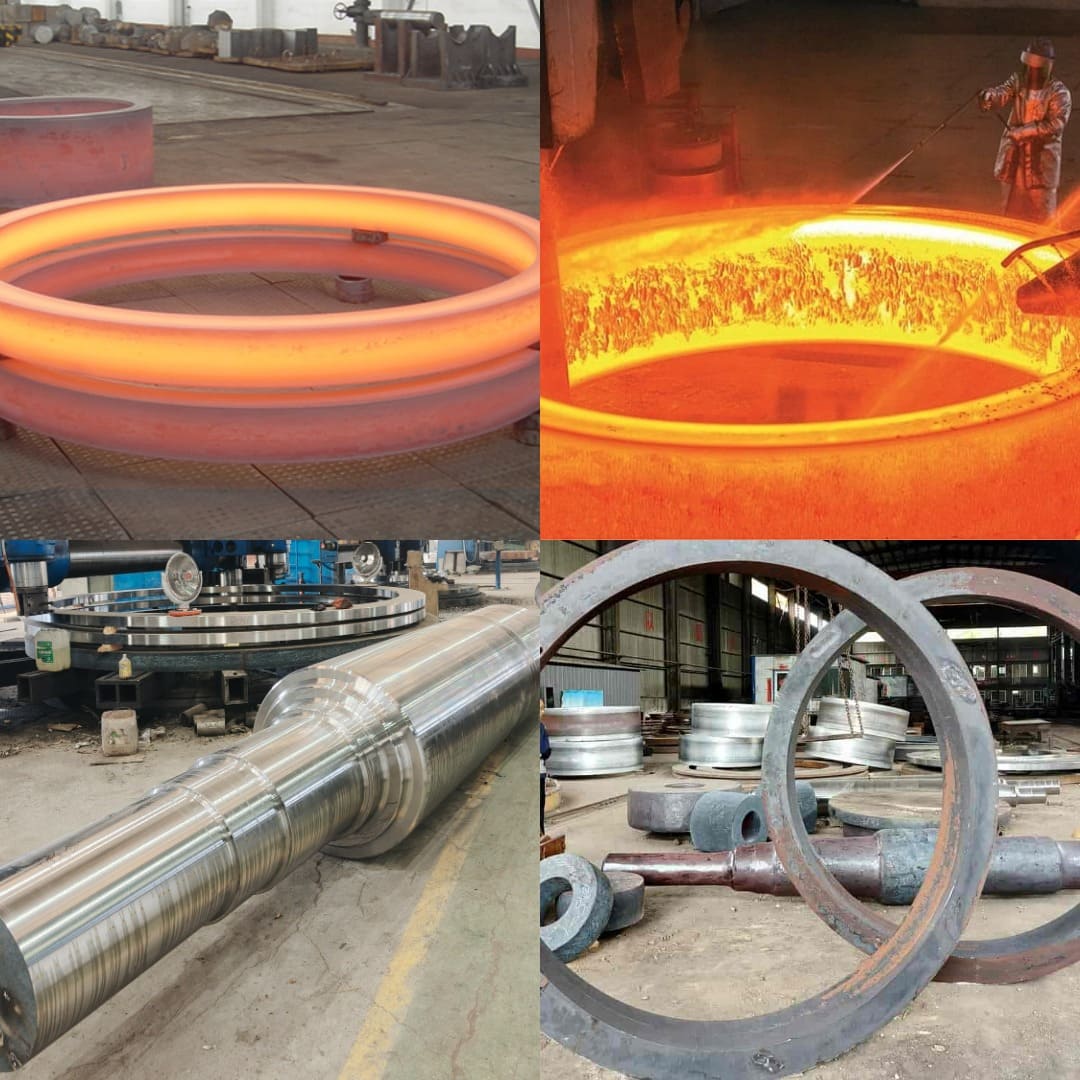
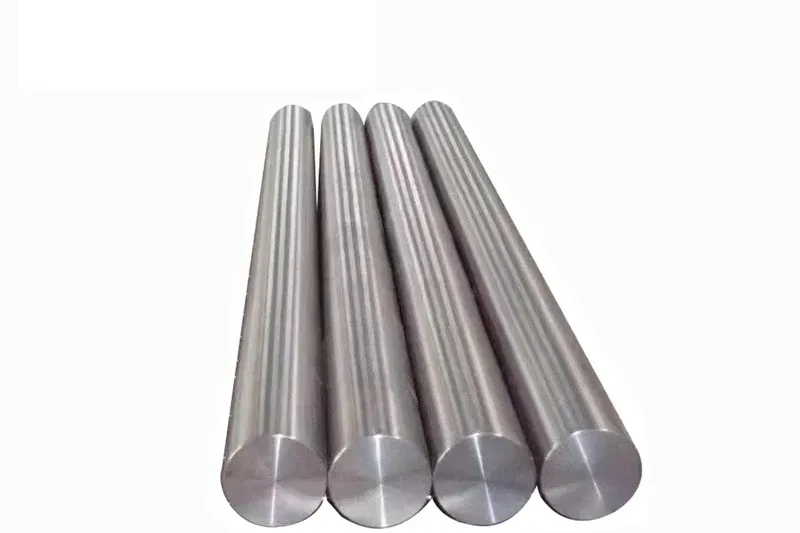
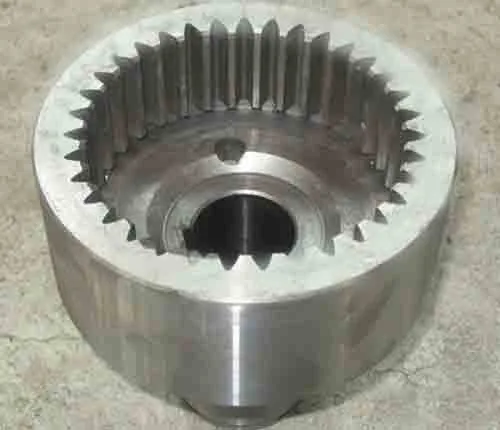
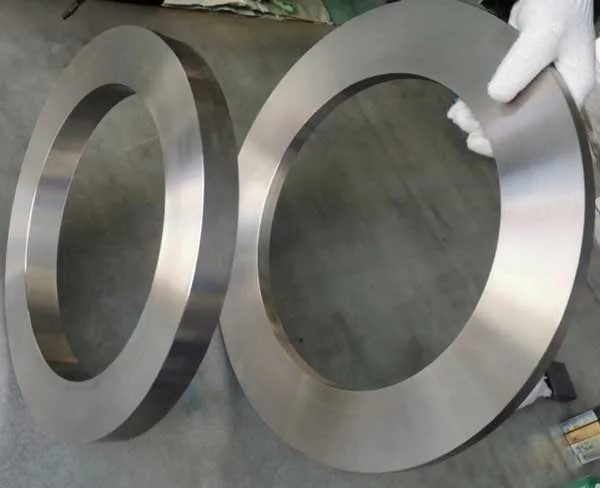
Stainless steel rolled rings are annular metal components produced by heating and forming a steel preform through a ring-rolling process, then machining it to the required dimensions. They are used in industrial equipment where a continuous ring geometry, dependable mechanical properties, corrosion resistance, and drawing-based customization are important. The suitable grade and manufacturing route depend on the operating environment, load, temperature, dimensions, and applicable material specification.
What Is a Stainless Steel Rolled Ring?
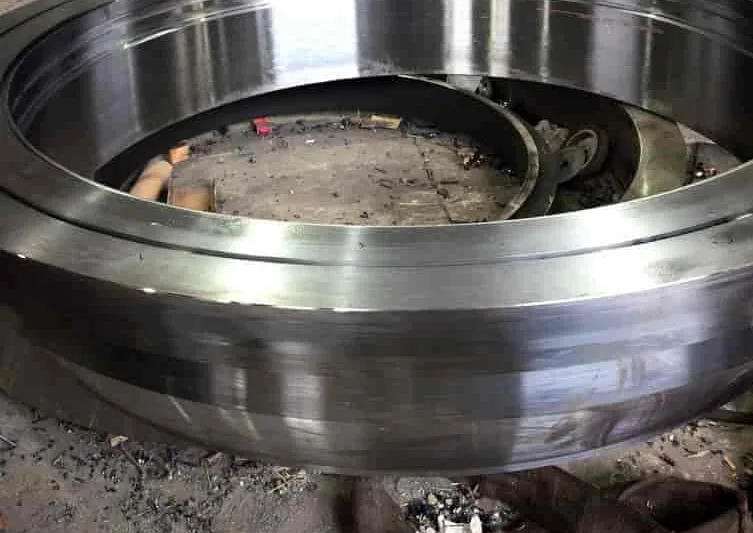
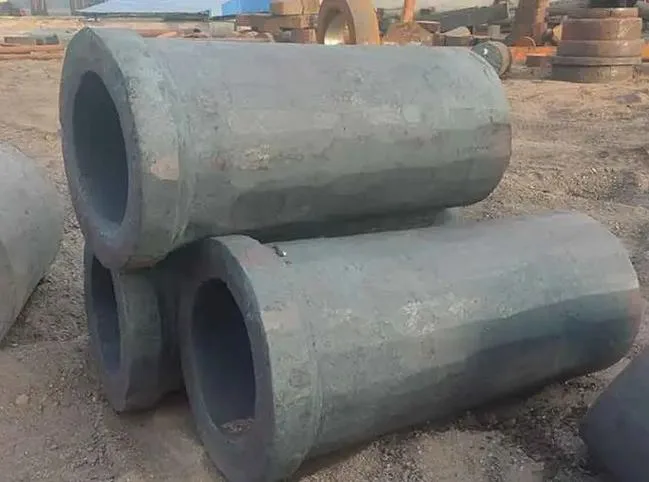
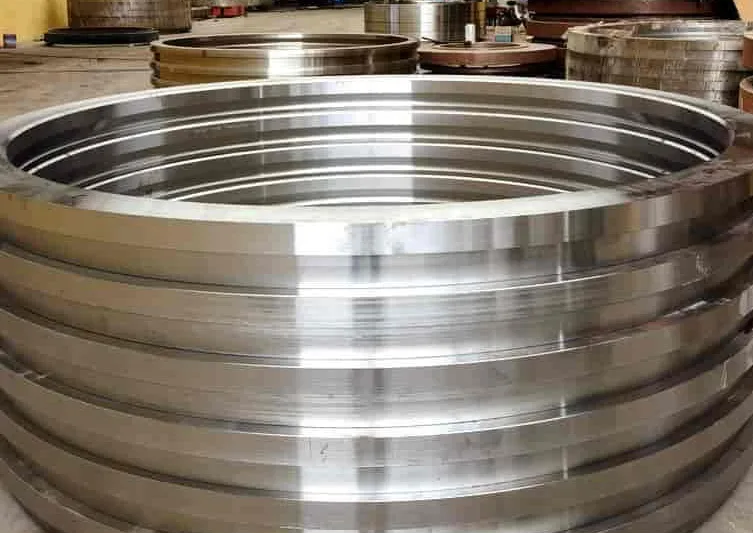
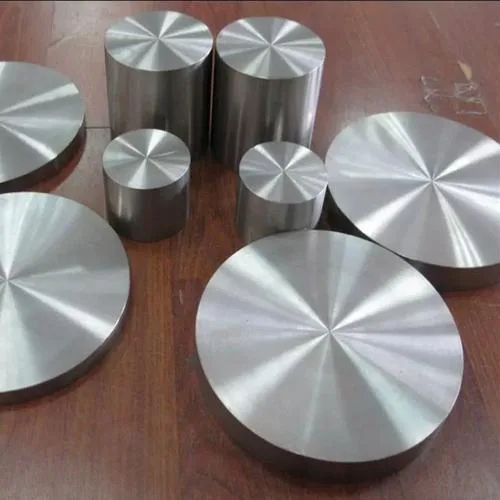
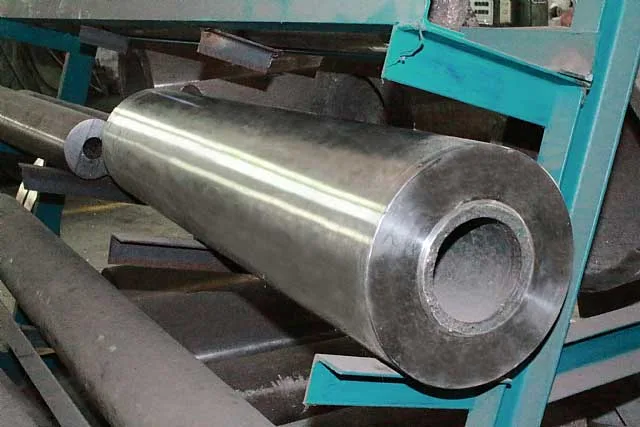
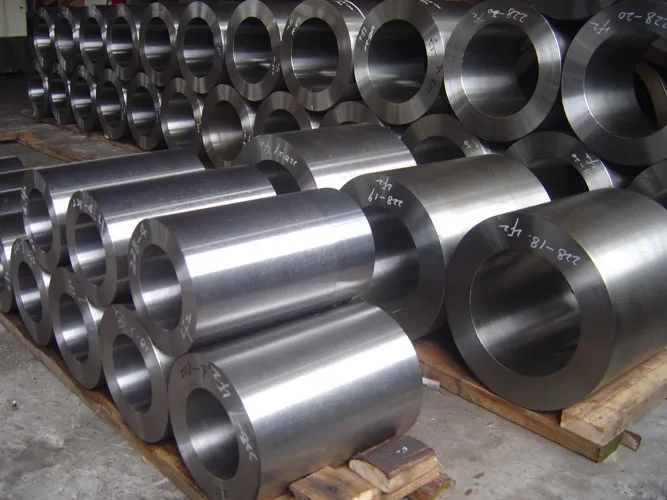
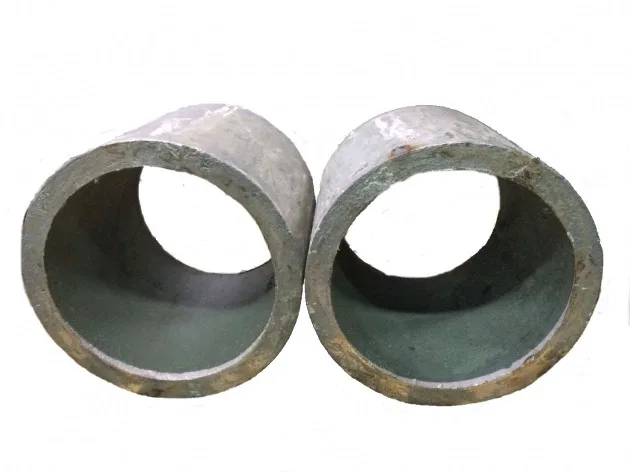
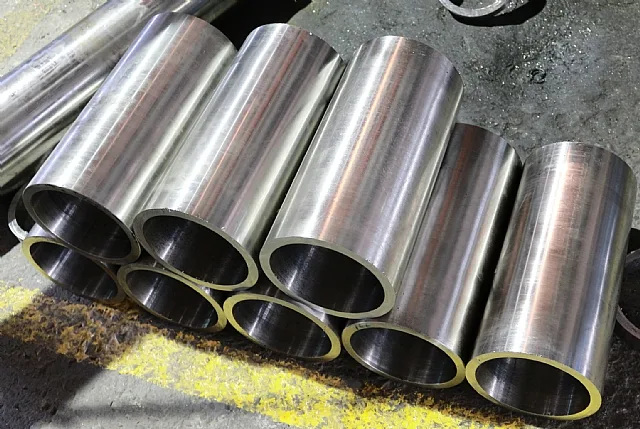
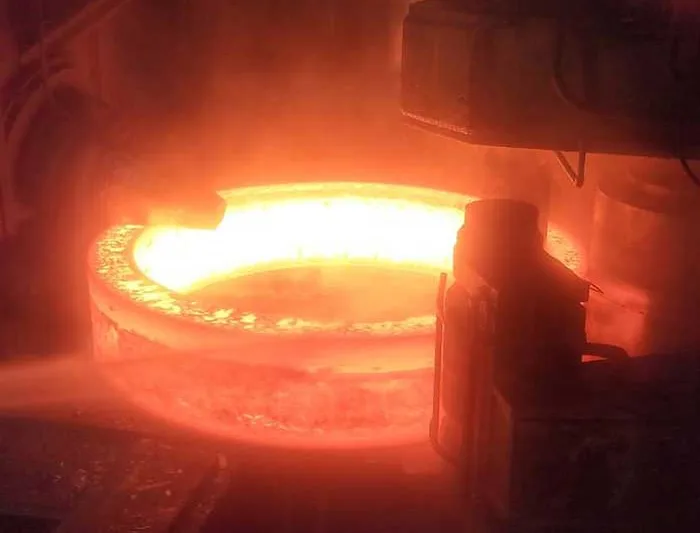
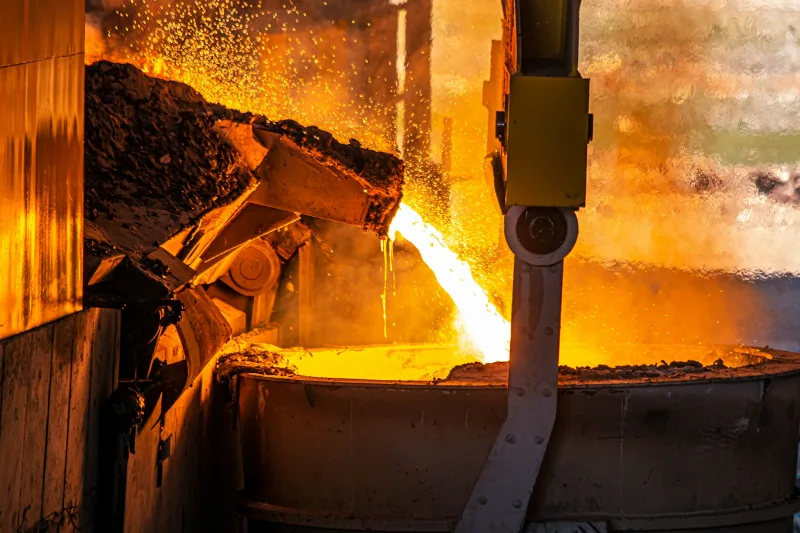
A stainless steel rolled ring is made by forming a heated ring-shaped preform and expanding it between rolling tools to achieve the required diameter and cross-section. Ring rolling can produce seamless ring-shaped forgings with circumferential grain flow. After rolling, the ring may undergo heat treatment, inspection, and rough or finish machining.
In procurement, the terms stainless steel rolled ring, stainless steel ring forging, and seamless rolled ring are sometimes used together. Buyers should confirm whether the requirement is for a rolled forging, a machined ring cut from plate, or another manufacturing method, because the process and acceptance criteria differ.
Common Stainless Steel Grades for Rolled Rings
The most suitable stainless steel grade should be selected according to corrosion exposure, strength, temperature, weldability, and the design code. Common options include:
- 304 / 304L stainless steel: General-purpose austenitic stainless steels commonly considered for industrial equipment and environments with moderate corrosion exposure. The low-carbon 304L grade may be preferred where welding-related sensitization is a concern.
- 316 / 316L stainless steel: Molybdenum-bearing austenitic grades often selected for improved resistance to certain chloride-containing and chemical environments compared with 304, while actual performance depends on concentration, temperature, and exposure conditions.
- 321 stainless steel: A titanium-stabilized austenitic grade used in some elevated-temperature applications where stabilization is beneficial.
- 347 stainless steel: A niobium-stabilized austenitic grade used for selected high-temperature and welded-component applications.
- Duplex 2205: A duplex stainless steel offering a combination of strength and corrosion resistance for suitable applications. Its processing and heat-treatment requirements differ from those of common austenitic grades.
- Super Duplex 2507: A higher-alloy duplex grade considered for demanding corrosion environments, including some marine, chemical, and energy applications, subject to engineering verification.
These grades are not interchangeable. A quotation request should identify the exact grade and standard rather than state only “stainless steel.” Duplex grades also require appropriate controls for forging, solution treatment, and verification of the specified properties.
How Stainless Steel Rolled Rings Are Manufactured
- Material and specification review: Confirm the grade, product specification, dimensions, quantity, and documentation requirements.
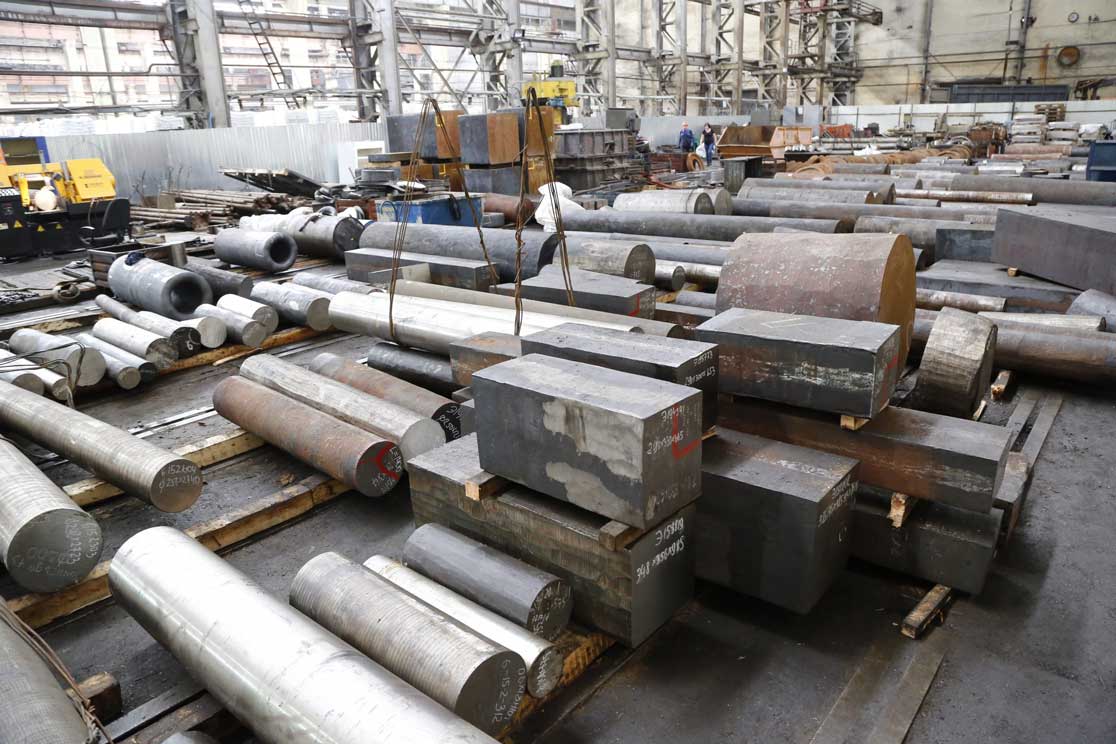
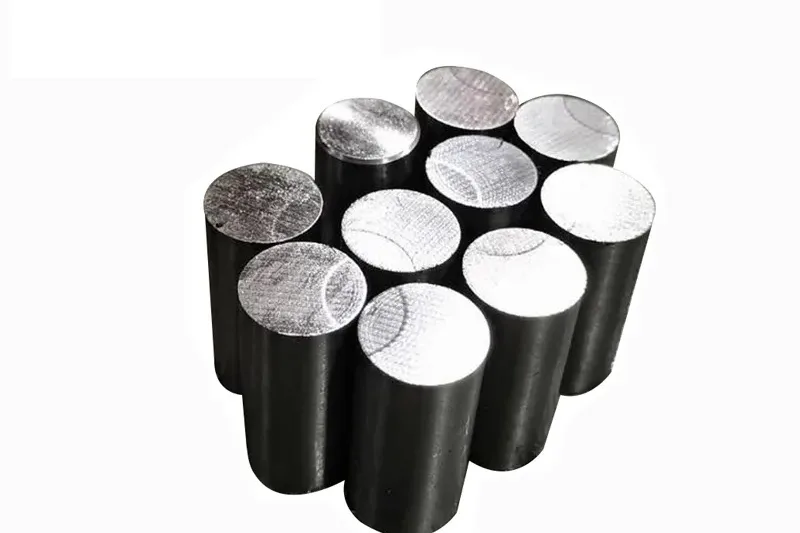
- Preform preparation: Prepare the billet or ring preform to suit the required finished dimensions and machining allowance.
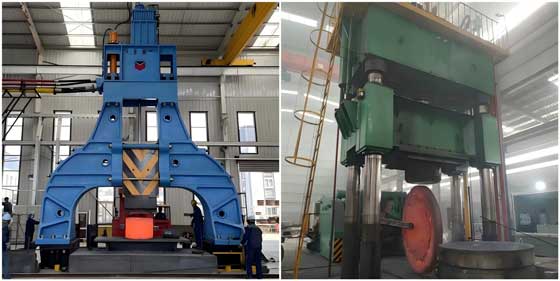
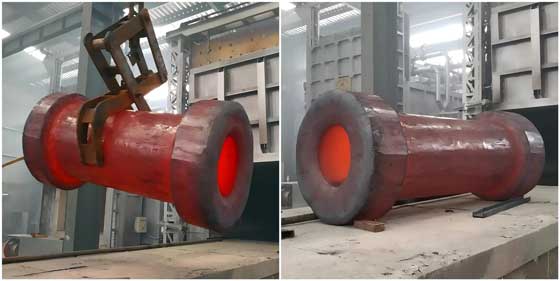
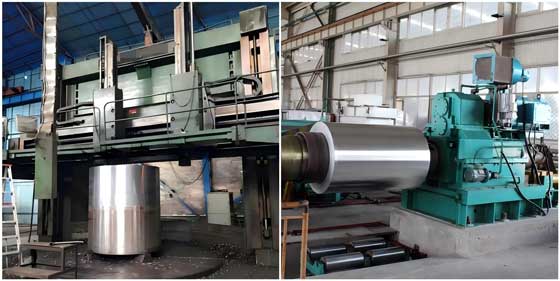
- Heating and ring rolling: Heat and deform the preform using a controlled process to form the required ring diameter and cross-section.
- Heat treatment: Apply the grade-specific heat-treatment procedure required by the order and material specification.
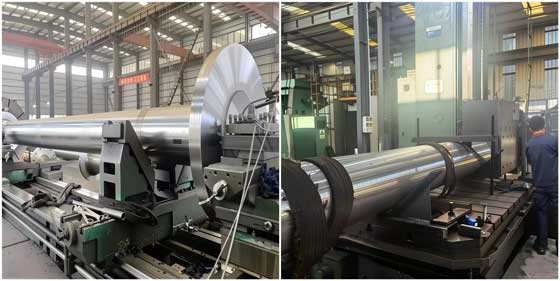
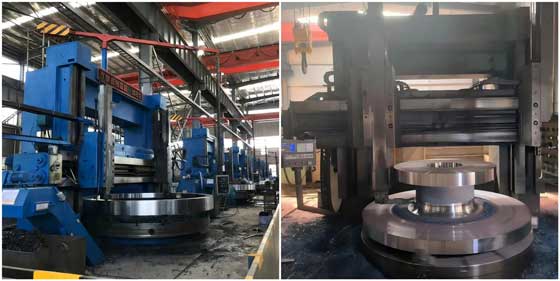
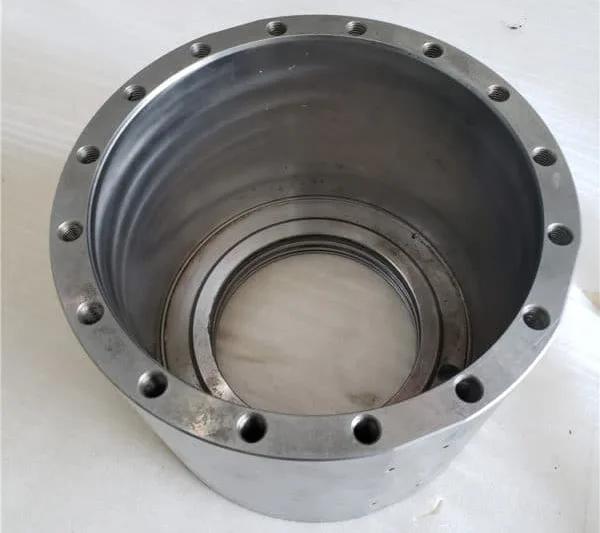
- Rough and finish machining: Machine the outside diameter (OD), inside diameter (ID), faces, grooves, or other features to the drawing, if machining is included in the supply scope.
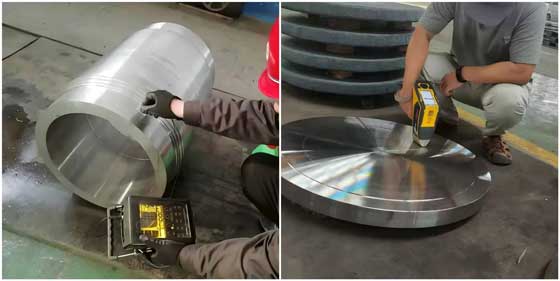
- Inspection and documentation: Complete the agreed dimensional checks, material verification, mechanical testing, and any specified non-destructive examination.
- Marking and packing: Preserve material identification and prepare the rings for shipment according to the purchase order.
Actual process steps and inspection scope depend on ring size, alloy grade, product specification, and end-use requirements. Do not assume a particular test, certification, or heat-treatment condition unless it is included in the quotation and purchase order.
Applications of Stainless Steel Rolled Rings
Depending on the material grade and design requirements, stainless steel rolled rings may be used in:
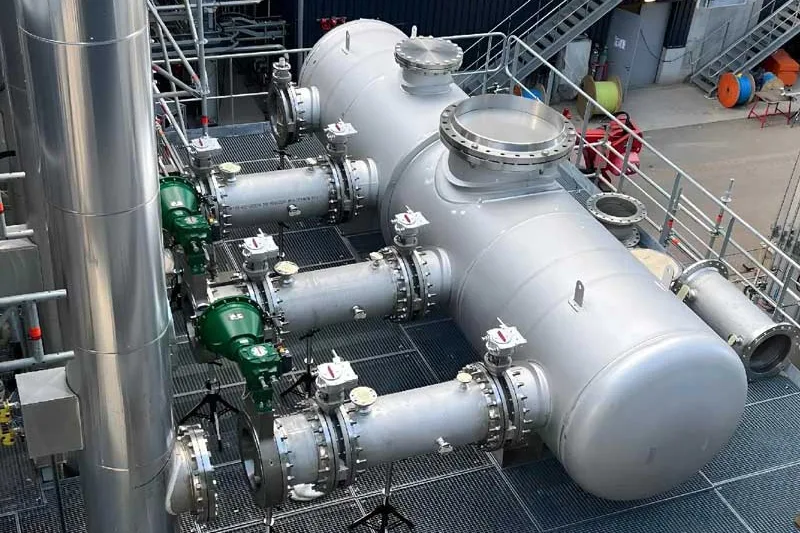
- Industrial valves, pumps, and fluid-handling equipment
- Pressure equipment and process machinery designed to the applicable code
- Marine and offshore equipment components
- Chemical processing and corrosion-resistant machinery
- Power generation and selected elevated-temperature equipment
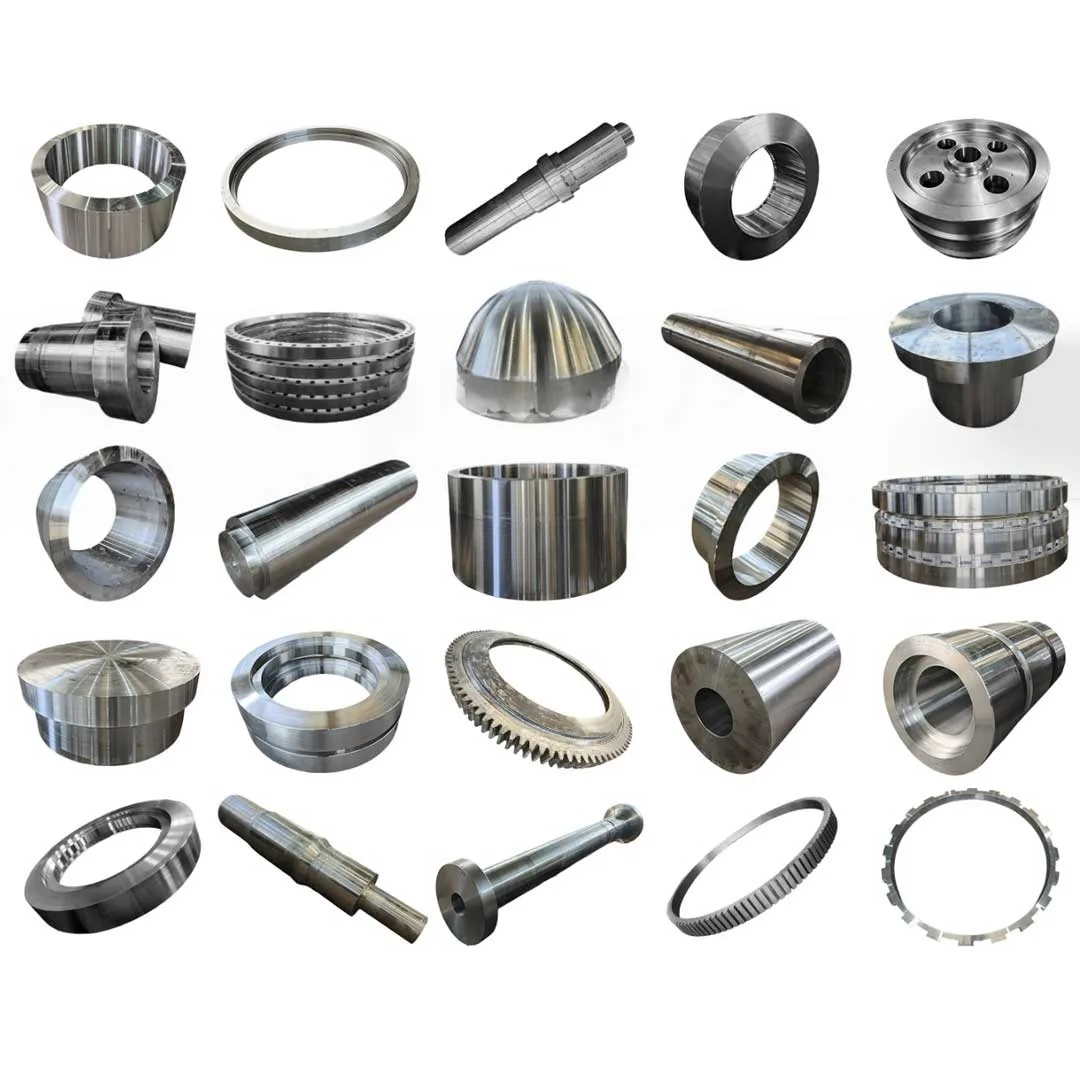
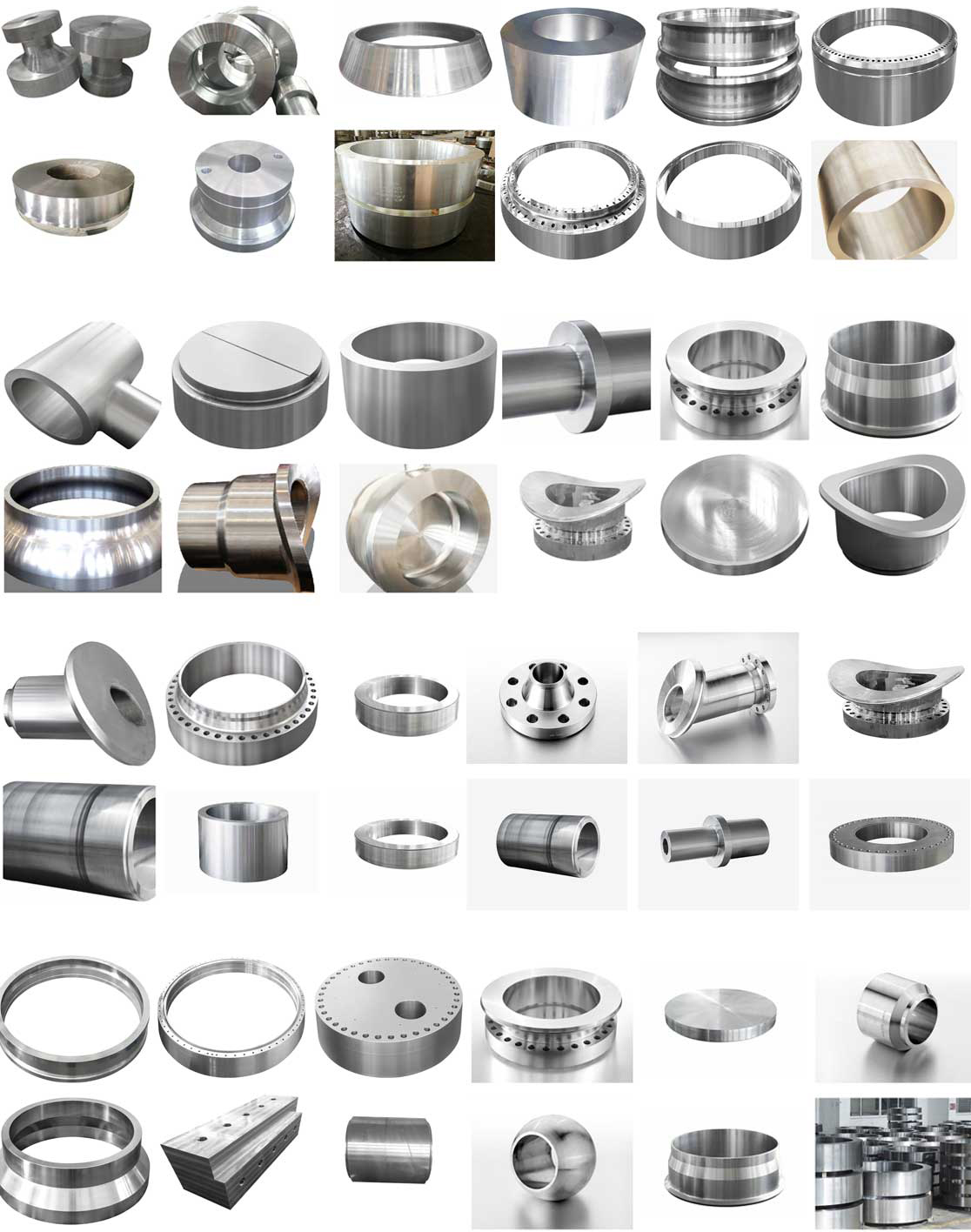
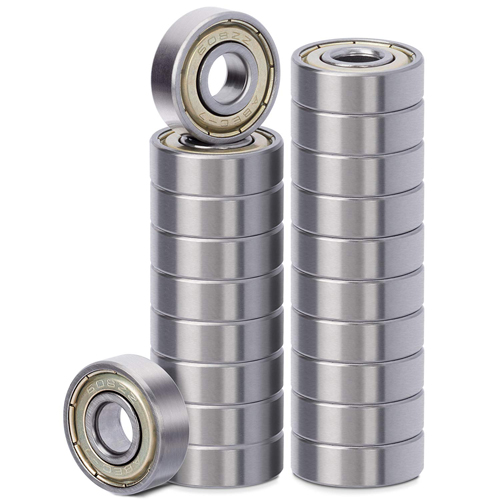
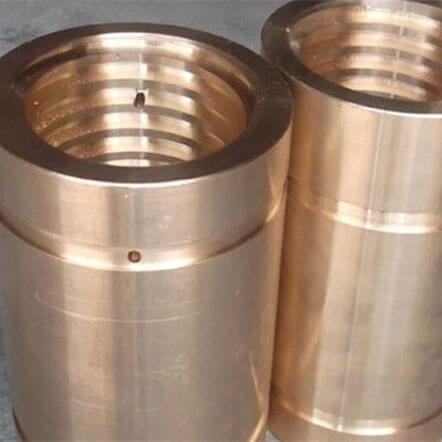
- Bearings, flanges, housings, collars, and other custom annular components
Application suitability must be evaluated against the actual service environment, loading, temperature, fatigue conditions, and governing engineering requirements. The grade name by itself does not guarantee suitability for a particular service.
Custom Sizes and CNC Machining
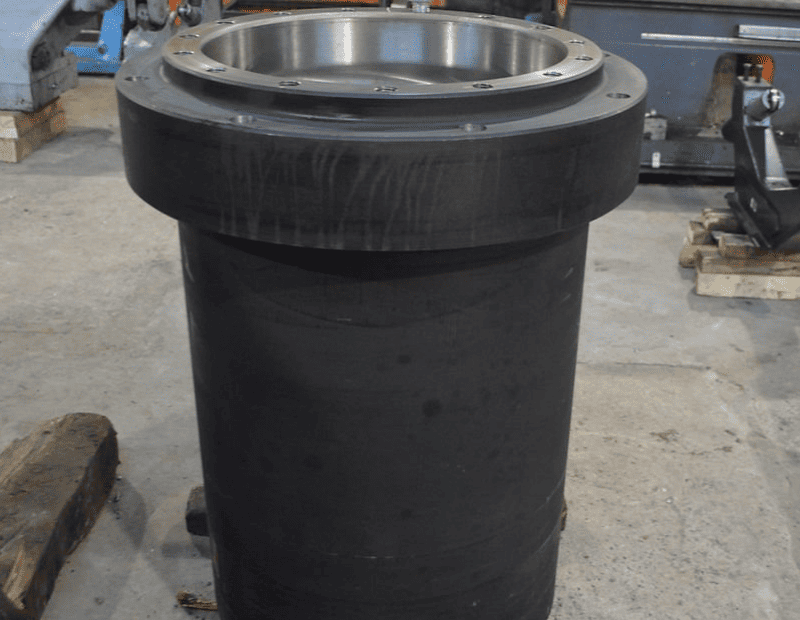
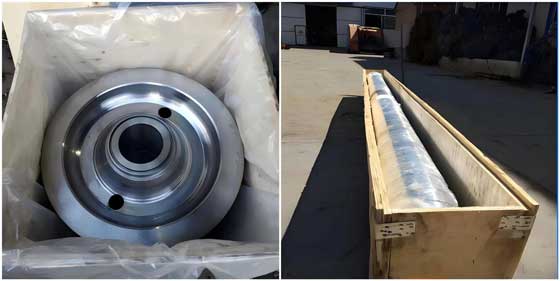
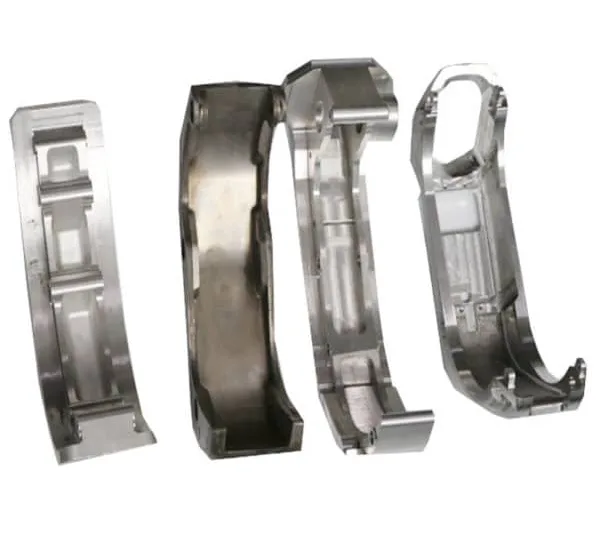
Stainless steel rolled rings can be specified as rolled blanks, heat-treated forgings, rough-machined parts, or finish-machined components. For a custom inquiry, provide the outside diameter, inside diameter, height or thickness, quantity, dimensional tolerances, and machining scope. Also state whether the drawing dimensions are for the finished component or the forging blank.
For large rings, machining allowances, handling, setup, concentricity, flatness, and inspection access should be considered during quotation. If a component requires grooves, bolt holes, stepped faces, or other features, include a drawing or 3D model where available.
Quality Control and Material Documentation
Before placing an order, align the supplier and buyer on the governing material standard and revision, heat-treatment condition, marking and traceability, test certificates, and inspection plan. Depending on the specification and application, documentation may include a material test report, chemical composition, mechanical properties, heat-treatment records, dimensional inspection, and specified non-destructive testing.
Standards vary by grade and product form. Confirm the applicable forging or ring specification for the selected material; do not assume that a plate or bar standard automatically covers a rolled ring. Any third-party inspection, special testing, or code-related documentation should be identified before production.
How to Request a Quote for Stainless Steel Rolled Rings
To help a supplier assess feasibility and prepare a comparable quotation, include:
- Exact stainless steel grade and material standard
- OD × ID × height or thickness, with tolerances
- Quantity and required delivery condition: rolled, heat-treated, rough-machined, or finish-machined
- Drawing, machining allowance, surface-finish requirements, and any special features
- Required inspection, testing, certificates, marking, and traceability
- Delivery destination, Incoterm, and target lead time
Shanghai Changjin Metal Product Co., Ltd. supports industrial metal sourcing and processing inquiries, including custom stainless steel components and drawing-based machining requests. For related capabilities, see our Super Duplex 2507 Forged Ring information and our large forging machining services.
Request a quotation: Send the drawing or dimensions, exact grade, quantity, required manufacturing condition, and inspection requirements. Availability, lead time, and compliance with the requested specification should be confirmed for each project.
Frequently Asked Questions
What is the difference between a rolled ring and a ring machined from plate?
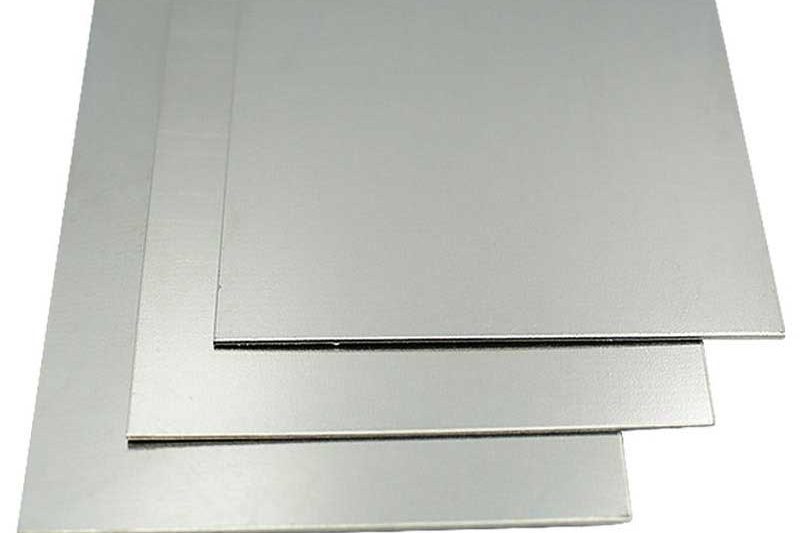
A rolled ring is formed through a ring-rolling process, while a plate-machined ring is cut from plate stock. They differ in manufacturing route, material utilization, grain flow, and potentially the applicable product requirements. The preferred route should be selected based on the engineering specification and component service conditions.
Which stainless steel grade is best for a rolled ring?
There is no single best grade for every application. 304/304L and 316/316L are common austenitic options, while duplex 2205 or super duplex 2507 may be considered for applications requiring different combinations of strength and corrosion resistance. Confirm the grade with the design engineer and applicable specification.
Can stainless steel rolled rings be supplied machined to a drawing?
Depending on the supplier's capabilities and the project requirements, rings may be supplied as rolled blanks, rough-machined forgings, or finish-machined components. The drawing should identify critical dimensions, tolerances, surface finish, and inspection requirements.
What information is needed for an accurate quotation?
Provide the grade and standard, OD, ID, height, quantity, delivery condition, drawing, heat-treatment requirements, inspection documents, and destination. These details help avoid assumptions that could affect cost, lead time, or technical compliance.