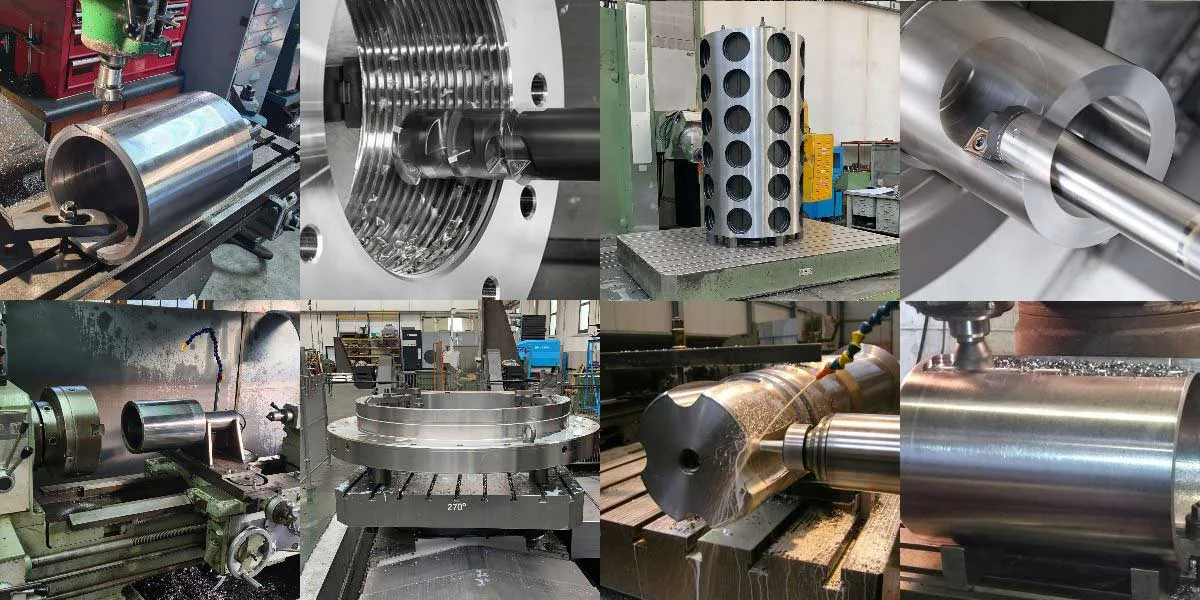
Large Forging Machining Manufacturer | Custom CNC Machining of Large Forgings
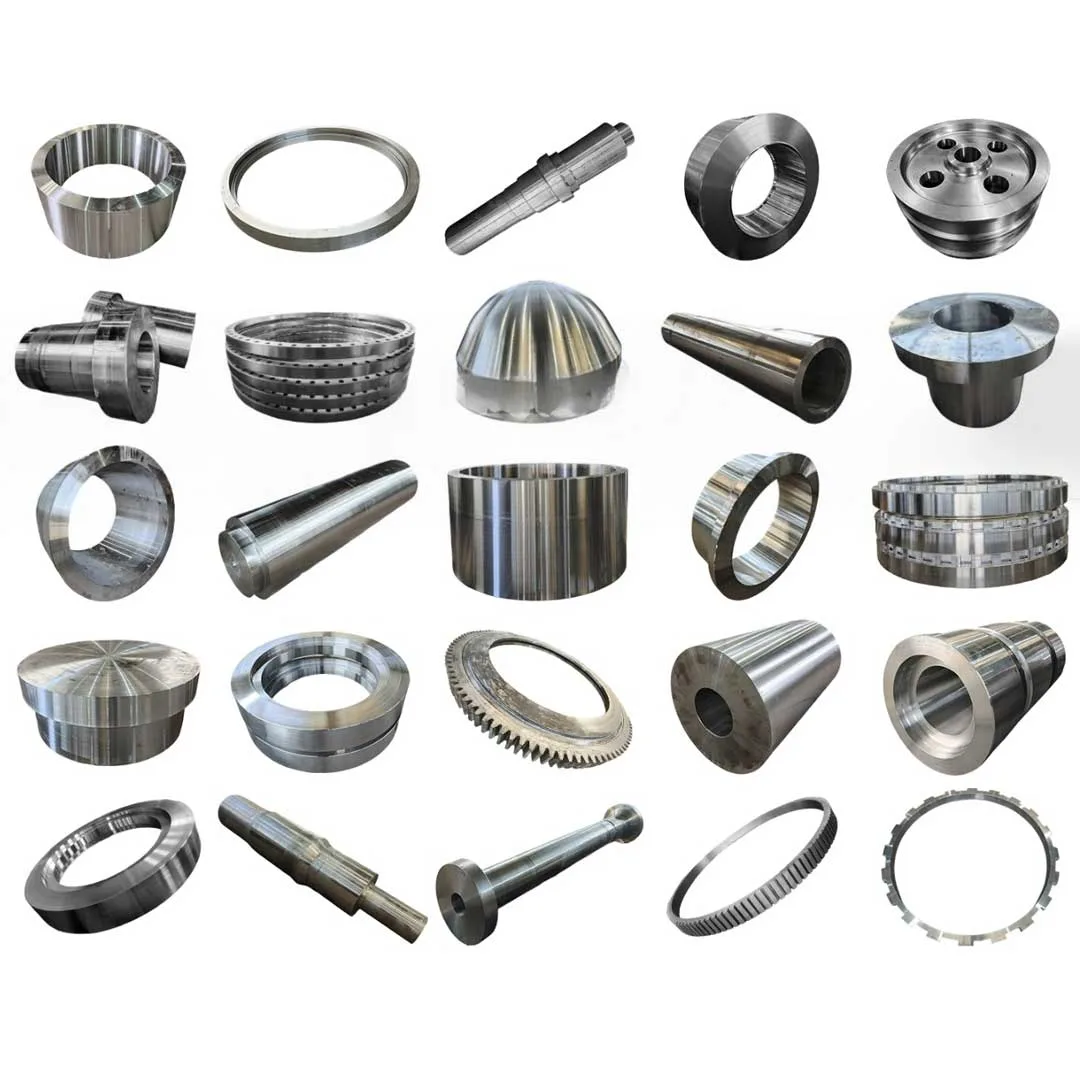
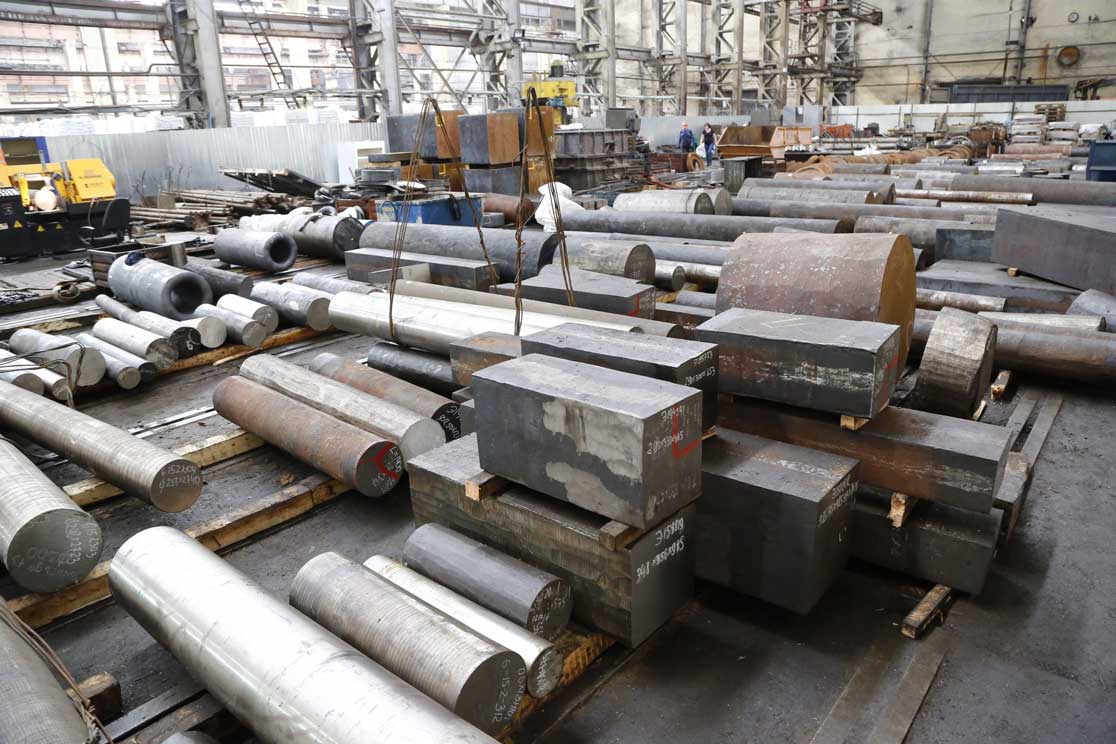
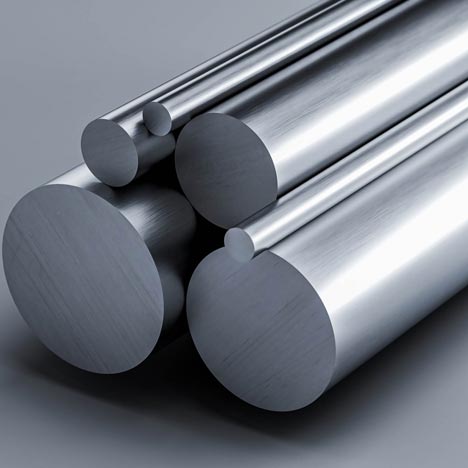
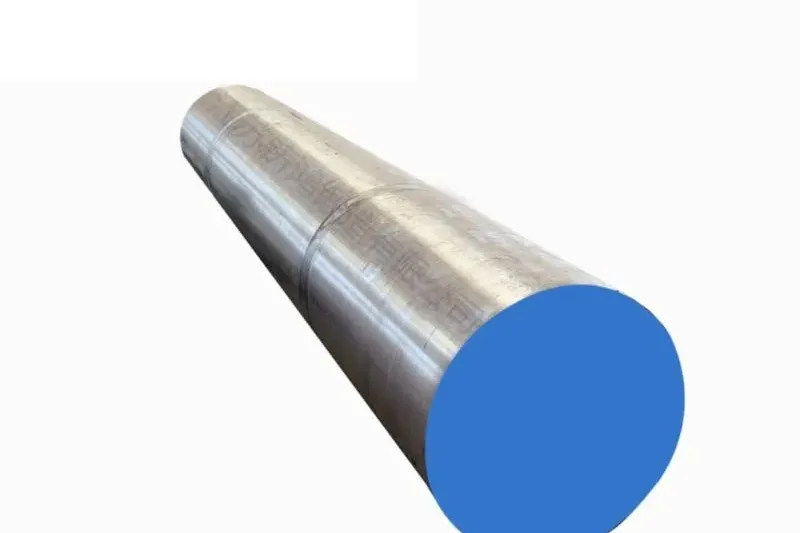
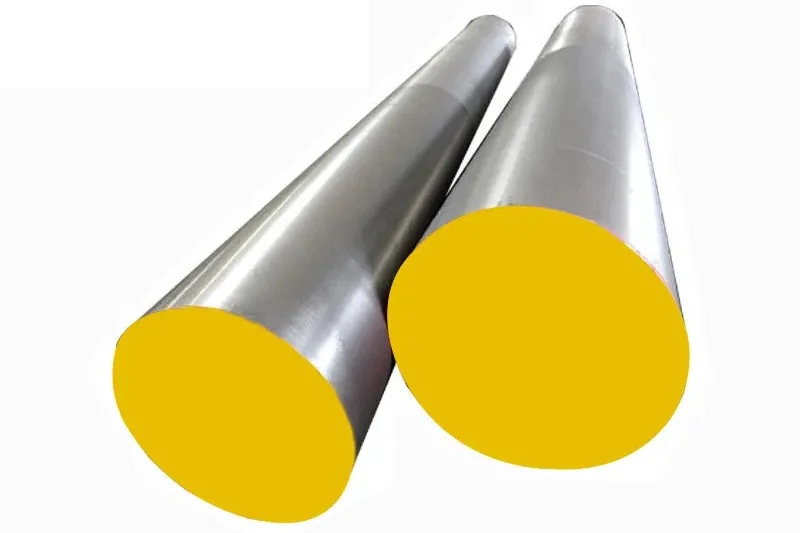
Large forging machining is a critical manufacturing solution for heavy-duty components used in energy, wind power, petrochemical, marine, pressure vessel and engineering equipment. By combining open-die forging, controlled heat treatment and large-scale CNC machining, manufacturers can produce components with high strength, reliable internal quality and precise final dimensions.
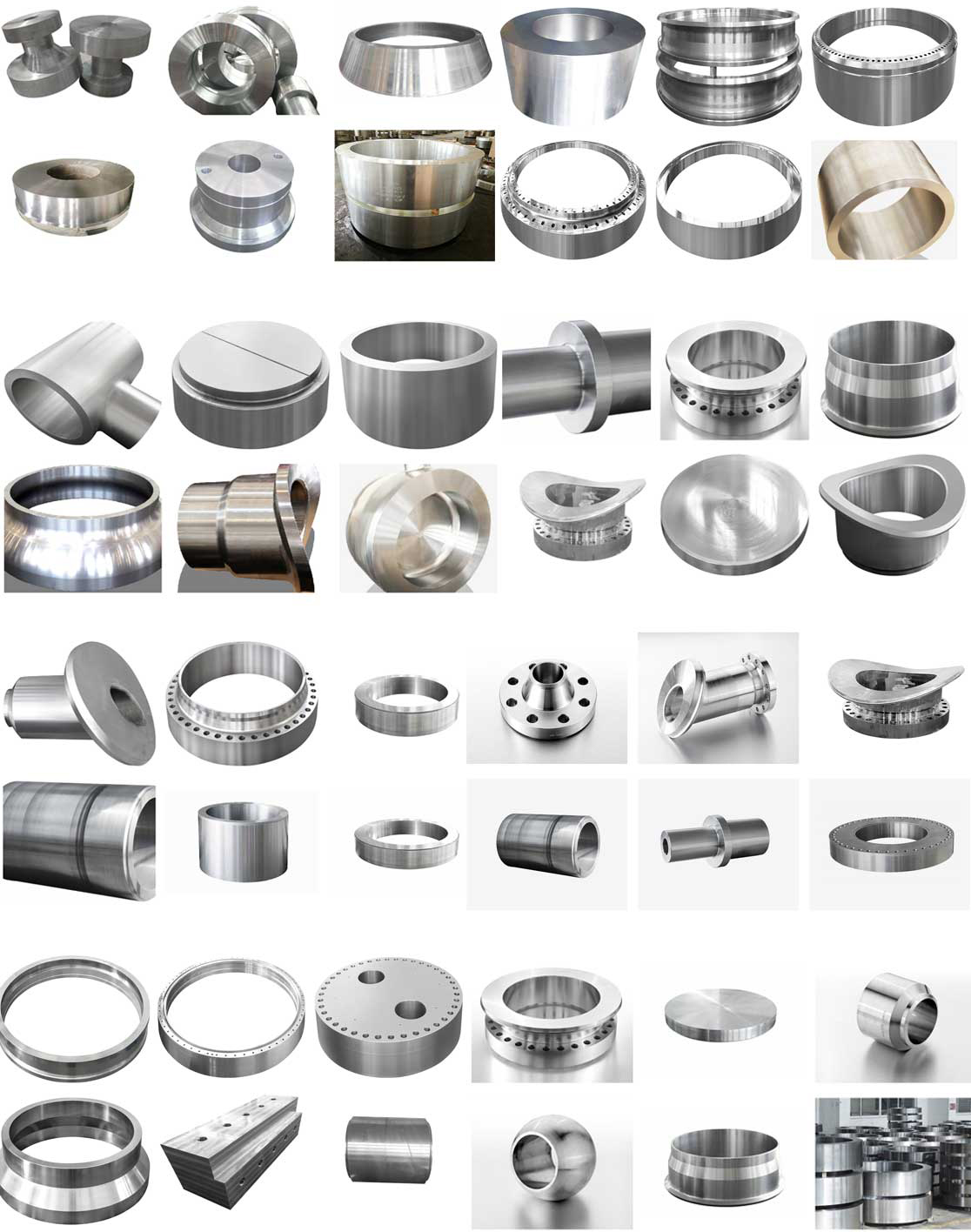
Shanghai Changjin Metal Product Co., Ltd. provides customized large forgings and machining services for shafts, rings, discs, cylinders, flanges, blocks and other oversized forged components. Customers can supply drawings, 2D files or 3D models, and the manufacturing route can be developed around the required material, dimensions, heat treatment, machining allowance and inspection standard.
Large forging machining of a precision forged ring. Photo reference: Sven Daniel / Unsplash.
What Is Large Forging Machining?
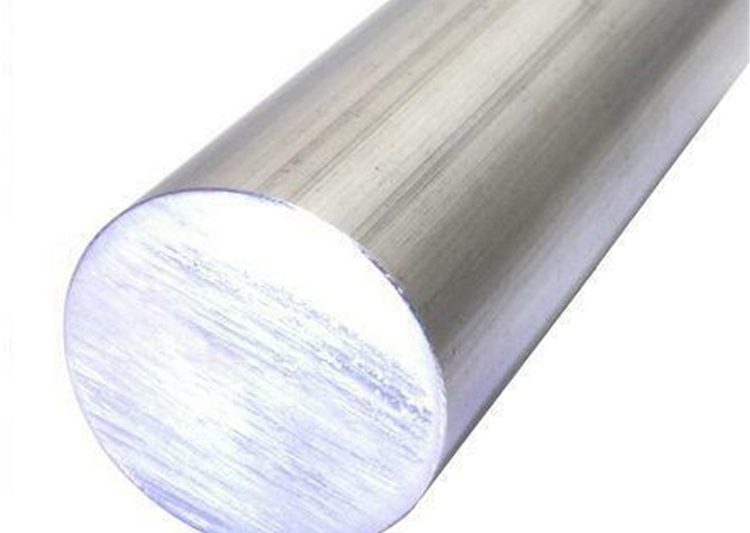
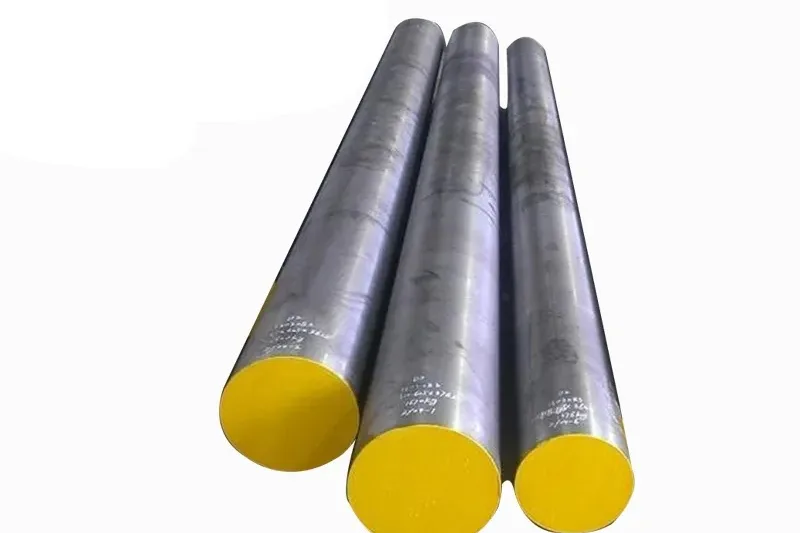
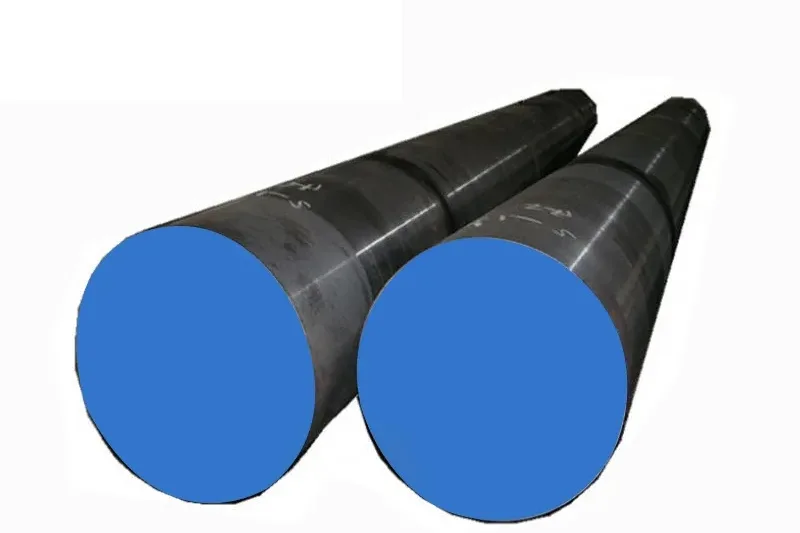
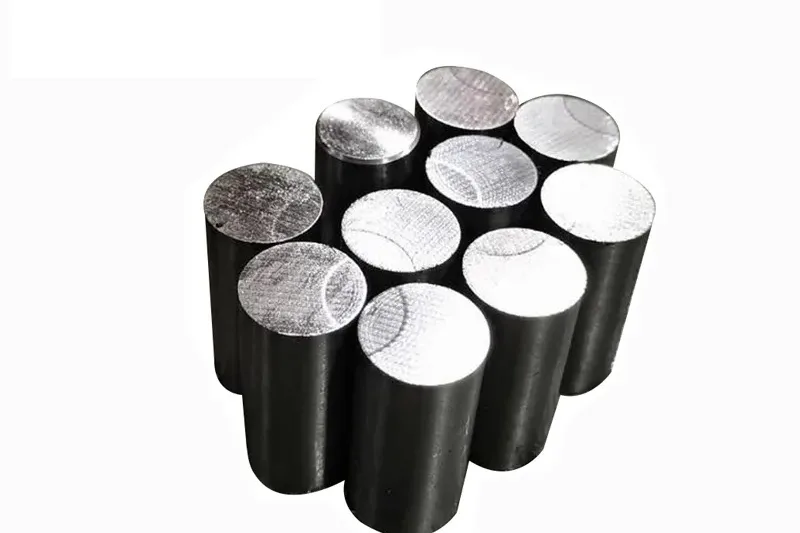
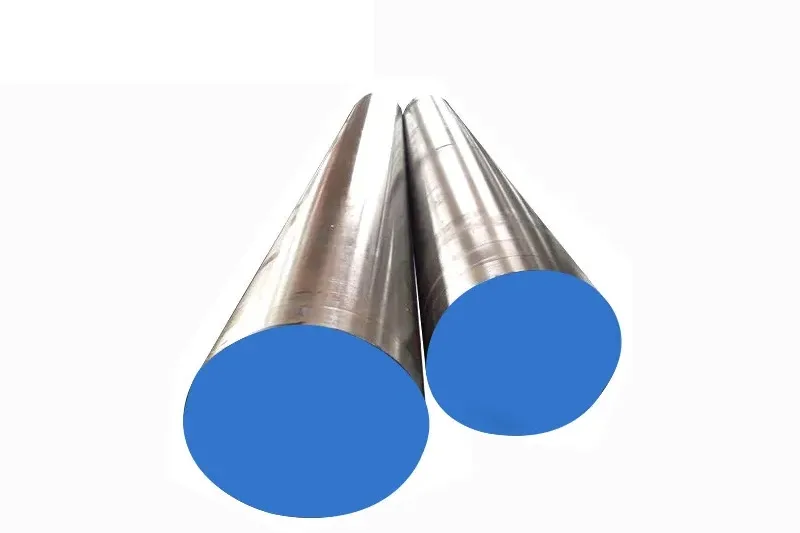
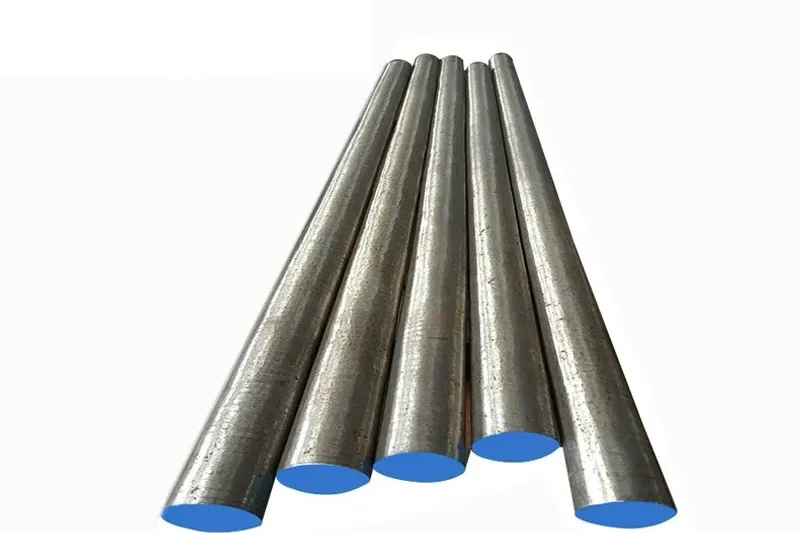
Large forging machining starts with a forged blank and continues through heat treatment, rough machining, semi-finish machining, precision CNC machining and final inspection. Compared with machining a large component entirely from a steel block, forging can provide a more suitable grain flow and mechanical structure for heavily loaded parts.
A typical production route is: steel ingot or billet → open-die forging → heat treatment → rough machining → inspection → CNC machining → final inspection and delivery. Depending on the project, operations may include CNC turning, vertical turning, horizontal boring, milling, drilling, deep-hole boring, grinding and thread machining.
Common Materials and Grades
Material selection depends on load, temperature, corrosion resistance, toughness, wear requirements and the applicable standard. Common grades for large forged components include:
42CrMo4 / 4140 – high strength and hardenability; widely used for wind turbine shafts, gear components, hydraulic parts and heavy machinery.
34CrNiMo6 – high toughness and strength for demanding shaft systems and pressure-related components.
40CrMnMo – good hardenability and balanced mechanical properties for heavy-duty machinery and gears.
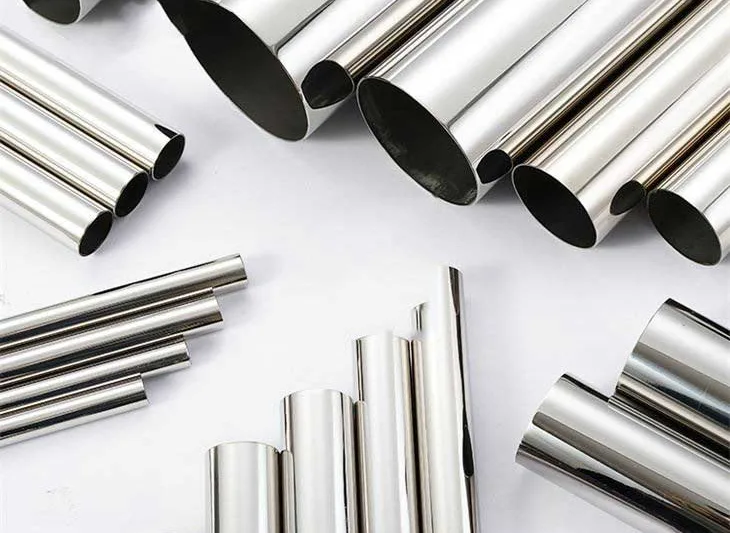
F316L / 316L stainless steel – corrosion resistance and weldability for petrochemical and process equipment.
F51 / S31803 duplex stainless steel – high strength and strong resistance to stress corrosion for marine, chemical and desalination applications.
Inconel 625 and Inconel 718 – nickel-based alloys for high-temperature, corrosion-resistant and aerospace or energy applications.
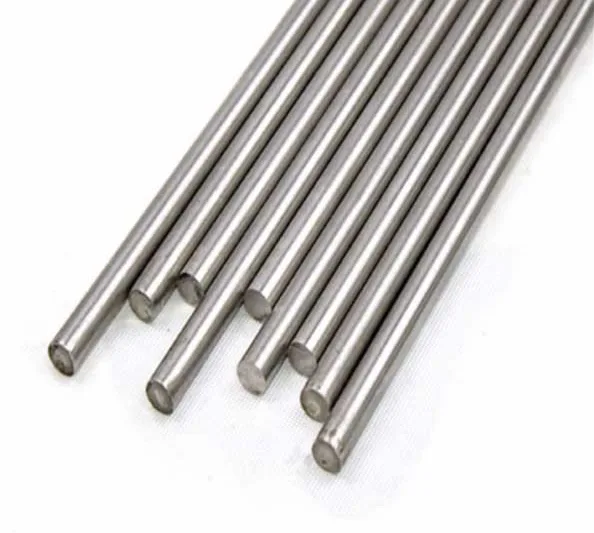
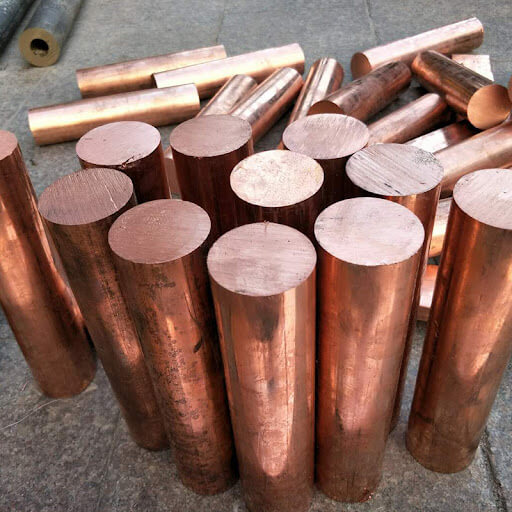
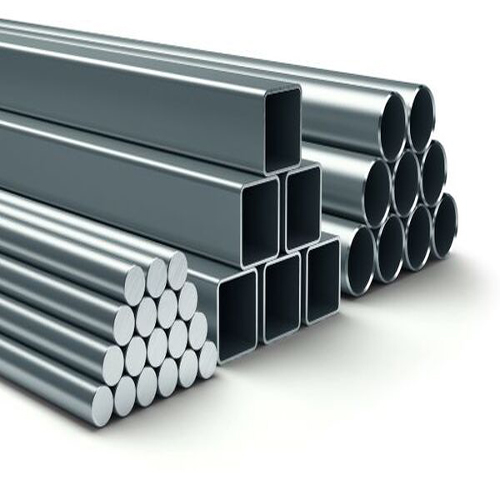
Carbon steels, low-alloy steels, stainless steels, duplex stainless steels, nickel alloys, titanium alloys and selected aluminum alloys can also be considered when the project requires them.
Typical Large Forging Sizes
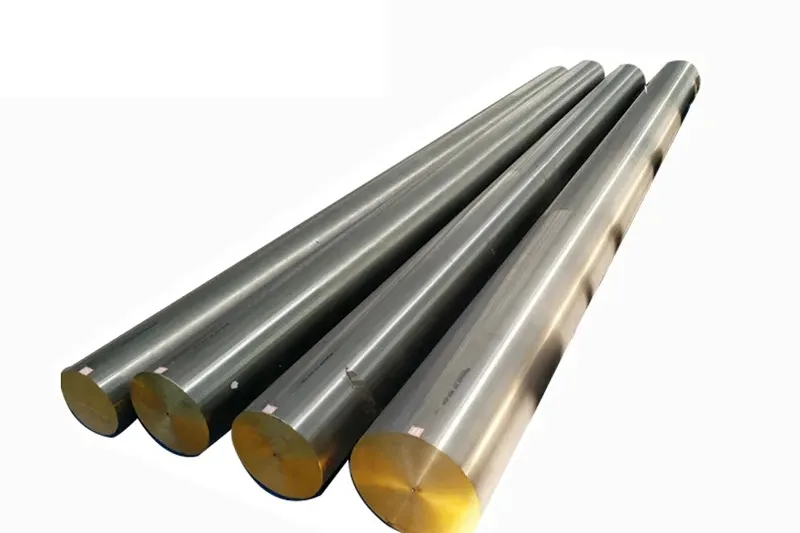
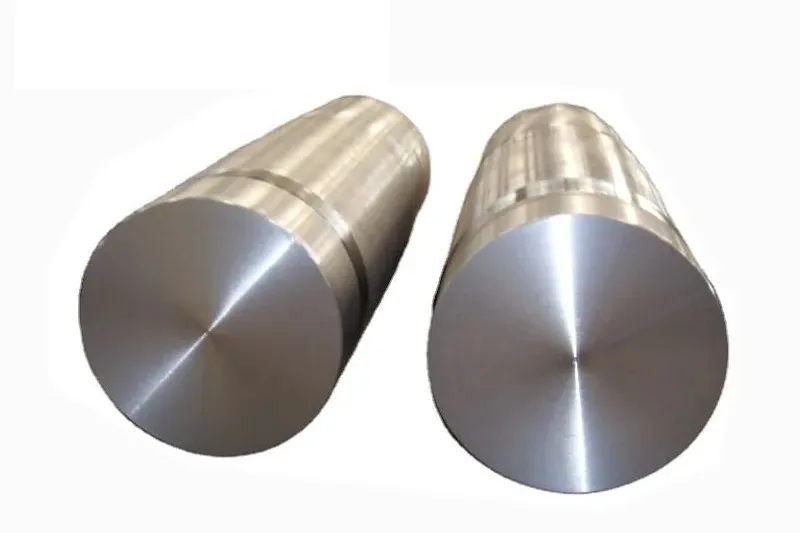
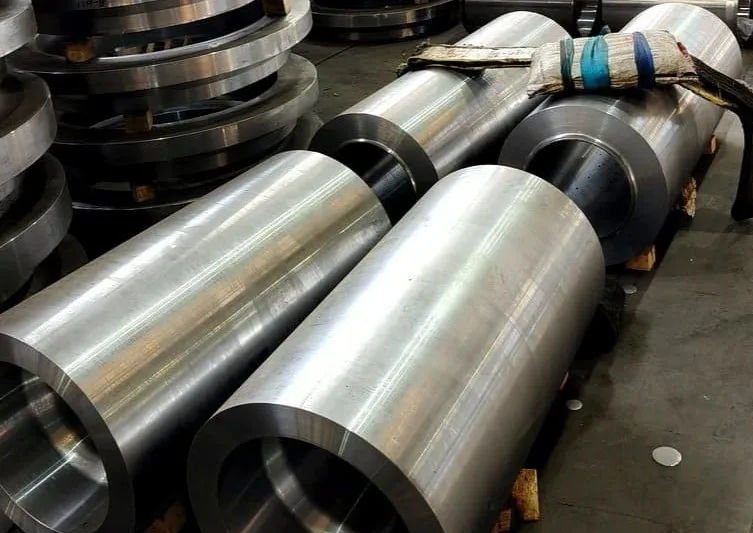
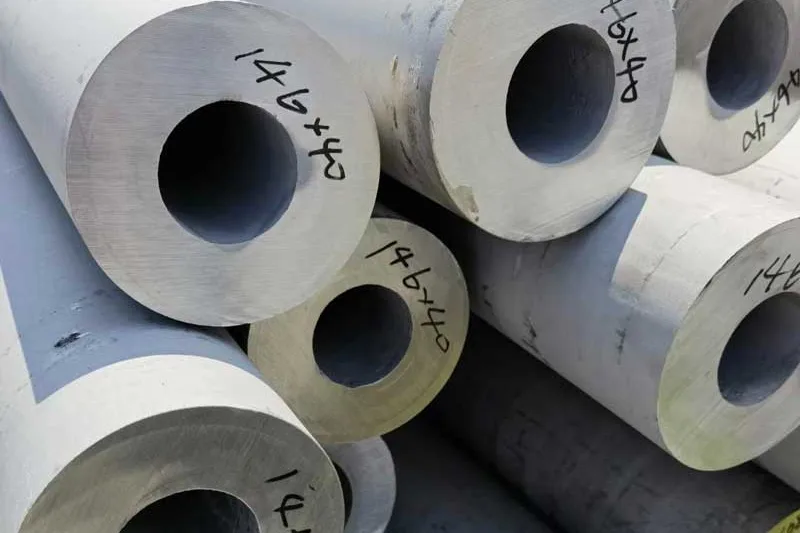
Large forging machining covers a wide dimensional range. Typical project ranges can include forged shafts of approximately Ø200–Ø1200 mm with lengths up to 12,000 mm, discs around Ø500–Ø3500 mm, cylindrical forgings with wall thicknesses of roughly 100–500 mm and lengths up to 6,000 mm, and large flanges with diameters up to approximately 5,000 mm. Ring forgings can be produced in substantial heights depending on the forging route and equipment.
For heavy components, the machining plan must consider part weight, lifting, workholding, machine travel, thermal distortion and material removal. Actual maximum size should always be confirmed from the customer drawing because geometry and machining requirements can be more restrictive than simple diameter or length.
Applications of Large Forging Machining
Wind power: main shafts, bearing rings, gearbox components, yaw rings and other high-load rotating parts.
Power generation: turbine shafts, generator components, rotor parts, large flanges and pressure-related components.
Oil and gas: valve bodies, flanges, pressure equipment components, heavy rings and forged shafts requiring high reliability.
Petrochemical and chemical processing: corrosion-resistant rings, flanges, cylinders, tube sheets and heavy forged components.
Marine: propeller shafts, stern shafts, intermediate shafts and other large rotating components exposed to demanding operating conditions.
Heavy engineering: hydraulic cylinders, rollers, machine bases, gear components, slewing-related parts and other oversized machinery components.
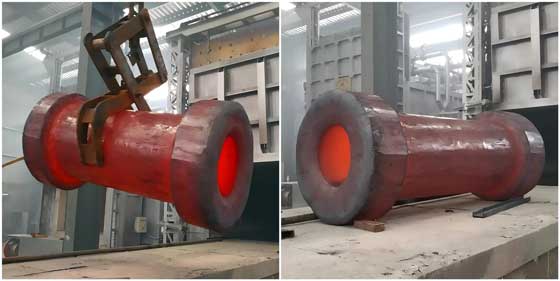
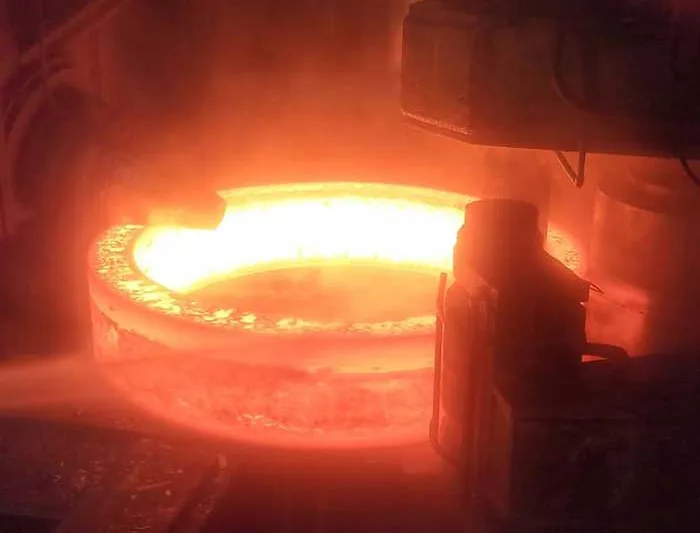
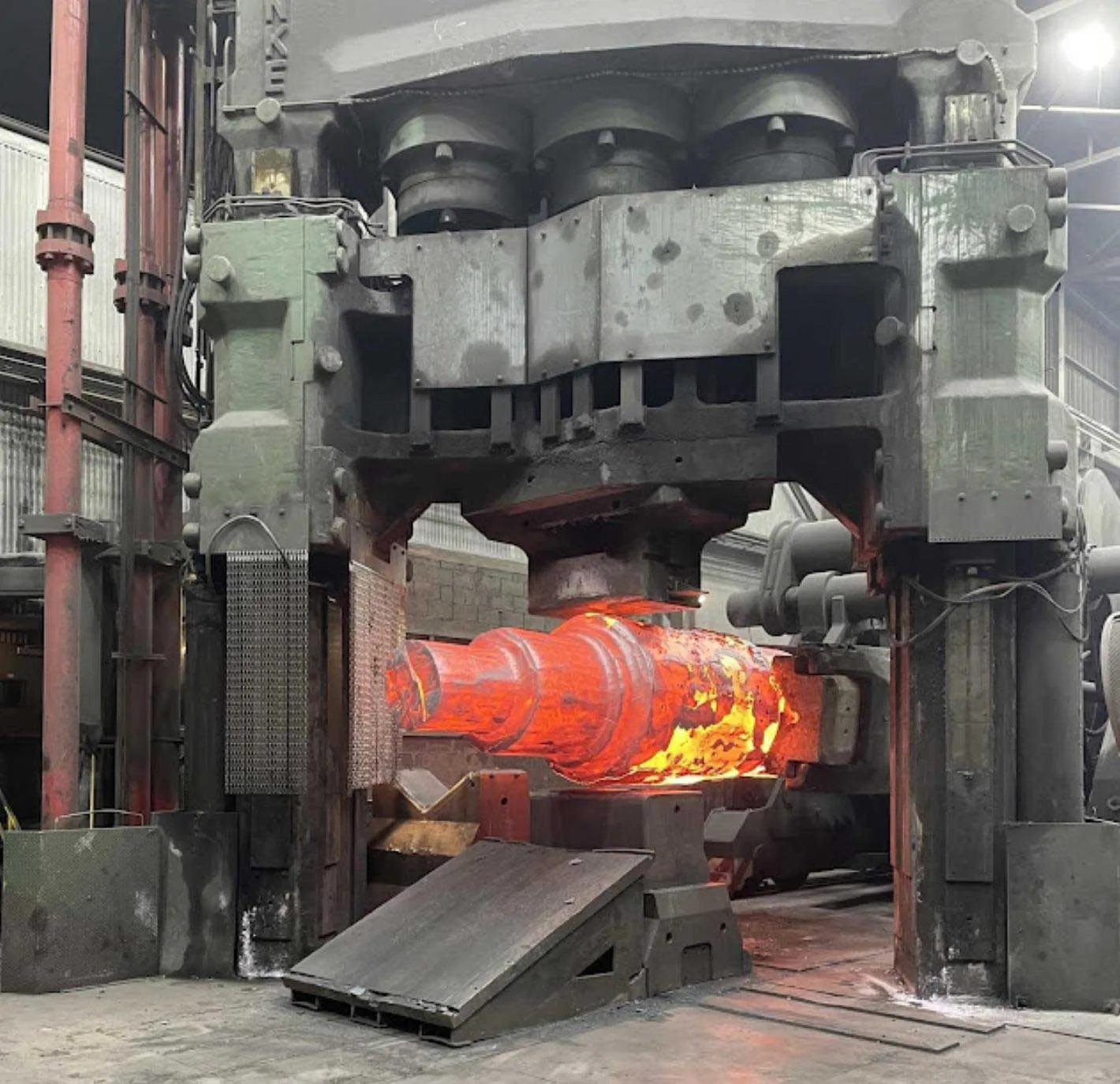
Hot forming of a large forged ring for heavy industrial applications. Photo reference: Morteza Mohammadi / Unsplash.
Typical CNC Machining Process
1. Rough Machining
Forging scale and excess material are removed while sufficient machining allowance is retained for later operations. Reference surfaces are established so the component can be accurately repositioned.
2. Heat Treatment
Depending on the material and specification, processes may include normalizing, annealing, quenching and tempering, solution treatment, aging or stress relieving. Heat treatment is essential for achieving the required strength, hardness, toughness and dimensional stability.
3. Semi-Finish Machining
After heat treatment, machining is used to correct distortion, restore reference datums and prepare the component for final machining. For demanding parts, dimensional checks are performed between operations.
4. Finish Machining
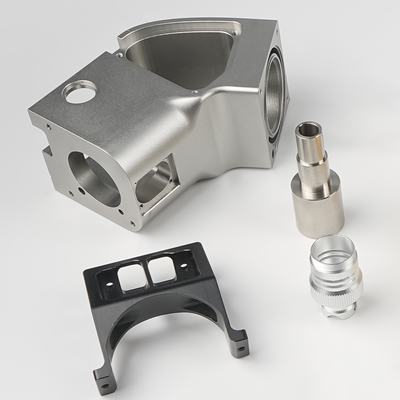
Final CNC turning, boring, milling, drilling, threading and grinding are performed according to the drawing. Critical dimensions such as bearing seats, bores, flange faces, bolt circles and concentricity receive special attention.
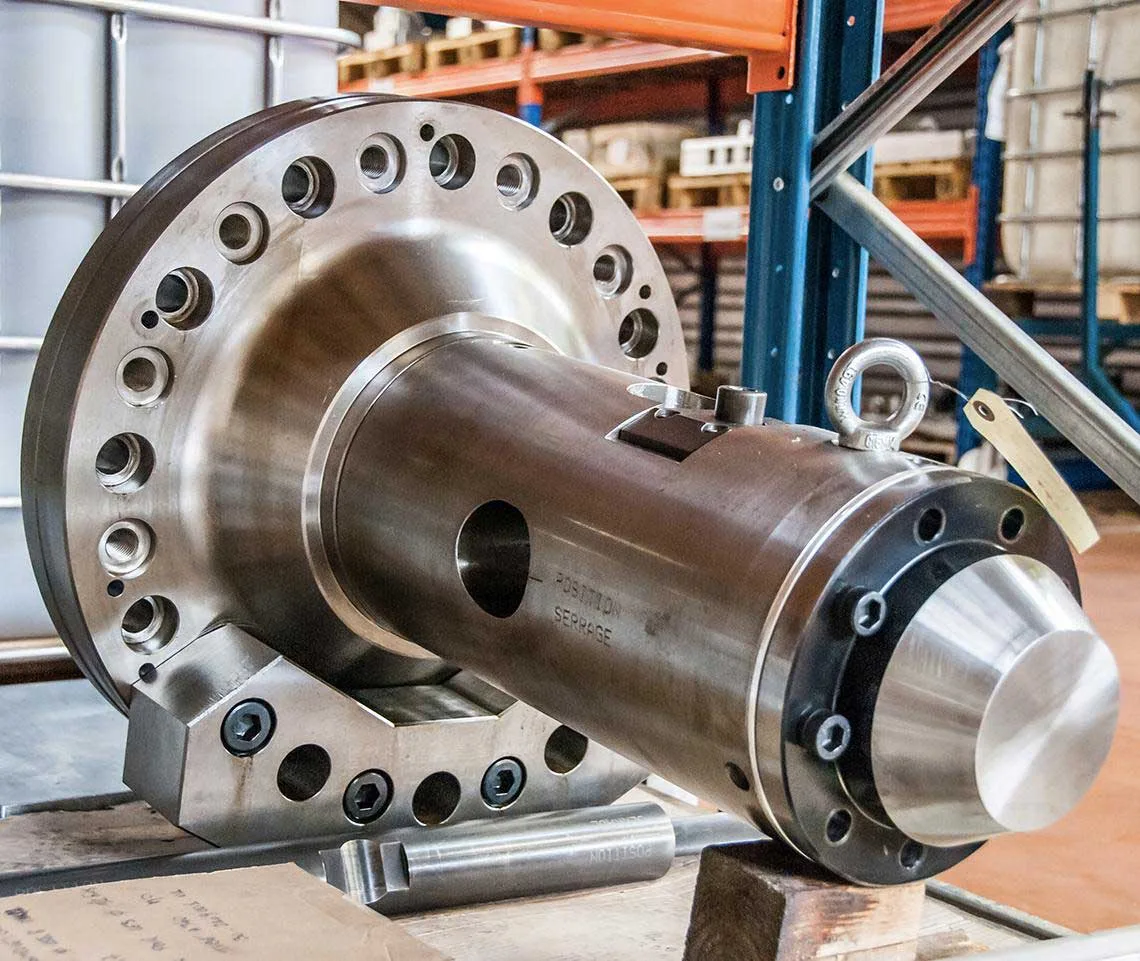
Precision CNC turning of a large forged shaft. Photo reference: Sven Daniel / Unsplash.
Large Forging Machining Case Example
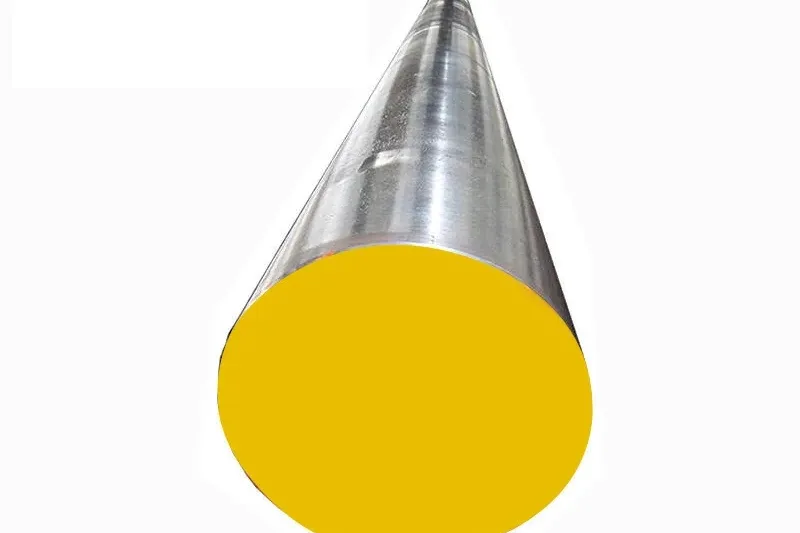
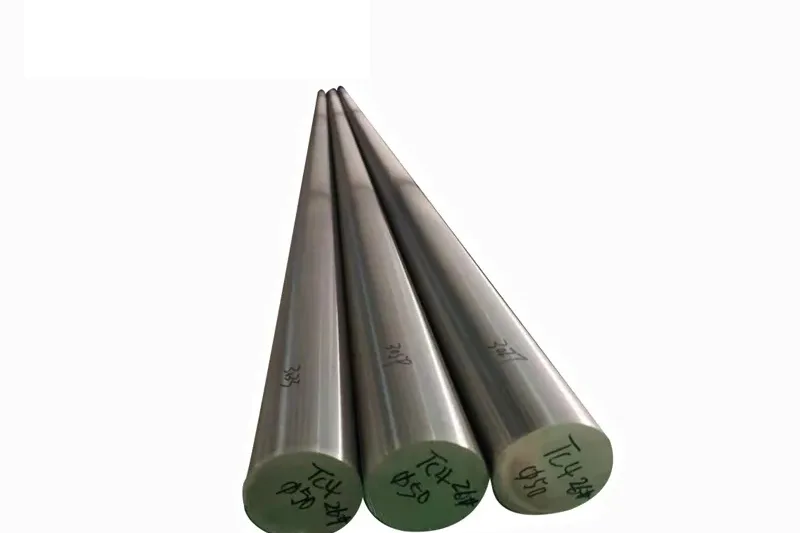
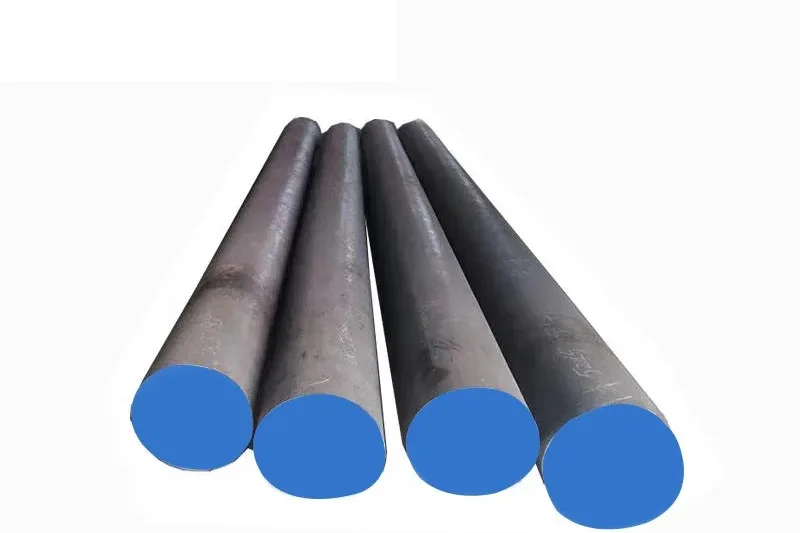
A typical project may start with a heavy alloy-steel forged shaft supplied with a customer drawing. The blank is forged to improve the material structure, heat treated to the required mechanical properties, then rough machined to establish datum surfaces. After inspection, the shaft is mounted for large CNC turning and the stepped diameters, shoulders, grooves, center holes and key features are machined. Final dimensional inspection verifies diameter, length, runout, concentricity and surface finish before packing.
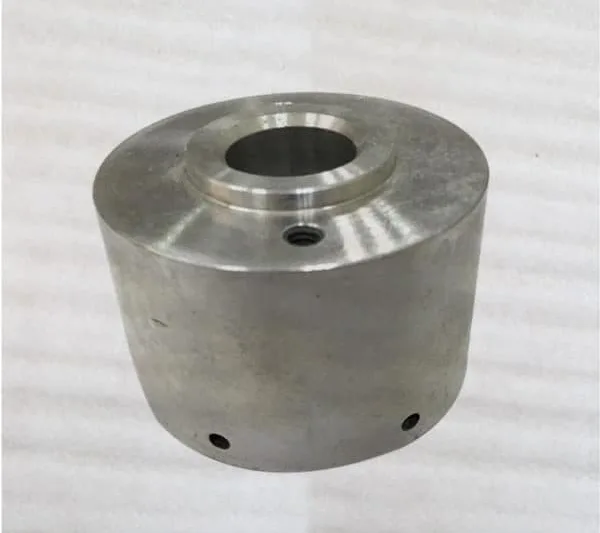
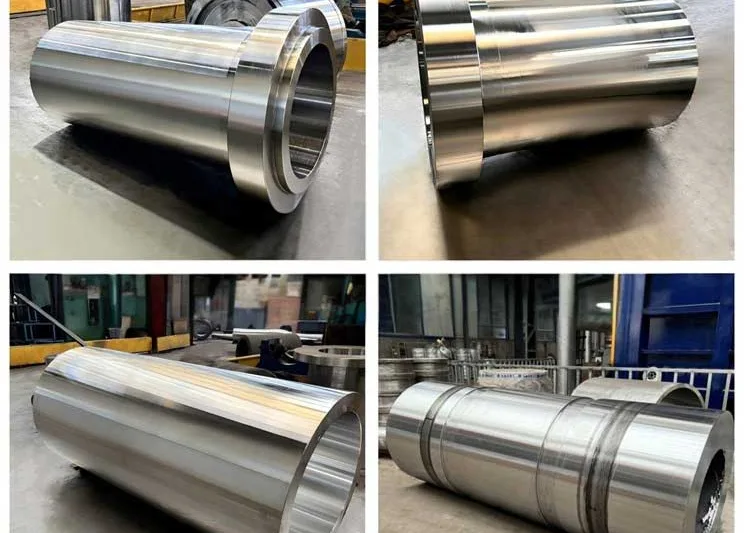
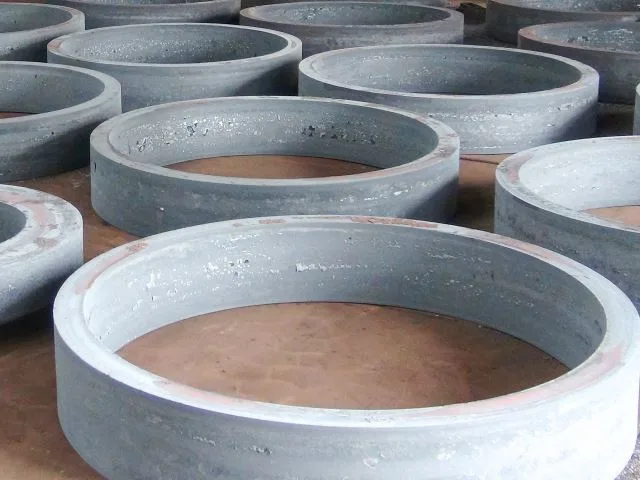
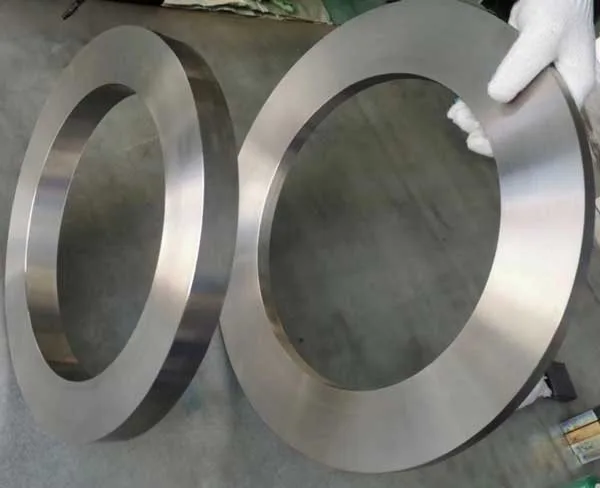
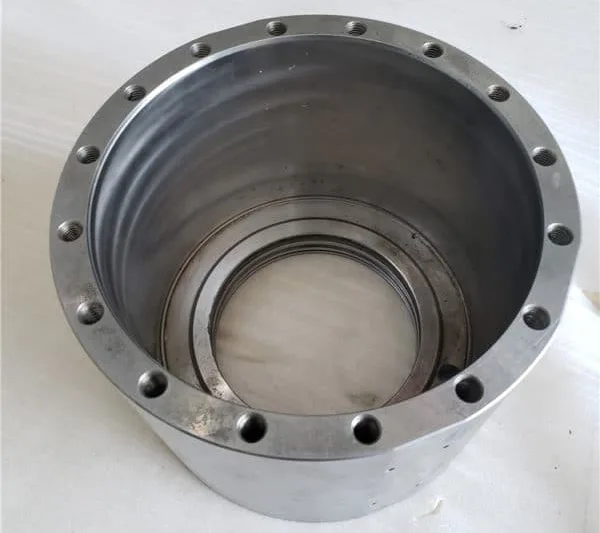
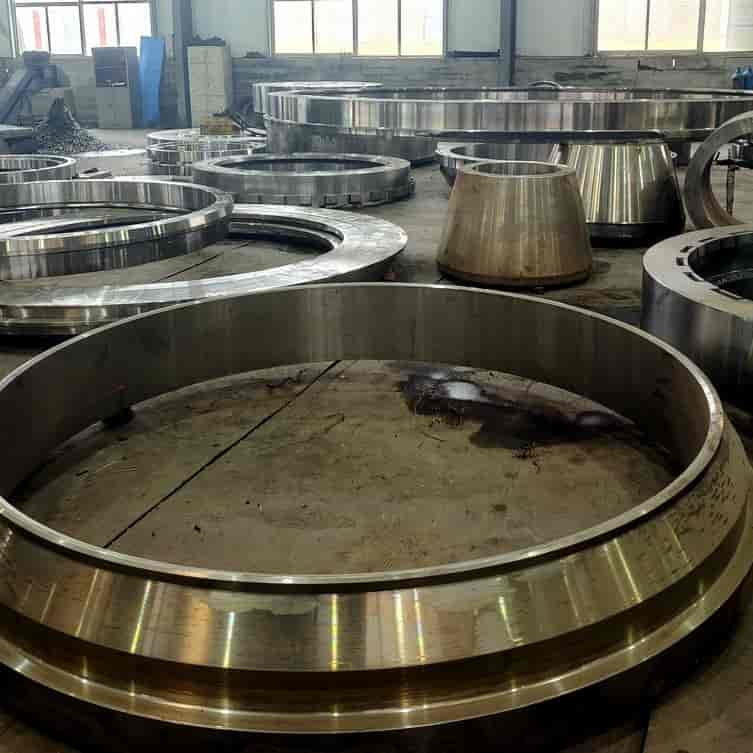
For a large forged ring, the process may include rough OD/ID turning, face machining, boring, bolt-hole drilling, groove machining and final contouring. When required, ultrasonic testing, magnetic particle testing, hardness testing, PMI and dimensional inspection can be incorporated into the quality plan.
Custom Large Forging Machining Service
Every oversized forging project is different, so we provide a drawing-based custom service rather than a fixed catalog size. Customers can request custom OD, ID, length, height, wall thickness, flange dimensions, bolt-hole patterns, grooves, keyways and machining tolerances.
We can support the project from forging blank selection through heat treatment, rough machining, precision CNC machining and inspection. This one-stop approach helps reduce unnecessary transportation, repeated setup and quality-transfer risks between different suppliers.
For export orders, we can also support protective packaging and delivery planning for heavy machined components. Send your drawing, material grade, quantity, target standard and inspection requirements for a technical and commercial quotation.
Why Choose a Specialized Large Forging Machining Supplier?
Large forged parts are expensive to handle and difficult to rework after machining. A capable supplier should therefore understand not only CNC cutting parameters, but also forging deformation, heat treatment behavior, machining allowance, workholding and inspection. A complete process plan helps control distortion and maintain critical geometry from the forging blank to the finished component.
Shanghai Changjin Metal Product Co., Ltd. supplies customized forged blanks and CNC machining solutions for demanding industrial applications. Whether you need a large forged shaft, seamless forged ring, heavy disc, thick-wall cylinder or custom flange, our team can review your drawing and recommend a suitable manufacturing route.
Looking for large forging machining for your next project? Send us your drawing or specification for a customized quotation covering material, forging, heat treatment, CNC machining and inspection.
We also provide forging blanks and CNC precision machining services for our clients, covering industries such as energy, petrochemicals, steel, engineering machinery, plastics, prevention and control, hydraulics, healthcare, and food. Please feel free to send us drawings for inquiries.
Metalworking Services
CNC Machining
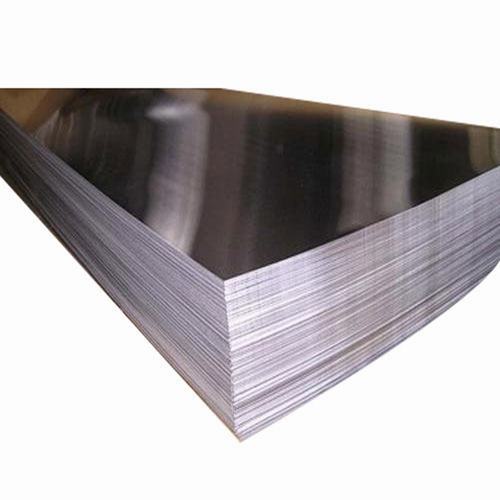
Sheet Metal Fabrication
Metal Welding
Metal Cutting
Metal Bending
Metal Punching
Metal Forging
Metal Sheet Rolling
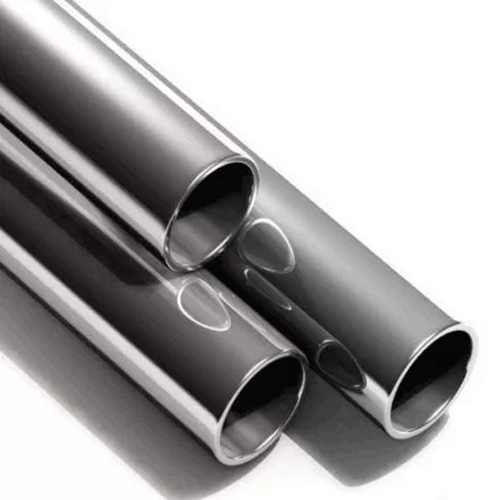
Tube and Plate Drilling
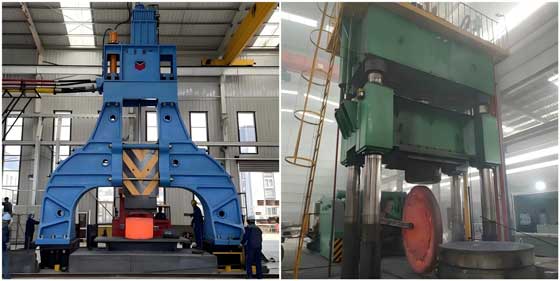
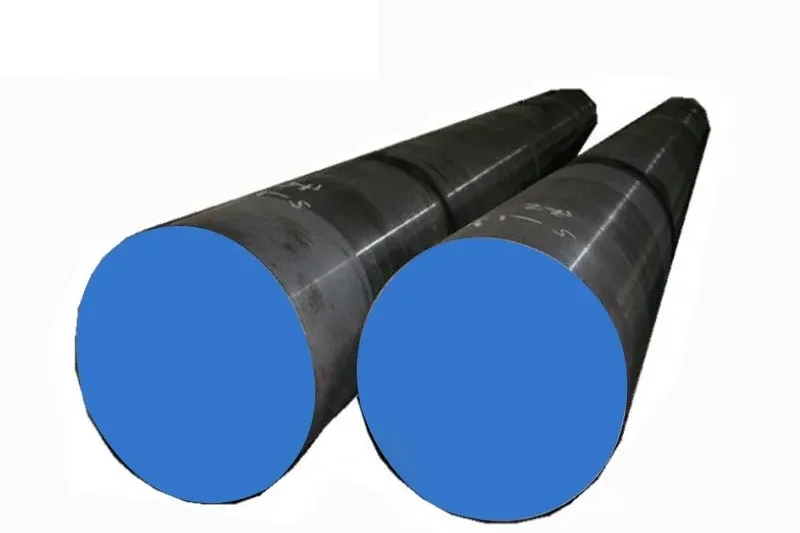
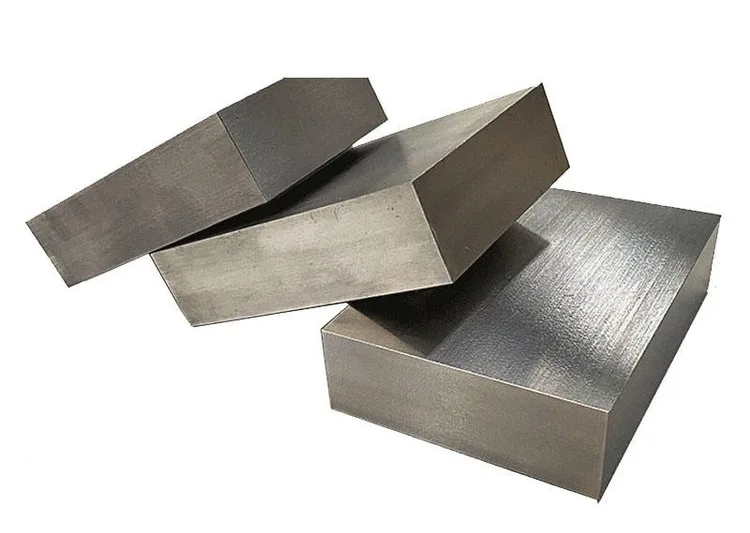
Heavy Forging Press Capacity
Our heavy-duty forging presses support open-die forging and deformation of large-section forgings, including discs, shafts, blocks, and custom components. This capability enables us to meet the demanding forming requirements of heavy industrial applications.
Heat Treatment Capability
Heat treatment is a critical step in achieving the mechanical properties required for heavy-duty forgings. Our process capabilities meet the strength, toughness, and structural stability requirements for forged components used under demanding operating conditions.
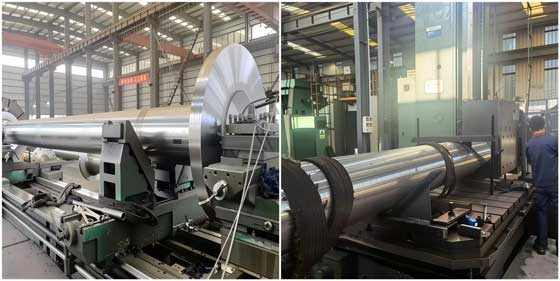
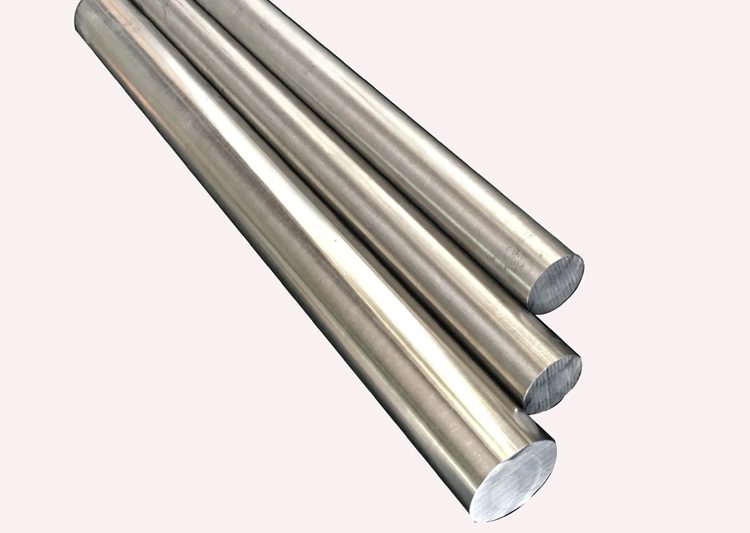
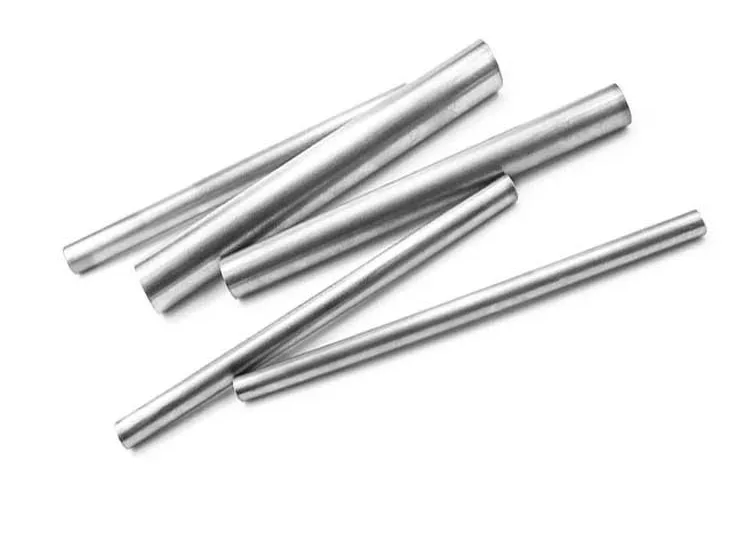
Heavy Shaft Machining
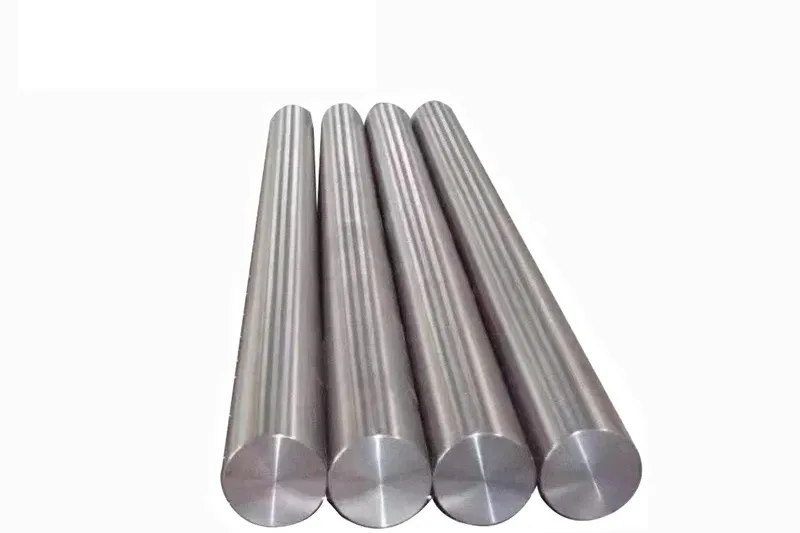
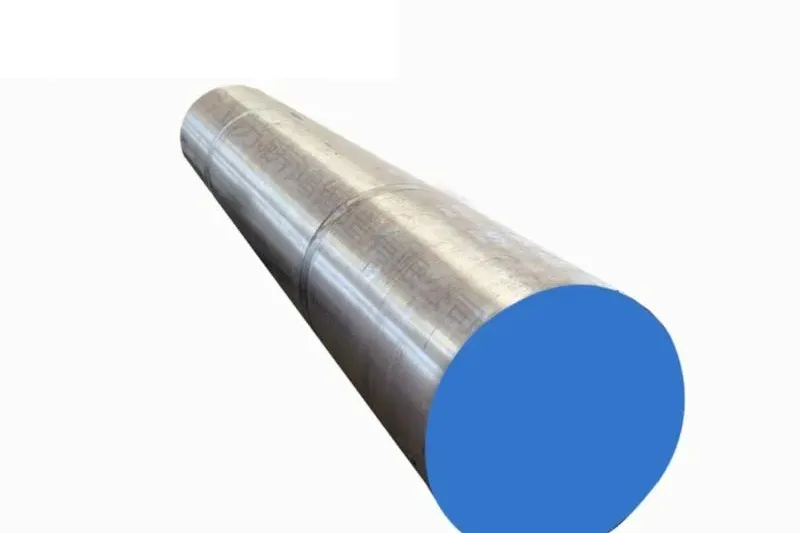
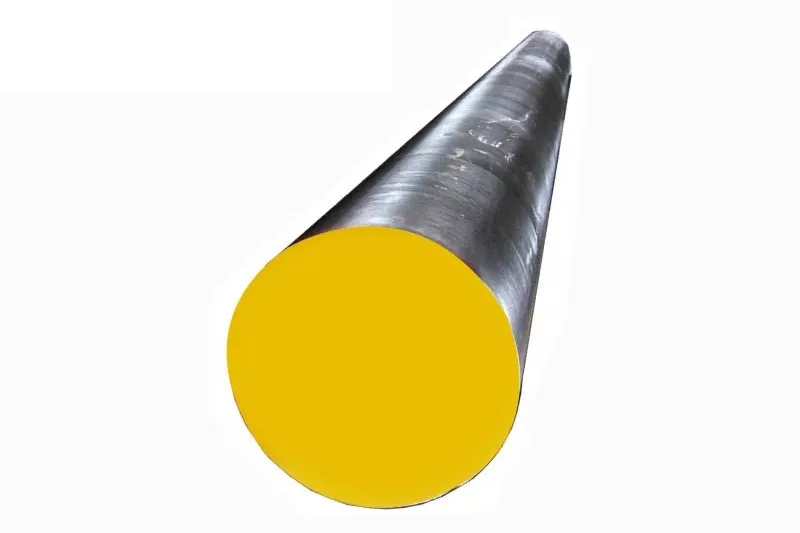
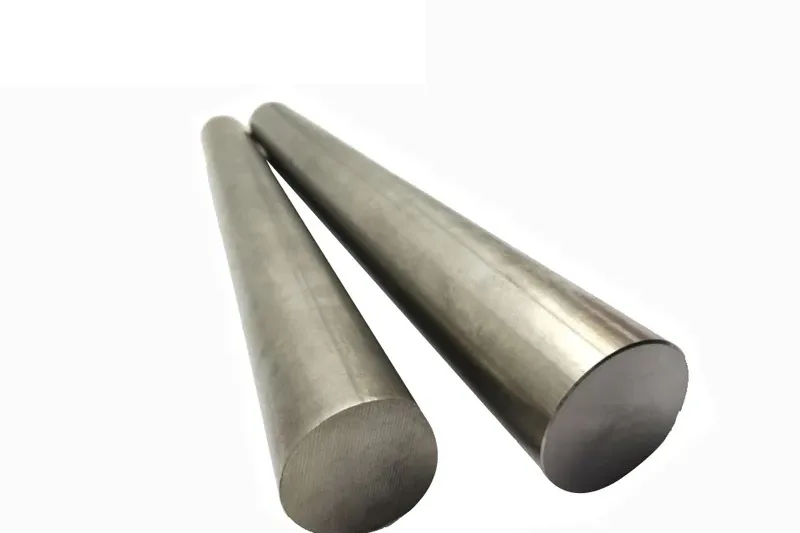
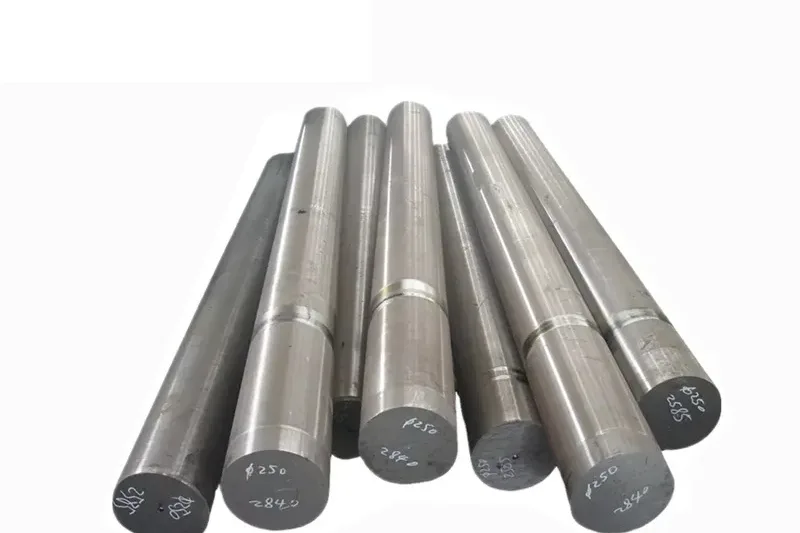
We offer machining capabilities for large forged shafts and long cylindrical components, supporting both rough and finish machining. This capacity is suitable for stepped shafts, rotor shafts, rollers, and other heavy-duty forged shaft components.
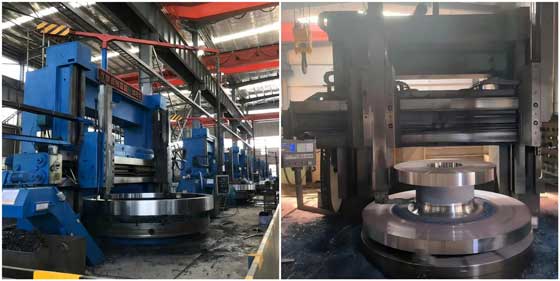
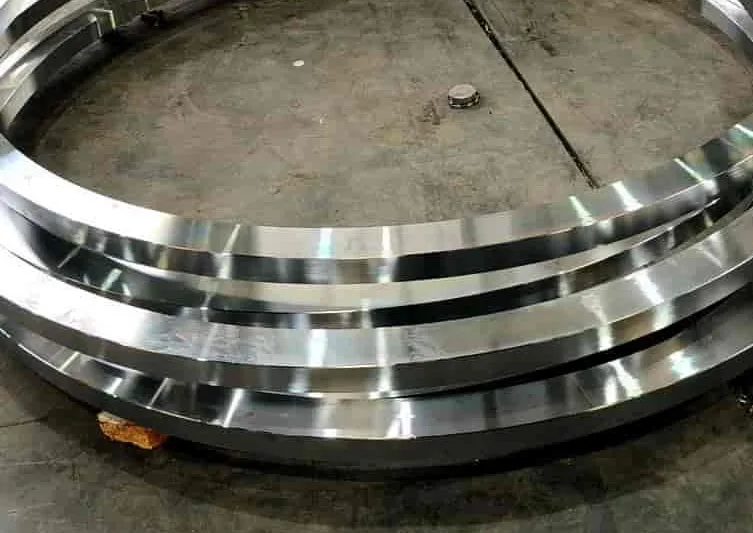
Ring Forging Machining
Our machining facilities are capable of handling large ring-shaped forgings and circular parts that require precise turning, face machining, boring, and contour control. This capability is suitable for industrial ring blanks, heavy-duty circular parts, and machined ring forgings.
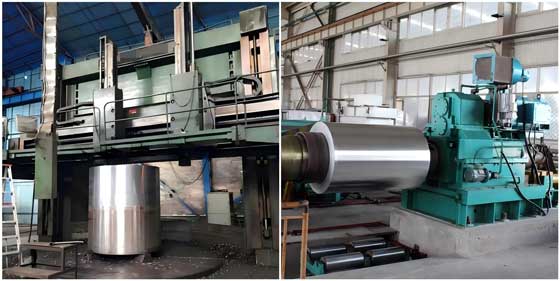
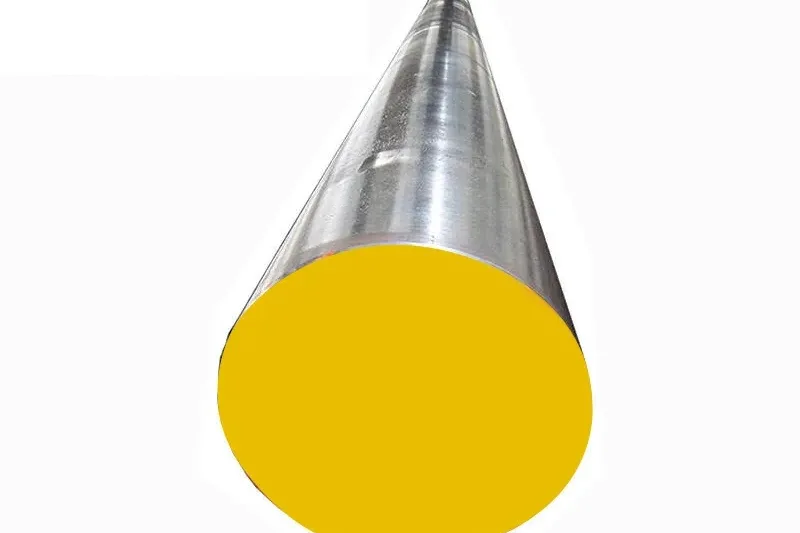
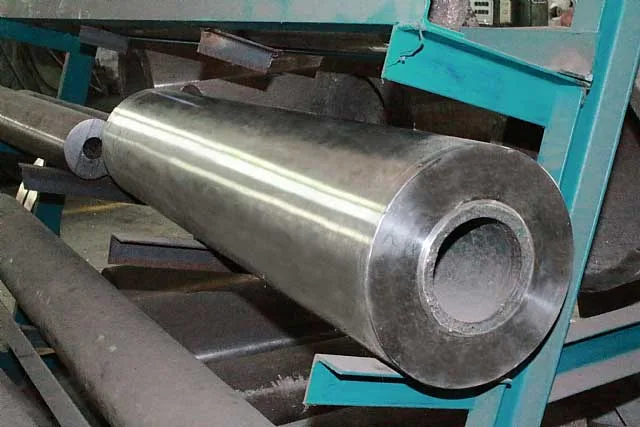
Cylindrical Forging Machining
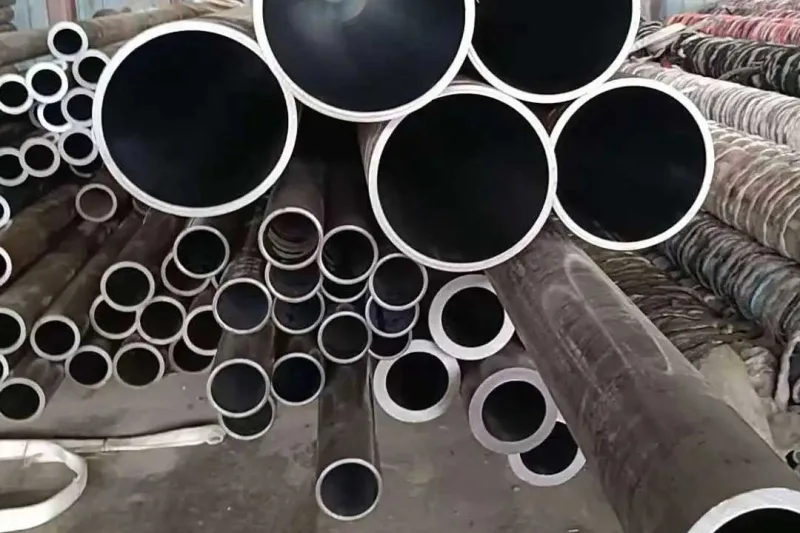
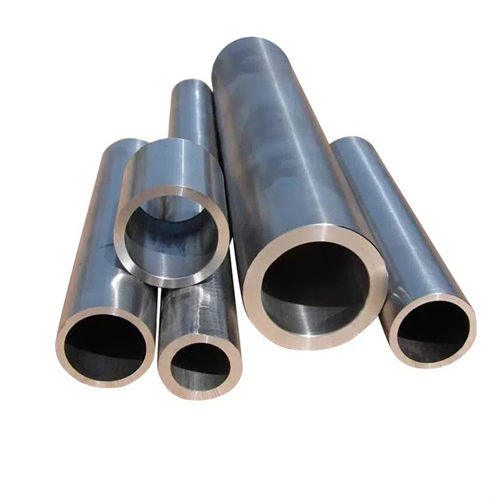
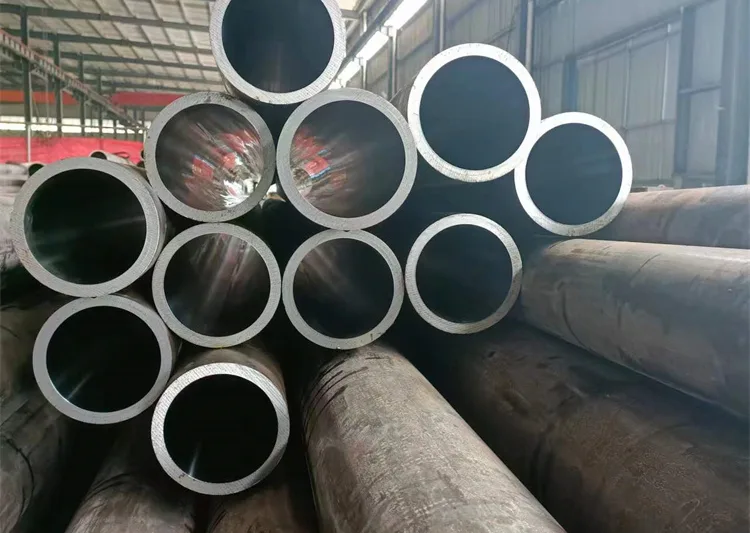
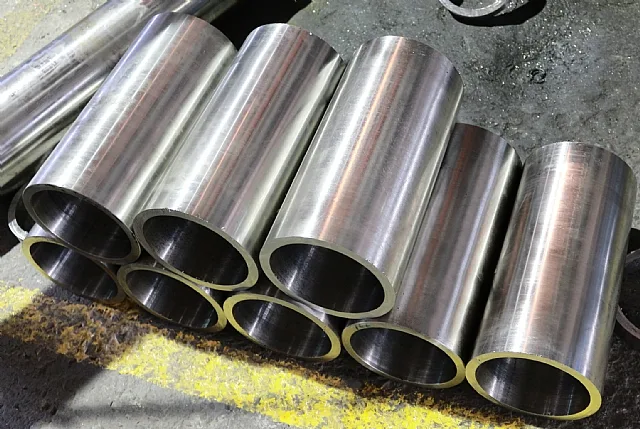
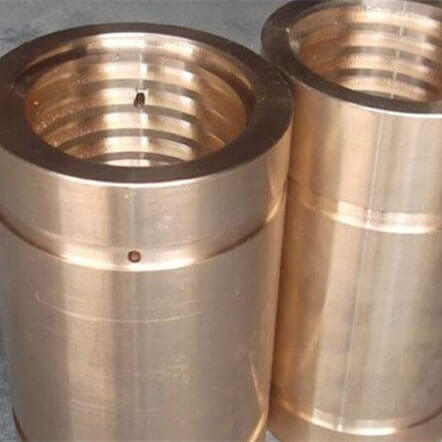
We offer machining solutions for heavy-duty cylindrical, hollow, and tubular forgings. This capability supports the machining of sleeves, cylinders, and other thick-walled forged components used in pressure vessels, rotating systems, and general industrial applications.
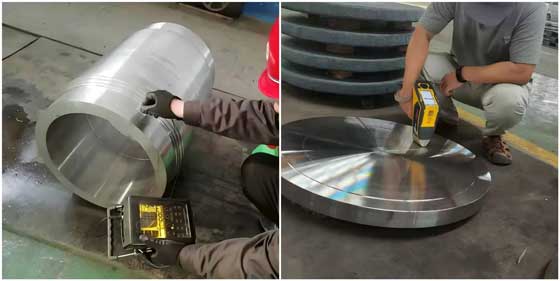
Inspection & Testing
Quality control is integrated into our production process through the inspection and testing of forged and machined parts. Our capabilities help verify the dimensional accuracy, condition, and quality consistency of industrial forgings prior to delivery.
Packing & Delivery
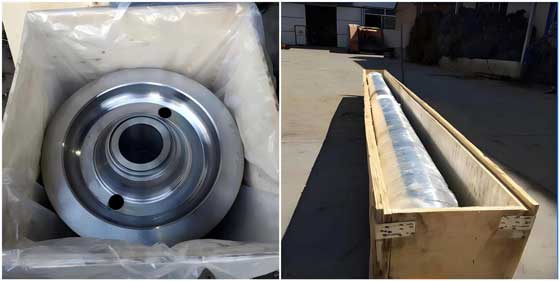
Finished forgings are properly protected and packaged to minimize the risk of damage during storage and transportation. Our packaging methods ensure the safe domestic delivery and export shipment of machined and high-value forged components.
We use cookies to ensure that we give you the best experience on our website. If you continue to use this site we will assume that you are happy with it. Privacy policy
You can revoke your consent any time using the Revoke consent button.

 Hot forming of a large forged ring for heavy industrial applications. Photo reference: Morteza Mohammadi / Unsplash.