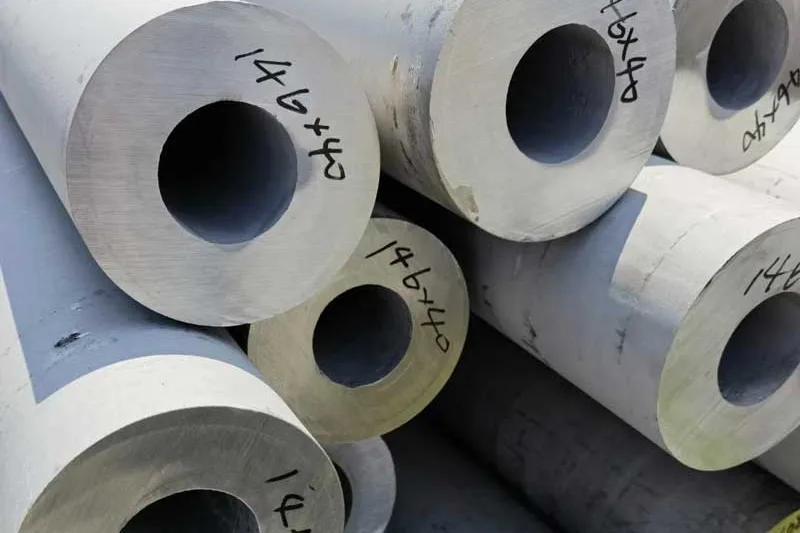
Inconel Forged Ring: Grades, Manufacturing, Applications and Custom Machining
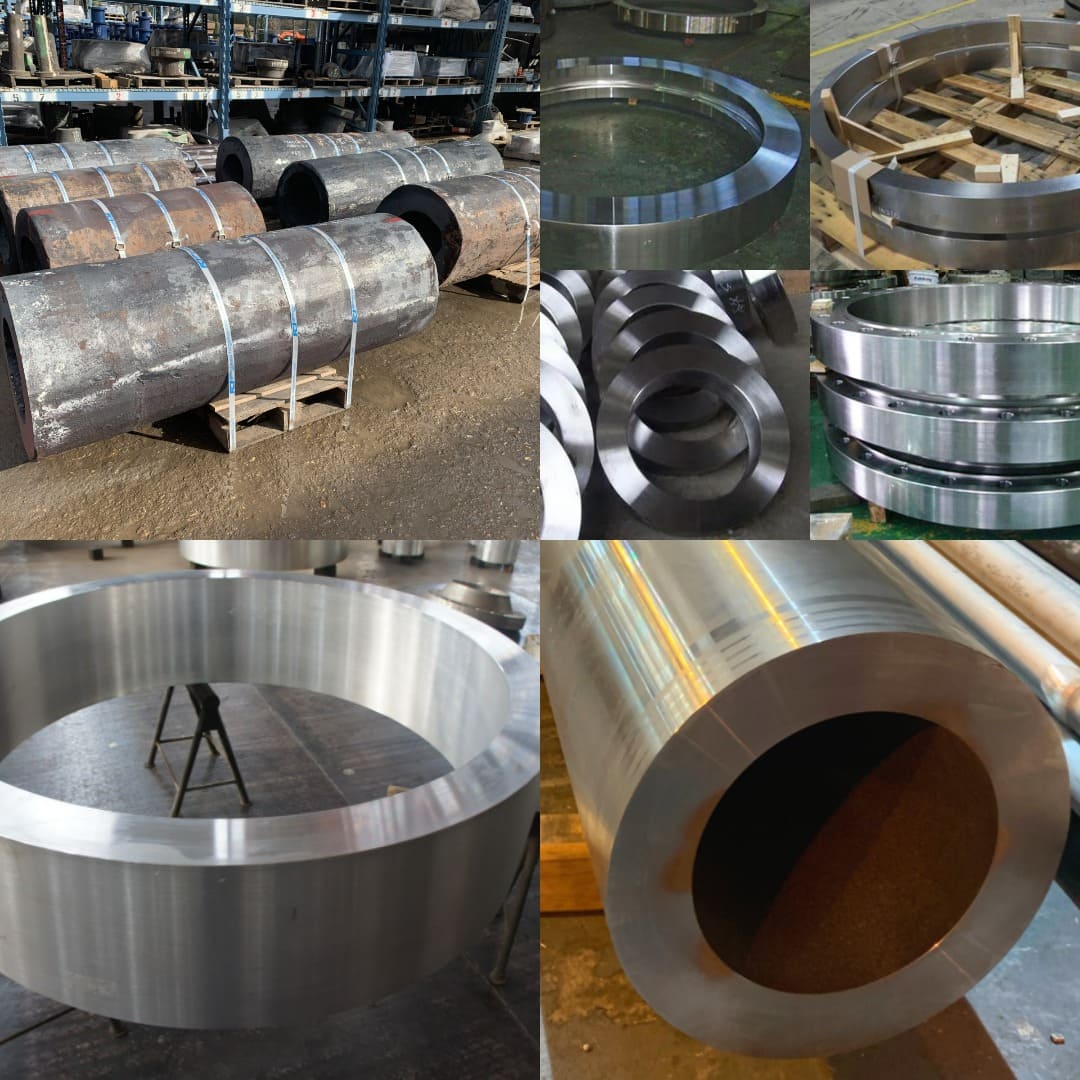
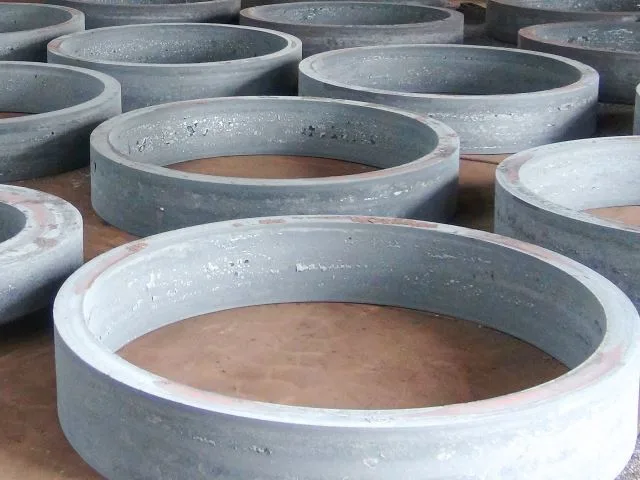
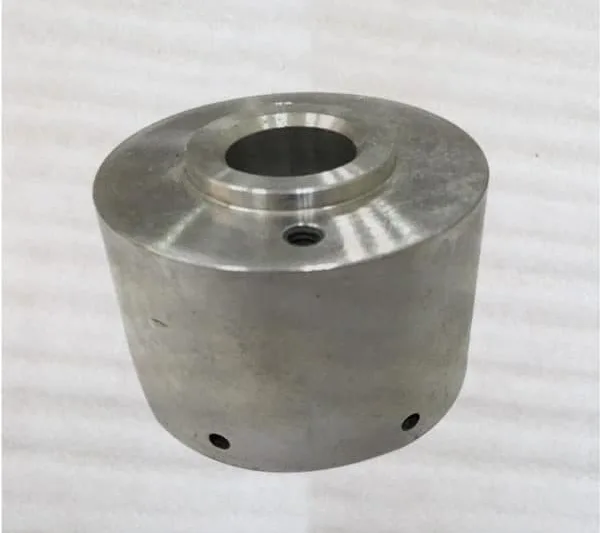
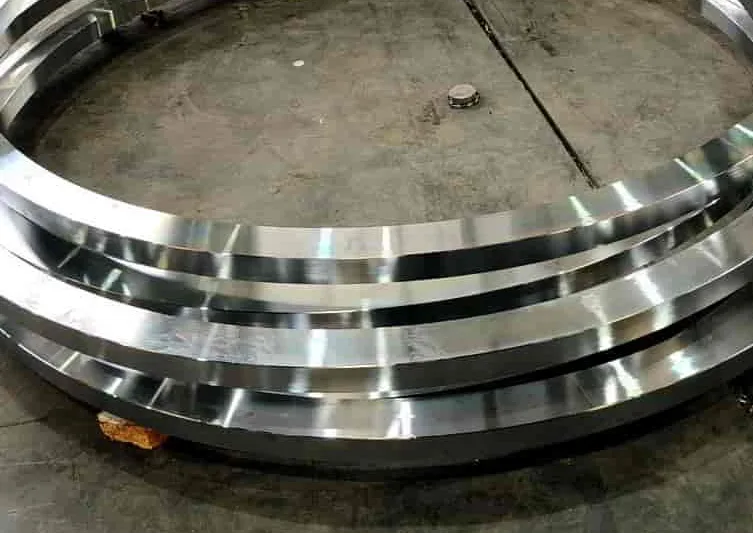
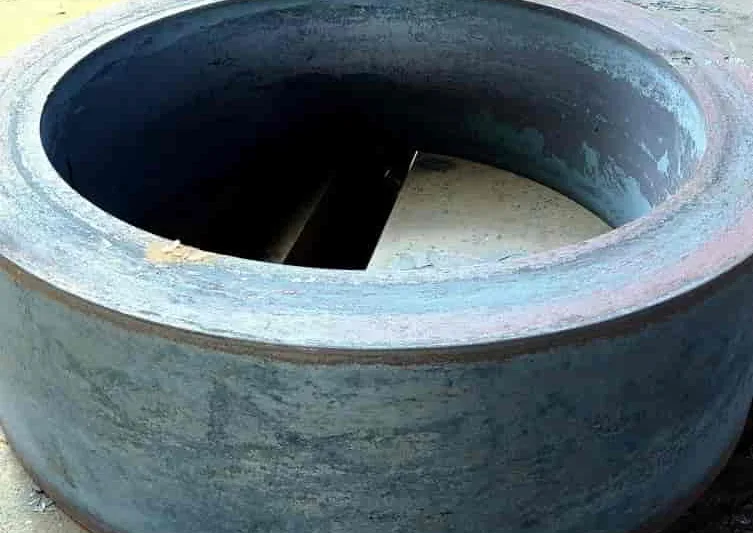
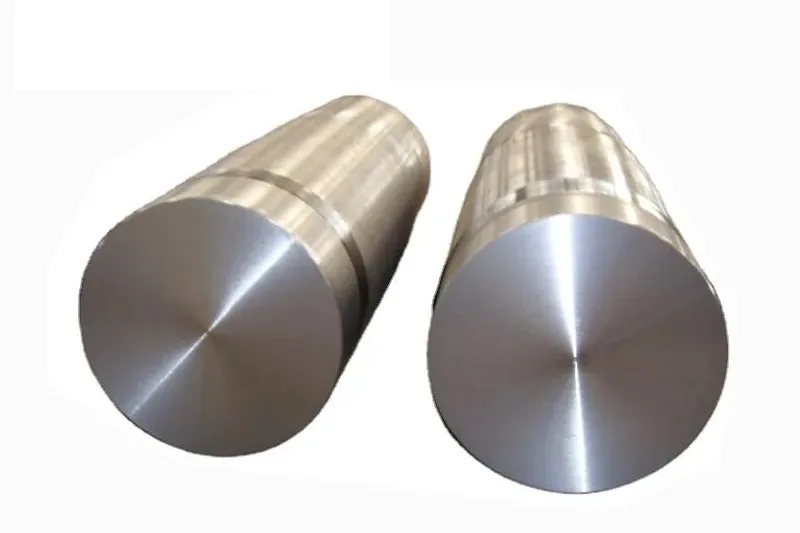
An Inconel forged ring is a ring-shaped component made from a nickel-based superalloy selected for demanding environments involving elevated temperatures, corrosion, pressure, or mechanical loading. Compared with a ring cut from plate or bar, a properly engineered forging route can provide a favorable grain-flow pattern and a robust starting form for subsequent machining. The right solution depends on the alloy grade, service conditions, dimensions, and required inspection level.
What Is an Inconel Forged Ring?
Inconel is a family name commonly used for nickel-chromium-based alloys; it is not one single material grade. Different grades have different strengths, temperature capabilities, corrosion resistance, and heat-treatment requirements. A custom forged ring may be supplied as-forged, heat-treated, rough-machined, or finish-machined to a customer drawing.
For project sourcing, buyers should specify the exact grade or UNS number rather than writing only “Inconel.” They should also state the finished outside diameter (OD), inside diameter (ID), height or thickness, machining allowance, heat-treatment condition, and applicable material specification.
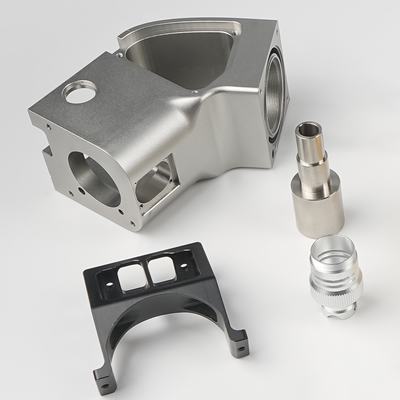
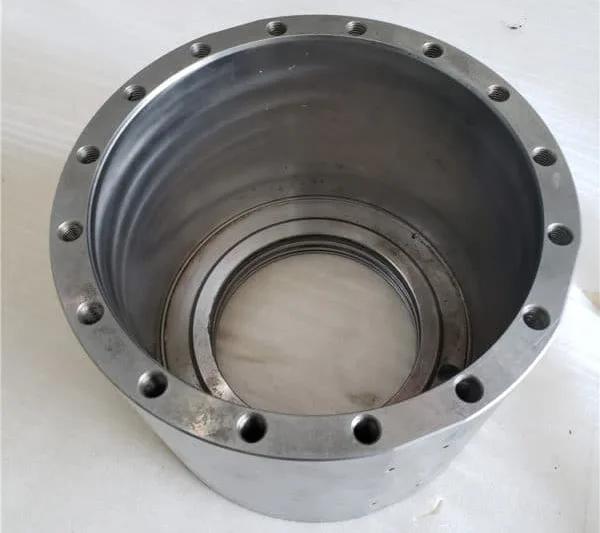
Precision machining is often required after forging to achieve drawing dimensions and tolerances.
Common Inconel Grades for Forged Rings
Inconel 718 (UNS N07718): A precipitation-hardening nickel alloy widely used where high strength and good performance at elevated temperatures are required. It is commonly considered for aerospace, energy, and other high-load components. The required aging condition and product specification must be confirmed for each order.
Inconel 625 (UNS N06625): Known for corrosion resistance and strength in demanding chemical, marine, and energy environments. It may be selected for components exposed to aggressive media, subject to the actual operating conditions.
Inconel 600 (UNS N06600): A nickel-chromium alloy used for oxidation and corrosion resistance in a range of elevated-temperature applications.
Inconel 601 (UNS N06601): Often selected where resistance to oxidation at high temperatures is important, including certain thermal-processing applications.
These grades are not interchangeable. Material selection should be based on temperature, pressure, corrosion media, strength requirements, fabrication route, and the governing engineering code. A supplier should confirm that the selected grade and product form can meet the drawing and specification.
Manufacturing Process: From Billet to Machined Ring
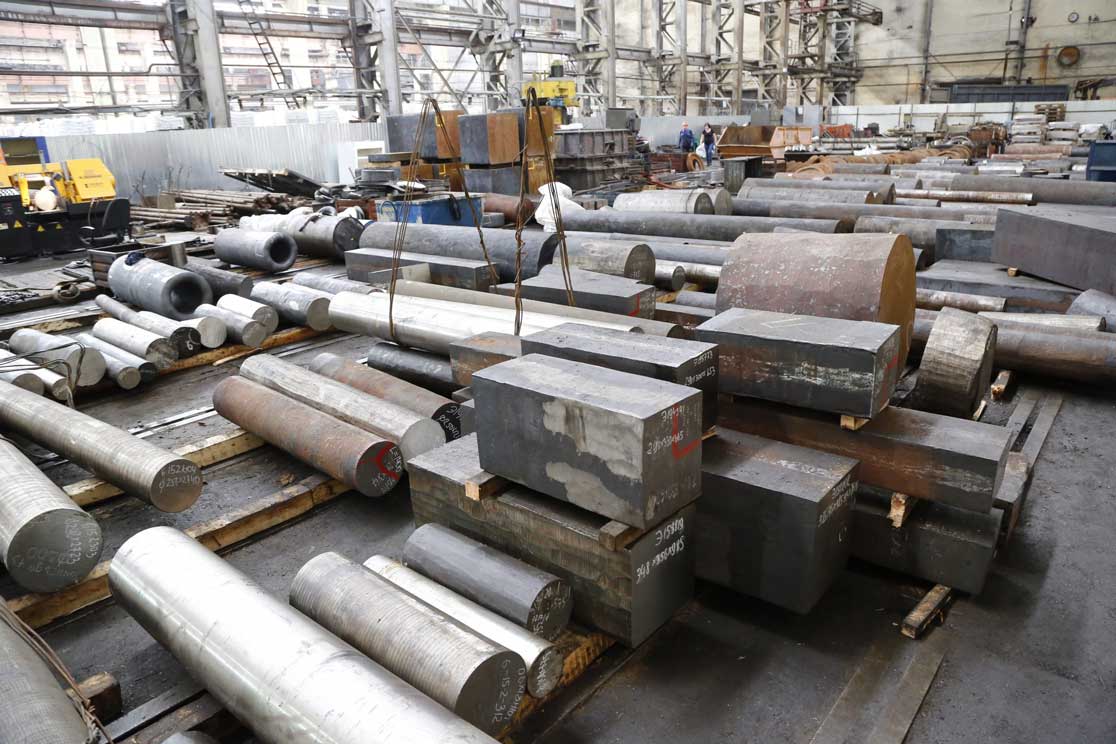
Material review: Confirm grade, heat number traceability, incoming material documents, and the required specification.
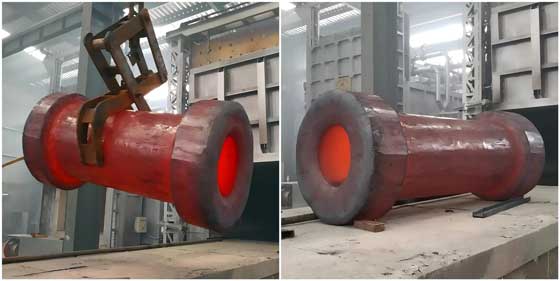
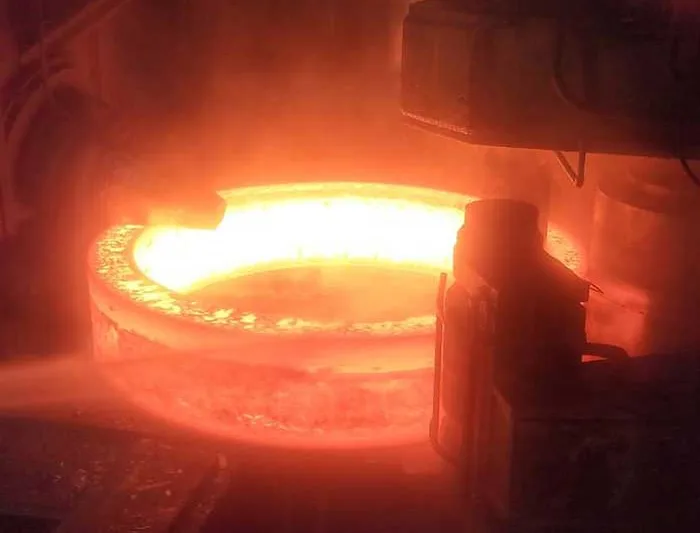
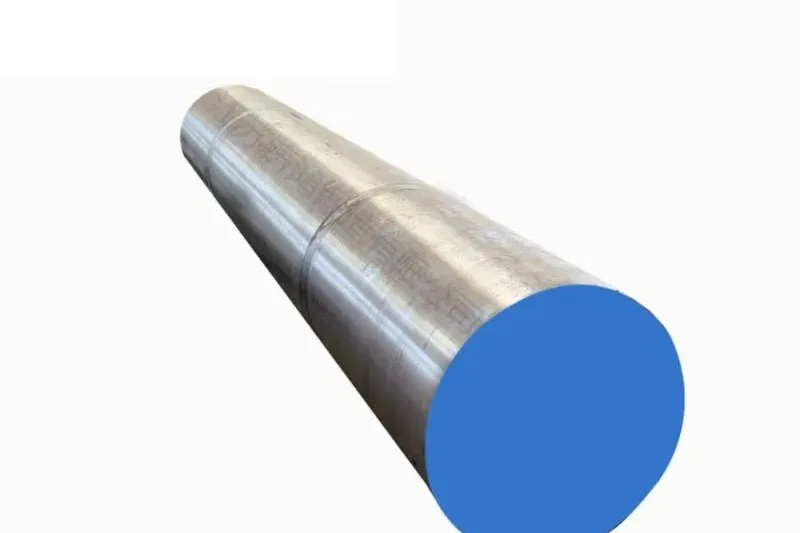
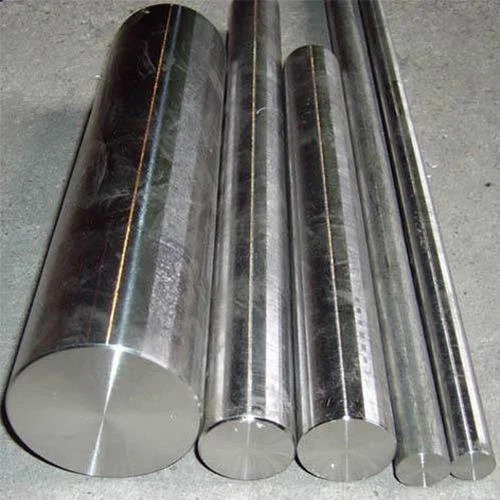
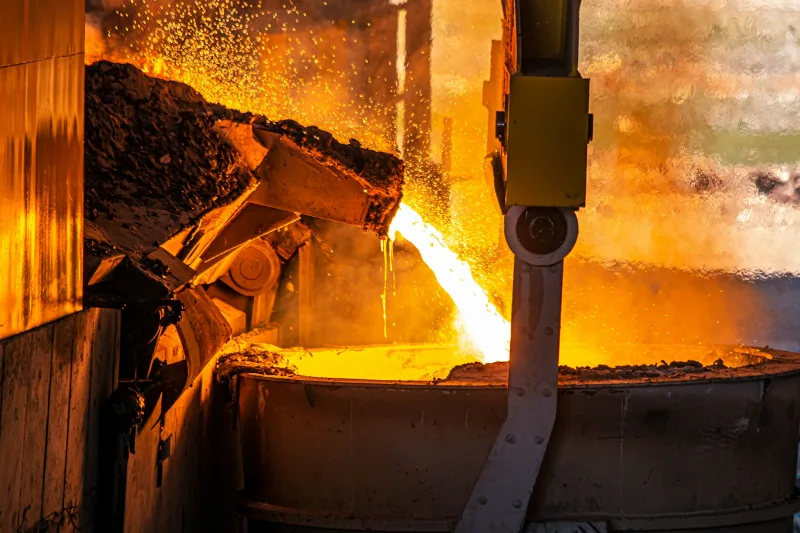
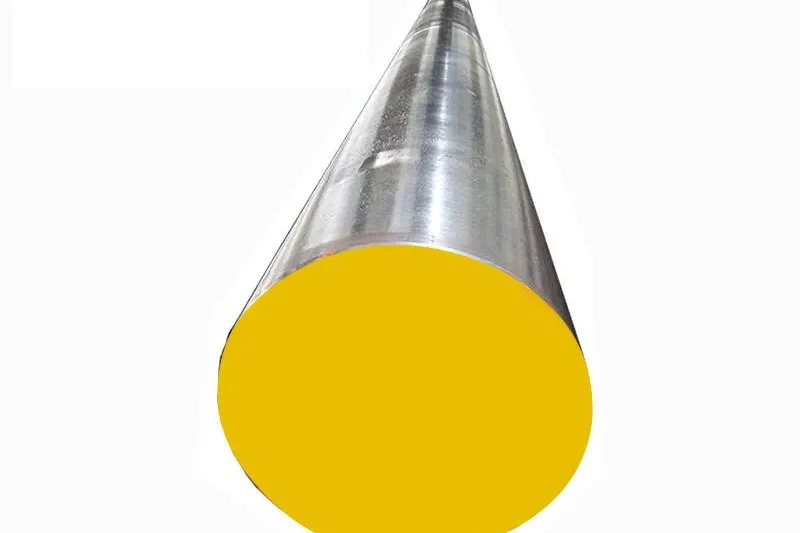
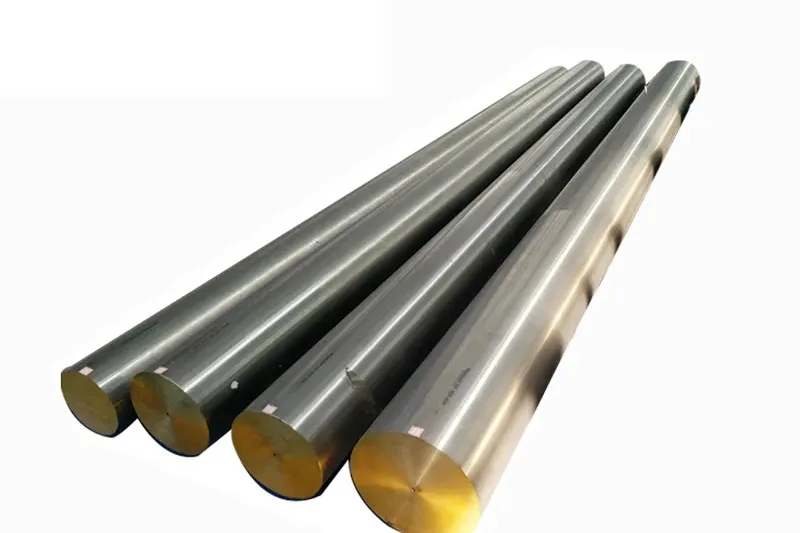
Heating and forging: Heat the billet within the approved processing range and form the ring using a qualified forging route. Process controls are important for consistent structure and properties.
Heat treatment: Apply the heat-treatment cycle required for the alloy and purchase specification. For precipitation-hardening grades such as 718, the specified solution and aging condition is especially important.
Rough machining: Machine the OD, ID, faces, and other reference surfaces while retaining the specified finishing allowance.
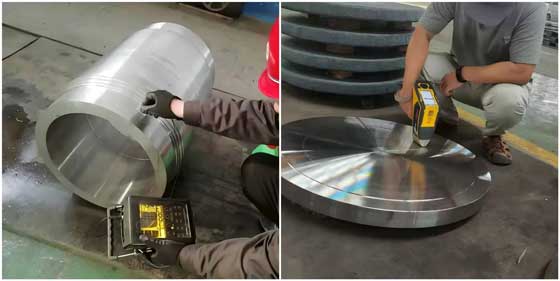
Inspection and documentation: Carry out the inspections agreed in the purchase order, which may include dimensional checks, material verification, mechanical testing, and non-destructive testing where required.
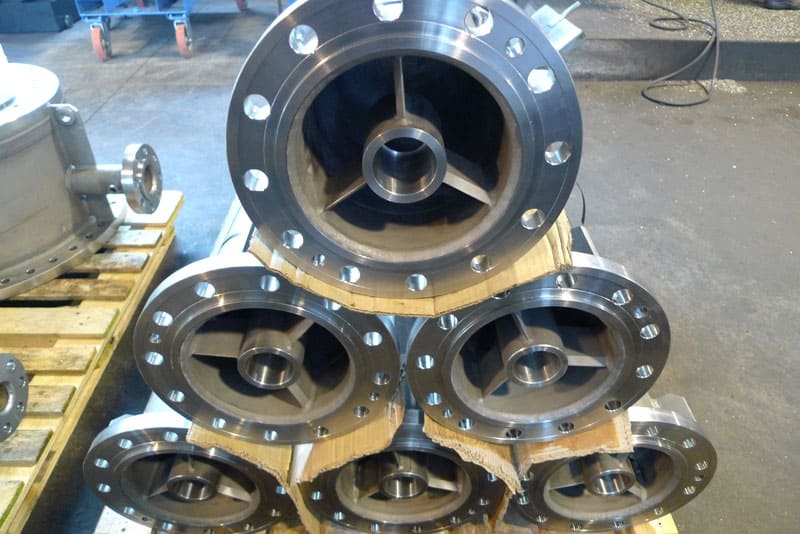
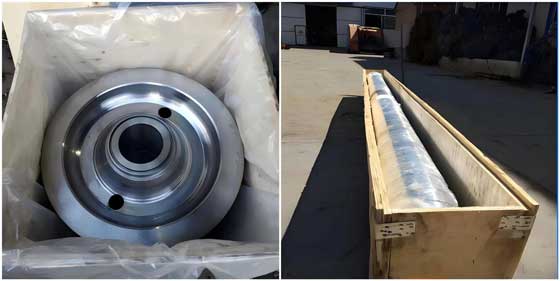
Finish machining and packing: Complete the required tolerances, surface finish, marking, preservation, and export packing.
Rough and finish machining allowances should be defined before production begins.
Typical Applications
Depending on the alloy and engineering requirements, Inconel forged rings may be considered for:
Gas turbine, aerospace, and high-temperature equipment components
Oil and gas, chemical processing, and energy equipment
Pressure-containing or load-bearing assemblies designed for demanding service
Industrial furnaces and thermal-processing equipment
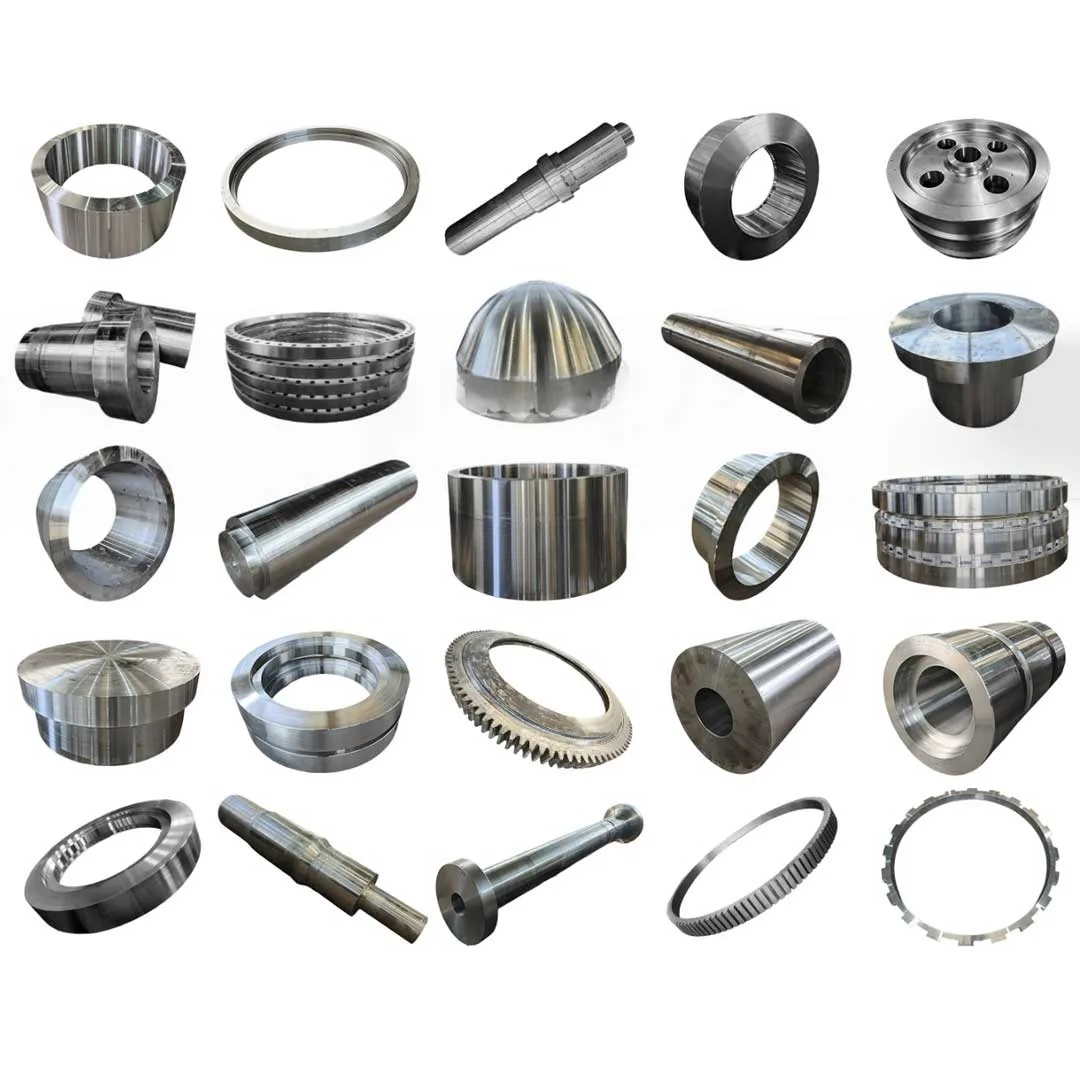
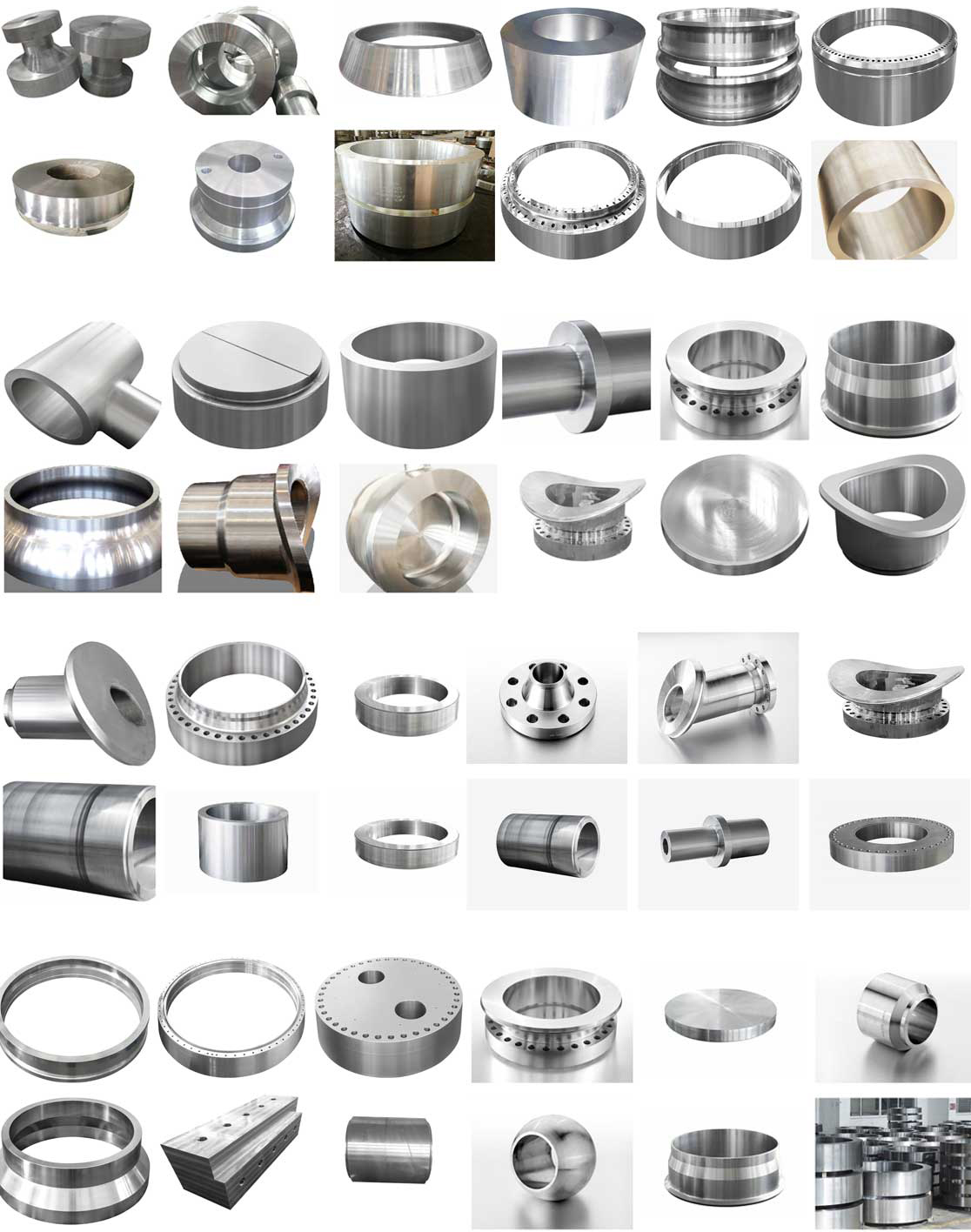
Custom flanges, collars, support rings, and other ring-shaped components specified by drawing
Application suitability must be assessed against the actual operating temperature, loading, corrosion environment, fatigue requirements, and applicable code. A material name alone does not establish fitness for service.
Dimensions, Tolerances, and Quality Requirements
Custom Inconel rings can be quoted from a drawing or a dimensional schedule. The inquiry should include OD, ID, height or thickness, quantity, finished or rough-machined condition, and any concentricity, flatness, roundness, or surface-finish requirements. Large rings may need different machining setups and inspection plans from small precision components.
Specify the governing material standard and revision, heat-treatment condition, testing requirements, marking, and documentation. Depending on the grade and product form, the purchase specification may reference standards such as ASTM B637 or applicable AMS requirements for certain nickel-alloy products. The correct standard must be verified for the exact grade and forged product form rather than assumed from the word “Inconel.”
Material traceability and agreed inspection documents help support industrial procurement.
How to Request a Quote for an Inconel Forged Ring
To receive a useful quotation, provide the following information:
Alloy grade and UNS number, such as 718 / N07718 or 625 / N06625
Drawing or dimensions: OD × ID × height, including tolerances
Quantity and whether pricing should be for forged blank, rough machining, or finished part
Required material standard, heat-treatment condition, and inspection documents
Delivery destination, preferred Incoterm, and target delivery date
Shanghai Changjin Metal Product Co., Ltd. supports industrial metal sourcing and processing inquiries, including custom forged rings and machining based on customer drawings. For grade-specific details, also see our pages for Inconel 718 forged rings and Inconel 625 forged rings.
Request a quote: Send your drawing, material grade, quantity, heat-treatment and inspection requirements so the specification can be reviewed before pricing. Final availability, manufacturing route, standards, and lead time should be confirmed against the individual inquiry.
Frequently Asked Questions
Can Inconel forged rings be supplied fully machined?
They may be supplied as forged blanks, rough-machined rings, or finish-machined parts, depending on the available manufacturing route, dimensions, tolerances, and inspection requirements. Confirm the scope clearly in the inquiry.
Is Inconel 718 the same as Inconel 625?
No. They have different strengthening mechanisms and property profiles. The selection should follow service requirements and the applicable engineering specification.
What information is needed for an accurate quotation?
The most useful starting point is a drawing plus the exact grade, quantity, delivery condition, material standard, heat treatment, testing requirements, and destination.
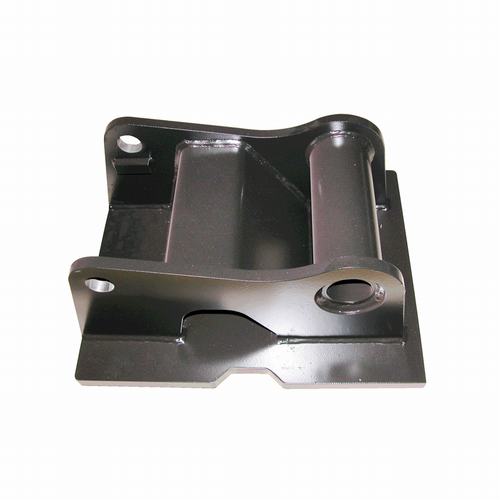
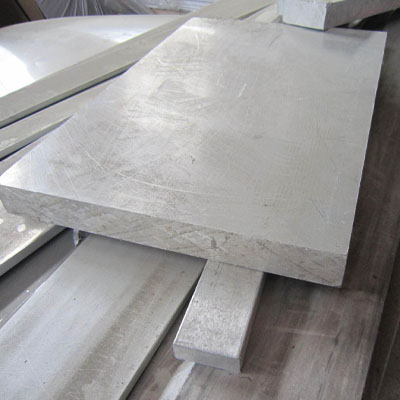
We also provide forging blanks and CNC precision machining services for our clients, covering industries such as energy, petrochemicals, steel, engineering machinery, plastics, prevention and control, hydraulics, healthcare, and food. Please feel free to send us drawings for inquiries.
Metalworking Services
CNC Machining
Sheet Metal Fabrication
Metal Welding
Metal Cutting
Metal Bending
Metal Punching
Metal Forging
Metal Sheet Rolling
Tube and Plate Drilling
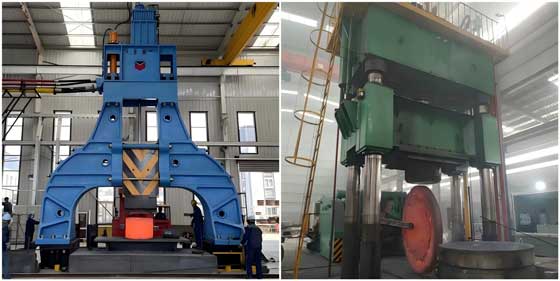
Heavy Forging Press Capacity
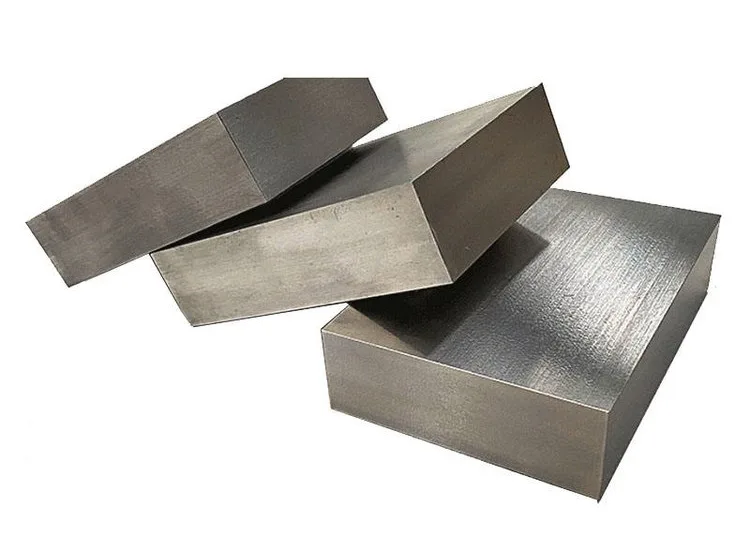
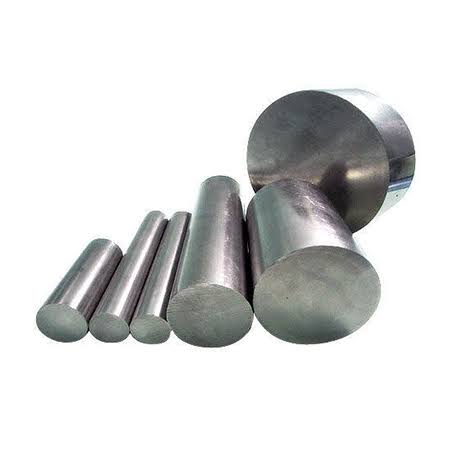
Our heavy-duty forging presses support open-die forging and deformation of large-section forgings, including discs, shafts, blocks, and custom components. This capability enables us to meet the demanding forming requirements of heavy industrial applications.
Heat Treatment Capability
Heat treatment is a critical step in achieving the mechanical properties required for heavy-duty forgings. Our process capabilities meet the strength, toughness, and structural stability requirements for forged components used under demanding operating conditions.
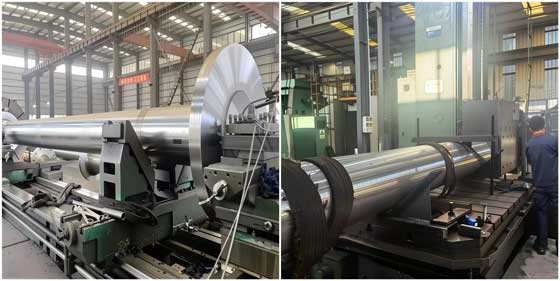
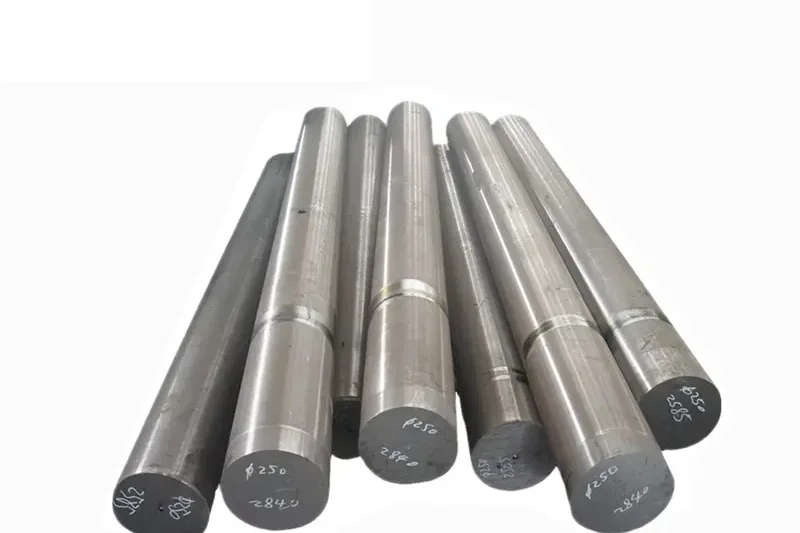
Heavy Shaft Machining
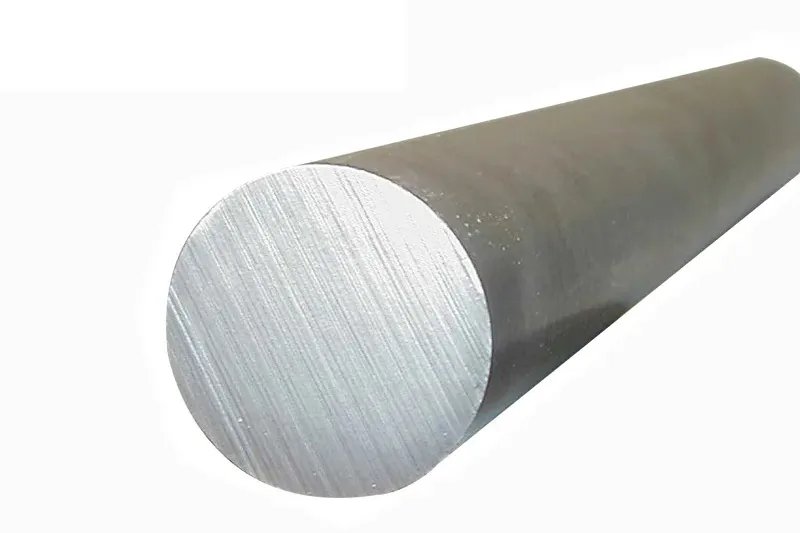
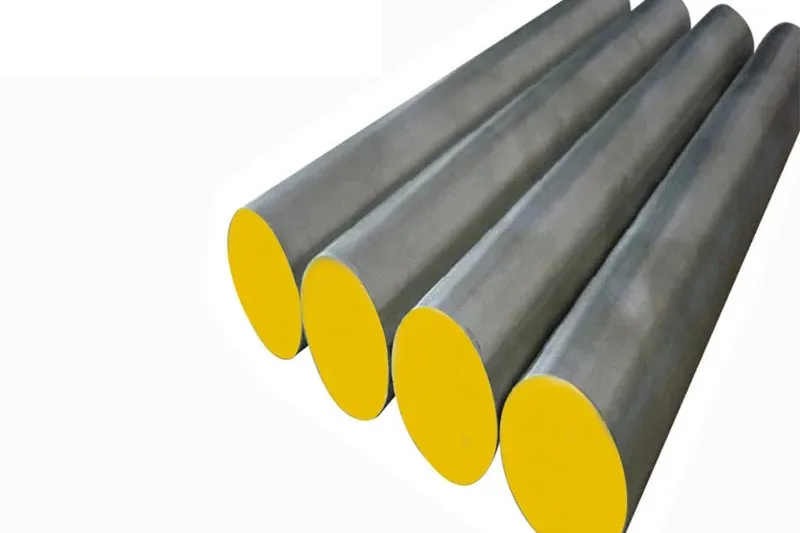
We offer machining capabilities for large forged shafts and long cylindrical components, supporting both rough and finish machining. This capacity is suitable for stepped shafts, rotor shafts, rollers, and other heavy-duty forged shaft components.
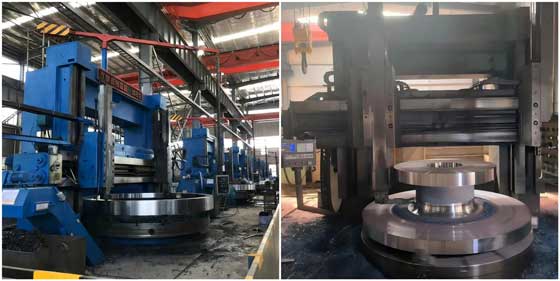
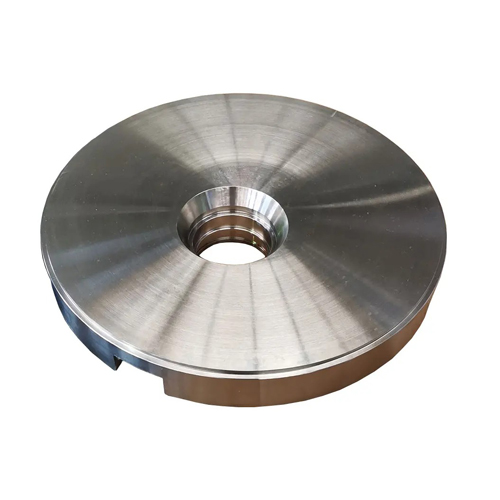
Ring Forging Machining
Our machining facilities are capable of handling large ring-shaped forgings and circular parts that require precise turning, face machining, boring, and contour control. This capability is suitable for industrial ring blanks, heavy-duty circular parts, and machined ring forgings.
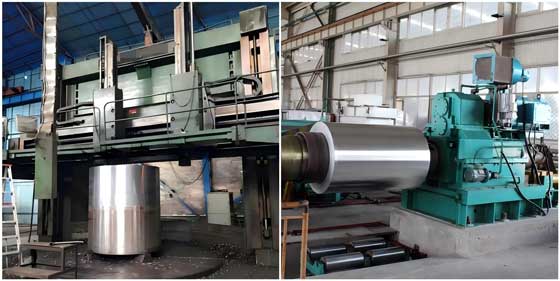
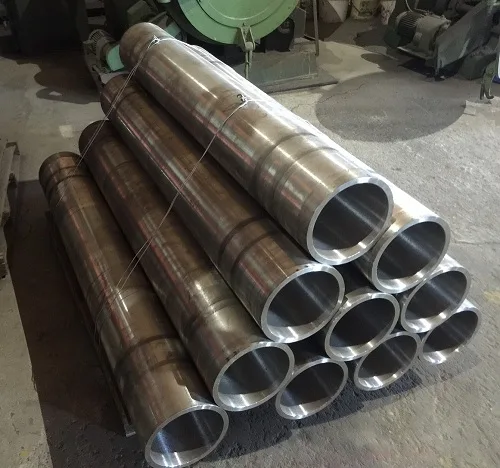
Cylindrical Forging Machining
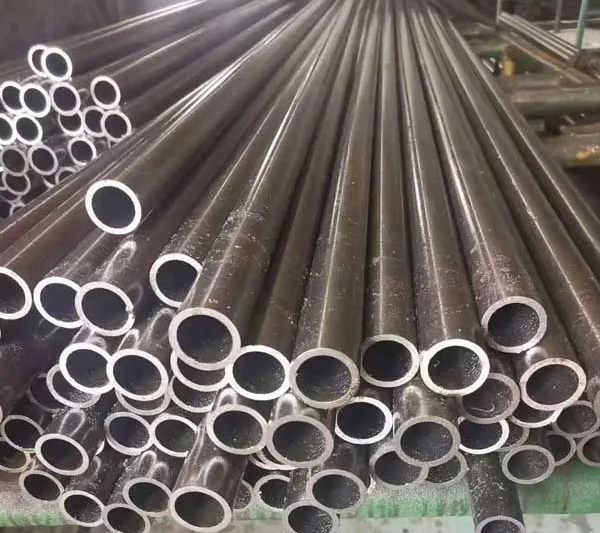
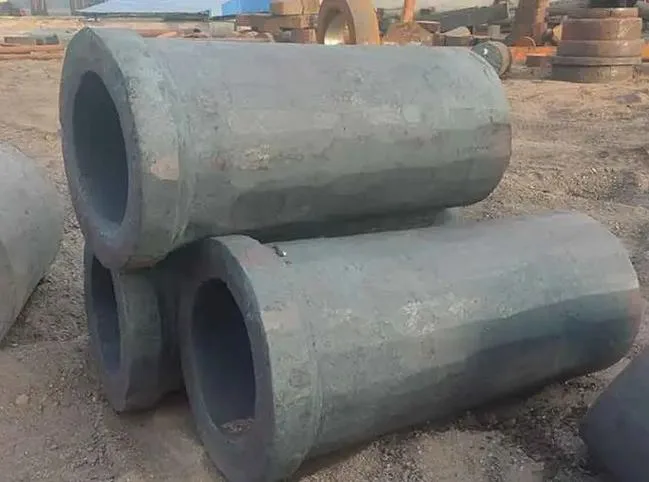
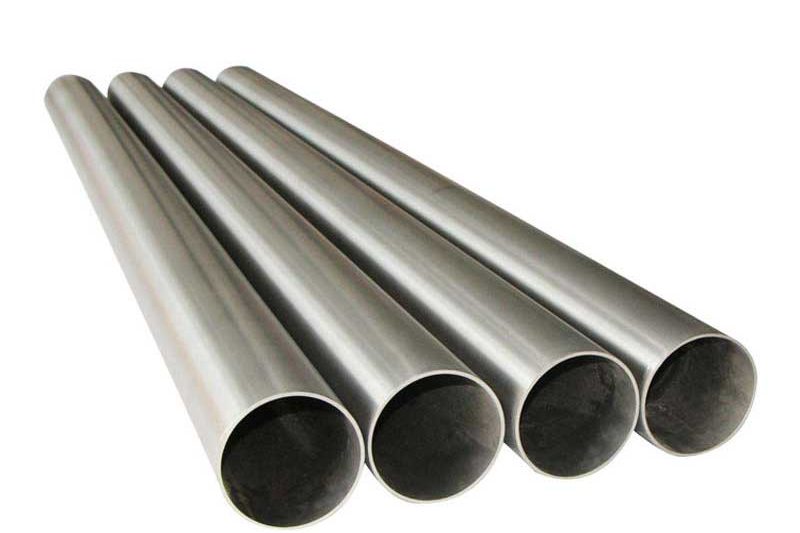
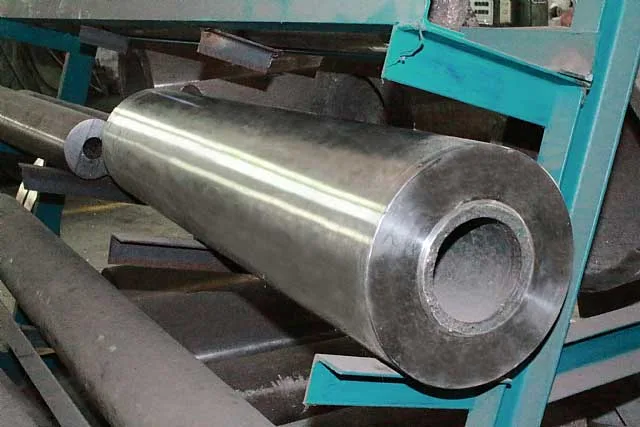
We offer machining solutions for heavy-duty cylindrical, hollow, and tubular forgings. This capability supports the machining of sleeves, cylinders, and other thick-walled forged components used in pressure vessels, rotating systems, and general industrial applications.
Inspection & Testing
Quality control is integrated into our production process through the inspection and testing of forged and machined parts. Our capabilities help verify the dimensional accuracy, condition, and quality consistency of industrial forgings prior to delivery.
Packing & Delivery
Finished forgings are properly protected and packaged to minimize the risk of damage during storage and transportation. Our packaging methods ensure the safe domestic delivery and export shipment of machined and high-value forged components.
We use cookies to ensure that we give you the best experience on our website. If you continue to use this site we will assume that you are happy with it. Privacy policy
You can revoke your consent any time using the Revoke consent button.