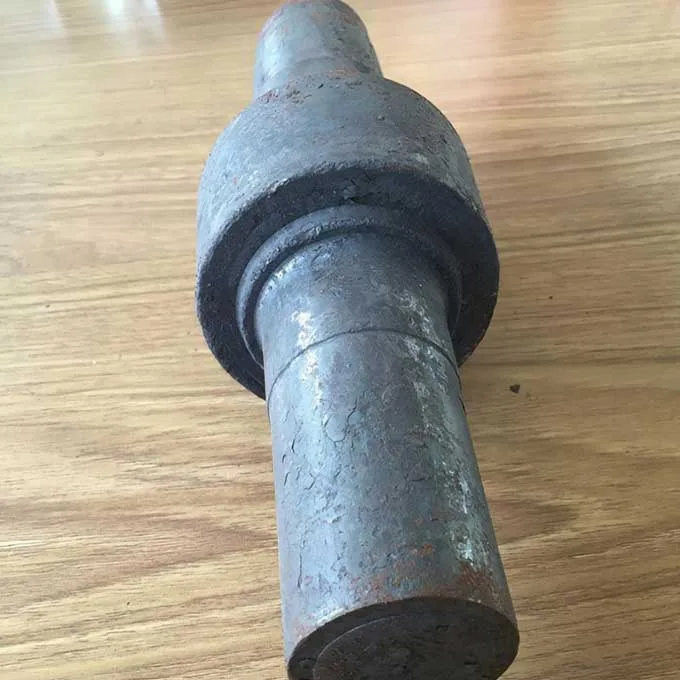
Forging and forging rolls
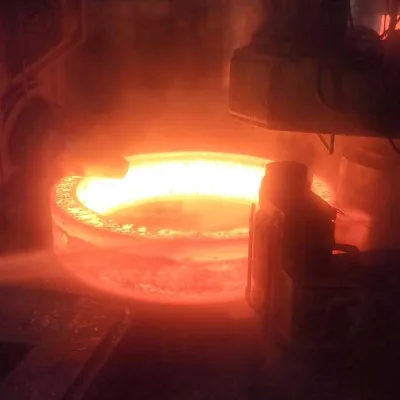
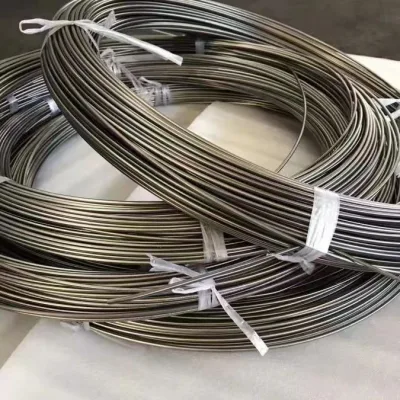
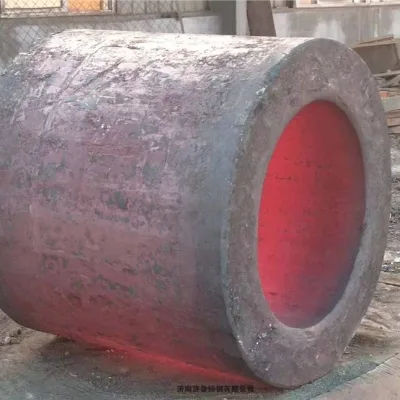
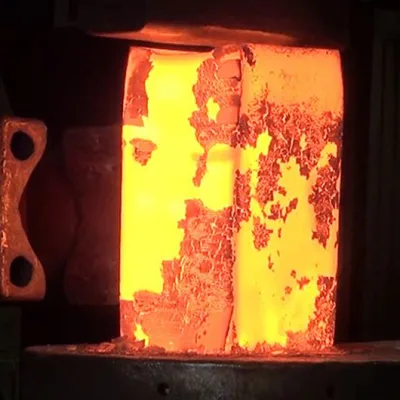
The forging materials mainly consist of carbon steel and alloy steel with various compositions, followed by aluminum, magnesium, copper, titanium and their alloys. The original states of materials include bar, ingot, metal powder, and liquid metal. The ratio of the cross-sectional area of a metal before deformation to the cross-sectional area after deformation is called the forging ratio. The correct selection of forging ratio, reasonable heating temperature and holding time, reasonable initial and final forging temperature, reasonable deformation amount and deformation speed are closely related to improving product quality and reducing costs.
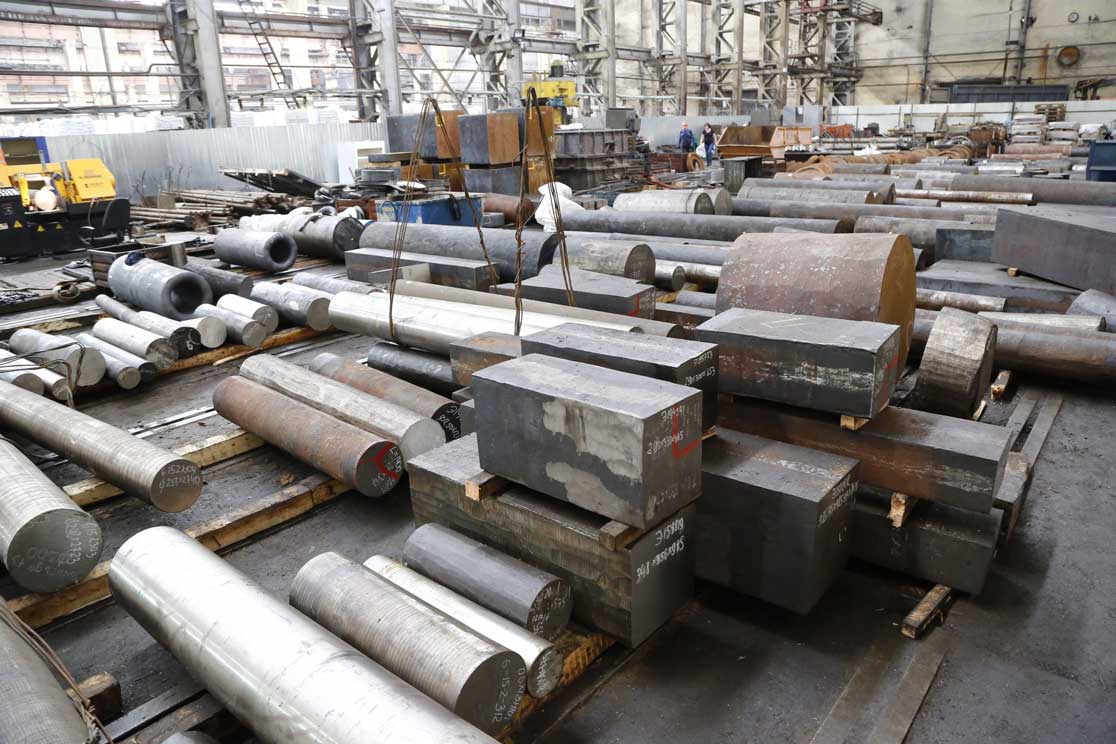
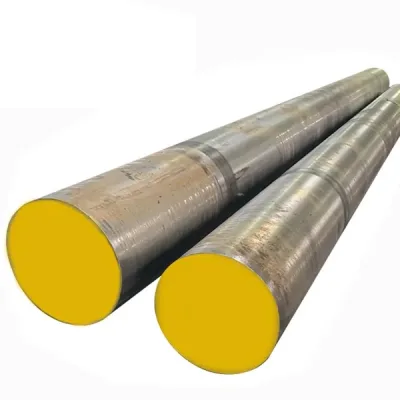
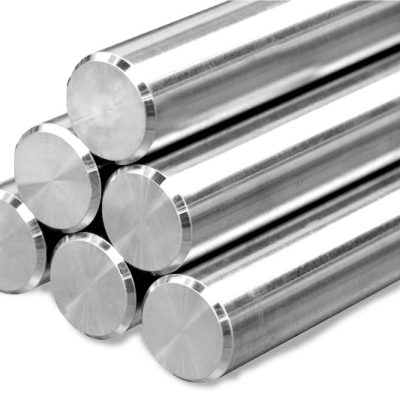
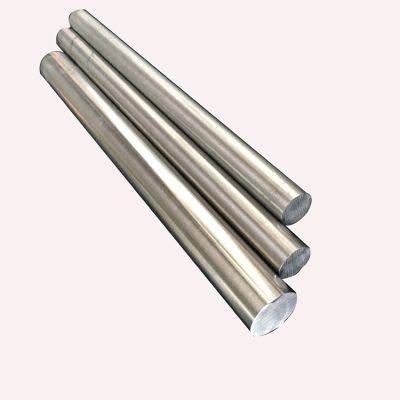
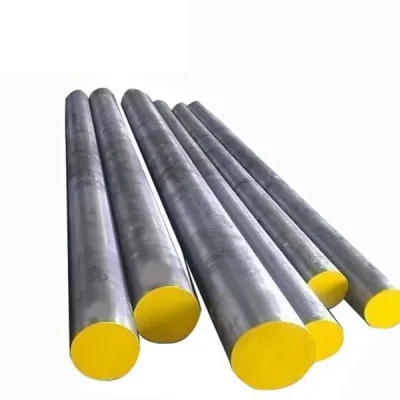
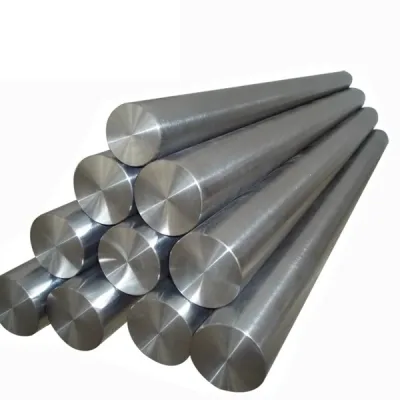
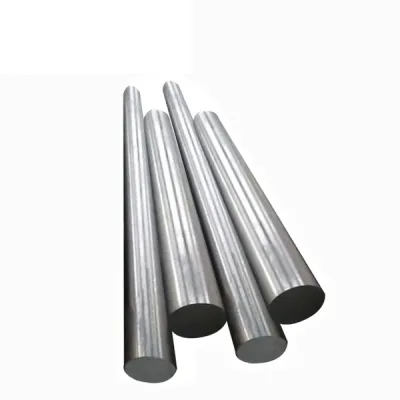
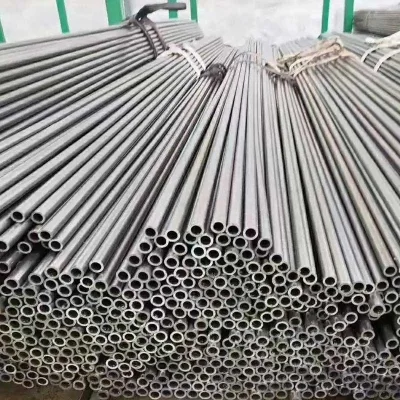
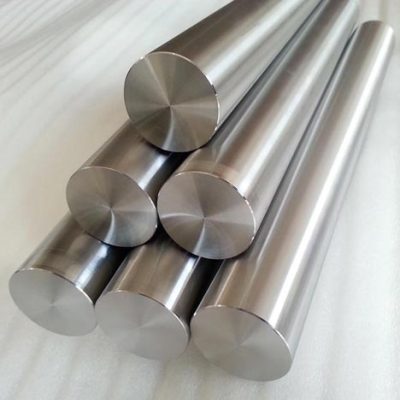
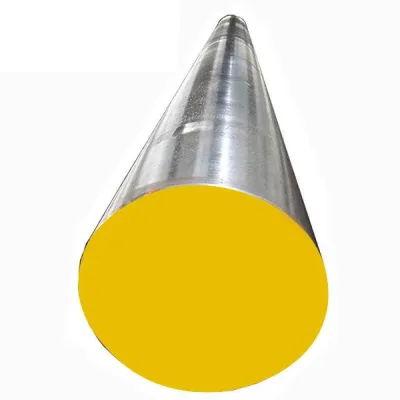
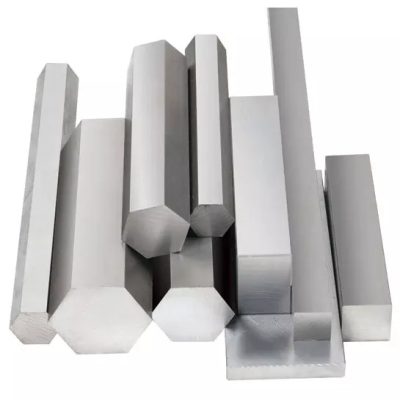
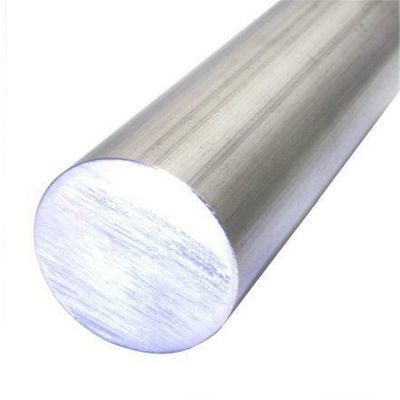
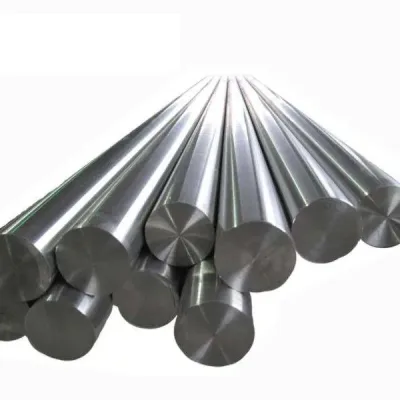
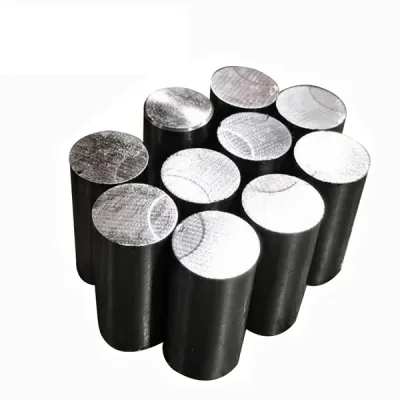
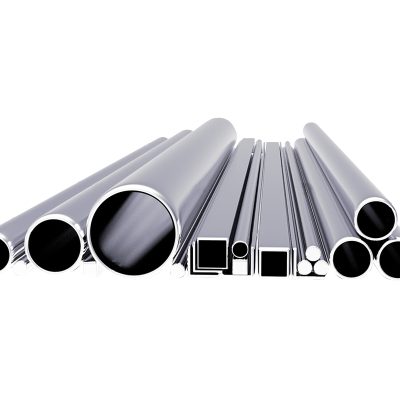
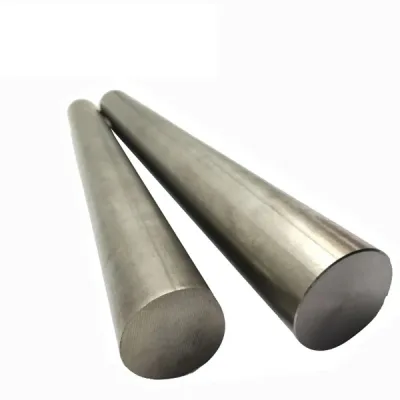
Generally, circular or square bar materials are used as blanks for small and medium-sized forgings. The grain structure and mechanical properties of the bar material are uniform and good, with accurate shape and size, good surface quality, and easy to organize for mass production. As long as the heating temperature and deformation conditions are reasonably controlled, high-quality forgings can be forged without significant forging deformation.
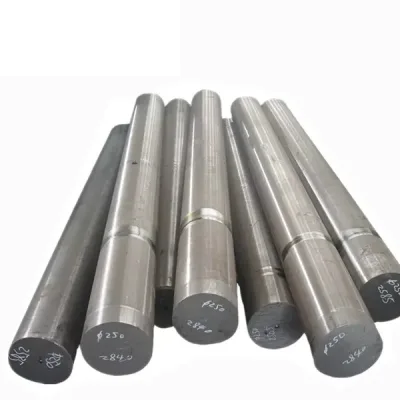
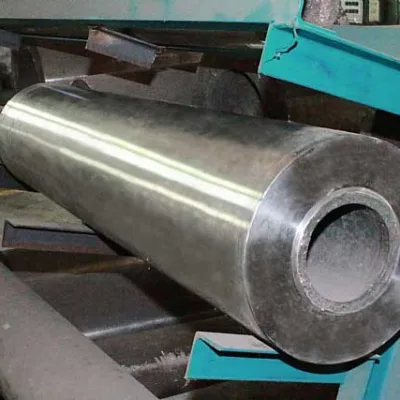
Ingots are only used for large forgings. Ingot is a cast structure with large columnar crystals and loose centers. Therefore, it is necessary to crush the columnar crystals into fine grains through large plastic deformation, and compact them loosely in order to obtain excellent metal structure and mechanical properties.
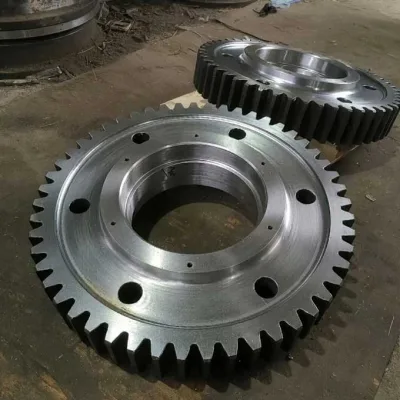
Powder metallurgy preforms formed by pressing and firing can be made into powder forgings by non flash forging in the hot state. The density of forging powder is close to that of general die forgings, with good mechanical properties and high precision, which can reduce subsequent cutting processing. The internal structure of powder forgings is uniform without segregation, and can be used to manufacture small gears and other workpieces. However, the price of powder is much higher than that of general bar materials, which limits its application in production. The
By applying static pressure to the liquid metal poured into the mold cavity, it can solidify, crystallize, flow, undergo plastic deformation, and form under pressure to obtain the desired shape and properties of the forging. Liquid metal forging is a forming method between die casting and die forging, especially suitable for complex thin-walled parts that are difficult to form by general die forging.
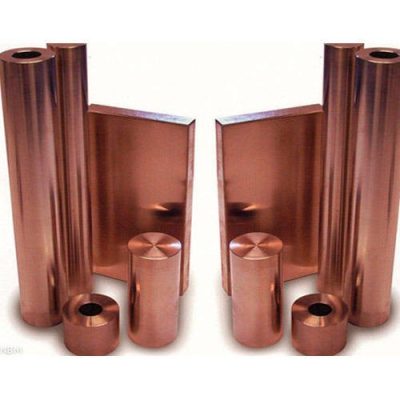
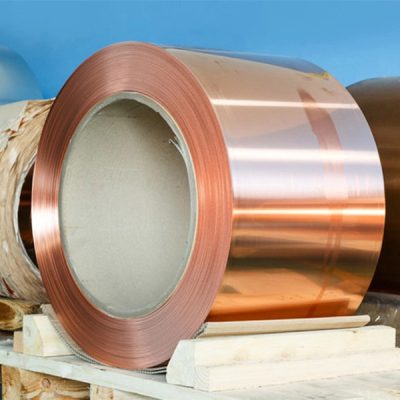
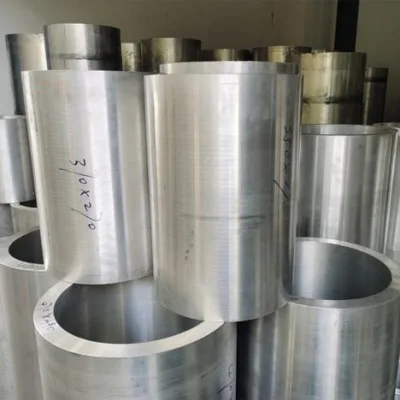
In addition to conventional materials such as carbon steel and alloy steel with various compositions, forging materials also include aluminum, magnesium, copper, titanium, and their alloys. Iron based high-temperature alloys, nickel based high-temperature alloys, and cobalt based high-temperature alloys are also forged or rolled as deformation alloys. However, these alloys have relatively narrow plastic zones, making forging relatively difficult. Different materials have strict requirements for heating temperature, forging temperature, and final forging temperature.
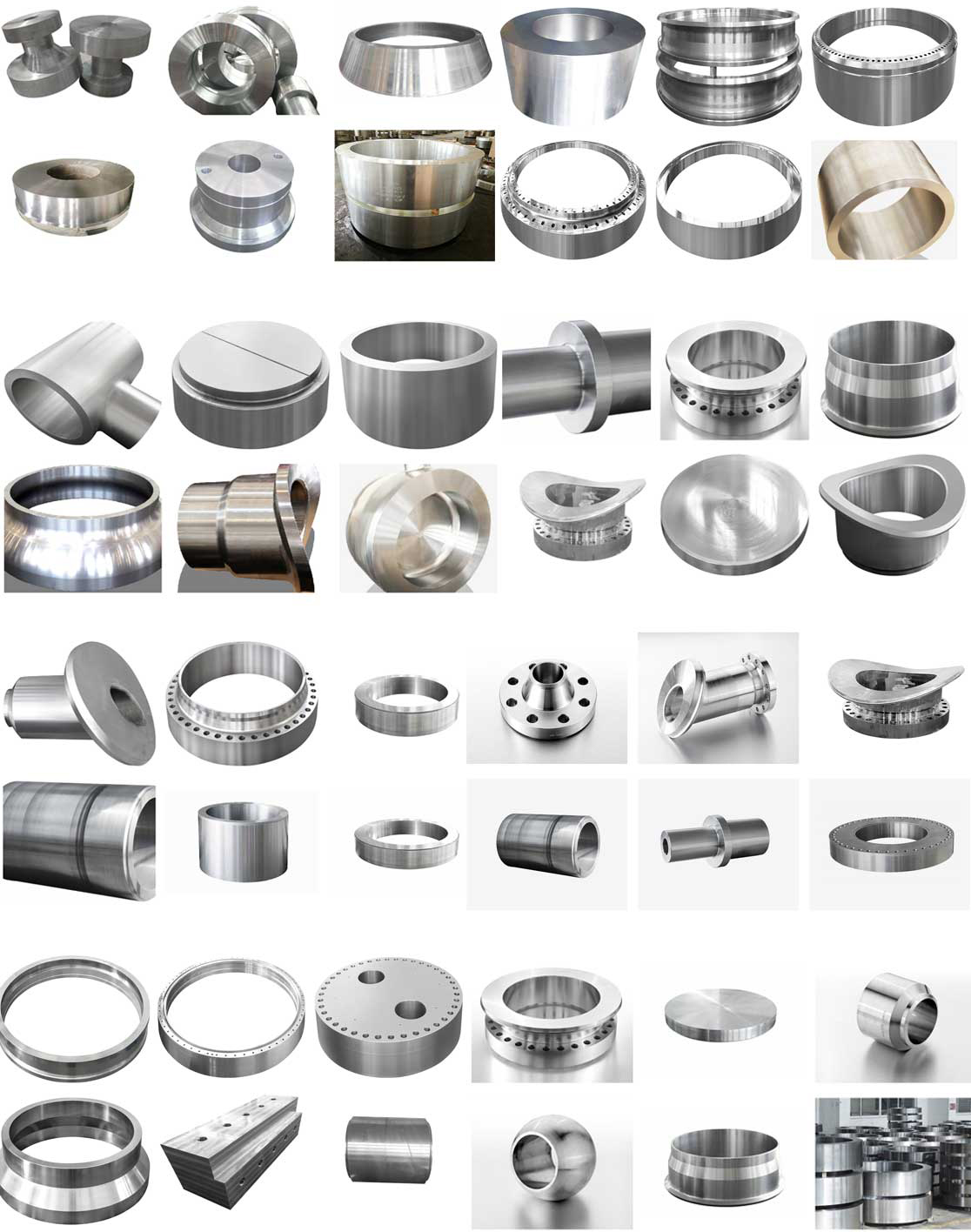
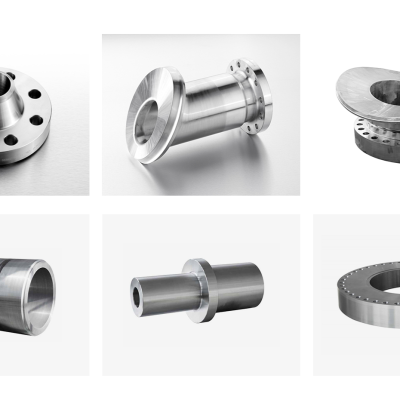
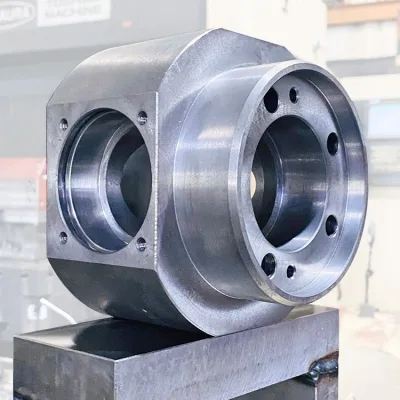
We also provide forging blanks and CNC precision machining services for our clients, covering industries such as energy, petrochemicals, steel, engineering machinery, plastics, prevention and control, hydraulics, healthcare, and food. Please feel free to send us drawings for inquiries.
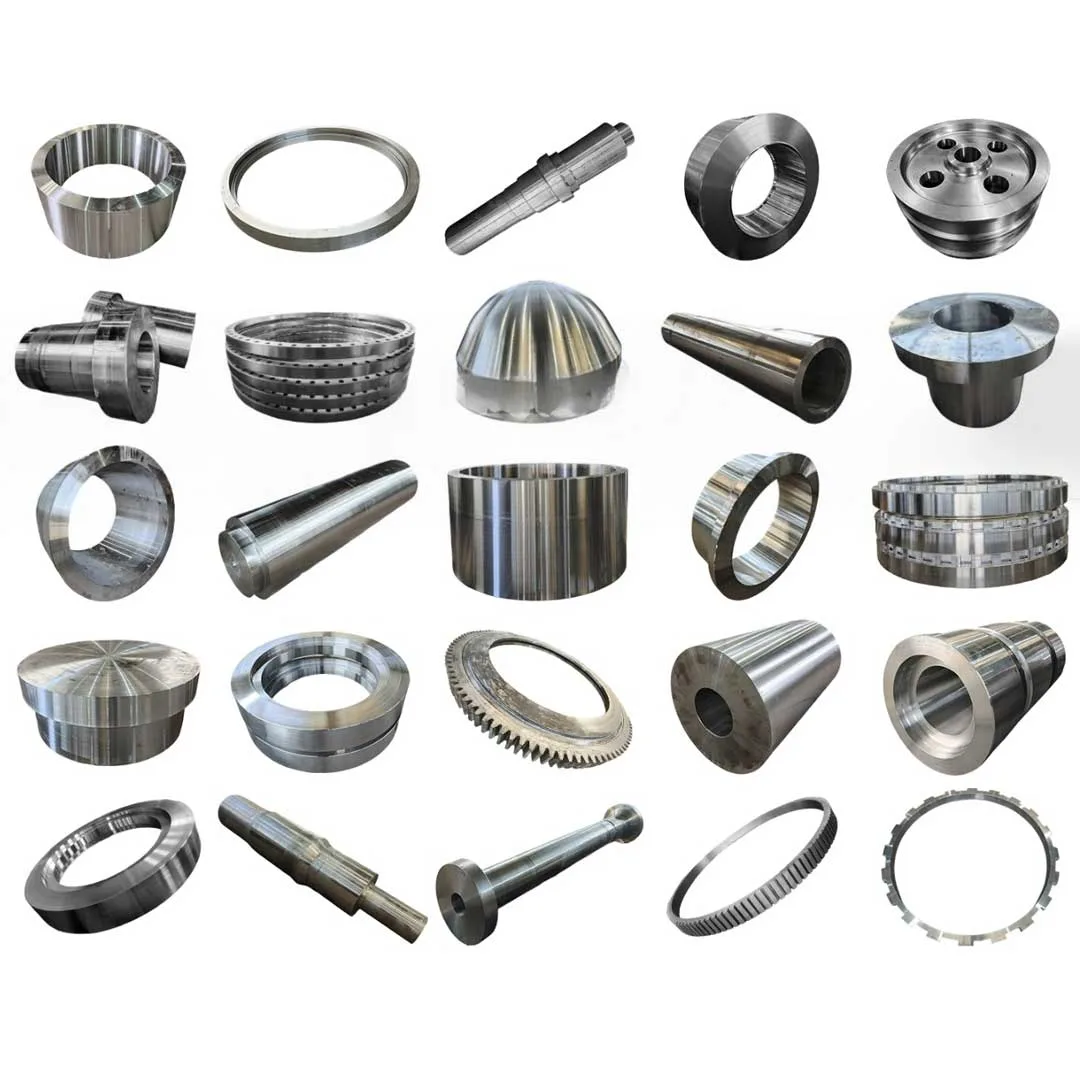
Metalworking Services
CNC Machining
Sheet Metal Fabrication
Metal Welding
Metal Cutting
Metal Bending
Metal Punching
Metal Forging
Metal Sheet Rolling
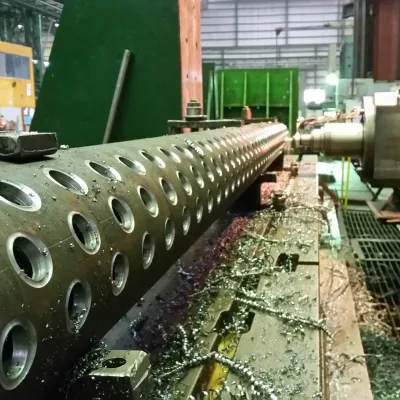
Tube and Plate Drilling
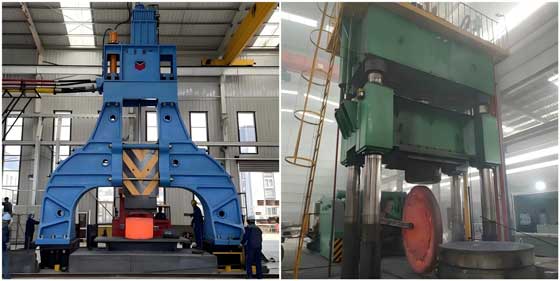
Heavy Forging Press Capacity
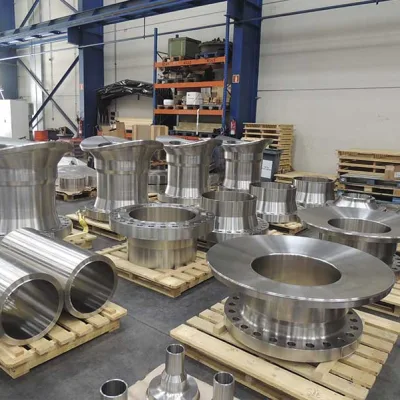
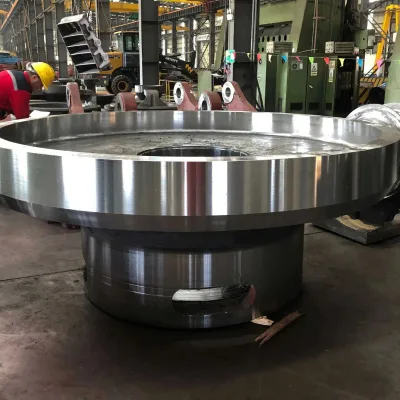
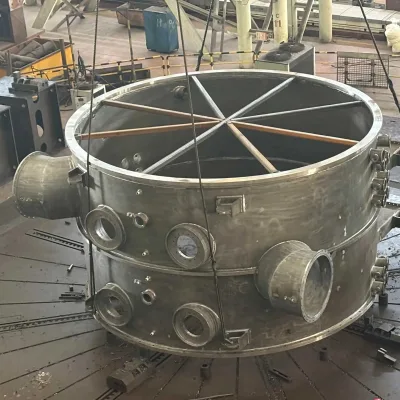
Our heavy-duty forging presses support open-die forging and deformation of large-section forgings, including discs, shafts, blocks, and custom components. This capability enables us to meet the demanding forming requirements of heavy industrial applications.
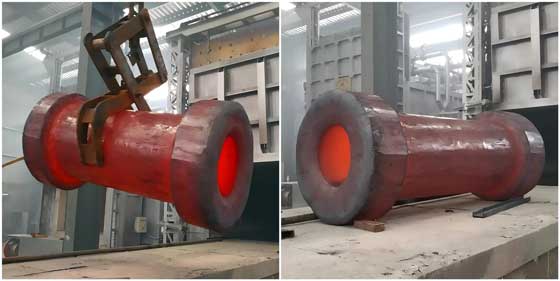
Heat Treatment Capability
Heat treatment is a critical step in achieving the mechanical properties required for heavy-duty forgings. Our process capabilities meet the strength, toughness, and structural stability requirements for forged components used under demanding operating conditions.
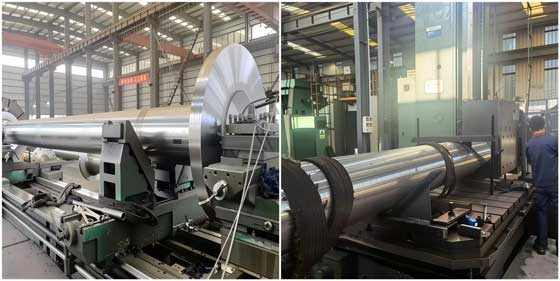
Heavy Shaft Machining
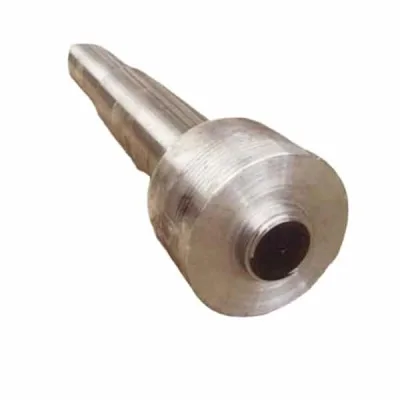
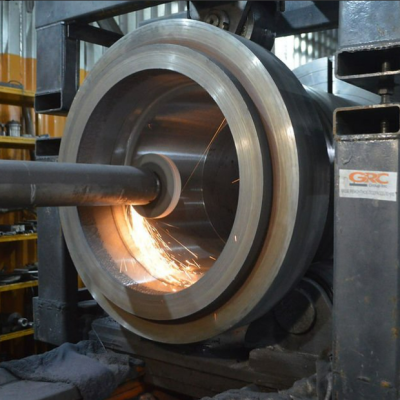
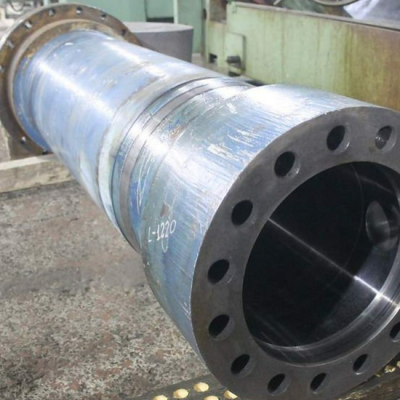
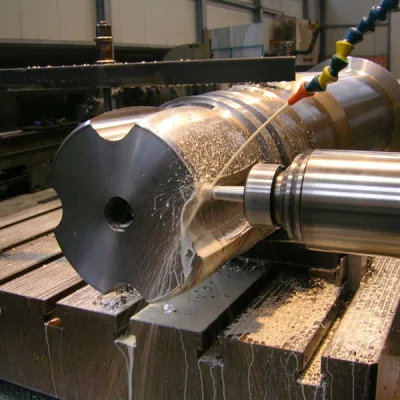
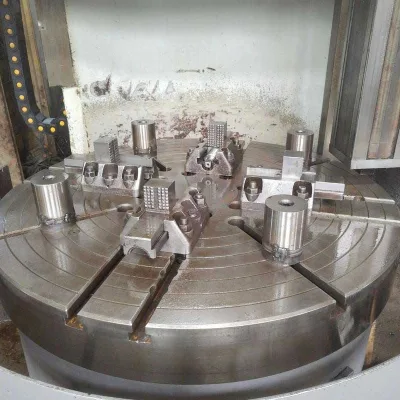
We offer machining capabilities for large forged shafts and long cylindrical components, supporting both rough and finish machining. This capacity is suitable for stepped shafts, rotor shafts, rollers, and other heavy-duty forged shaft components.
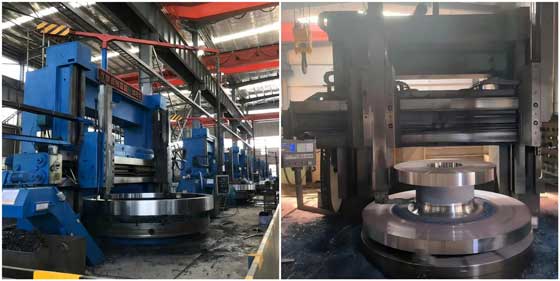
Ring Forging Machining
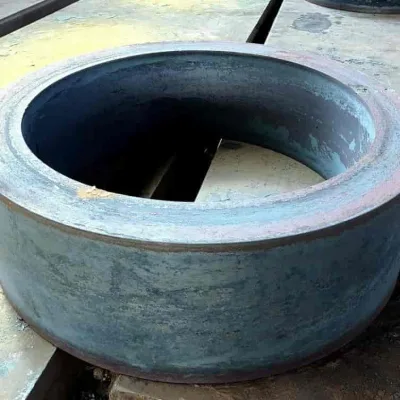
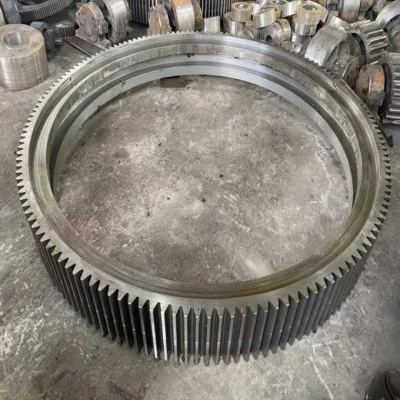
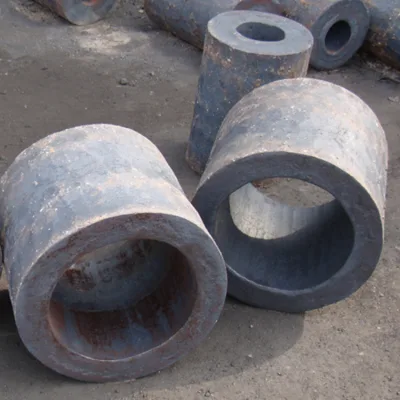
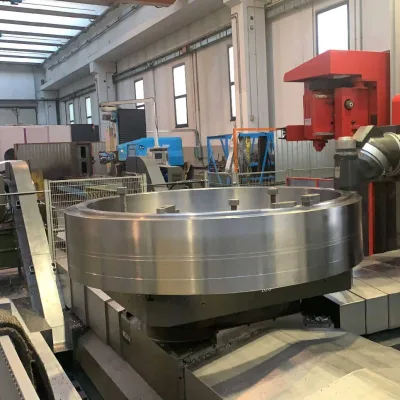
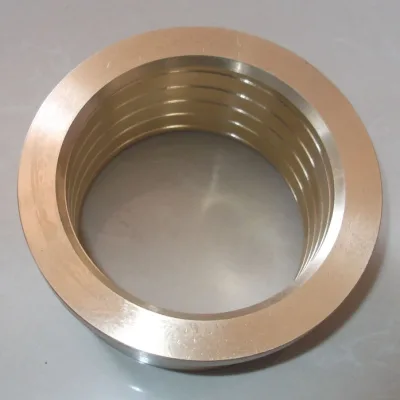
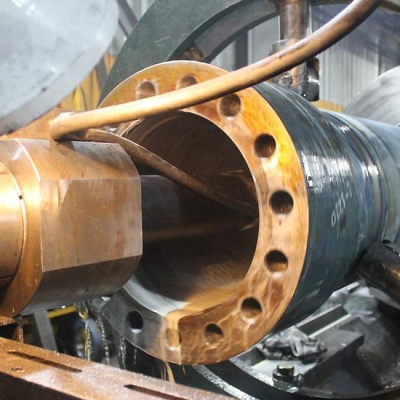
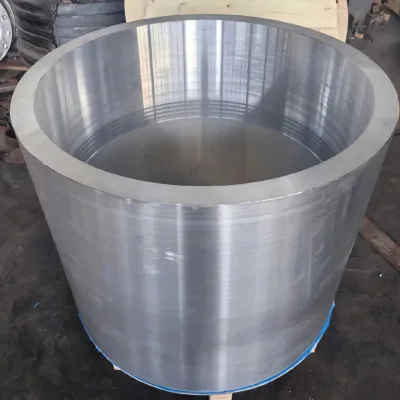
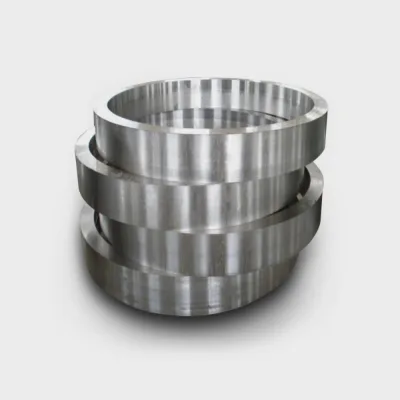
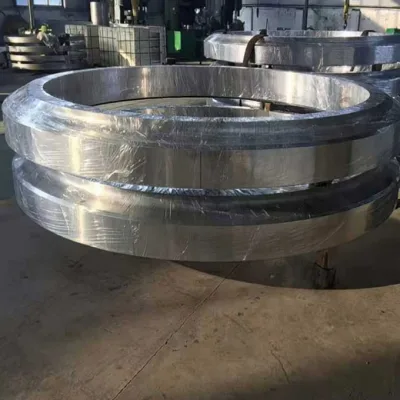
Our machining facilities are capable of handling large ring-shaped forgings and circular parts that require precise turning, face machining, boring, and contour control. This capability is suitable for industrial ring blanks, heavy-duty circular parts, and machined ring forgings.
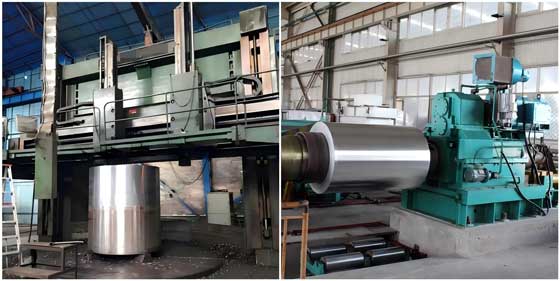
Cylindrical Forging Machining
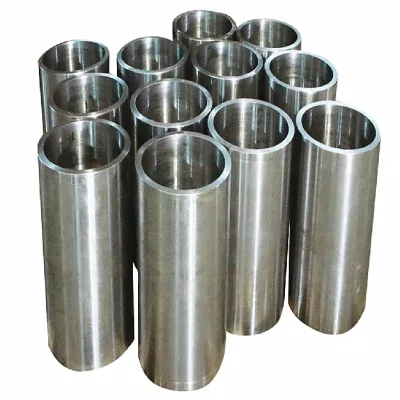
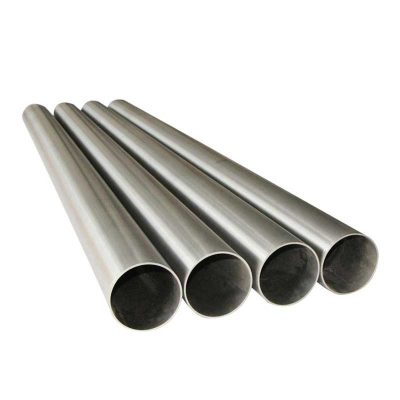
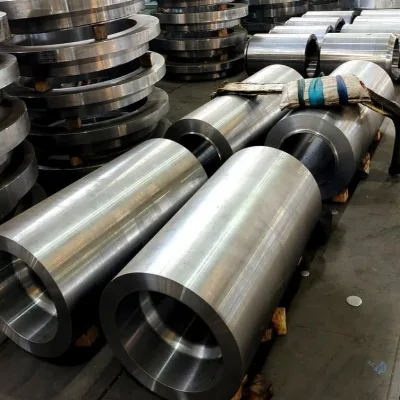
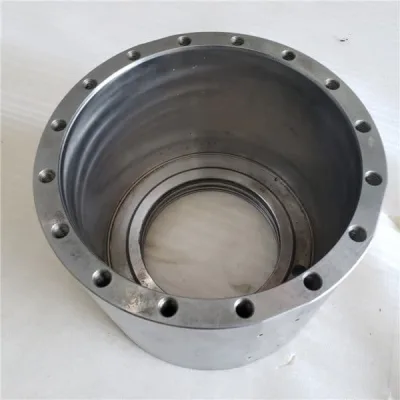
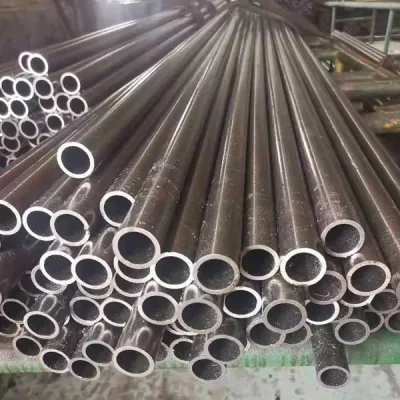
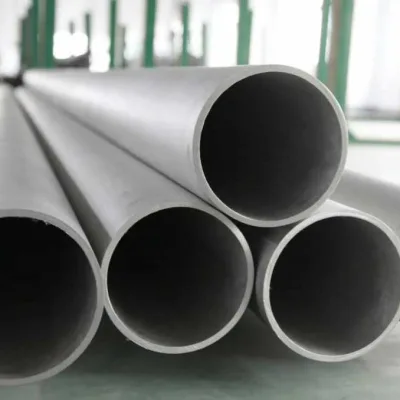
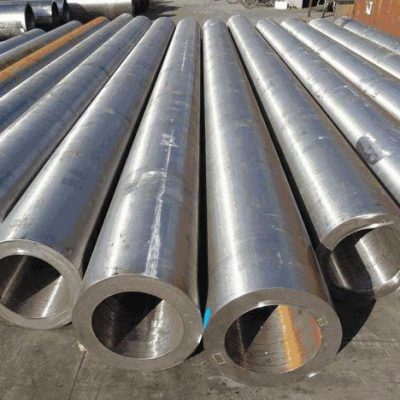
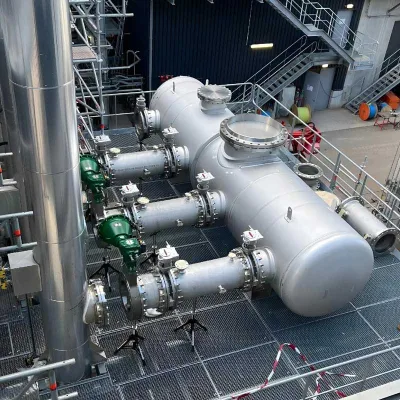
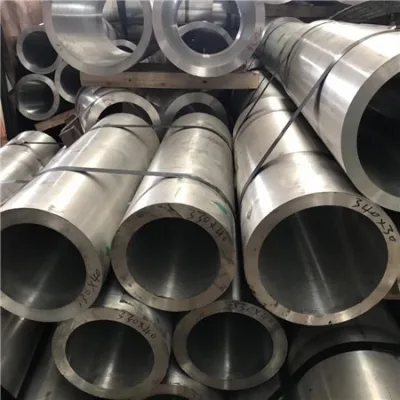
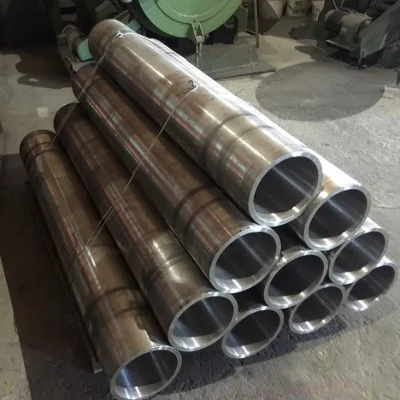
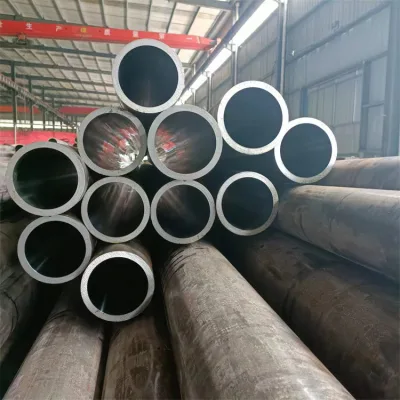
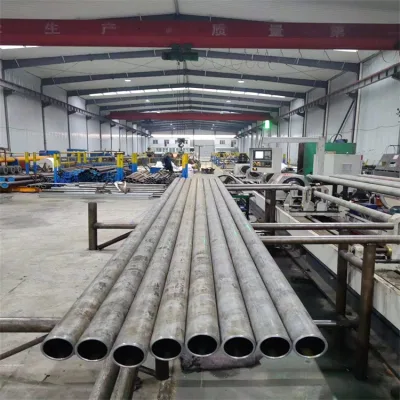
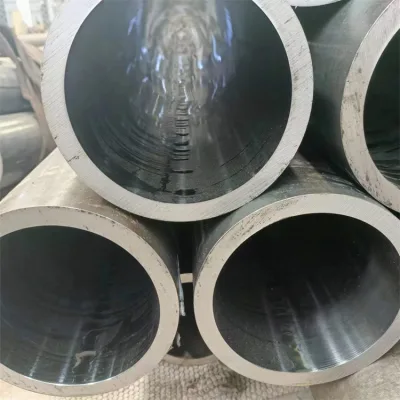
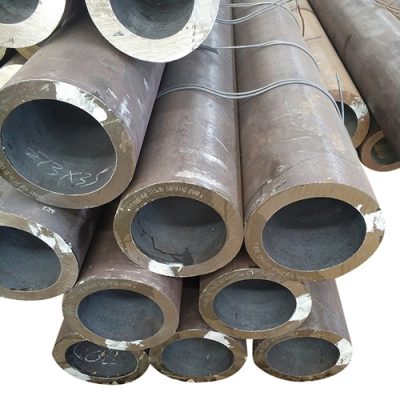
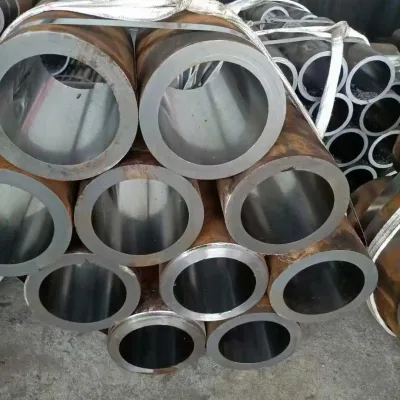
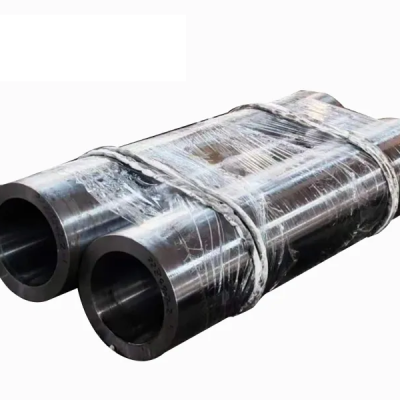
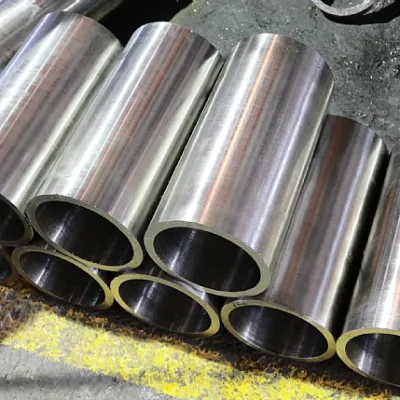
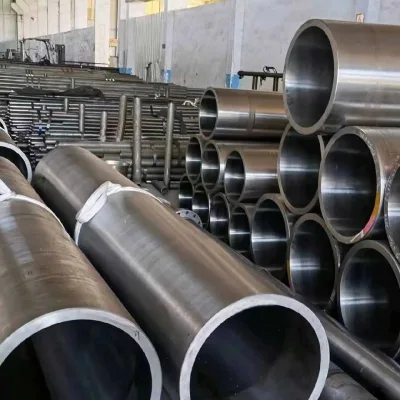
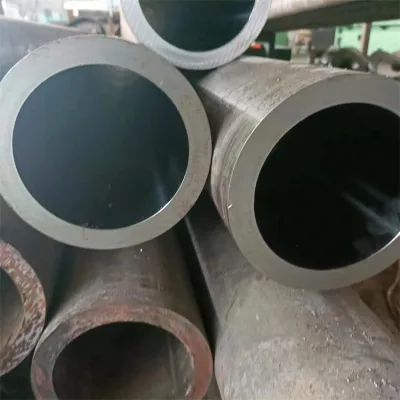
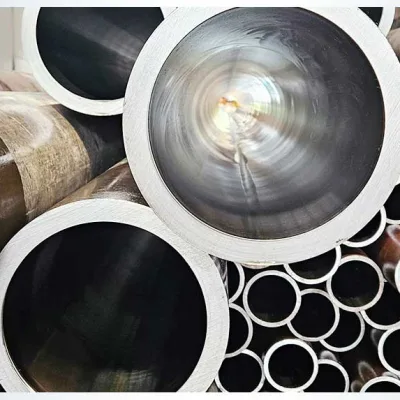
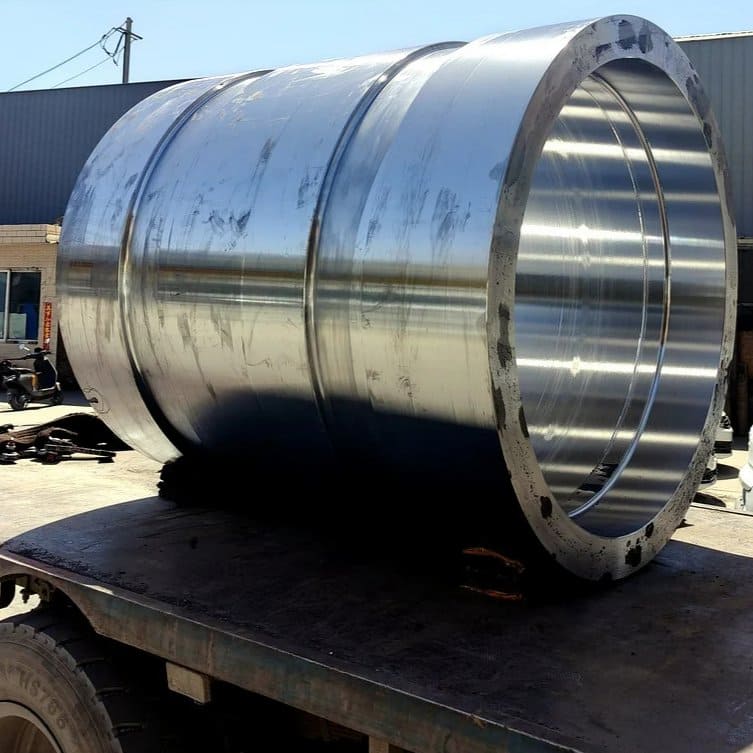
We offer machining solutions for heavy-duty cylindrical, hollow, and tubular forgings. This capability supports the machining of sleeves, cylinders, and other thick-walled forged components used in pressure vessels, rotating systems, and general industrial applications.
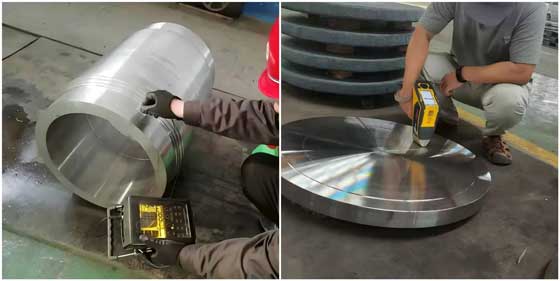
Inspection & Testing
Quality control is integrated into our production process through the inspection and testing of forged and machined parts. Our capabilities help verify the dimensional accuracy, condition, and quality consistency of industrial forgings prior to delivery.
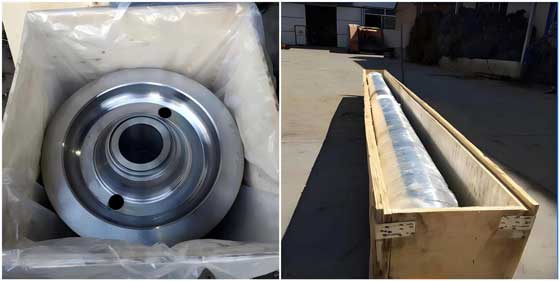
Packing & Delivery
Finished forgings are properly protected and packaged to minimize the risk of damage during storage and transportation. Our packaging methods ensure the safe domestic delivery and export shipment of machined and high-value forged components.