Heavy-Duty Socket Forging
.jpg)
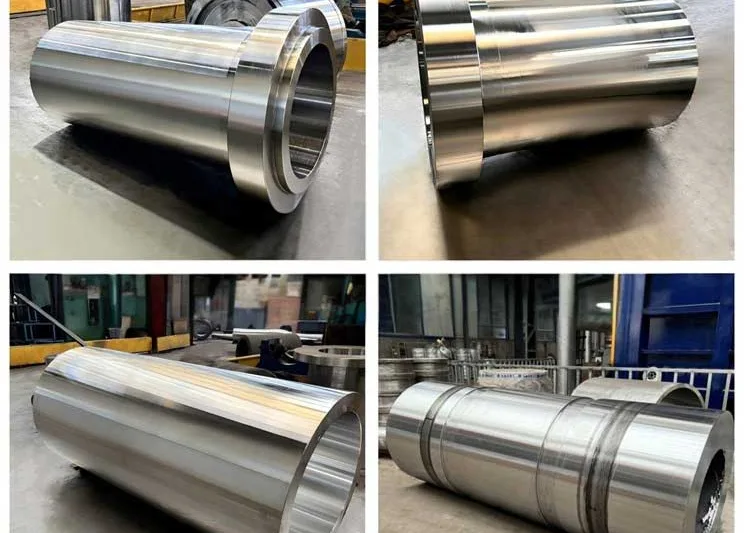
Analysis of Heavy-Duty Sleeve Forging Processes and Applications
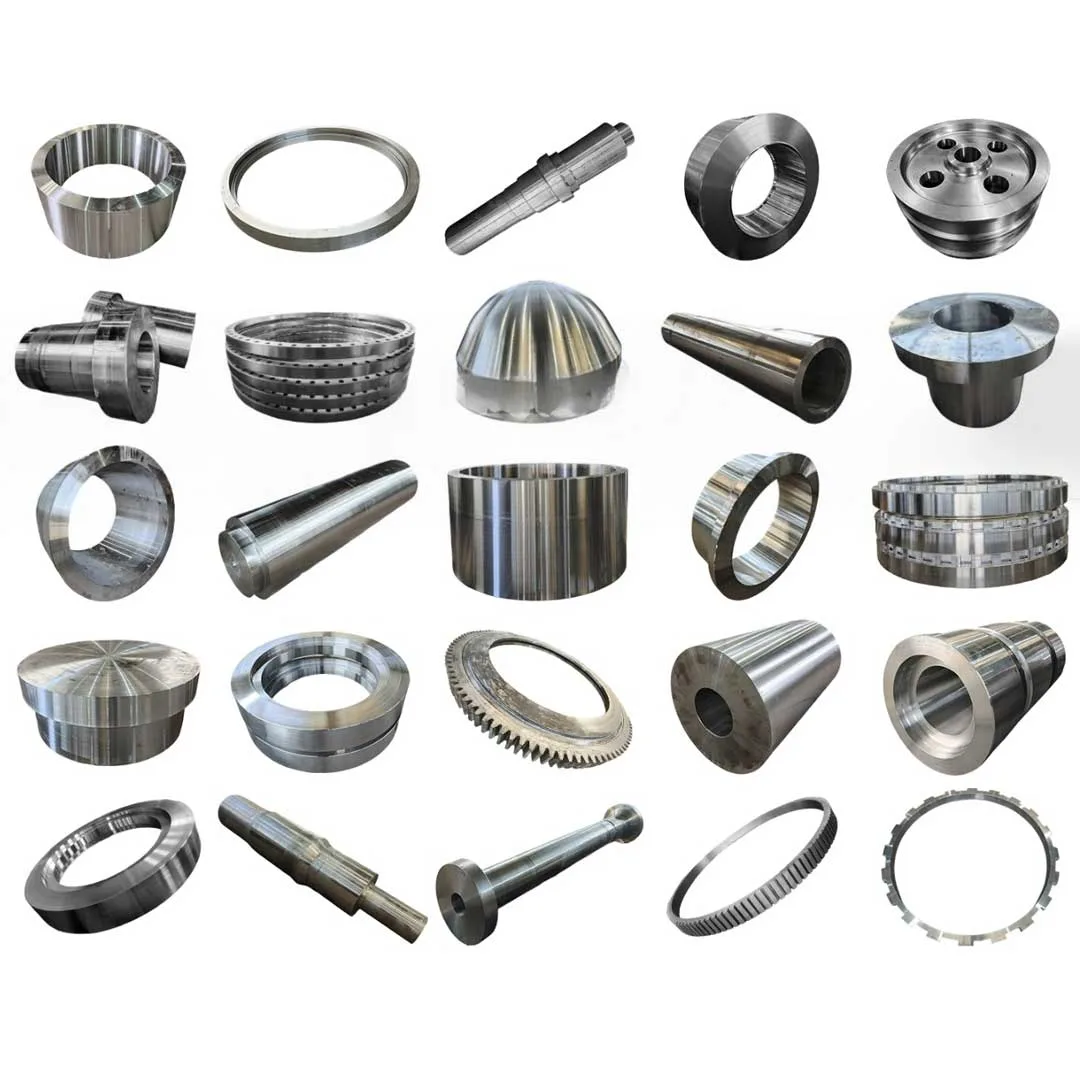
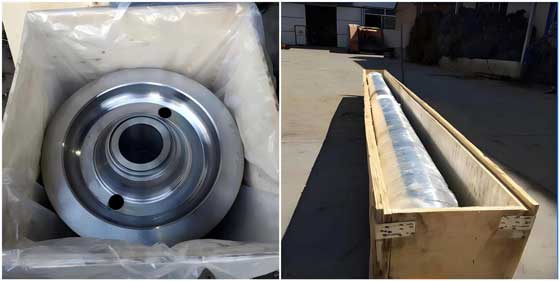
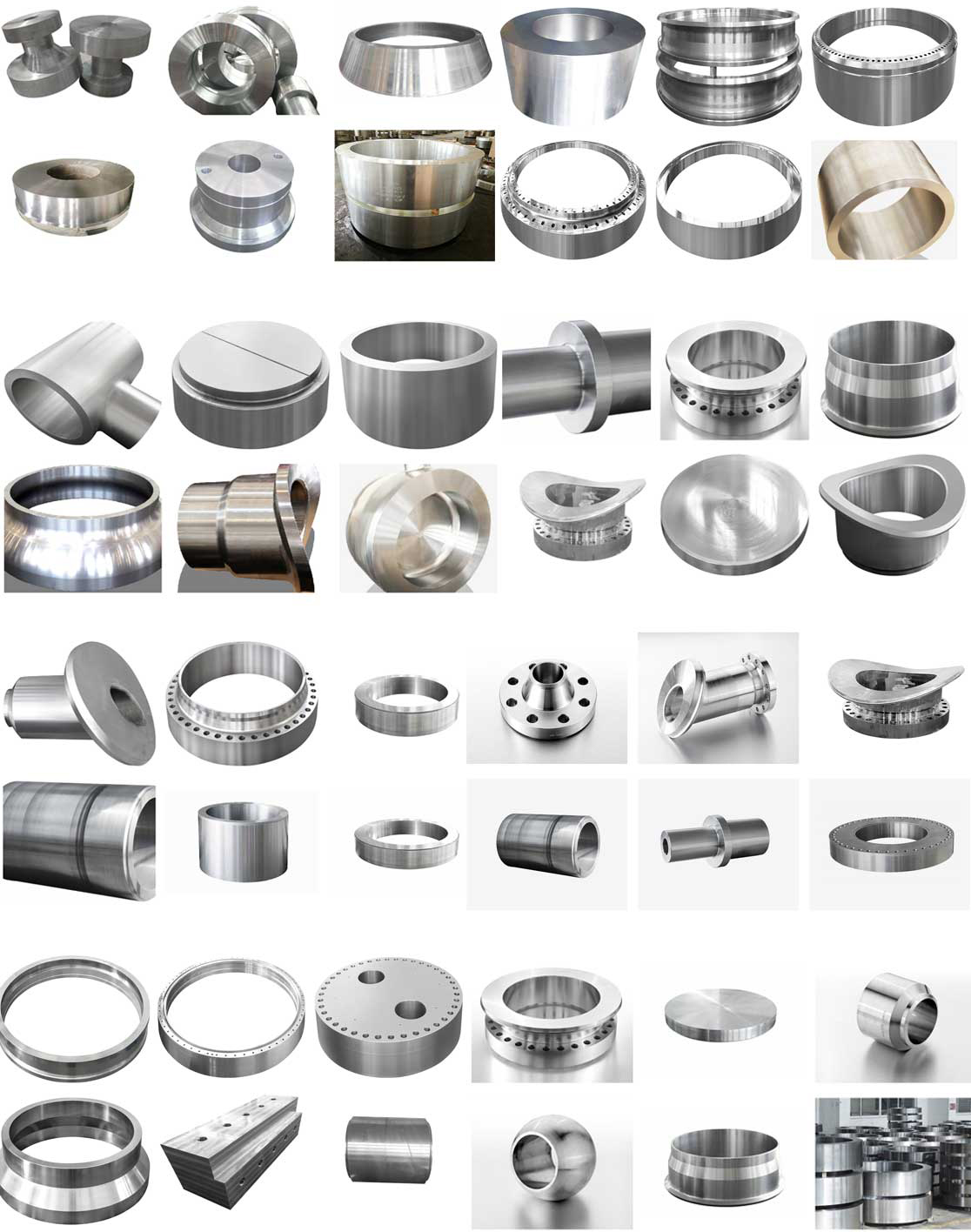
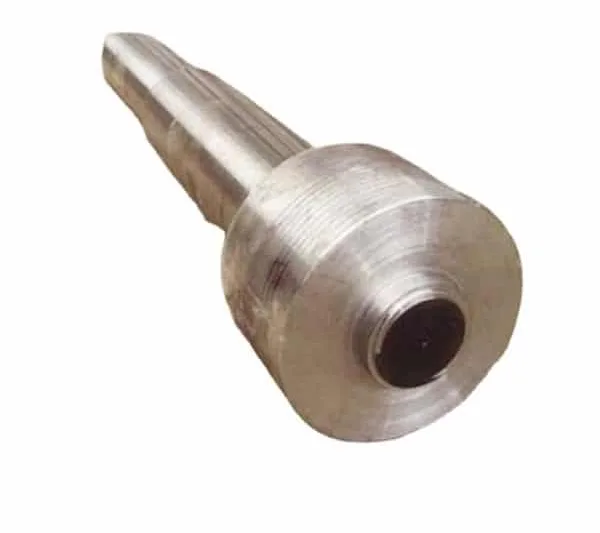
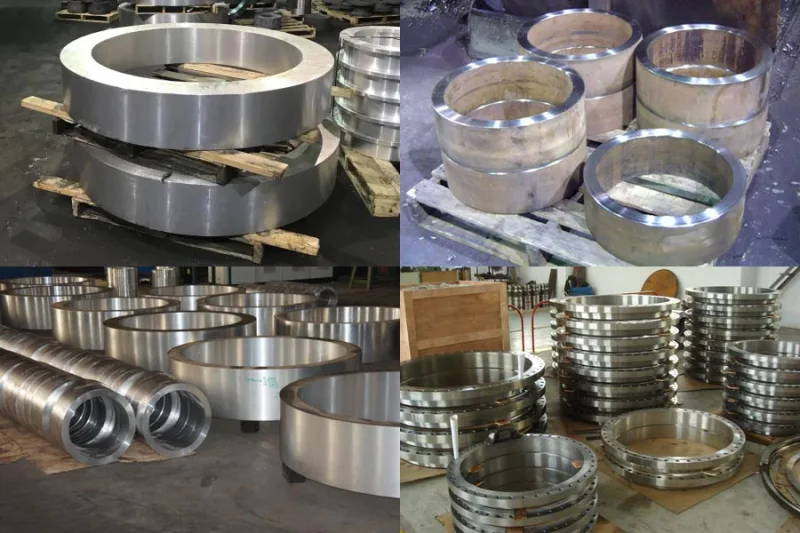
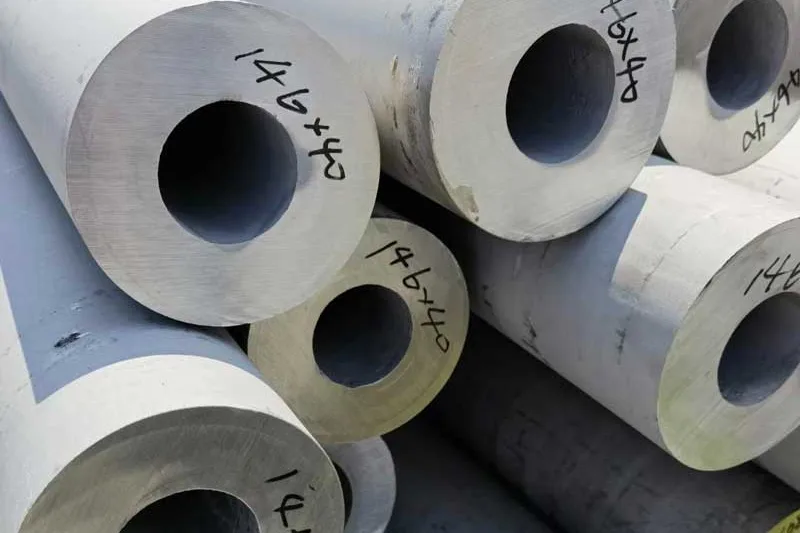
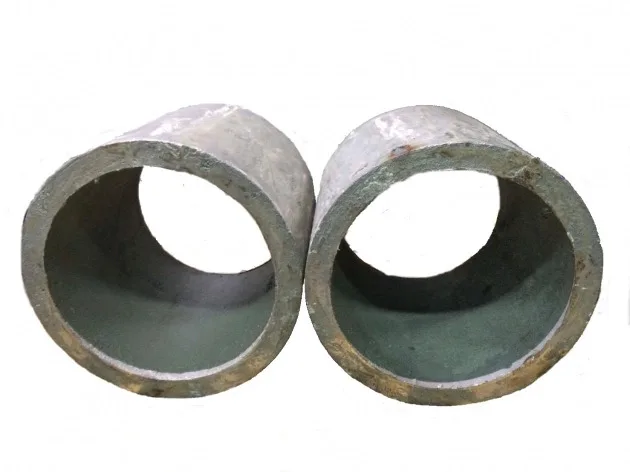
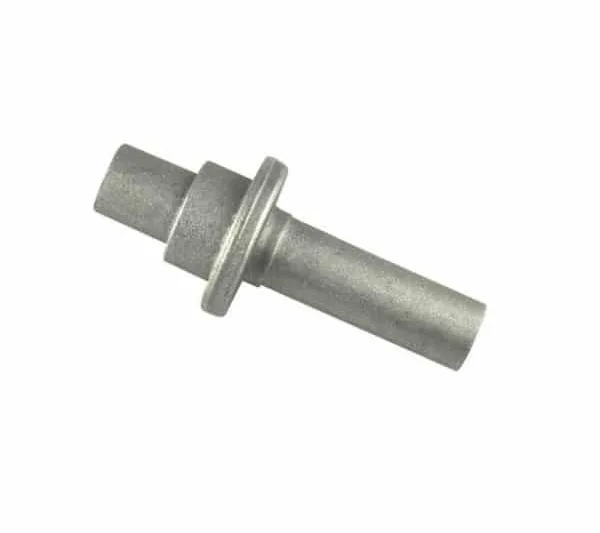
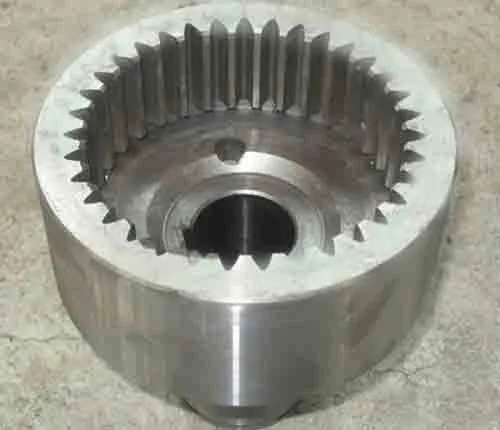
Heavy-duty sleeve forging is a critical foundational process in modern industrial manufacturing, widely used in high-strength fastening and power transmission applications. This process utilizes metal plastic deformation technology to shape high-quality alloy steel billets under high pressure, resulting in sleeves with a dense structure and exceptional strength. With the rapid development of heavy machinery, mining equipment, and the automotive industry, higher demands have been placed on the load-bearing capacity and service life of sleeves, making the forging process the core choice for meeting these stringent standards.
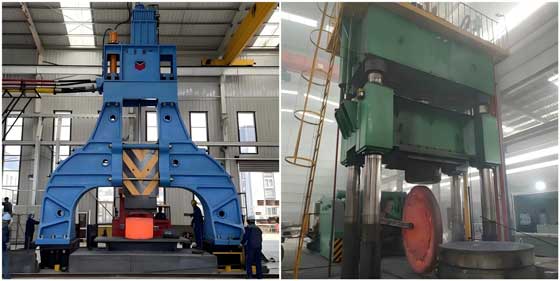
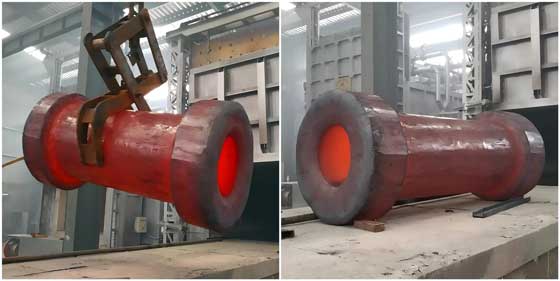
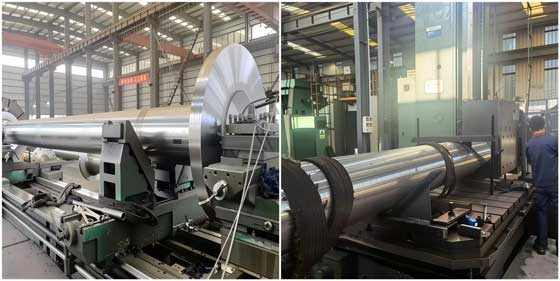
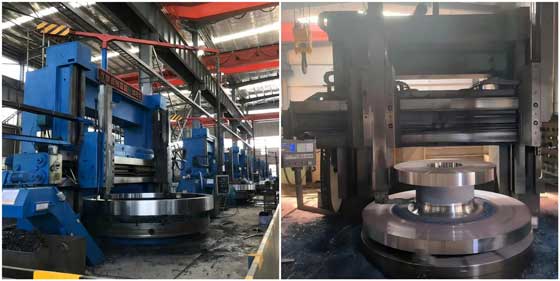
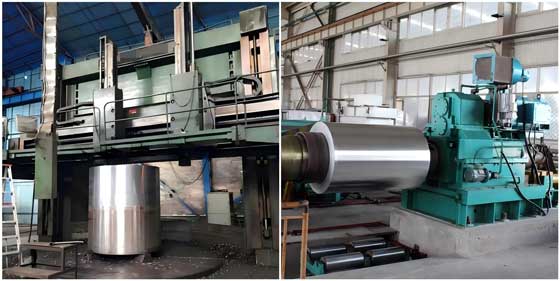
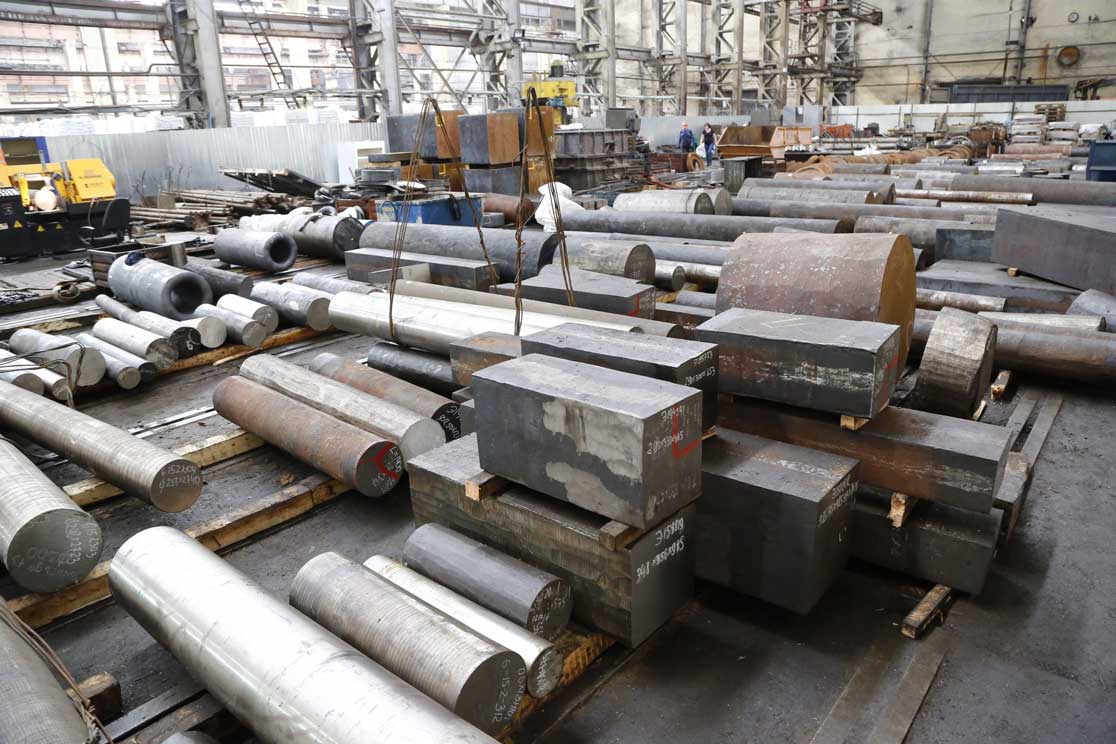
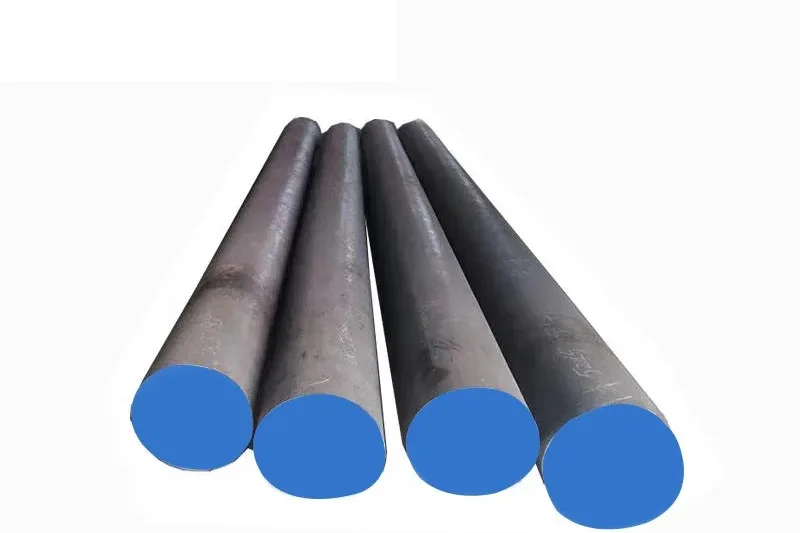
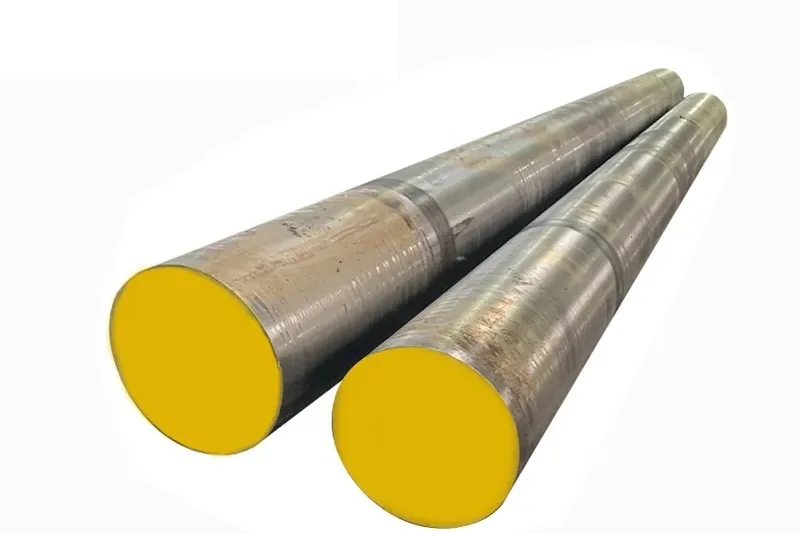
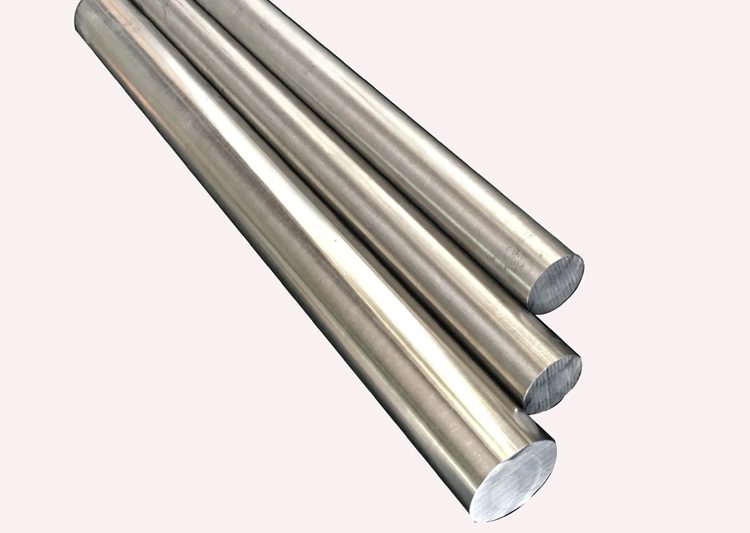
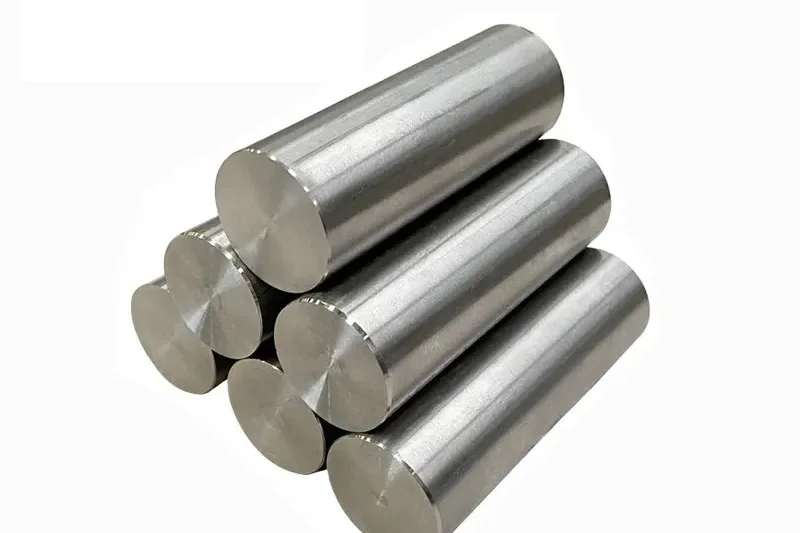
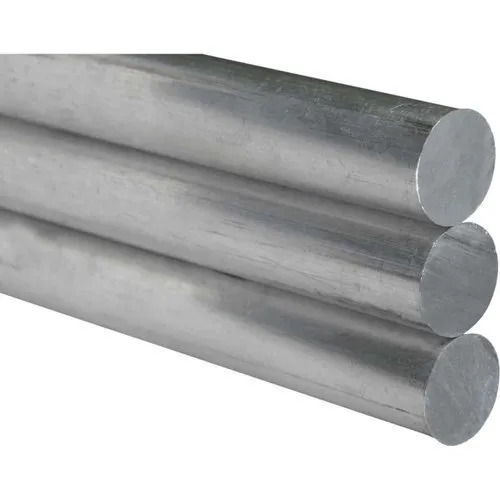
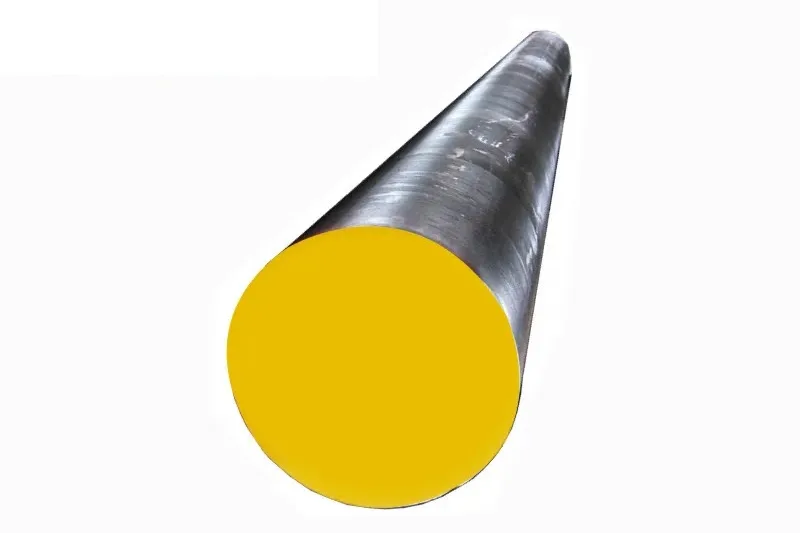
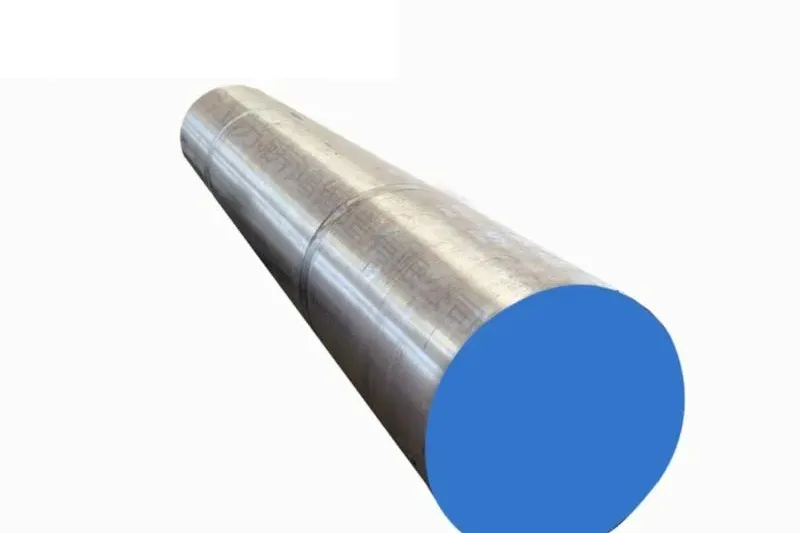
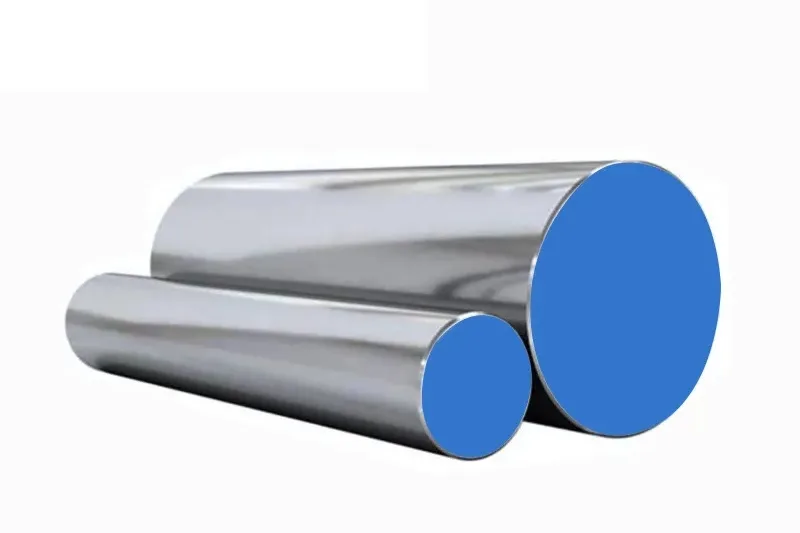
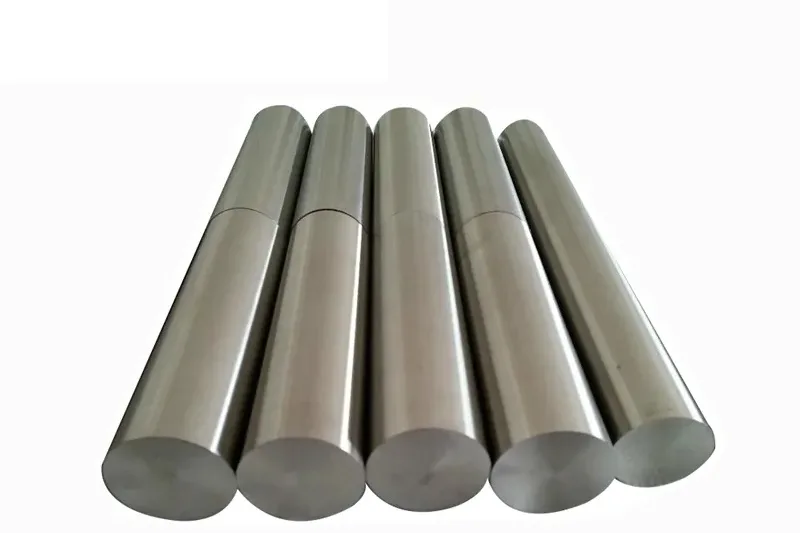
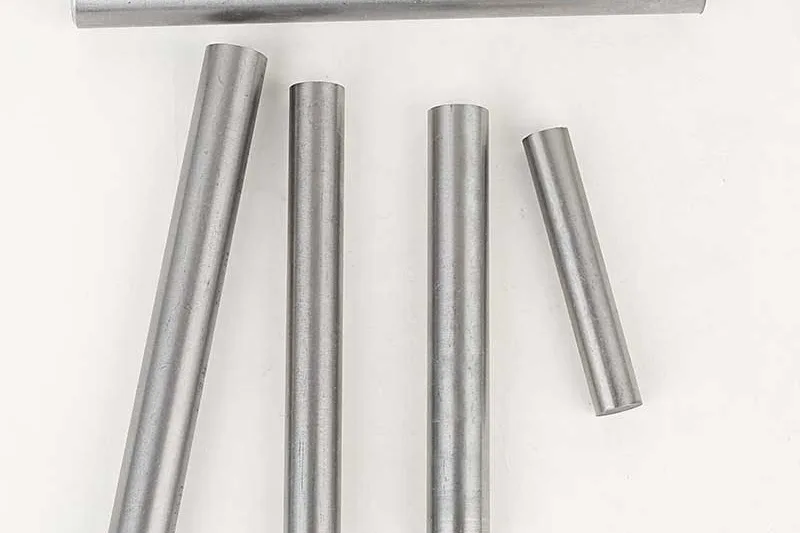
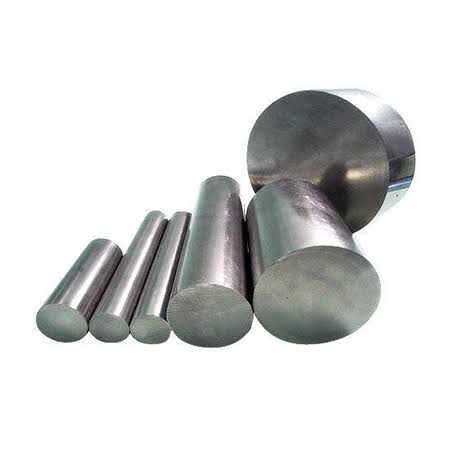
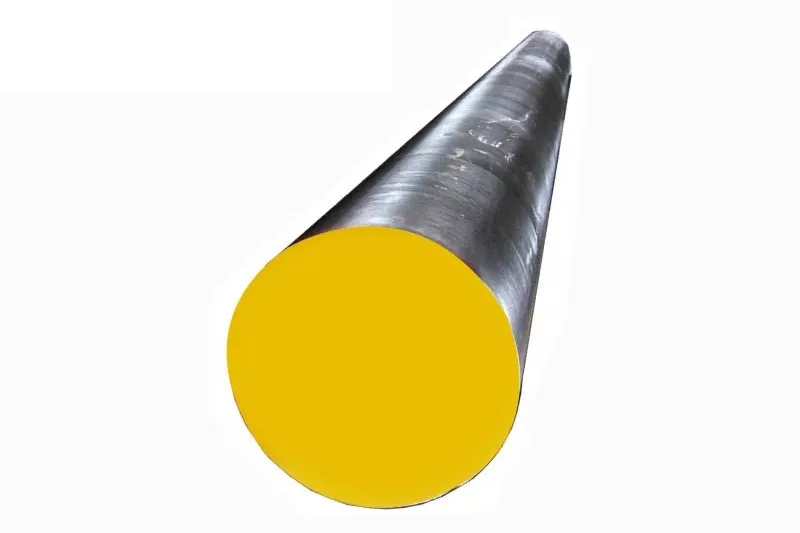
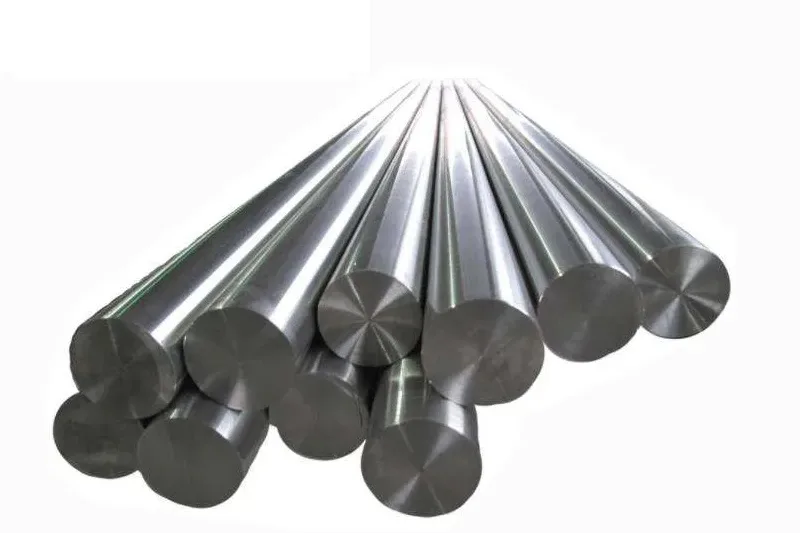
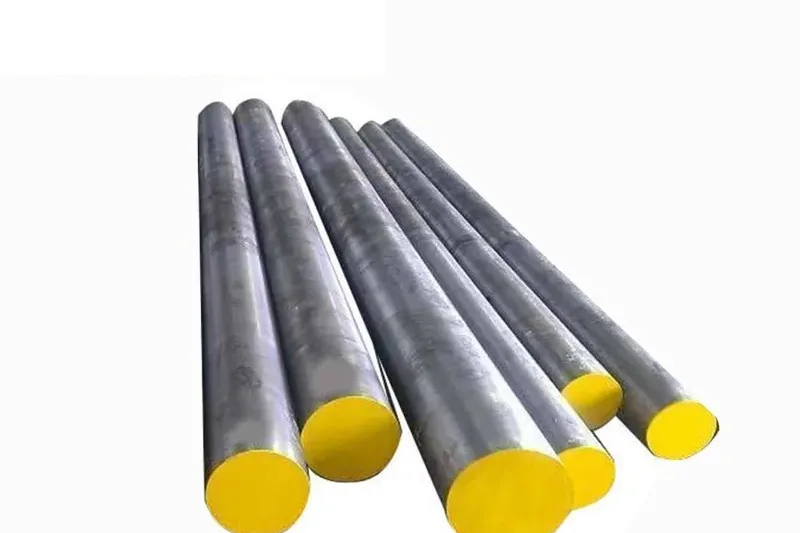
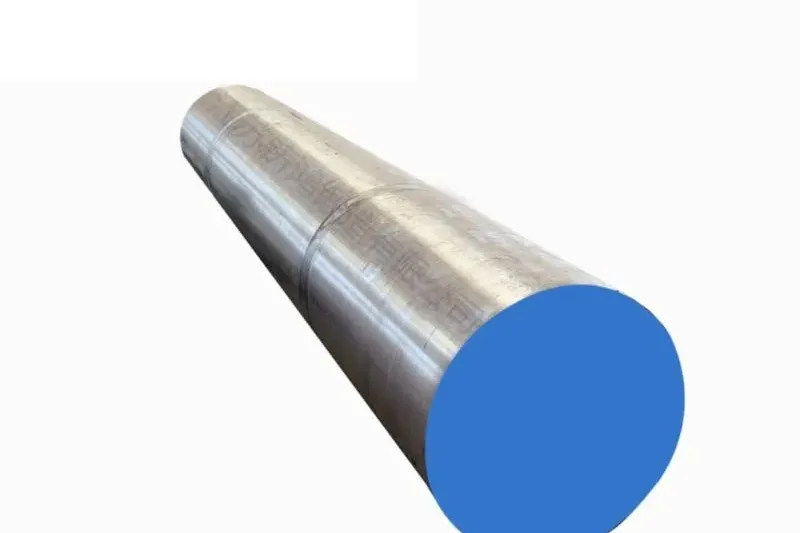
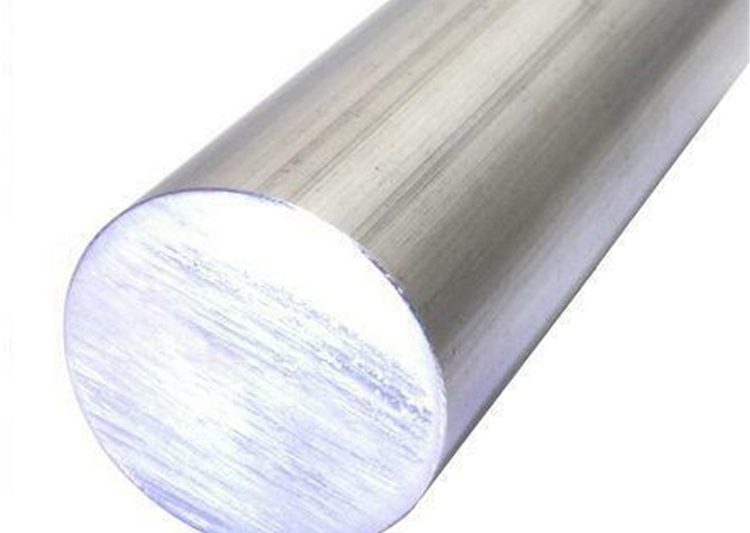
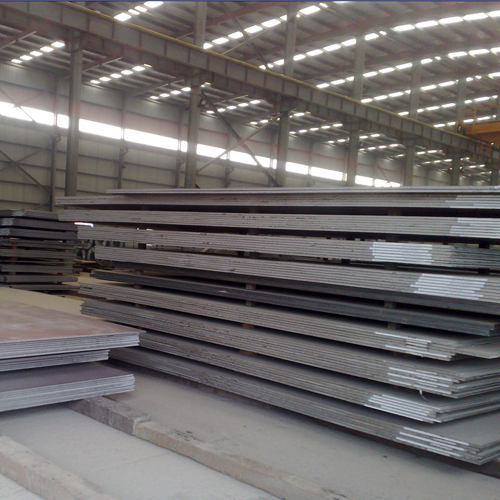
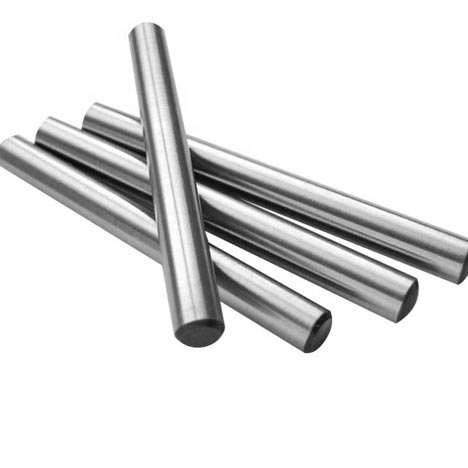
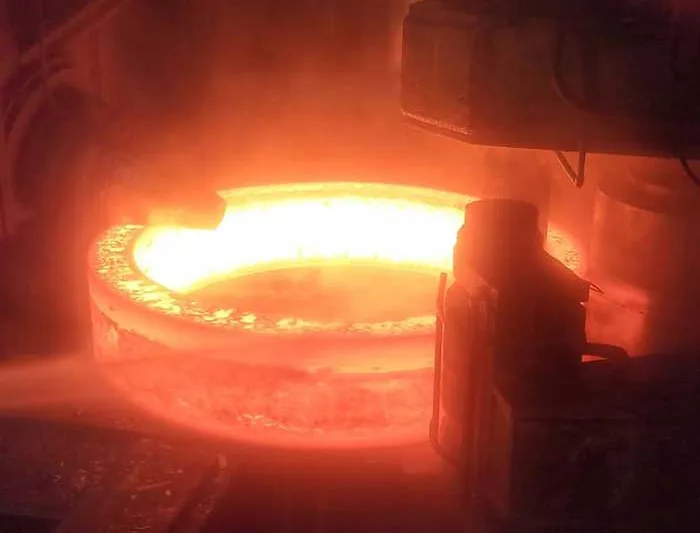
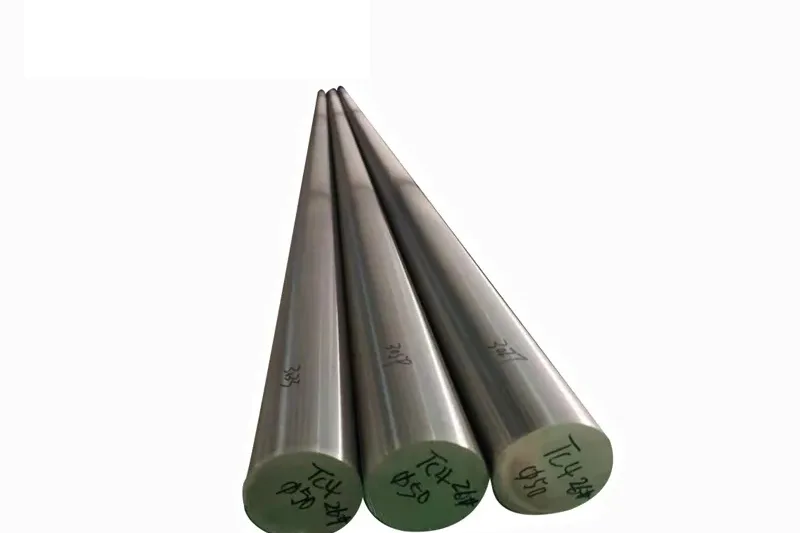
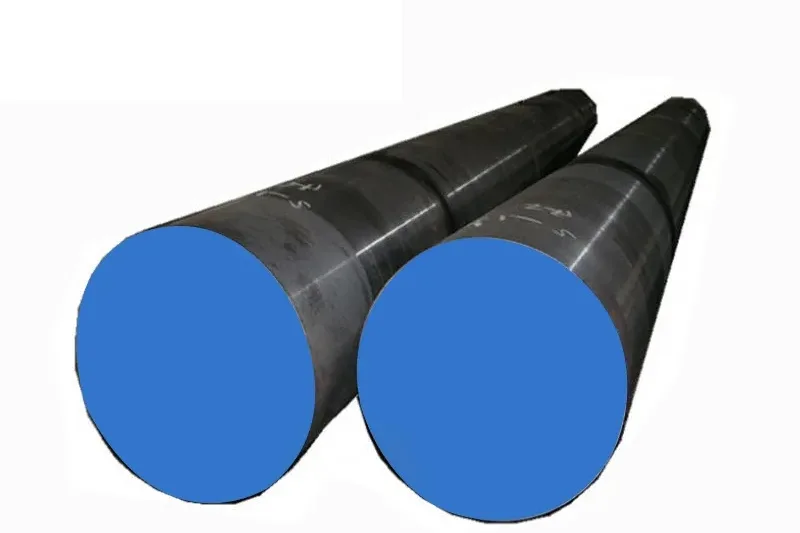
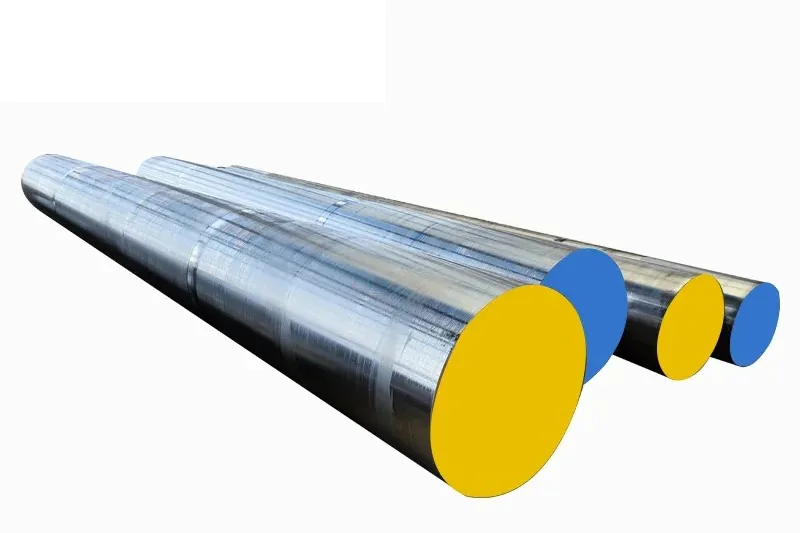
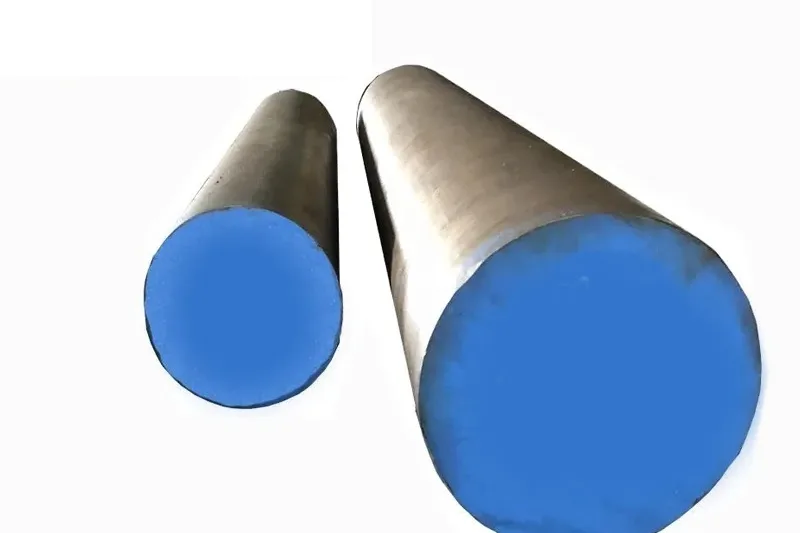
In terms of the manufacturing process, heavy-duty sleeve forging typically involves four main stages: billet preparation, heating and forming, heat treatment, and finishing. First, high-strength alloy materials such as chromium-molybdenum steel or boron steel are selected. After precision cutting, the billets are fed into a heating furnace to ensure uniform heating to the recrystallization temperature range. Subsequently, the billets are fed into a large friction press or hydraulic press, where they undergo multidirectional extrusion and upsetting under the constraint of dies, allowing the metal flow lines to naturally align with the sleeve’s contour. The formed sleeves undergo quenching and tempering to optimize their internal grain structure, followed by surface sandblasting, phosphating, and precision grinding to ensure dimensions meet industrial standards.
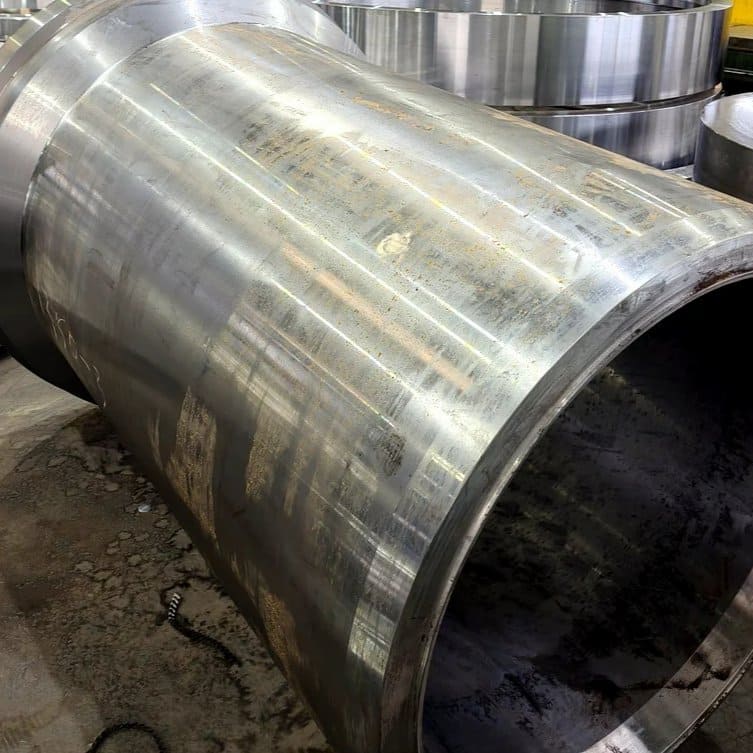
Compared to casting or machining, heavy-duty sleeve forging offers significant mechanical advantages. The continuous metal fibers formed during the forging process effectively eliminate internal porosity and porosity defects, giving the product higher tensile strength and fatigue resistance. When subjected to alternating loads or impact torque, forged sleeves are less prone to brittle fracture, and their service life can be extended several times over. At the same time, material utilization is higher, reducing machining allowances and scrap generation, which aligns with the modern manufacturing philosophy of cost reduction and efficiency improvement.
In practical applications, heavy-duty sleeves are widely used in various demanding operating conditions. Hydraulic wrench systems in mining machinery, bolt pre-tensioning operations for large wind power equipment, chassis maintenance for heavy-duty trucks, and structural assembly in shipbuilding all rely on forged sleeves capable of delivering high torque. These scenarios often involve harsh environments characterized by high humidity, high dust levels, and intense vibration. The dense microstructure and surface hardening layer imparted by the forging process effectively resist wear and corrosion, ensuring the safe and stable operation of equipment.
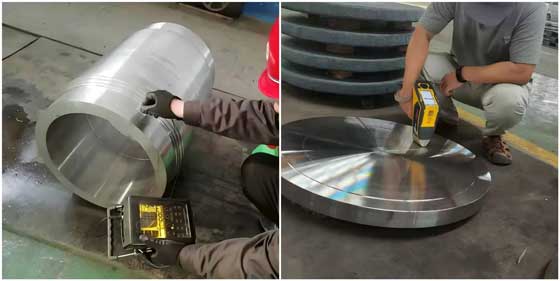
With the advancement of smart manufacturing technologies, heavy-duty socket forging is gradually transitioning toward digitalization and sustainability. Modern forging production lines now integrate real-time temperature monitoring, die cavity stress analysis, and automated loading/unloading robotic arms, significantly enhancing forming precision and production consistency. In terms of quality control, ultrasonic testing, hardness gradient testing, and torque fatigue testing have become mandatory pre-shipment inspection procedures. In the future, with the development of new microalloyed steels and the widespread adoption of near-net-shape forming processes, heavy-duty sleeve forging will continue to make breakthroughs in lightweight design and ultra-high strength, providing more reliable fastening solutions for the high-end equipment manufacturing industry.