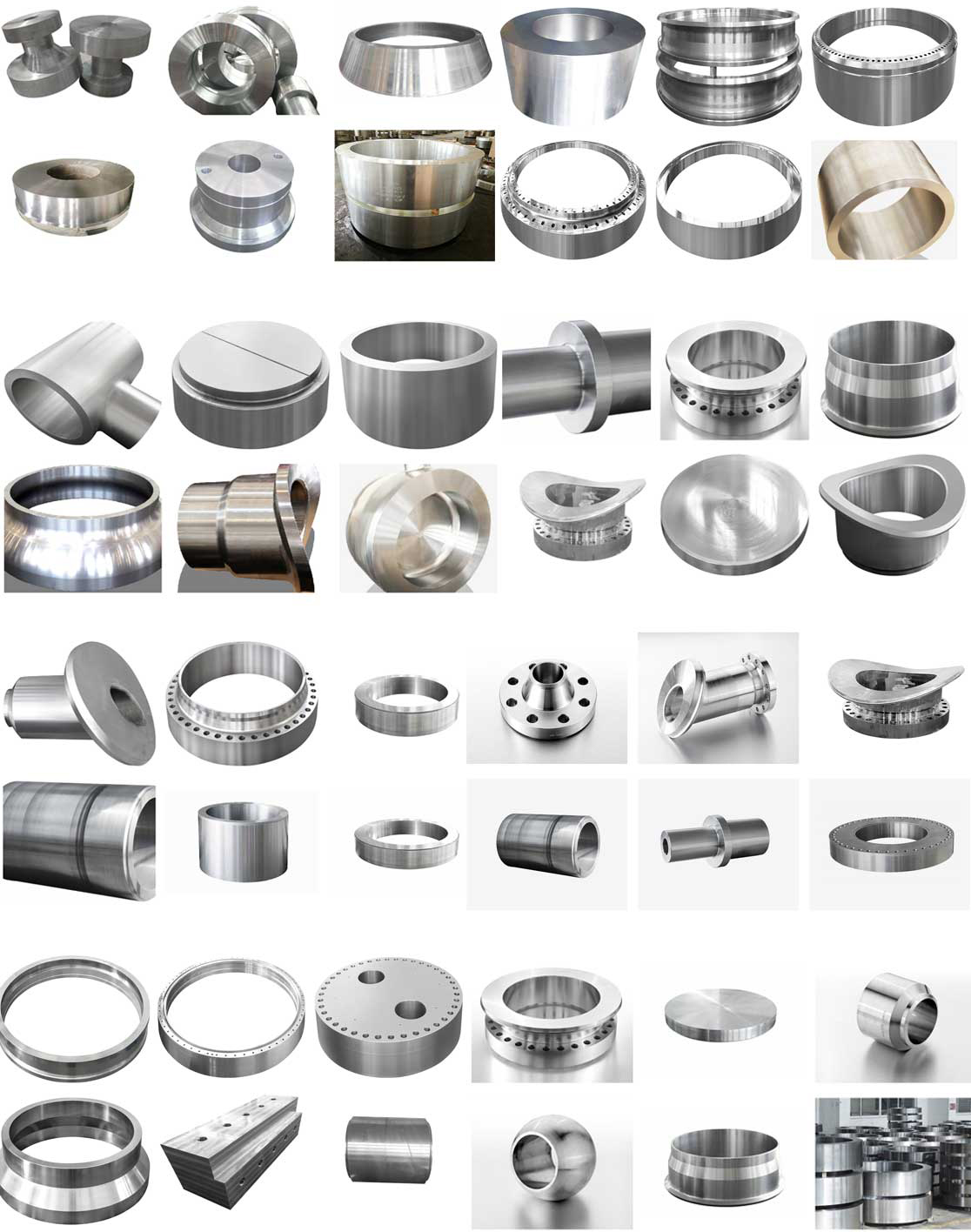
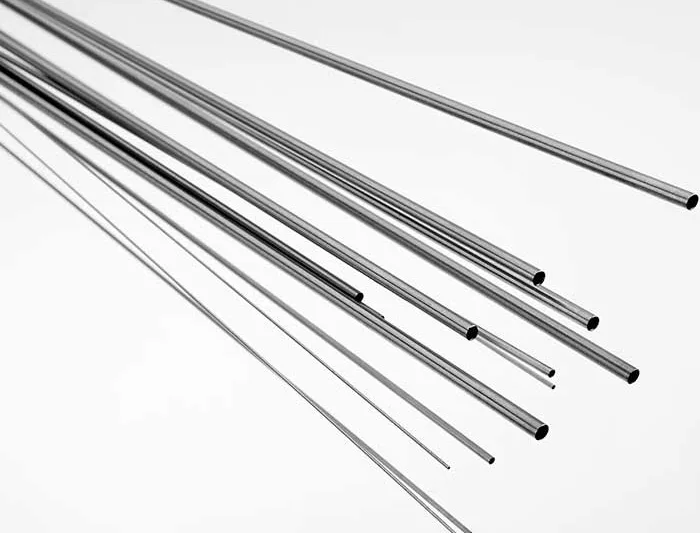
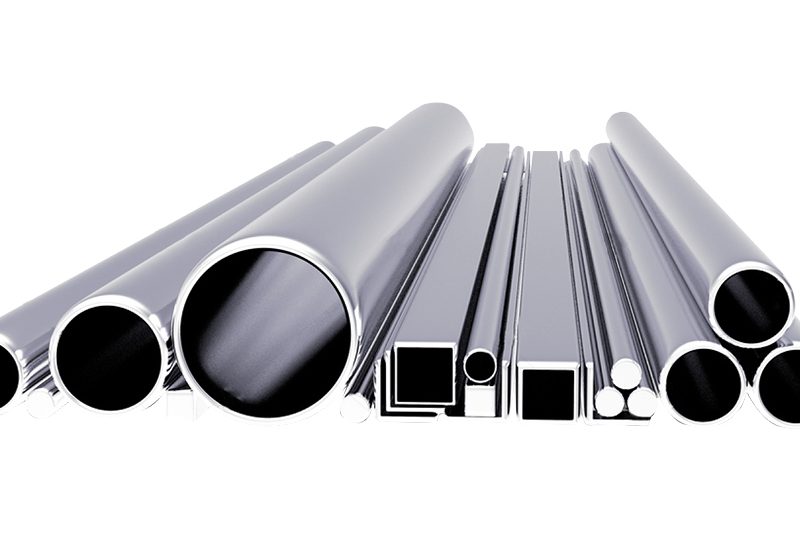
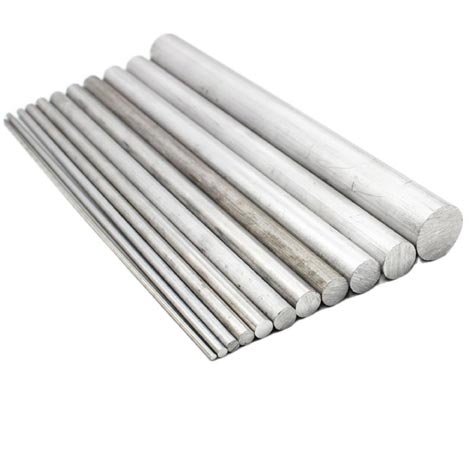
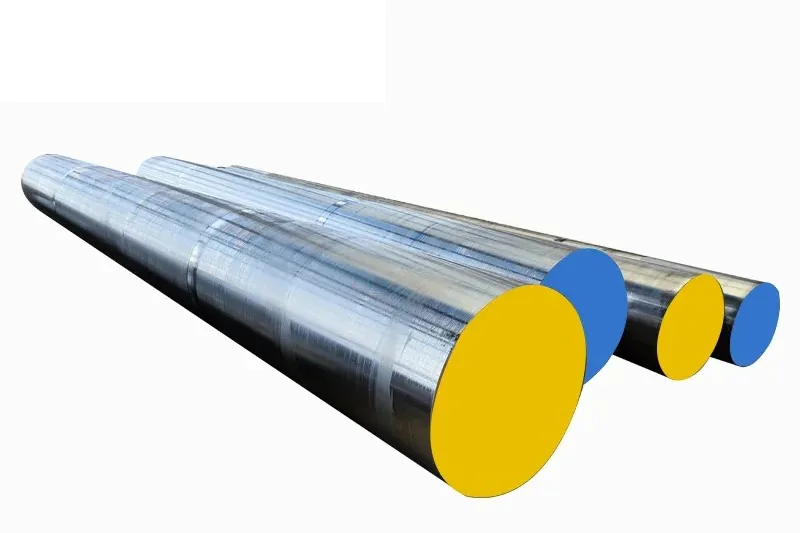
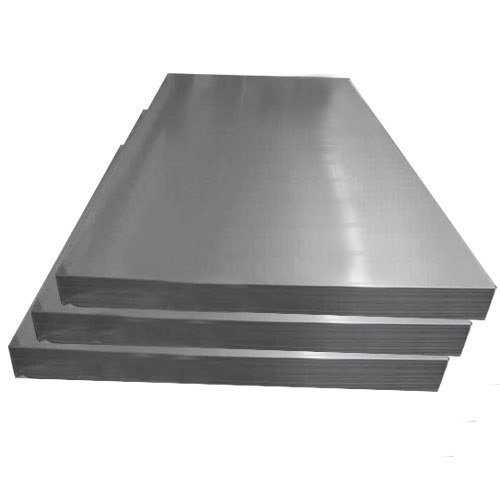
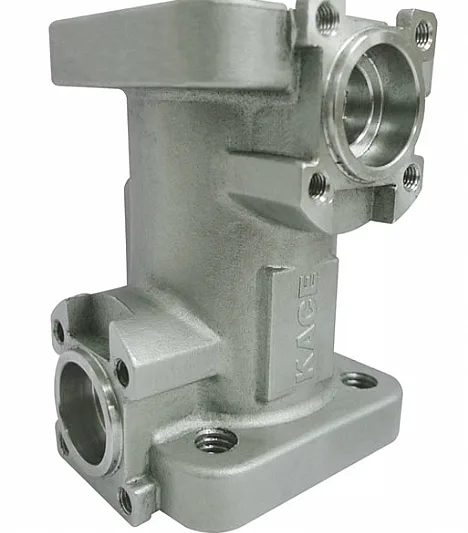
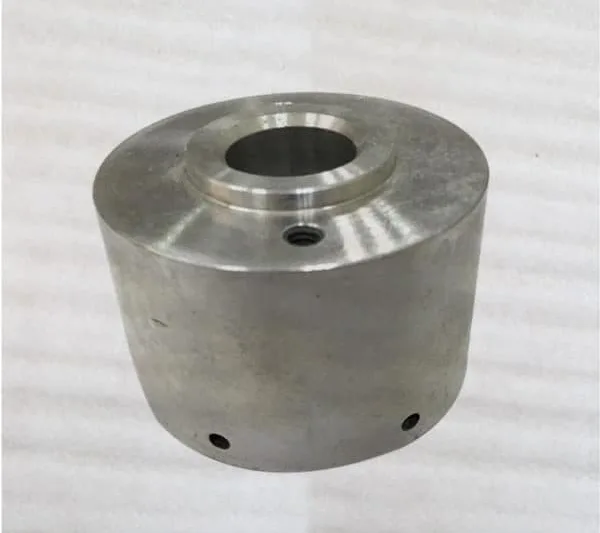
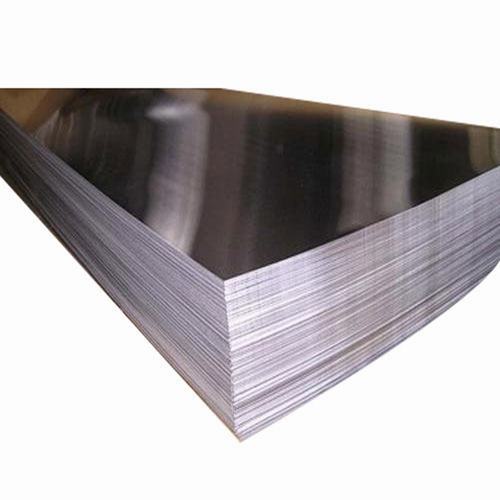
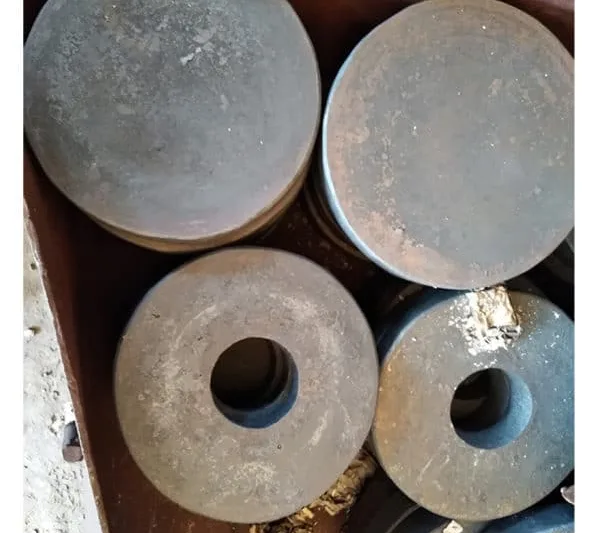
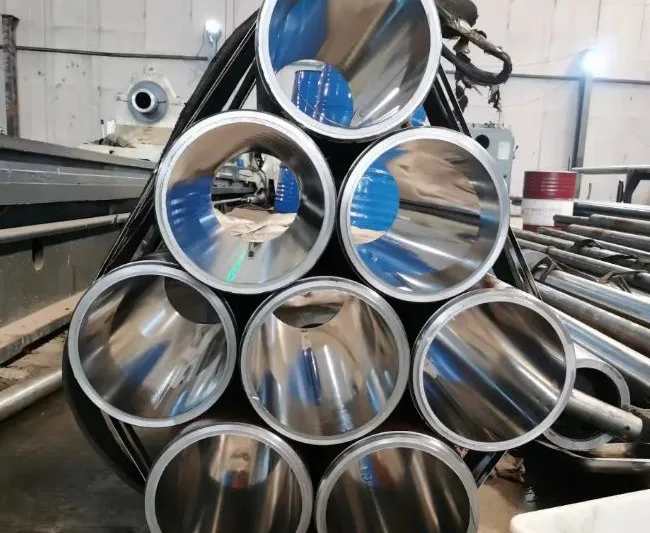
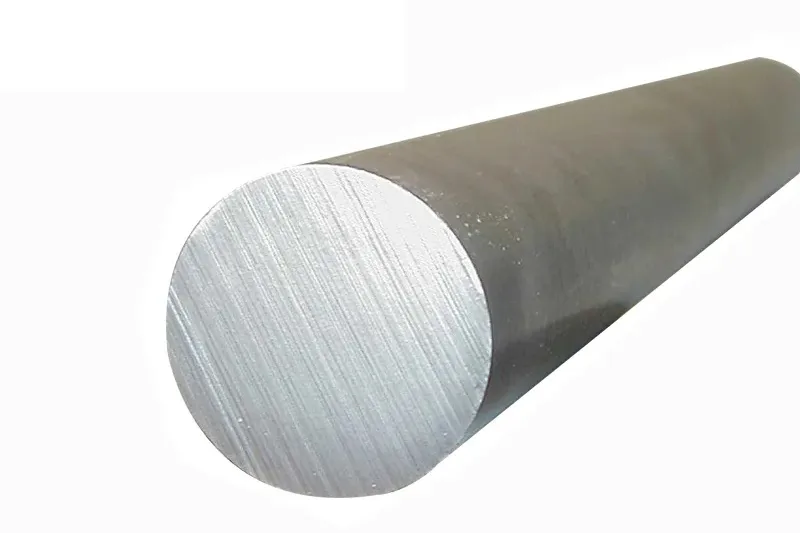
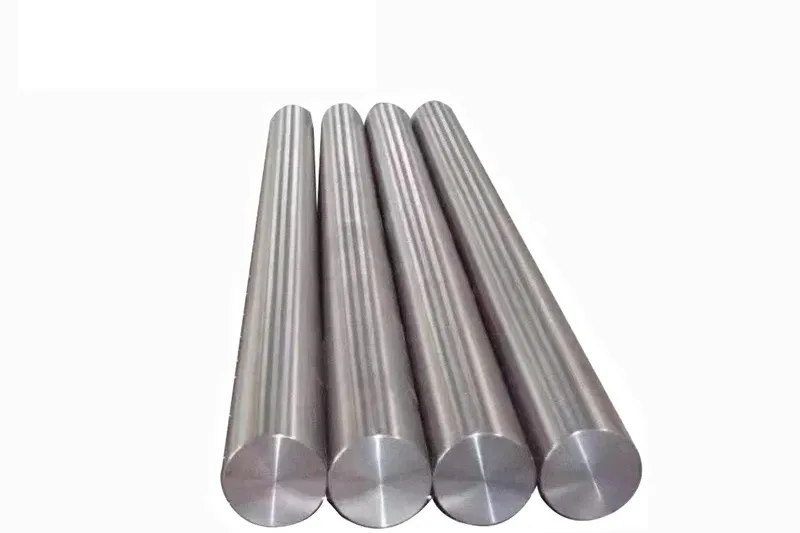
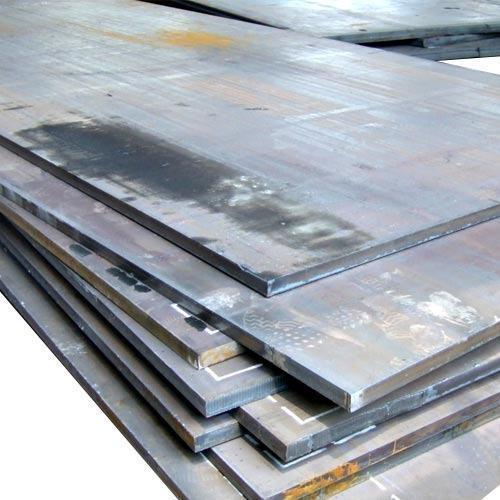
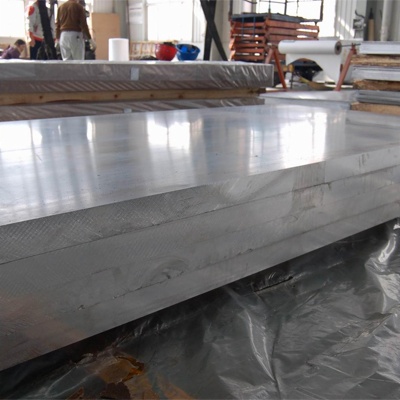
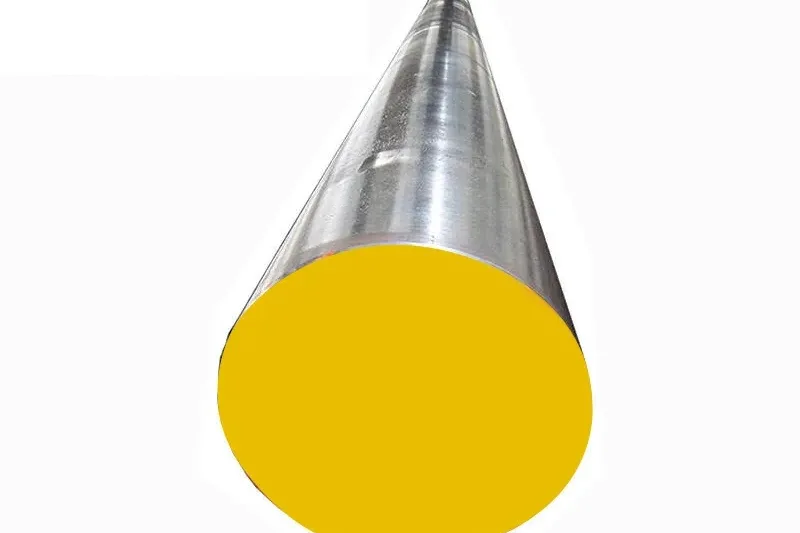
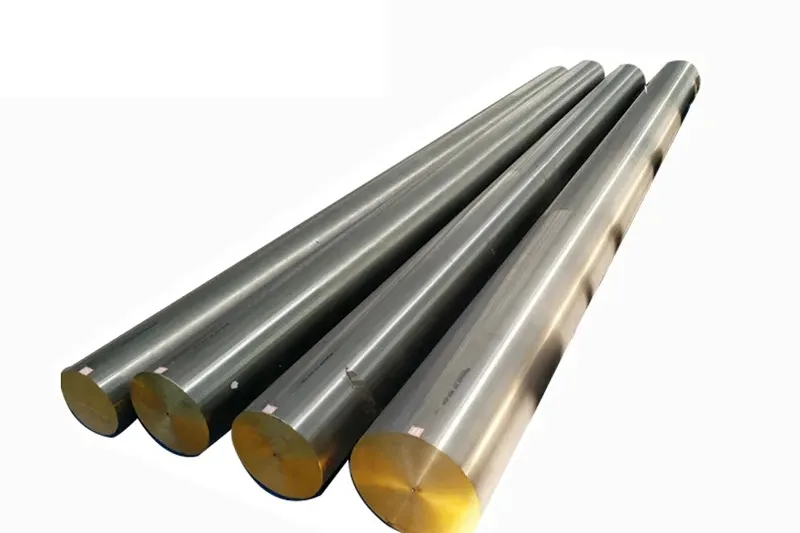
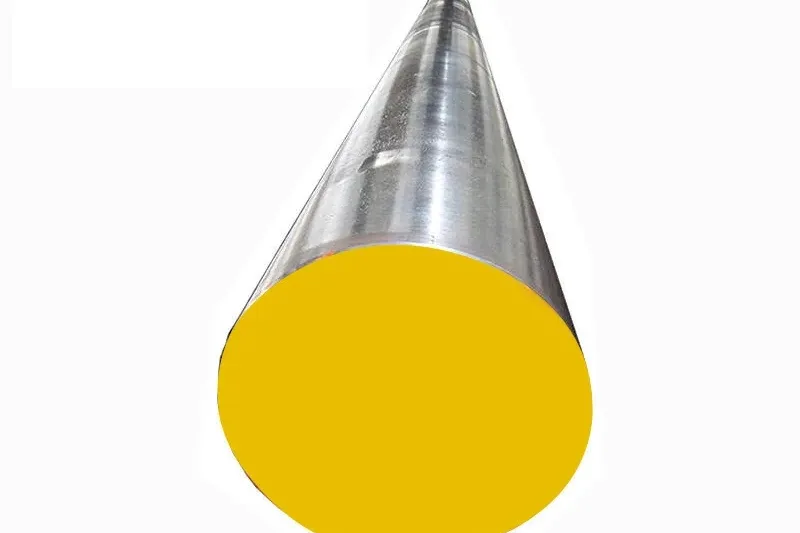
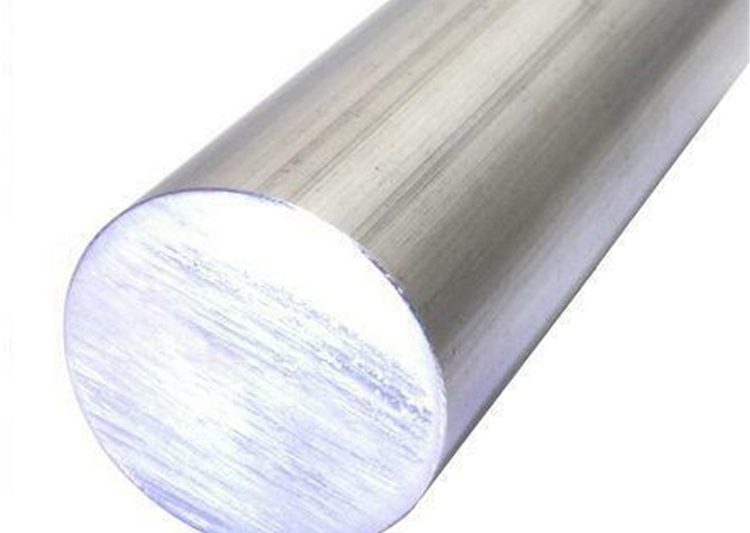
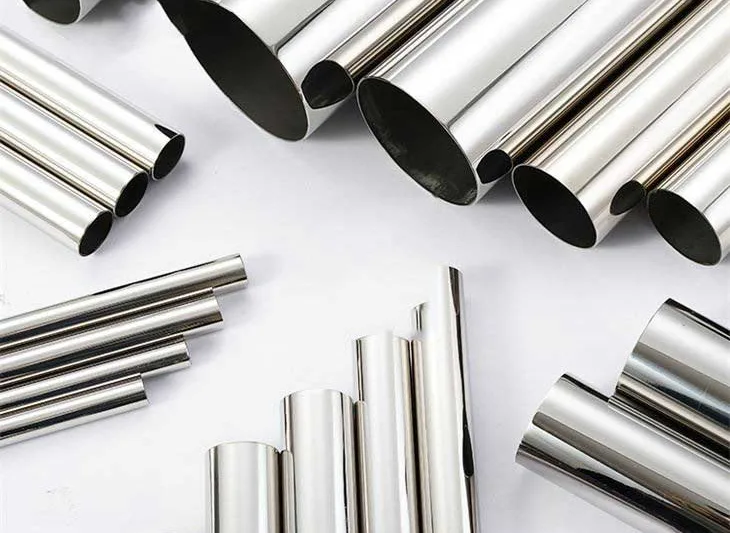
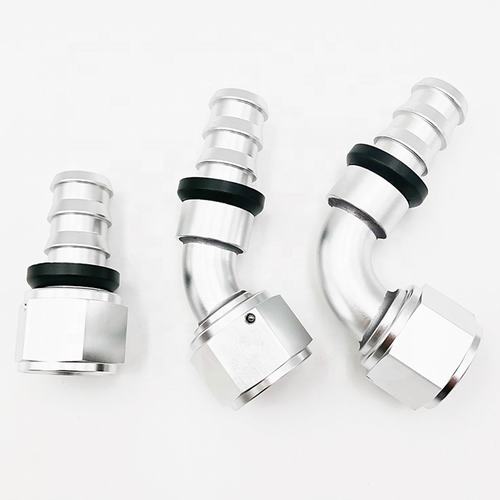
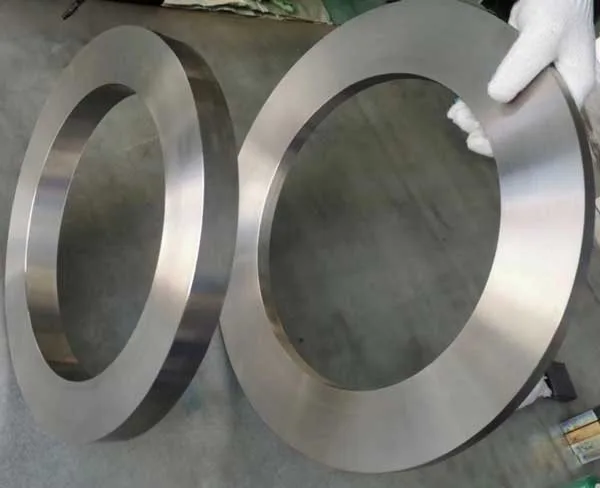
Forged 7075 T6 Aluminum
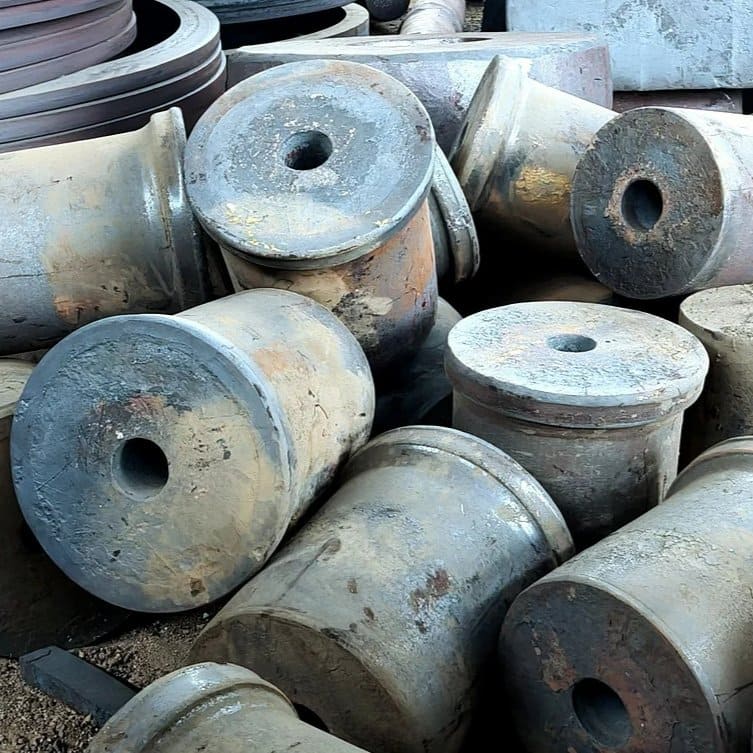
Forged 7075 T6 Aluminum: A Comprehensive Overview
In the realm of advanced materials, few stand out as prominently as forged 7075 T6 aluminum. This alloy has gained significant attention due to its exceptional strength-to-weight ratio and resistance to corrosion, making it a preferred choice across various industries including aerospace, automotive, and sports equipment manufacturing. The following sections delve into the intricacies of this remarkable material, exploring its properties, applications, and benefits.
Properties of Forged 7075 T6 Aluminum
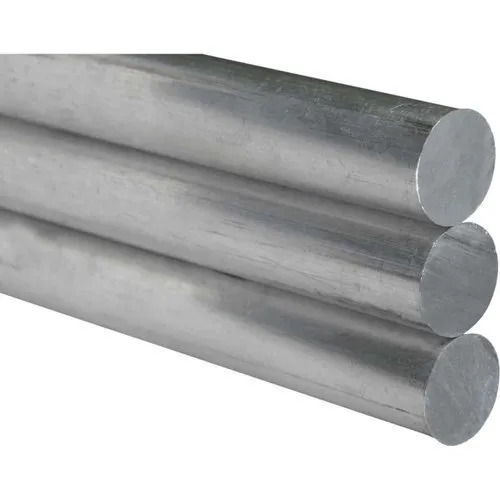
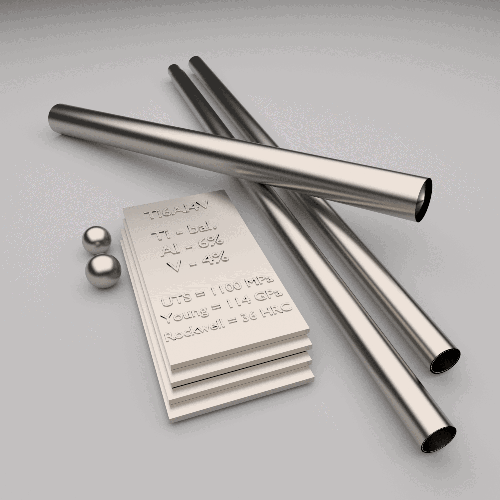
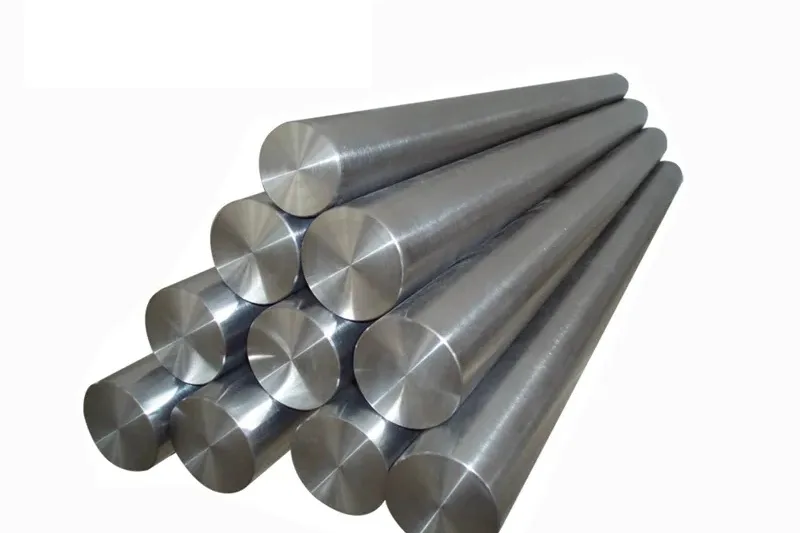
Forged 7075 T6 aluminum is an age-hardenable alloy primarily composed of zinc, with additional elements such as magnesium and copper contributing to its high strength characteristics. The "T6" designation signifies that the material has undergone a specific heat treatment process involving solution heat treating followed by artificial aging, which enhances its mechanical properties significantly. This results in an alloy known for its impressive tensile strength, reaching up to approximately 83,000 psi (pounds per square inch), while maintaining relatively low density—about 2.81 g/cm³.
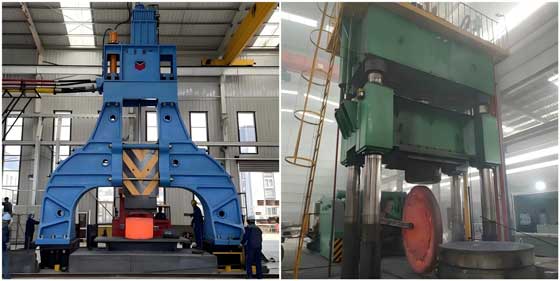
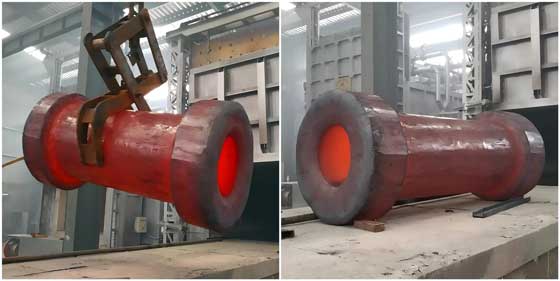
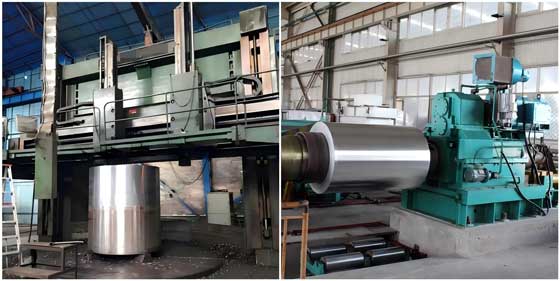
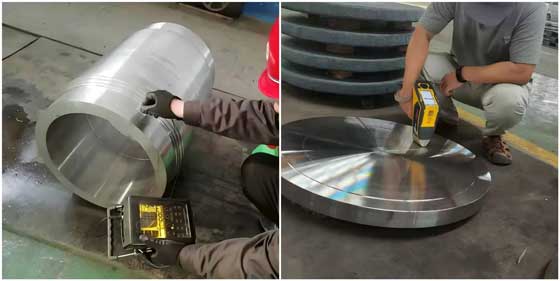
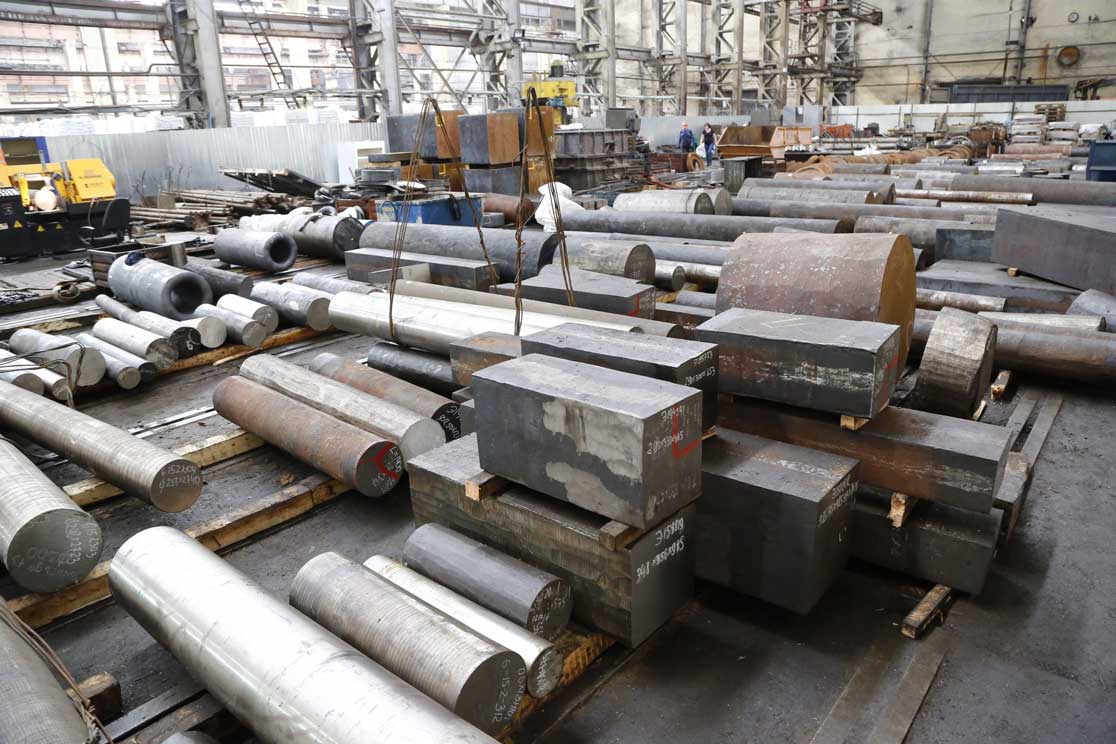
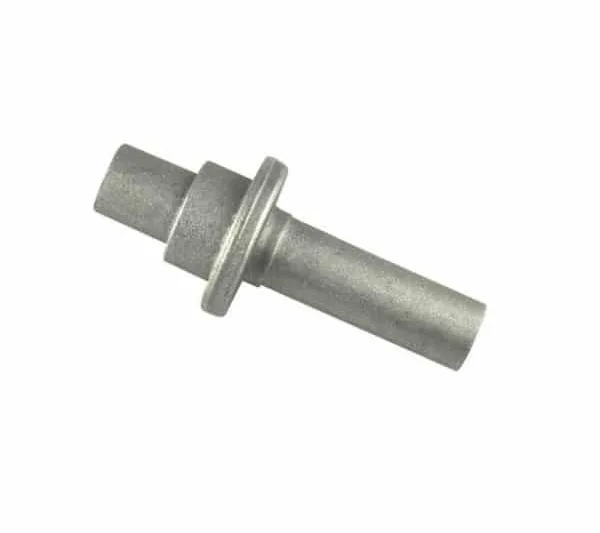
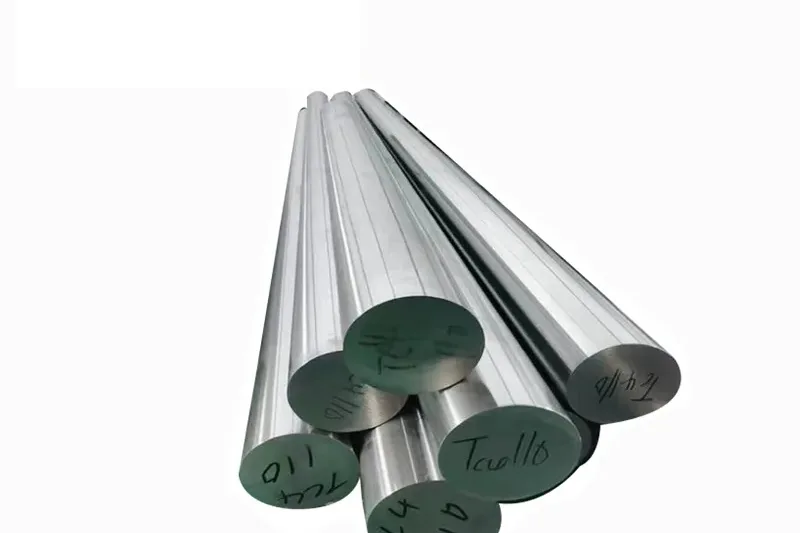
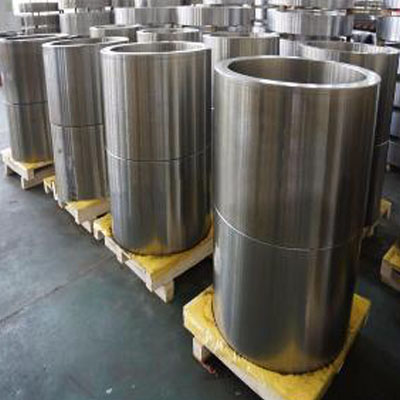
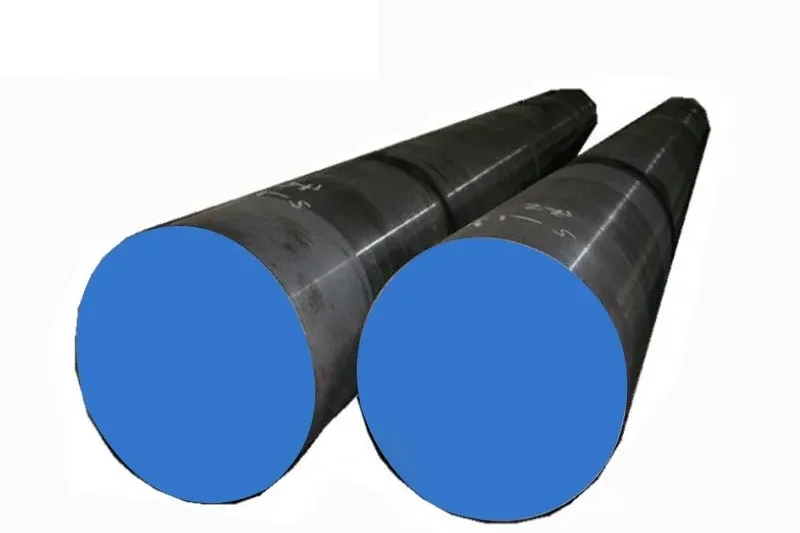
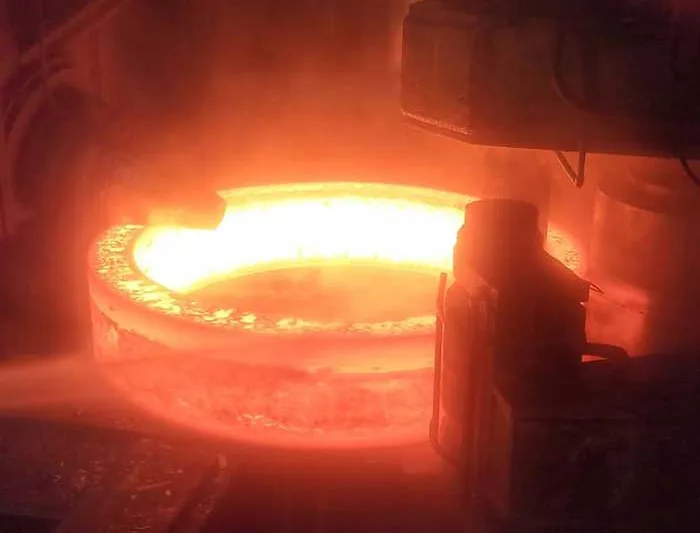
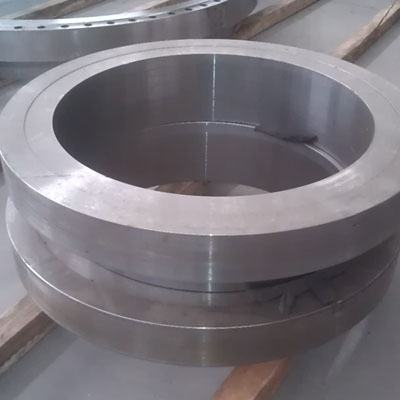
The forging process itself imparts further advantages by refining the grain structure and eliminating internal defects present in castings or billets. As a result, forged 7075 T6 aluminum exhibits superior toughness and fatigue resistance compared to its non-forged counterparts. Additionally, despite being susceptible to stress corrosion cracking under certain conditions, proper handling and design considerations can mitigate these risks effectively.
Applications Across Industries
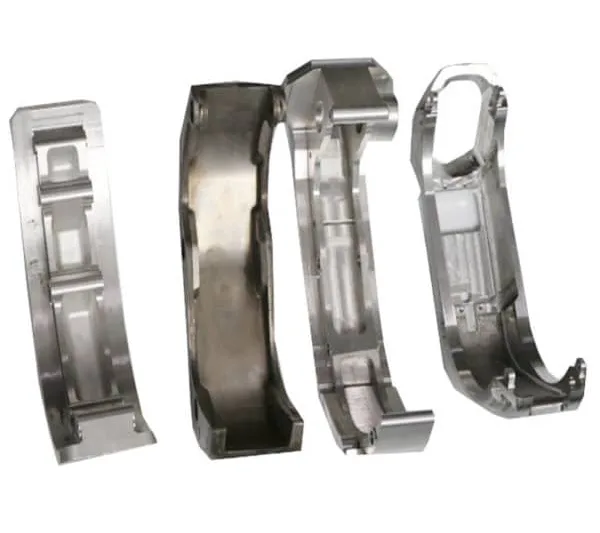
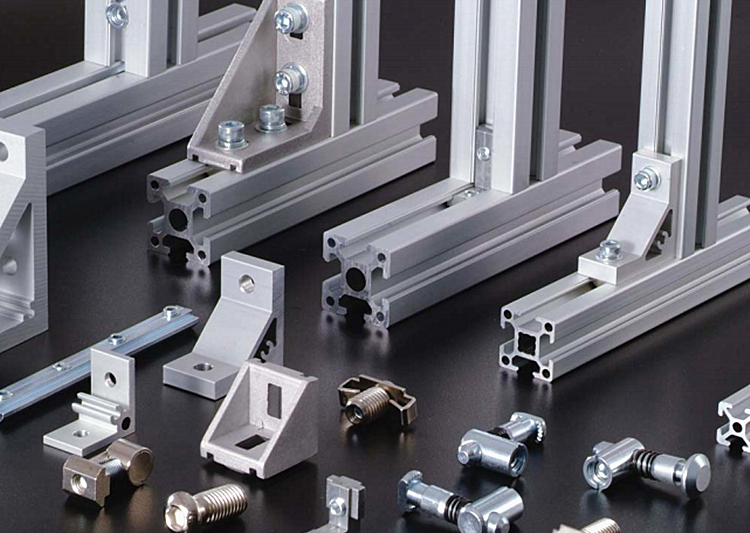
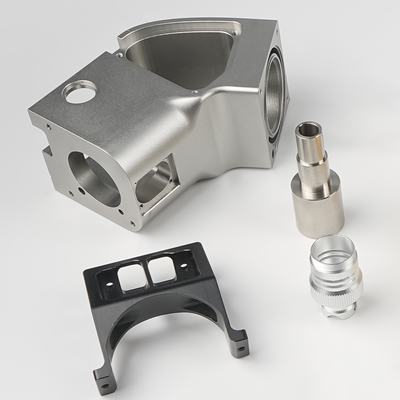
Given its outstanding combination of light weight and robustness, forged 7075 T6 aluminum finds extensive use in critical components where performance under extreme loads is paramount. In the aerospace industry, it serves as a key material for aircraft frames, landing gear parts, and engine housings due to stringent requirements regarding both structural integrity and weight limitations. Similarly, within the automotive sector, manufacturers employ this alloy in high-performance vehicles for items like chassis components, suspension systems, and braking system parts aiming at achieving optimal balance between power transmission efficiency and overall vehicle dynamics.
Moreover, the sporting goods market leverages the unique qualities of forged 7075 T6 aluminum particularly in bicycles, golf clubs, tennis rackets, and protective gear designed for rigorous athletic activities. Here, athletes benefit from enhanced durability without compromising agility—a crucial factor when every gram counts towards competitive edge.
Benefits Beyond Strength & Weight Ratio
Apart from inherent physical attributes, several other factors contribute to the popularity of forged 7075 T6 aluminum among engineers and designers alike:
1. **Corrosion Resistance:** Although not inherently resistant to all forms of corrosive environments, treated surfaces or coatings applied post-manufacturing enhance longevity against environmental degradation.
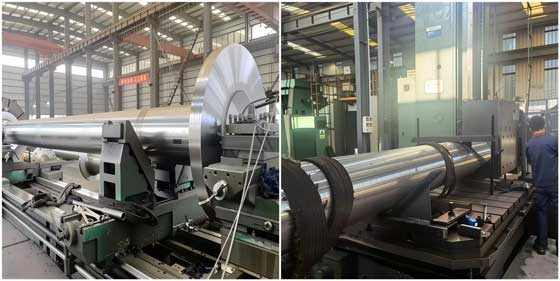
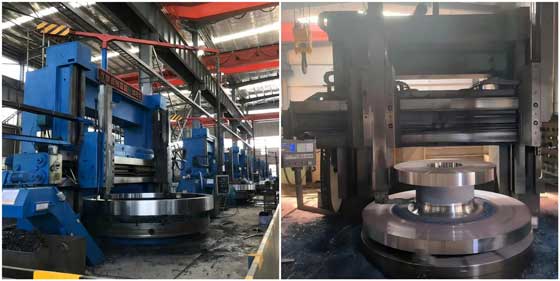
2. **Machinability:** Despite higher hardness levels achieved through tempering processes, modern machining techniques allow precise fabrication even with complex geometries required in specialized applications.
3. **Recyclability:** Like most aluminum alloys, 7075 T6 retains excellent recyclability potential reducing ecological footprint throughout lifecycle management strategies employed today in sustainable engineering practices.