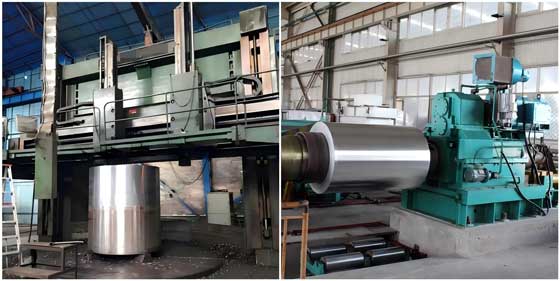
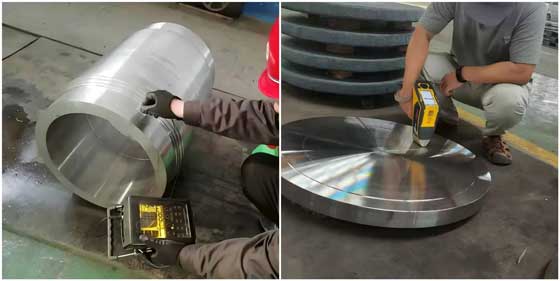
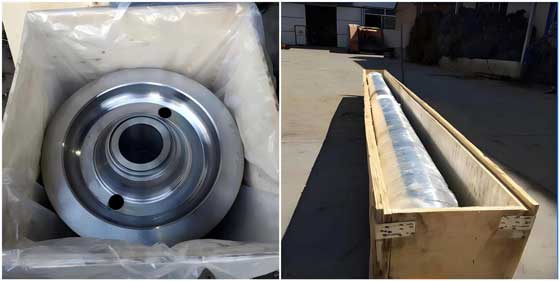
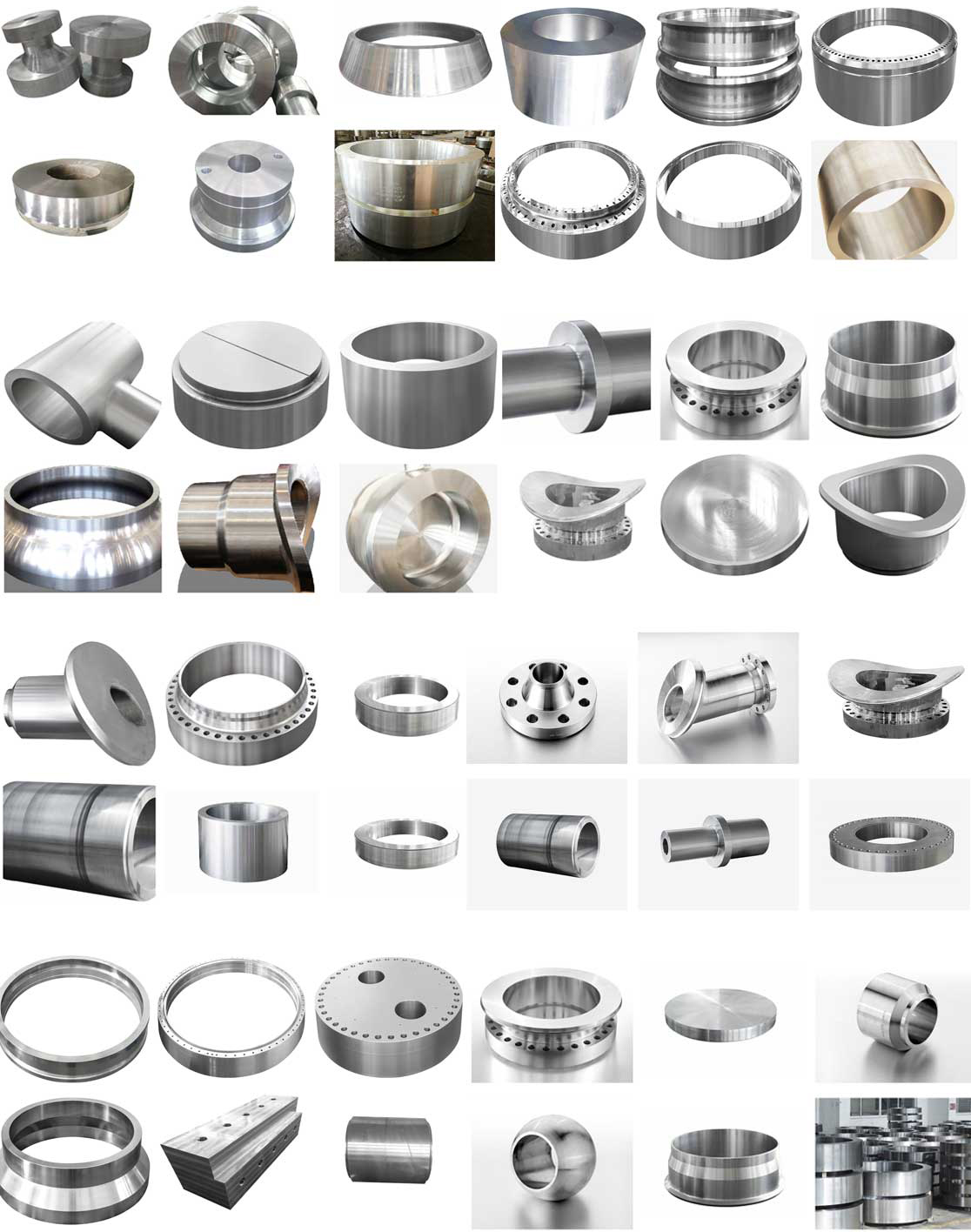
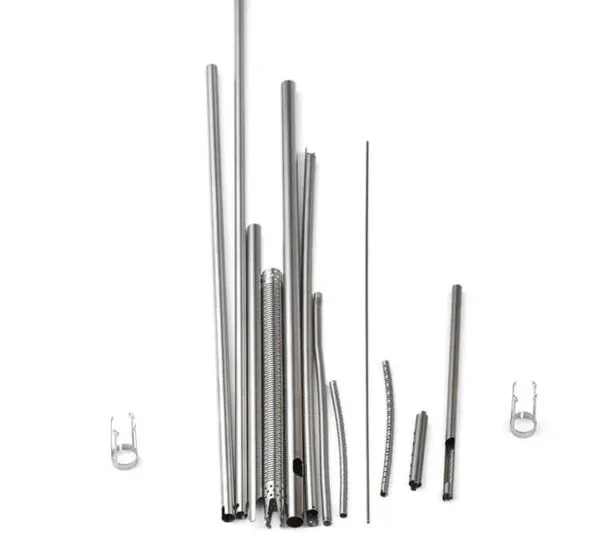
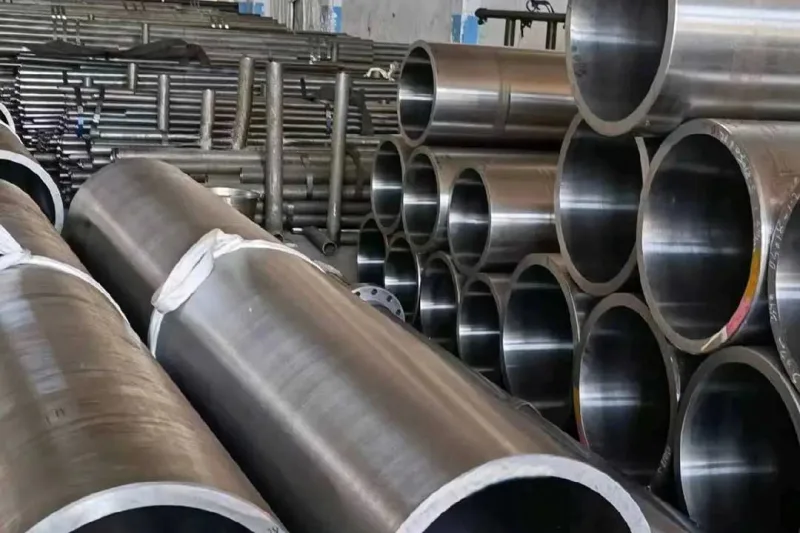
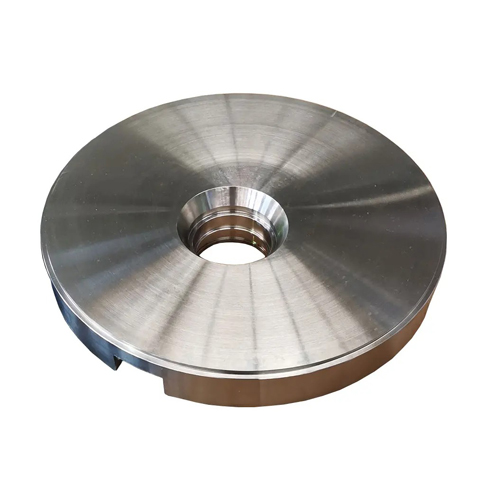
Heavy Thick-Wall Shell with Base Flange Forging
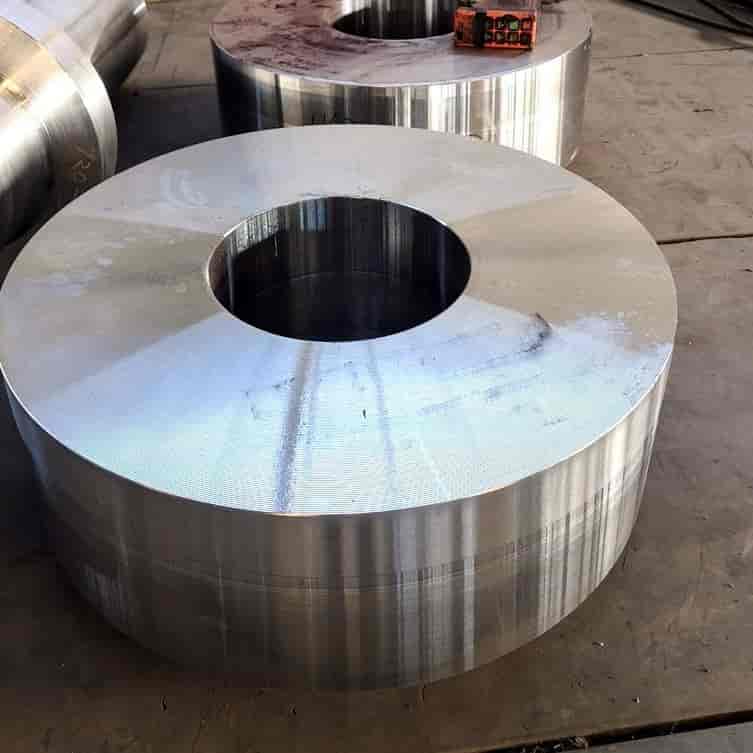
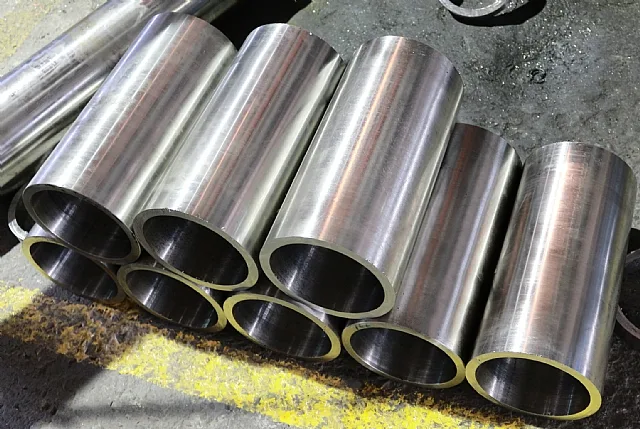
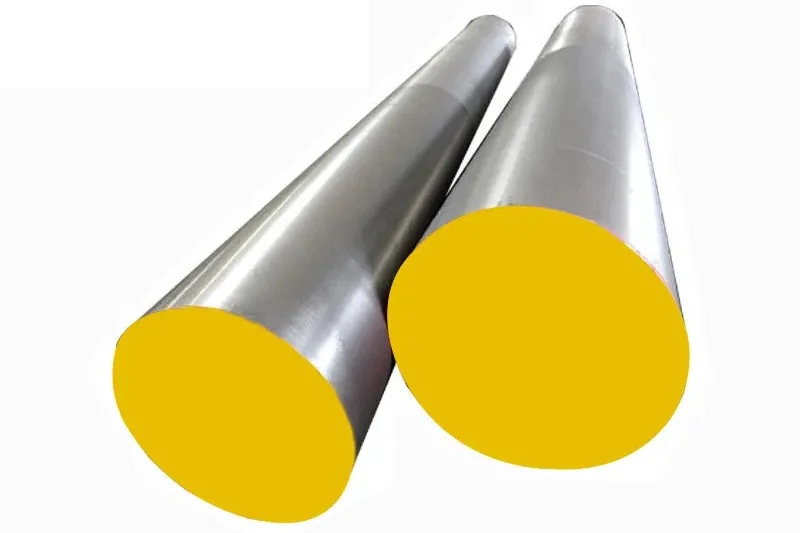
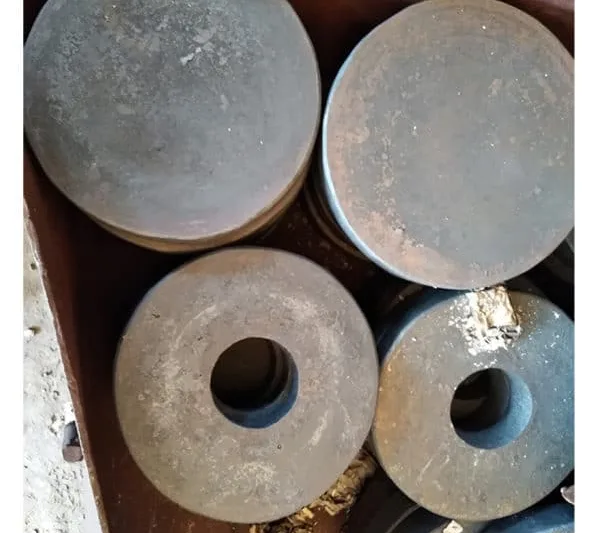
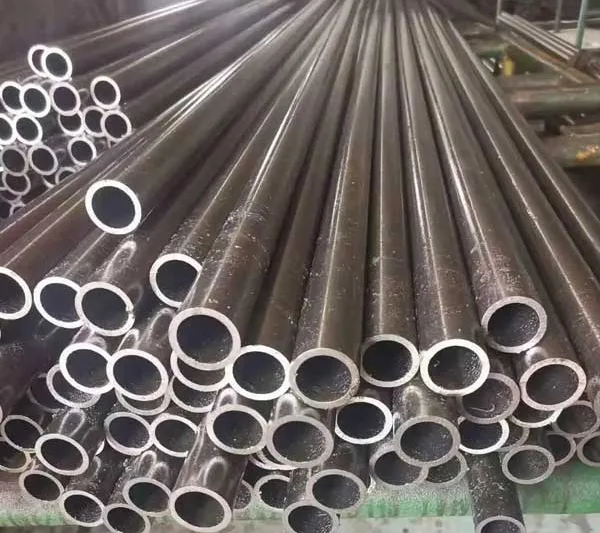
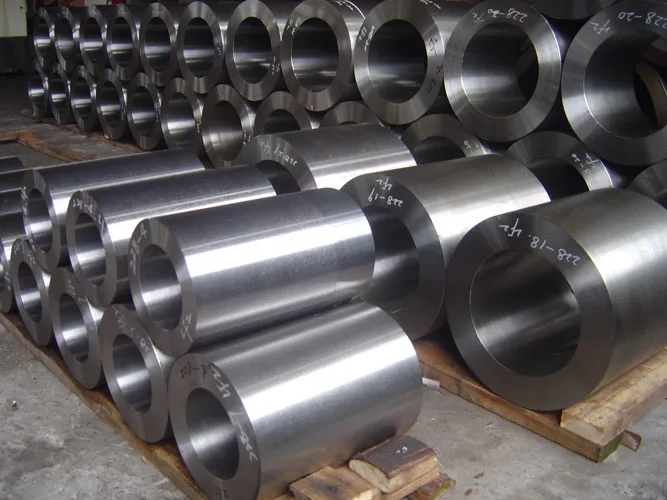
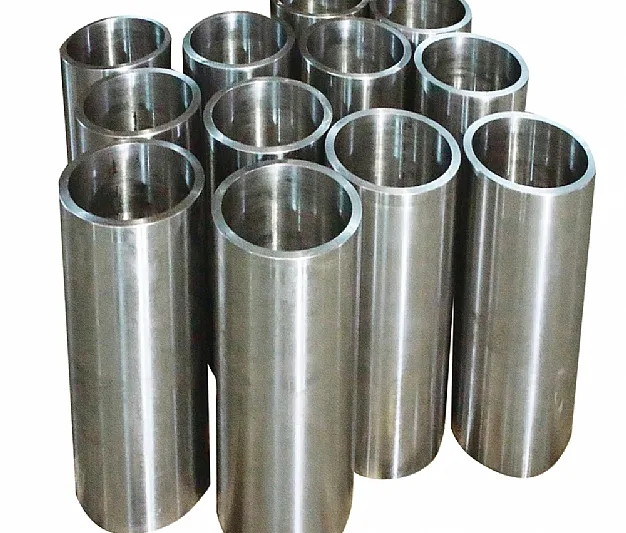
In the realm of heavy industrial manufacturing, the Heavy Thick-Wall Shell with Base Flange Forging represents a critical component for high-pressure, high-temperature applications across various sectors, including petrochemical, nuclear power, and pressure vessel industries. These forgings combine the structural integrity of a thick cylindrical shell with an integrated base flange, providing both pressure containment and secure mounting capabilities. This article explores the product grades, dimensional considerations, manufacturing processes, and key applications of these specialized forgings.
Product Grades and Material Specifications
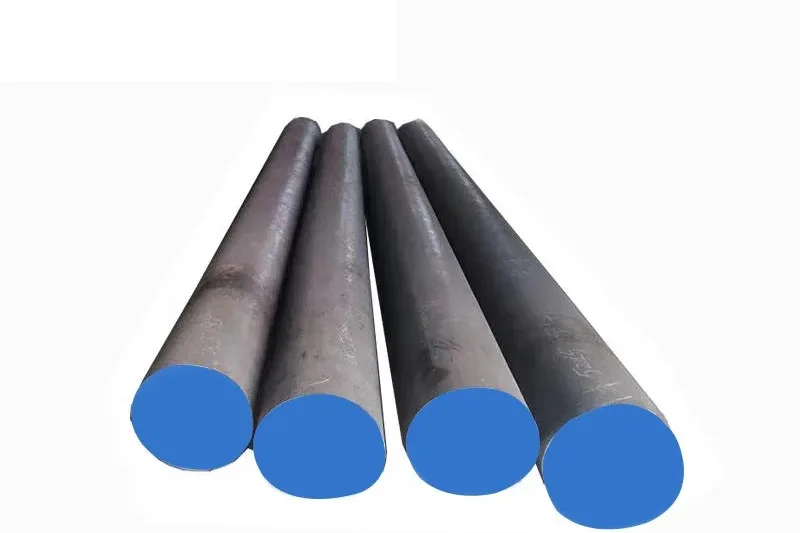
The selection of appropriate material grades for heavy thick-wall shell with base flange forgings is crucial, as these components must withstand extreme operating conditions. The most commonly specified material grades include:
Chrome-Molybdenum (Cr-Mo) Steels
SA 336 F22 (2.25Cr-1Mo) is one of the most widely used grades for heavy-wall petrochemical applications. This low-alloy steel offers excellent high-temperature strength and resistance to hydrogen attack, making it ideal for hydrocracking and hydrotreating reactors. The material exhibits good hardenability, allowing for consistent mechanical properties even in wall thicknesses exceeding 300 mm.
Other common Cr-Mo grades include:
SA 336 F11 (1.25Cr-0.5Mo): Suitable for moderate temperature and pressure applications
SA 336 F5 (5Cr-0.5Mo): Enhanced corrosion resistance for high-temperature service
SA 336 F91 (9Cr-1Mo-V): Superior creep strength for ultra-high temperature applications
Carbon Steels
For less demanding applications, carbon steel grades such as SA 105, SA 266, or SA 350 LF2 may be specified. These offer cost-effective solutions for moderate pressure and temperature service.
Stainless Steels
For corrosive environments, austenitic stainless steels like 304L, 316L, or duplex grades may be required, though their use in heavy-section forgings is limited by forging complexity and cost considerations.
Dimensional Considerations
Wall Thickness
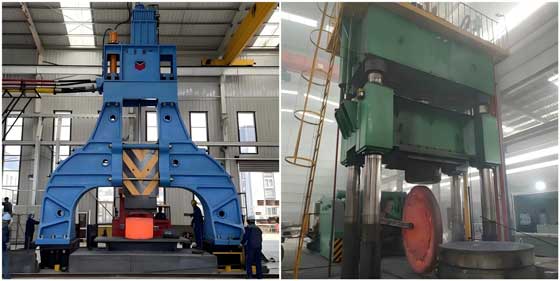
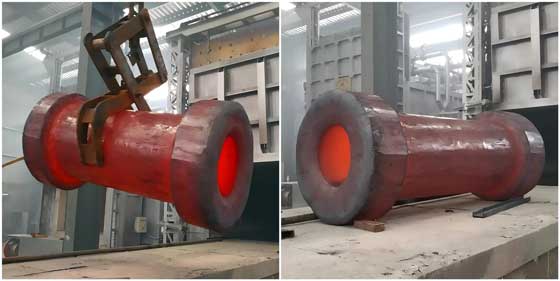
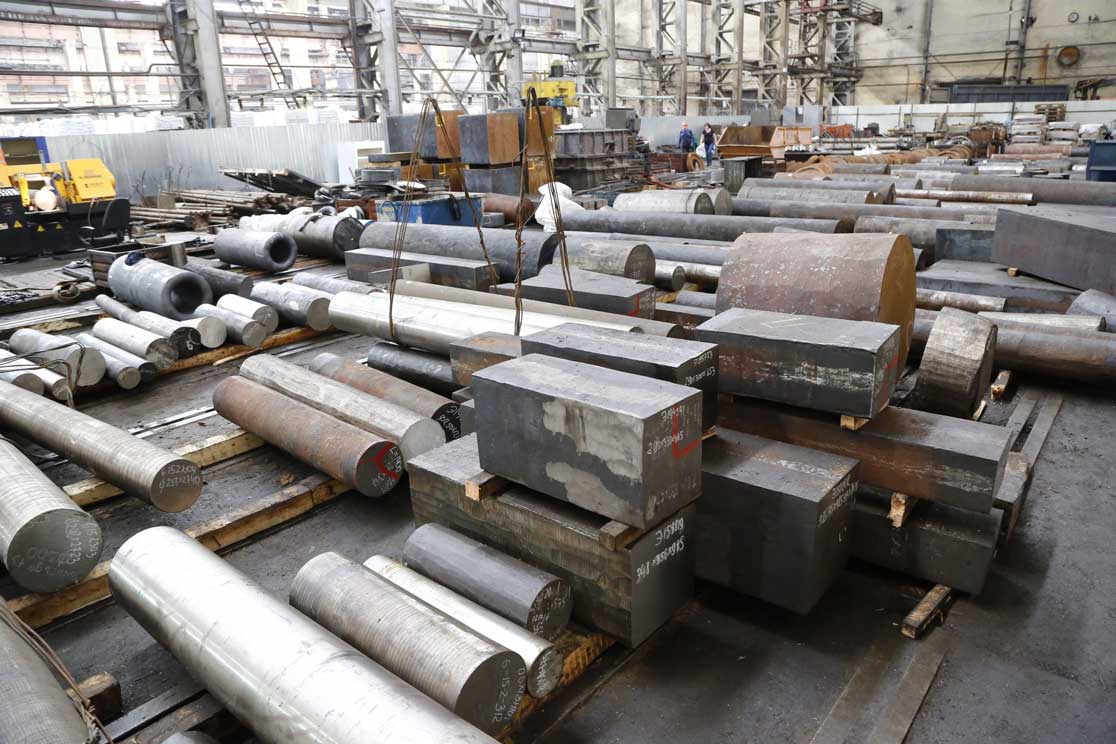
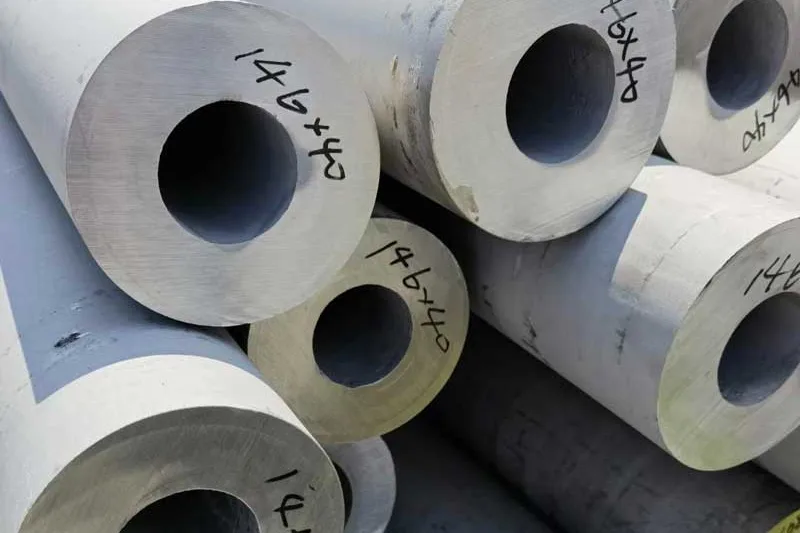
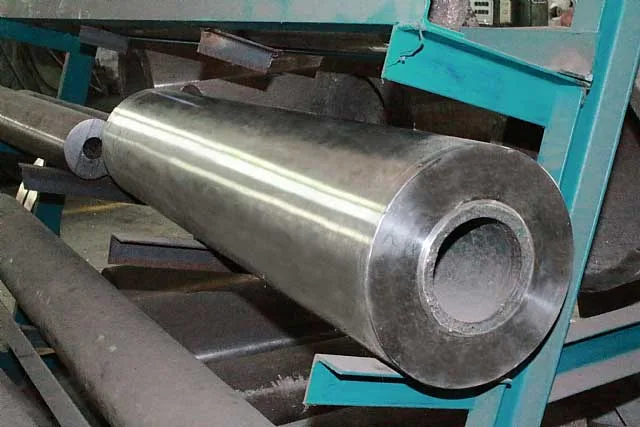
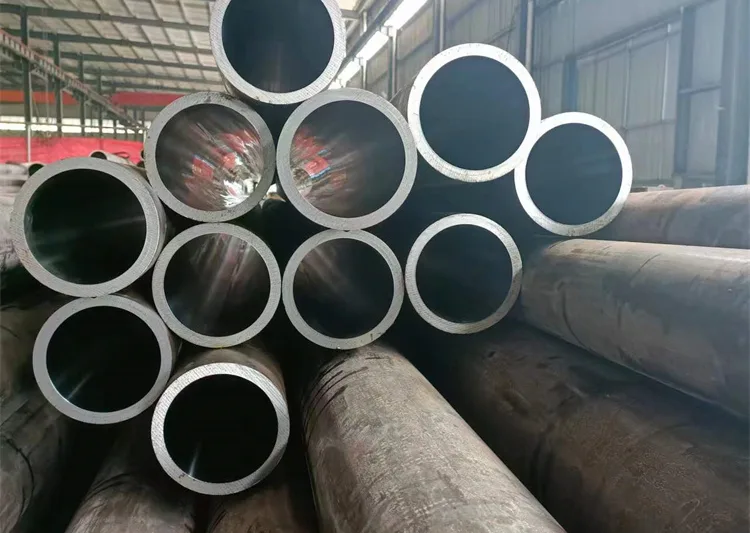
Heavy thick-wall shells typically feature wall thicknesses ranging from 100 mm to over 500 mm. The extreme thickness requires specialized forging techniques to ensure internal soundness and uniform mechanical properties throughout the section. The Le Creusot Heavy Forge facility has successfully produced thick-wall shells up to 500 mm in thickness using advanced manufacturing techniques.
Shell Height and Diameter
The overall dimensions of these forgings vary significantly based on application:
Inner Diameter: Typically ranges from 1000 mm to 6000 mm
Outer Diameter: Determined by adding twice the wall thickness to the inner diameter
Shell Height: Can extend from 1000 mm up to 8000 mm or more
Flange Dimensions: The base flange typically extends 100-300 mm beyond the shell outer diameter with thickness matching or exceeding the shell wall
Flange Configuration
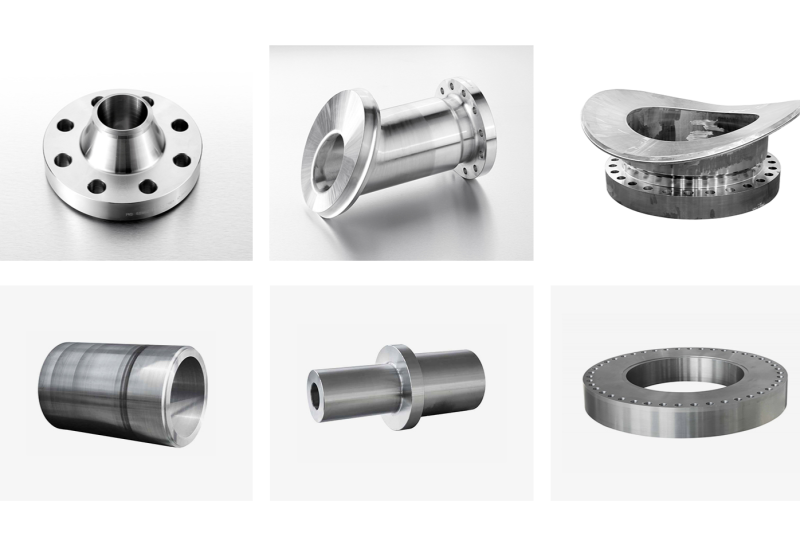
The base flange forging may incorporate various features:
Integral flange: Forged as a single piece with the shell
Bolt hole patterns: Drilled after forging for mounting connections
Sealing grooves: Machined for gasket seating
Support lugs or trunnions: Optional features for handling and installation