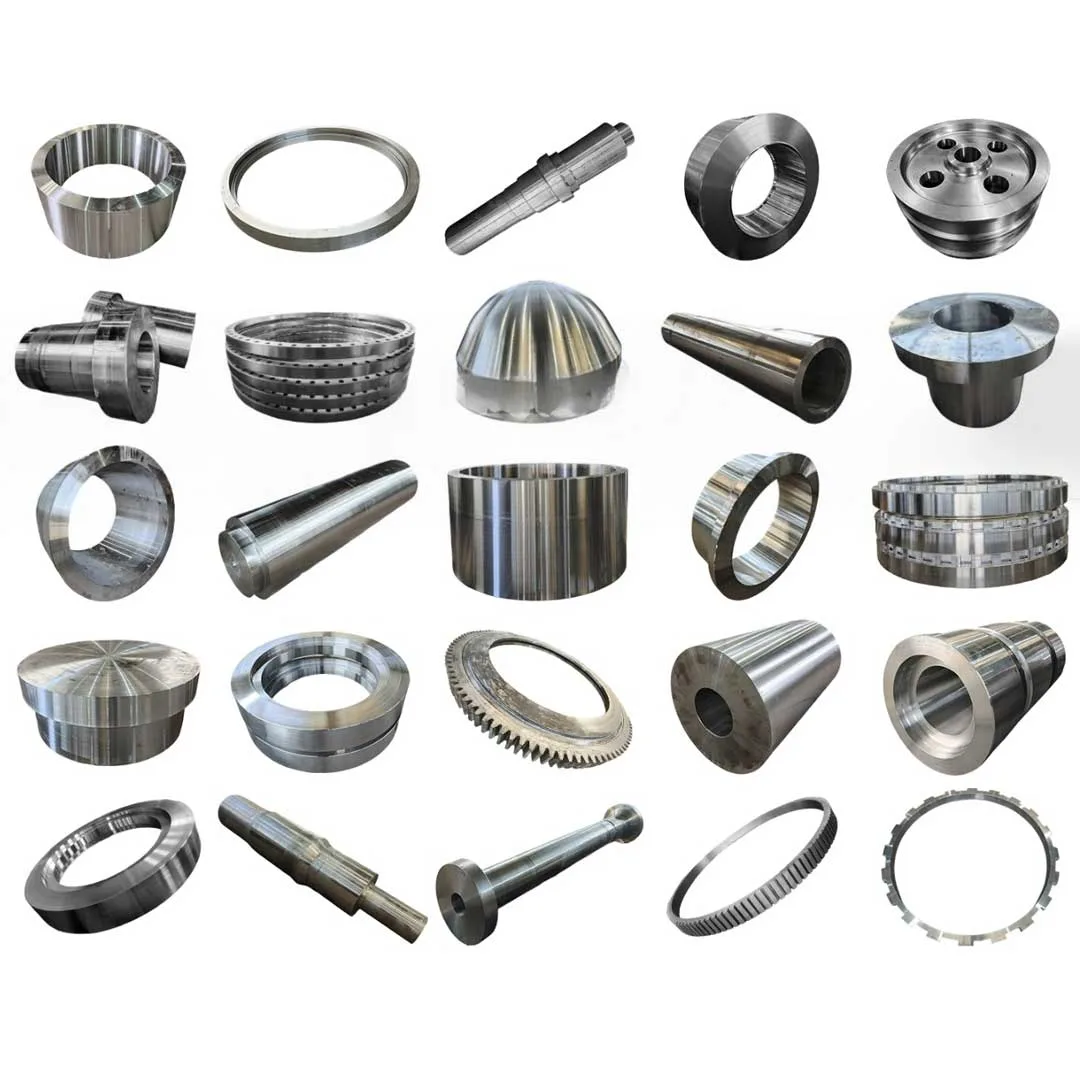
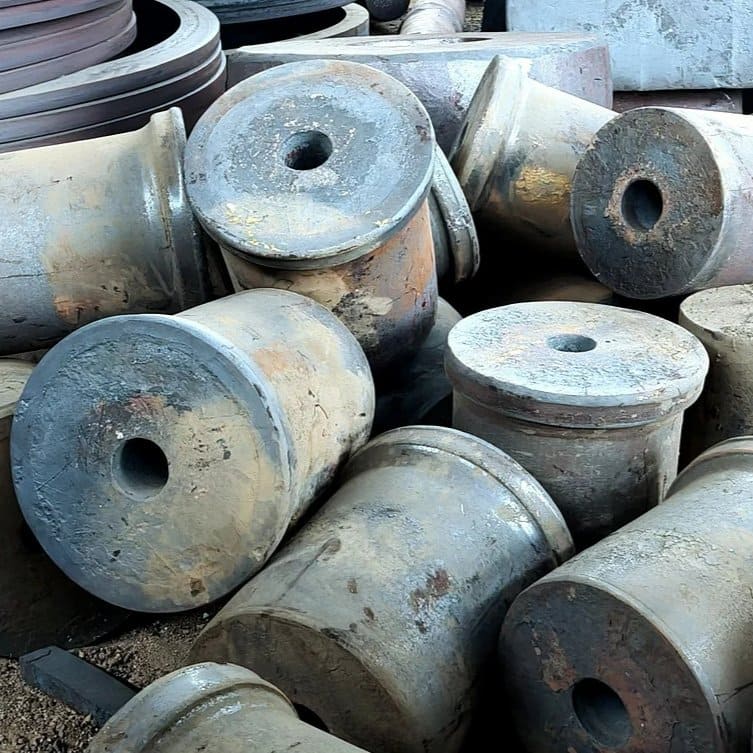
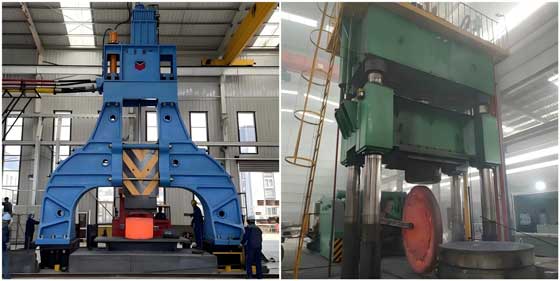
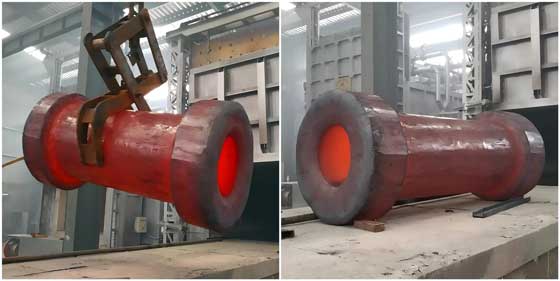
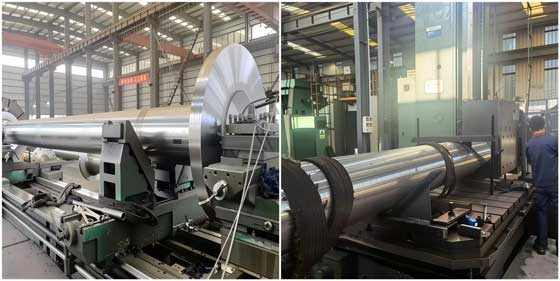
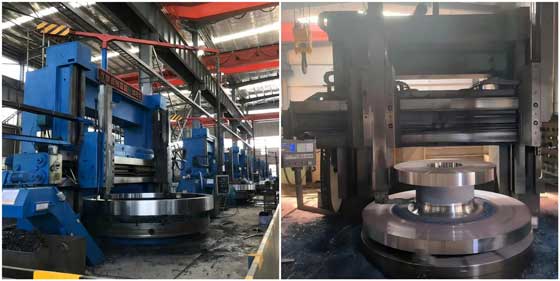
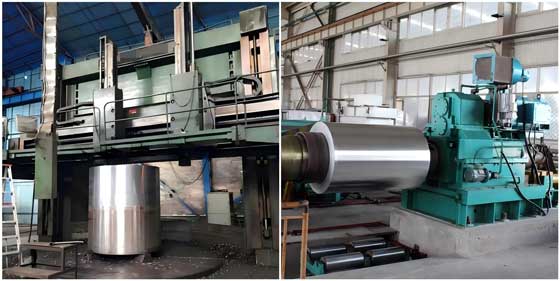
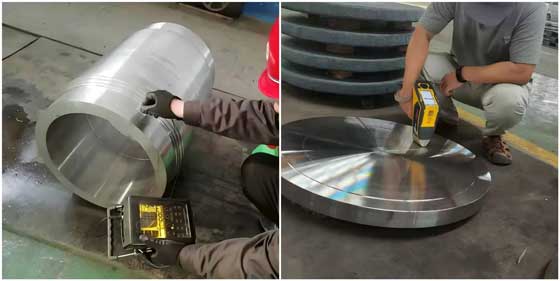
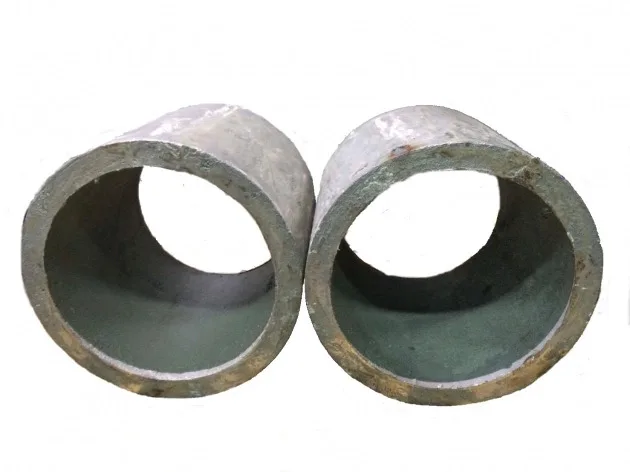
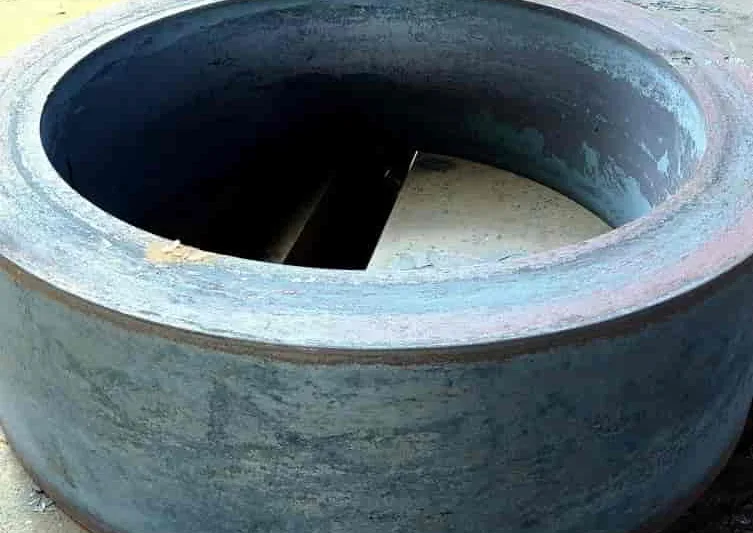
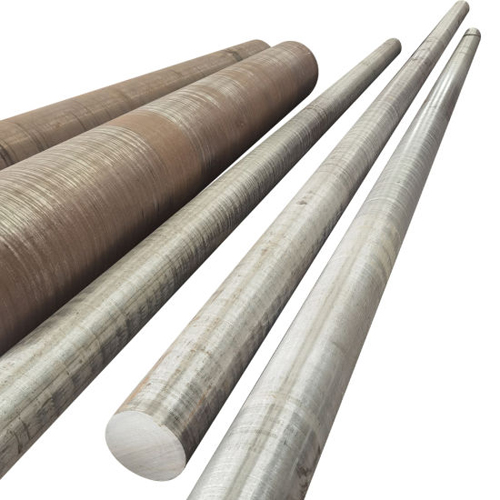
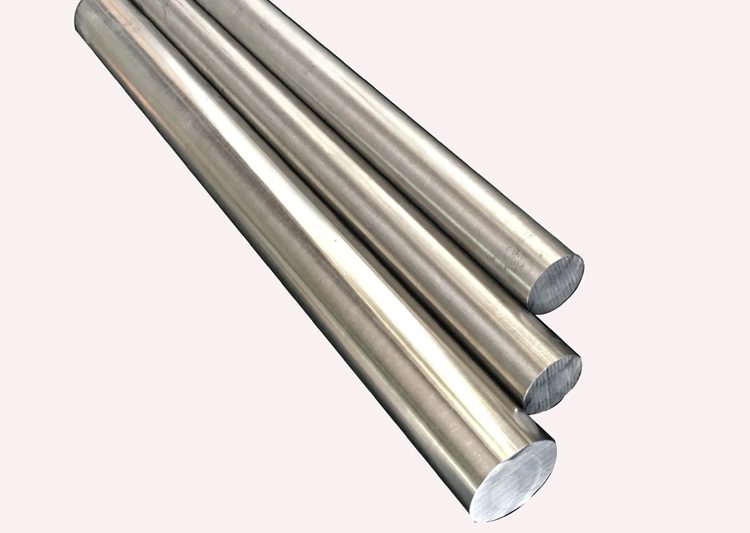
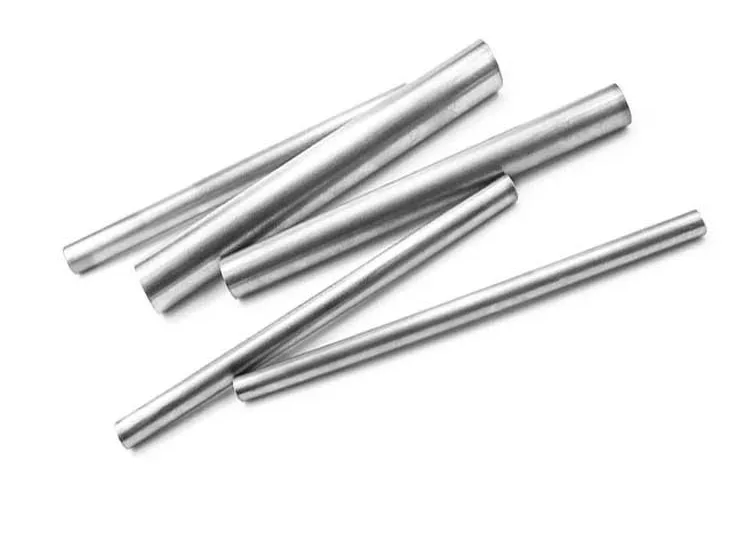
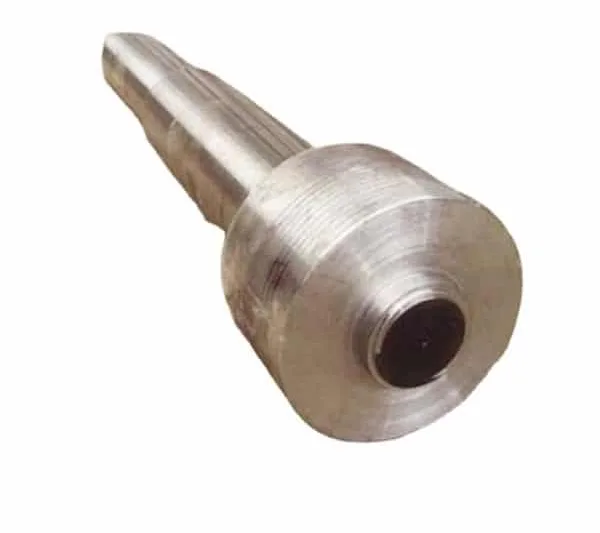
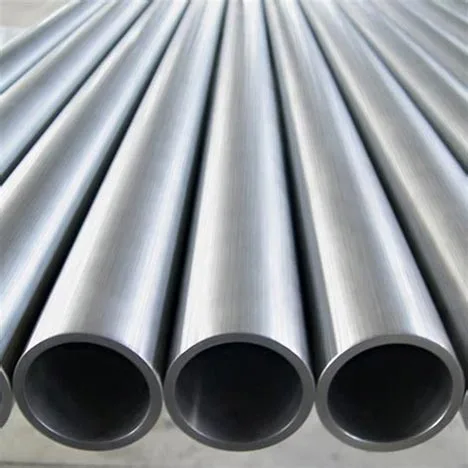
Large L/D Ratio Cylindrical Sleeve
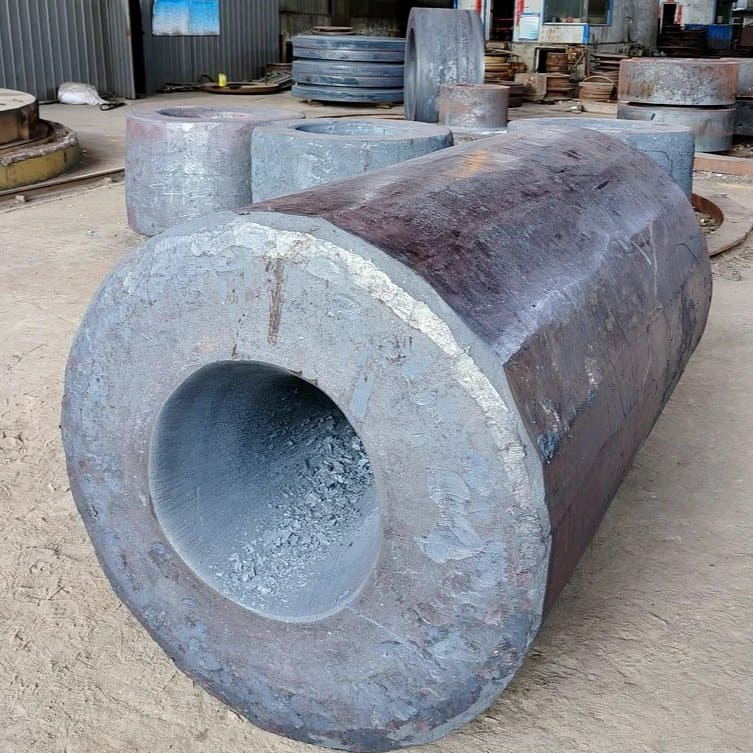
Common Grades, Specifications, and Applications of Cylindrical Bushings with High Length-to-Diameter Ratios
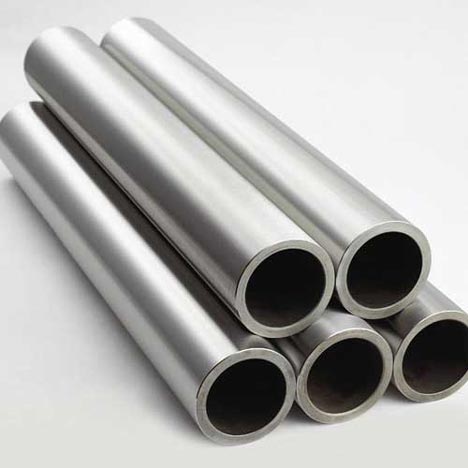
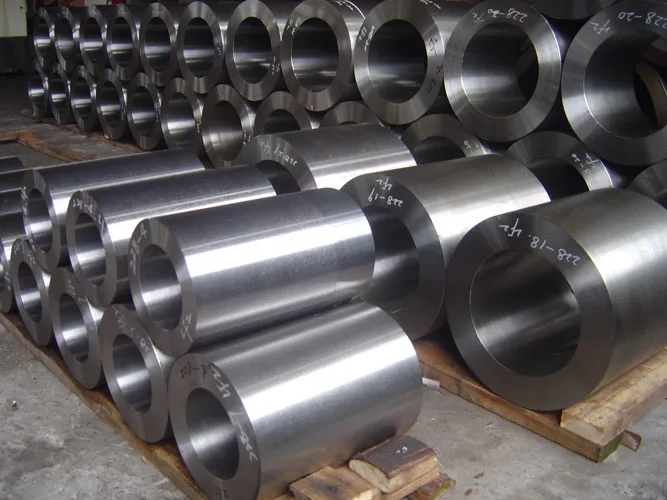
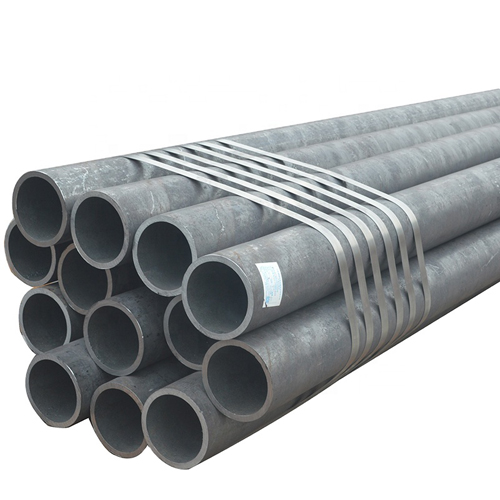
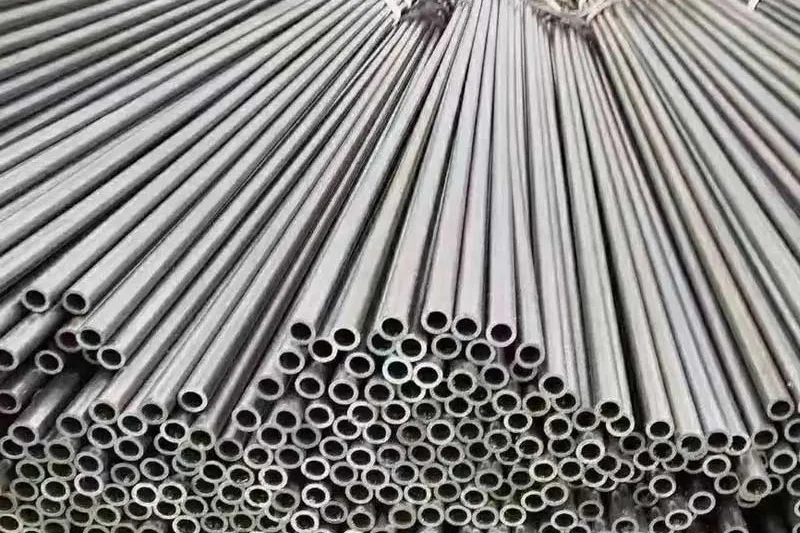
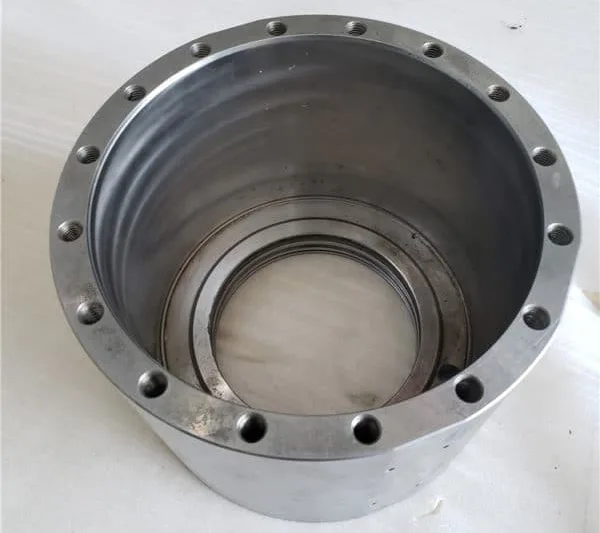
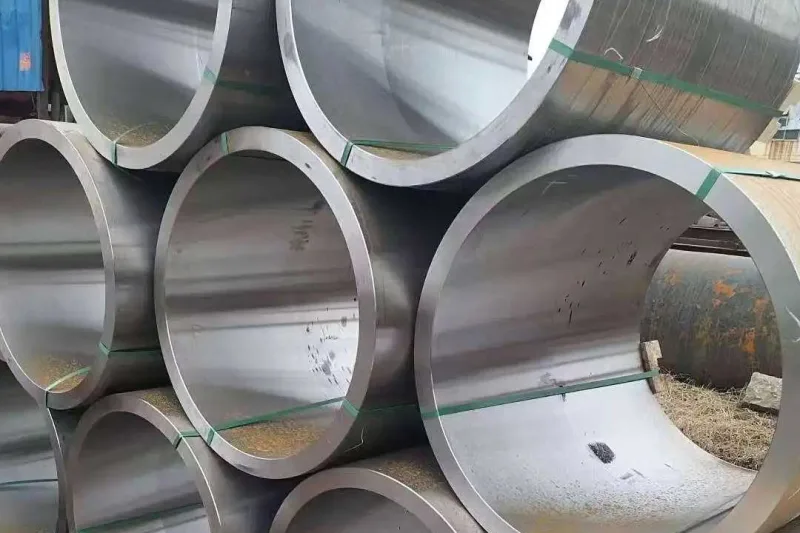
Cylindrical bushings with high length-to-diameter ratios are an important class of basic structural components in the fields of mechanical engineering and precision manufacturing. The length-to-diameter ratio refers to the ratio of the bushing’s axial length to its outer diameter. When this ratio is significantly higher than that of conventional designs, the component exhibits unique mechanical characteristics in terms of bending stiffness, thermal deformation control, and dynamic stability. Such sleeves are typically used as guide supports, wear-resistant liners, or precision positioning elements, and are widely applied in equipment that demands high precision in linear motion and long-term reliability.
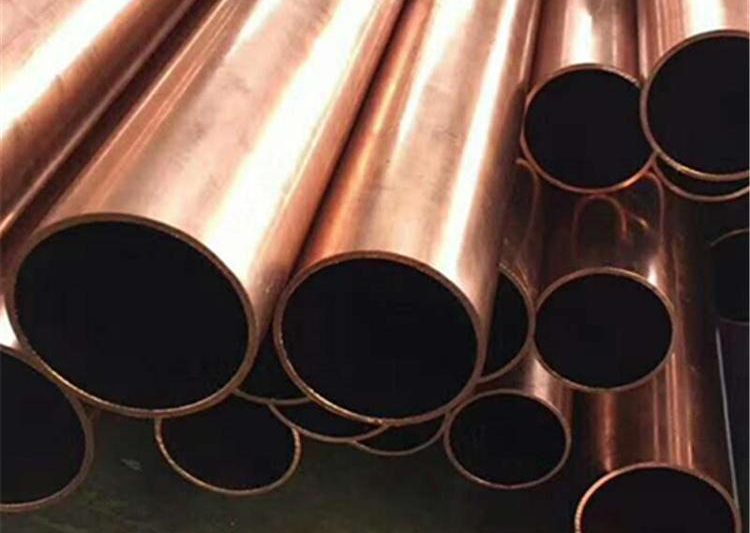
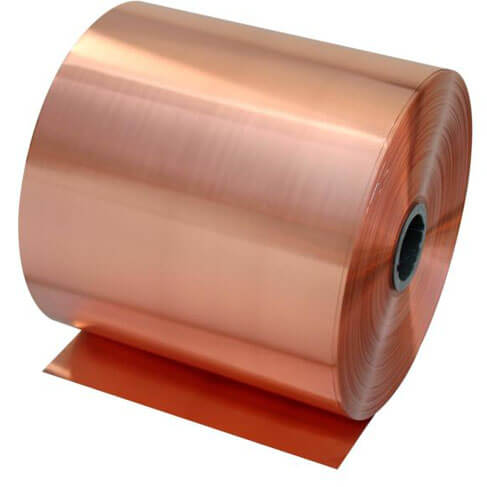
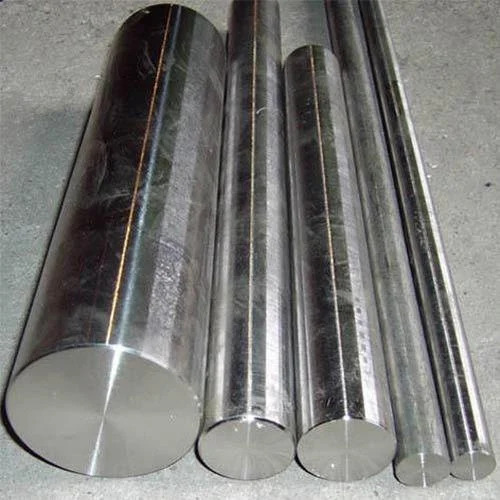
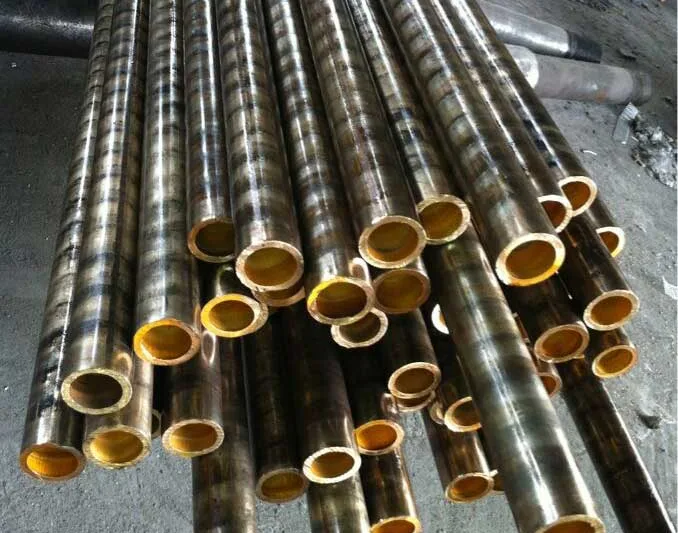
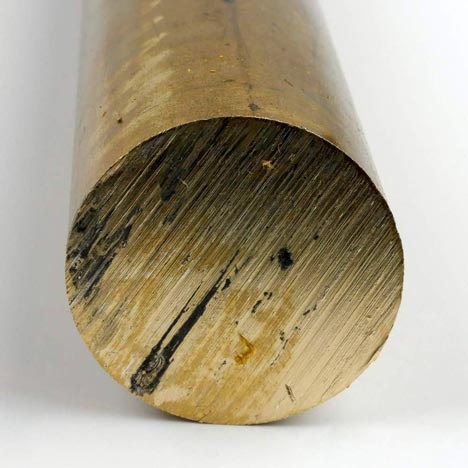
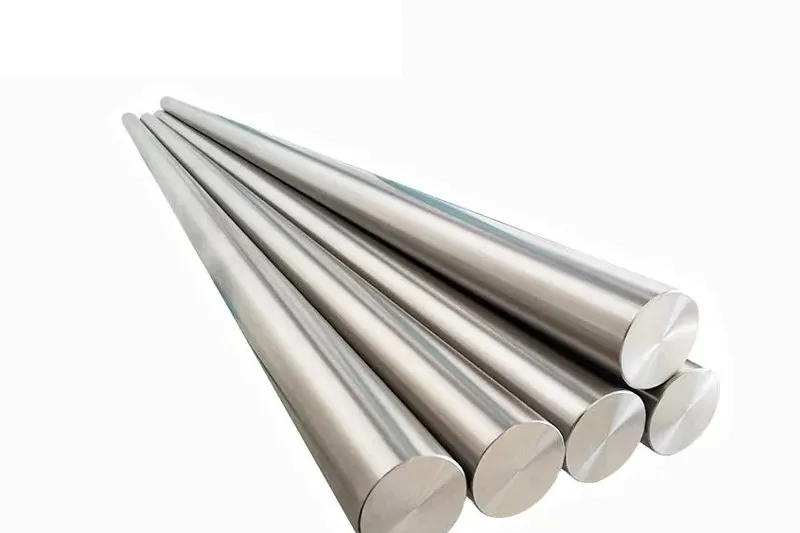
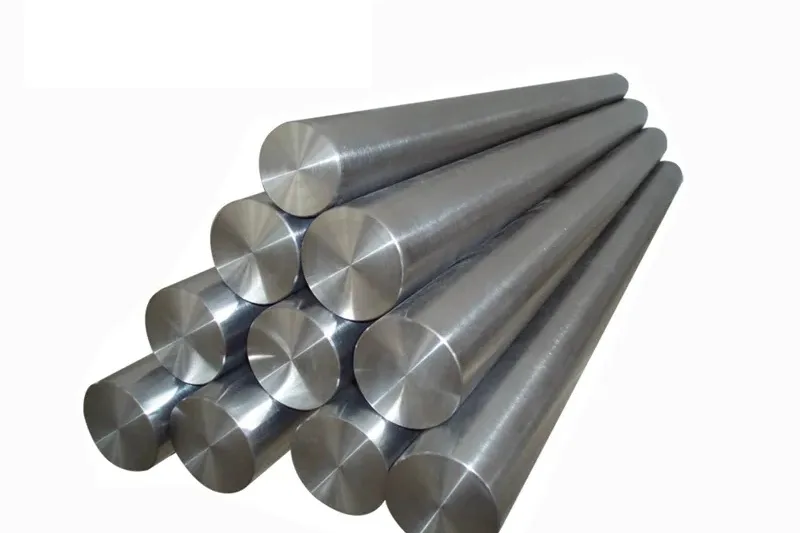
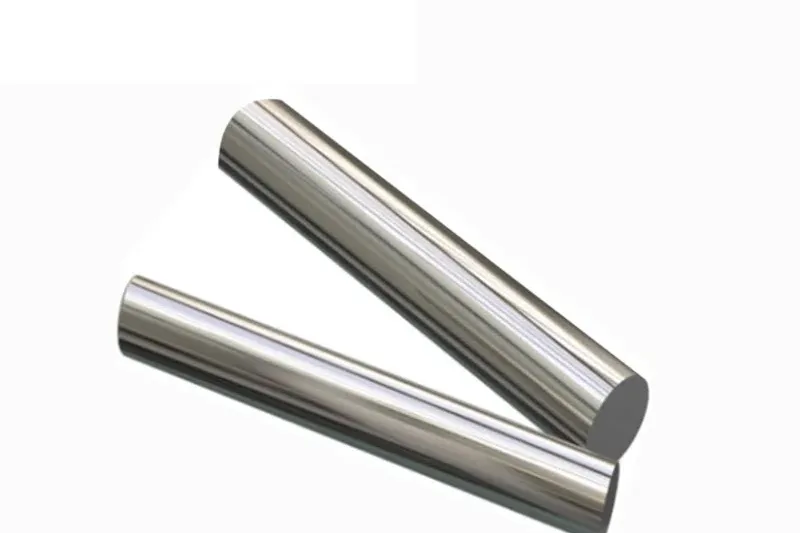
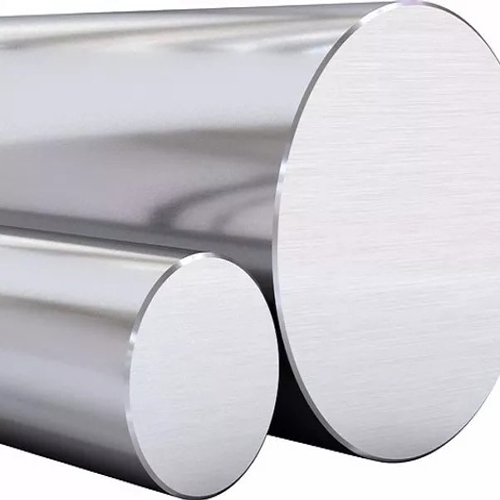
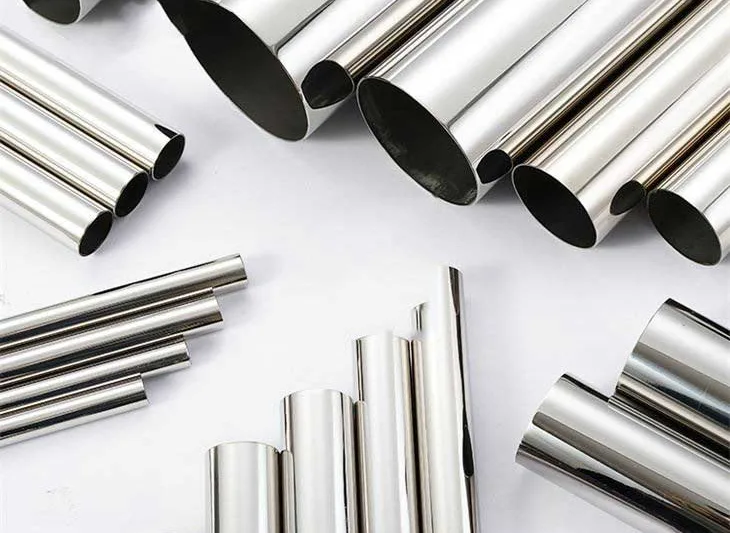
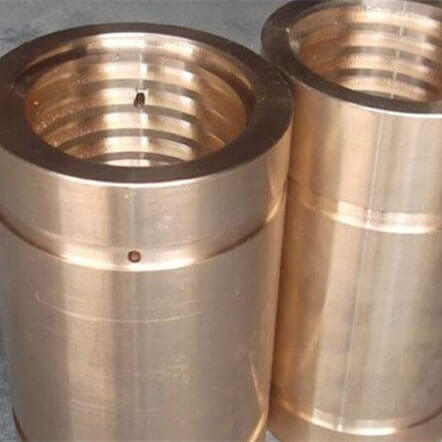
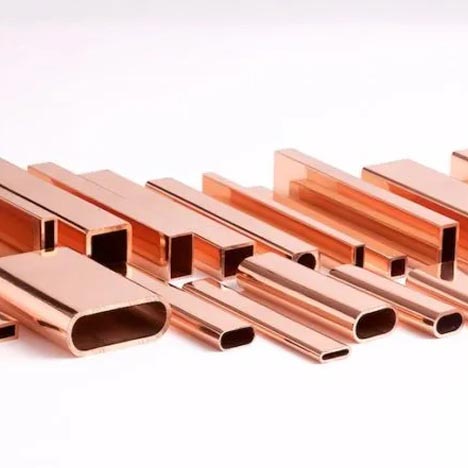
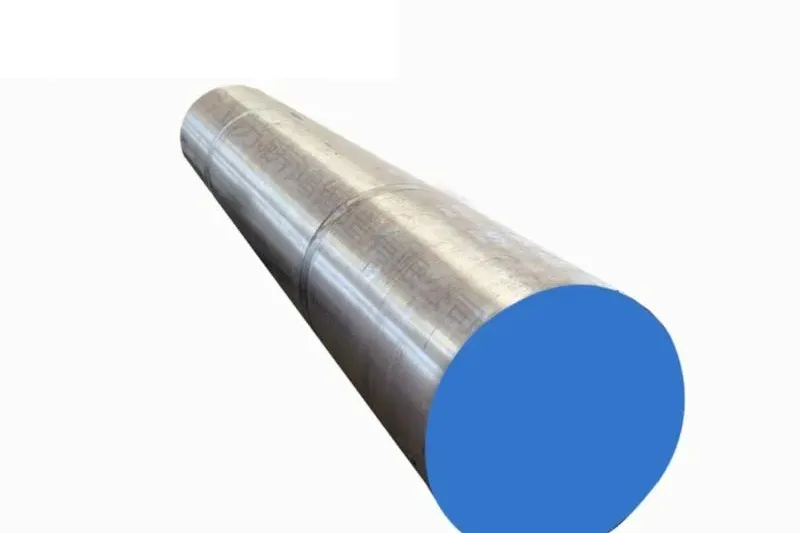
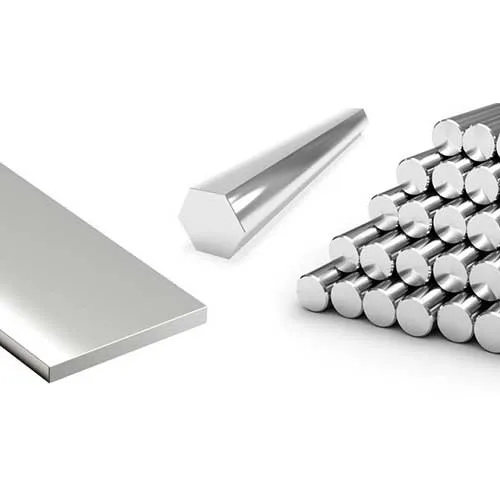
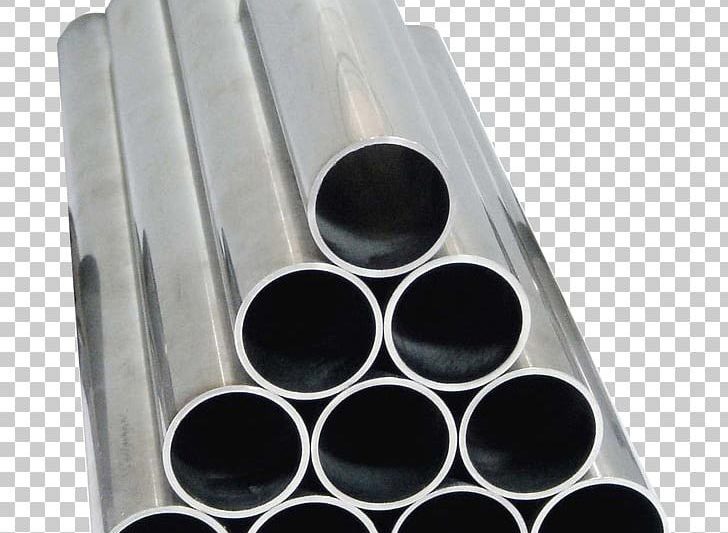
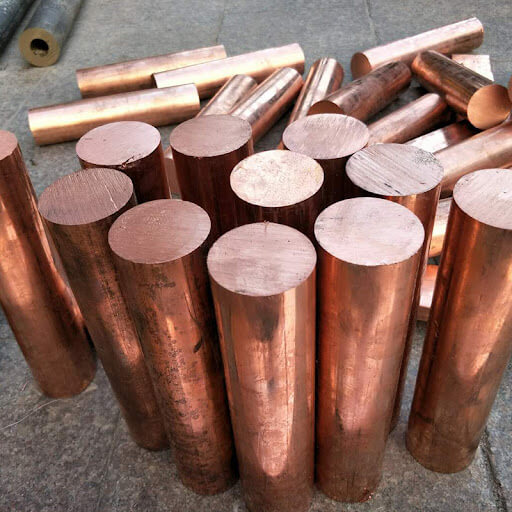
In terms of material grades, the selection of high-aspect-ratio cylindrical sleeves is primarily based on operating loads, friction characteristics, and environmental media. Copper-based alloys, such as tin bronze ZQSn6-6-3 and aluminum bronze ZQAl9-4, are commonly used in medium- to low-speed, heavy-load sliding bearing applications due to their excellent embeddability and resistance to seizure. Stainless steel grades 304 and 316L, with their outstanding corrosion and oxidation resistance, are frequently used in chemical pump bushings, marine engineering, and food processing machinery. Polymer materials, such as polytetrafluoroethylene (PTFE) and ultra-high-molecular-weight polyethylene (UHMWPE), perform exceptionally well in applications requiring lightweight construction and low friction, making them suitable for high-speed, light-load, or oil-free lubrication environments.
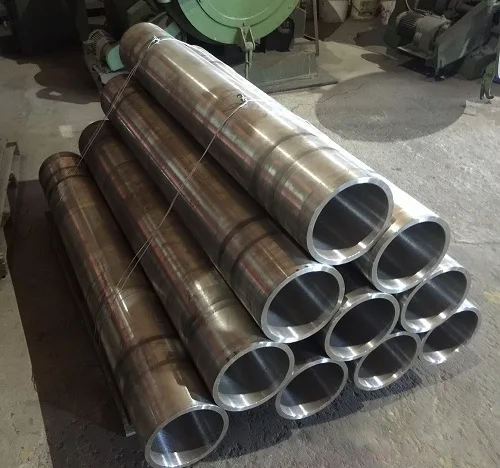
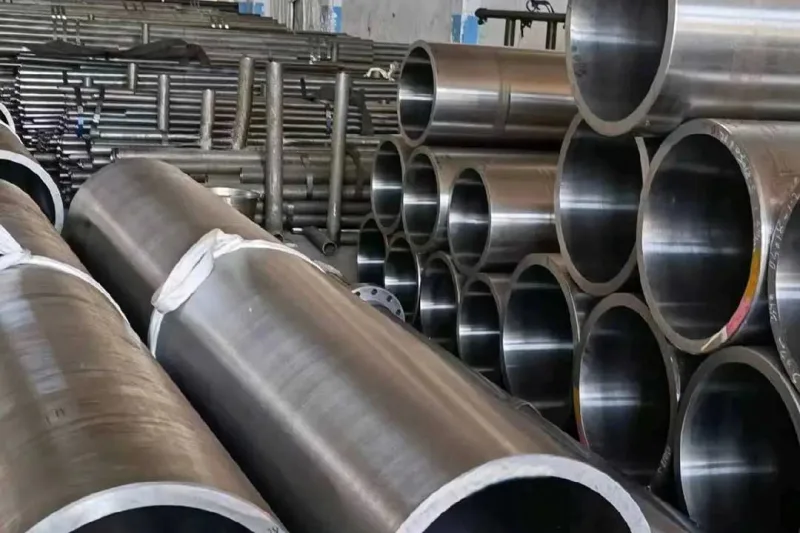
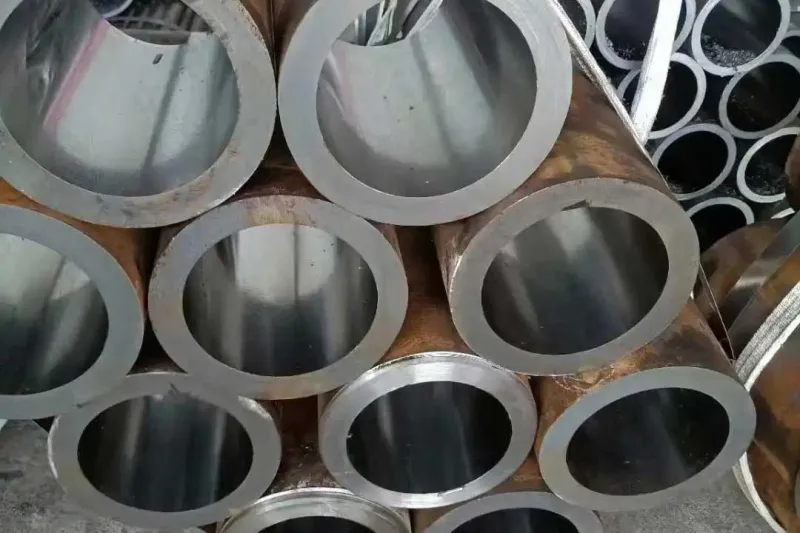
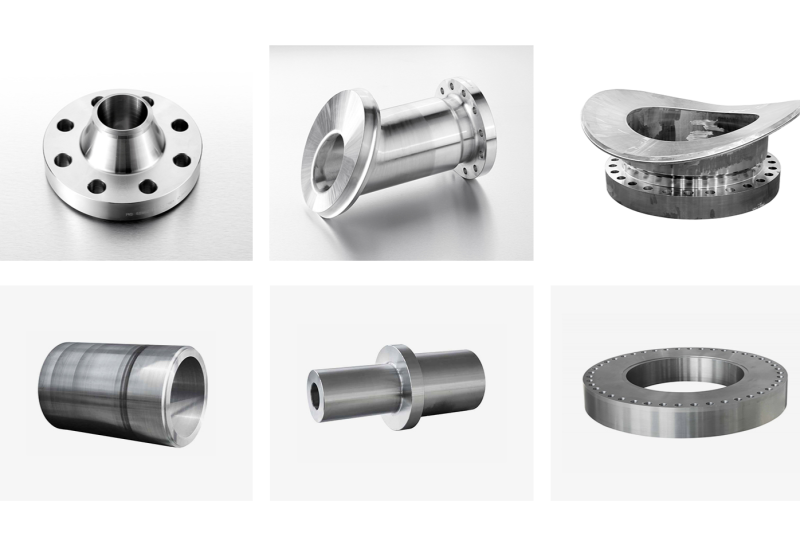
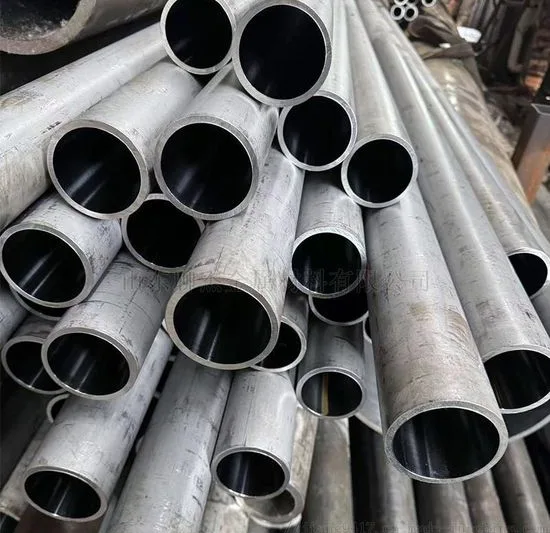
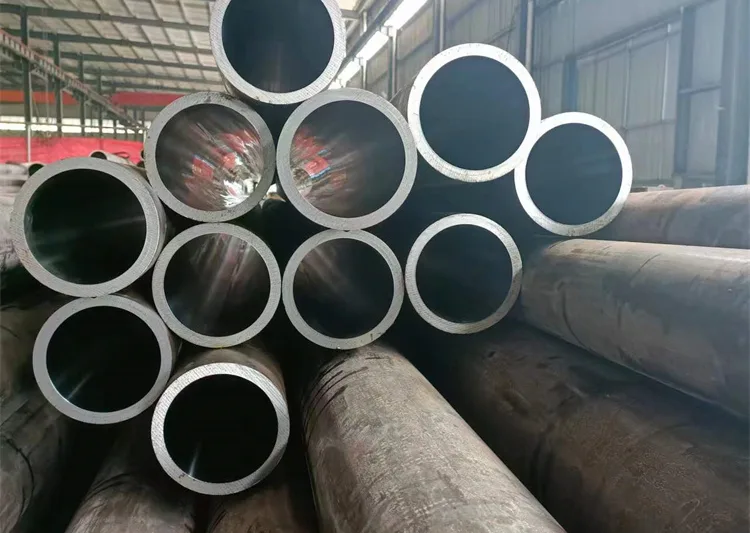
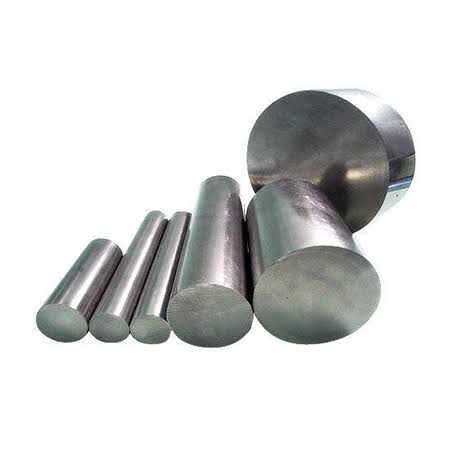
In terms of specifications and dimensions, the manufacture of cylindrical sleeves with high length-to-diameter ratios requires a strict balance between machinability and assembly precision. Conventional outer diameters typically range from 20 mm to 300 mm, with lengths generally three to twelve times the outer diameter and wall thicknesses controlled between 2 mm and 15 mm. To suppress the tendency for deflection caused by high length-to-diameter ratios, the inner bore and outer circumference must undergo high-precision centerless grinding or honing processes, with cylindricity and concentricity tolerances generally controlled within IT6 to IT7 grades. Dimensioning systems generally follow standards such as ISO 3547 or GB/T 12613; however, some specialized equipment may require non-standard custom dimensions, such as stepped bores or oil grooves.
In terms of application scenarios, cylindrical sleeves with high length-to-diameter ratios are widely used across multiple high-end manufacturing and basic industrial sectors. In CNC machine tools and automated production lines, these sleeves serve as guide bushings for long-stroke linear guides, ensuring smooth movement of the slide and repeatable positioning accuracy. In automotive drivetrains and rail transit bogies, they are used for long-shaft support and suspension guidance, effectively absorbing vibrations and impacts while reducing wear caused by direct metal-to-metal contact. In the aerospace sector, sleeves made of titanium alloys or composite materials are commonly used for thermal insulation, positioning, and vibration damping in high-temperature piping around engines. In hydraulic and pneumatic actuators, long roller supports for textile machinery, and roll-pressing equipment for new energy battery electrode sheets, these components also perform critical load-bearing and alignment functions. Their high length-to-diameter ratio effectively distributes contact stress, extends maintenance intervals, and improves overall equipment operational efficiency.