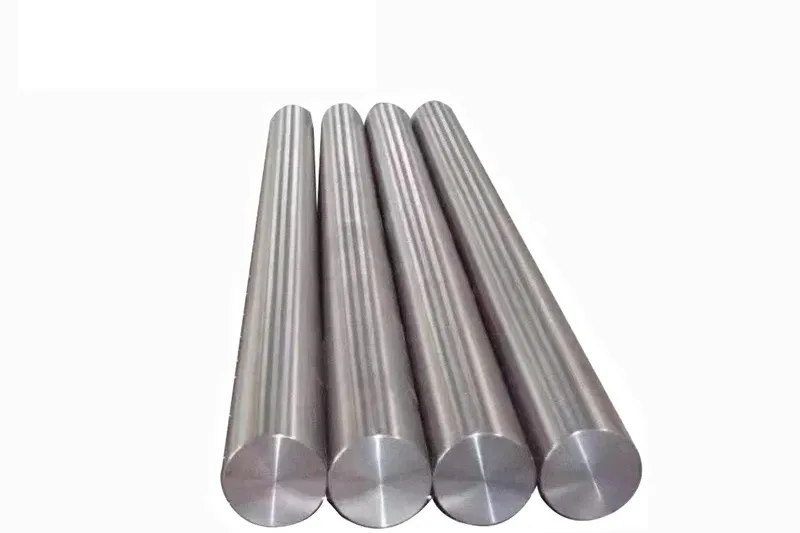
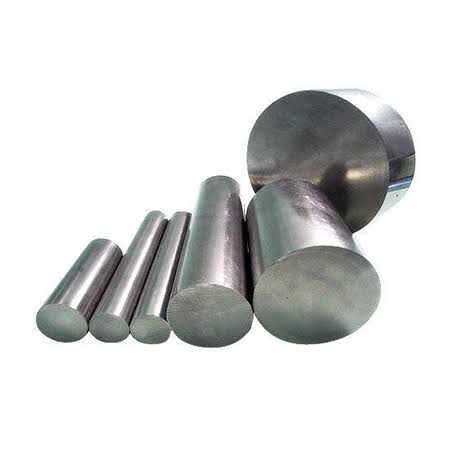
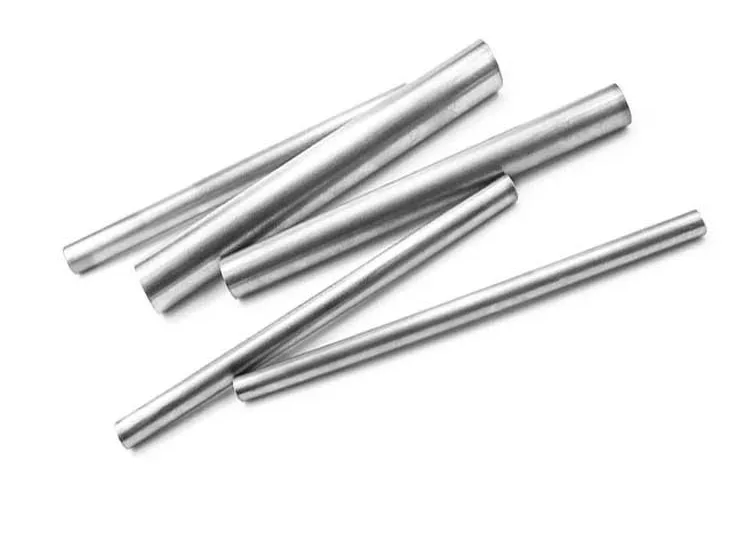
Aluminum Forged Tube Manufacturer
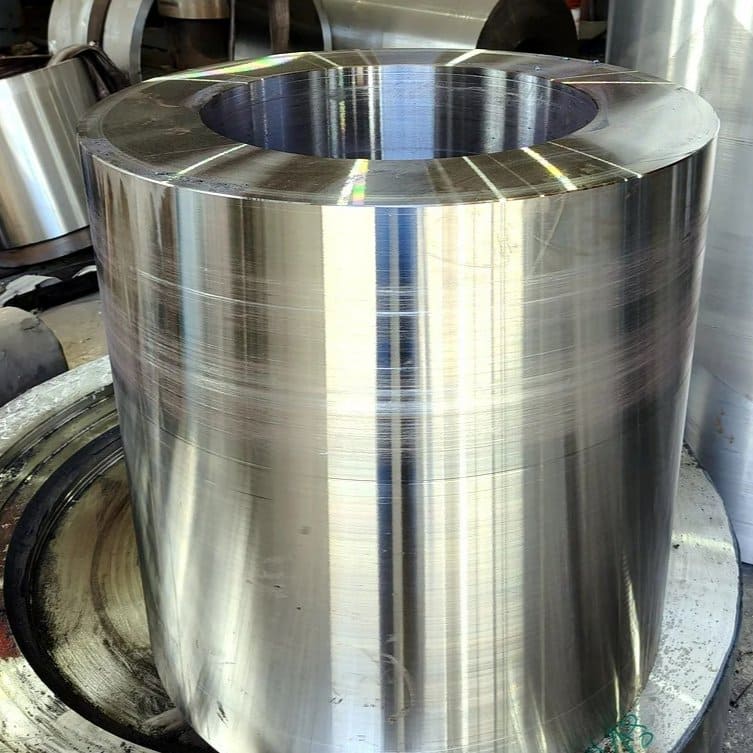
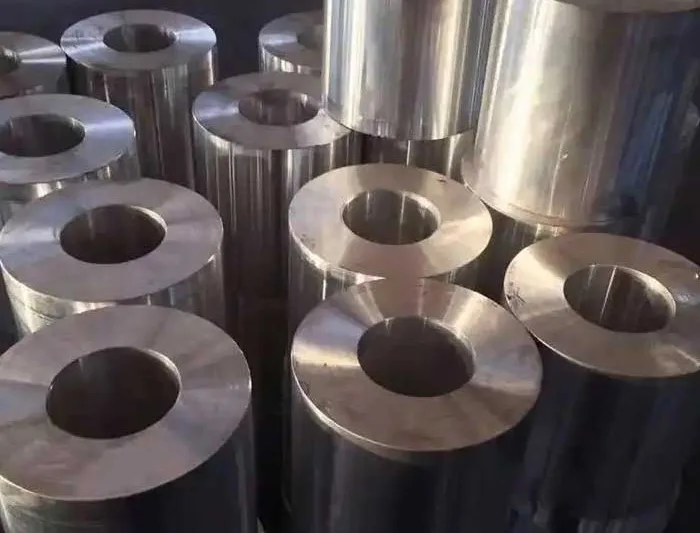
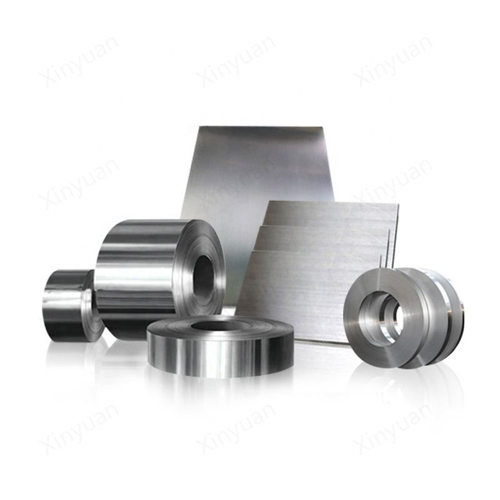
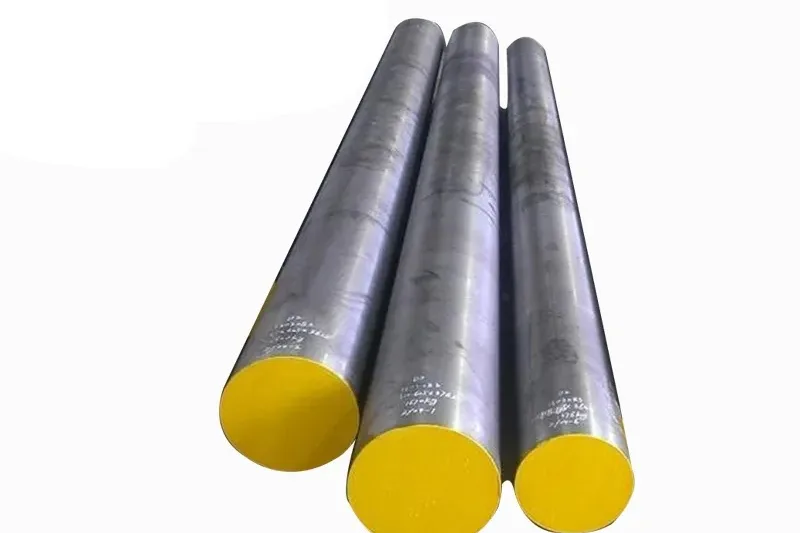
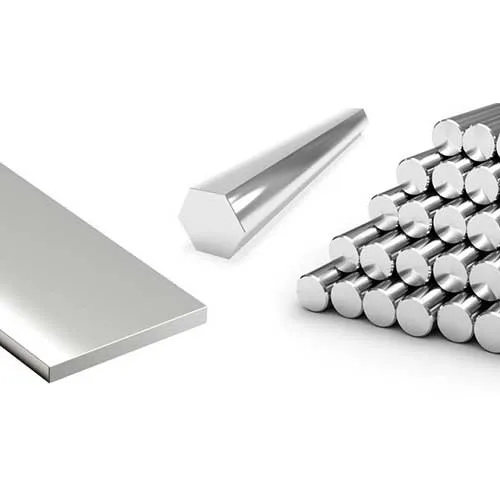
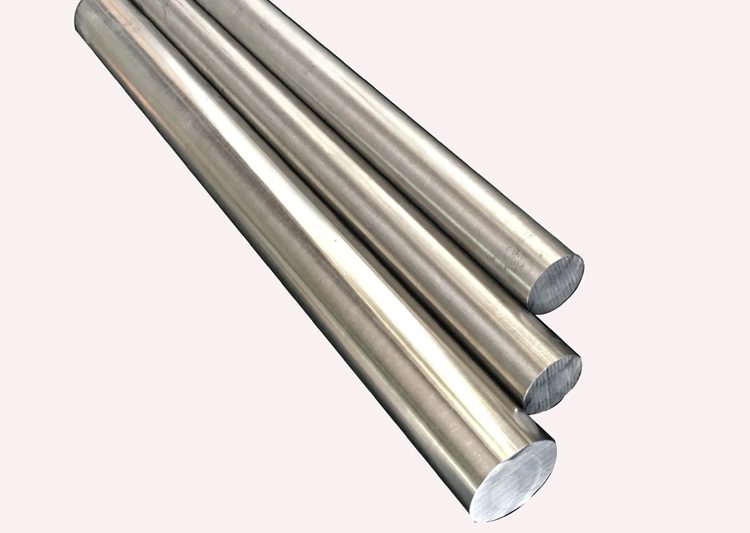
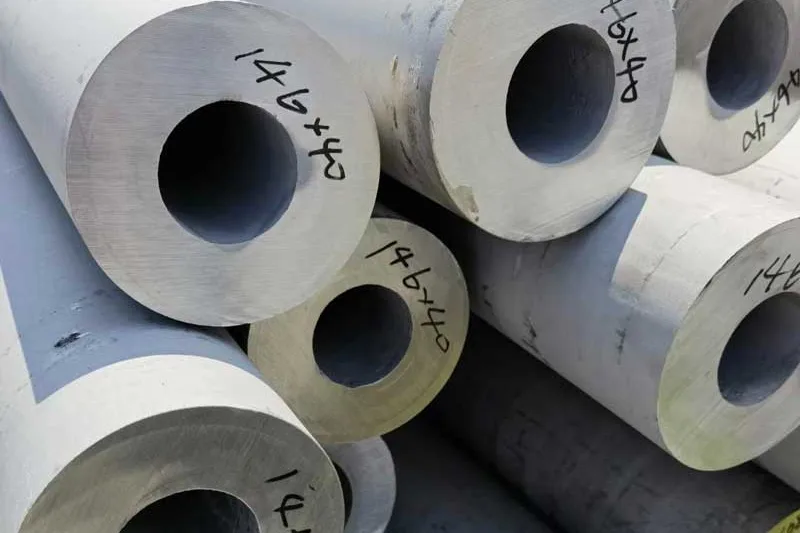
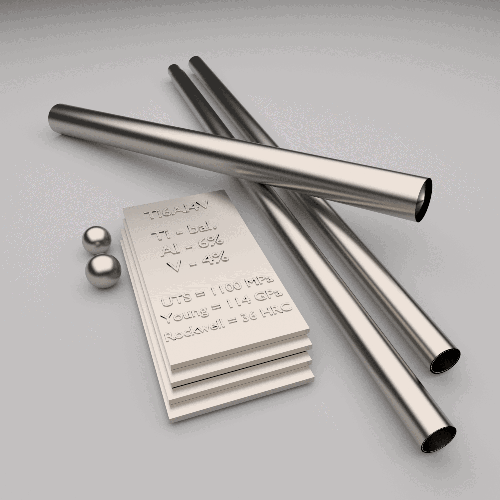
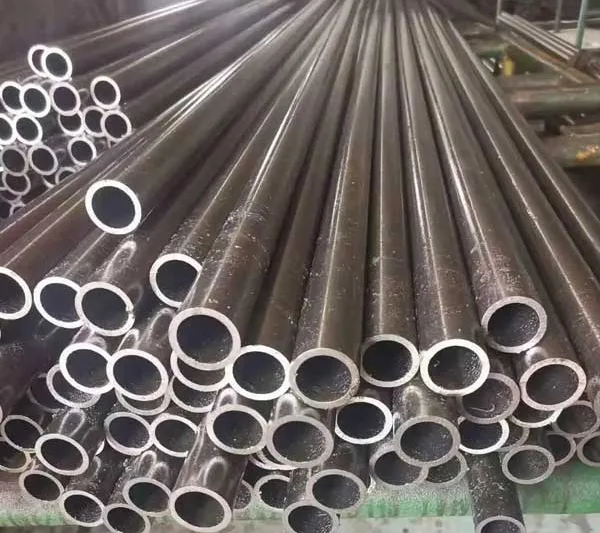
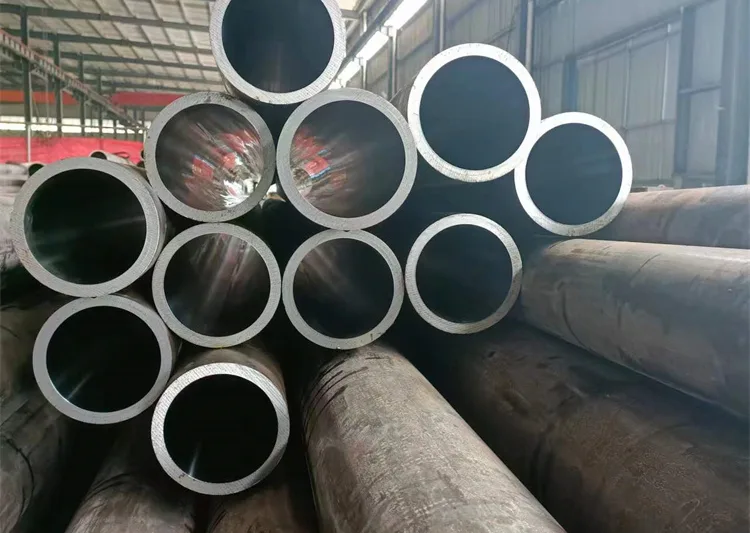
Aluminum forged tubes are considered for custom industrial components where a tubular geometry, selected alloy properties, and a defined machining plan are required. The best manufacturing route depends on the part dimensions, alloy, mechanical-property requirements, quantity, and final application.
What Is an Aluminum Forged Tube?
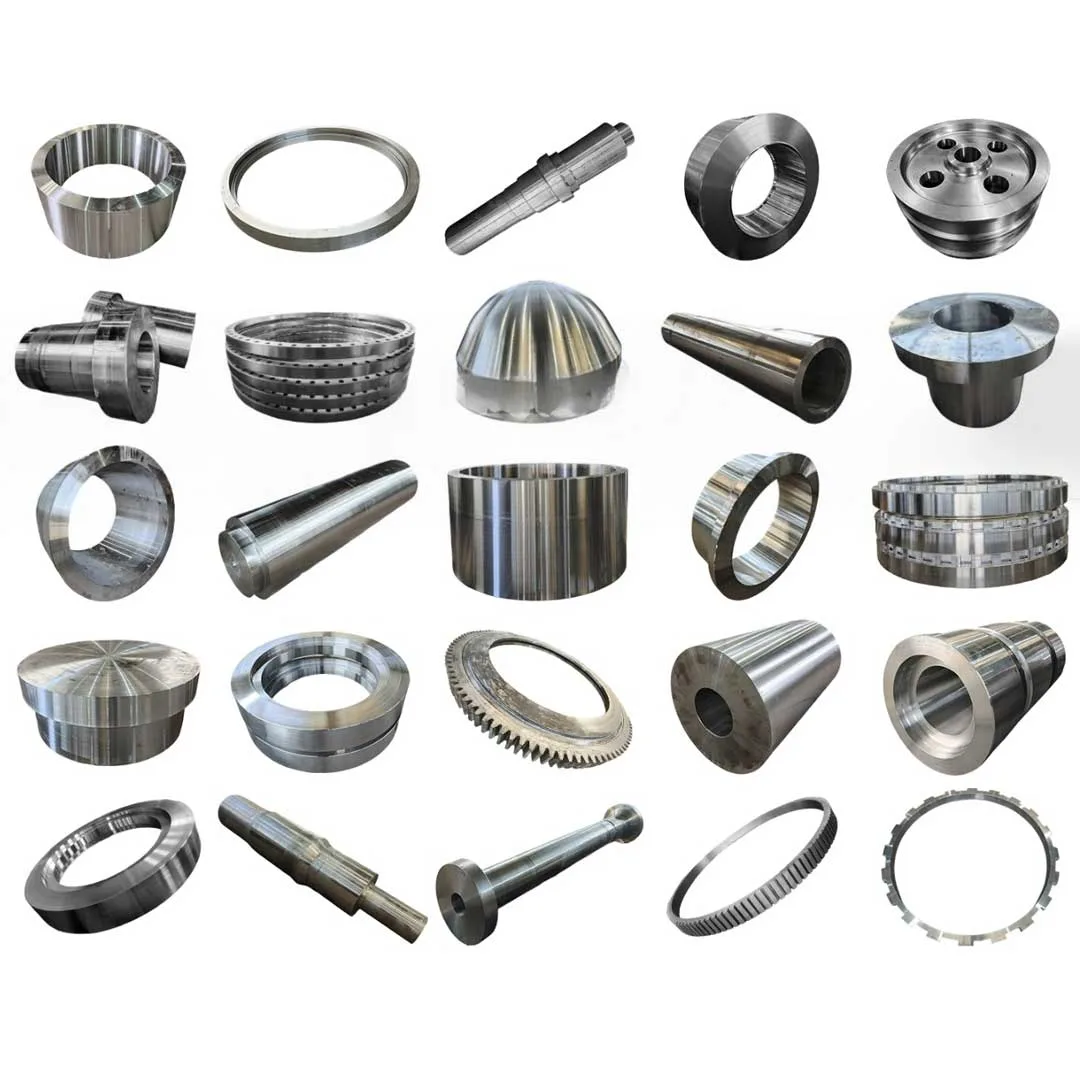
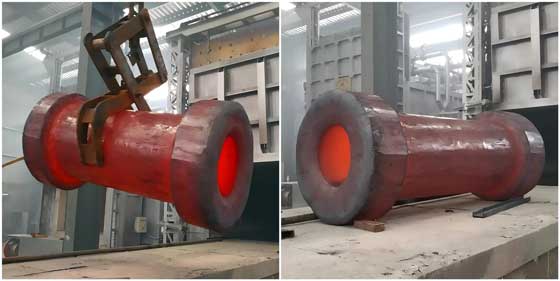
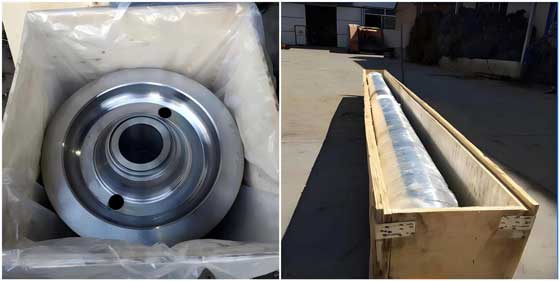
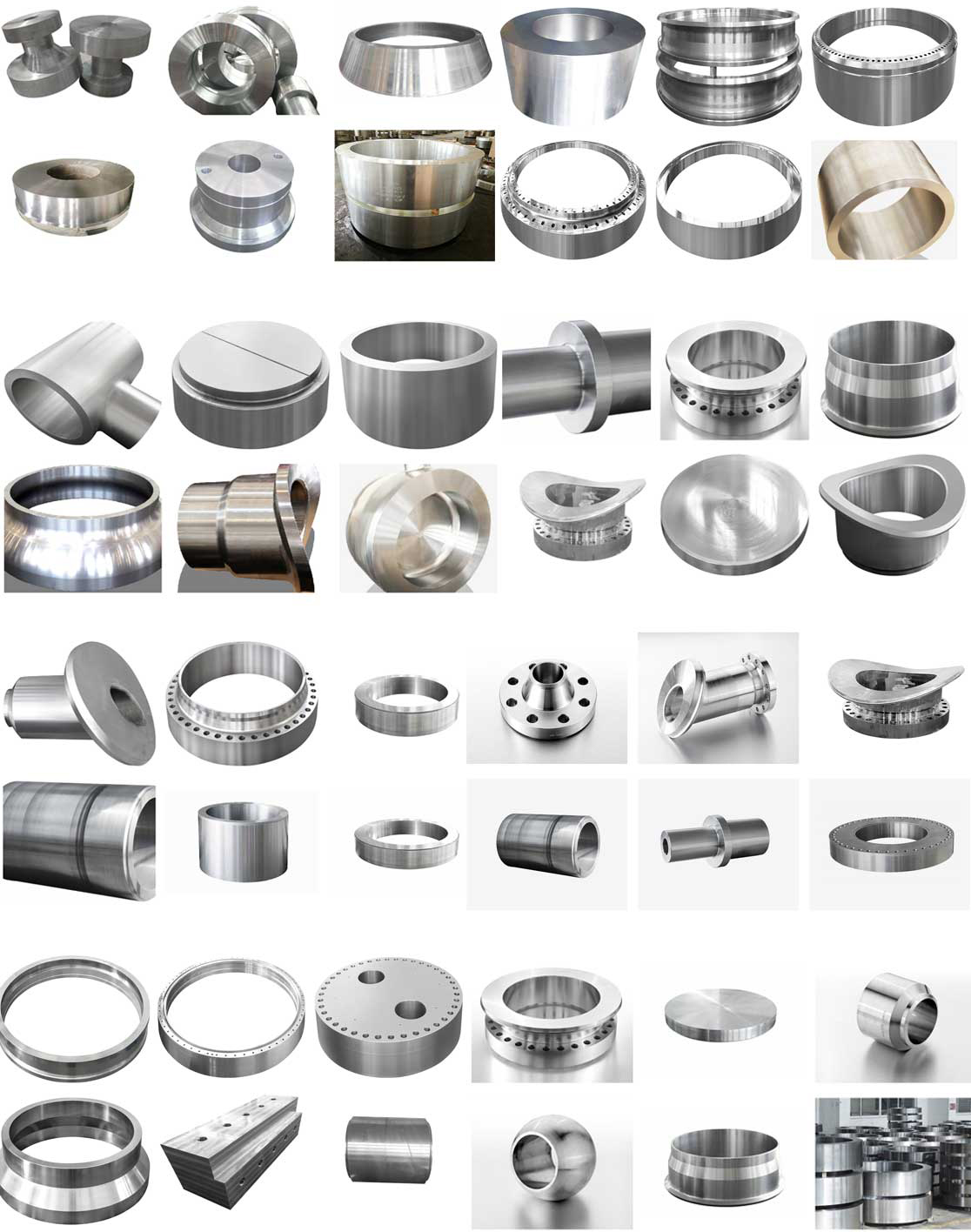
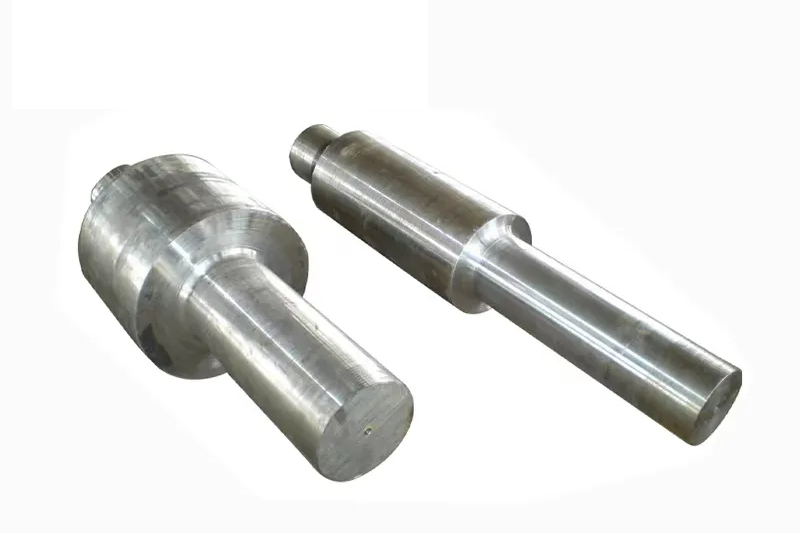
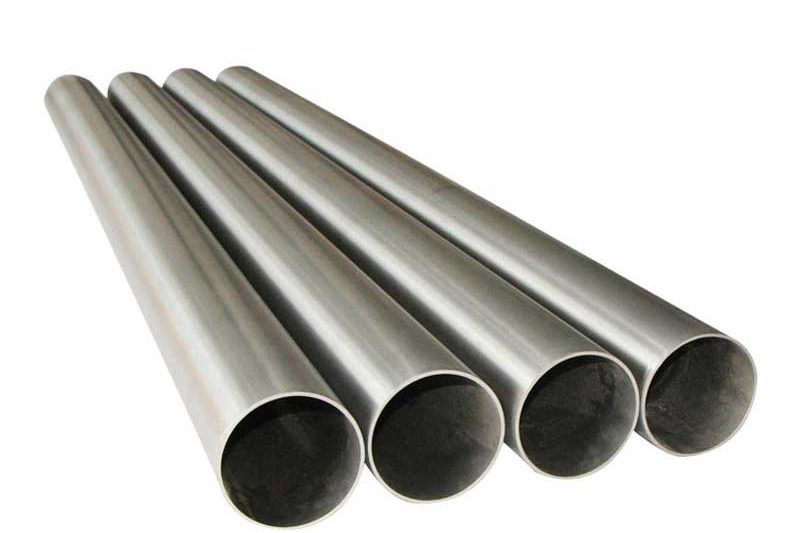
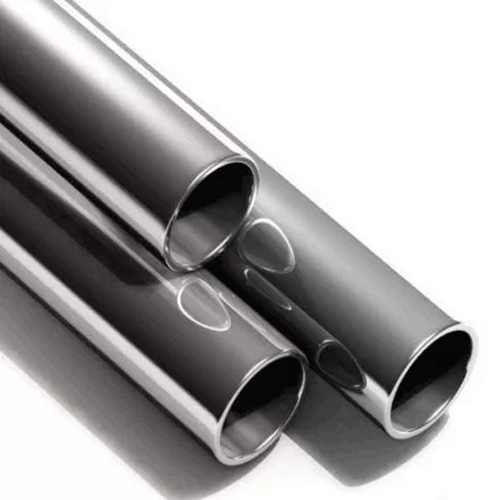
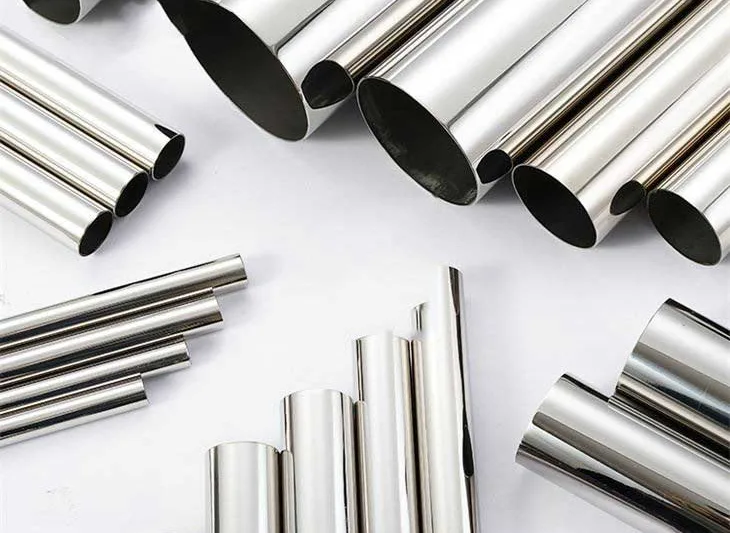
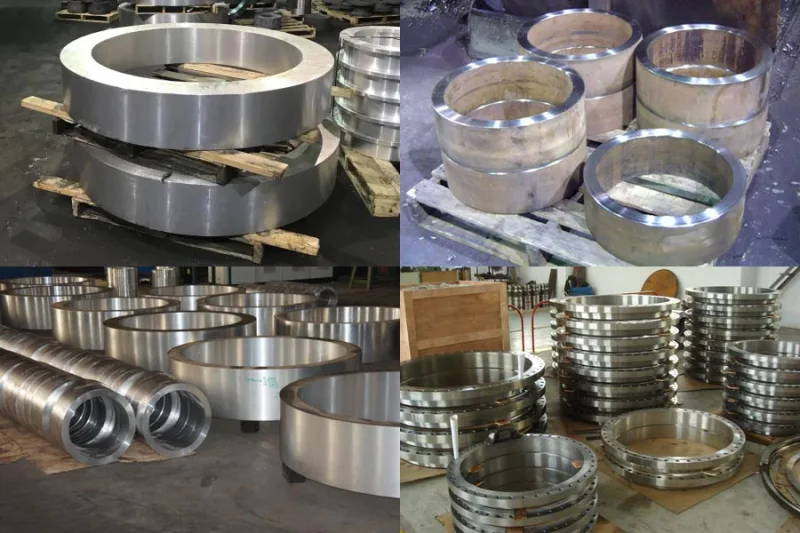
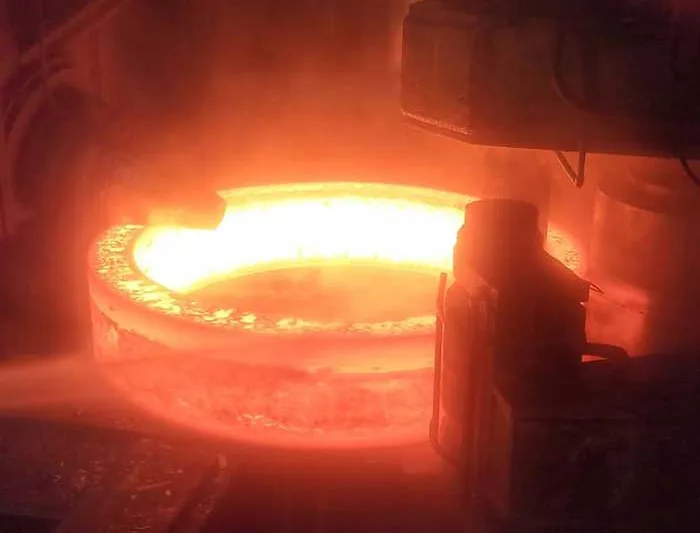
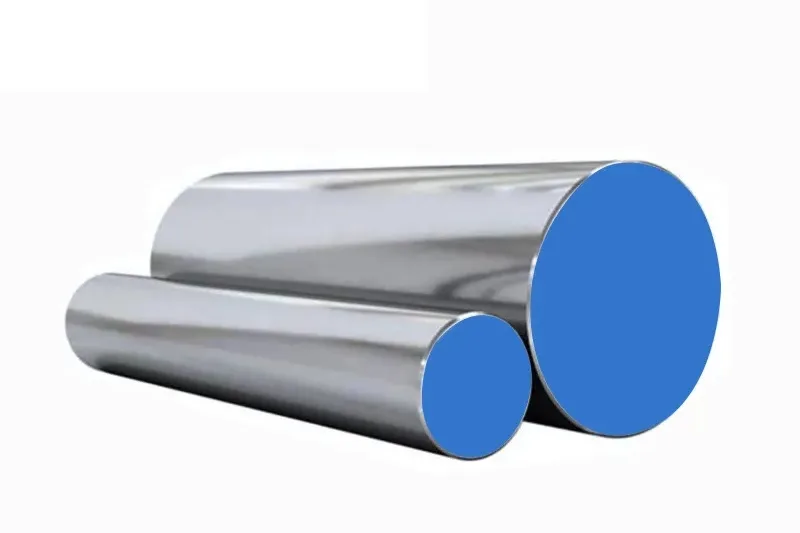
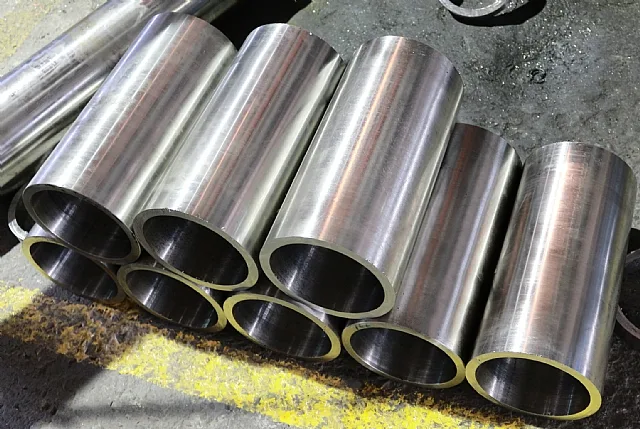
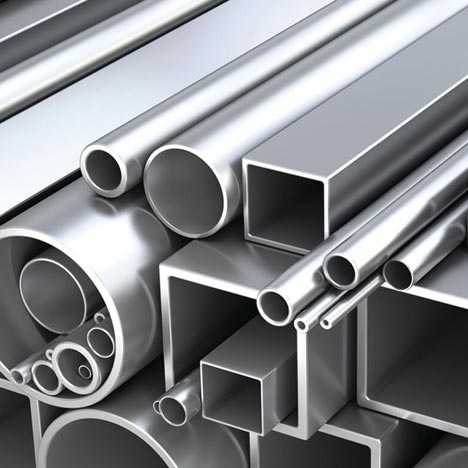
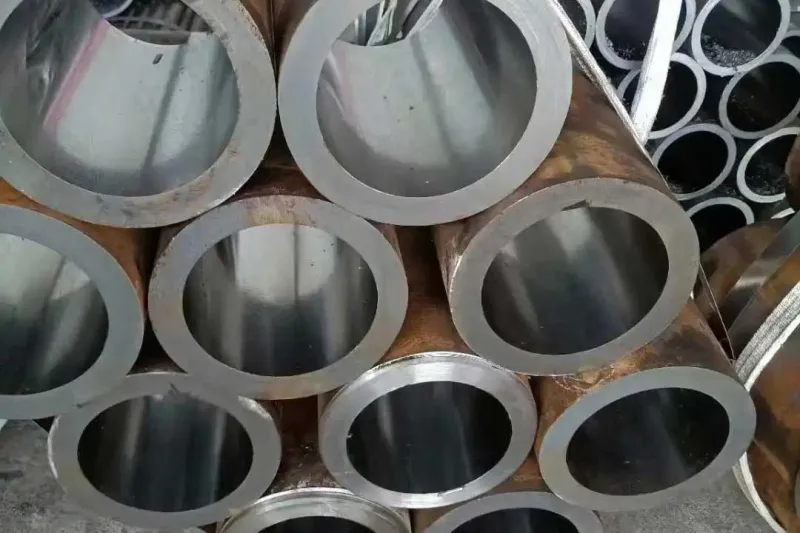
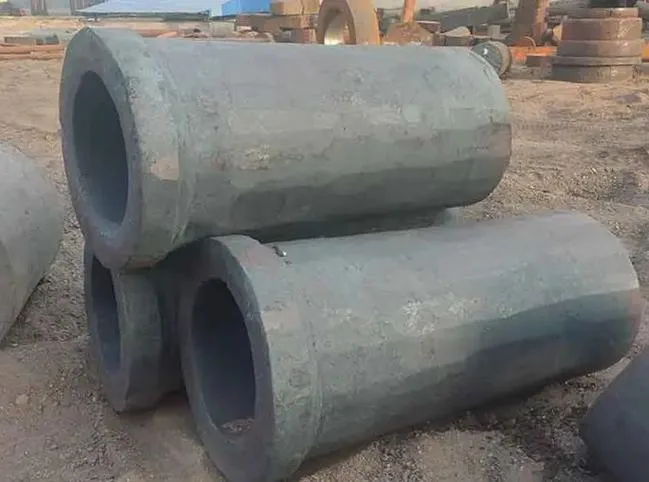
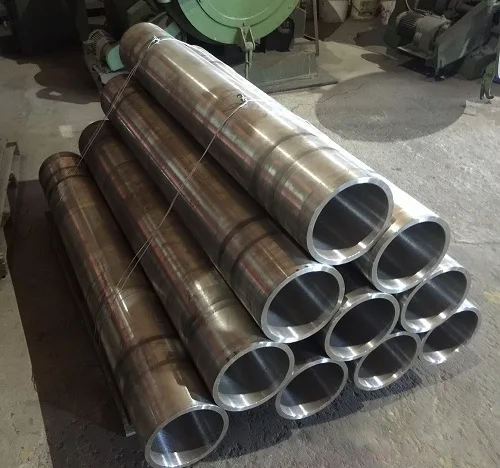
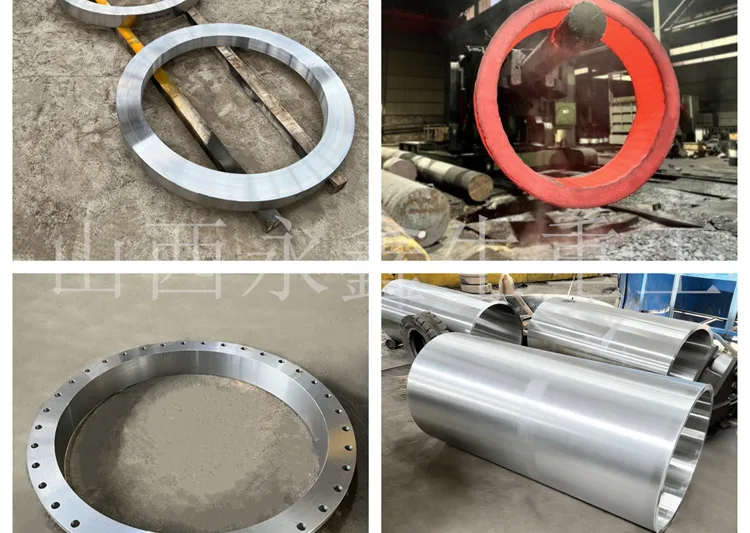
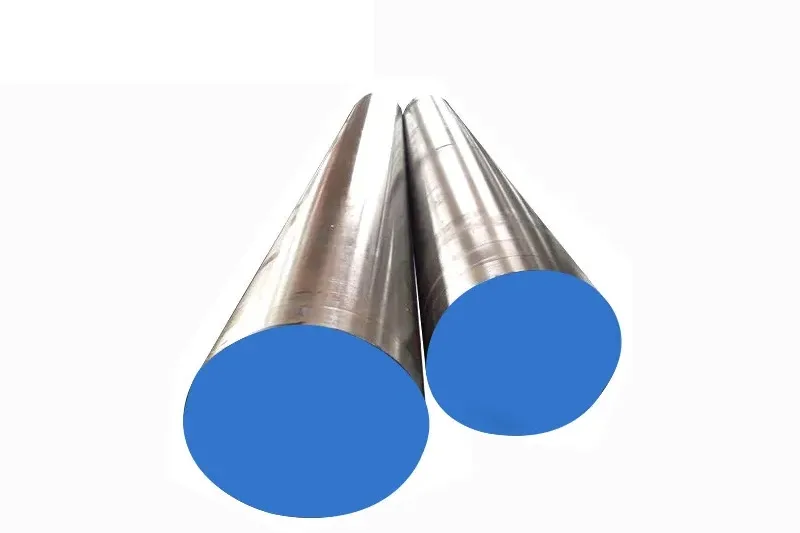
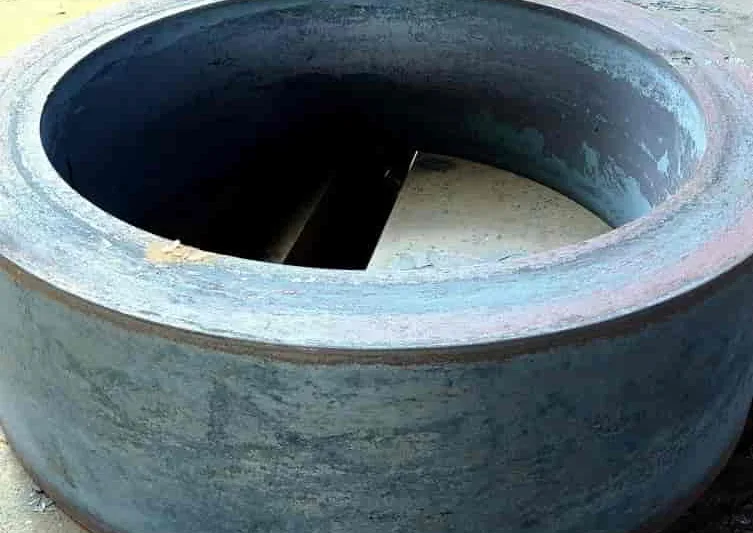
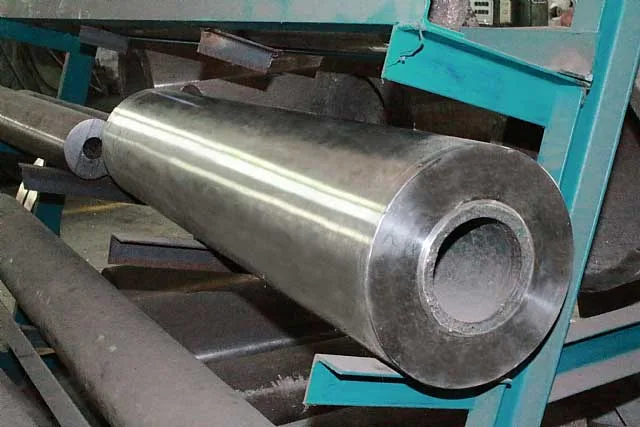
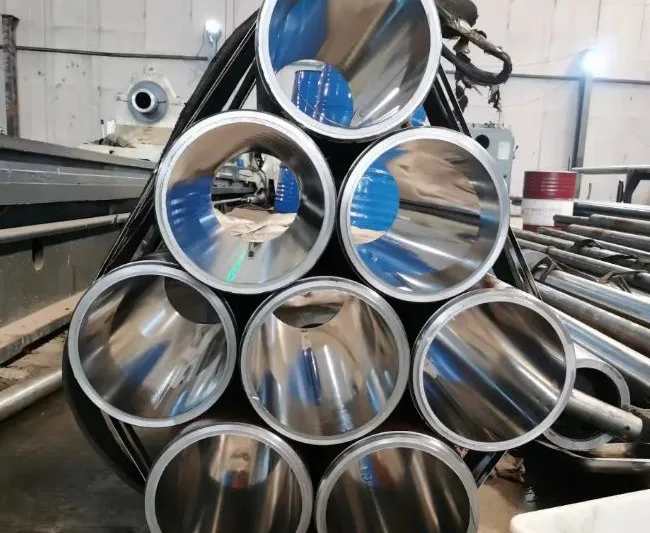
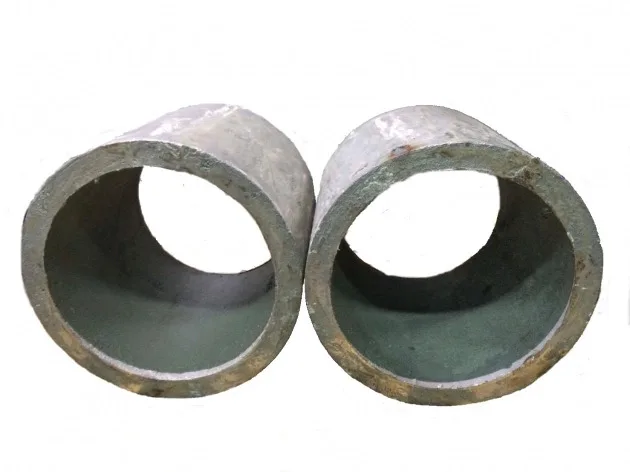
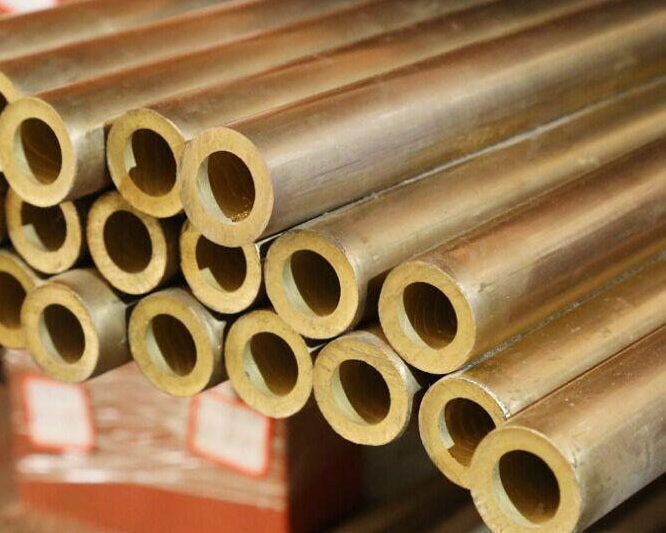
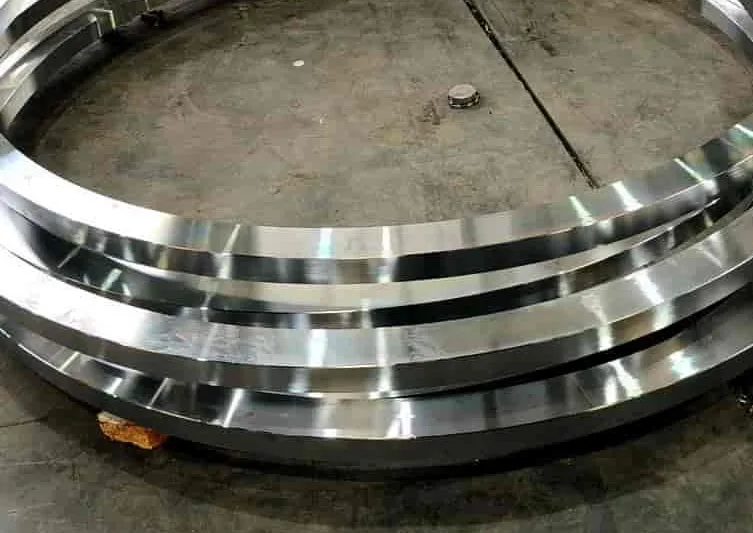
A forged tube or tubular forging is shaped through a forging process to create a hollow or tube-like blank that may require additional machining. Product terminology can vary between suppliers, so the inquiry should describe the actual geometry and required manufacturing process rather than relying on the product name alone.
Alloy and Temper Selection
Specify the exact aluminum alloy and temper required by the design. Different grades provide different combinations of strength, corrosion resistance, formability, and machinability. If the component has a regulated or safety-critical use, the material specification and testing requirements should be verified by the responsible engineering team.
Dimensions and Machining Allowance
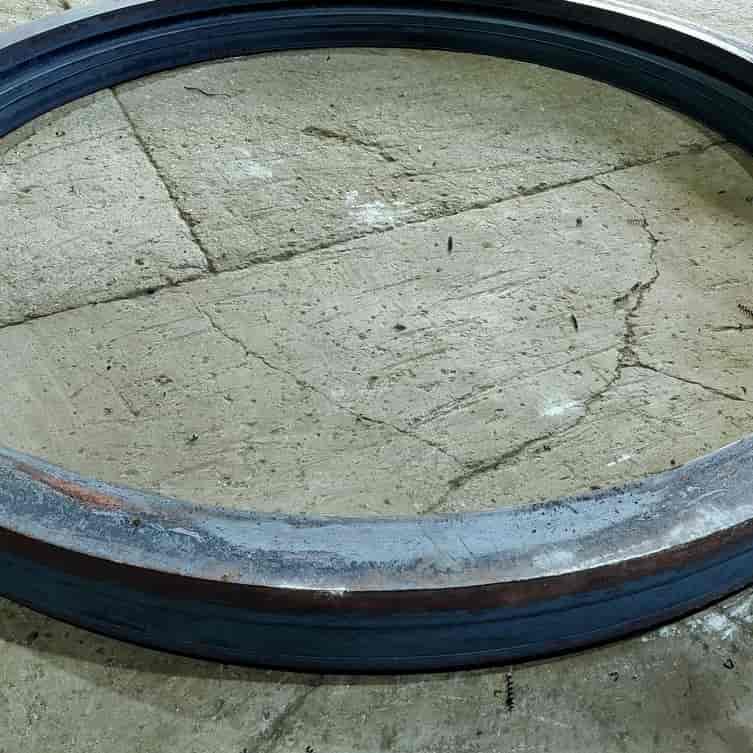
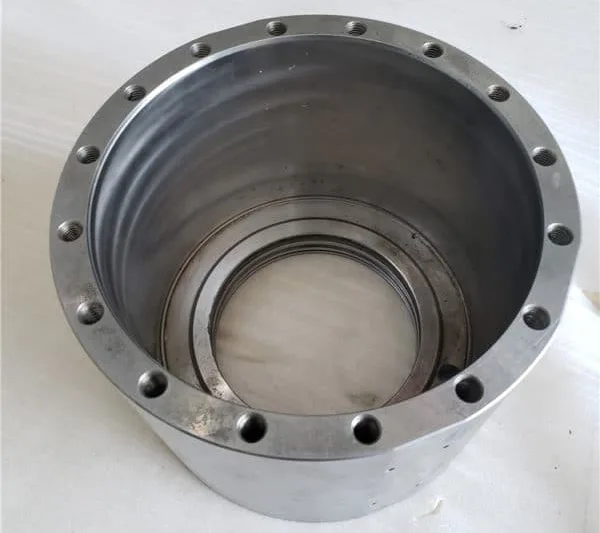
Provide the outside diameter, inside diameter, length or height, wall thickness, and drawing-defined features. State whether these are blank or finished dimensions. A machining allowance may be required to clean up the surface and achieve final tolerances; the appropriate allowance depends on the process and geometry.
Production and Machining Steps
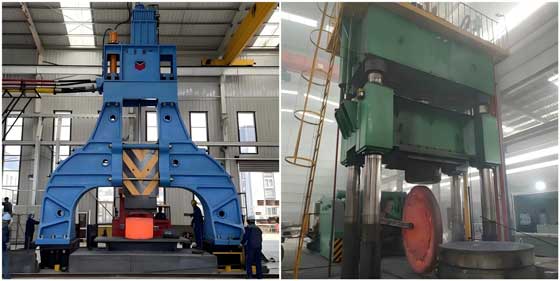
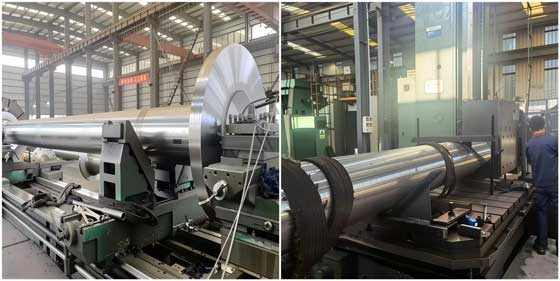
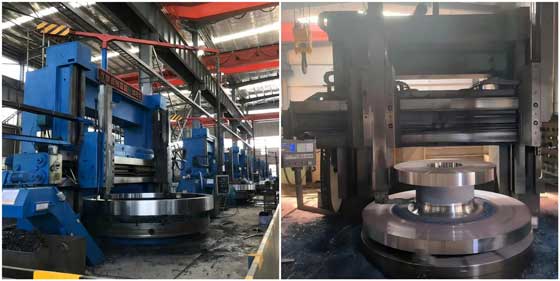
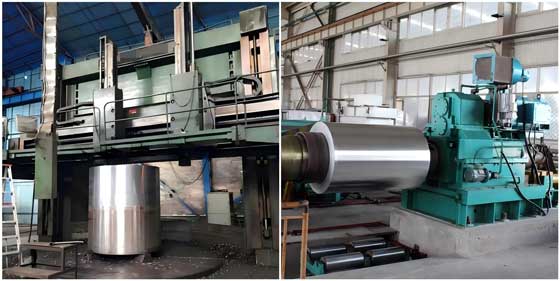
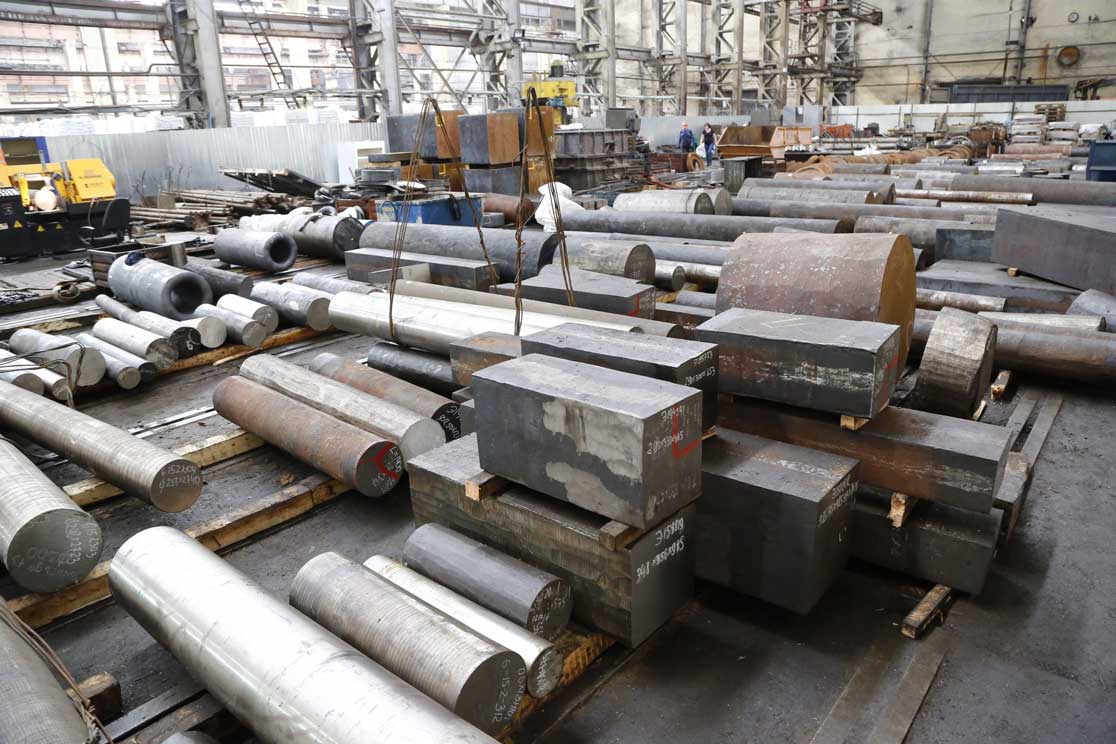
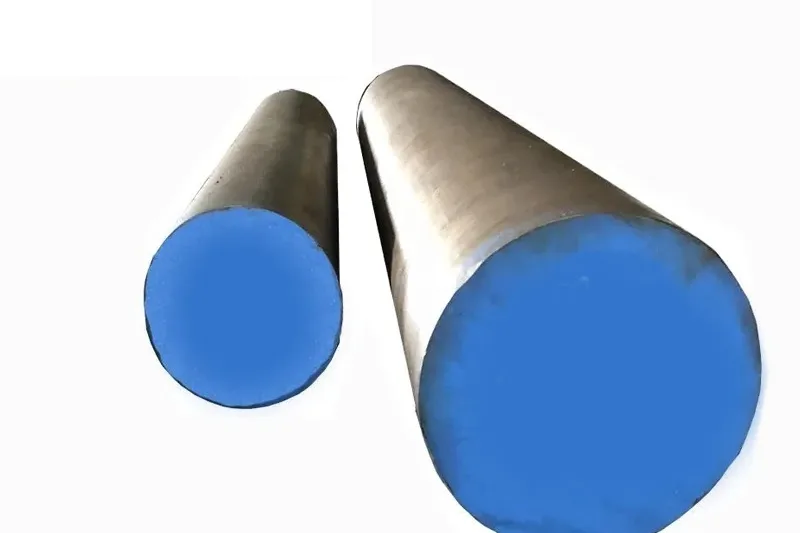
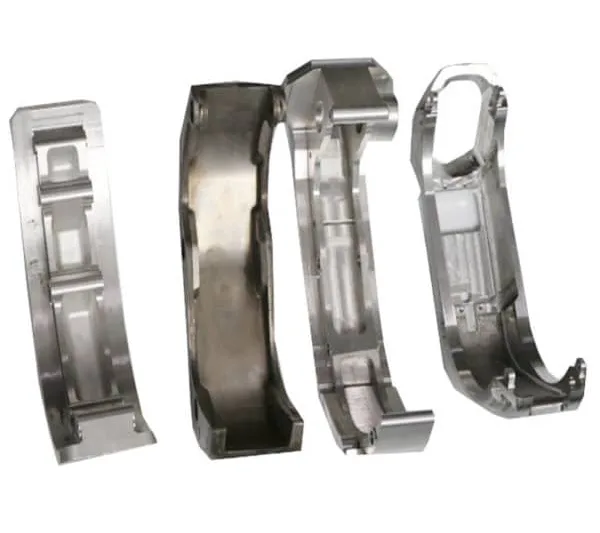
Depending on the specification, a production route may include material preparation, forging, any specified heat treatment, rough machining, finish machining, and inspection. CNC turning and boring may be used to achieve the required diameters, faces, and internal geometry. Process details must be agreed for the selected alloy and product form.
Quality and Traceability
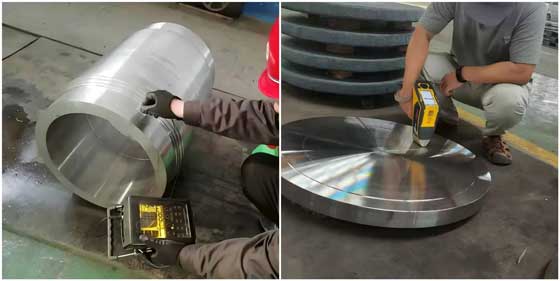
Tell the supplier whether you need a material certificate, mechanical-property report, dimensional inspection report, hardness checks, or other tests. The purchase standard should identify the applicable acceptance criteria. Documentation and testing requirements should be included in the RFQ rather than added after production starts.
Industries and Uses
Depending on the design, aluminum forged tubes may be used in industrial machinery, transport equipment, custom structural assemblies, and other applications where a forged aluminum component is appropriate. The design engineer should confirm suitability for the load and service environment.
Request a Quote
Share the alloy and temper, drawing, dimensions, quantity, finished tolerances, required process, testing documents, and delivery destination. These details help determine whether the requested component is feasible and what production route should be quoted.