CNC Turning and Boring for Large Metal Rings
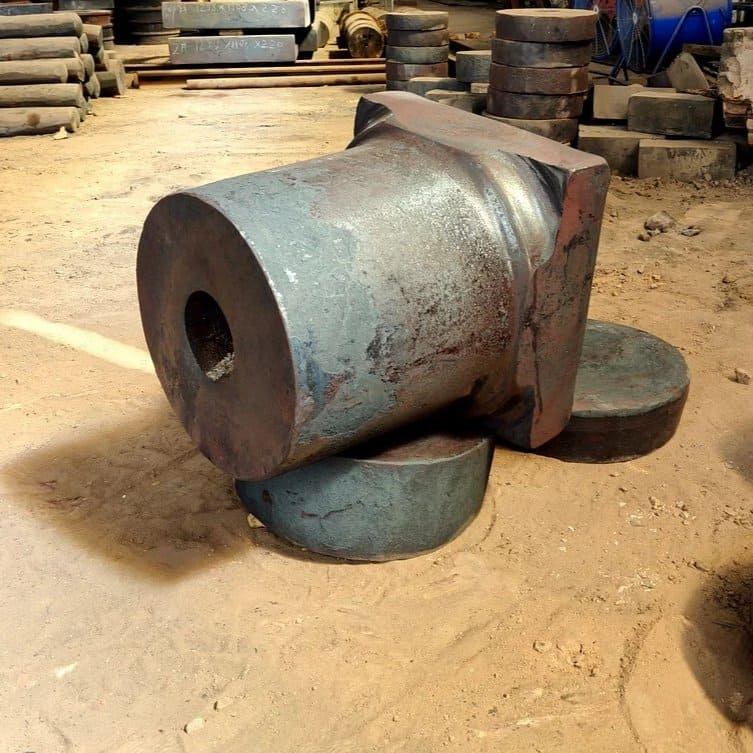
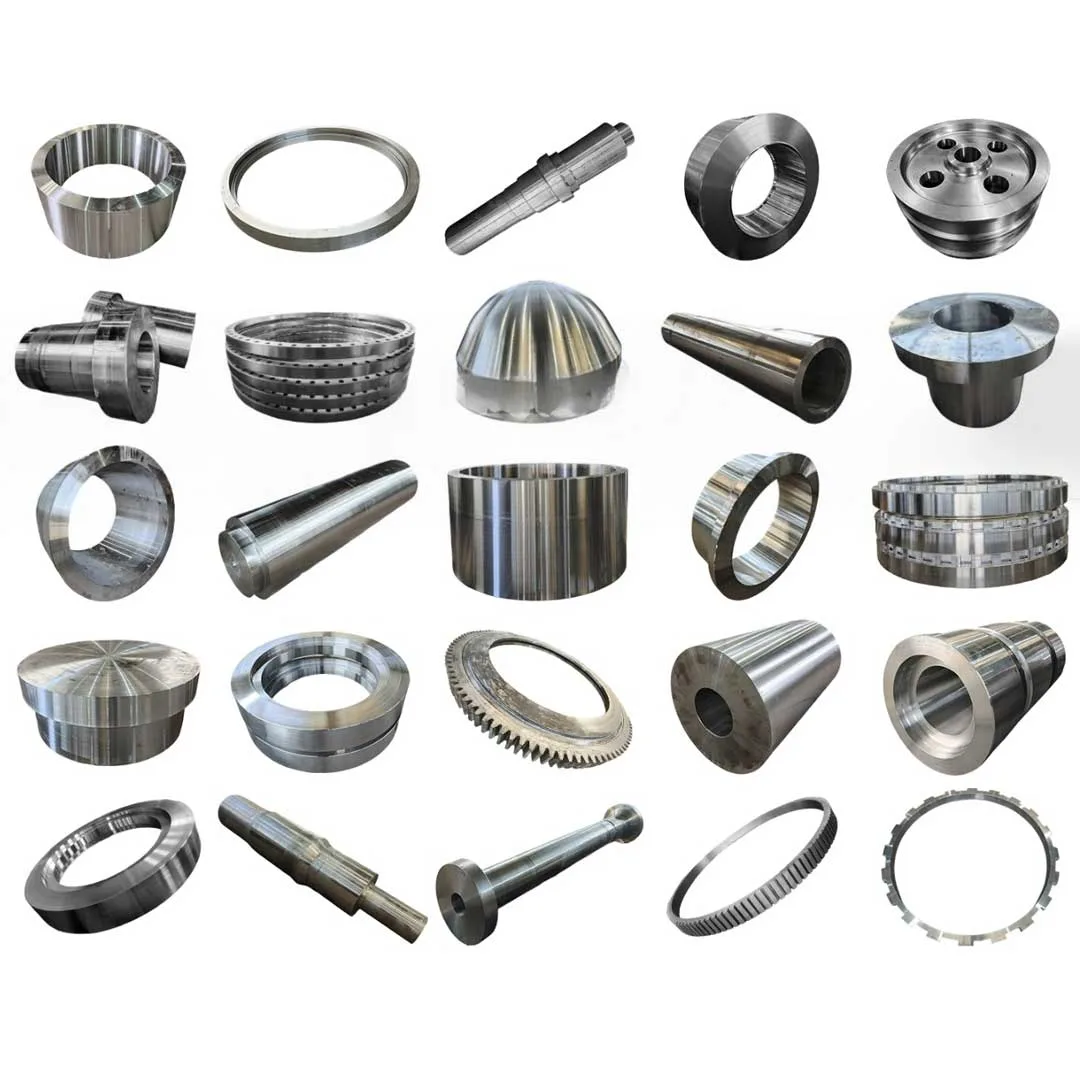
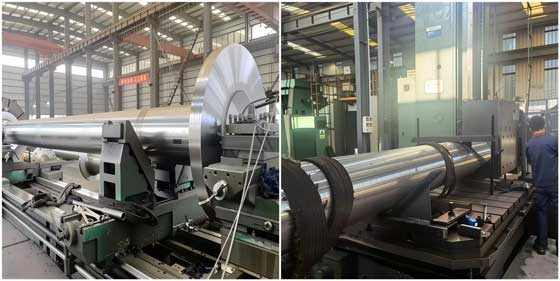
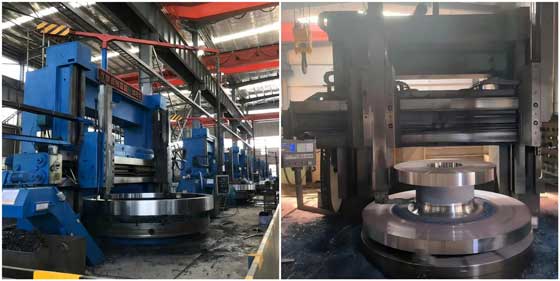
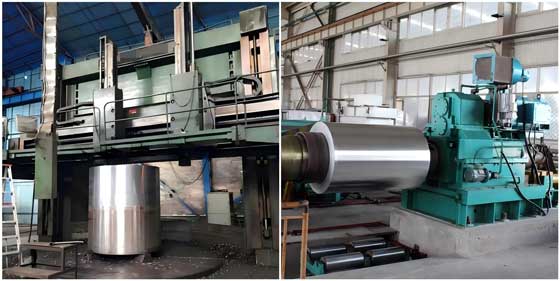
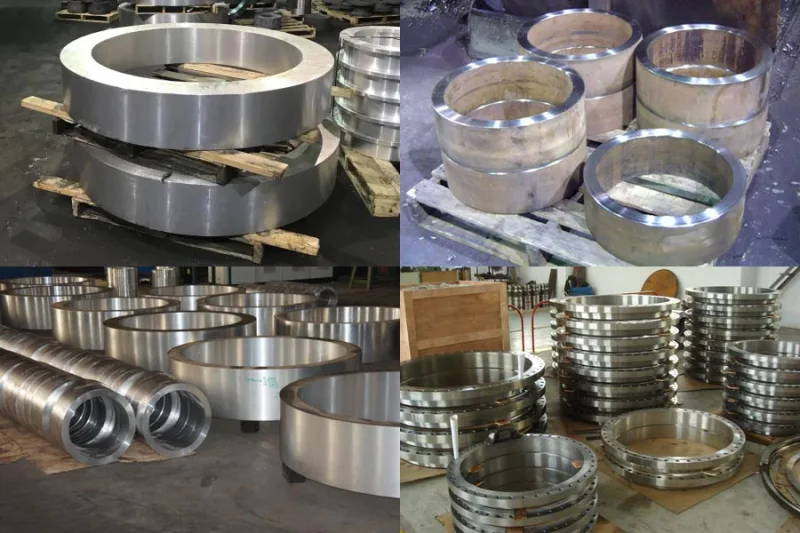
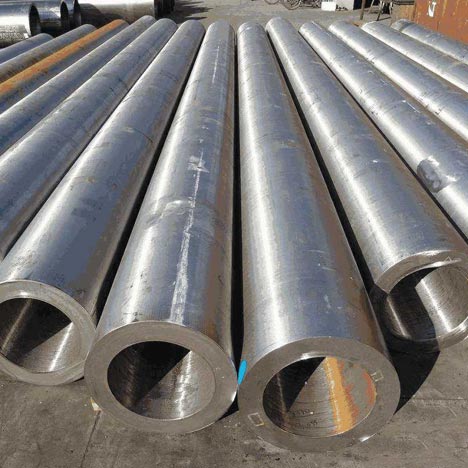
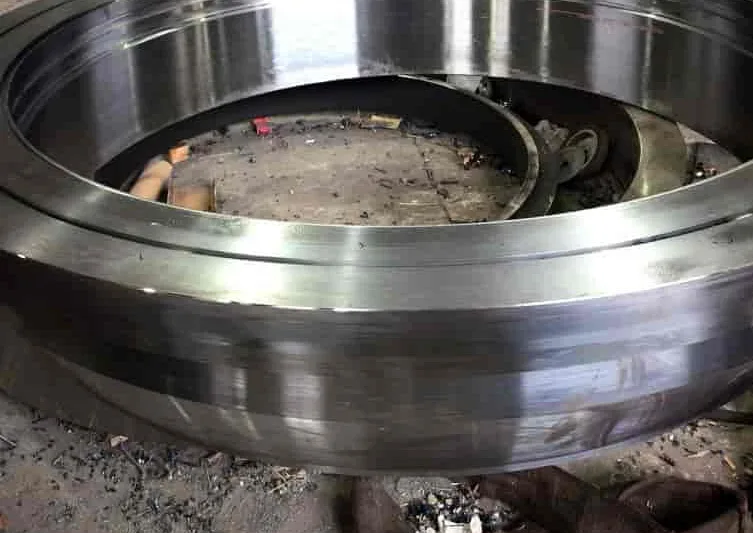
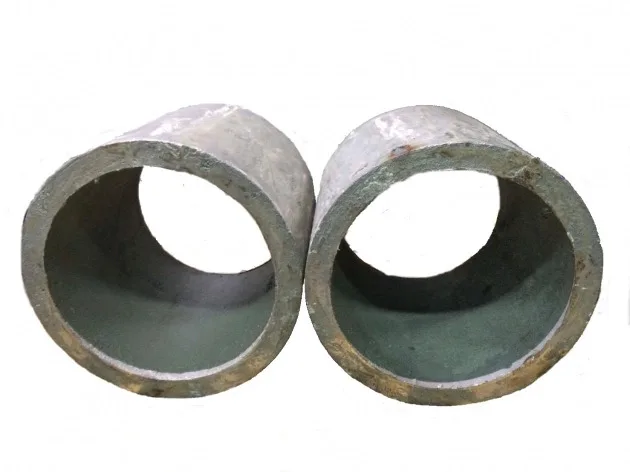
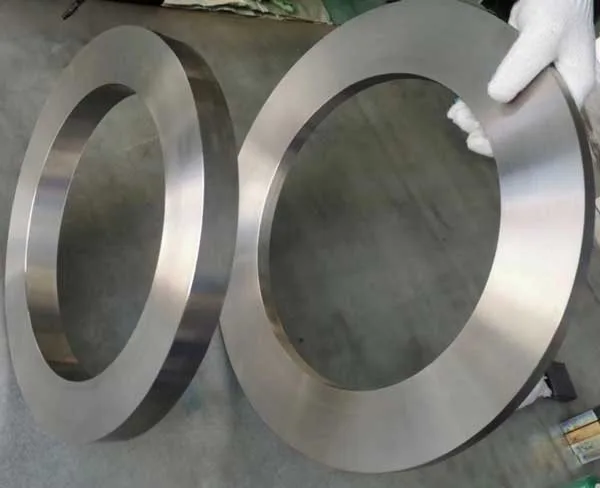
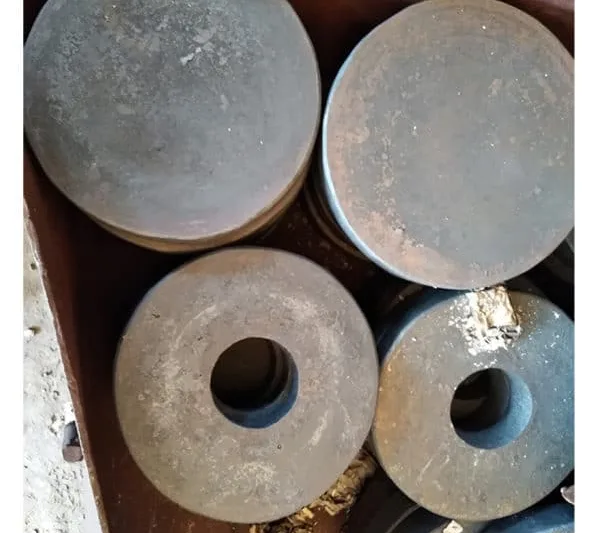
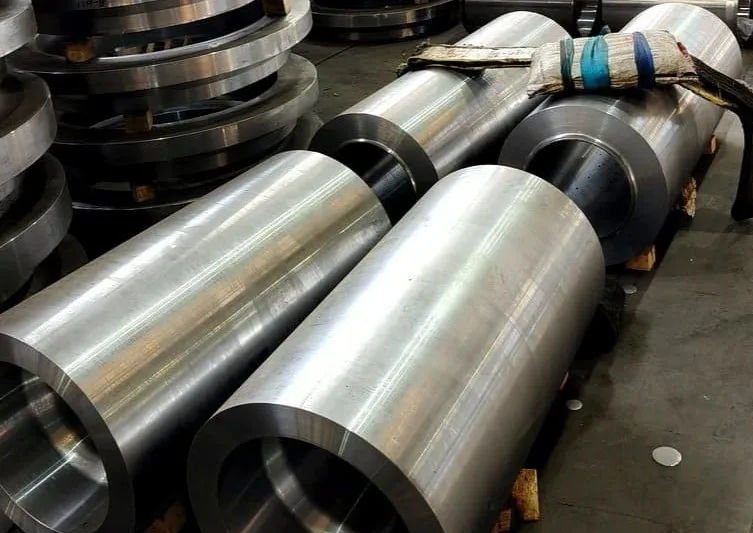
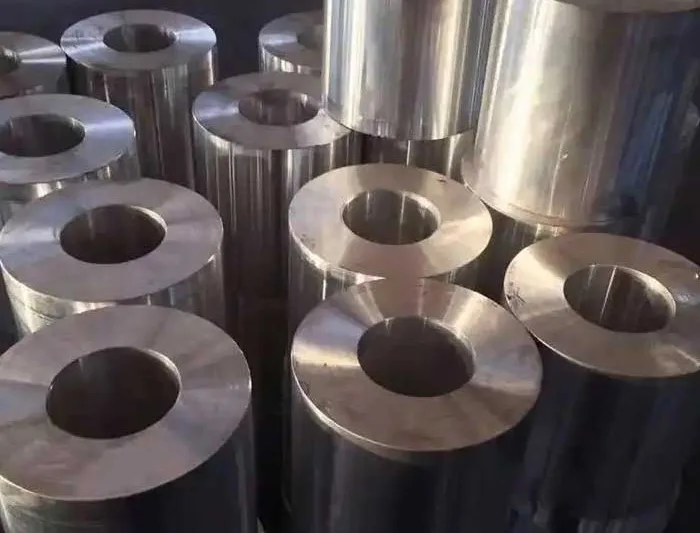
CNC turning and boring are common machining operations for large metal rings. Turning is used to finish rotational surfaces and faces, while boring enlarges or finishes internal diameters. For heavy components, process planning and inspection are as important as the cutting operation itself.
CNC Turning vs. CNC Boring
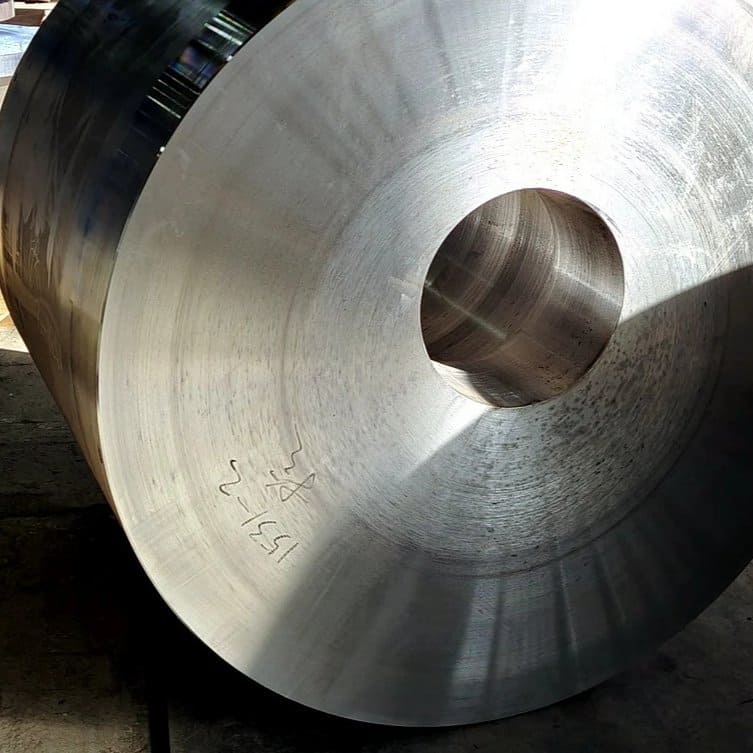
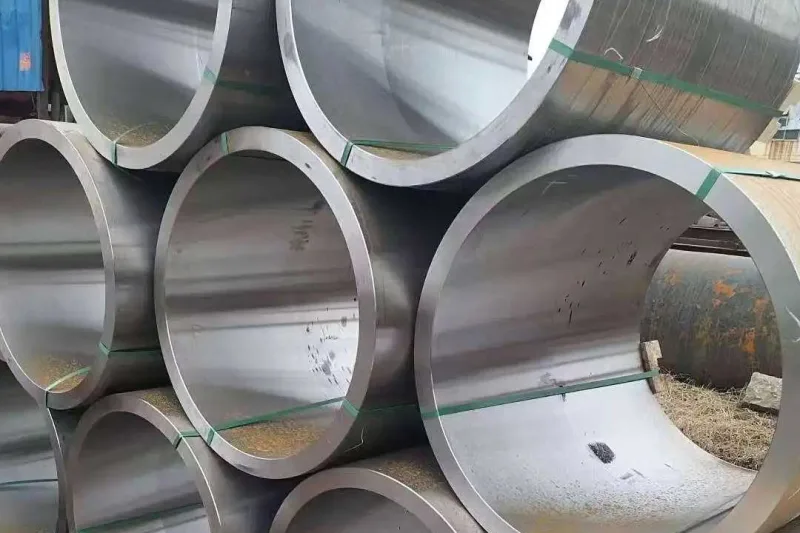
CNC turning typically removes material from a rotating workpiece to create outside diameters, inside diameters, shoulders, and faces. Boring uses a cutting tool to enlarge or refine an existing hole or internal diameter. A large ring may require both operations to achieve the drawing-defined geometry.
Start with the Drawing and Datums
Before machining, identify the functional datum surfaces, critical diameters, face relationships, concentricity or runout requirements, and surface finish. The drawing should state the material, heat-treatment condition, and which dimensions are critical for assembly. Ambiguous datum schemes can lead to unnecessary setup changes or inspection disputes.
Workholding and Part Stability
Large rings may be heavy, thin-walled, or unevenly shaped. Workholding must support the part without introducing unacceptable distortion. Clamping points, support, lifting arrangements, and the sequence of operations should be considered based on actual geometry and machine capability.
Rough and Finish Machining
For some parts, rough machining followed by an intermediate check and finish machining can help manage material removal and dimensional stability. Whether stress relief or another intermediate process is necessary depends on the material, prior processing, and purchase specification. The sequence should be determined during technical planning.
Common Quality Checks
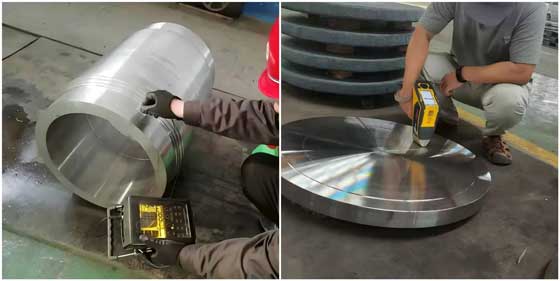
Inspection may include OD and ID measurements, thickness, flatness, runout, bore geometry, surface finish, and position of holes or grooves. The inspection method should match the tolerance and part size. Reports should identify the drawing revision and acceptance criteria where required.
What Drives Machining Cost?
Cost depends on the material, blank condition, amount of stock to remove, setup complexity, tool wear, machine time, required tolerances, inspection scope, and order quantity. Deep boring, multiple setups, complex profiles, or extensive documentation can add time and cost.
RFQ Checklist
Send a dimensioned drawing, material grade, blank dimensions, finished dimensions, quantity, tolerance and surface-finish requirements, inspection documents, and target delivery date. If a 3D model is available, include it with the drawing for review.
For custom large-ring turning and boring inquiries, provide the drawing and required supply condition to begin a technical review.