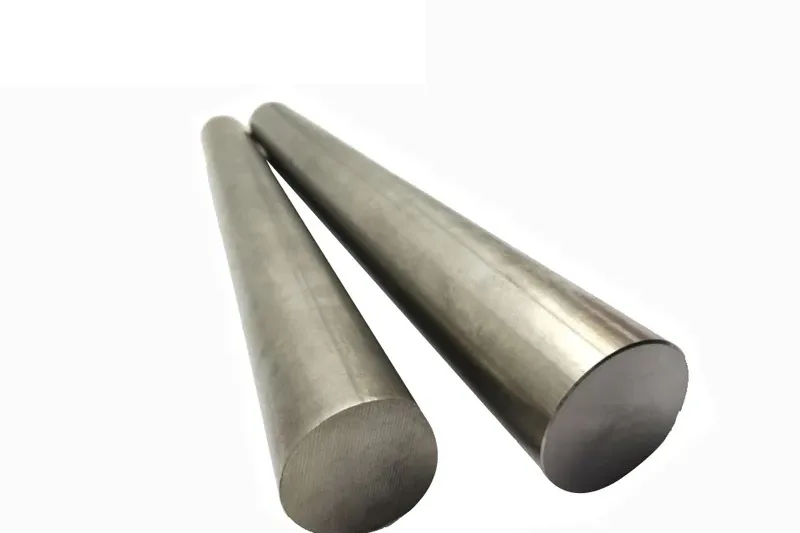
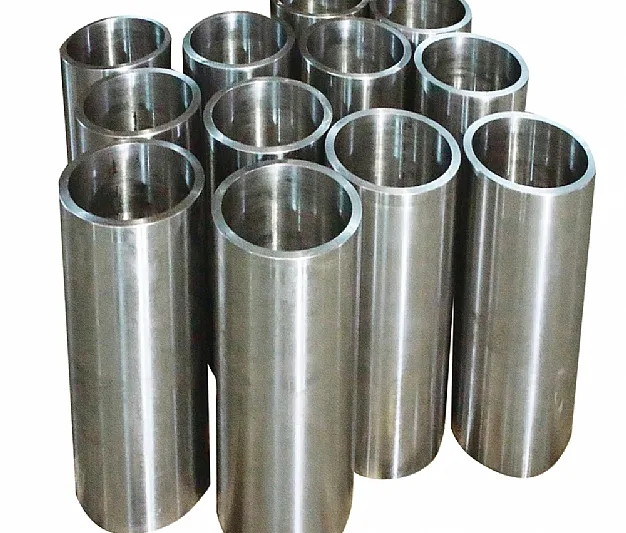
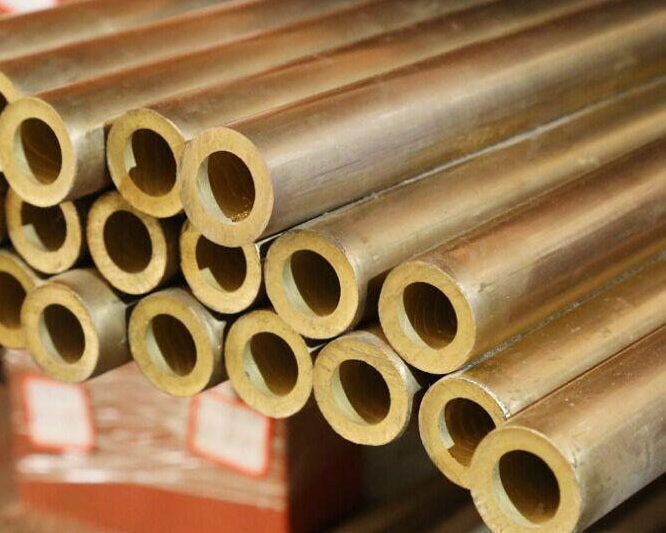
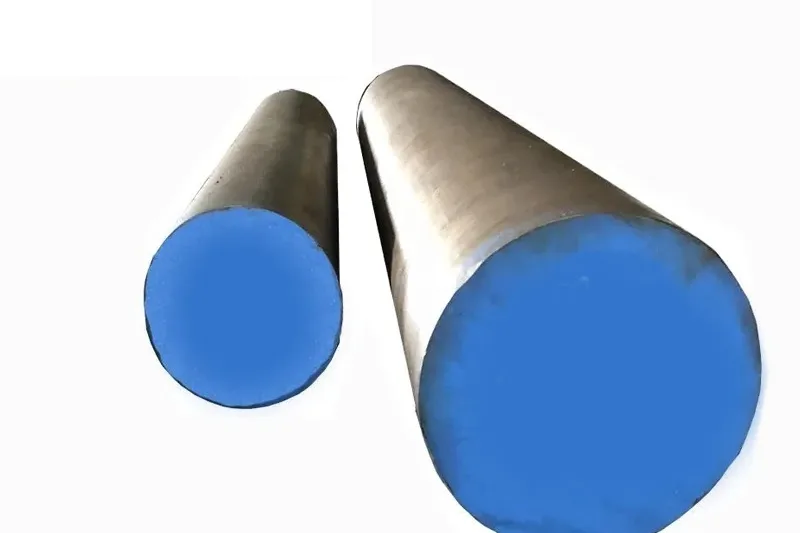
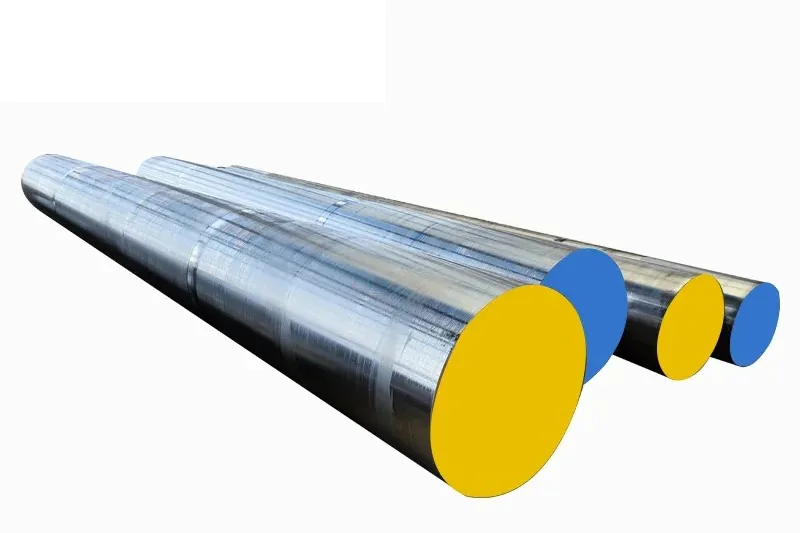
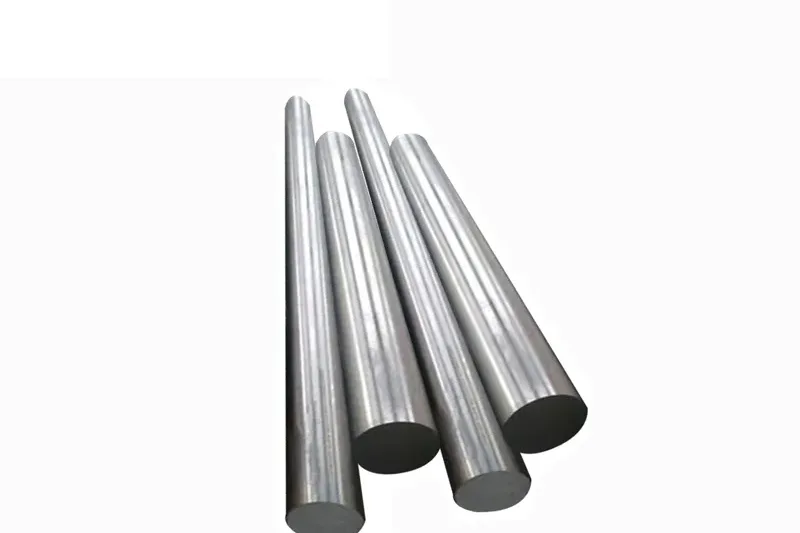
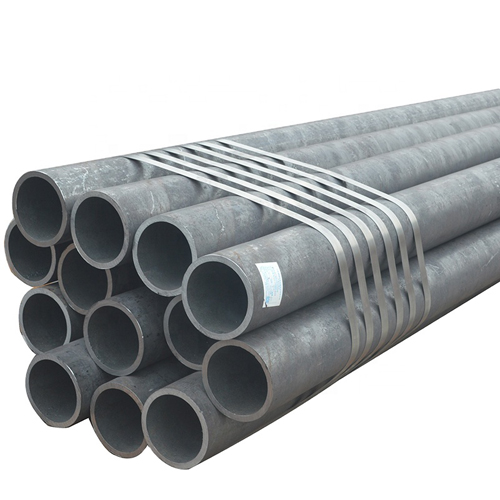
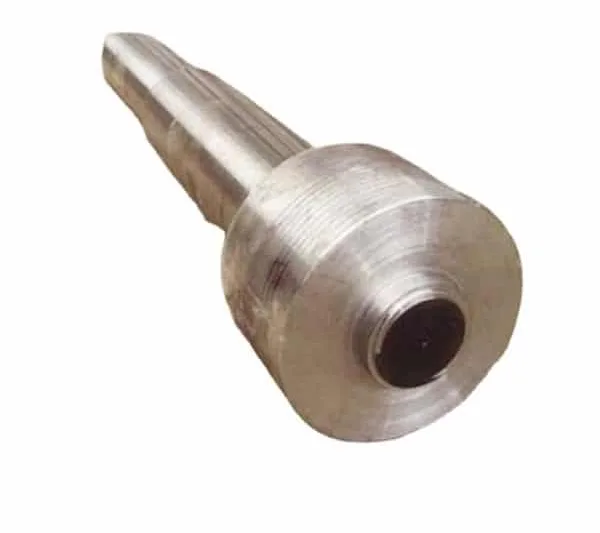
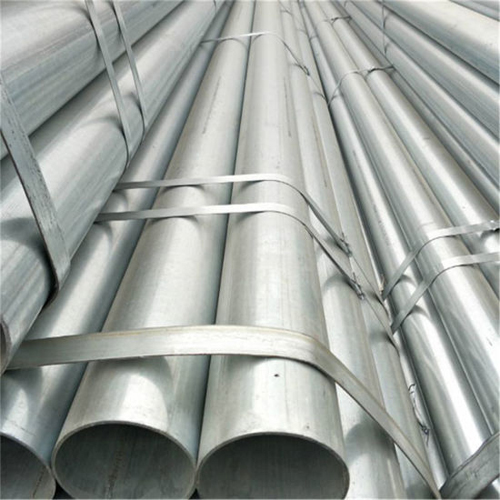
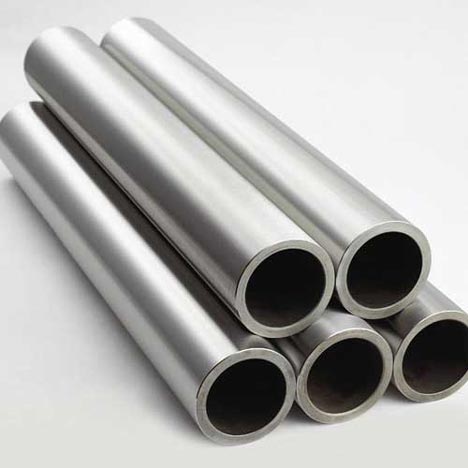
Hollow Tube Forgings
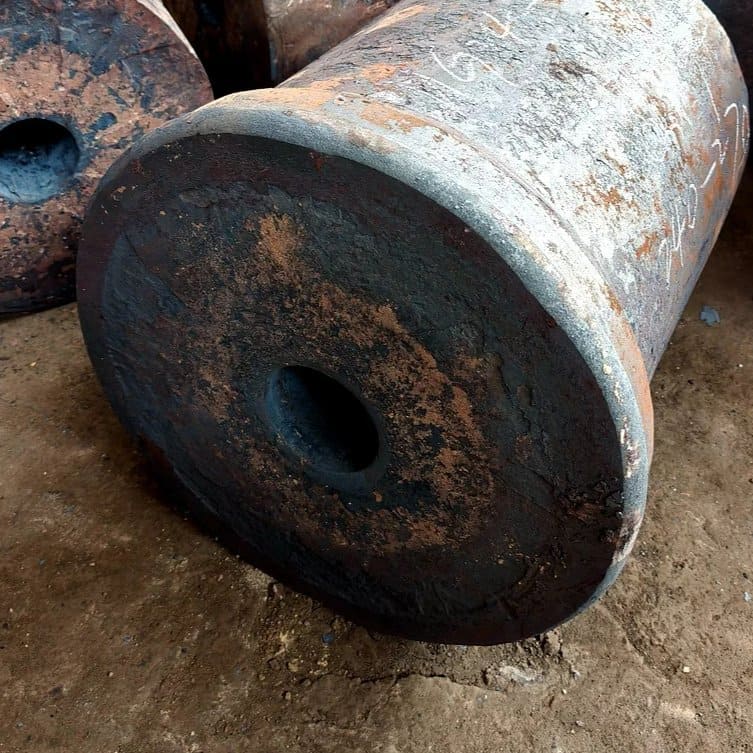
Hollow Tube Forgings: An Overview of Their Properties and Applications
Introduction:
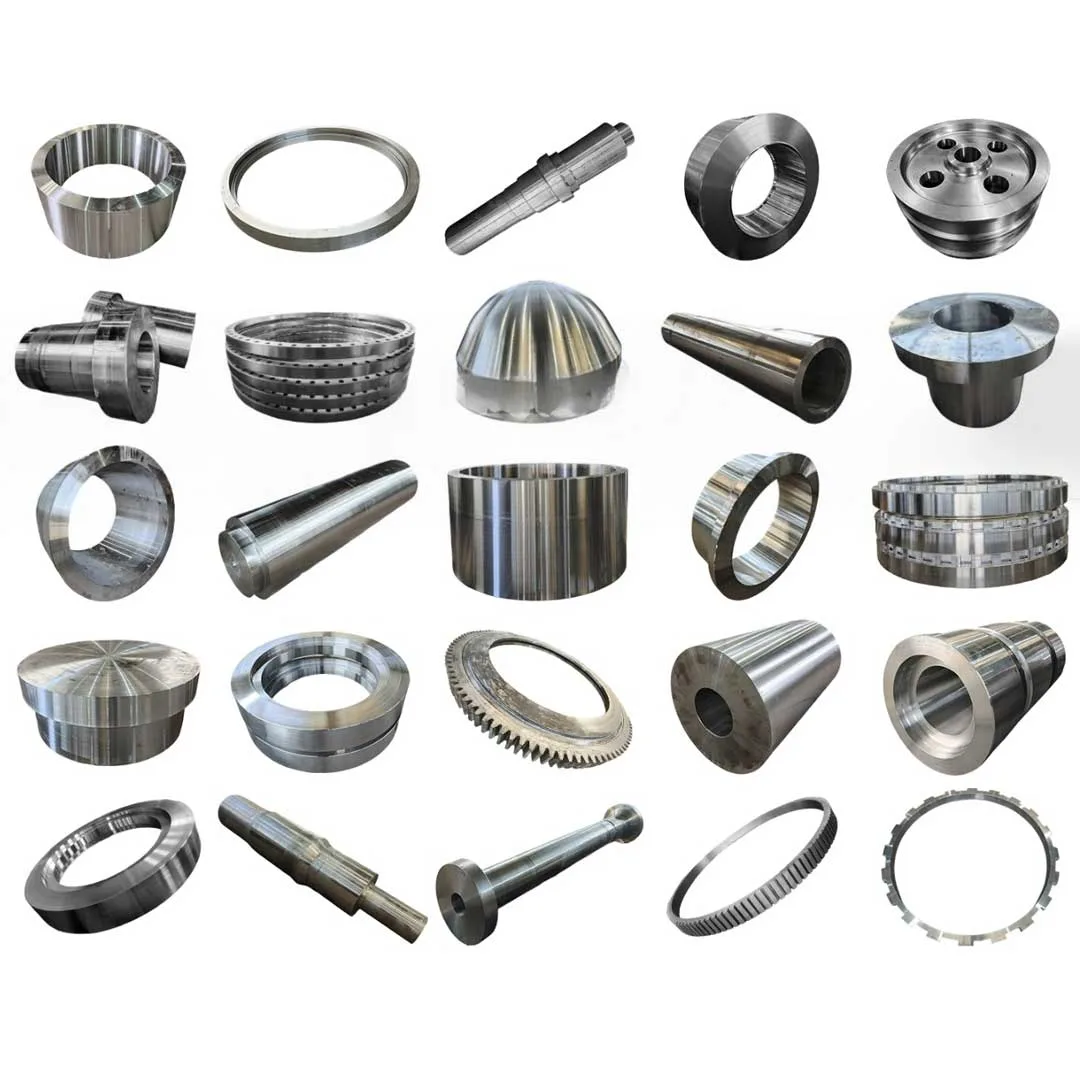
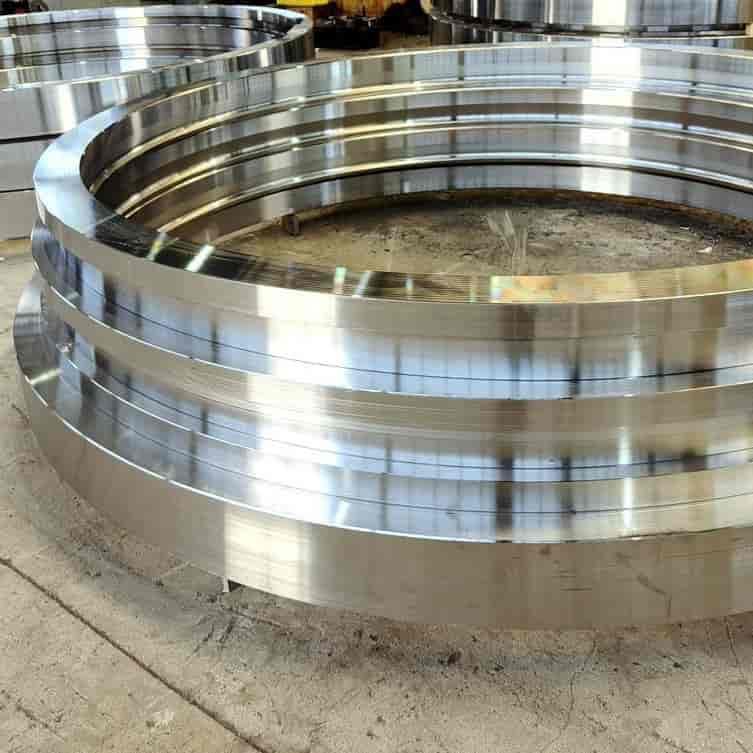
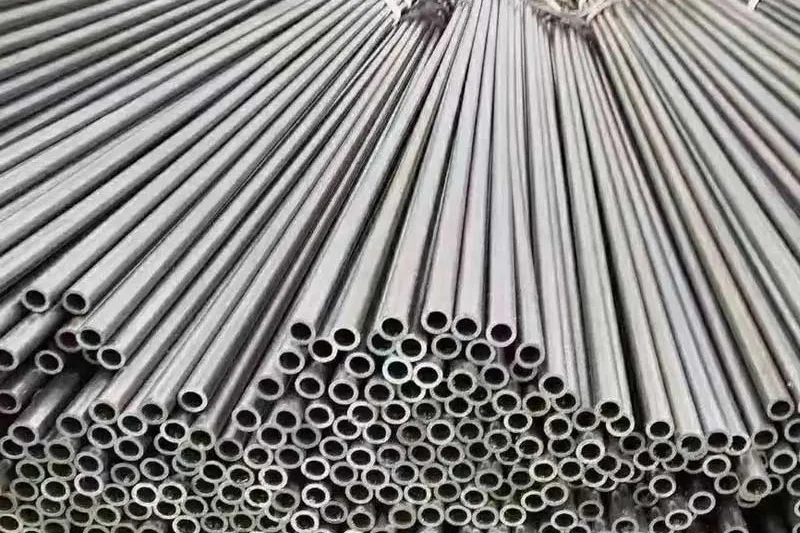
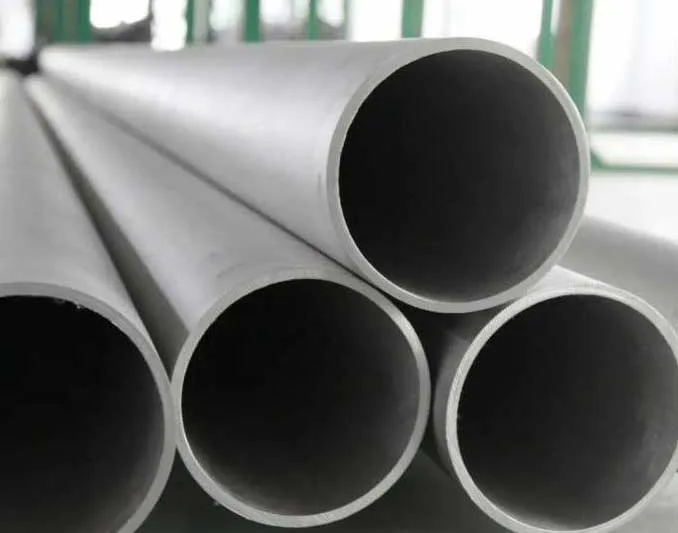
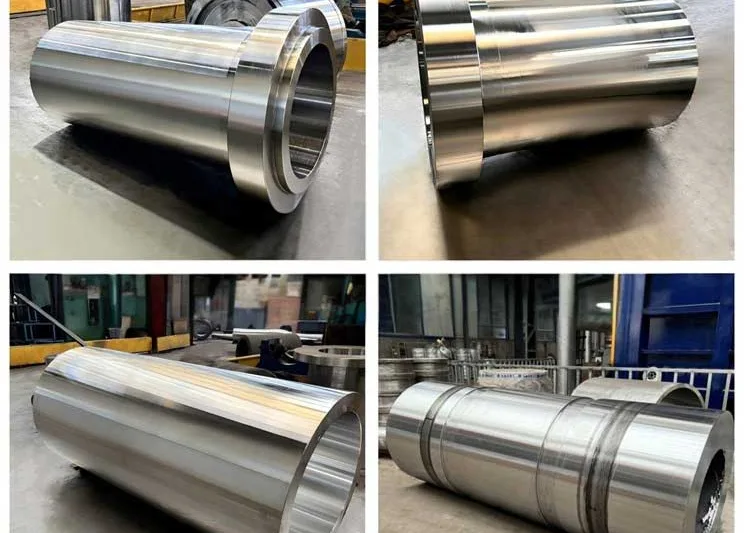
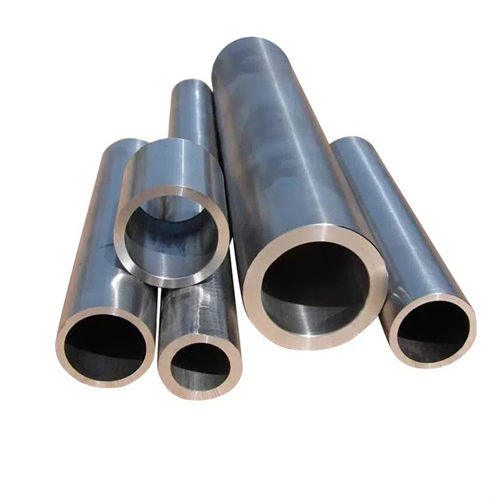
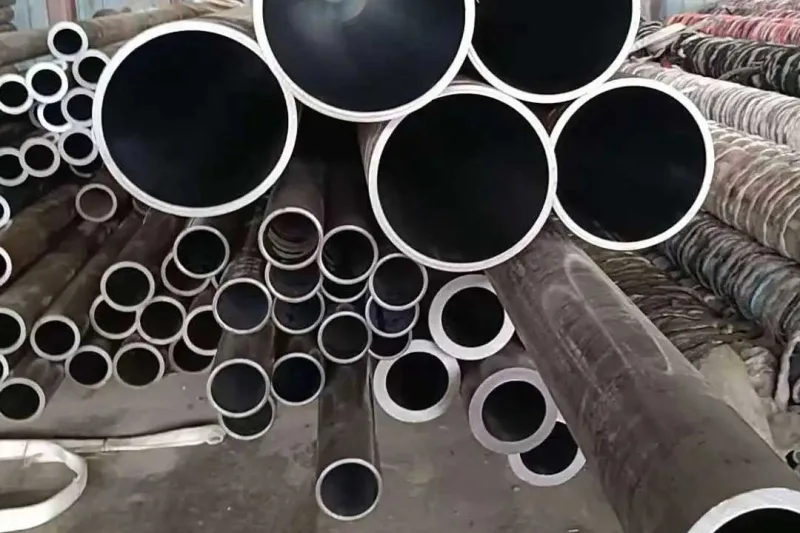
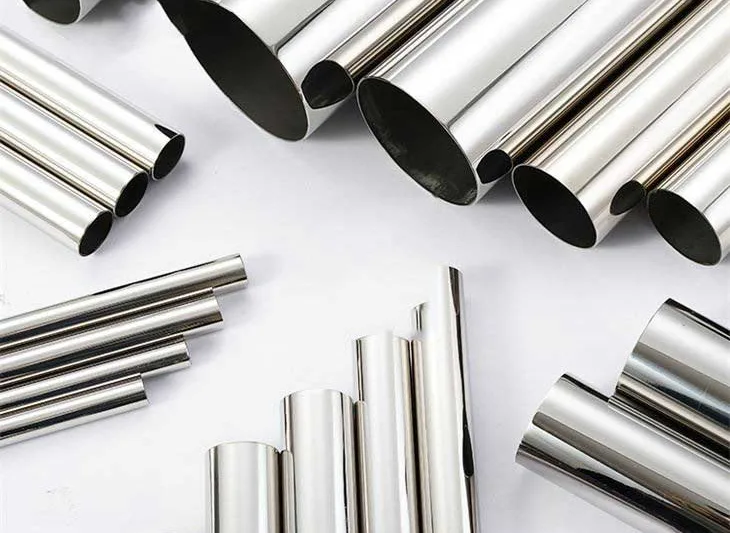
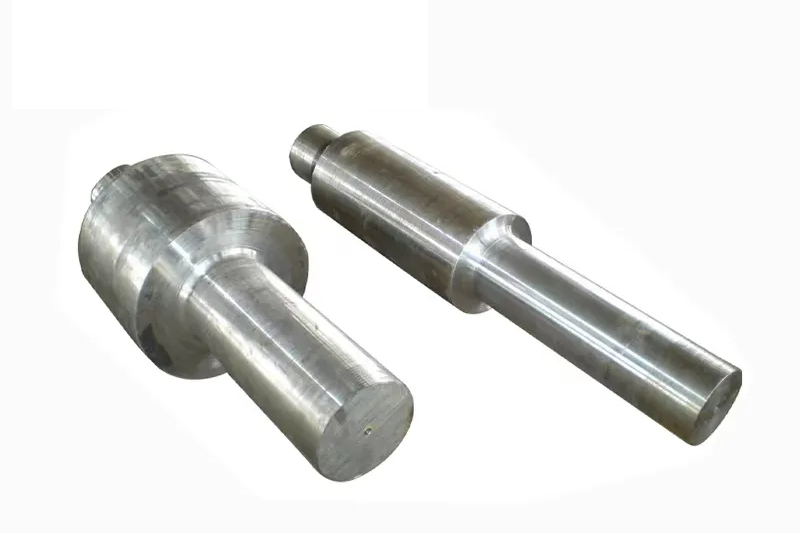
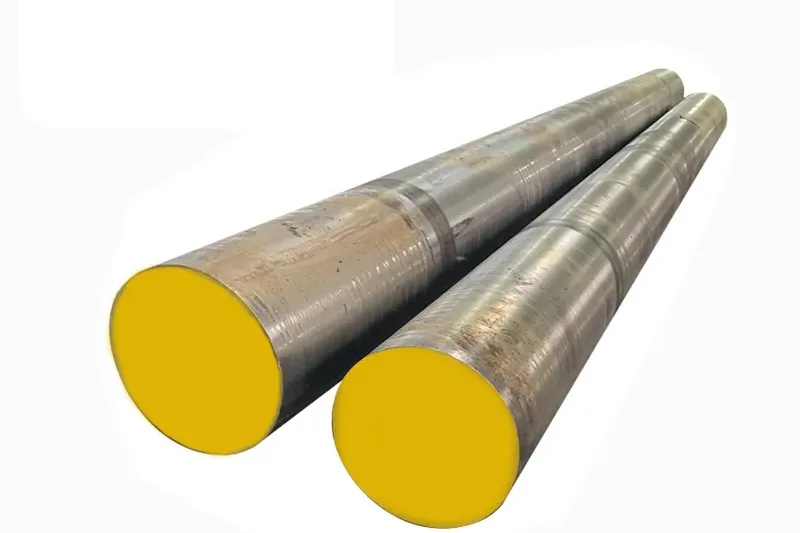
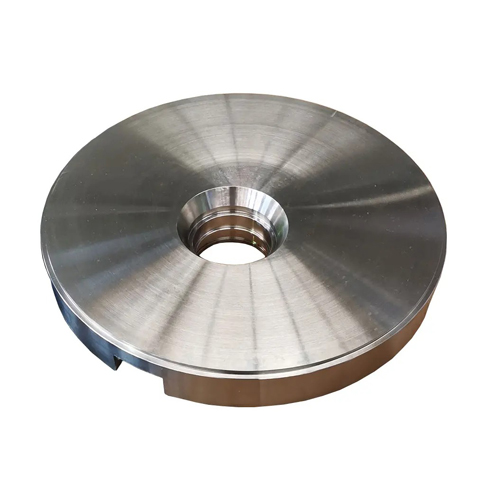
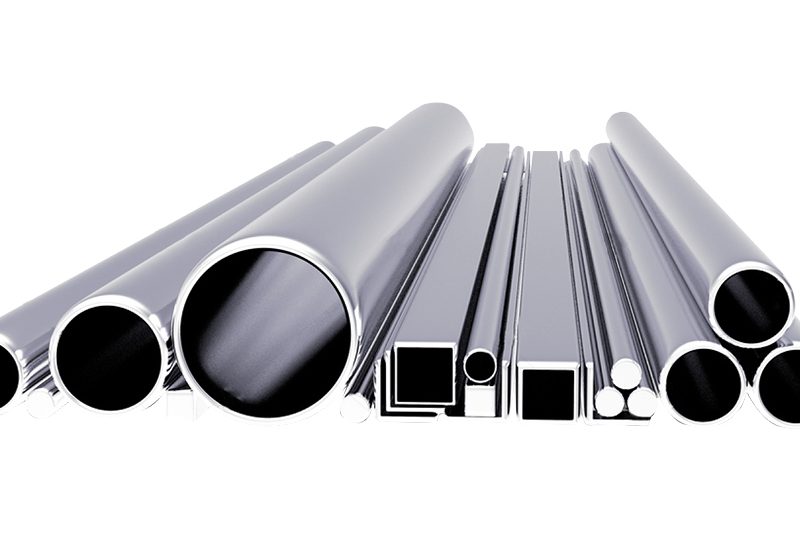
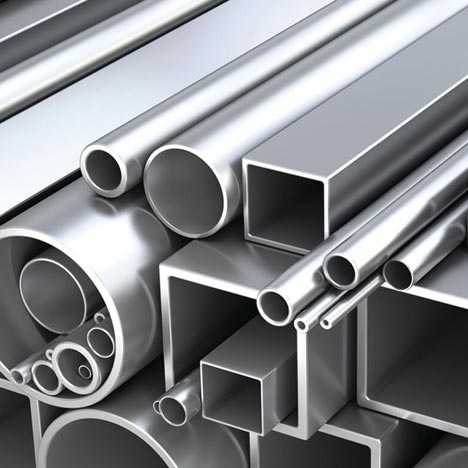
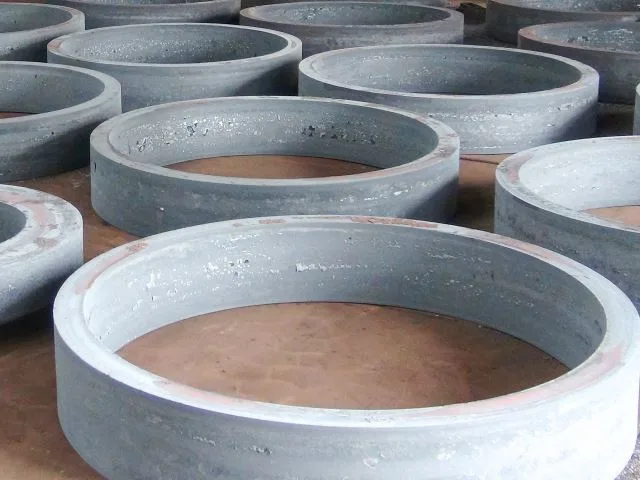
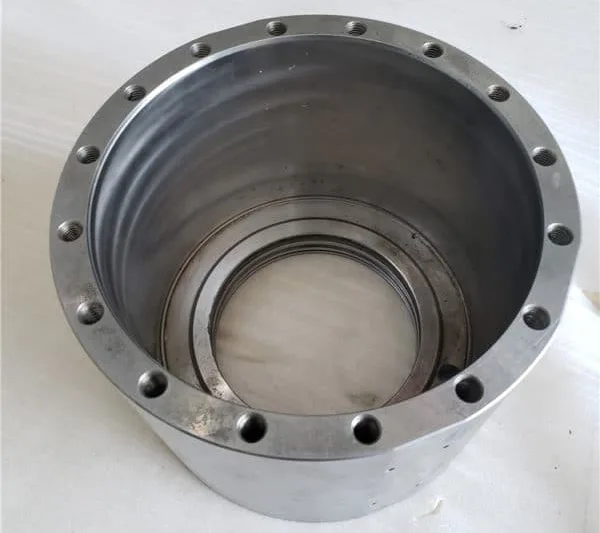
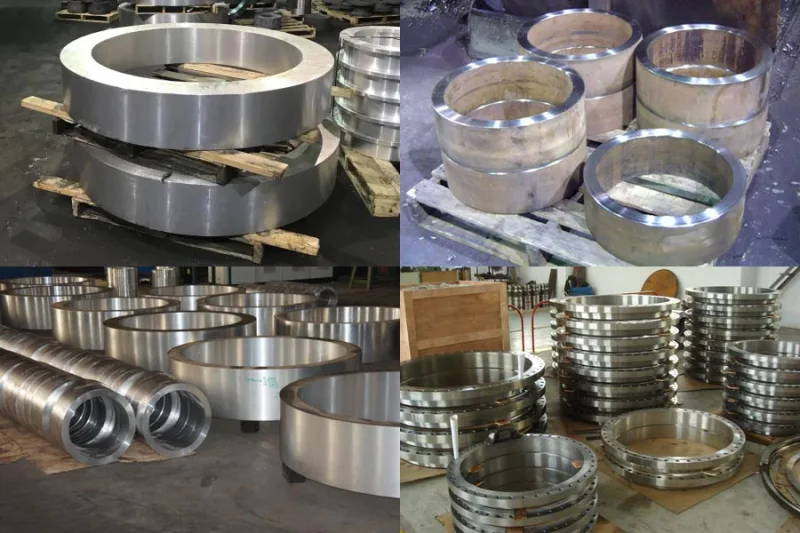
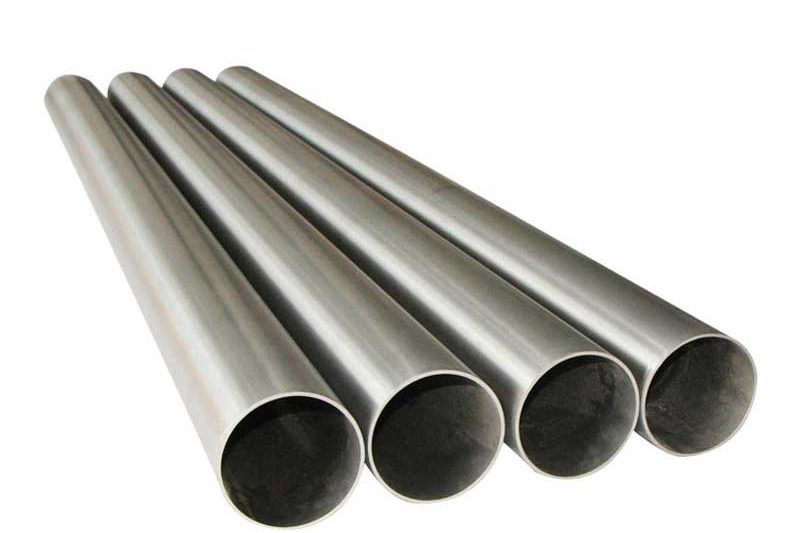
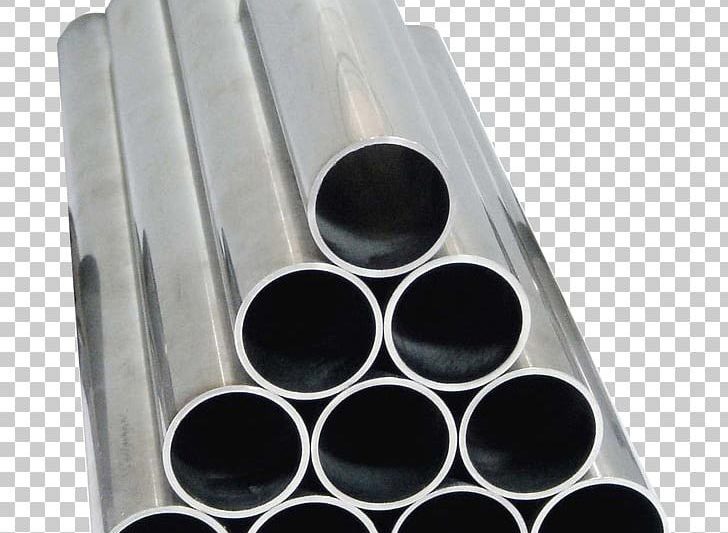
Hollow tube forgings, a vital component in various industries, exemplify the remarkable capabilities of modern metalworking processes. These specialized cylindrical shapes, characterized by their internal void or hollow center, are crafted through precision forging techniques to achieve unparalleled strength, durability, and reliability. This article delves into the intricate world of hollow tube forgings, exploring their properties, manufacturing process, applications, and advantages over other forms.
Properties of Hollow Tube Forgings:
The defining characteristic of hollow tube forgings lies in their seamless construction, which imparts exceptional mechanical properties compared to welded or cast alternatives. The grain flow in these forgings is aligned with the contour of the part, enhancing their resistance to impact loads and fatigue. Additionally, they offer superior tensile strength, ductility, and toughness, making them ideal for high-stress environments where failure is not an option. The absence of welding seams also minimizes potential weak points, ensuring uniformity throughout the structure.
Manufacturing Process:
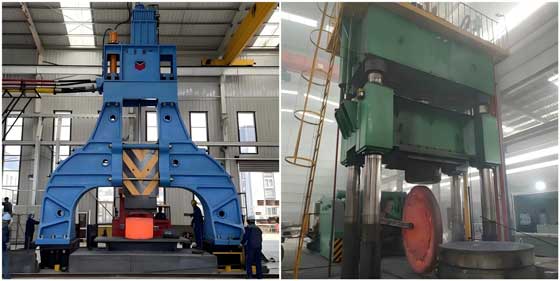
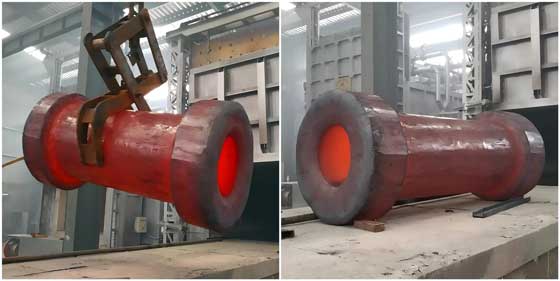
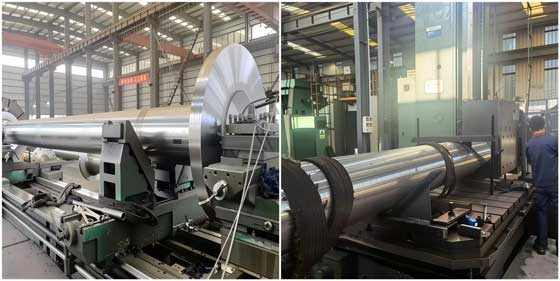
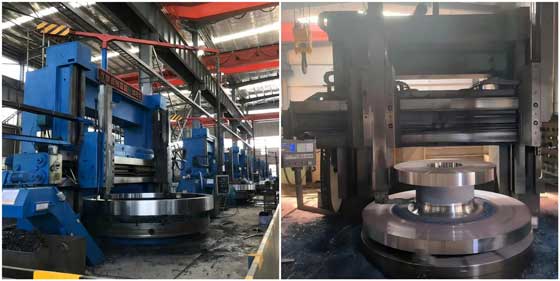
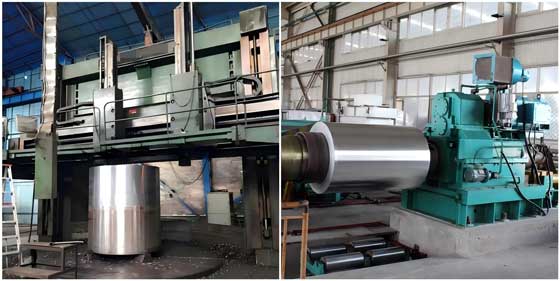
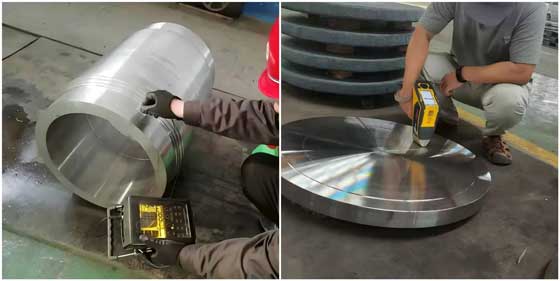
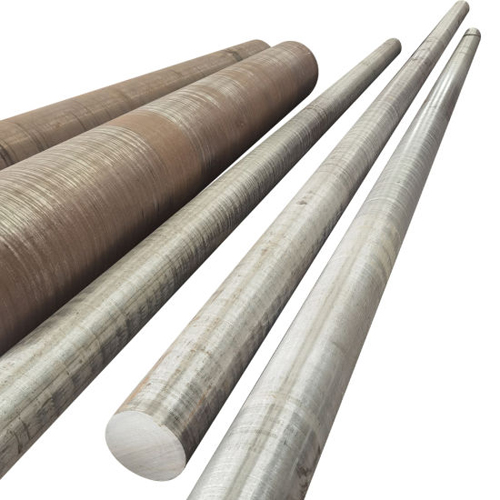
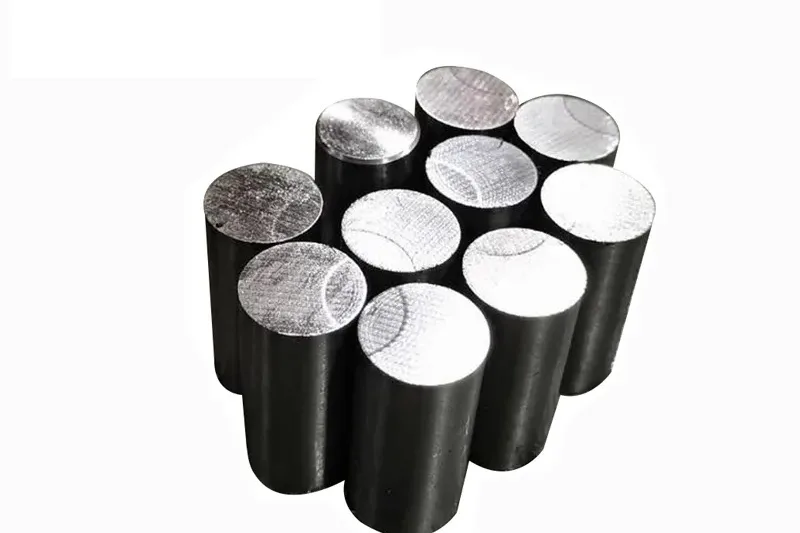
Creating hollow tube forgings involves several meticulous steps. Initially, a solid billet of metal is heated to its plastic deformation temperature, typically using induction heating. Subsequently, it undergoes impression die forging or closed-die forging, depending on the desired complexity and accuracy of the final product. In this stage, the billet is forced into a die cavity that imparts the basic shape while maintaining the central core's integrity. To form the hollow section, a mandrel may be used within the die to create the internal diameter. Afterward, the forging is machined to precise dimensions and surface finish requirements. Heat treatment often follows to optimize microstructure and enhance specific material characteristics.
Applications Across Industries:
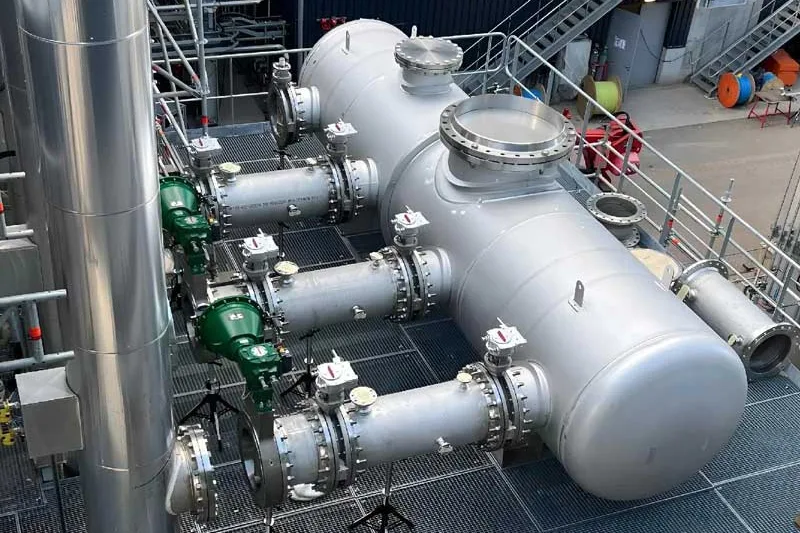
Due to their outstanding performance attributes, hollow tube forgings find extensive use across diverse sectors such as aerospace, automotive, oil & gas, power generation, and heavy machinery. In aircraft engines, they serve as critical components like turbine shafts and compressor spools, enduring extreme temperatures and pressures. Automotive manufacturers utilize these forgings in drive shafts and steering systems, contributing to improved vehicle safety and efficiency. In the energy sector, hollow tube forgings play a pivotal role in drilling equipment and pressure vessels, guaranteeing reliable operation under harsh conditions. Moreover, industrial machinery benefits from their robustness in applications involving high torque transmission and dynamic loading.
Advantages Over Alternative Methods:
Compared to alternative methods like casting or machining from solid blocks, hollow tube forgings provide distinct advantages. They exhibit higher yield strengths due to controlled grain orientation during forging, reducing the likelihood of defects common in cast parts. Furthermore, the elimination of weld joints enhances overall structural integrity and extends service life. From a cost perspective, although initial tooling costs might be higher, long-term savings arise from reduced maintenance needs, increased operational lifespan, and minimized downtime associated with failures.