Machining of Large Forgings
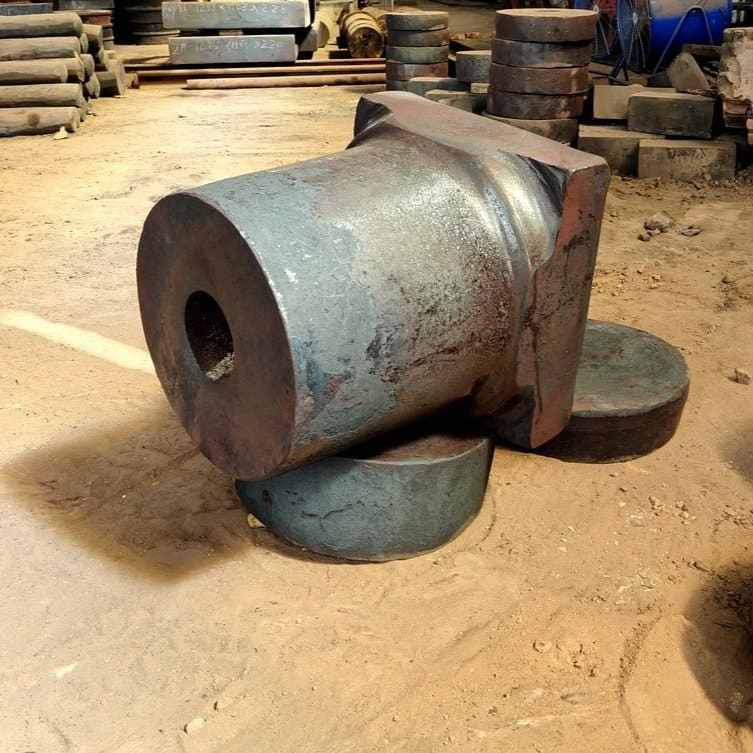
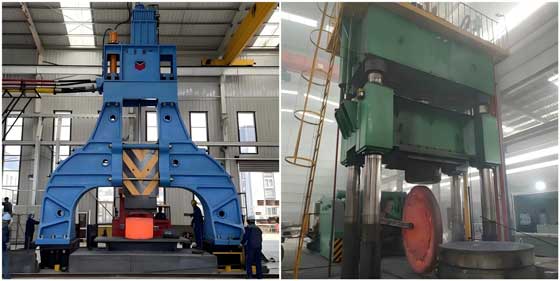
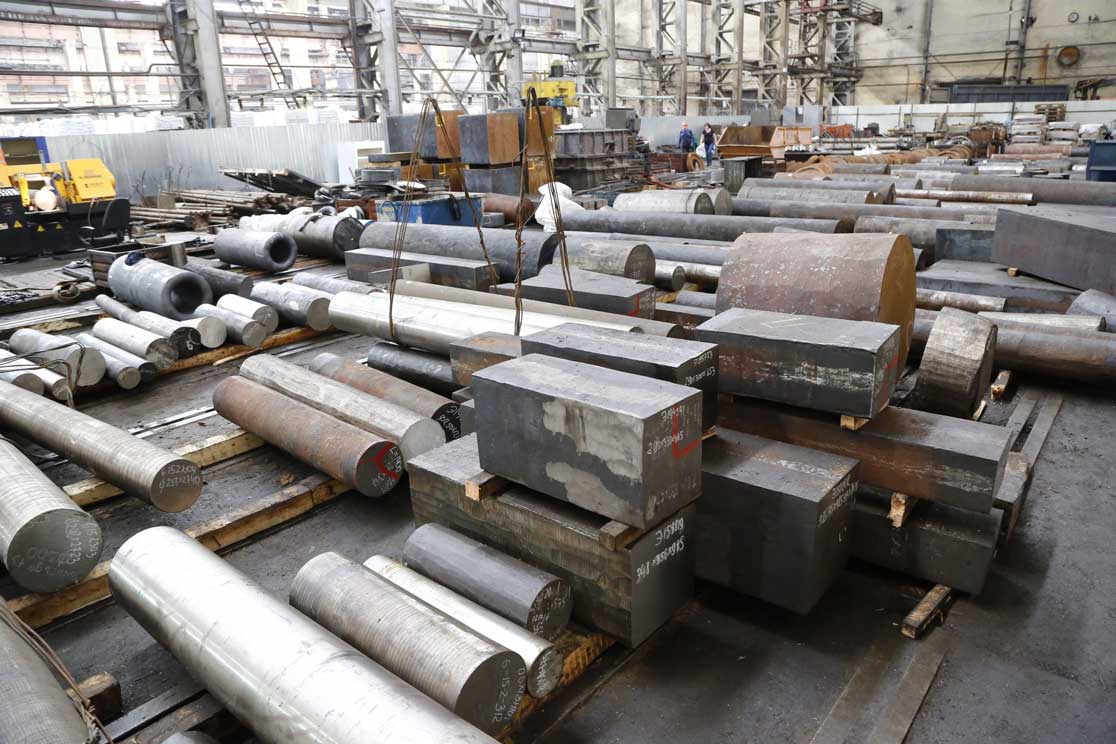
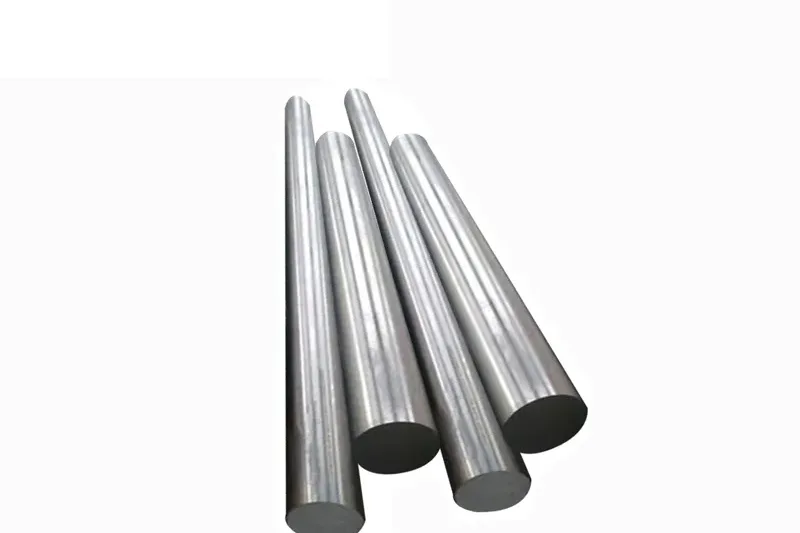
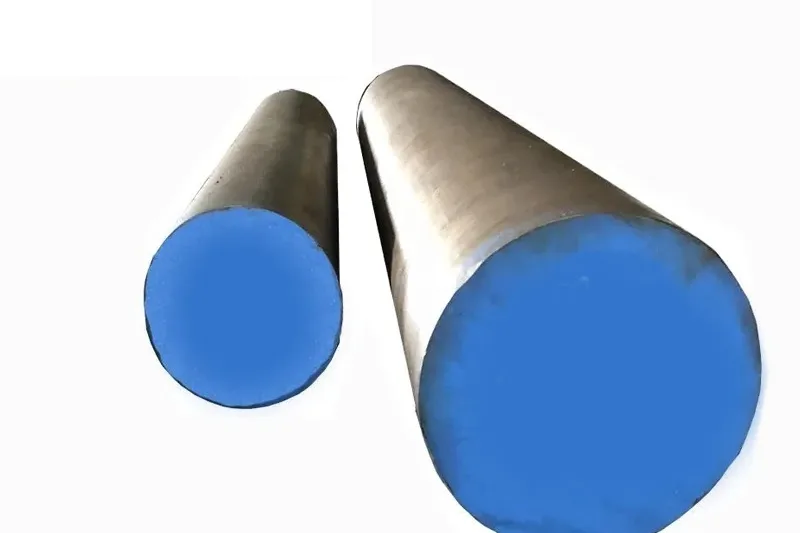
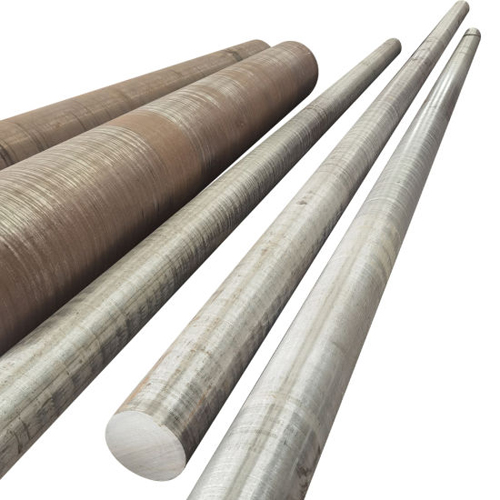
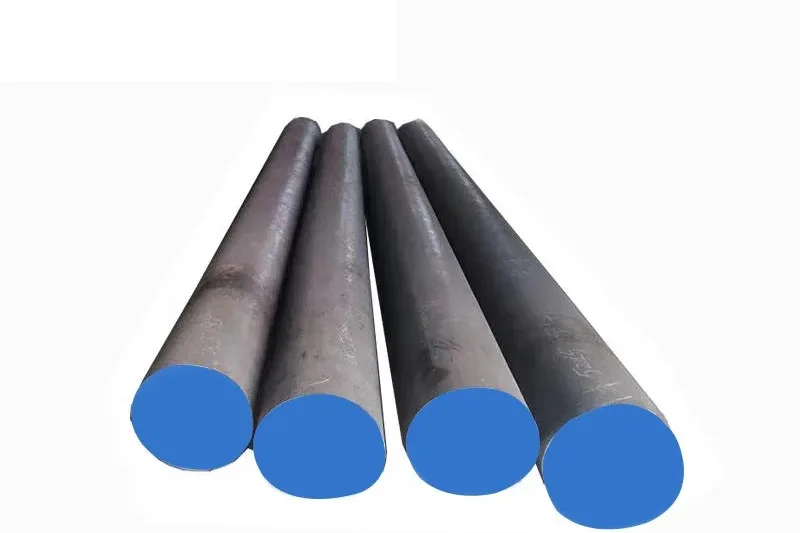
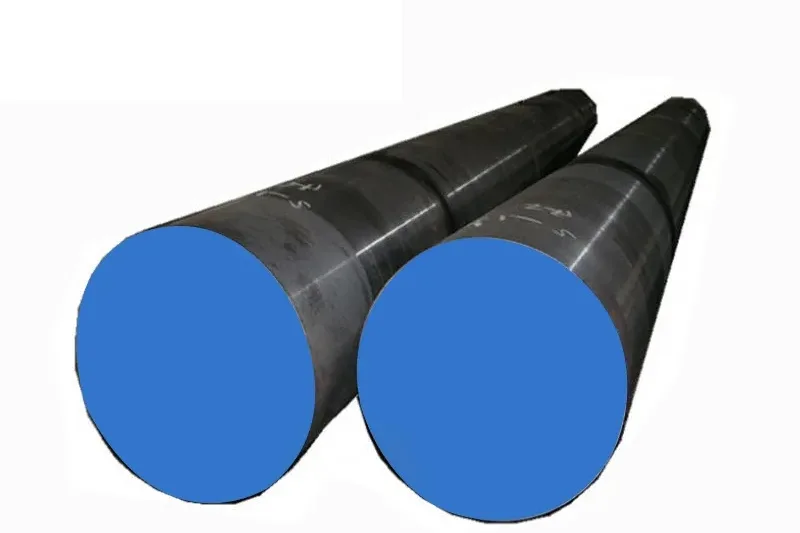
Large forgings are core components of heavy-duty machinery, and the quality of their machining directly determines the safety and service life of the equipment. In terms of material selection, 42CrMo4 is widely used in wind turbine main shafts and heavy-duty gearboxes due to its excellent hardenability and fatigue resistance; 34CrNiMo6, with its higher toughness and strength, is suitable for marine shaft systems and nuclear power pressure vessels; for corrosive environments, F316L (low-carbon stainless steel) and F51 duplex stainless steel are commonly selected for petrochemical reactors and seawater desalination equipment. Common quenched and tempered steel grades, such as 40CrMnMo and 4140, are also extensively used in the construction machinery and mold industries.
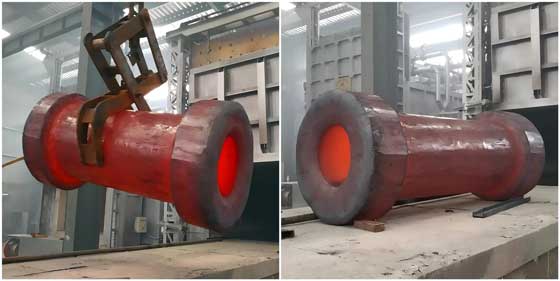
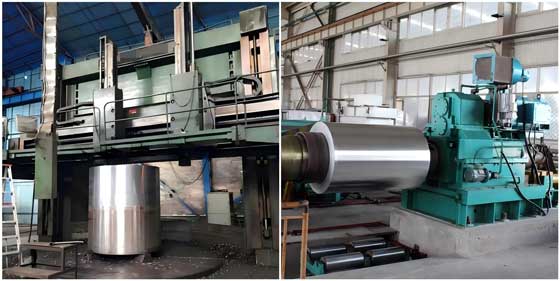
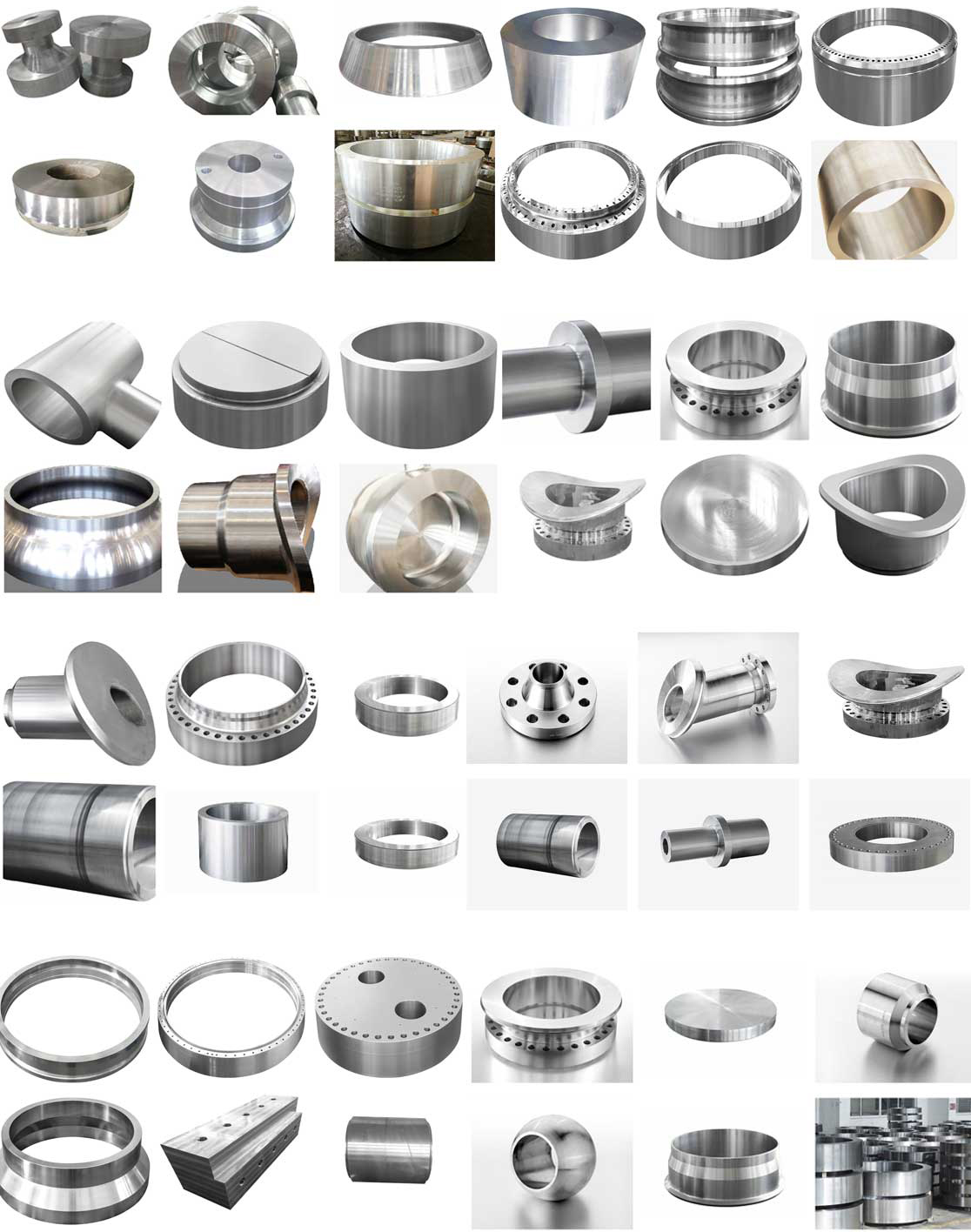
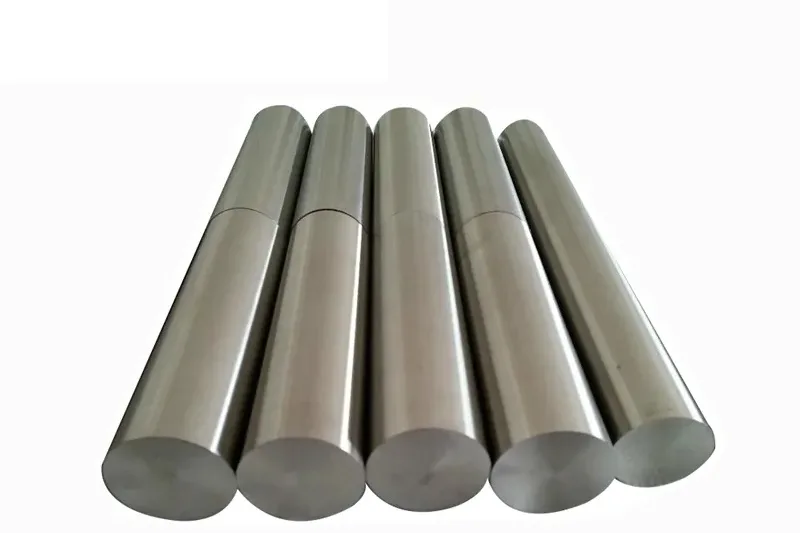
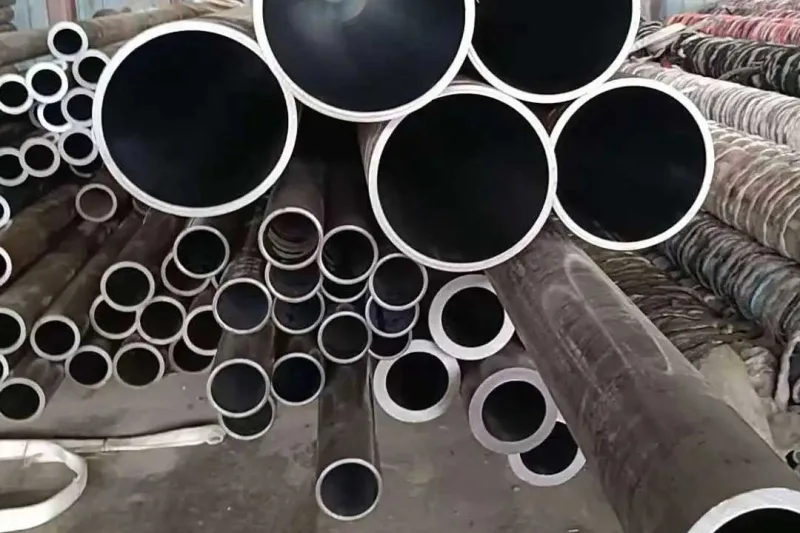
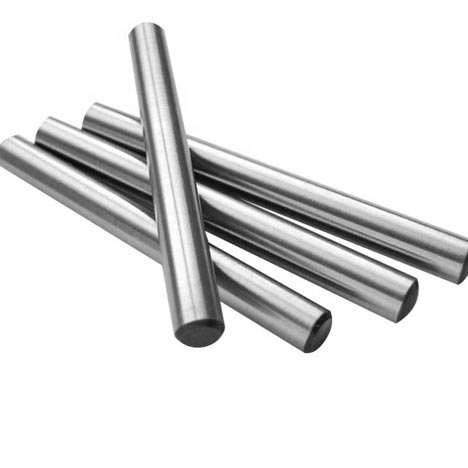
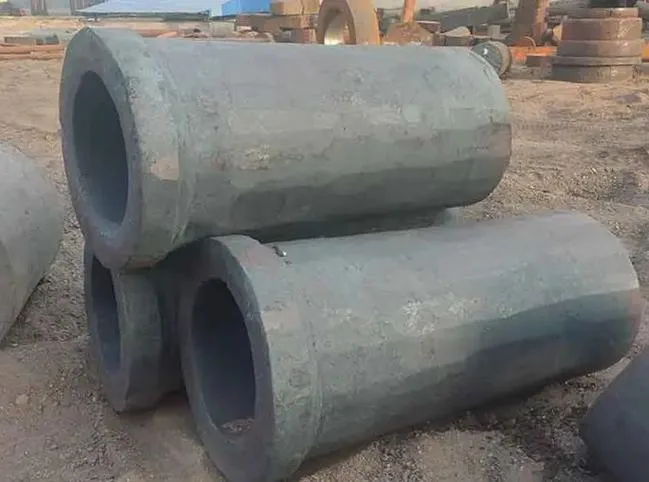
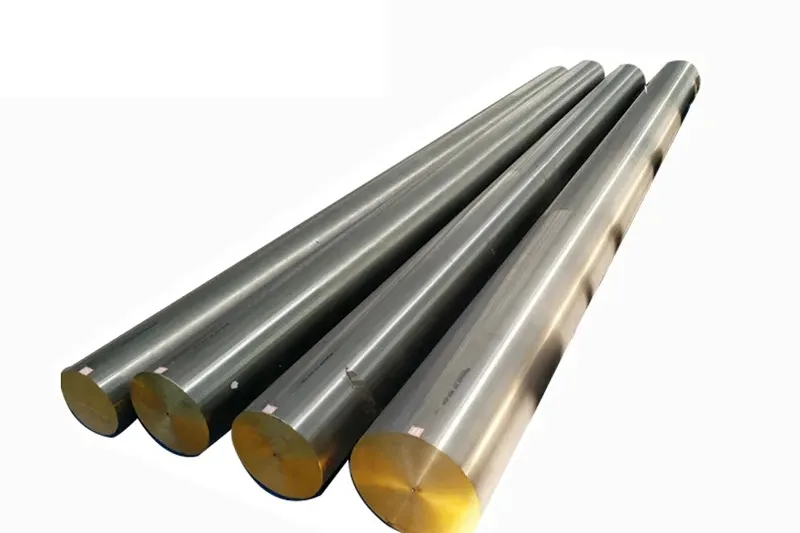
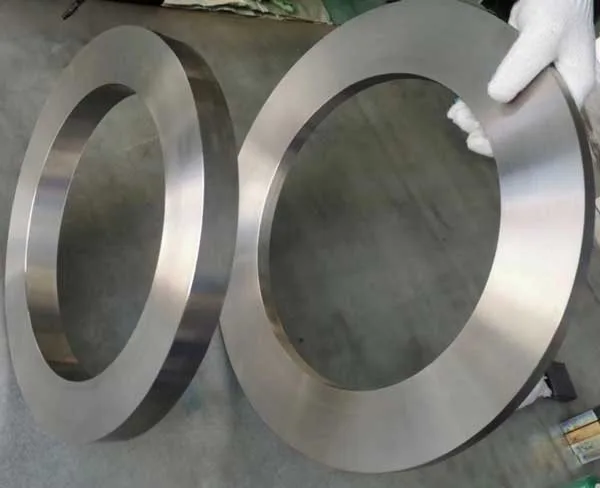
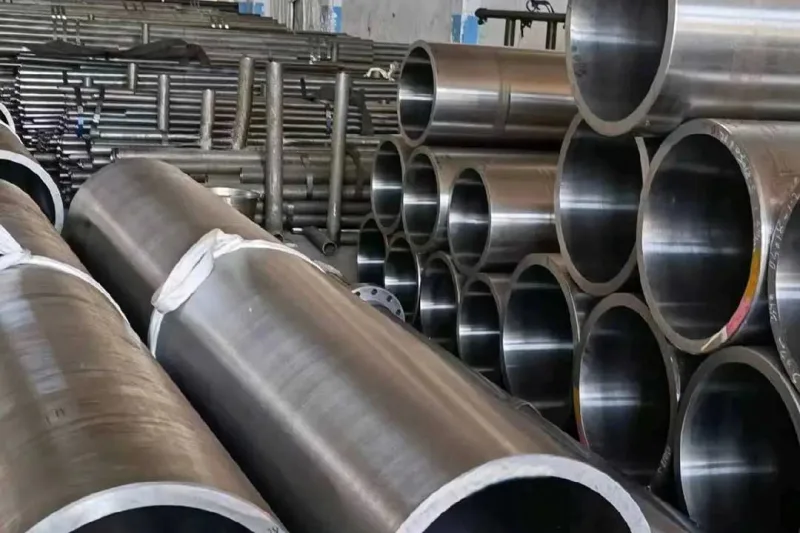
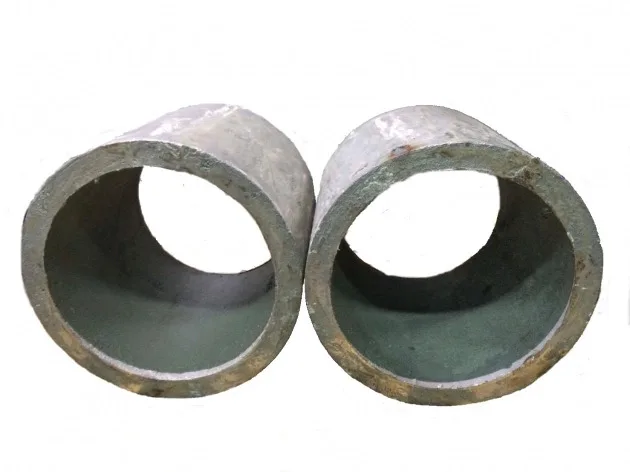
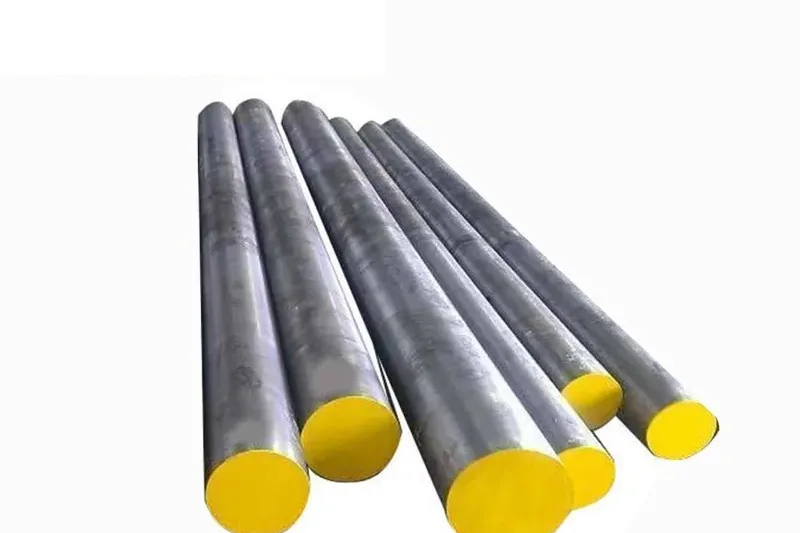
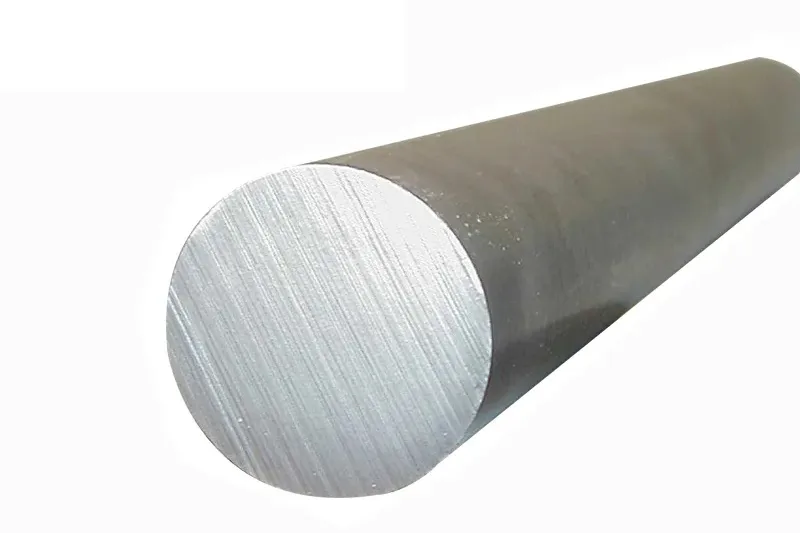
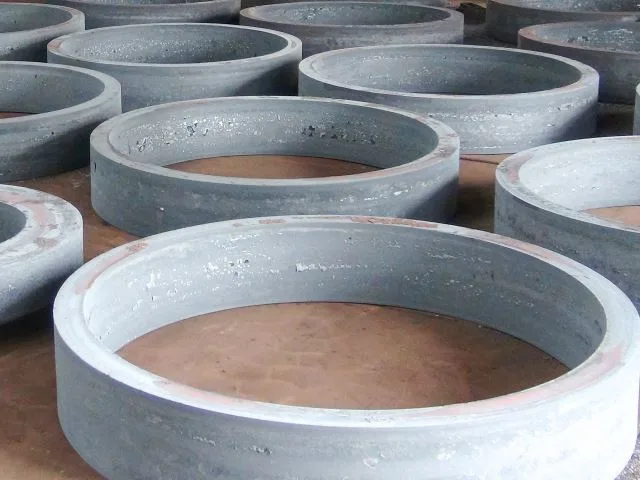
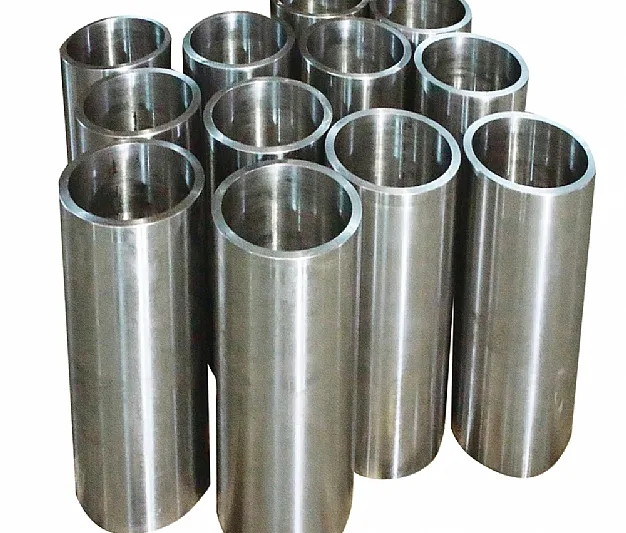
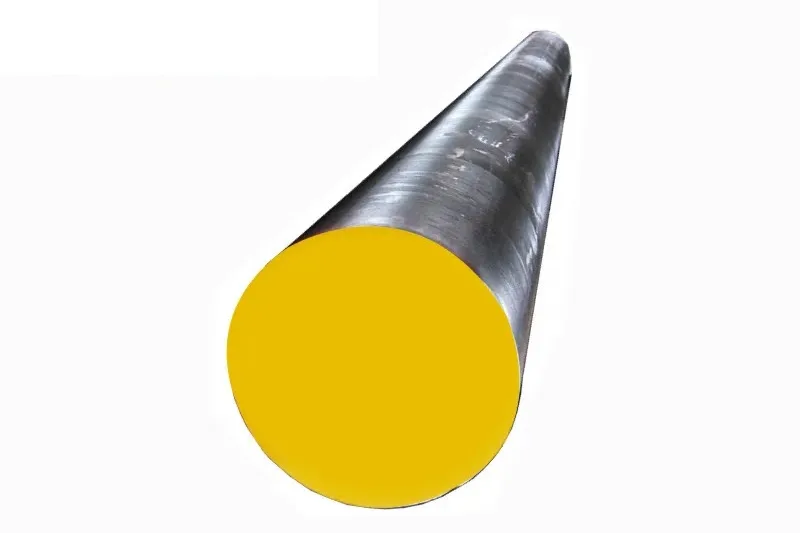
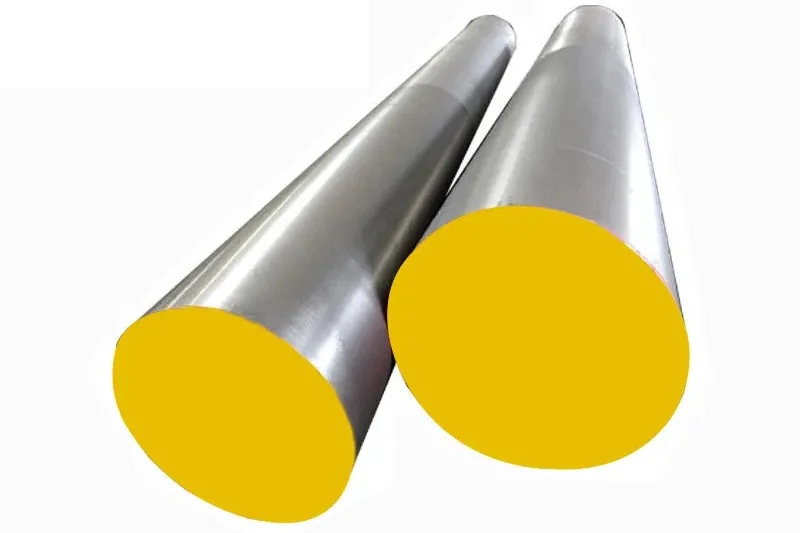
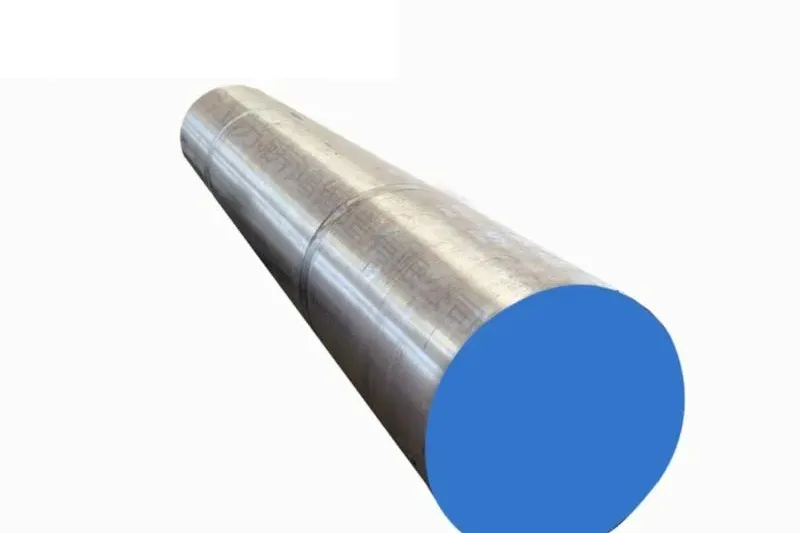
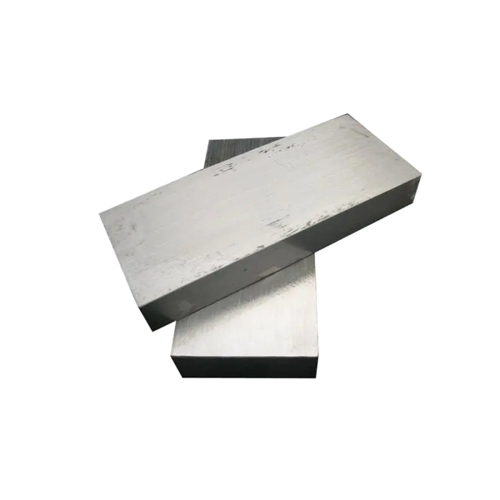
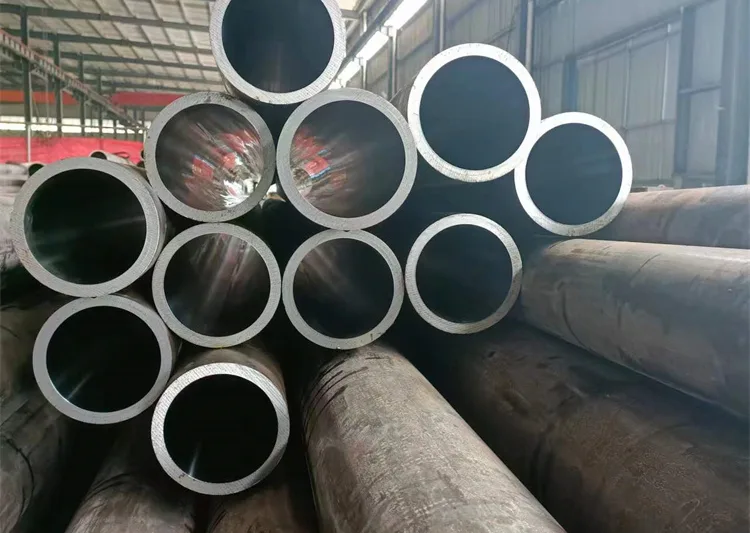
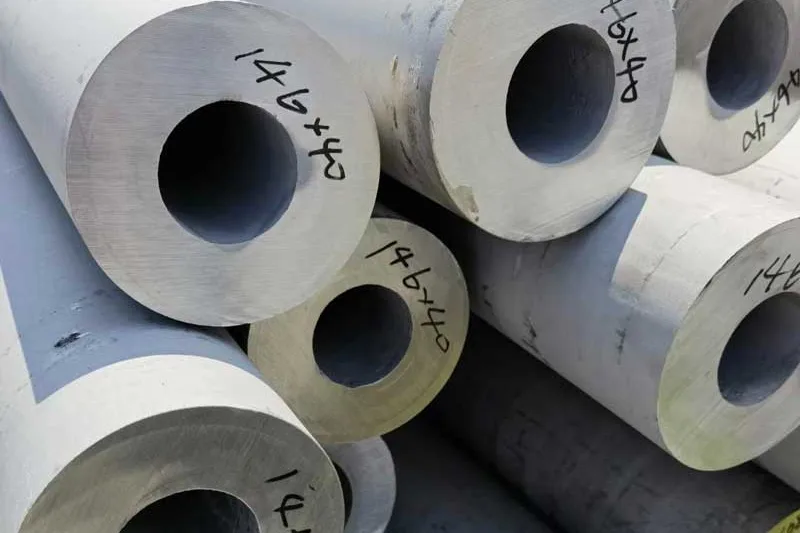
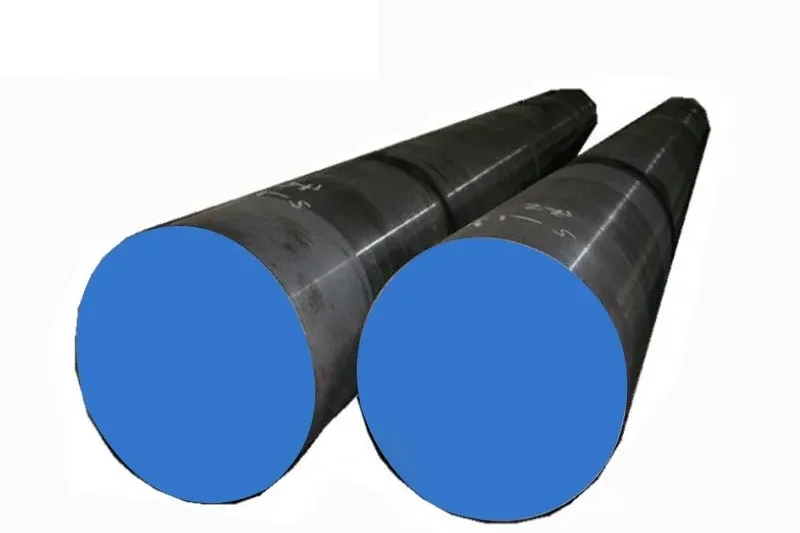
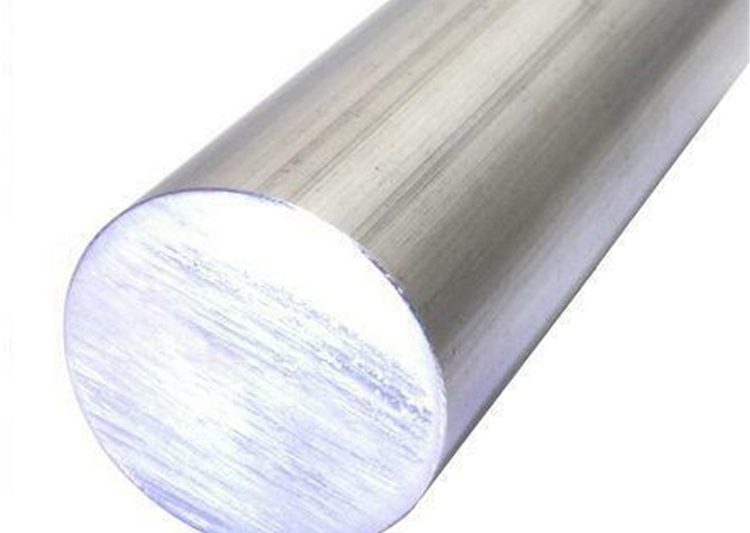
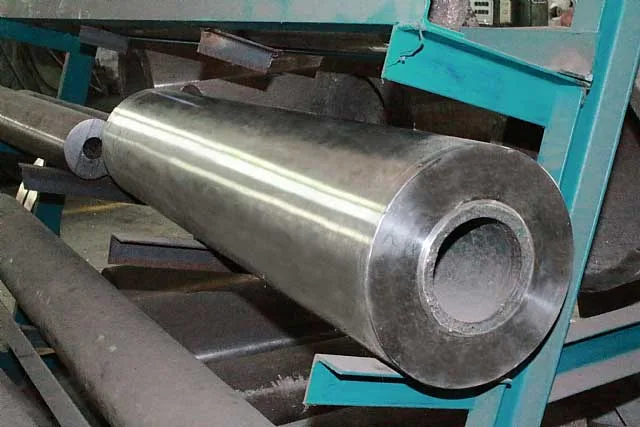
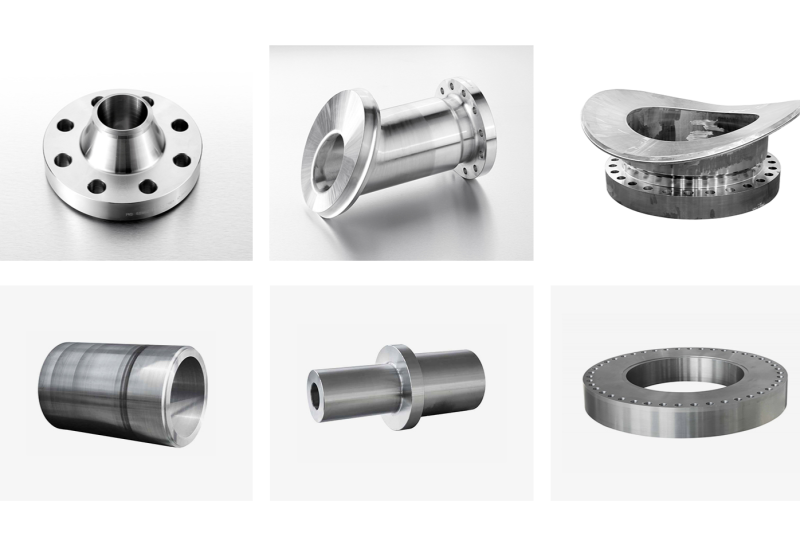
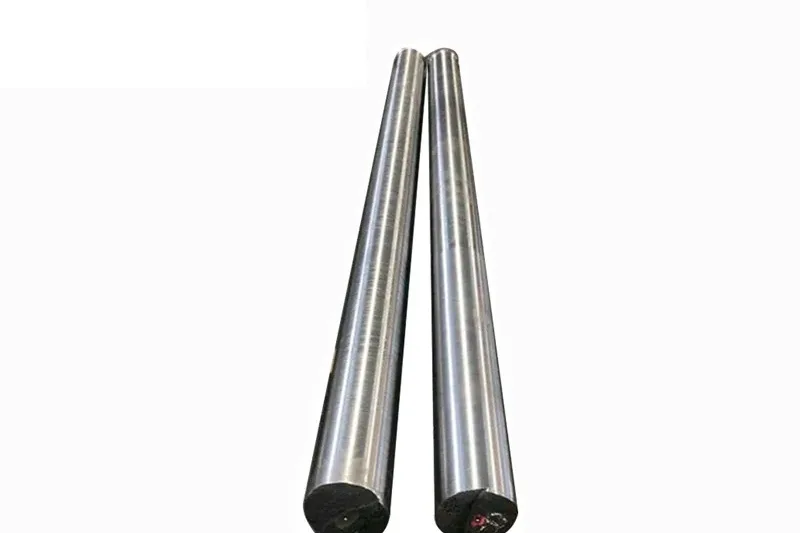
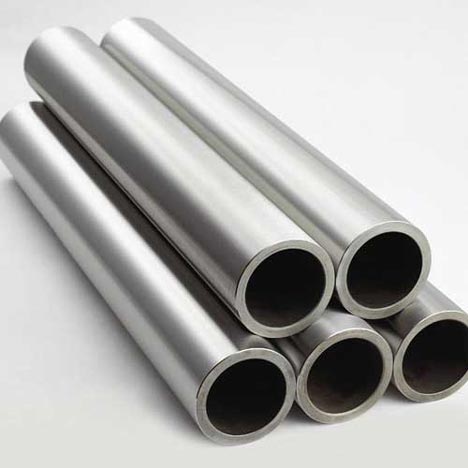
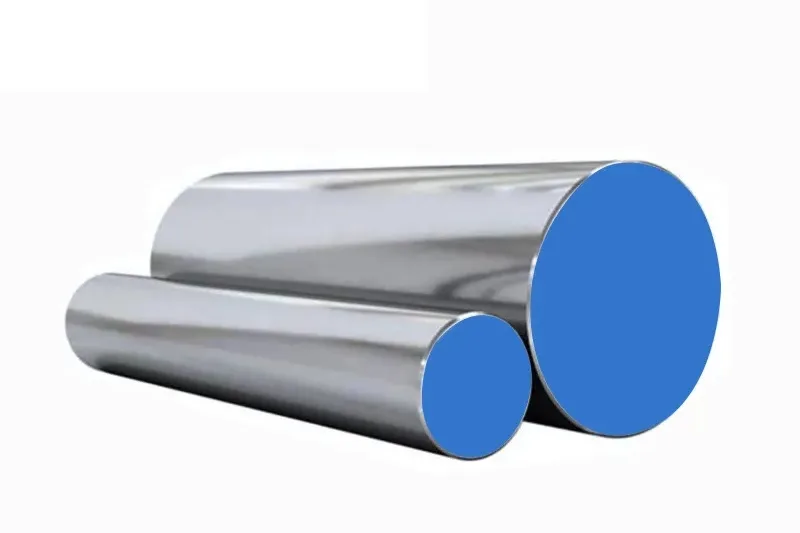
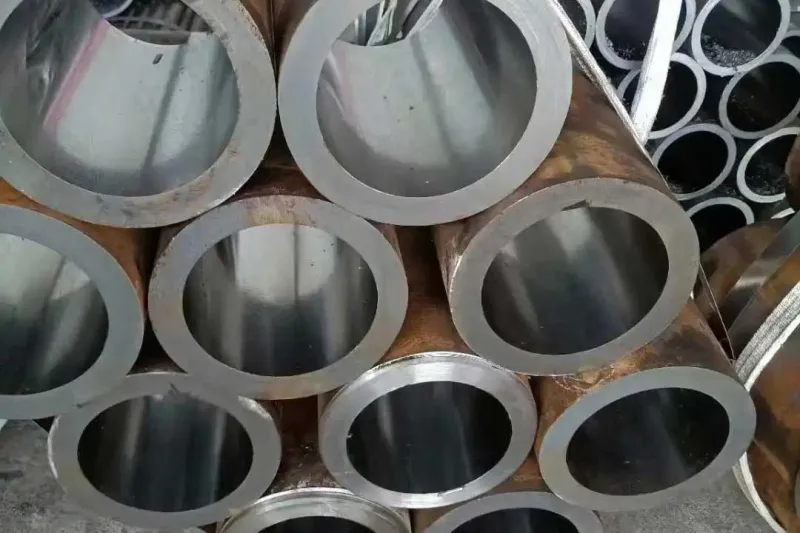
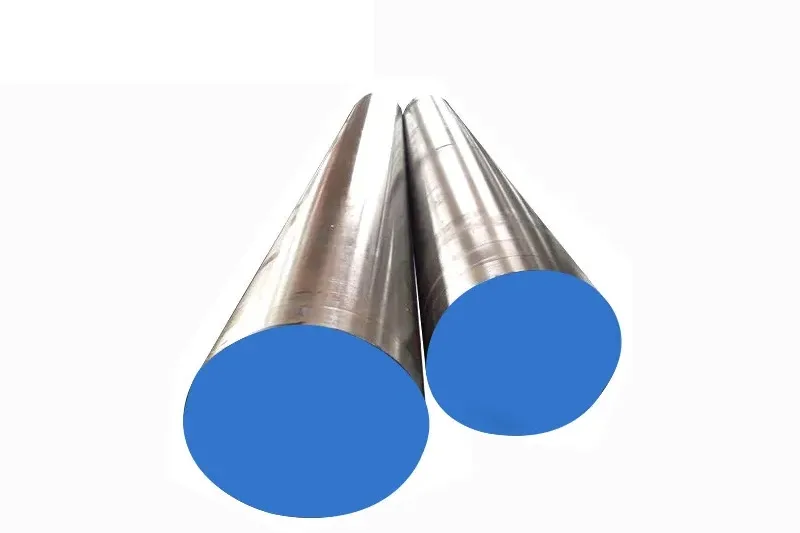
In terms of dimensions, the range of large forgings is extremely broad: shaft forgings typically have diameters ranging from Φ200 mm to Φ1200 mm, with lengths up to 12 meters; disc forgings have outer diameters ranging from Φ500 mm to Φ3500 mm; and cylindrical forgings have wall thicknesses ranging from 100 mm to 500 mm, with lengths up to 6000 mm; flange forgings can have an outer diameter of up to Φ5,000 mm, and ring-shaped forgings range in height from 100 mm to 1,500 mm. Individual piece weights range from 1 metric ton to 80 metric tons; forgings weighing more than 50 metric tons require heavy-duty machine tools and specialized lifting equipment for precision machining.
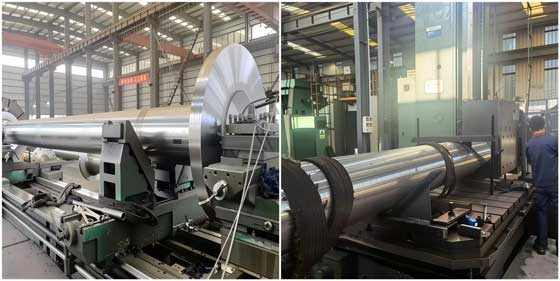
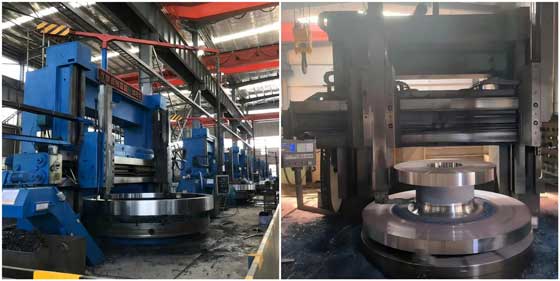
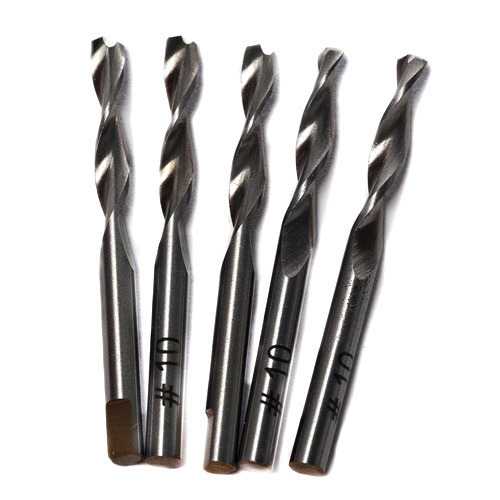
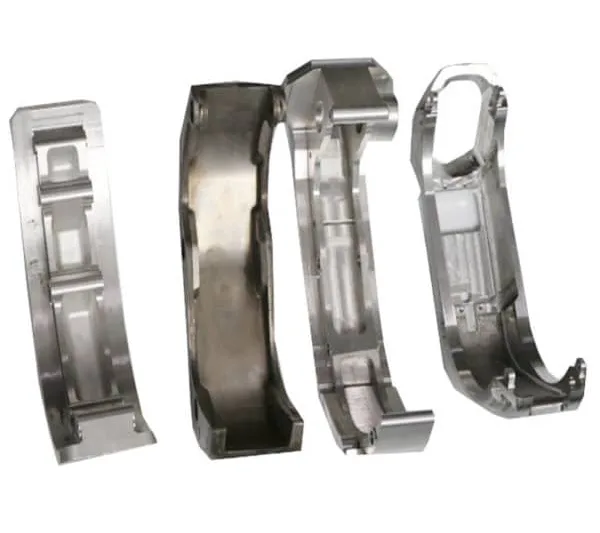
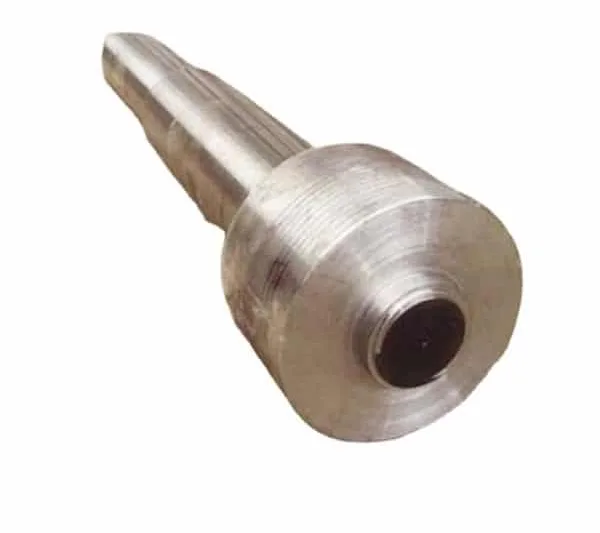
After undergoing CNC turning, milling, and deep-hole drilling and boring, these forgings are used in wind power equipment (main shafts, gearboxes, yaw rings), petrochemicals (valves, flanges, tube sheets), shipbuilding (intermediate shafts, rudder shafts, propeller shafts), construction machinery (hydraulic cylinders, slewing bearings), and pressure vessels (cylinders, heads, tube sheets). Sufficient finishing allowance must be reserved during the rough machining stage. Semi-finishing and finishing are performed after heat treatment, resulting in final products with dimensional accuracy up to IT7 and a surface roughness of Ra ≤ 1.6 μm, meeting the stringent operational requirements of various industries.
Common Material Grades and Applications of Large Forgings
| Material Grade |
Corresponding Standard |
Key Properties |
Typical Applications |
| 42CrMo4 |
DIN EN 10083 |
High strength, high hardenability, excellent fatigue resistance |
Wind turbine main shafts, gearboxes, connecting rods |
| 34CrNiMo6 |
DIN EN 10083 |
High toughness, high strength, good impact resistance |
Marine shafting, nuclear pressure vessels |
| 40CrMnMo |
GB/T 3077 |
Good hardenability, outstanding overall mechanical properties |
Construction machinery, heavy-duty gears |
| 4140 |
ASTM A519 |
Good wear resistance, heat-treatable |
Oil drilling tools, hydraulic cylinders, die molds |
| F316L |
ASTM A182 |
Excellent intergranular corrosion resistance, good weldability |
Petrochemical valves, offshore piping components |
| F51 (S31803) |
ASTM A182 |
High strength, excellent stress corrosion resistance |
Desalination plants, chemical reactors |
Machining Sequence for Large Forgings
| Processing Stage |
Operations and Requirements |
| Rough Machining |
Remove forging scale; leave single-side allowance of 3–5 mm for finish machining; relieve residual stress |
| Heat Treatment |
Quenching & tempering, normalizing & tempering, etc.; ensure core hardness and mechanical properties |
| Semi-Finish Machining |
Re-establish reference surfaces; correct heat treatment distortion; leave 0.5–1 mm allowance |
| Finish Machining |
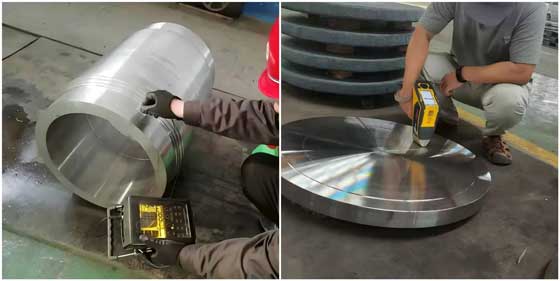
Achieve dimensional tolerance IT7, surface roughness Ra ≤ 1.6 μm; perform UT/MT inspection and final dimensional check |
Common Dimensional Ranges of Large Forgings
| Component Type |
Typical Size Range |
Single-Piece Weight Range |
| Shafts |
Diameter Φ200–Φ1200 mm; Length up to 12,000 mm |
Up to 80 tons |
| Discs |
Diameter Φ500–Φ3500 mm |
Up to 50 tons |
| Cylindrical Shells |
Wall thickness 100–500 mm; Length up to 6,000 mm |
Up to 60 tons |
| Flanges |
Diameter up to Φ5000 mm |
Up to 40 tons |
| Rings |
Height 100–1500 mm |
Up to 30 tons |