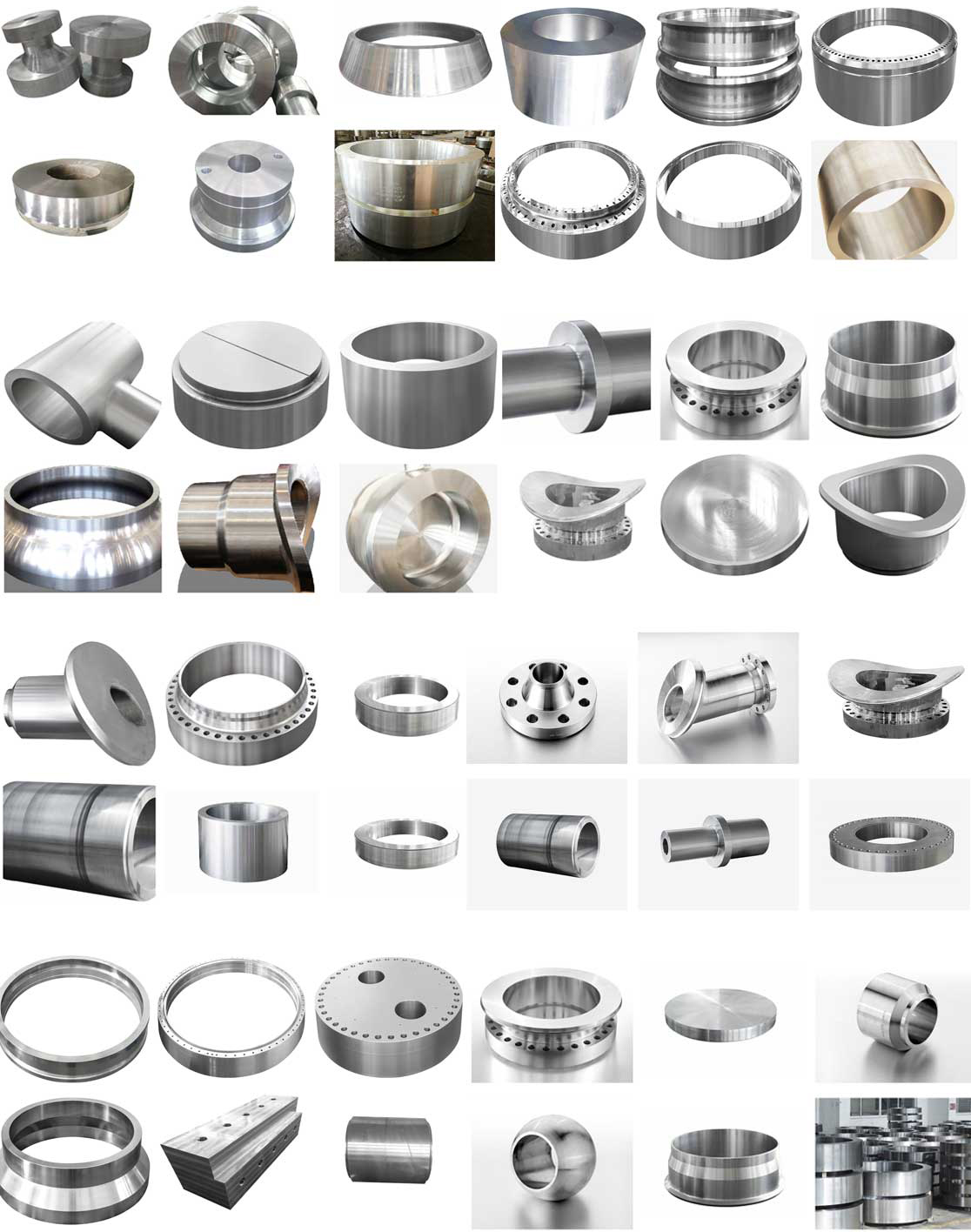
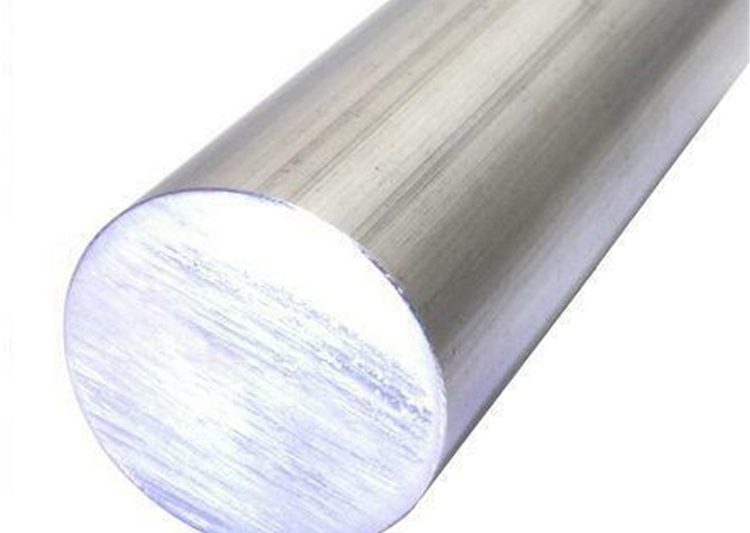
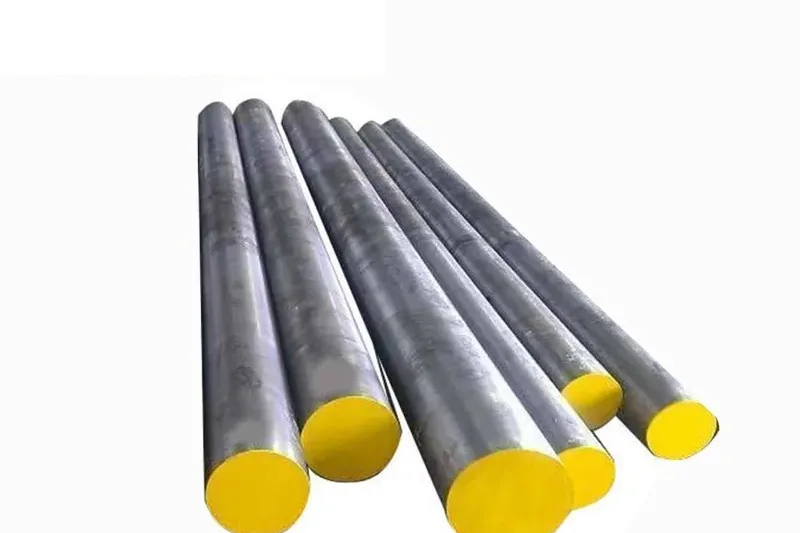
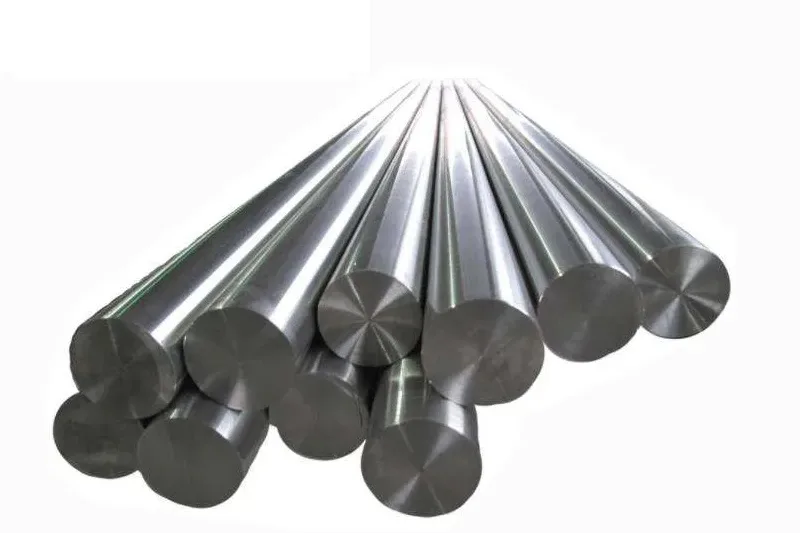
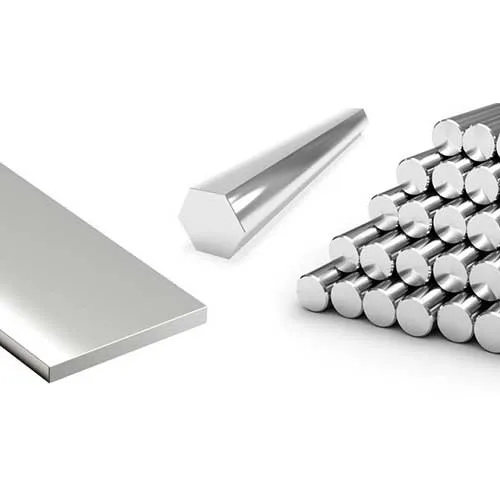
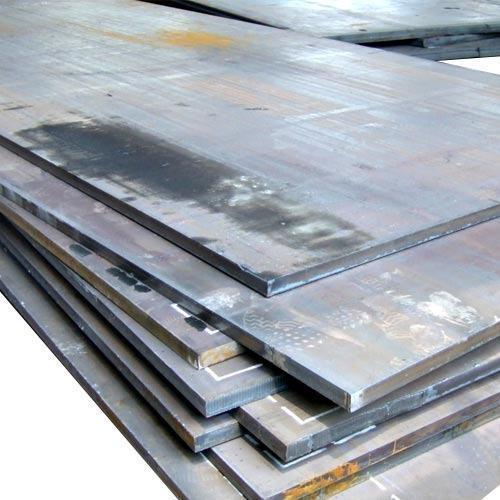
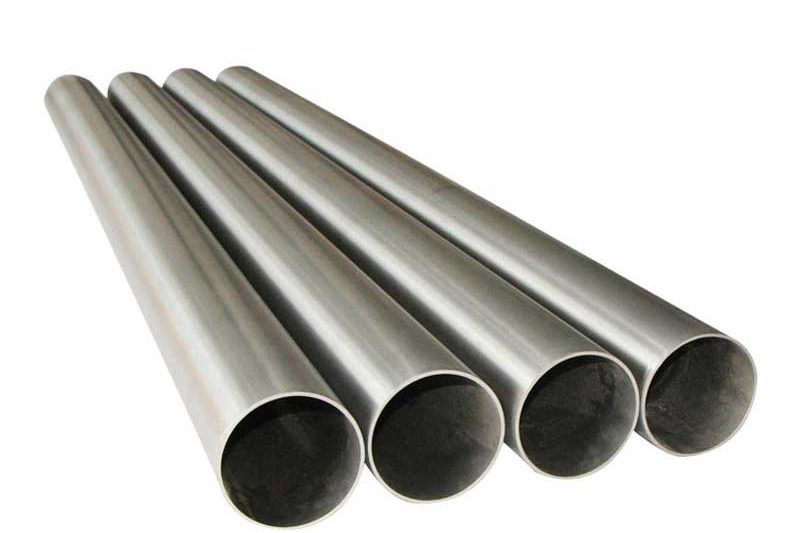
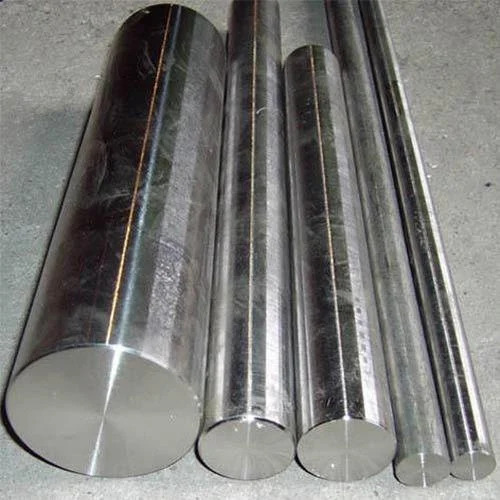
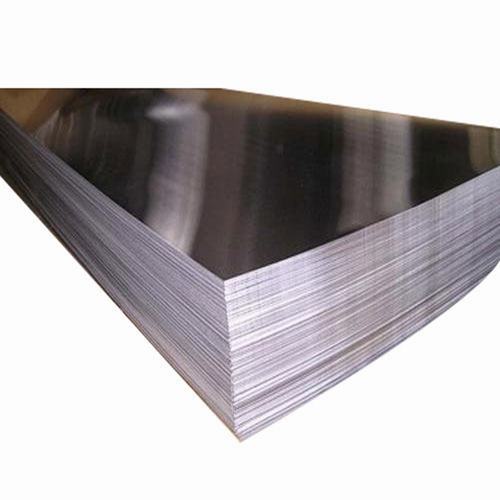
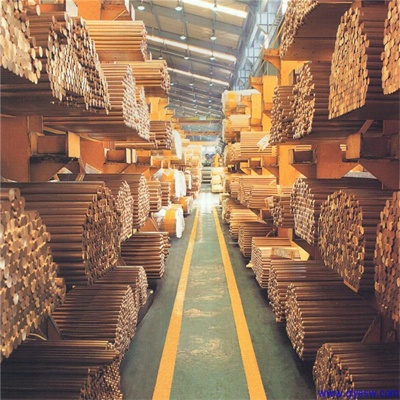
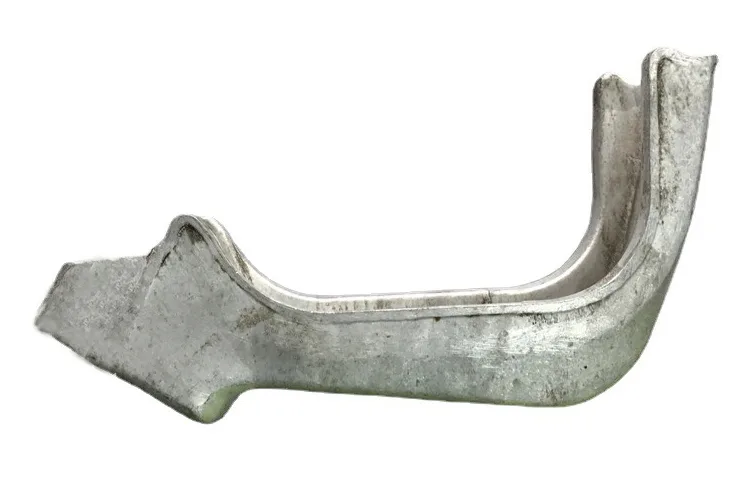
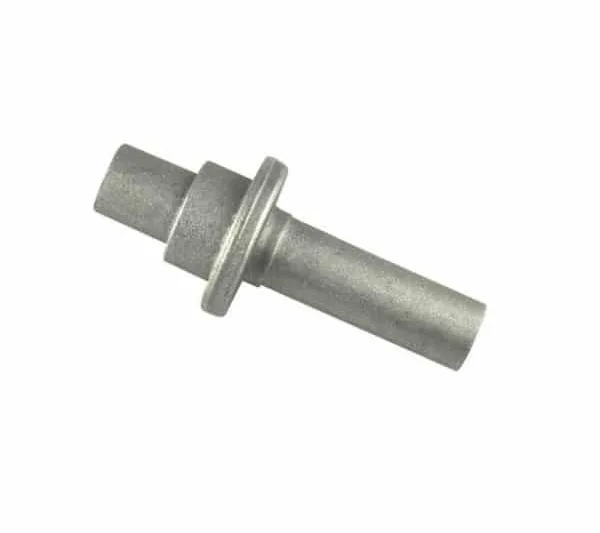
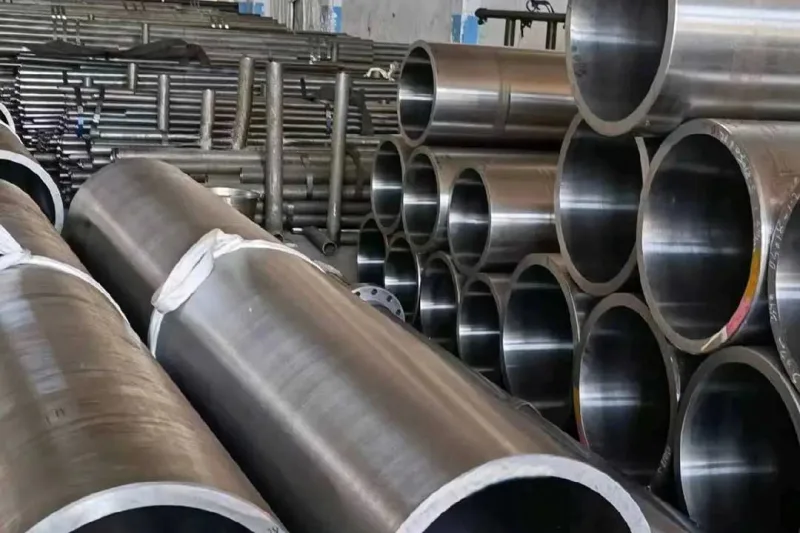
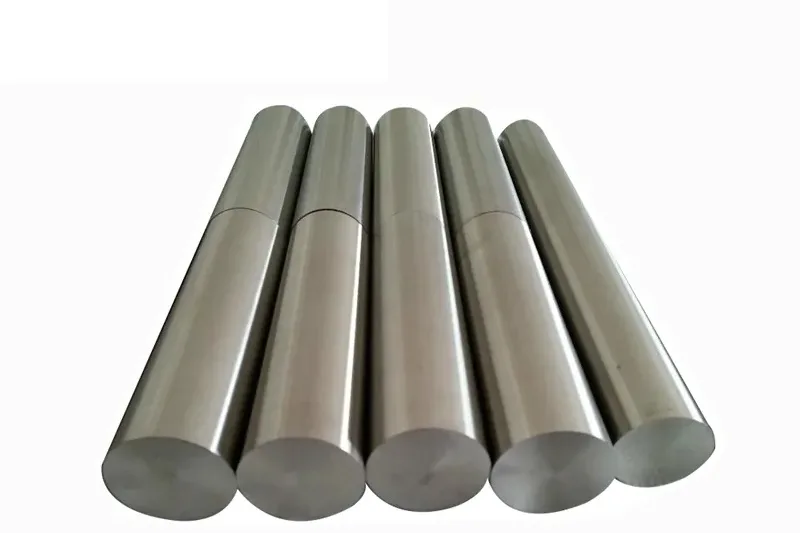
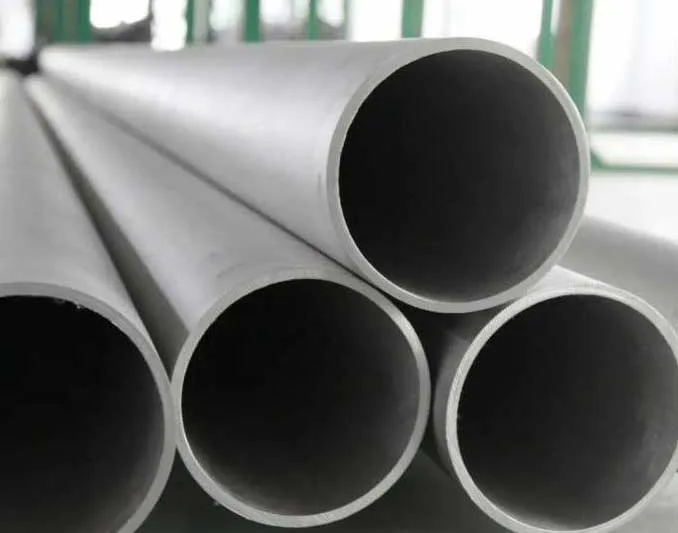
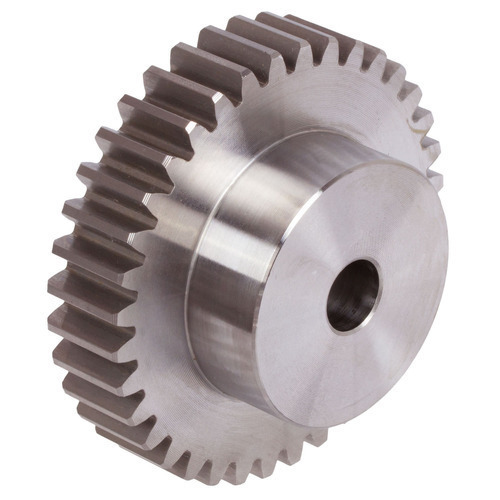
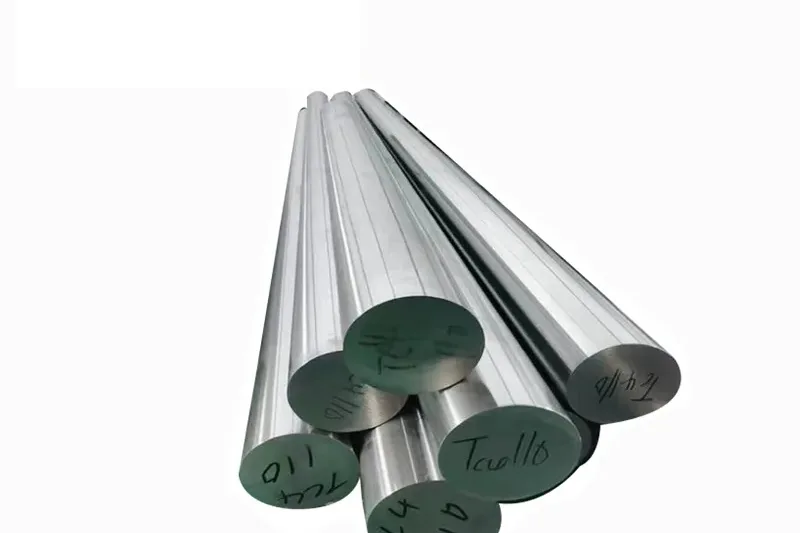
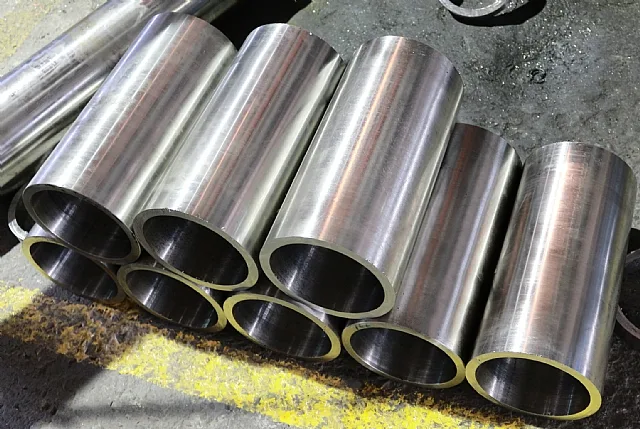
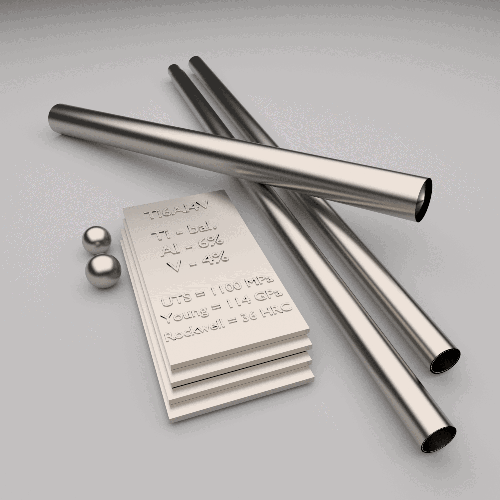
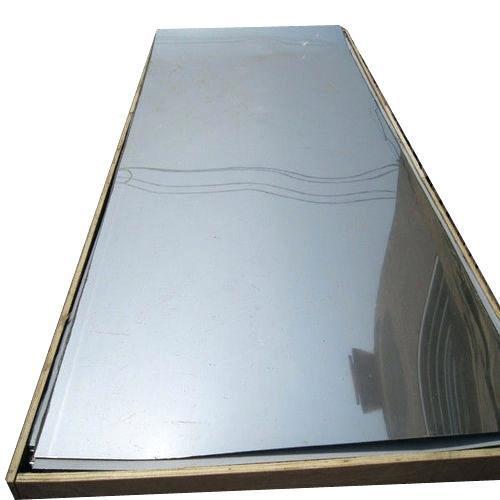
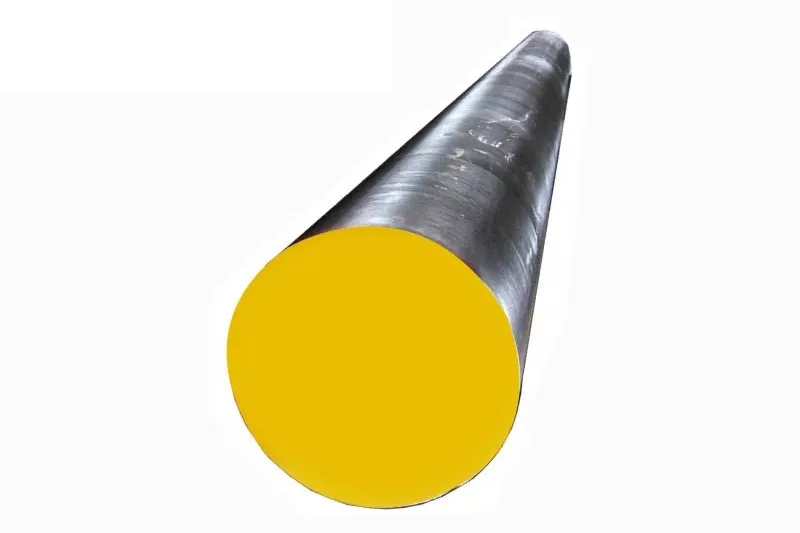
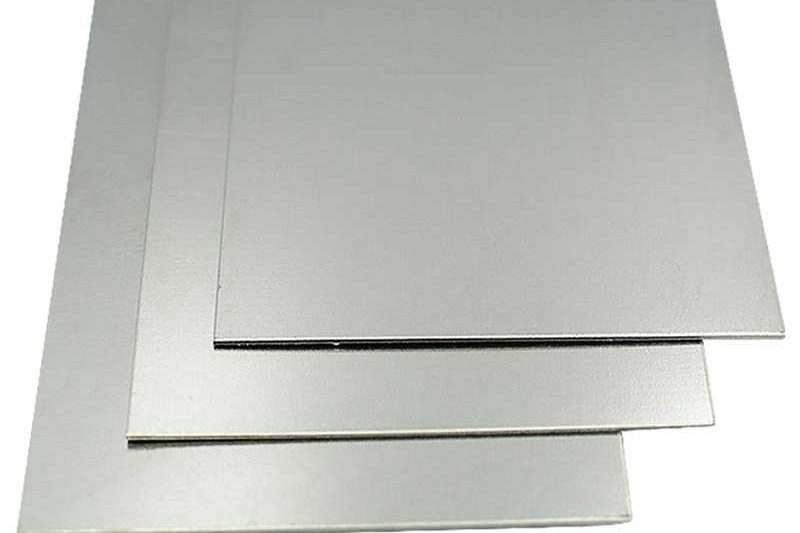
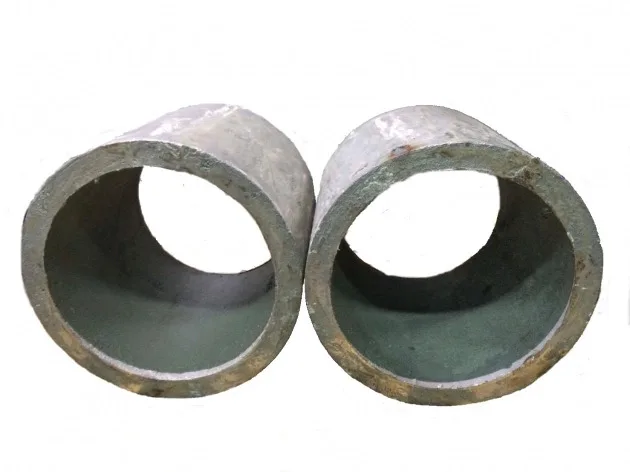
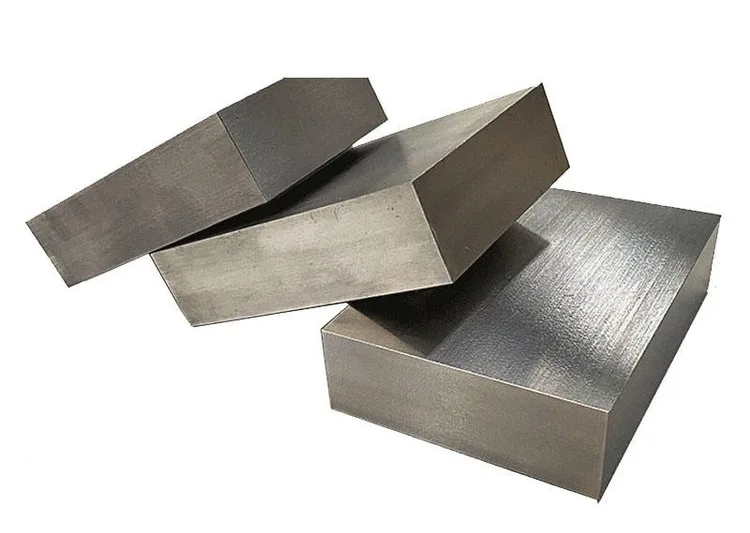
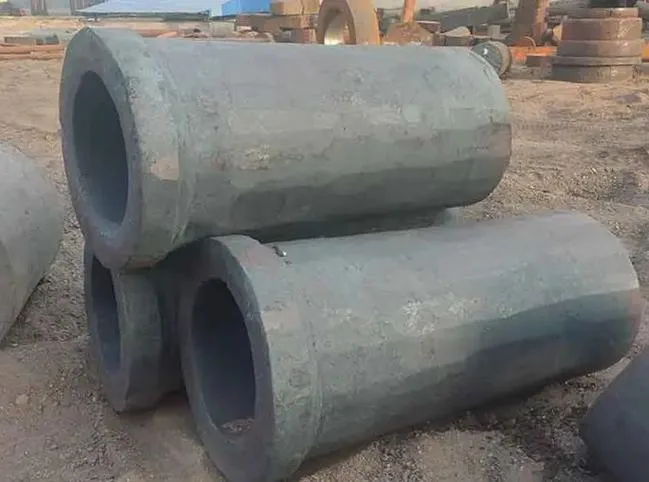
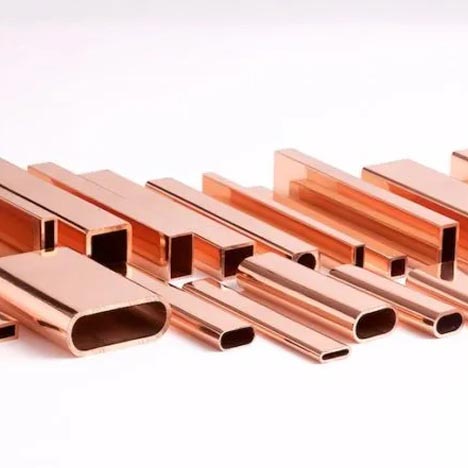
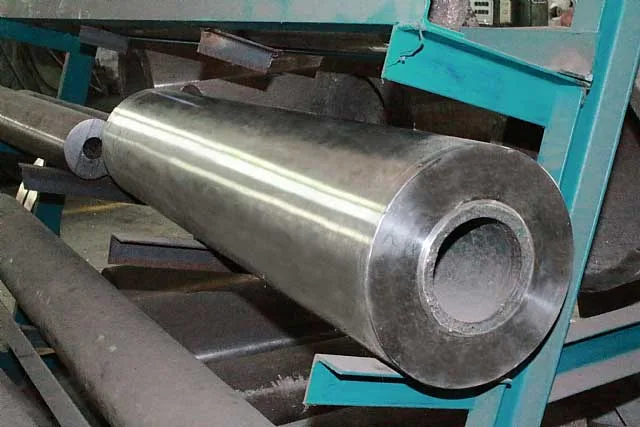
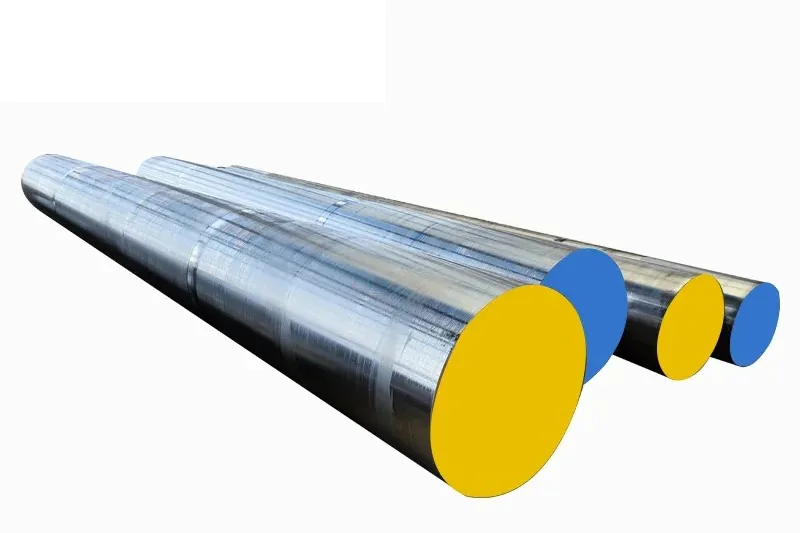
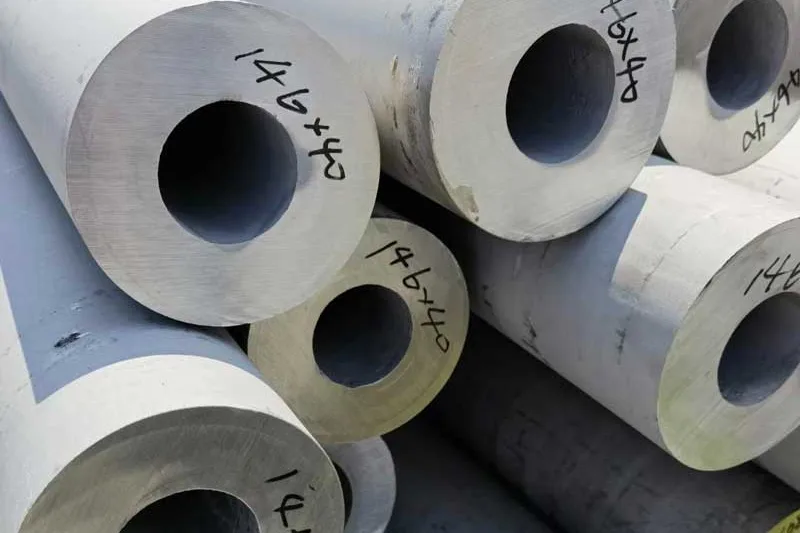
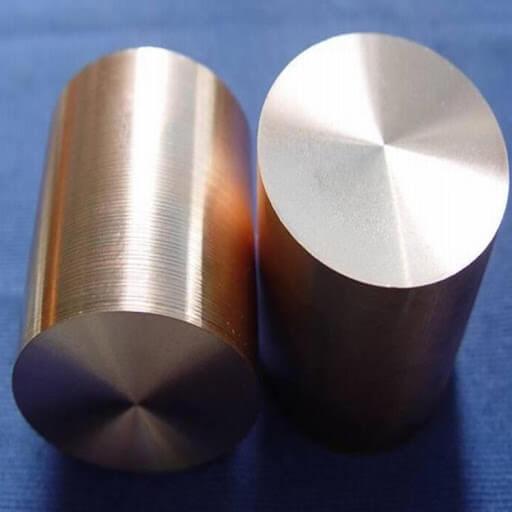
Stainless Steel Forging
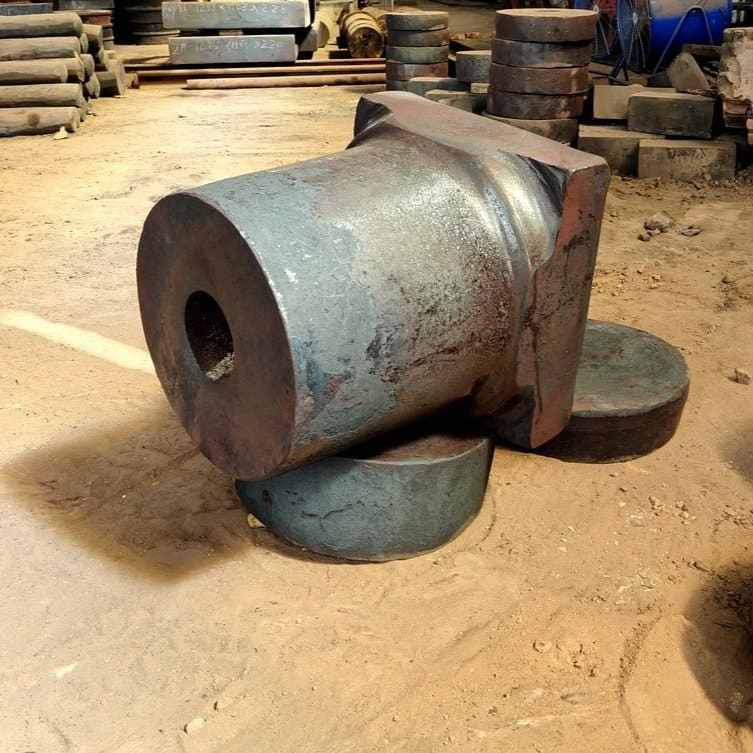
Stainless Steel Forging Process and Its Application
In modern industry, the performance of materials is directly related to the quality and efficiency of products. Among them, stainless steel, as an important engineering material, has been widely used in many fields due to its excellent corrosion resistance, high strength, and good processing performance. Among them, stainless steel forging technology plays a crucial role.
Overview of Stainless Steel Forging
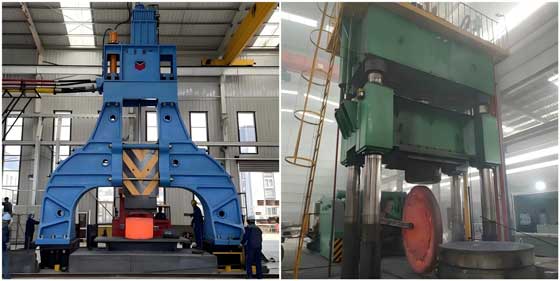
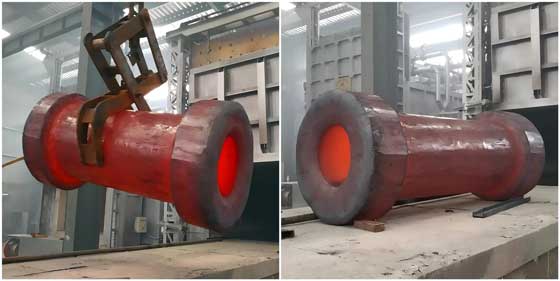
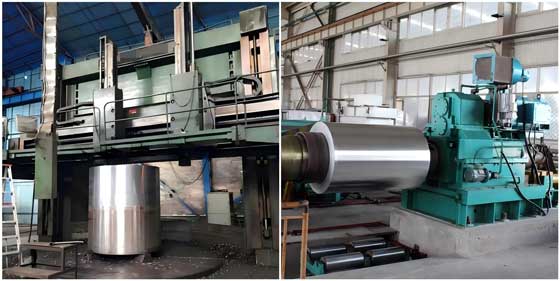
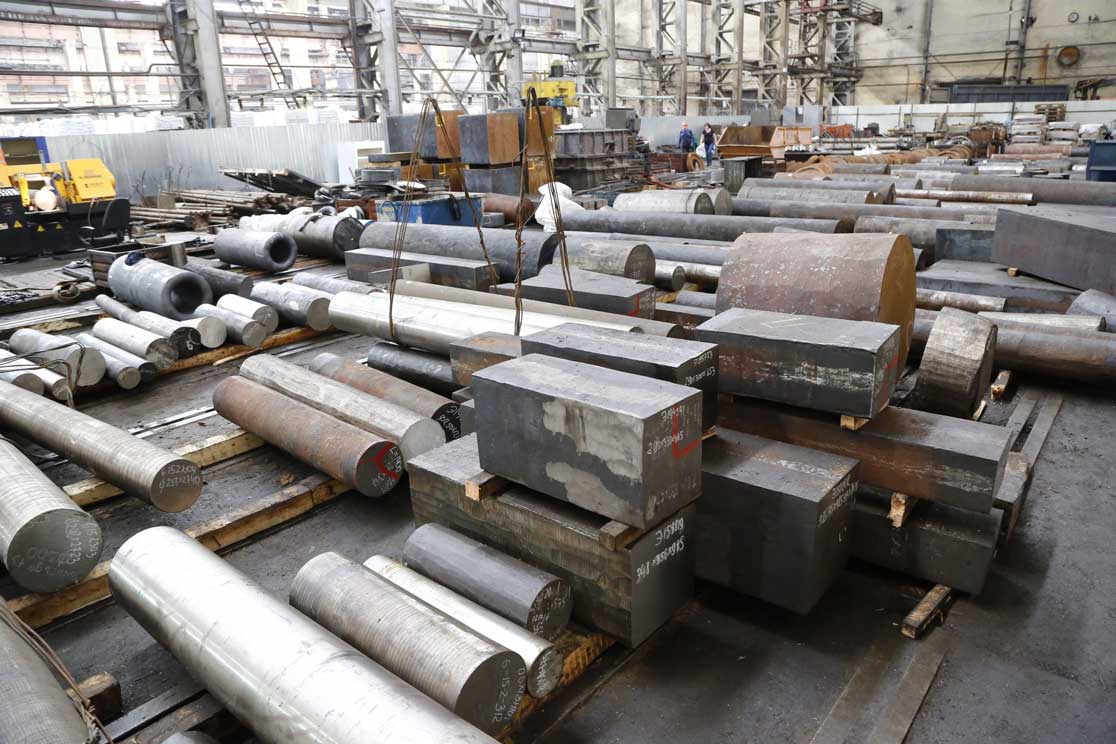
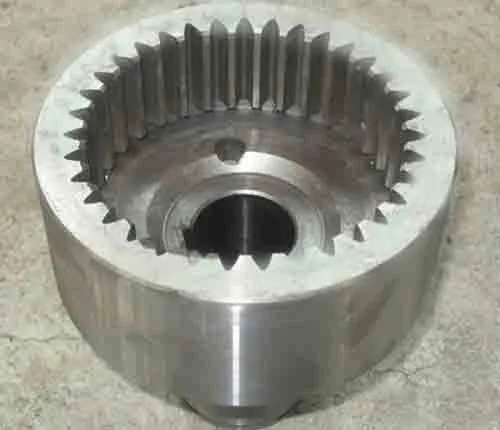
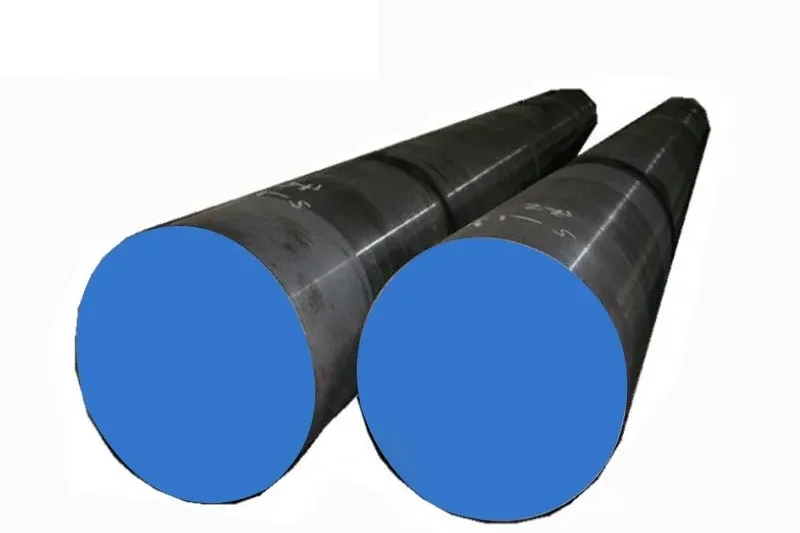
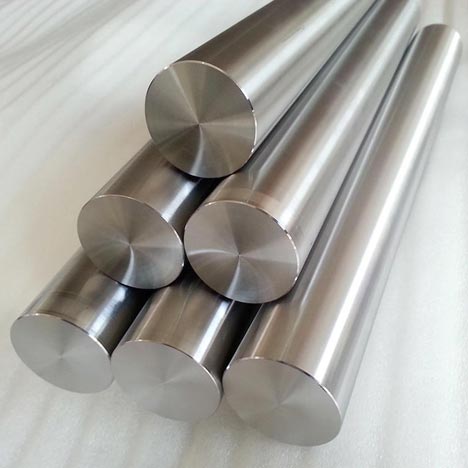
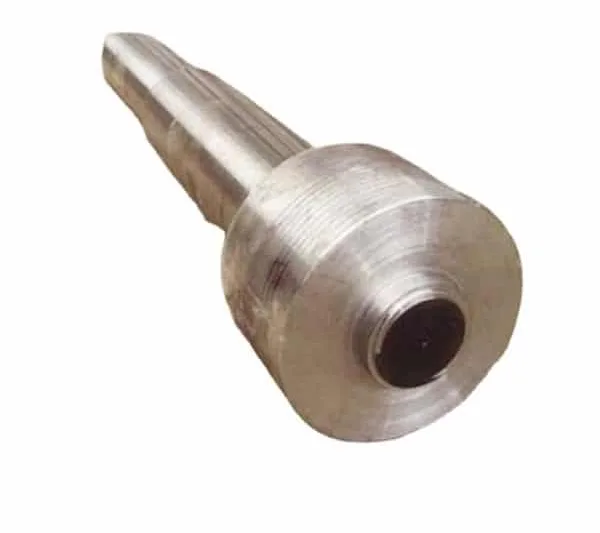
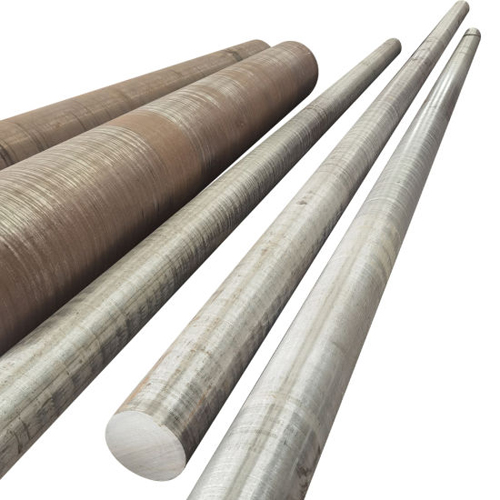
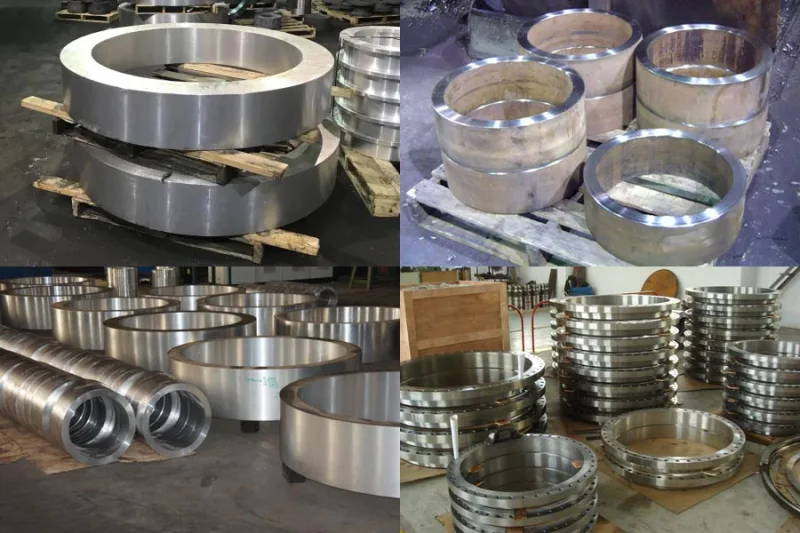
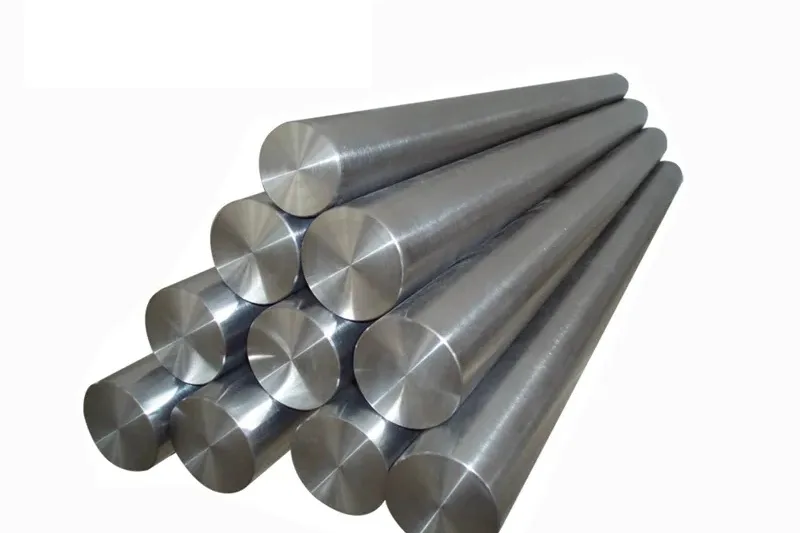
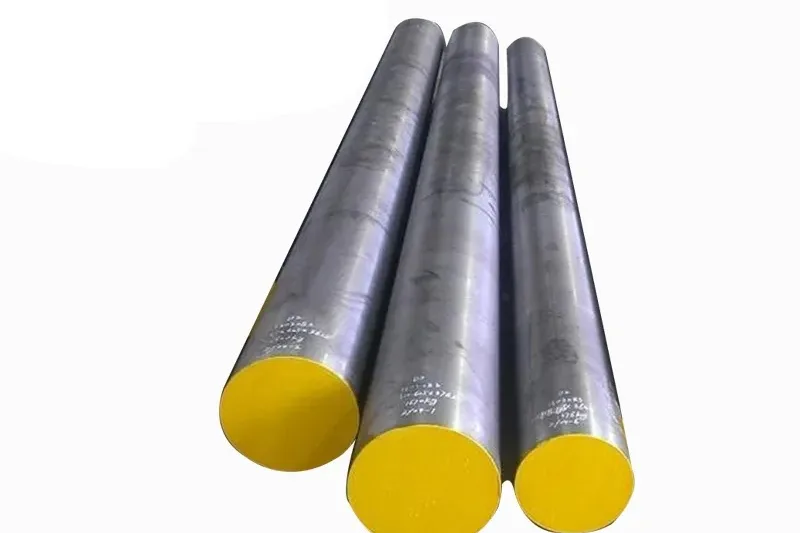
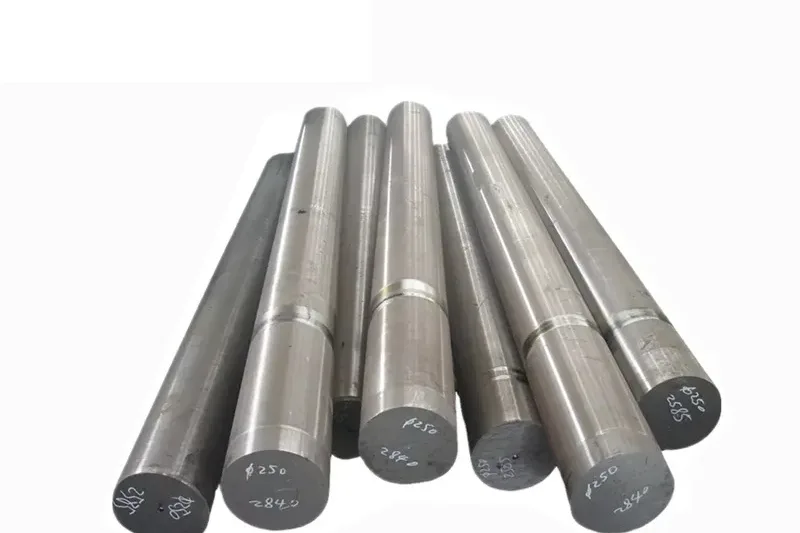
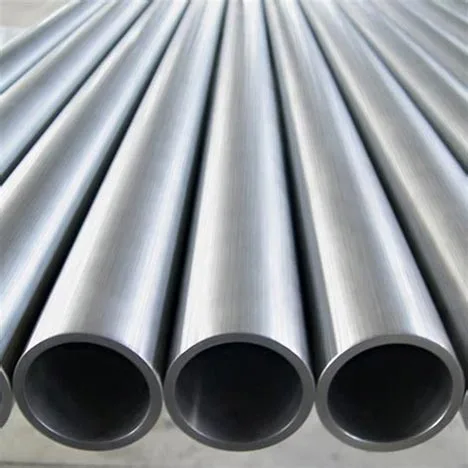
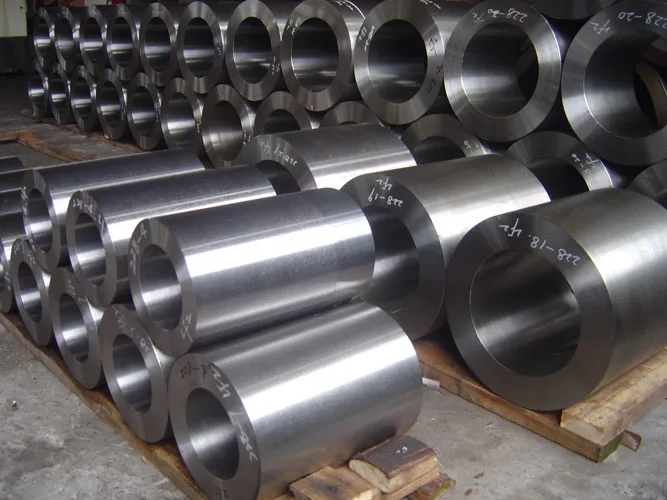
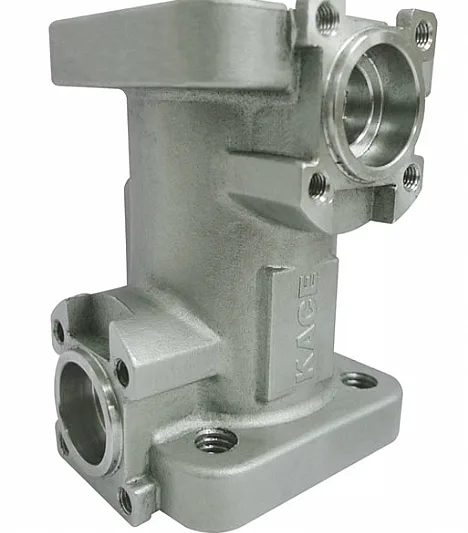
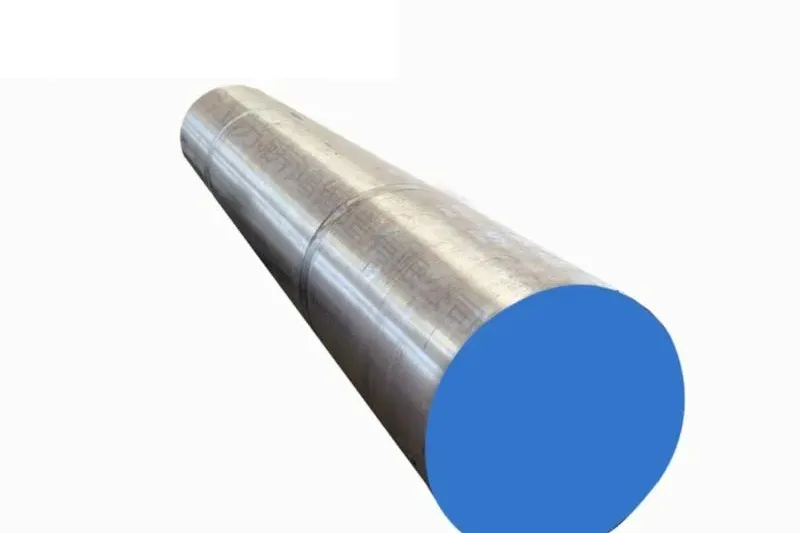
Stainless steel forging refers to a processing method in which a stainless steel billet is heated to a plastic state and subjected to plastic deformation by applying pressure, in order to obtain a part or billet of the desired shape and size. This process can not only improve the internal organizational structure of the material and enhance its mechanical properties, but also make the product have higher density and lower defect rate.
Advantages of stainless steel forging
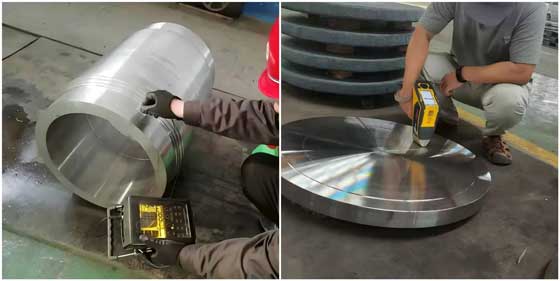
1. Improve mechanical performance: By controlling the temperature, speed, and stress conditions during the forging process, the grain size can be refined, defects such as looseness generated during the casting process can be eliminated, and the strength, toughness, and fatigue life of the material can be significantly improved.
2. Optimize microstructure: Forging can promote the rational distribution of metal flow lines, forming a dense and uniform microstructure, which helps to enhance corrosion resistance and extend service life.
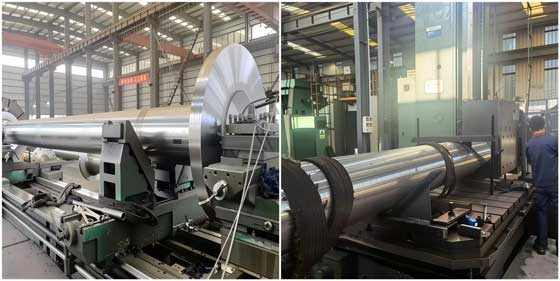
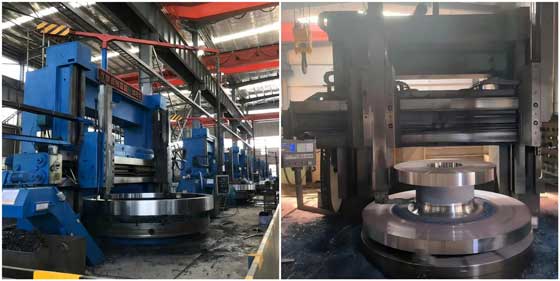
3. Reduce raw material waste: Compared to cutting and other methods, forging can directly obtain semi-finished products that are close to the final product form, greatly reducing the amount of subsequent processing and material loss, which is in line with the concept of energy conservation and environmental protection.
Application case analysis
-Aerospace industry: In this field, key components such as engine blades and landing gear components have extremely high material requirements. The use of stainless steel forging not only meets the requirements of its complex geometric shape, but also ensures a high safety factor and reliability.
-Oil and gas extraction: Faced with harsh working environments such as high temperature and high pressure, equipment such as pipeline joints and valve bodies need to have excellent oxidation resistance, sulfur resistance, and sufficient load-bearing capacity. The products manufactured using stainless steel forging technology perfectly meet the requirements of these harsh working conditions.
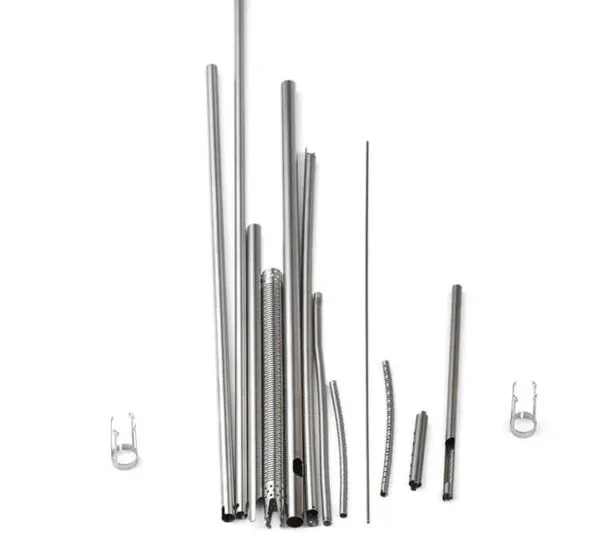
-Medical device manufacturing industry: Considering the importance of biocompatibility and aseptic operation, many surgical tools and implants are made of medical grade stainless steel and precision forged. This method ensures the surface smoothness and flatness of the equipment while avoiding the risk of contamination that may arise from chemical treatment.