Aluminum Forged Tube Manufacturer | Custom Alloy Grades & CNC Machining

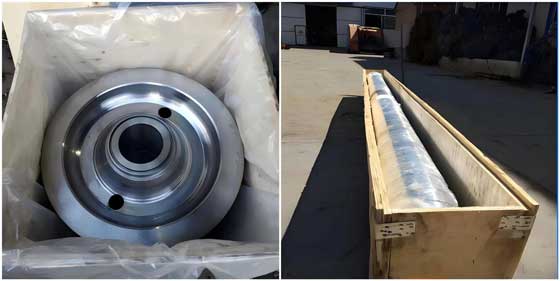
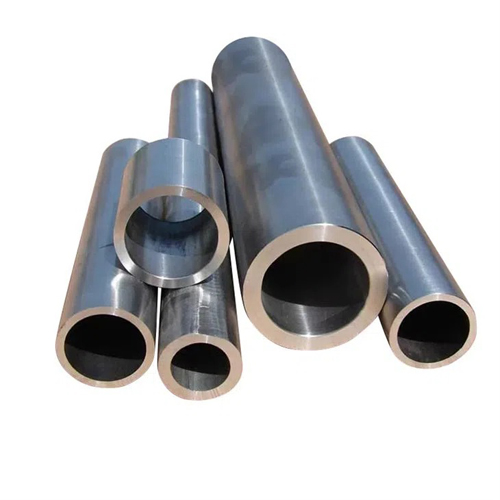
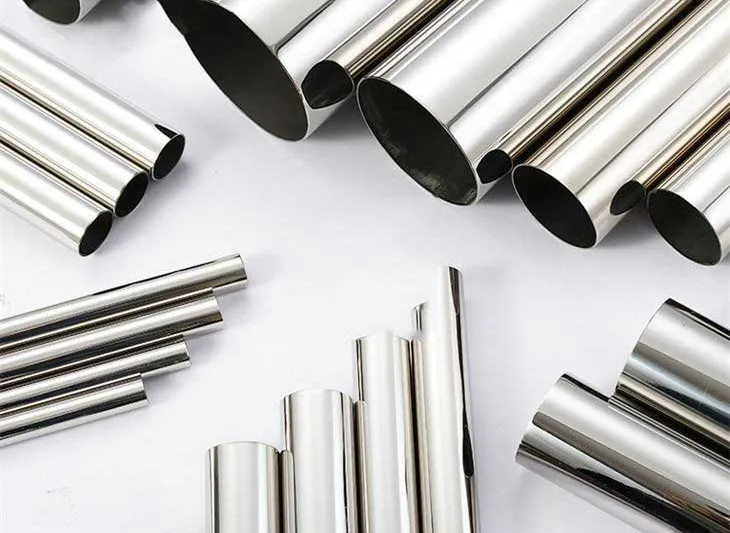
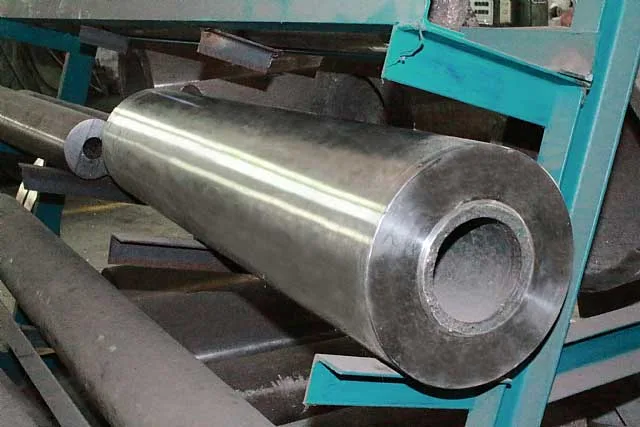
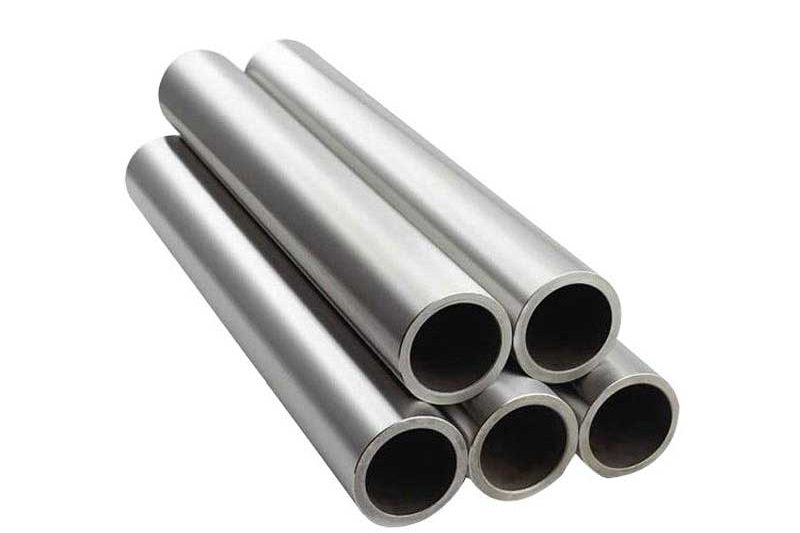
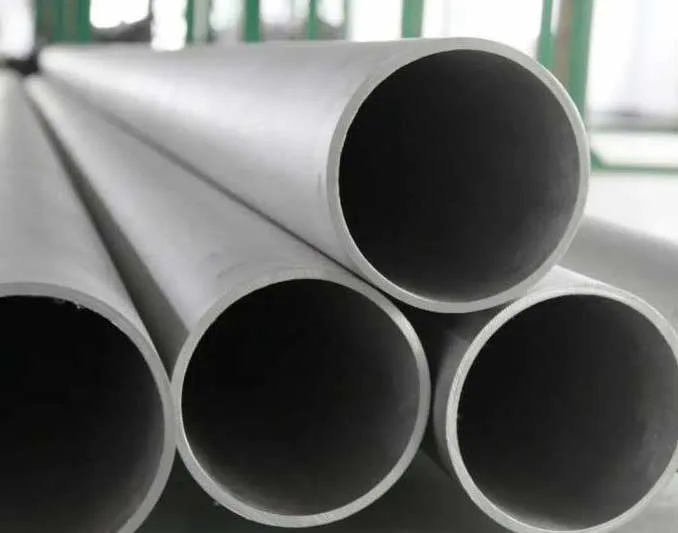
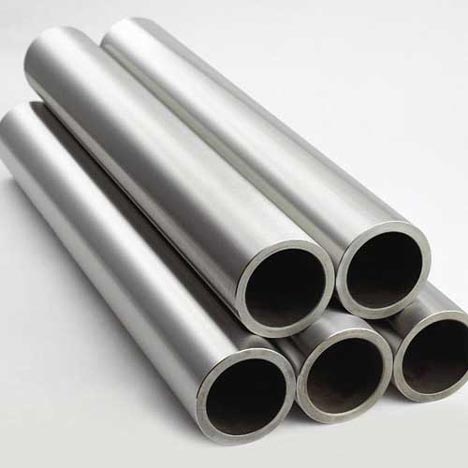
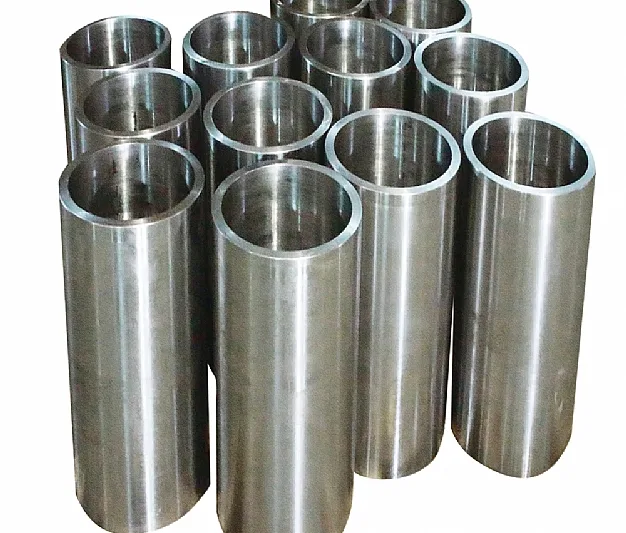
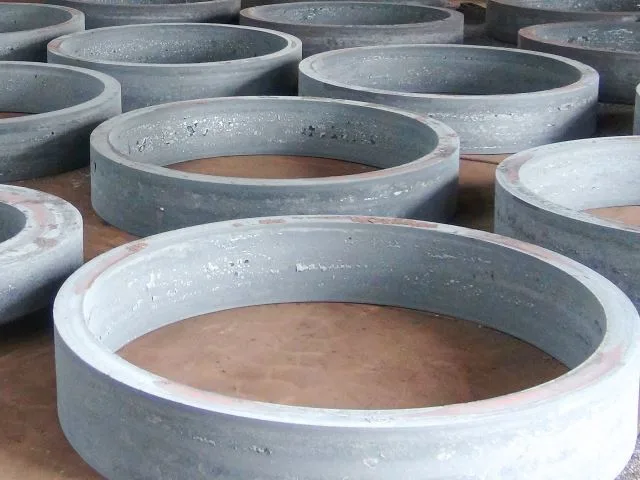
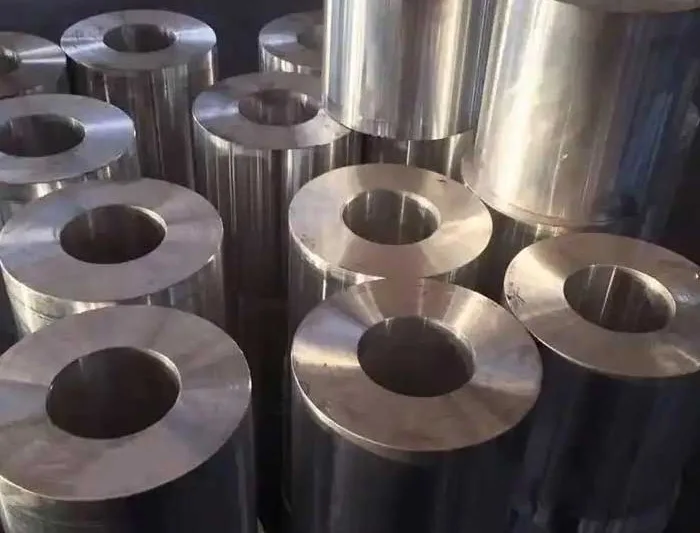
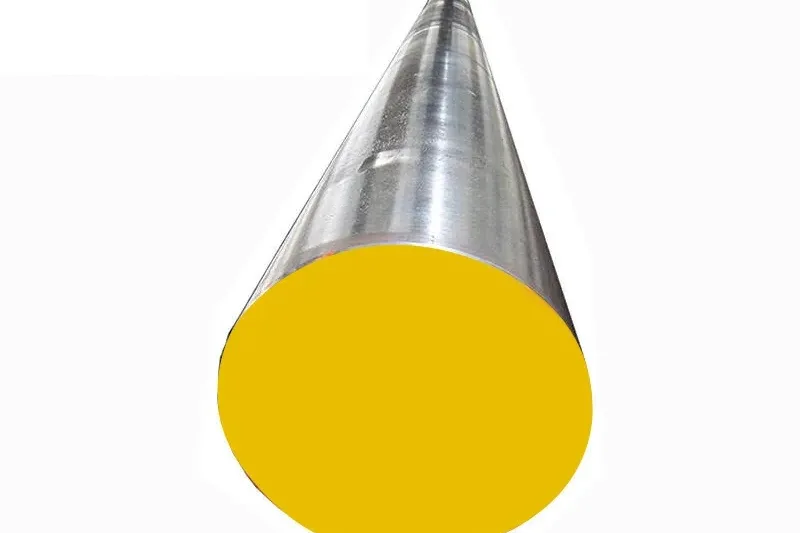
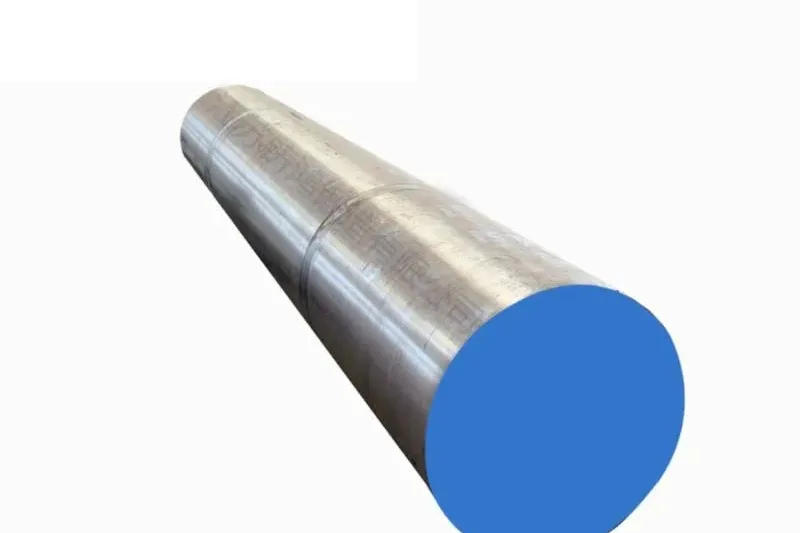
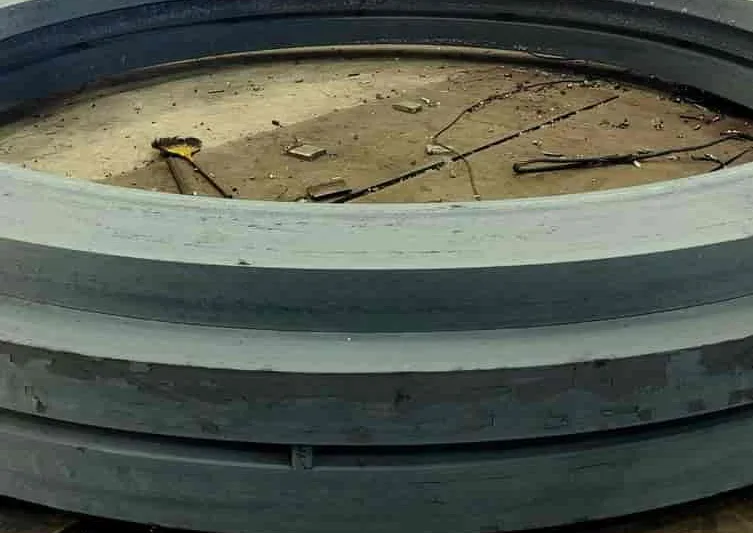
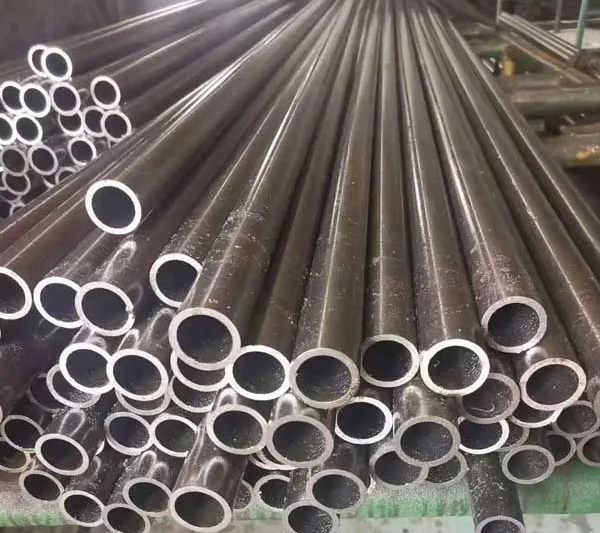
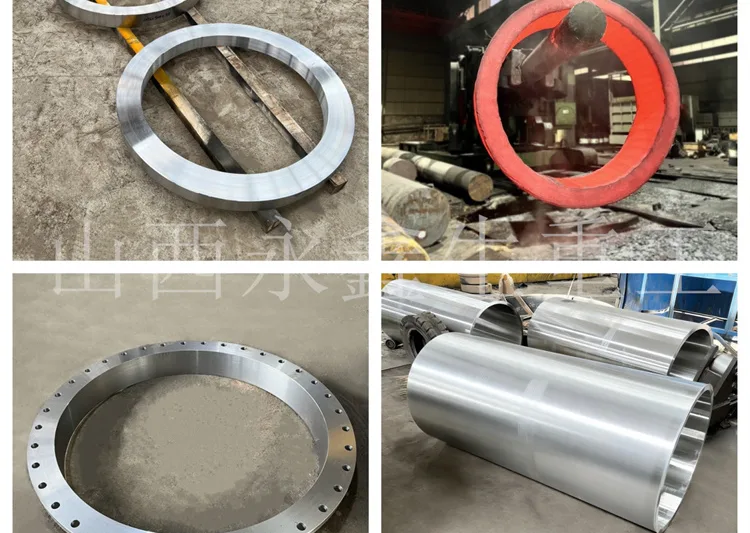
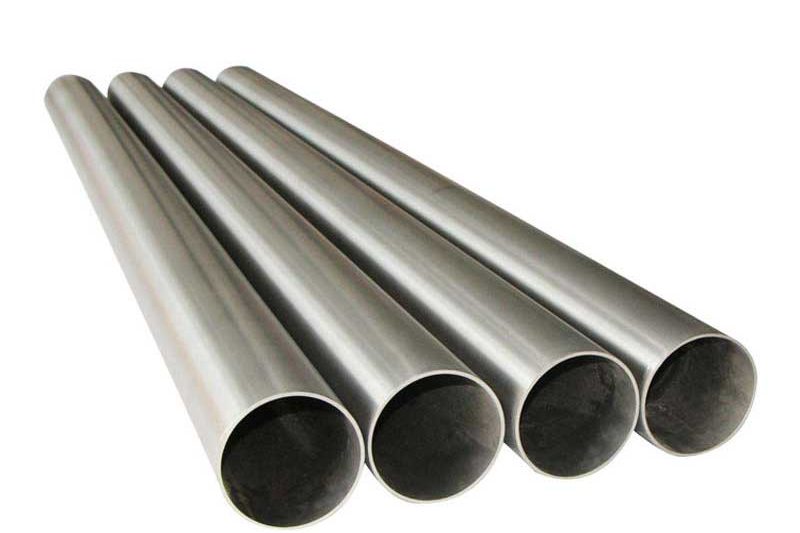
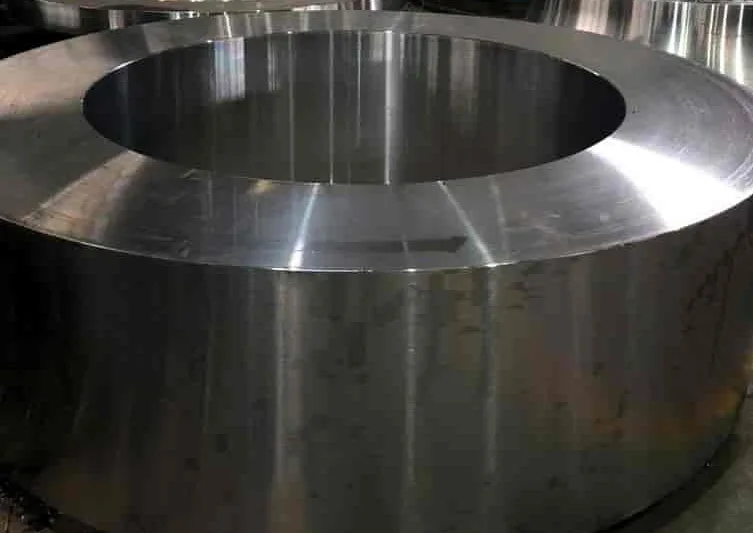
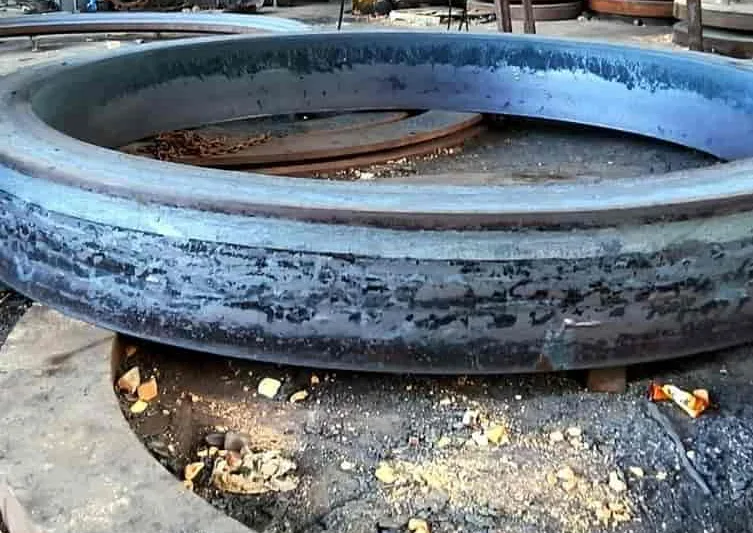
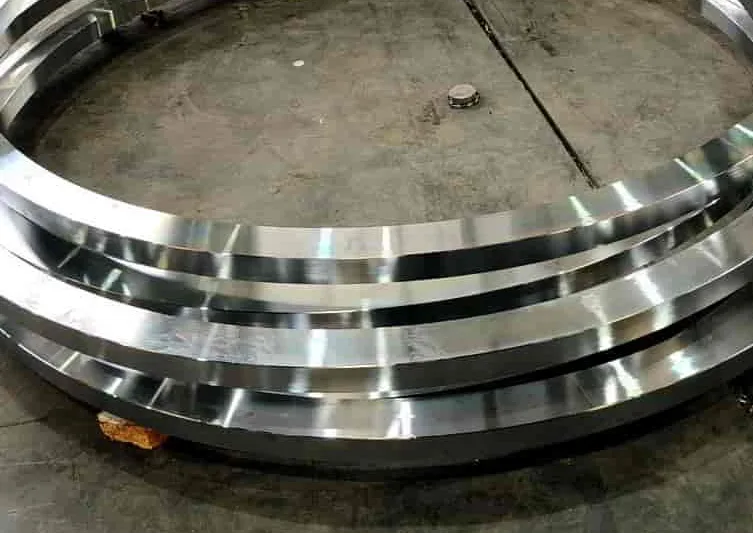
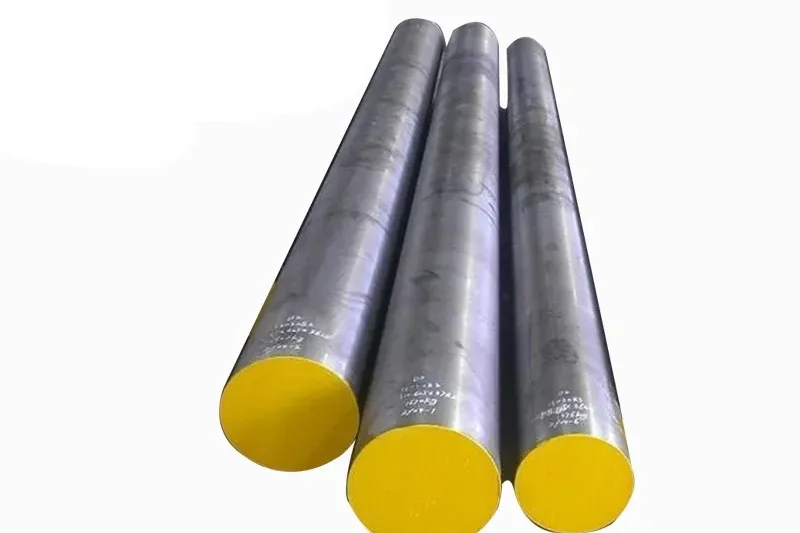
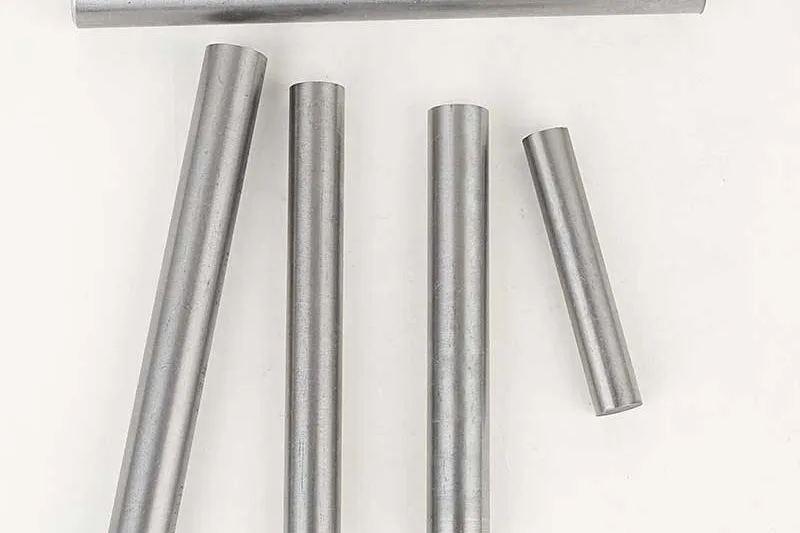
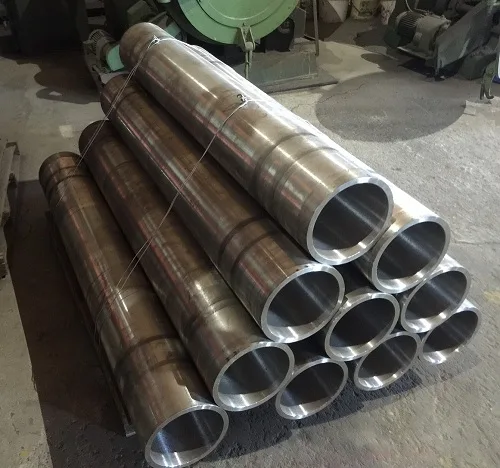
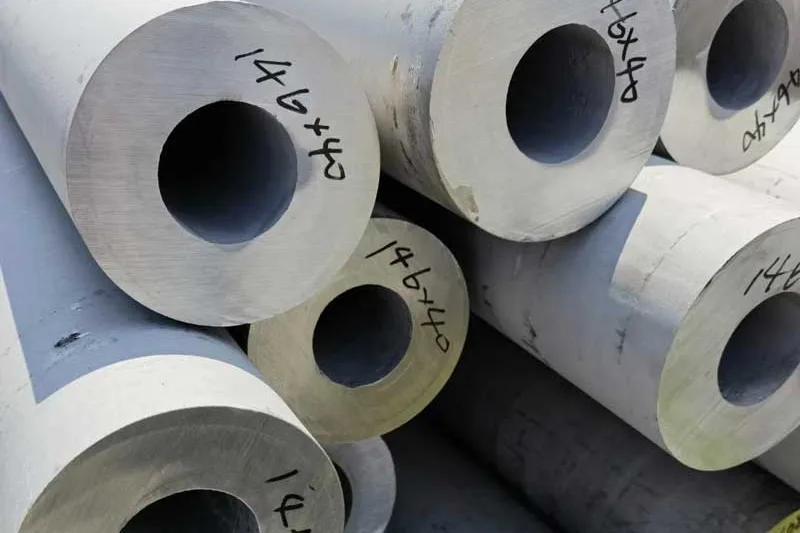
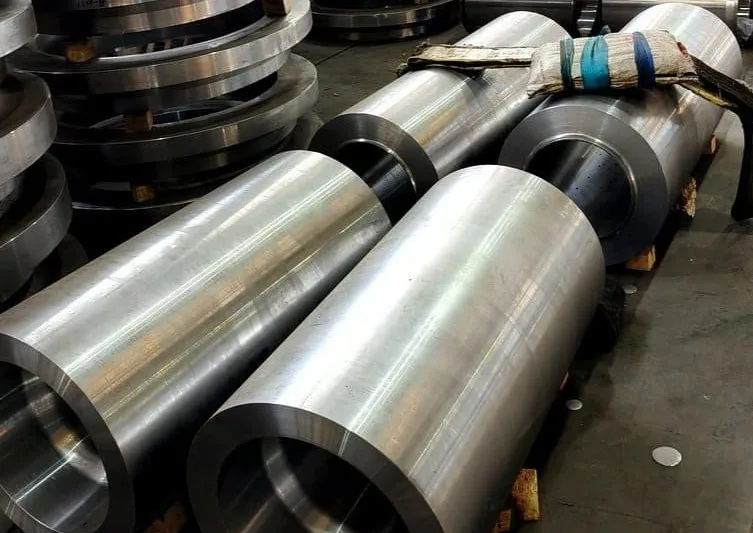
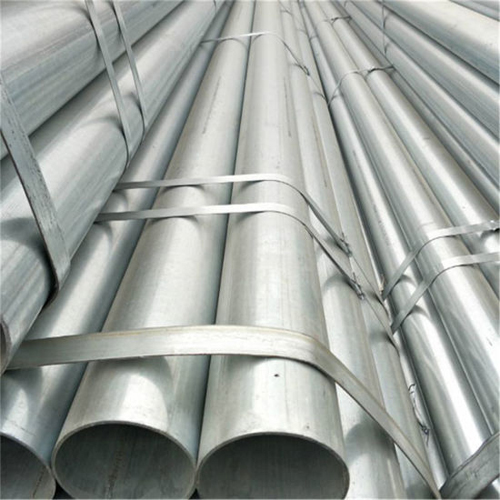
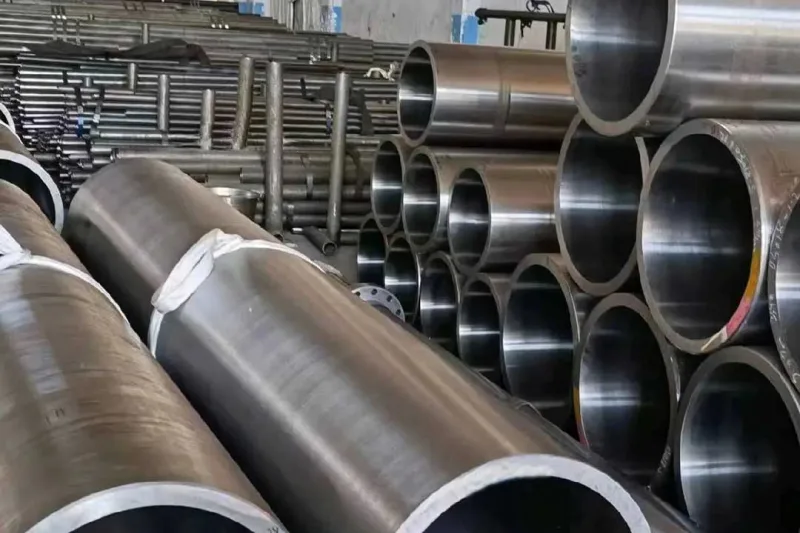
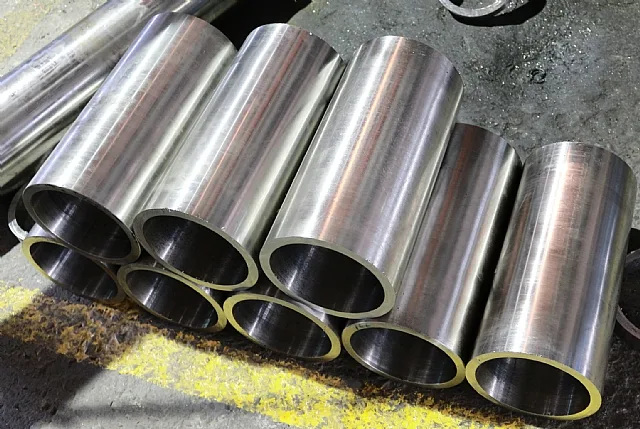
Aluminum forged tubes are hollow aluminum alloy components produced through forging or backward-extrusion processes and then machined to meet specific dimensional and mechanical requirements. Compared with standard extruded tubing, a forged tube can be a suitable choice when a project requires a custom large diameter, thick wall, substantial machining allowance, or a component designed for demanding structural service. The right solution depends on alloy, temper, dimensions, load conditions, corrosion exposure, and applicable specifications.
Common Aluminum Forged Tube Grades
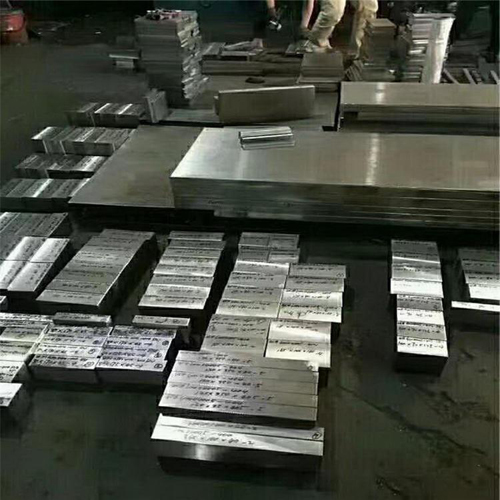
Several wrought aluminum alloys are considered for forged hollow sections. Final availability and properties depend on the forging route, heat treatment, section size, and required inspection.
- 6061 aluminum: A versatile Al-Mg-Si alloy with a useful balance of strength, machinability, and corrosion resistance. It is often considered for industrial machinery parts, structural sleeves, housings, and general engineering components.
- 6082 aluminum: A structural 6xxx-series alloy used where good strength and corrosion resistance are required, including transport equipment, machine structures, and heavy-duty industrial components.
- 2024 aluminum: A high-strength Al-Cu alloy often selected for fatigue-loaded structural parts. Its corrosion resistance is lower than many 6xxx alloys, so the environment, protection method, and specification should be reviewed carefully.
- 2219 aluminum: An Al-Cu alloy used in certain elevated-temperature and aerospace-related applications. It may be considered where the design specification calls for its particular strength and weldability characteristics.
- 7075 aluminum: A high-strength Al-Zn-Mg-Cu alloy used for weight-sensitive, heavily loaded components. Temper selection and stress-corrosion requirements are important, and it is not automatically the best choice for every environment.
Common temper designations may include O, F, T4, T6, T651, or other condition-specific tempers, but not every grade and product form is available in every temper. The purchase specification should state the required alloy, temper, applicable standard, mechanical properties, and certificate requirements.
Dimensions and Custom Manufacturing
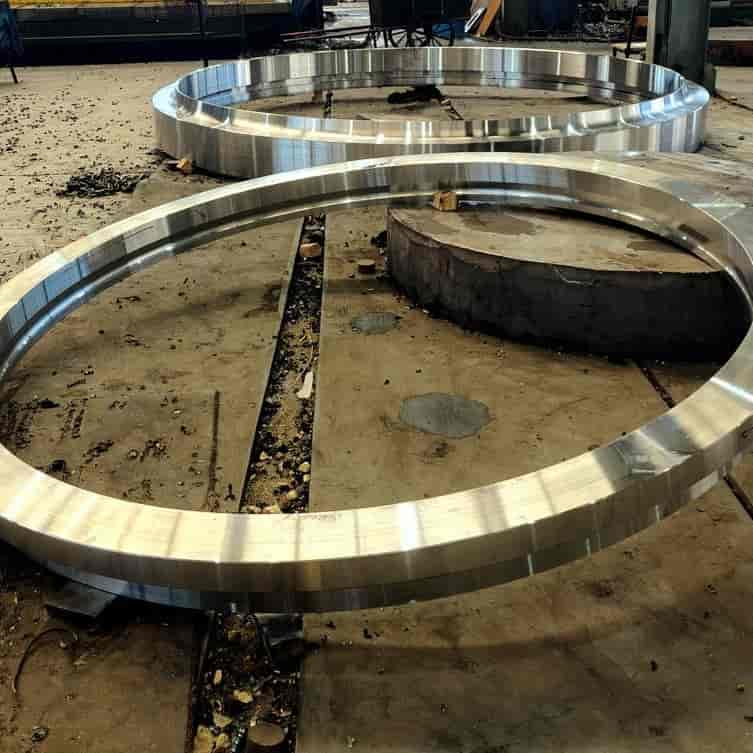
Aluminum forged tubes are commonly specified by outside diameter (OD), inside diameter (ID) or wall thickness, and overall length. Depending on the alloy and manufacturing route, a supplier may be able to produce custom hollow sections from short thick-wall sleeves to larger-diameter forged tubes. As an initial feasibility guide, customers may enquire about outside diameters around 150–830 mm and lengths up to approximately 1,800 mm for certain backward-extruded forged pipe routes; actual limits must be confirmed against the required grade, wall thickness, billet size, equipment, and heat treatment.
Typical order details include:
- Alloy and temper, such as 6061-T6 or a specified 7075 condition
- Outside diameter, inside diameter or wall thickness, and length
- As-forged, rough-machined, or finish-machined condition
- Dimensional tolerances, straightness, concentricity, and surface finish
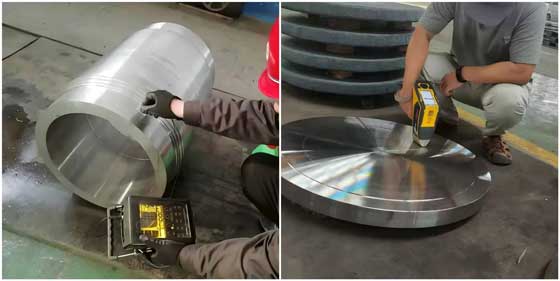
- Heat-treatment records, chemical analysis, mechanical testing, and any agreed non-destructive testing
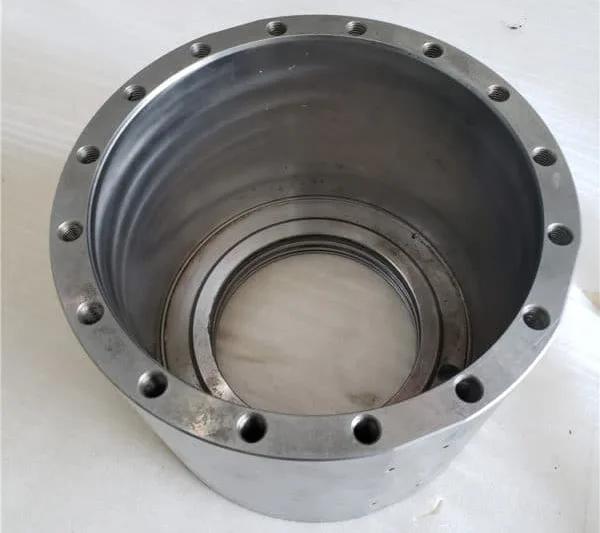
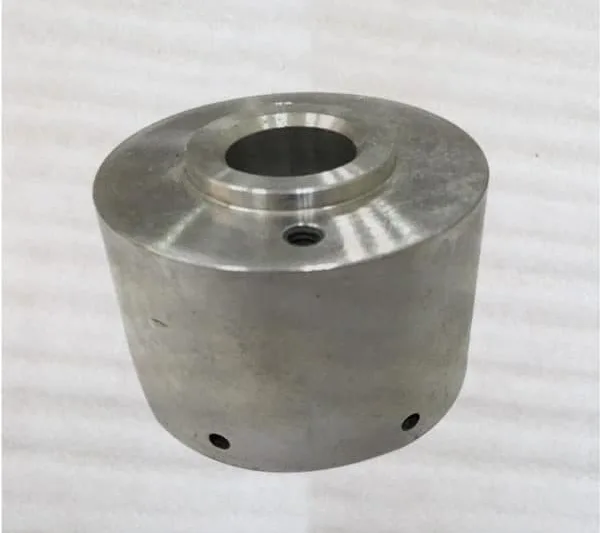
Where a tube will be CNC machined, it is useful to provide a drawing with finished dimensions and tolerances. This allows the manufacturer to assess machining allowance, material utilization, clamping, and the most suitable starting blank.
Applications of Aluminum Forged Tubes
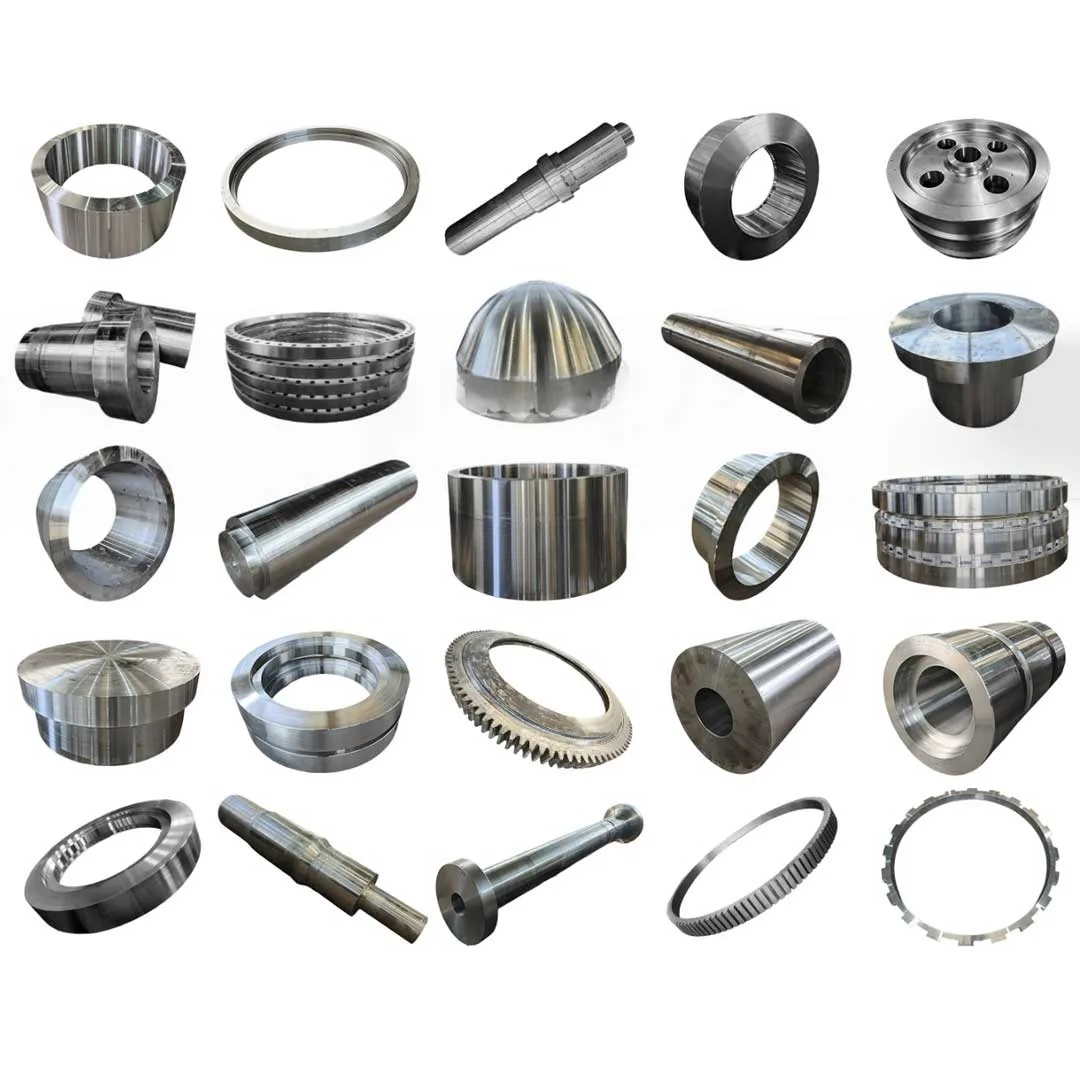
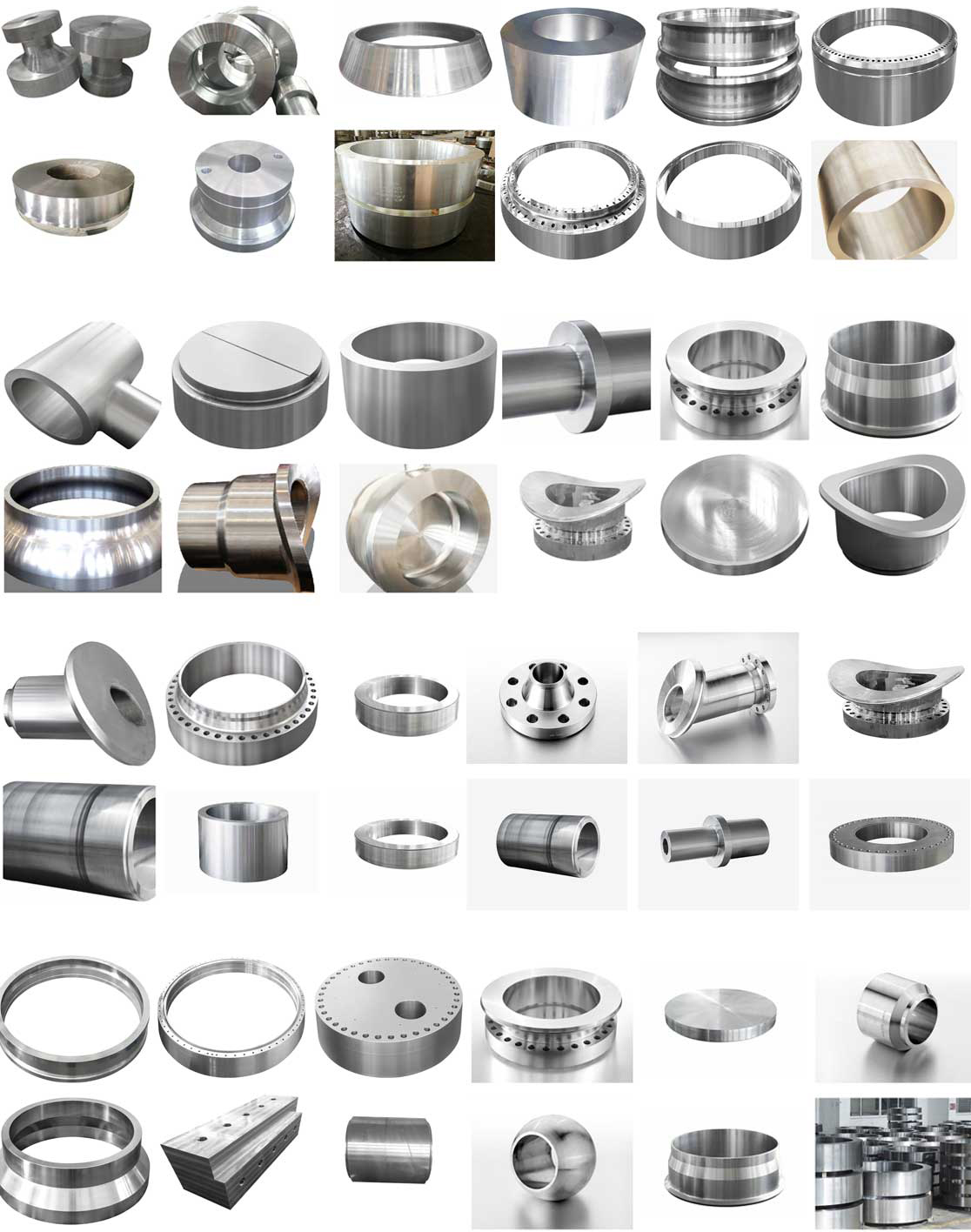
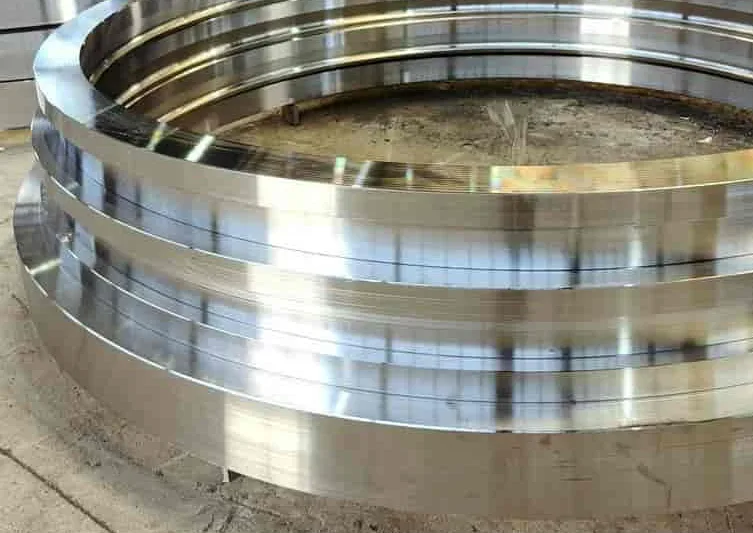
Custom forged aluminum tubes and hollow components may be used in aerospace-related structures, transportation equipment, industrial machinery, energy systems, marine equipment, and specialized process machinery. Typical component types include structural sleeves, large hollow housings, support sections, connecting parts, and machined tubular bodies. The alloy must be selected for the actual design loads, operating temperature, corrosion environment, joining method, and applicable industry requirements rather than by strength alone.
Forging and CNC Machining Options
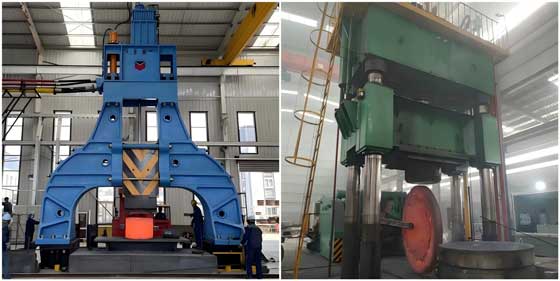
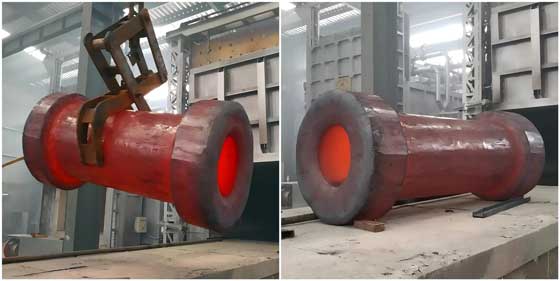
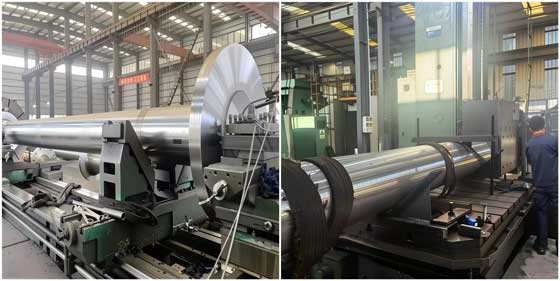
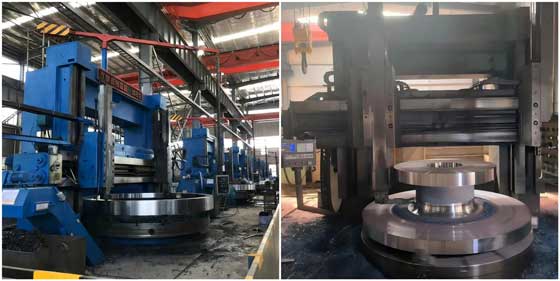
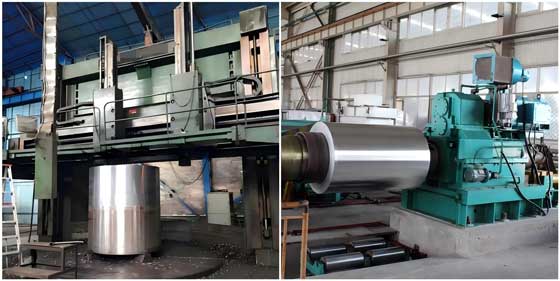
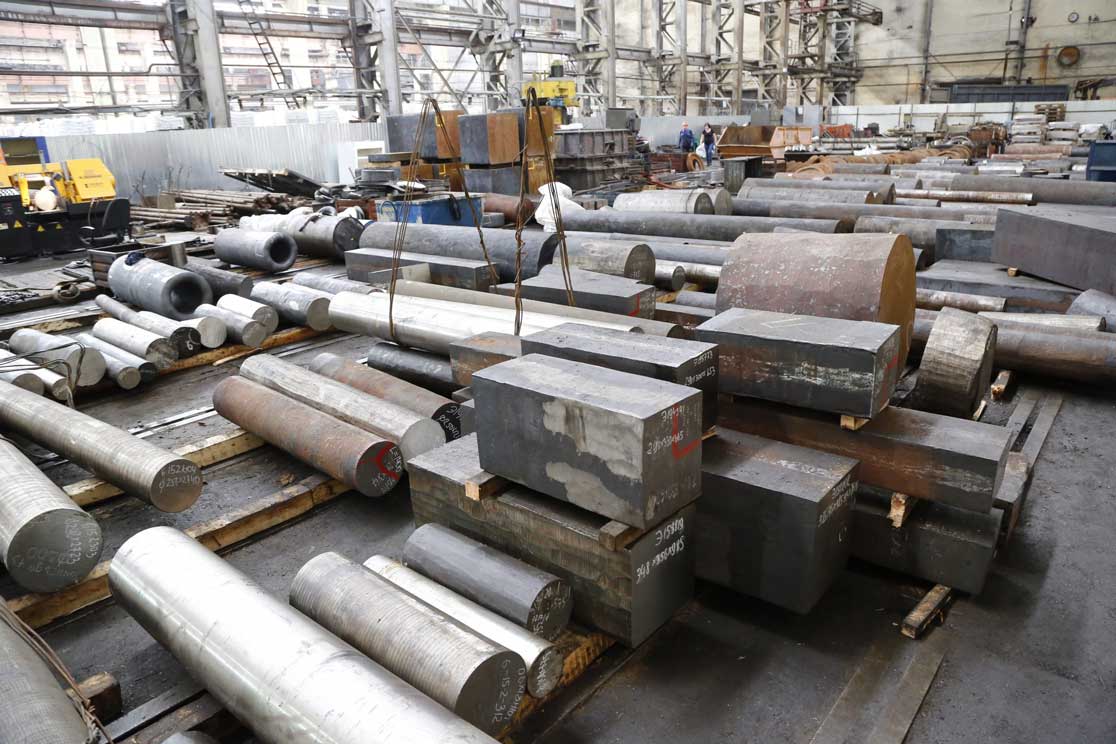
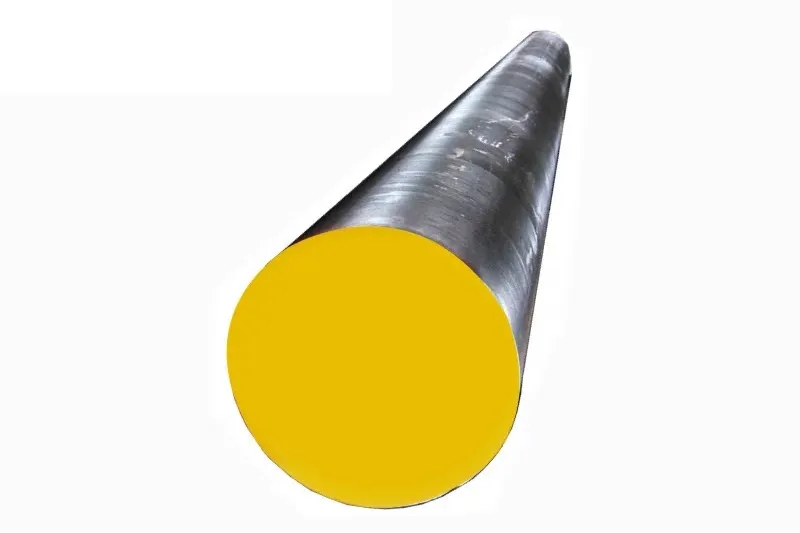
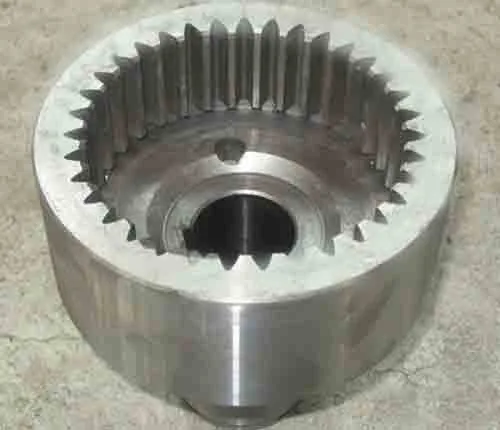
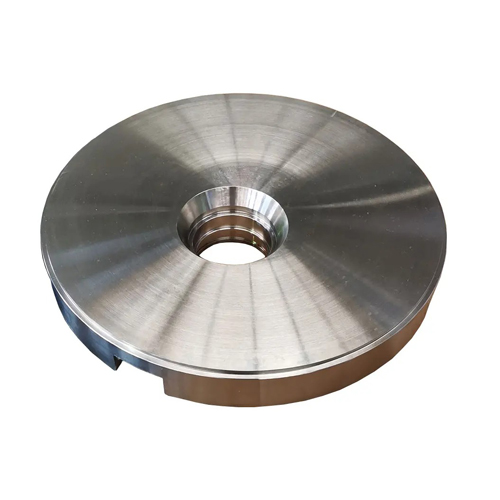
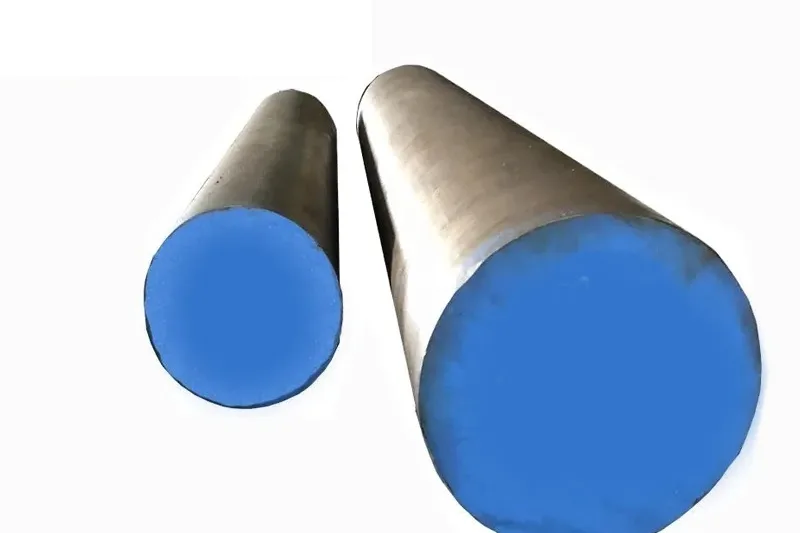
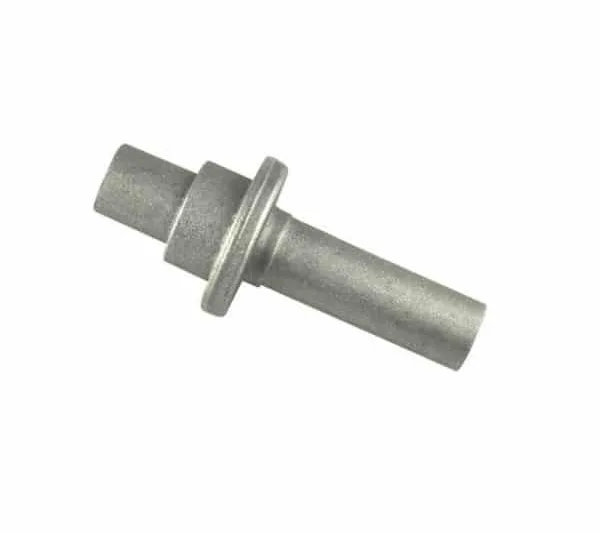
Depending on the drawing, manufacturing may include billet preparation, forging or backward extrusion, heat treatment, rough machining, finish CNC turning or boring, and dimensional inspection. Forging can be useful for producing a tailored hollow blank, while machining brings the bore, end faces, grooves, shoulders, and fit surfaces to drawing requirements. Inspection plans and material traceability should be agreed before production, especially for safety-critical or regulated applications.
How to Request a Quote
For an accurate quotation for an Aluminum Forged Tube, send the alloy and temper, OD × ID or wall thickness, length, quantity, drawing, tolerance requirements, inspection documents, and delivery terms. If the exact grade or manufacturing route is not fixed, share the operating conditions and required properties so the supplier can review feasible options. Shanghai Changjin Metal Product Co., Ltd. supports enquiries for custom forged aluminum products and CNC-machined metal components based on customer drawings.
Contact us with your drawing and target specifications to review a custom aluminum forged tube solution.