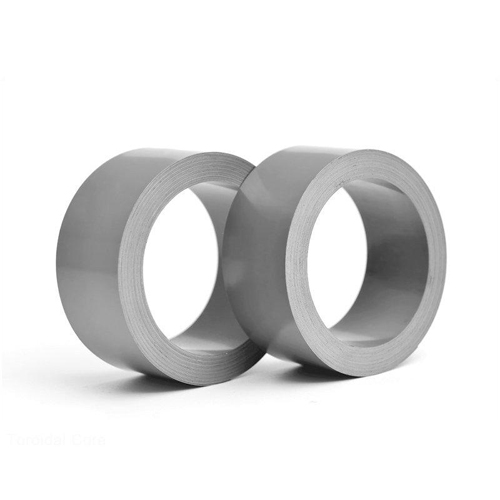
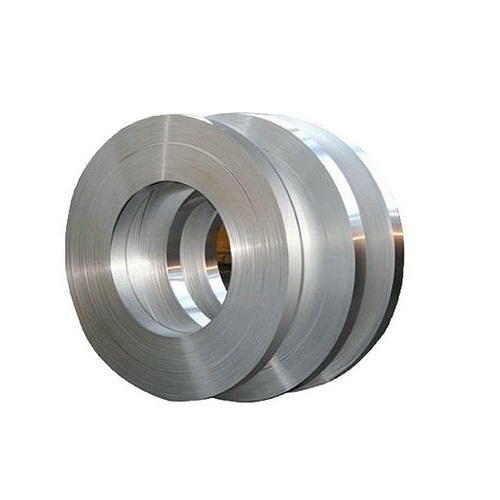
304 Stainless Steel Seamless Rolled Rings: General-Purpose Industrial Ring Selection
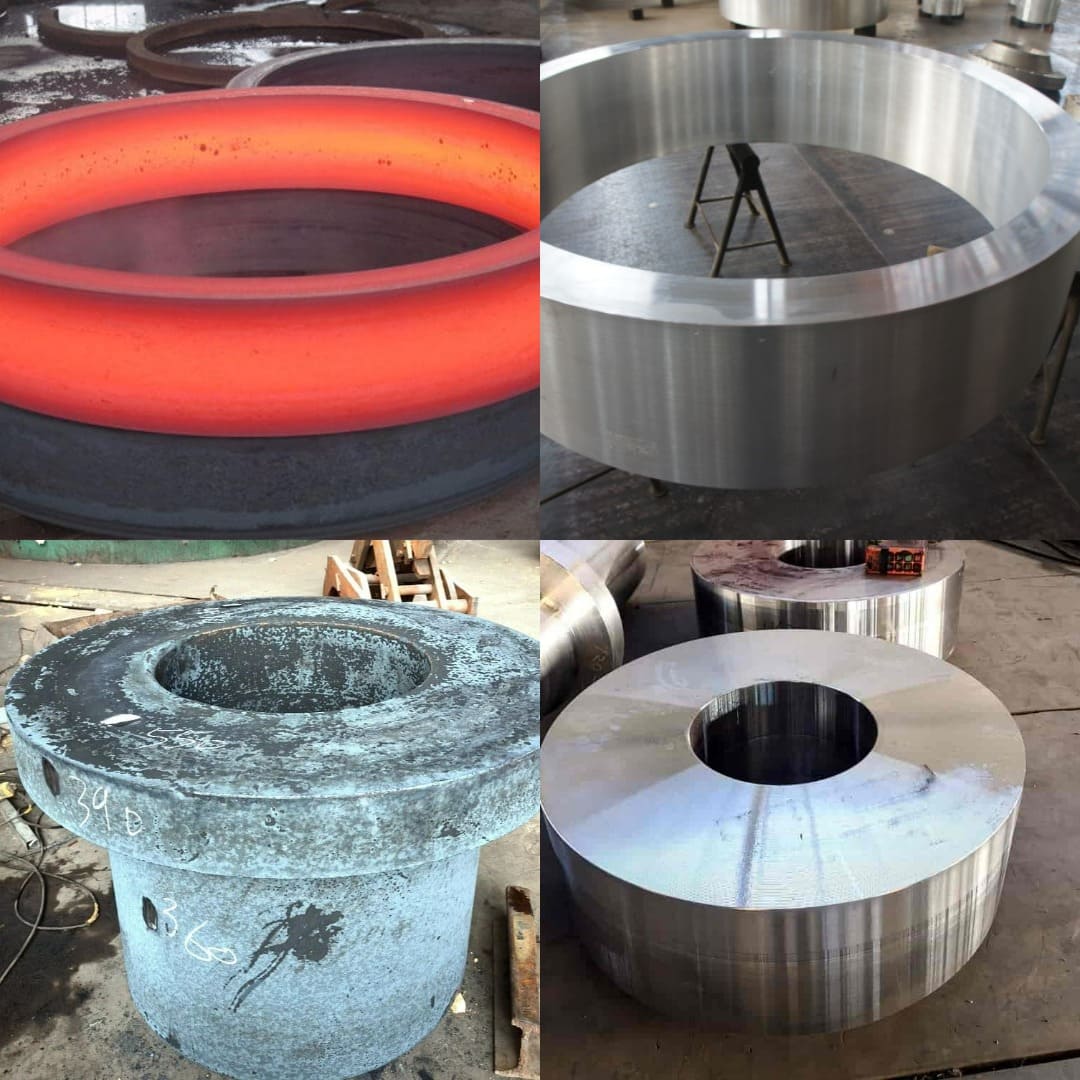
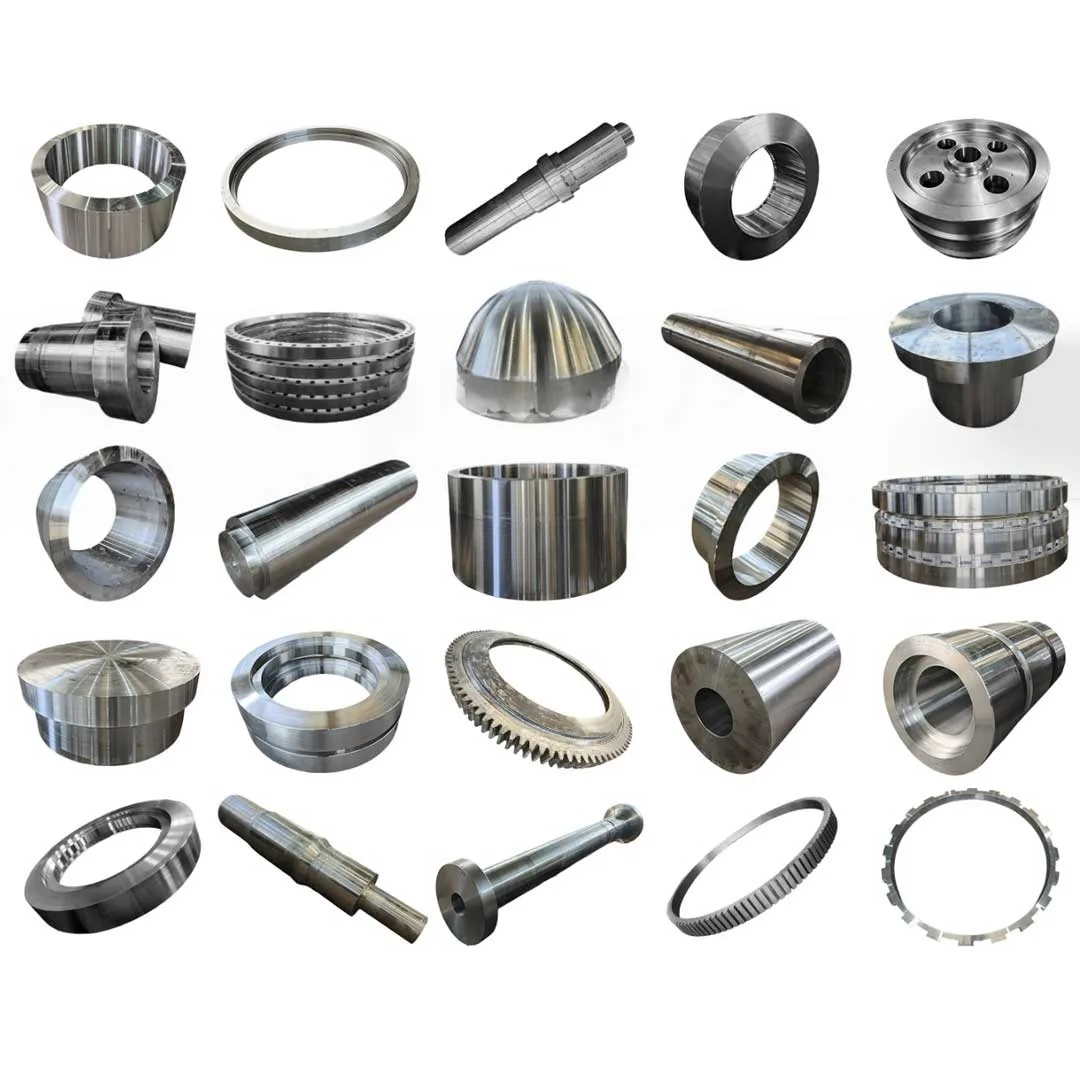
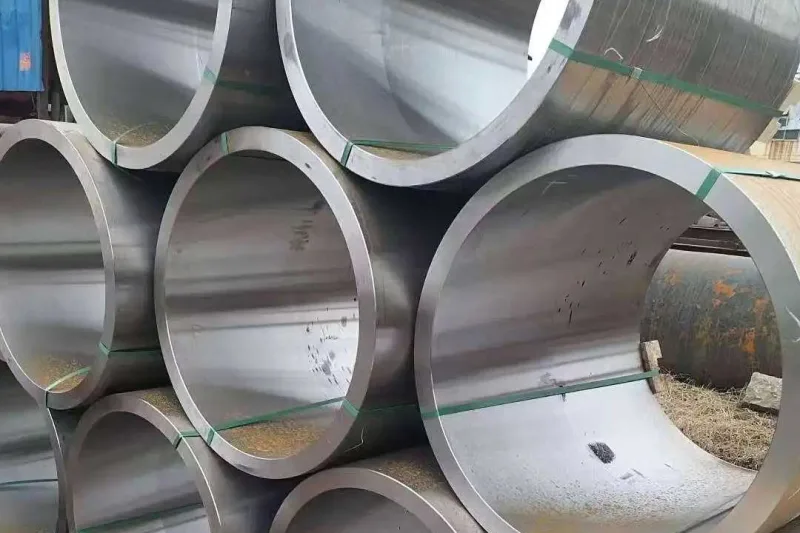
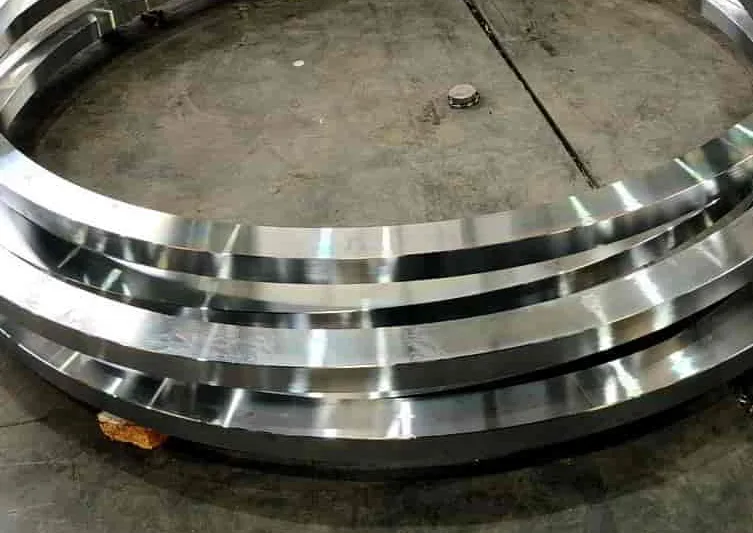
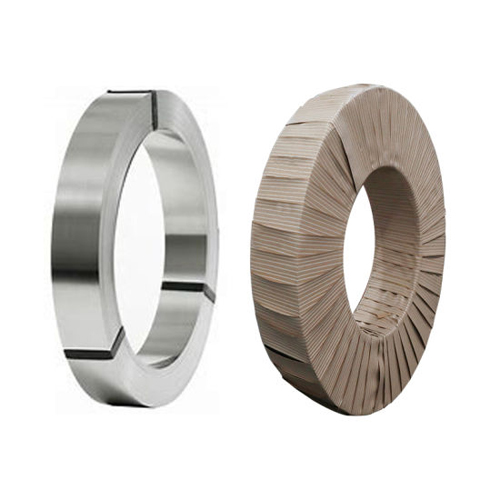
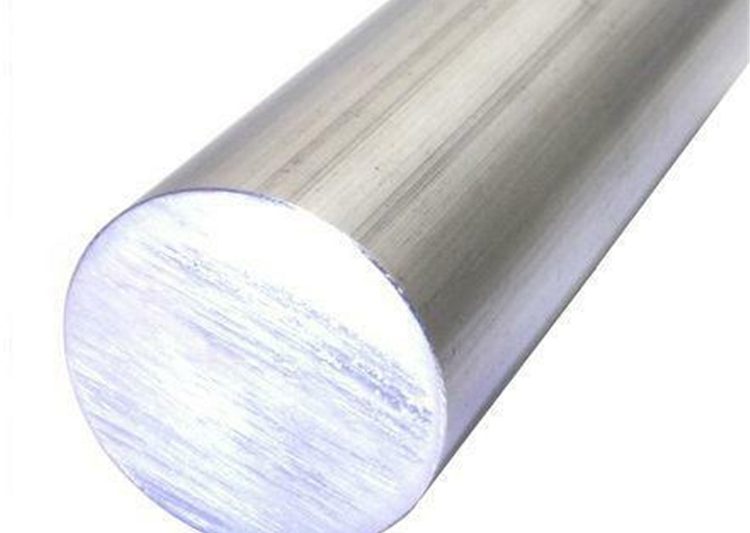
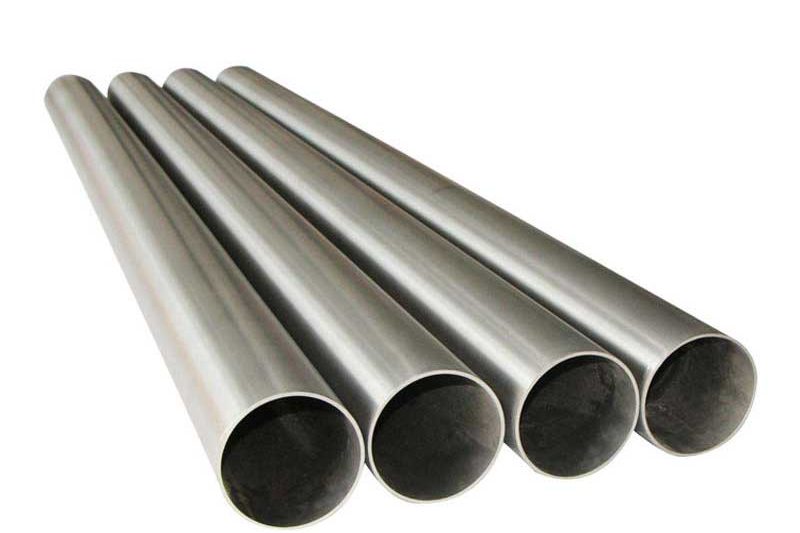
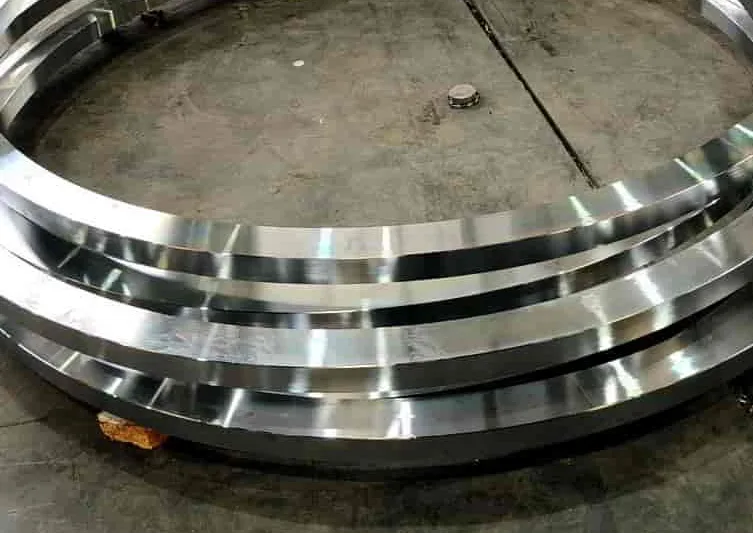
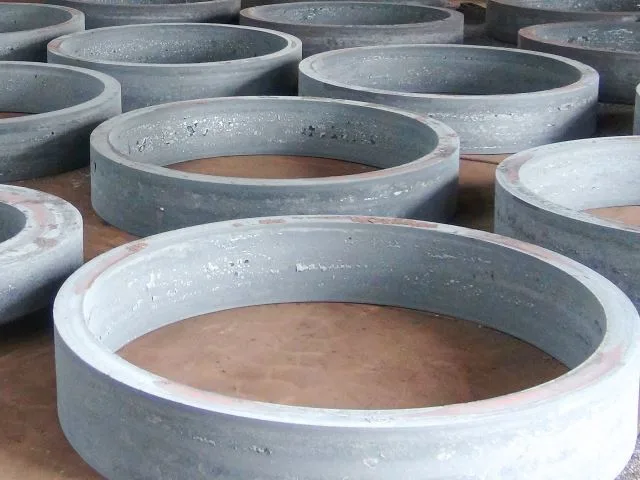
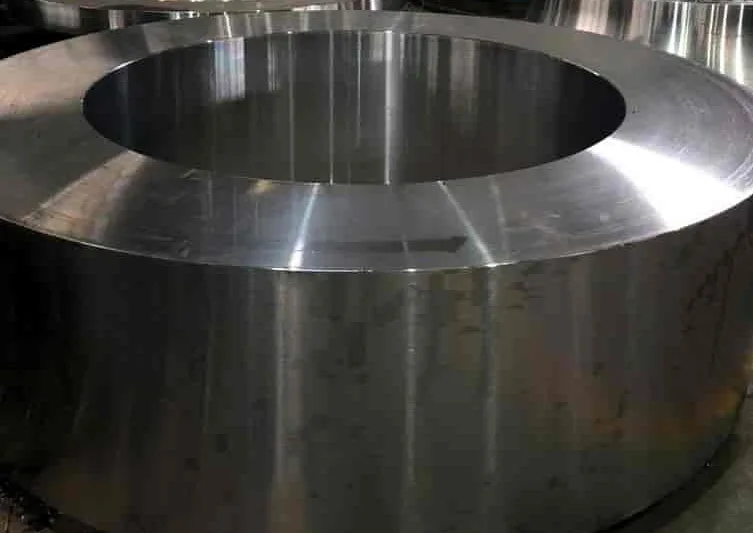
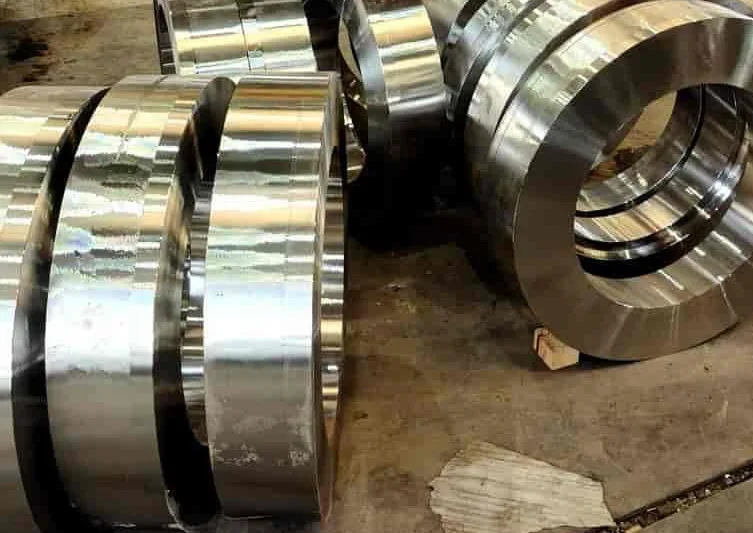
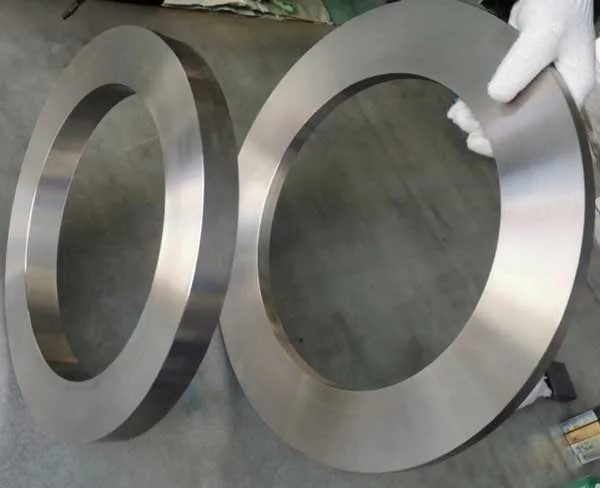
304 stainless steel seamless rolled rings are used in a broad range of industrial assemblies where general corrosion resistance, formability and availability are important. Buyers may specify this grade for flanges, equipment frames, mechanical housings and fabricated assemblies. Its wide use should not obscure its limits: chloride exposure, crevices and elevated temperatures can make a different stainless grade more appropriate.
Where 304 rings fit
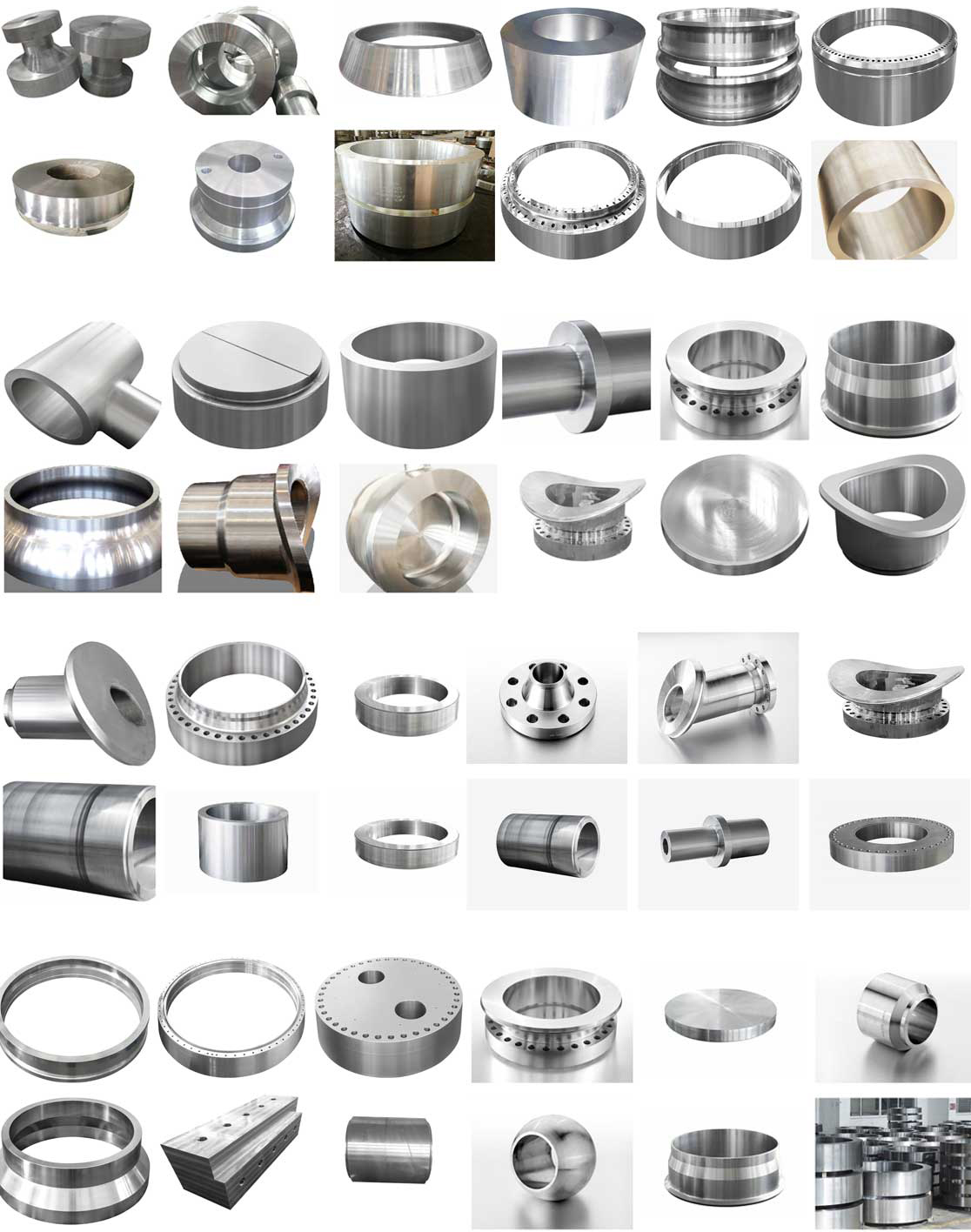
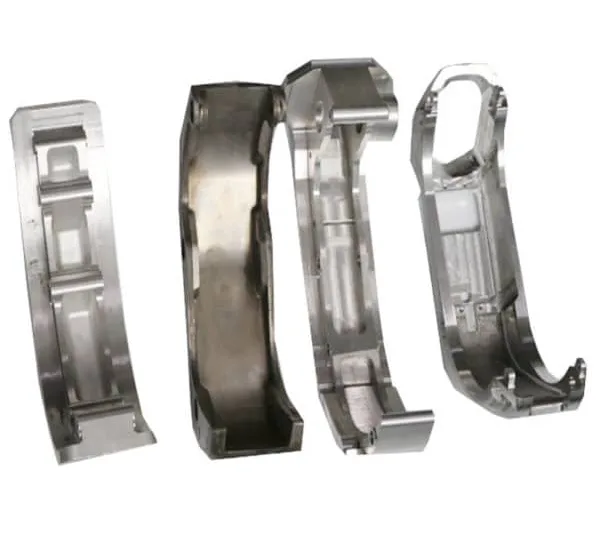
Typical applications include food-processing machinery, general chemical equipment, architectural hardware, pump and valve assemblies and non-specialized piping components. For environments involving seawater, concentrated chlorides or aggressive cleaning chemicals, evaluate 316L or duplex alternatives with the project engineer.
How ring rolling affects the component
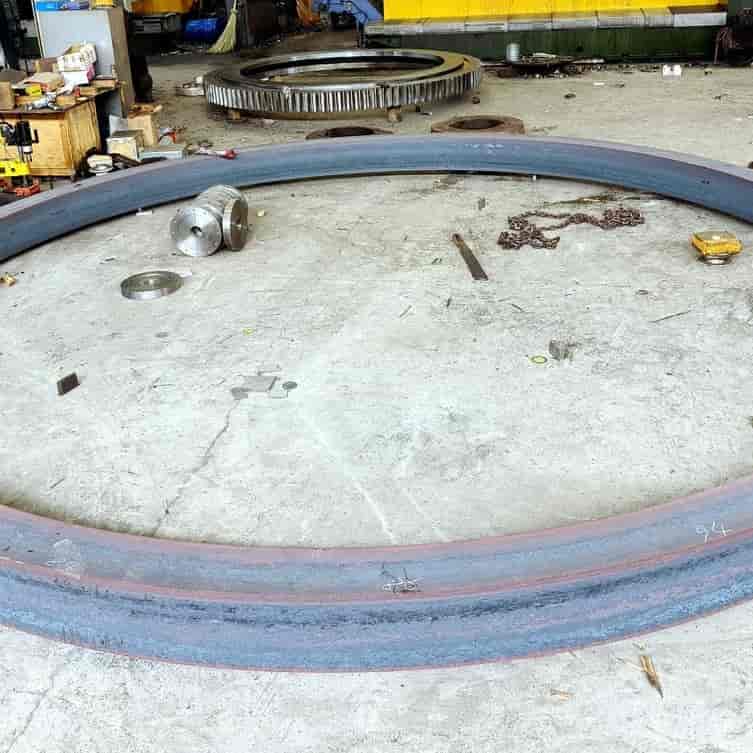
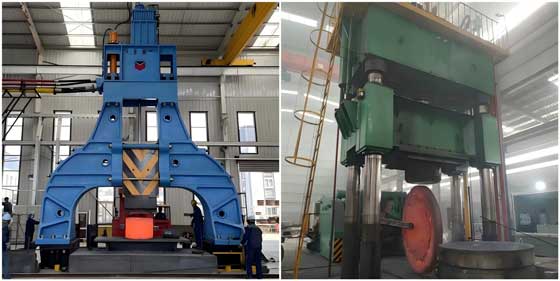
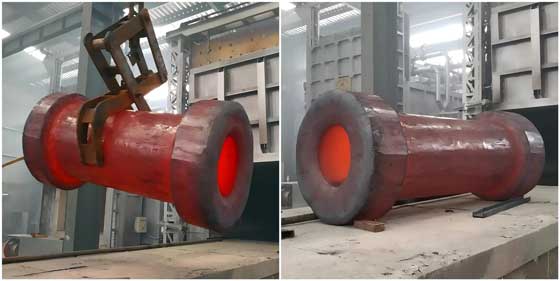
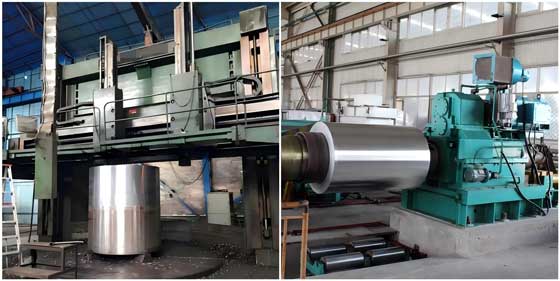
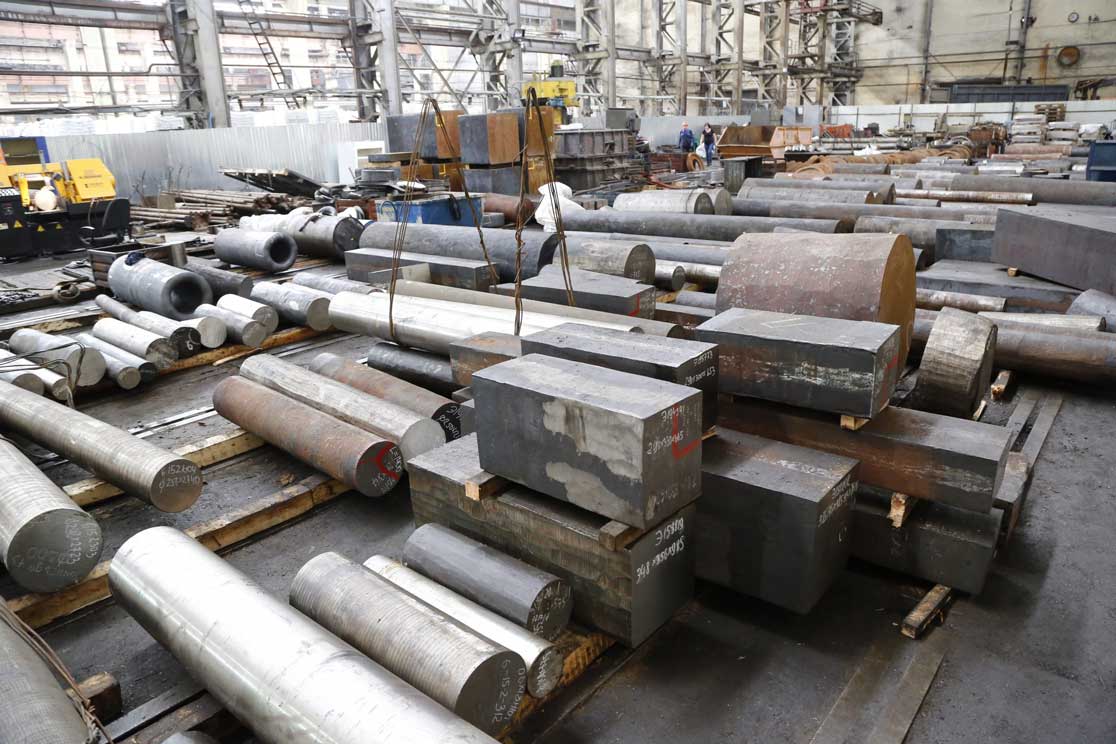
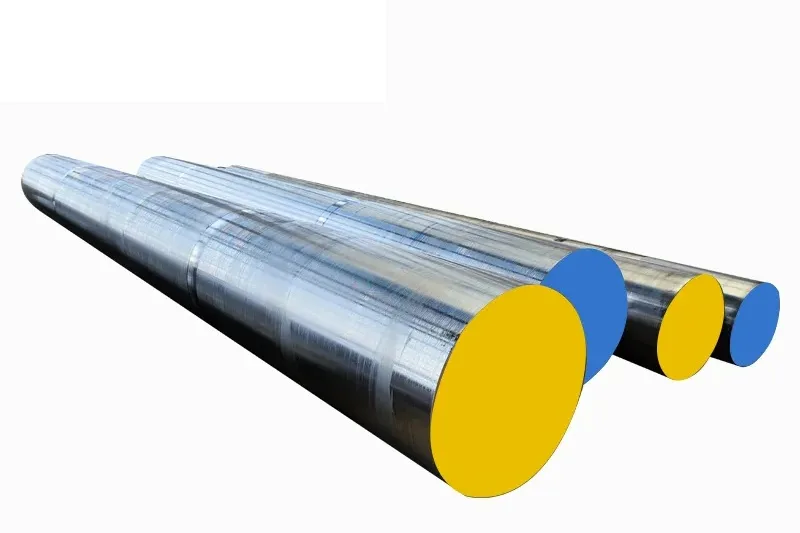
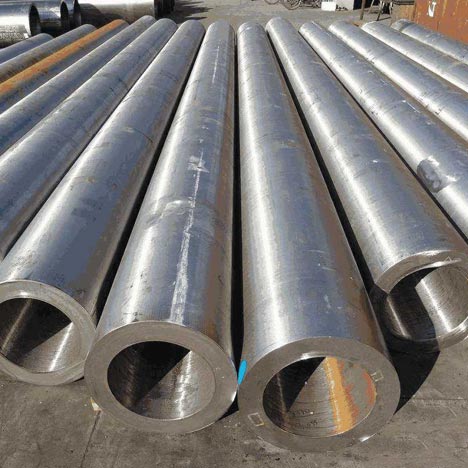
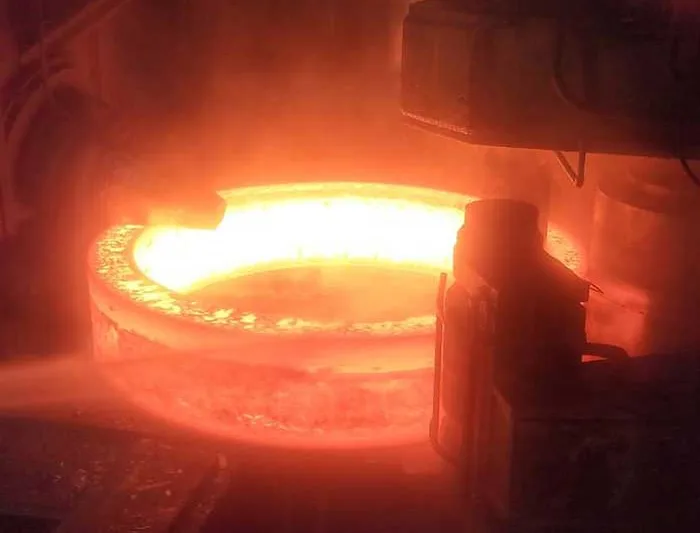
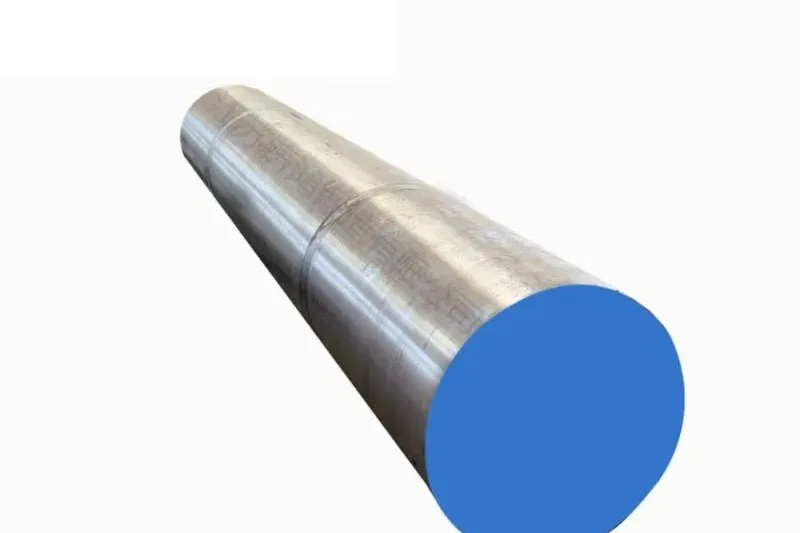
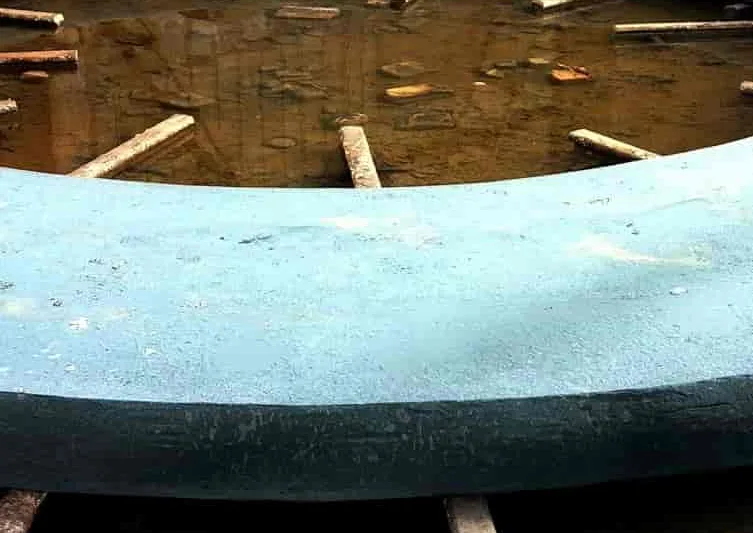
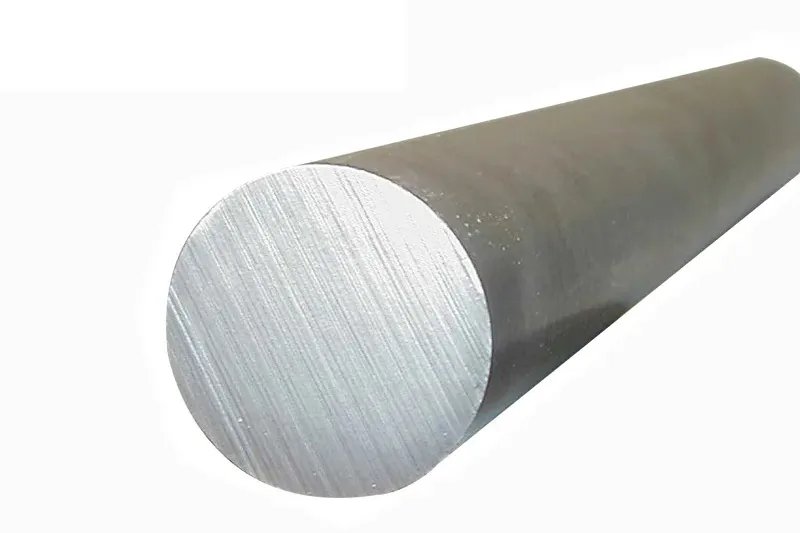
Seamless ring rolling expands a preform into an annular shape while controlling the cross-section. The route can be attractive for large-diameter rings because it produces a continuous ring form and may reduce machining waste compared with cutting an annulus from a thick plate or solid block. The achievable geometry depends on equipment and the specified dimensions.
Surface condition and machining
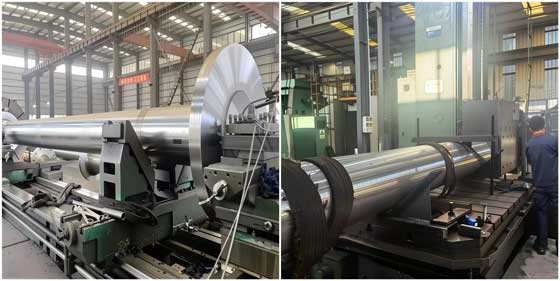
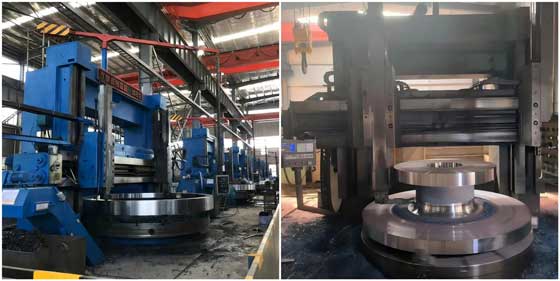
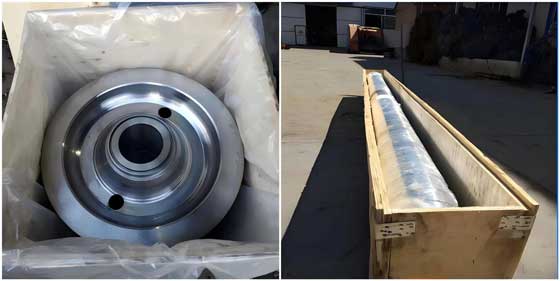
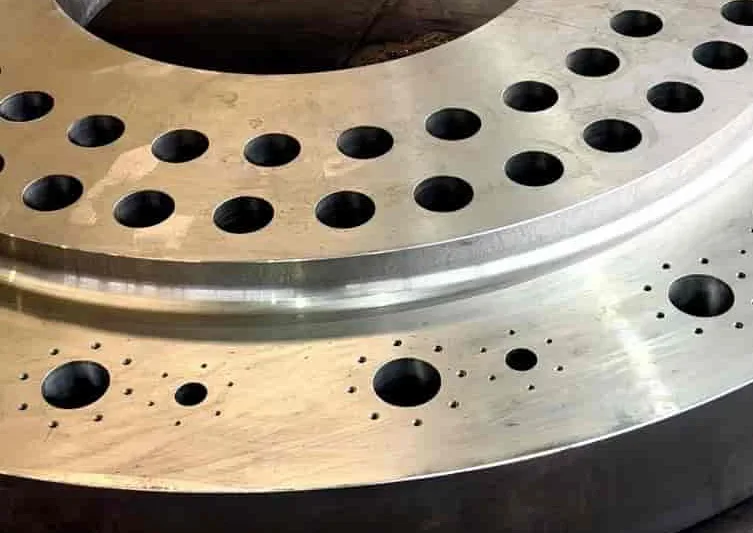
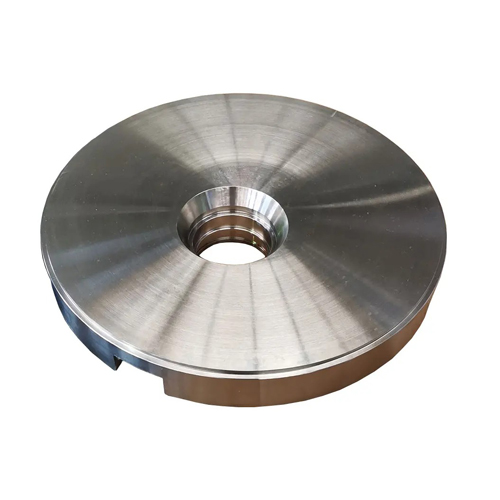
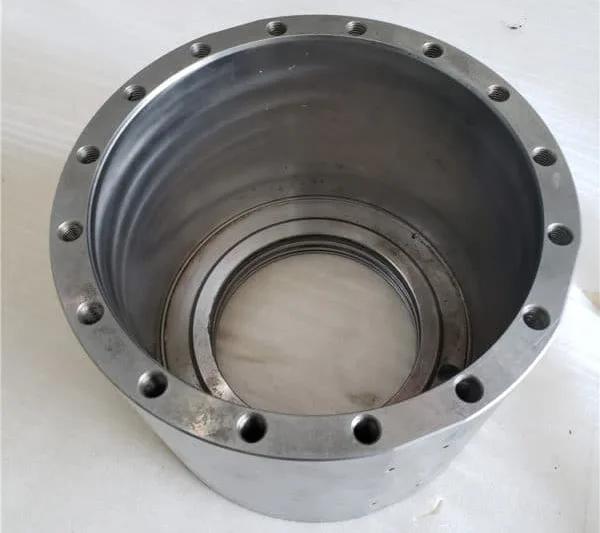
Tell the supplier whether the ring is required as-rolled, heat-treated, pickled, blasted or machined. For a flange, state gasket-face finish, flatness and bolt-circle details. For a bearing or rotating assembly, define concentricity, runout and fit tolerances. Stainless surfaces should be protected from embedded carbon-steel contamination during handling and machining.
Ordering information
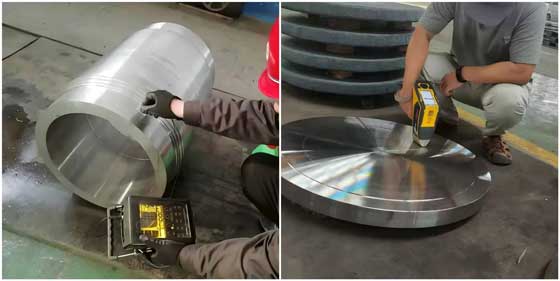
Include the material standard, OD, ID, height, quantity, condition, machining scope and inspection documents. Chemical analysis, mechanical tests, PMI and NDT should be specified according to actual service and purchaser requirements. A drawing and clear finish definition help avoid a mismatch between a rolled blank and a finished component.