Duplex 2205 Forged Rings: Corrosion Resistance and Phase-Balance Control
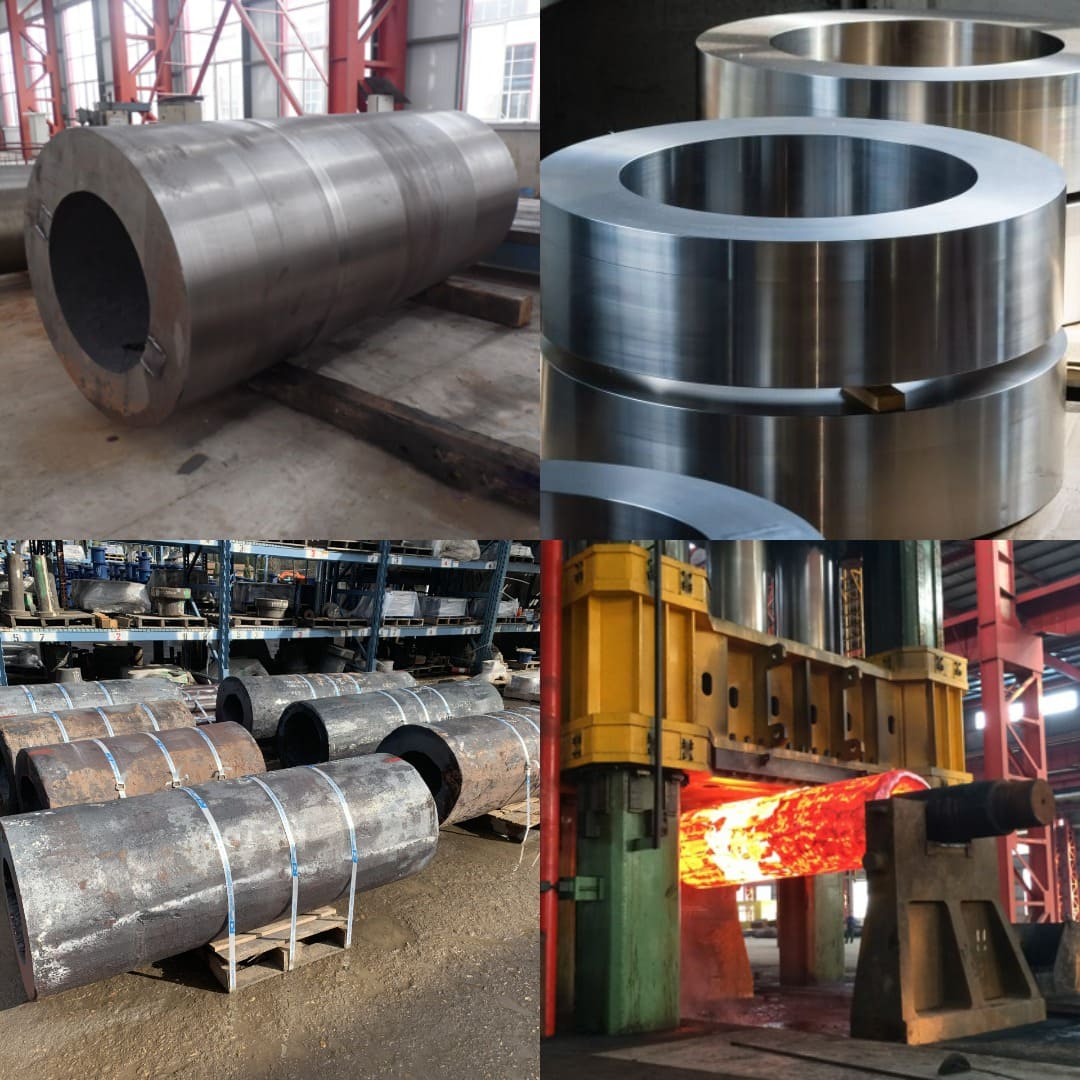
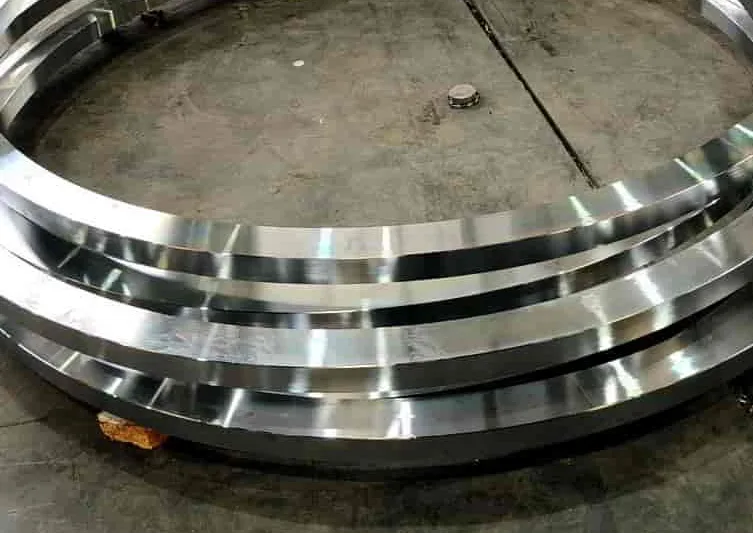
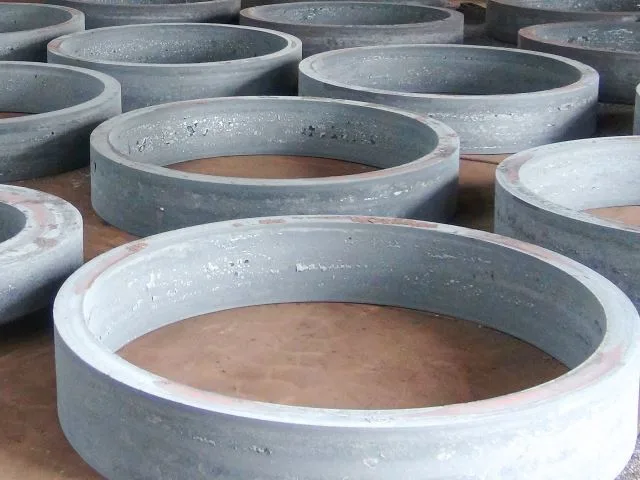
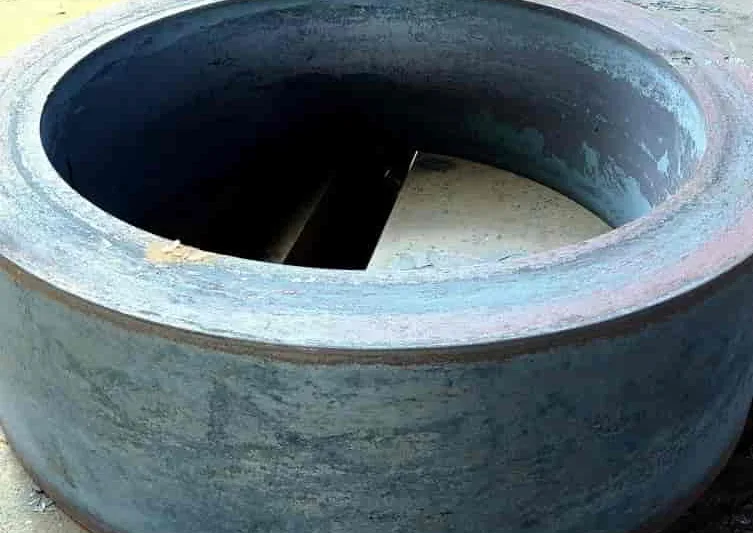
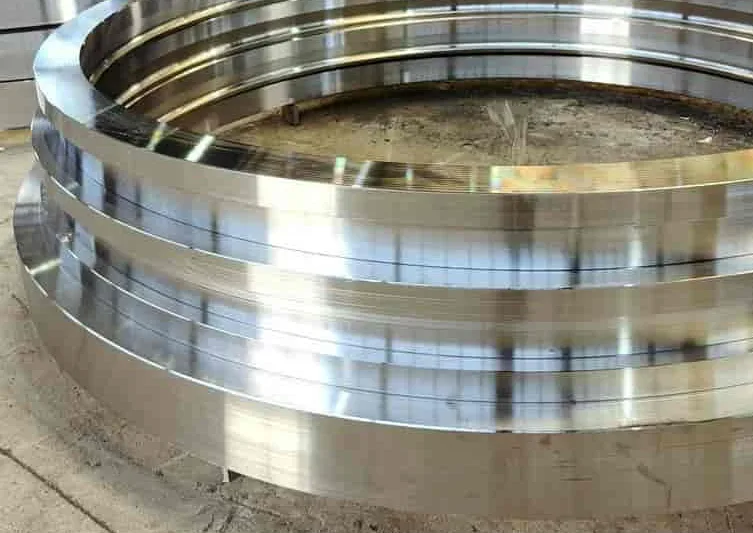
Duplex 2205 combines austenitic and ferritic phases to provide a different property balance from conventional 300-series stainless steels. Buyers specify it for ring components exposed to chloride-bearing process environments where strength and corrosion resistance are both important. The quality of a duplex forging cannot be judged from chemistry alone: thermal history and the resulting microstructure are central to performance.
Applications and selection limits
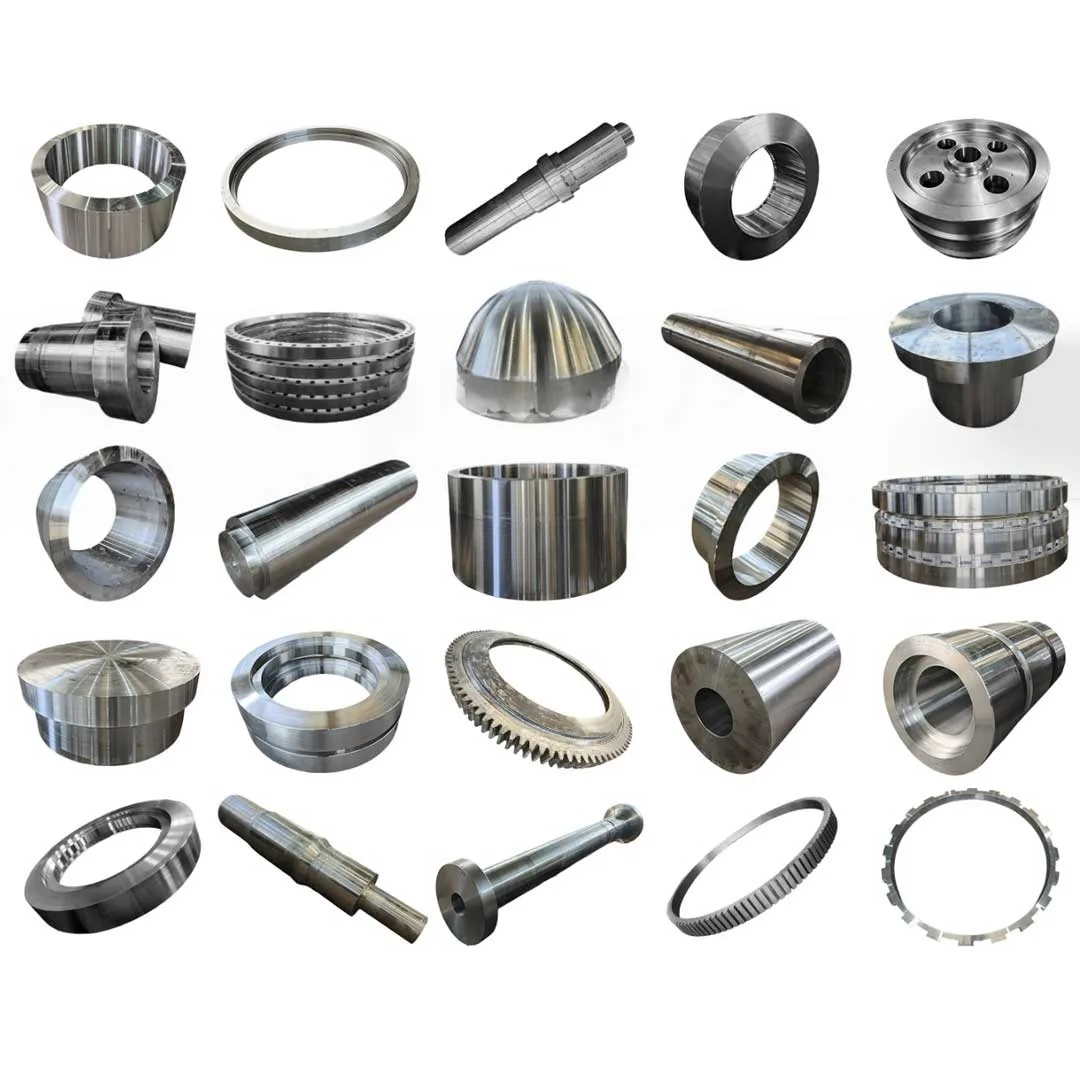
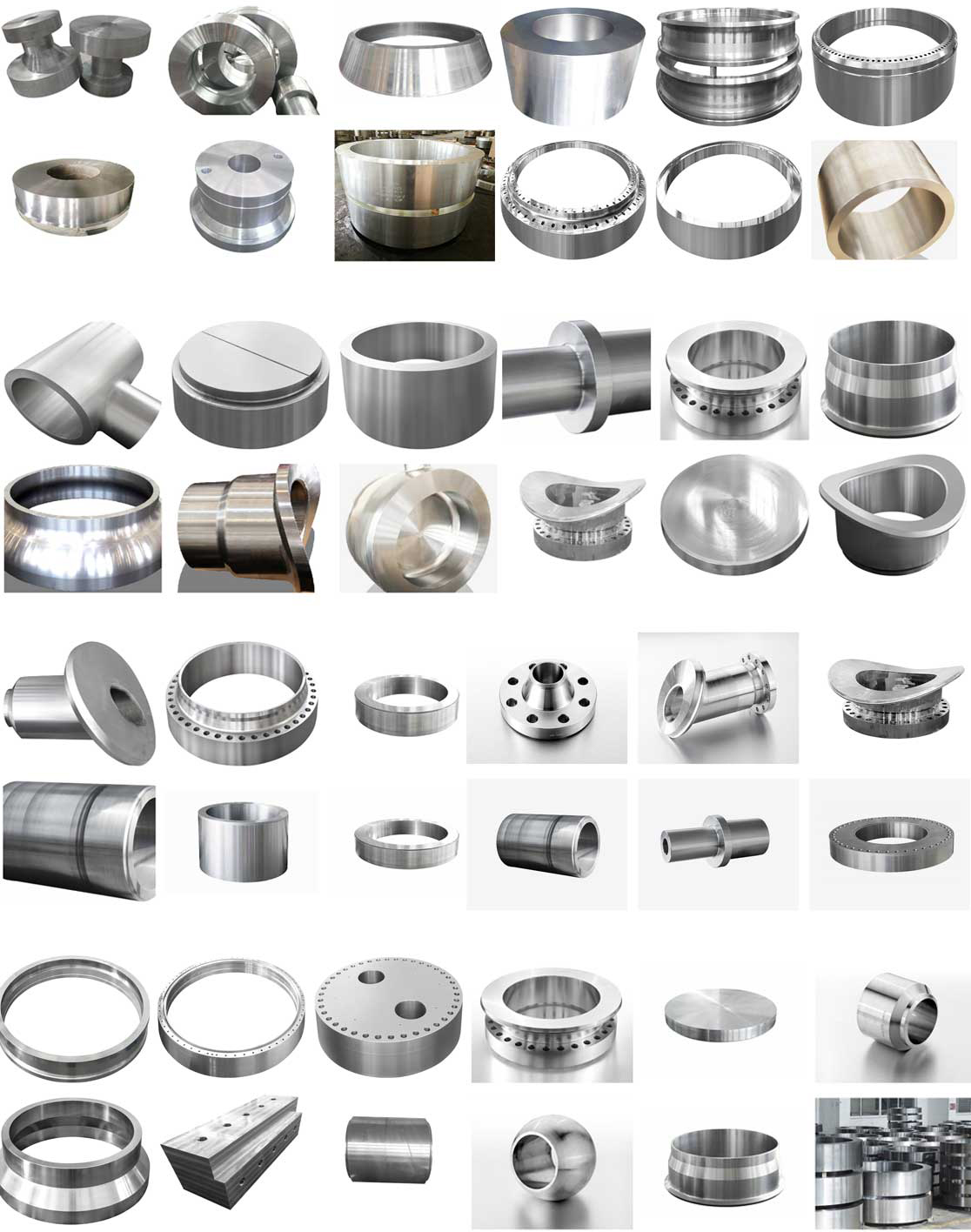
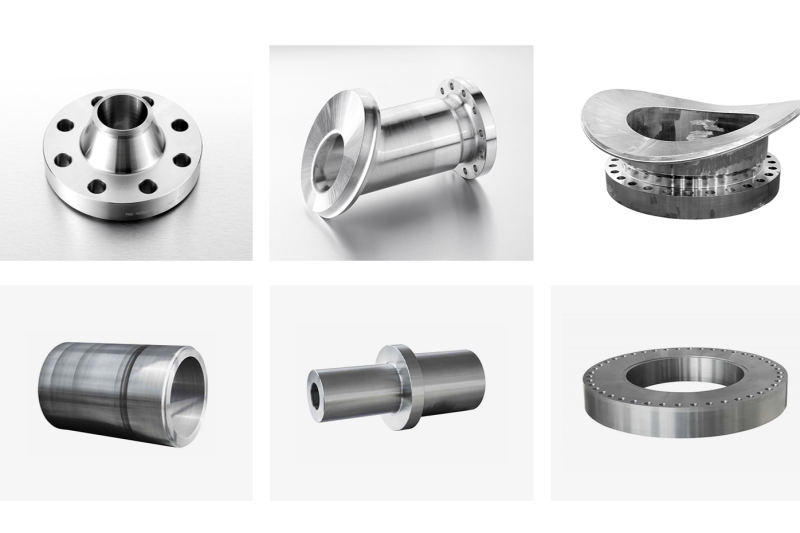
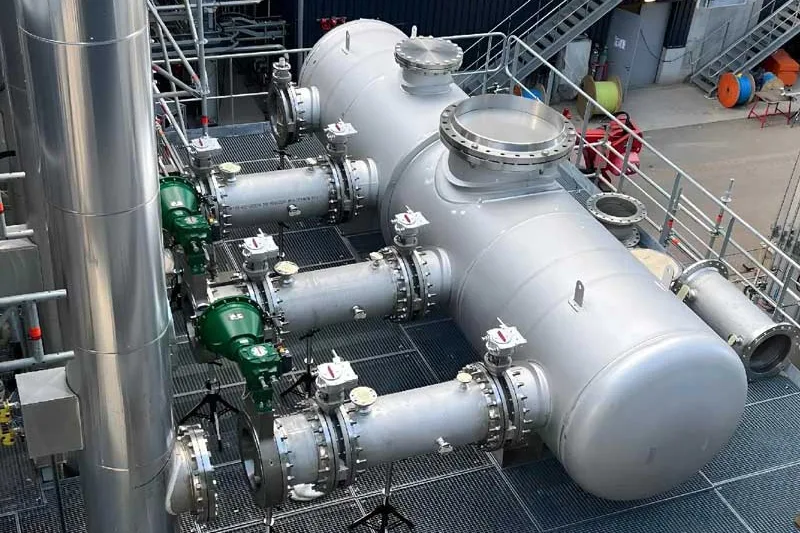
2205 rings are used in offshore and marine equipment, chemical processing, pressure systems, pumps, valves and piping components. The grade can resist many forms of corrosion better than 304L or 316L in suitable conditions, but it is not interchangeable with super duplex 2507. Temperature limits, chloride level, pH, stress-corrosion risk and design code requirements should be checked for each service.
Why process control matters
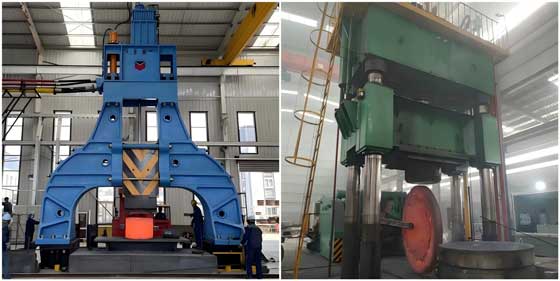
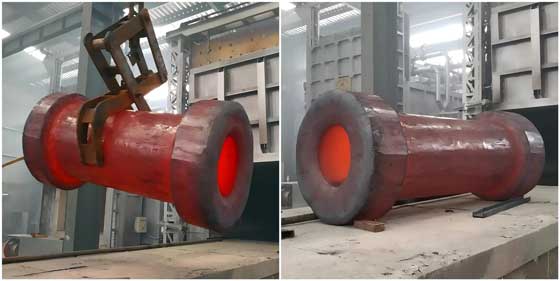
Forging temperature range, deformation and cooling practice influence phase balance and properties. Solution annealing and rapid cooling are normally controlled according to the applicable specification. Excessive exposure in an unsuitable temperature range can lead to unwanted phases and reduce corrosion resistance or toughness. The purchase order should identify the standard and any supplementary microstructure or corrosion tests.
Machining a duplex ring
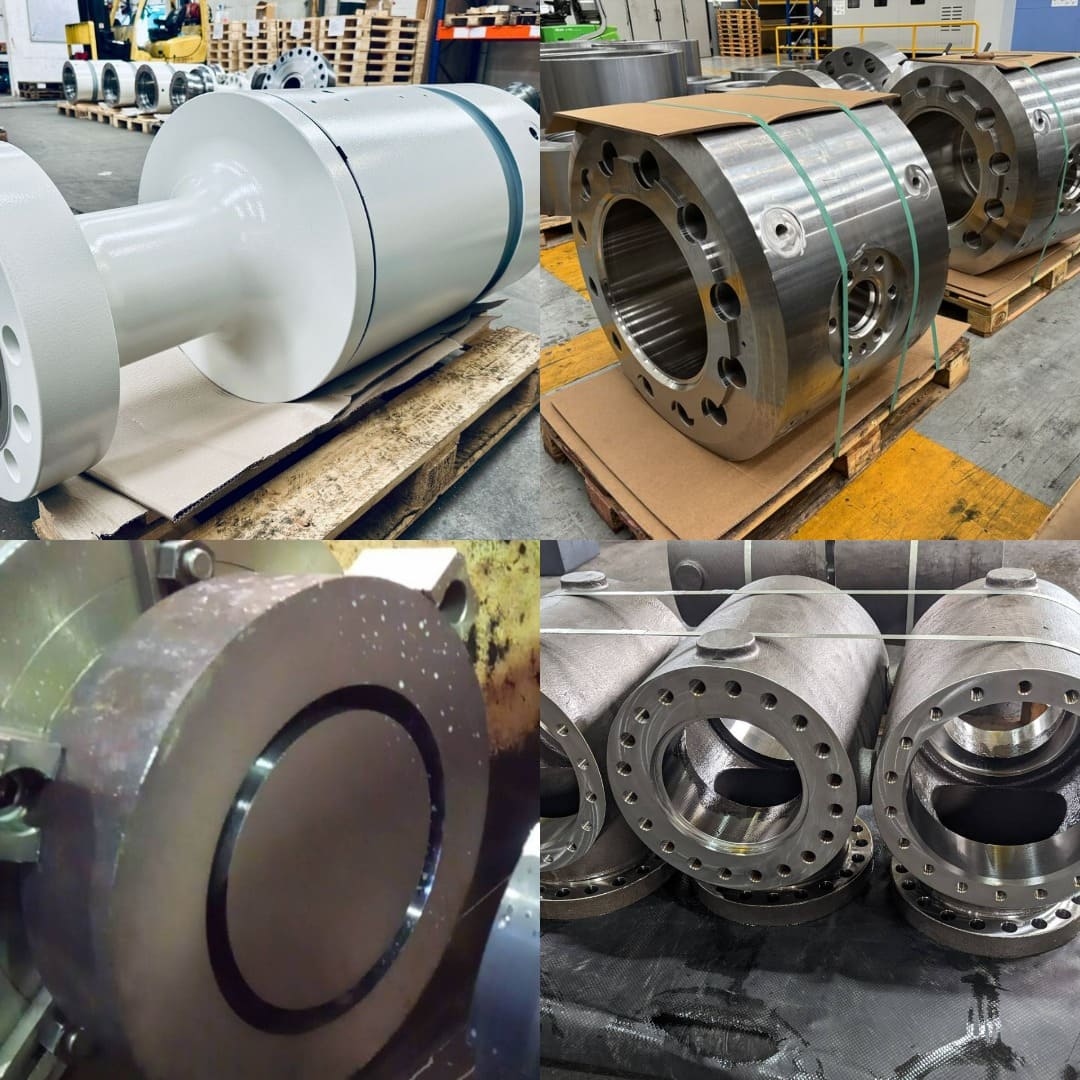
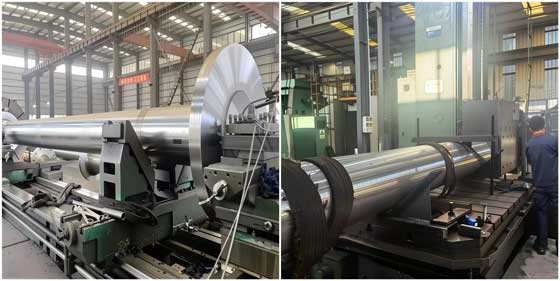
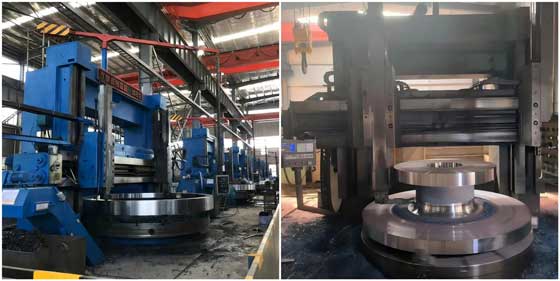
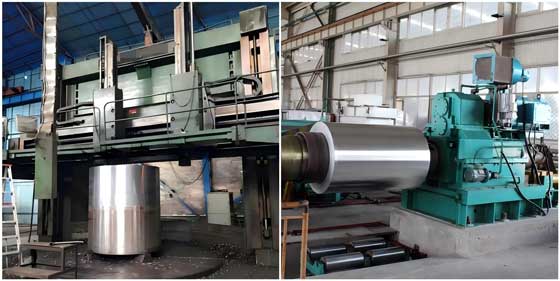
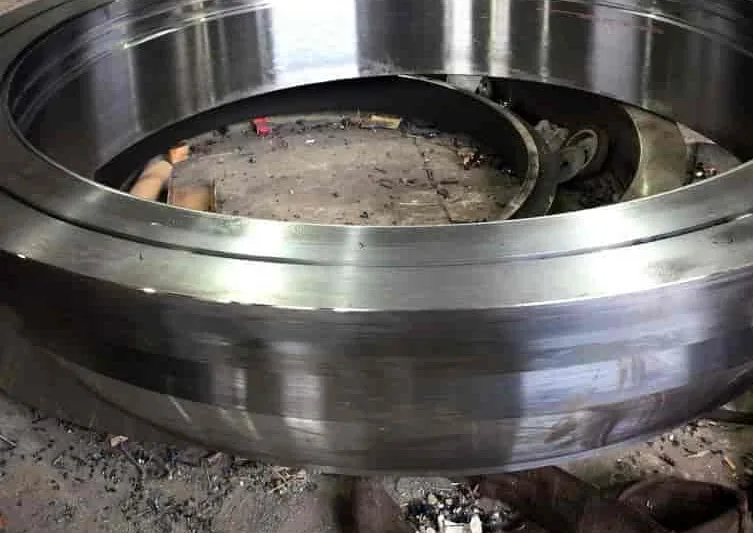
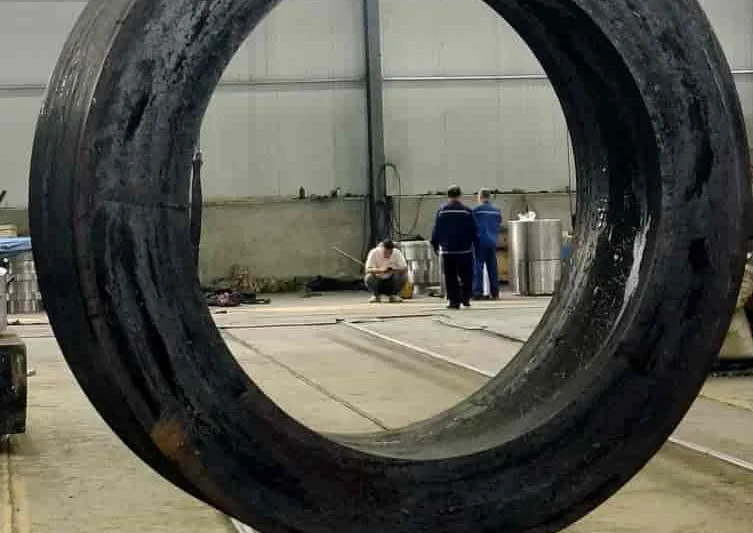
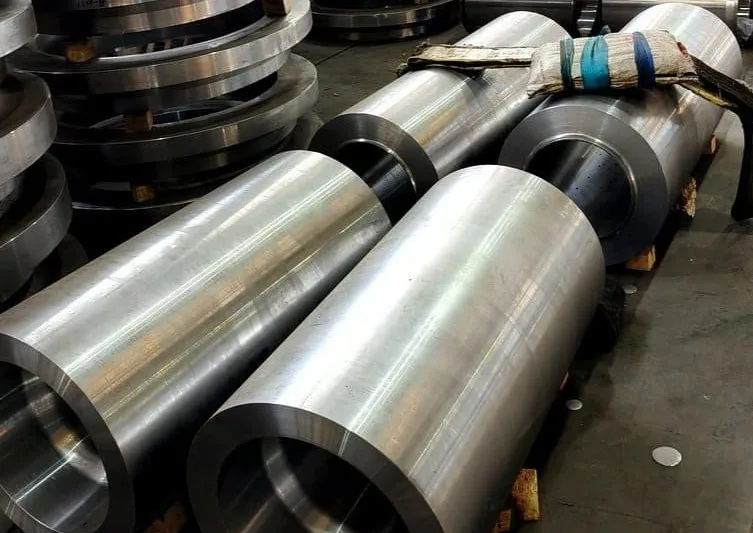
2205 has higher strength than many austenitic stainless grades, which can affect cutting forces and tool selection. The drawing should specify machining allowance, final bore and outside diameter, face flatness, concentricity and surface finish. For large rings, plan rough and finish machining with dimensional checks between operations.
Inspection for duplex products
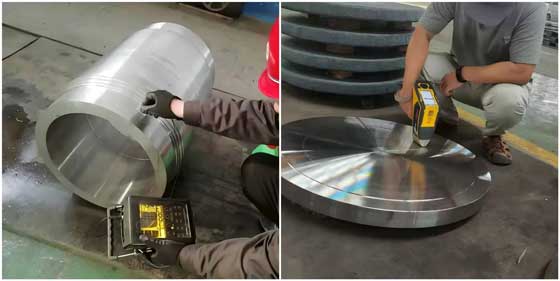
Depending on the specification, inspection may include chemistry, tensile testing, hardness, ferrite or phase-balance assessment, corrosion testing, PMI, UT and dimensional reports. Define test method and acceptance criteria before production. Send the service conditions as well as the drawing so the material and inspection plan can be reviewed properly.