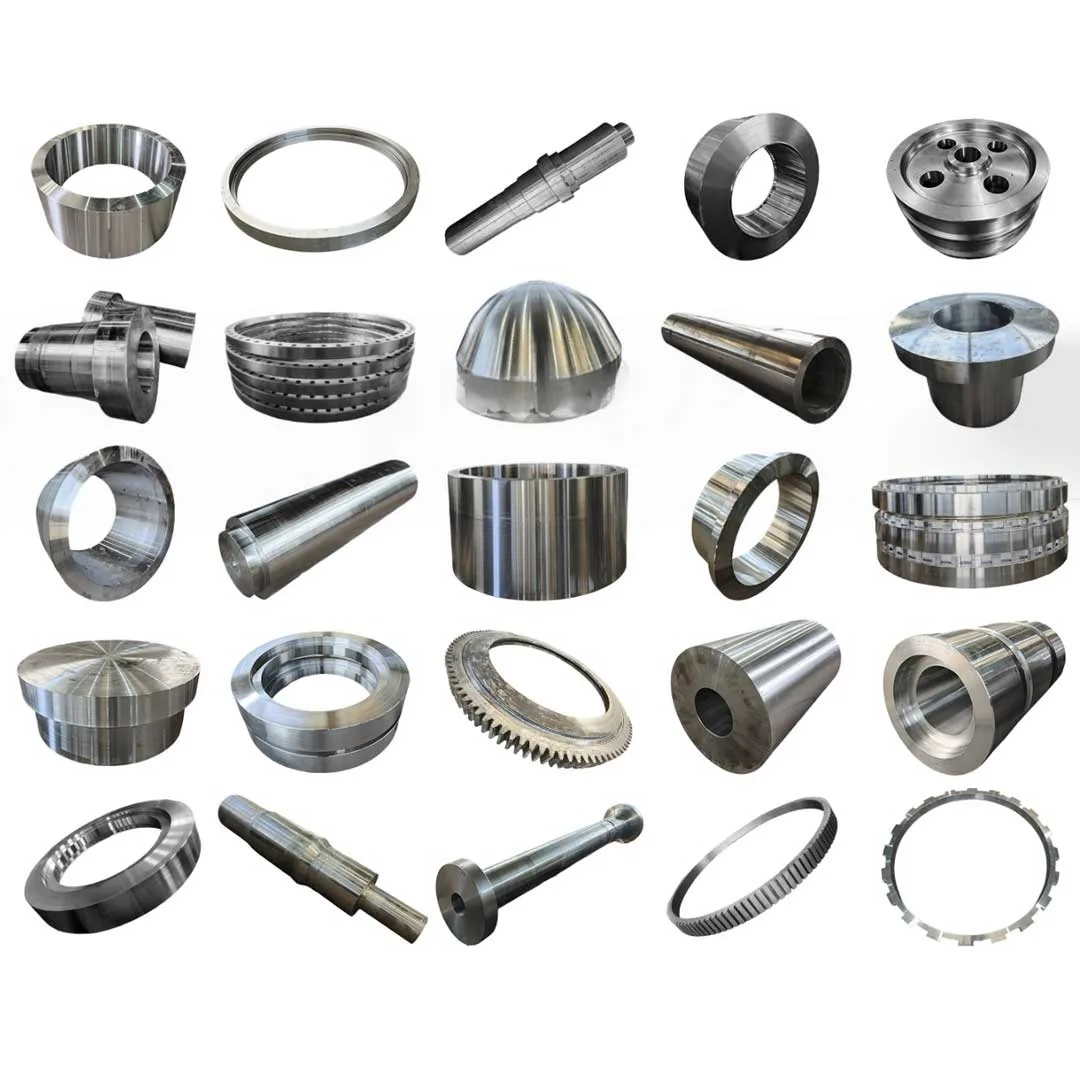
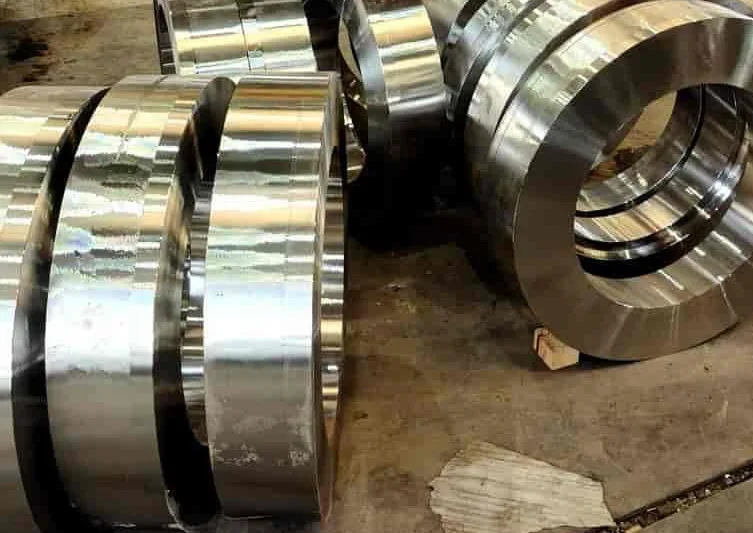
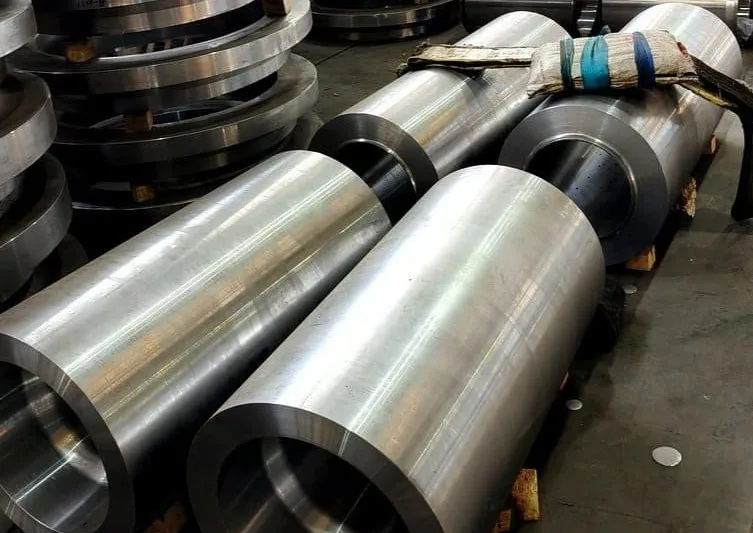
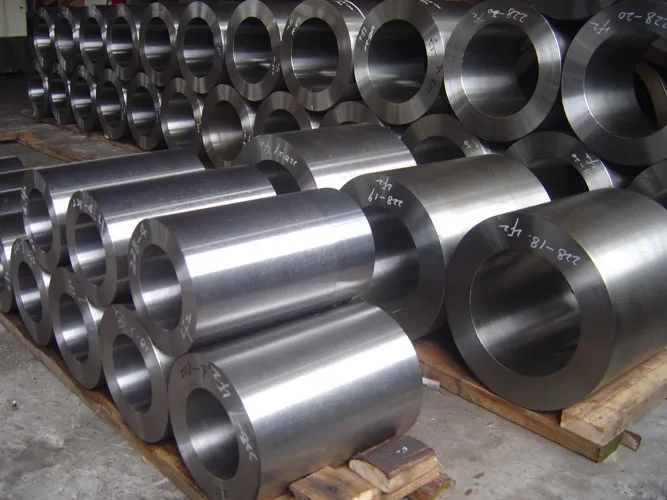
304L Stainless Steel Forged Rings: Low-Carbon Grade Selection and Fabrication Notes
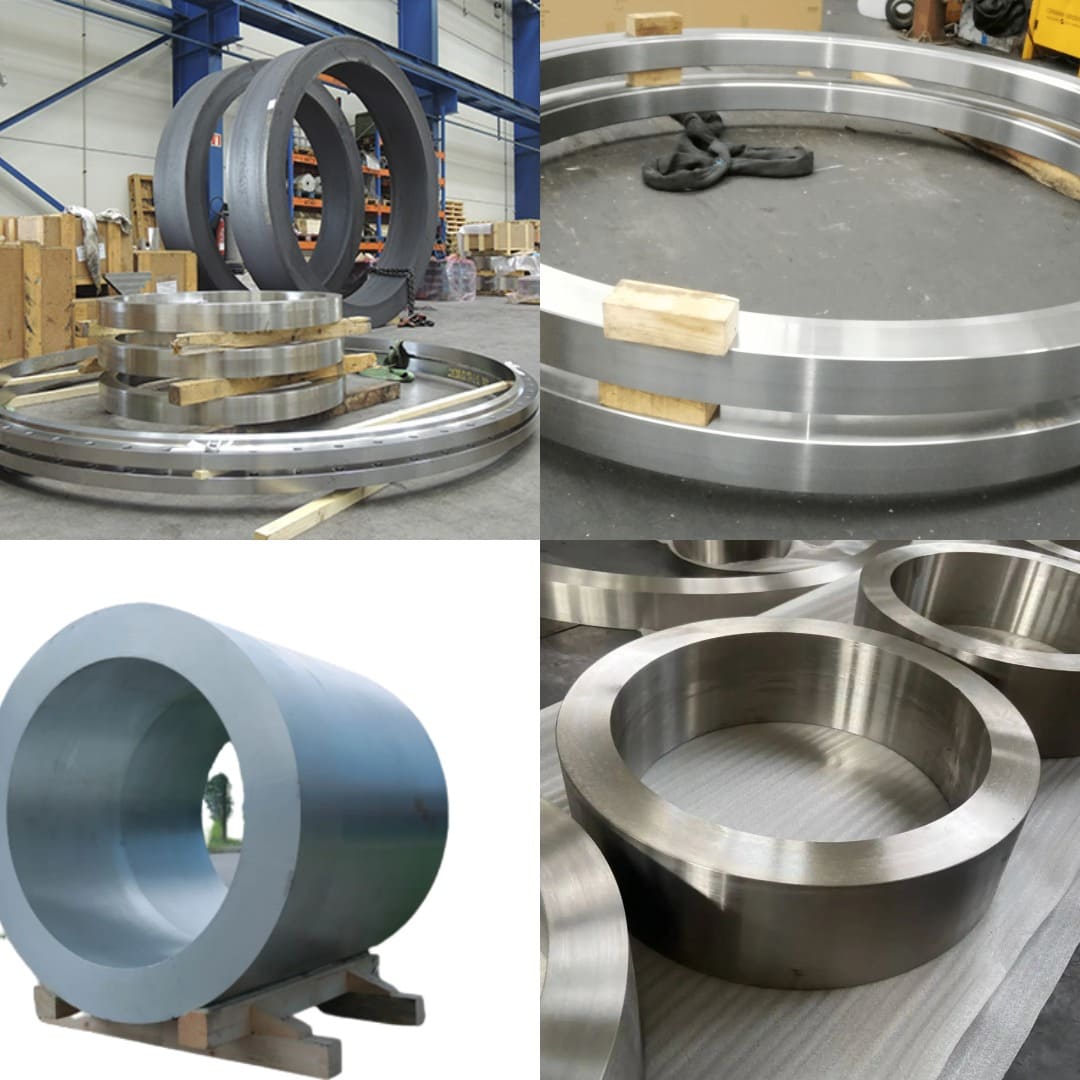
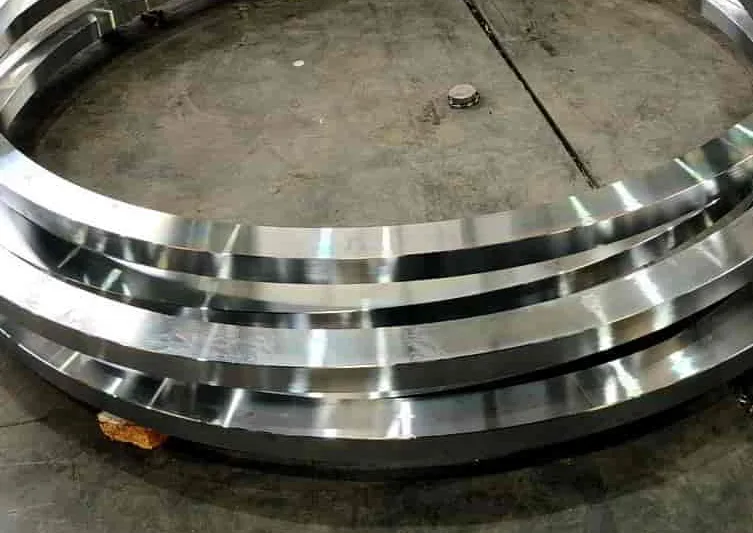
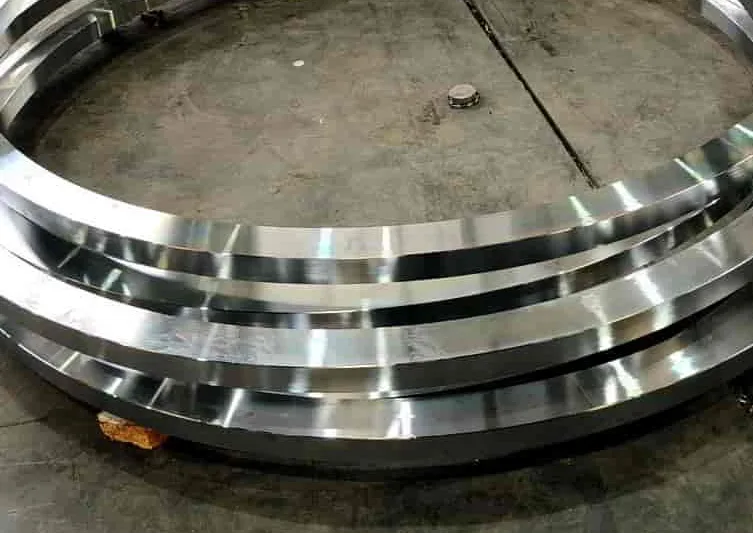
304L forged rings are specified for equipment builders who need a general-purpose austenitic stainless component with a low-carbon chemistry. The low carbon limit is particularly relevant when the finished part will be welded or incorporated into a fabrication where sensitization concerns must be managed. It does not make 304L immune to every corrosive environment, so the process fluid, temperature and cleaning regime should be reviewed before material approval.
When 304L is a practical choice
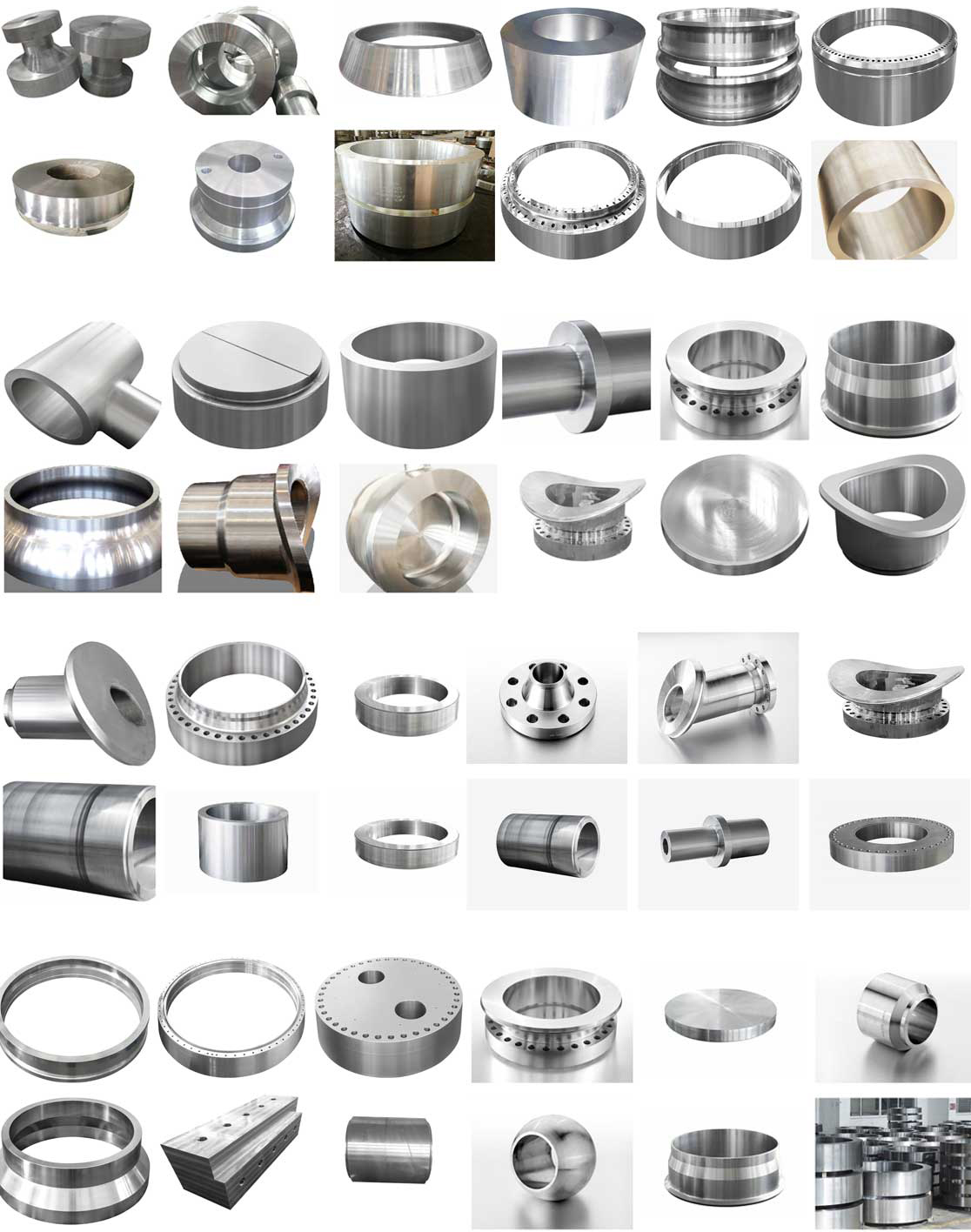
Common uses include process equipment, piping assemblies, pump and valve components, food-industry machinery and general industrial flanges. For mildly corrosive service, 304L may offer a cost-effective alternative to higher-alloy stainless grades. Chloride concentration, crevice conditions, temperature and surface contamination can change corrosion performance; where these factors are severe, compare 316L or a duplex grade with the design authority.
Forging and stainless handling
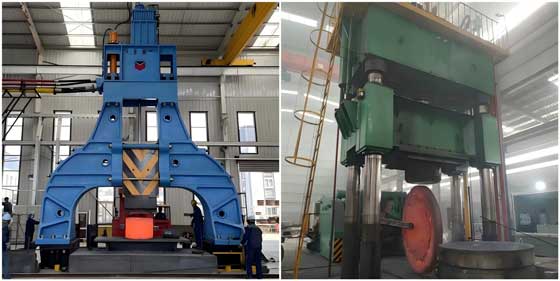
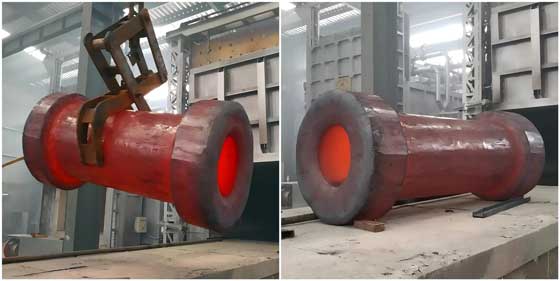
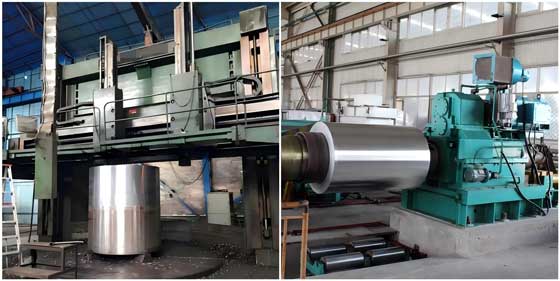
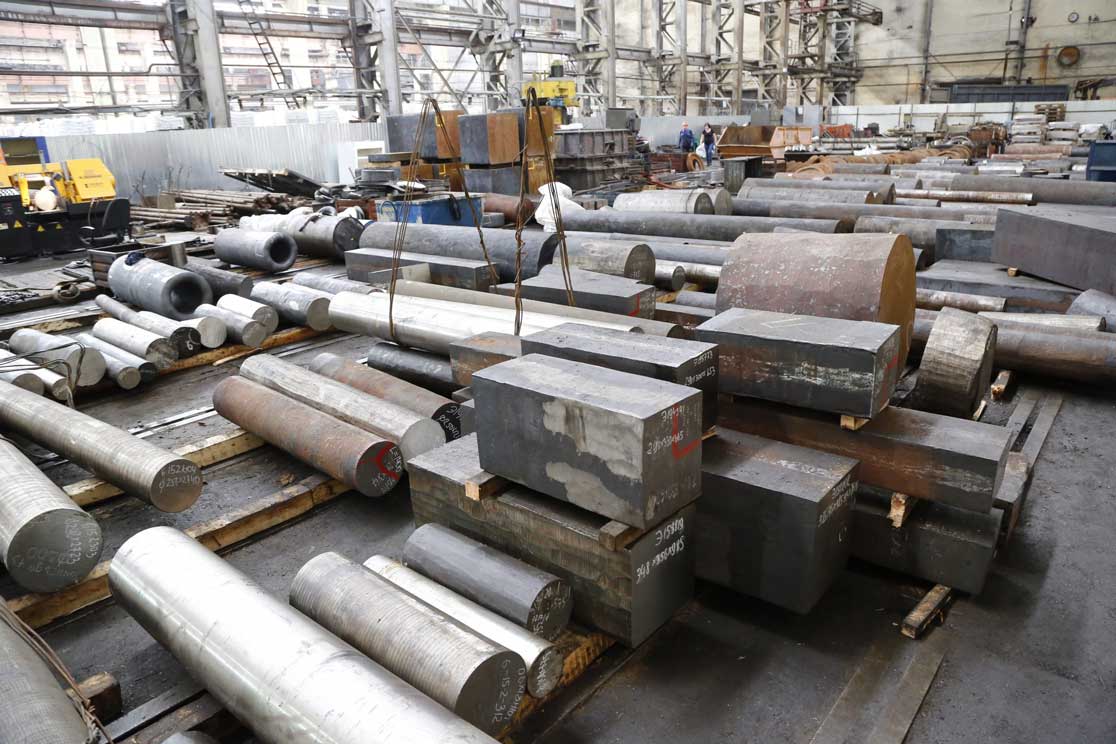
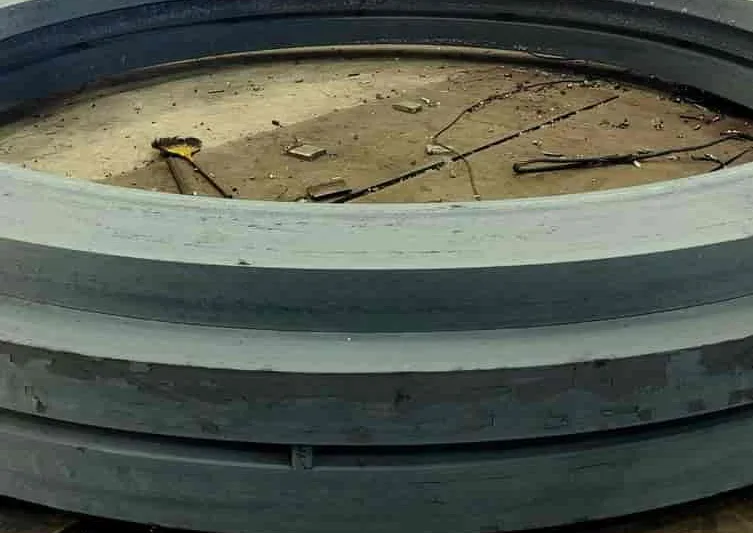
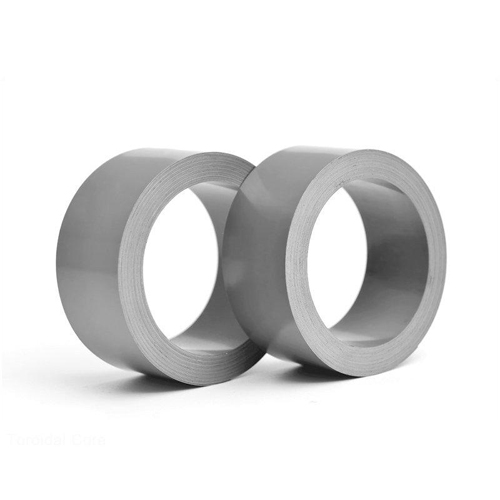
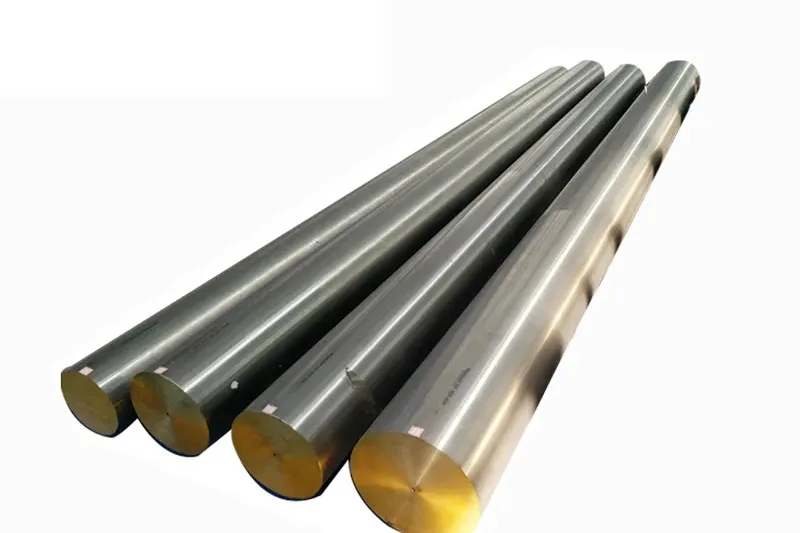
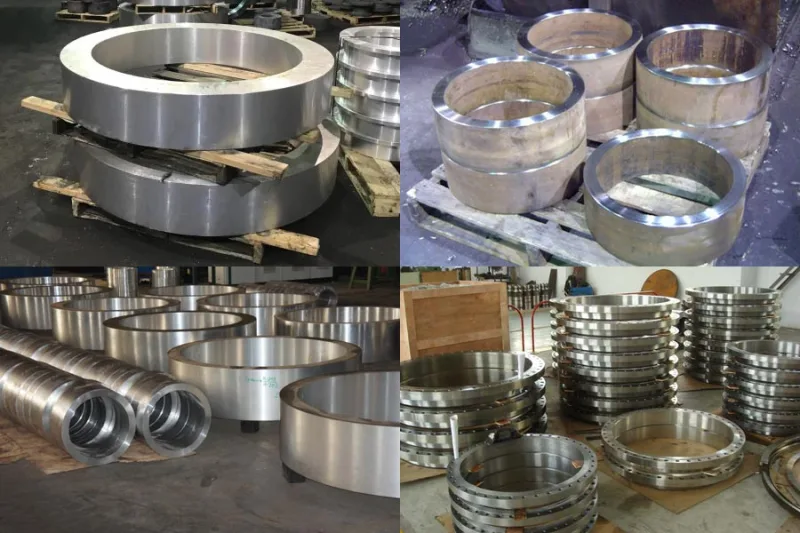
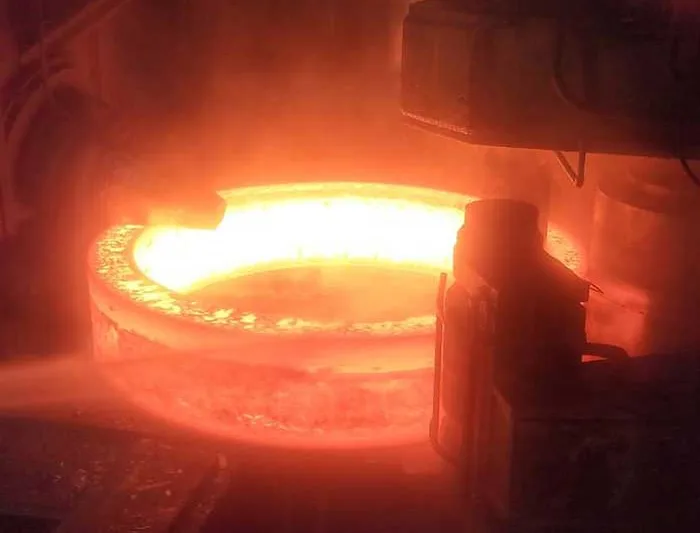
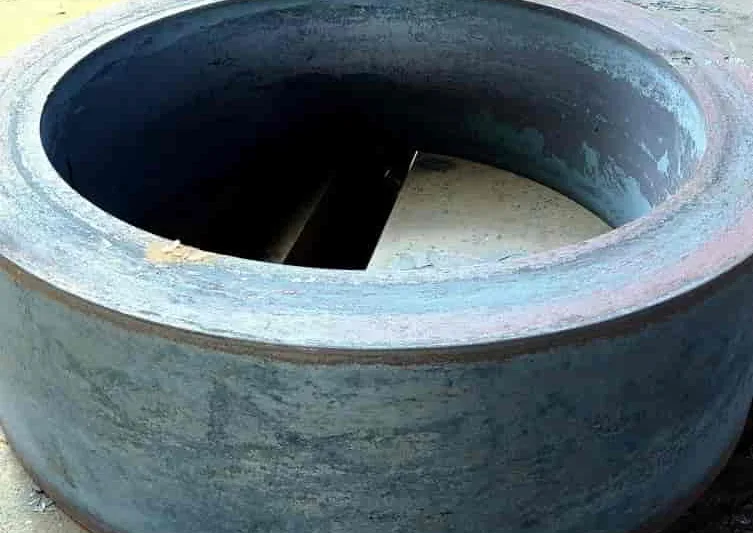
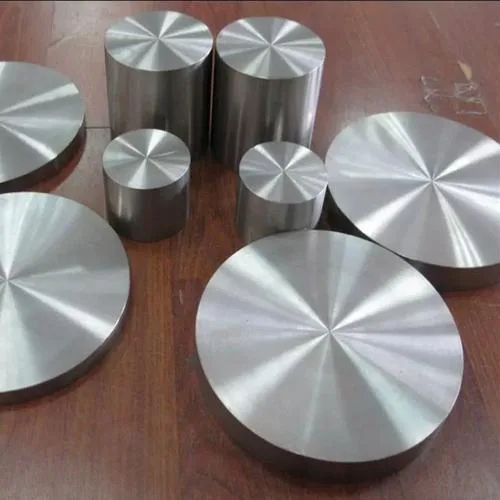
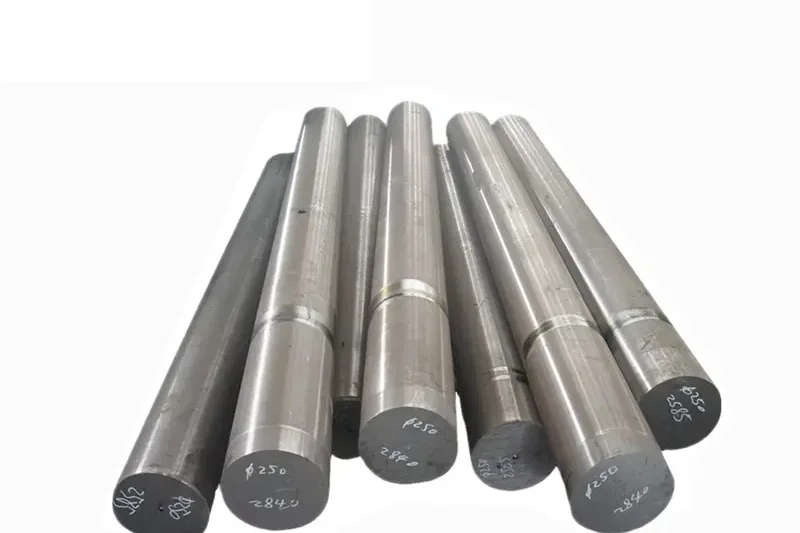
Stainless ring production requires control of heating, deformation, cooling and surface handling. Dedicated or properly cleaned tools help limit carbon-steel contamination. The forging route should be selected for the ring cross-section and required material condition, while the final machining plan should protect sealing faces and other functional surfaces.
Solution treatment and machining
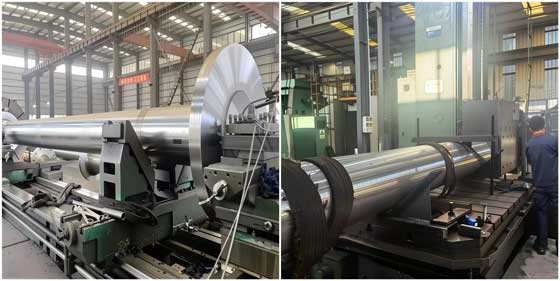
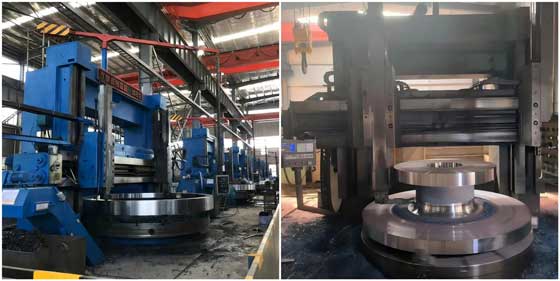
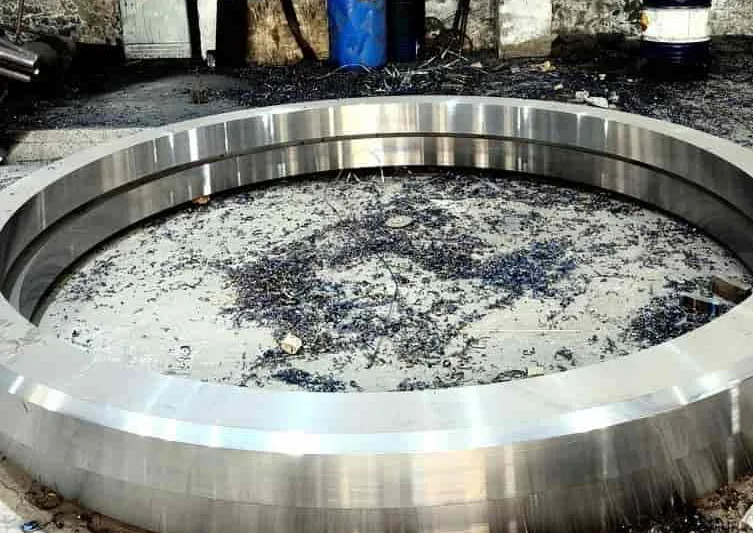
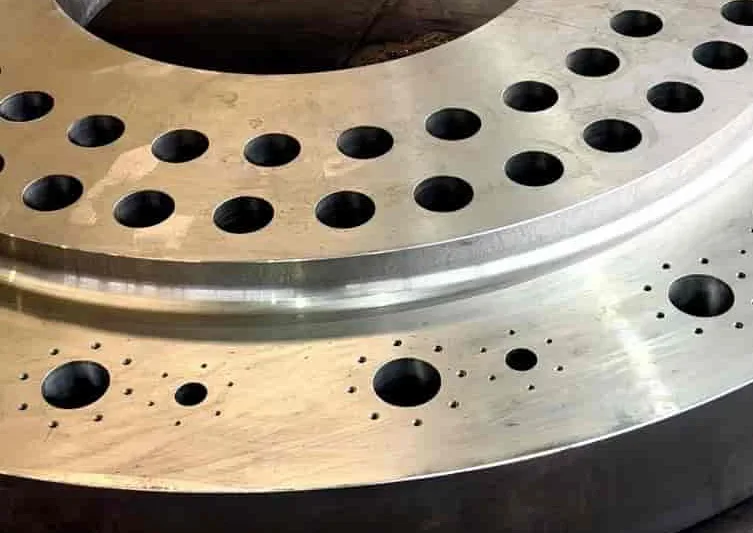
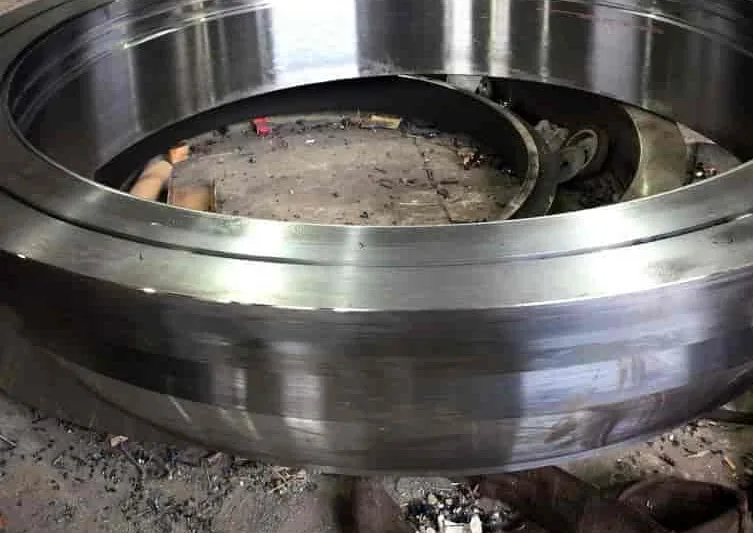
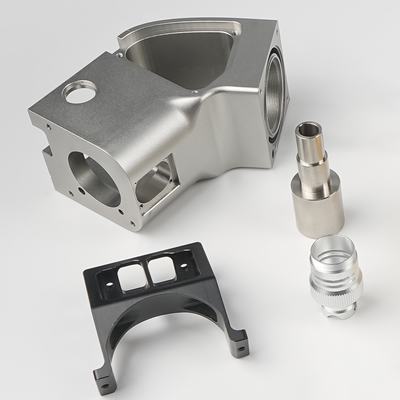
Specify the required solution-annealed condition and applicable product standard rather than assuming a generic heat-treatment cycle. CNC turning, boring and facing can be carried out to drawing, with machining allowance set to account for scale removal and dimensional correction. Identify surface roughness, gasket-face finish, bore tolerance and concentricity requirements clearly.
Quality documents and purchasing details
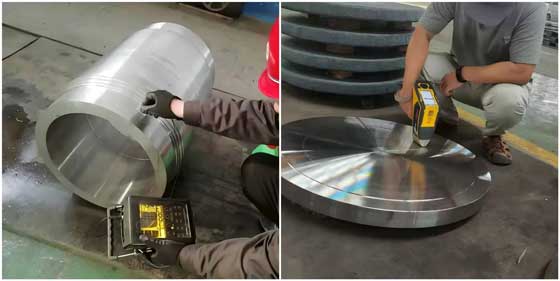
Typical purchase requirements include heat-number traceability, chemical analysis, mechanical testing, dimensional reports and any specified non-destructive examination. PMI may be requested for material verification. The RFQ should state the standard, dimensions, quantity, finish condition, machining scope, inspection plan and certificate type. This information allows a supplier to distinguish a forged blank from a ready-to-install machined ring.