410S Stainless Steel Seamless Rolled Rings: Ferritic Grade and Fabrication Considerations
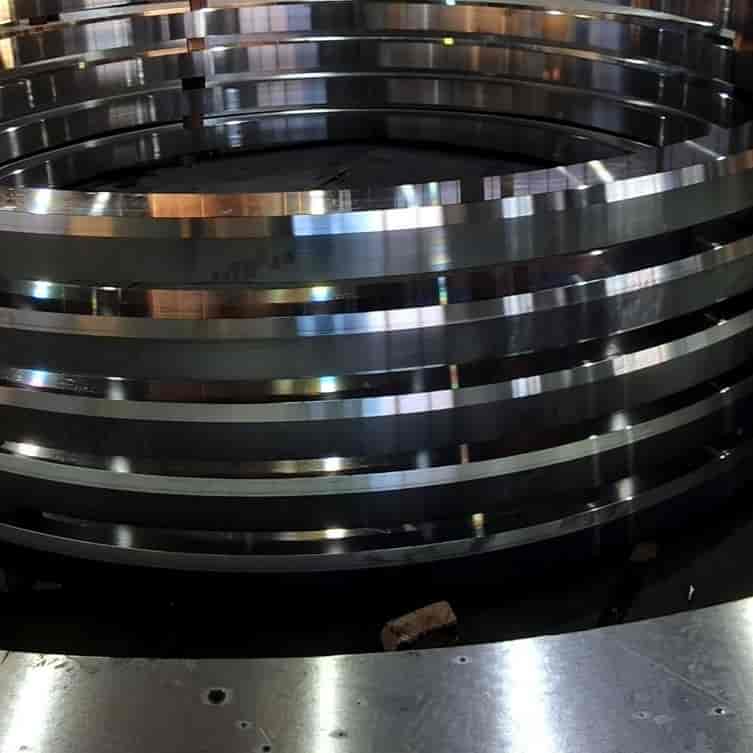
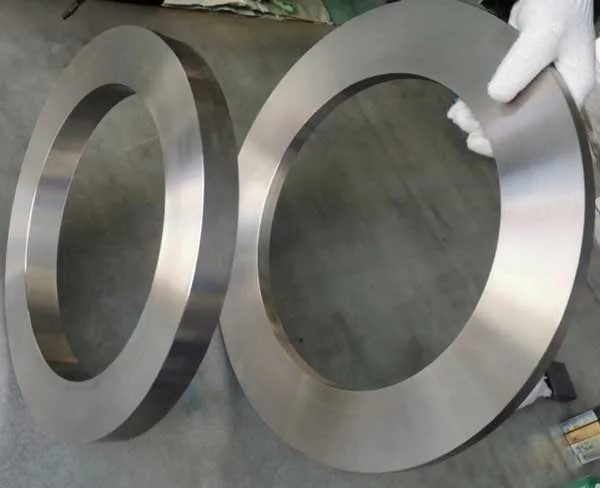
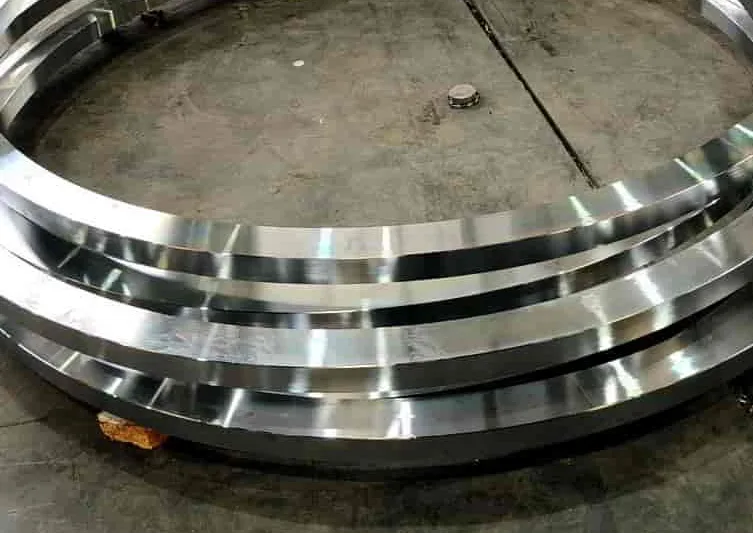
410S is a low-carbon ferritic stainless steel related to the 400-series family. It is selected in applications where a ferritic structure and oxidation resistance are relevant, while lower carbon content helps limit hardening compared with martensitic 410. A 410S rolled ring should therefore be evaluated differently from a heat-treated 410 ring intended for higher hardness.
Typical application considerations
Potential uses include industrial furnace components, exhaust-related equipment, thermal process assemblies and other applications specified for ferritic stainless steel. The actual corrosion and oxidation performance depends on temperature, atmosphere, surface condition and cycling. Do not assume that 410S provides the same corrosion behavior as 304 or 316 grades.
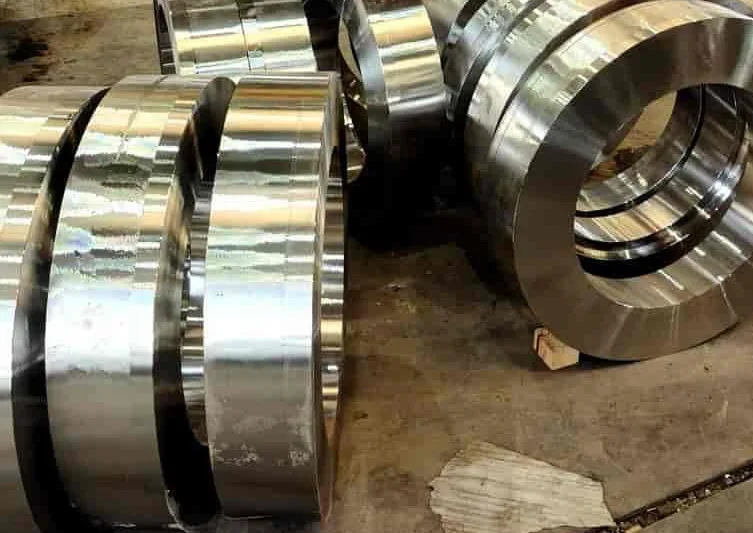
Rolled ring supply
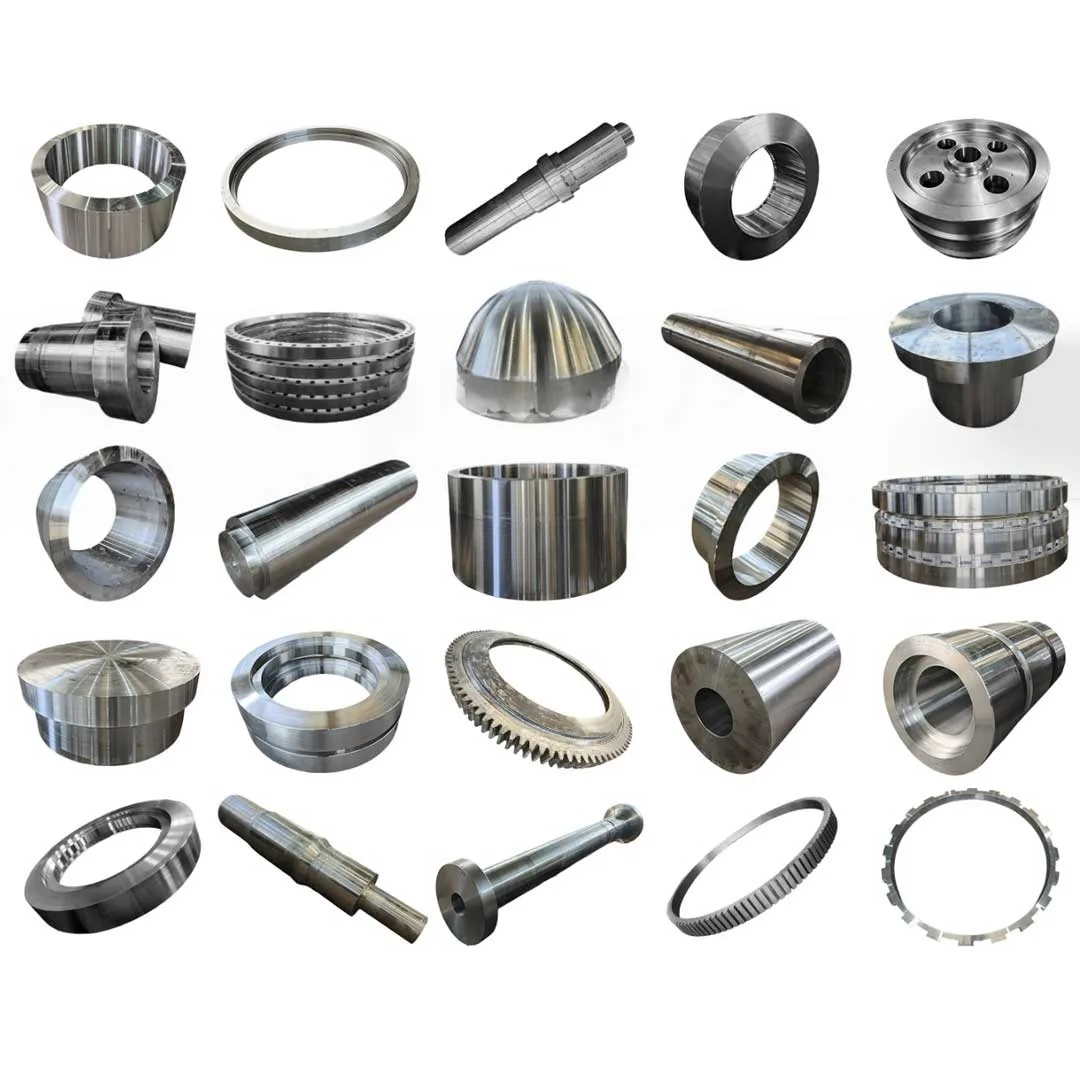
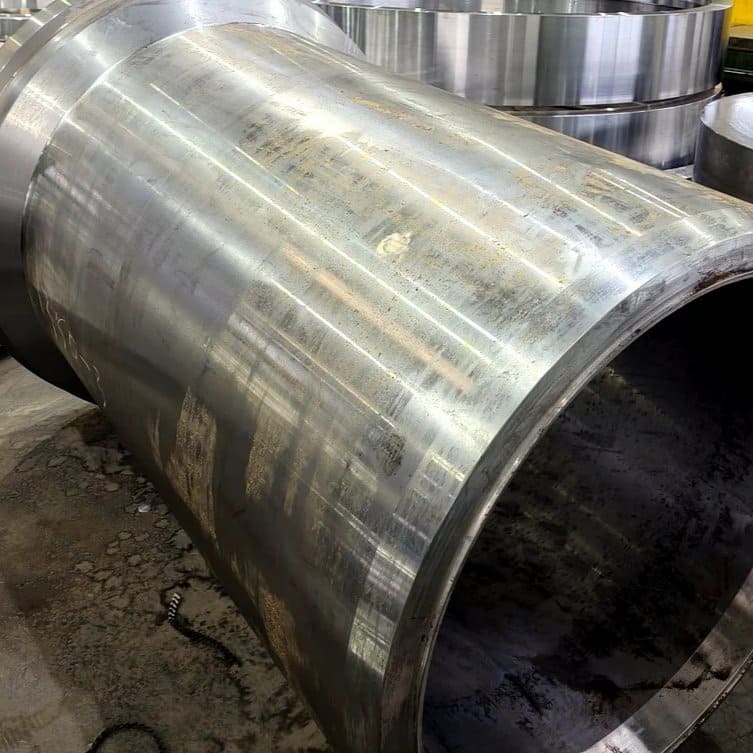
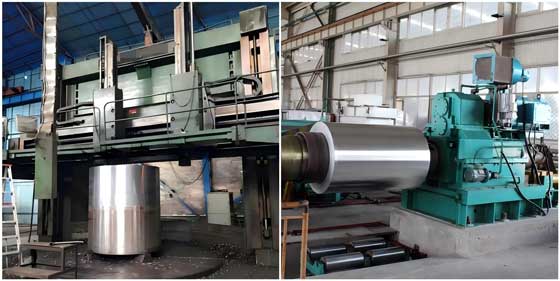
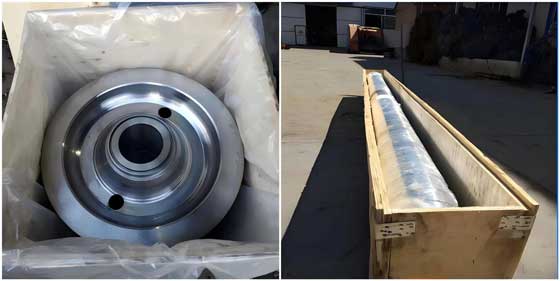
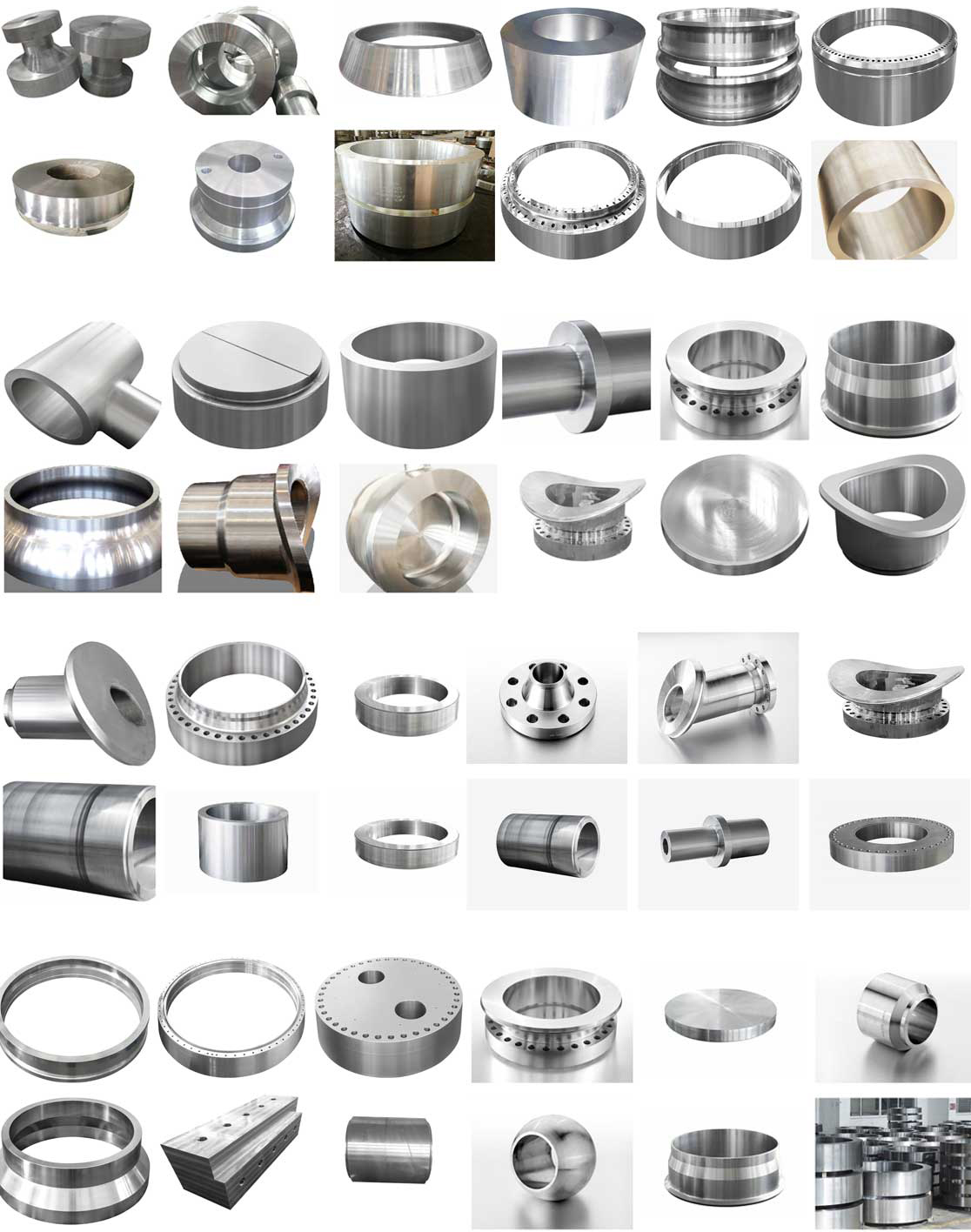
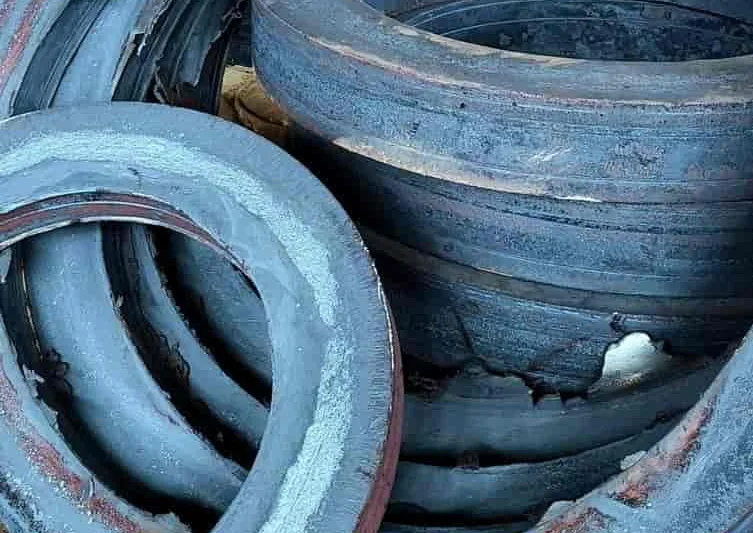
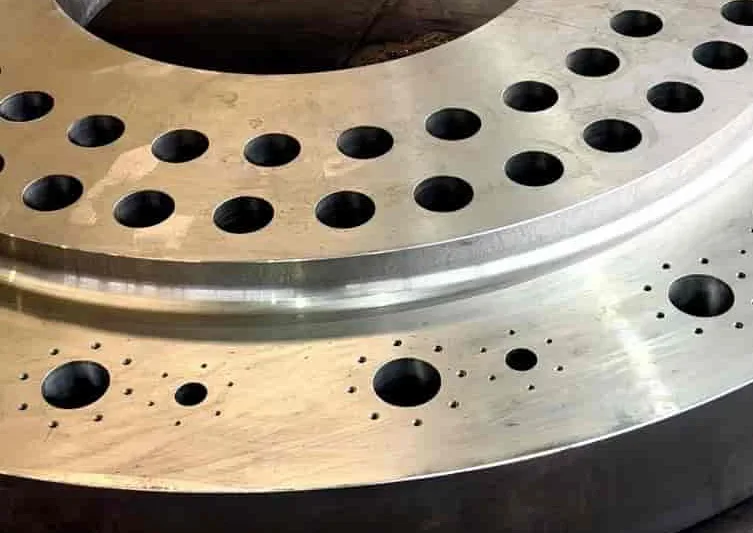
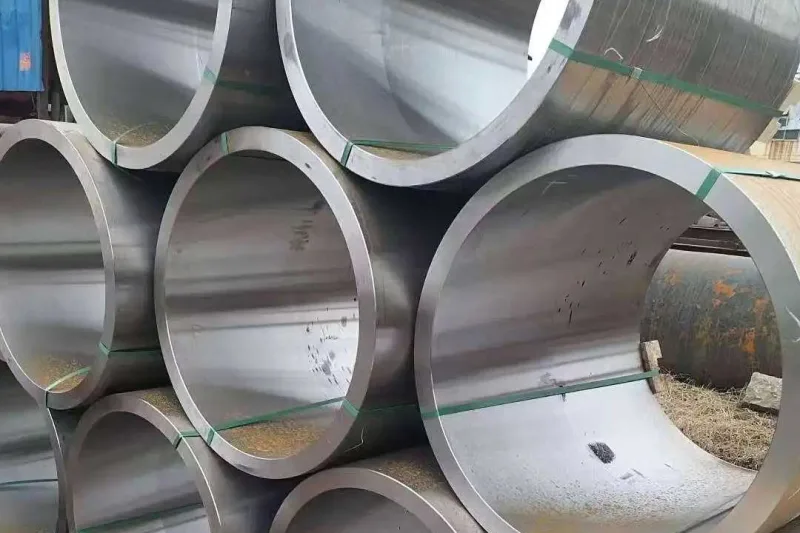
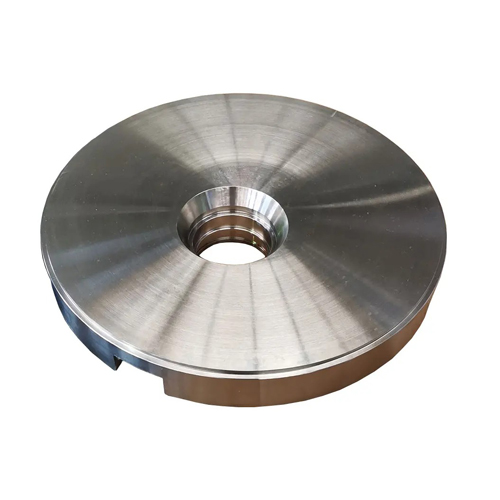
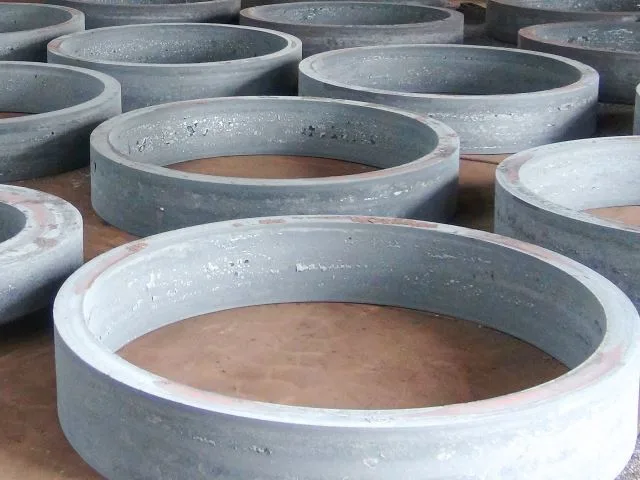
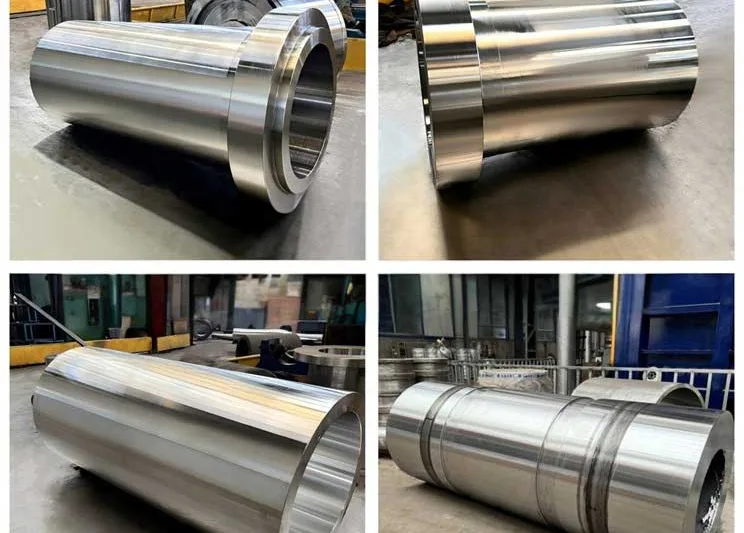
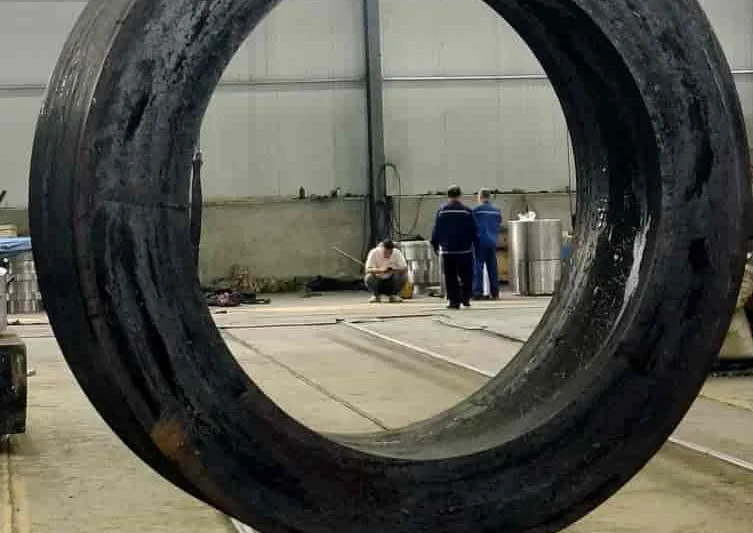
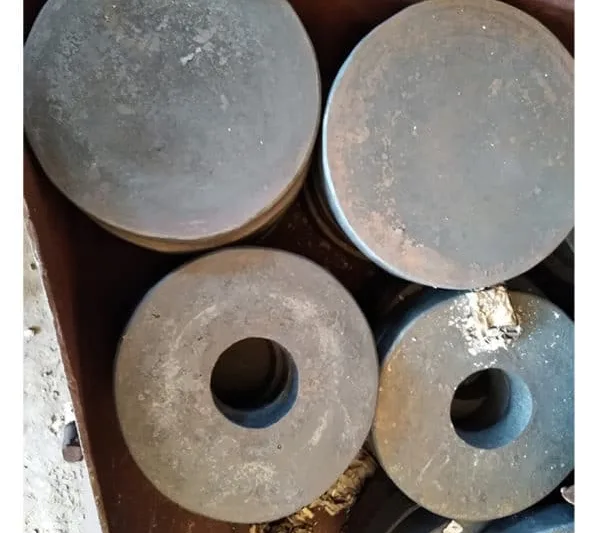
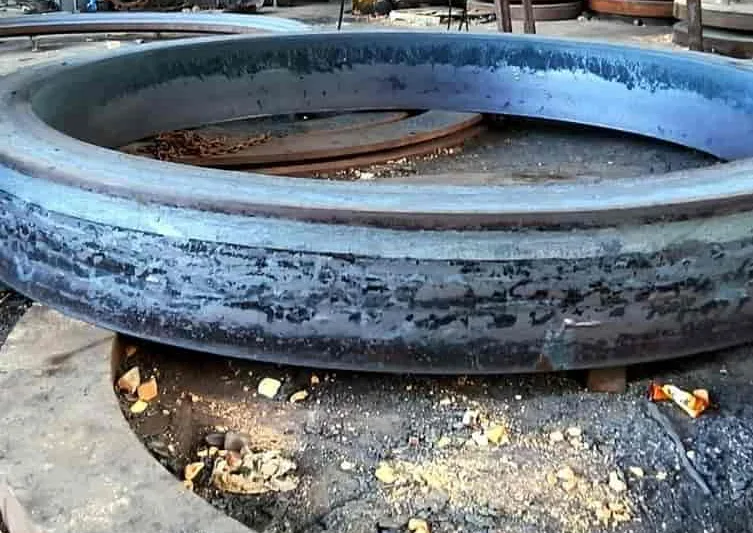
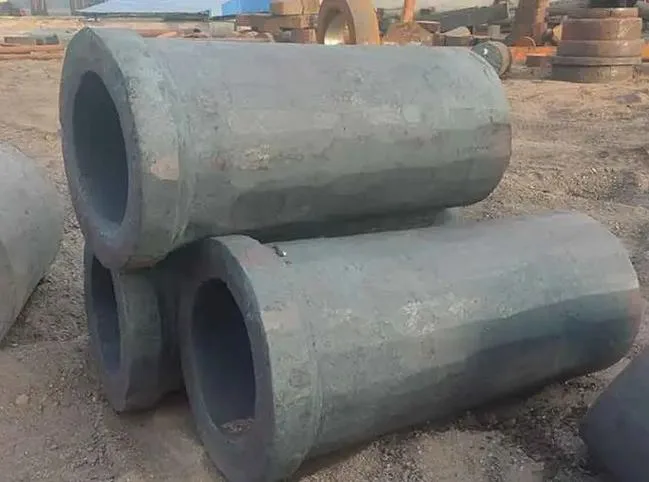
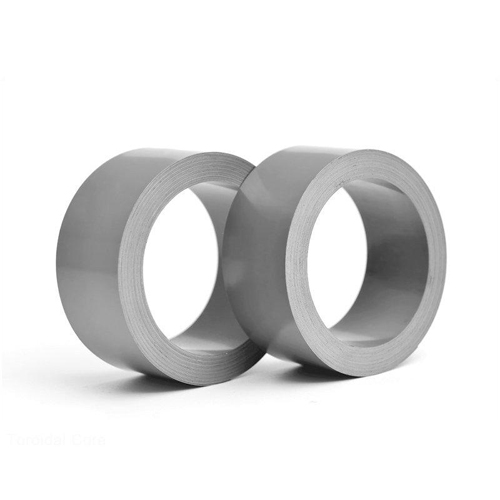
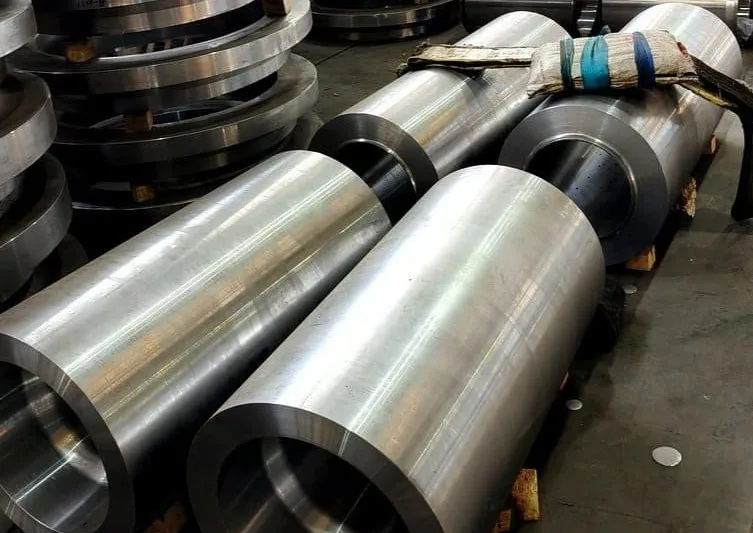
Define the ring outside diameter, inside diameter, thickness and radial width, along with any formed profile. A seamless rolled ring is made by expanding a preform rather than joining strip ends with a weld. Specify whether the order is for a rolled blank or a machined component and provide machining allowances for the required surfaces.
Fabrication and machining
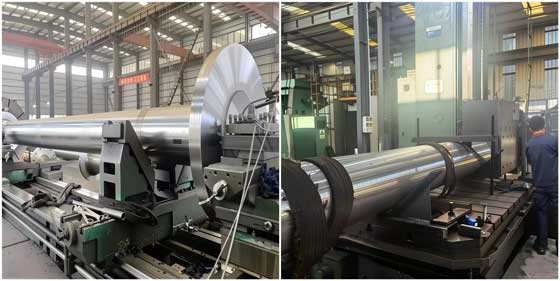
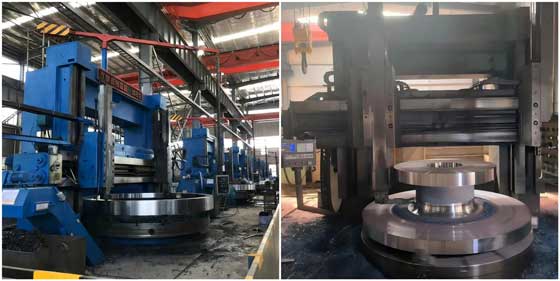
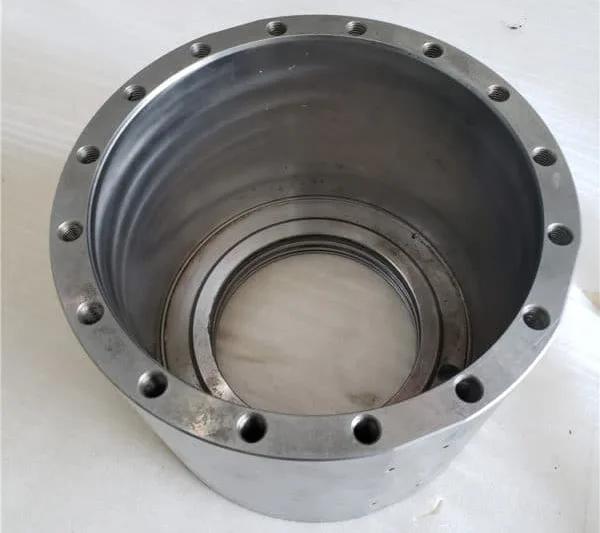
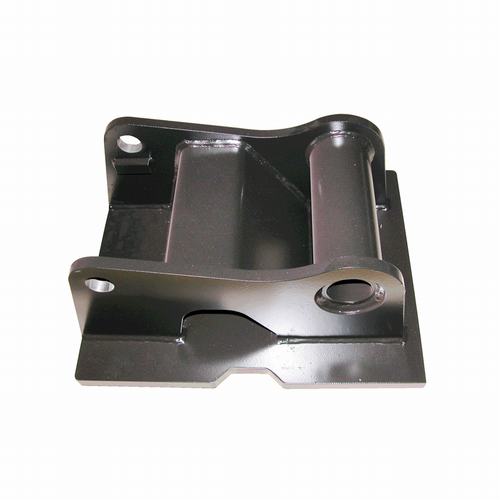
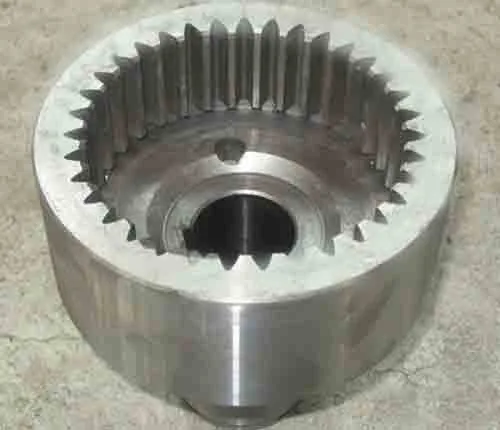
Ferritic stainless grades have different forming and welding behavior from austenitic stainless steels. If the ring will be welded, the project should specify the qualified procedure and any restrictions on heat input or post-weld treatment. CNC turning, boring and facing can be carried out to the drawing, with tolerances and surface finish identified for functional areas.
Inspection and RFQ checklist
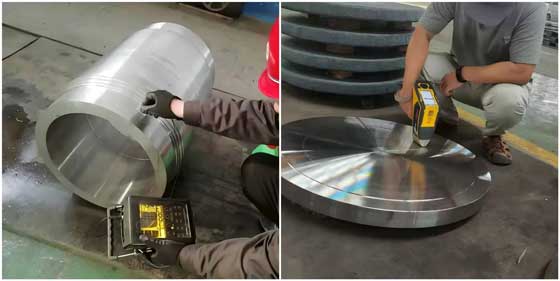
Provide the governing 410S standard, chemistry and mechanical-property requirements, dimensions, quantity, service temperature, welding status, machining scope and inspection plan. Material traceability and dimensional reports are typical requirements; additional NDT should be specified according to the component risk.