Duplex 2205 Seamless Rolled Rings: Ring-Rolling Process and Corrosion Verification
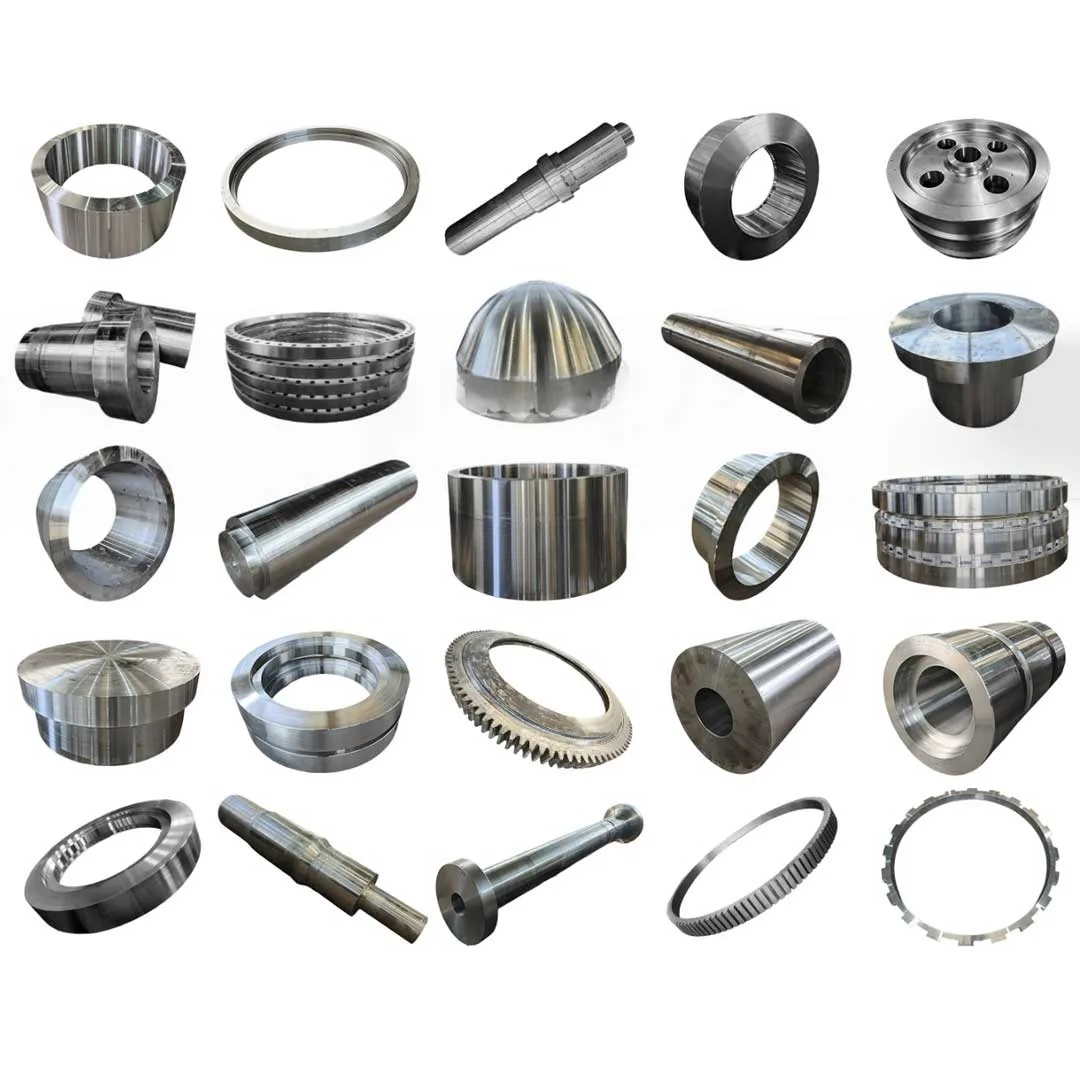
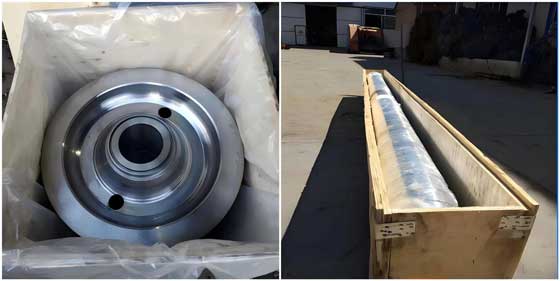
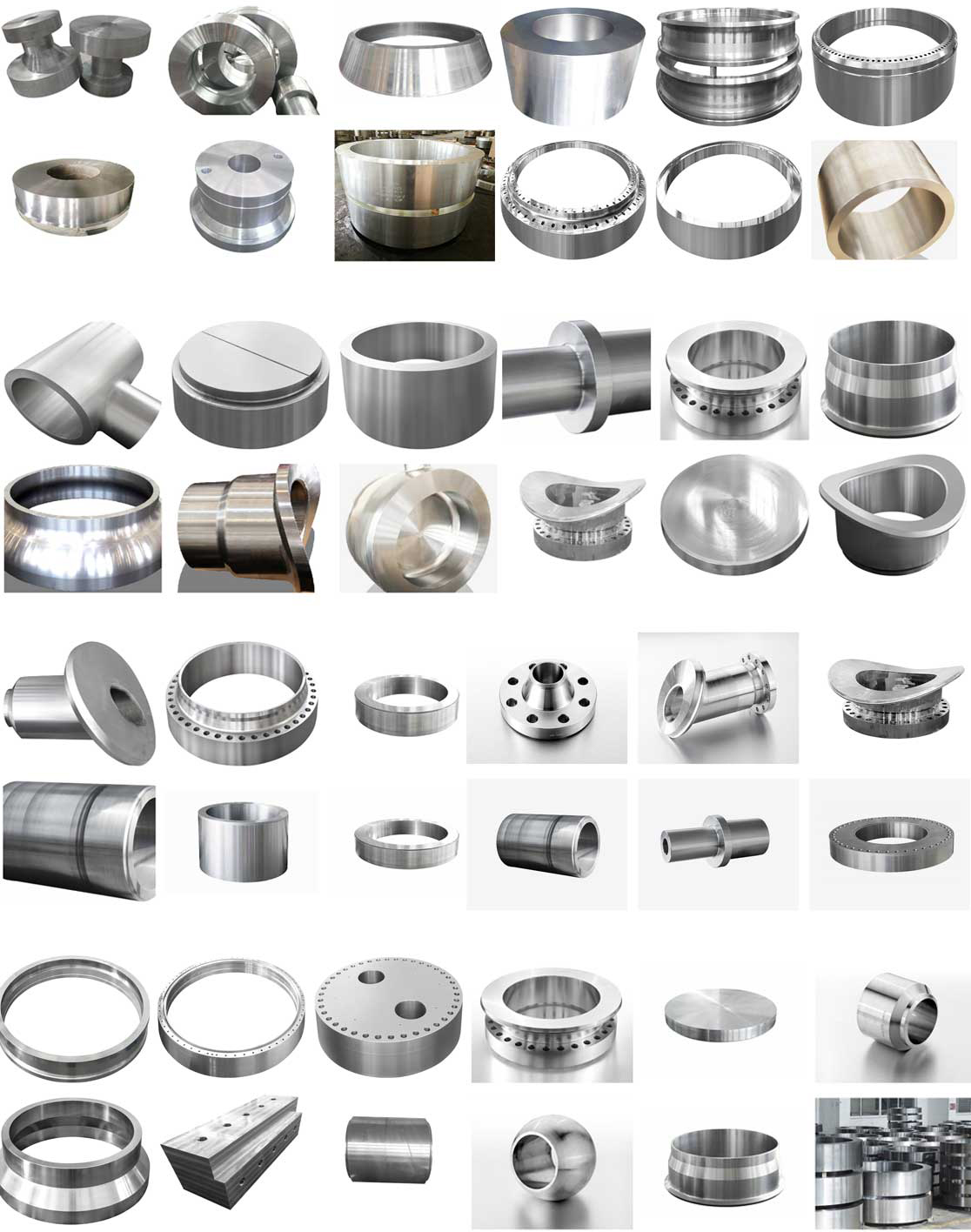
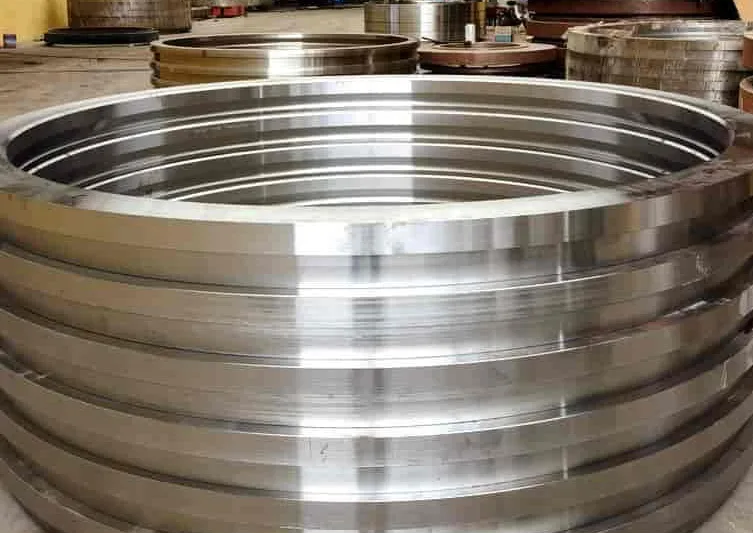
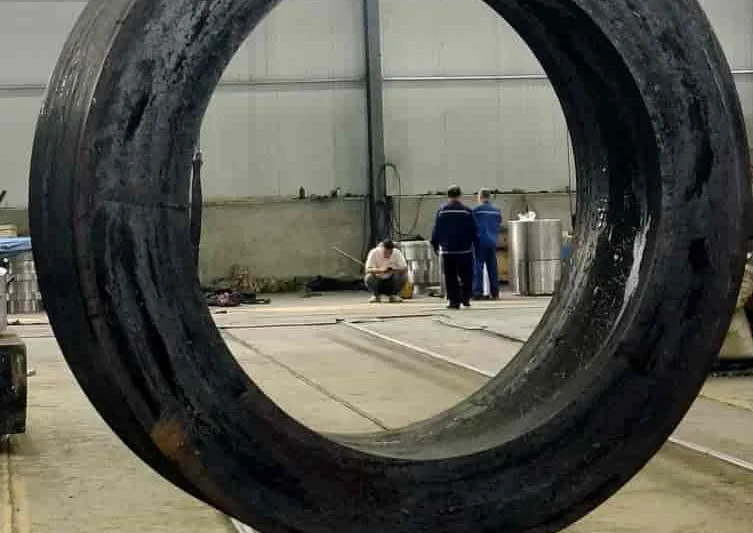
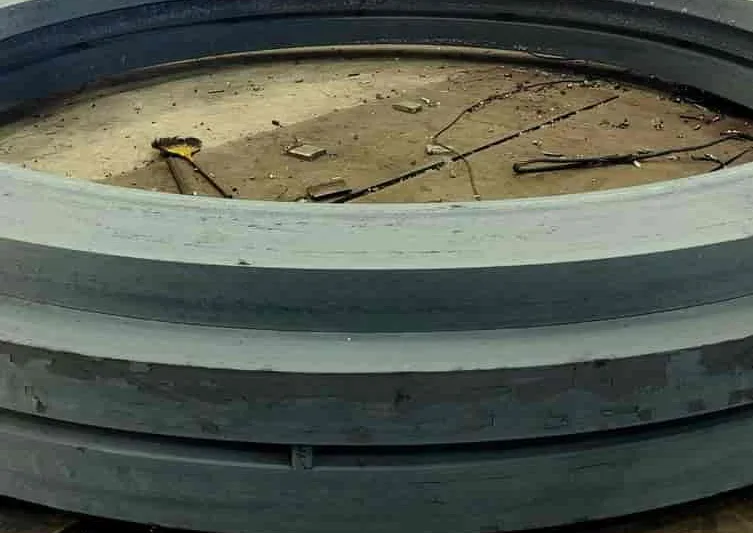
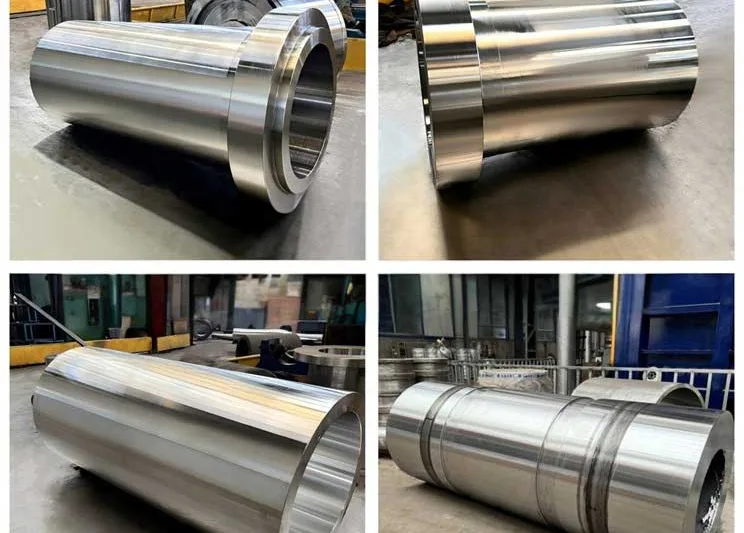
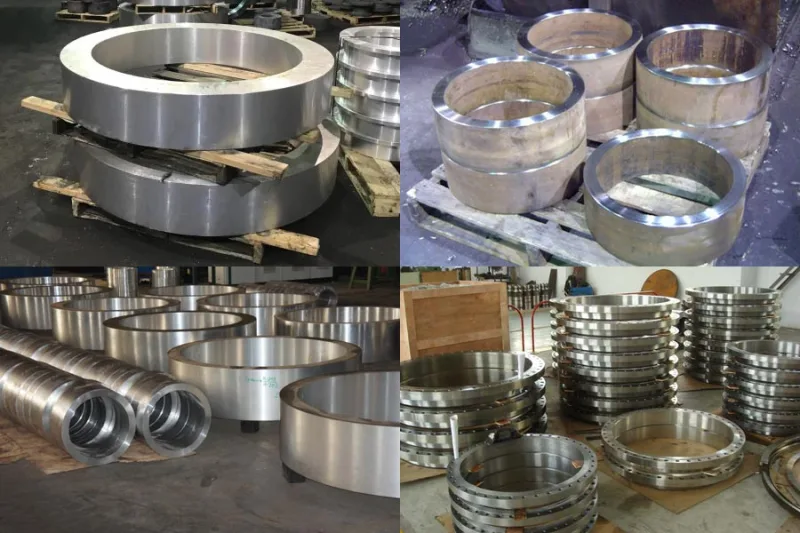
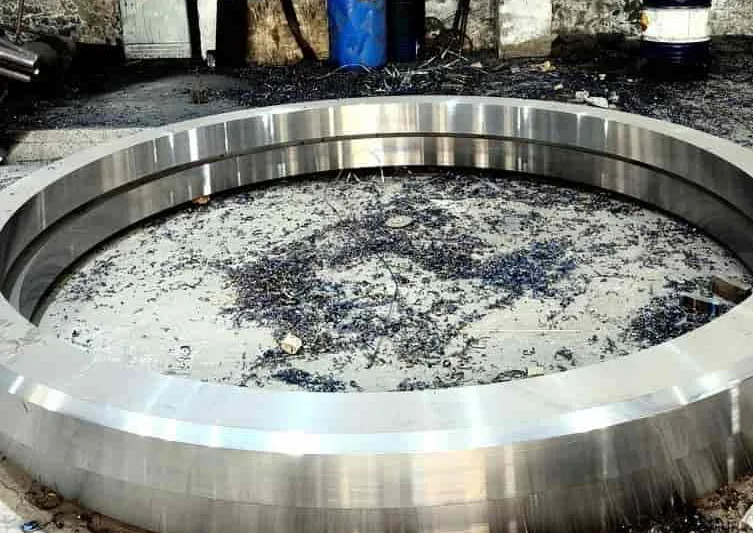
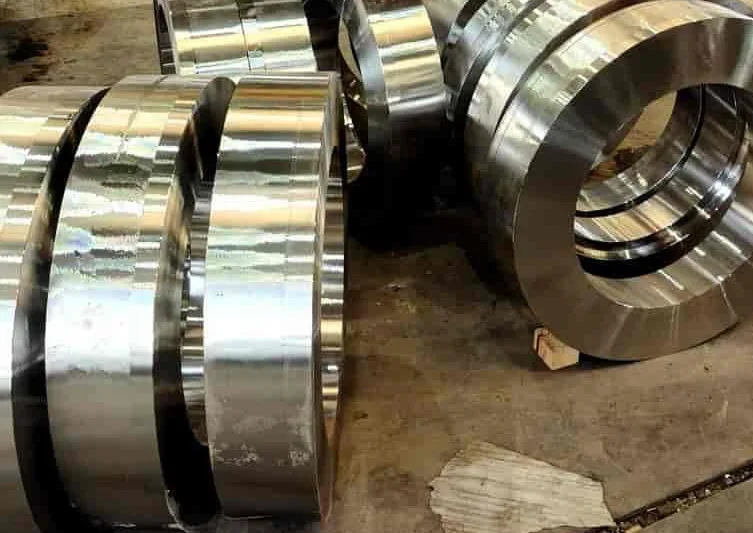
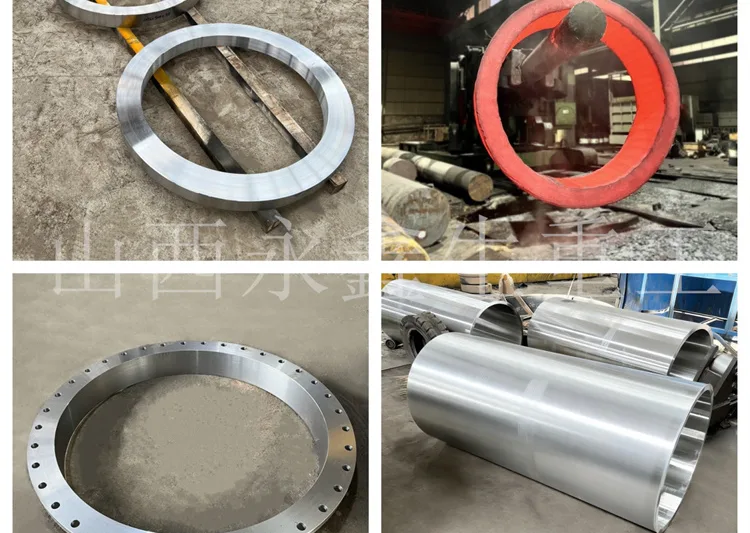
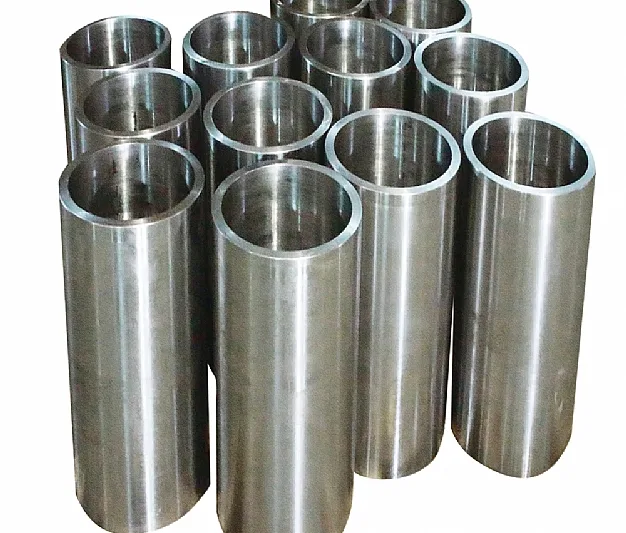
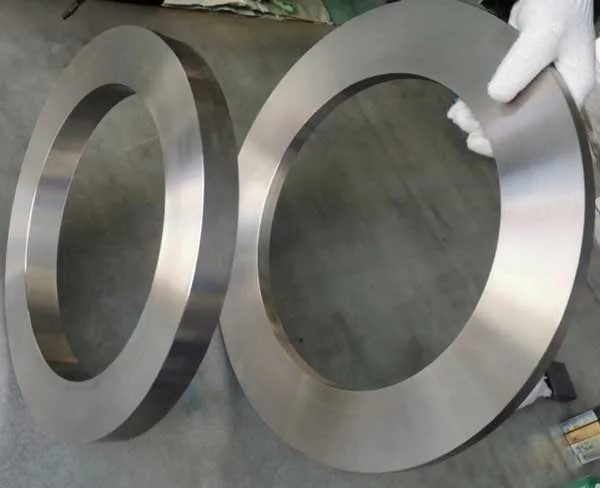
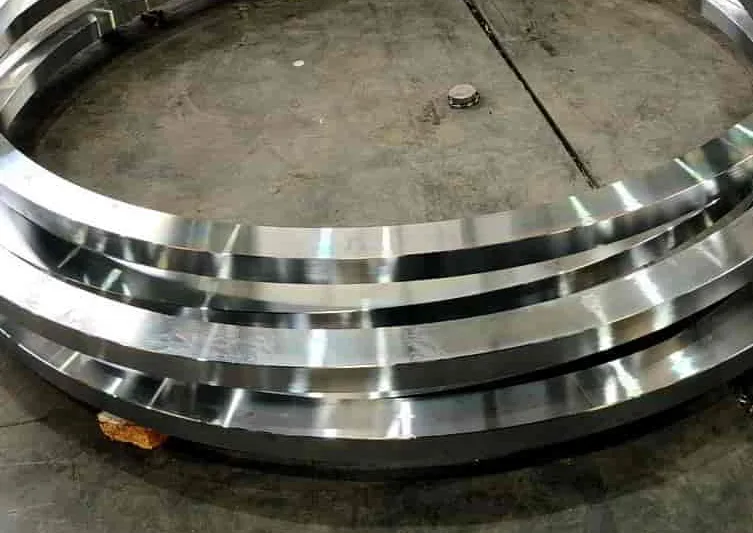
Duplex 2205 seamless rolled rings are used where a component requires the strength and corrosion-resistance balance of a duplex stainless steel. Ring rolling can provide a continuous annular form for offshore equipment, chemical process systems, pumps, valves and pressure-related assemblies. For this grade, process control is especially important because the final microstructure is part of the performance requirement.
What the purchaser should verify
2205 is not simply a stronger version of 316L. Its duplex structure and alloy chemistry provide different performance characteristics, and suitability depends on chloride exposure, temperature, pH, stress and design code. Confirm whether standard 2205 is sufficient or whether the service calls for super duplex 2507.
Rolling and thermal history
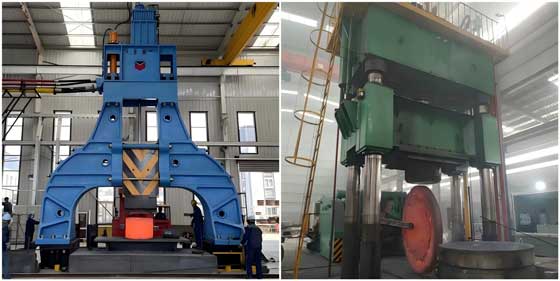
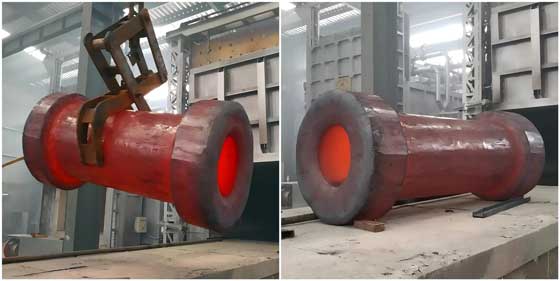
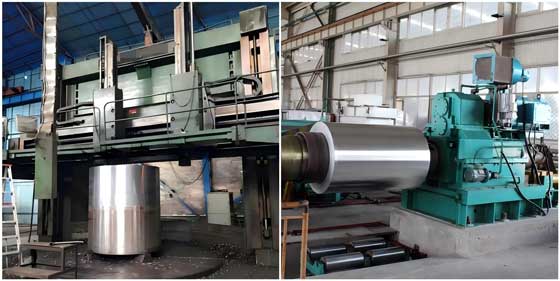
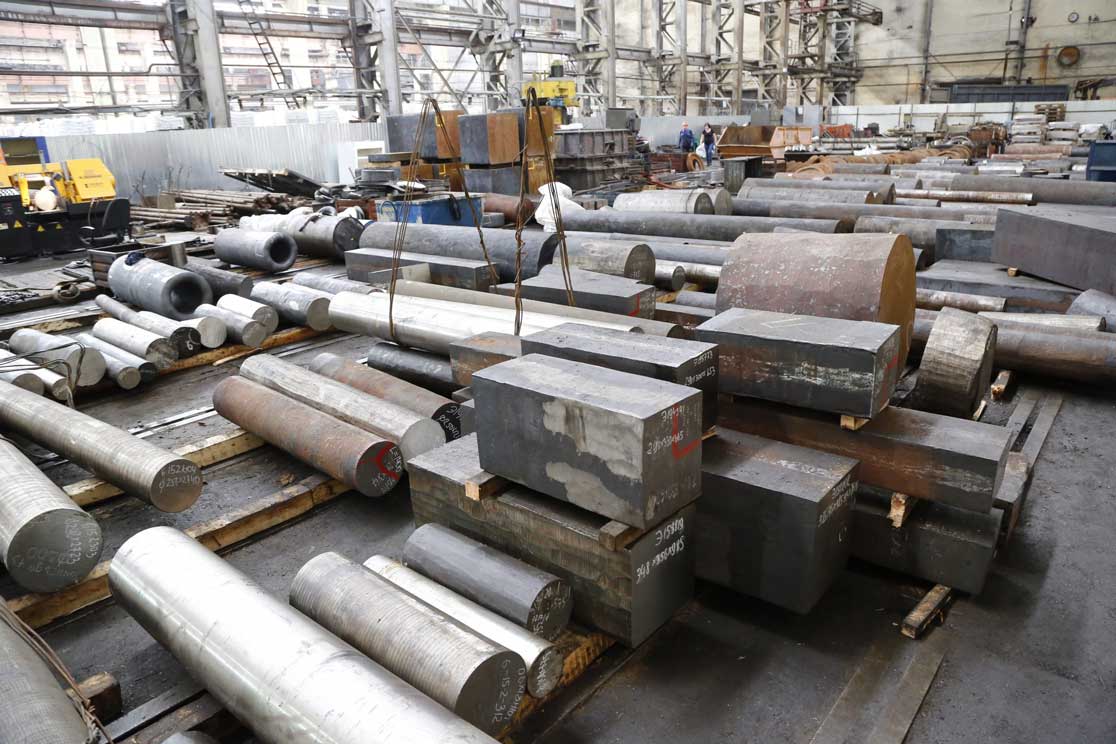
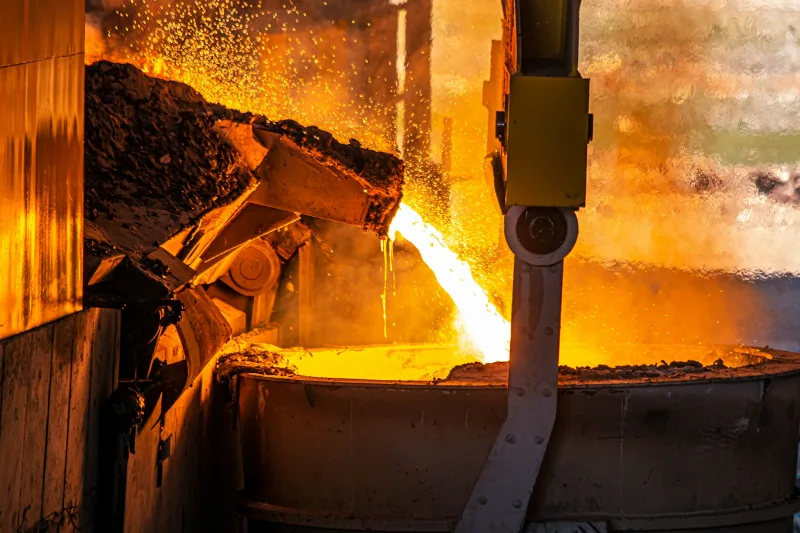
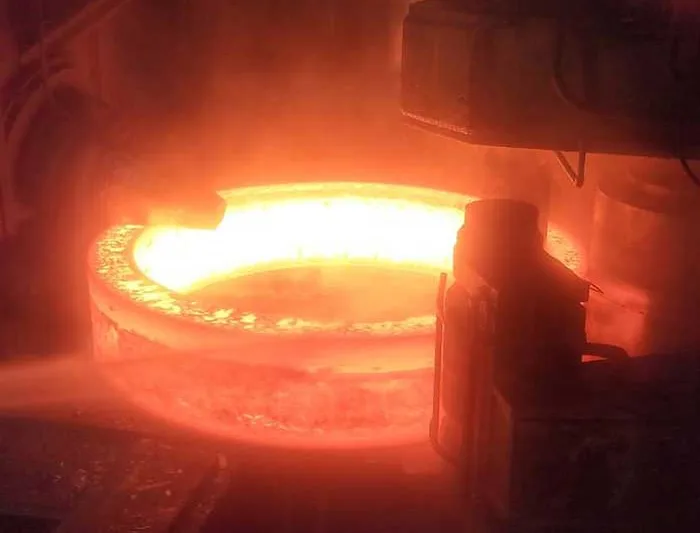
The preform, deformation schedule and cooling practice influence the final structure. Solution annealing and rapid cooling are normally controlled to meet the applicable material specification. The RFQ should identify any requirements for ferrite content, phase balance, corrosion testing or supplementary metallographic examination.
Machining a high-strength stainless ring
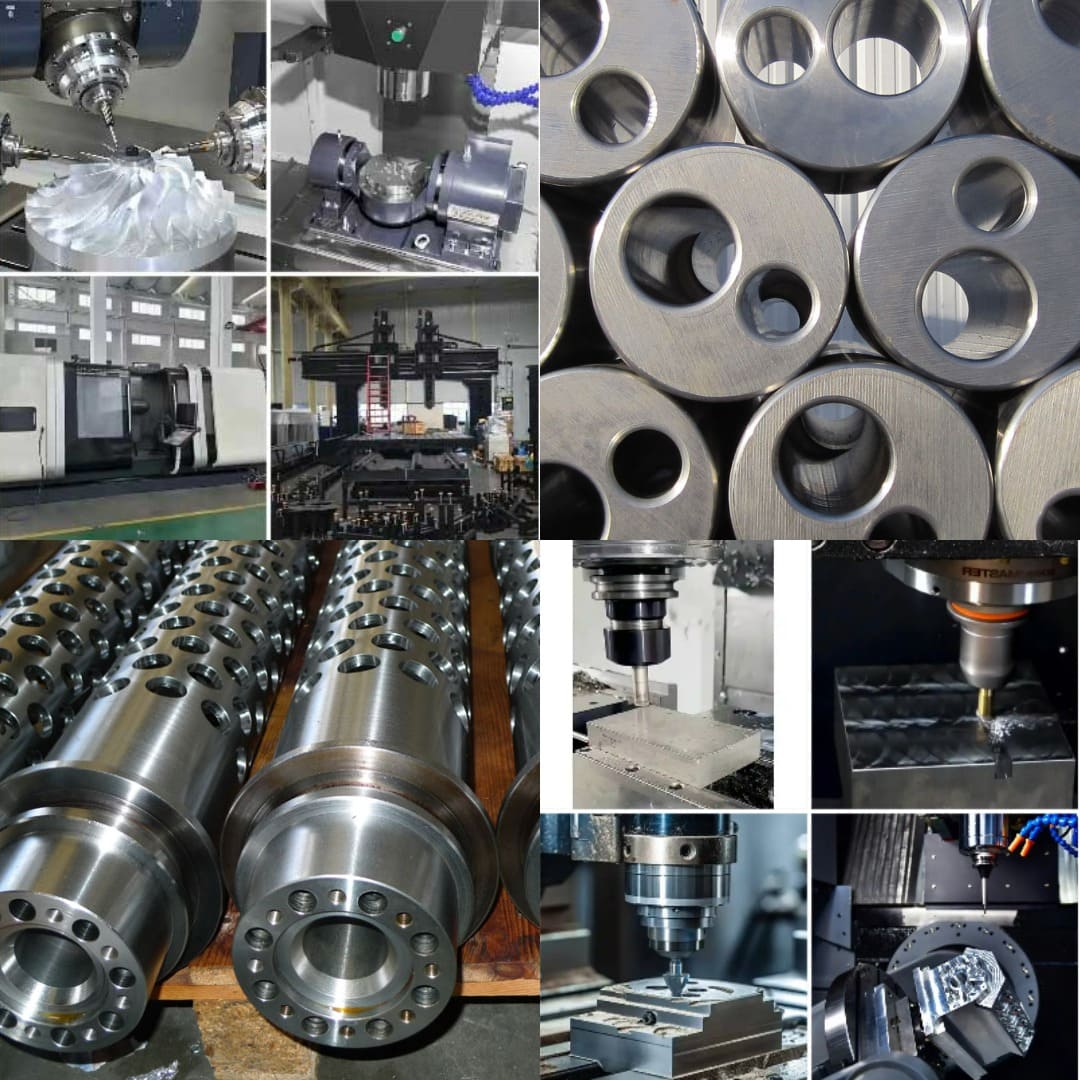
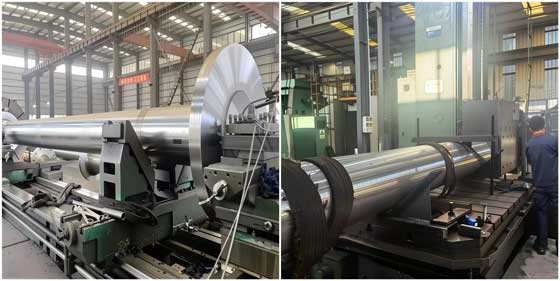
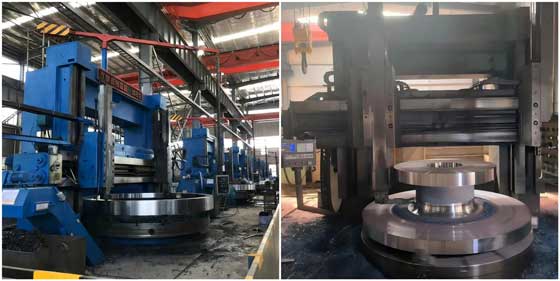
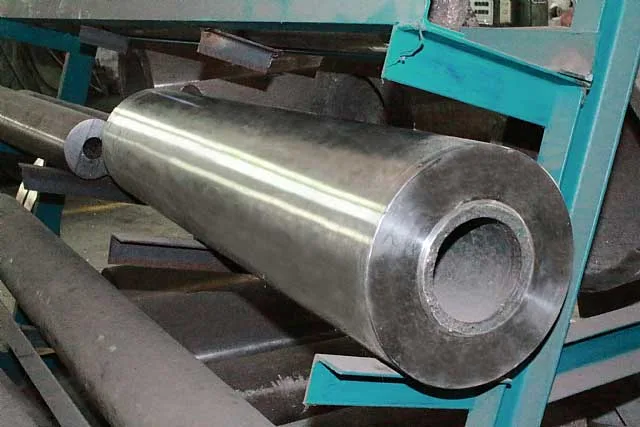
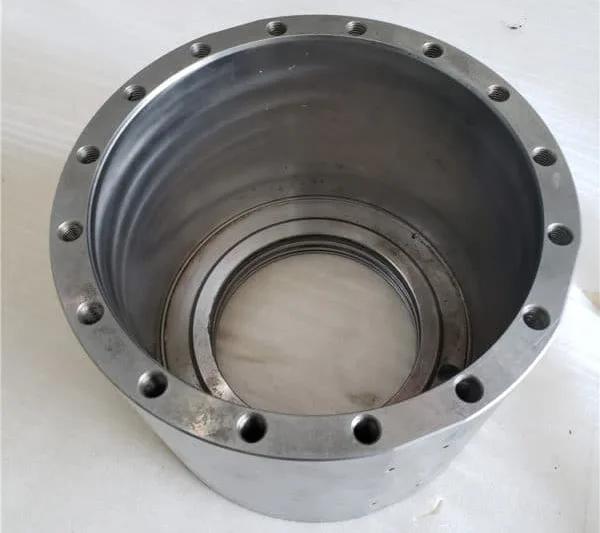
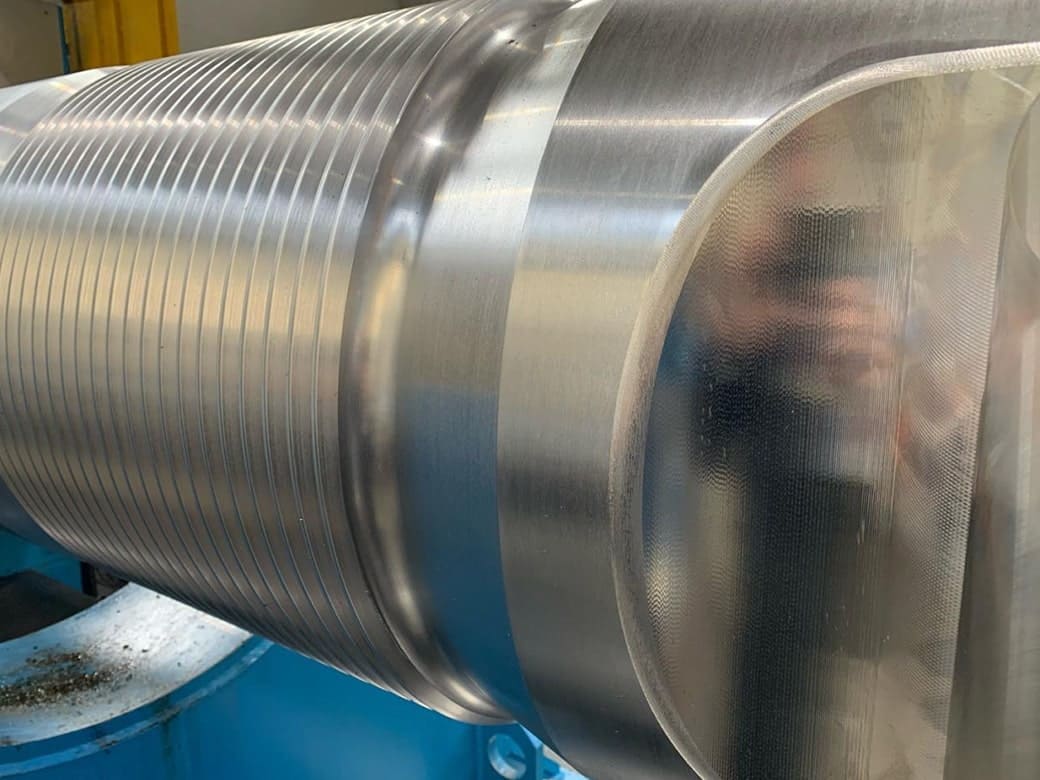
2205 has higher strength than many austenitic grades, which can influence cutting loads and tool life. State machining allowance, bore and OD tolerances, face flatness, concentricity and surface finish. For large sections, intermediate dimensional checks can help control the sequence from rough machining to final finishing.
Documentation
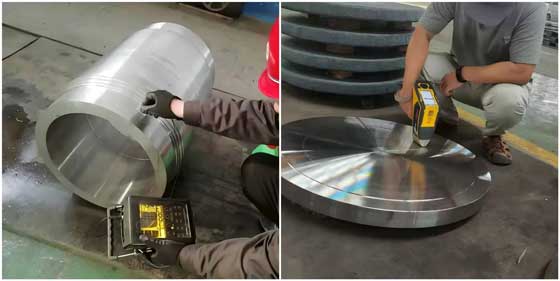
Specify chemistry, tensile properties, hardness, heat-treatment records, traceability and dimensional inspection. Add UT, PMI, corrosion tests or phase-balance checks when required, with the relevant method and acceptance criteria. Include service conditions and the complete drawing in the inquiry.