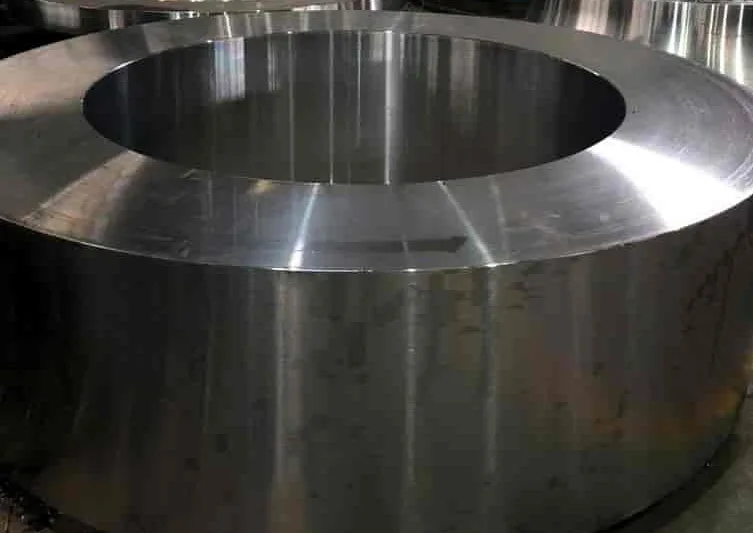
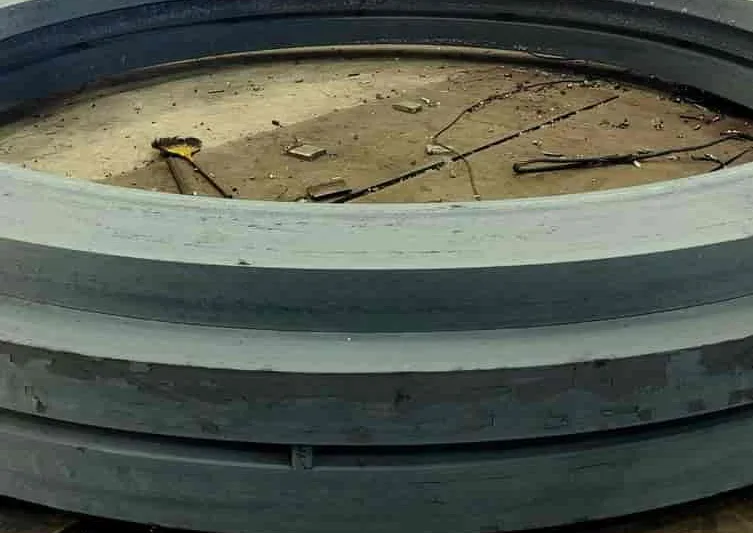
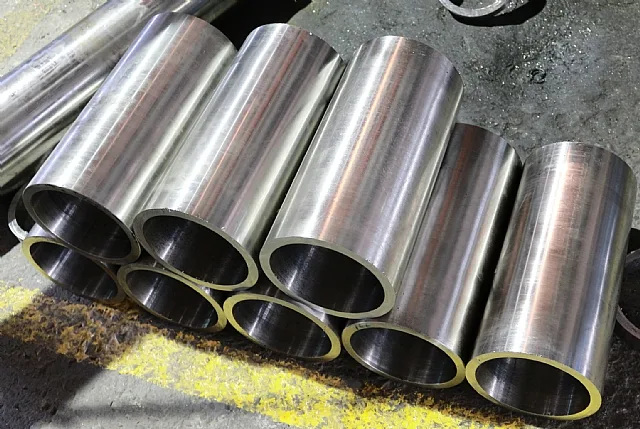
17-4 PH Stainless Steel Forged Rings: Aging Condition and Strength Specification
17-4 PH is a precipitation-hardening stainless steel used when a component design calls for high strength together with useful corrosion resistance. For forged rings, the purchase specification must identify not only the alloy but also the required condition, commonly expressed through an aging designation. Different aging conditions produce different combinations of strength, hardness and toughness; the designation is therefore a functional requirement, not a minor catalog detail.
Where 17-4 PH rings are considered
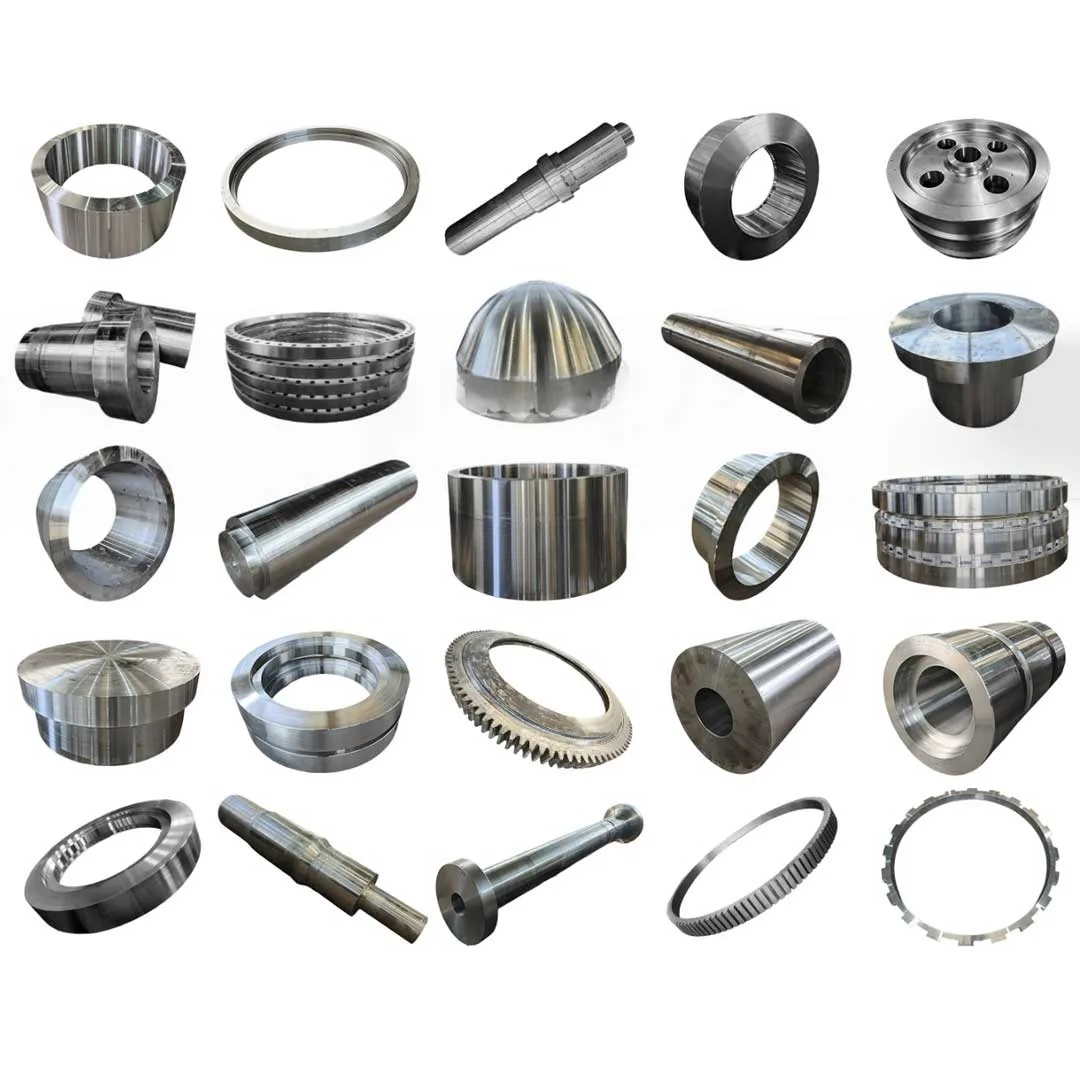
Potential applications include high-load valve components, pump parts, aerospace-related hardware and precision mechanical assemblies. The suitability of the grade depends on the operating temperature, corrosion exposure, stress state and applicable industry specification. Confirm the required condition with the design authority before quoting.
Define the aging condition in the RFQ
State the material standard, product form, solution condition and final aging condition required by the drawing or purchase order. If tensile strength, yield strength, hardness or impact properties are specified, list the acceptance values and test method. Do not rely on a generic statement such as hardened stainless steel because it leaves the target properties ambiguous.
Forging, heat treatment and finish machining
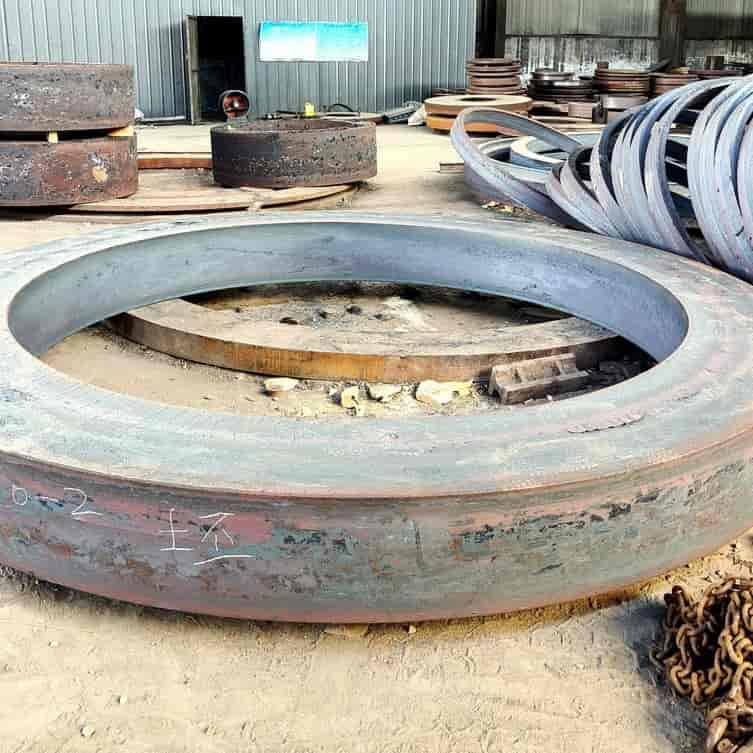
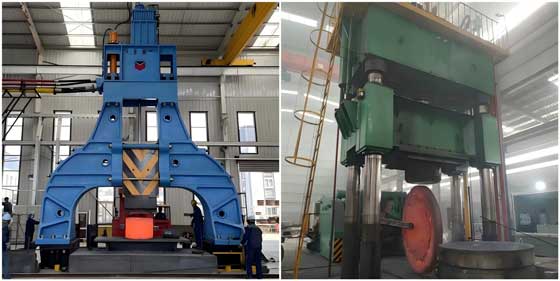
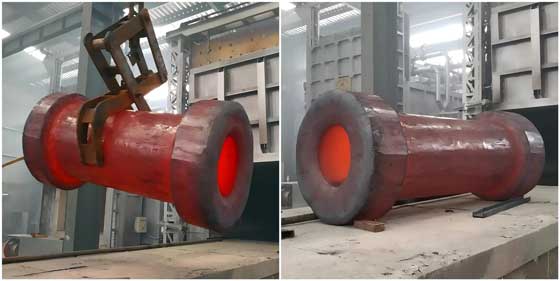
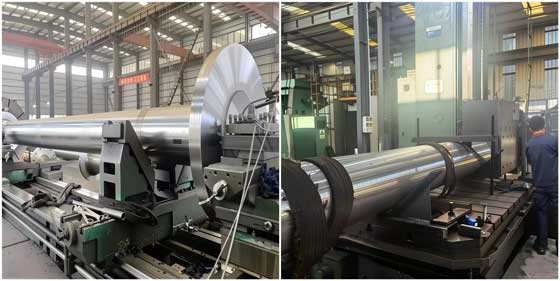
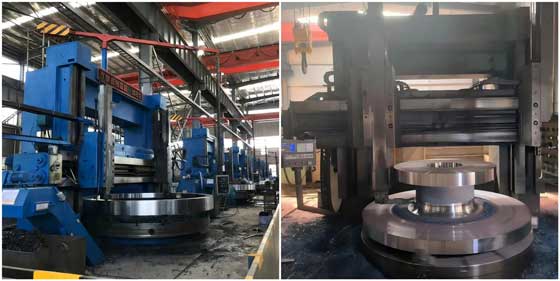
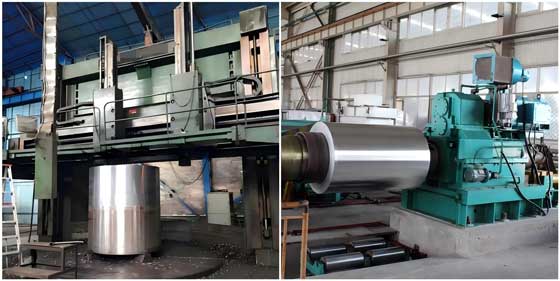
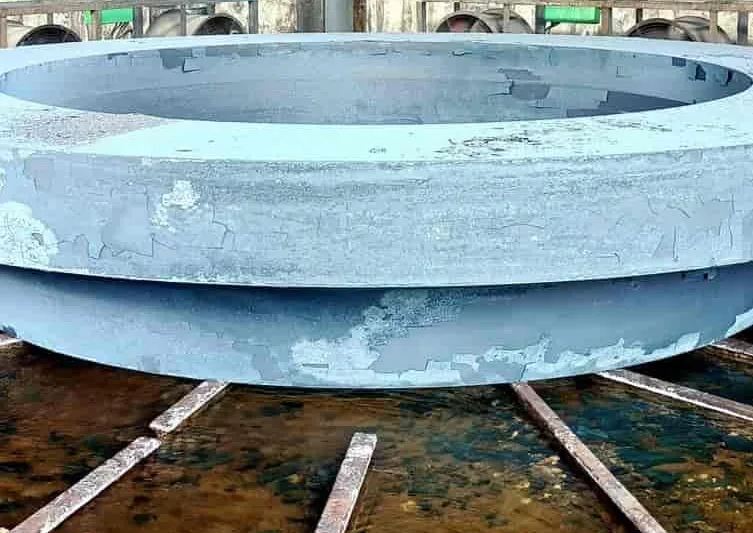
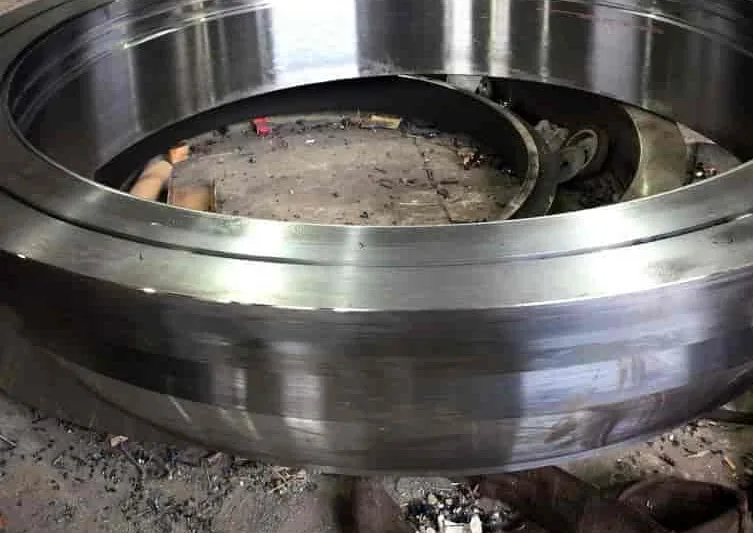
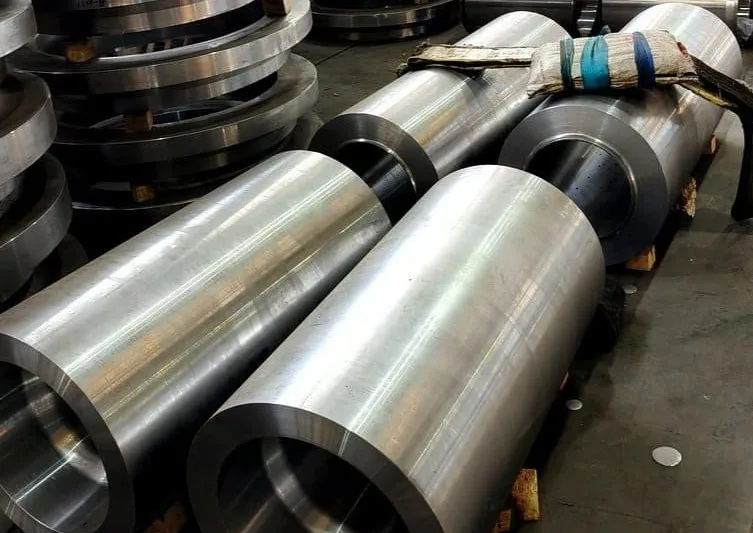
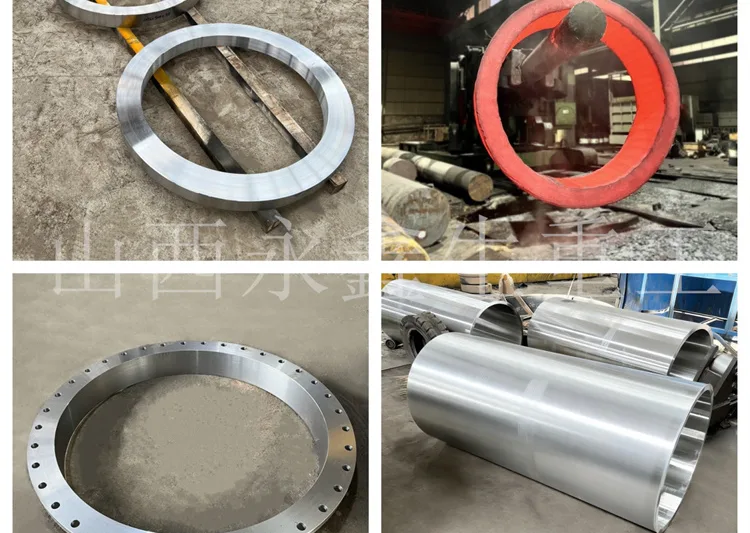
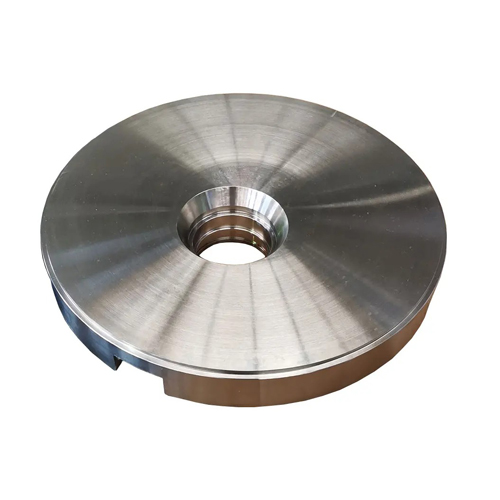
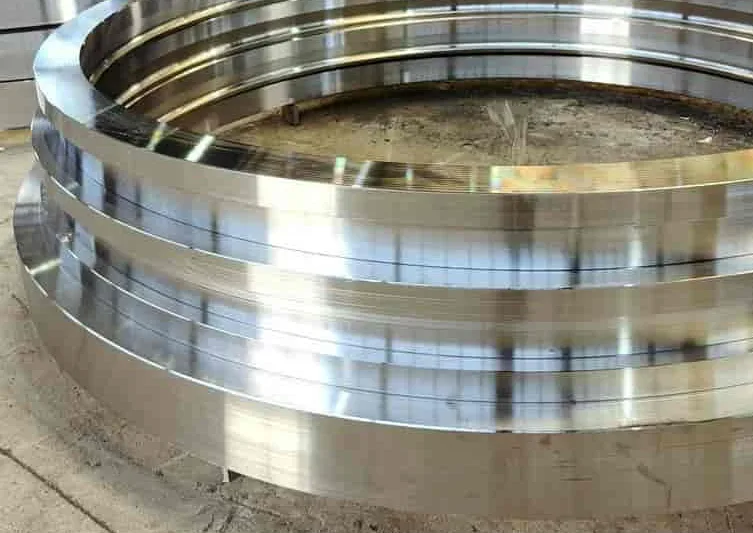
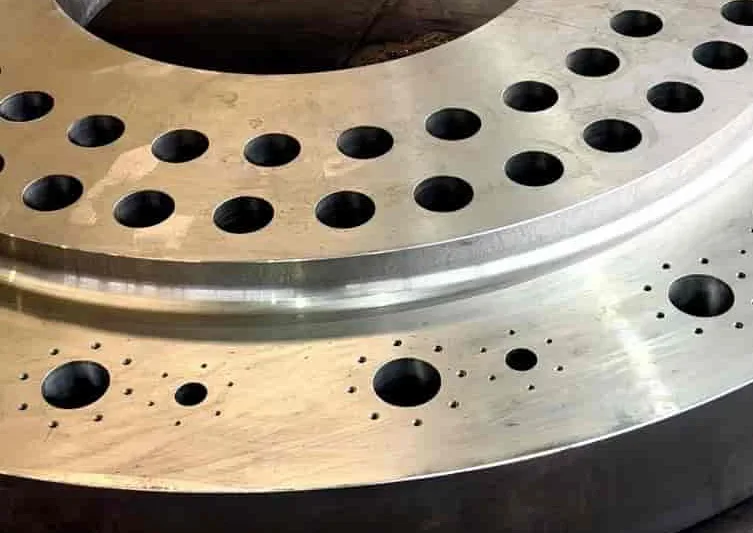
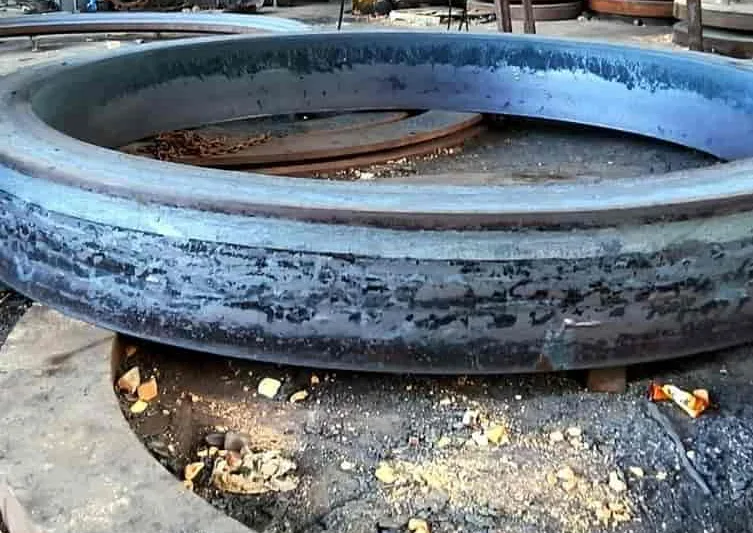
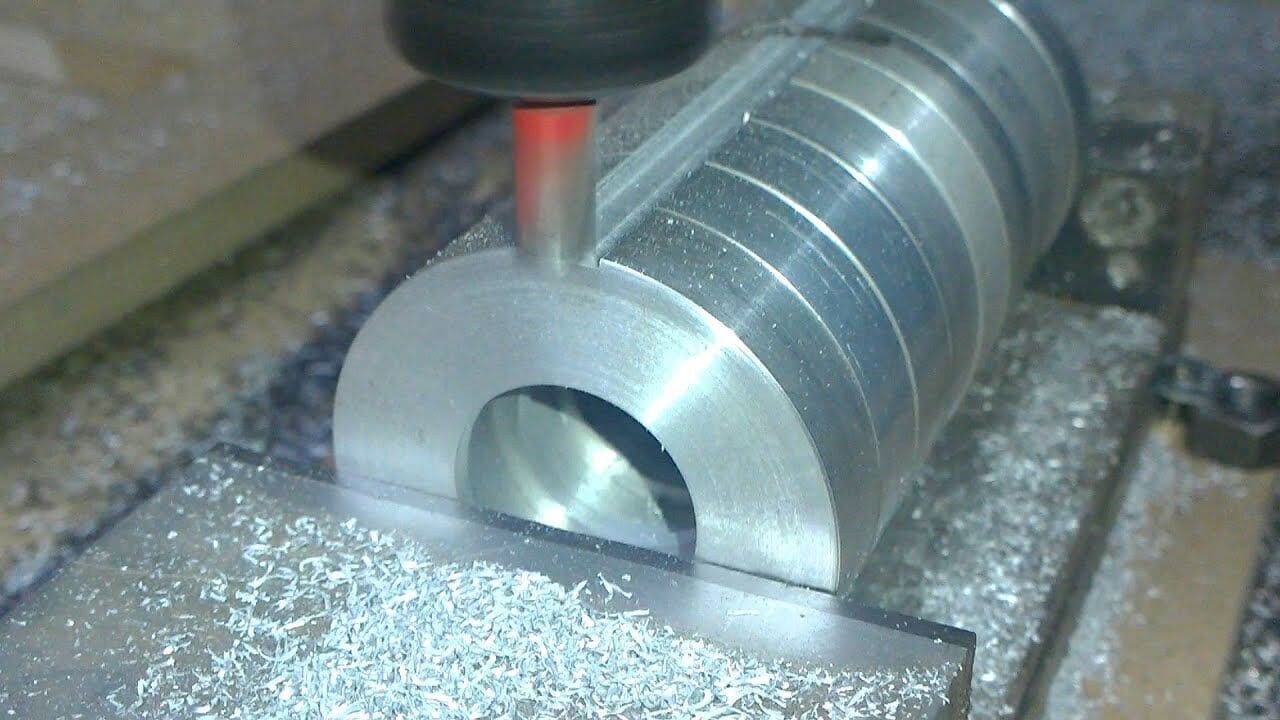
Ring dimensions and section changes influence the forging plan and machining allowance. The manufacturing sequence should account for solution treatment, aging and the dimensional movement that may occur during thermal processing. CNC turning, boring, facing and detail machining can be scheduled to achieve final dimensions after the specified condition is established.
Verification and traceability
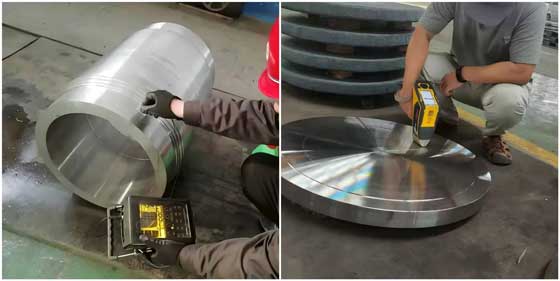
Typical documentation includes heat chemistry, material certificate, heat-treatment records, mechanical test results, hardness and dimensional inspection. Additional NDT or PMI should be specified where needed. A useful inquiry includes drawing, OD/ID/height, quantity, aging condition, machining scope, tolerances and inspection requirements.