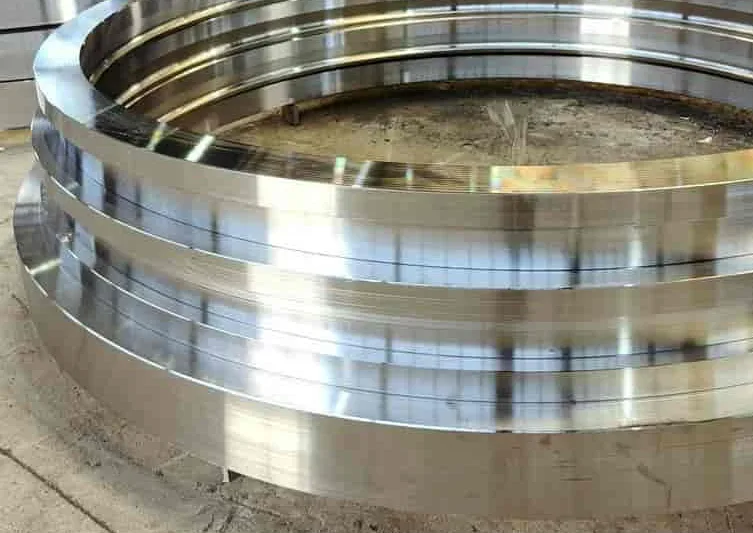
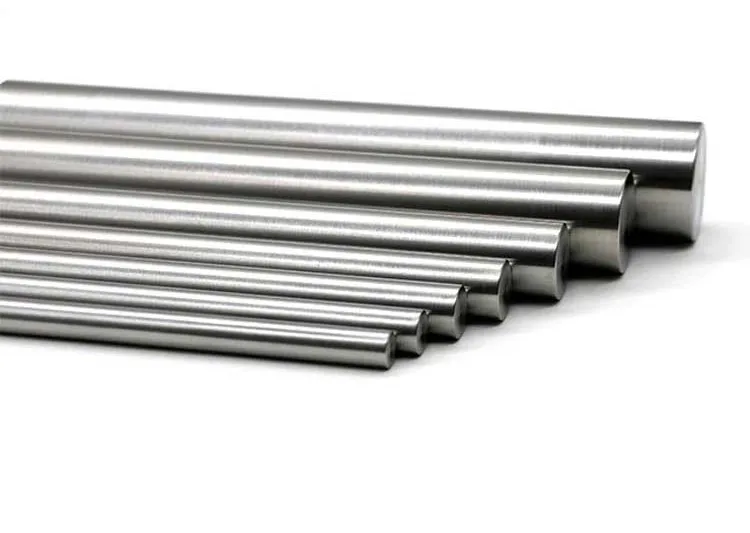
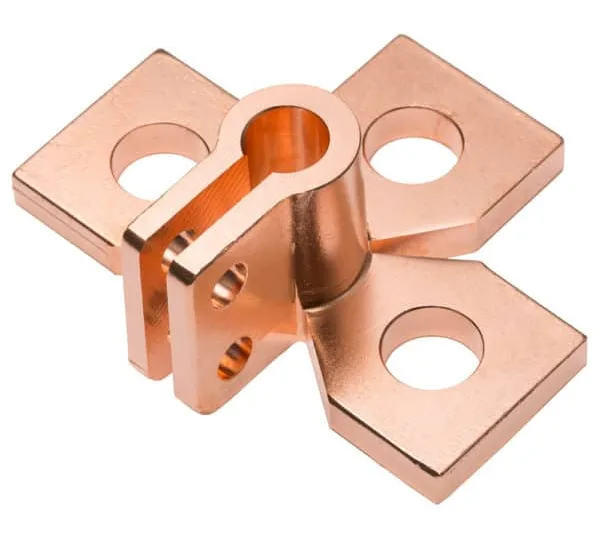
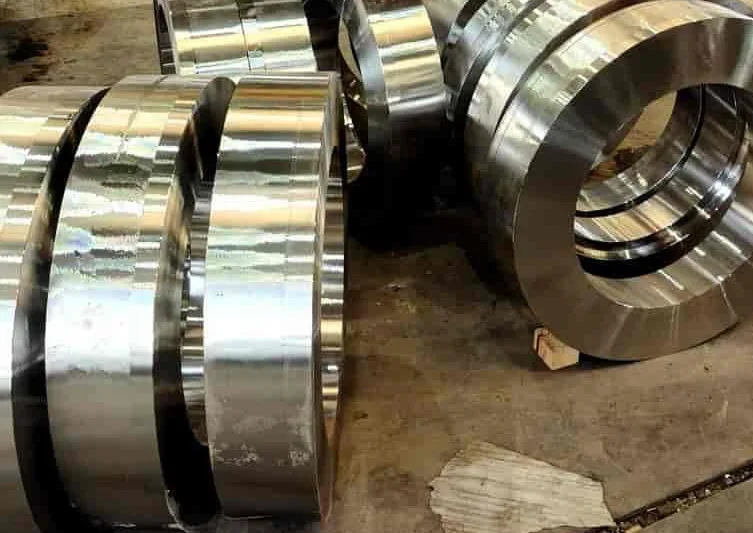
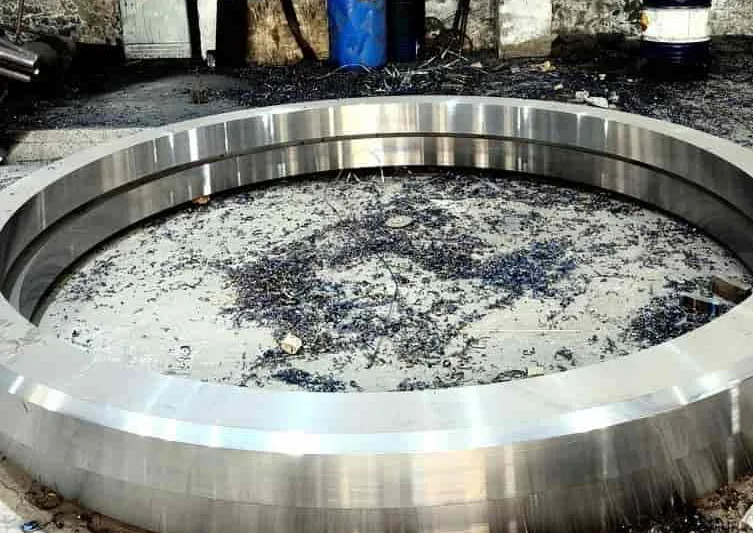
316L Stainless Steel Forged Rings for Marine and Chemical Equipment
随机图片

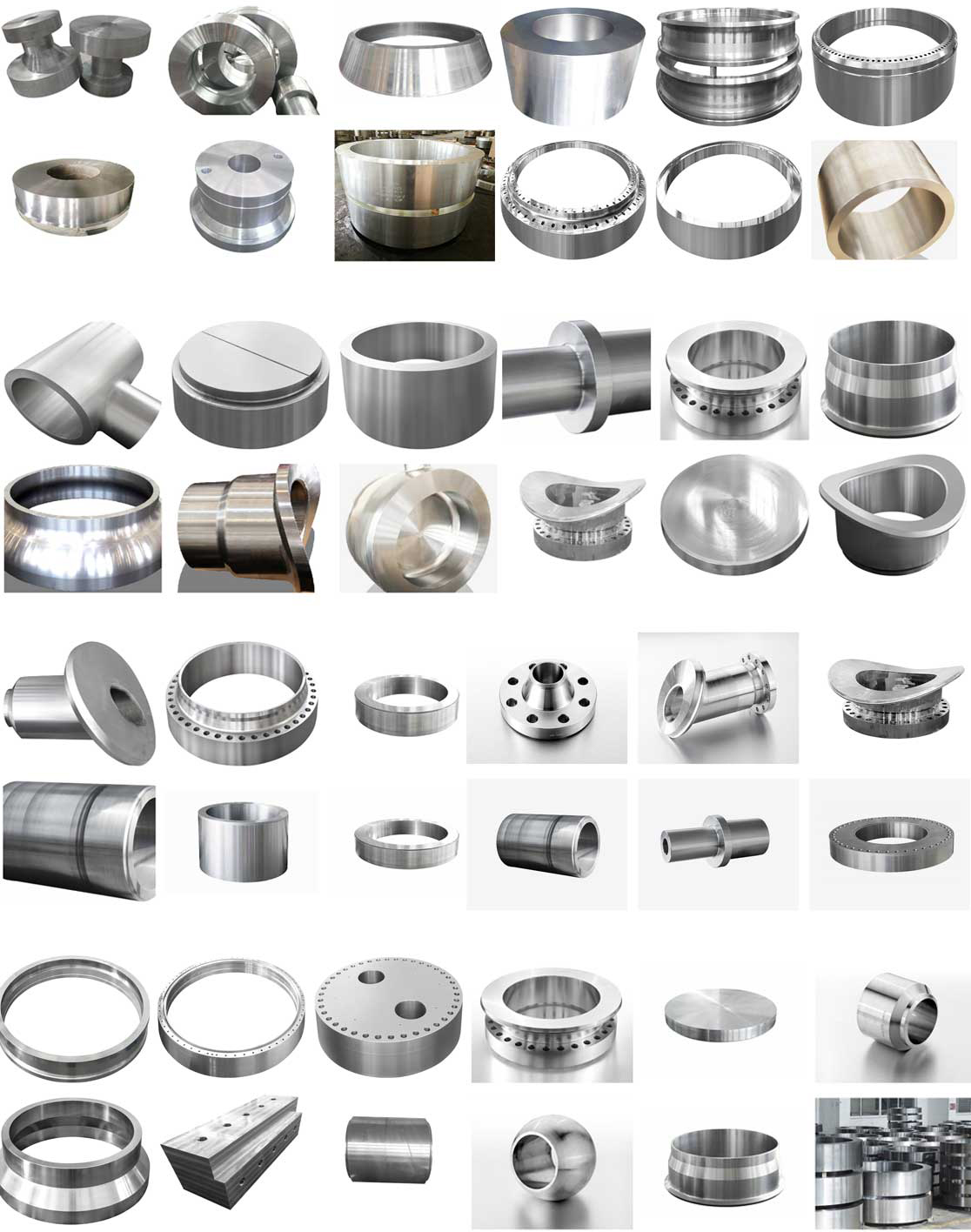
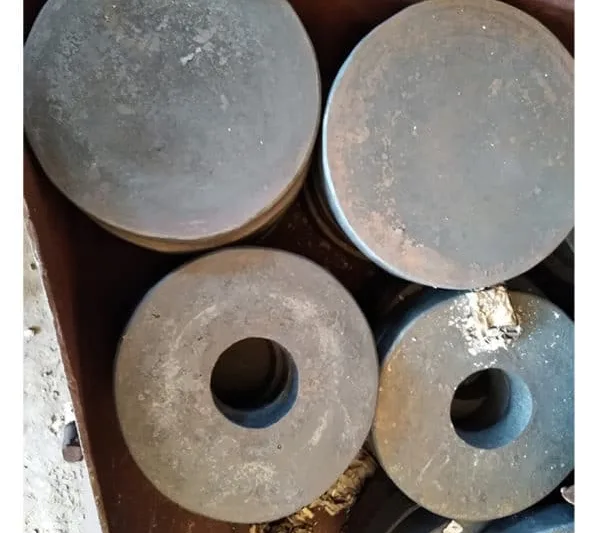
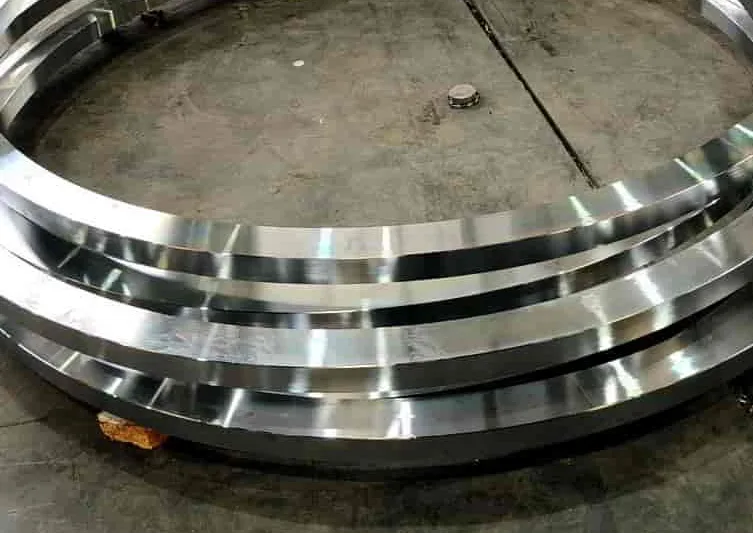
316L forged rings are often selected when 304L does not provide the corrosion margin required by the service environment. Molybdenum-bearing 316L offers improved resistance to many chloride-containing and industrial media, although it is not immune to pitting or crevice corrosion in all conditions. Material selection should use actual process chemistry, temperature and exposure data rather than a broad label such as marine grade.

Evaluate the service before choosing 316L

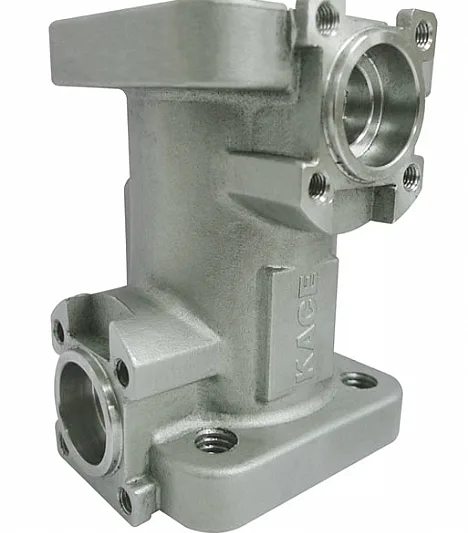
Typical component applications include pump housings, valve bodies, marine fittings, chemical-process equipment, heat-exchanger assemblies and flanges. For seawater exposure, concentrated chlorides or elevated temperatures, the engineer should assess whether duplex stainless steel or a higher-alloy material is necessary. The design code and purchaser specification govern final approval.

What changes in a forged ring order

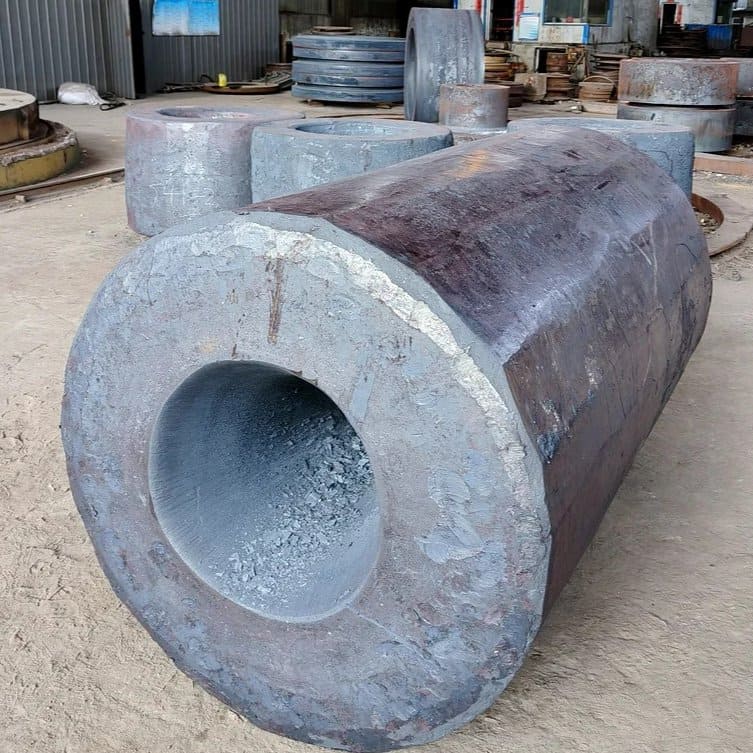
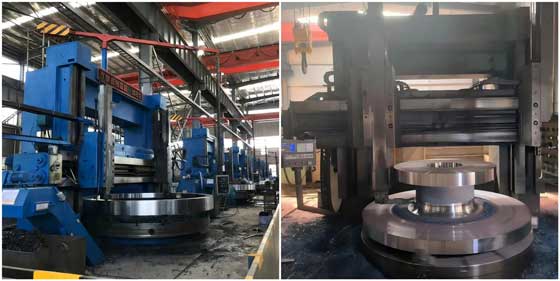
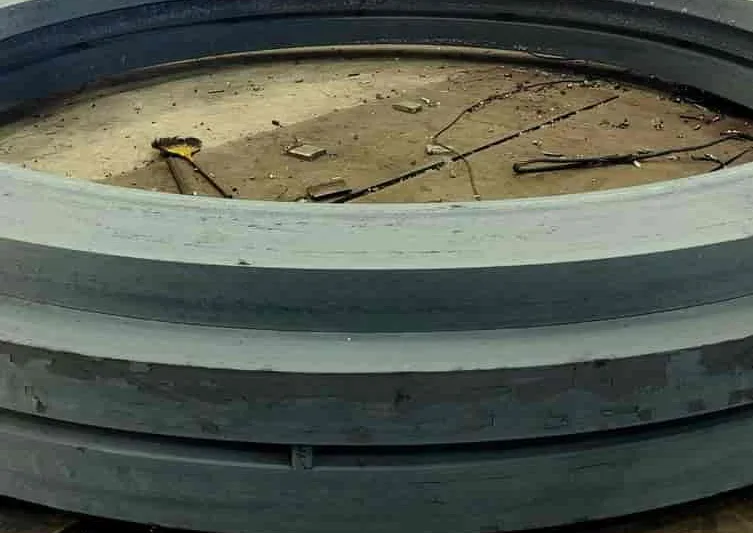
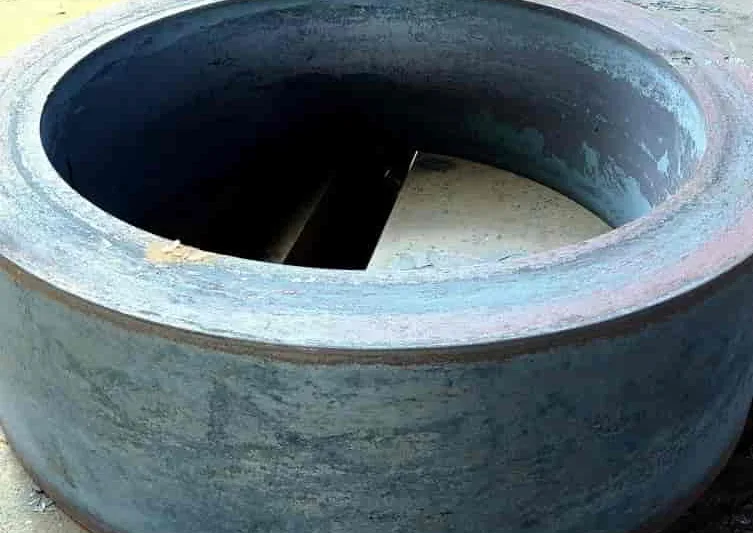
Large 316L rings may be ordered as near-net-shape forgings to reduce machining stock or as fully machined components. Supply drawings should identify the pressure or sealing surfaces, bore geometry, bolt circle if applicable, and dimensional datums. Stainless forging practice also calls for attention to surface cleanliness and prevention of embedded iron contamination during handling.

Heat treatment and finish quality

State the applicable material standard and required solution-annealed condition. After heat treatment, CNC turning and boring establish the final geometry. If the ring is used in a gasket joint, specify flange-face finish and flatness; if it is a rotating part, identify runout and balance-related requirements. A machining allowance should be agreed for all surfaces that must be cleaned up completely.

Inspection scope

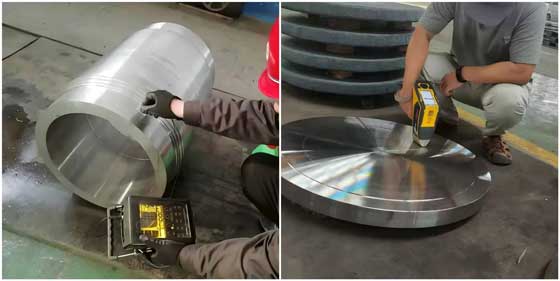
Material certificates, chemistry, mechanical properties, dimensional inspection and traceability are common requirements. PMI, liquid penetrant examination or ultrasonic testing may be added when specified by the purchaser. The RFQ should define acceptance criteria, not just list a test name. Include dimensions, quantity, standard, surface finish, machining extent and delivery location when requesting pricing.

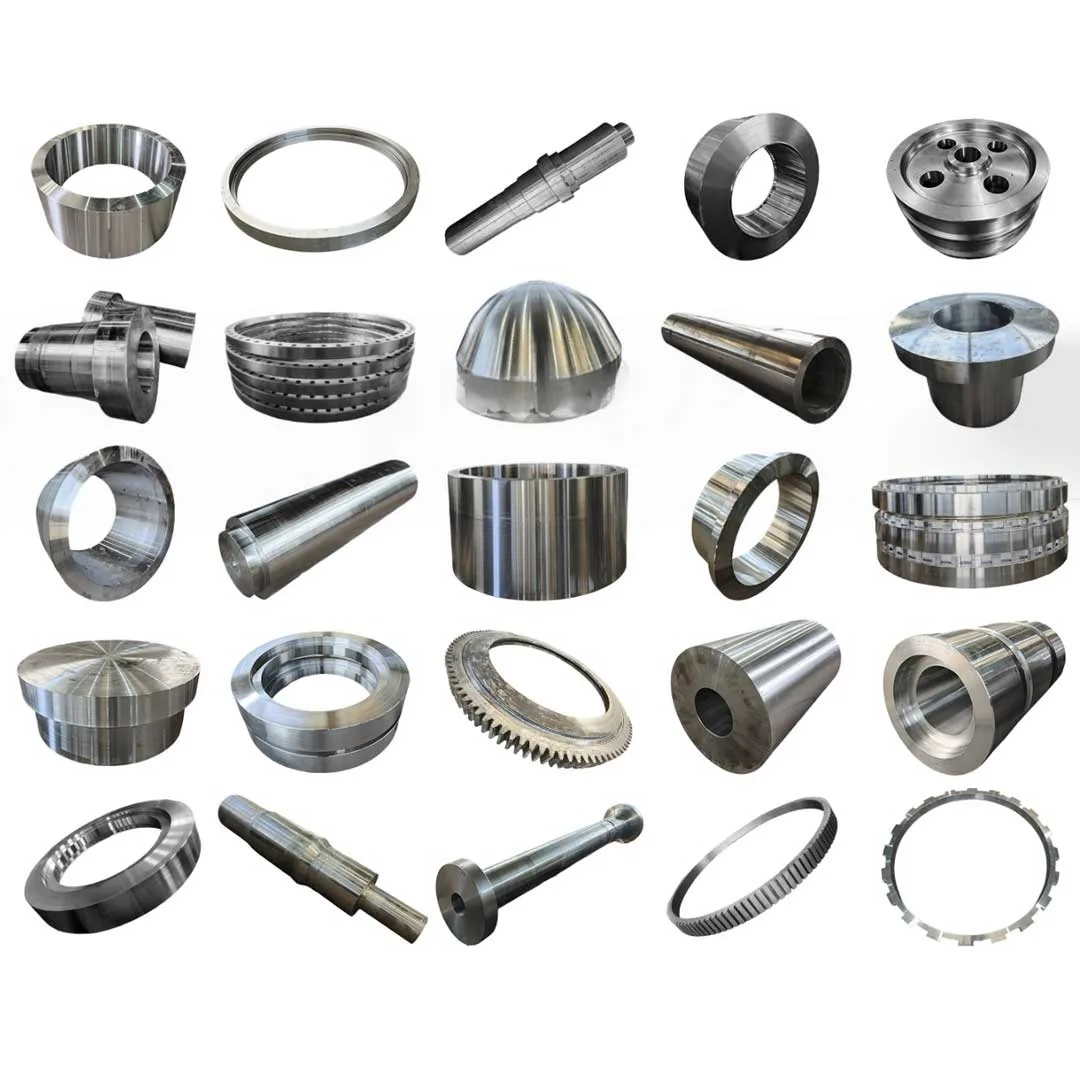
We also provide forging blanks and CNC precision machining services for our clients, covering industries such as energy, petrochemicals, steel, engineering machinery, plastics, prevention and control, hydraulics, healthcare, and food. Please feel free to send us drawings for inquiries.

large-forgings-cnc 随机图片

Metalworking Services

CNC Machining

Sheet Metal Fabrication

Metal Welding

Metal Cutting

Metal Bending

Metal Punching

Metal Forging

Metal Sheet Rolling

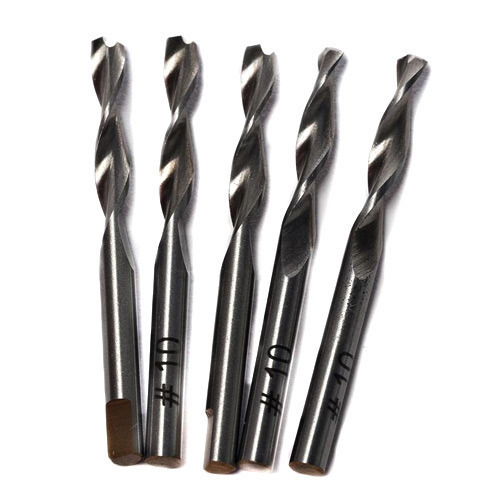
Tube and Plate Drilling

Heavy Forging Press Capacity

Heavy Forging Press Capacity

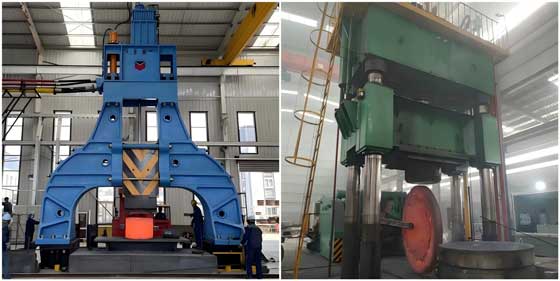
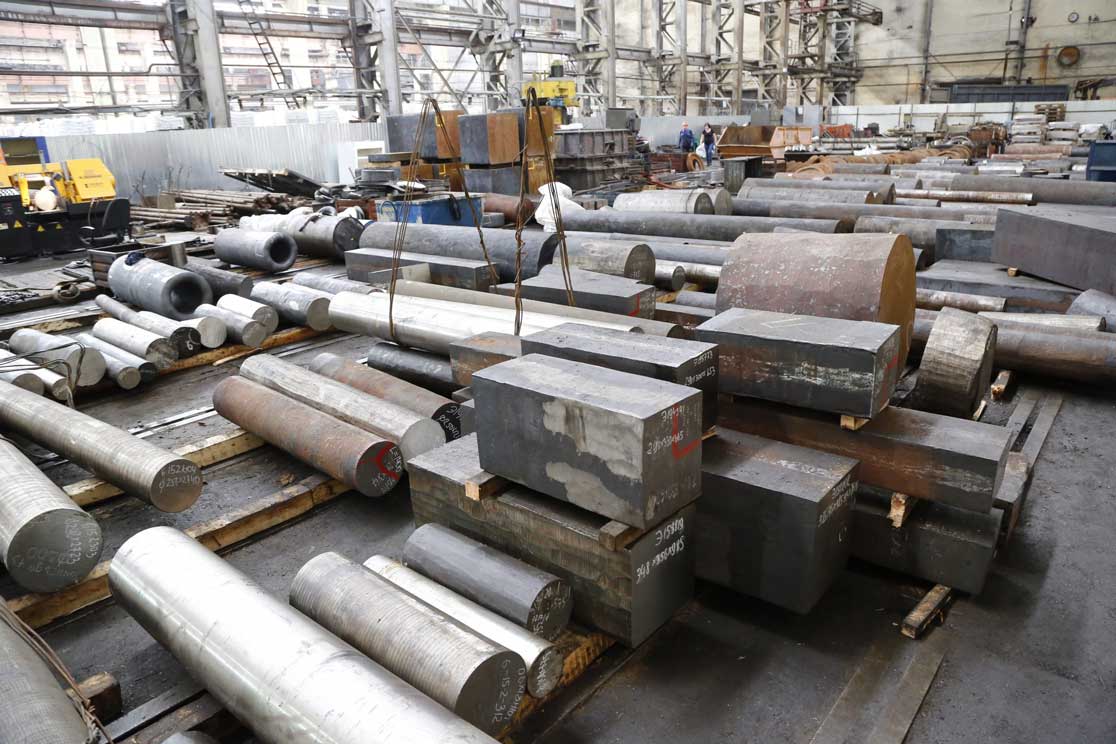
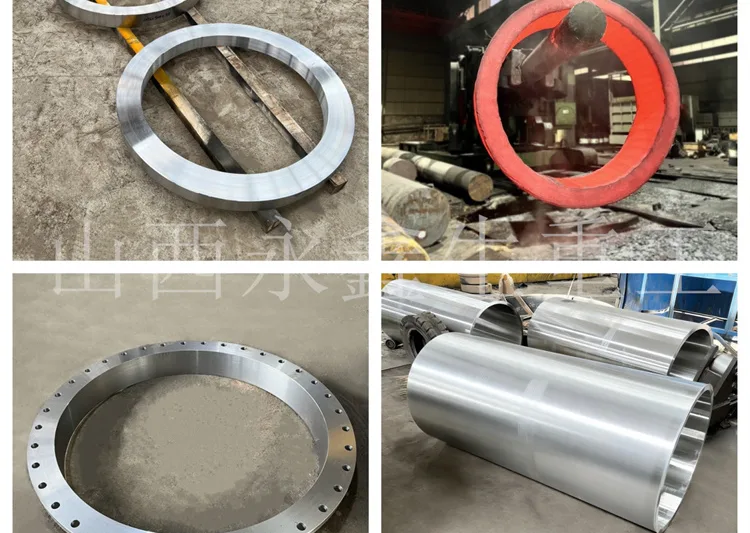
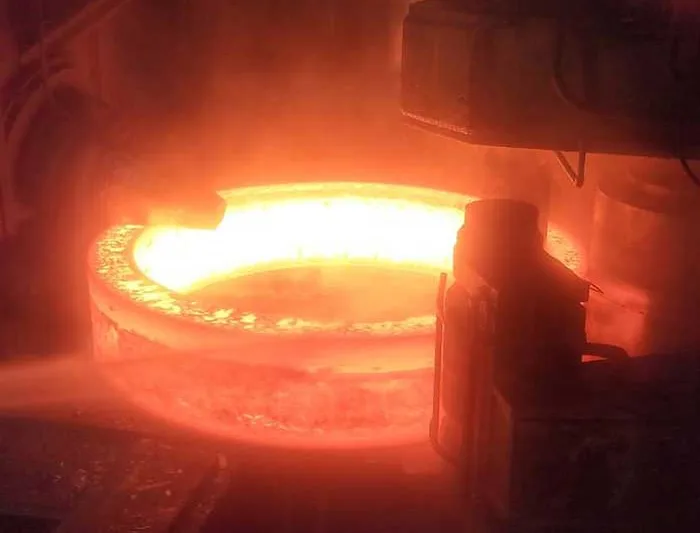
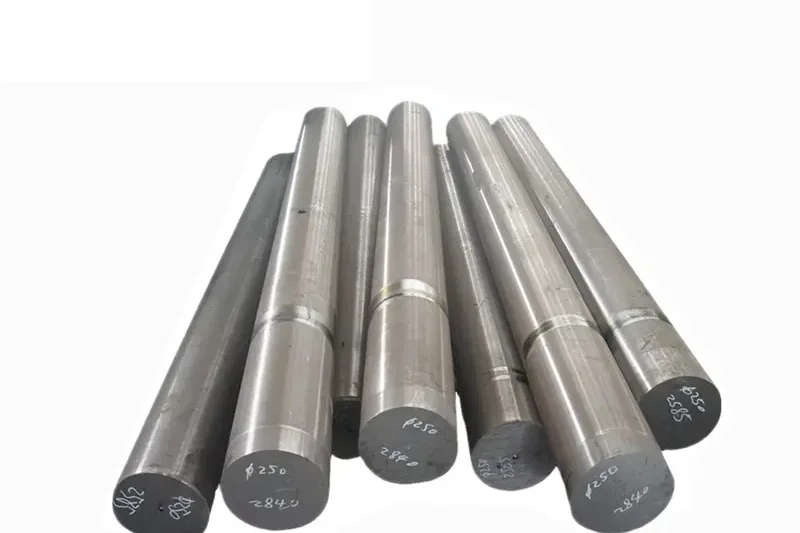
Our heavy-duty forging presses support open-die forging and deformation of large-section forgings, including discs, shafts, blocks, and custom components. This capability enables us to meet the demanding forming requirements of heavy industrial applications.

Heat Treatment Capability

Heat Treatment Capability

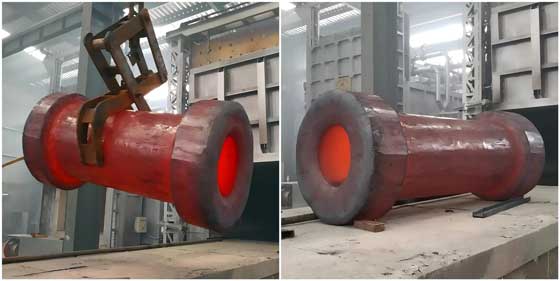
Heat treatment is a critical step in achieving the mechanical properties required for heavy-duty forgings. Our process capabilities meet the strength, toughness, and structural stability requirements for forged components used under demanding operating conditions.

Heavy Shaft Machining

Heavy Shaft Machining

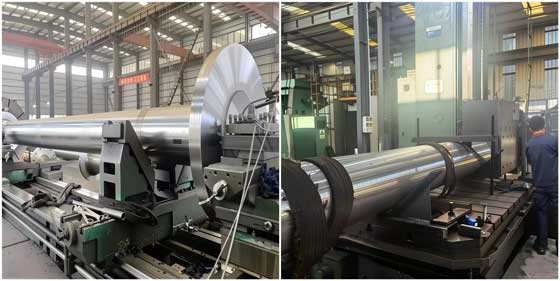
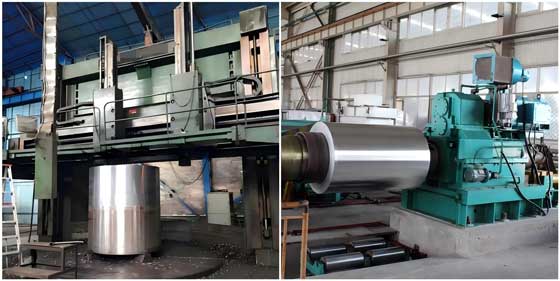
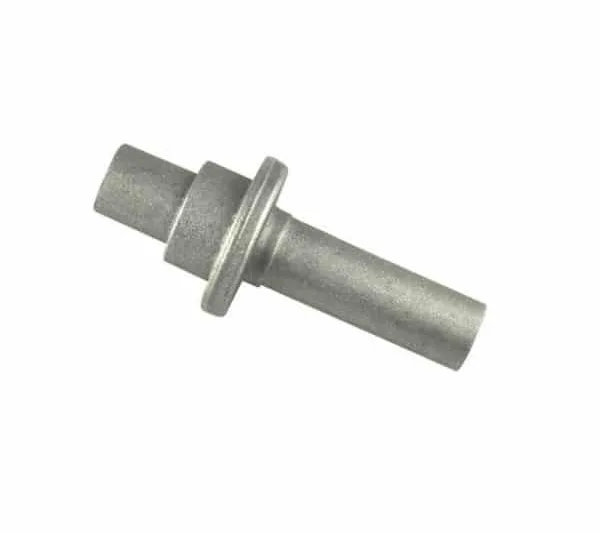
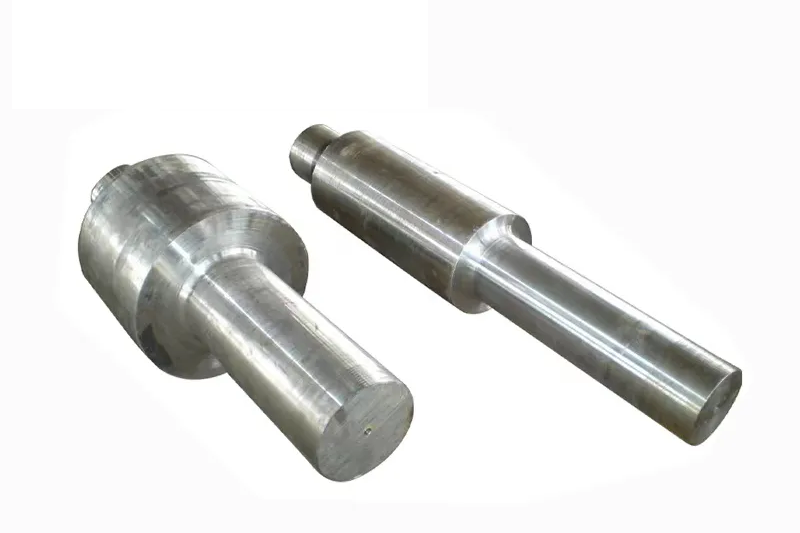
We offer machining capabilities for large forged shafts and long cylindrical components, supporting both rough and finish machining. This capacity is suitable for stepped shafts, rotor shafts, rollers, and other heavy-duty forged shaft components.
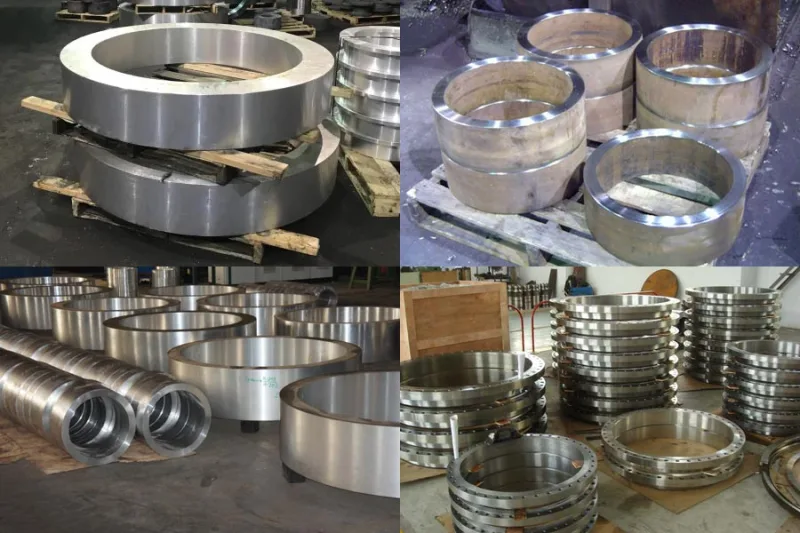
Ring Forging Machining

Ring Forging Machining

Our machining facilities are capable of handling large ring-shaped forgings and circular parts that require precise turning, face machining, boring, and contour control. This capability is suitable for industrial ring blanks, heavy-duty circular parts, and machined ring forgings.

Cylindrical Forging Machining

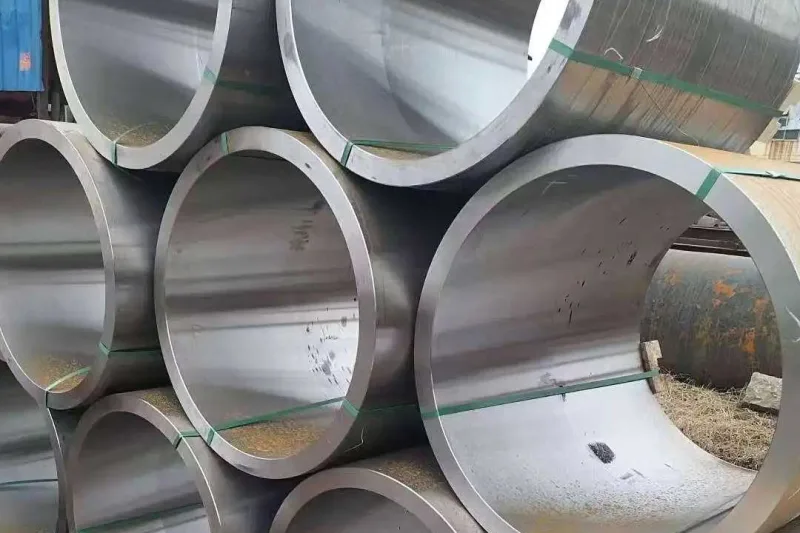
Cylindrical Forging Machining

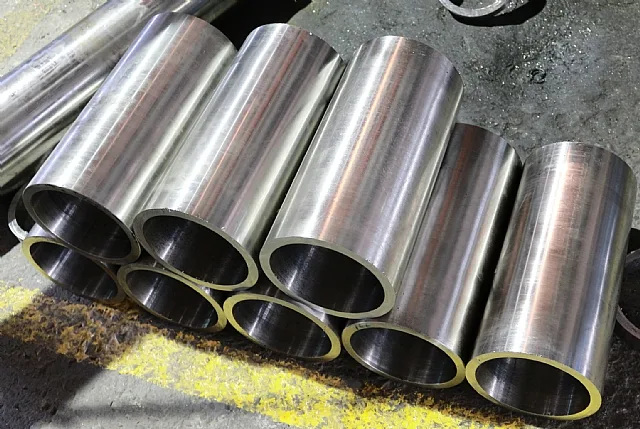
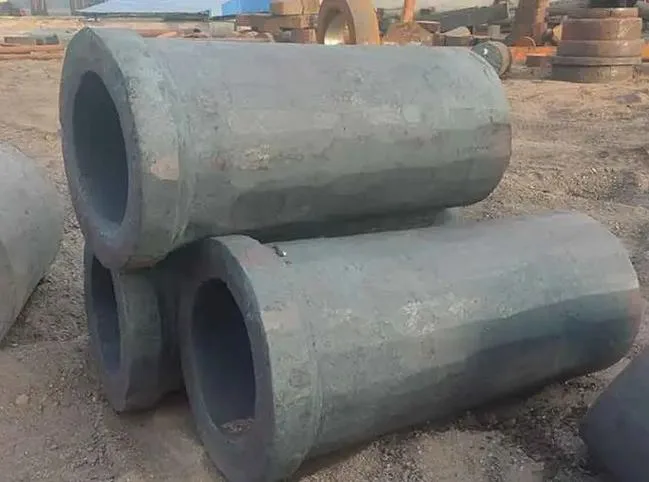
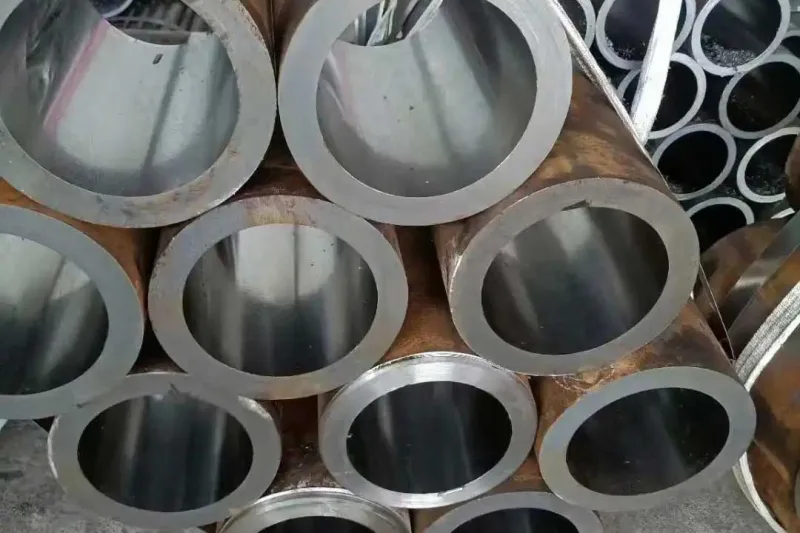
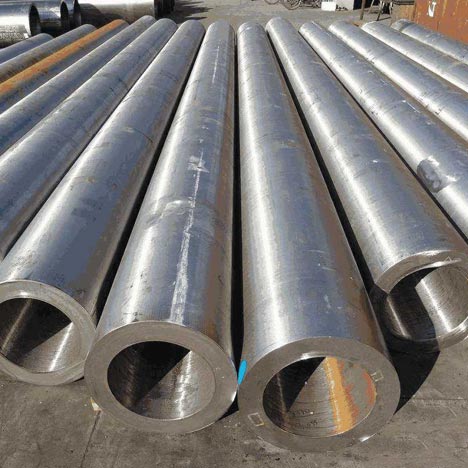
We offer machining solutions for heavy-duty cylindrical, hollow, and tubular forgings. This capability supports the machining of sleeves, cylinders, and other thick-walled forged components used in pressure vessels, rotating systems, and general industrial applications.

Inspection & Testing

Inspection & Testing

Quality control is integrated into our production process through the inspection and testing of forged and machined parts. Our capabilities help verify the dimensional accuracy, condition, and quality consistency of industrial forgings prior to delivery.

Packing & Delivery

Packing & Delivery

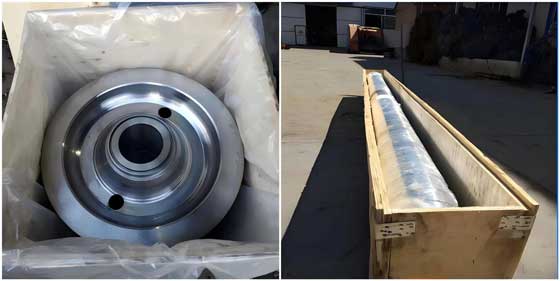
Finished forgings are properly protected and packaged to minimize the risk of damage during storage and transportation. Our packaging methods ensure the safe domestic delivery and export shipment of machined and high-value forged components.

forging steel CNC Processing CNC Processing

Recently Posts