316L Stainless Steel Seamless Rolled Rings: Chloride Service and Machining Details
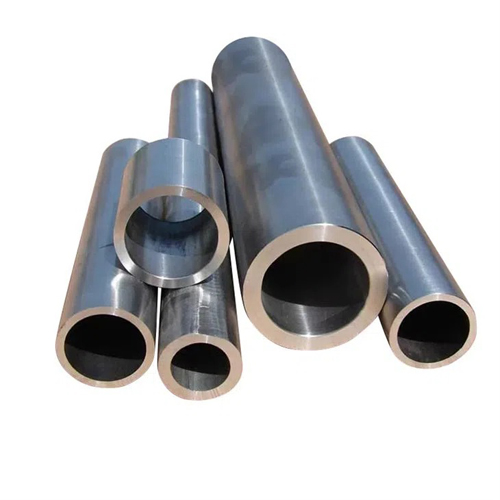
316L seamless rolled rings are selected for industrial components where molybdenum-bearing austenitic stainless steel is preferred over 304L. The grade is often considered for marine equipment, chemical process piping, pumps, valves and heat-exchanger assemblies. Its improved resistance in many chloride-bearing environments is useful, but pitting and crevice corrosion remain possible under sufficiently severe conditions.
Service conditions that matter
For a sound material choice, identify chloride concentration, operating temperature, pH, stagnant zones and cleaning chemicals. If the component sees warm seawater or aggressive process media, compare duplex and higher-alloy options rather than assuming 316L is sufficient. The engineering specification should govern final selection.
Rolled ring geometry
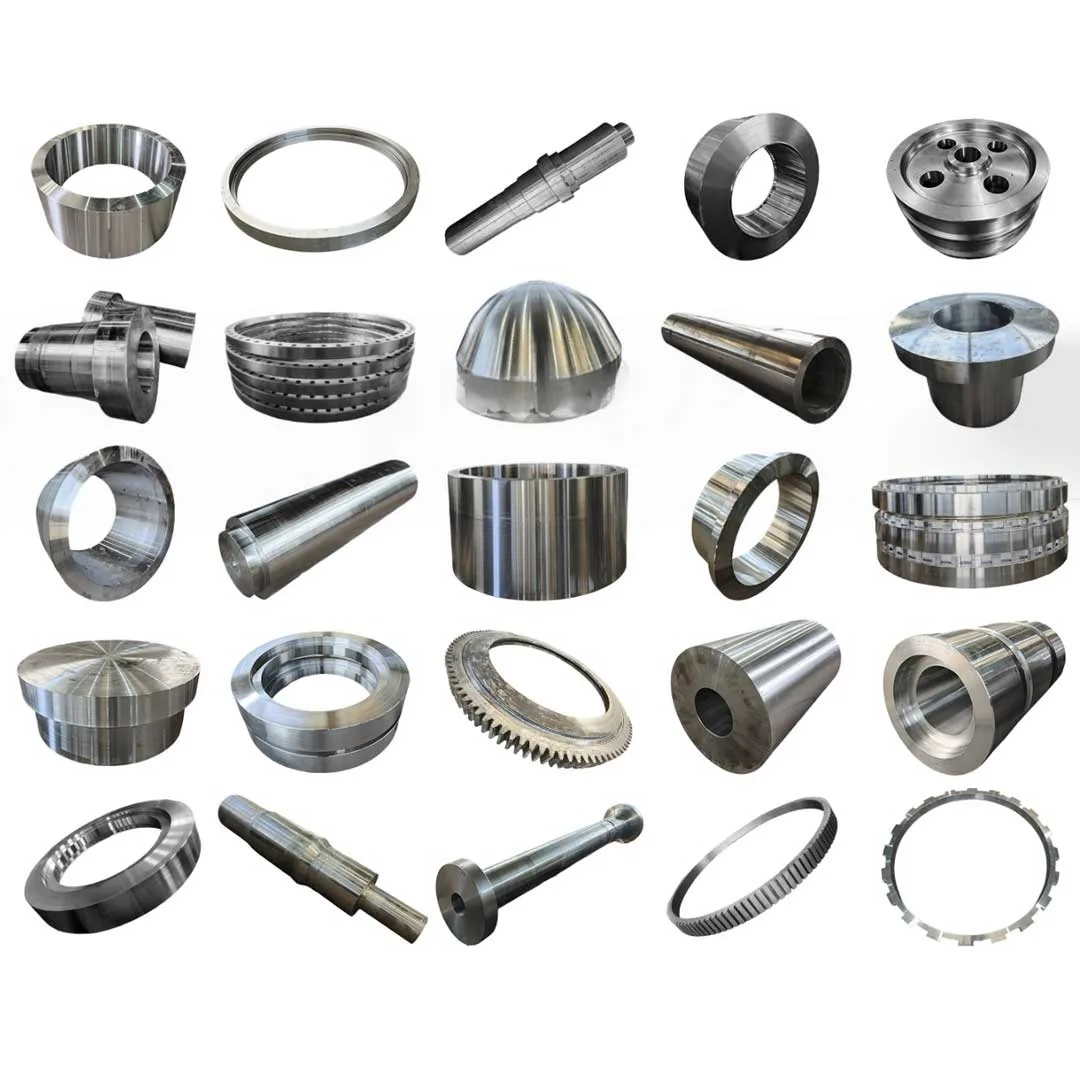
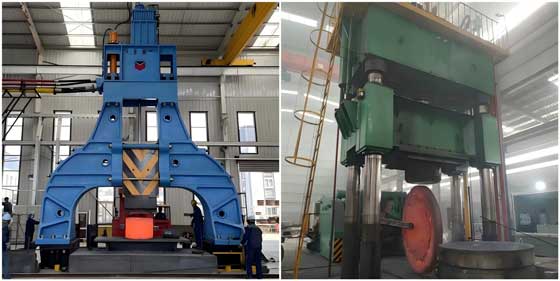
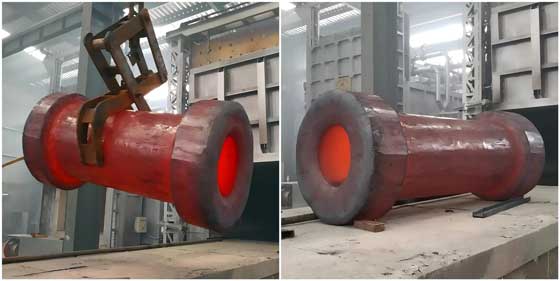
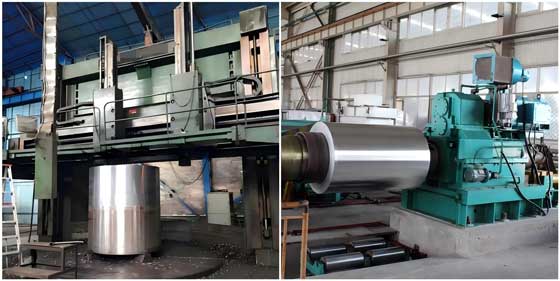
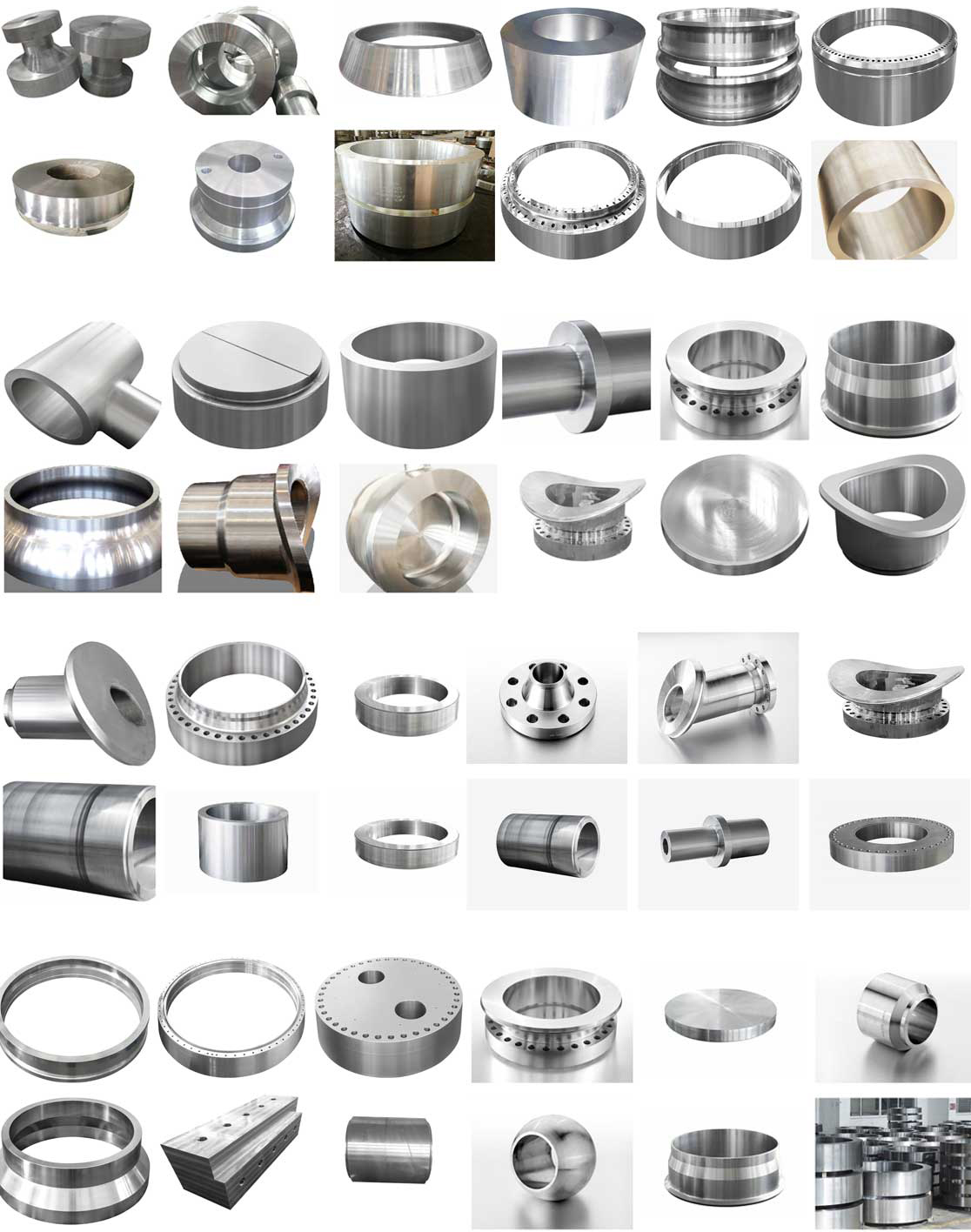
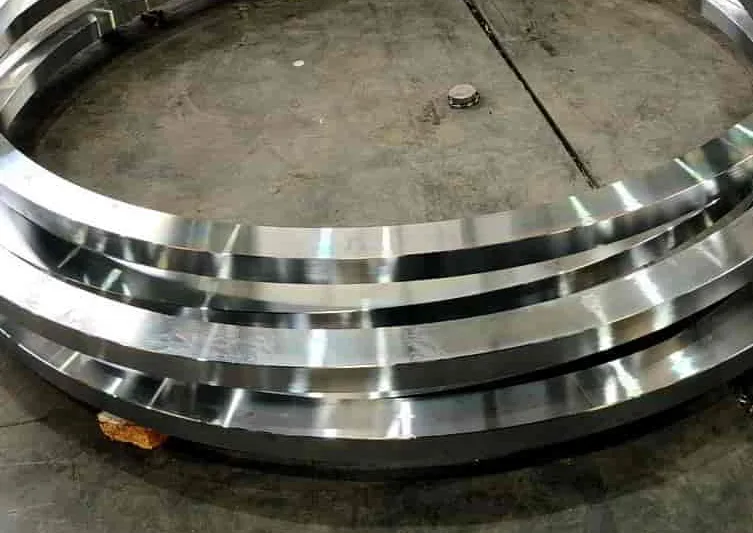
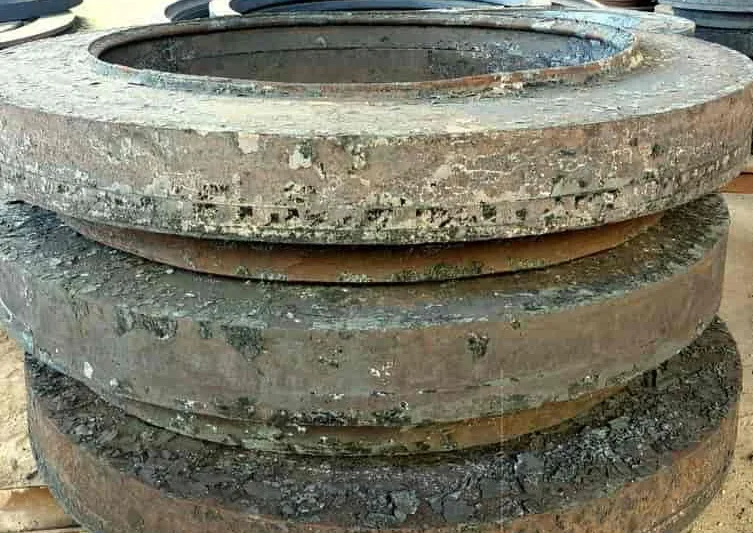
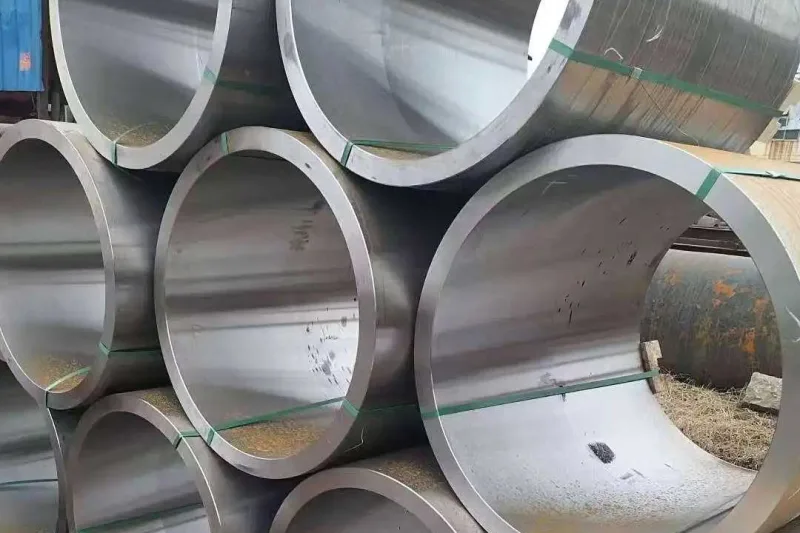
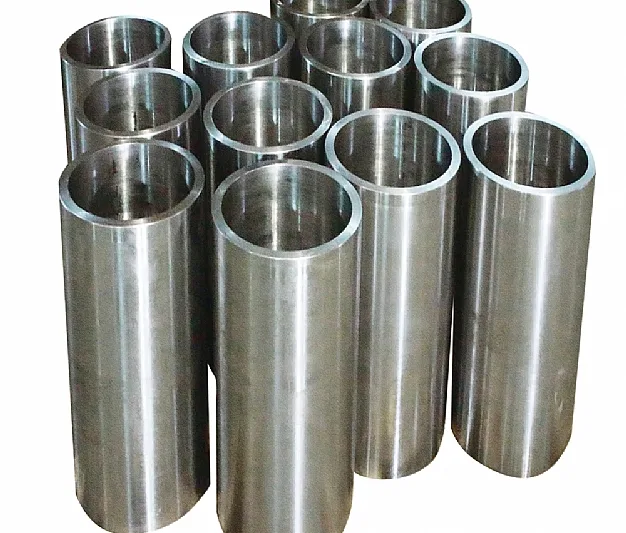
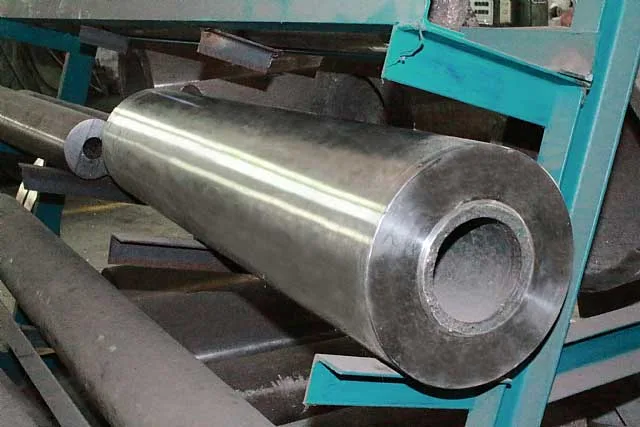
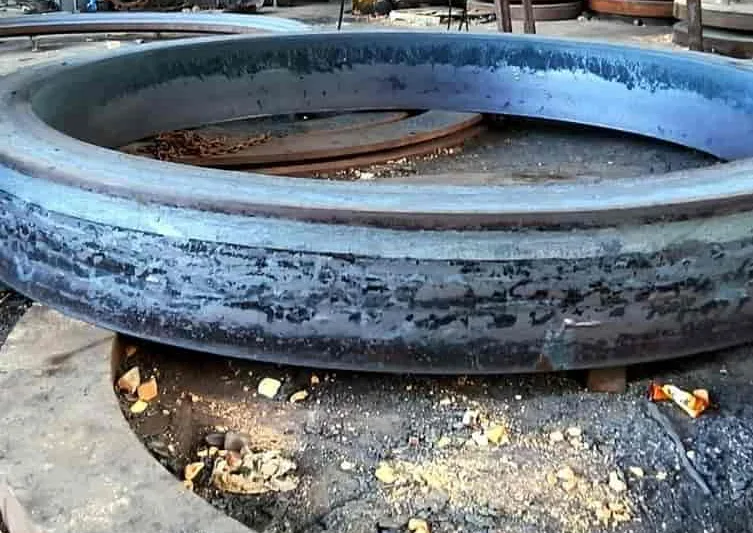
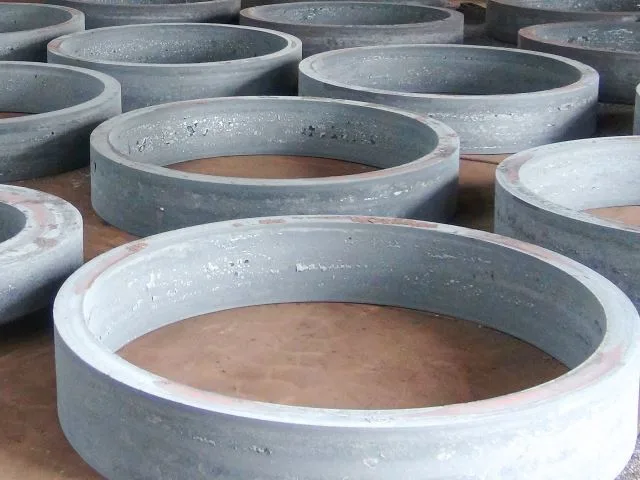
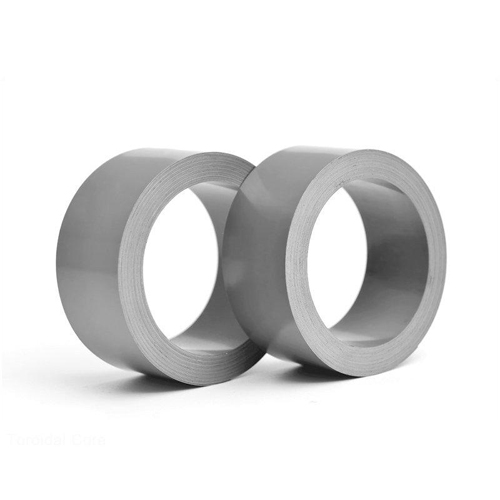
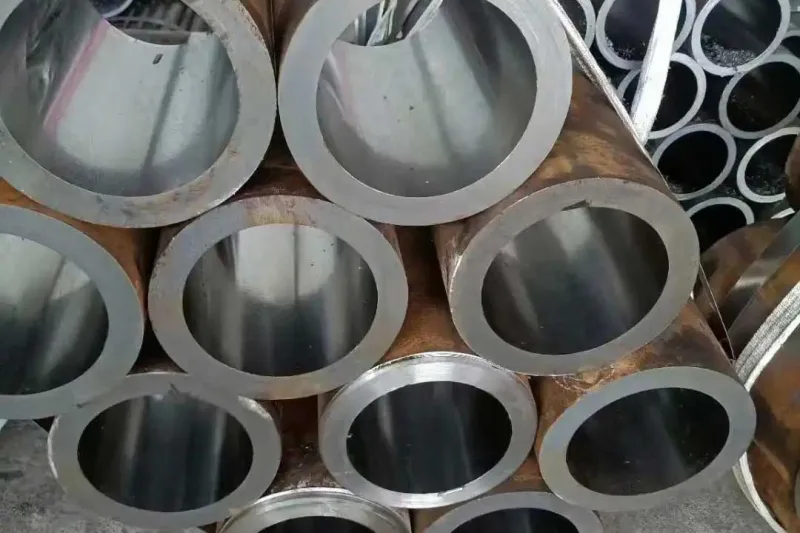
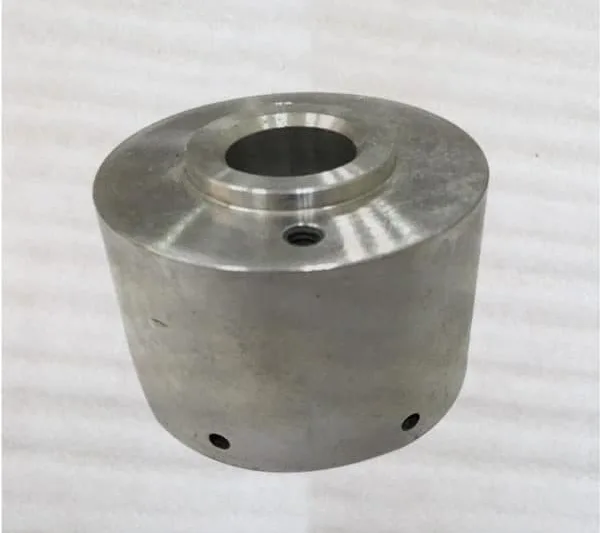
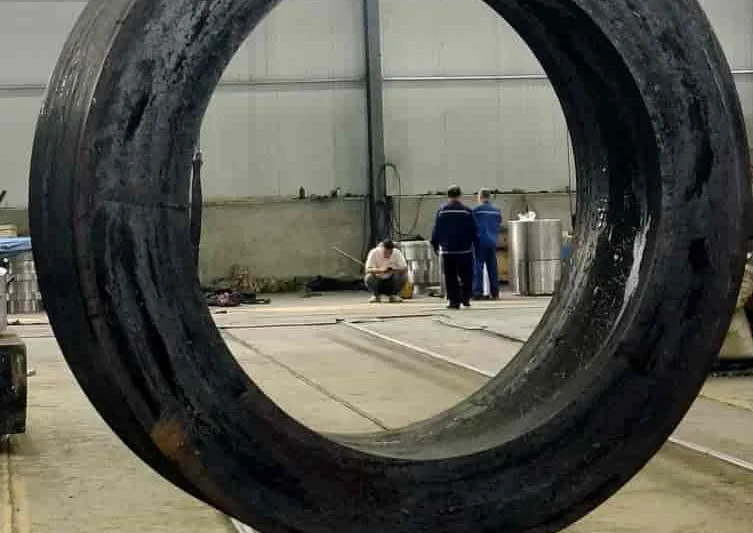
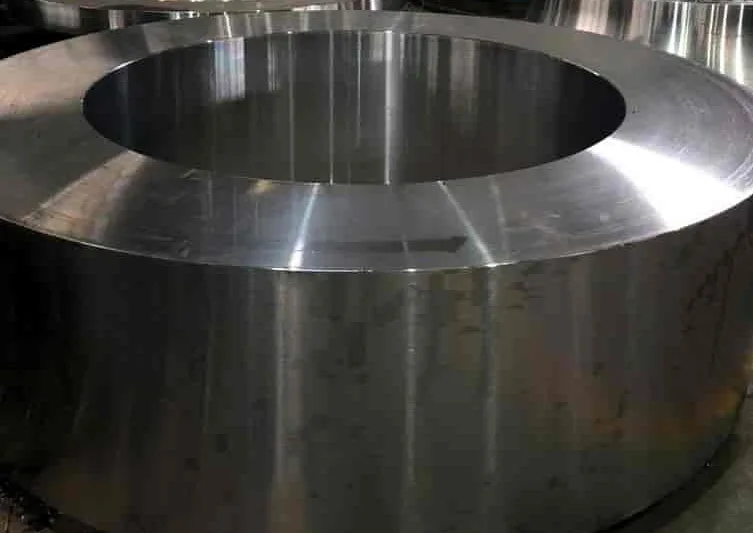
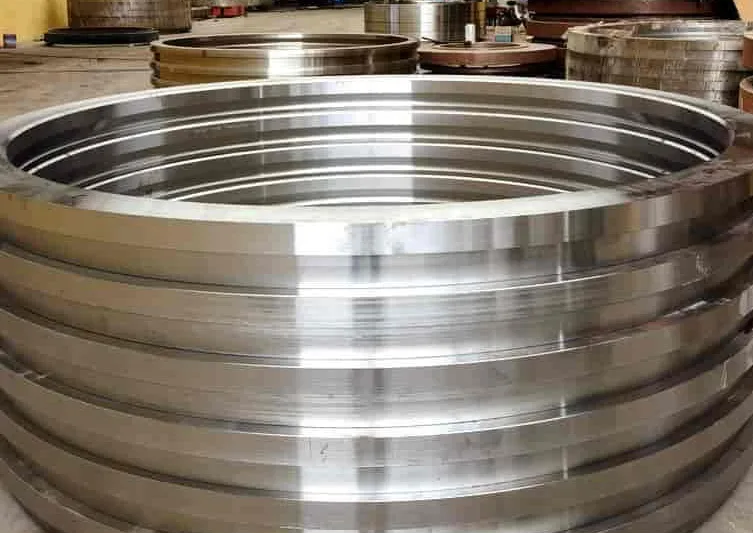
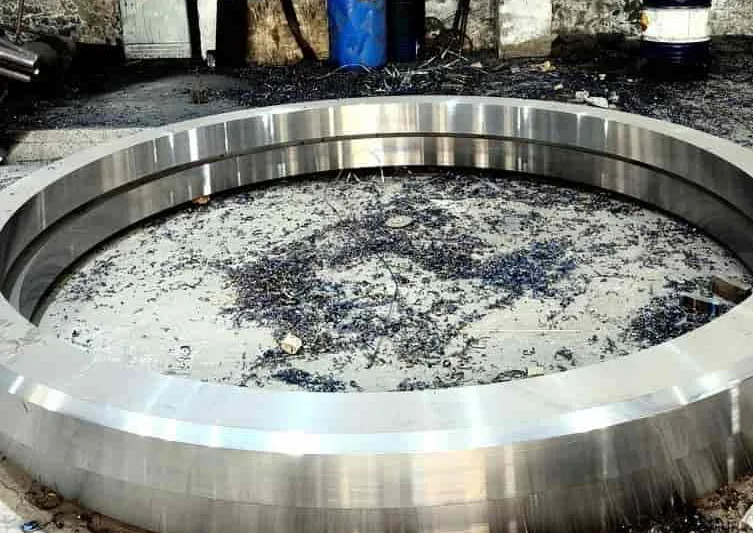
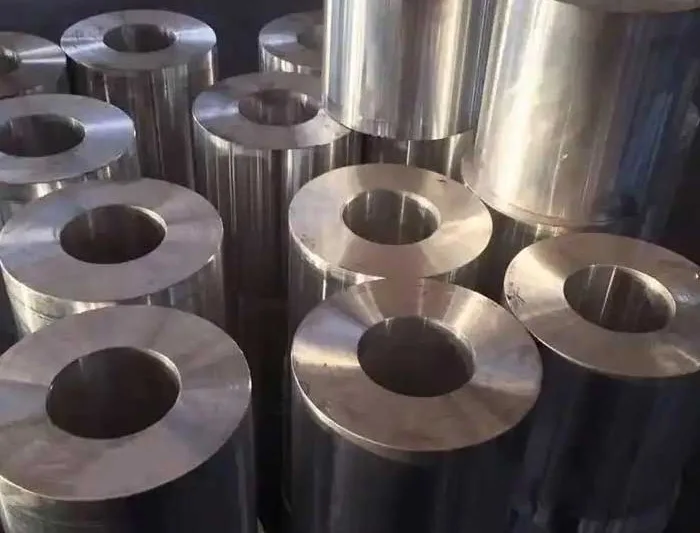
Ring rolling forms a continuous annulus from a preform. The RFQ should define OD, ID, axial height, radial wall and any profile steps. Distinguish the rolled blank size from the finished part size, and identify machining allowance for the bore, faces and outside diameter.
Machining and surface finish
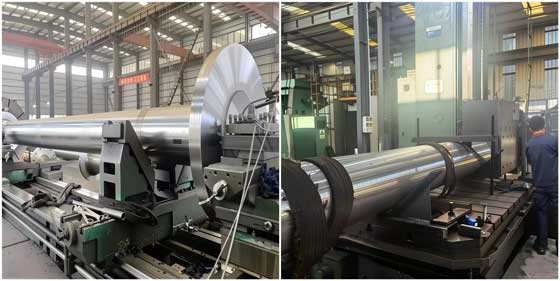
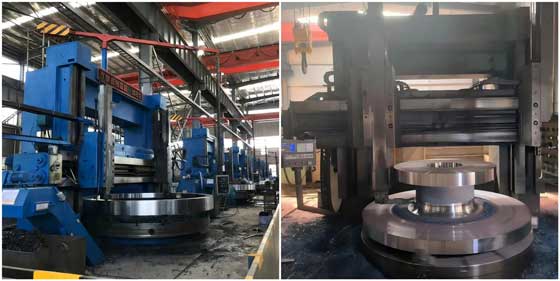
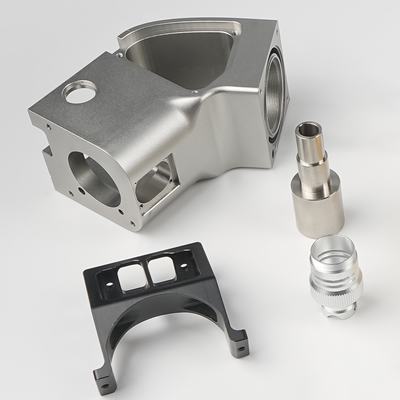
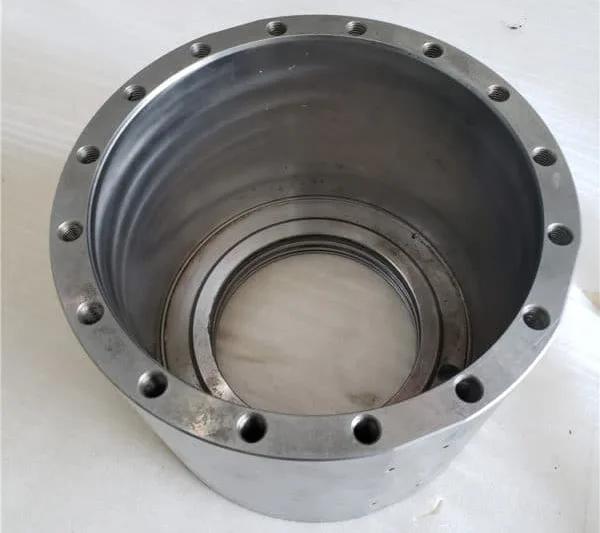
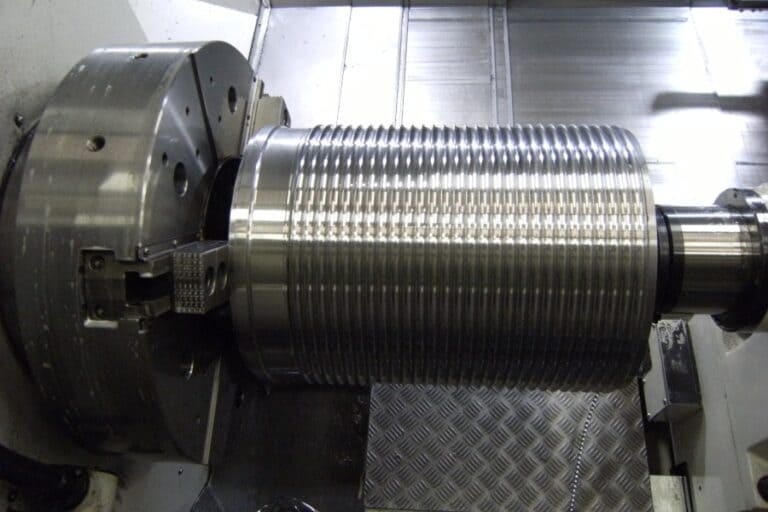
316L can work-harden during cutting, so machining practice should suit the material and the required finish. Specify sealing-face roughness, flatness, bore tolerance and concentricity. For rings used in rotating equipment, include runout requirements and identify the datum sequence used for inspection.
Testing and traceability
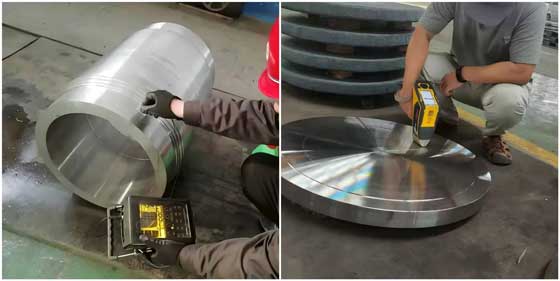
Common documentation includes heat chemistry, mechanical properties, material traceability and dimensional inspection. PMI, UT, liquid penetrant examination or corrosion tests may be added where the purchase order requires them. State the standard, test method, acceptance criteria and certificate type instead of relying on an undefined request for full inspection.