AISI 410 Stainless Steel Forged Rings: Hardness, Wear and Corrosion Trade-Offs
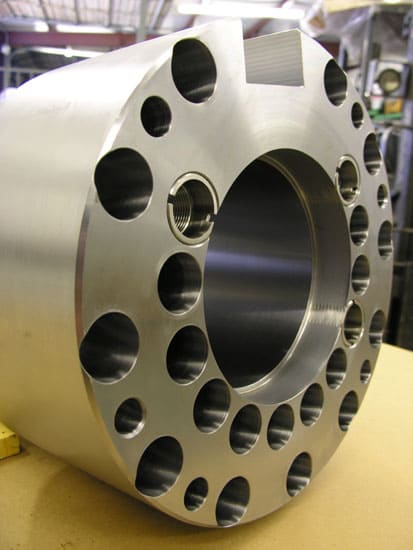
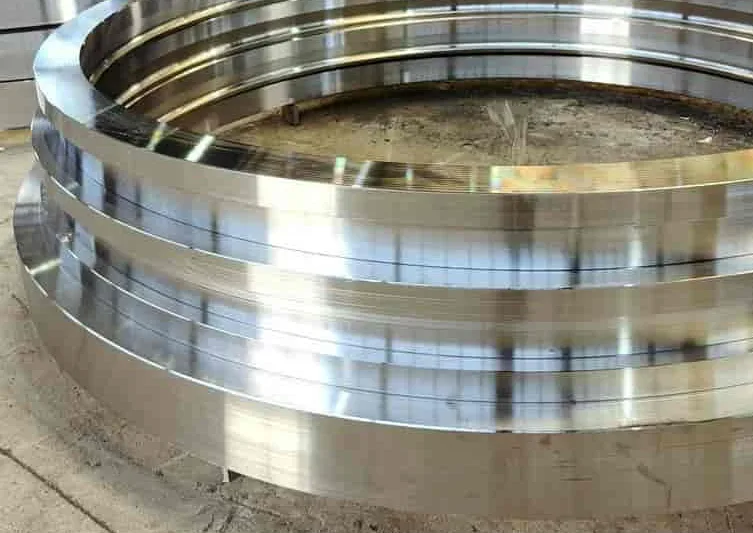
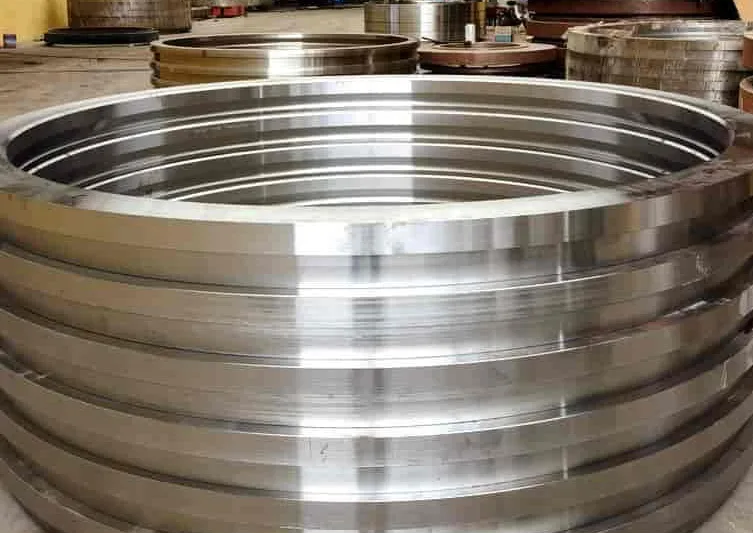
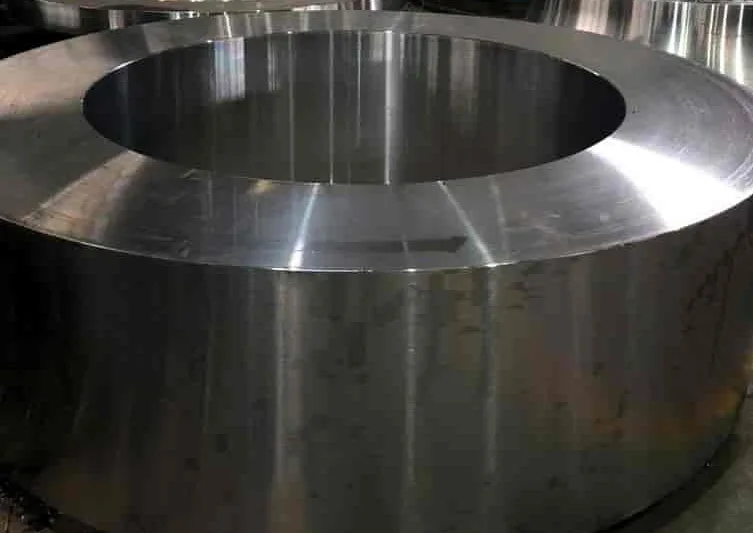
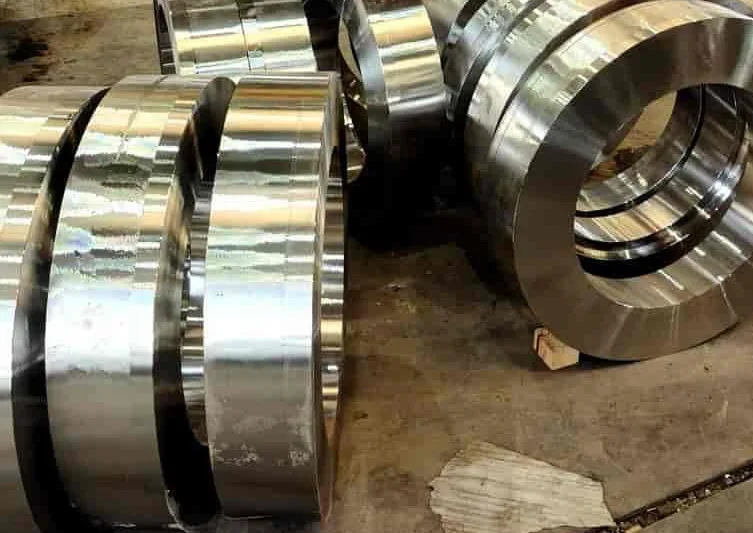
AISI 410 is a martensitic stainless steel used where a component needs a heat-treatable structure and greater hardness potential than common austenitic grades. In ring applications, it may be considered for mechanical parts exposed to wear, moderate corrosion and mechanical loading. Its corrosion resistance is not equivalent to 304 or 316 stainless steel, and the final properties depend strongly on the specified heat-treatment condition.
Understanding the martensitic option
410 is selected for certain pump and valve parts, industrial hardware, wear-related components and machinery rings. The design trade-off is important: increasing hardness and strength through heat treatment can affect toughness and corrosion behavior. The application engineer should specify the required balance rather than asking for maximum hardness without defining impact or service conditions.
Heat-treatment requirements
State the governing material specification and the required condition, including hardness or mechanical properties where applicable. For sections with substantial thickness, clarify how the test coupon and hardness locations will represent the component. The supplier should not infer a target condition from the grade name alone.
Forging and machining sequence
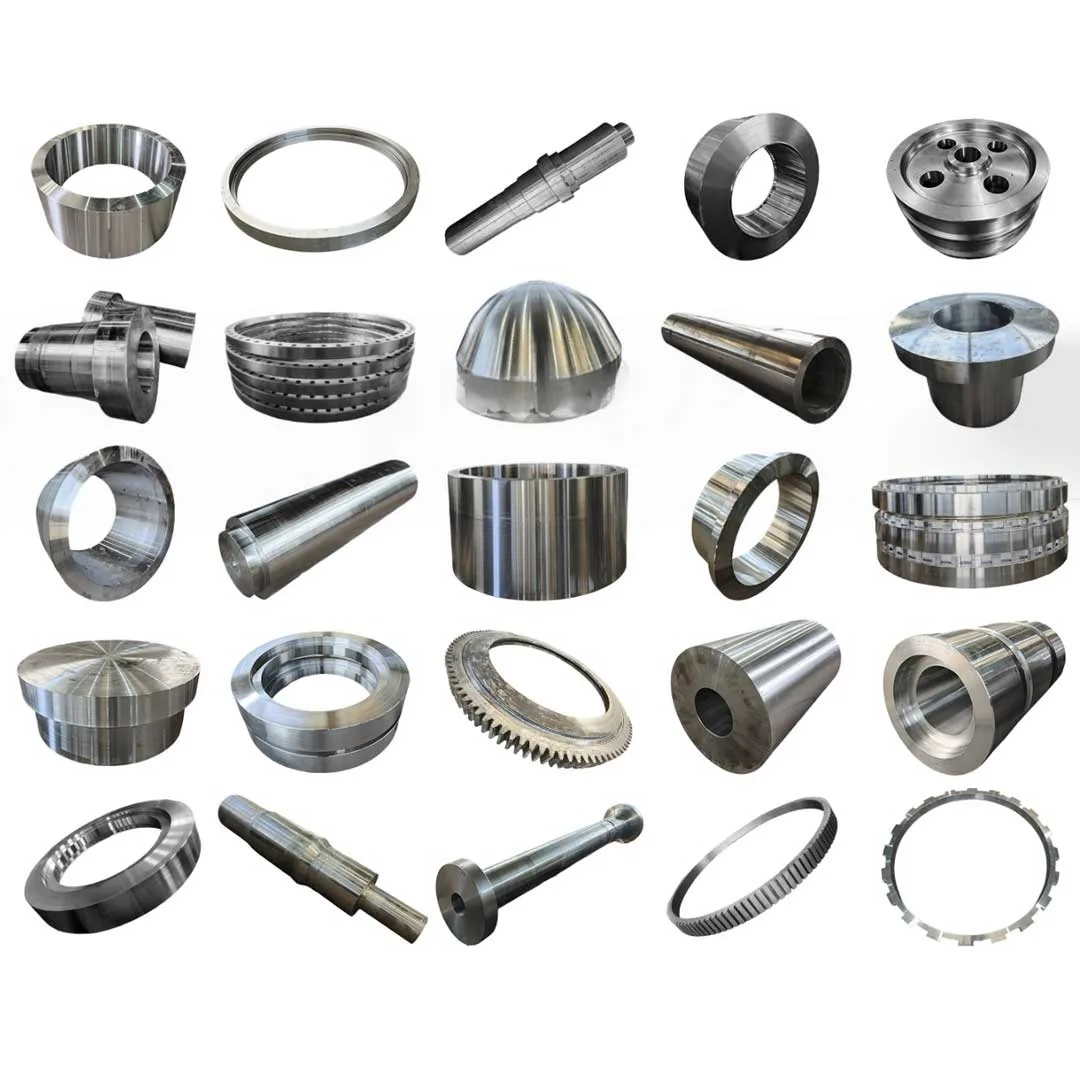
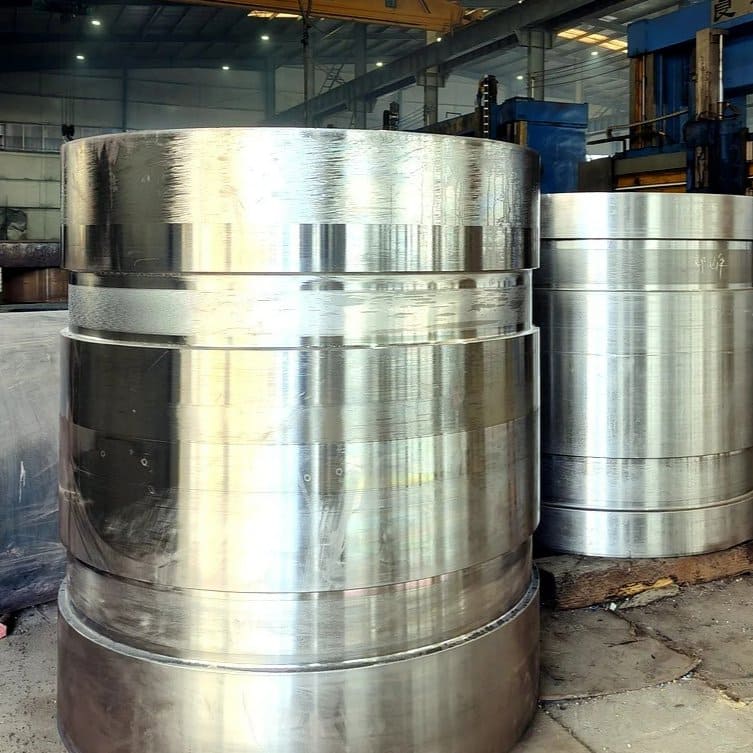
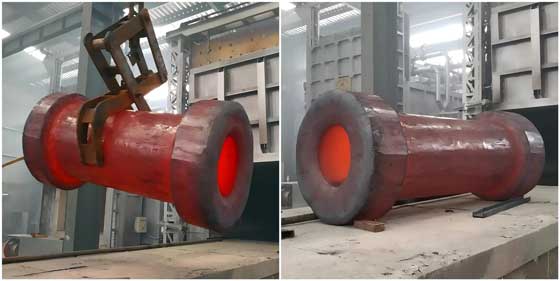
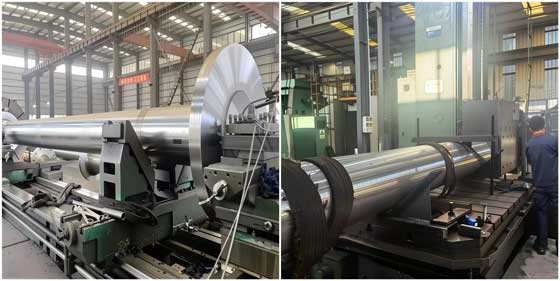
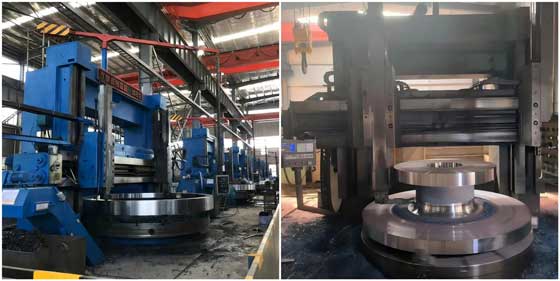
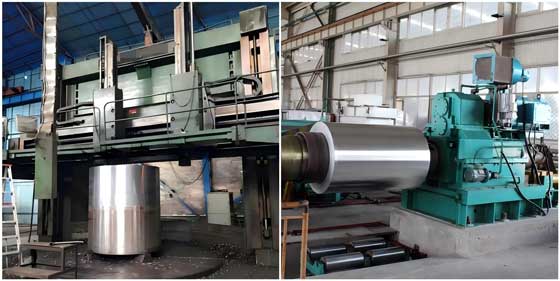
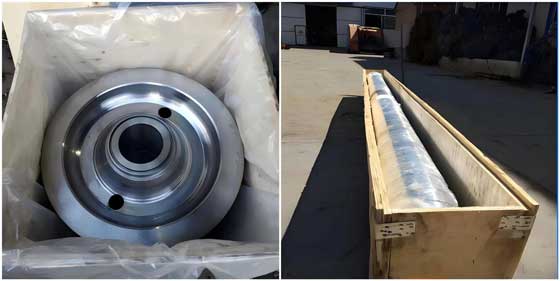
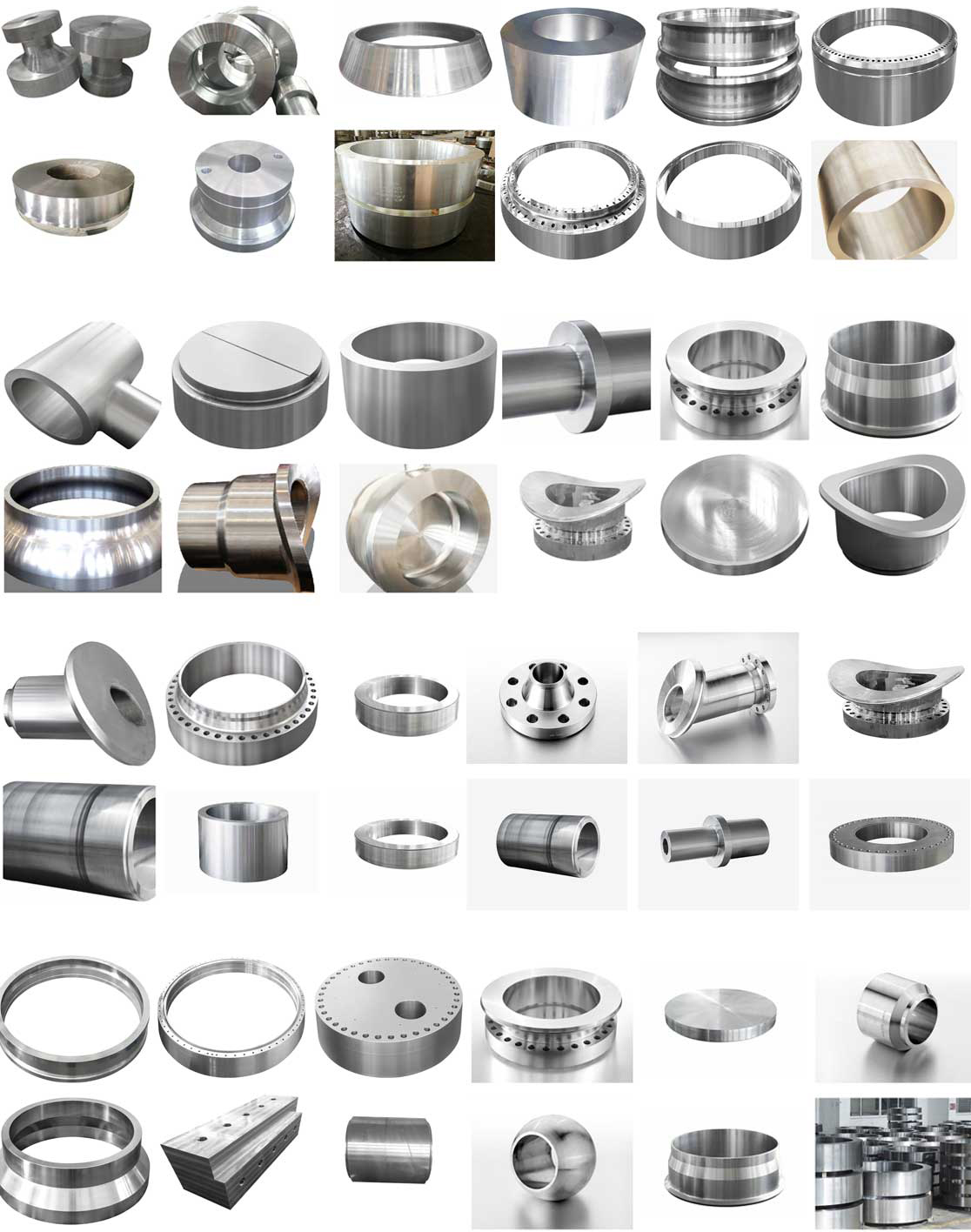
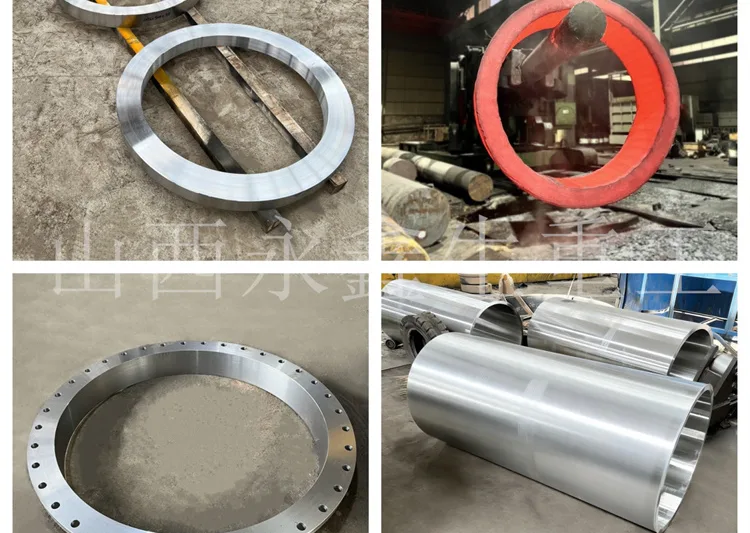
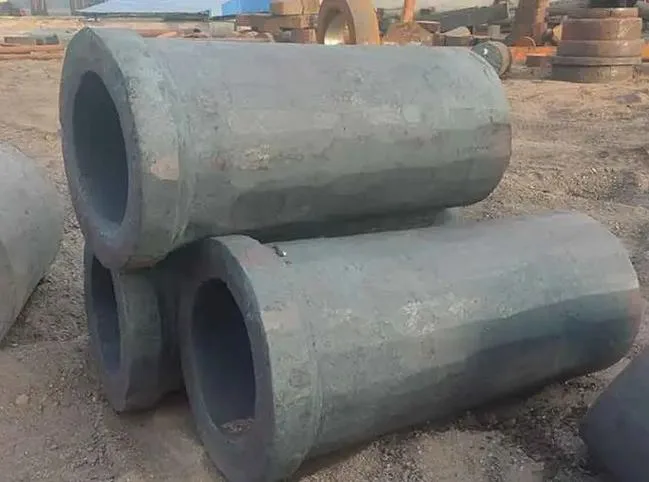
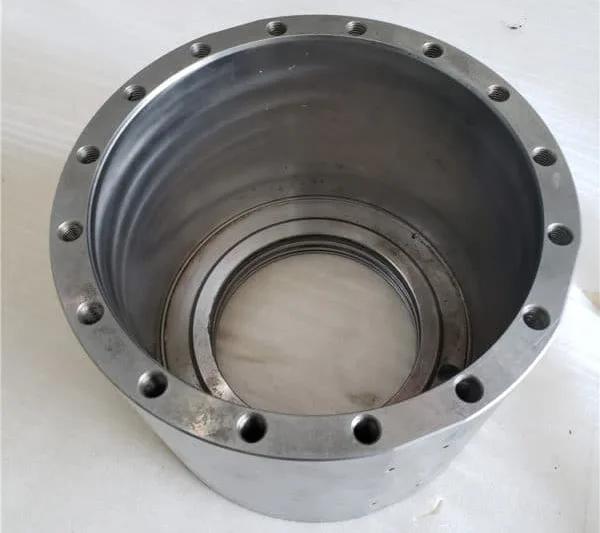
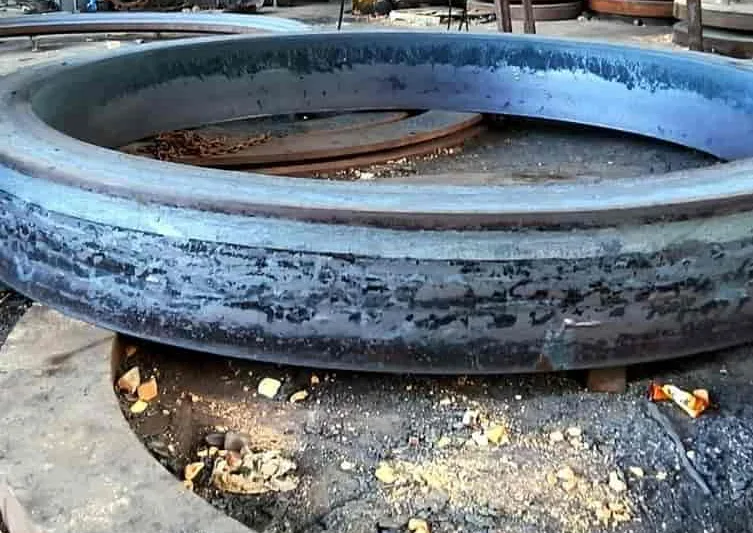
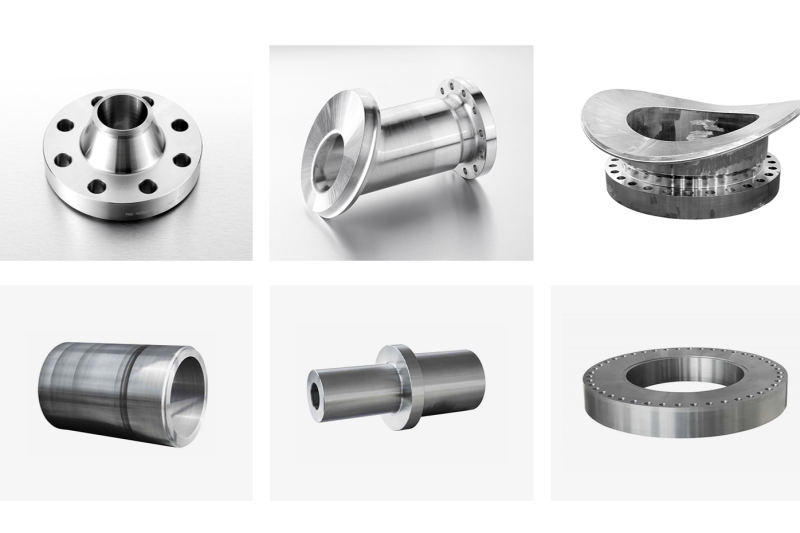
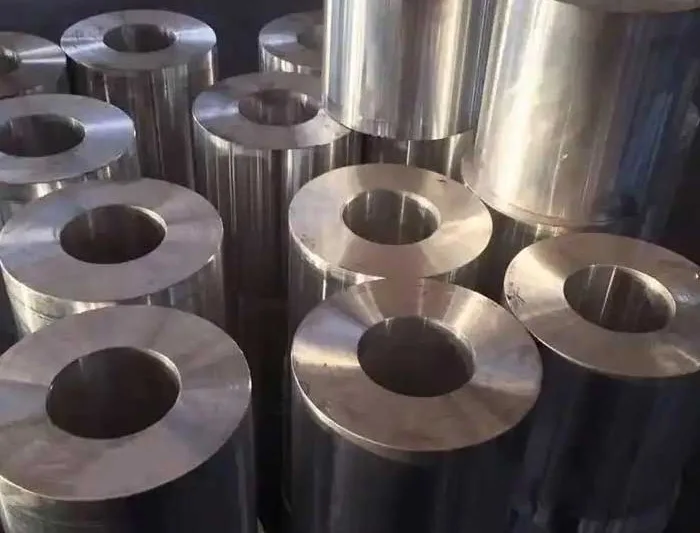
Ring blanks are forged to a section that leaves sufficient stock for final turning, boring and facing. Machining before and after heat treatment may be staged to control distortion and preserve finish allowances. Drawings should show functional diameters, shoulder positions, grooves, sealing faces and tolerances that affect assembly.
Inspection and RFQ information
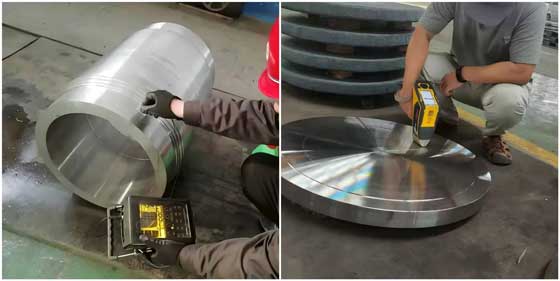
Specify chemical and mechanical test requirements, hardness checks, dimensional inspection, traceability and any NDT. Surface examination is particularly relevant where cracks or forging laps could affect service. Include the intended environment, drawing, quantity, delivery condition and machining scope so the quotation reflects the actual component rather than a generic 410 ring blank.
Engineering details, dimensions and procurement example
For AISI 410, specify the exact material standard, chemistry and quench-and-temper condition, hardness target and toughness balance. The heat-treatment route affects strength, corrosion performance and dimensional stability, so the purchase order should identify the required condition and acceptance criteria. hardness and tensile tests, surface crack examination, dimensional inspection and traceability. Tests and inspection should follow the governing specification rather than being assumed from the grade name.
Illustrative RFQ dimensions for discussion are OD 300–800 mm; ID 150–550 mm; thickness 40–120 mm. These examples are not a guaranteed manufacturing range or a statement of maximum capacity. Feasibility depends on the detailed drawing, stock availability, forging route, machine envelope and workpiece weight.
A representative procurement scenario is a wear-exposed pump or valve component ring. Provide rough and finished dimensions, quantity, machining allowance, datum scheme, tolerances, surface finish and inspection-document requirements. CNC turning, boring and face machining may be arranged in roughing and finishing stages, subject to drawing review and equipment confirmation. Confirm critical concentricity, runout and fit dimensions before production.
Related product information: stainless steel rolled rings. Visit the Changjin Metal website for other custom metal products.