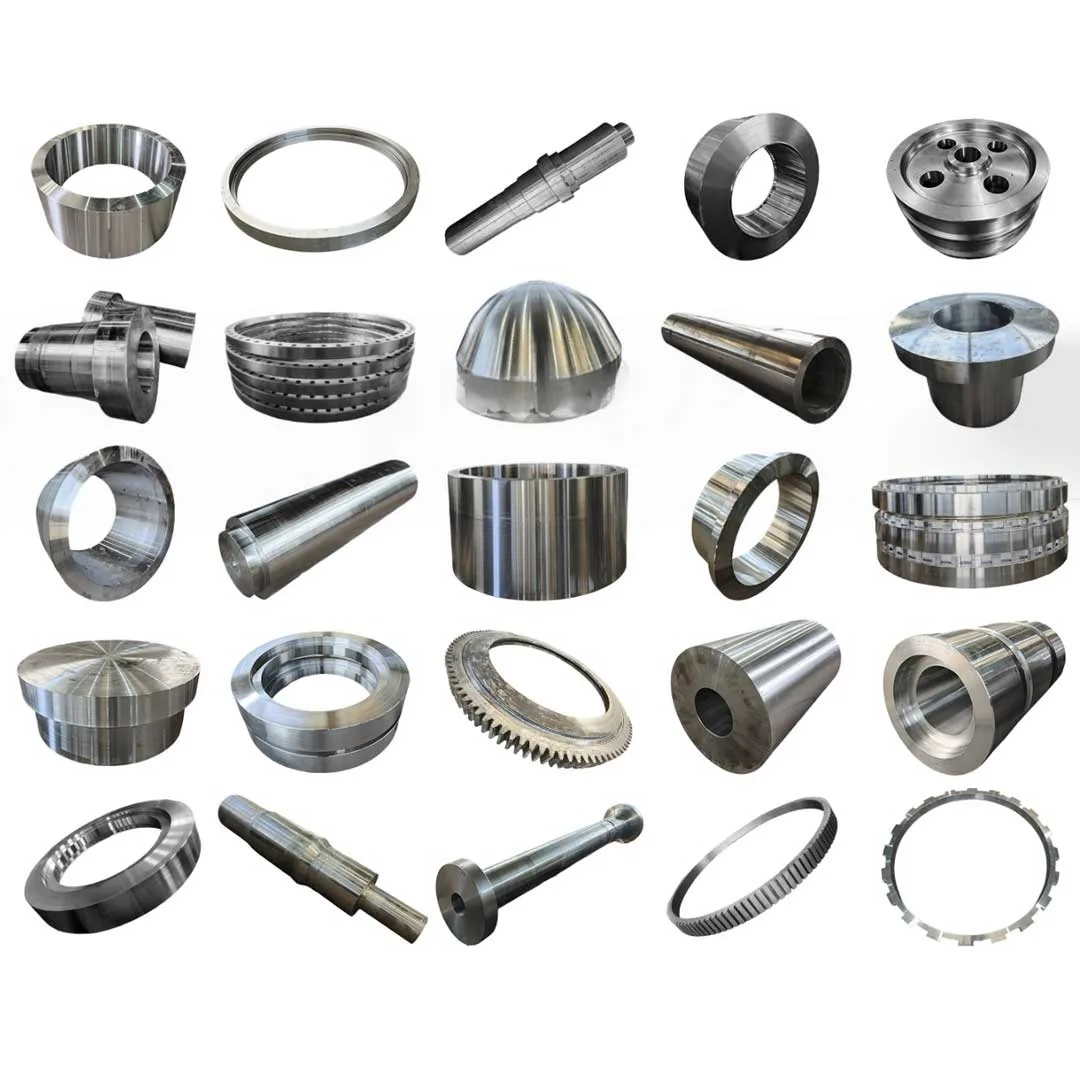
904L Forged Rings for Aggressive Chemical Service: Material and Inspection Planning
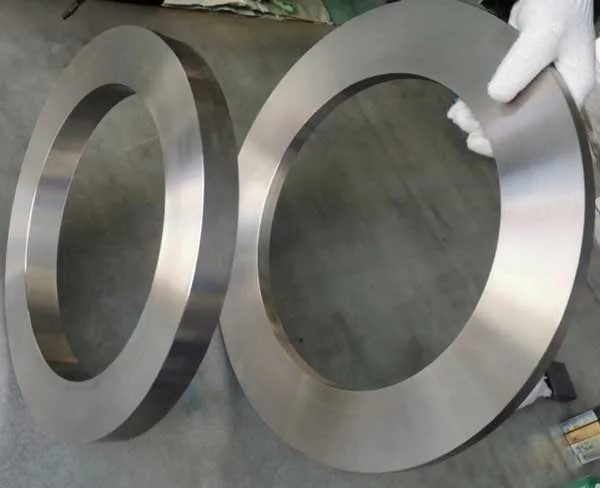
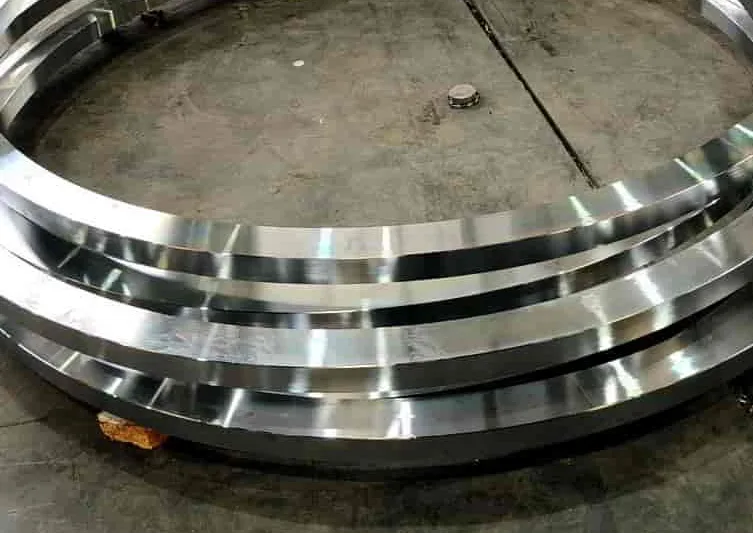
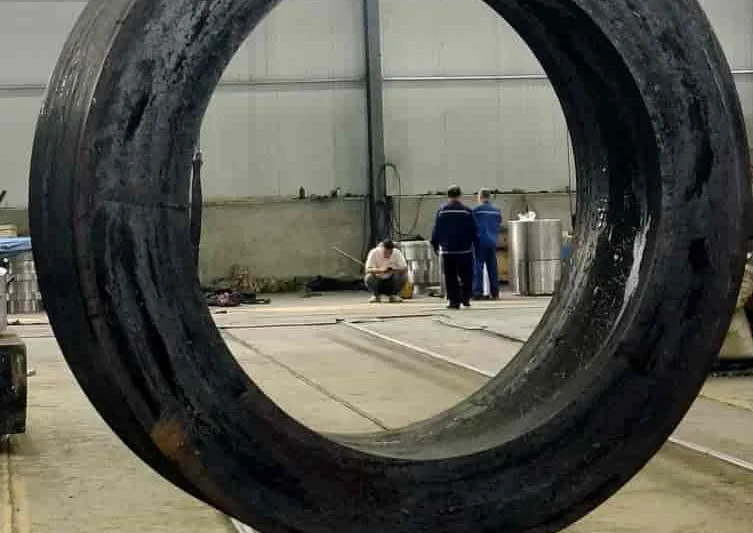
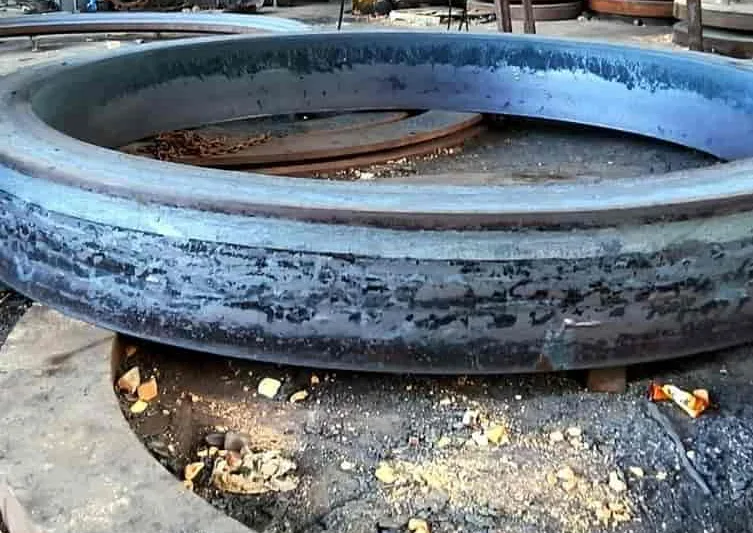
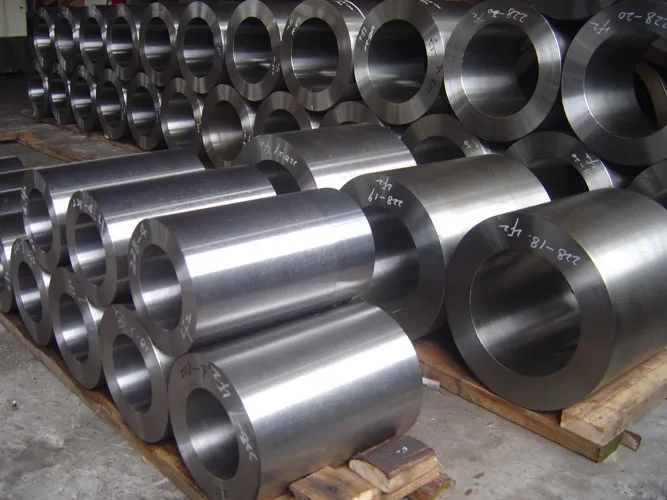
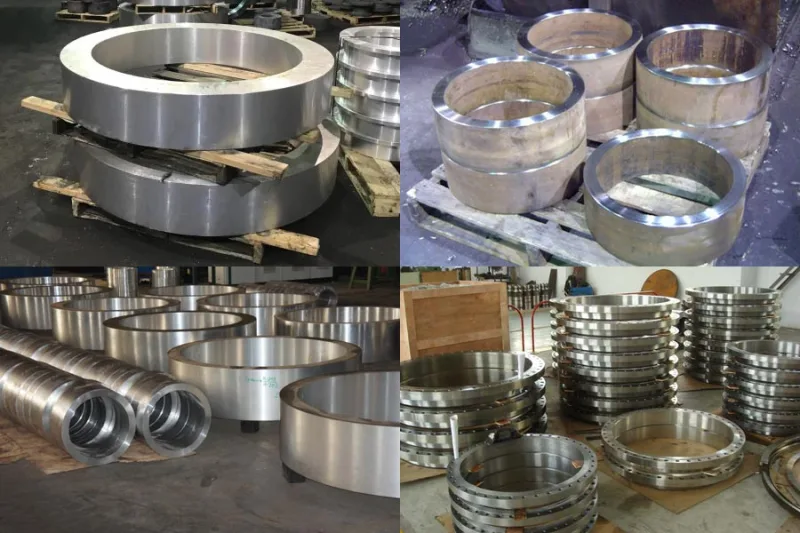
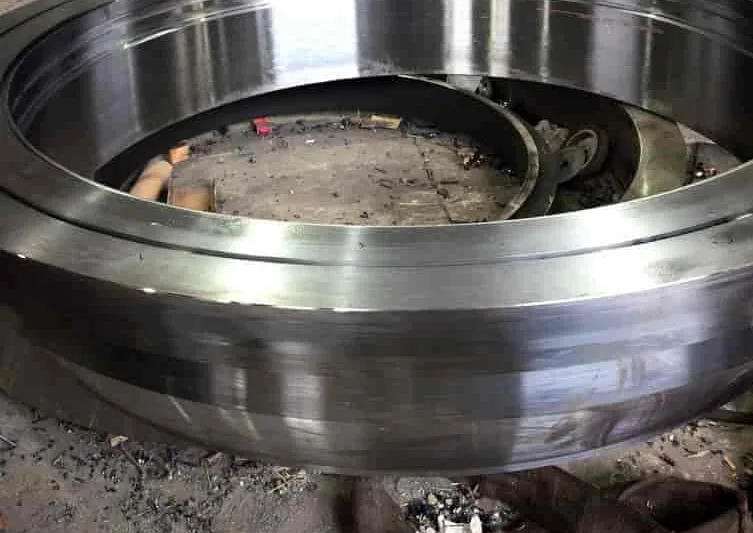
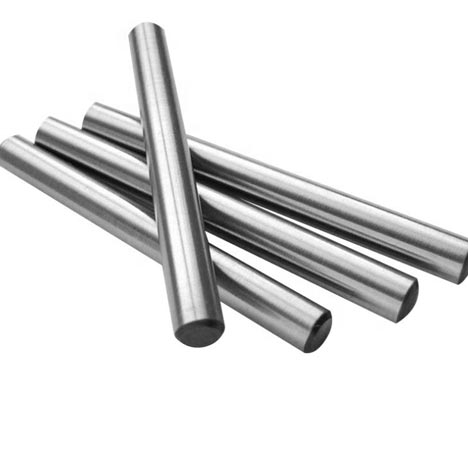
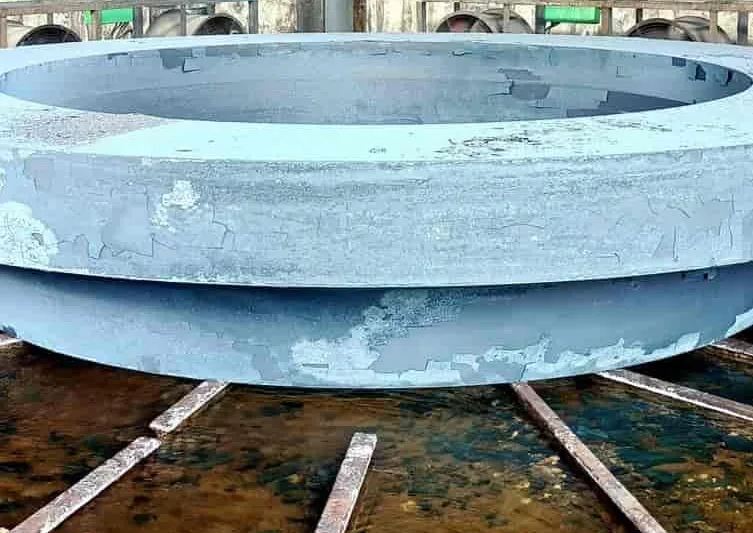
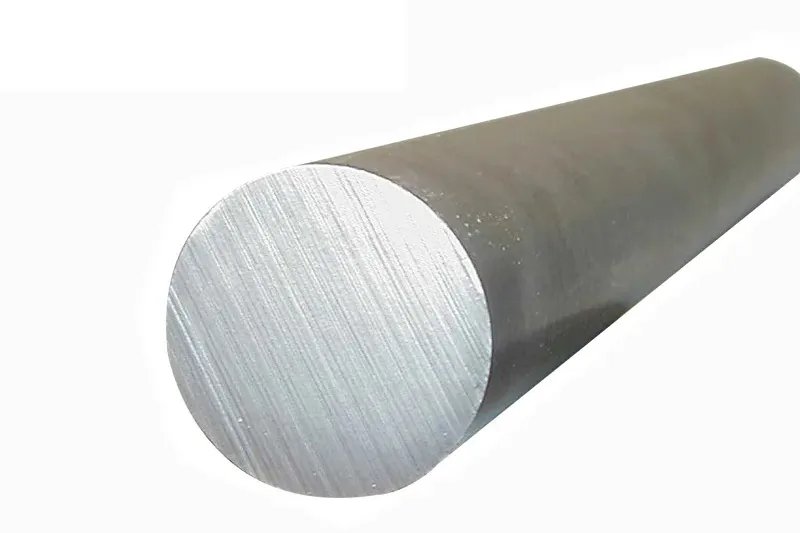
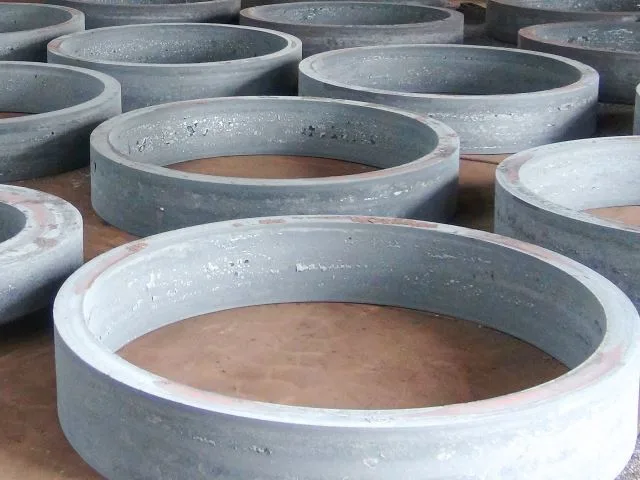
904L is a highly alloyed austenitic stainless steel developed for demanding corrosive environments. It is generally considered when conventional 316L is not adequate for the specified chemical exposure. A 904L forged ring should be purchased against a clearly defined material standard and service description because corrosion performance depends on the exact medium, concentration, temperature and operating conditions.
When a project moves beyond 316L
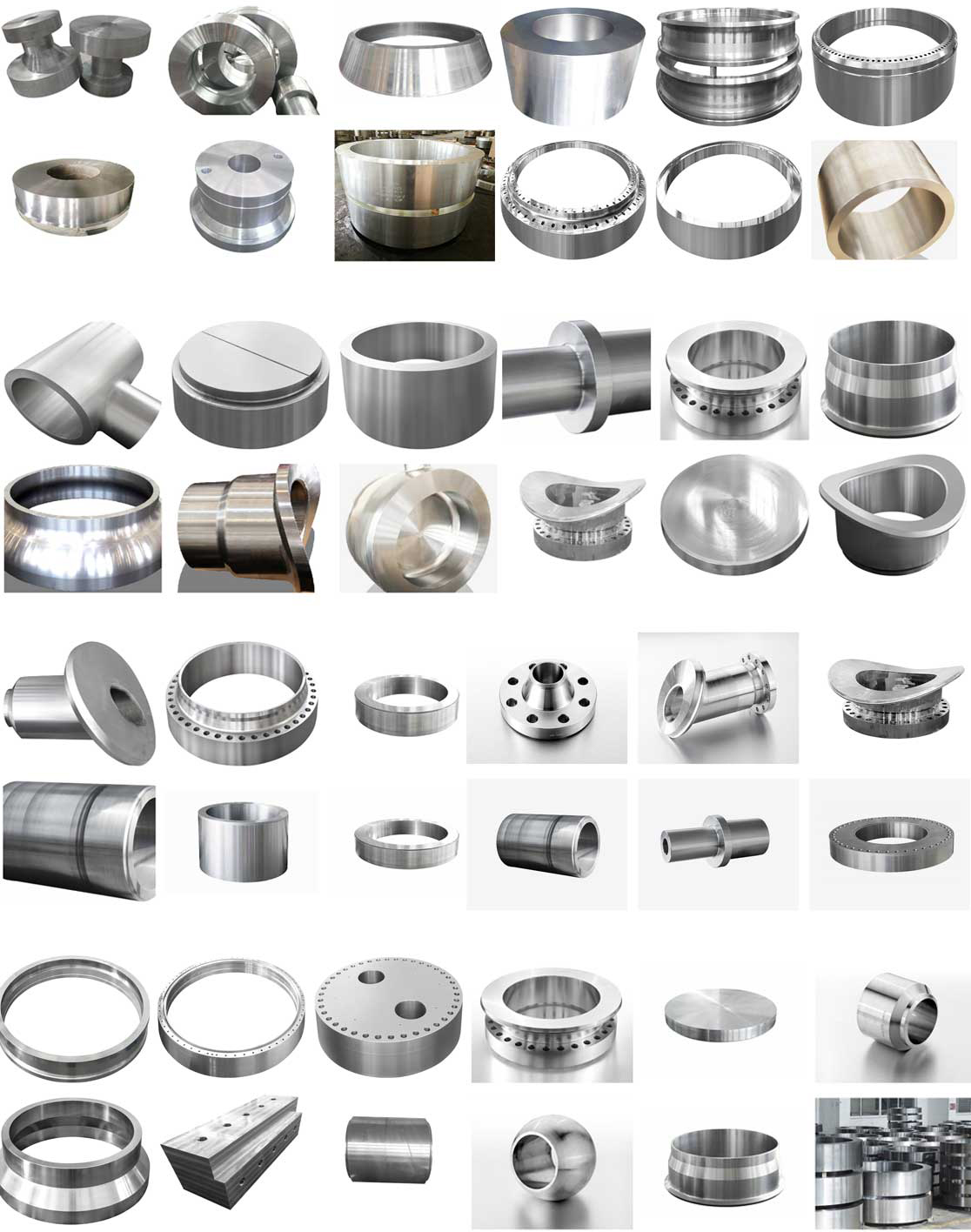
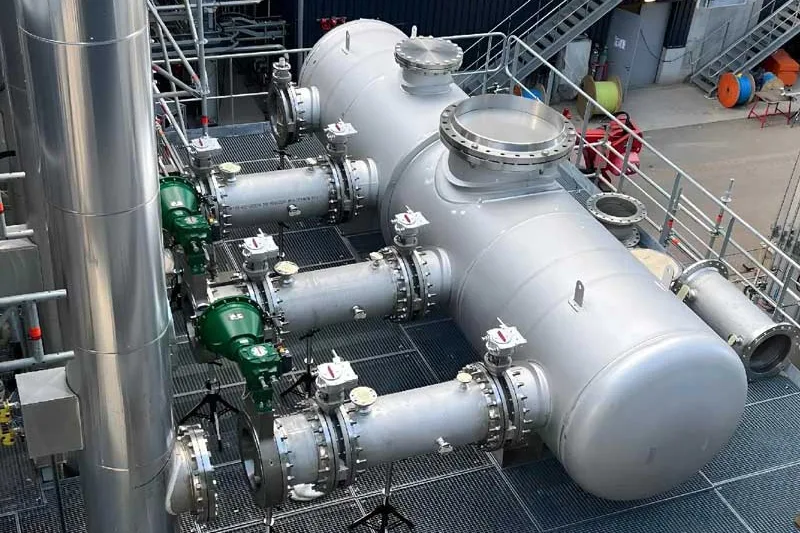
904L may be evaluated for acid-handling equipment, chemical-process vessels, heat exchangers, piping systems and related flanged components. It is not automatically the best option for every acid or chloride service. Engineers should compare corrosion data for the actual process and consider alternative high-alloy or duplex materials where appropriate.
Forging and contamination control
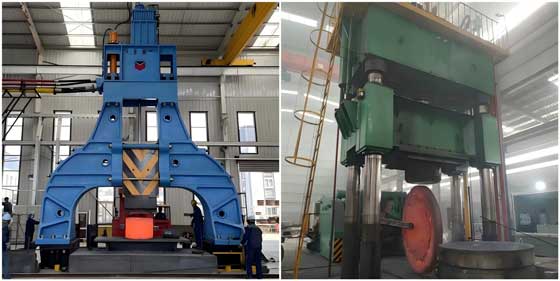
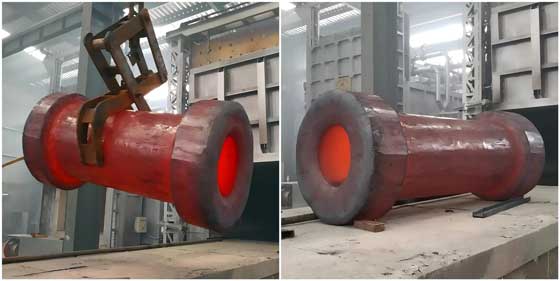
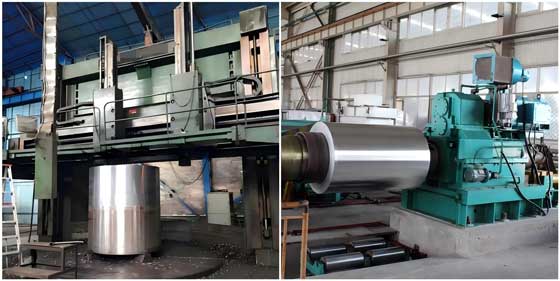
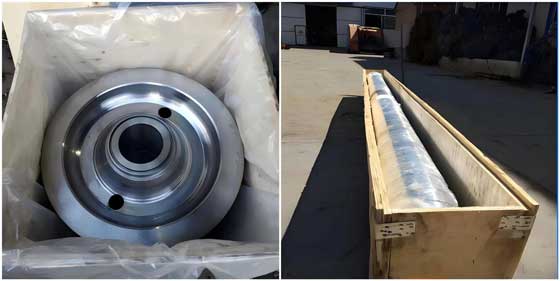
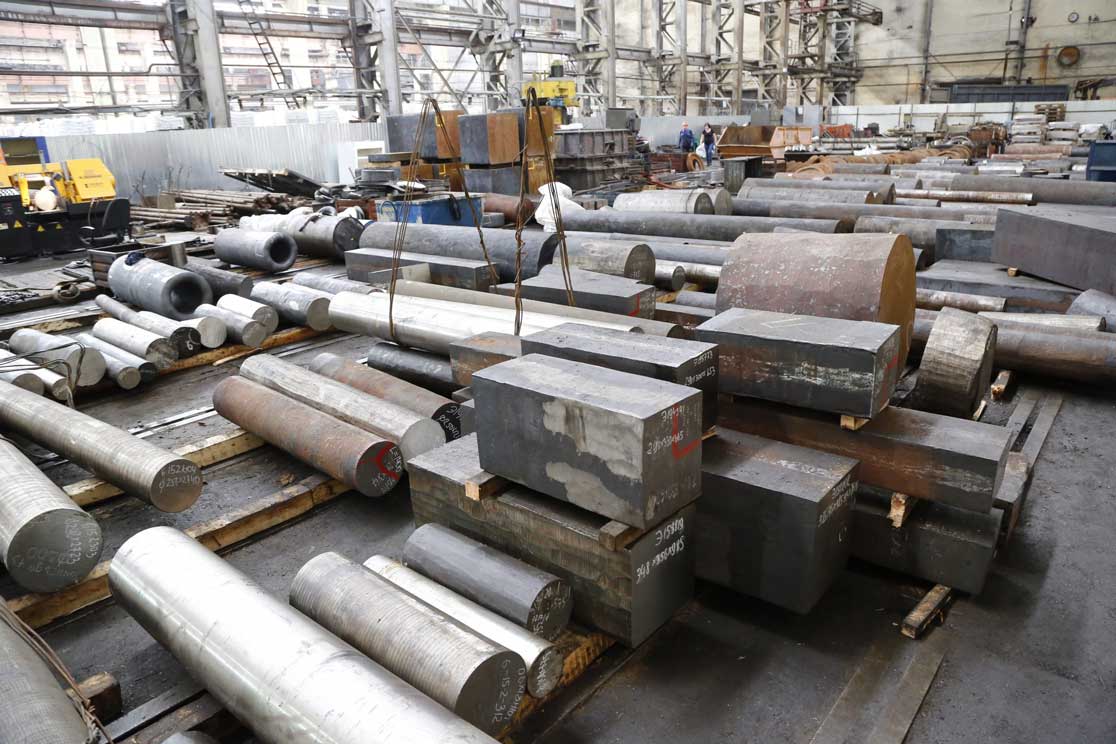
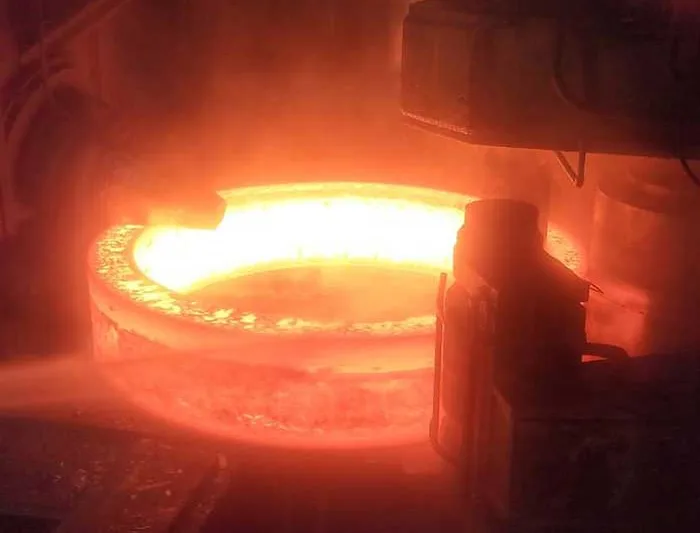
High-alloy stainless production requires controlled material identification and clean handling. The supplier should maintain heat traceability through forging, heat treatment and machining. Avoiding contamination from carbon-steel tooling and work surfaces is important where surface corrosion performance matters.
Machining and dimensional requirements
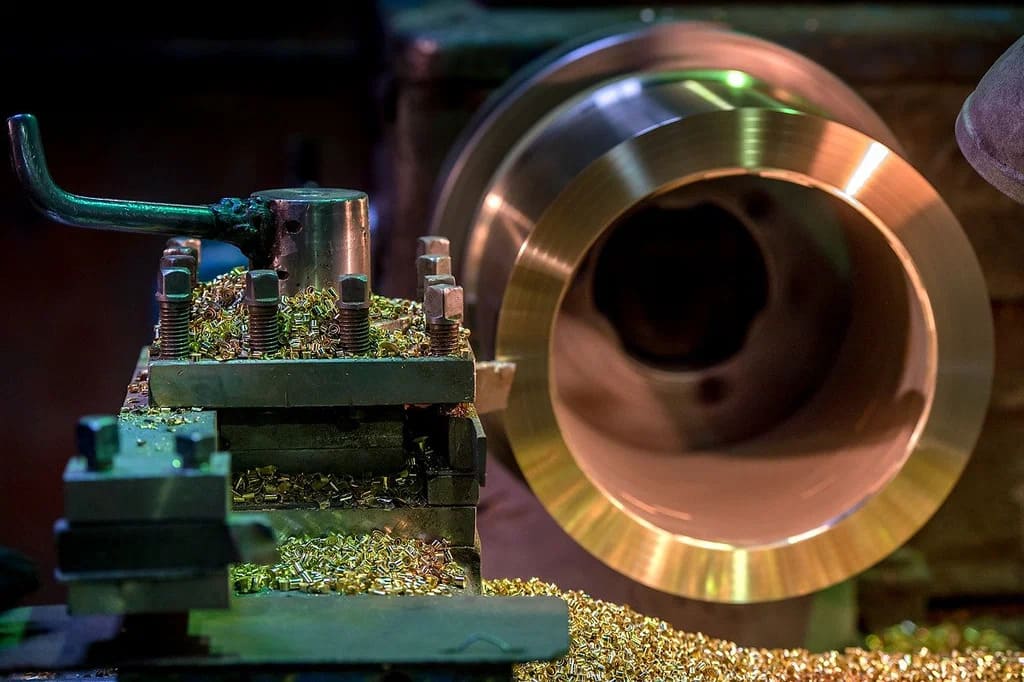
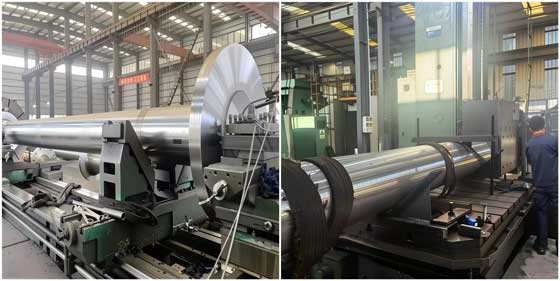
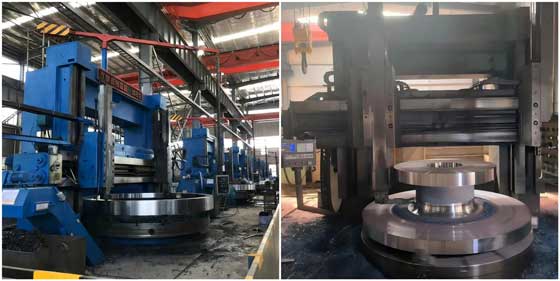
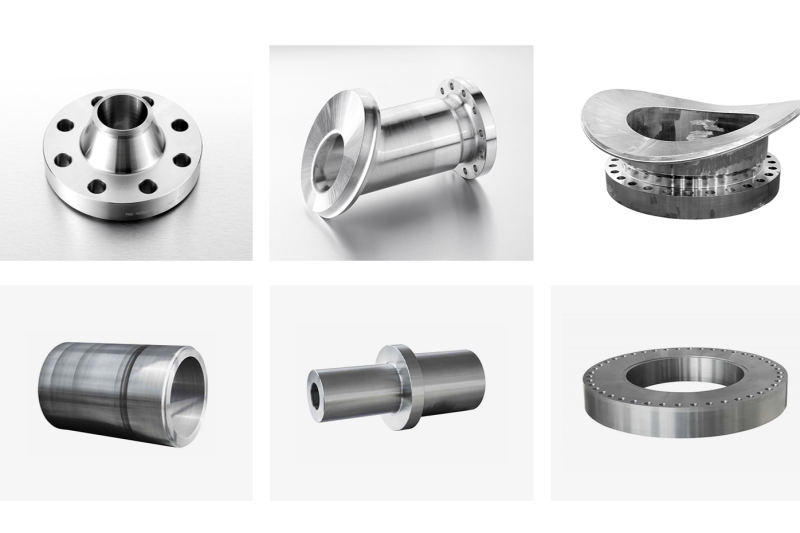
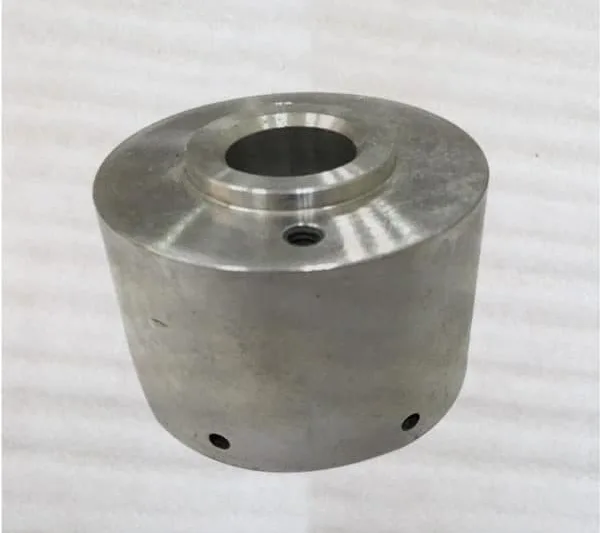
904L is a work-hardening alloy, so machining parameters and tooling should be selected for the material rather than copied from mild steel practice. Provide the finished OD, ID, thickness, profiles, tolerances and surface finish. If the ring is a flange or vessel component, include sealing-face details and any code-related dimensions.
Inspection and documentation
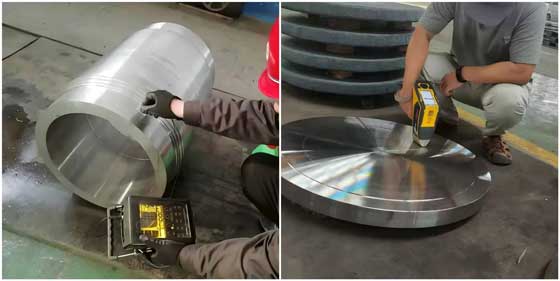
Specify chemistry, mechanical properties, solution-treatment records, PMI and dimensional checks. Additional corrosion testing, UT or surface examination may be required by the purchaser. The RFQ should include the process medium, temperature, material standard, drawing, quantity, machining scope and certificate requirements to support a meaningful technical and commercial review.