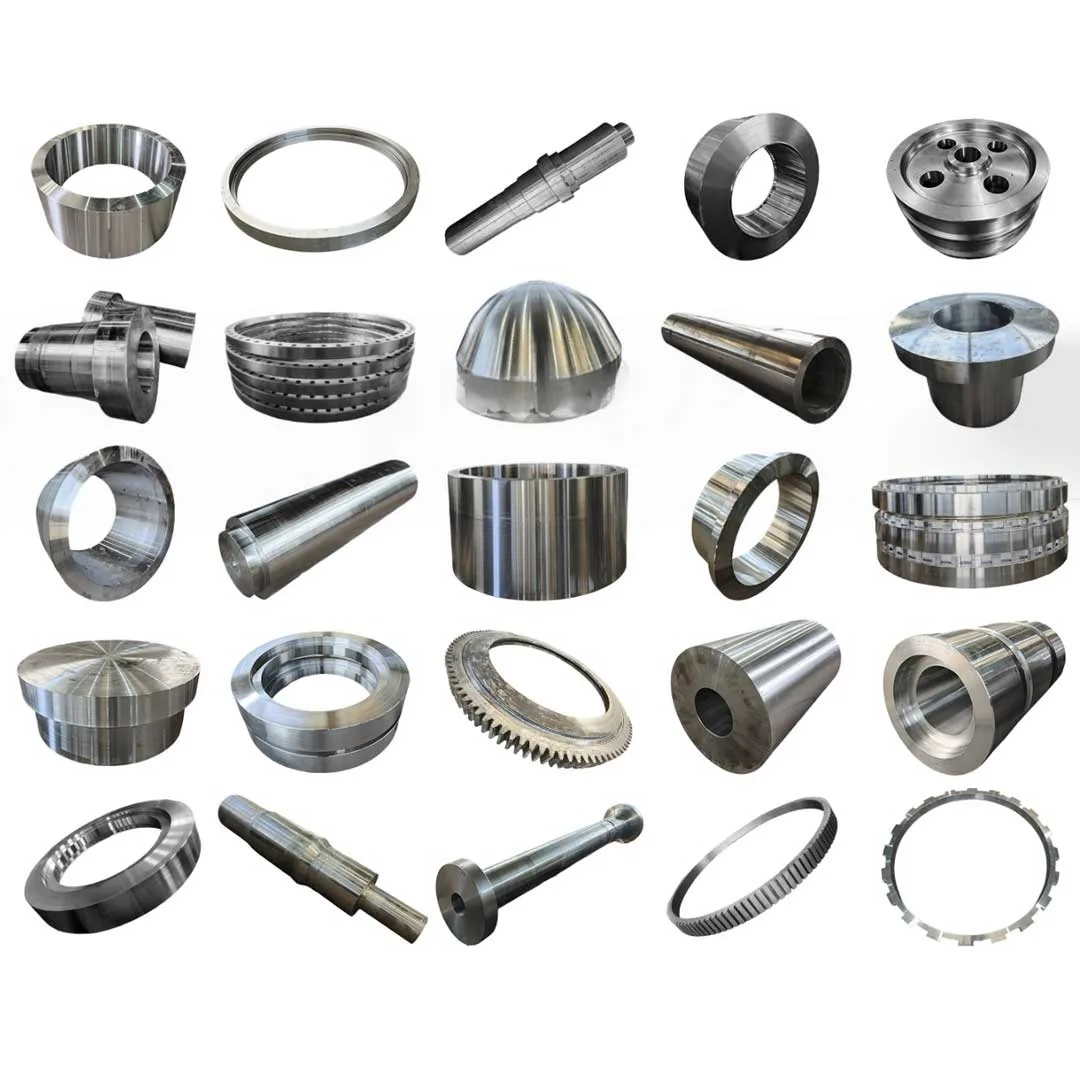
347 Stainless Steel Seamless Rolled Rings: Niobium-Stabilized Material for Welded Assemblies
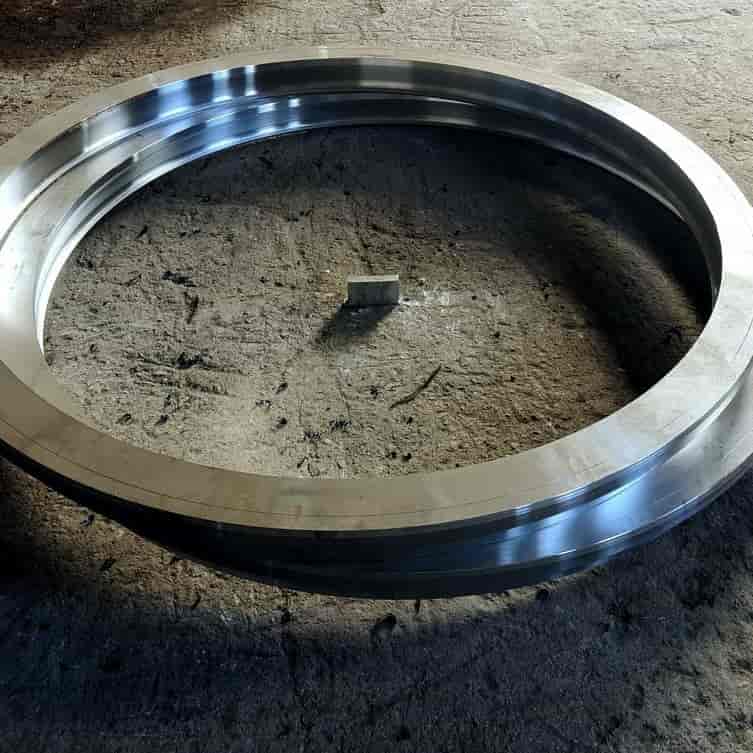
347 stainless steel is a niobium-stabilized austenitic grade used in applications where stabilization against sensitization is part of the material-selection strategy. For rolled rings, it may be specified for thermal equipment, welded process assemblies and components exposed to elevated-temperature service. The exact design temperature, welding details and material standard determine whether 347 is the appropriate choice.
347 compared with other austenitic grades
347 and 321 are both stabilized grades, but their stabilizing additions differ. 316L is commonly selected for its molybdenum-related corrosion advantage, while 347 is often chosen for its specified thermal and fabrication characteristics. These grades are not interchangeable by default. The design engineer should approve substitutions against the actual service conditions.
Seamless rolled ring manufacture
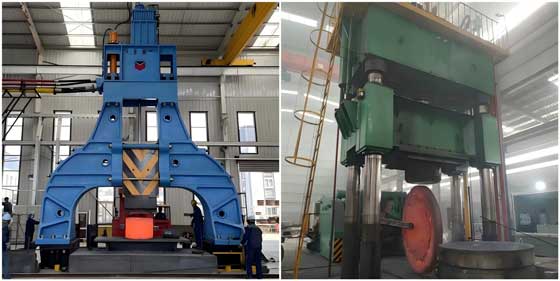
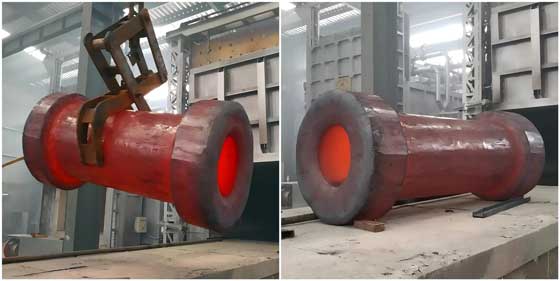
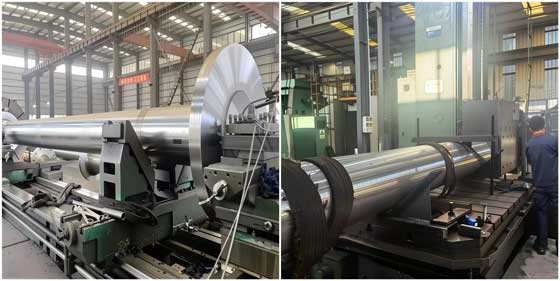
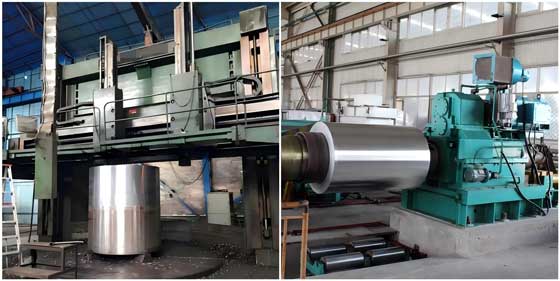
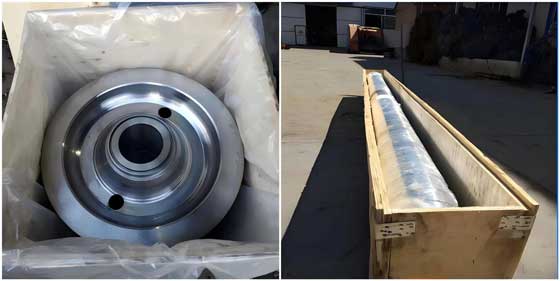
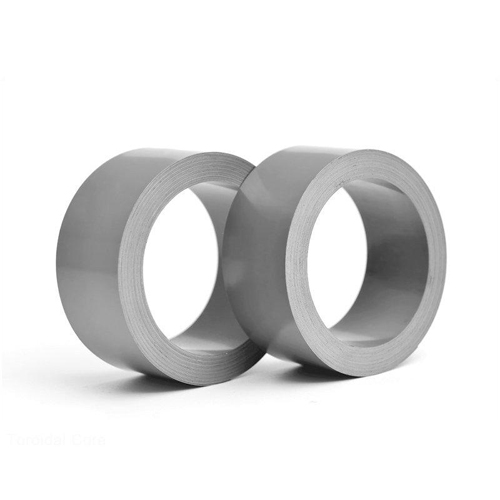
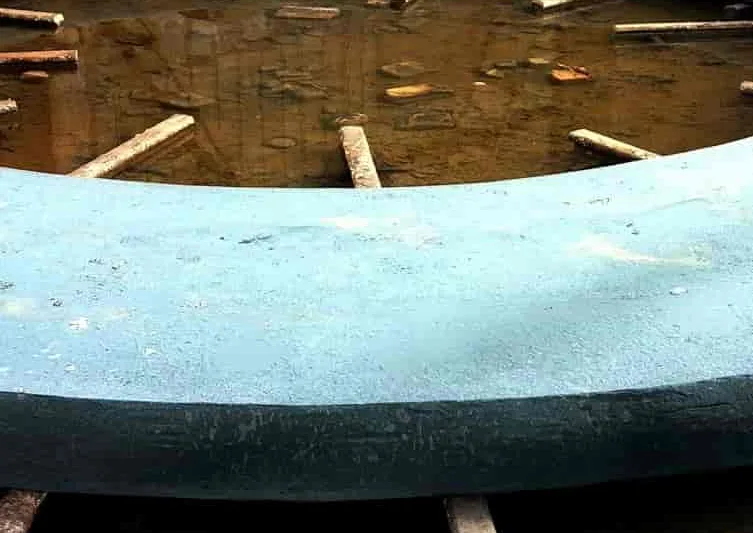
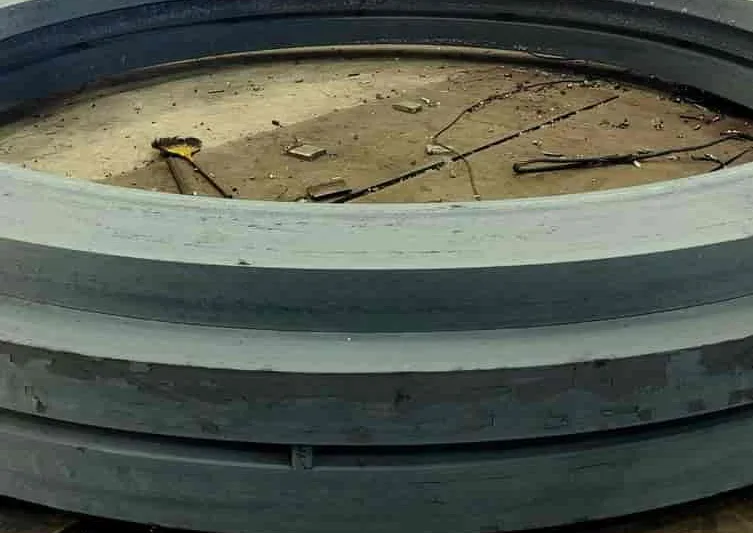
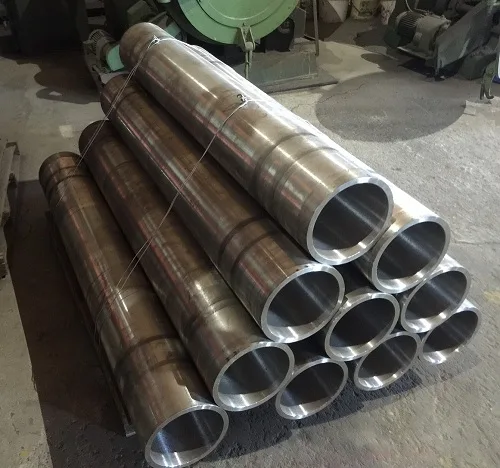
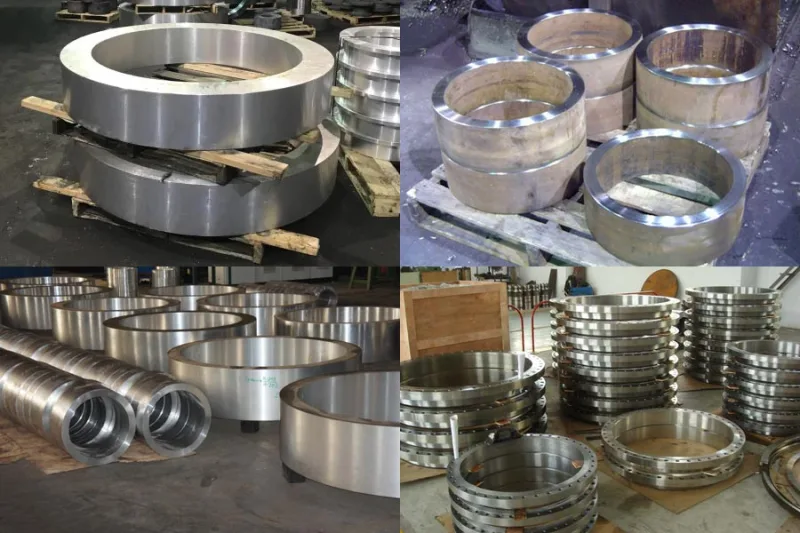
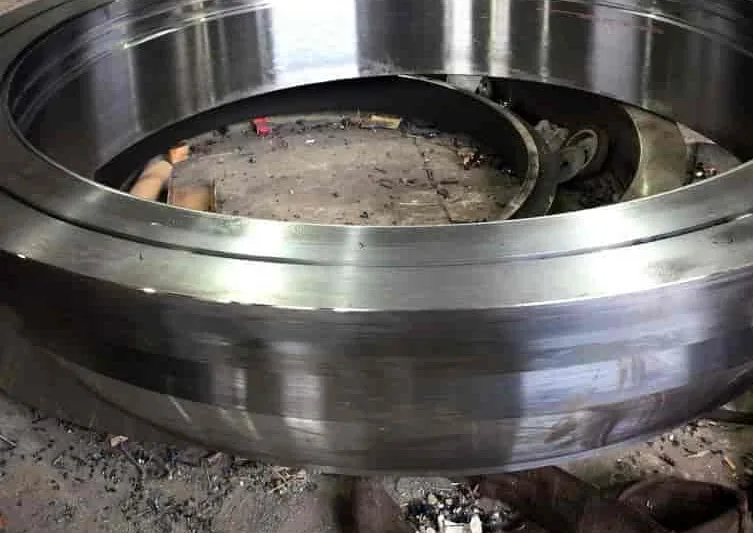
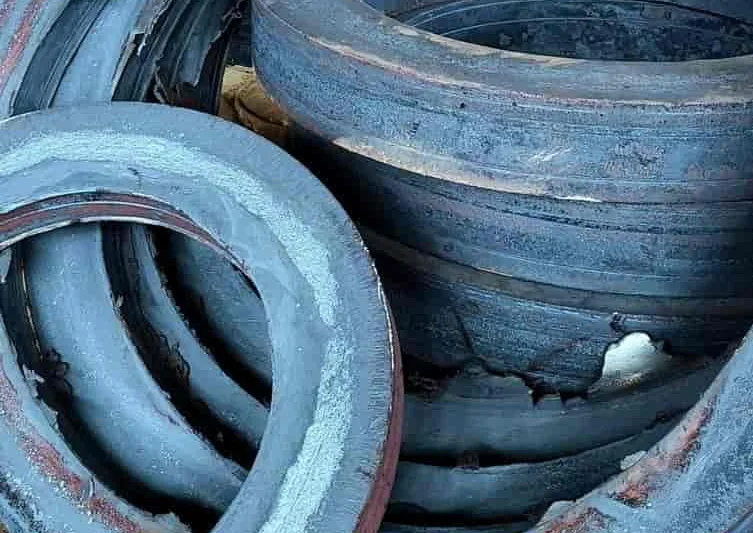
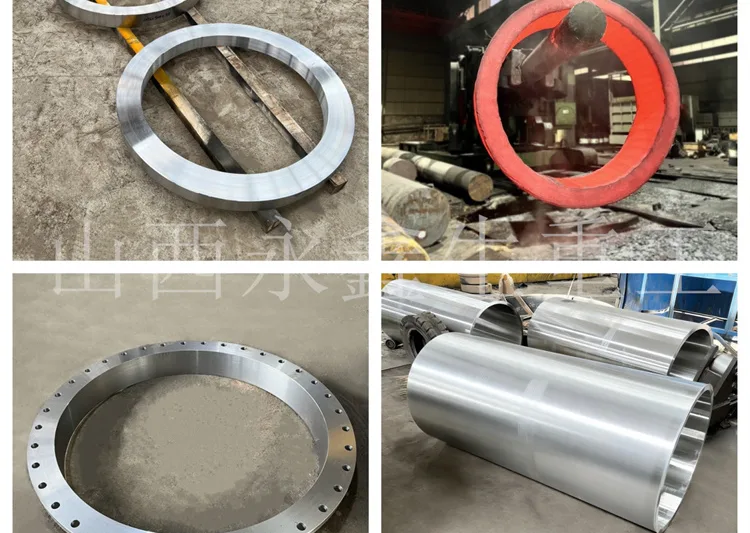
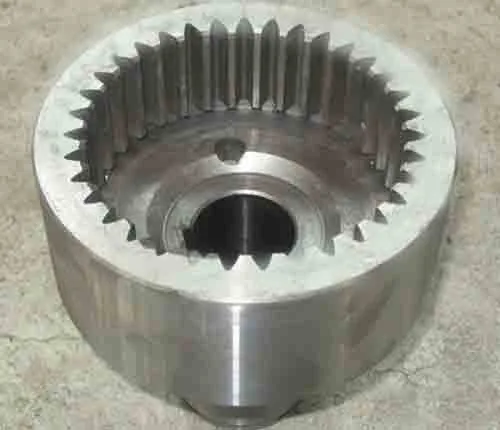
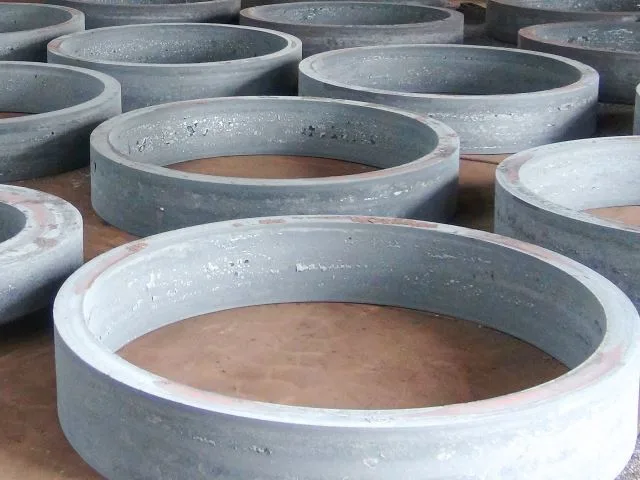
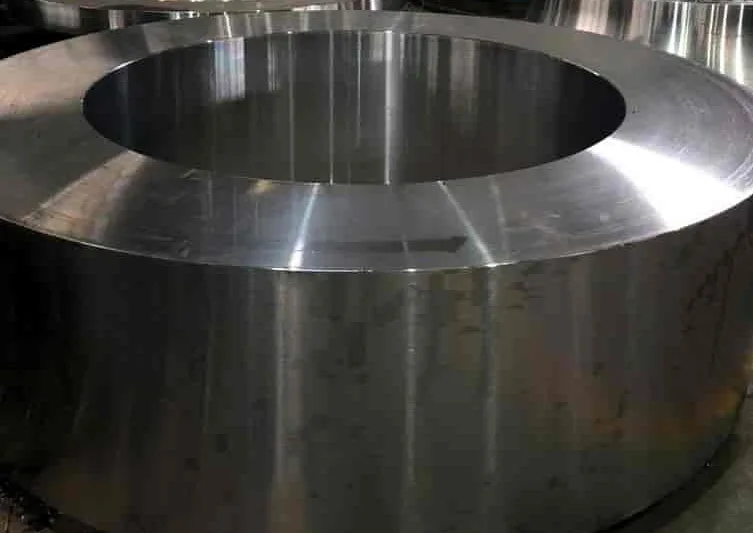
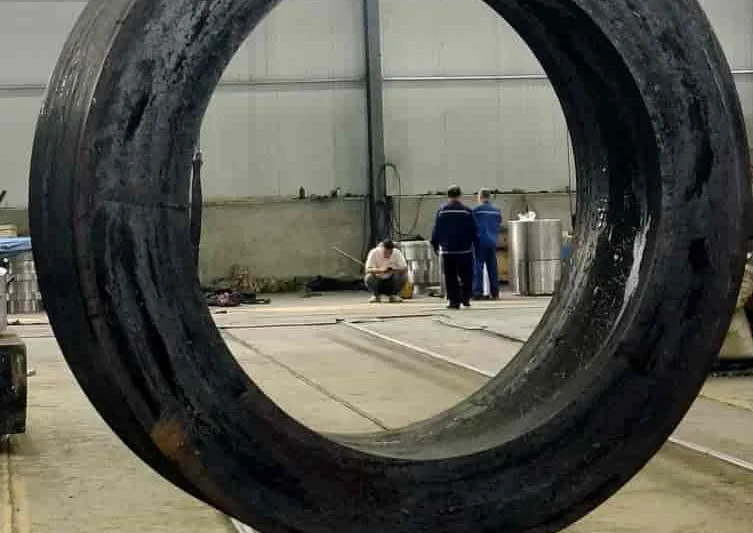
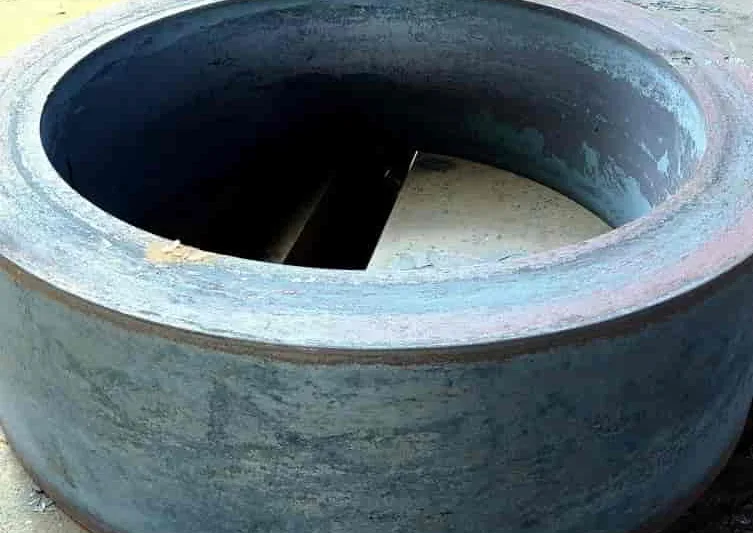
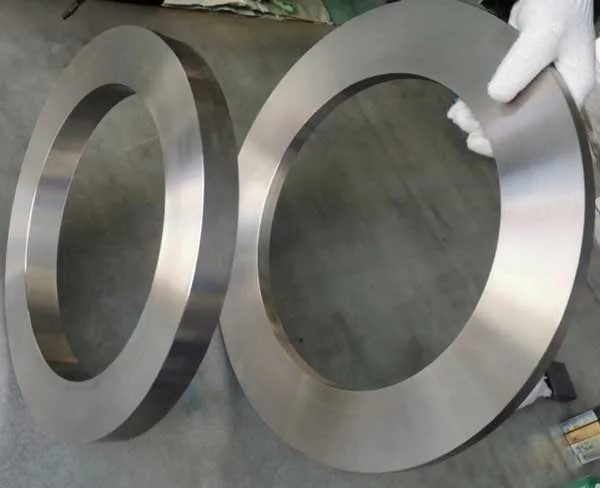
The preform is expanded through ring rolling to obtain the required annular dimensions. A ring can be supplied with machining stock or finished to a drawing. Specify the cross-section, rolling dimensions, final dimensions and any requirements for grain structure or supplementary testing stated in the governing product standard.
Welding and post-fabrication planning
If the ring will be welded into a larger assembly, provide the joining specification and any post-weld heat-treatment or examination requirements. Stabilization does not remove the need for a qualified welding procedure or appropriate inspection. Identify weld preparation surfaces and machining allowances on the drawing.
Quality requirements
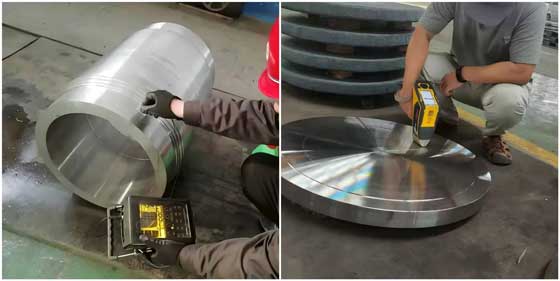
State chemistry, mechanical tests, heat-treatment condition, traceability, dimensional inspection and any NDT. For high-temperature service, include the applicable design code and supplementary requirements. A complete RFQ includes drawing, quantity, material standard, operating conditions, finish and documentation.
Engineering details, dimensions and procurement example
For 347, the RFQ should identify the exact governing standard, product form and niobium stabilization and specified heat-treatment condition. Confirm the design code and service conditions before treating a material grade as interchangeable with another specification. chemistry including niobium, heat-treatment records, mechanical properties and any code-required impact tests. Inspection scope, acceptance limits and document format should be written into the purchase order.
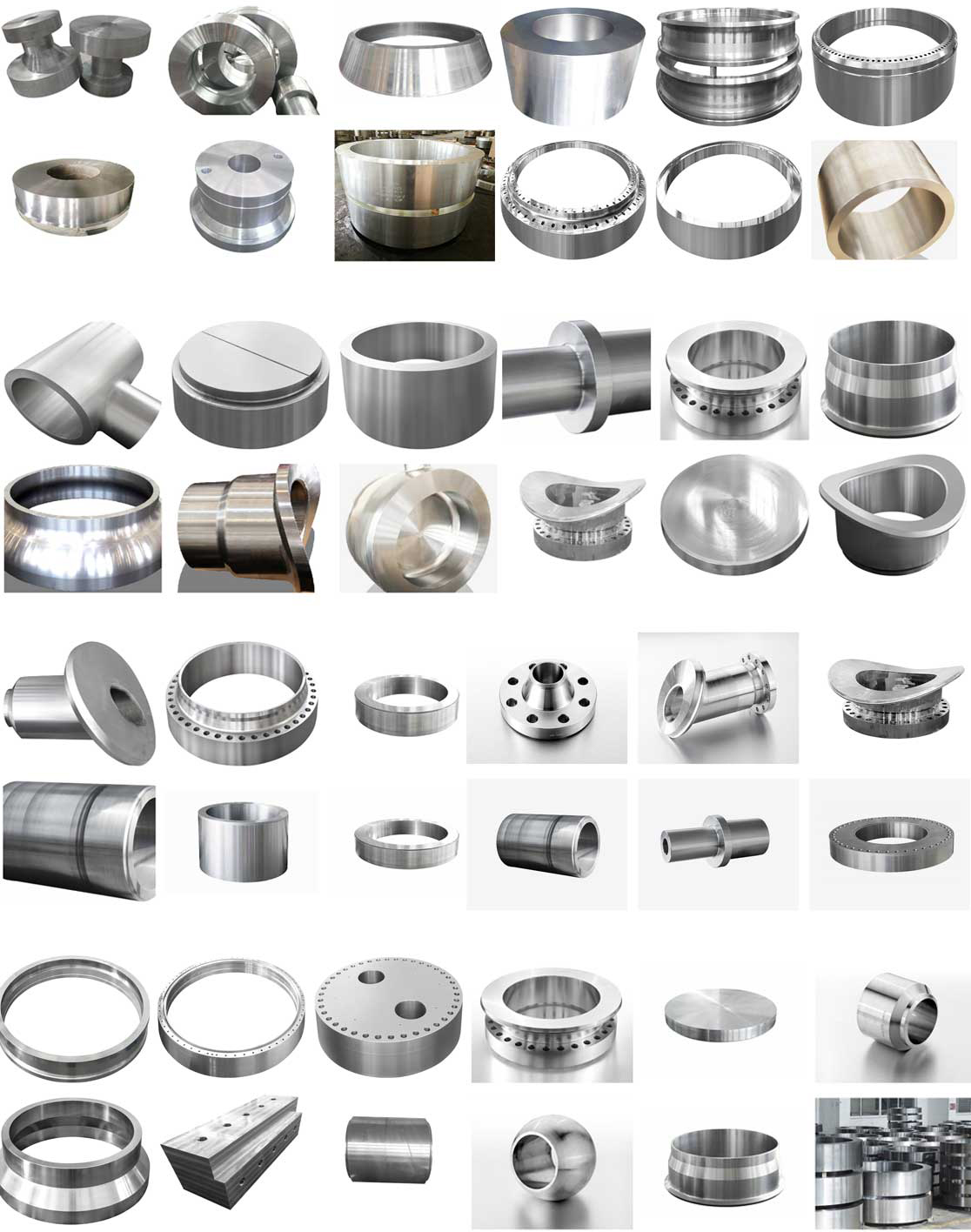
Illustrative inquiry dimensions are OD 400–1,100 mm; ID 200–750 mm; axial height 40–150 mm. These are examples to help scope a quotation, not confirmed production limits or a guarantee of available size. Actual feasibility depends on the drawing, material supply, ring-rolling route, machining allowance, equipment envelope and workpiece weight.
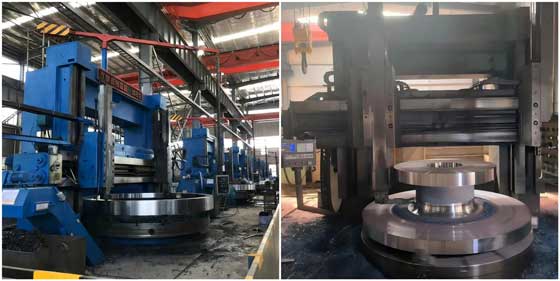
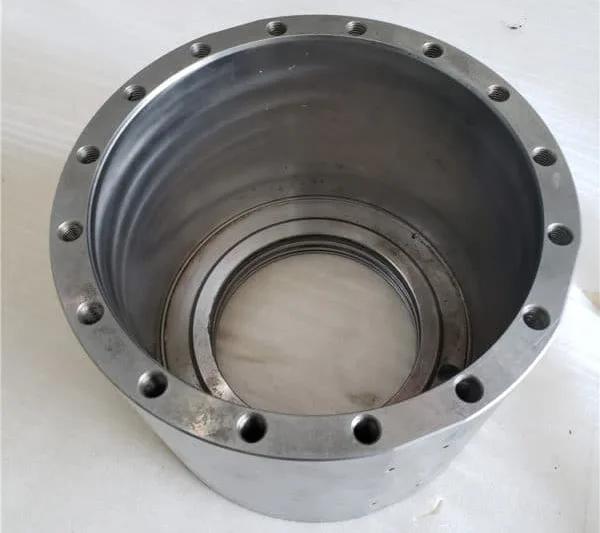
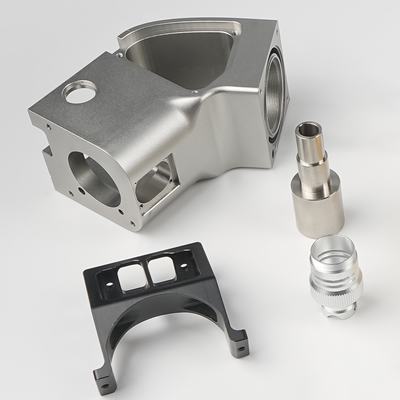
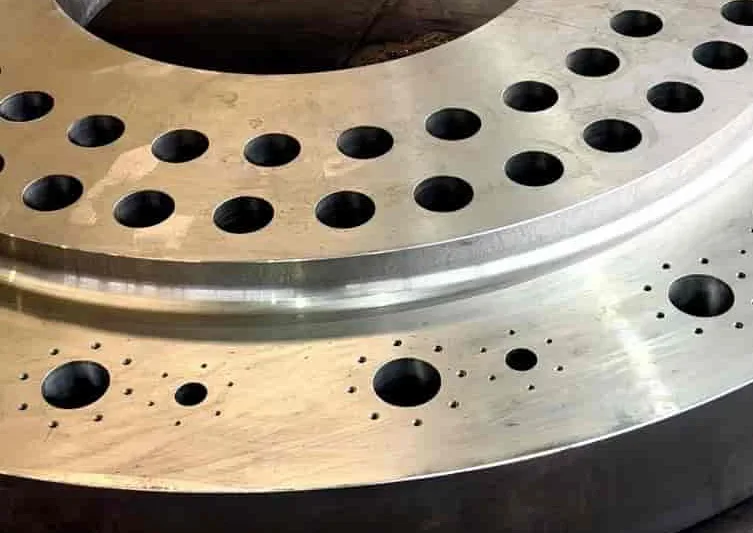
A representative purchasing case is a welded high-temperature piping or pressure-equipment ring. Request separate rough and finished dimensions, quantity, delivery condition, machining scope, tolerances, surface finish and required certificates. For critical sealing or alignment features, identify datum faces, flatness, parallelism, concentricity and runout. CNC turning, boring and facing can be planned in roughing and finishing stages subject to drawing review and equipment confirmation.
Related product: stainless steel rolled rings. See the Changjin Metal product range for other custom metal materials and machining services.