Extra-Large Steel Cylinder Forging
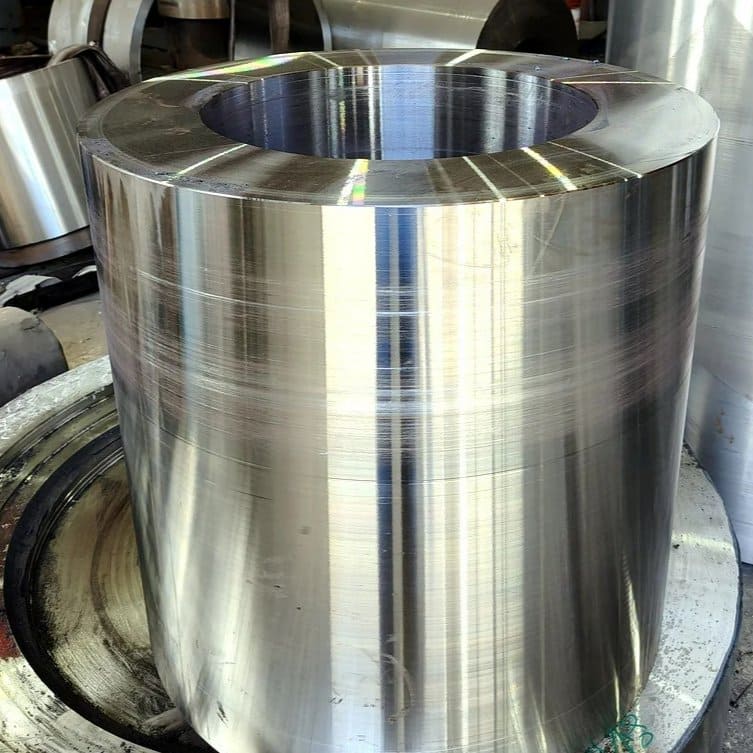
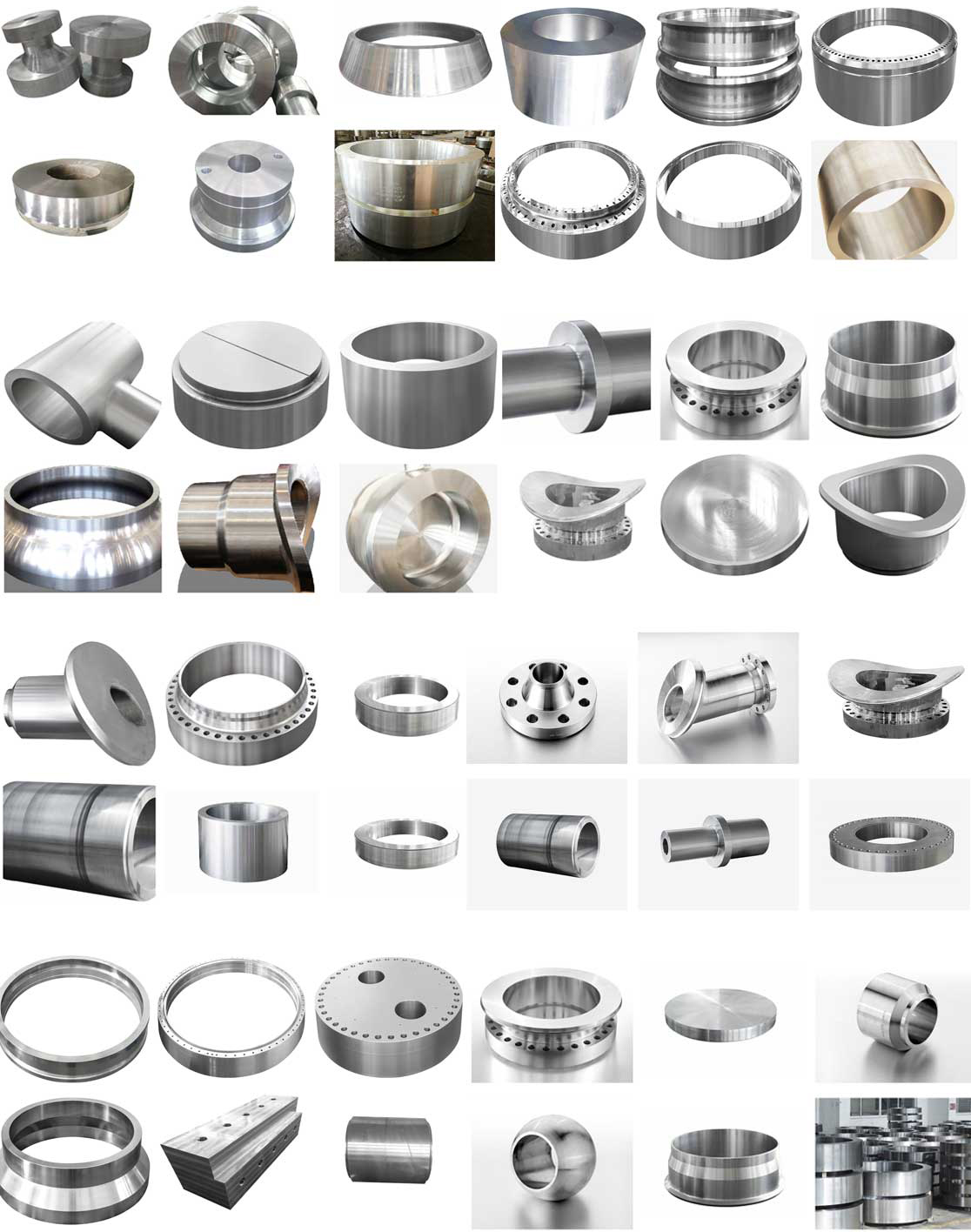
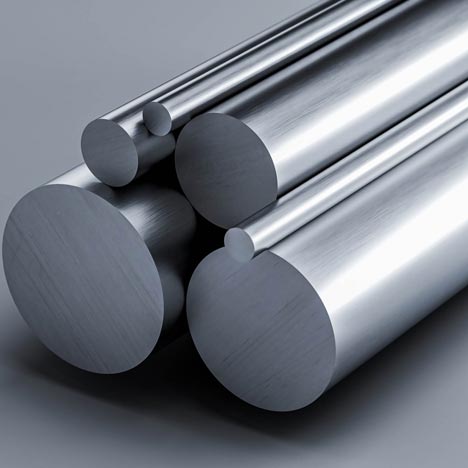
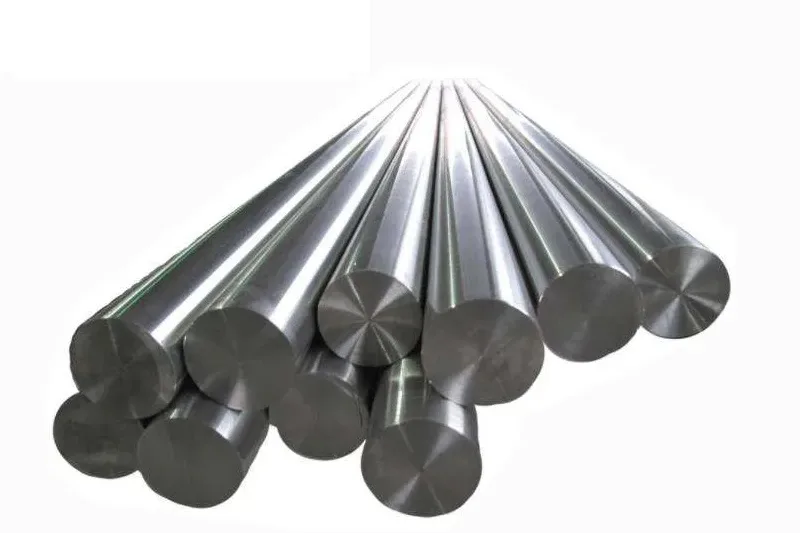
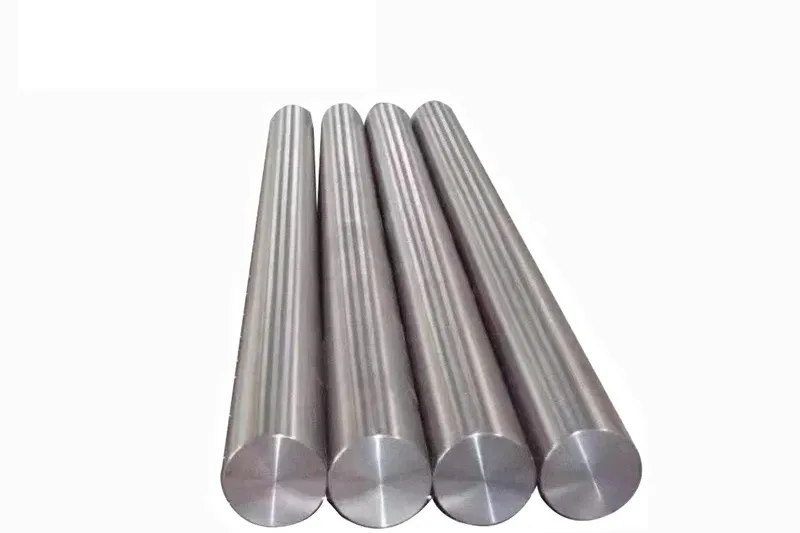
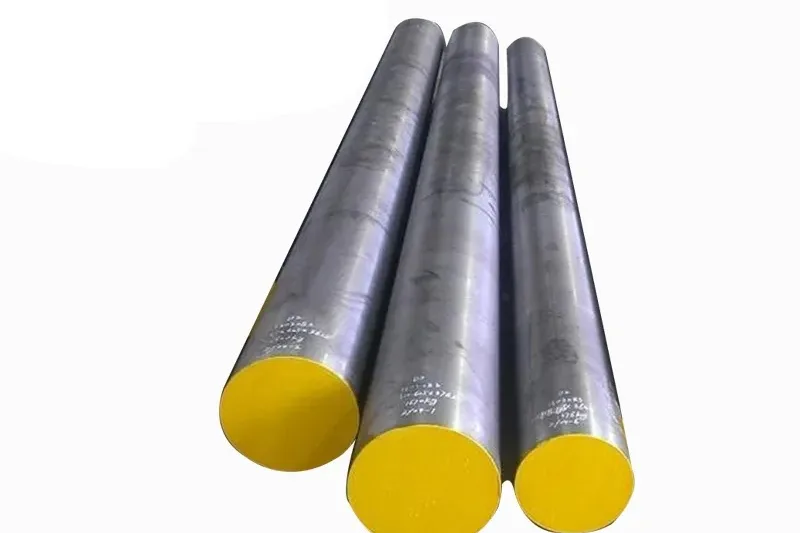
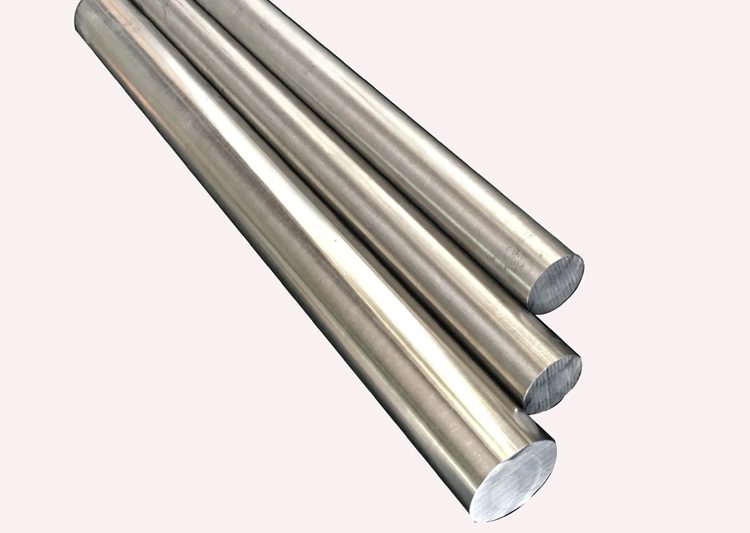
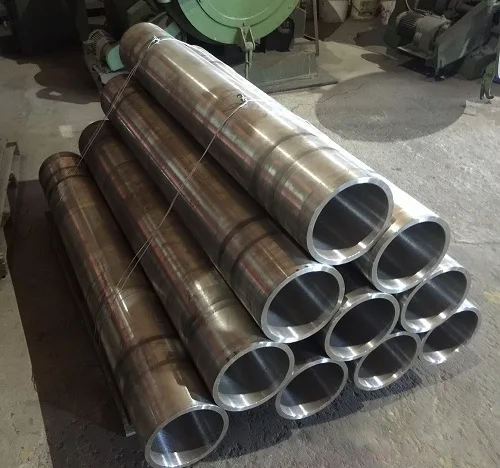
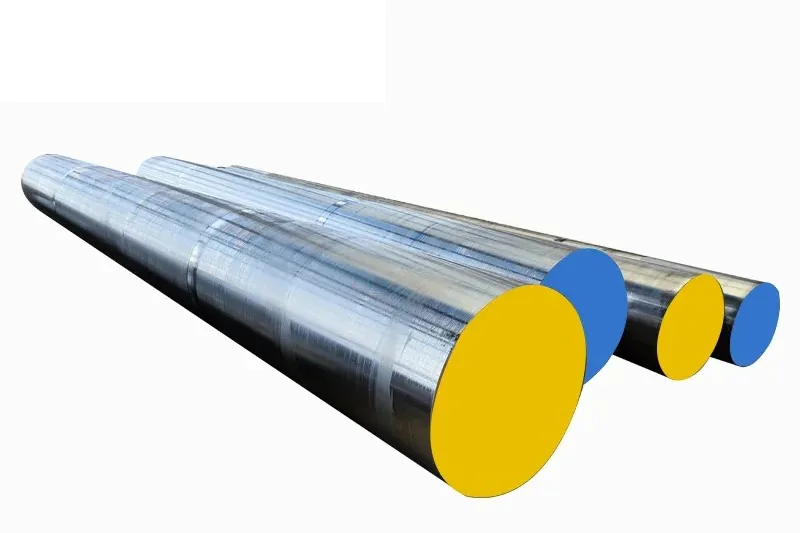
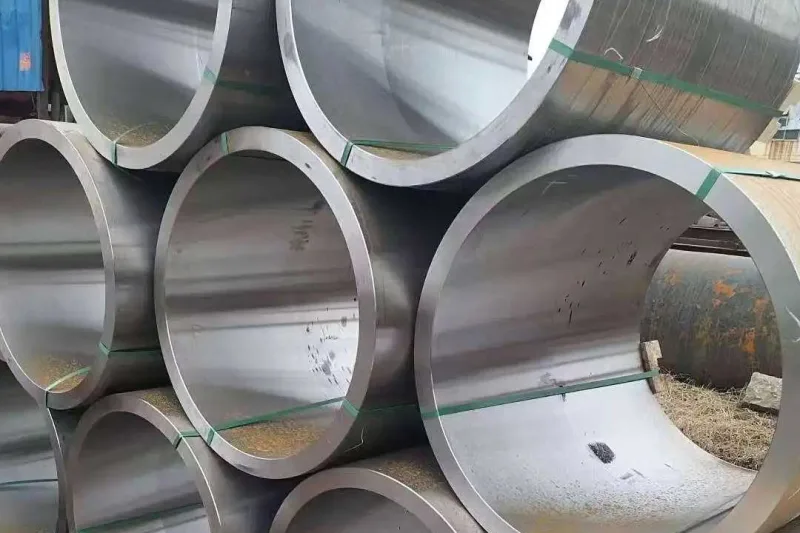
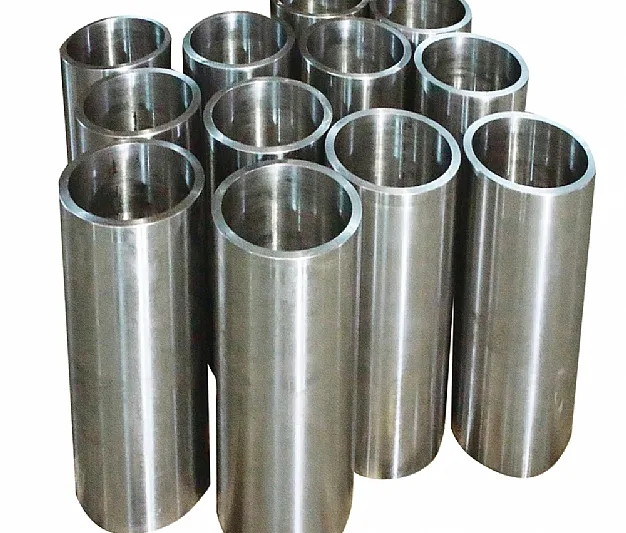
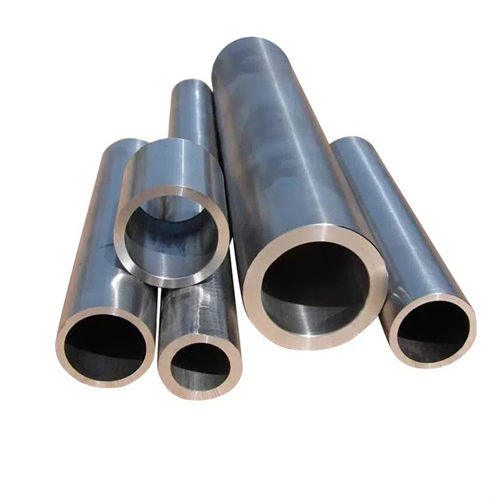
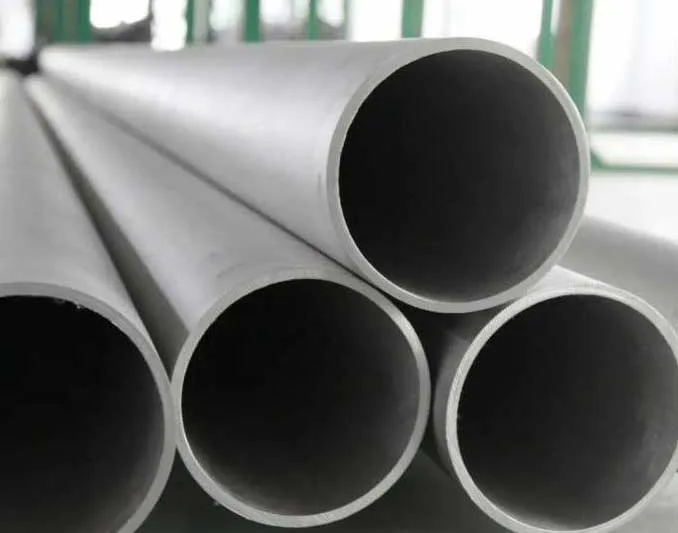
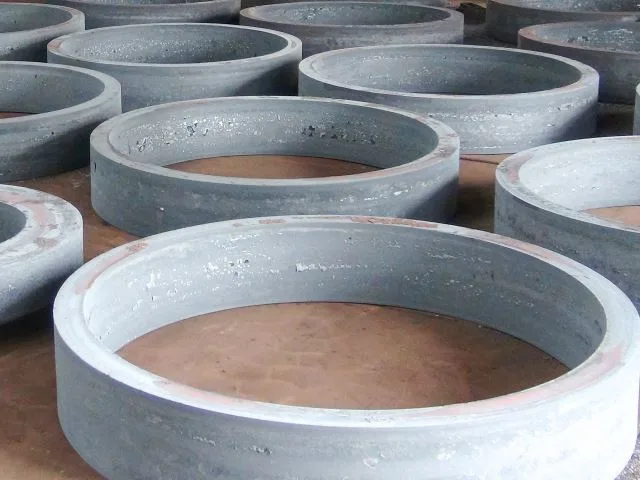
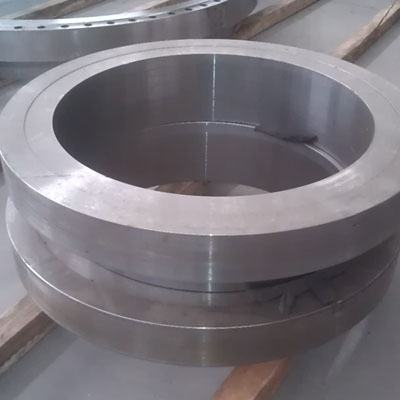
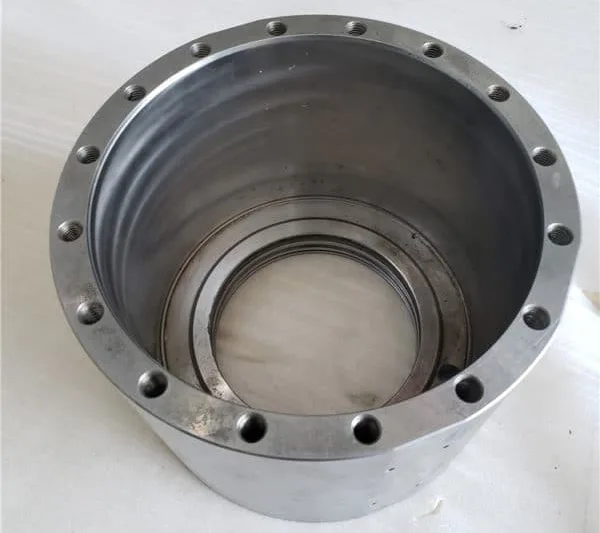
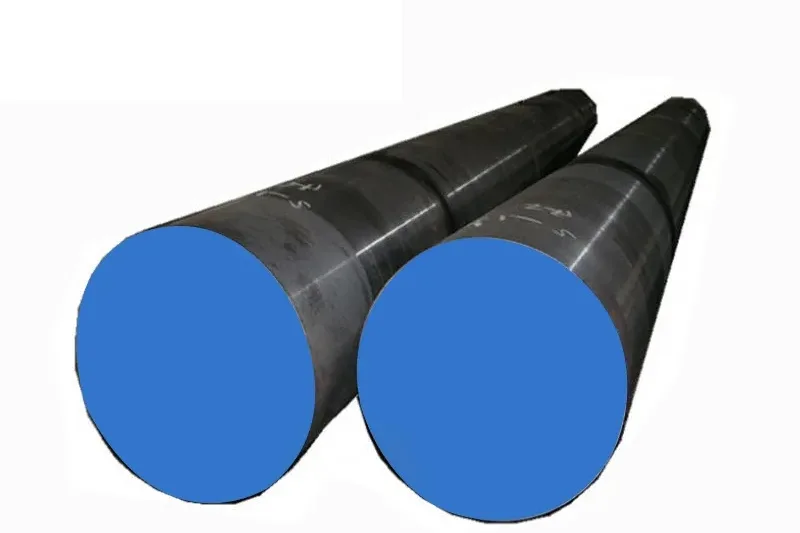
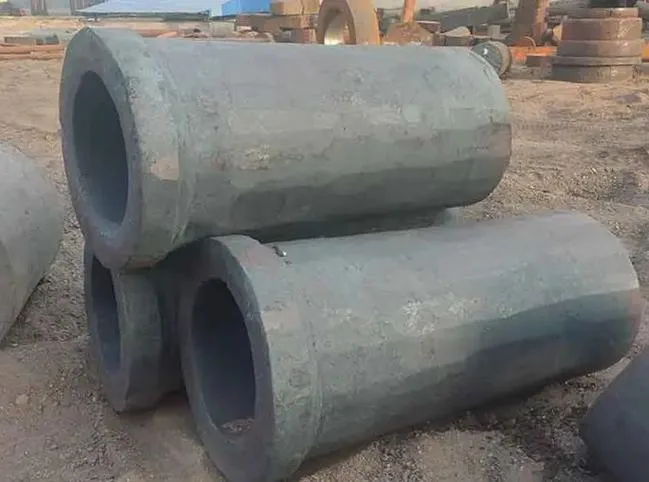
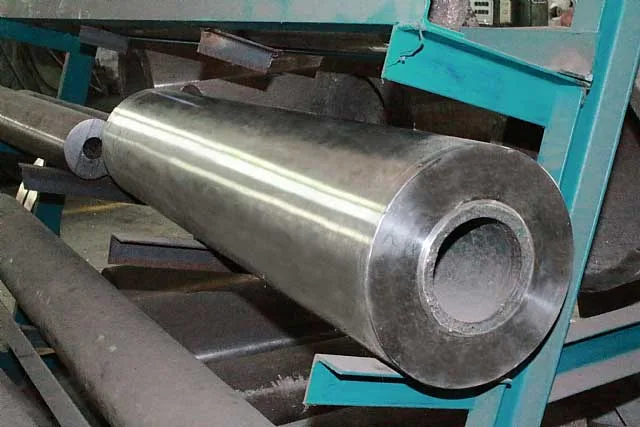
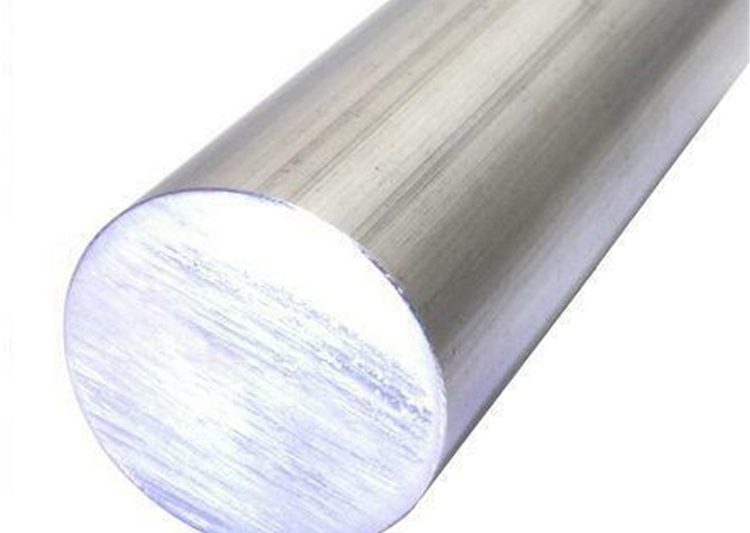
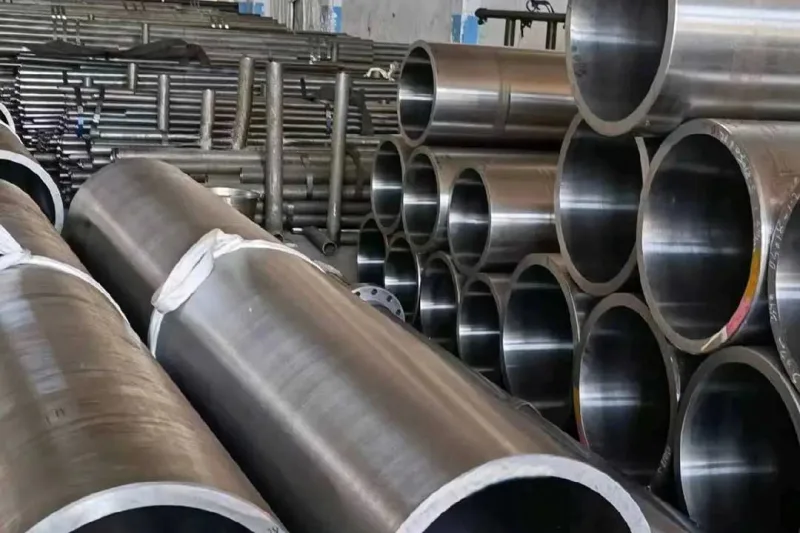
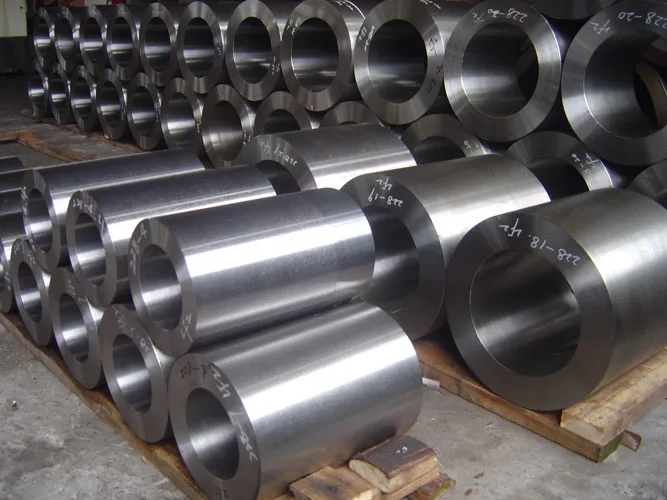
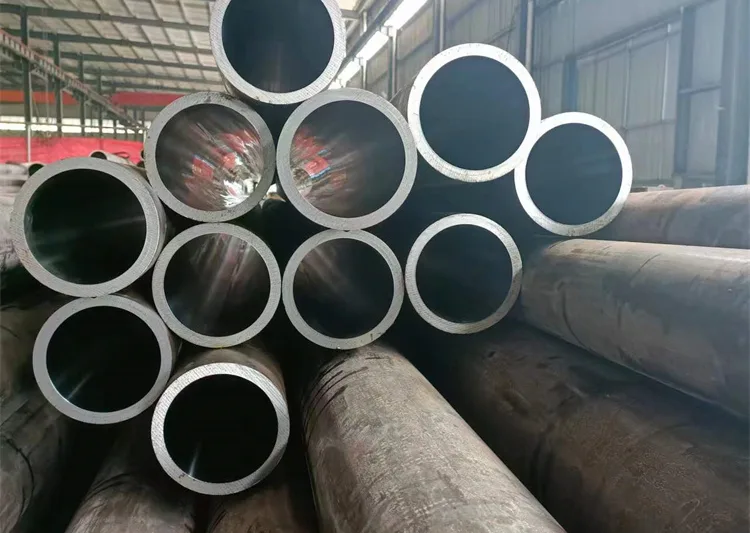
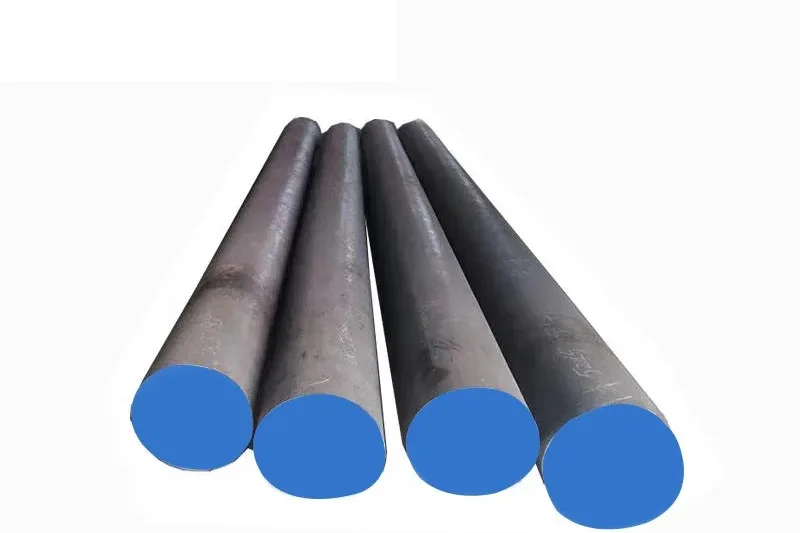
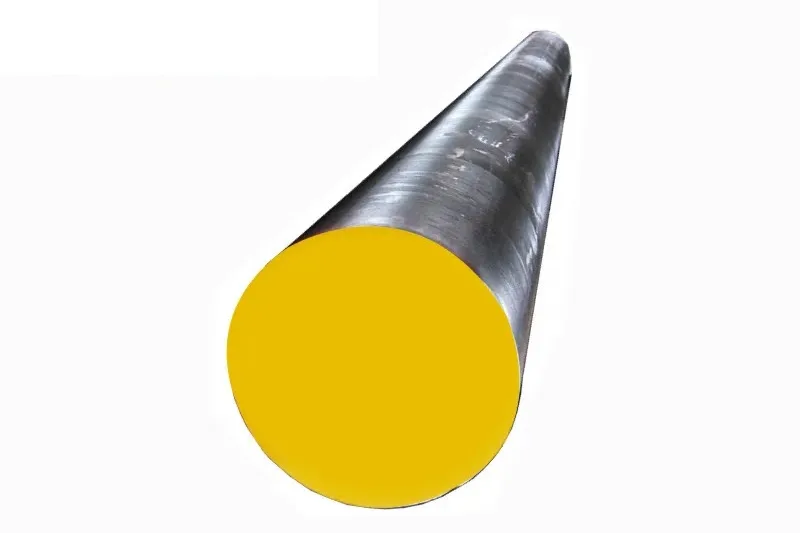
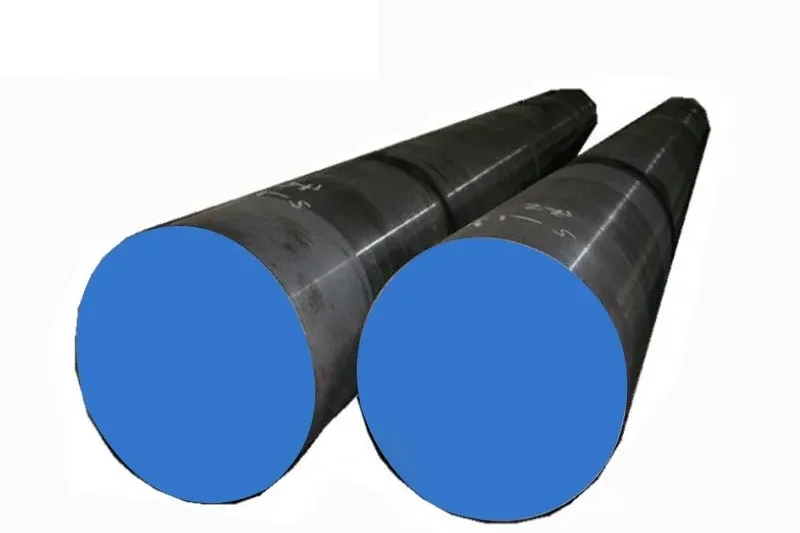
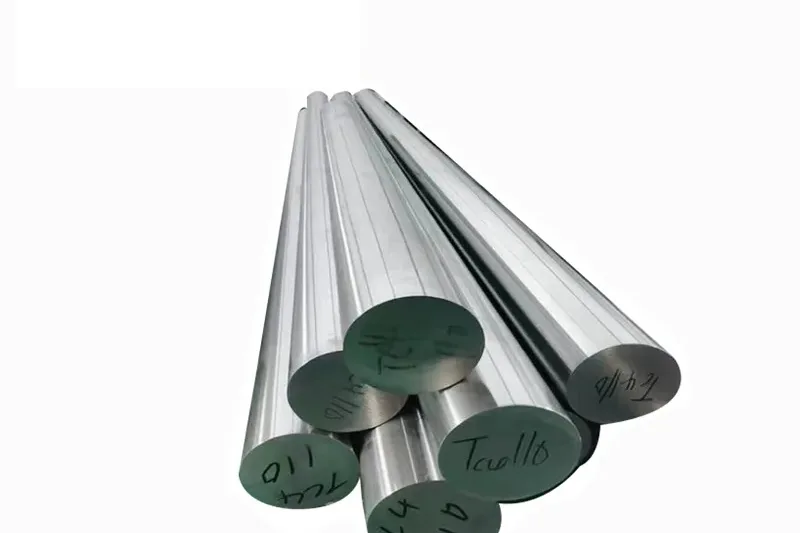
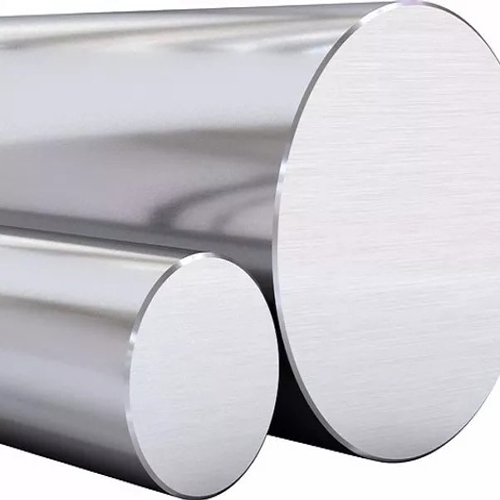
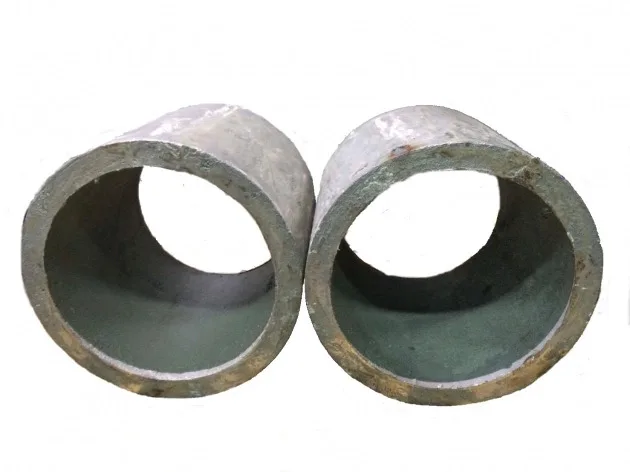
Extra-large steel cylindrical forgings are core components in the heavy equipment manufacturing industry and are widely used in the energy, petrochemical, and defense sectors. These forgings are typically highly customized products, with their specific materials, dimensions, and manufacturing processes determined by their end-use applications.
Materials and Grades
Material selection primarily depends on the operating environment (such as temperature, pressure, and medium corrosivity) and the required mechanical properties. The following are some typical grades:
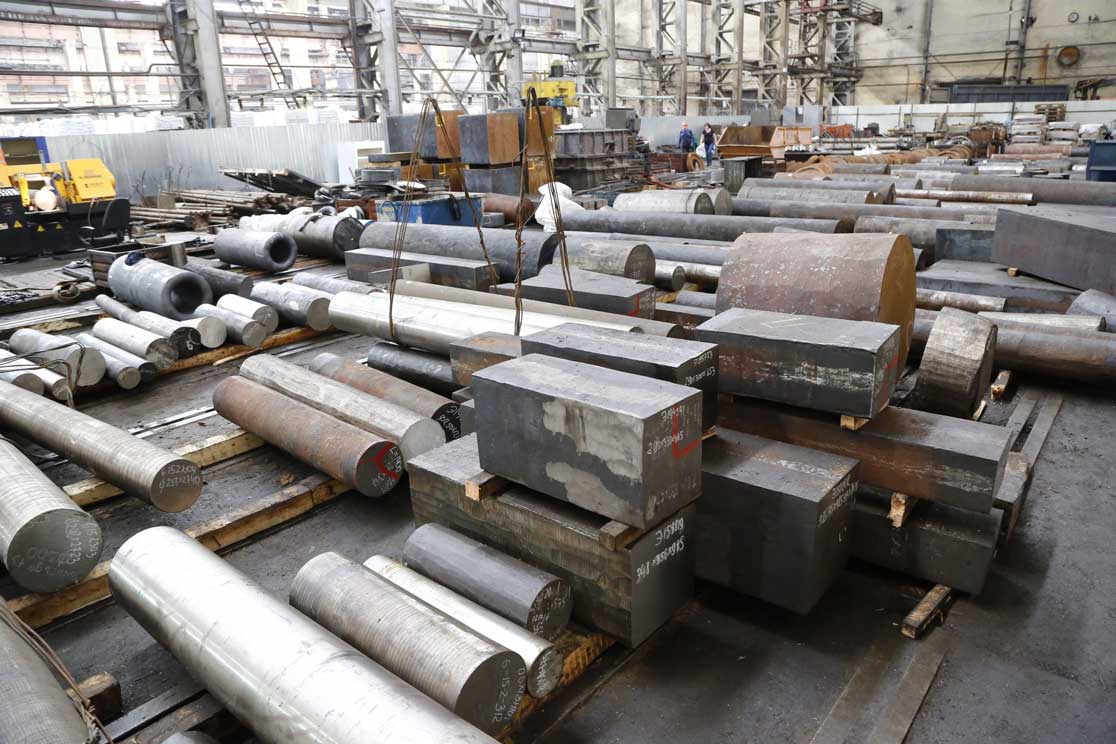
Chromium-molybdenum alloy steel: 4130, 4140, 42CrMo4, 4340 These offer excellent overall mechanical properties and a good balance of strength and toughness, making them common choices for hydraulic cylinders and construction machinery components.
Carbon Steel: 1045, 1020, ST52.3 Lower cost; suitable for general-purpose components such as medium- and low-pressure hydraulic cylinder barrels.
Hydrogen-Resistant Steel: 16MnR(HIC) Specifically designed for petrochemical hydrogenation units, offering good resistance to hydrogen-induced cracking (HIC). It has been used to manufacture the largest-class chemical vessel shells in China.
Heat-Resistant Steel: SA-336F12 Offers good creep strength and oxidation resistance at high temperatures; used in high-temperature, pressure-bearing components for boilers and power plants, such as the cylinder body of a certain model of water storage tank.
Dimension Range
The dimensions of extra-large cylindrical forgings far exceed conventional sizes and are regulated by corresponding industry standards.
General Standard Definition: According to the China Forging and Pressing Association’s group standard T/CCMI 17-2022, the typical size range for “large” cylindrical forgings is:
Diameter: ≥ 3500 mm
Height: 1500 mm – 3000 mm
Weight: 25 metric tons to 200 metric tons
Current Manufacturing Capabilities: In actual production, dimensions are even broader, sometimes exceeding the above standards:
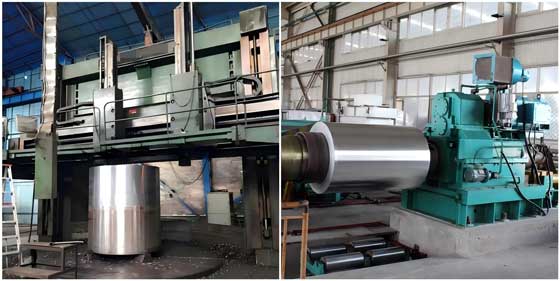
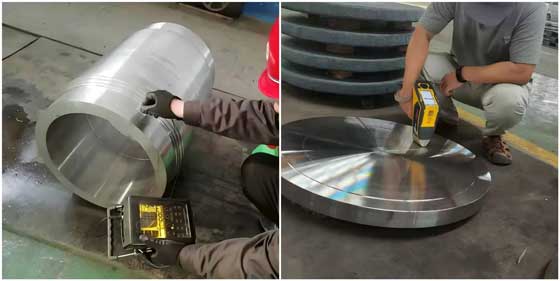
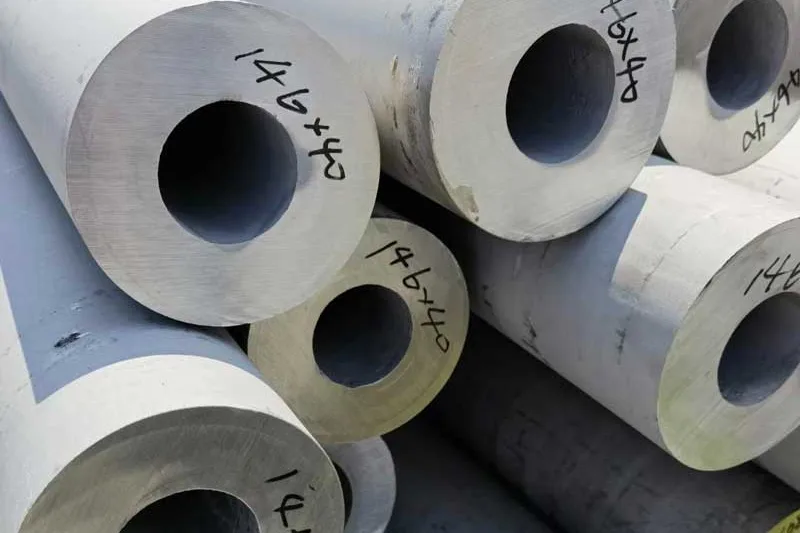
Diameter (Outer Diameter): Up to φ4000 mm. The largest chemical vessel cylinder ever manufactured had an outer diameter of φ2698 mm, an inner diameter of φ2400 mm, a length of 4400 mm, and a weight of 44.213 metric tons.
Length: The manufacturer’s maximum capability reaches 10,000 mm (10 meters).
Application Areas
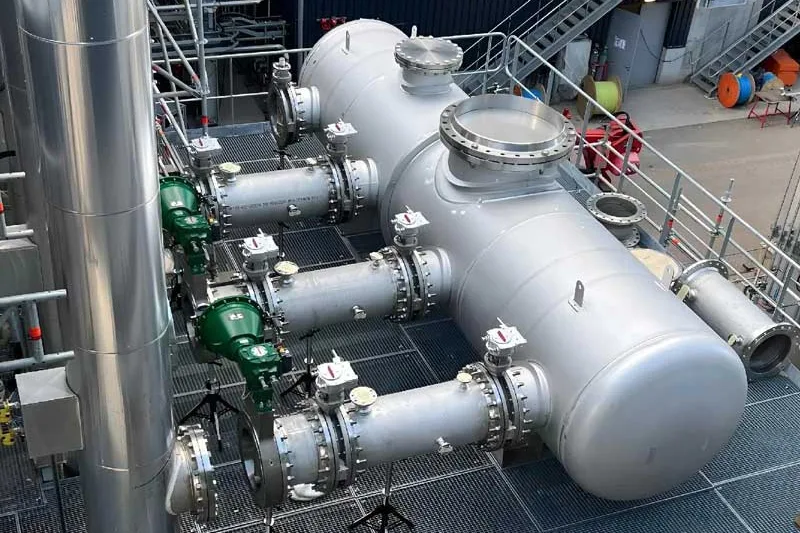
Petrochemicals: Used to manufacture large pressure vessels such as hydrogenation reactors and high-pressure separators, which require long-term stable operation under high-temperature, high-pressure, and hydrogen-rich environments.
Energy and Power: Used for components such as nuclear reactor pressure vessels, steam generators, and water storage tanks for thermal power boilers.
Heavy Machinery: They serve as core hydraulic cylinders in large hydraulic presses and aluminum foil rolling mills, or are used in heavy-duty equipment such as concrete pipe pile molds.
Defense and Military: Through specialized rotary forging processes, they are used to manufacture components with extremely high requirements for material properties and production precision, such as large-caliber artillery barrels.