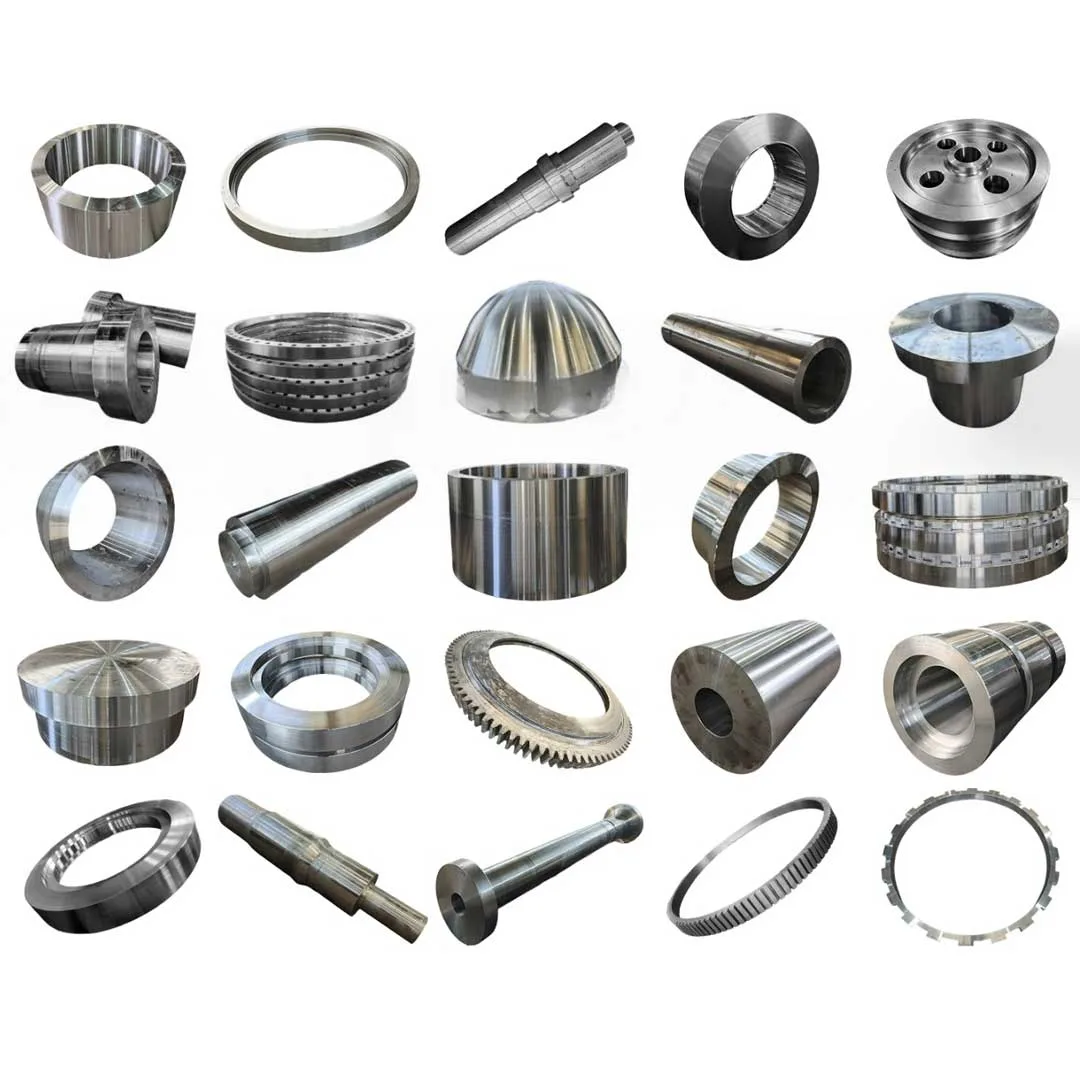
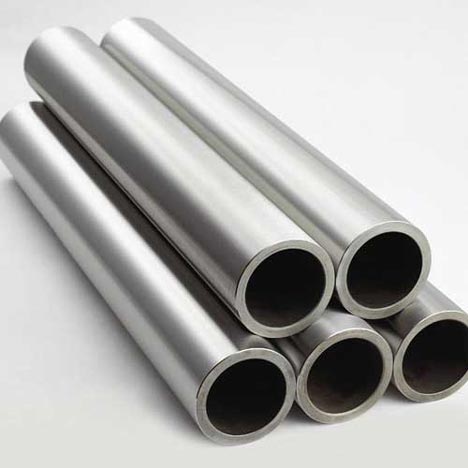
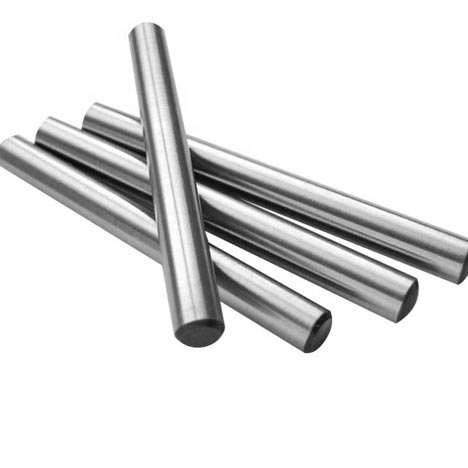
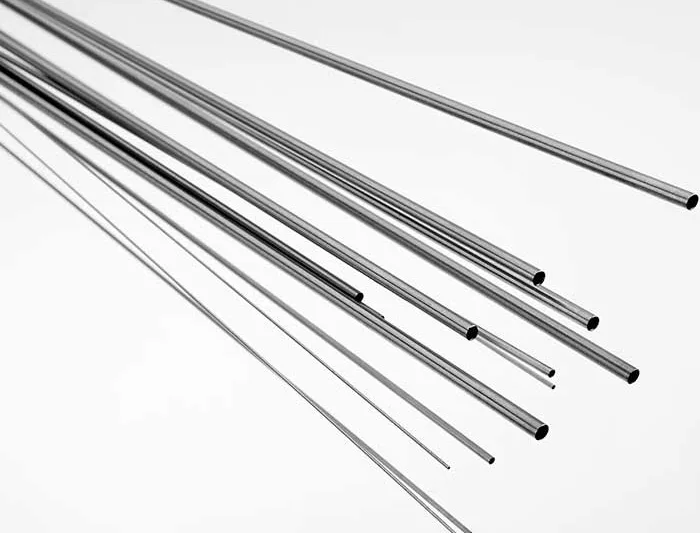
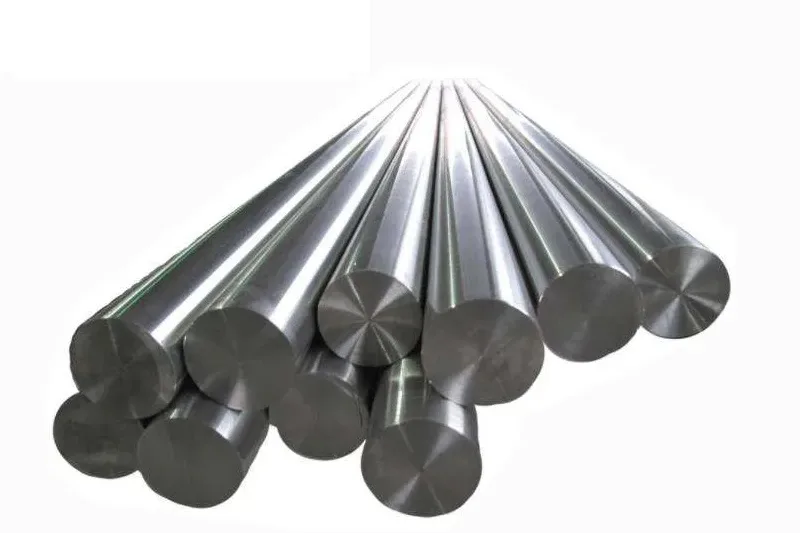
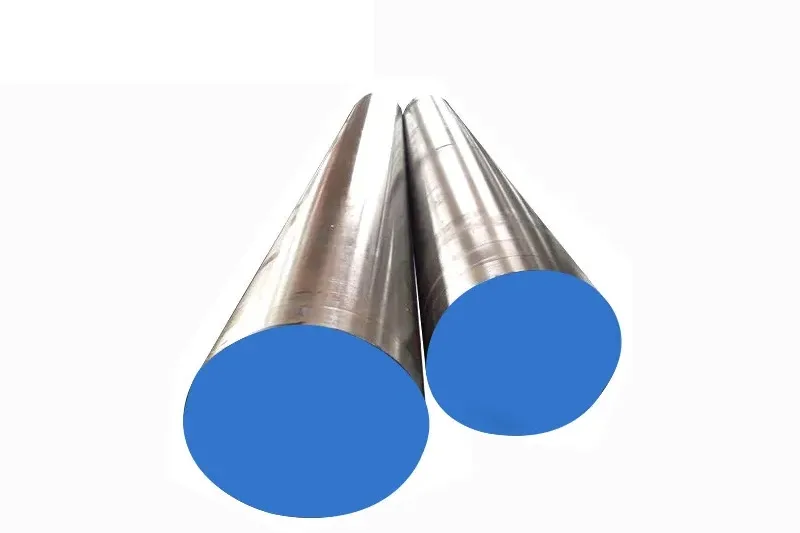
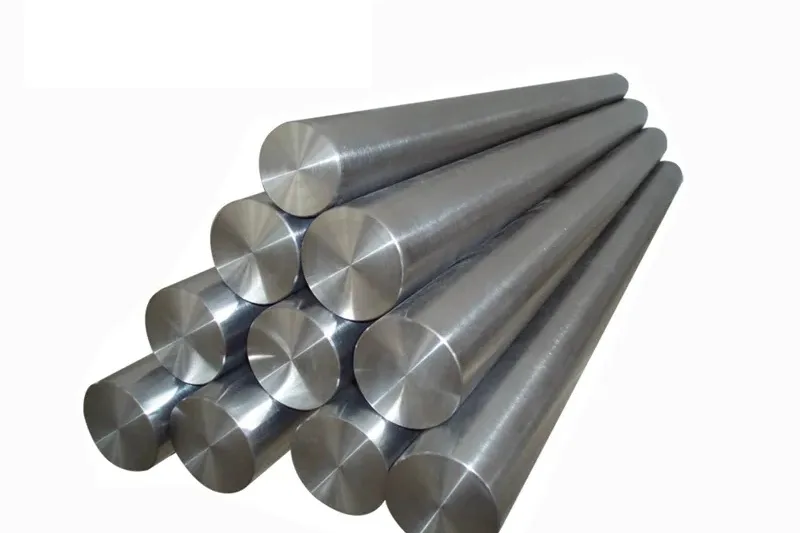
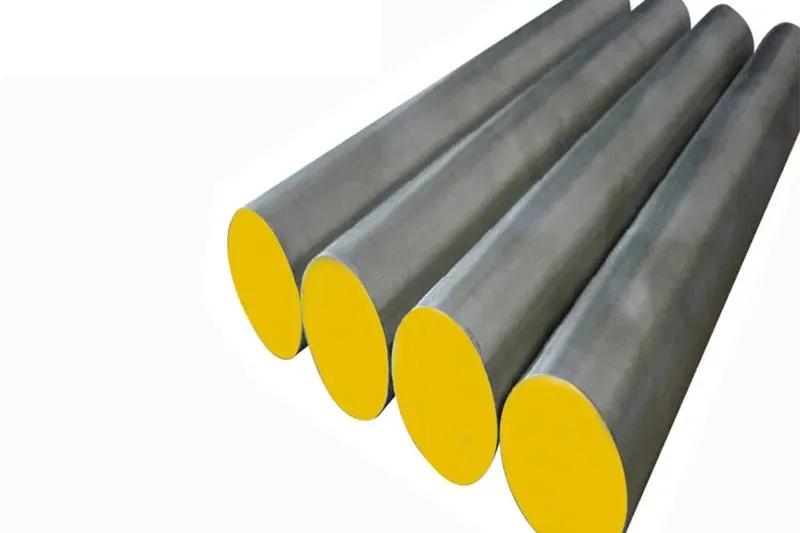
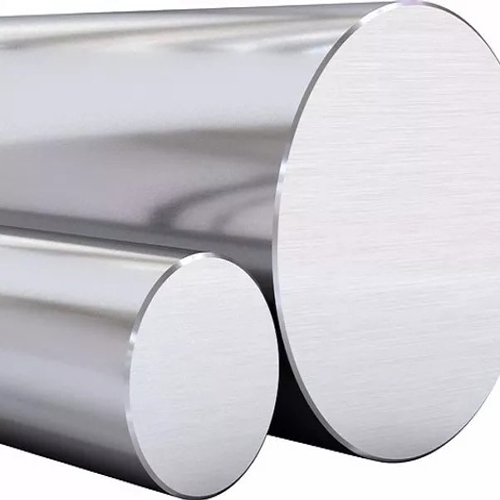
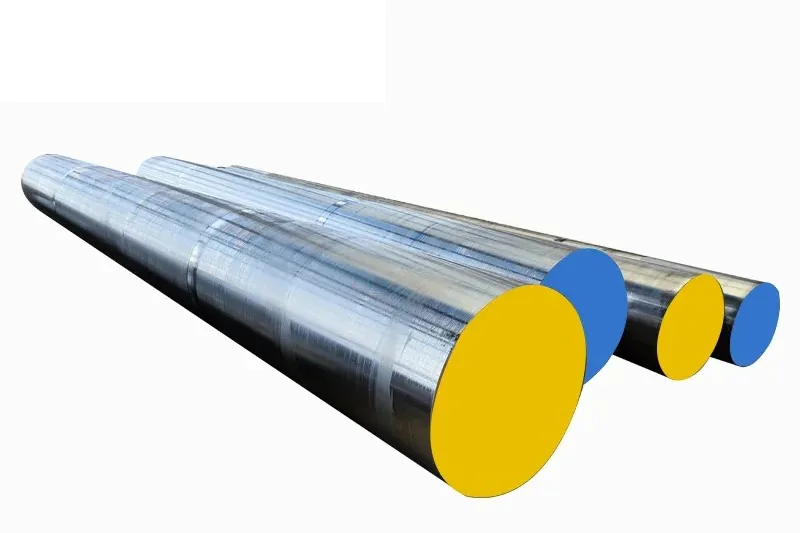
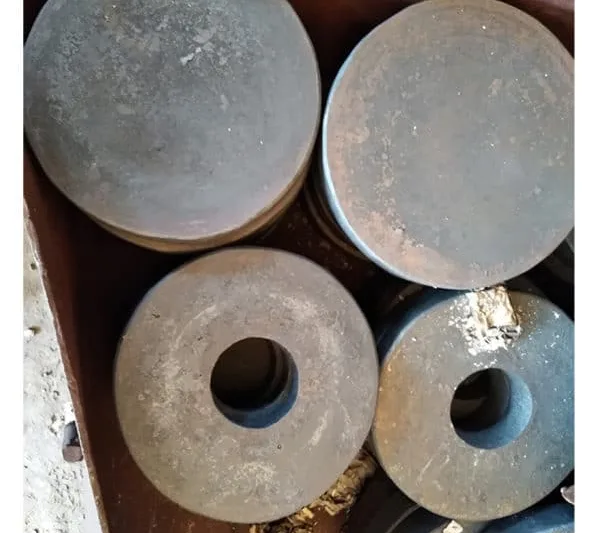
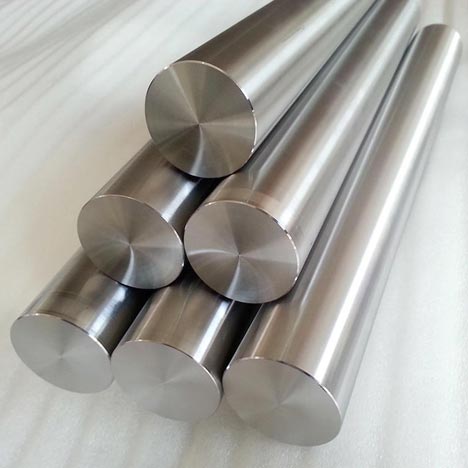
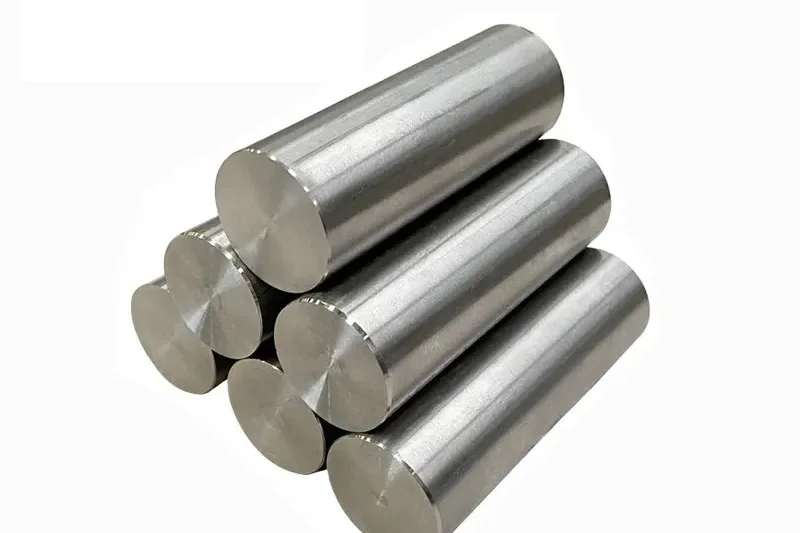
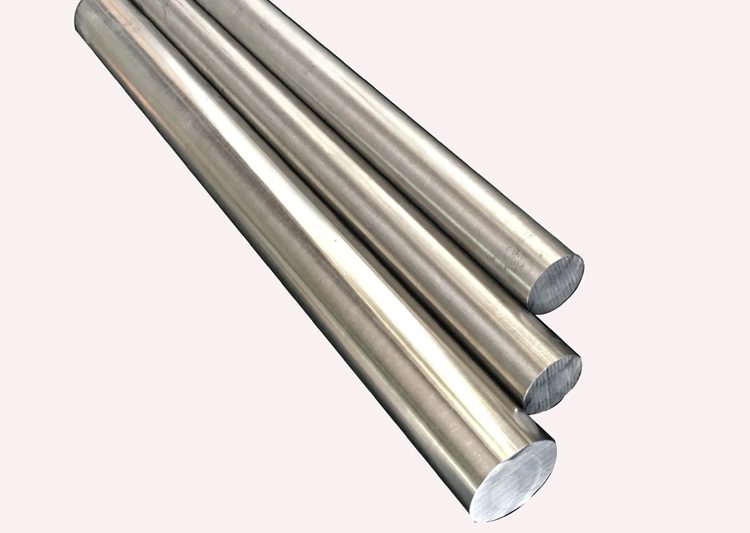
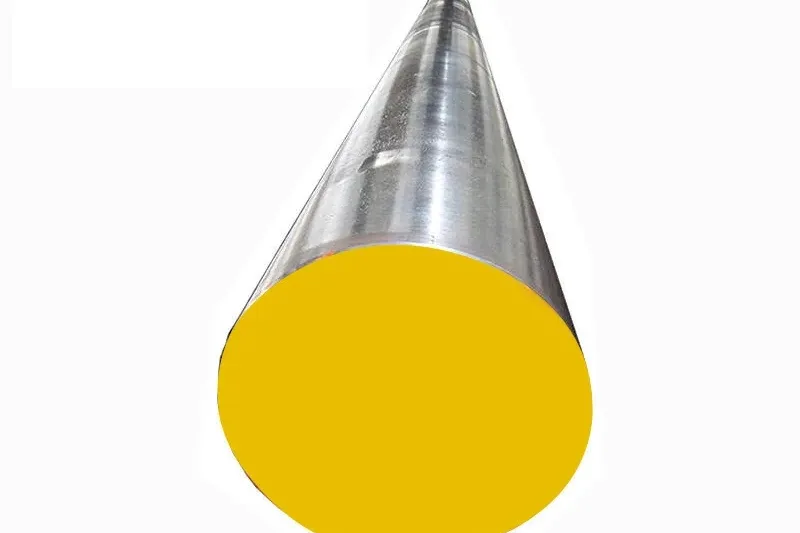
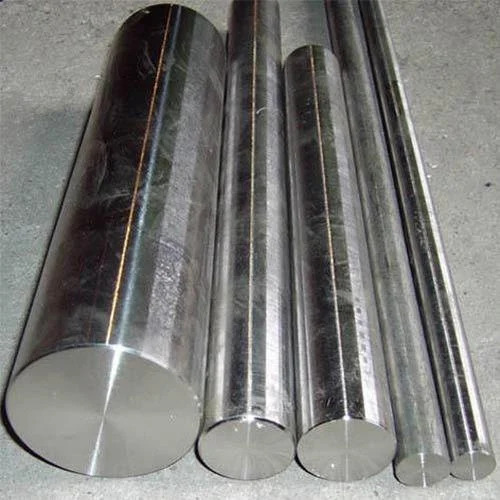
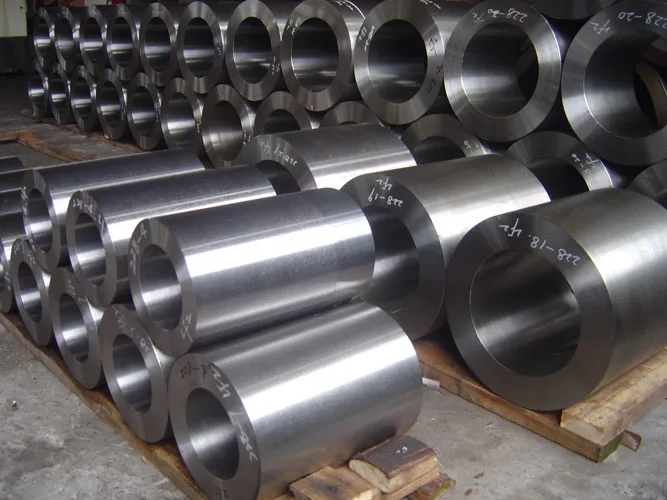
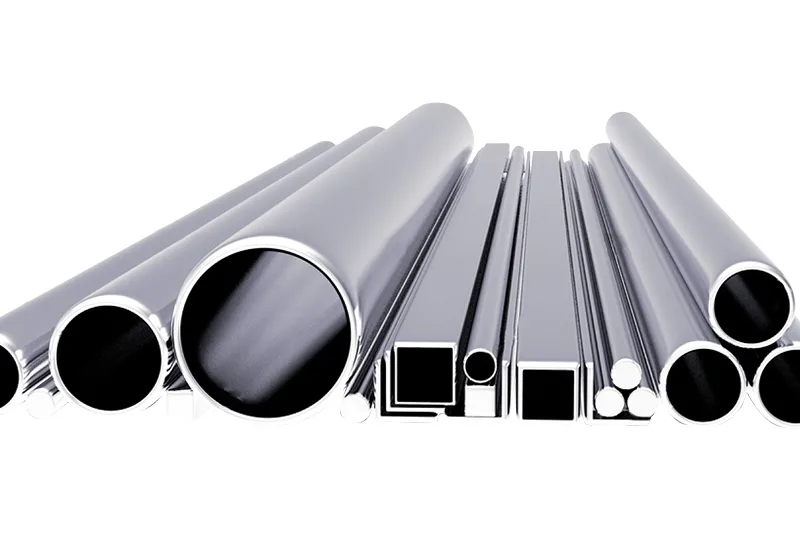
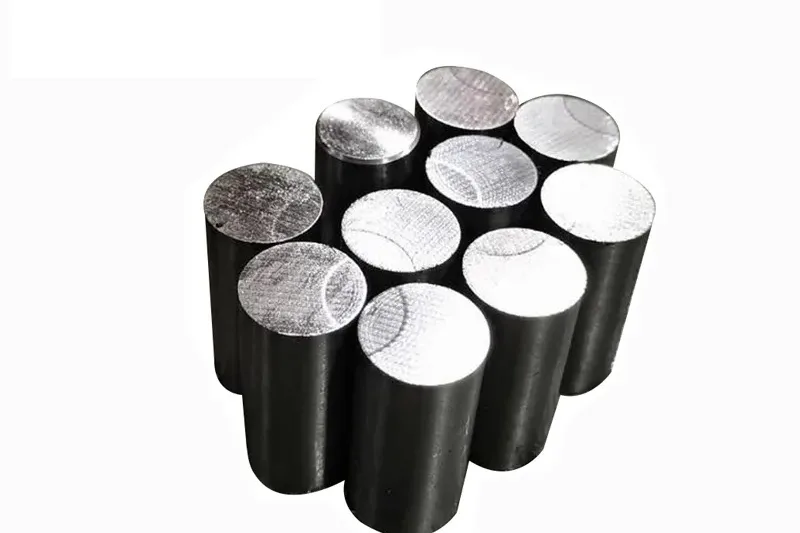
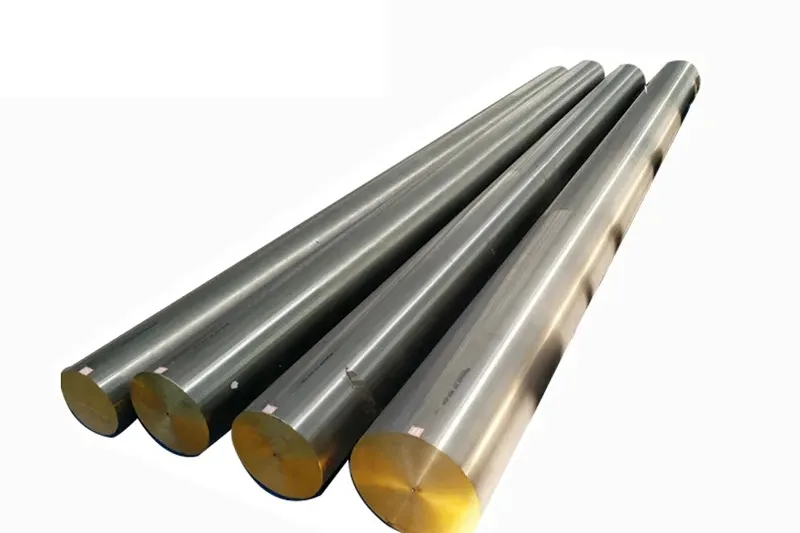
Forged Hollow Bars
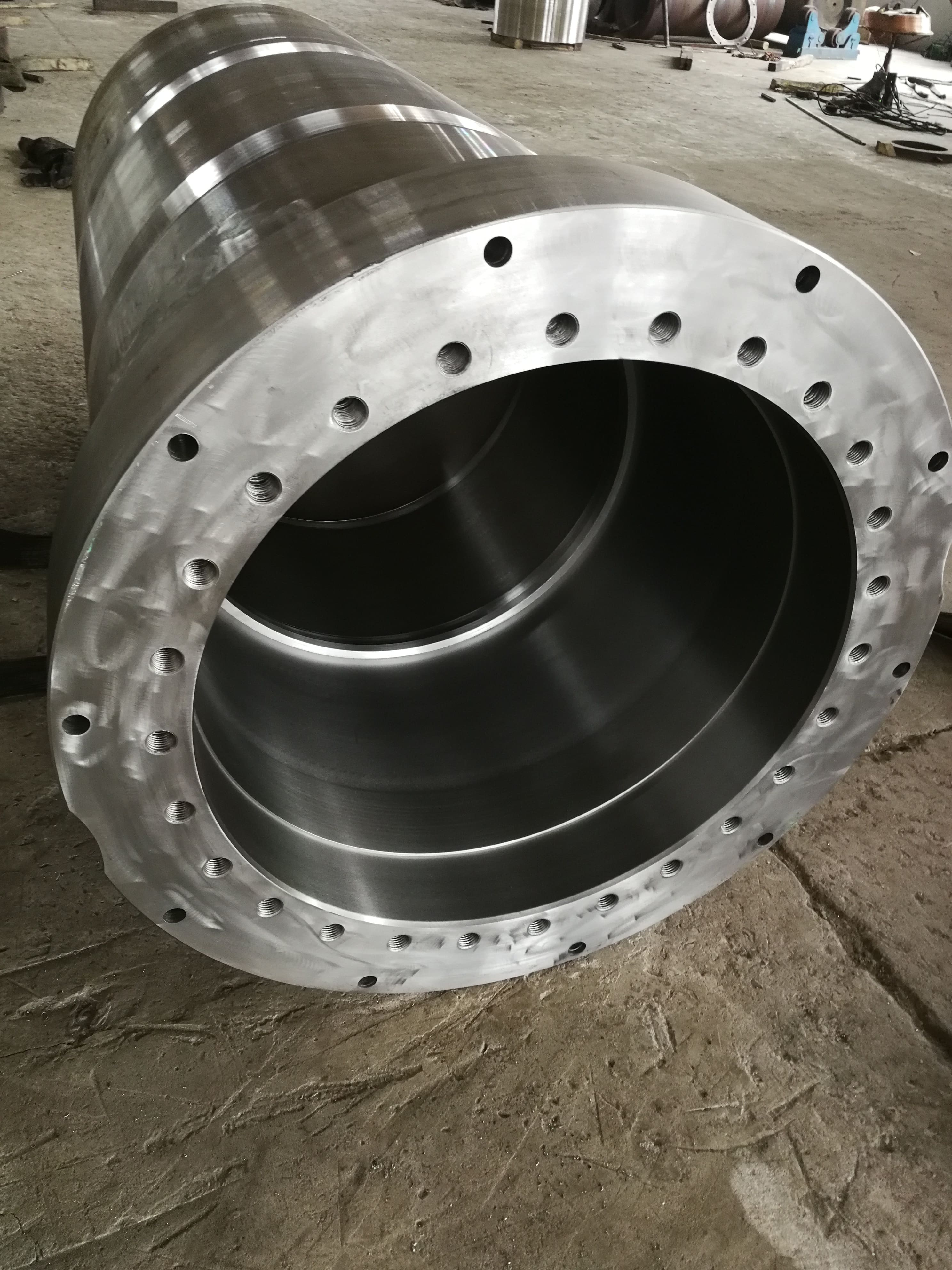
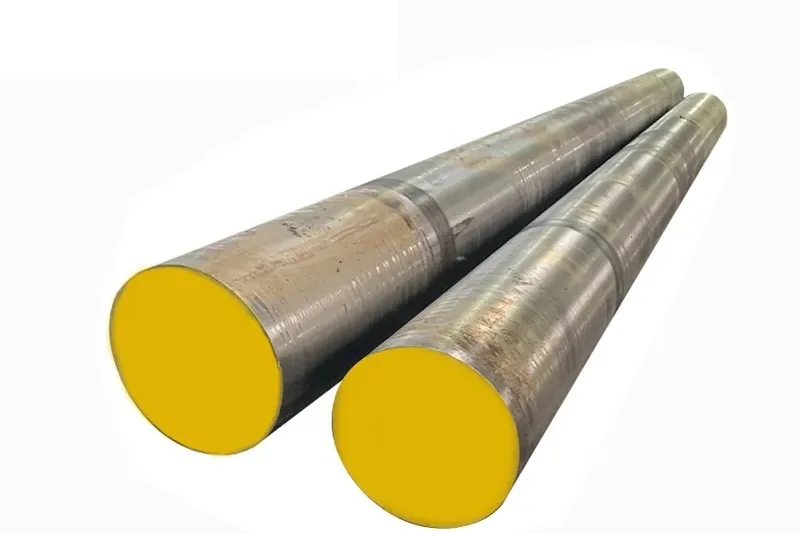
Forged Hollow Bars: A Comprehensive Guide to Their Manufacturing, Applications, and Benefits
Introduction:
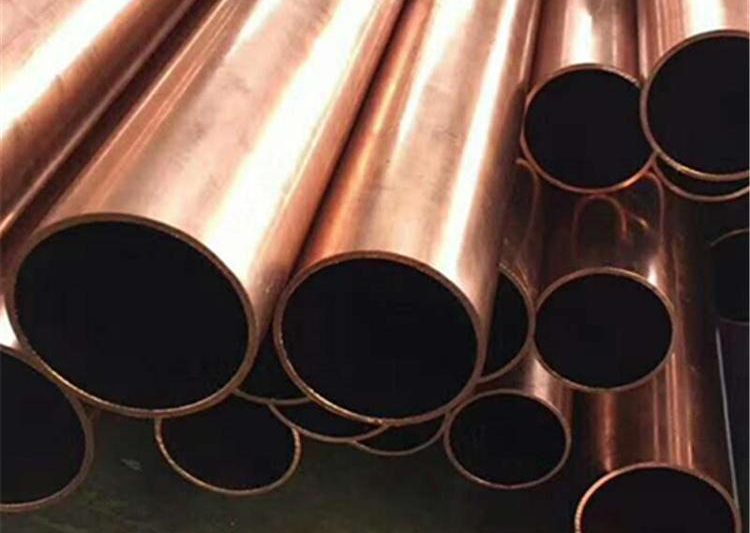
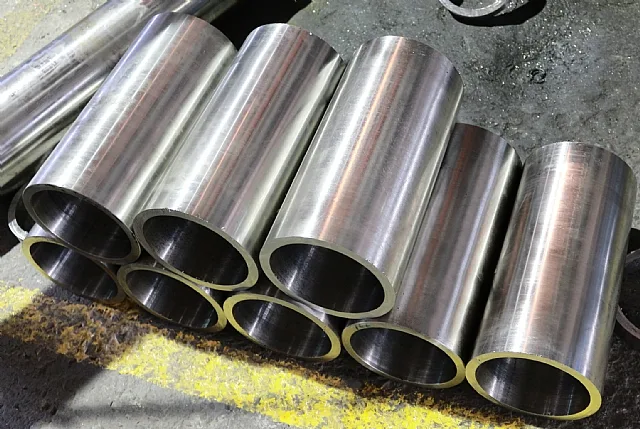
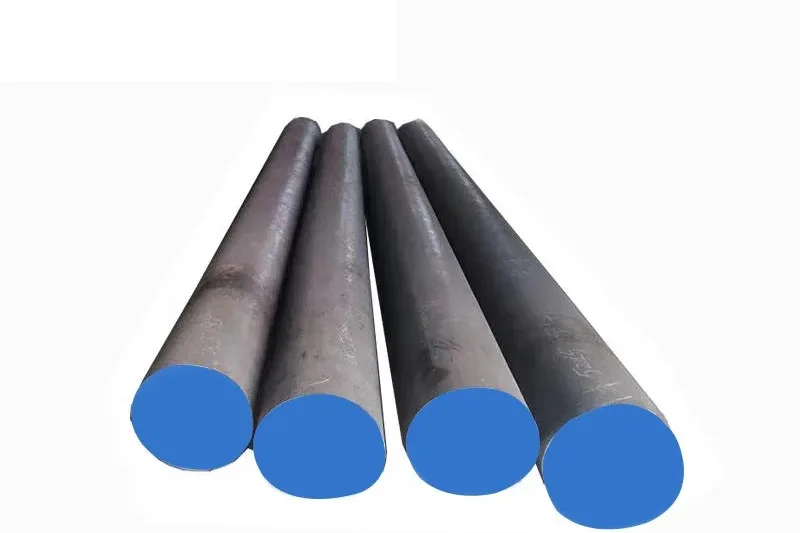
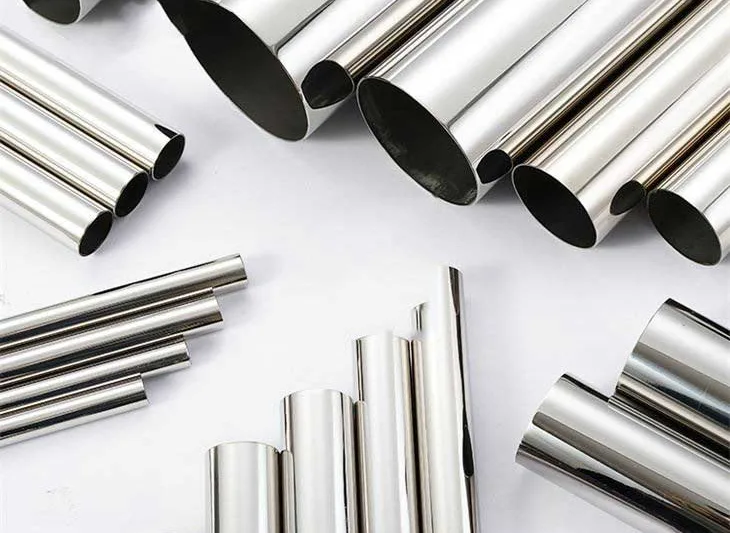
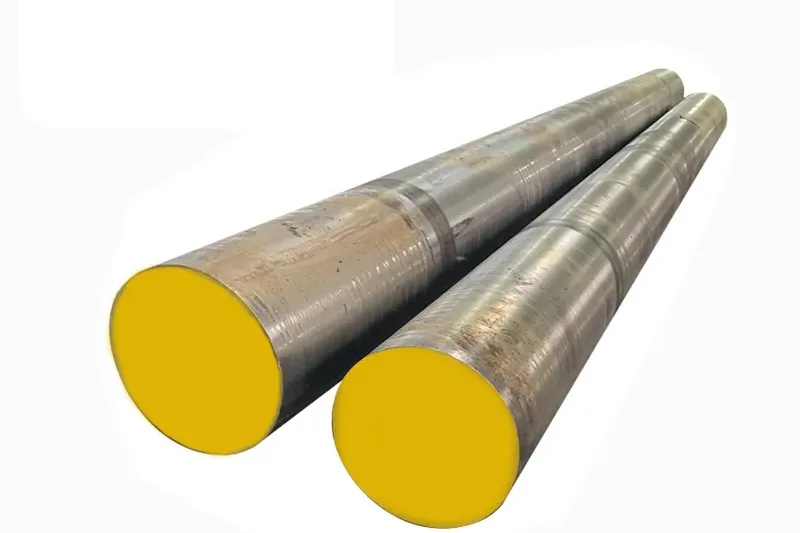
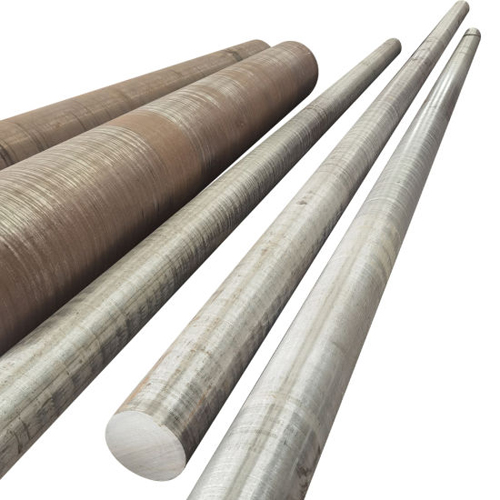
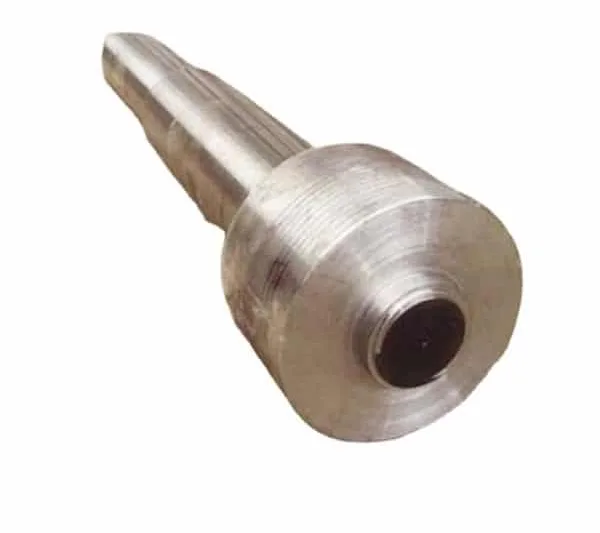
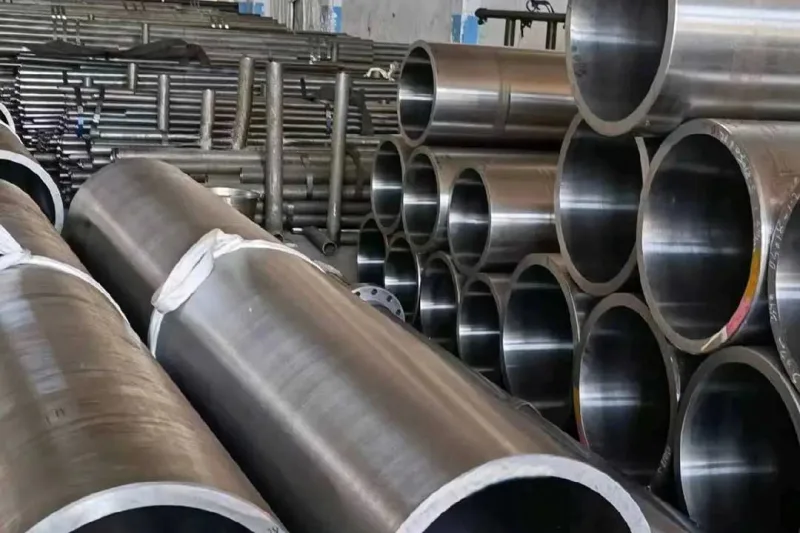
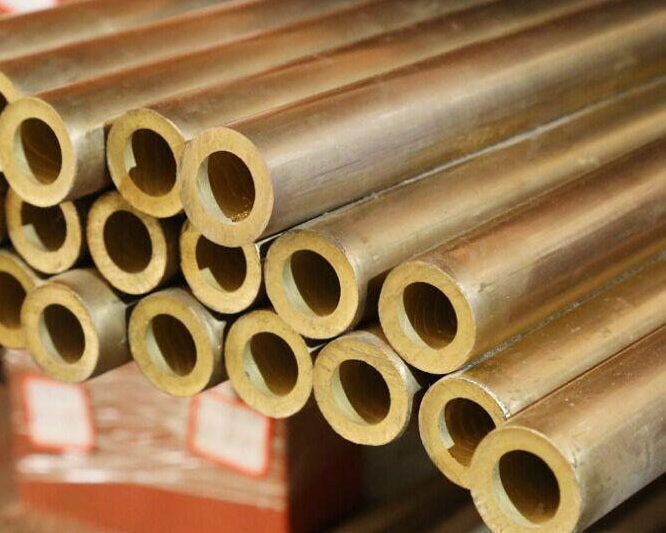
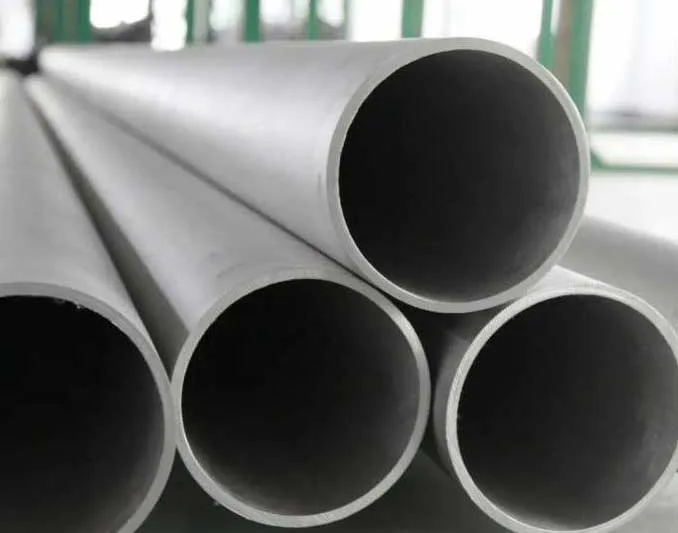
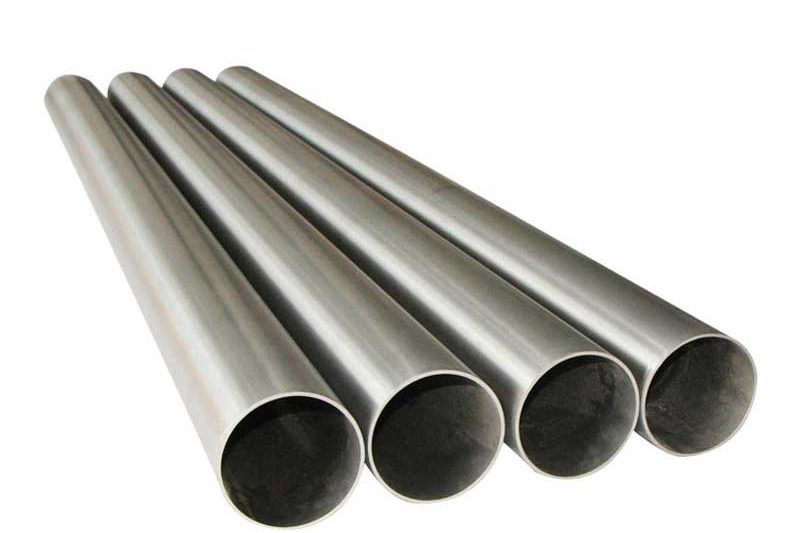
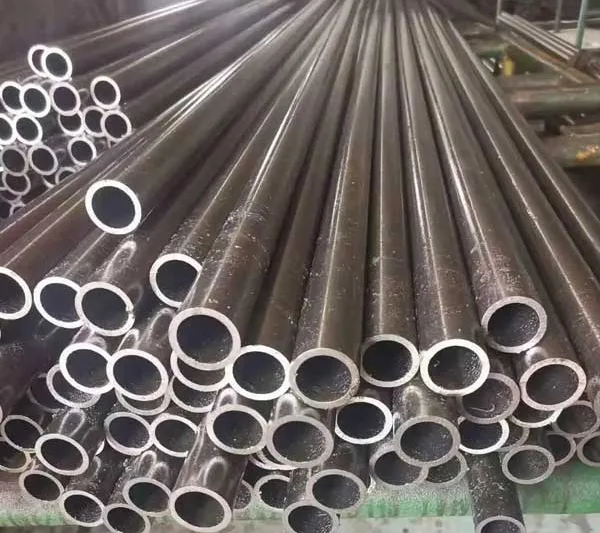
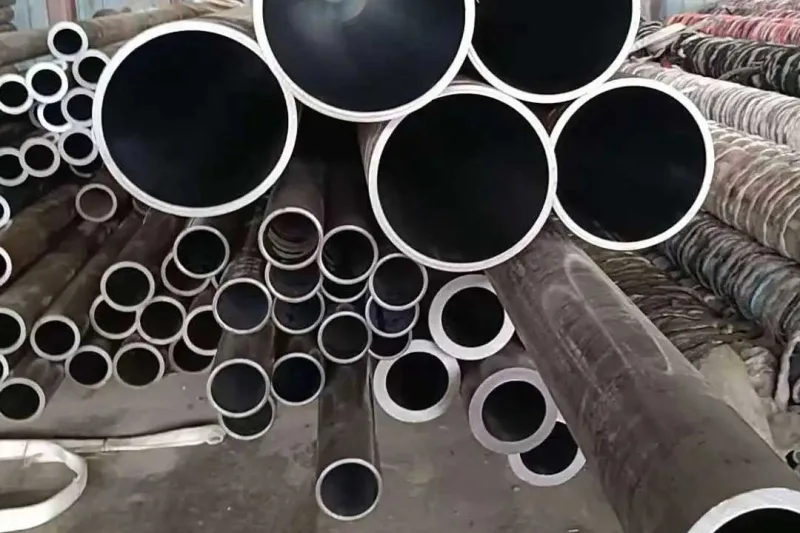
Forged hollow bars are a versatile type of metal product that finds application in various industries due to their strength, durability, and resistance to wear and tear. This article aims to provide an in-depth understanding of forged hollow bars, covering their manufacturing process, common applications, and the advantages they offer over other types of metal products.
Manufacturing Process of Forged Hollow Bars:
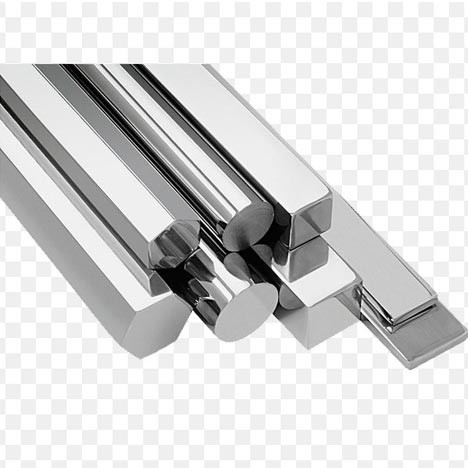
The production of forged hollow bars involves several stages, beginning with the selection of raw materials. High-quality metal billets or ingots made from alloys such as steel, stainless steel, titanium, or aluminum are typically used. These raw materials are carefully chosen based on the desired properties of the final product, including tensile strength, corrosion resistance, and temperature stability.
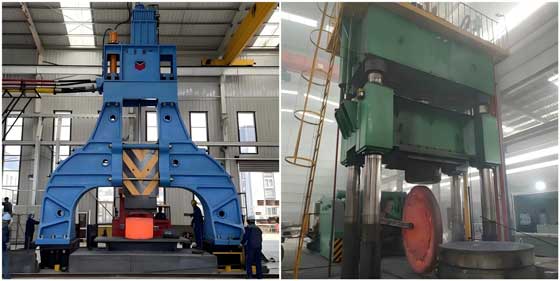
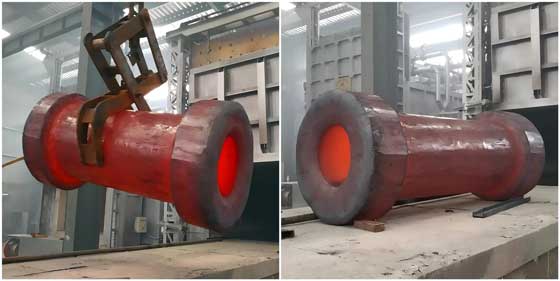
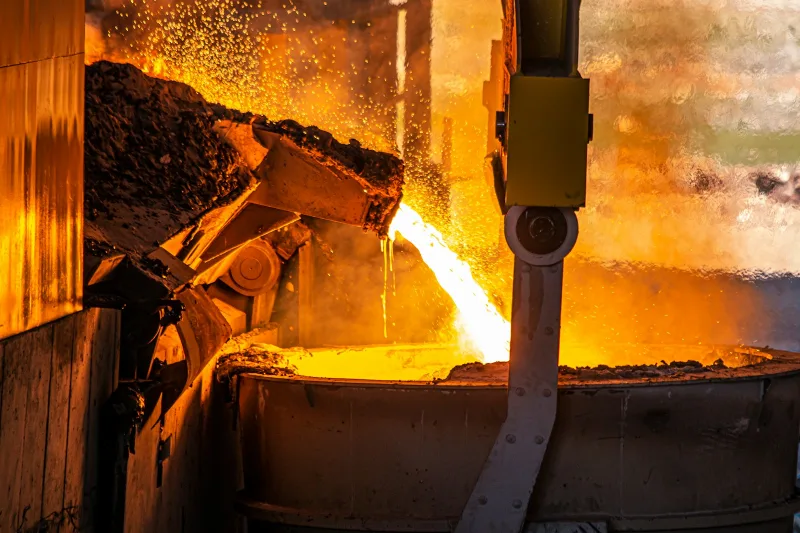
Once the appropriate material is selected, it undergoes heating to make it more malleable for shaping. The heated metal is then placed into a forging press where immense pressure is applied to form the desired shape. In the case of hollow bars, special tools known as mandrels are inserted into the center of the workpiece to create the internal cavity during this compression phase.
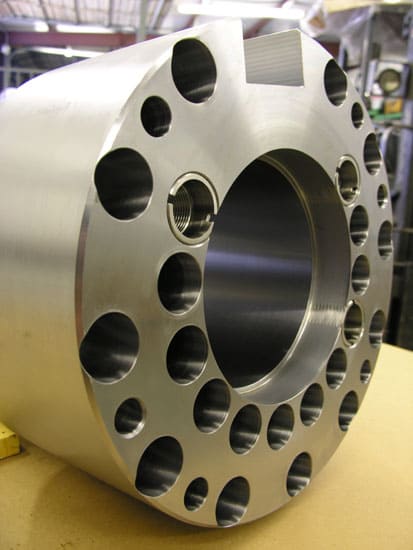
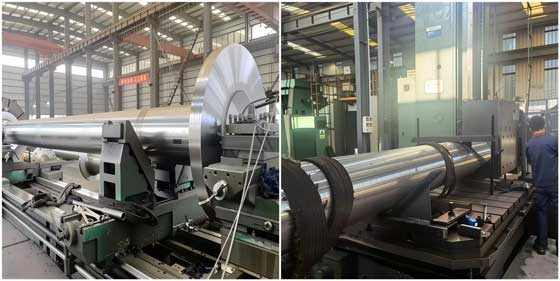
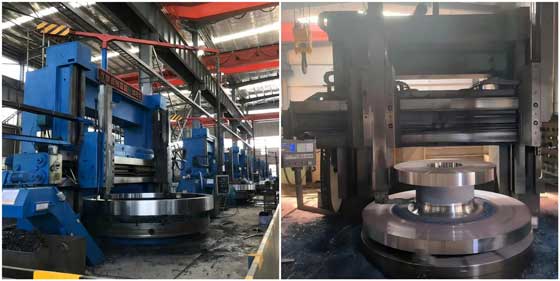
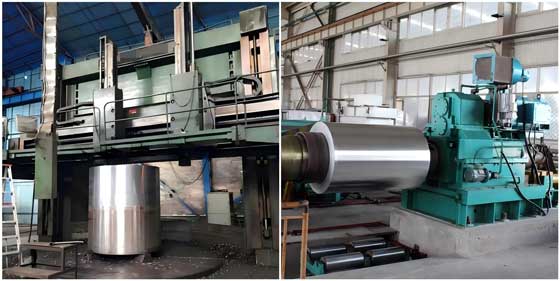
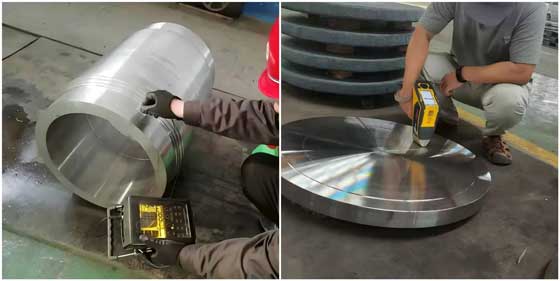
After initial shaping, the bar goes through additional processes like heat treatment to enhance its mechanical properties further. Precision machining follows to achieve exact dimensions and smooth surface finishes if required by specific industry standards or customer specifications.
Applications Across Industries:
1. **Automotive Industry**: Forged hollow bars play a crucial role in automotive components requiring high strength-to-weight ratios and excellent fatigue resistance, such as drive shafts, axles, and suspension systems.
2. **Aerospace Sector**: Due to their ability to withstand extreme temperatures and pressures without degrading, these bars find extensive use in aircraft engines, landing gear assemblies, and structural frames within aerospace vehicles.
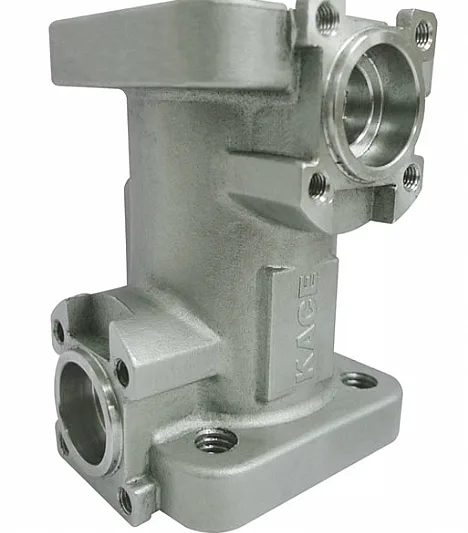
3. **Oil & Gas Exploration**: In drilling operations where equipment must endure harsh environments characterized by abrasive particles and corrosive substances, forged hollow bars serve well in manufacturing drill stems, casings, and valve bodies.
4. **Marine Engineering**: Given their superior marine-grade corrosion protection when fabricated using certain alloys (e.g., duplex stainless steels), these bars contribute significantly to shipbuilding projects involving propeller shafts, rudders, and underwater fittings.
5. **Industrial Machinery**: Components subjected to heavy loads and dynamic stresses benefit greatly from employing forged hollow bars in machines utilized across sectors like mining, construction, agriculture, etc., ensuring longevity and reliability under strenuous working conditions.