Heavy Duty Cylindrical Gear Forging Rough
.jpg)
Heavy Duty Cylindrical Gear Forging Rough: Precision Foundation for Industrial Power Transmission
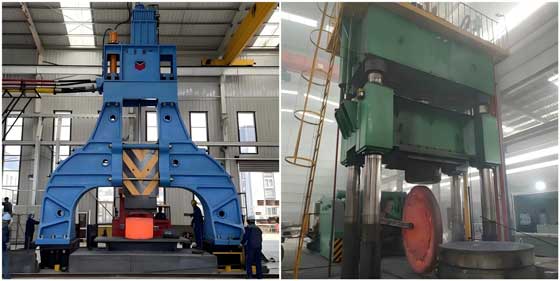
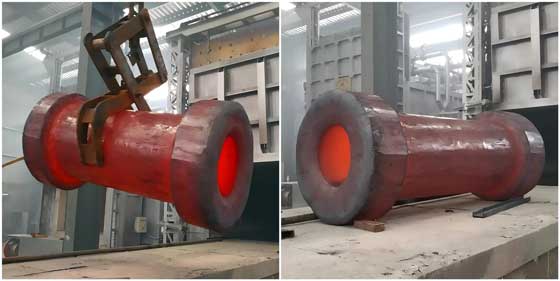
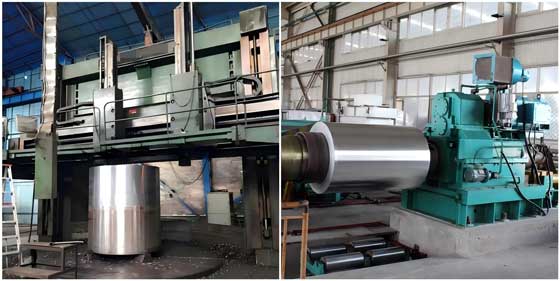
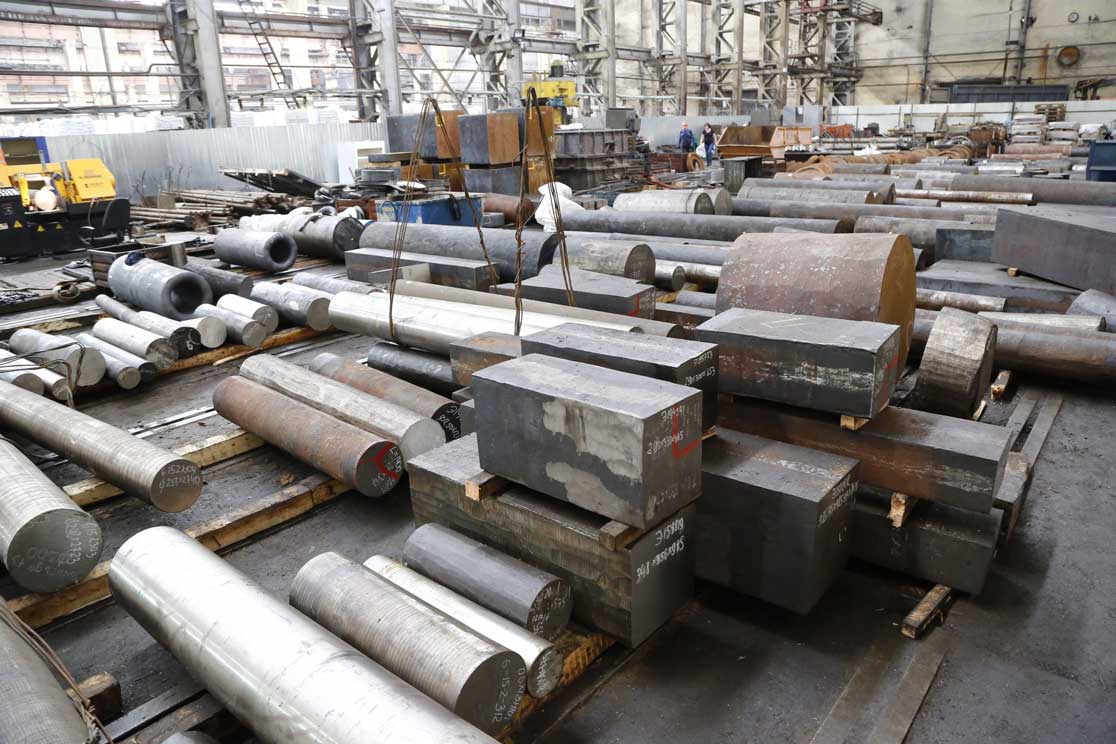
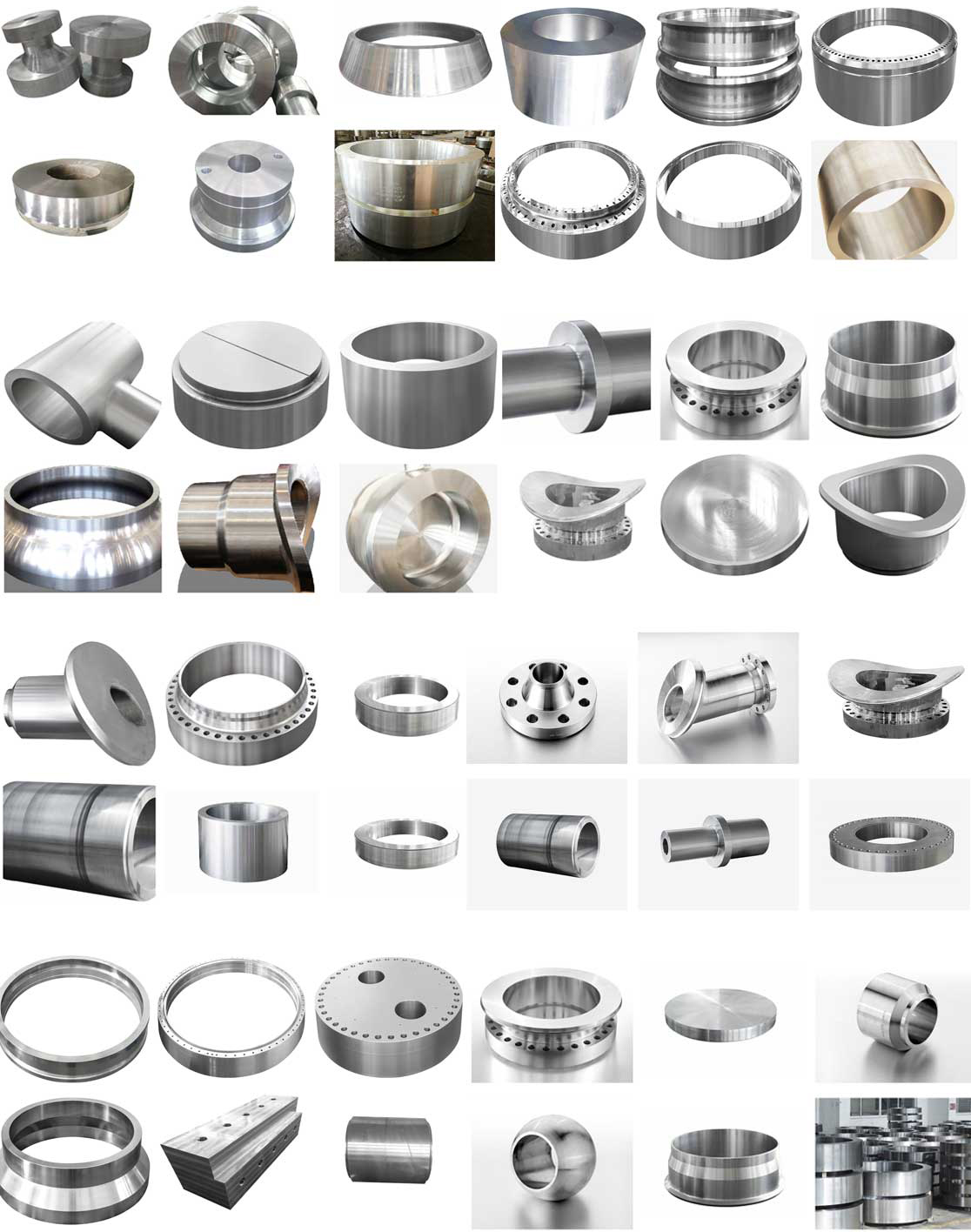
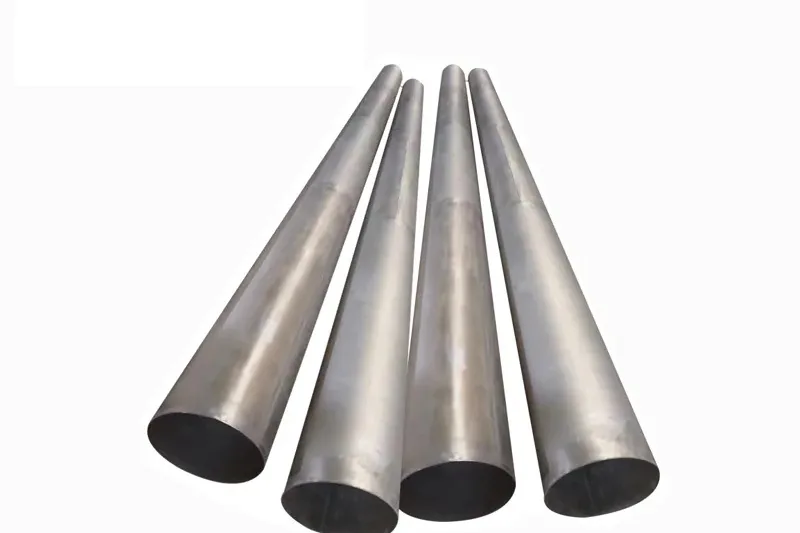
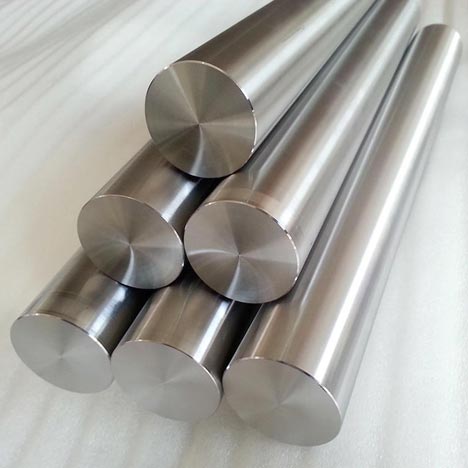
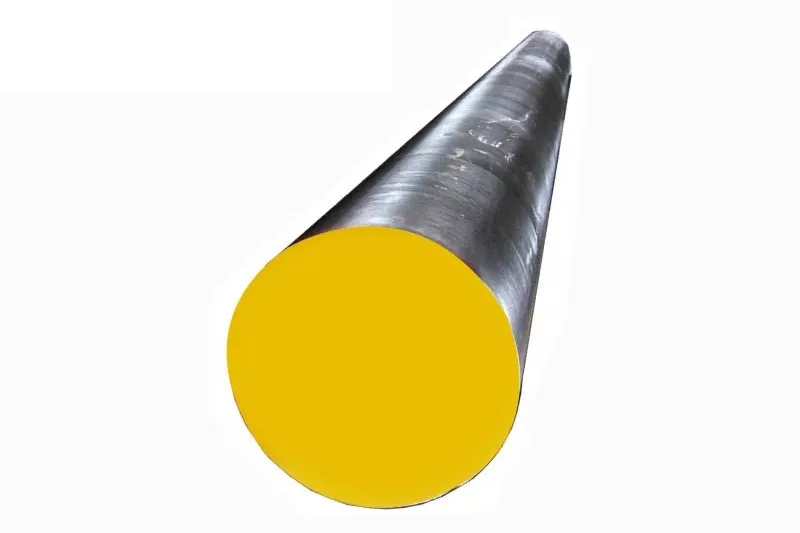
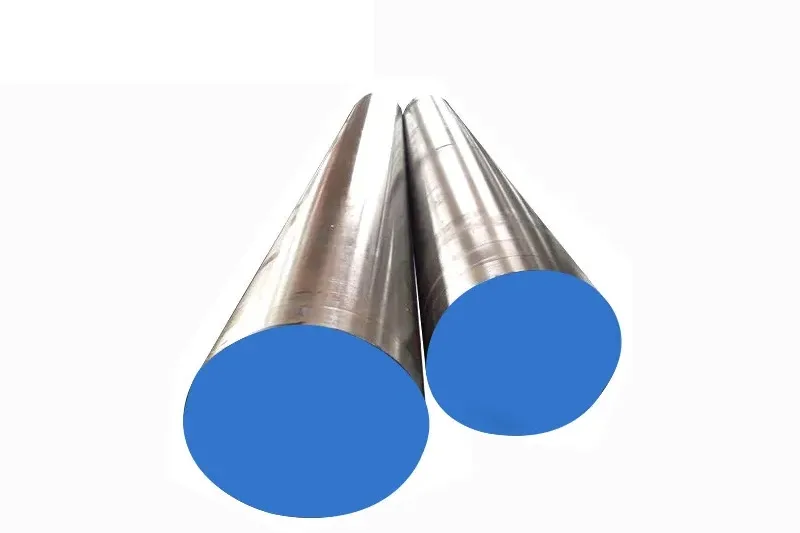
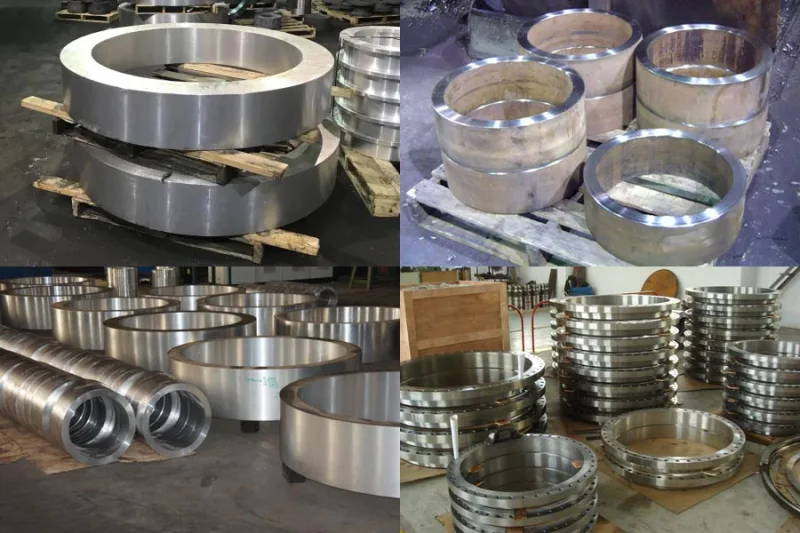
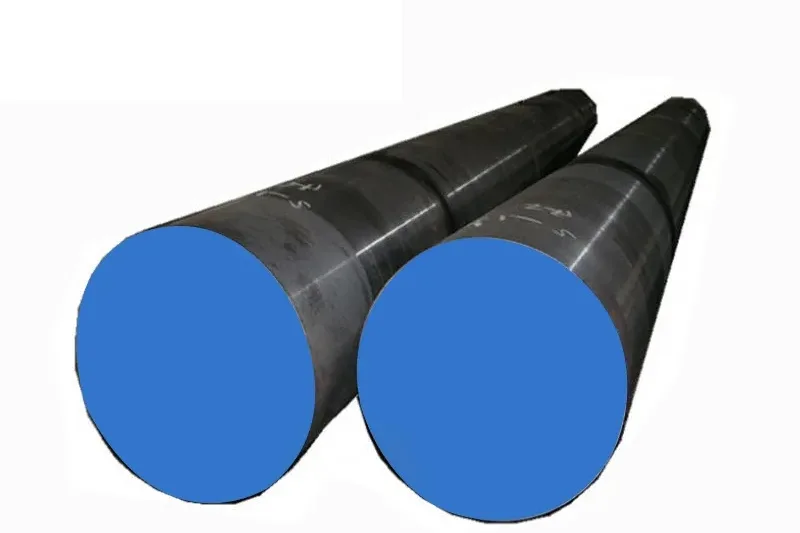
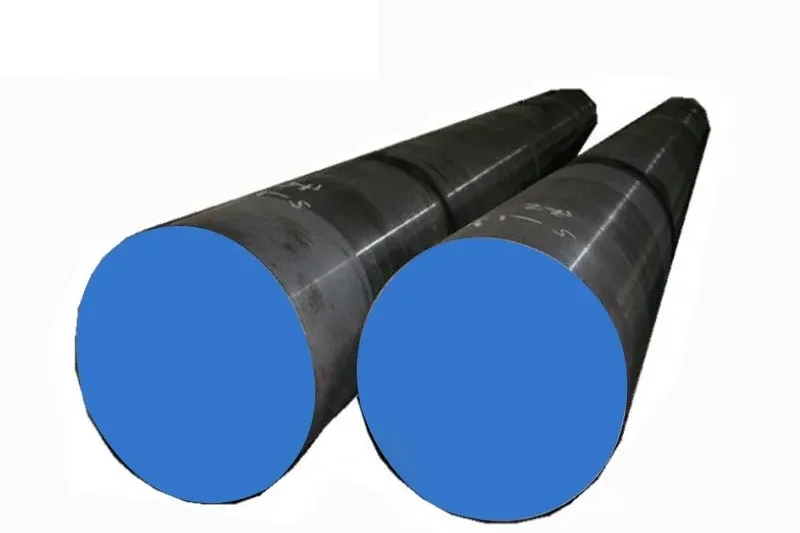
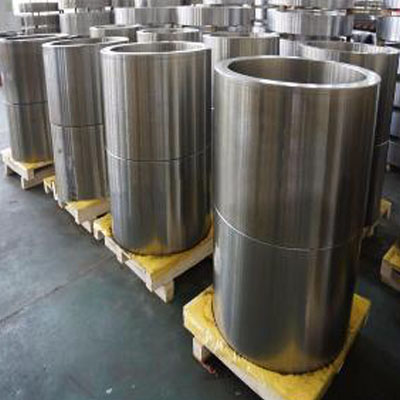
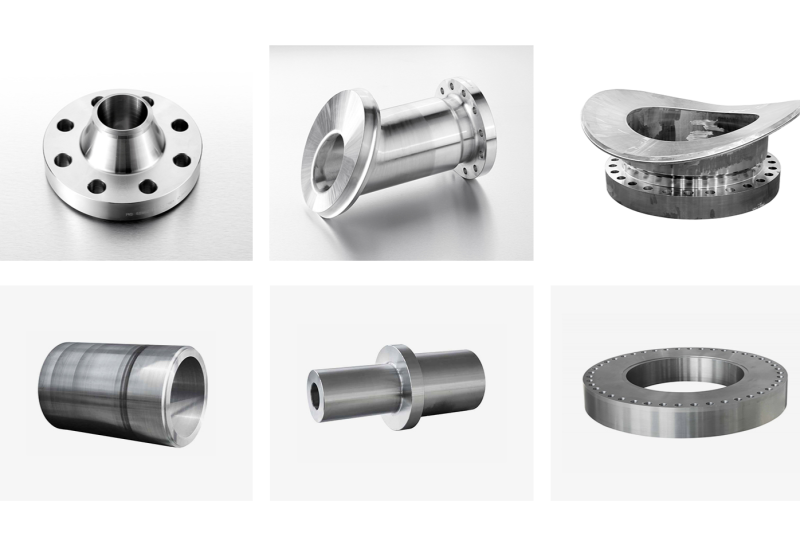
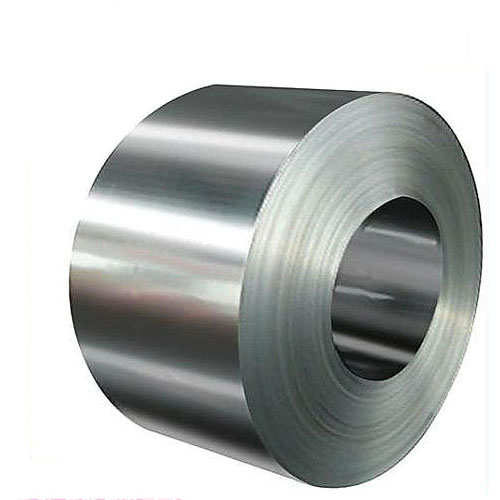
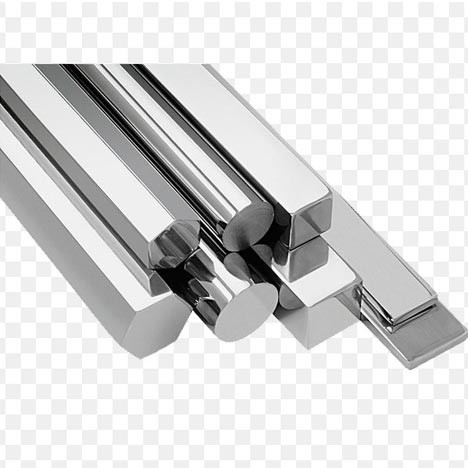
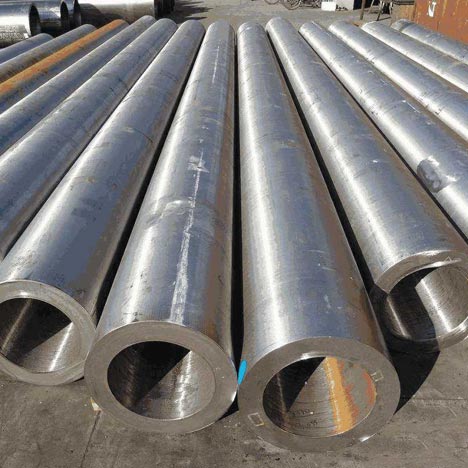
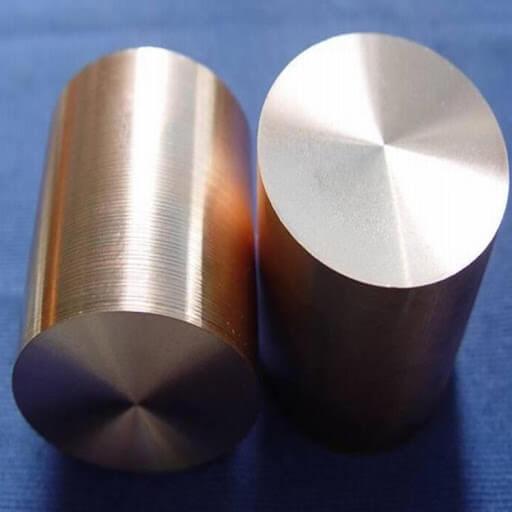
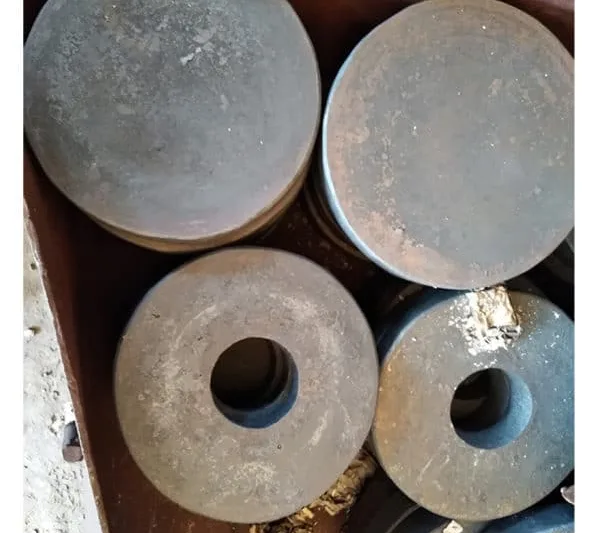
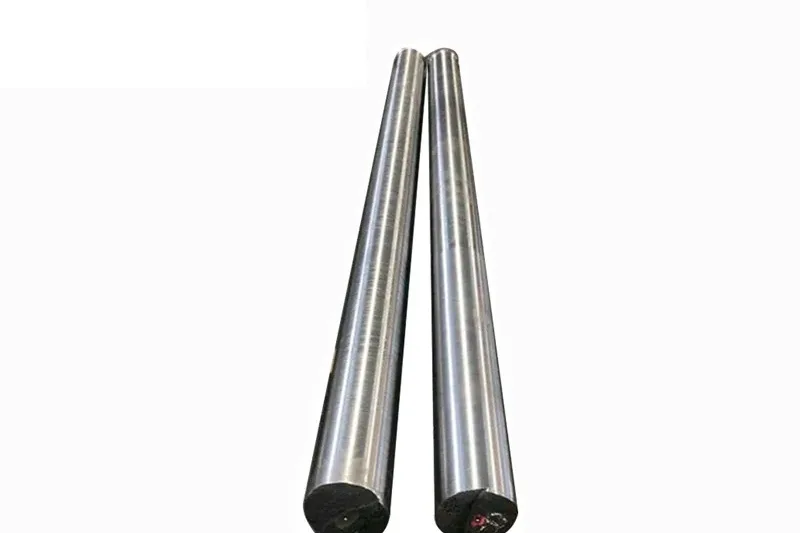
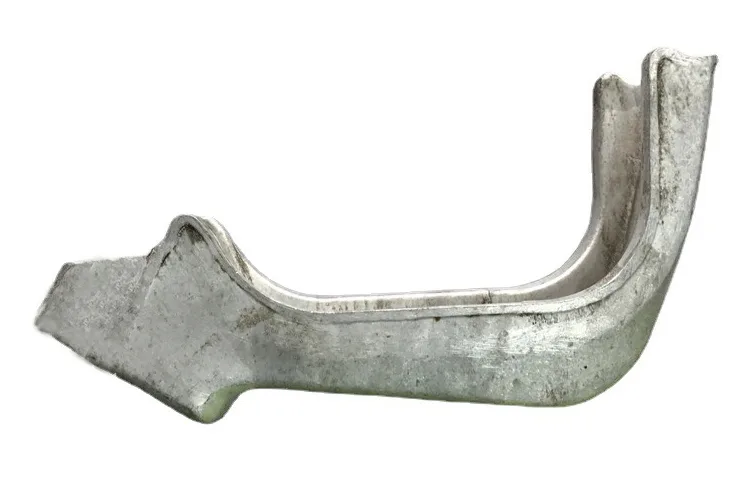
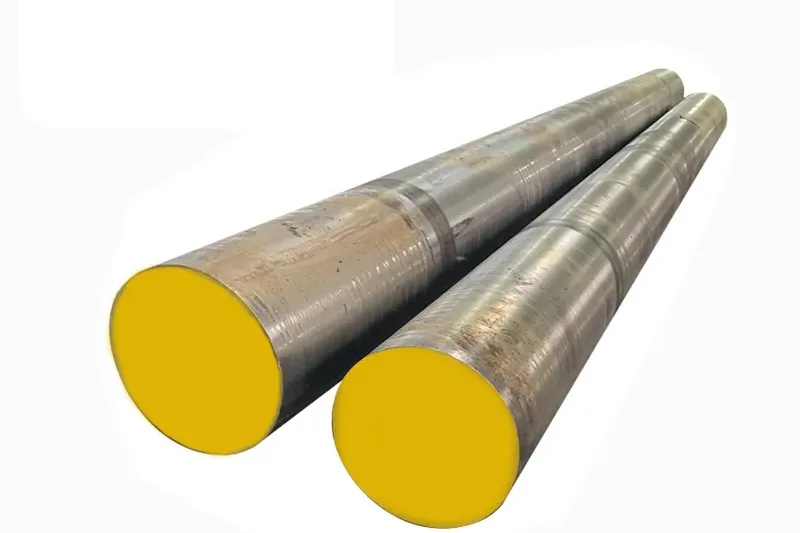
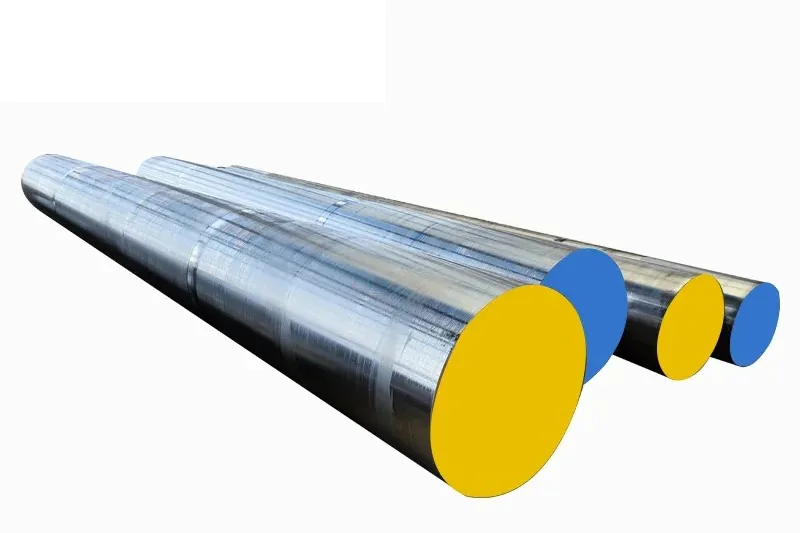
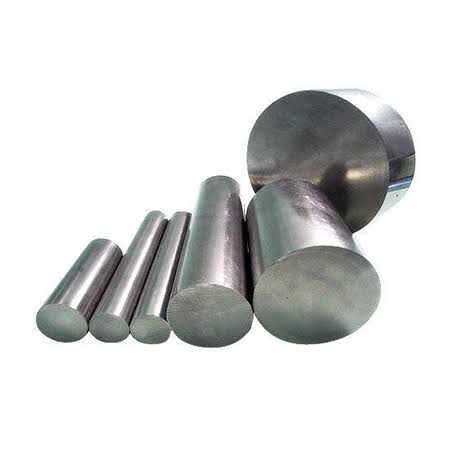
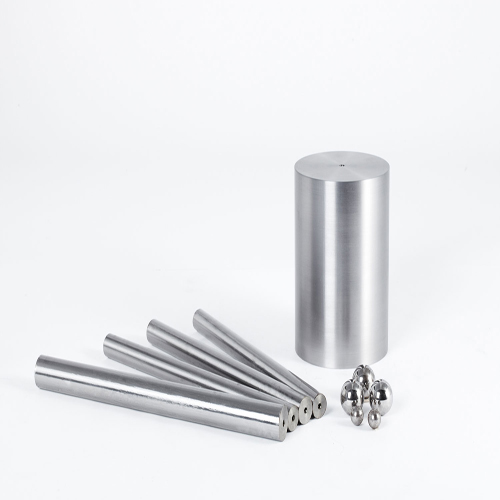
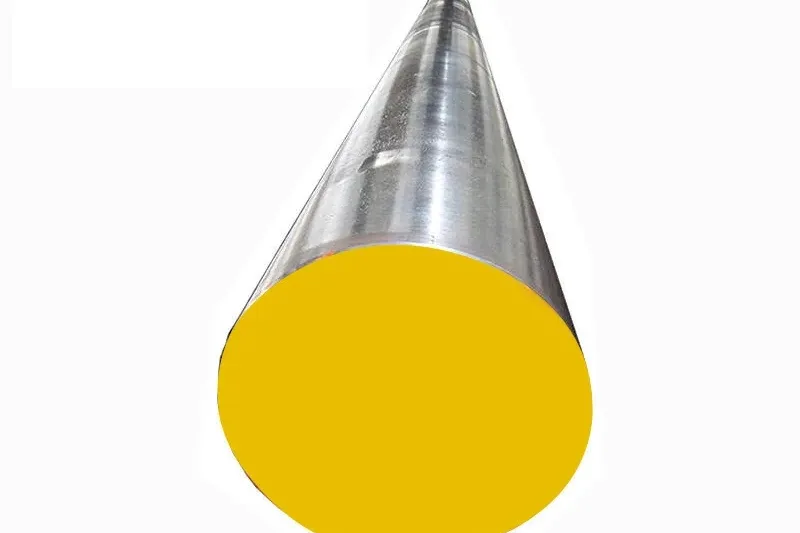
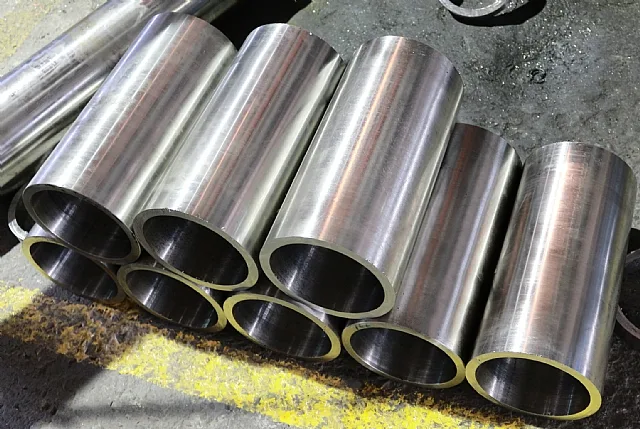
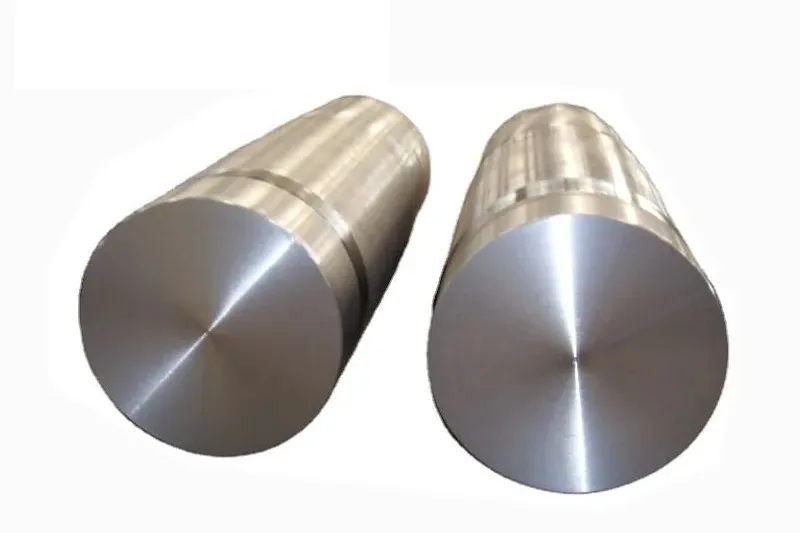
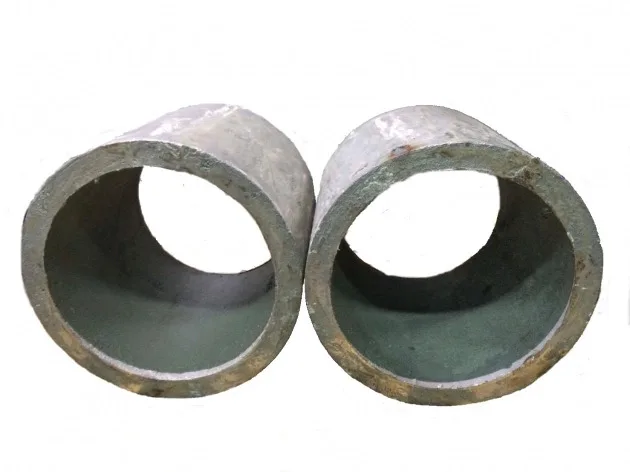
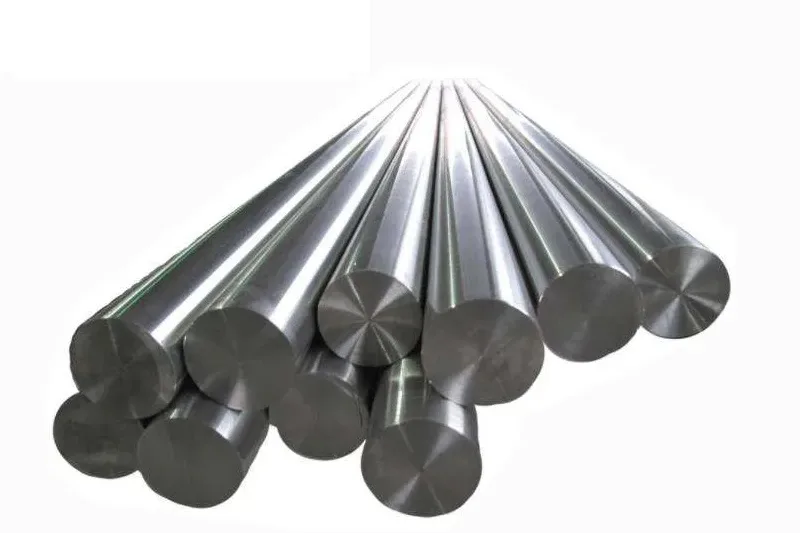
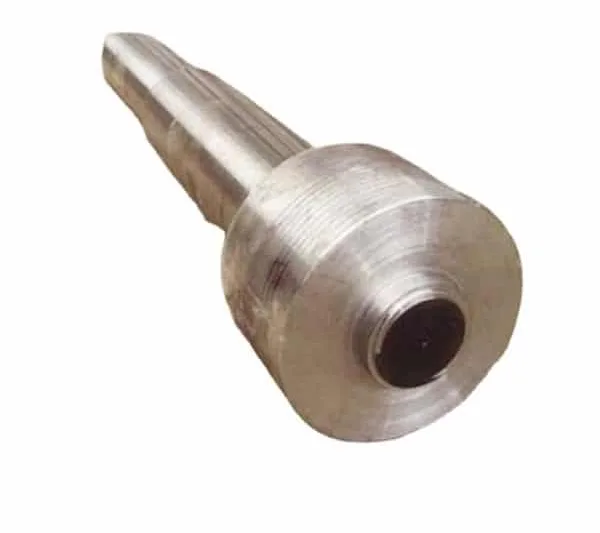
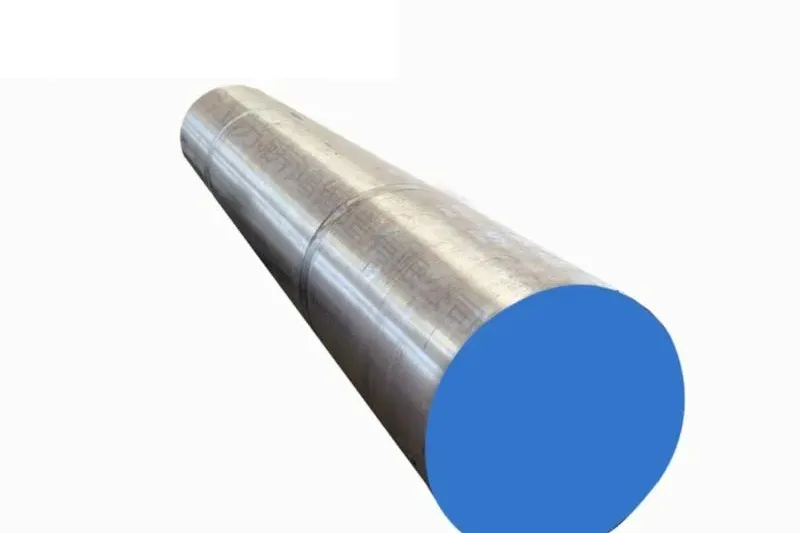
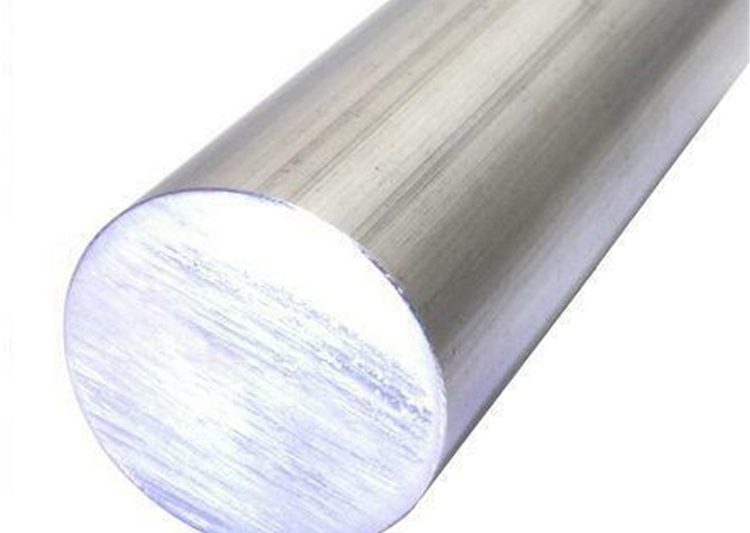
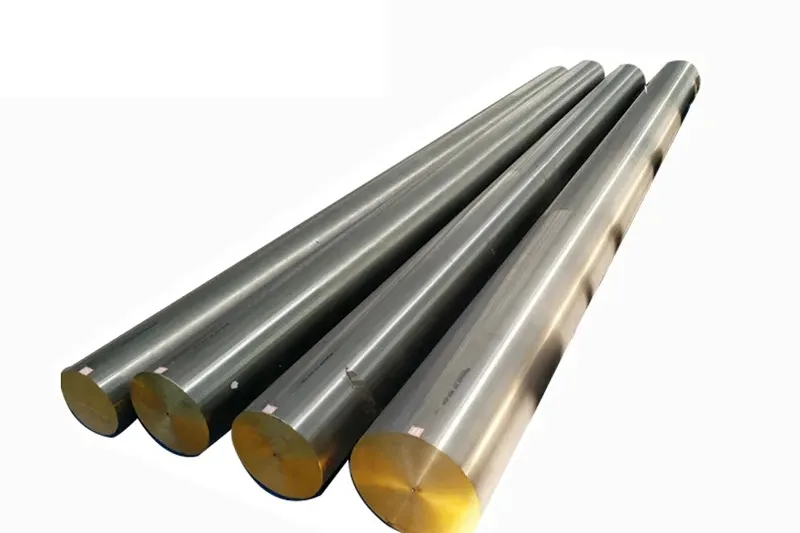
Heavy Duty Cylindrical Gear Forging Rough refers to the initial forged blank stage of high-load cylindrical gears—typically used in mining equipment, wind turbines, marine propulsion systems, and heavy machinery. Unlike machined or cast gear blanks, this forging rough is produced through hot die forging, where heated alloy steel billets (commonly 42CrMo, 34CrNiMo6, or 18CrNiMo7-6) are pressed into near-net-shape cylindrical forms with integral gear teeth or, more commonly, with a solid cylindrical body ready for subsequent gear cutting. The “rough” designation emphasizes that it is not yet finished—it retains machining allowances on key surfaces such as the bore, face, and pitch diameter, but already embodies the metallurgical integrity and grain flow alignment critical for fatigue resistance under extreme torque and shock loading.
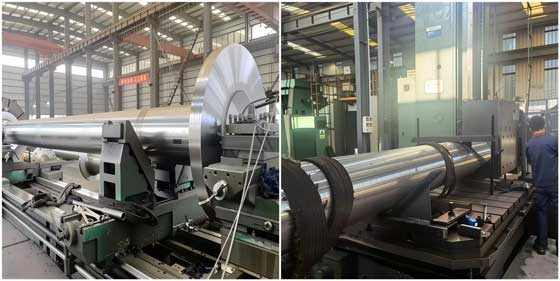
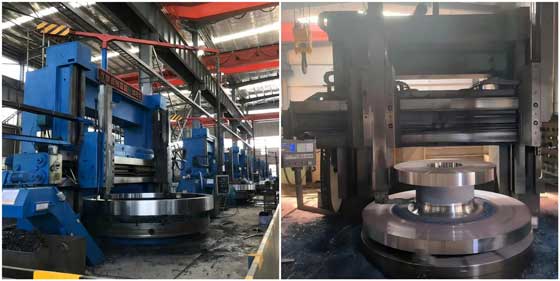
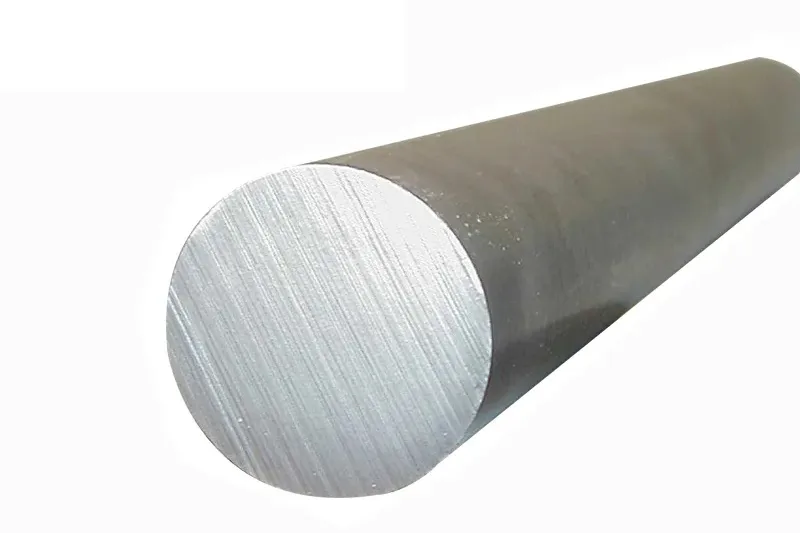
The manufacturing process begins with precise billet sizing and heating to optimal austenitizing temperature, followed by multi-stage closed-die forging. This ensures uniform density, eliminates internal porosity, and directs metal flow along the gear’s load-bearing contours—especially around the root fillet region where stress concentration is highest. Compared to casting, forging yields superior tensile strength, impact toughness, and dimensional stability; compared to machining from solid bar stock, it reduces material waste by up to 40% and shortens overall lead time. Crucially, the forging rough maintains tight tolerances on outer diameter, total length, and bore concentricity—typically within ±1.5 mm—providing a reliable datum for downstream hobbing, shaping, or grinding operations.
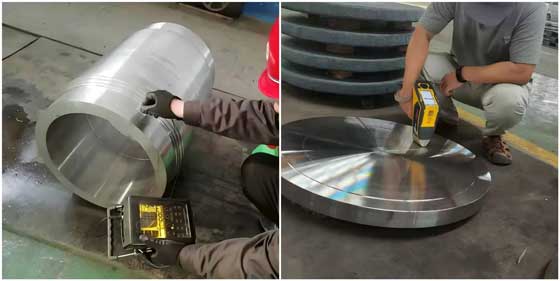
Quality control at the rough stage is rigorous. Each piece undergoes visual inspection for surface defects, ultrasonic testing for subsurface discontinuities, and hardness sampling to verify uniform microstructure. Mechanical property reports, including Charpy impact values and tensile test results, accompany every batch to validate compliance with standards such as ISO 6336, AGMA 2001-D04, or EN 10228-3. Traceability is maintained via heat number marking and digital process records, ensuring full accountability from raw material to final gear.
In summary, the Heavy Duty Cylindrical Gear Forging Rough is far more than an intermediate component—it is the engineered cornerstone upon which performance, safety, and service life of high-capacity power transmission systems depend. Its optimized metallurgy, controlled geometry, and strict quality discipline directly enable the precision finishing required for gears operating reliably at 10+ million load cycles. As industries demand ever-greater efficiency and durability, investment in advanced forging technology for such roughs remains a strategic priority—not just for manufacturers, but for the entire heavy-duty mechanical ecosystem.