Aluminum Cylindrical Tubes
Aluminum Cylindrical Tubes: Lightweight, High-Strength Industrial Building Blocks
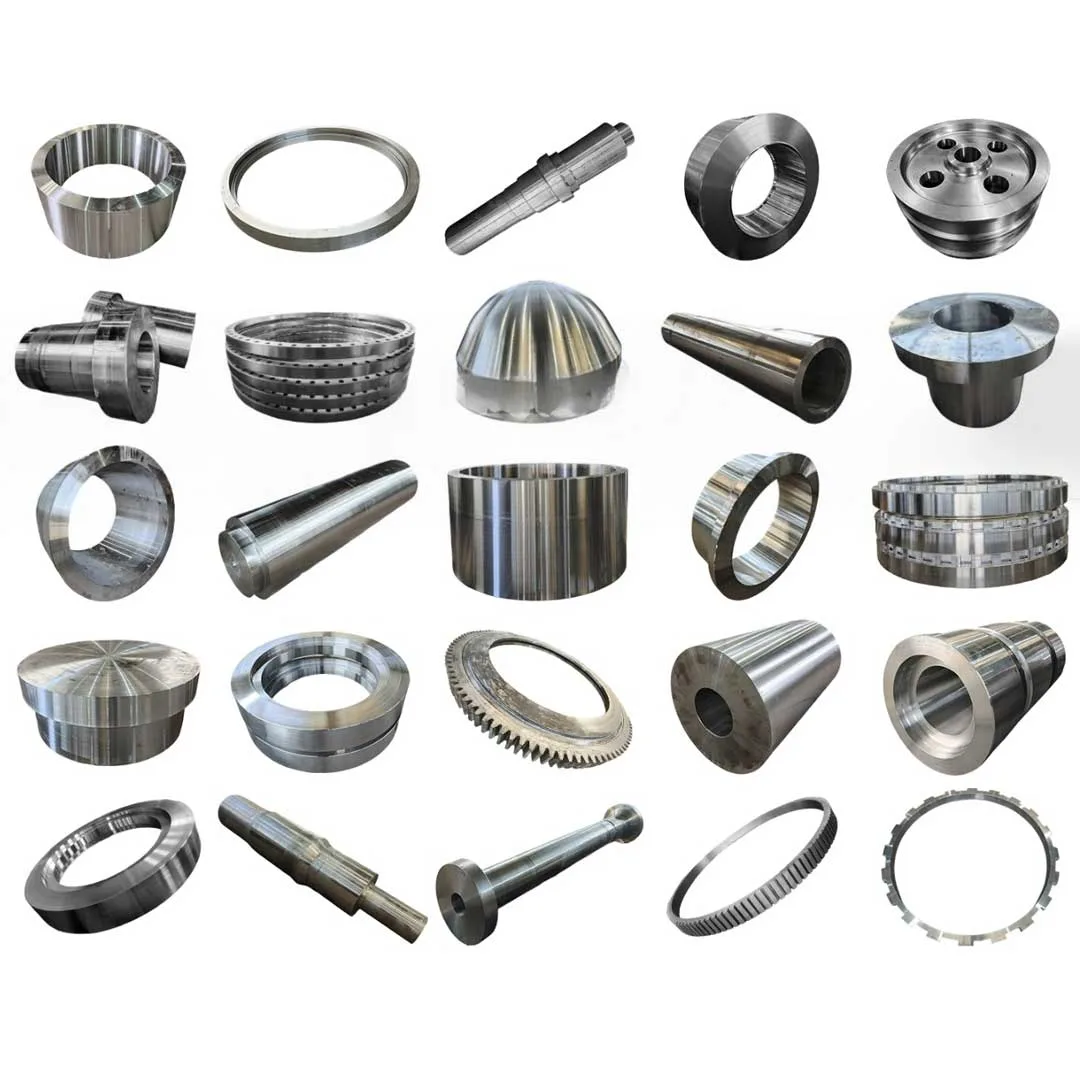
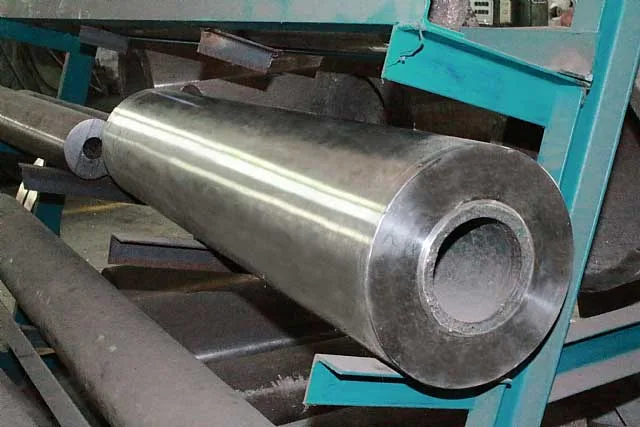
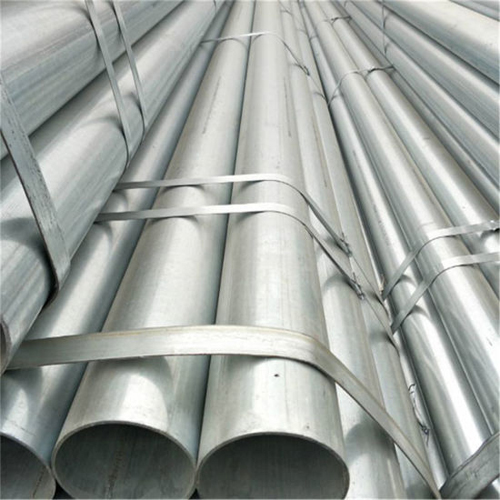
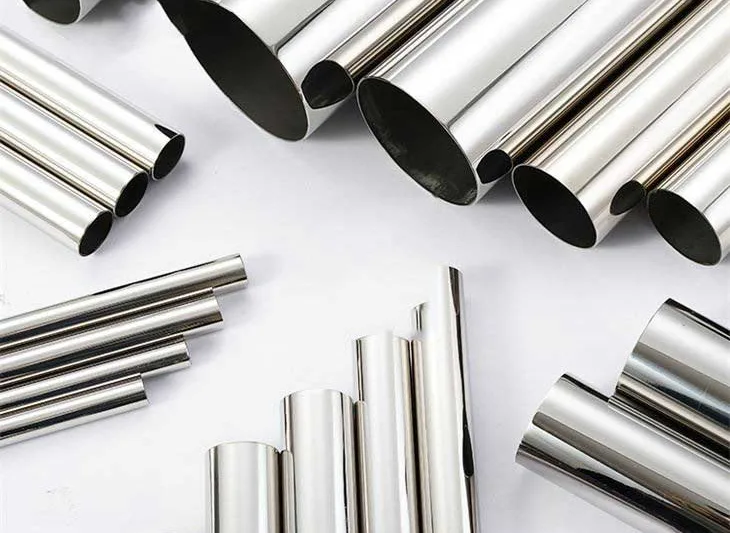
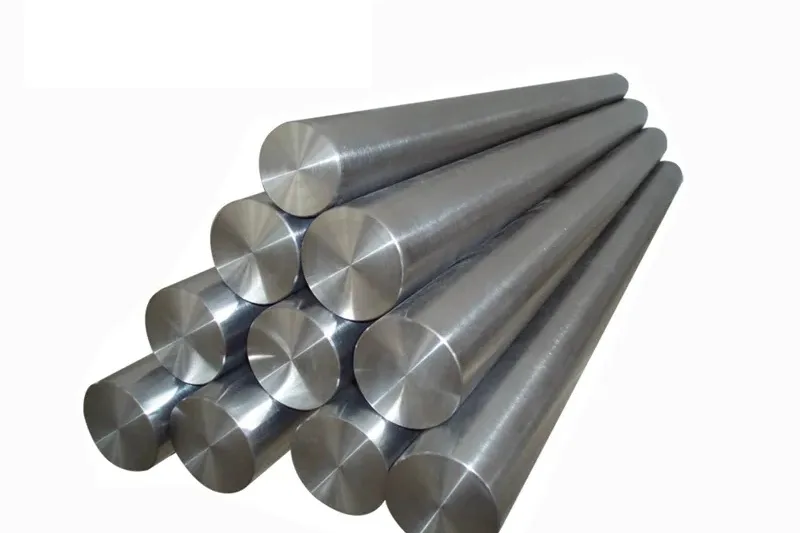
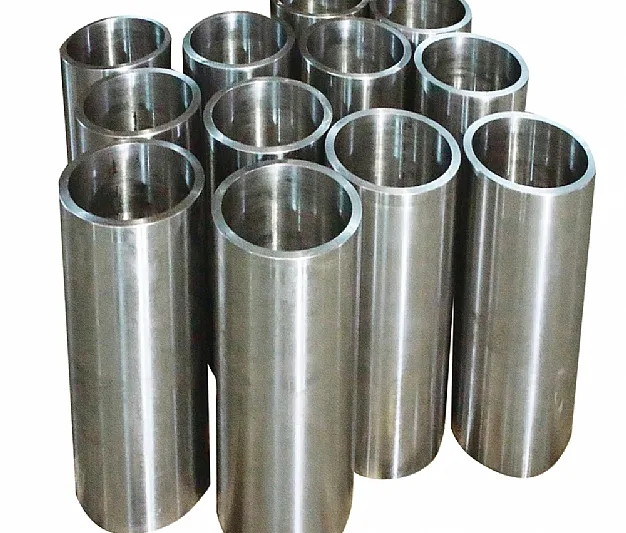
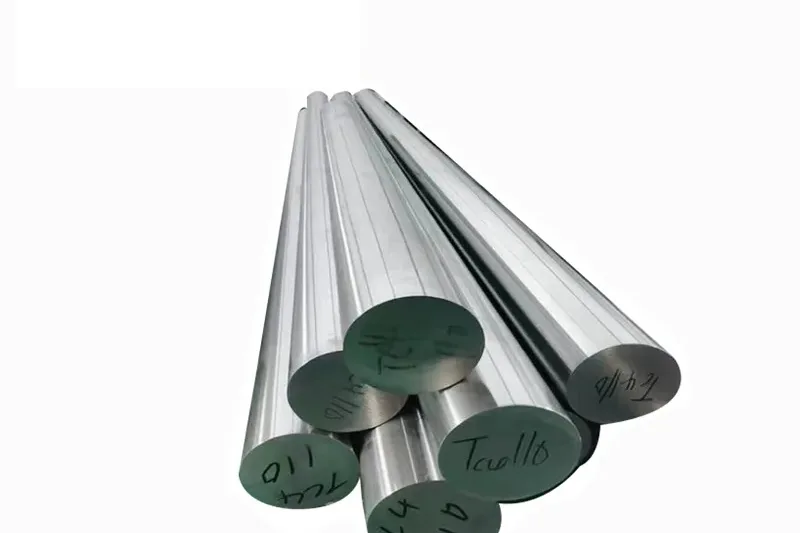
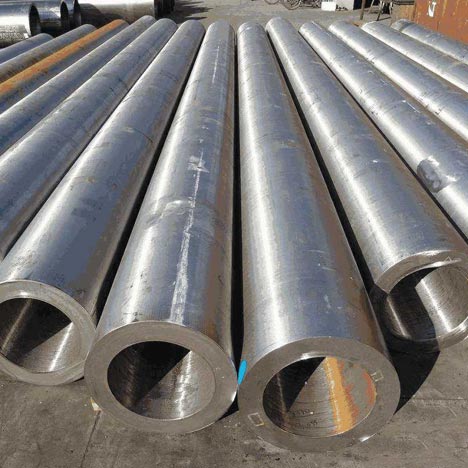
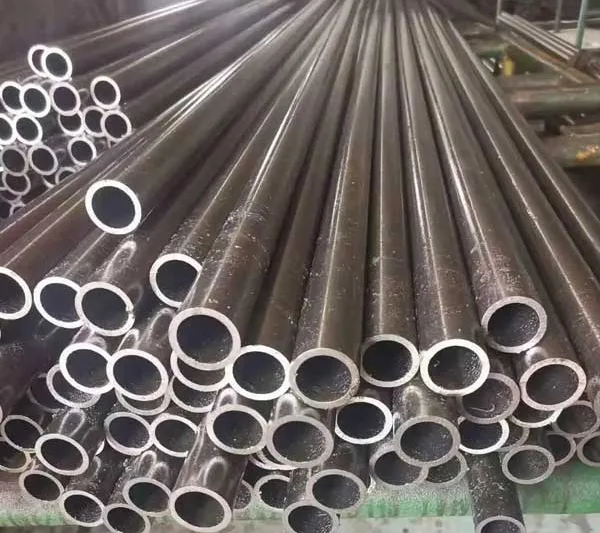
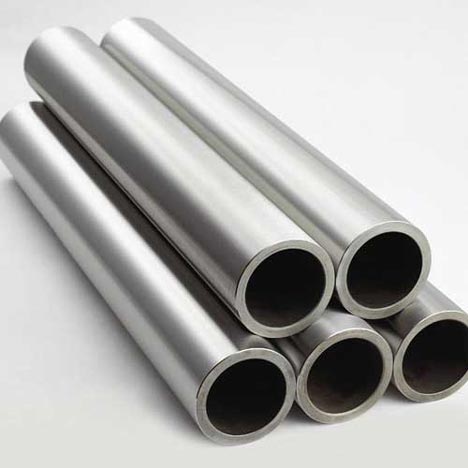
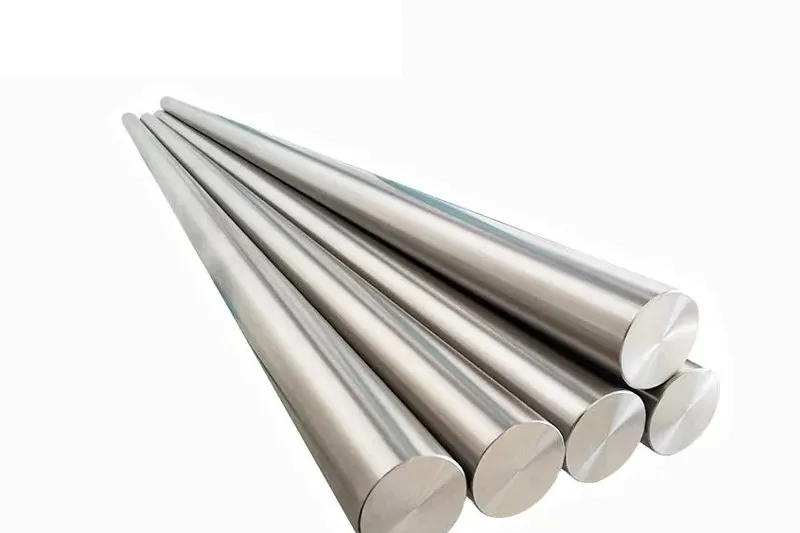
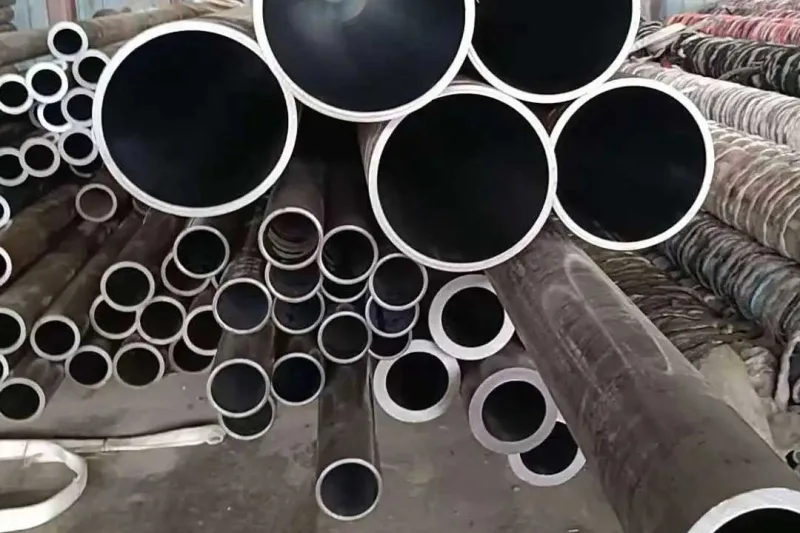
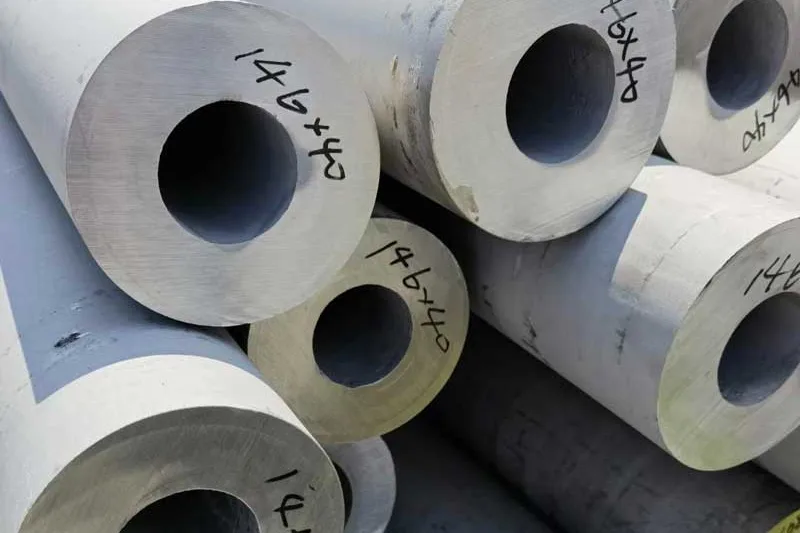
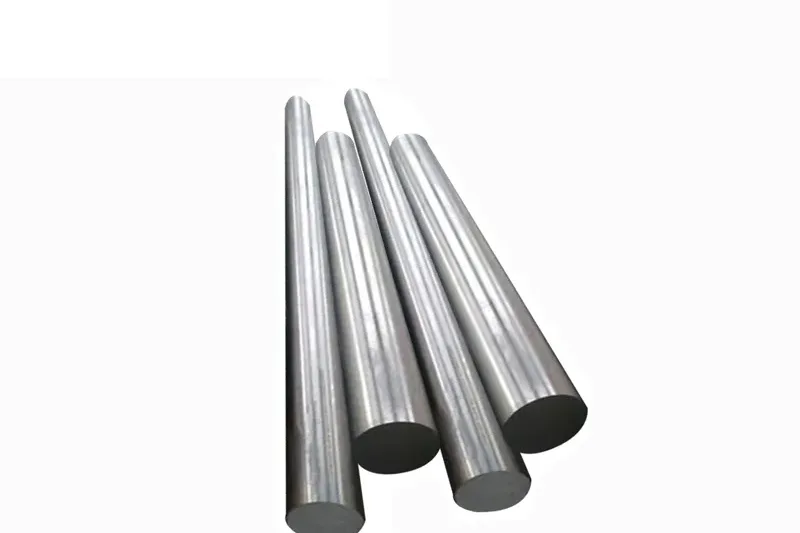
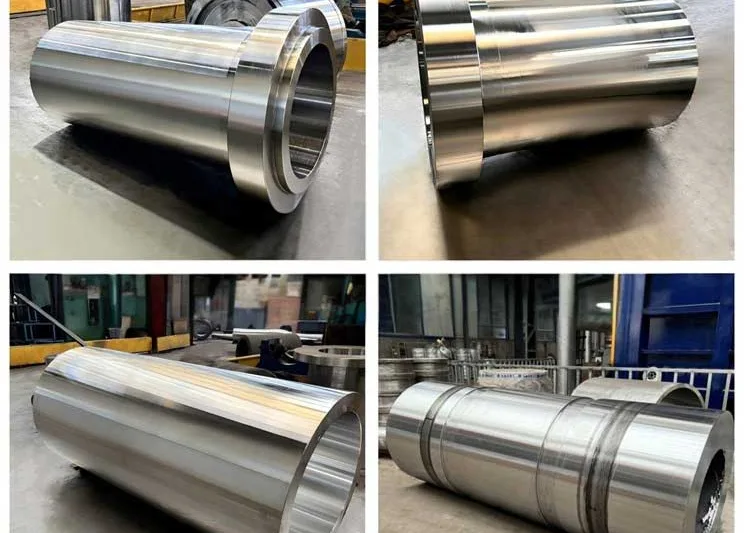
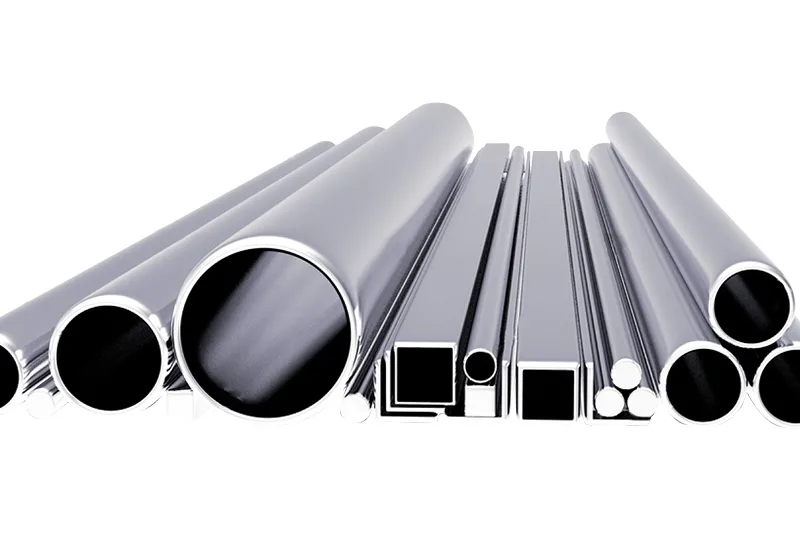
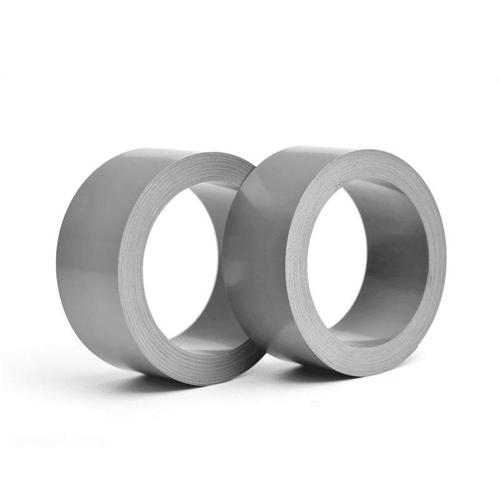
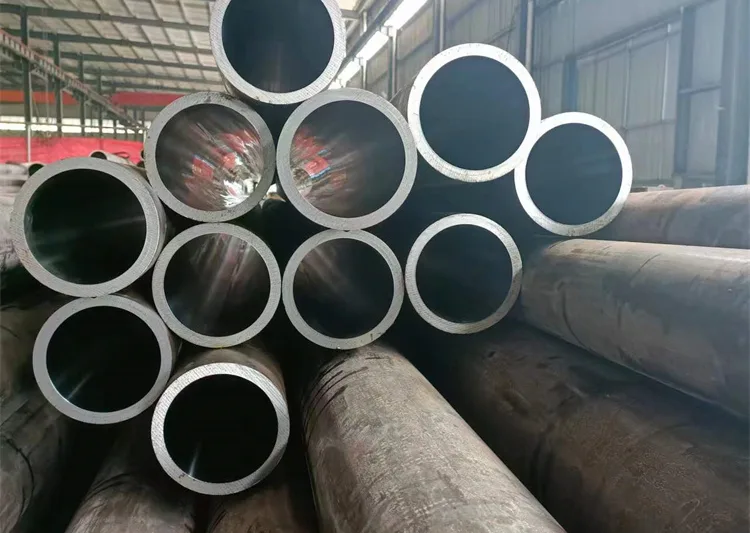
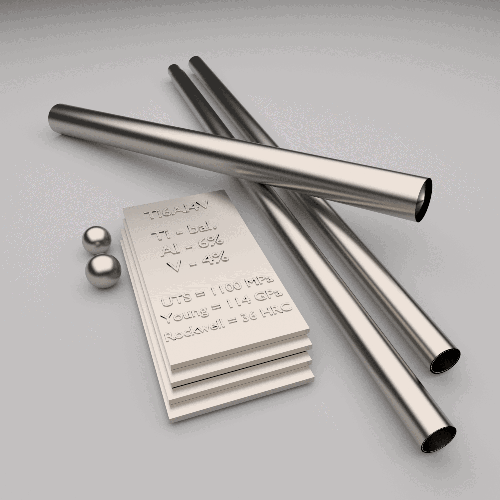
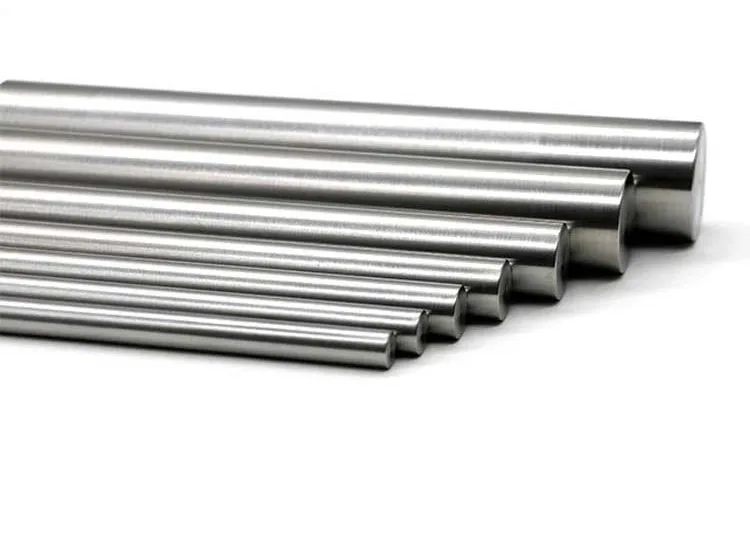
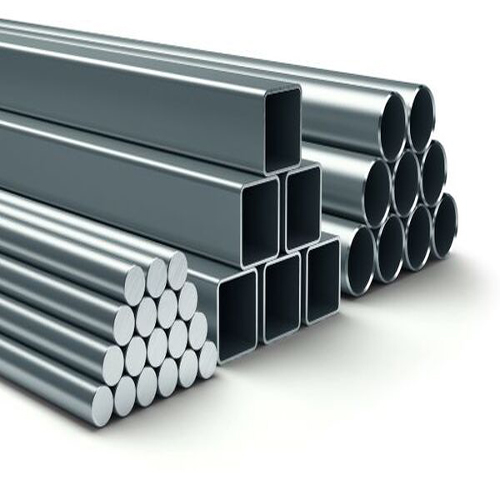
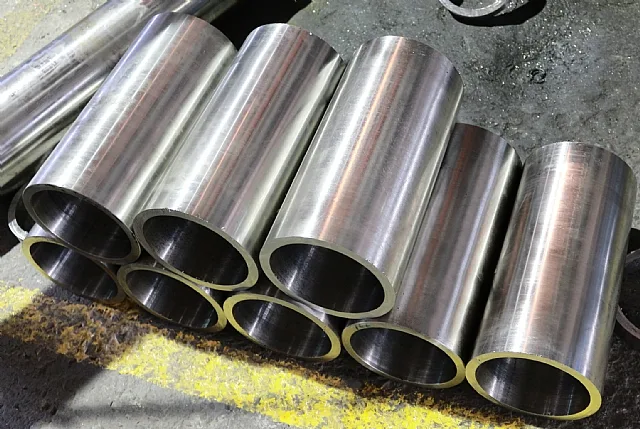
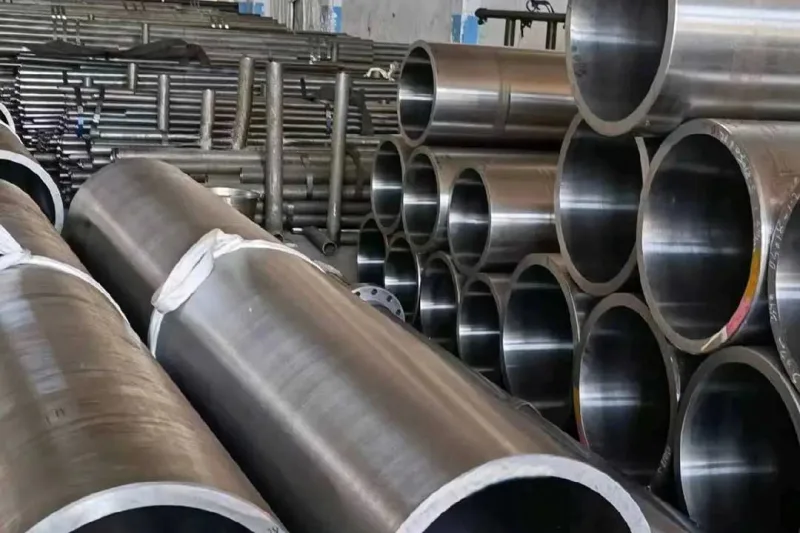
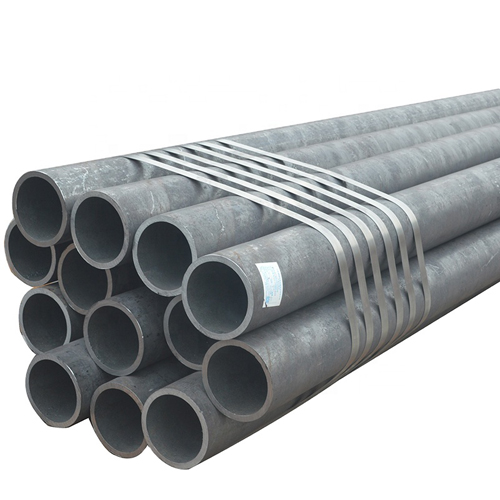
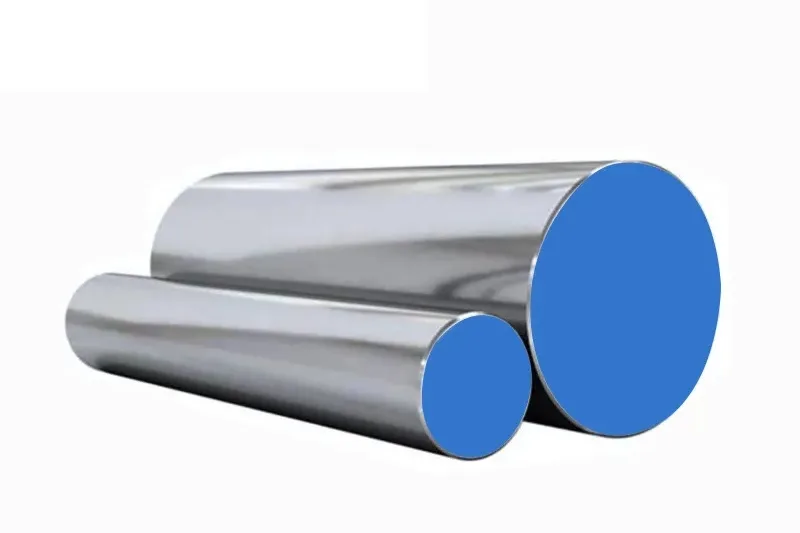
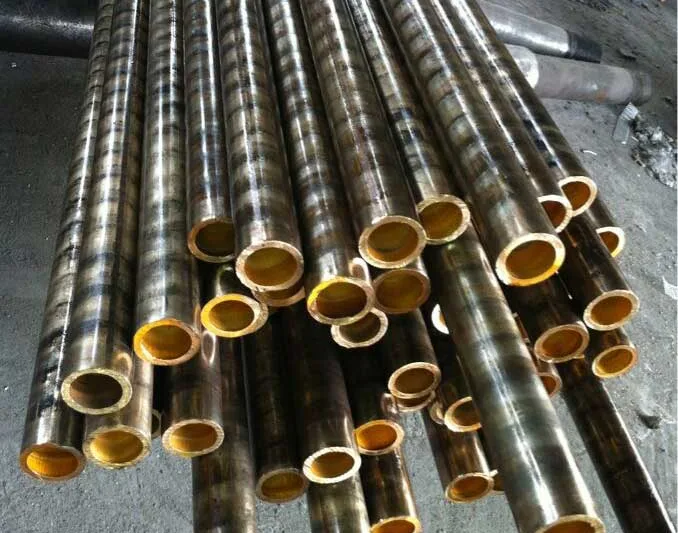
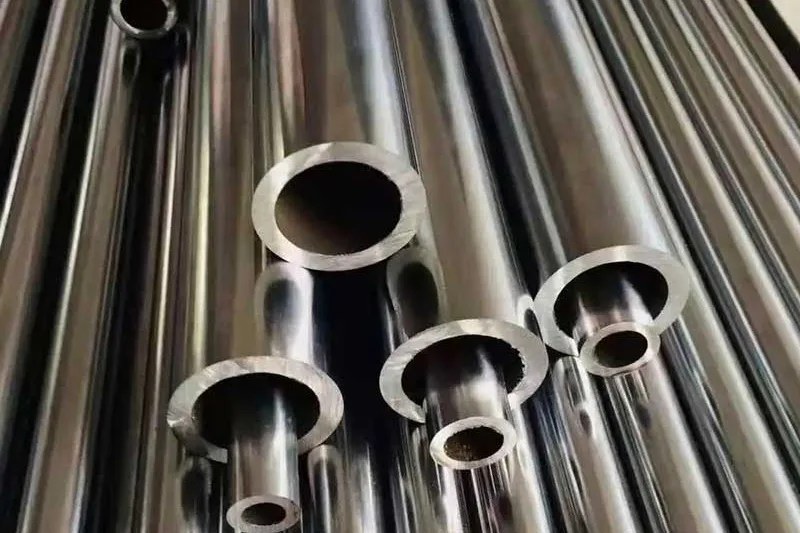
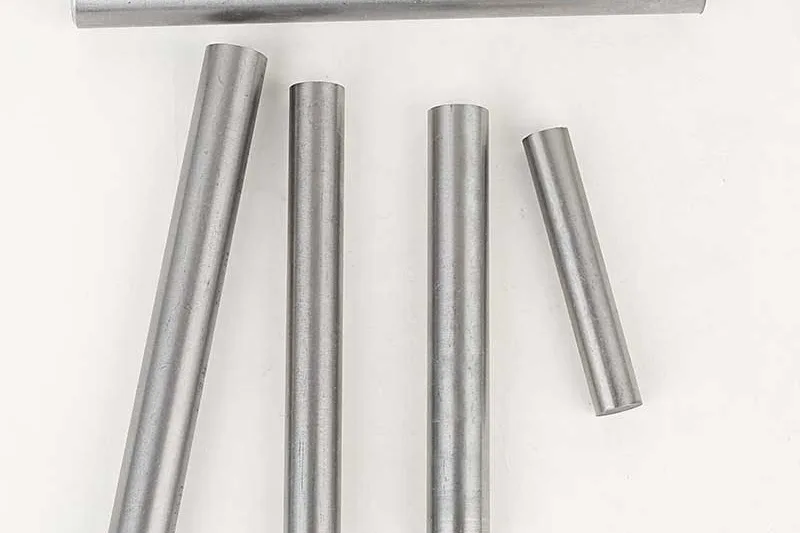
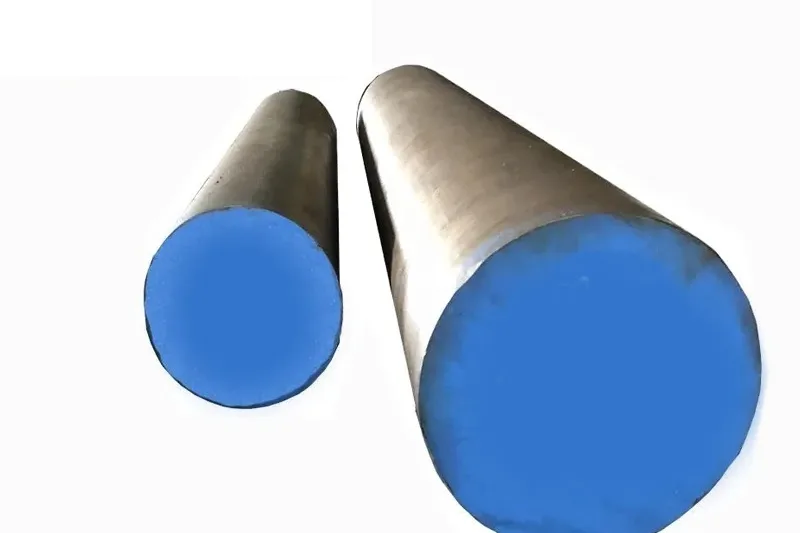
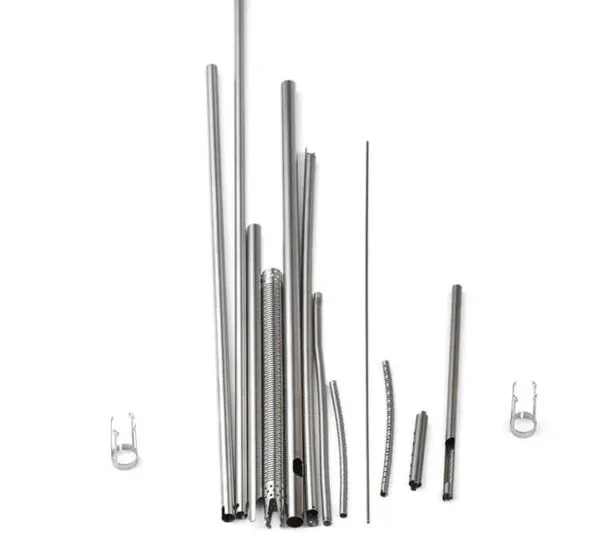
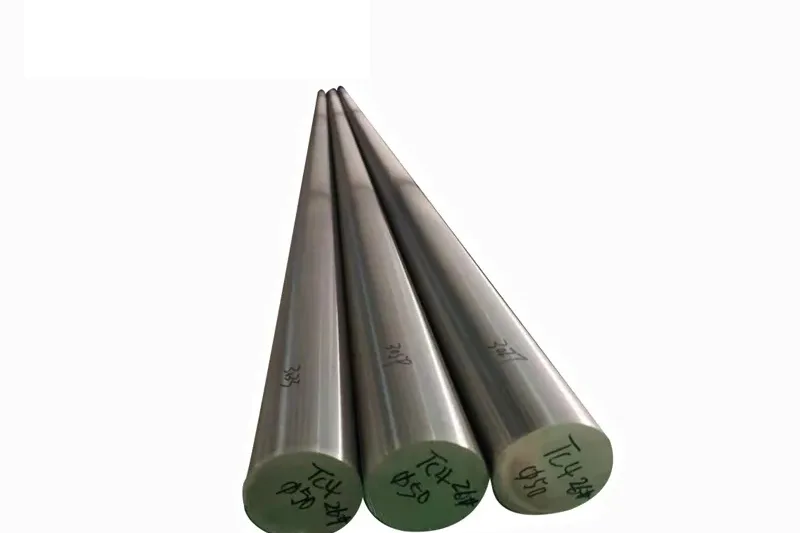
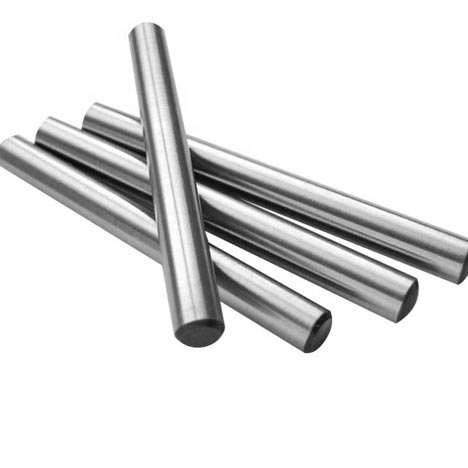
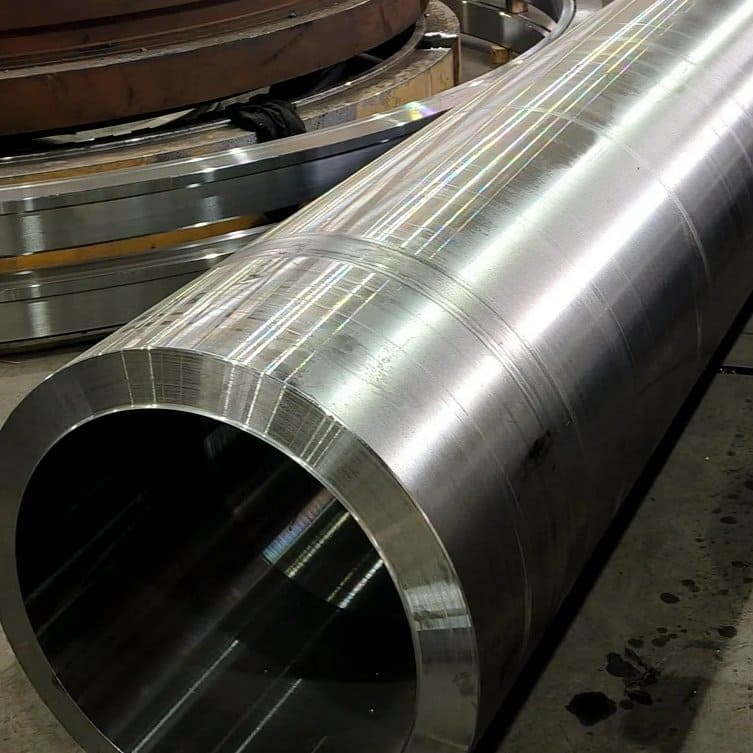
Aluminum cylindrical tubes are hollow cylindrical profiles manufactured from aluminum alloy through processes such as extrusion, drawing, or cold rolling. Featuring a standard circular cross-section with smooth inner and outer walls and high dimensional accuracy, they combine the structural strength of metal materials with aluminum's inherent advantages of lightweight, corrosion resistance, and ease of machining. In modern manufacturing, they are extensively utilized across transportation, machinery, architectural decoration, hydraulic systems, and new energy equipment sectors.
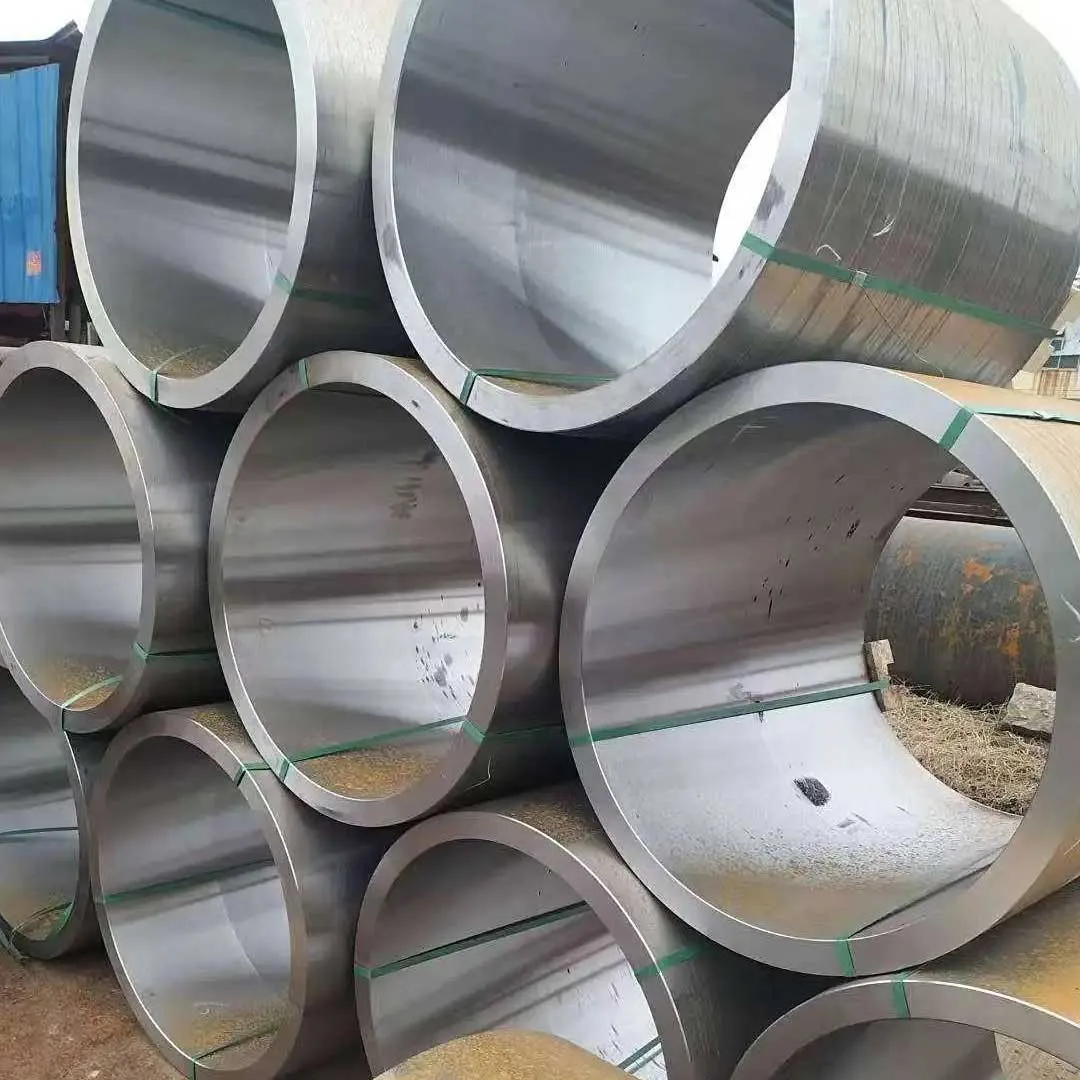
Performance-wise, the core advantage of aluminum cylindrical tubes lies in their low density and high specific strength. Typical 6061 or 6063 aluminum alloy tubes have a density of approximately 2.7 g/cm³, just one-third that of steel, yet deliver tensile and compressive strength sufficient for most operational requirements. Simultaneously, the naturally formed dense oxide layer on its surface confers excellent corrosion resistance in atmospheric and weakly acidic/alkaline environments, significantly reducing maintenance costs. Furthermore, aluminum's excellent thermal conductivity and non-magnetic properties make it irreplaceable in heat sinks, medical equipment brackets, and precision instrument structural components.
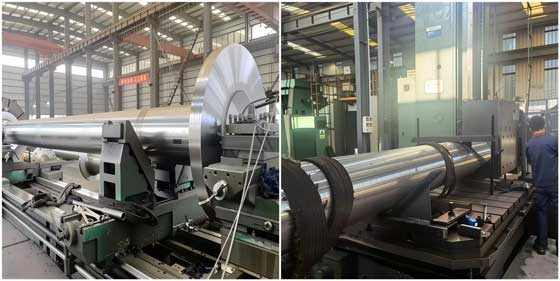
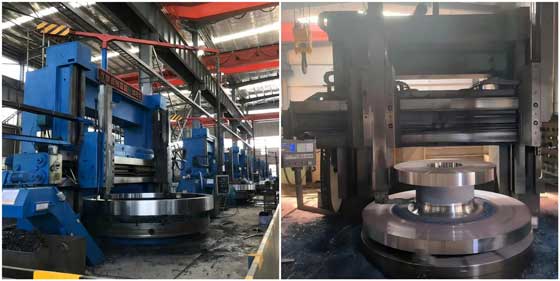
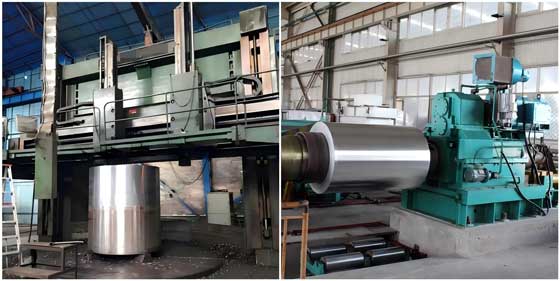
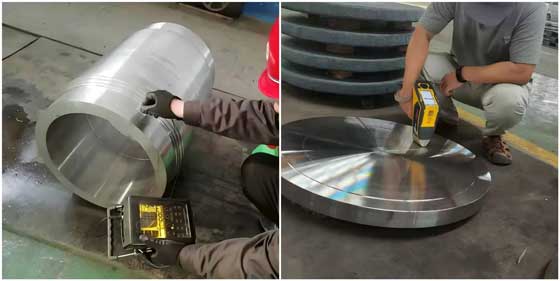
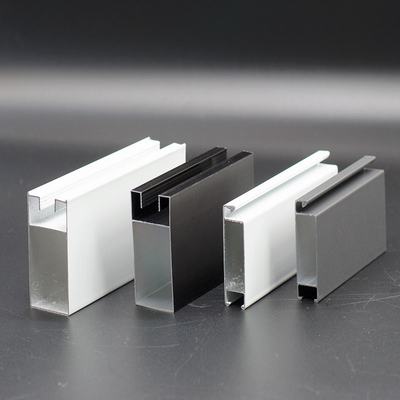
Manufacturing processes directly influence product quality and applicability. Extrusion is suitable for large-diameter, thick-walled tubes and enables complex cross-sectional variations. Cold drawing, however, is more advantageous for producing high-precision, thin-walled, and ultra-long straight tubes, meeting the stringent requirements for inner diameter tolerances and straightness in hydraulic cylinder barrels and pneumatic components. In recent years, advancements in CNC machining and surface treatment technologies—such as anodizing, sandblasting, and powder coating—have further expanded the application possibilities of aluminum round tubes in aesthetic design and functional integration.
When selecting tubes for specific applications, comprehensive consideration must be given to parameters including outer diameter, wall thickness, length, alloy grade, and temper (e.g., T4, T6). For instance, automotive lightweight components often opt for T6-tempered 6061 aluminum tubes to balance strength and formability, while outdoor landscape guardrails predominantly use 6063-T5 tubing, prioritizing surface aesthetics and weather resistance. Proper design and standardized installation ensure aluminum cylindrical tubes maintain stable performance throughout decades of service life.