Deep Hole Honing
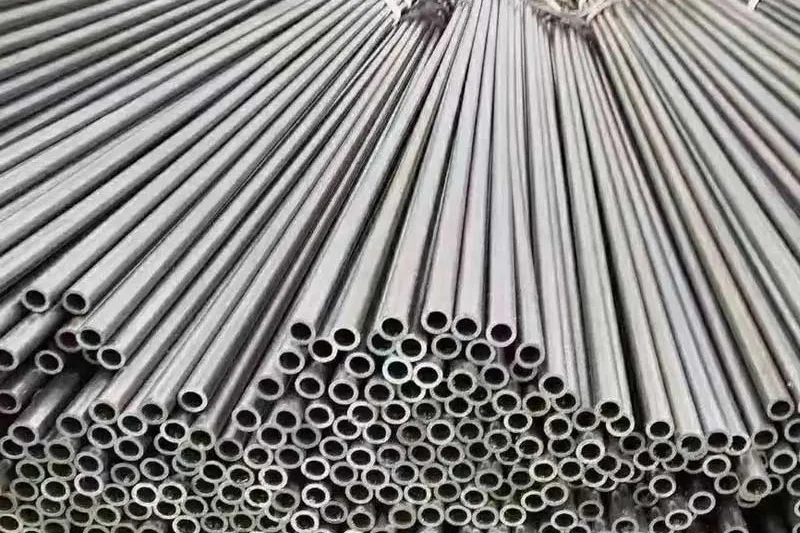
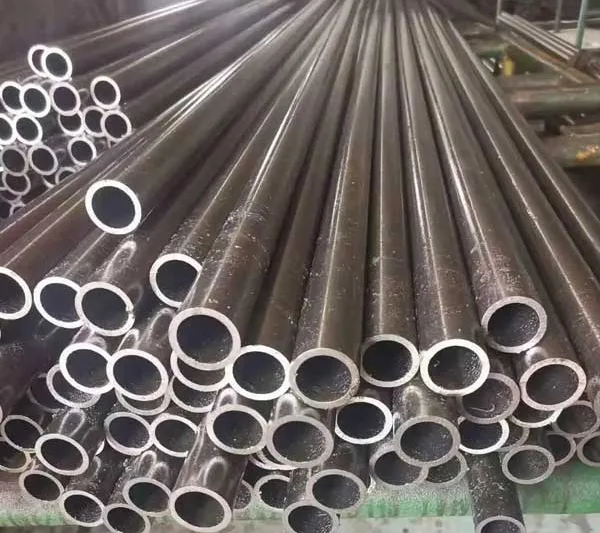
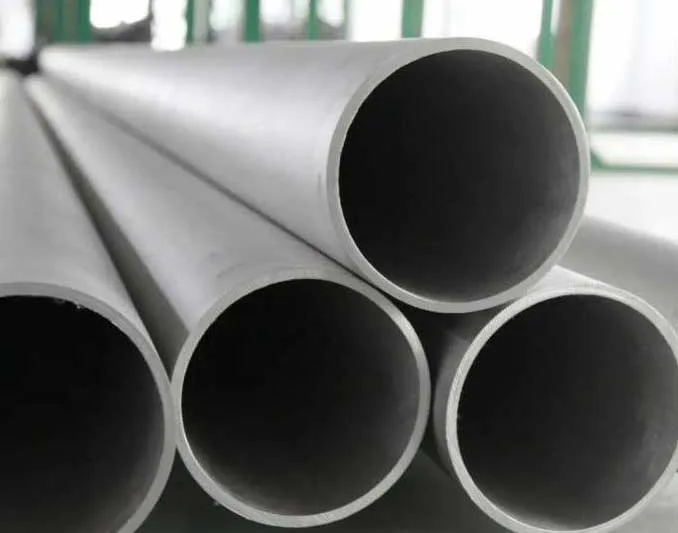
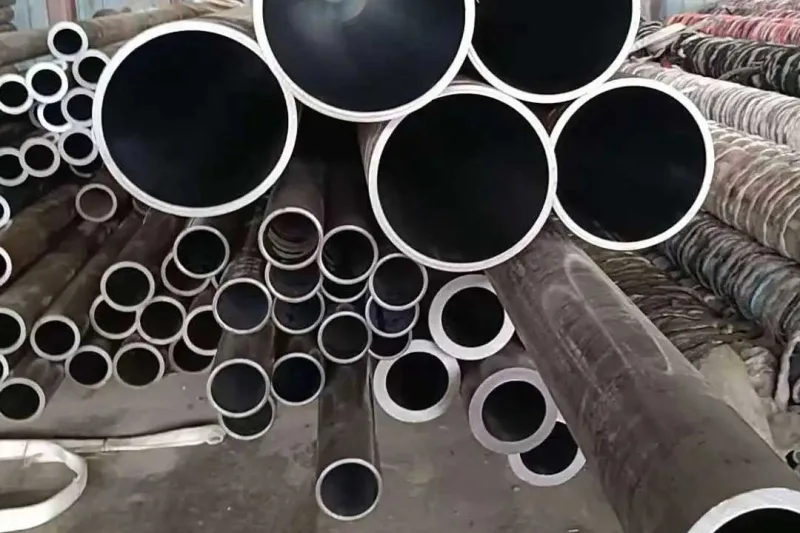
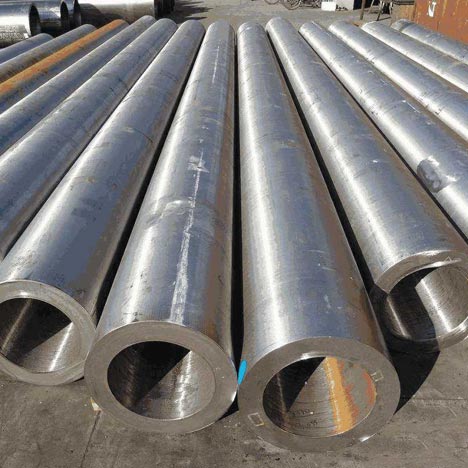
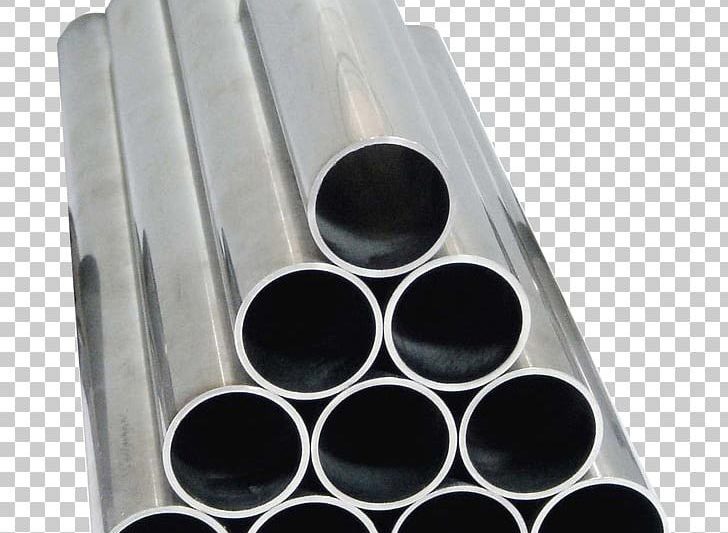
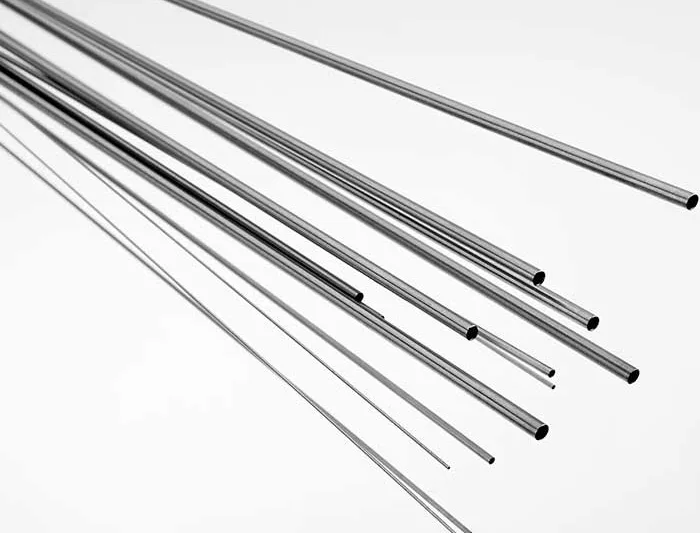
Deep hole honing is a high-precision finishing process for internal bore surfaces, specifically designed for small-diameter, long-diameter-to-length ratio (typically exceeding 10:1) cylindrical deep-hole components. This technology applies controlled pressure through reciprocating honing heads within the bore, utilizing oilstones or diamond abrasives of specific grit sizes to achieve micro-cutting and finishing of the bore walls. This significantly enhances the bore's geometric accuracy, surface roughness, and dimensional consistency.
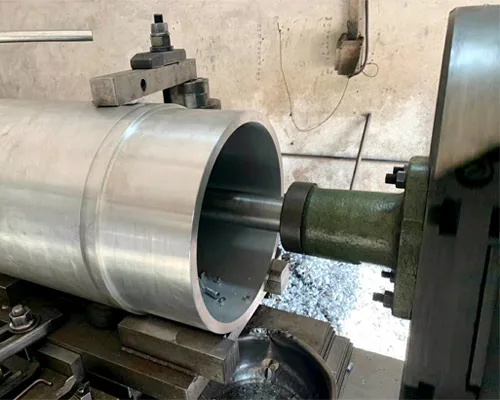
The core advantage of deep-hole honing lies in its unique machining mechanism. Unlike conventional honing, deep-hole honing employs a rigid honing rod with a floating honing head structure. This ensures constant abrasive contact with the bore wall while utilizing a high-pressure internal coolant injection system for thorough lubrication and chip evacuation. This design effectively overcomes common deep-hole machining challenges such as tool deflection, vibration marks, and taper deviation. It controls roundness error within 1 micron, achieves stable surface roughness Ra values of 0.05–0.2 microns, and significantly improves residual stress distribution and microtexture orientation within the bore wall.
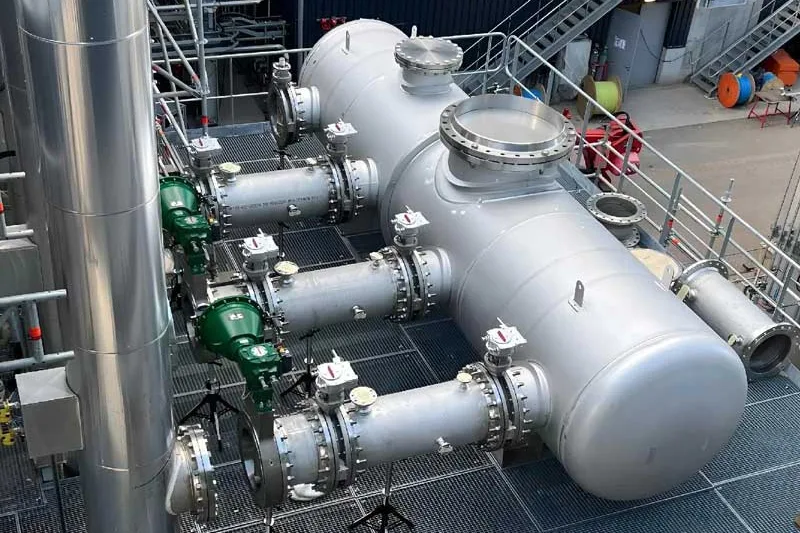
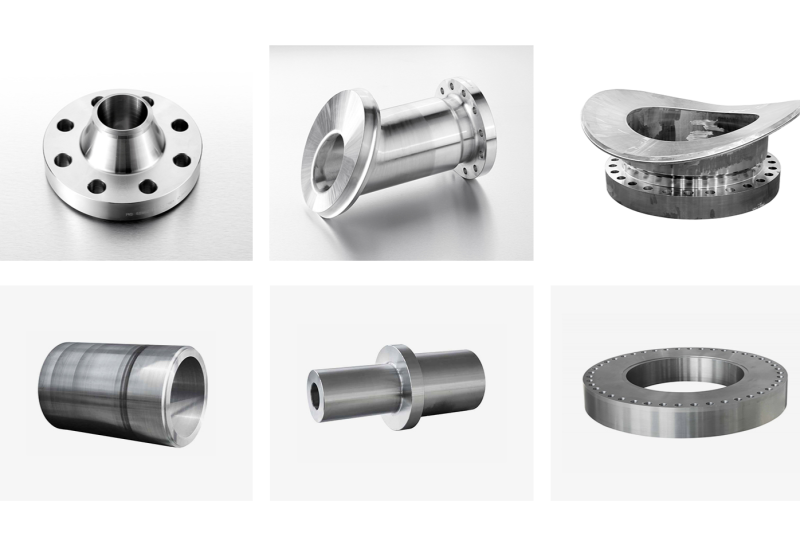
This process is widely adopted in manufacturing critical components with stringent internal bore quality requirements. Examples include hydraulic system plunger pump cylinders, aviation engine fuel nozzles, precision injection molding machine barrel cylinders, and sealing chambers in high-pressure vessels—all relying on deep-hole honing to ensure sealing integrity, wear resistance, and long-term operational stability. As high-end equipment evolves toward lightweight and high-reliability designs, deep-hole honing is deeply integrating with CNC technology, online measurement, and adaptive compensation systems, driving greater intelligence and flexibility in the machining process.
In summary, deep-hole honing remains not only a vital supporting process for traditional precision manufacturing but also an indispensable technological element for mass-producing modern high-performance components. Continuous optimization of honing materials, process parameters, and intelligent control systems will further expand its application depth and breadth in cutting-edge fields such as new energy, aerospace, and medical devices.