AISI 4140 Forged Ring: Choosing Strength, Hardness and Machining Condition
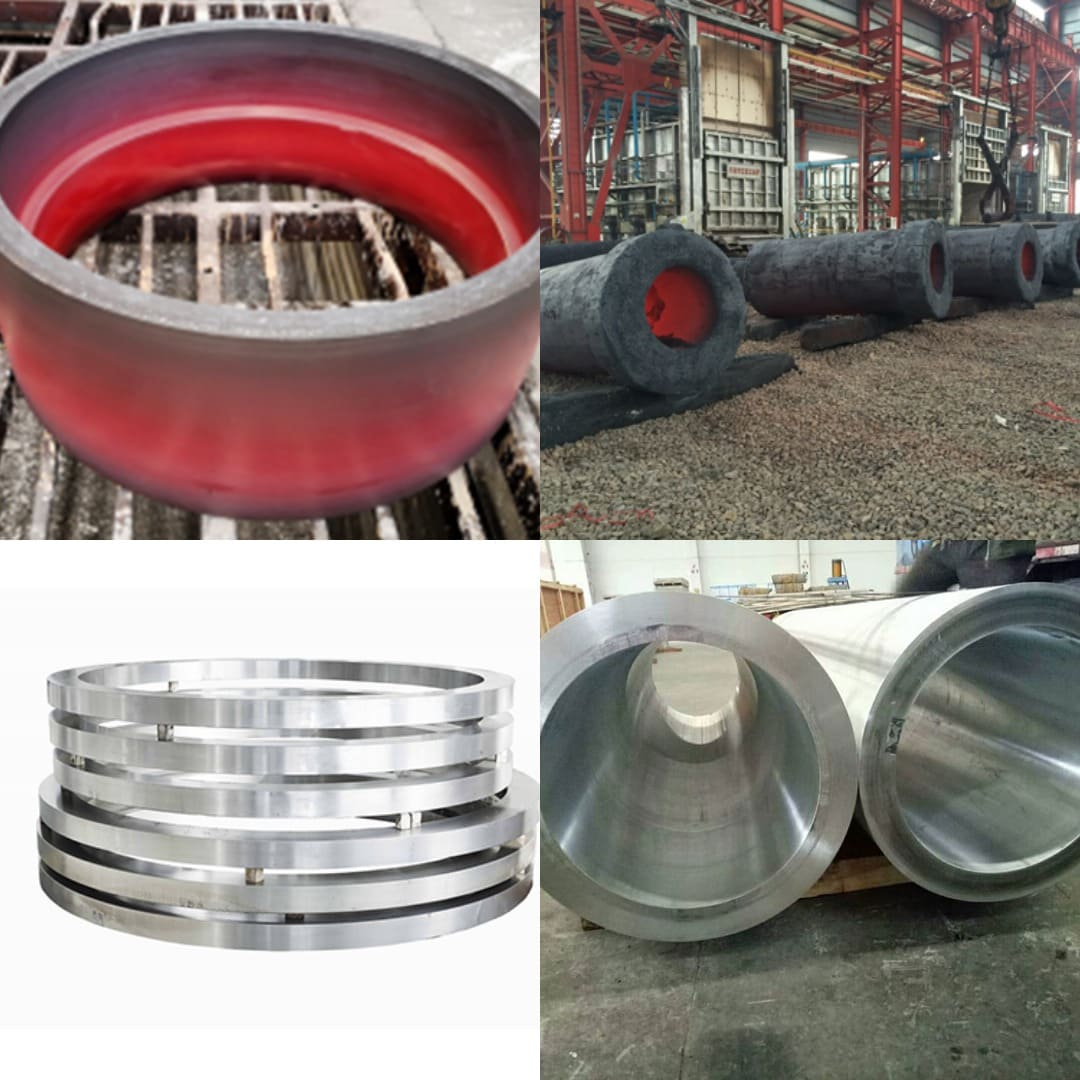
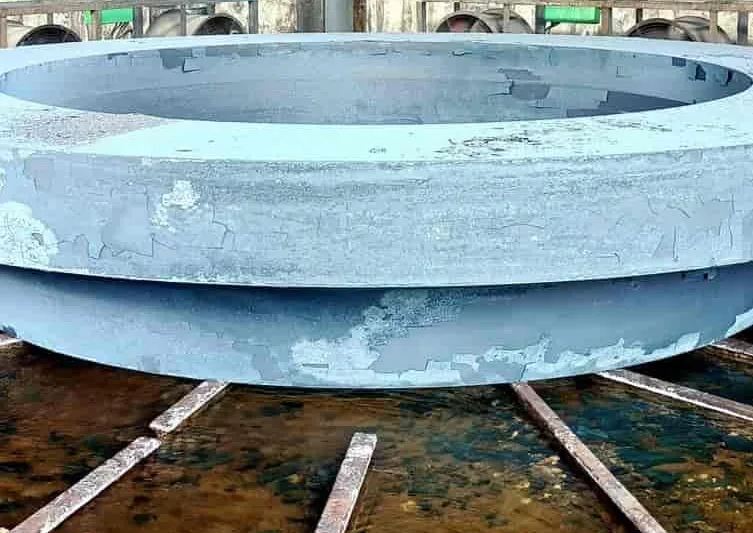
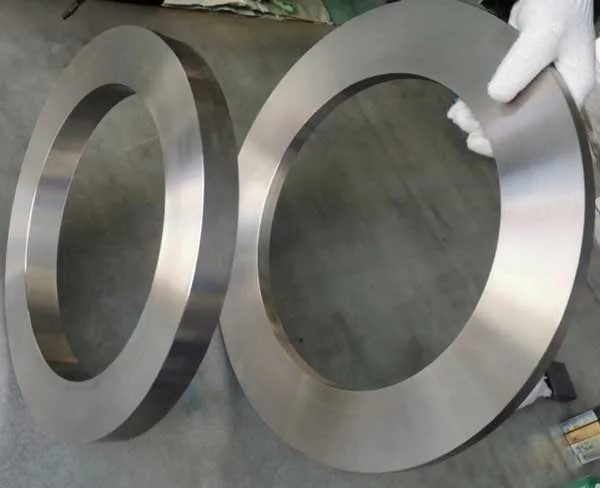
AISI 4140 is a chromium-molybdenum engineering steel used when a ring component needs a combination of strength, toughness and response to heat treatment. Buyers often compare it with 42CrMo4 because the grades are discussed in similar applications, but the purchase specification—not a casual equivalence—must define acceptable chemistry, mechanical properties and delivery condition.
Why engineers specify 4140
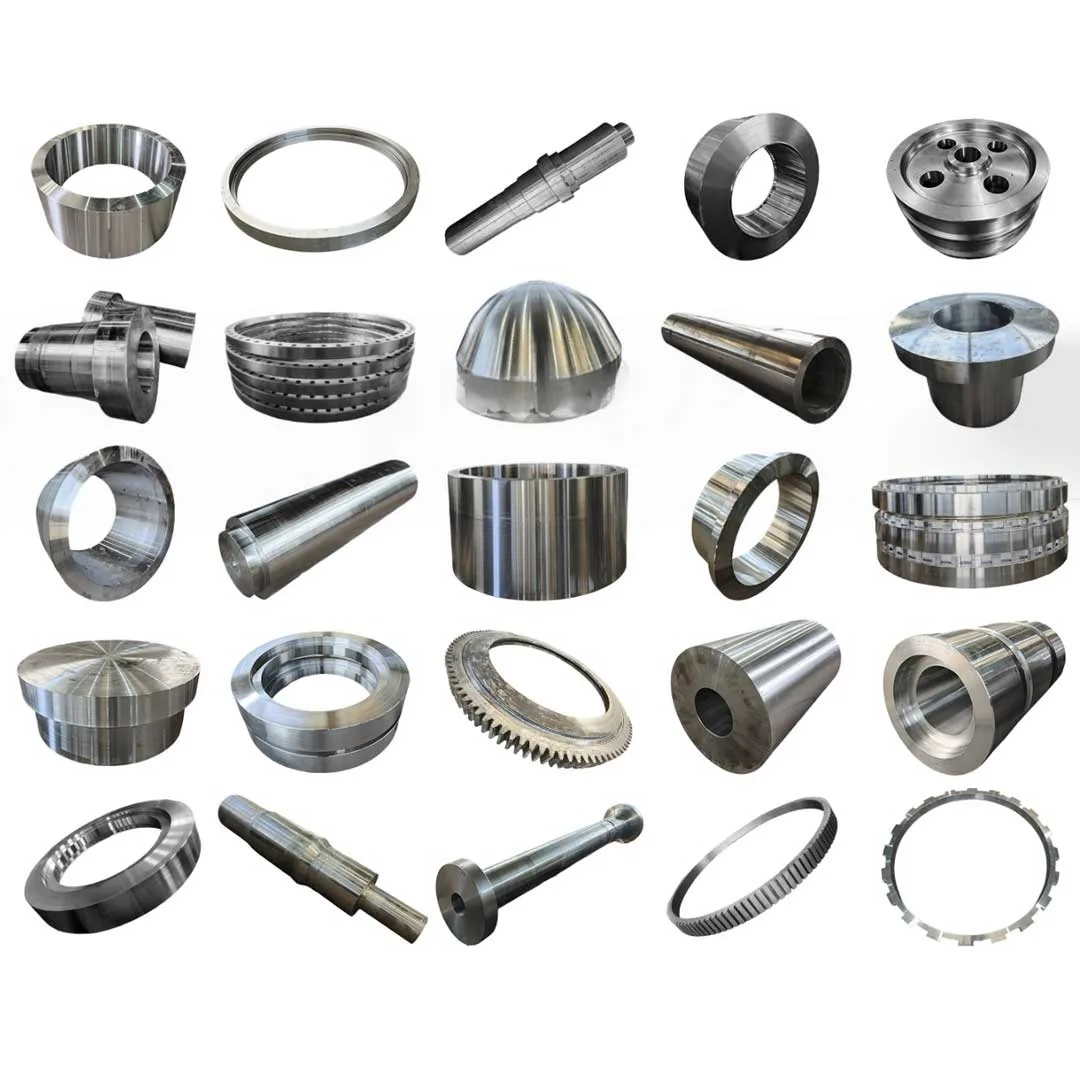
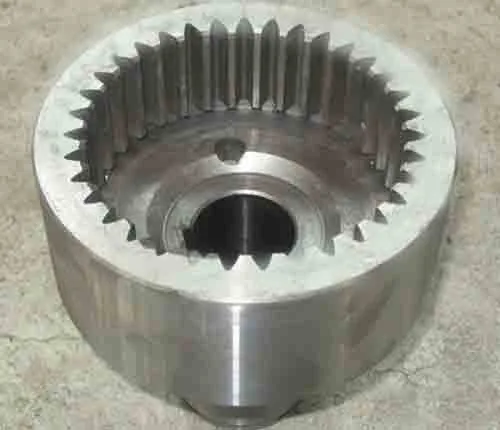
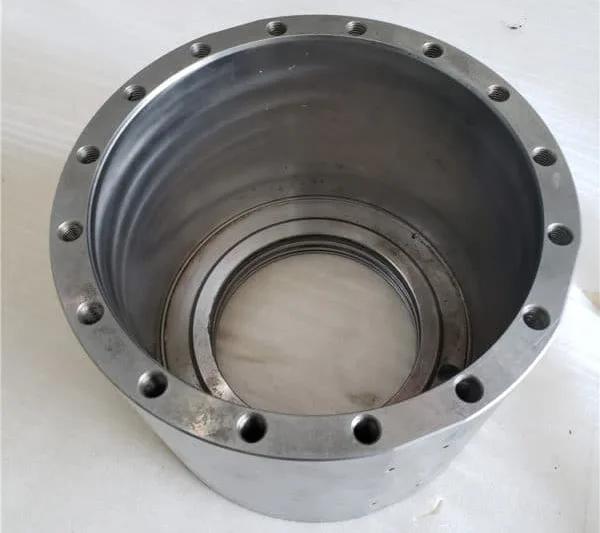
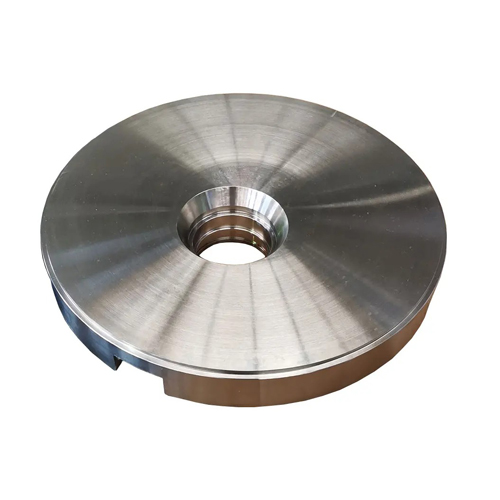
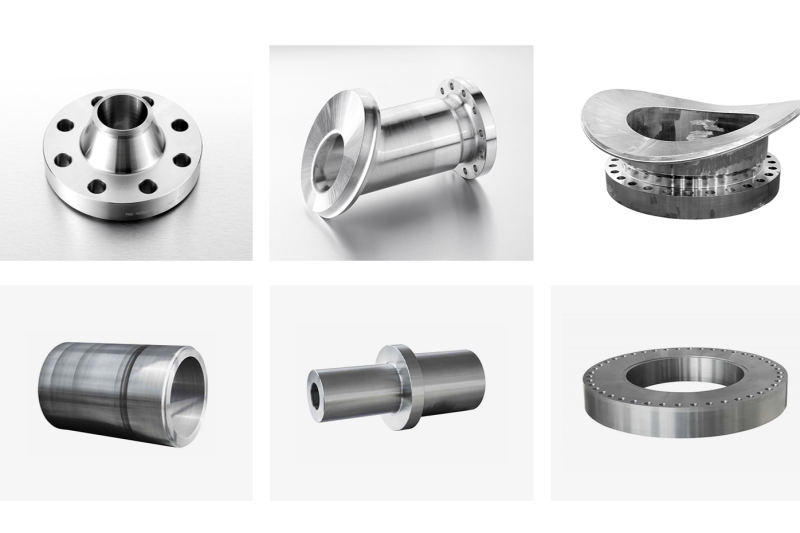
The alloying system gives 4140 useful hardenability for shafts, couplings, heavy machinery parts, tooling-related components and structural ring sections. In ring form, it can be considered for load-bearing hubs, retaining components and other custom annular parts. The design engineer should confirm fatigue, impact, temperature and service requirements before selecting the grade. A material name alone does not establish suitability for a pressure boundary or safety-critical application.
Condition is part of the specification
4140 is supplied in several conditions, and the required condition can change both price and manufacturing sequence. State whether the order calls for annealed, normalized, pre-hardened, or quenched-and-tempered material, and identify the required hardness or mechanical-property range. For thick parts, ask how test coupons represent the section and where mechanical tests will be taken. Avoid specifying only a hardness number when tensile strength, impact properties or through-section performance are also important.
From billet to ring blank
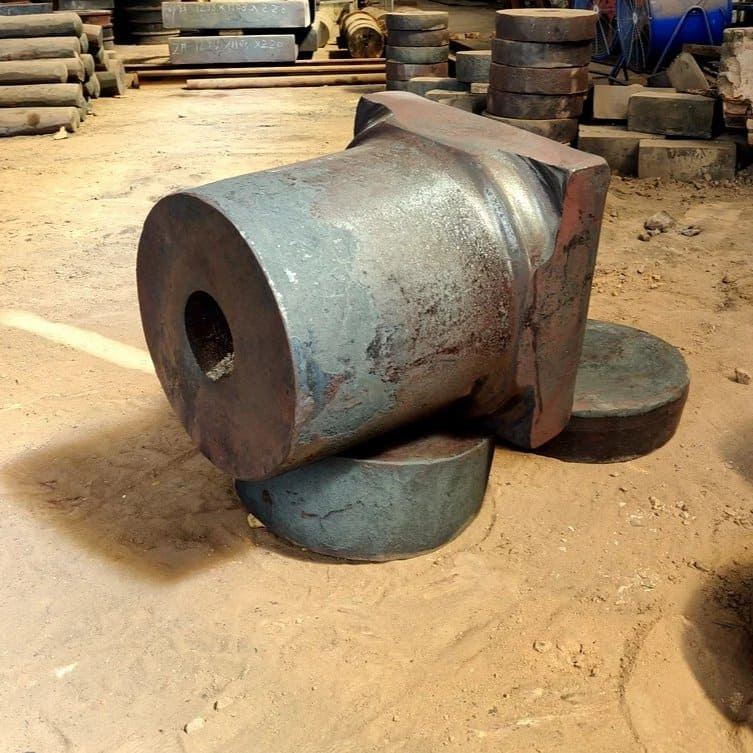
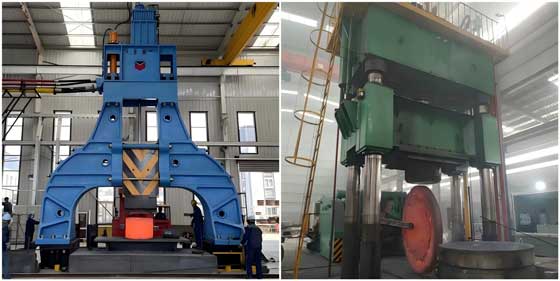
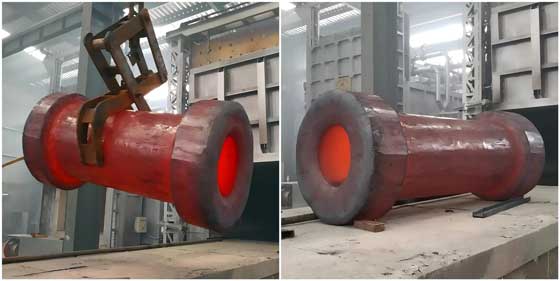
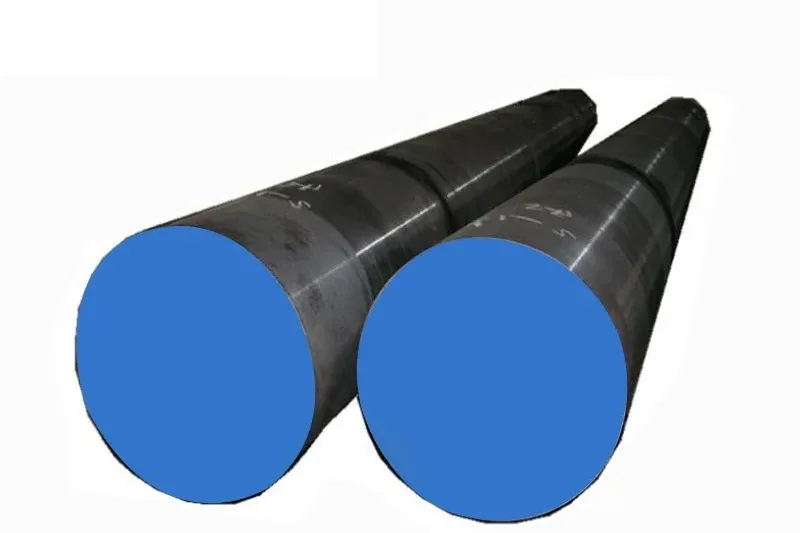
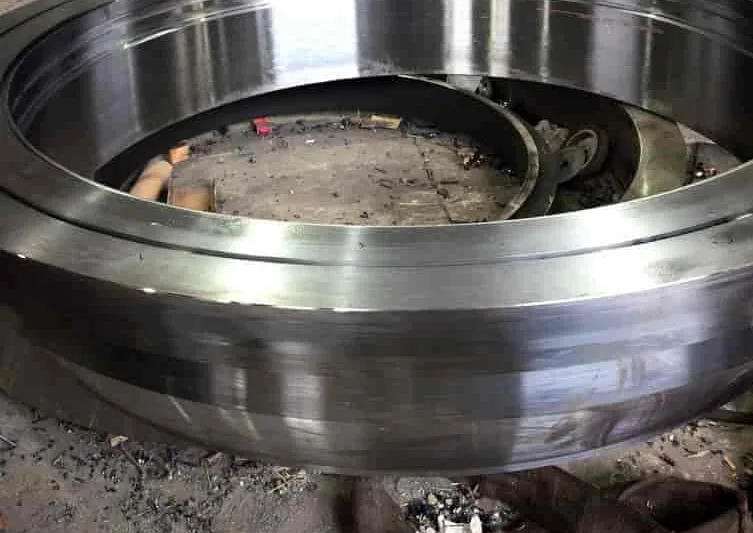
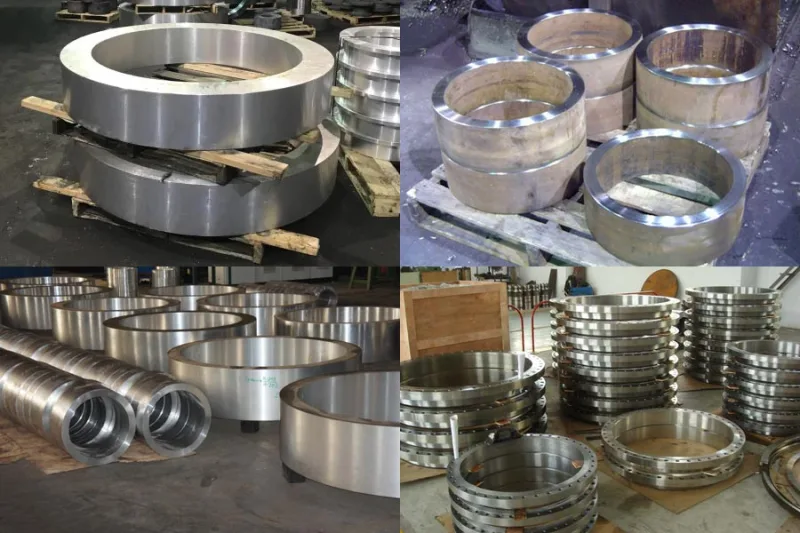
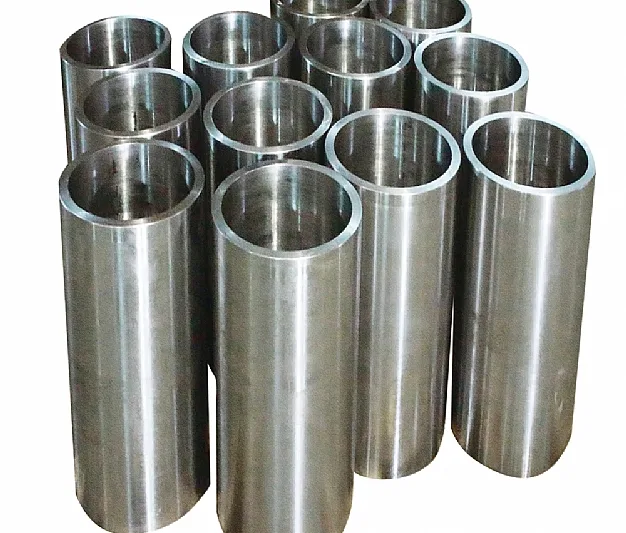
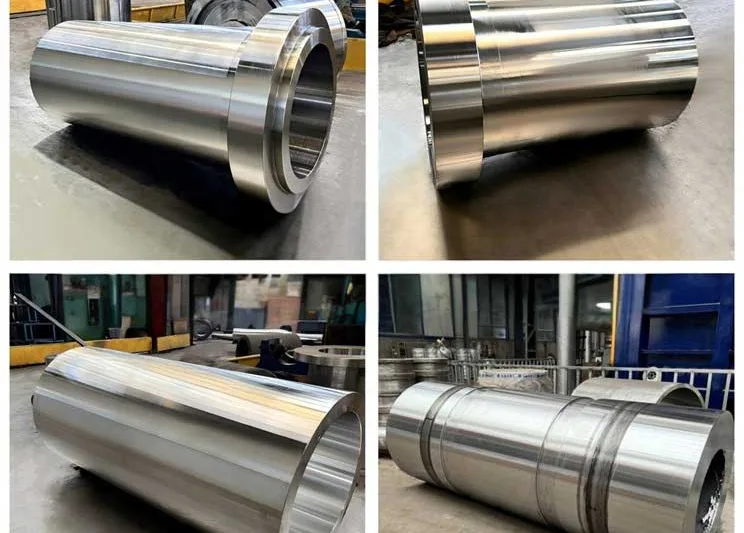
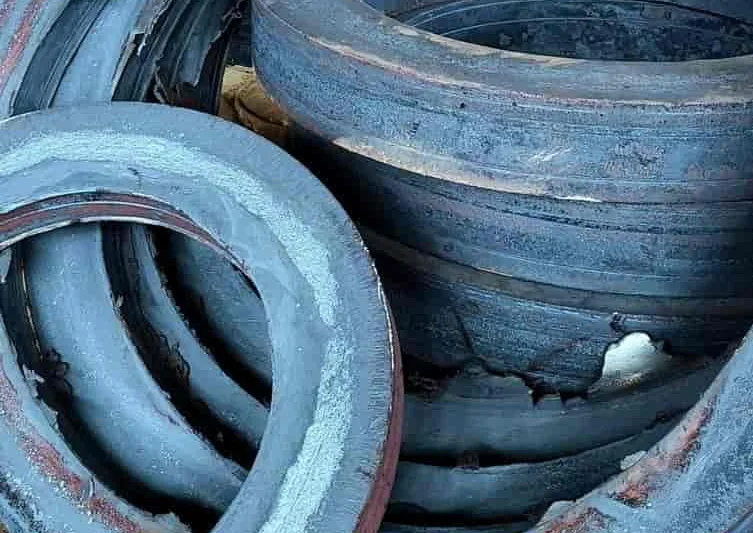
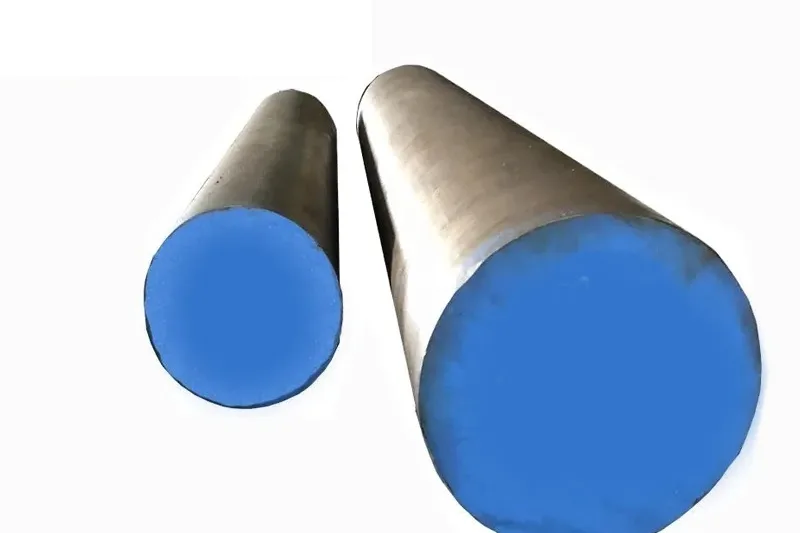
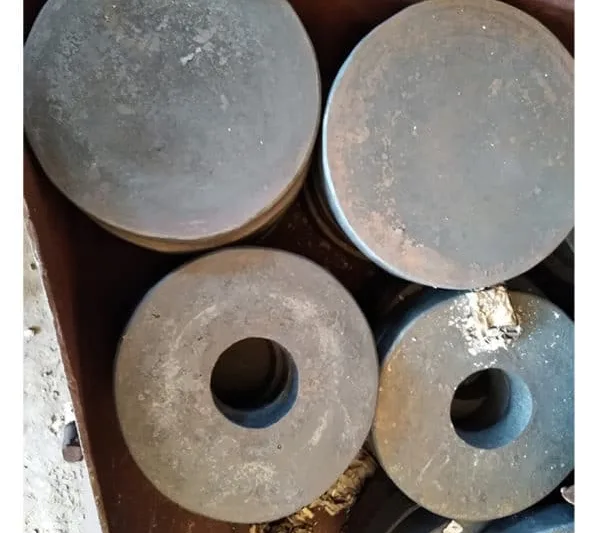
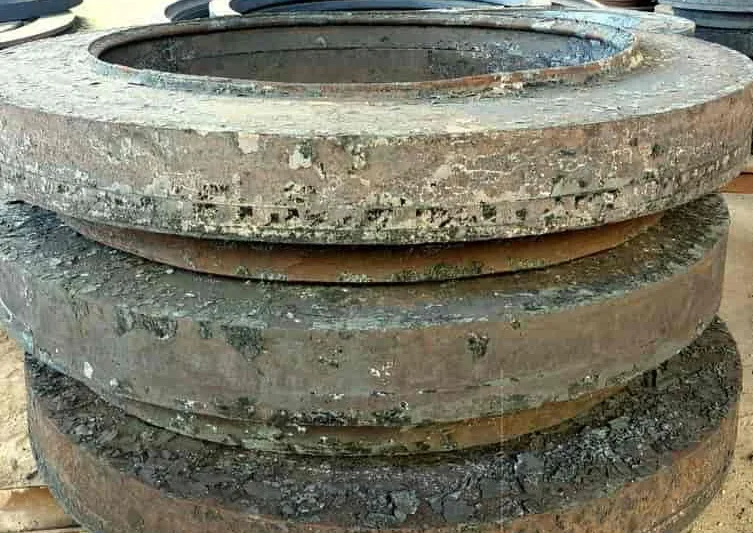
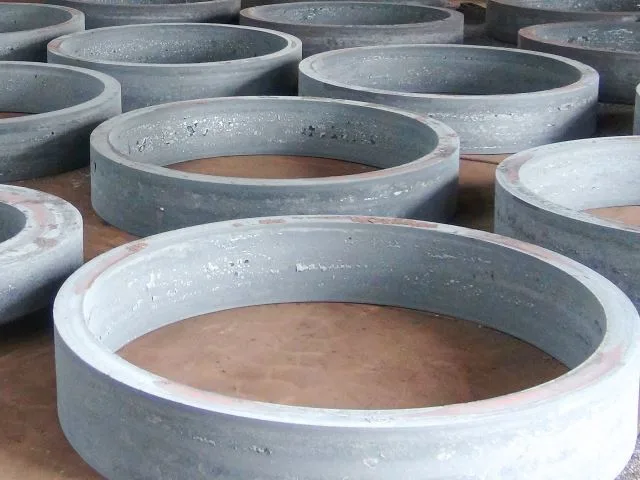
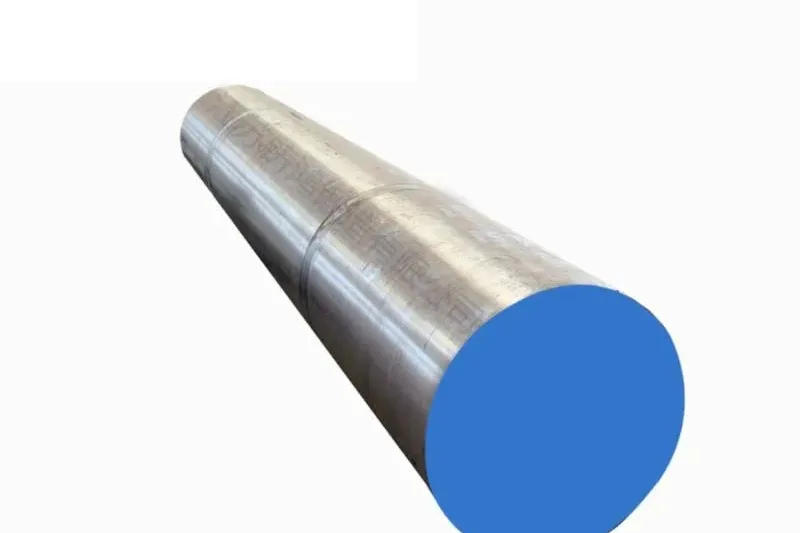
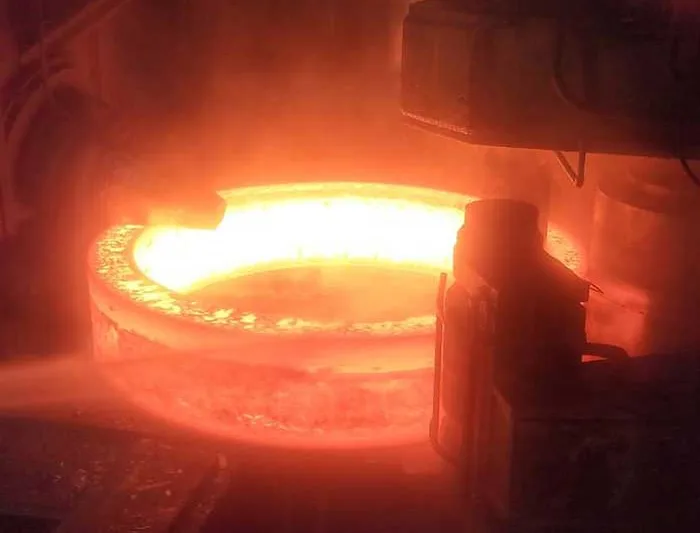
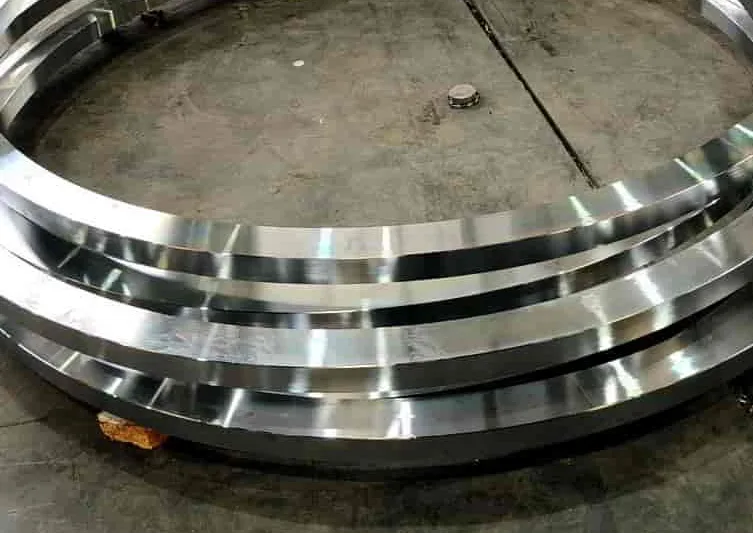
The forging plan begins with stock selection and a target forging ratio appropriate to the product specification. Ring dimensions—OD, ID, height and radial wall—determine approximate starting stock and the amount reserved for machining. A forged ring can provide a more efficient material layout than machining an annulus from a large solid block, although actual yield depends on size, process capability and final profile.
Machining and distortion control
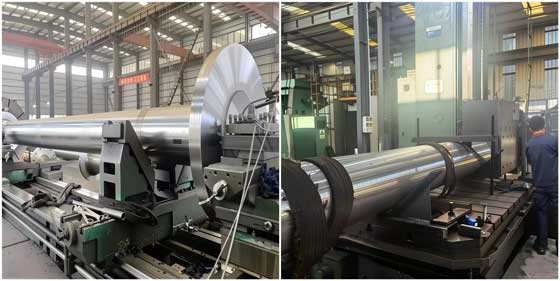
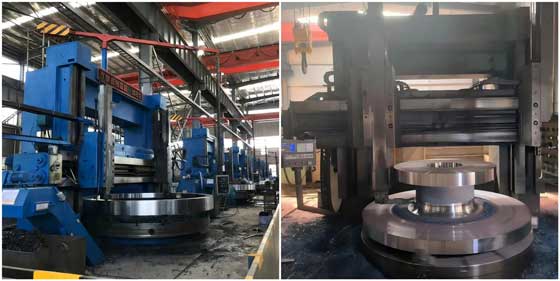
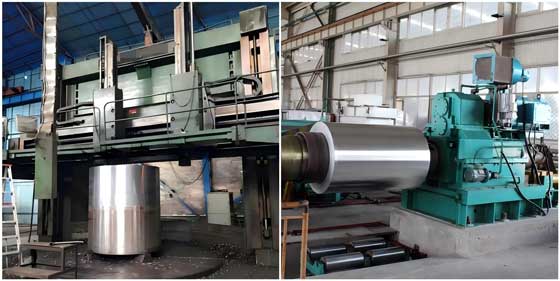
Turning and boring operations should be planned around the heat-treatment sequence. Quench-and-temper processing can cause dimensional movement, so the drawing should distinguish rough dimensions from final tolerances. For close concentricity or face-runout requirements, discuss datum strategy, intermediate inspection and finish-machining allowance before production begins.
What to include in the inquiry
Provide the exact AISI/ASTM or customer material specification, dimensions, quantity, heat-treatment condition, hardness and mechanical test requirements, machining level, NDT scope and certificate requirements. Clarify whether you need a forged blank or a finished component. Shanghai Changjin Metal Product Co., Ltd. can review custom ring drawings and machining requirements against the requested manufacturing route.
Engineering details, dimensions and procurement example
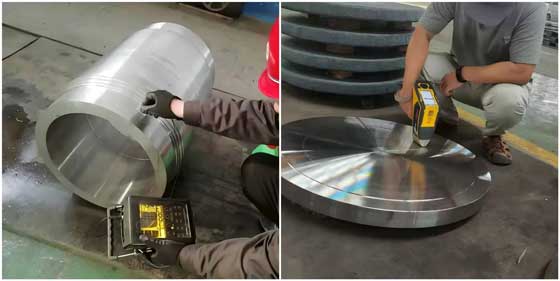
For 4140, confirm the exact product standard, chemistry limits and quenched-and-tempered or normalized condition before production. Heat-treatment sequence and section thickness affect final properties and machining stability. The purchase order should define test-coupon location, hardness or tensile acceptance, traceability and any required non-destructive examination. Do not assume that a grade designation alone defines the finished condition.
Representative inquiry dimensions may be OD 500–1, ID 000 mm, and axial thickness ID 250–700 mm60–180 mm. These are illustrative RFQ examples only, not confirmed maximum manufacturing dimensions. Actual feasibility depends on drawing geometry, material supply, process route, machine envelope and workpiece weight.
A typical procurement case is a gearbox hub or heavy-duty coupling ring. The RFQ should separate forged blank dimensions from finished dimensions and specify quantity, delivery condition, machining stock, critical tolerances, surface finish and inspection documents. hardness, tensile properties, impact requirements where specified, and representative test location. CNC OD/ID turning, boring and face machining can be planned as rough and finish operations; machining sequence and capability require drawing review and equipment confirmation.
Related information: Inconel forged rings; see also the Changjin Metal website.