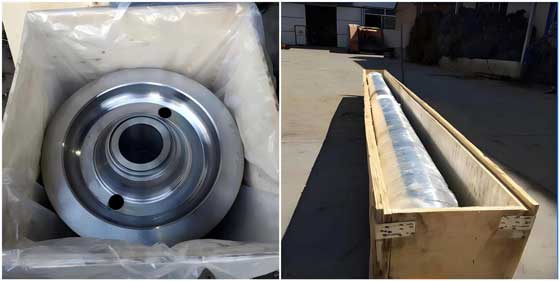
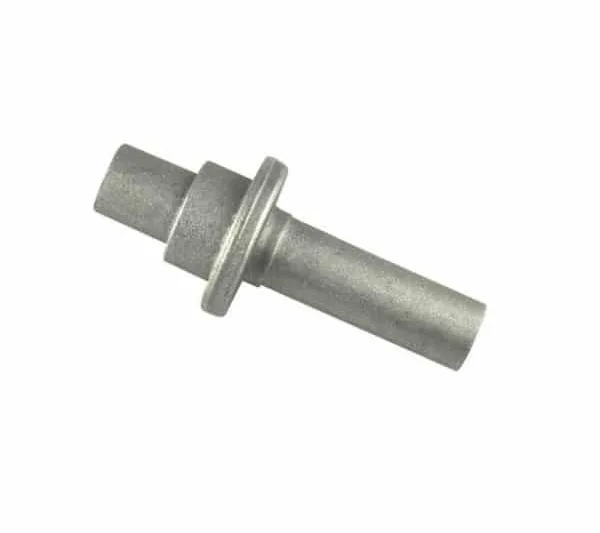
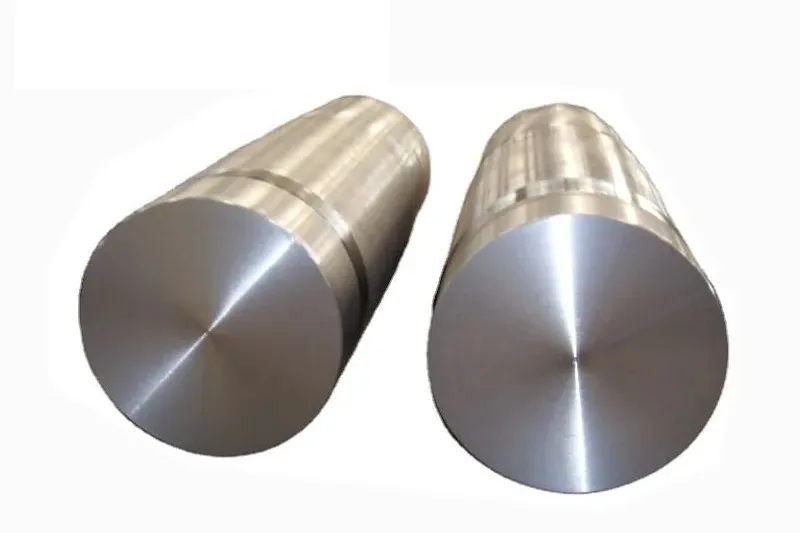
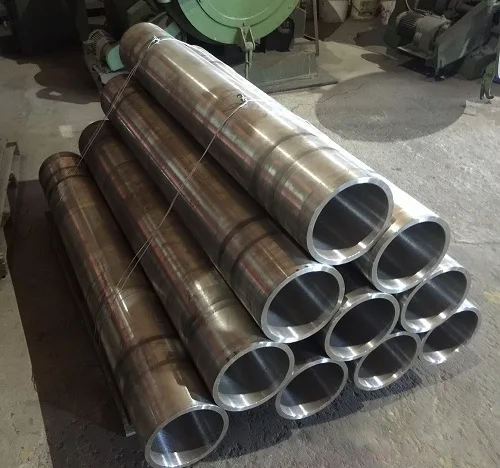
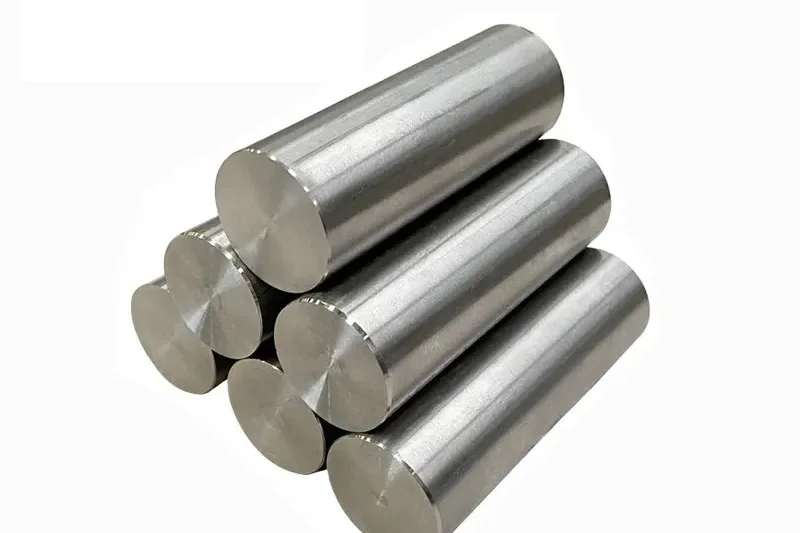
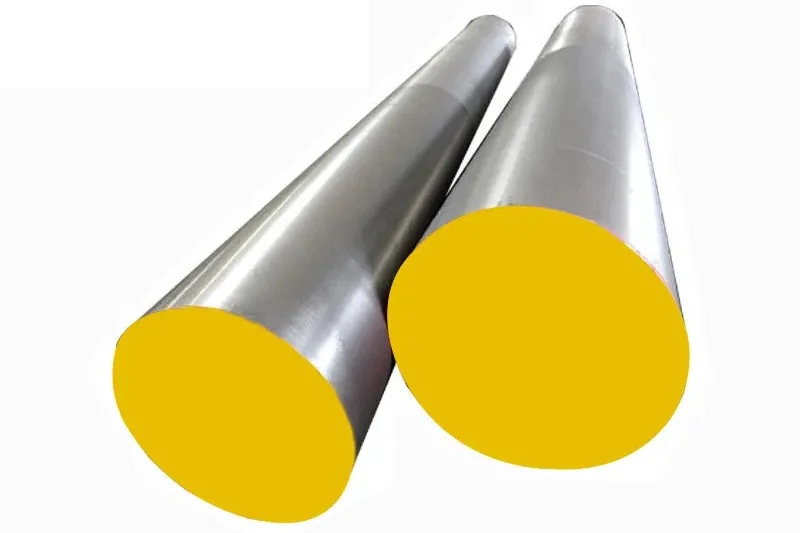
Flanged Cylindrical Forging Blank
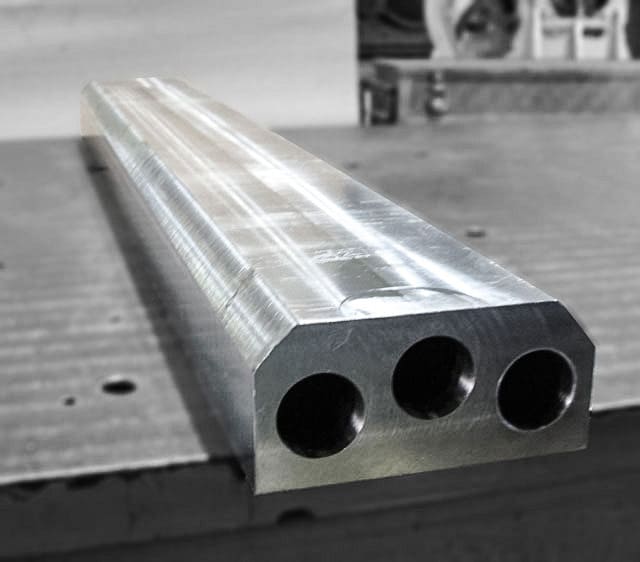
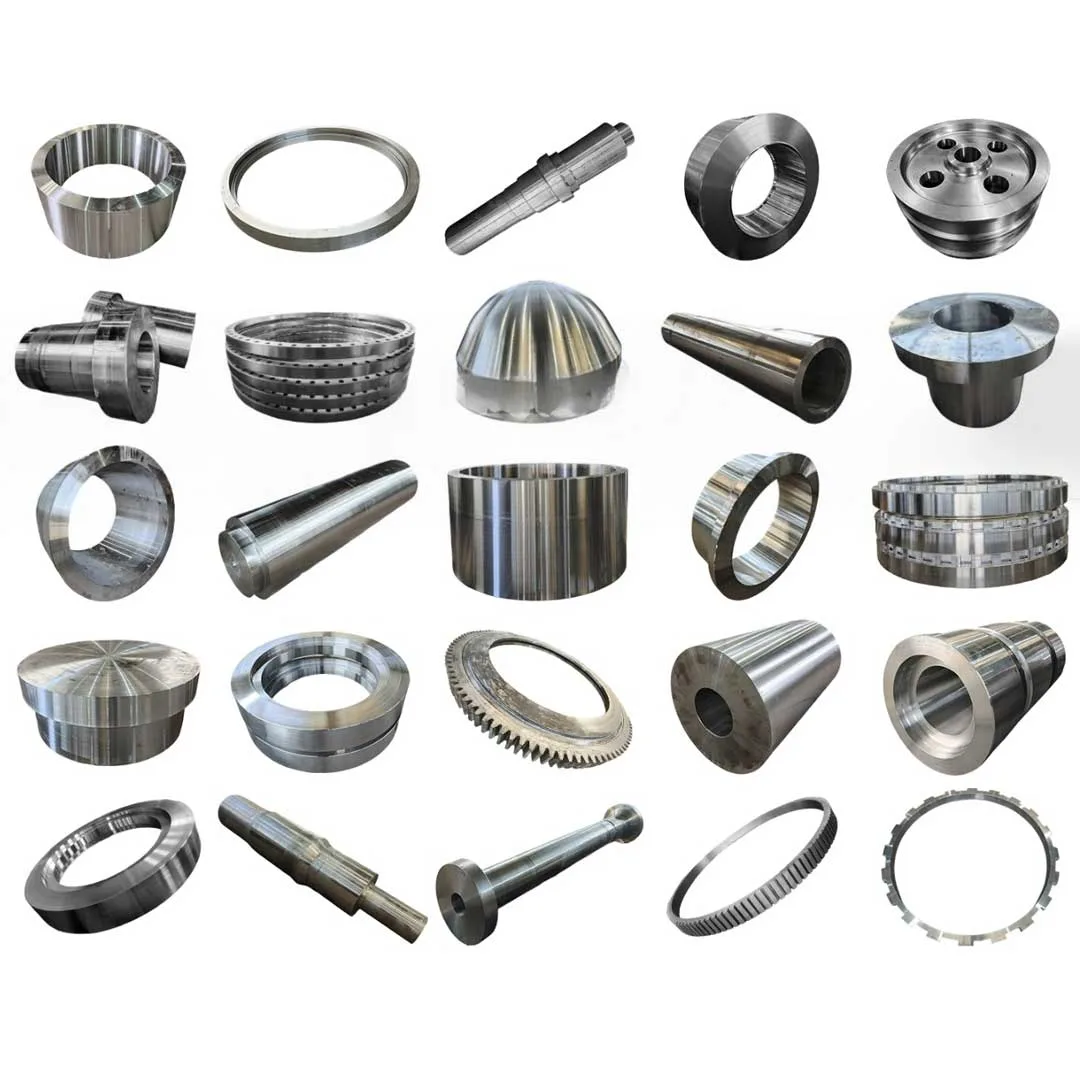
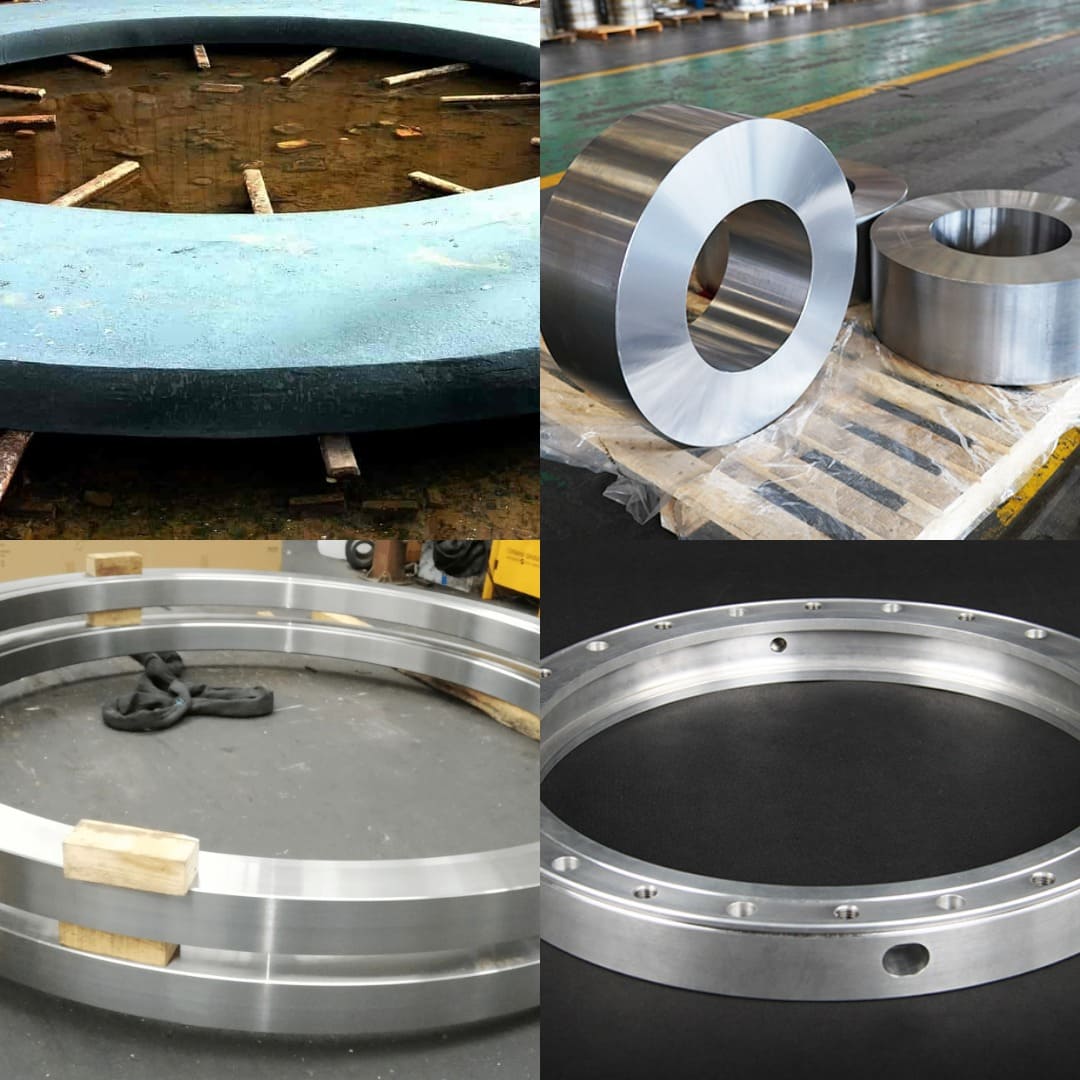
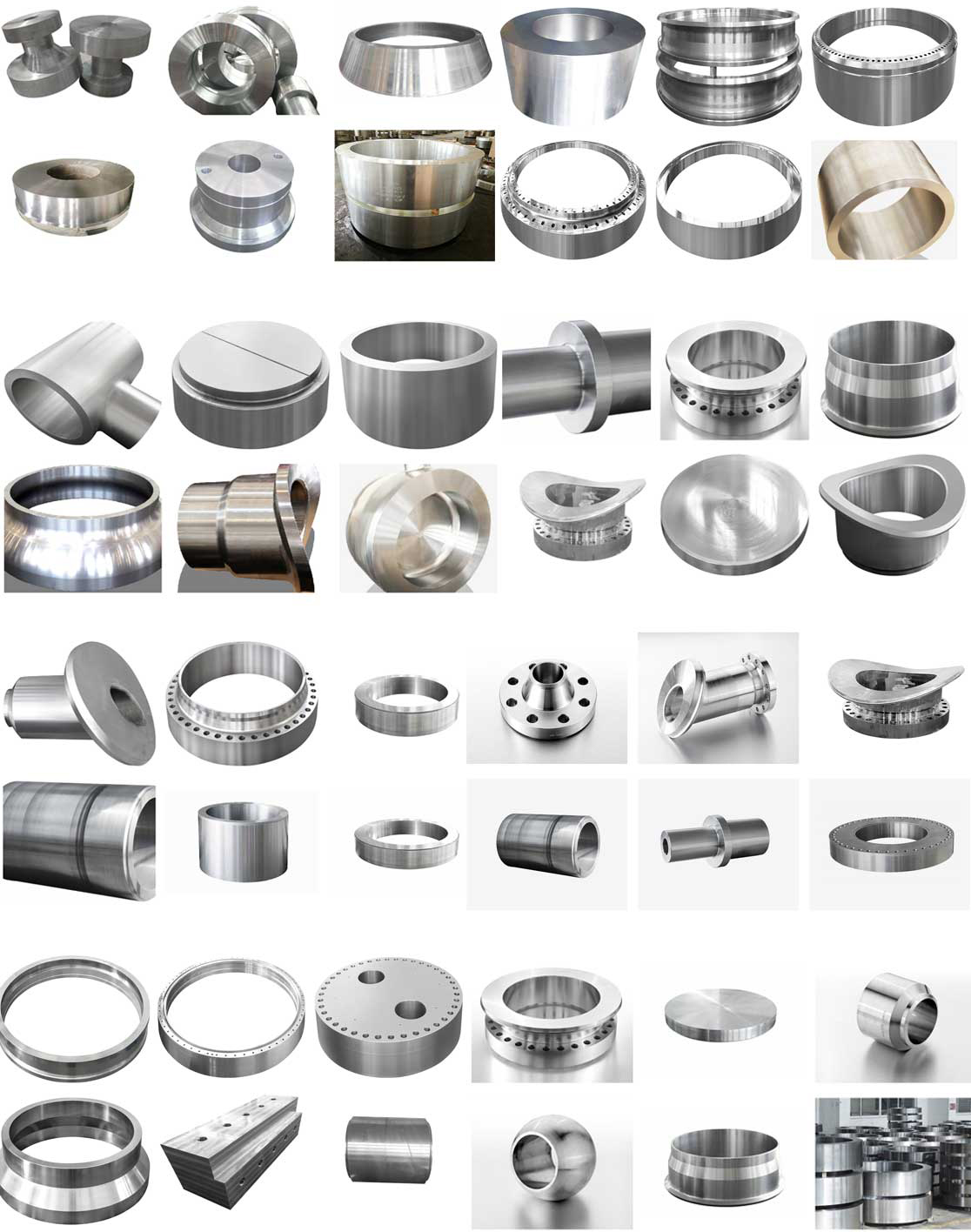
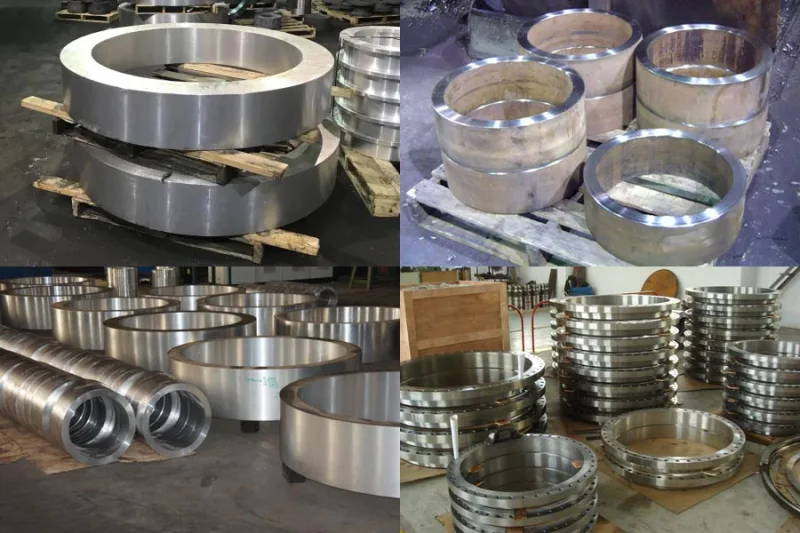
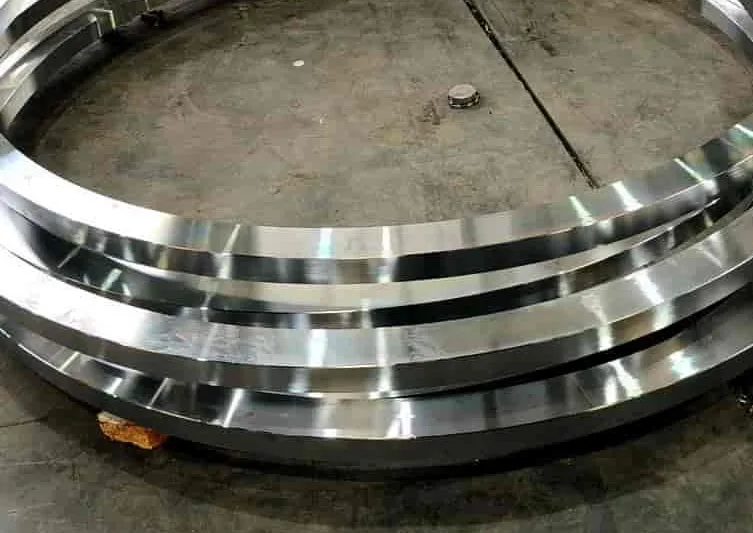
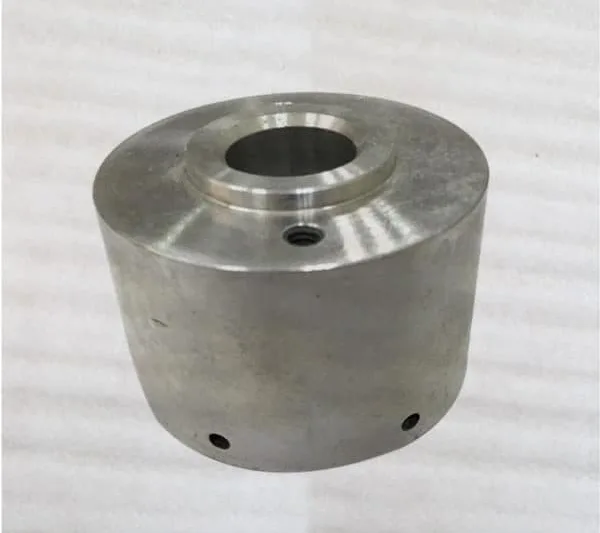
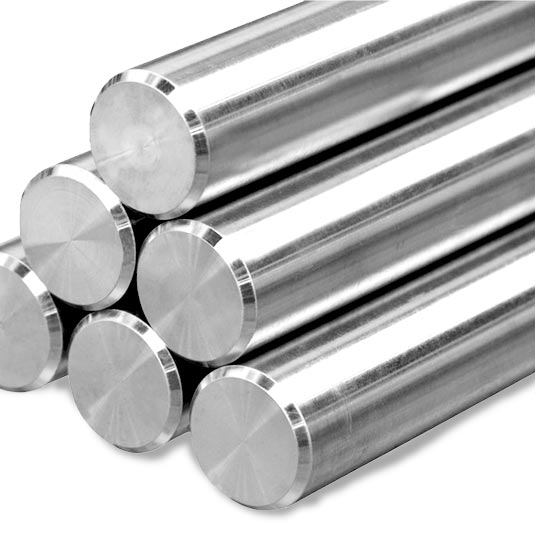
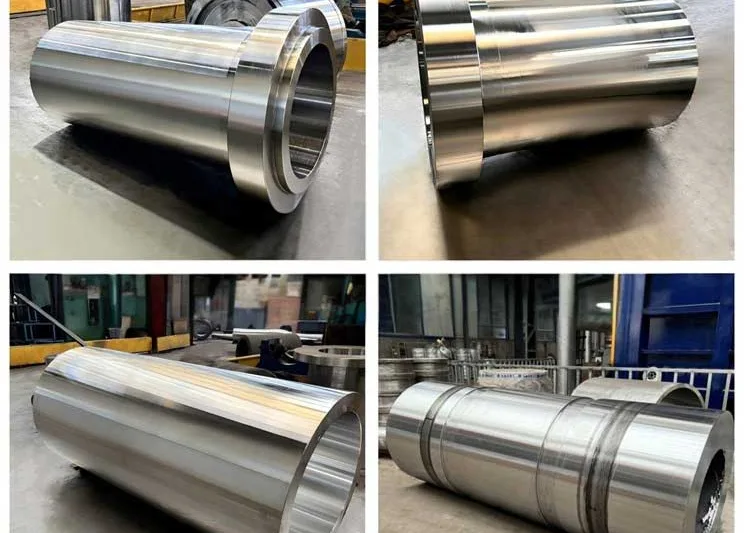
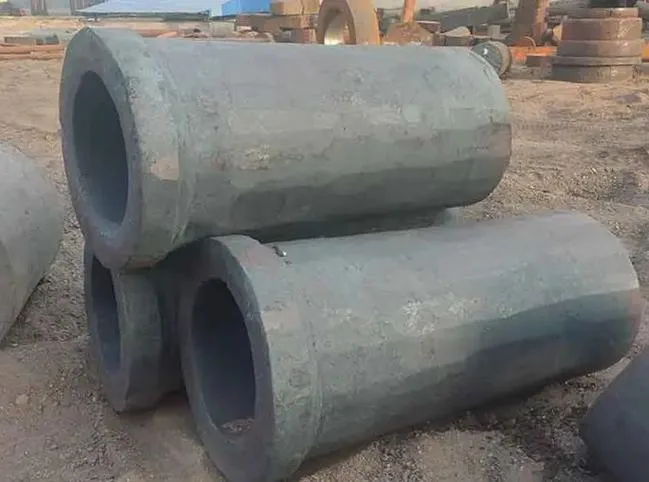
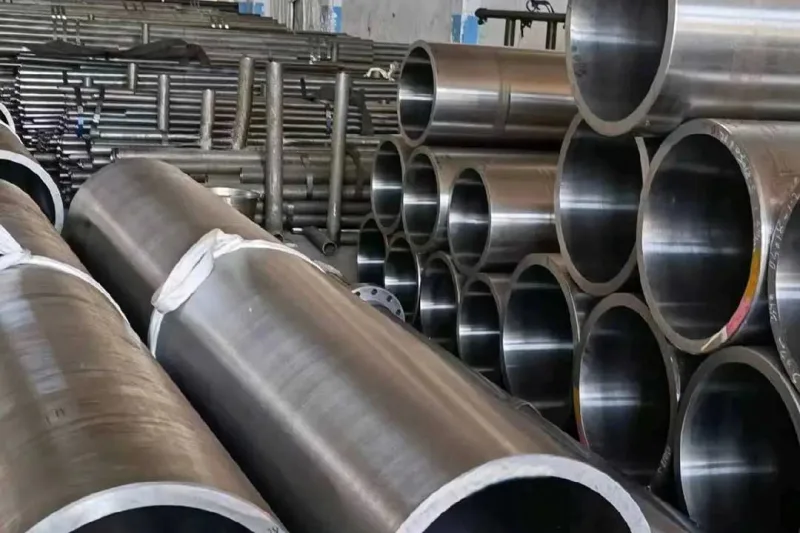
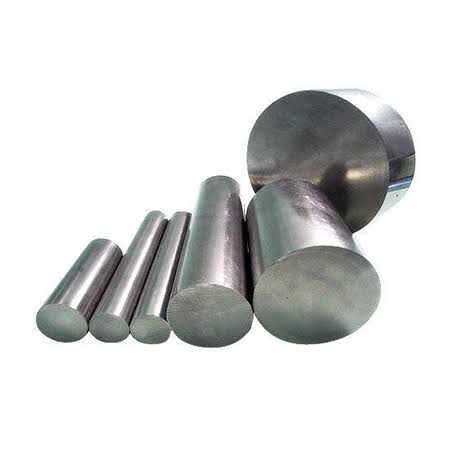
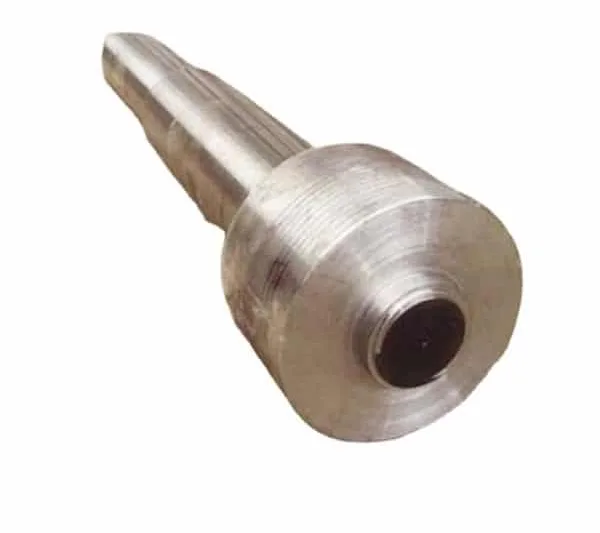
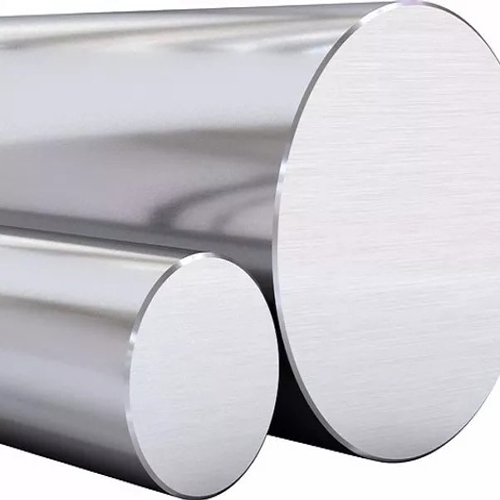
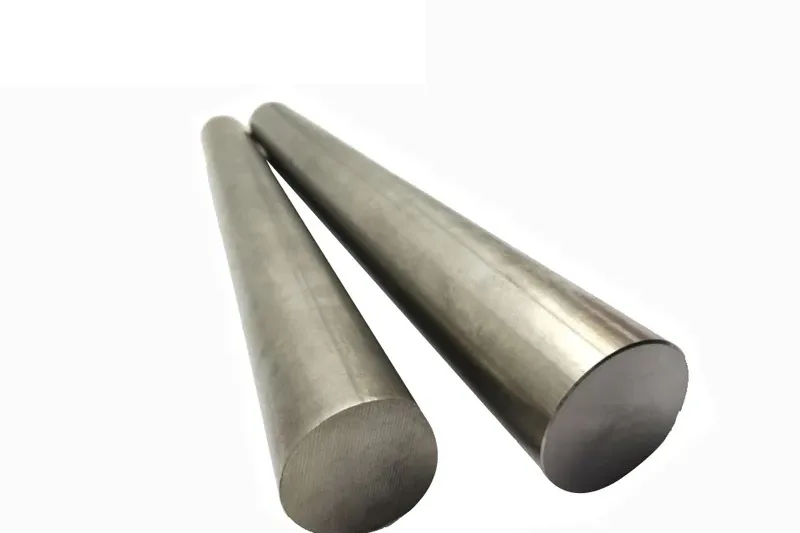
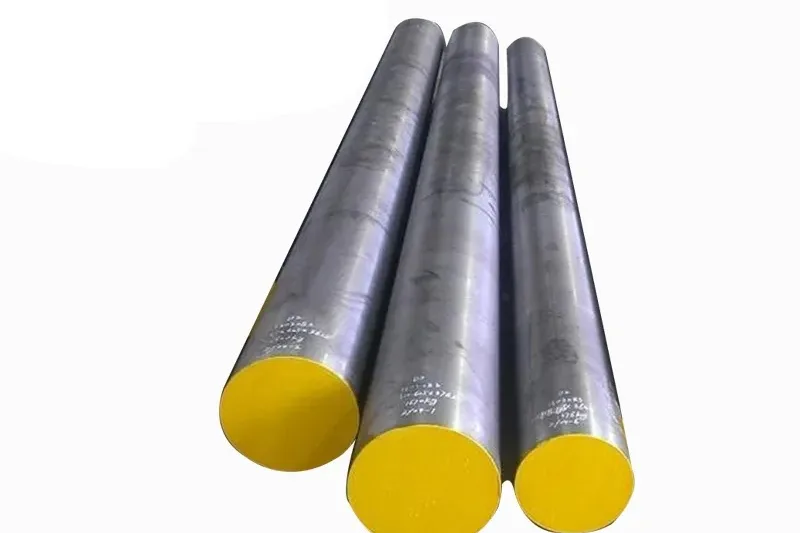
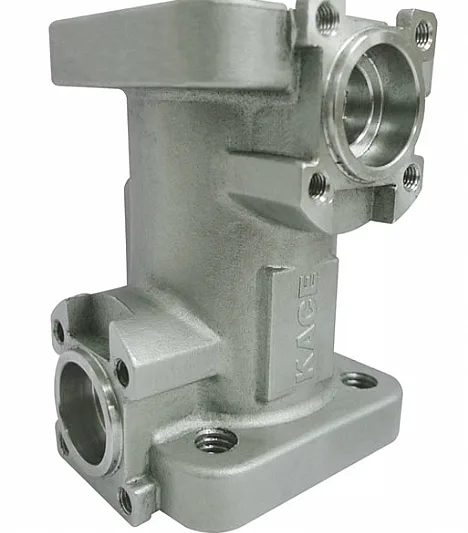
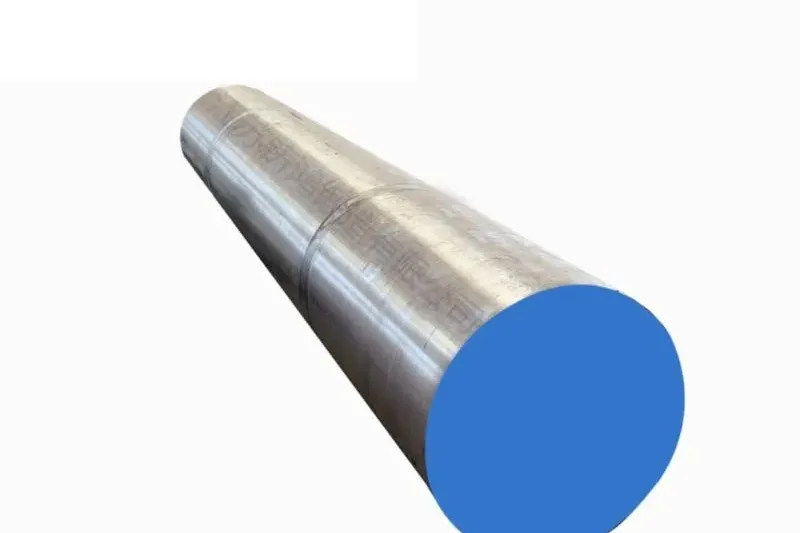
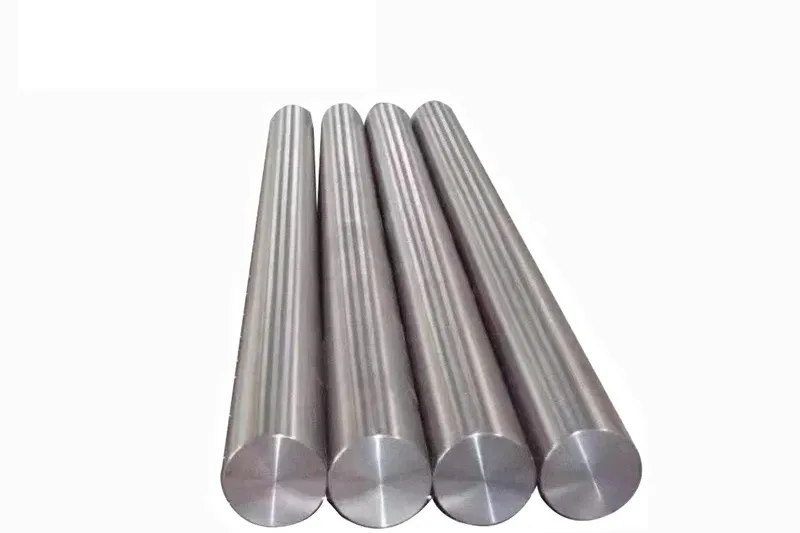
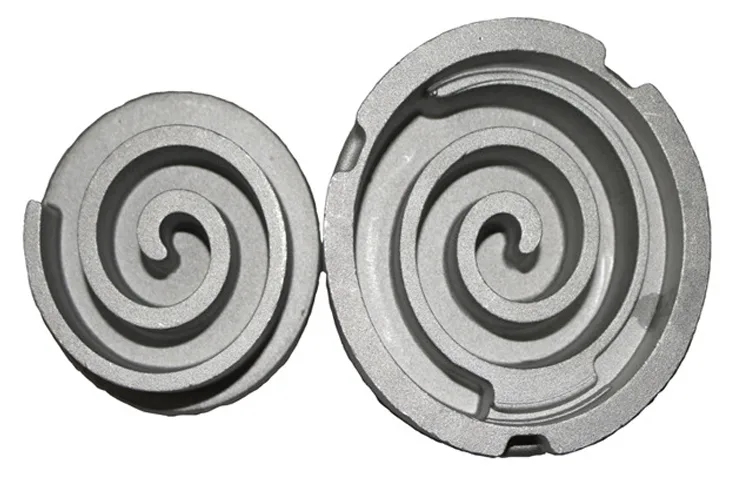
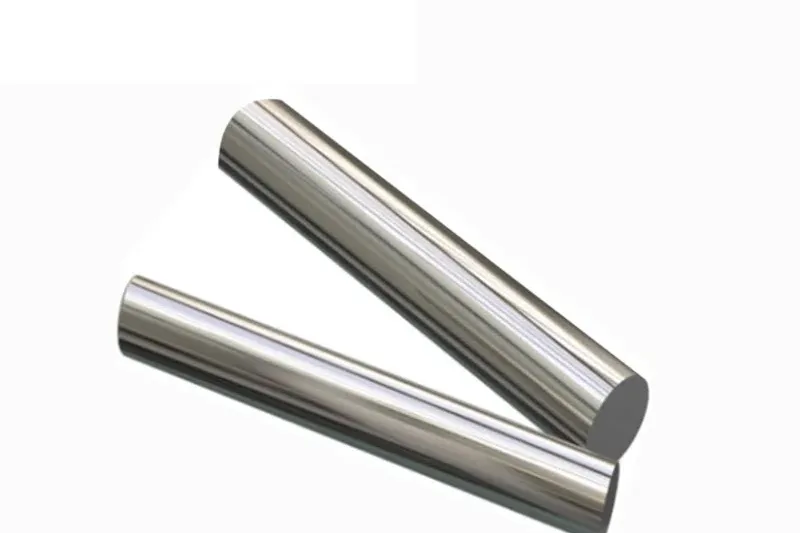
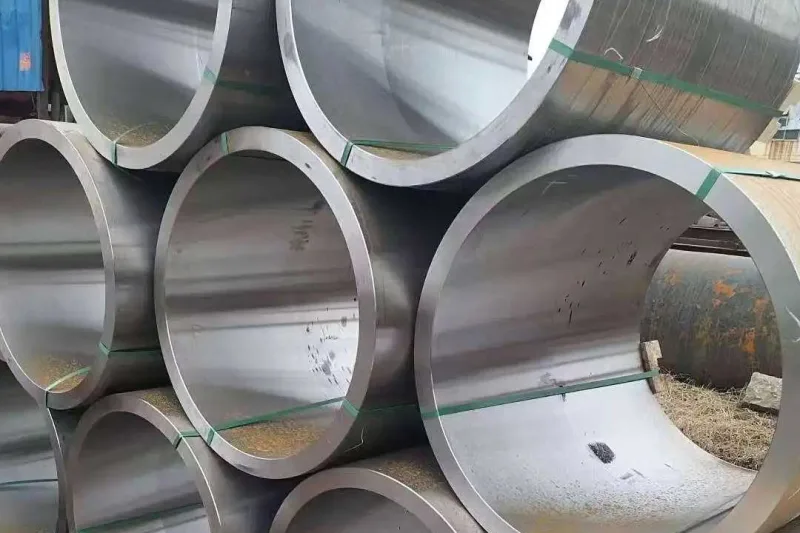
Flanged cylindrical forged blanks are essential basic components in modern mechanical manufacturing. They are formed from high-quality metal materials through high-temperature plastic deformation processes, featuring a regular cylindrical body with ring-shaped flanges extending from one or both ends. This integrated design not only retains the mechanical advantages of the cylinder when subjected to combined axial and radial loads but also enables reliable connections to pipes, housings, or other transmission components via the flanges. As the initial form for subsequent precision machining, this blank plays a pivotal role in industrial equipment, serving as a bridge between upstream and downstream processes.
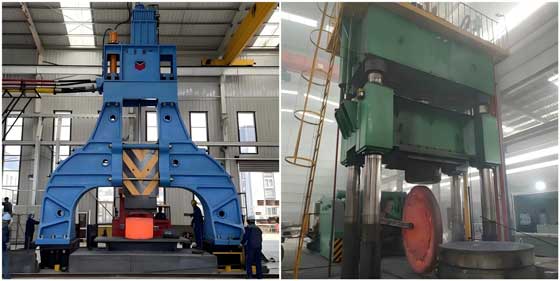
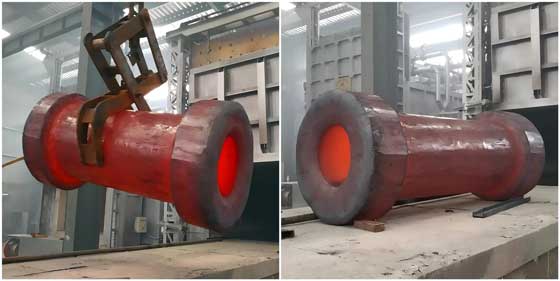
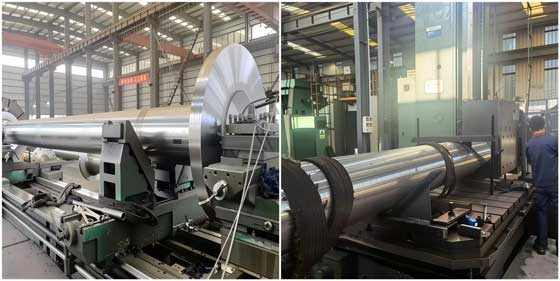
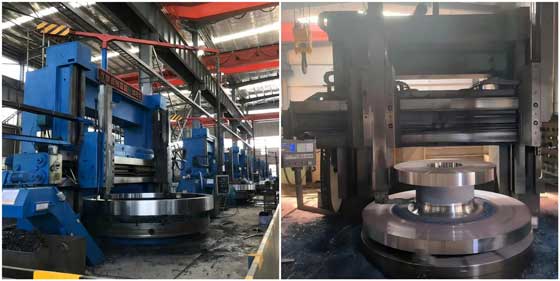
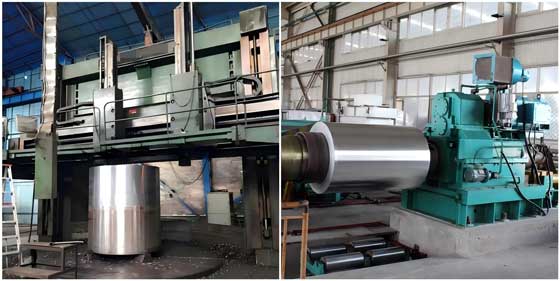
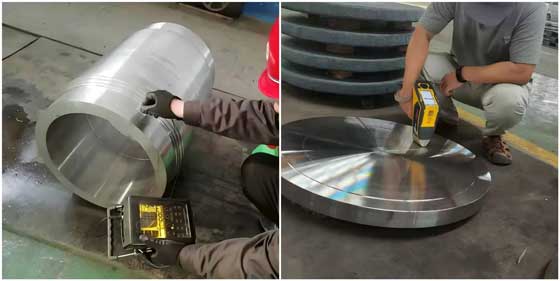
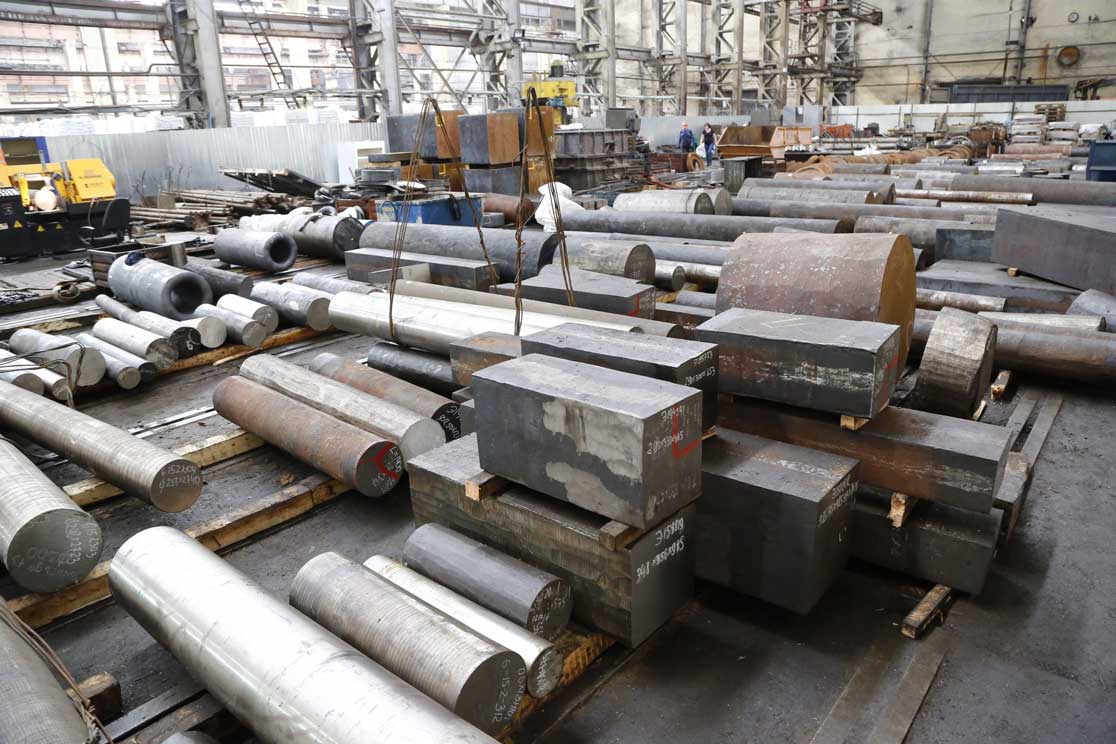
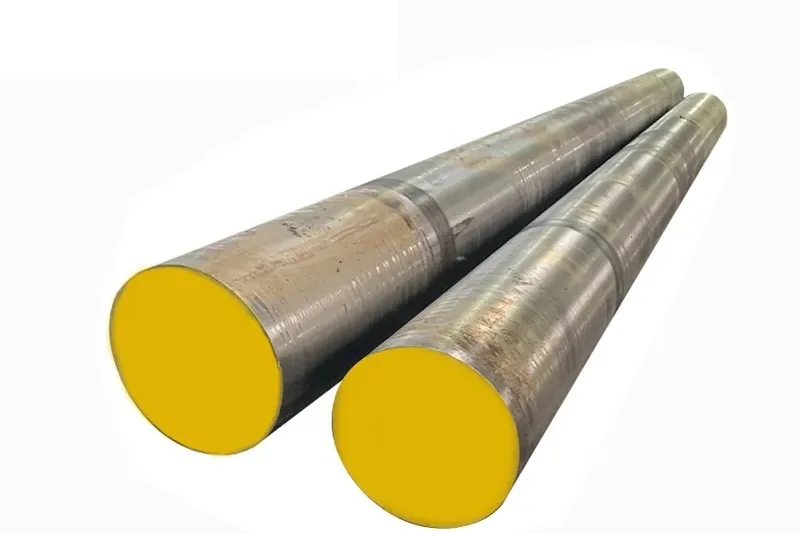
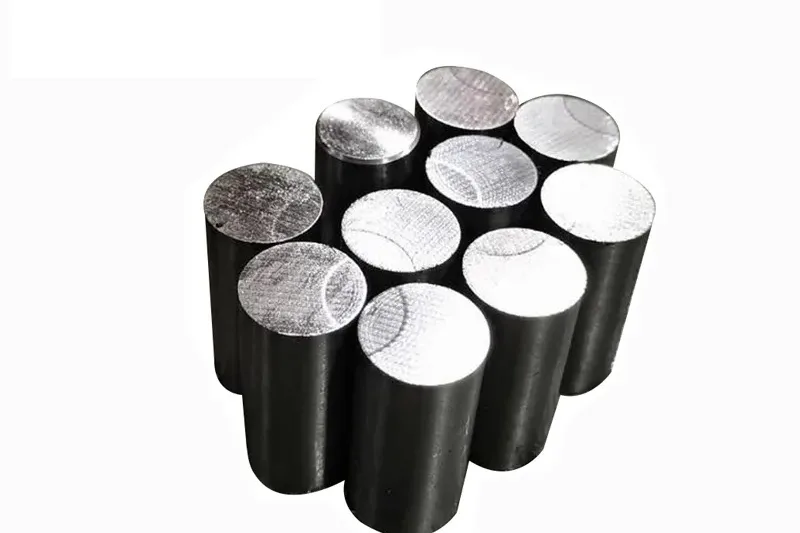
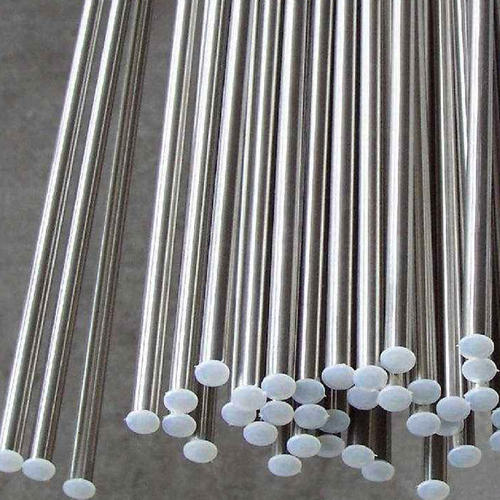
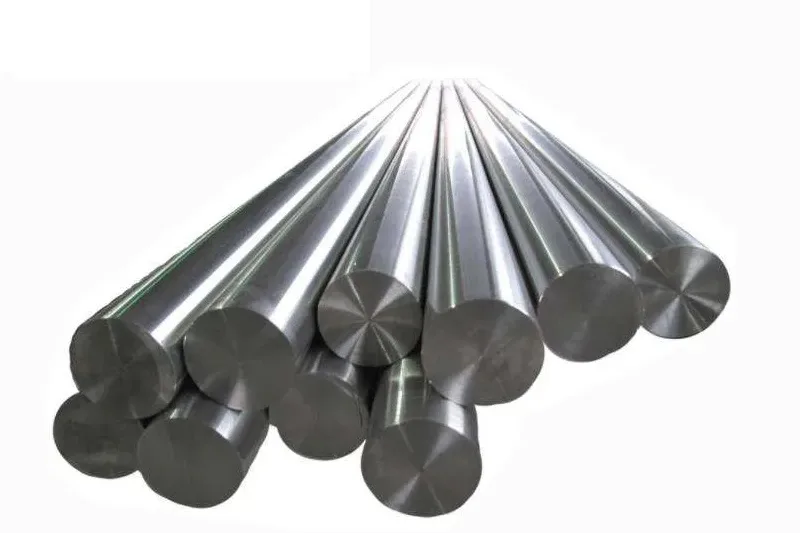
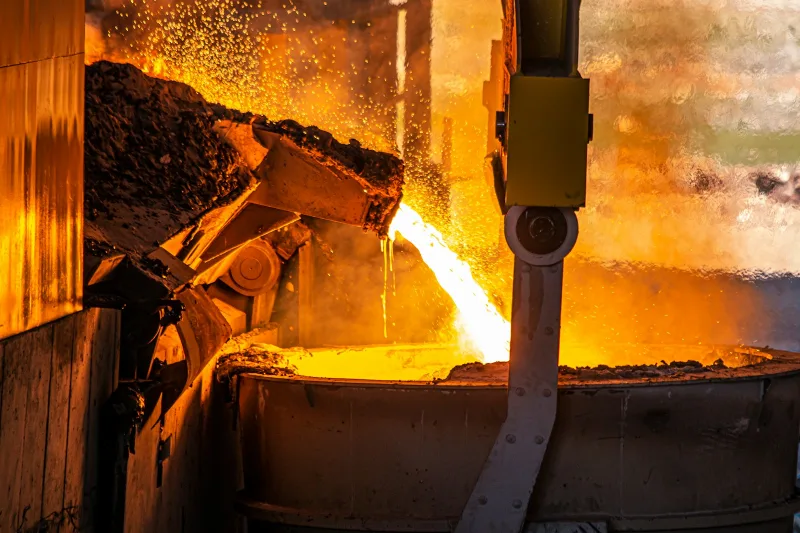
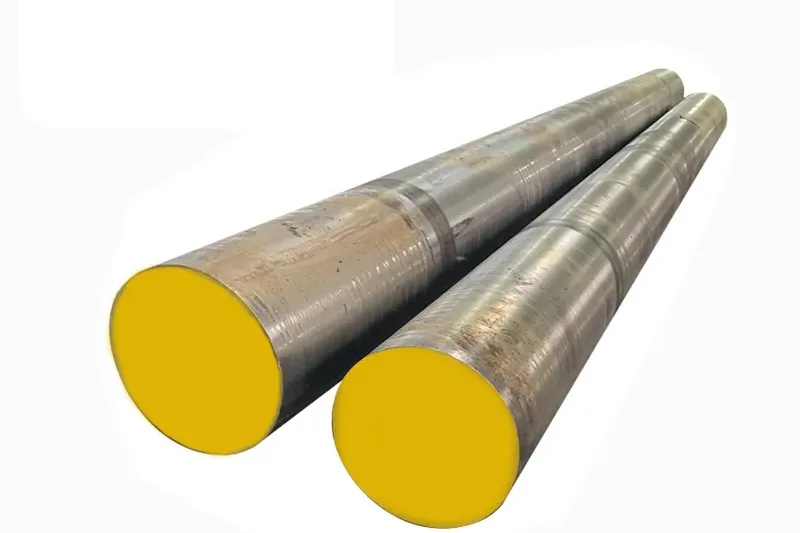
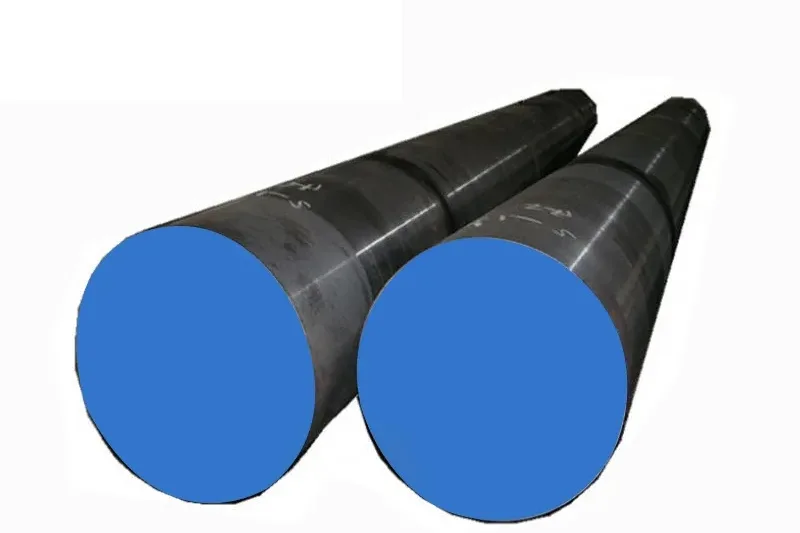
The production process strictly adheres to modern forging standards and typically utilizes high-performance materials such as alloy structural steel, stainless steel, or high-temperature-resistant alloys. First, the metal billet is heated to the optimal temperature range for plastic deformation, followed by multidirectional upsetting and drawing on large hydraulic presses or forging presses to ensure that the metal’s internal flow lines naturally align with the contour. The flange section is typically formed using closed-die forging or open-die forging combined with localized hole-expansion techniques, ensuring uniform thickness and the absence of internal defects such as folds or cracks. After forging, the blank undergoes normalizing or quenching and tempering heat treatment to eliminate residual stresses. Ultrasonic testing and hardness testing are then performed to verify metallurgical quality, providing a stable reference for subsequent machining operations such as turning and milling.
The structural characteristics of this blank confer significant engineering performance advantages. The forging process fully refines the metal grains and aligns them in the direction of stress, substantially enhancing the material’s tensile strength, fatigue life, and impact toughness. The integrated forming of the flange and cylindrical body completely eliminates the issues of heat-affected zone weakening and stress concentration associated with traditional welding processes, thereby enhancing the overall structural integrity, sealing performance, and long-term operational reliability. Under high-pressure, high-temperature, or highly corrosive operating conditions, these blanks maintain excellent dimensional stability and mechanical integrity, effectively reducing the frequency of equipment downtime for maintenance. At the same time, the widespread application of near-net-shape forming technology significantly reduces machining allowances, improving material utilization and production efficiency.