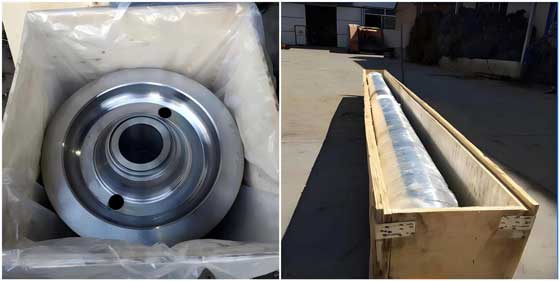
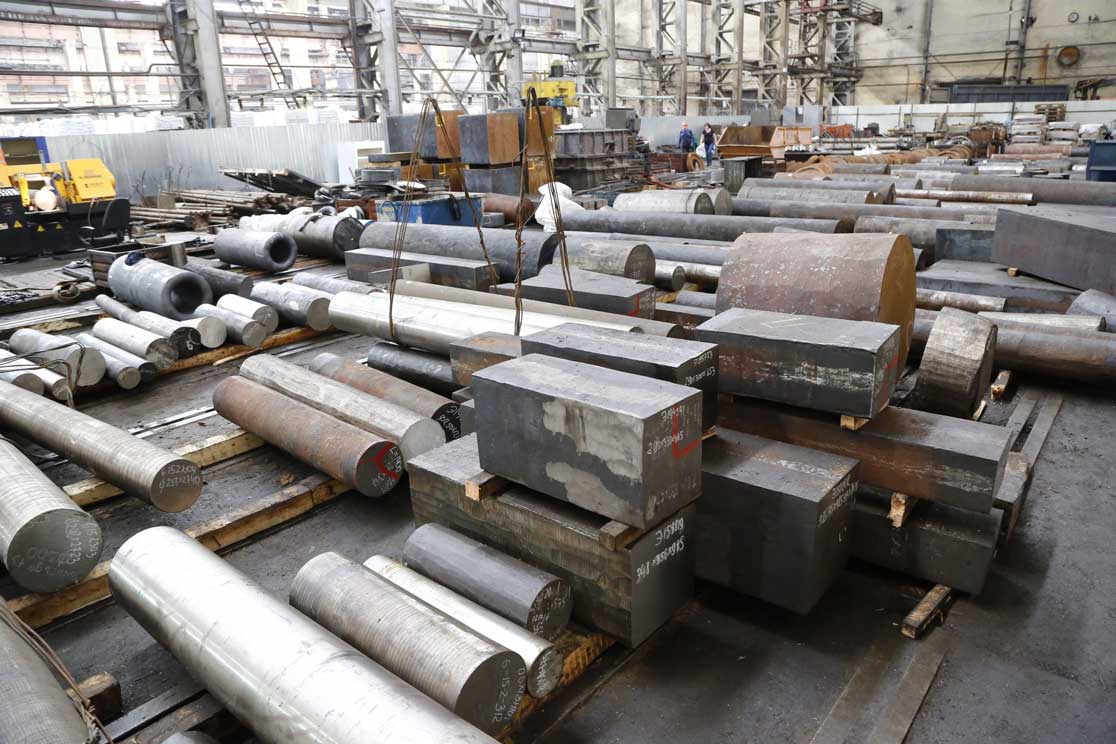
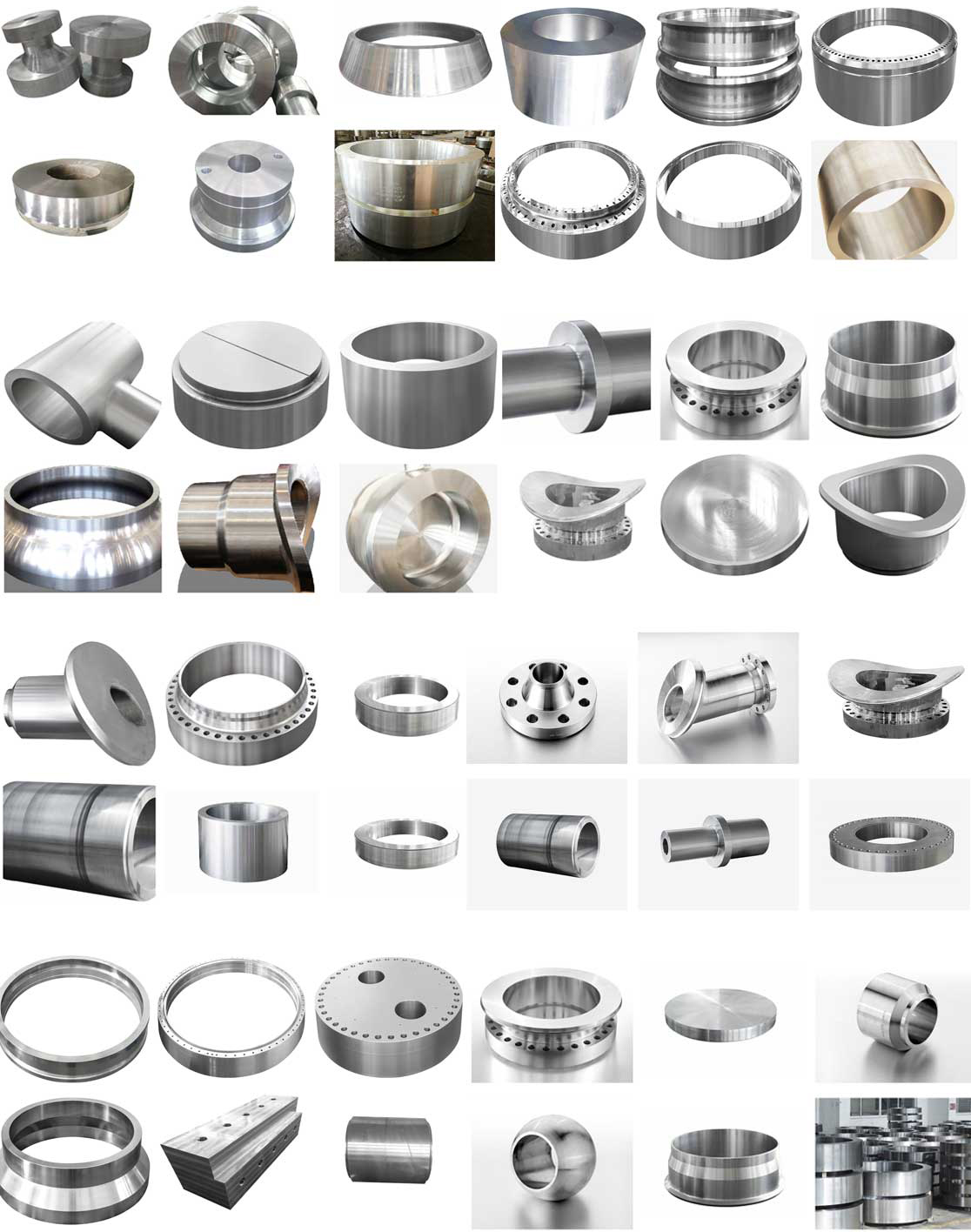
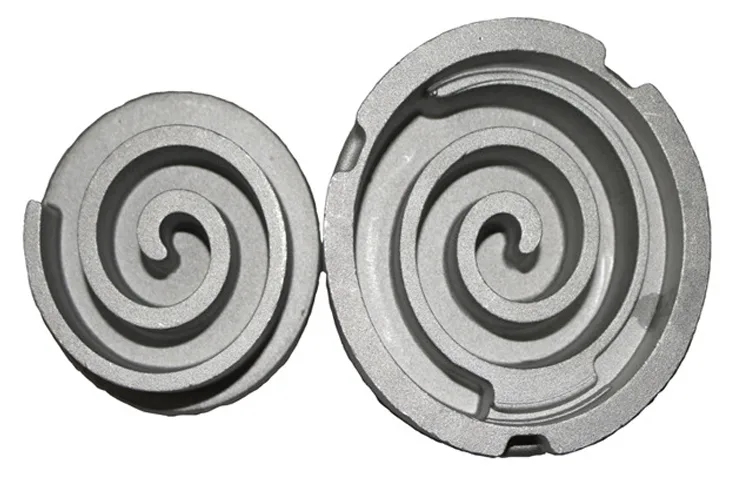
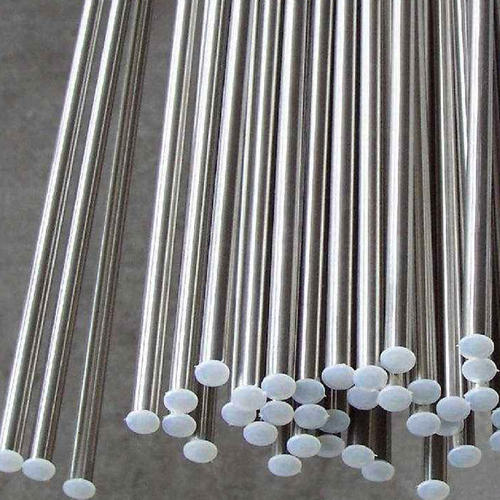
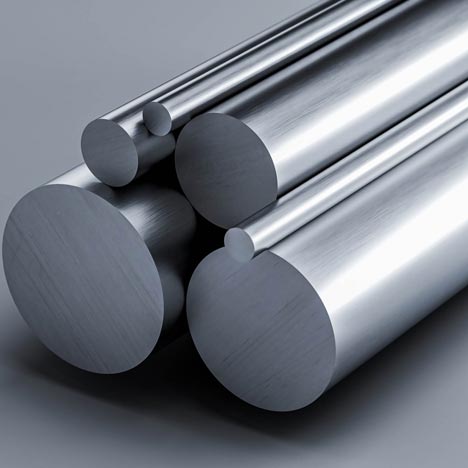
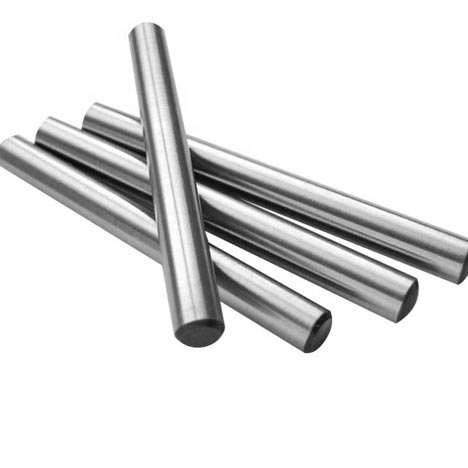
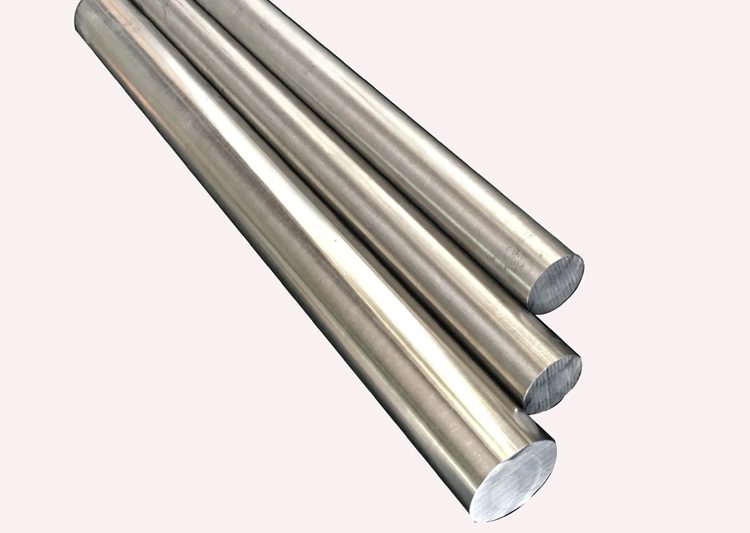
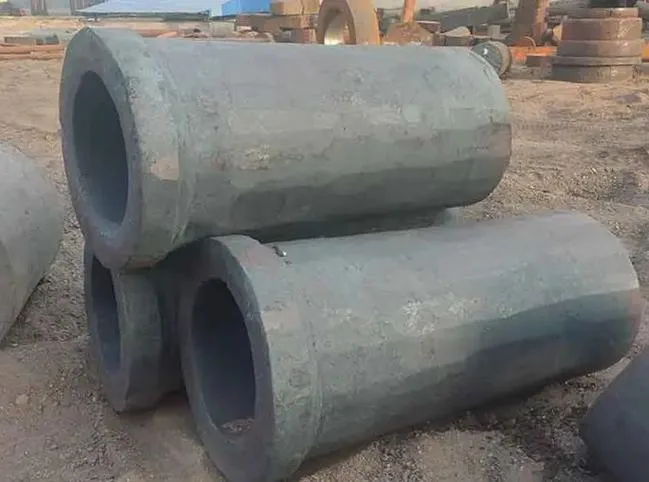
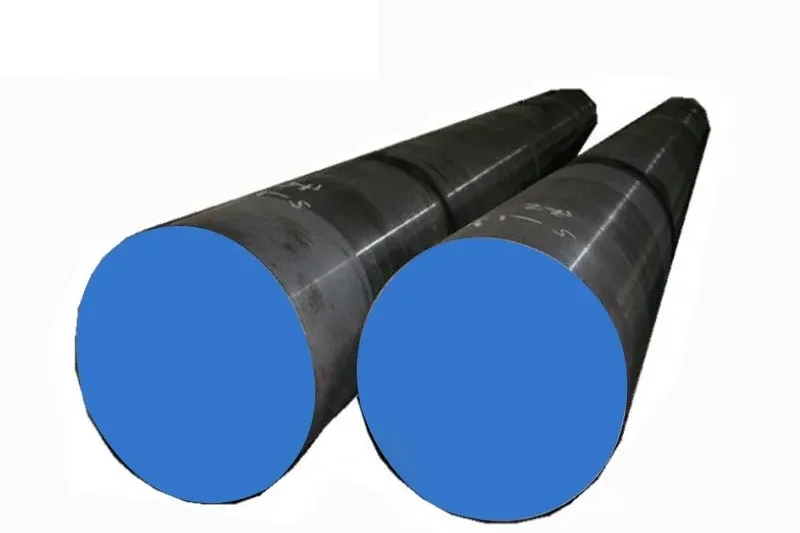
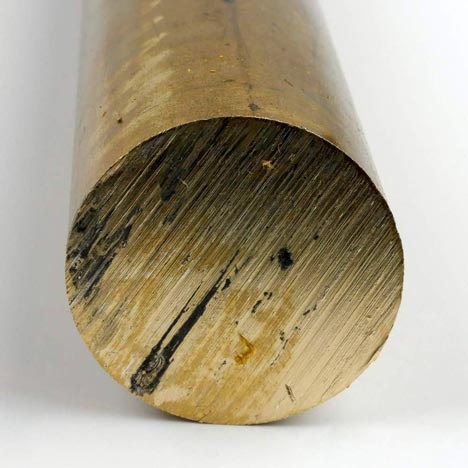
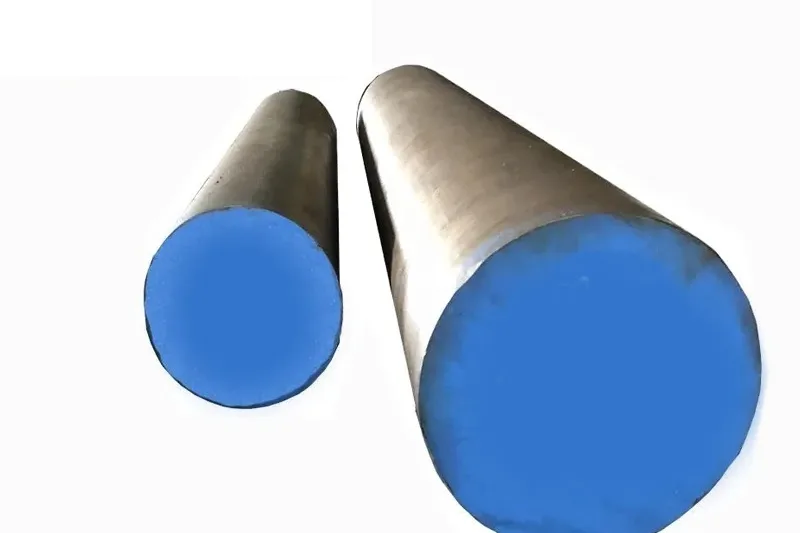
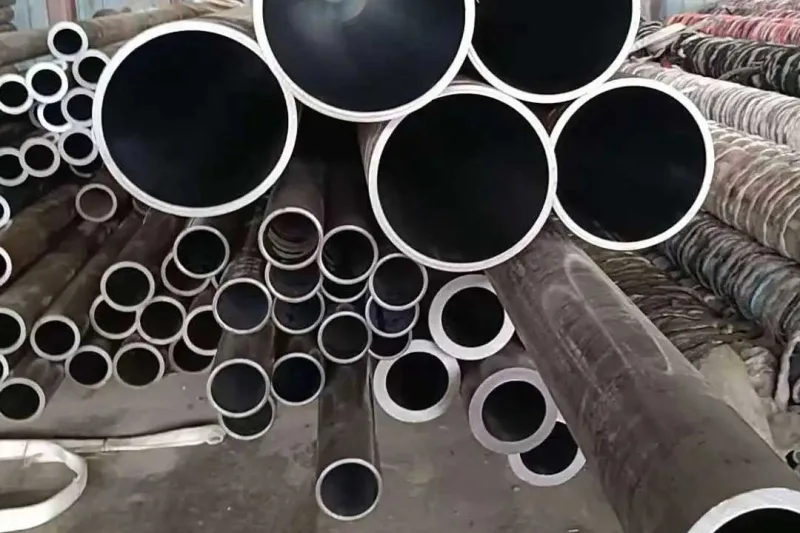
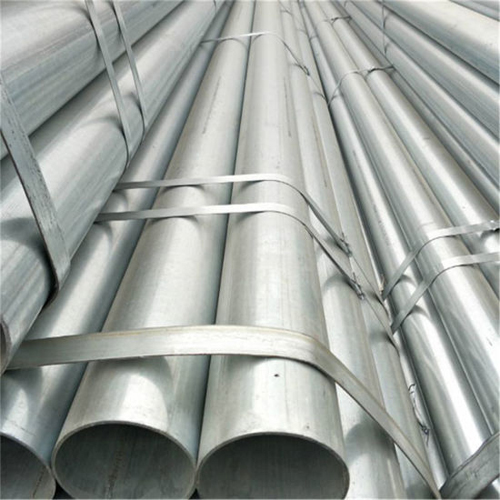
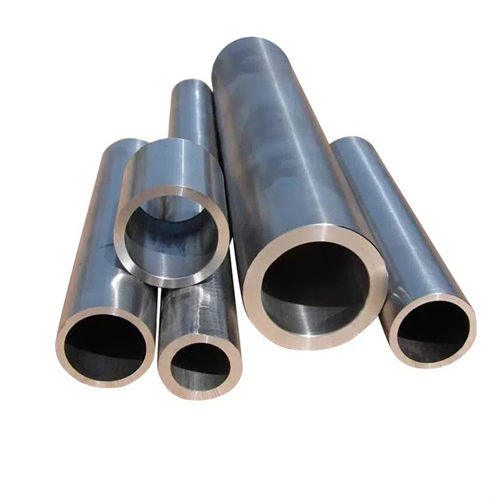
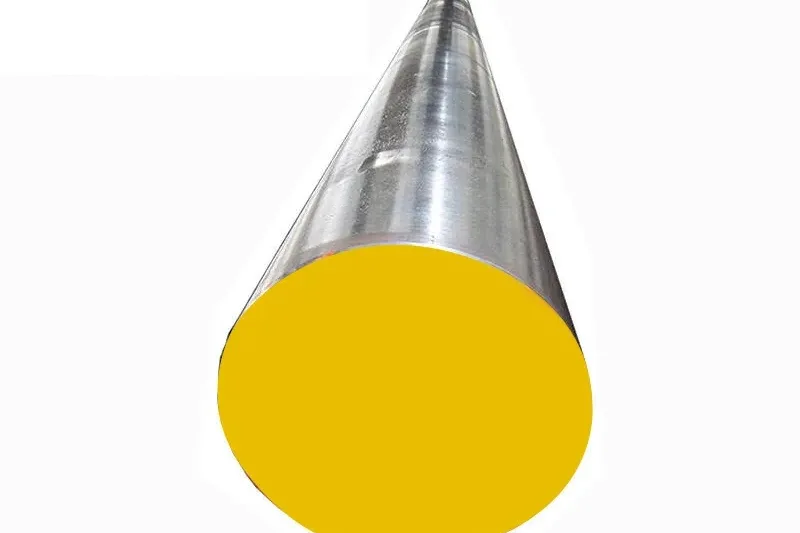
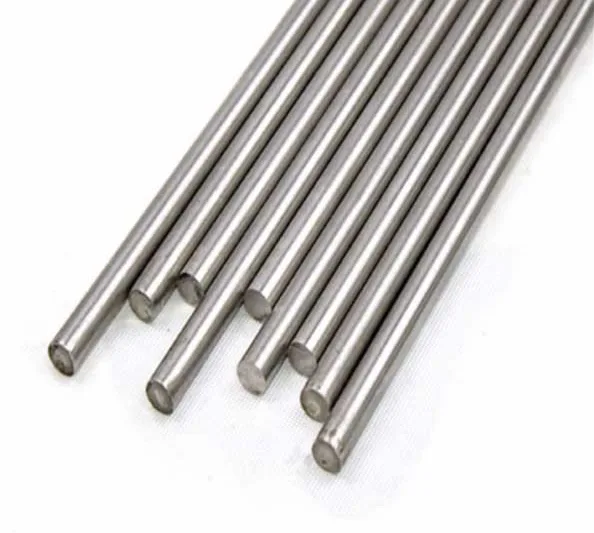
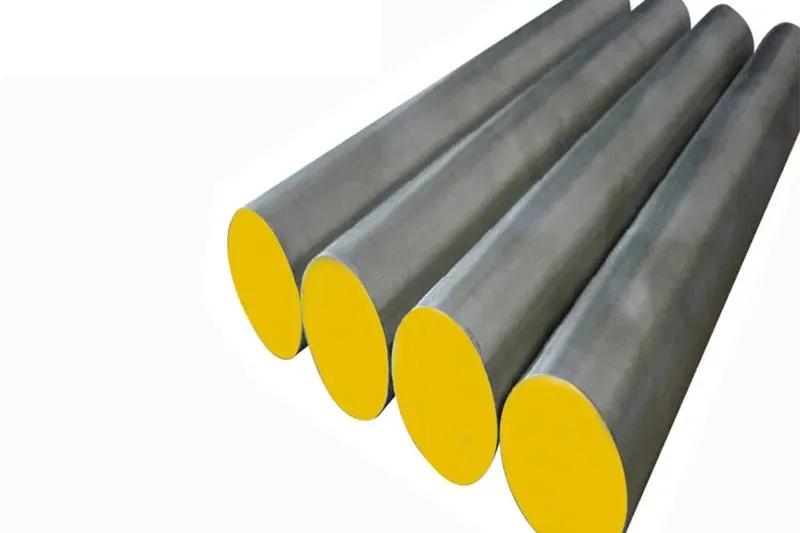
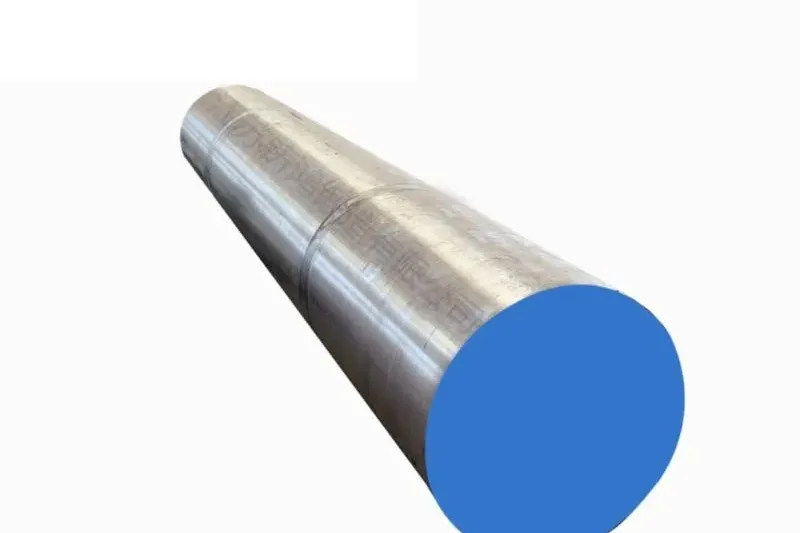
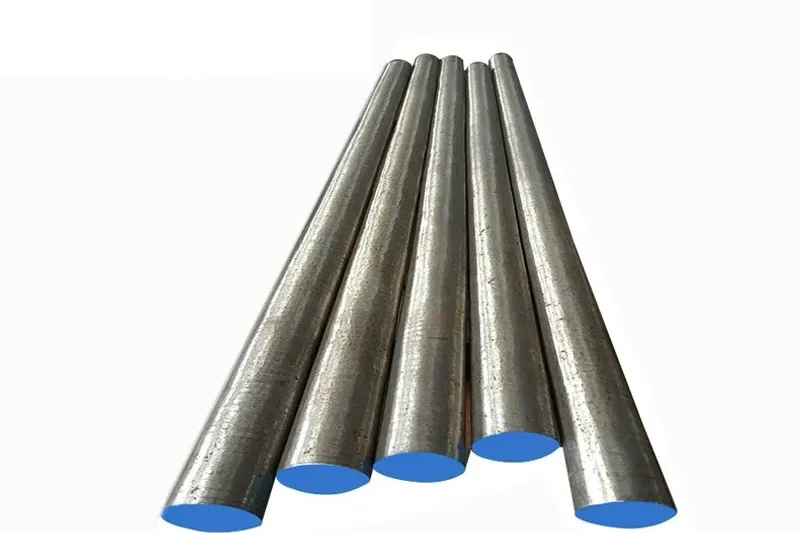
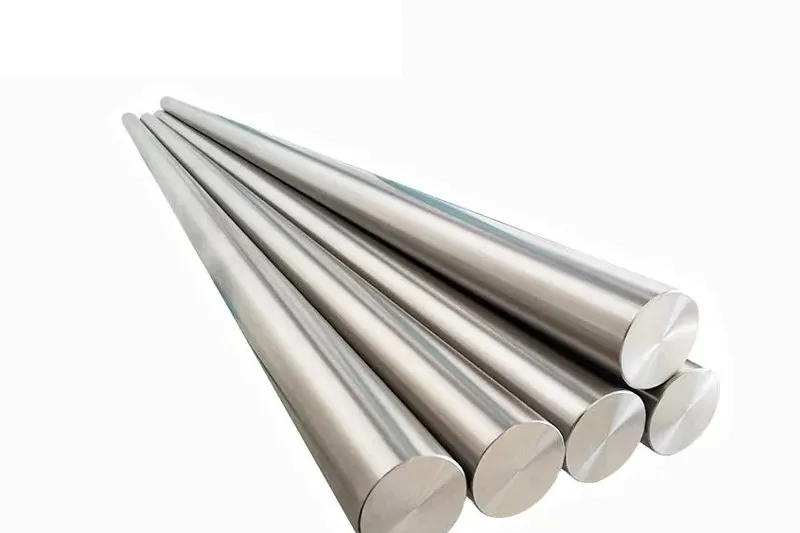
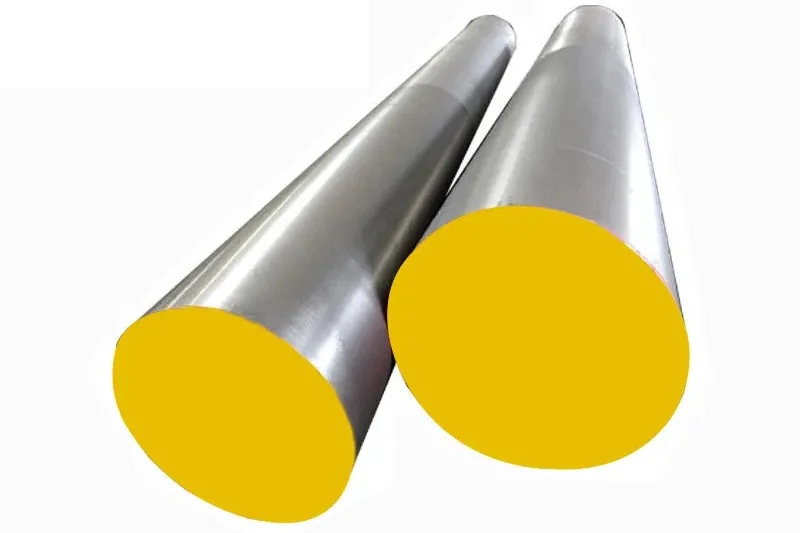
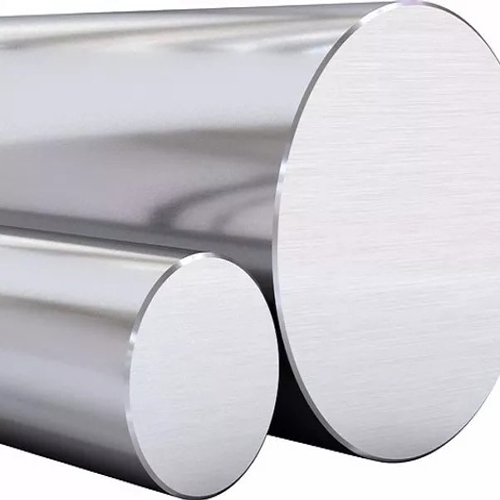
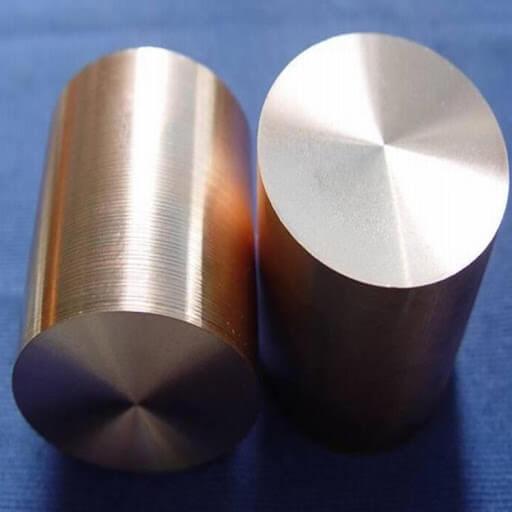
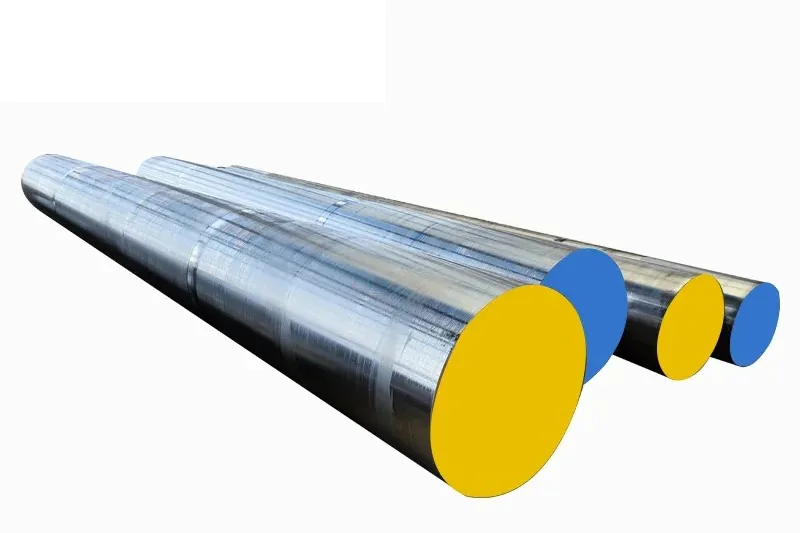
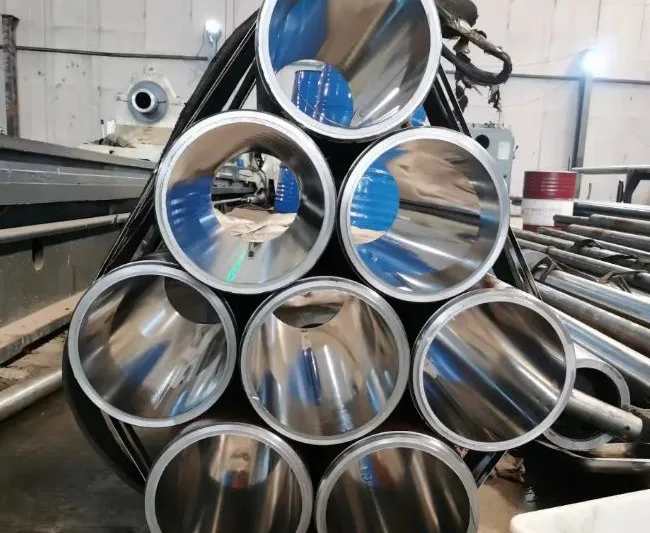
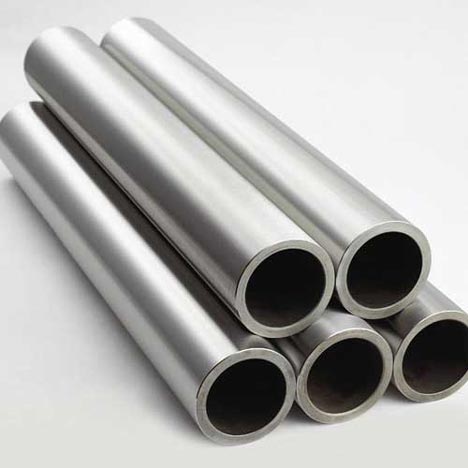
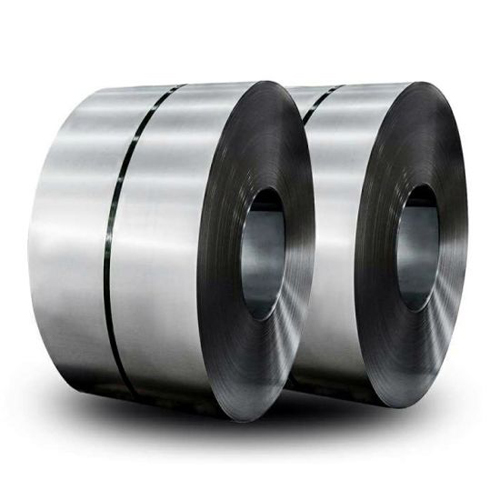
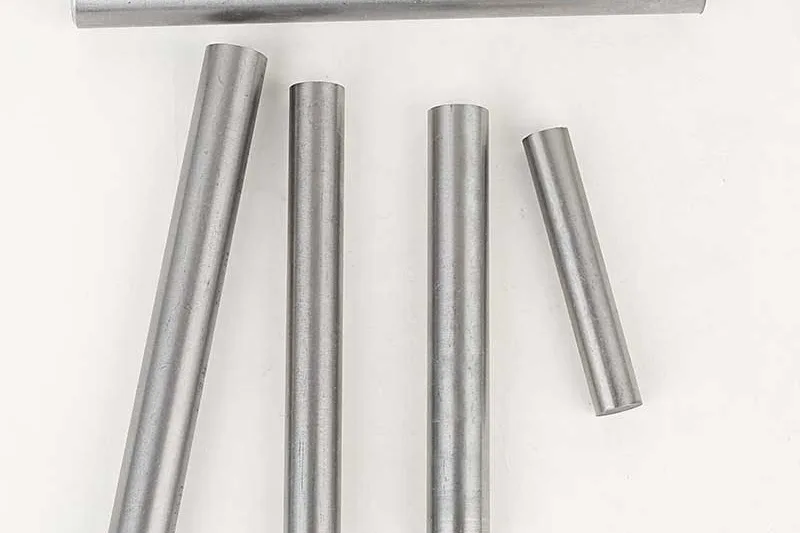
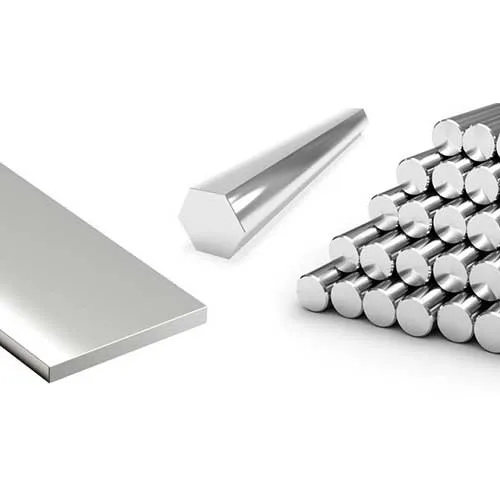
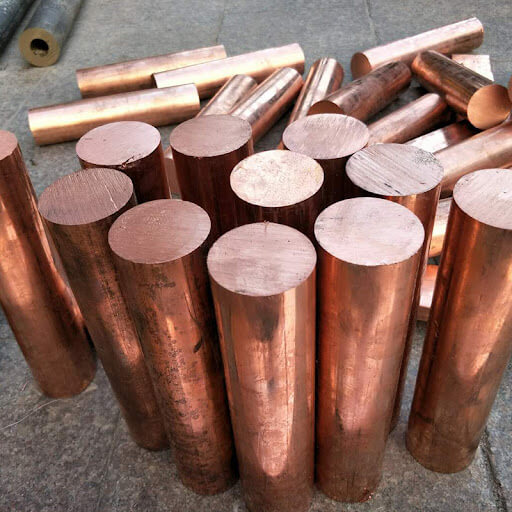
Forged Steel Round Bars
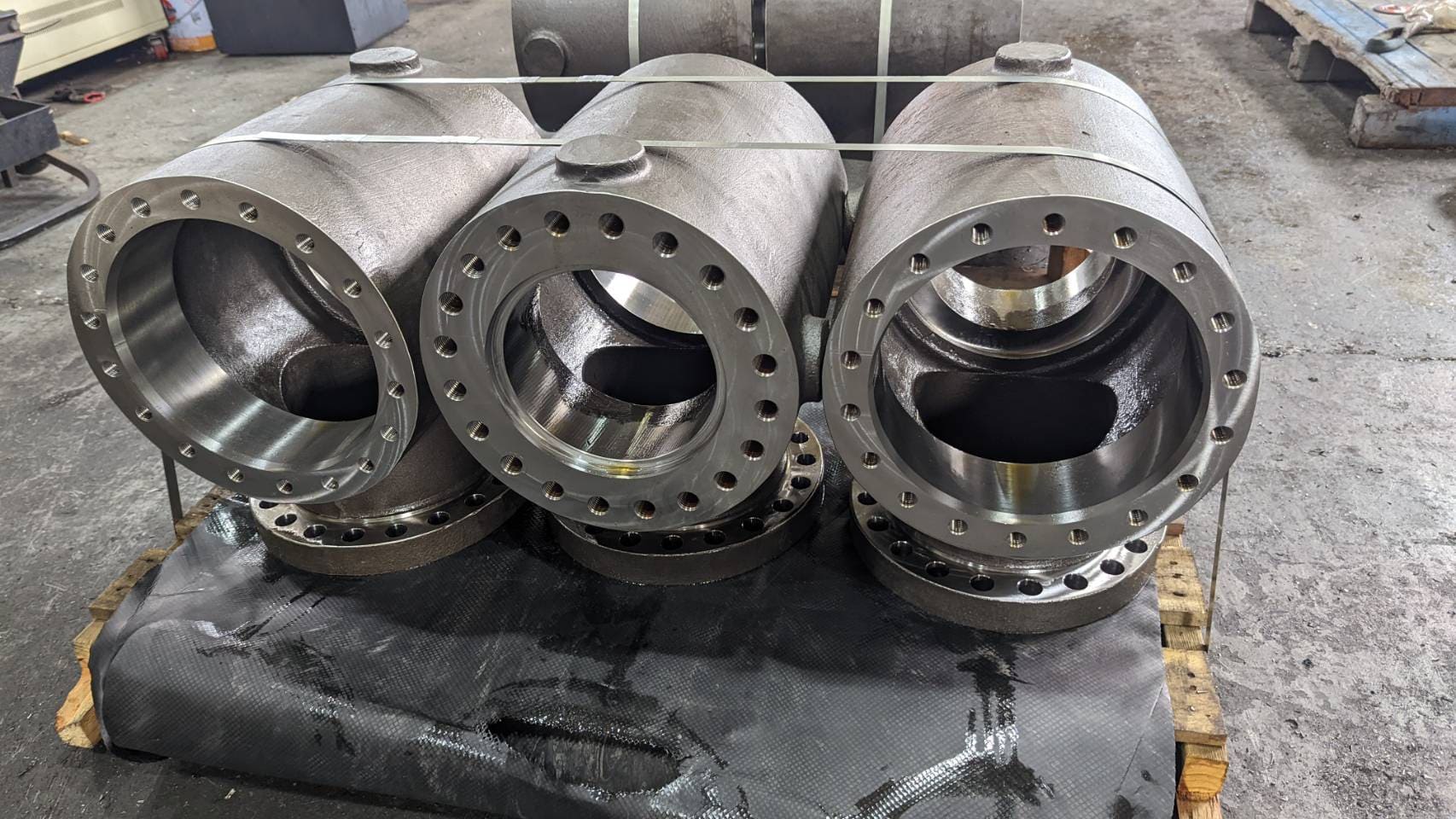
Forged Steel Round Bars: Strength and Versatility in Industrial Applications
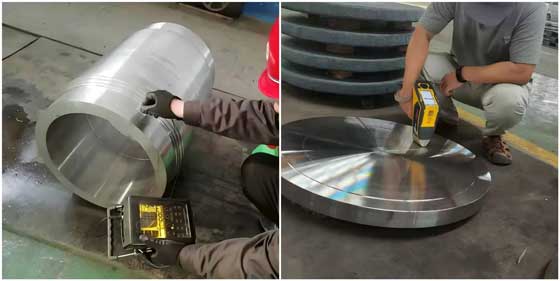
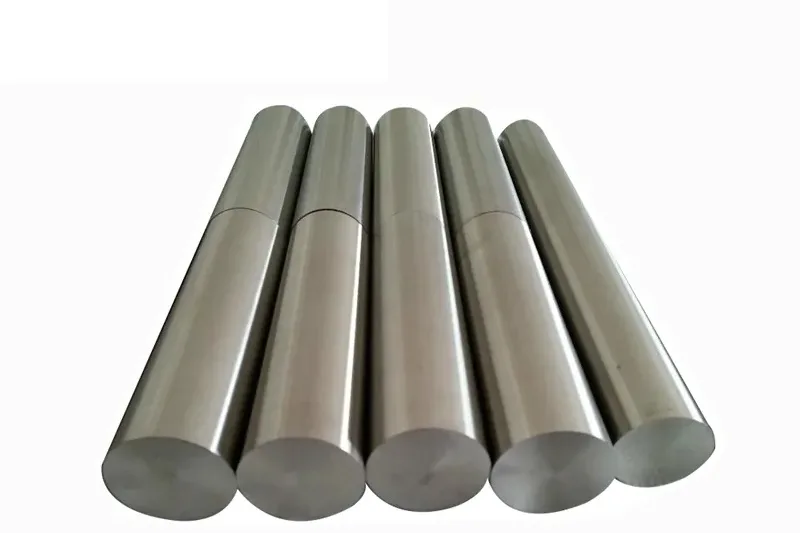
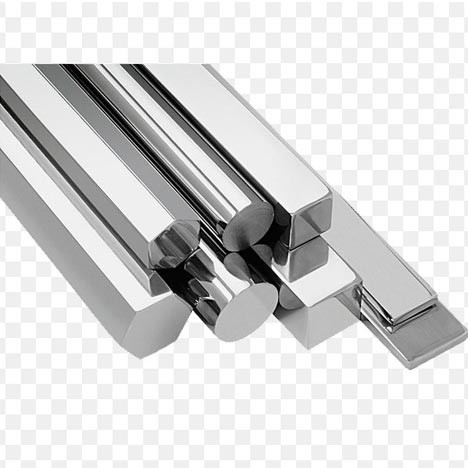
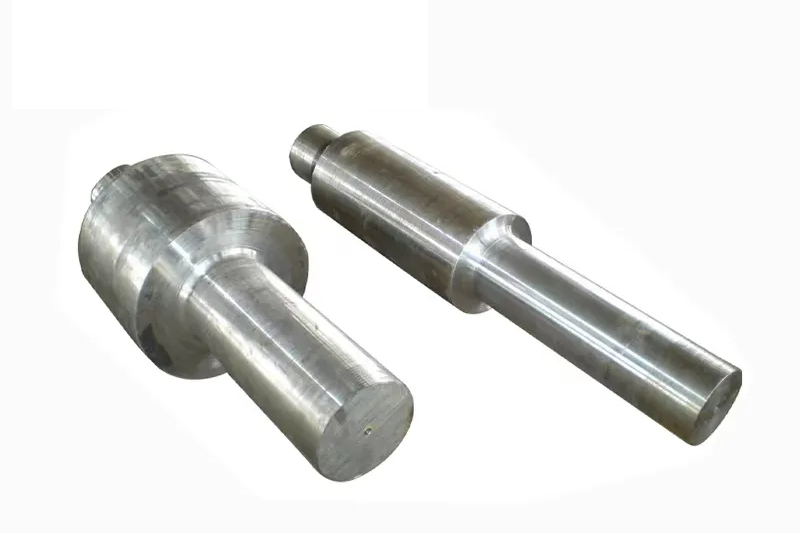
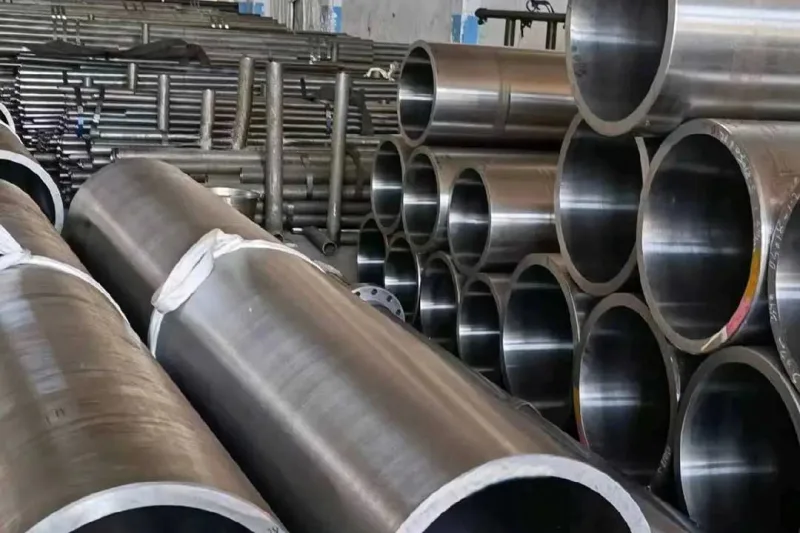
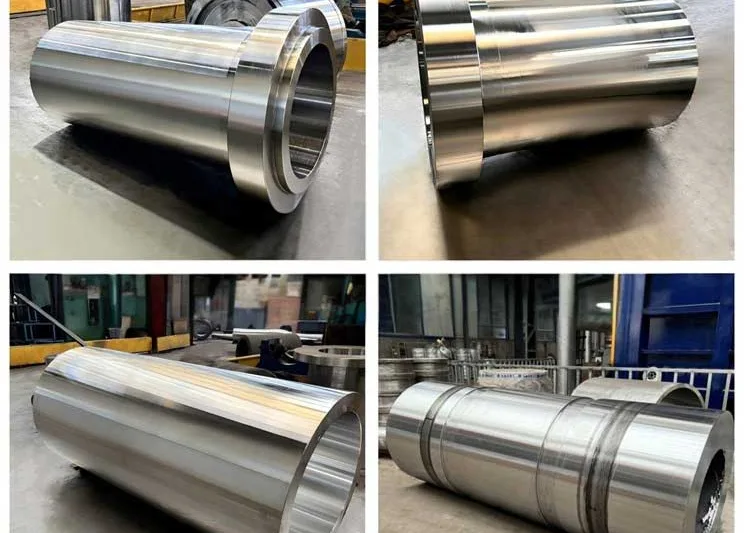
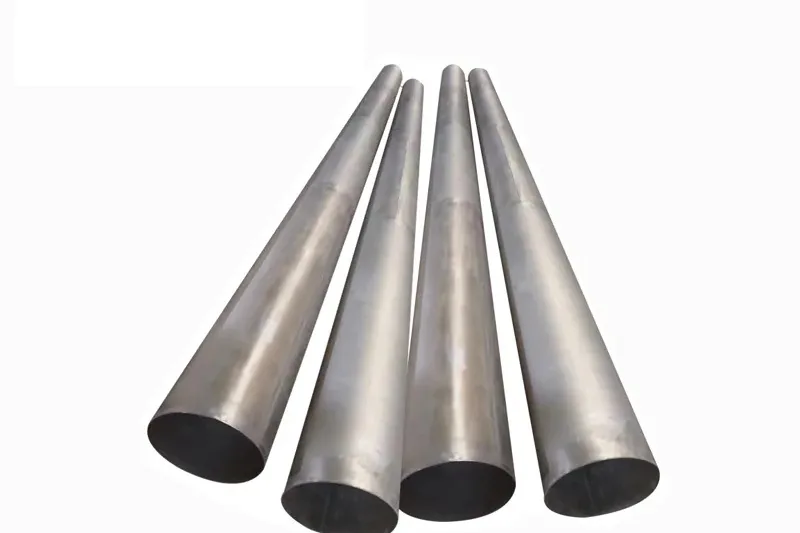
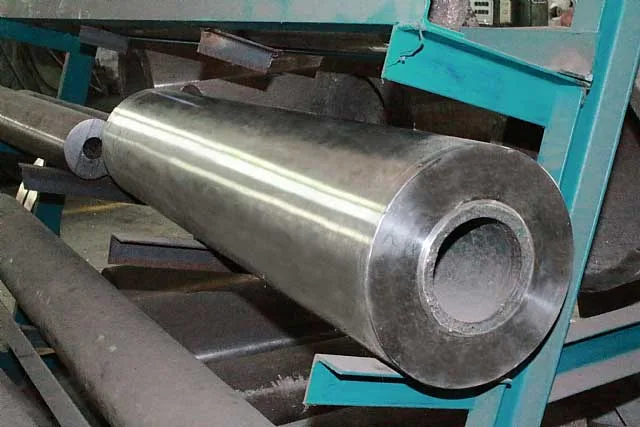
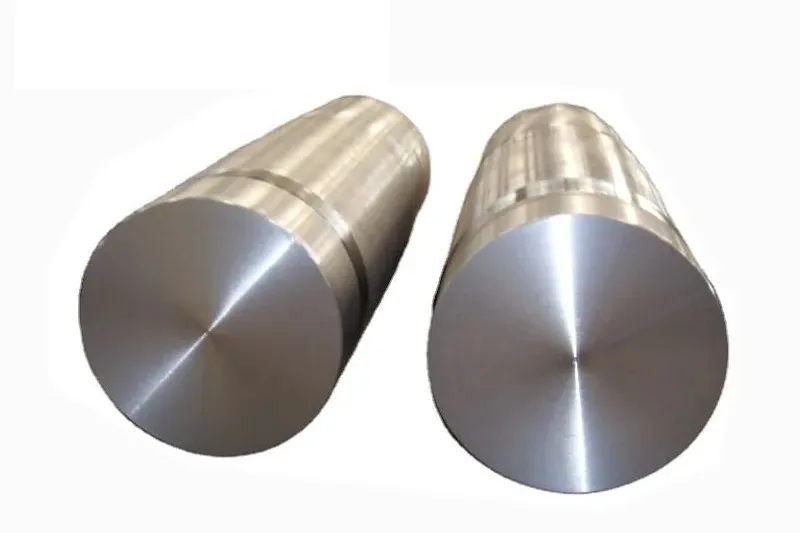
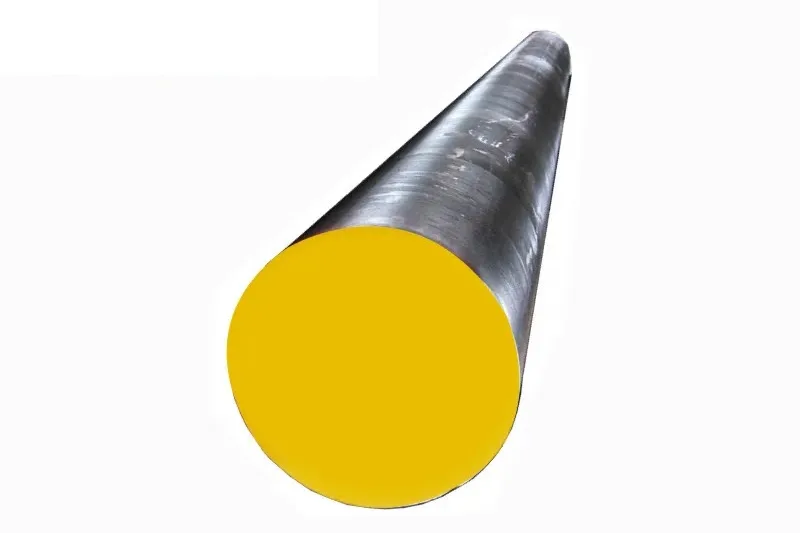
Forged steel round bars stand out as a fundamental component in various industries due to their exceptional strength, durability, and resistance to wear. Unlike their cast or machined counterparts, forged steel round bars undergo a process that aligns the metal's grain structure, enhancing their mechanical properties significantly. This makes them an ideal choice for applications where reliability under stress is paramount.
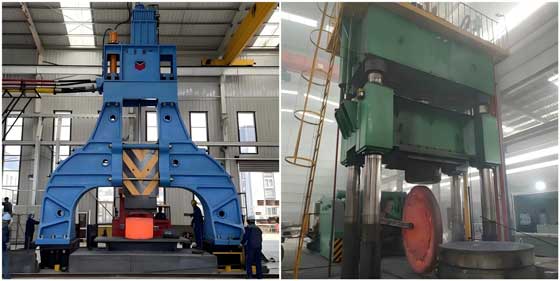
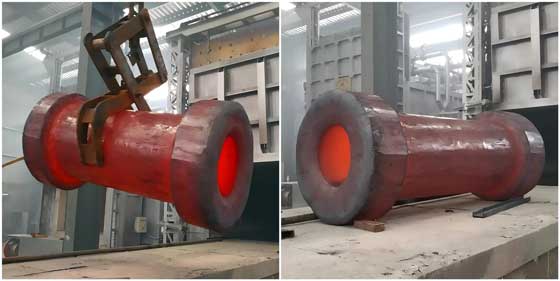
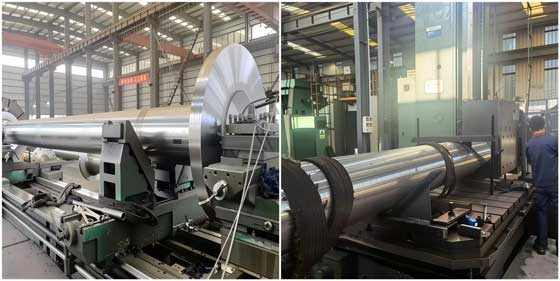
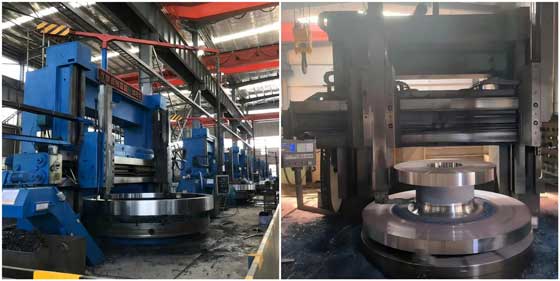
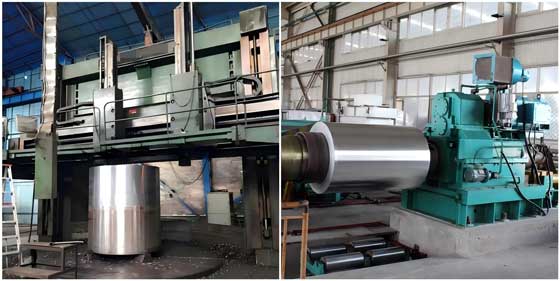
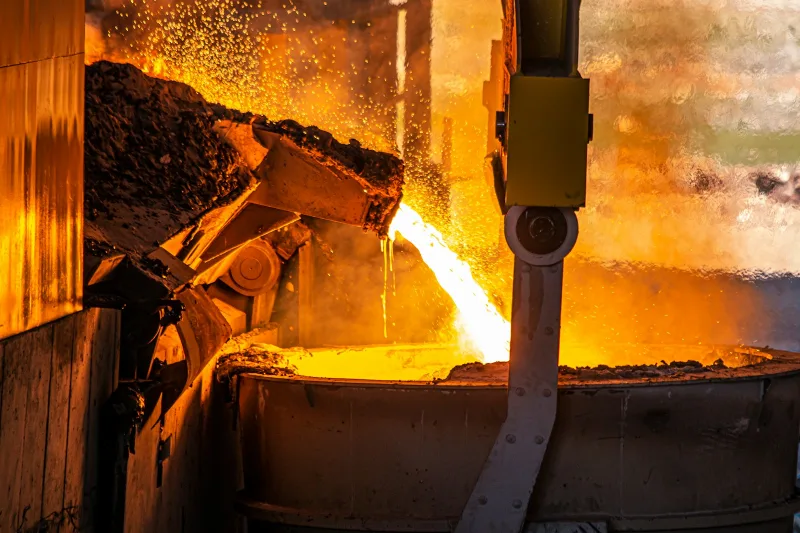
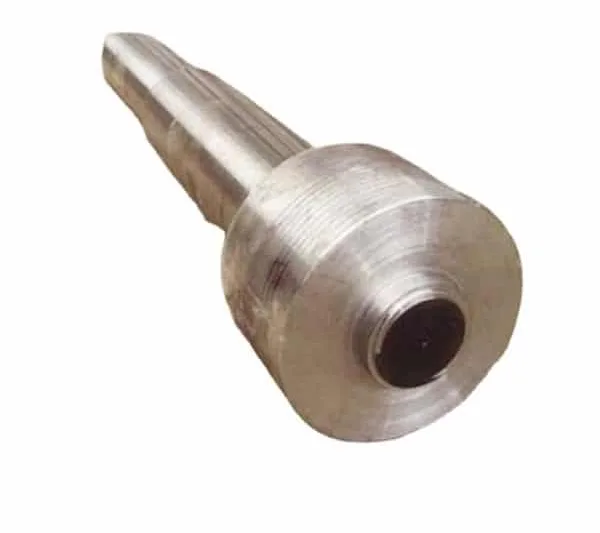
The manufacturing process of forged steel round bars begins with heating carbon steel or alloy steel billets to high temperatures, making them pliable. These heated billets are then shaped using compressive forces applied by forging machines. The forging process can be categorized into different types, such as open-die forging, closed-die forging, and roll forging, each offering distinct advantages depending on the desired shape and application of the final product.
One significant advantage of forged steel over other forms of steel processing lies in its grain flow. During the forging process, the natural grain pattern of the steel is manipulated to follow the contours of the part being made. This results in improved tensile strength, fatigue resistance, and impact toughness compared to parts manufactured through casting or machining methods. Consequently, forged steel round bars are less likely to fail under extreme conditions, rendering them suitable for critical components in automotive, aerospace, construction, and heavy machinery sectors.
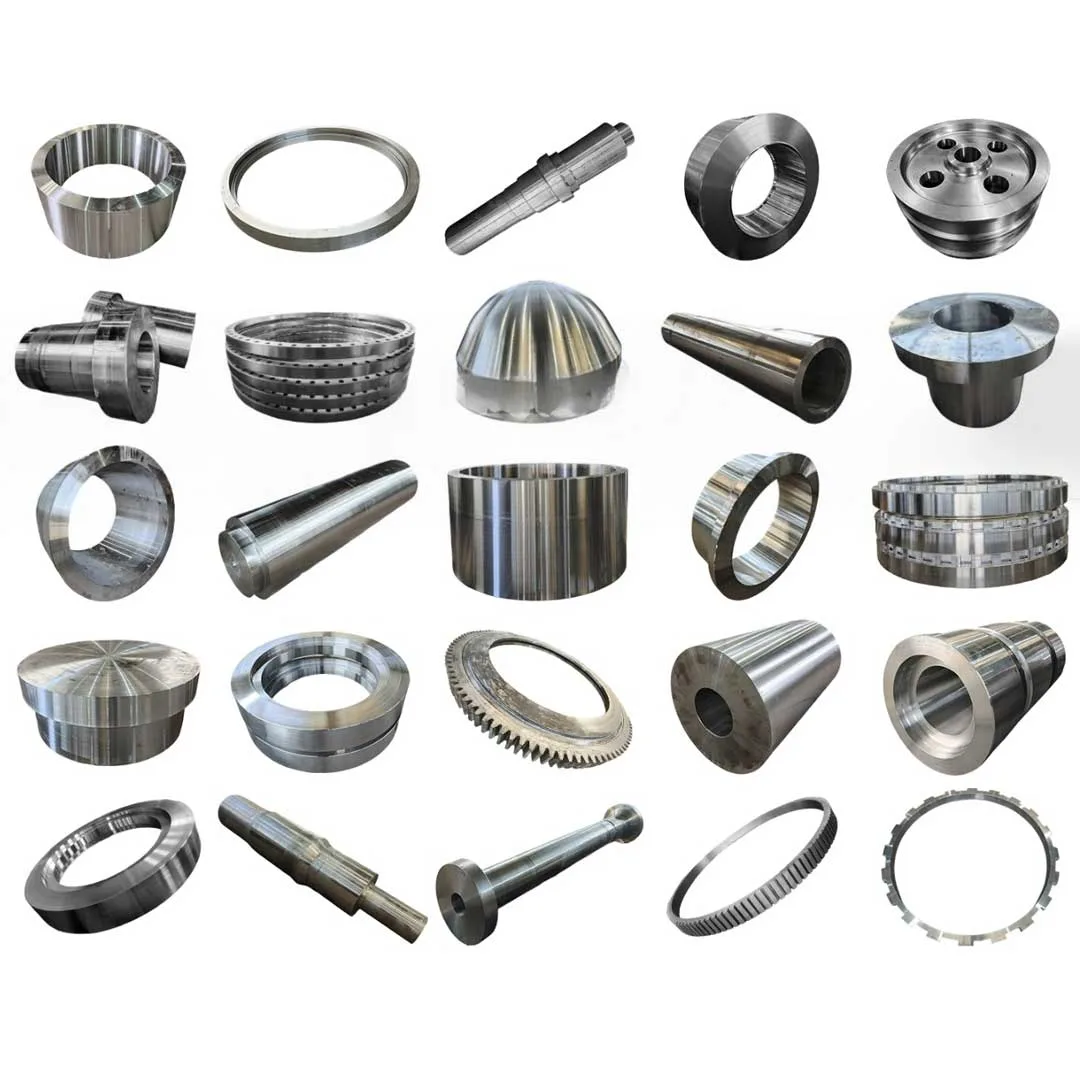
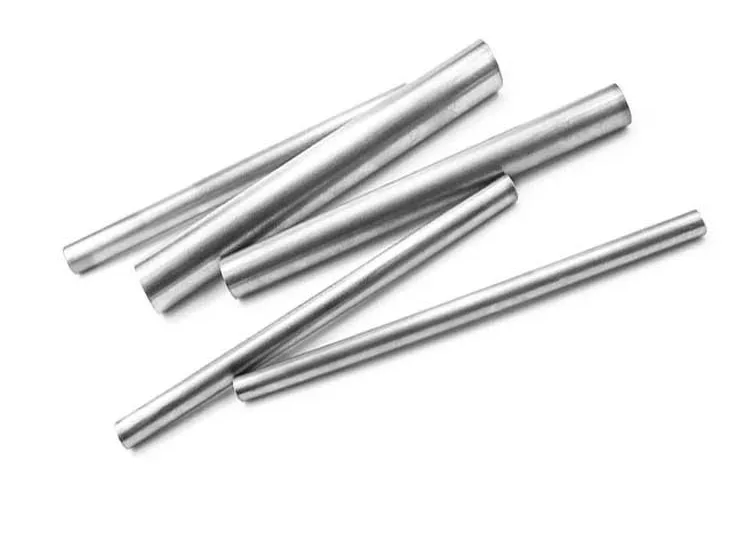
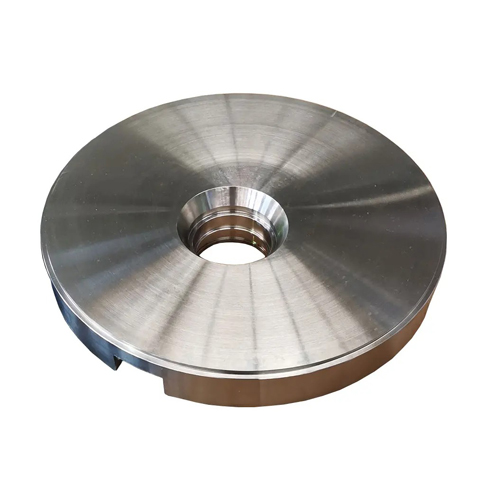
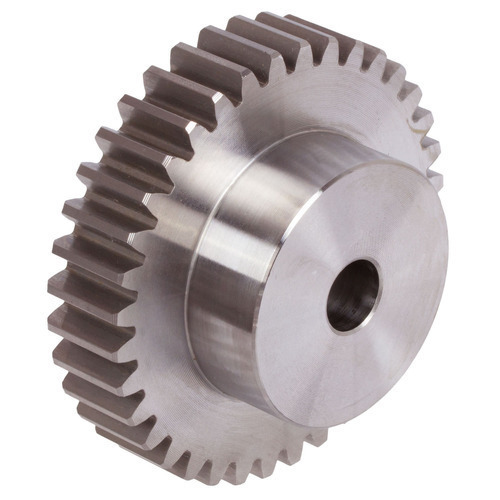
Moreover, the versatility of forged steel round bars extends beyond just structural integrity. They serve as raw materials for producing bolts, shafts, axles, and other machine elements. In addition, they find extensive use in the oil and gas industry for drilling equipment, thanks to their ability to withstand harsh environments characterized by high pressure and corrosive substances. Their excellent thermal conductivity also renders them useful in heat exchangers and similar devices.
Another noteworthy aspect of forged steel round bars is their sustainability factor. Given their robustness and longevity, these bars contribute to reducing waste and minimizing the need for replacements, thereby promoting eco-friendly practices within industries. Furthermore, advancements in technology have enabled manufacturers to optimize the forging process, ensuring energy efficiency and reduced environmental footprint without compromising quality.
In conclusion, forged steel round bars represent a cornerstone in modern industrial engineering owing to their superior physical characteristics and wide-ranging applicability. As industries continue to demand materials that offer both performance excellence and environmental responsibility, forged steel round bars remain at the forefront, meeting current needs while paving the way for future innovations. Whether it’s supporting massive structures or powering intricate machinery, the role of forged steel round bars underscores their indispensability across diverse technological landscapes.