Lower Clad Tube Sheet Forging
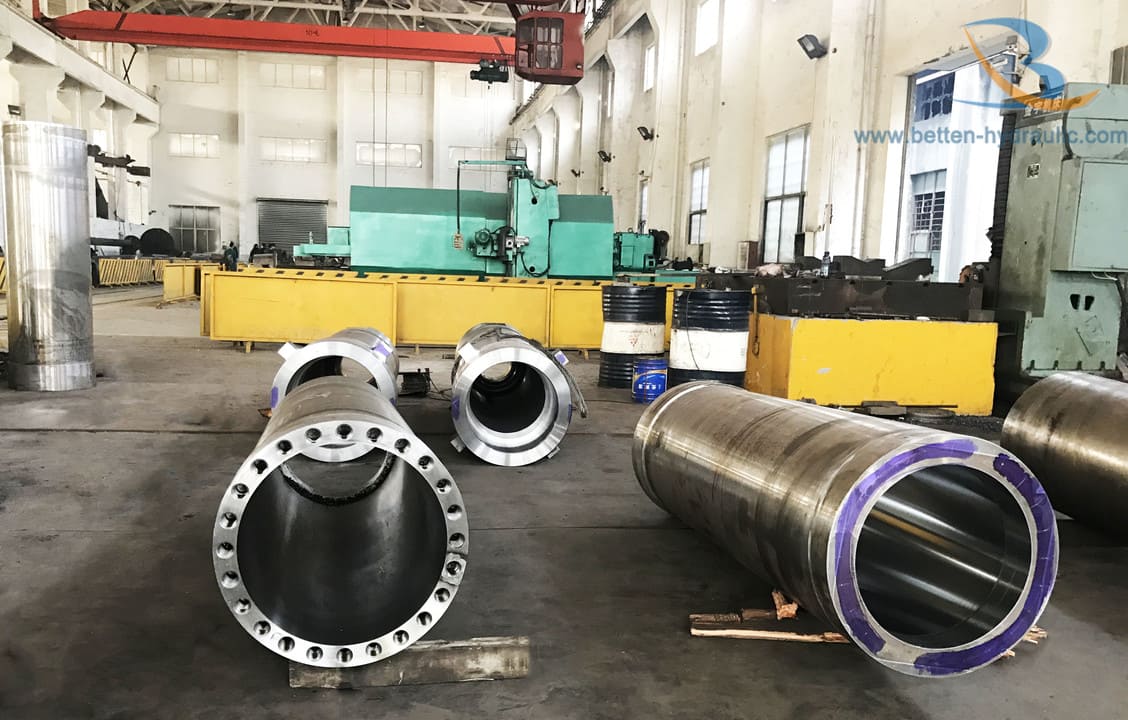
Lower Clad Tube Sheet Forging
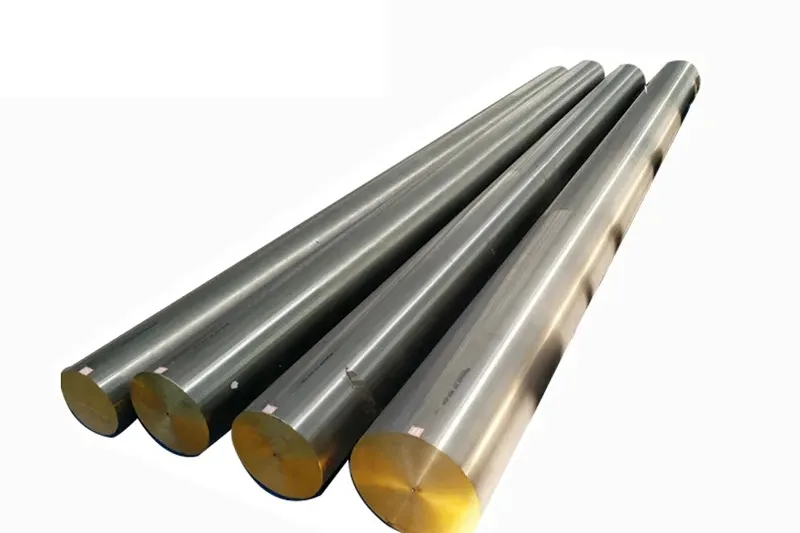
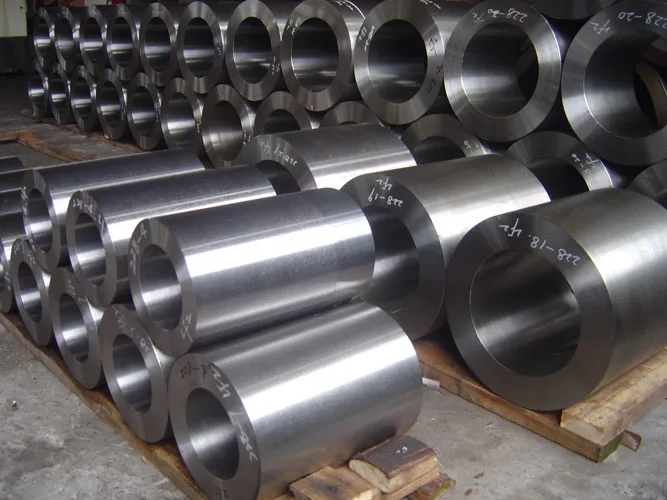
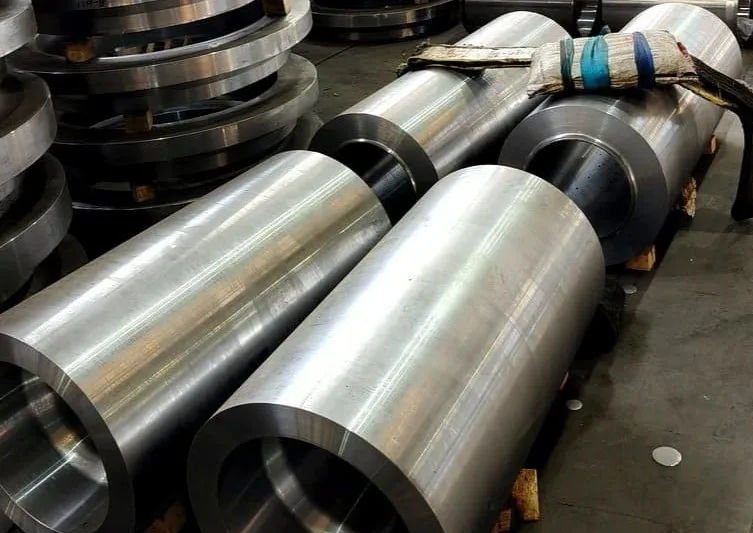
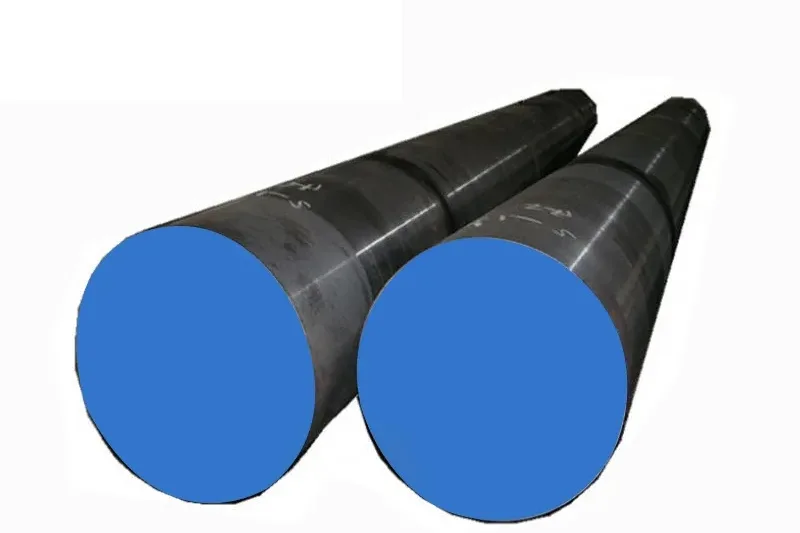
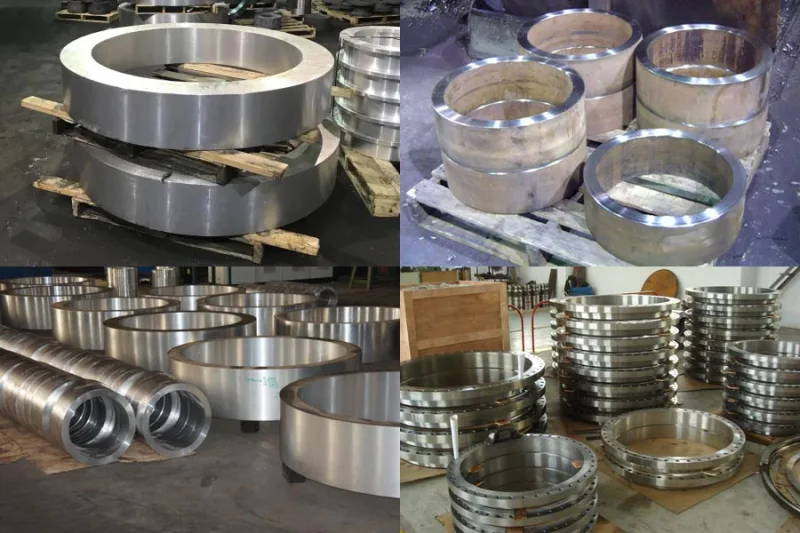
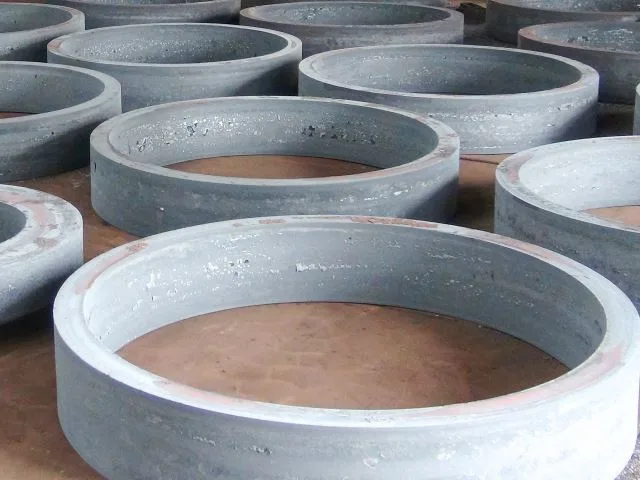
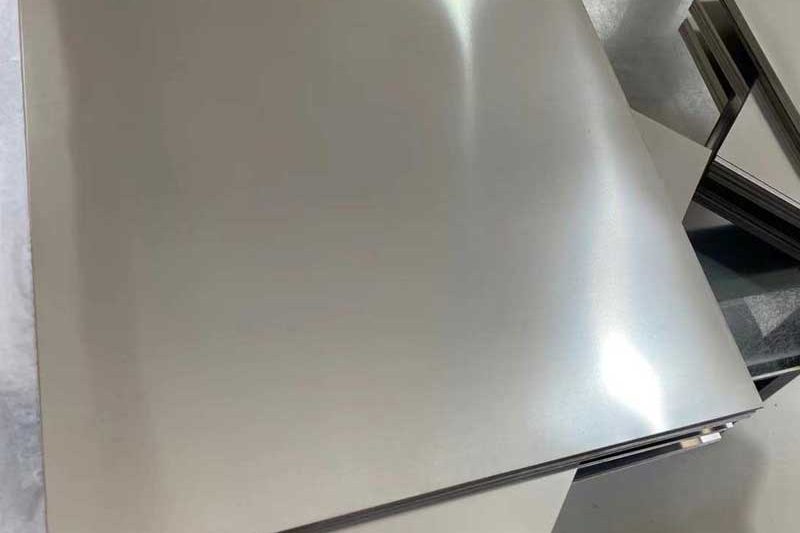
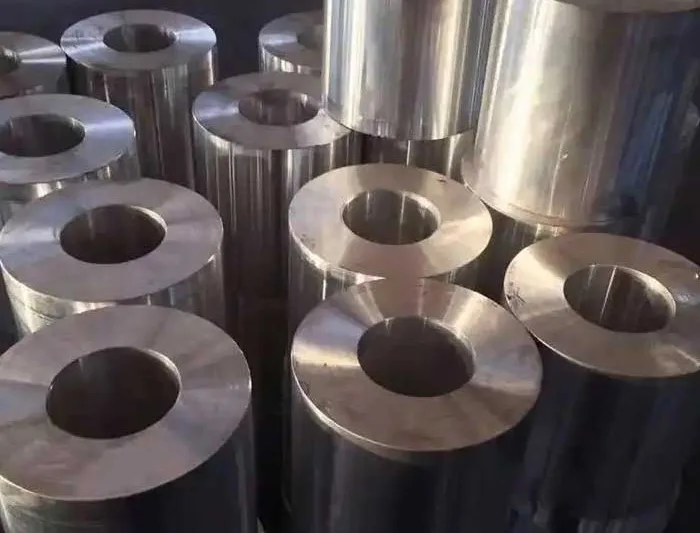
Lower Clad Tube Sheet Forging refers to a specialized manufacturing process used in the production of critical pressure boundary components for nuclear and high-performance industrial heat exchangers. As a key structural element located at the bottom of vertical shell-and-tube heat exchangers or steam generators, the lower clad tube sheet serves dual functions: it provides mechanical support for the tube bundle while acting as a primary pressure-retaining barrier between primary and secondary coolant circuits.
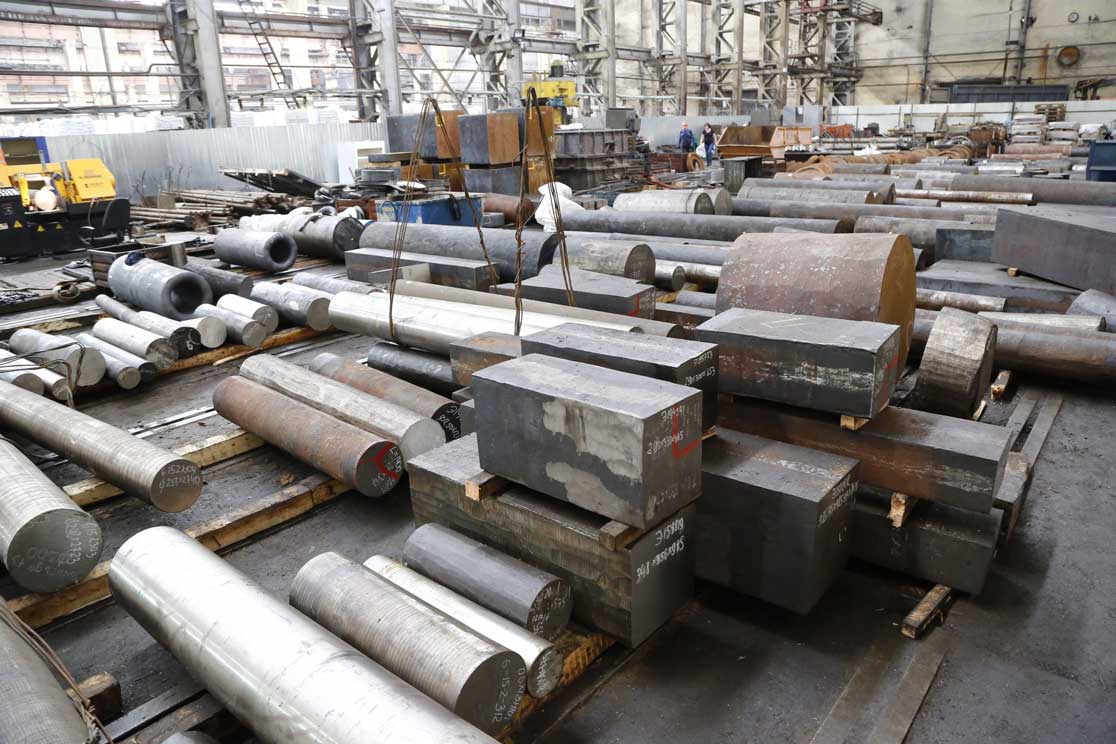
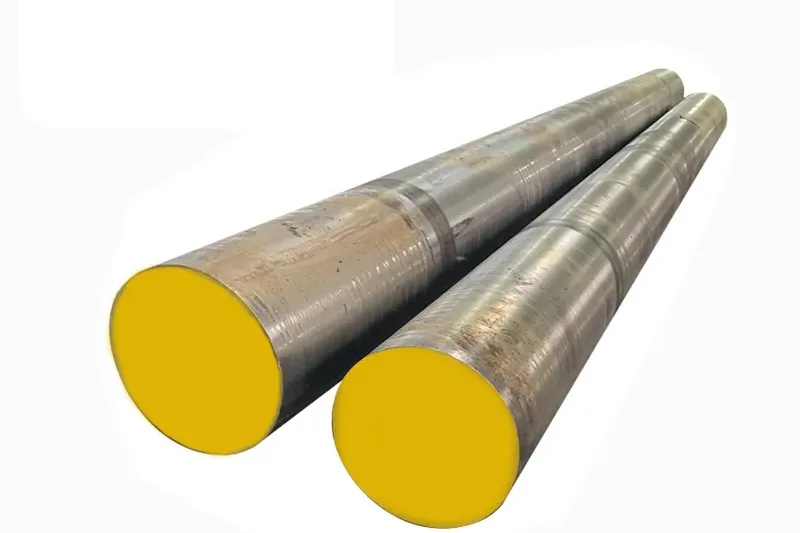
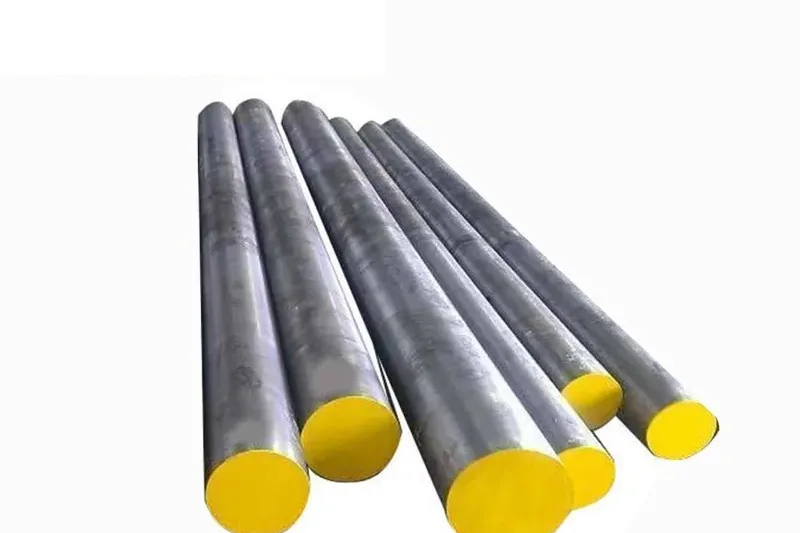
The forging process begins with selecting high-integrity alloy ingots—typically low-alloy steel such as ASTM A105 or SA-508 Grade 3, clad on the primary side with corrosion-resistant stainless steel or nickel-based alloys like Alloy 690 or 309L. Cladding is achieved either through explosive bonding prior to forging or via hot roll cladding followed by integrated thermo-mechanical processing. This ensures metallurgical continuity and eliminates interfacial defects that could compromise long-term integrity under irradiation and thermal cycling.
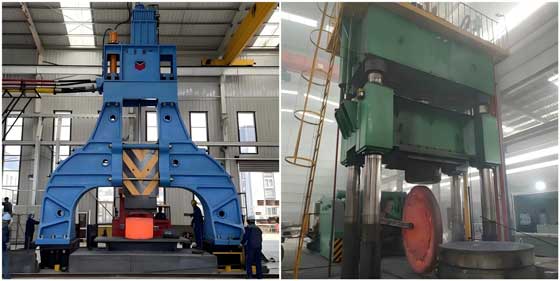
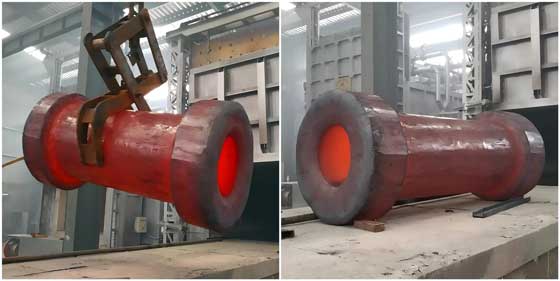
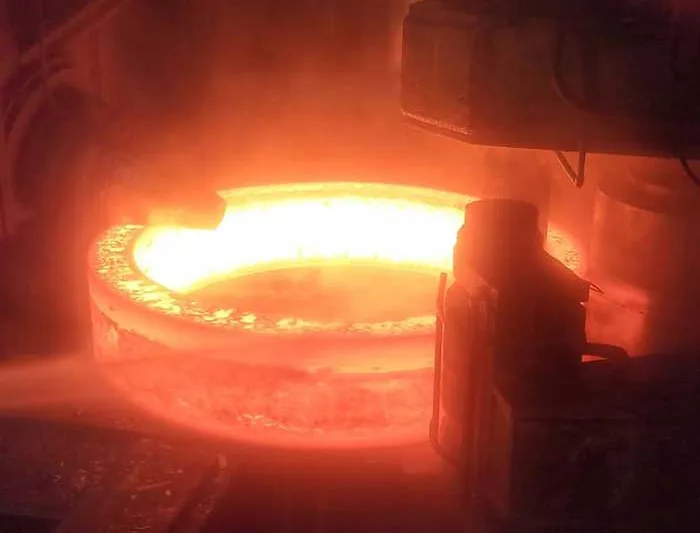
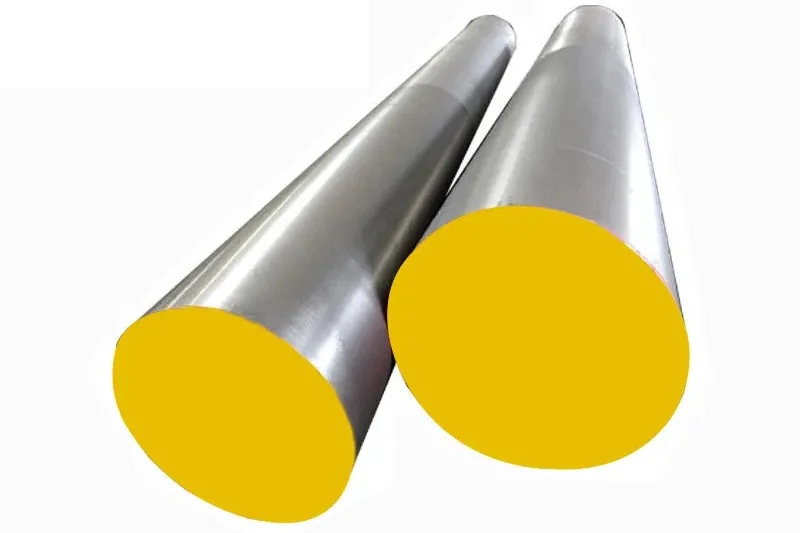
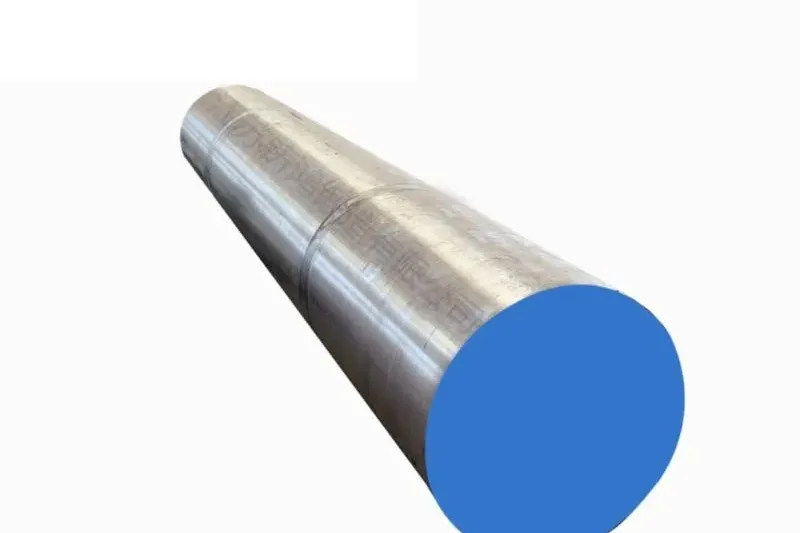
Precision forging is then carried out under strictly controlled temperature and strain-rate conditions. Multi-directional forging—comprising radial, axial, and rotational deformation—is employed to refine grain structure, close internal porosity, and achieve uniform through-thickness properties. The resulting microstructure exhibits fine, equiaxed grains with enhanced toughness and resistance to stress corrosion cracking, meeting stringent requirements of ASME Section III, Division 1, and regulatory standards set by nuclear safety authorities.
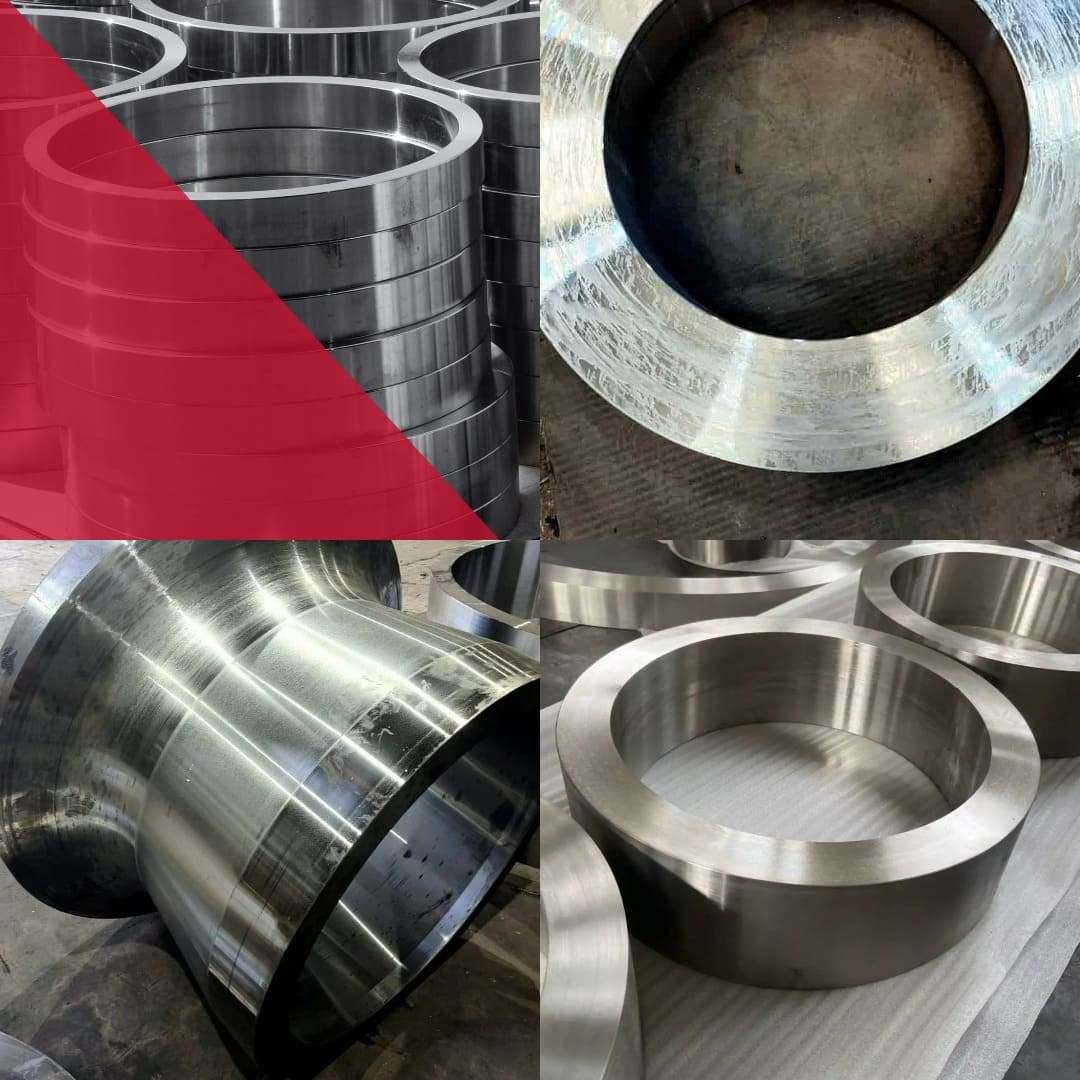
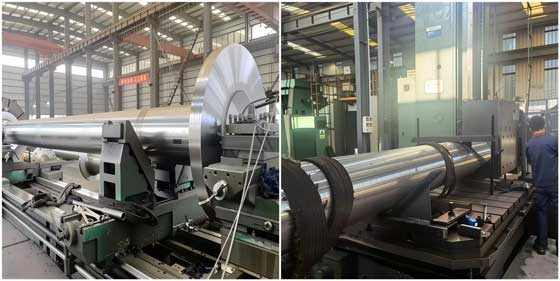
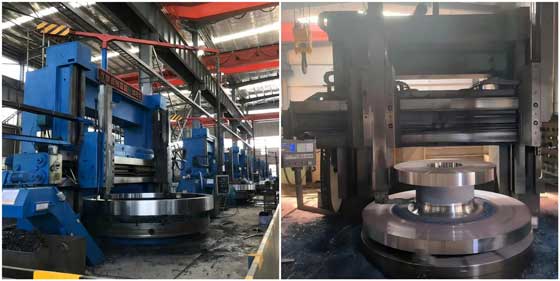
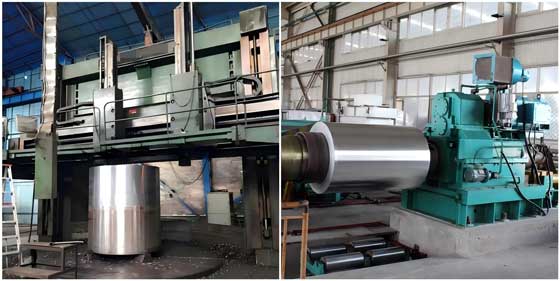
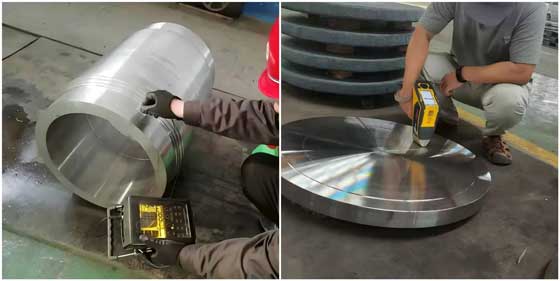
Post-forging operations include heat treatment (normalizing and tempering), non-destructive examination (ultrasonic testing, dye penetrant inspection), dimensional verification, and surface machining to precise tolerances. Each forging undergoes full material traceability and certification, with documented records of chemical composition, mechanical test results, and inspection reports.
In summary, Lower Clad Tube Sheet Forging represents a convergence of advanced metallurgy, precision engineering, and rigorous quality assurance. Its successful execution directly influences the operational safety, service life, and reliability of nuclear power plant systems—making it not merely a component, but a cornerstone of nuclear-grade equipment integrity.