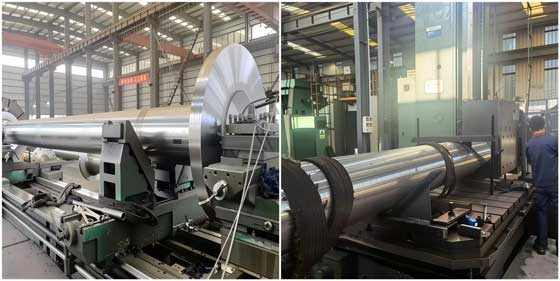
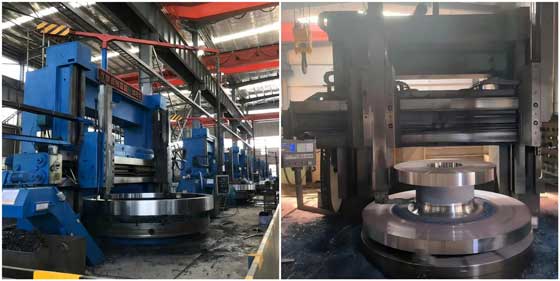
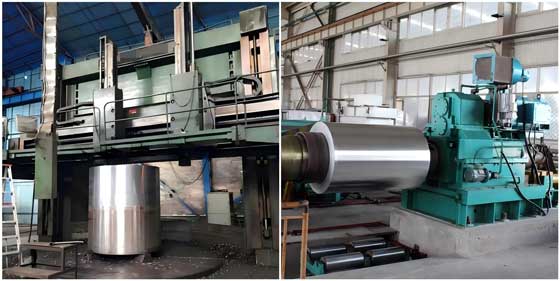
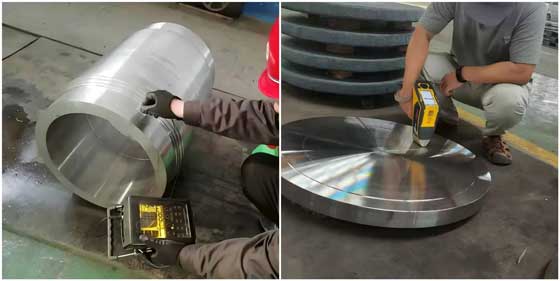
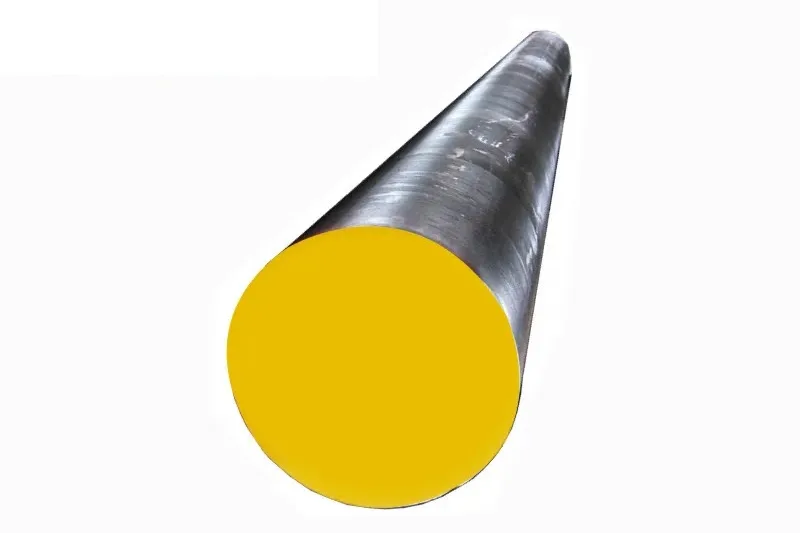
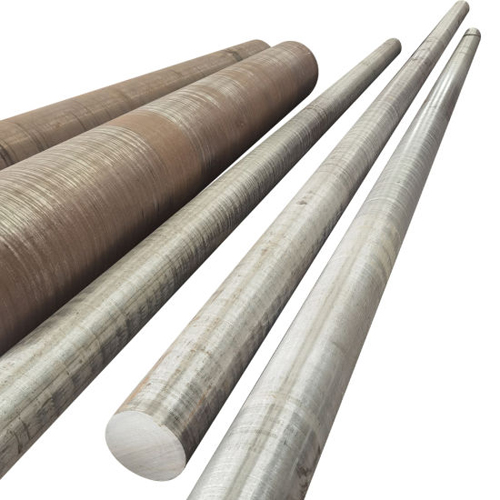
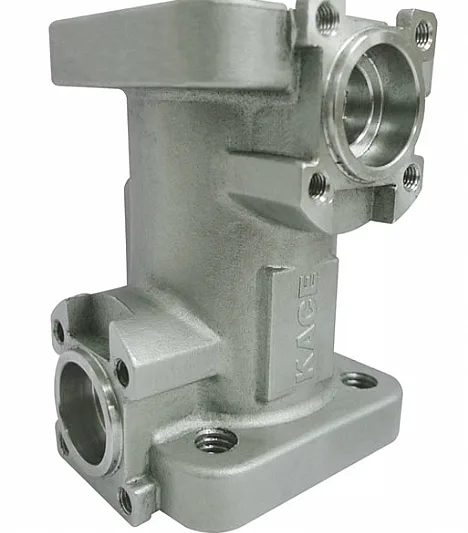
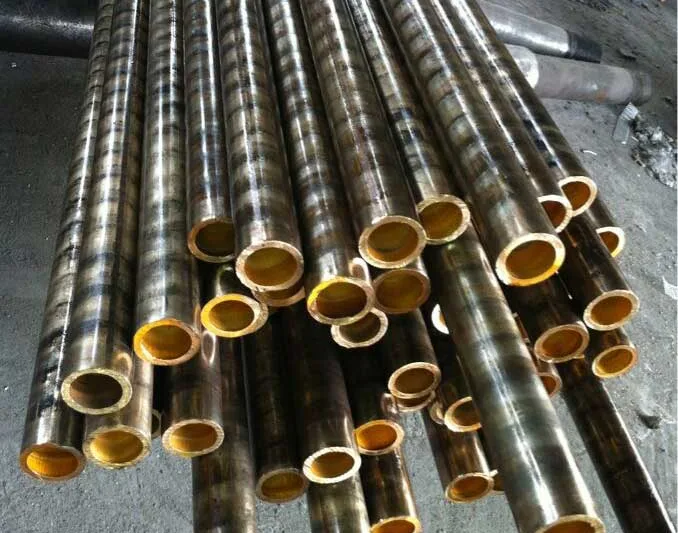
Two-Sided Press Forging
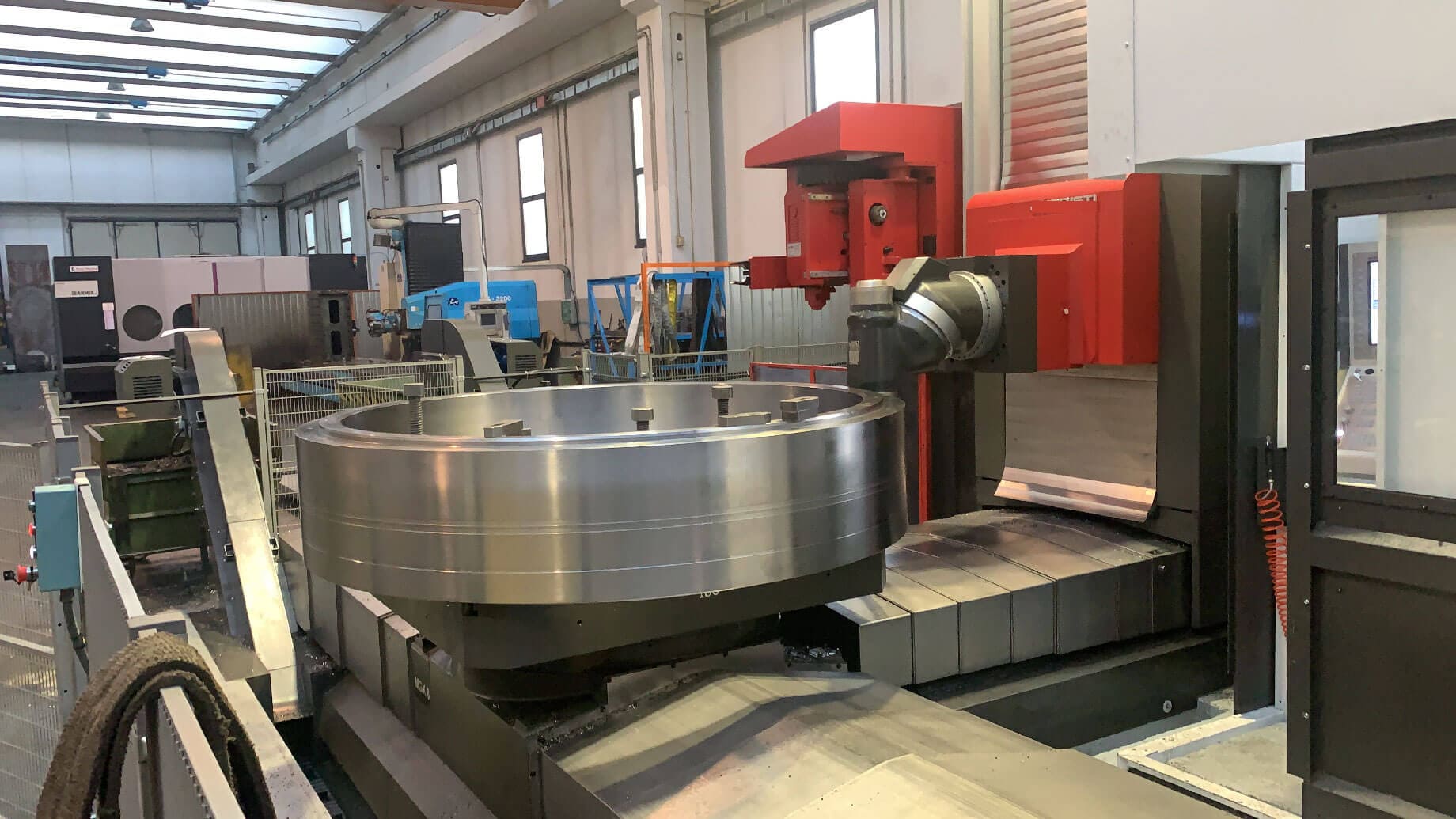
Two-Sided Press Forging: An Innovative Process for High-Performance Components
Introduction:
In the world of metal forming, two-sided press forging stands out as a sophisticated technique that combines precision and strength to create high-performance components. This process is particularly favored in industries where reliability and efficiency are paramount, such as aerospace, automotive, and heavy machinery manufacturing.
Process Overview:
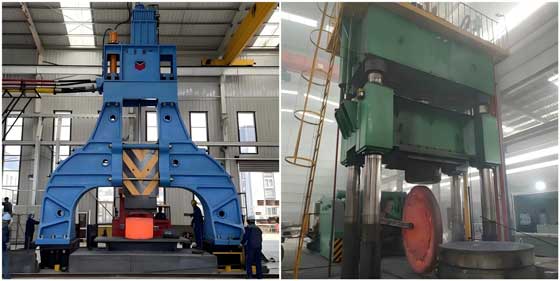
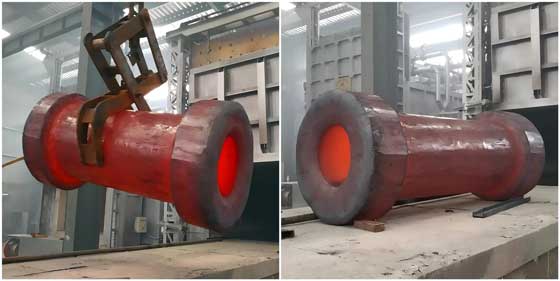
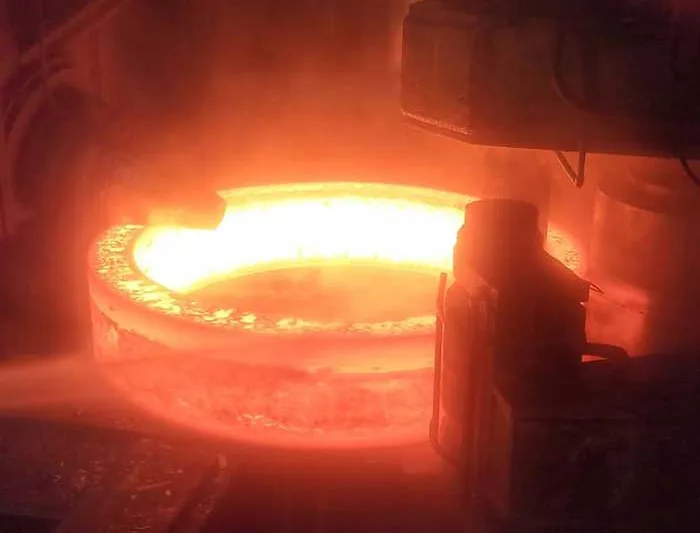
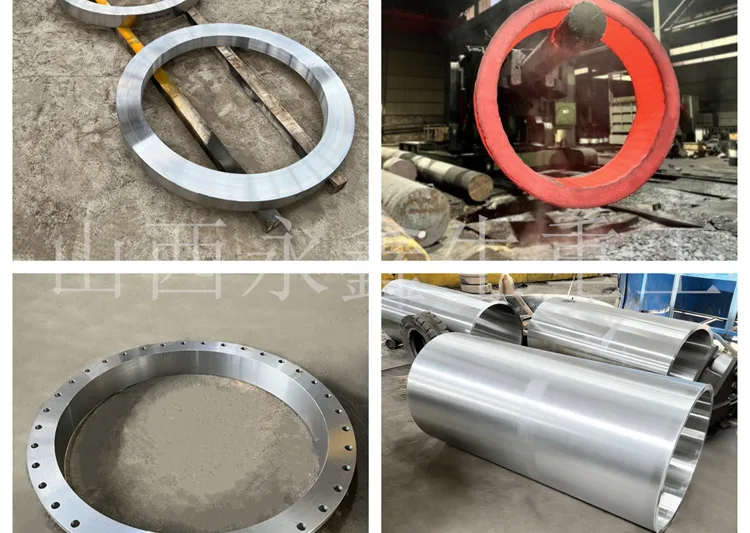
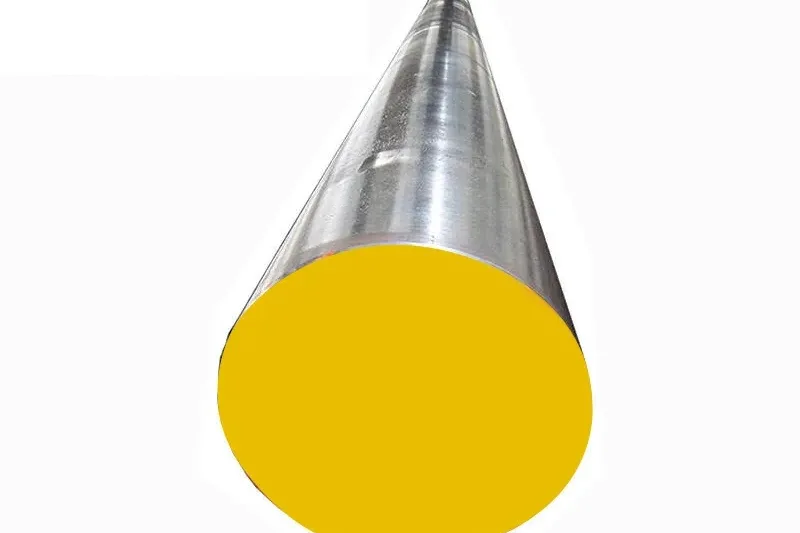
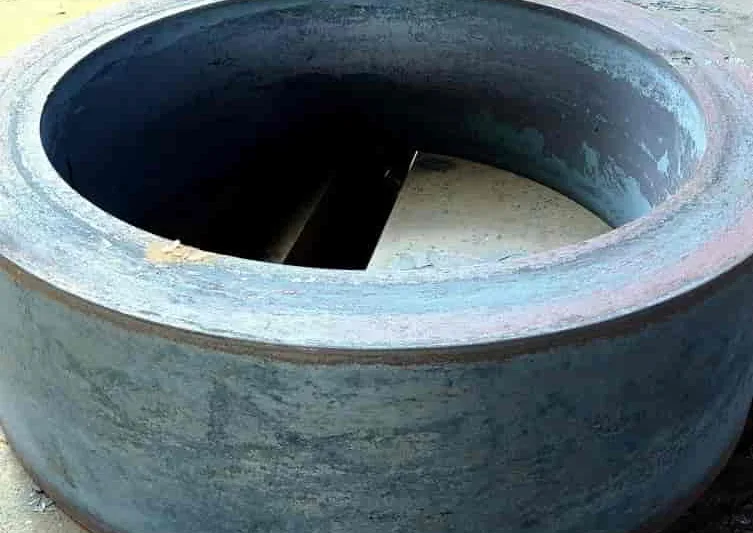
Two-sided press forging involves the simultaneous application of force on both sides of a workpiece using matched dies. Unlike conventional one-sided forging methods, this bilateral approach ensures uniform deformation and enhanced material flow throughout the part. The result is a component with superior mechanical properties, dimensional accuracy, and surface finish.
Advantages of Two-Sided Press Forging:
1. **Improved Material Properties**: By applying pressure from both sides, the grains within the metal are refined, leading to increased strength, toughness, and fatigue resistance. This makes the forged parts ideal for applications subjected to extreme conditions.
2. **Enhanced Dimensional Accuracy**: The symmetrical nature of the forces applied during two-sided pressing minimizes distortion and warping, allowing for tighter tolerances and reduced need for subsequent machining operations.
3. **Reduced Material Waste**: Precise control over the shape and size of the final product translates into less scrap material compared to other forging techniques or subtractive manufacturing processes like CNC milling.
4. **Better Surface Finish**: With less residual stress and more controlled grain structure, parts produced through two-sided press forging exhibit smoother surfaces, which can be critical in reducing friction and wear in moving components.
Applications Across Industries:
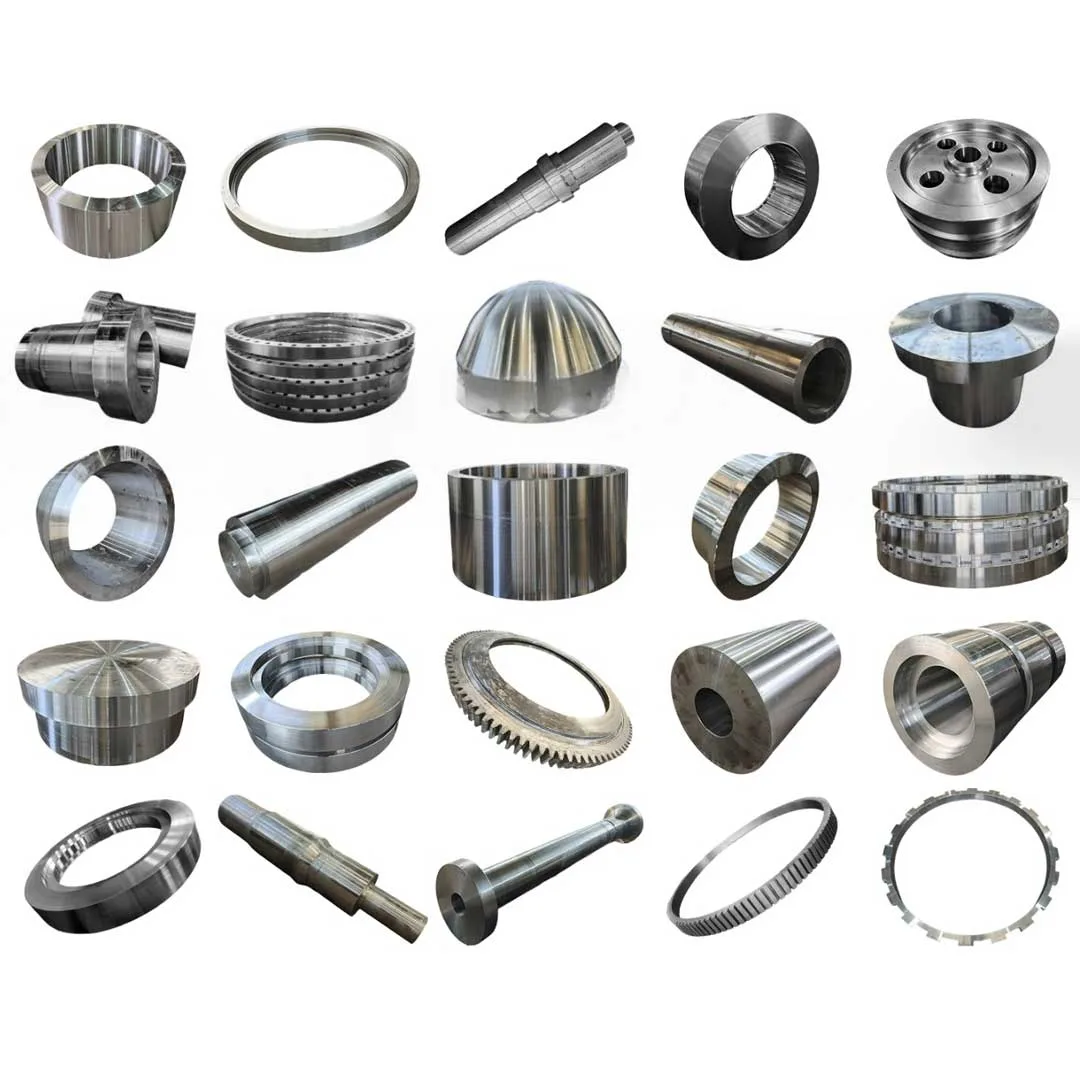
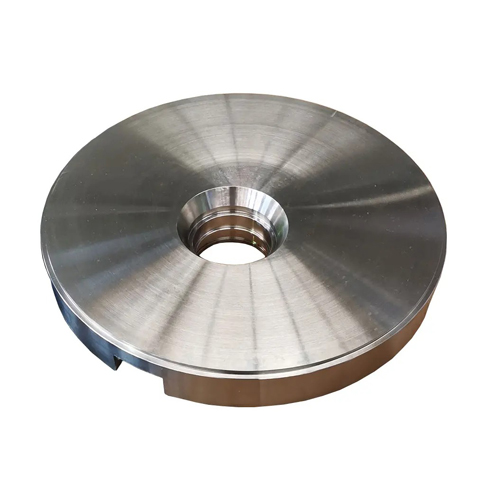
- In the **aerospace industry**, turbine disks, engine shafts, and landing gear components benefit from the high strength-to-weight ratio achievable through this method.
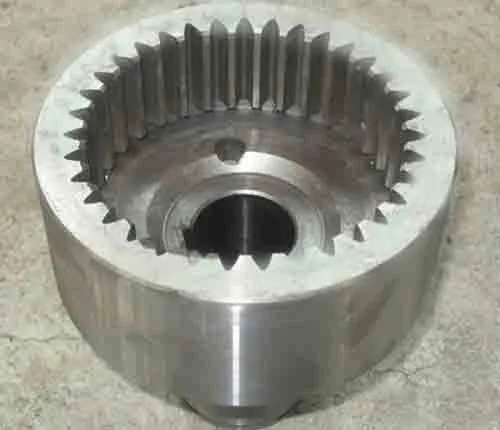
- Within the **automotive sector**, crankshafts, connecting rods, and transmission gears made via two-sided press forging offer improved performance and durability under demanding operational loads.
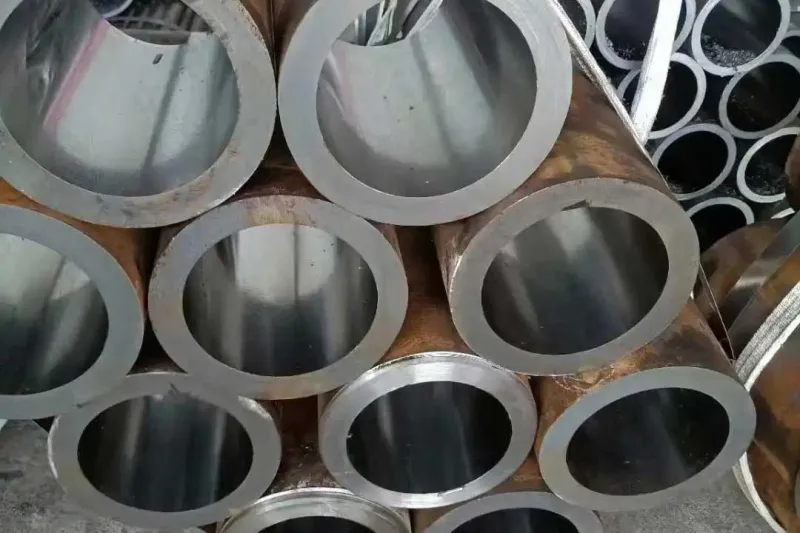
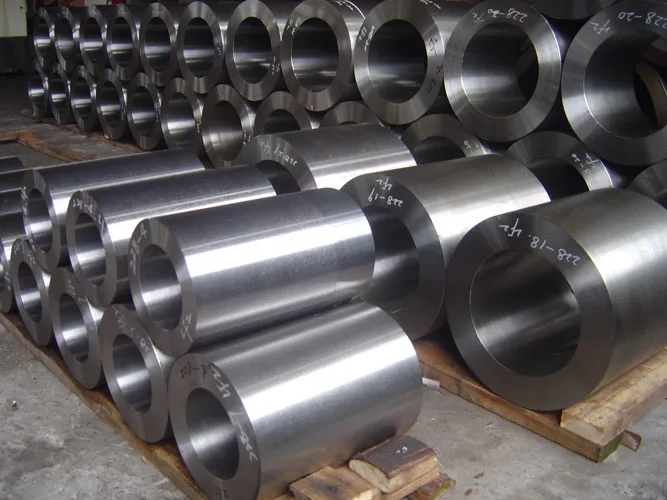
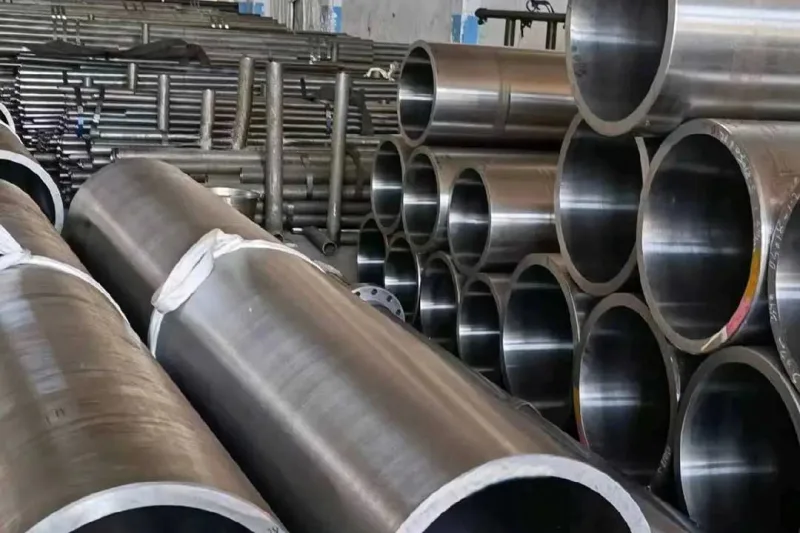
- For **heavy machinery** manufacturers, this process enables the production of robust components like hydraulic cylinders, excavator buckets, and drive sprockets capable of withstanding harsh environments and continuous use.
Conclusion:
As industries continue to demand higher levels of performance and efficiency from their products, two-sided press forging emerges as an indispensable technology. Its ability to produce complex-shaped, high-quality parts with exceptional physical characteristics positions it at the forefront of modern metalworking innovations. As engineers push boundaries in design and materials science, expect this advanced forging technique to play an increasingly vital role in shaping tomorrow's most challenging engineering feats today.